Manga Figures
Discover a captivating world of Manga Figures where artistry meets collectibility. Immerse yourself in the intricate details and vibrant colors of these iconic characters brought to life in figure form. Whether you're a seasoned collector or new to the scene, our curated selection offers something for every fan. From beloved classics to the latest releases, elevate your display with these must-have pieces that capture the essence of your favorite Manga series. Explore our diverse range of figures that celebrate the creativity and imagination of this beloved art form.
Sort
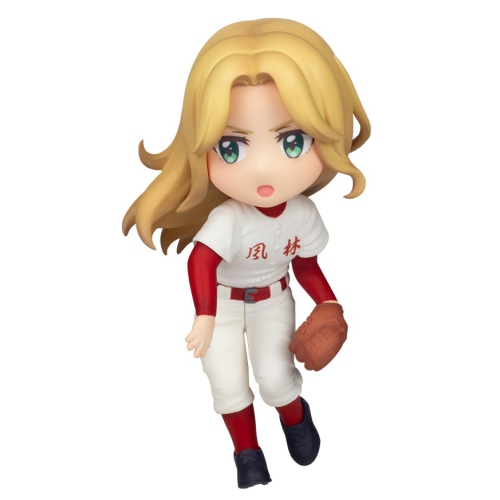
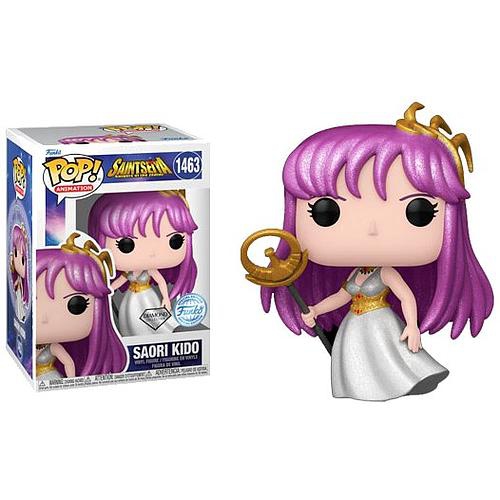
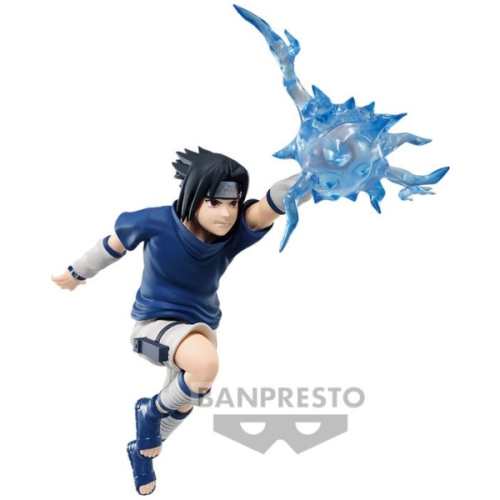
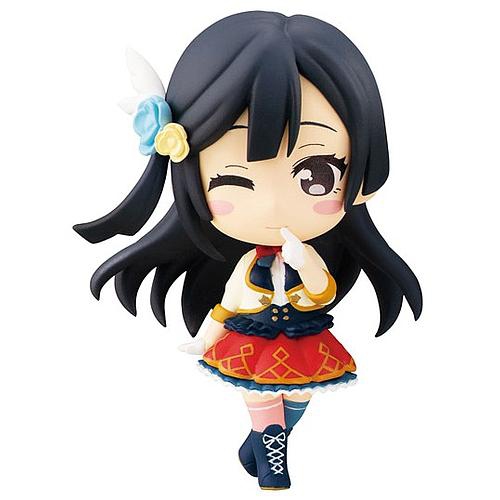
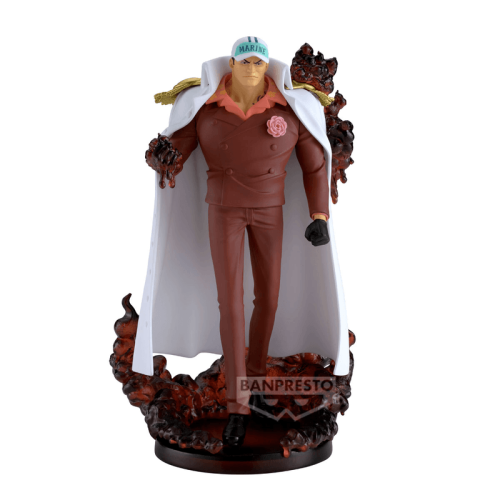
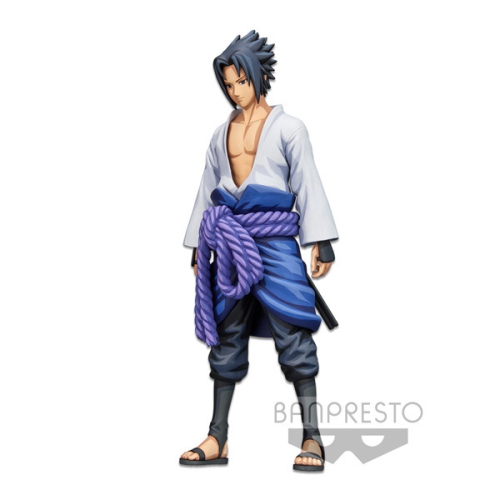
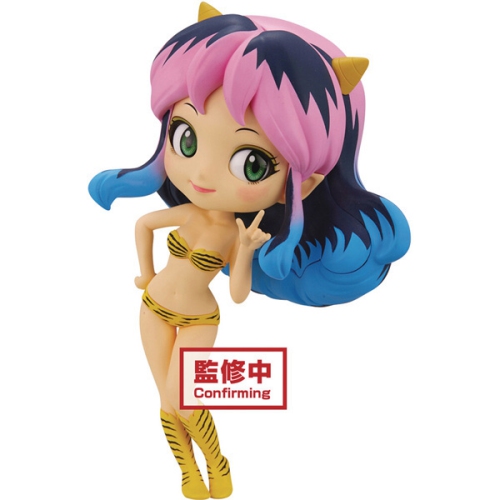

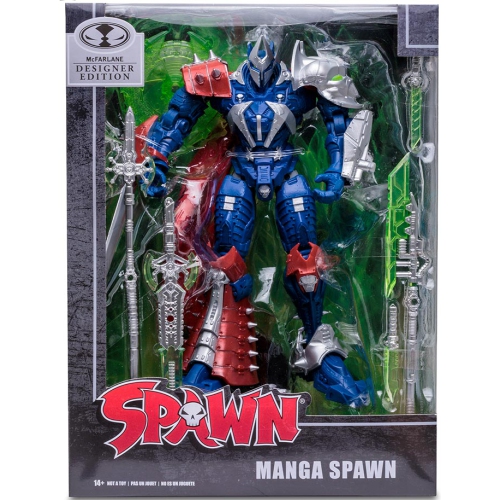
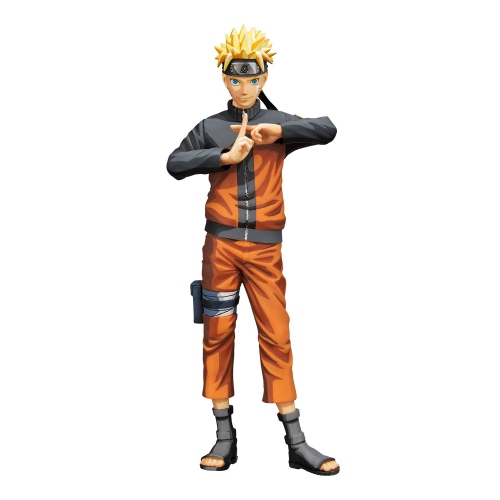
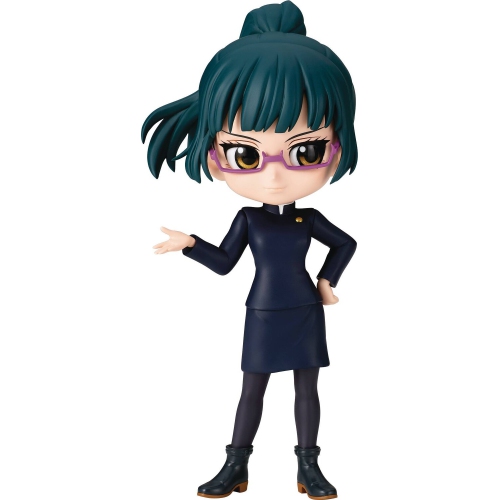
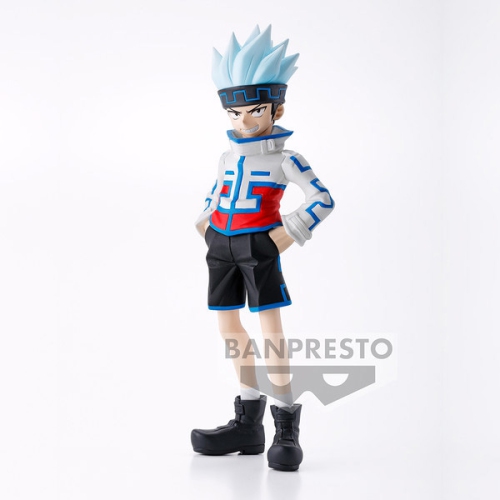
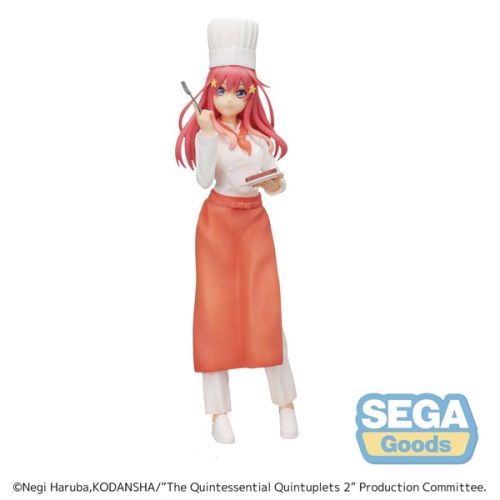
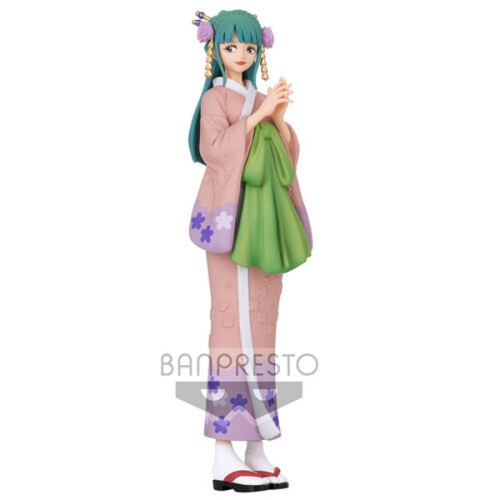
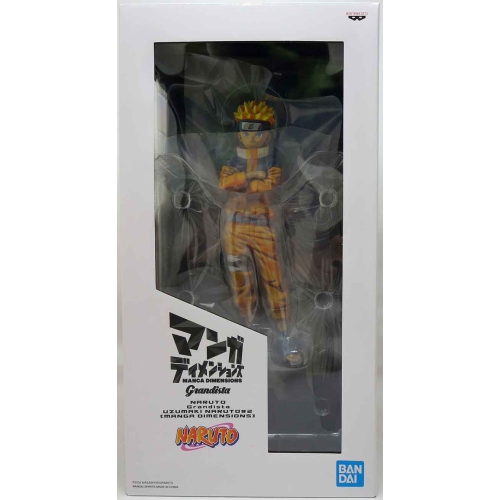
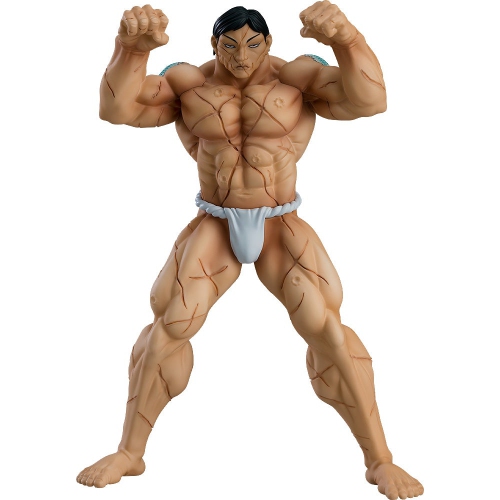
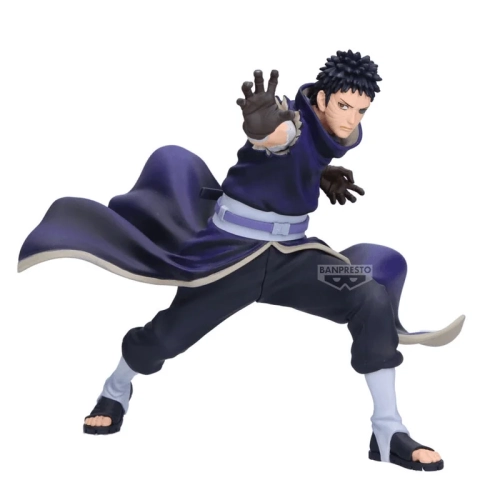

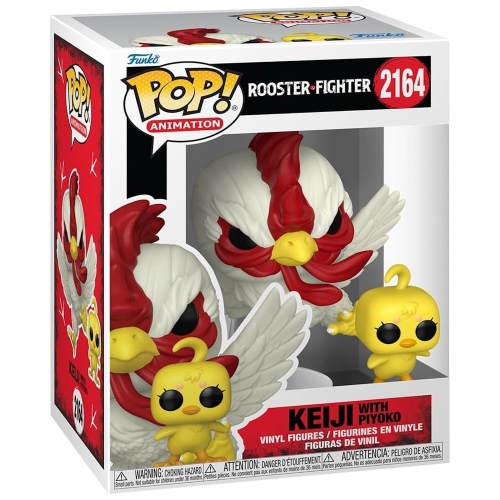
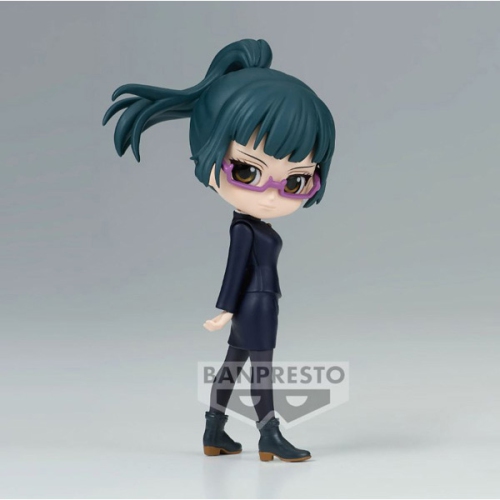
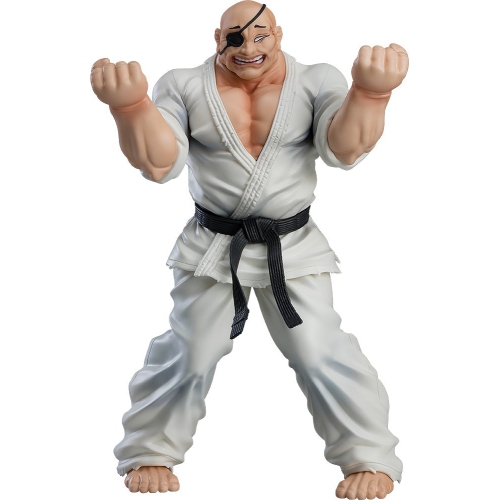
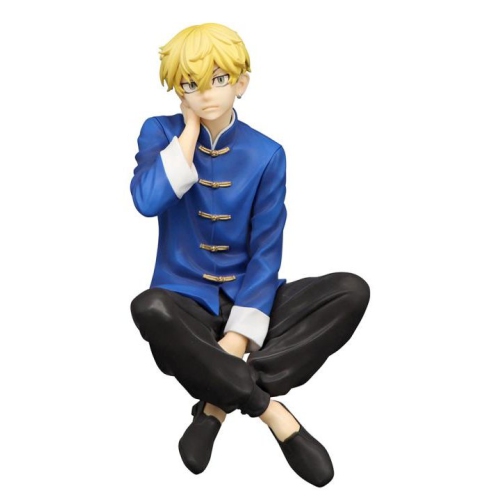
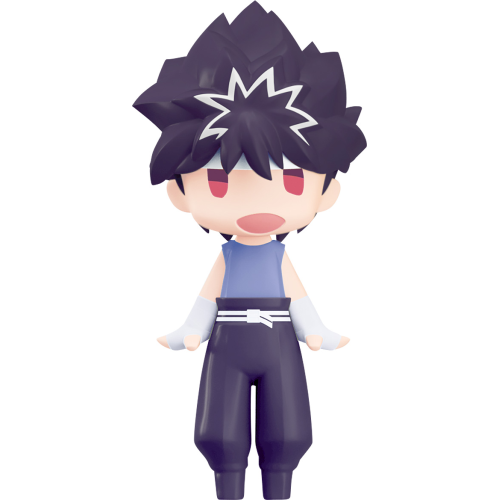

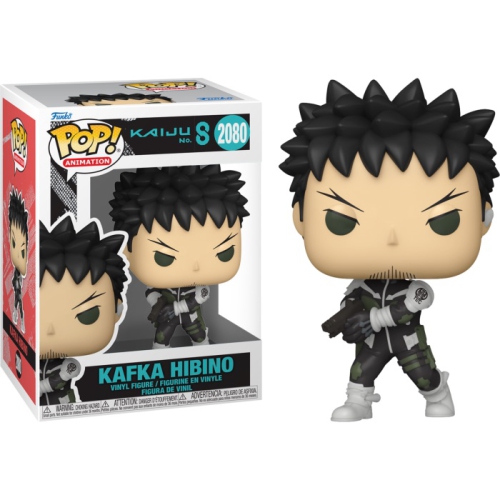
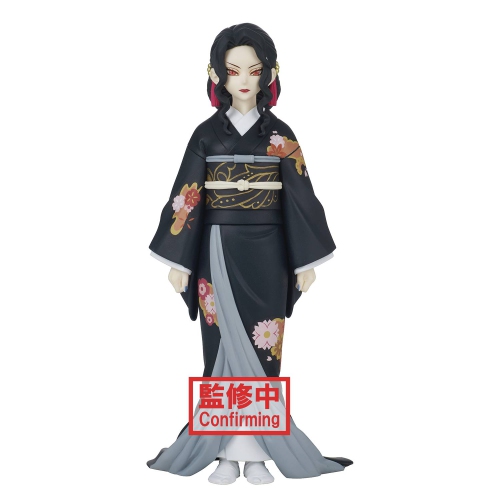
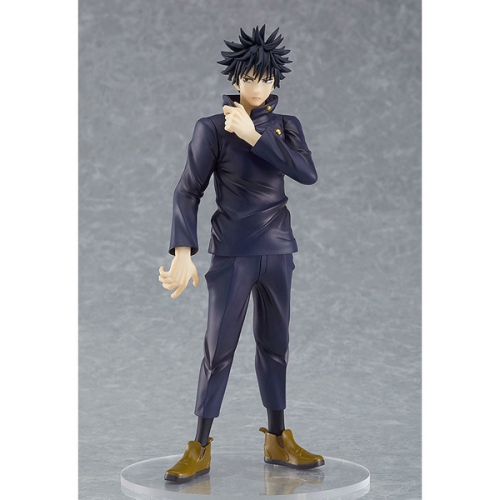
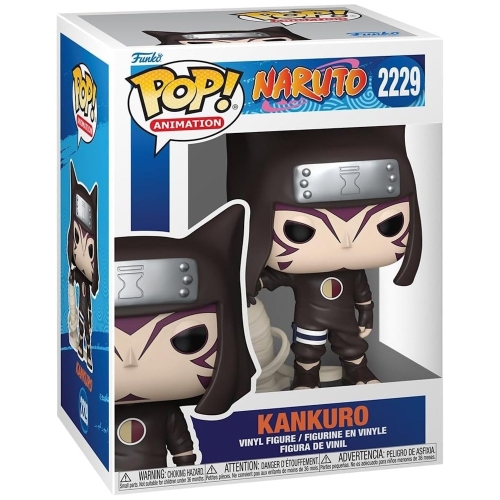
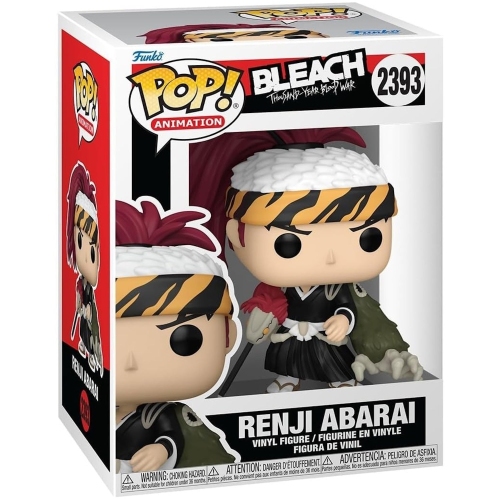


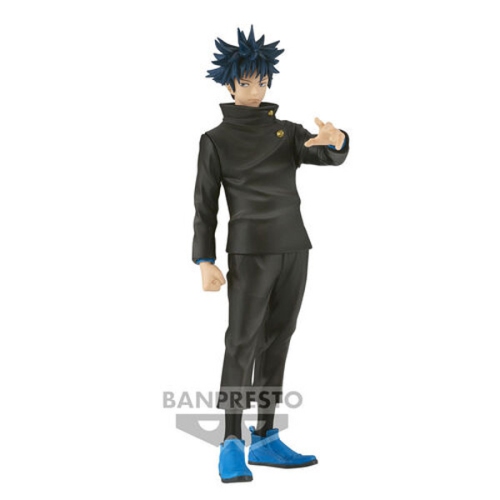
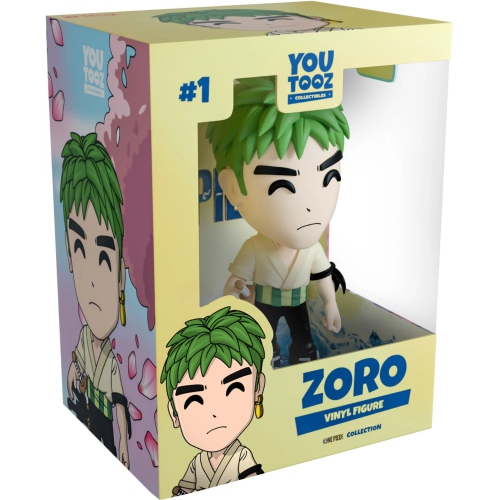

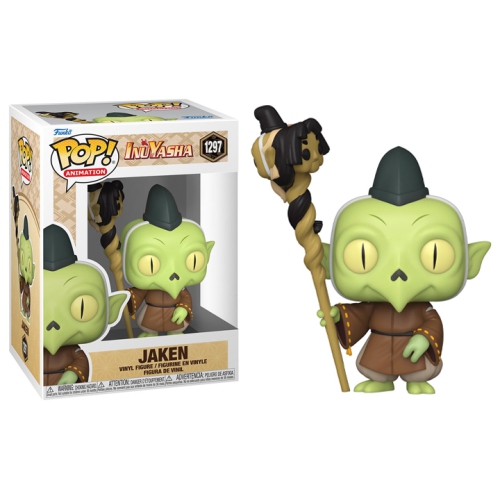
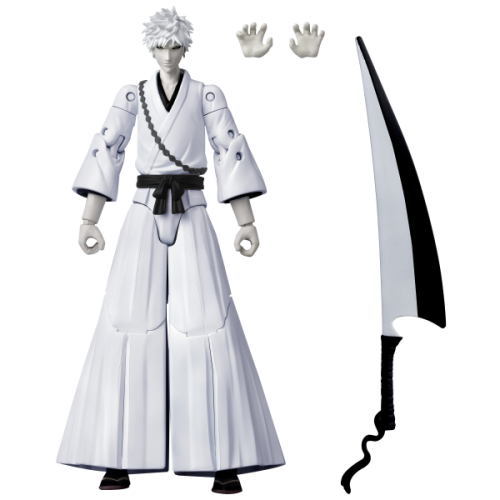
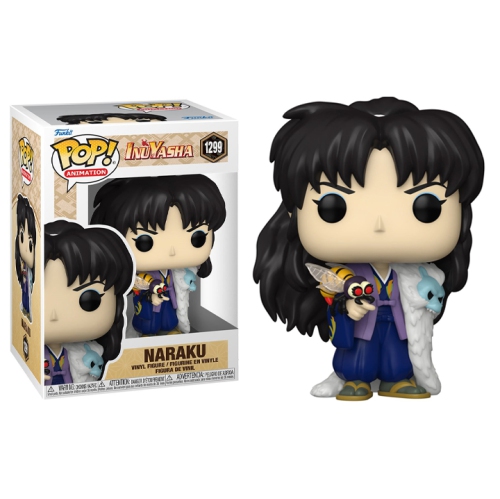
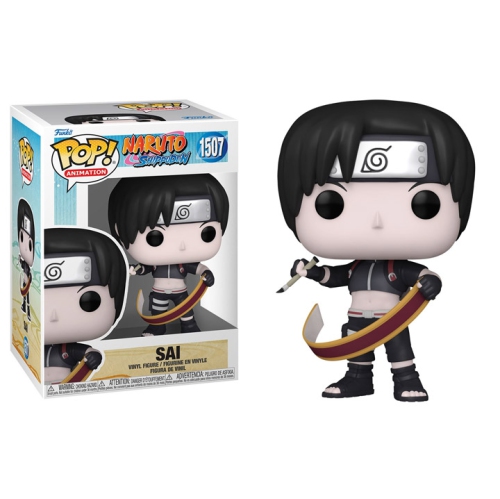
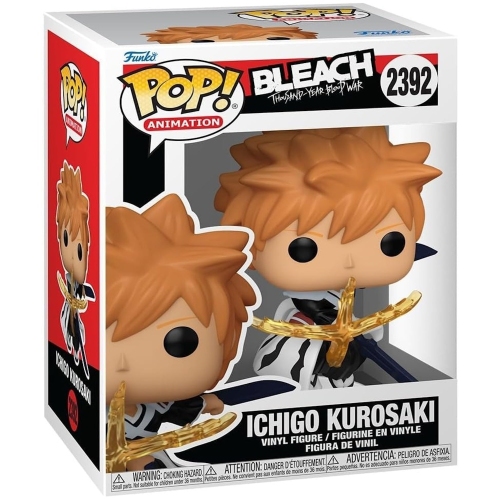
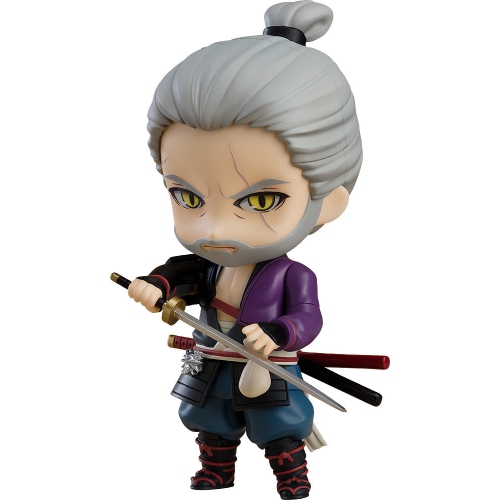
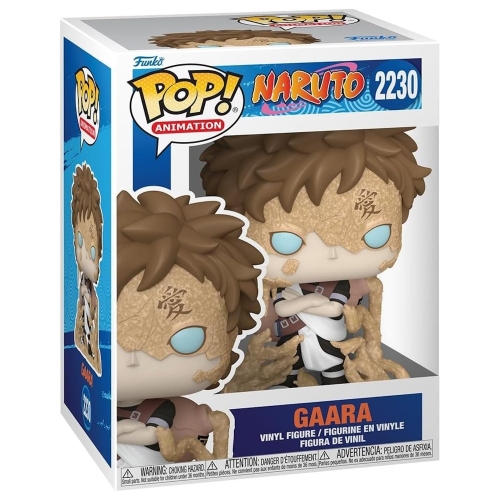
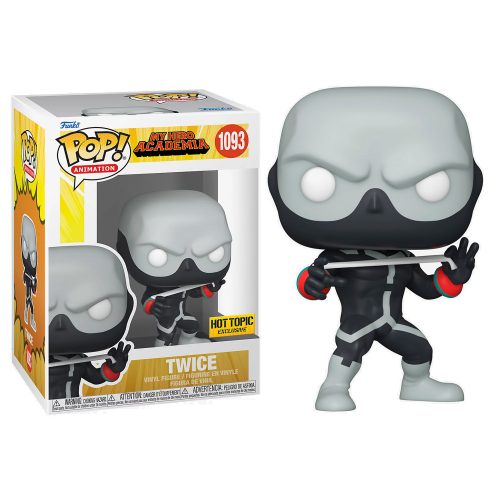
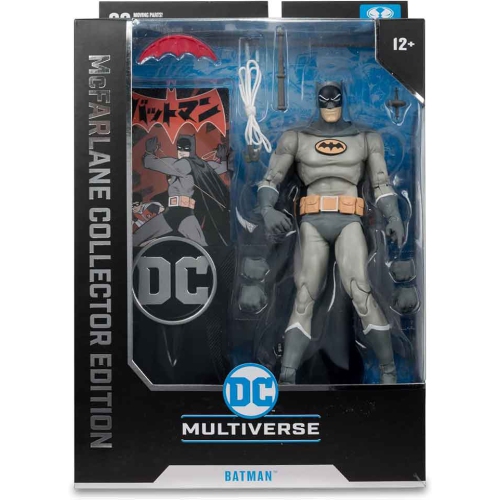
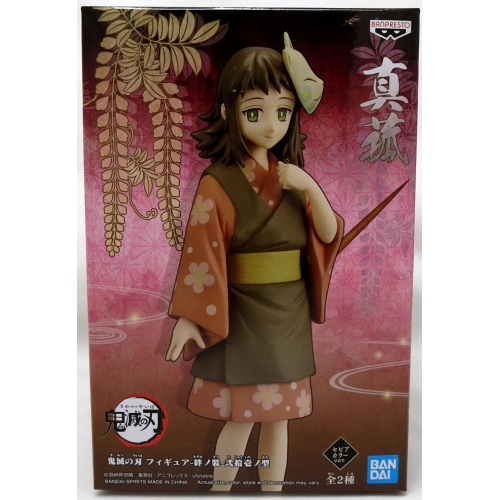
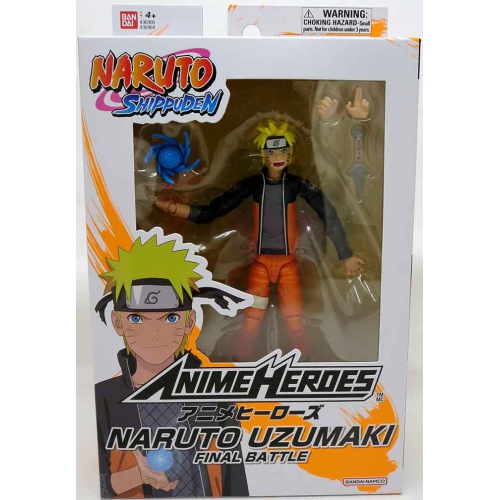

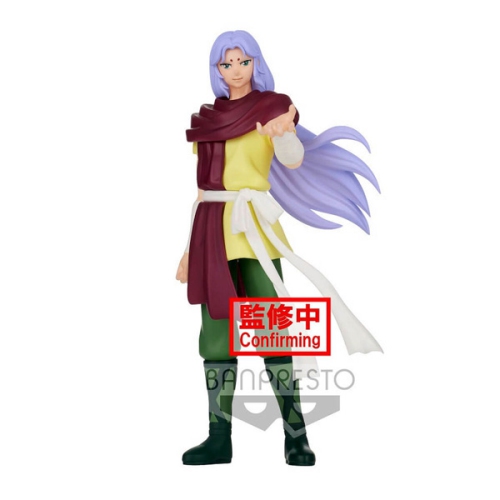
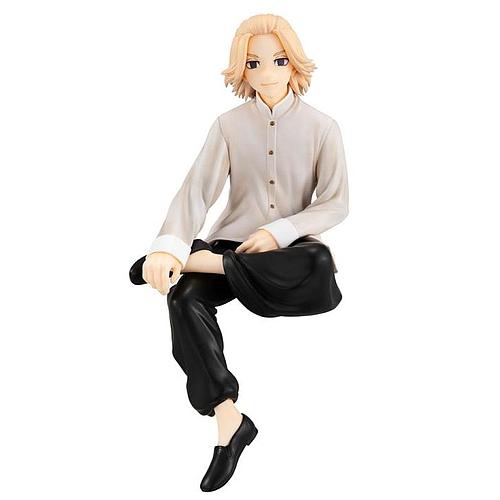
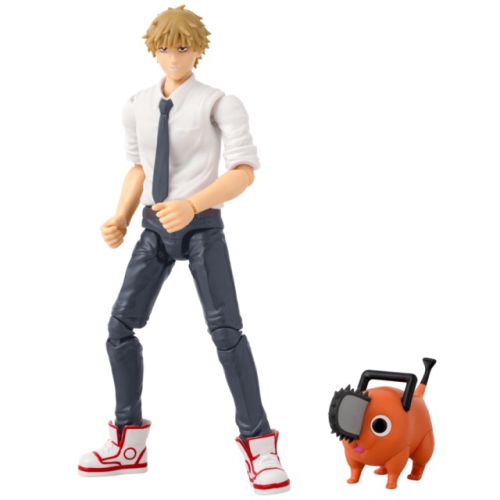

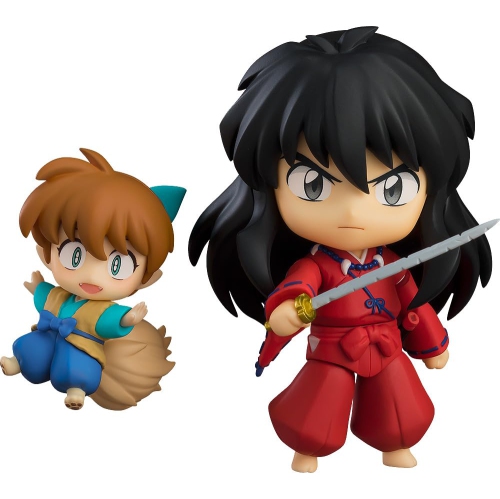
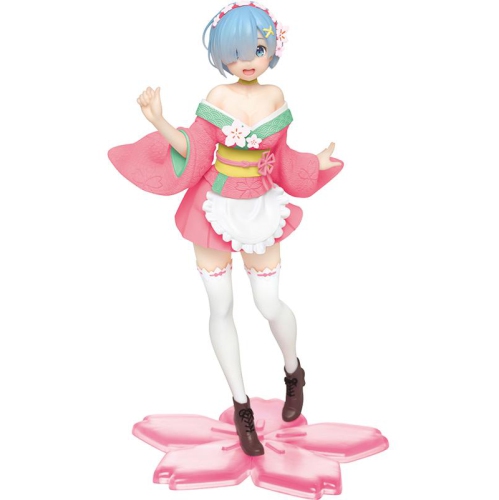
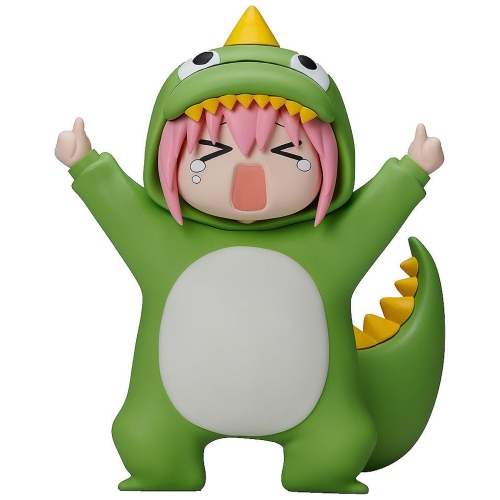
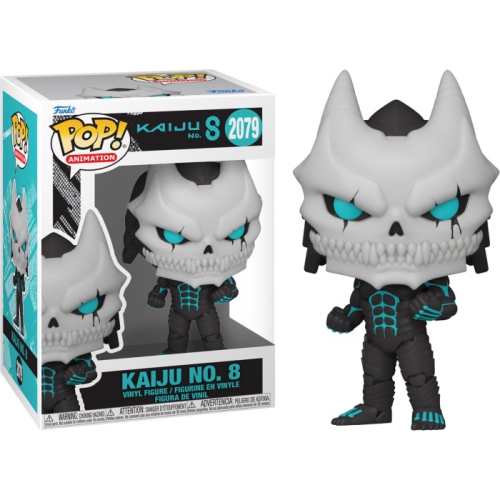
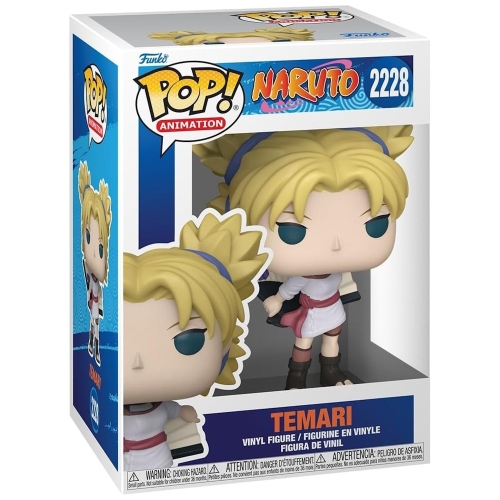
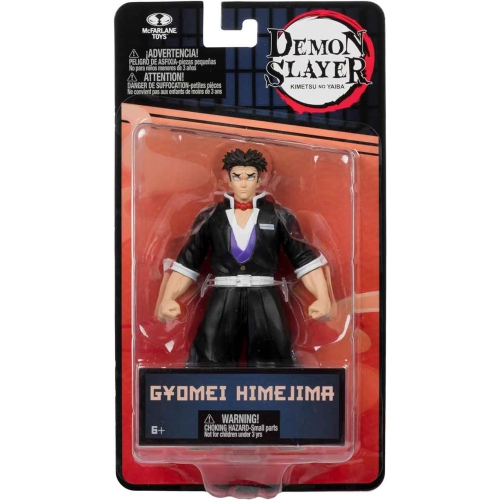

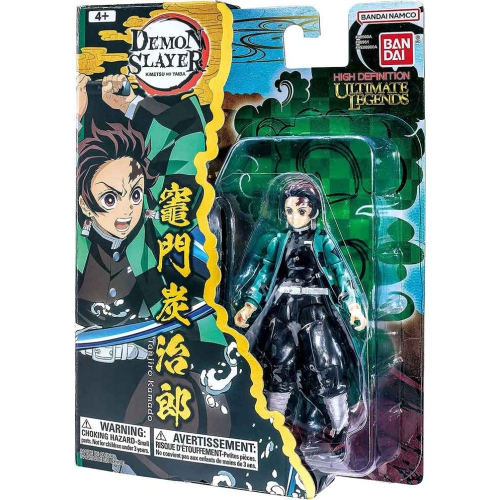
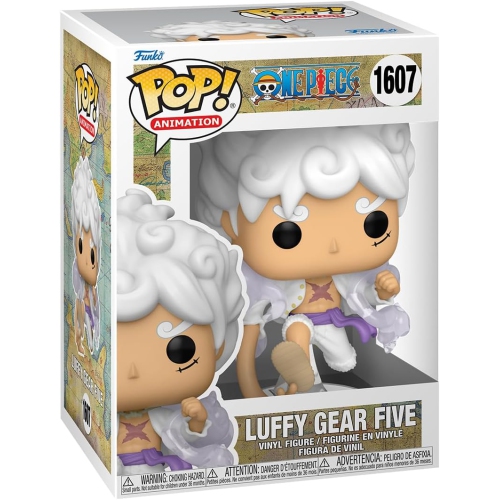
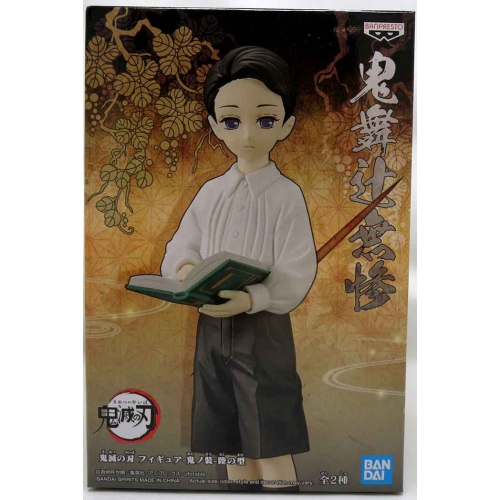
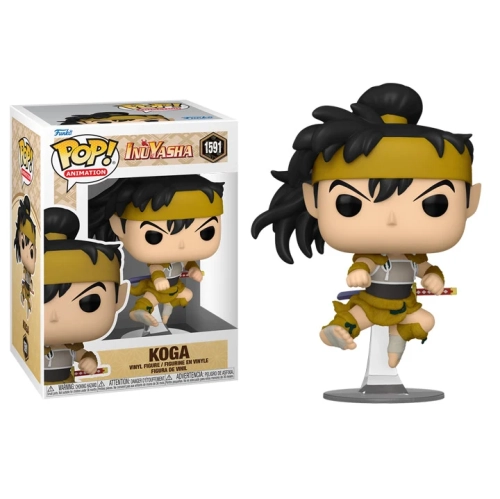
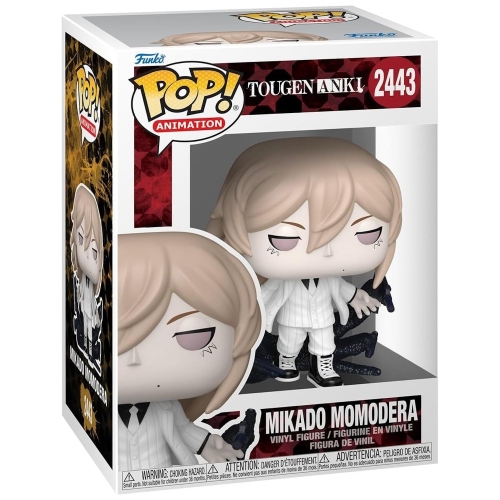
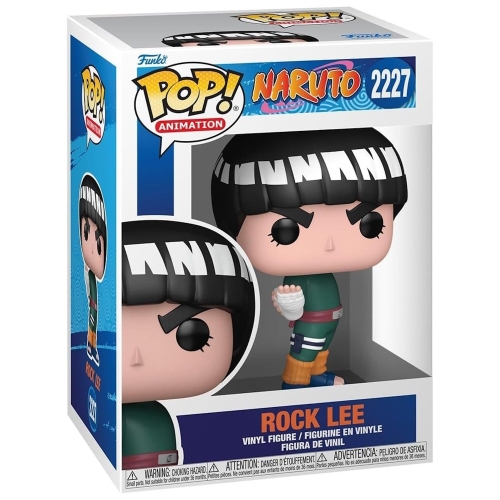

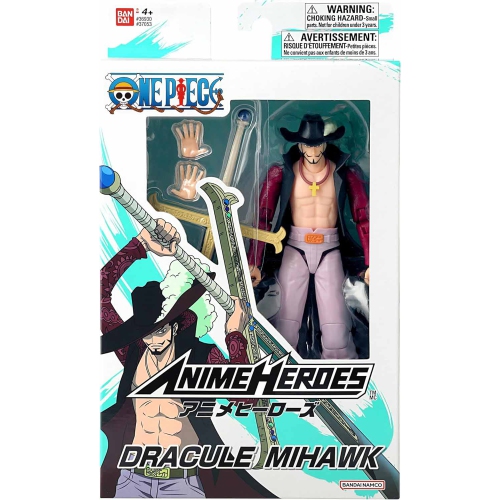

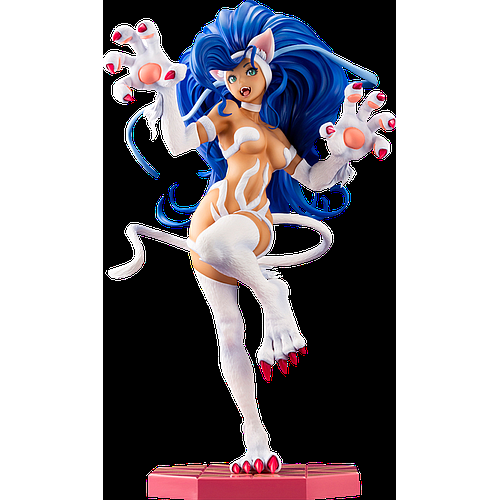
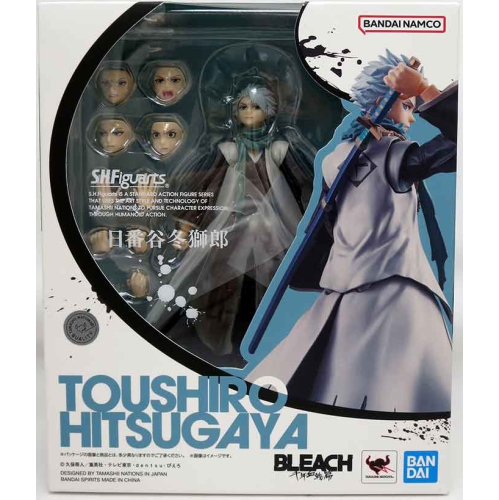
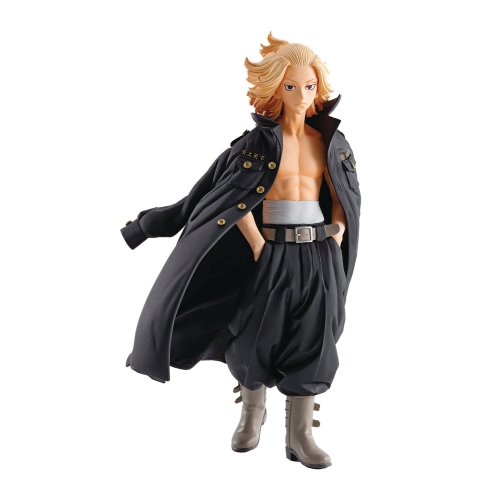
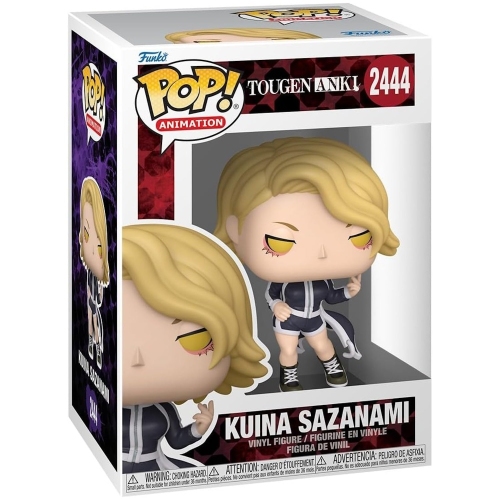
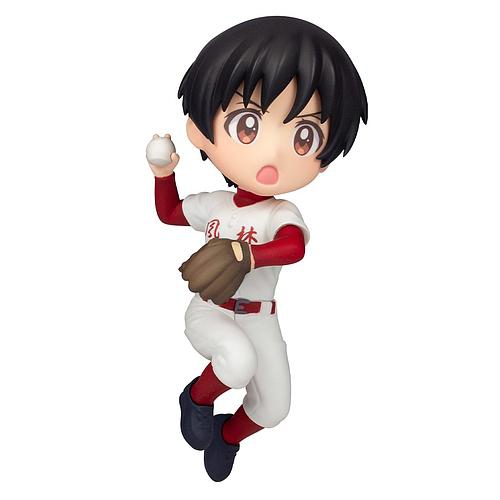
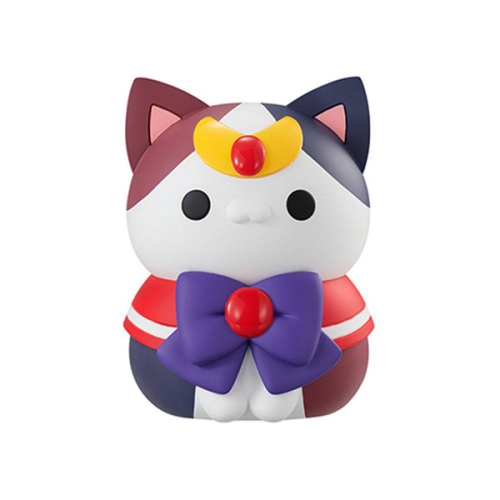
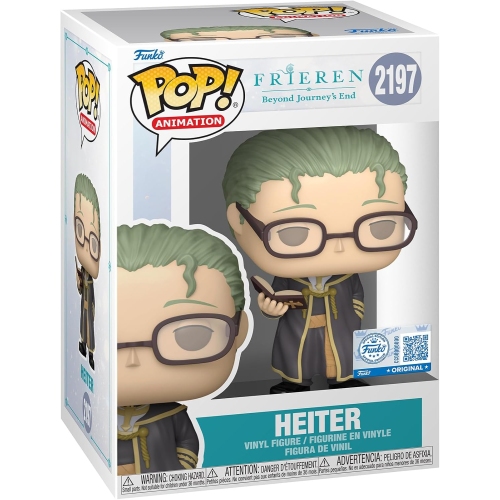
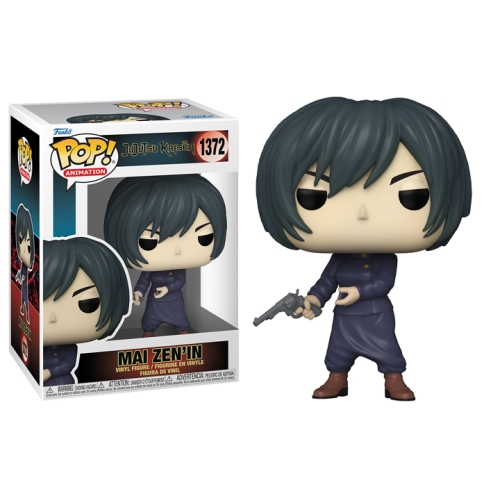
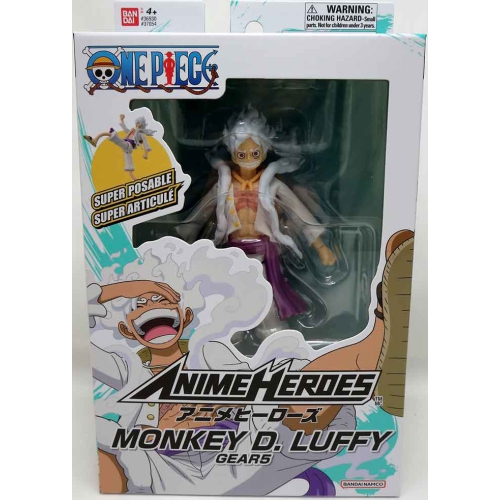
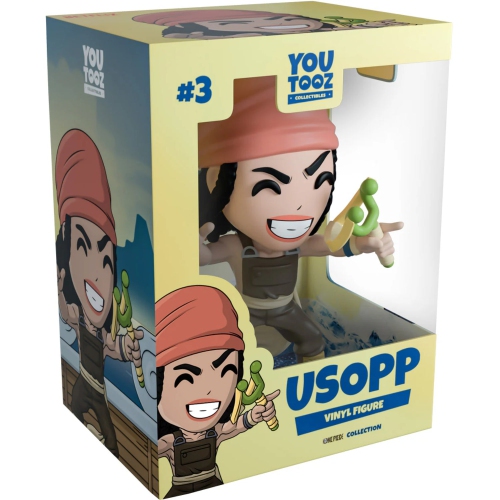
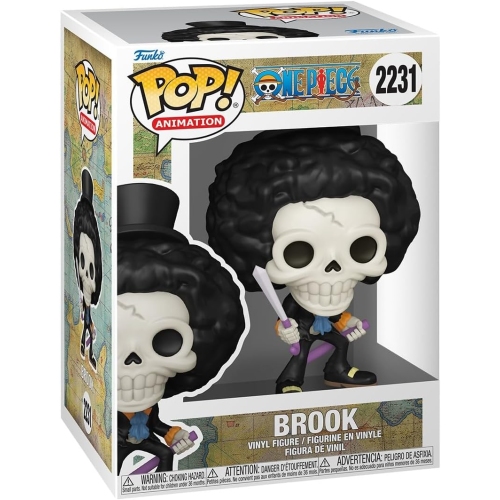
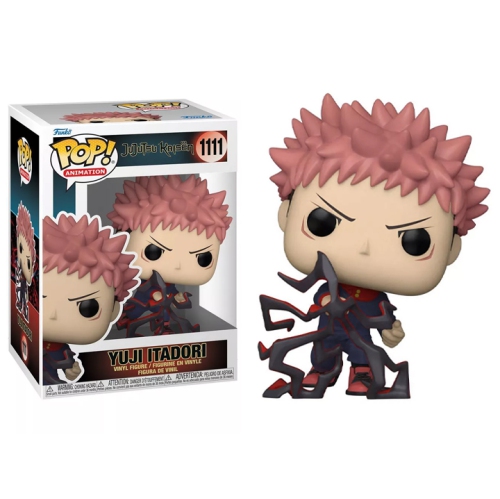
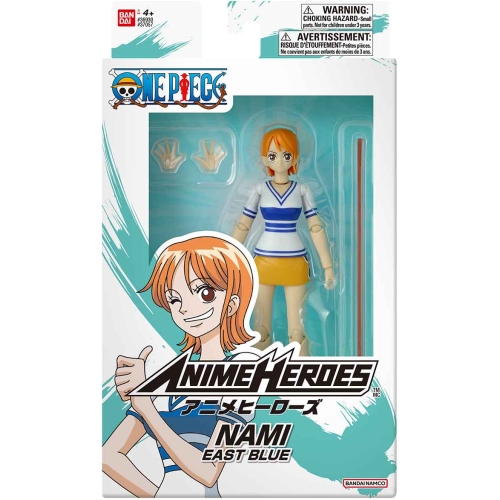
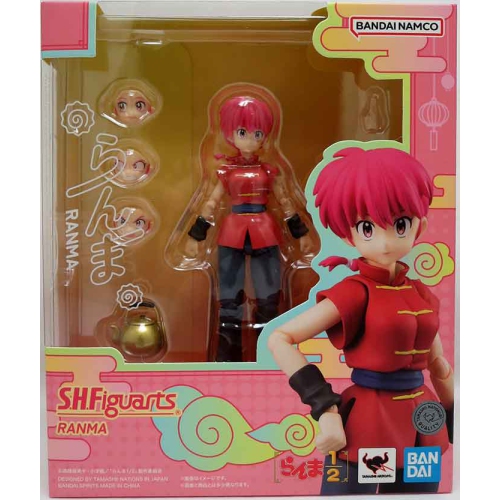
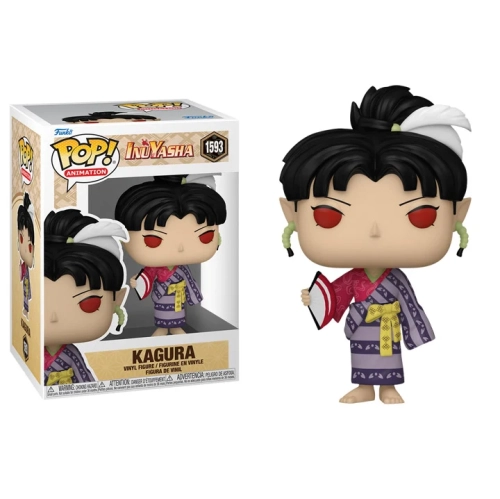
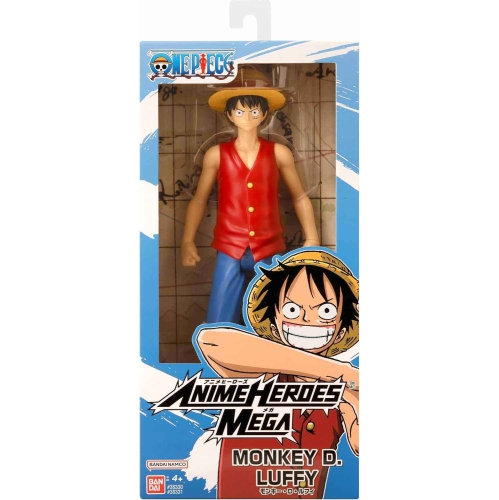
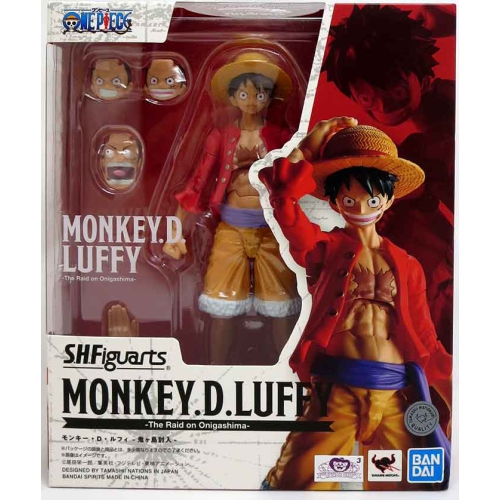
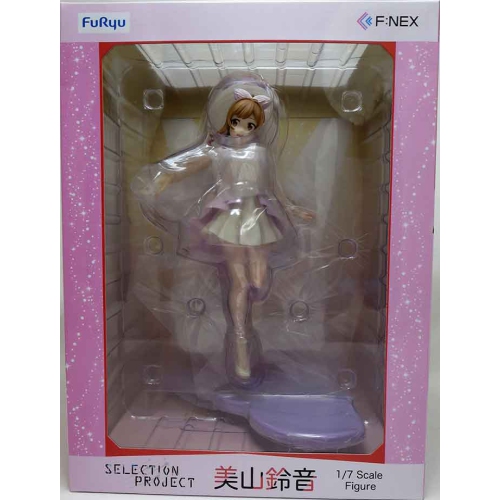
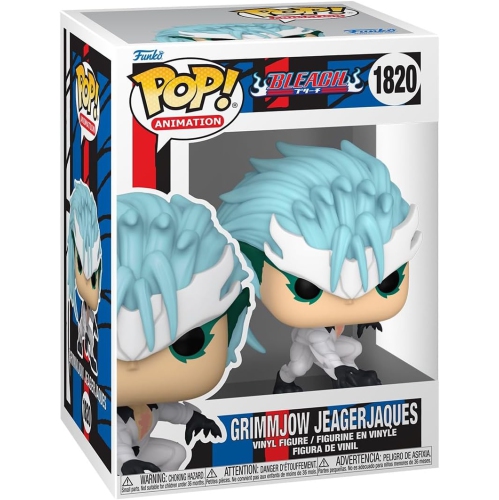
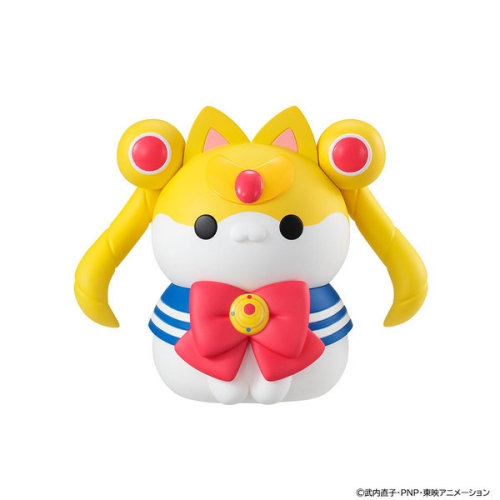
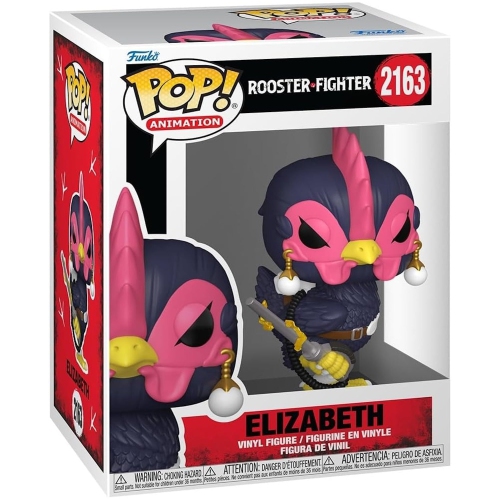
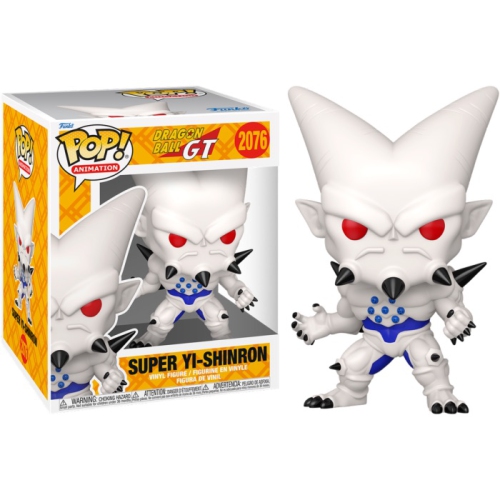
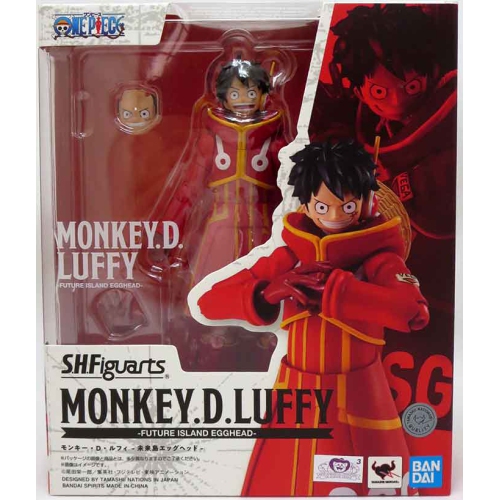
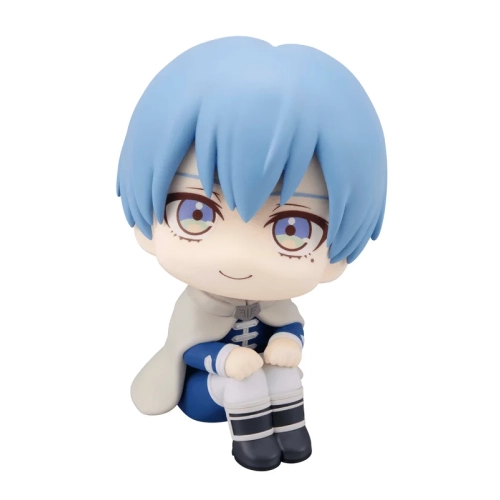
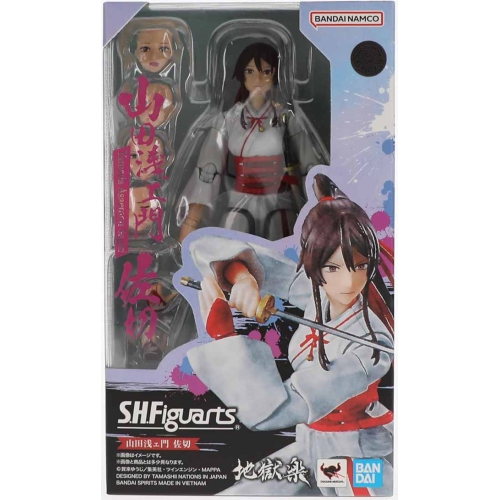
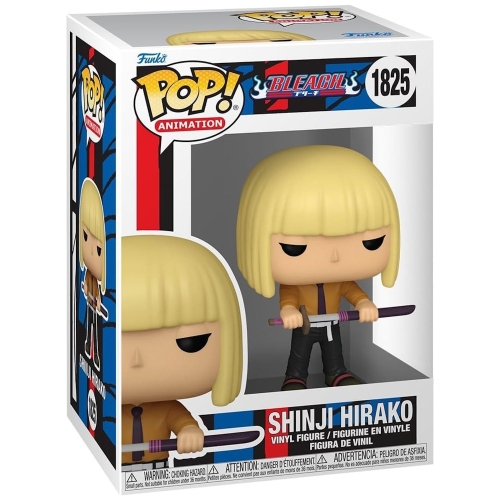
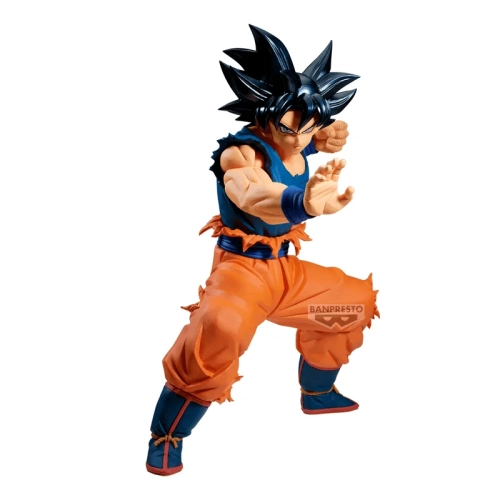
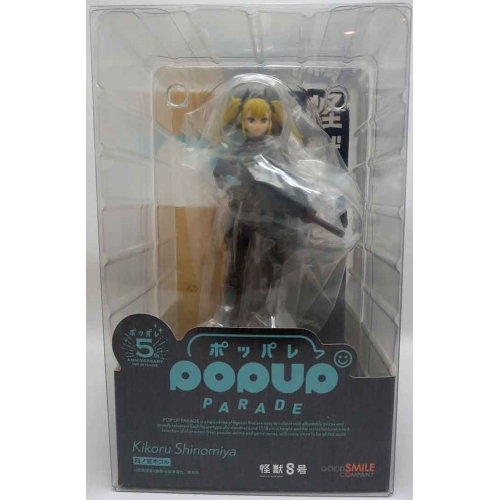
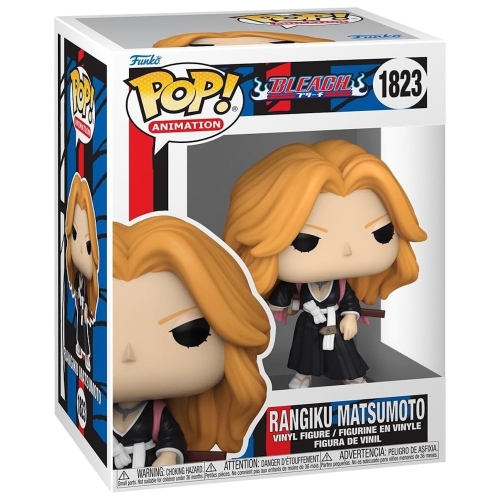
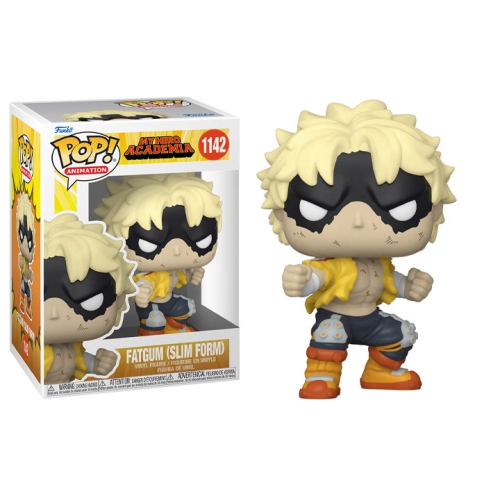
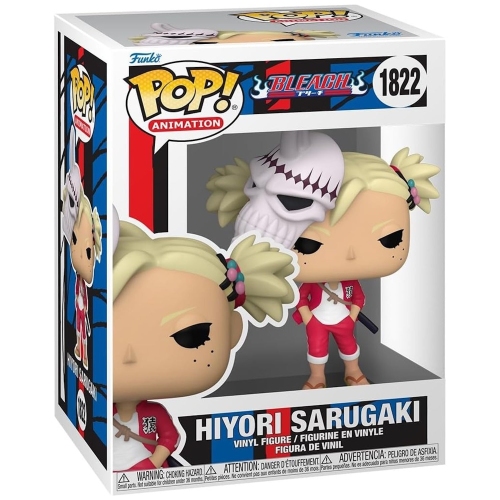

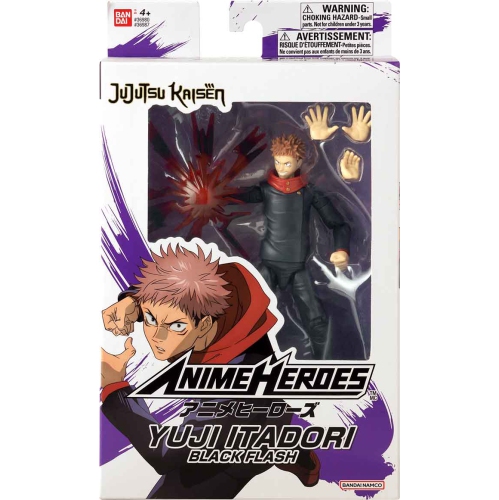
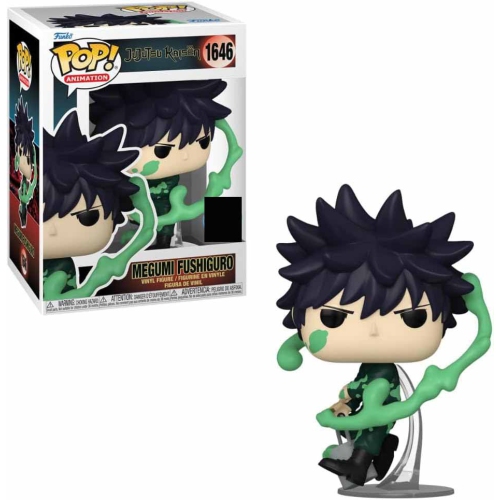
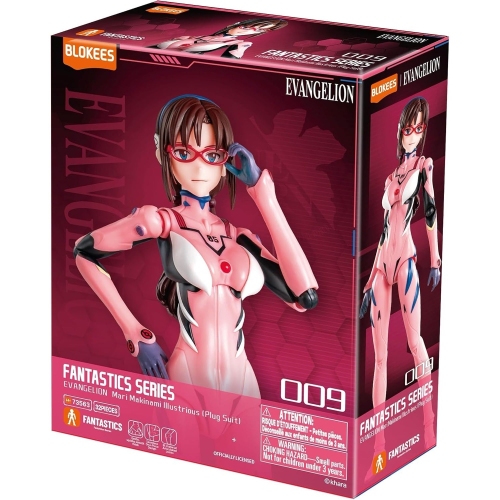
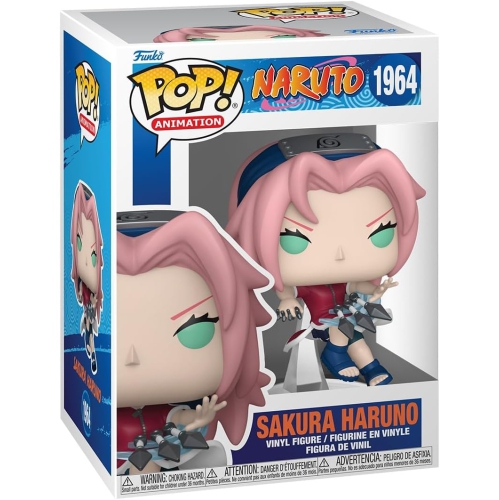
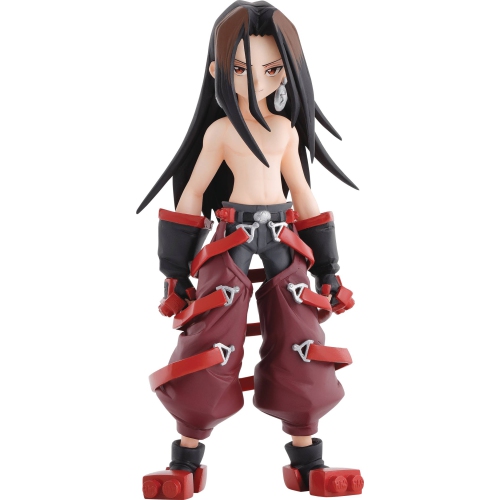
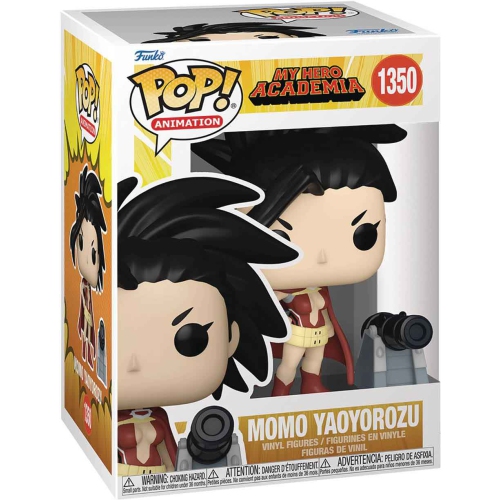

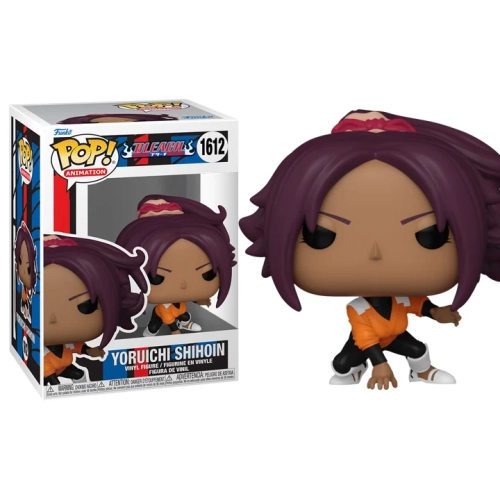
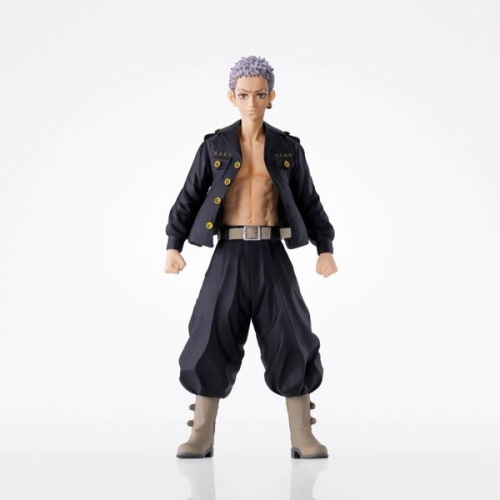
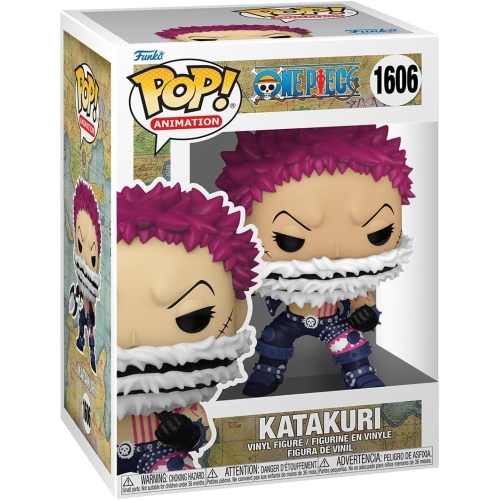
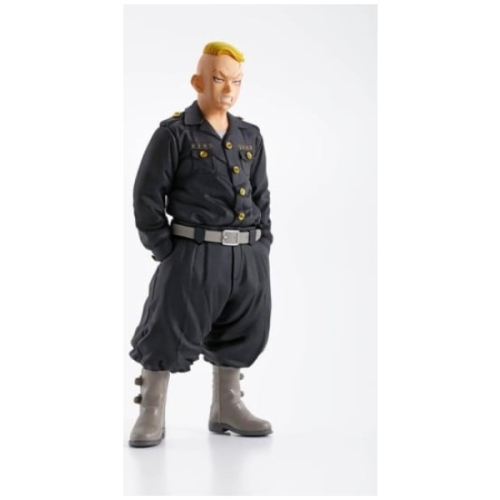
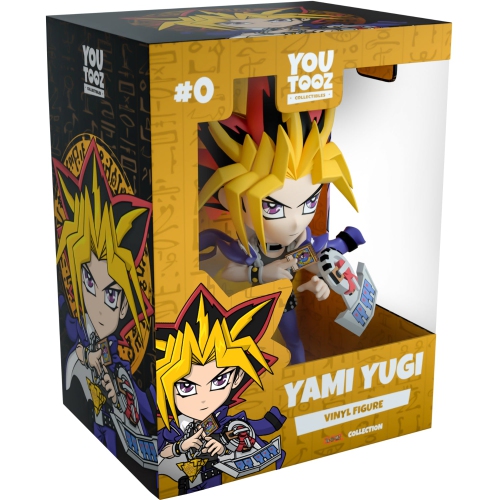
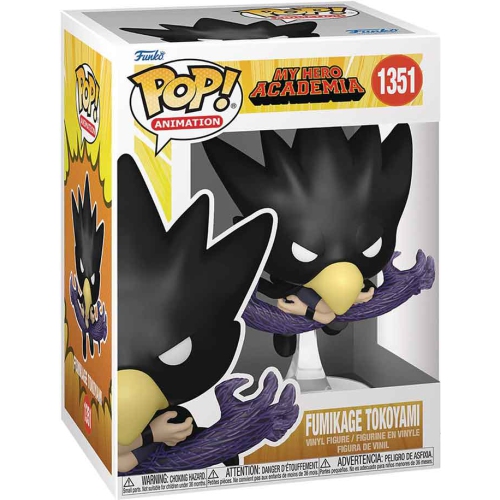
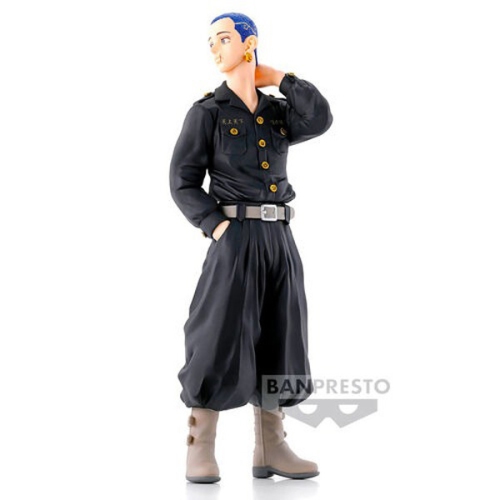

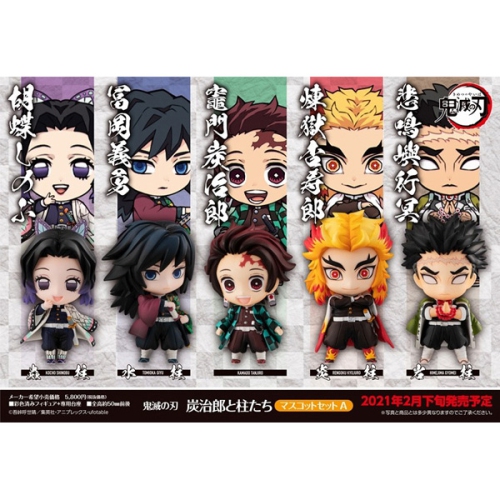
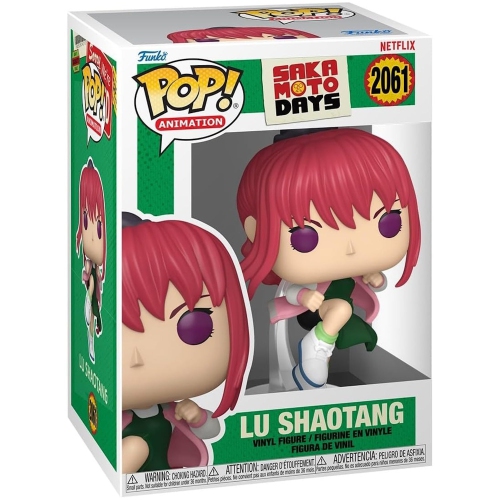
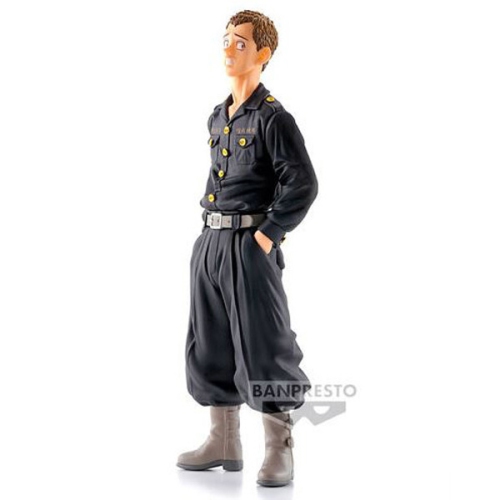
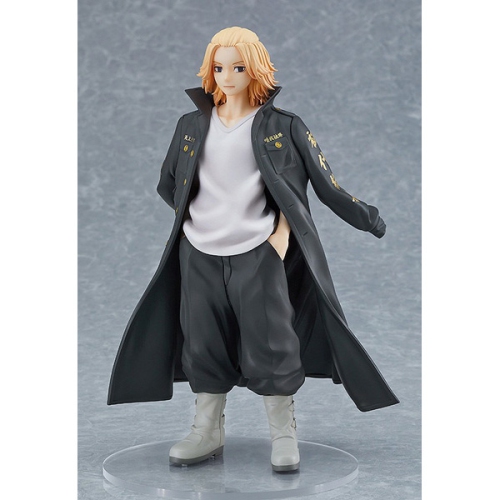
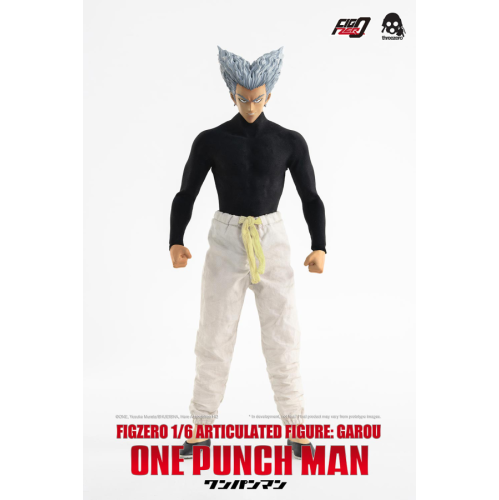
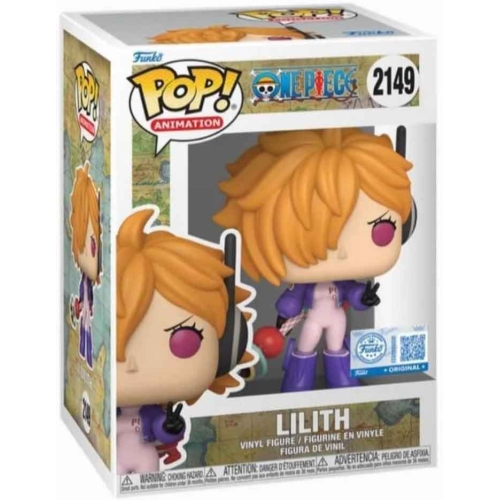
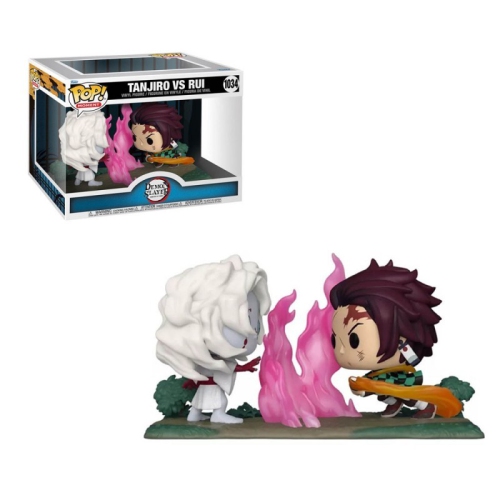
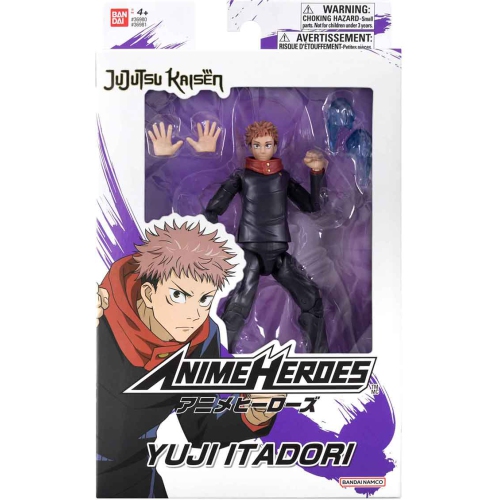

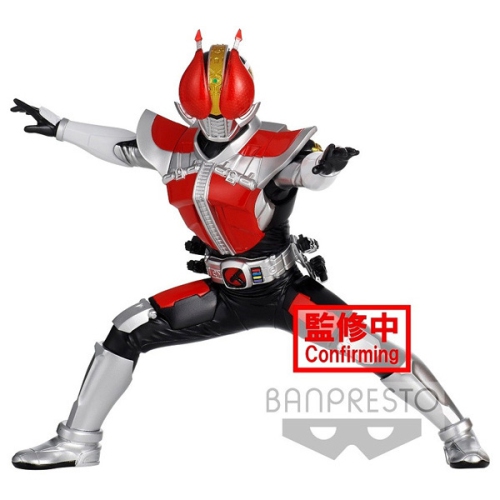
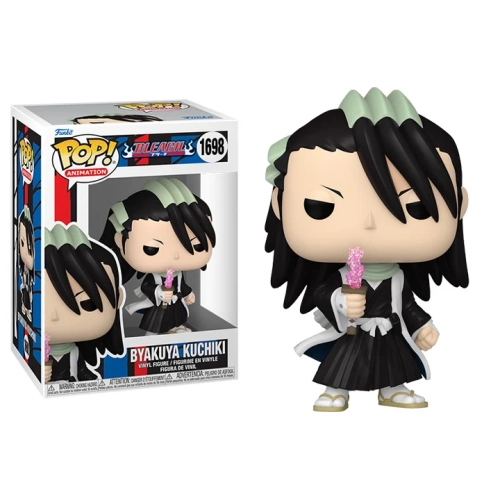
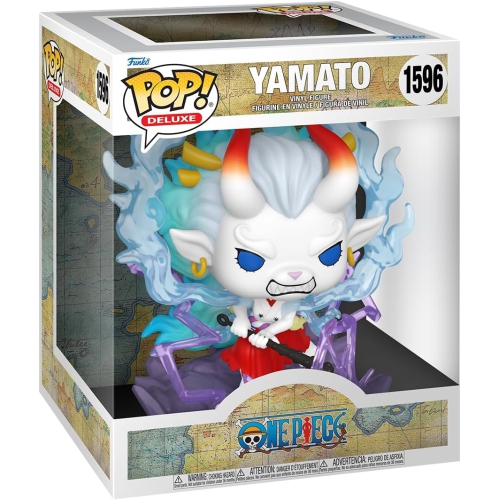
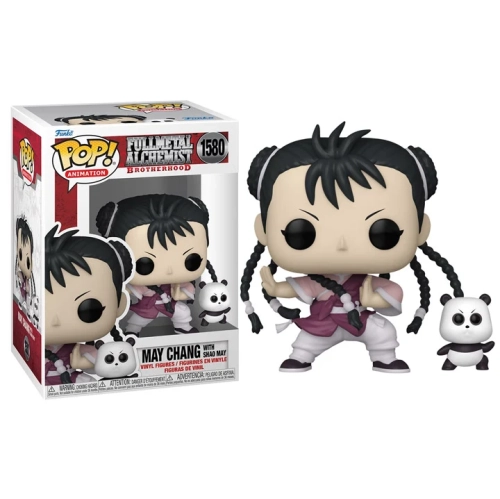

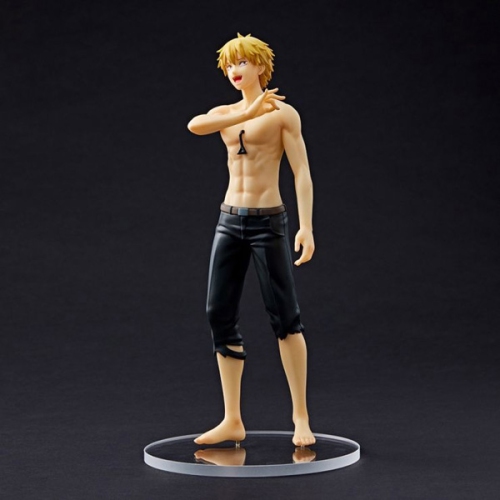
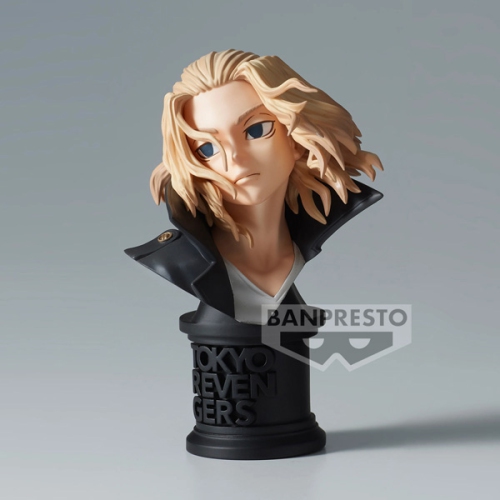
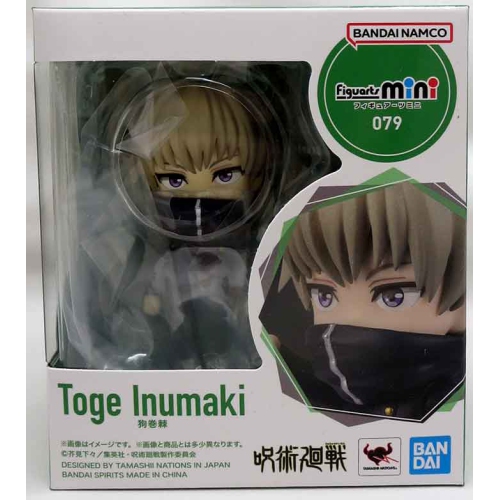

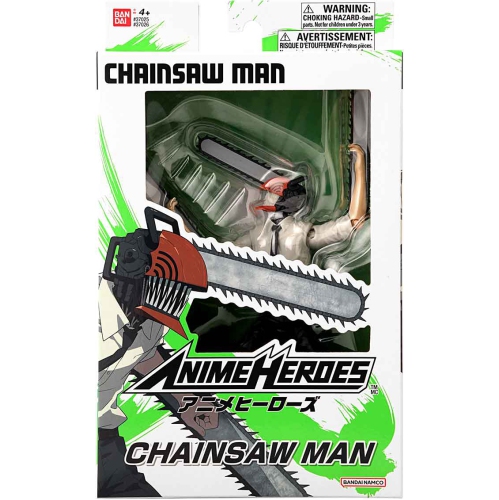
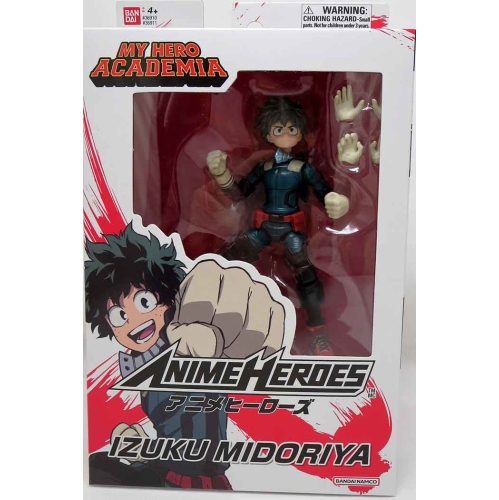
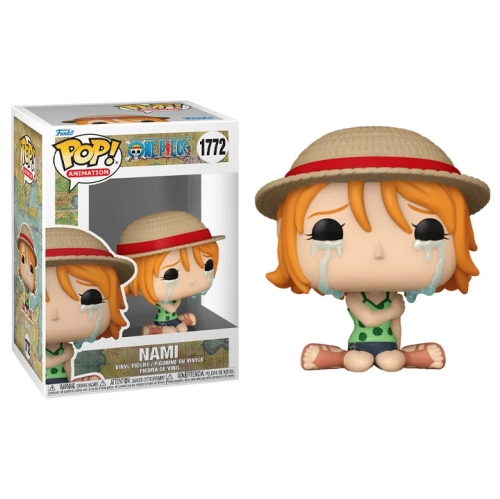

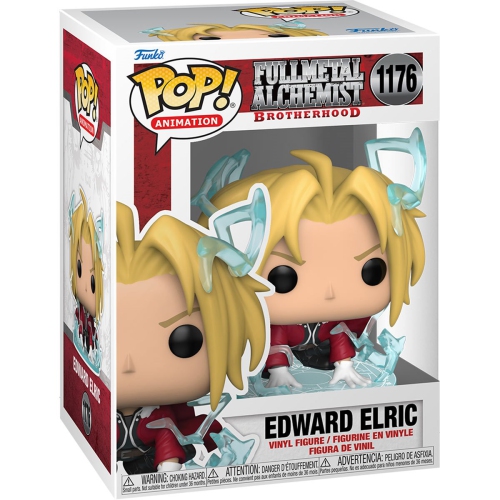

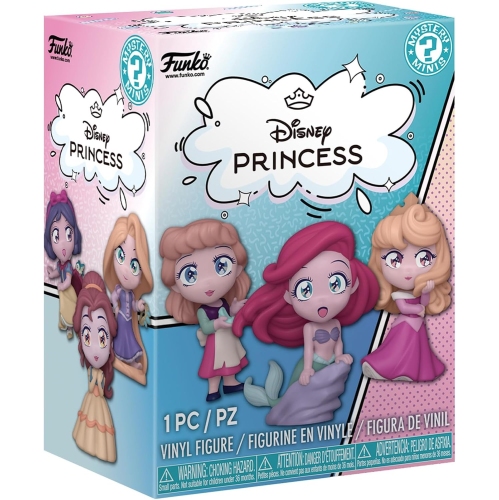
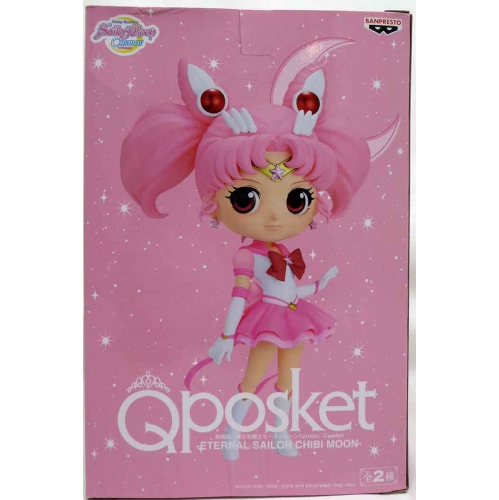


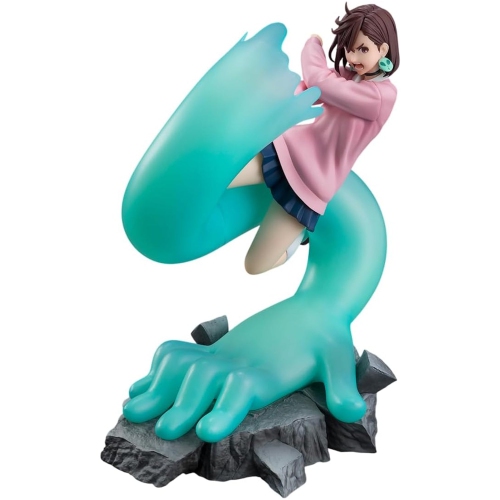
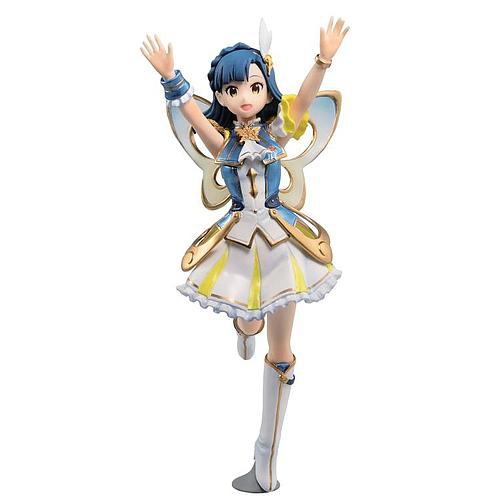
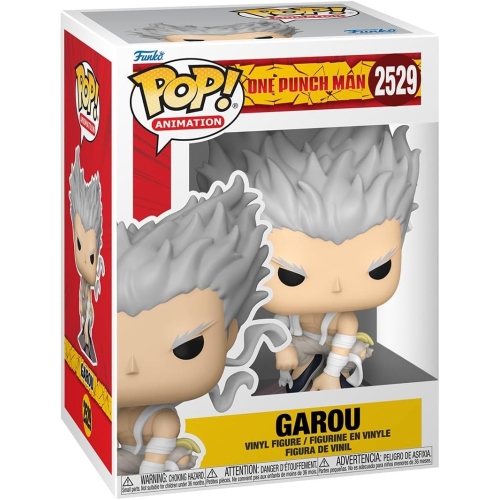

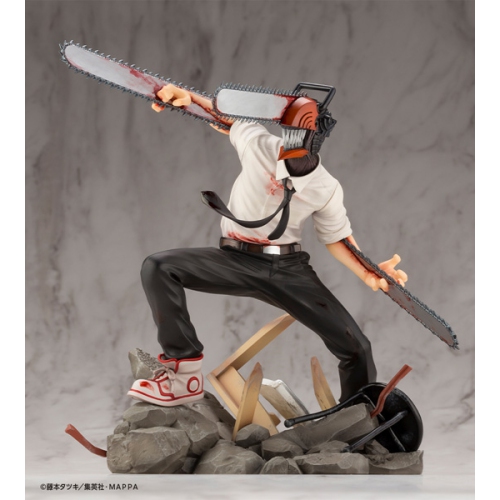
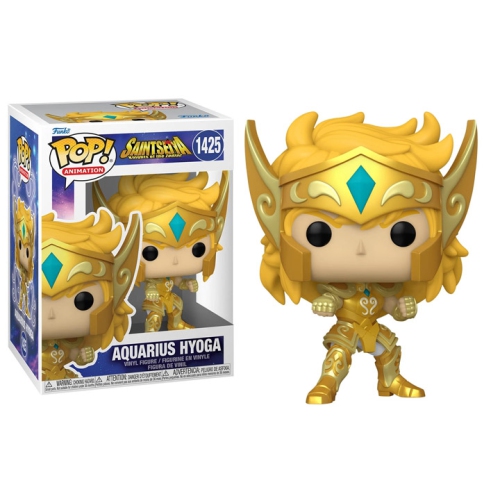
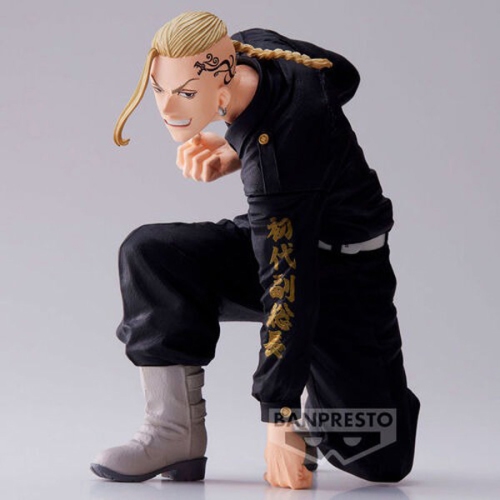
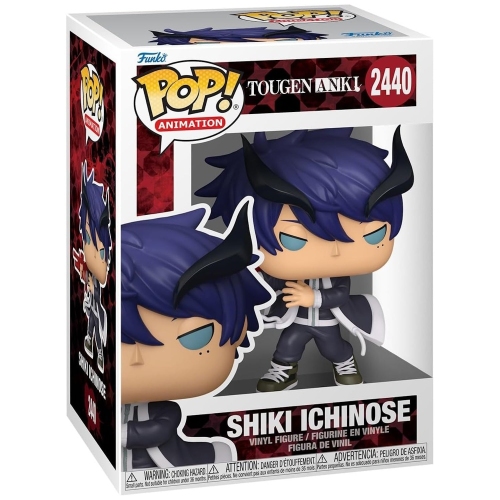
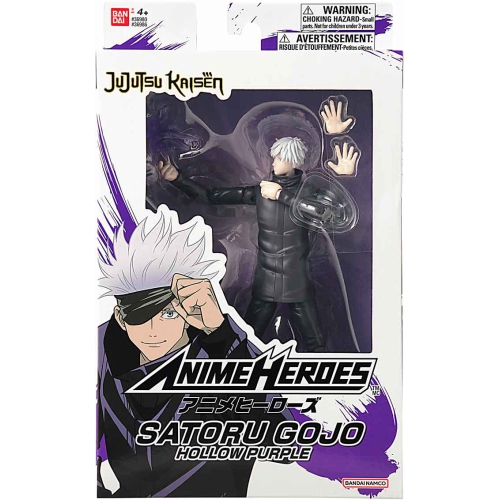
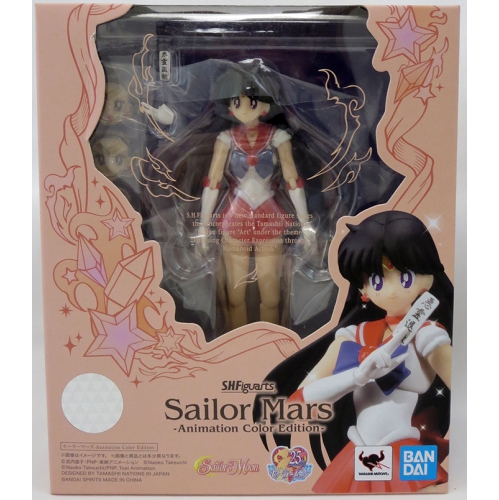

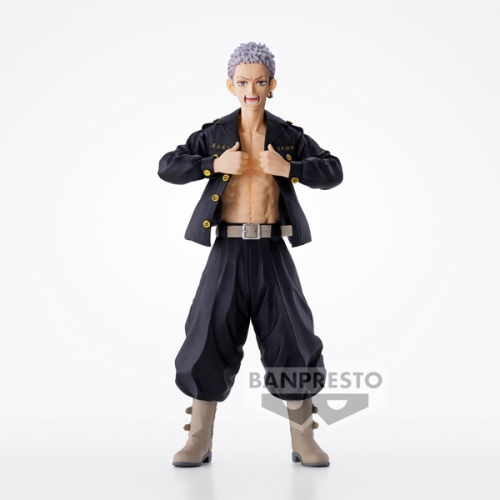
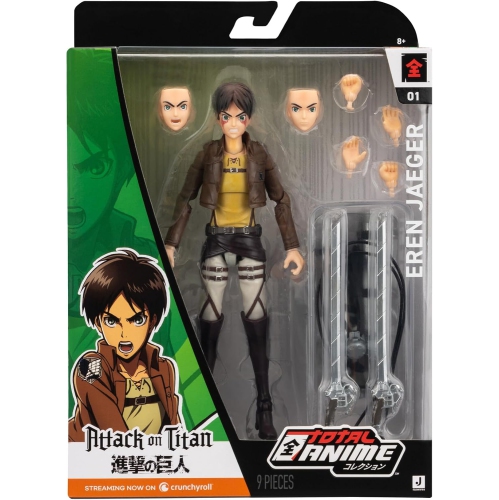
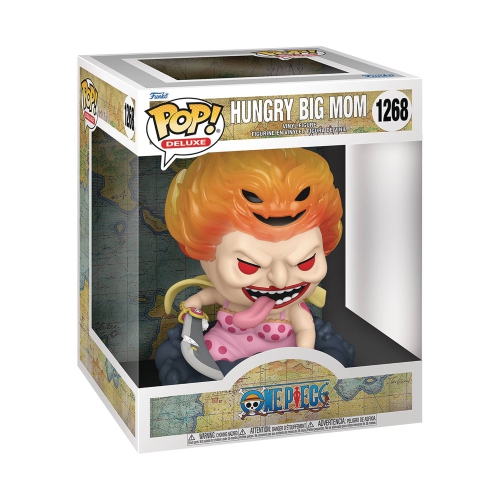
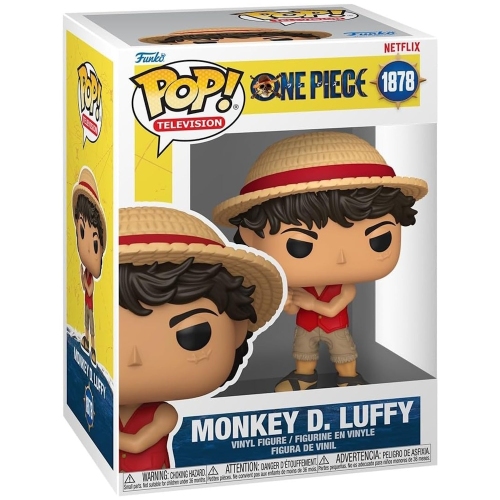
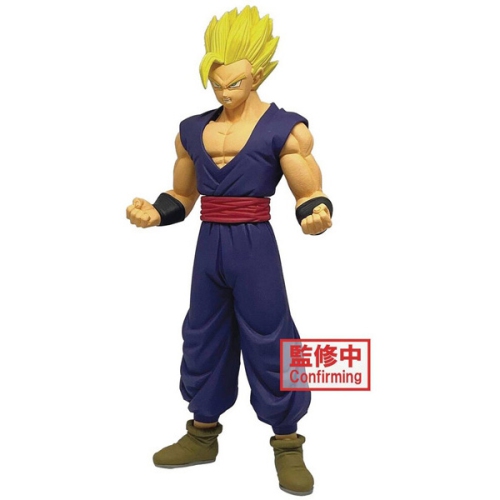
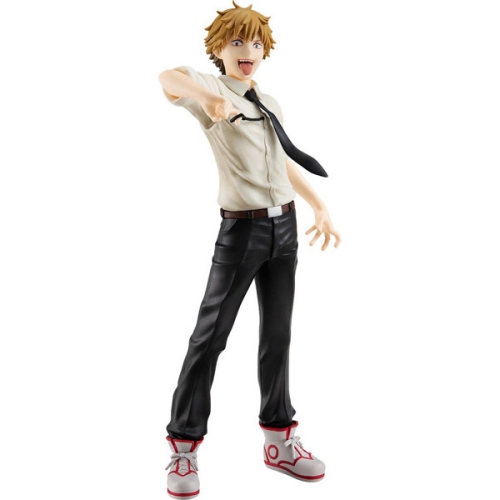
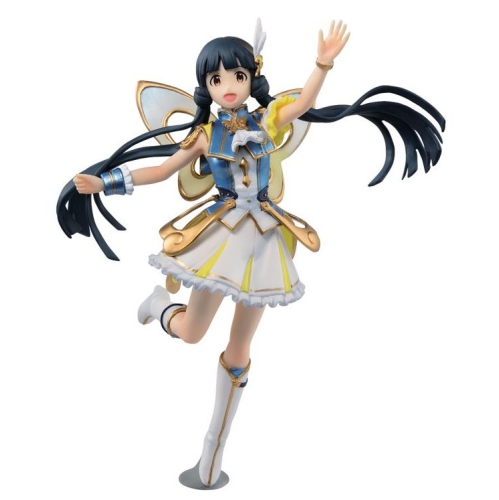

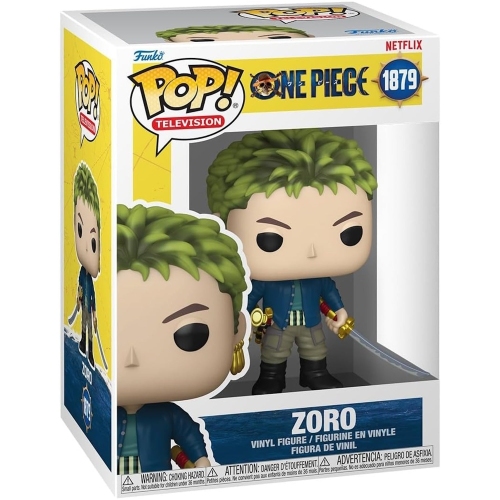
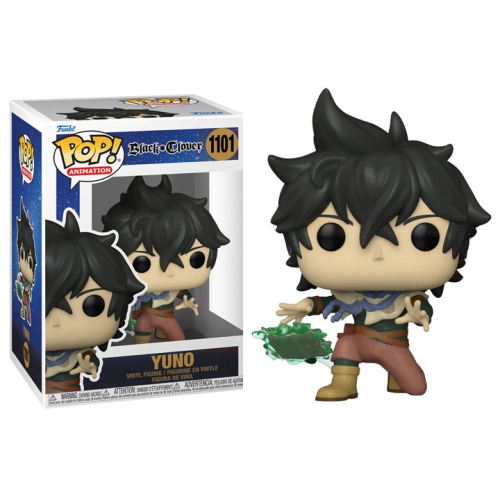
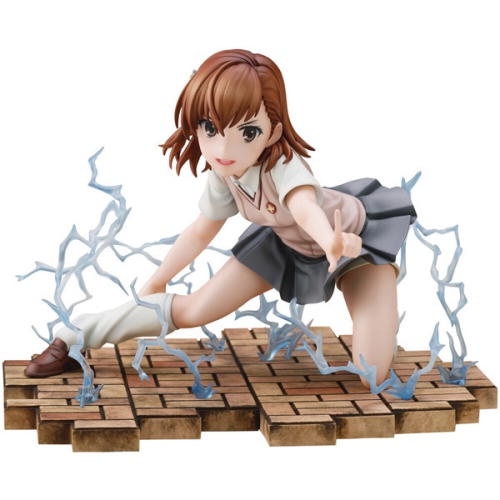
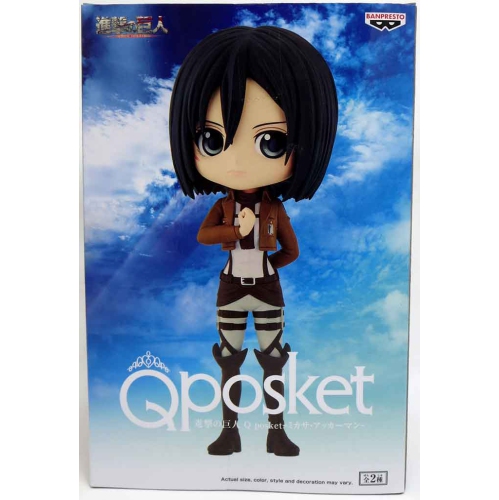
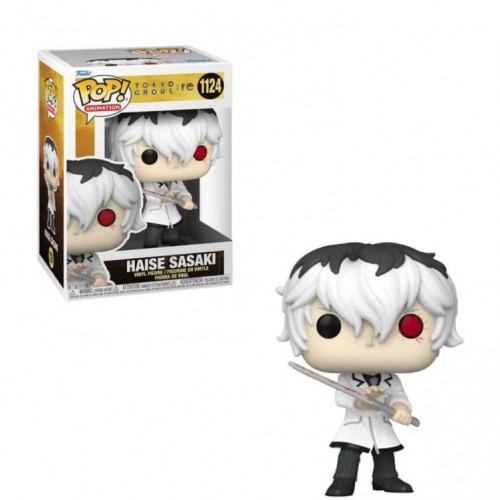
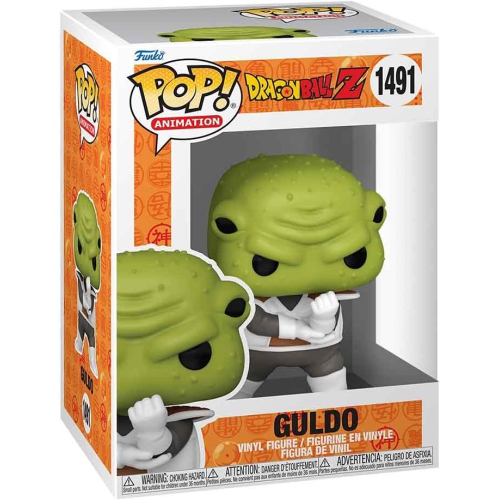
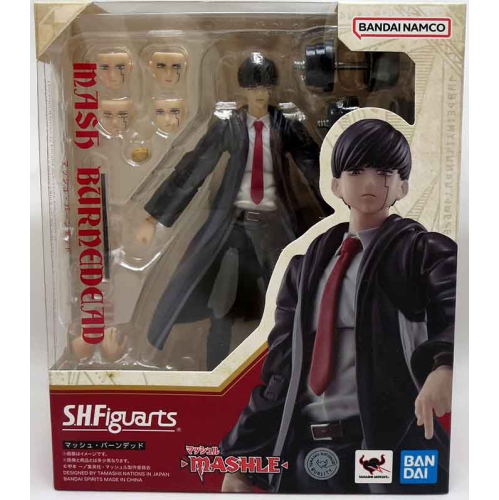
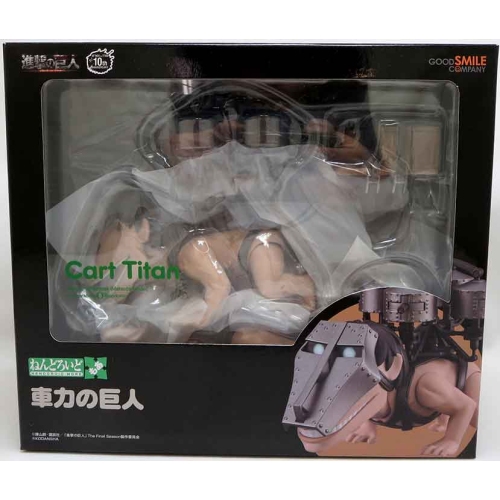
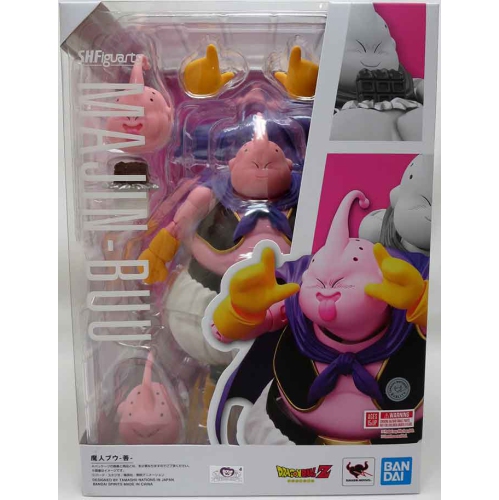
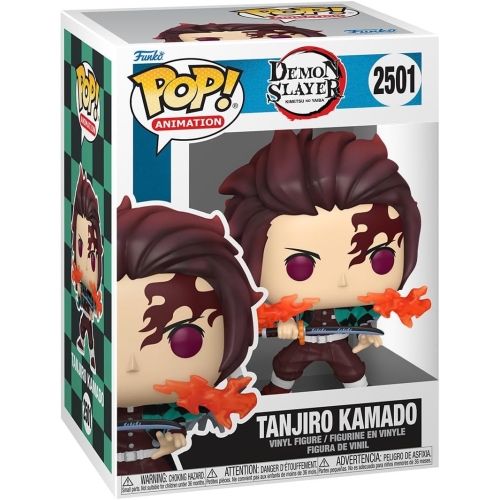
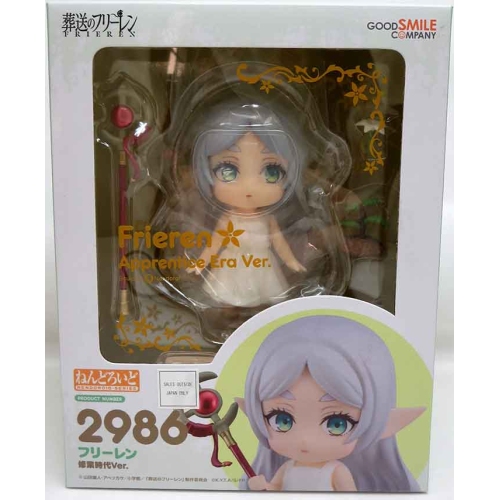
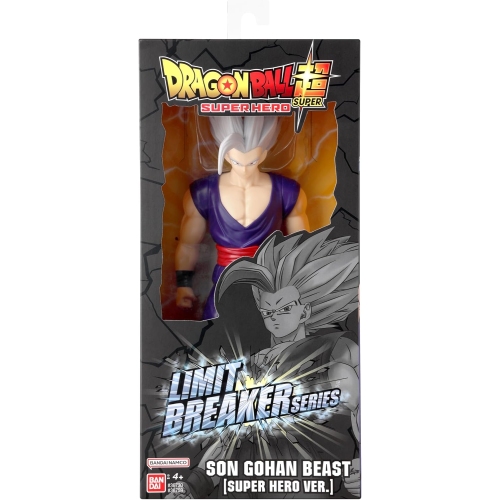
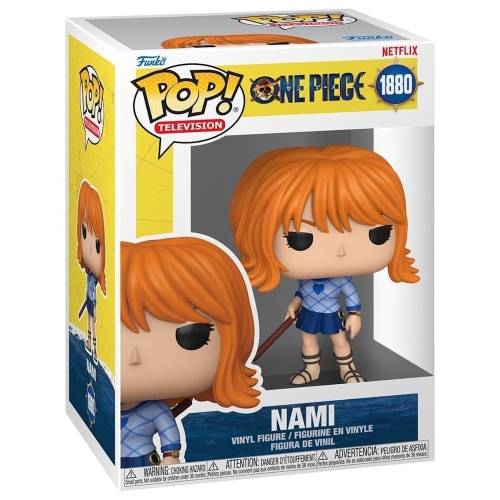

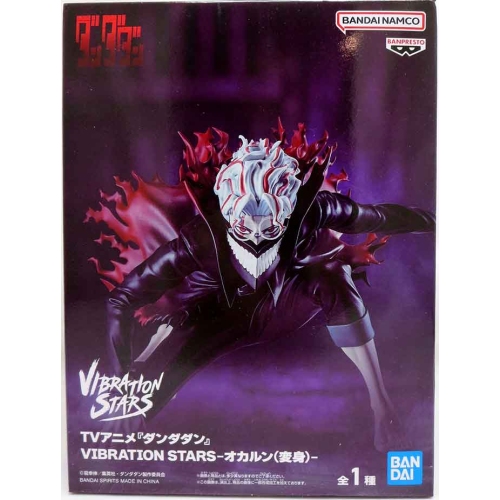
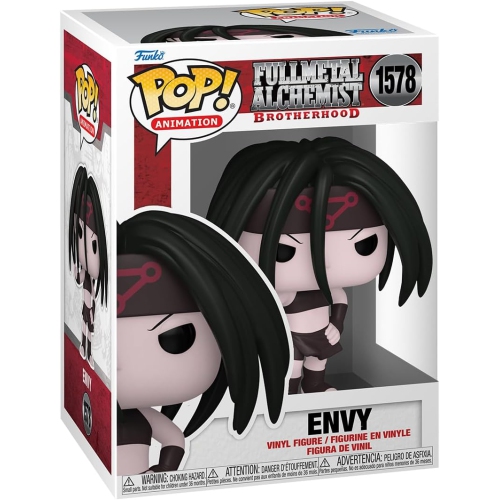
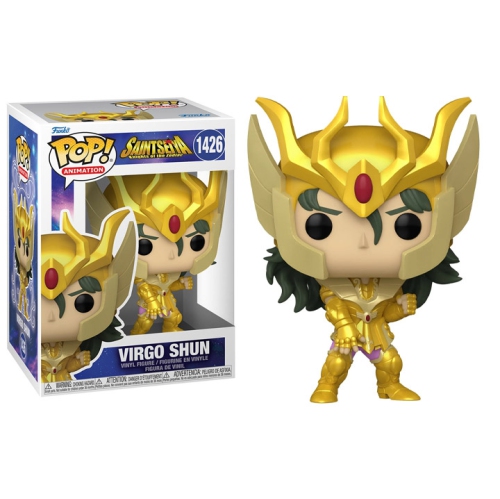
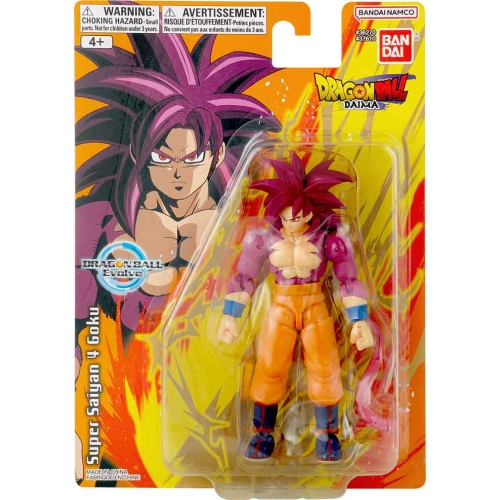
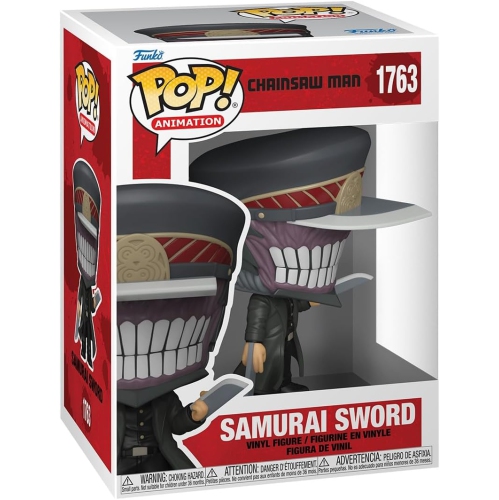
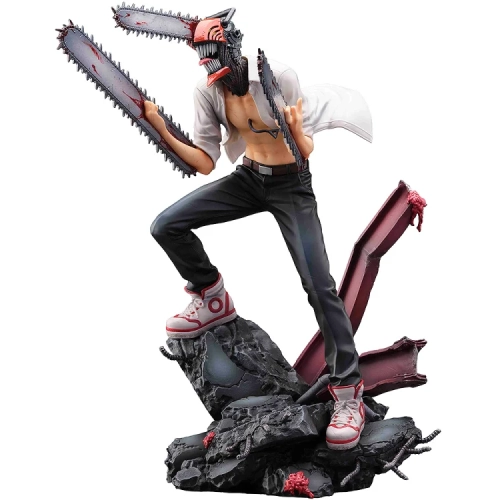
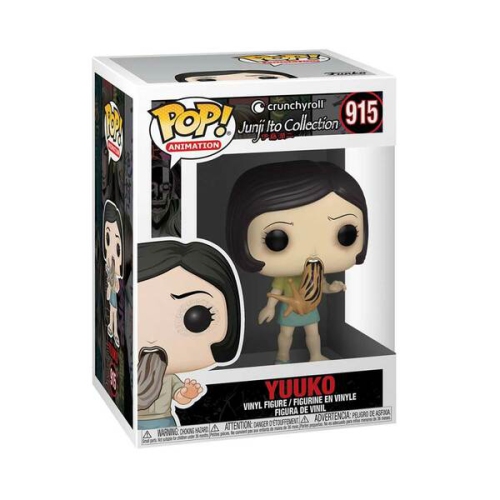
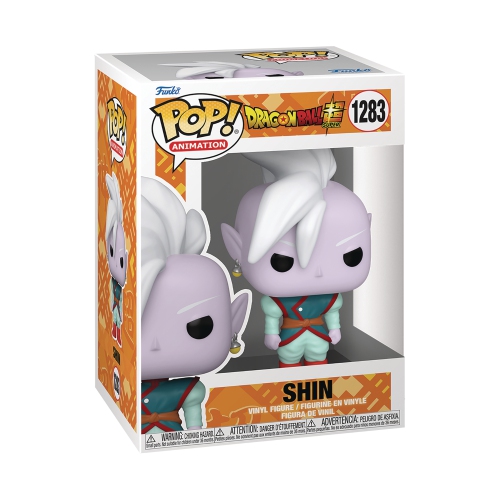
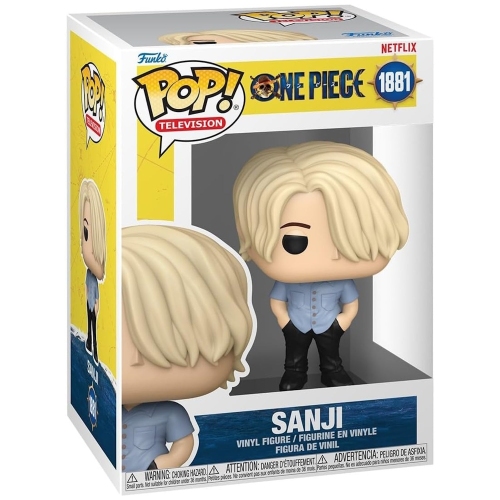
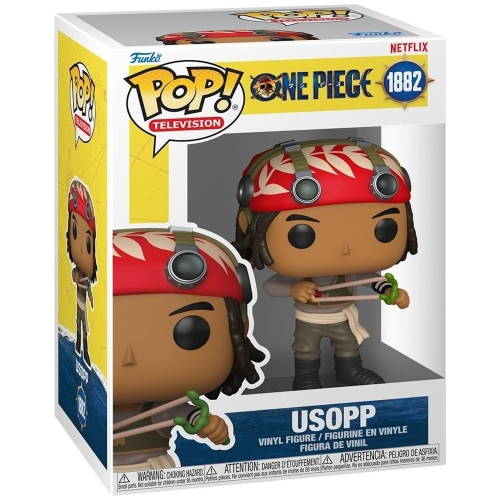
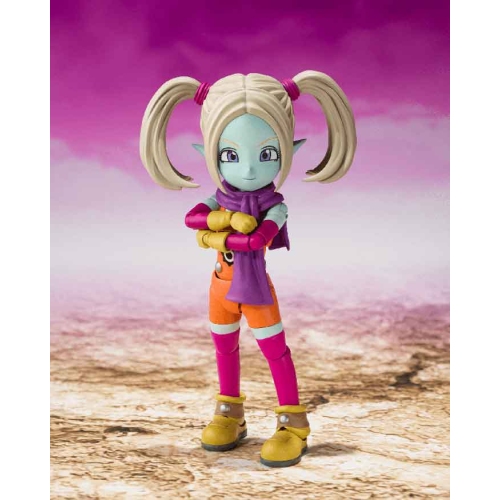
How favourite characters take shape beyond the page
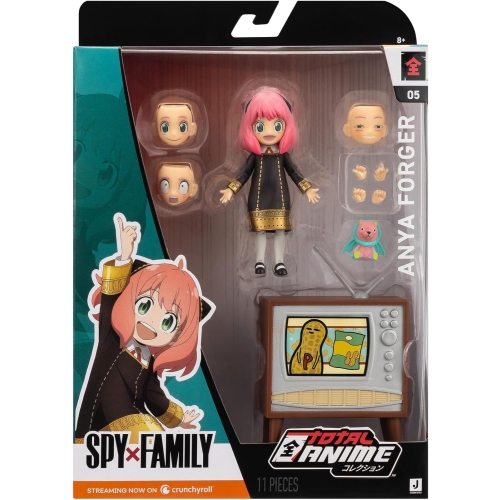
Manga figures are three-dimensional representations of characters from Japanese comics, translating illustrated faces, costumes, hairstyles, and memorable poses into objects for display or, where designed for it, articulated play. They appeal to readers who want a favourite character beside their books, collectors building a coordinated display, and fans drawn to expressive sculpture. Although manga and anime figures often depict the same characters, their designs can reflect different source material: a manga illustration, an animated adaptation, promotional artwork, or an original interpretation. Costume details, colour choices, and facial expressions can vary between those versions, making the design reference an important part of a figure’s appeal. Several broad styles shape this category. Static figures hold a fixed pose, allowing the sculpt to emphasize movement through flowing clothing, sweeping hair, or a carefully balanced stance. Prize figures are typically ready-made display pieces with fixed poses; the term describes a product category rather than a particular scale or level of detail. Scale figures represent a character at a stated proportion, such as 1/8 or 1/7, and often give particular attention to anatomy, costume texture, and composition. A 1/8-scale figure represents approximately one-eighth of the character’s stated full-size dimensions, although its displayed height also depends on the pose and base. Articulated action figures use movable joints to support different stances, sometimes with interchangeable hands, faces, or accessories. Chibi figures take a different approach, using oversized heads and compact bodies to highlight personality rather than realistic proportions. Some chibi designs are articulated, while others are fixed, so the style alone does not indicate how much movement to expect. These distinctions help explain why two figures of the same character can offer very different display experiences. Fans interested in designs associated with animated adaptations can also explore Japanese Anime Figures, where the connection between character artwork and three-dimensional presentation follows many of the same principles.
Materials and construction influence how manga figures look, feel, and hold up to handling. PVC is common in sculpted bodies, clothing, and hair because it supports detailed shapes and can provide some flexibility, while ABS is often used for rigid components, joints, and bases. Resin figures can capture fine surface detail, but slender sections may be brittle and need particularly careful handling. Material alone does not determine quality: paint application, the clarity of sculpted details, secure connections, and a stable base all contribute to the finished result. On a small face, neatly defined eyes and a clean mouth line can matter more than an elaborate backdrop. On a larger figure, layered clothing, textured fabric, and subtle shading may be more noticeable from across a room. Physical dimensions deserve as much attention as scale. An outstretched arm, wide skirt, long accessory, or angled support can require considerably more shelf space than the character’s standing height suggests. For an enclosed cabinet, the usable depth and distance between shelves matter, along with enough clearance to place or remove the figure without catching delicate parts. A compact desk display benefits from a stable footprint that stays clear of keyboard movement and frequently handled objects. Figures with assembly points should connect according to their instructions; a resistant peg or joint is a reason to pause rather than apply extra force. Regular care is usually straightforward, but the finish deserves a gentle approach. A clean, soft brush can lift loose dust from folds and creases without dragging a rough cloth across painted surfaces. Solvents, abrasive cleaners, prolonged direct sunlight, and nearby heat sources can damage finishes or affect some plastics. Cleaning methods should follow the manufacturer’s directions, especially around printed facial details, transparent effects, and metallic finishes. Supporting a figure by its main body and base, rather than lifting it by hair or accessories, reduces strain on narrow attachment points. An enclosed display can also limit dust accumulation and accidental contact, particularly in shared spaces where shelves are within easy reach.
The intended use of a manga figure helps determine which features will feel satisfying over time. A fixed-pose sculpture suits someone who enjoys a carefully composed scene without adjusting it, while an articulated figure offers more opportunities to change expressions, recreate a gesture, or arrange a small photography setup. Articulation does not automatically make a figure suitable for rough play: narrow joints, removable hands, and small accessories may require the patience and dexterity of an older collector. Manufacturer age guidance is important, and small detachable parts should stay away from young children and pets. For a reading nook, a single figure beside a complete run of manga can create a clear connection to the stories on the shelf. In a larger cabinet, grouping figures by series, character scale, or visual style can make the display feel intentional without requiring every piece to match. Consistent spacing keeps silhouettes readable, particularly when several poses include extended arms or dramatic effects. A simple background can help subtle facial details stand out, while a raised display platform may improve visibility for shorter figures placed behind taller ones. Manga figures can also make thoughtful birthday, graduation, or thank-you gifts when the recipient’s interests are well understood. Knowing the character is a useful starting point, but the preferred outfit, expression, story version, and display format can be just as personal. Someone who likes understated shelves may appreciate a compact, self-contained pose more than a wide action scene. A collector who enjoys rearranging displays may place greater importance on interchangeable expressions and secure articulation. Packaging with fitted inserts can be useful for moving, storing spare parts, or transporting a figure safely, while small labelled containers help keep accessories together. Whether the goal is a single character on a desk or a collection built around a much-loved story, the most rewarding figures combine a recognizable likeness, an appealing pose, suitable dimensions, and construction that matches how they will be displayed and handled.
Top selling and popular products
-
 Your price for this item is $19.99
-
 Your price for this item is $17.25
-
 Your price for this item is $189.99
-
 Your price for this item is $39.99
-
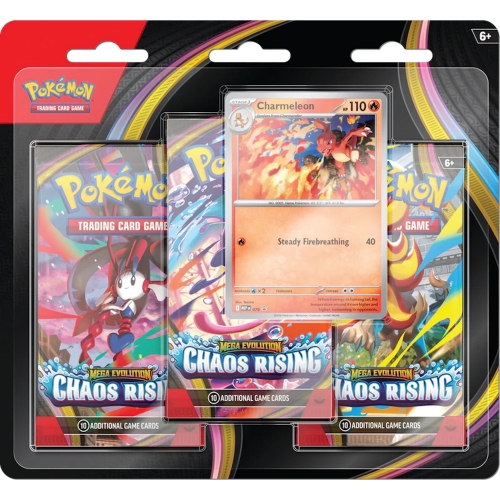 Your price for this item is $45.99
-
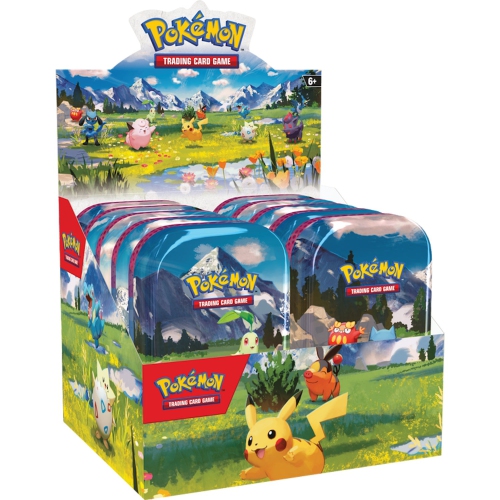 Your price for this item is $449.99
-
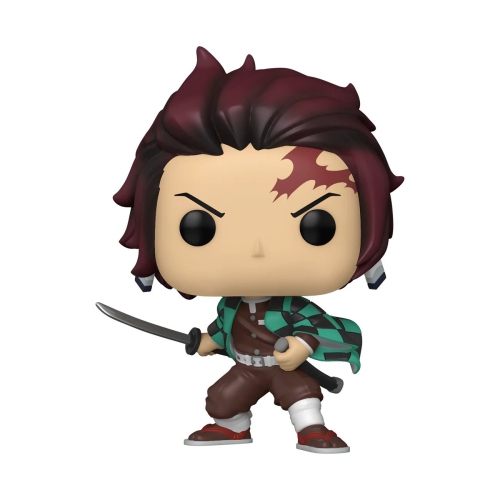 Your price for this item is $21.99
-
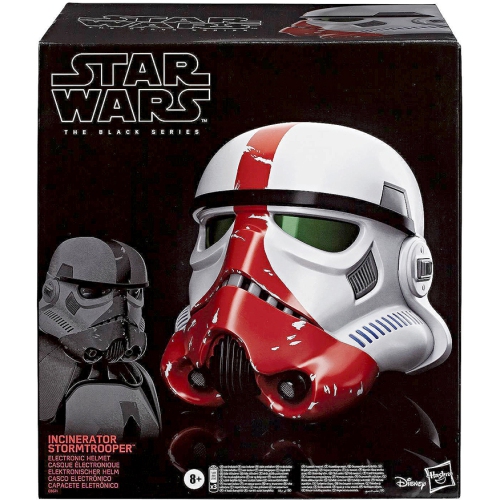 Your price for this item is $160.99
Discover more categories related to Manga Figures
Top Collections:
Best Black Friday Deals This Year, Best Black Friday Deals On Electronics, Kindle Devices, Dyson Airwrap, Best Cameras for Sports Photography, Best Black Friday Deals On Apple Products, PS5 Pro Consoles, Portable Snow Blowers, Canon G7X Cameras, Pokémon 30th Celebration Cards
Some products may be subject to Environmental Handling Fees
(EHF) depending on your province.
Learn more about EHFs.