Maze for Kids
Unlock a world of excitement and learning with captivating mazes designed just for kids. These engaging puzzles offer endless fun while helping to develop critical thinking and problem-solving skills. Perfect for rainy days, road trips, or quiet afternoons at home, mazes provide a screen-free activity that encourages creativity and concentration. Dive into a variety of themes and difficulty levels that cater to young adventurers of all ages, ensuring there's always a new challenge to conquer. Whether your child is navigating through enchanted forests or exploring outer space, these mazes are sure to spark imagination and keep them entertained for hours.
Sort
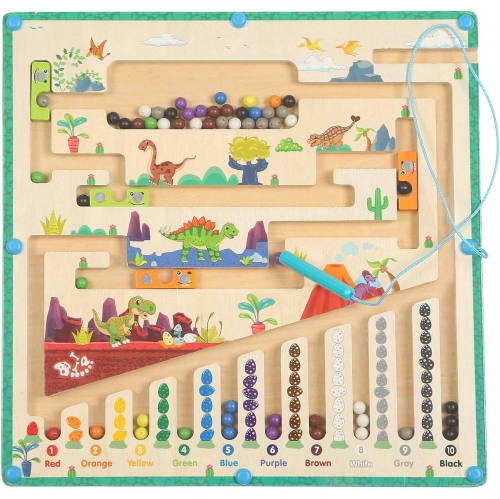
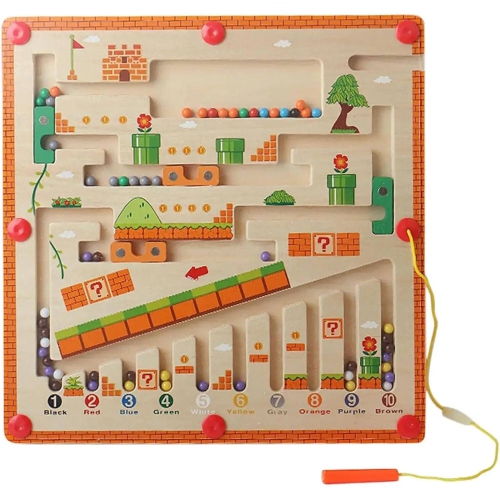
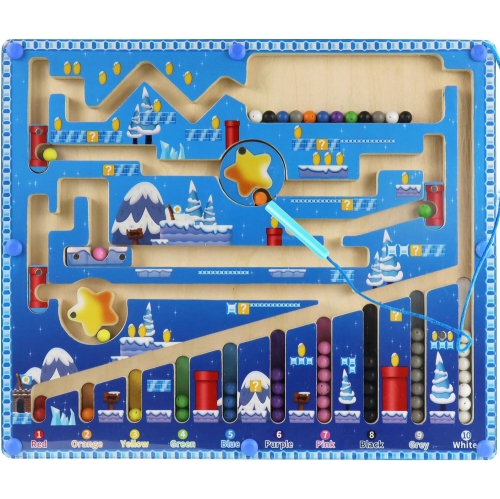
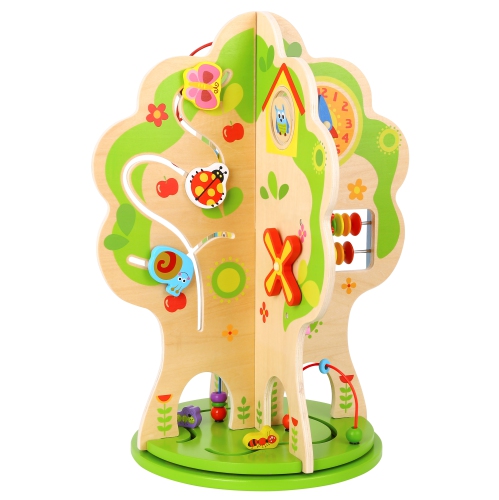

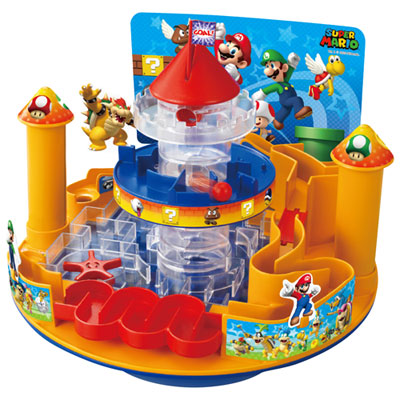
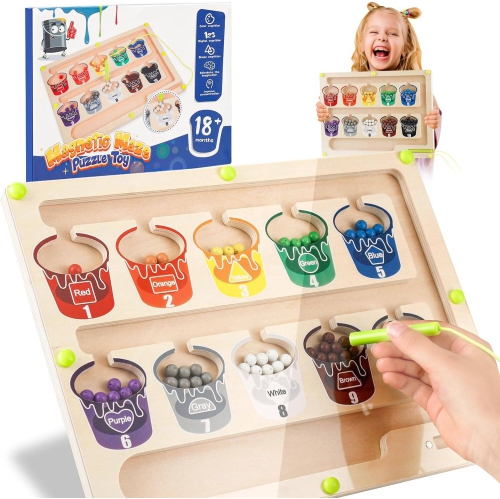
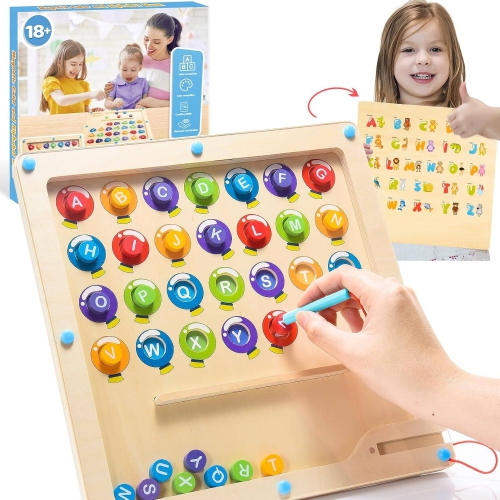
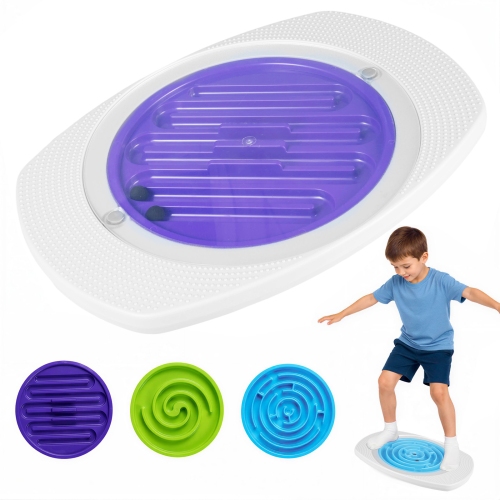
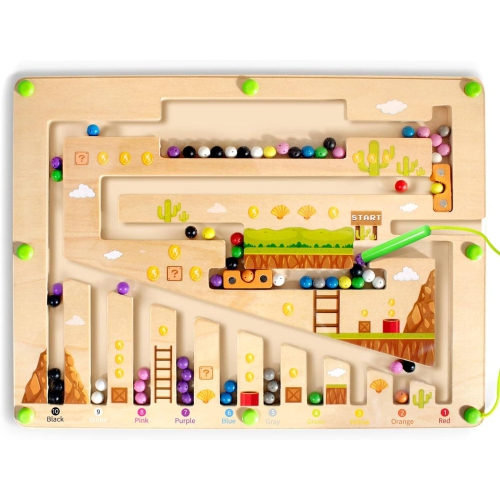

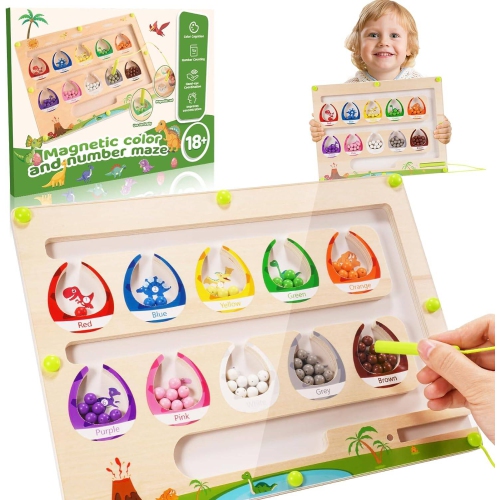
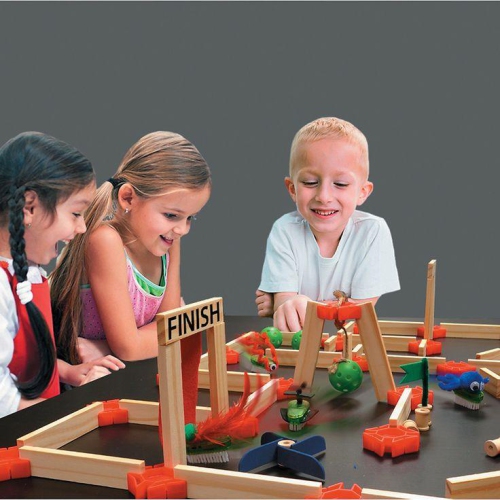
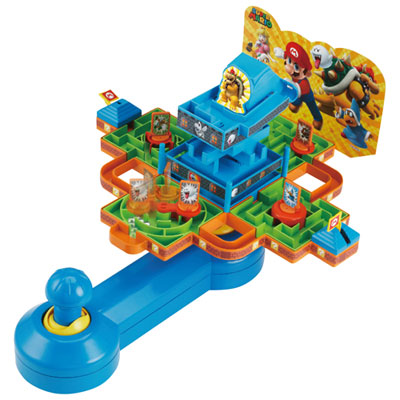
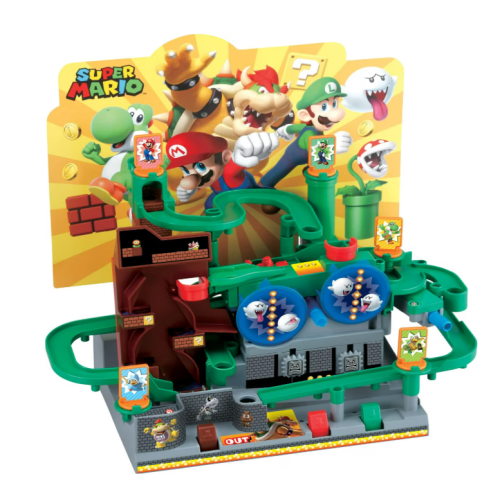
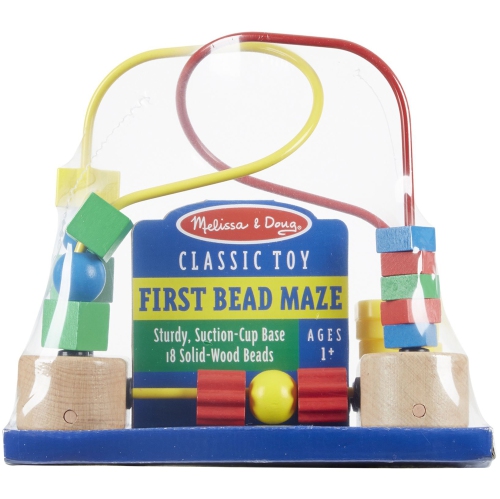
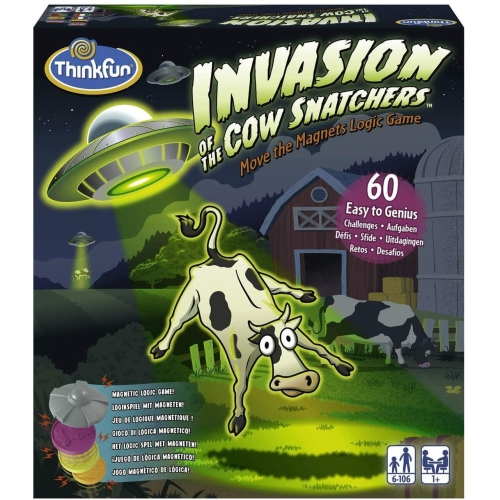
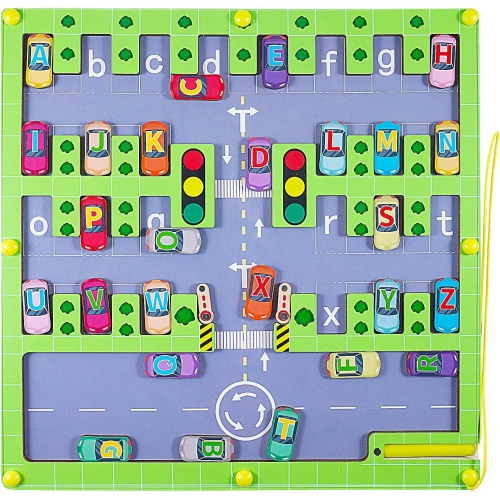

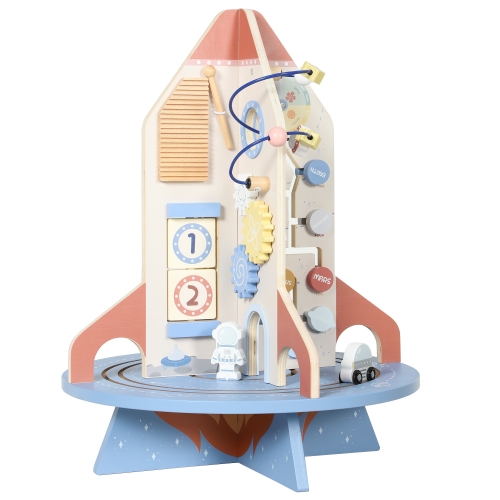
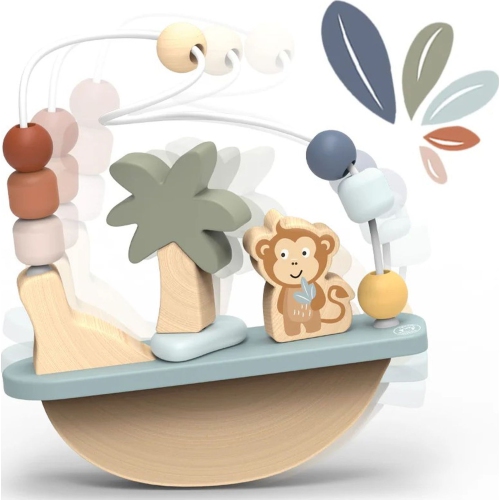
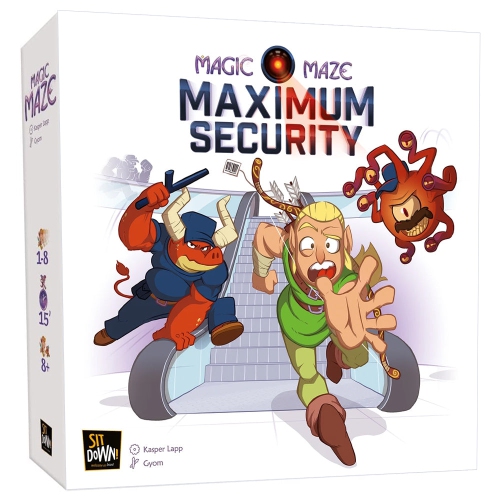
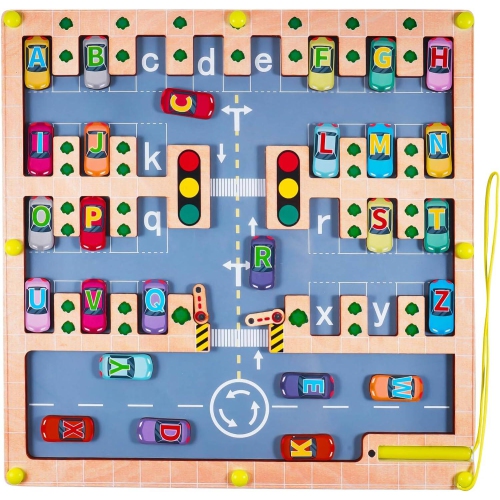
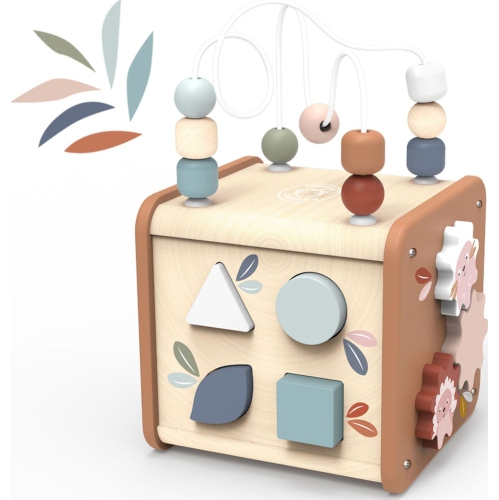


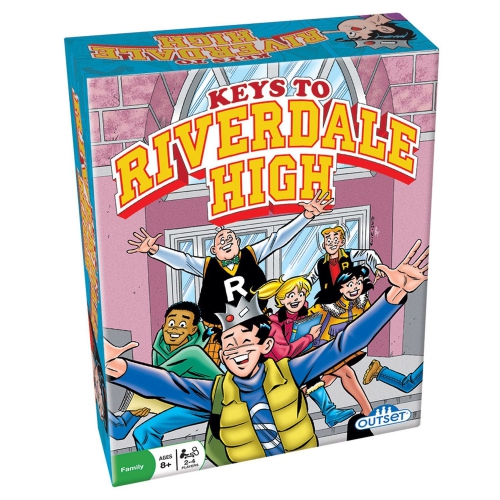
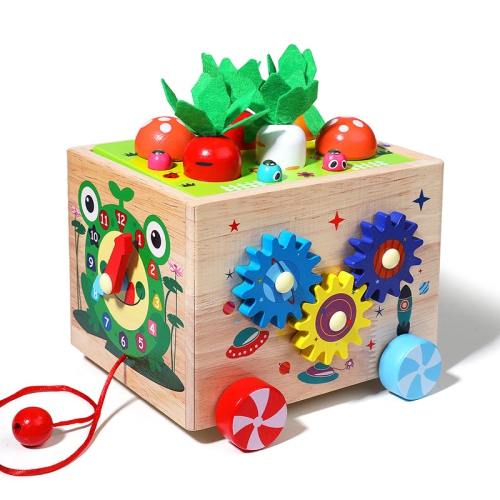
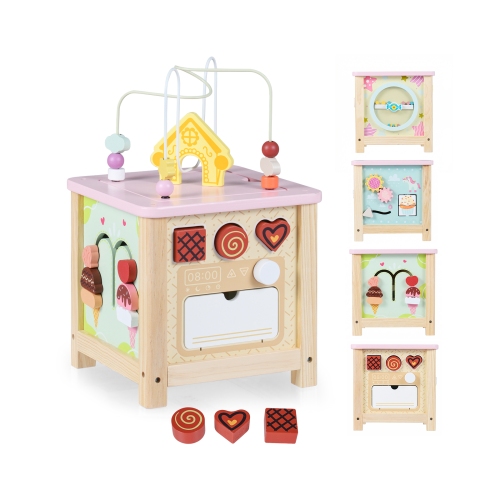
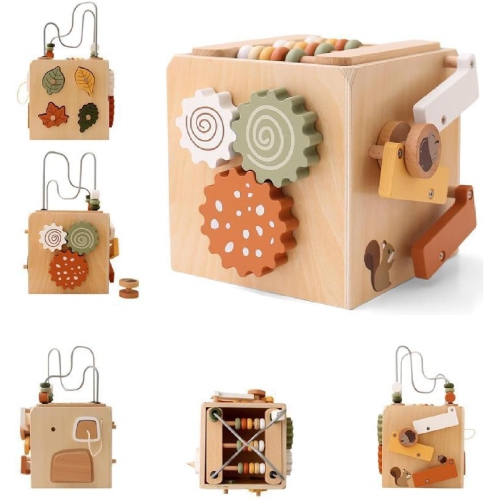
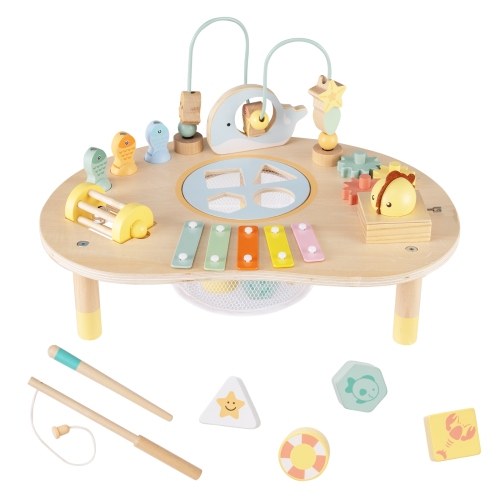
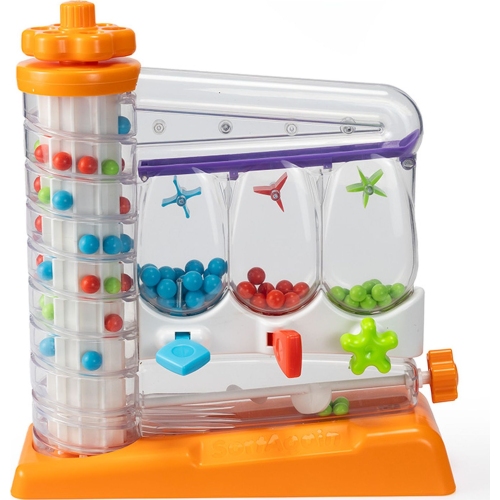
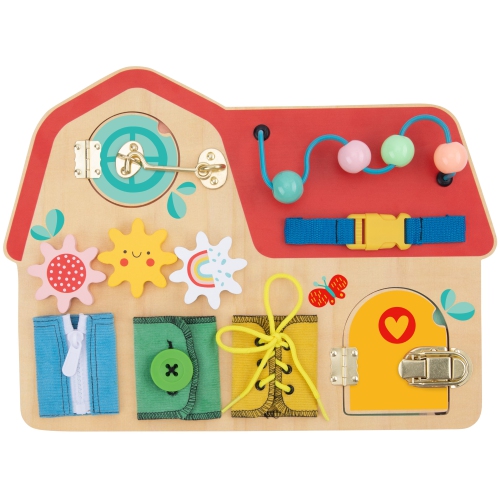
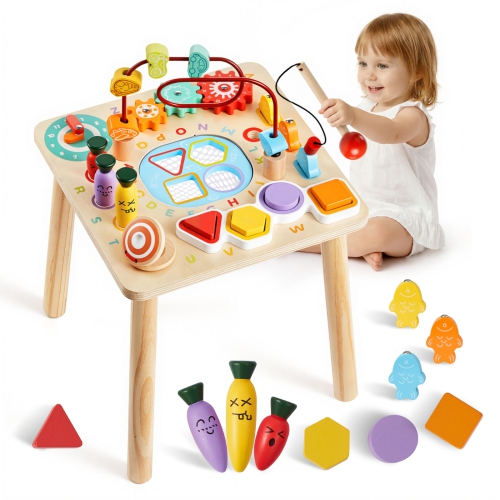
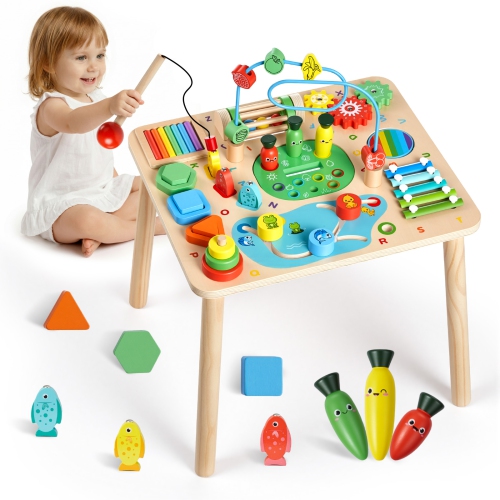
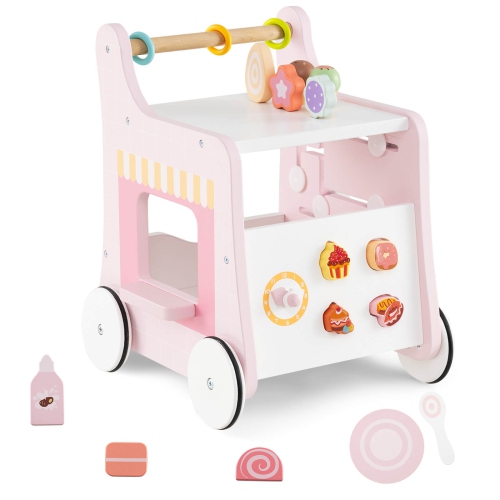
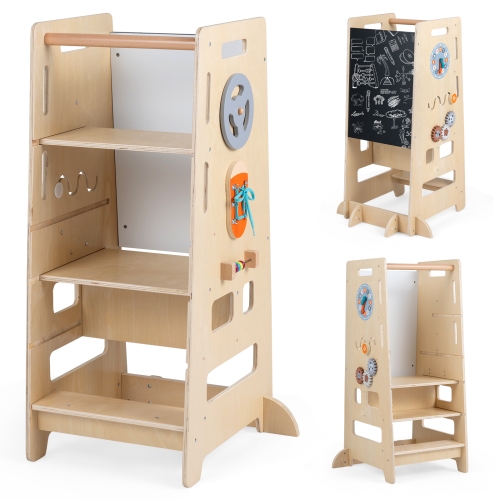
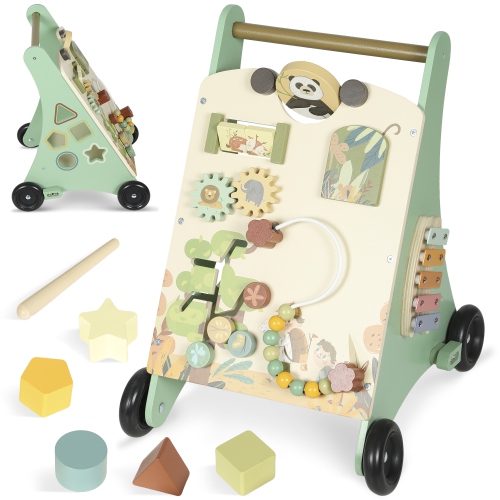
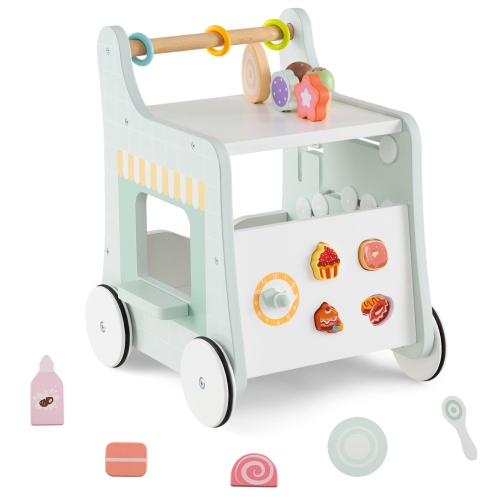
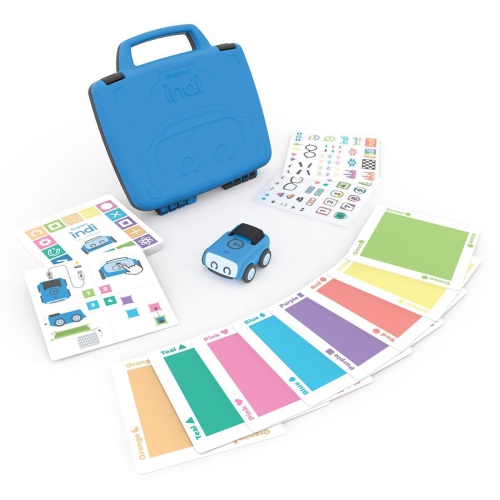
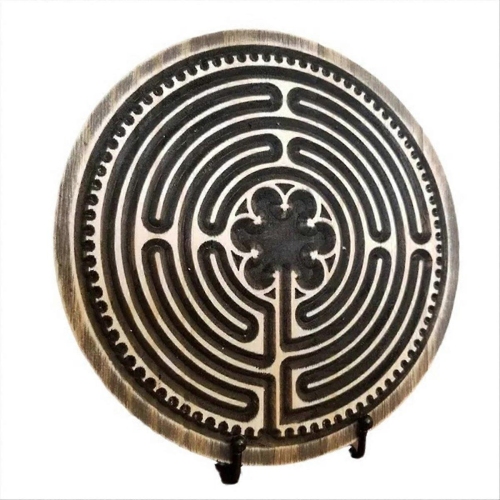
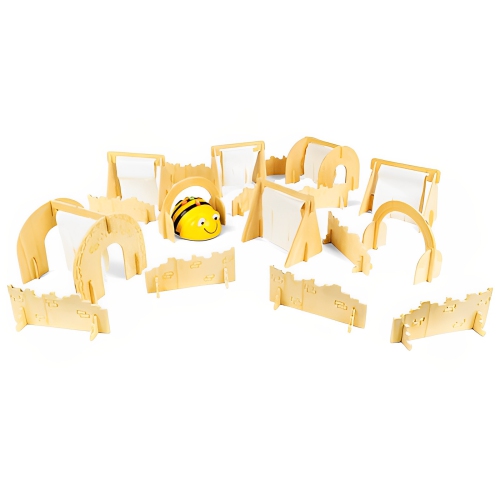

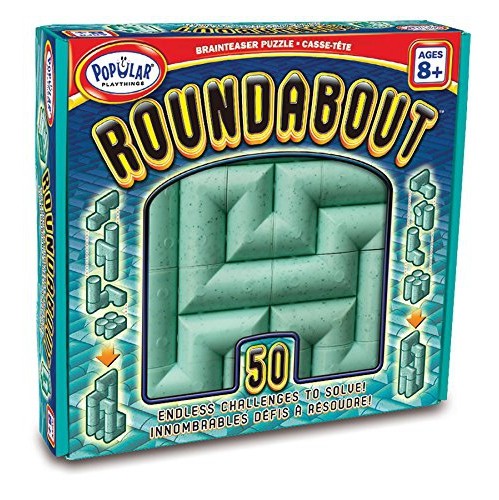

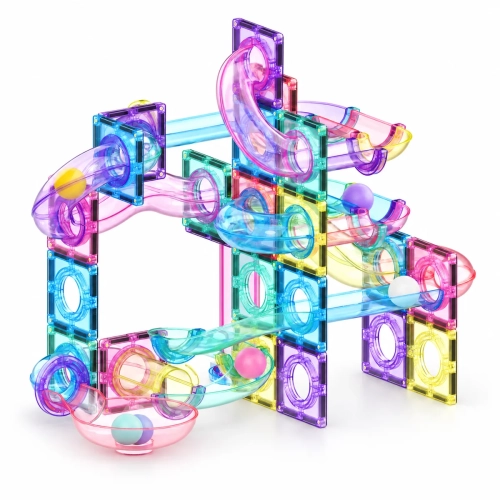
Winding paths with more than one way to play
Mazes for kids are path-finding puzzles that invite children to trace, draw, slide, or tilt their way from a starting point to a goal while working around walls and dead ends. They can take the form of paper activity books, reusable drawing boards, magnetic play boards, or handheld puzzles with a ball that travels through a winding track. Each format gives the same basic challenge a different feel: a pencil maze leaves a visible record of every turn, while a tilting maze makes small, controlled movements part of the puzzle. Simple designs often have broad pathways, clearly marked entrances, and only a few choices along the route. More involved versions introduce narrower passages, extra intersections, multiple levels, or obstacles that require a different approach. That range makes maze activities appealing to children with different interests and levels of experience, rather than tying every puzzle to a strict age alone. Animal illustrations, journeys through imaginary places, and number or letter themes can give a route a purpose beyond reaching the finish line. A child might follow a trail to help an animal find its home, then try another puzzle with fewer wrong turns. Along the way, maze play offers opportunities to practise visual tracking, spatial reasoning, concentration, and problem-solving. Drawing a route also involves pencil control and hand-eye coordination, while moving a ball through a track adds a physical challenge. These are opportunities for practice, not promises of a particular learning outcome. The appeal is often much simpler: spotting a promising opening, discovering that it leads nowhere, and finding another way through. Some children enjoy studying the whole layout before making a move; others prefer to explore one turn at a time. A well-matched maze leaves room for both approaches, with enough challenge to hold attention without making every attempt feel frustrating. Clear artwork and an obvious goal can be especially helpful when a child is learning what the puzzle asks them to do.
The construction and proportions of a maze affect how comfortable it is to use. Paper activity books offer space for drawing, erasing, and comparing different routes, with page thickness influencing how well the paper stands up to repeated corrections. A book that opens comfortably on a table can be easier to manage than one that needs a hand to hold it flat. Reusable surfaces suit children who like revisiting familiar challenges, although the recommended writing tools and cleaning method matter for keeping paths clear and avoiding permanent marks. Wooden maze boards can provide a firm play surface, while moulded plastic designs may include enclosed tracks, transparent covers, or textured controls. Material alone does not determine durability; smooth edges, secure covers, sturdy moving parts, and clear printed markings all contribute to how a puzzle handles regular play. Handheld mazes need to fit comfortably between a child’s hands, with controls that do not require an awkward stretch. Larger tabletop formats give more room to see the route, but they also need a stable surface and enough space for the child to reach across them. For magnetic designs, an attached wand can keep the tool close to the board, while a covered track keeps the moving pieces contained during normal use. Age labels, warnings, and supervision requirements remain important, particularly when a design includes small balls, magnets, or removable parts. A puzzle intended for an older sibling may not be suitable for a younger child sharing the same play area. Care is usually straightforward when it follows the manufacturer’s directions: paper stays readable when kept dry, and suitable hard surfaces can be wiped as directed. Covered mechanisms should not be soaked unless their care instructions specifically allow it. Storage matters, too. A flat shelf or dedicated drawer can protect activity pages from creasing and prevent boards from being buried beneath heavier toys. For frequent travel, a secure closure and a shape that fits easily into a bag can be more useful than extra features that are difficult to manage away from a table.
Maze activities fit many everyday moments, from a short independent puzzle at the kitchen table to a shared challenge between siblings. On a journey or in a waiting room, a compact book or enclosed handheld maze offers a clearly defined activity with a beginning and an end. At home, a larger board can become something a child returns to, gradually learning how much to tilt it or where to slow down before a tricky corner. In classrooms and learning spaces, mazes can support quiet activity periods, early pencil practice, or conversations about direction and position. Words such as above, below, beside, left, and right become easier to discuss when there is a visible route to follow. Numbered paths and letter-based challenges can add another layer, provided that the reading or counting demands suit the child using them. Shared play need not turn into a race. One child can describe a possible route while another follows it, or an adult can offer a small hint without taking over the whole puzzle. For children who prefer a slower pace, an untimed design allows space to pause and reconsider a turn. Others may enjoy repeating a familiar maze to improve accuracy or complete it with fewer stops. Families exploring different kinds of hands-on challenges can also browse Puzzles for Kids for activities that involve matching, arranging, and working through visual problems in other ways. As gifts, maze activities can suit birthdays, family visits, or other celebrations, especially when the format reflects the recipient’s interests and preferred way to play. A child who loves drawing may spend longer with illustrated paper puzzles, while one who enjoys building and movement may be more drawn to a physical track. Difficulty, portability, readable layouts, and comfortable handling help determine whether a maze becomes a passing diversion or a familiar favourite. The most satisfying challenge gives a child a reason to try another route and enough independence to enjoy reaching the finish.
Top selling and popular products
-
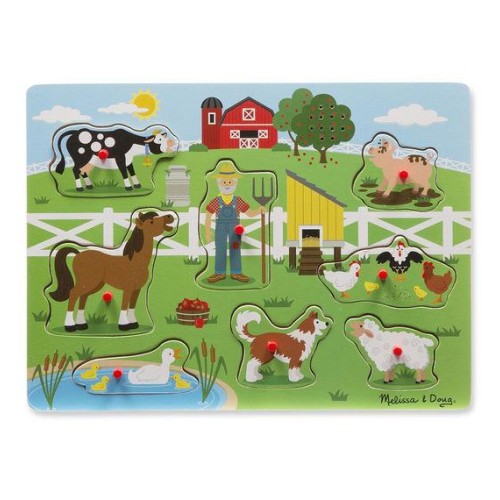 Your price for this item is $30.99
-
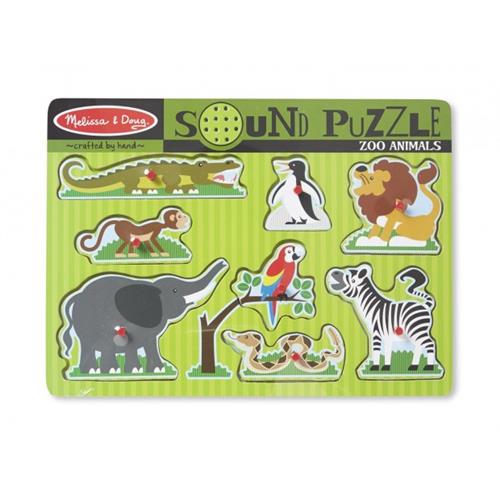 Your price for this item is $35.99
-
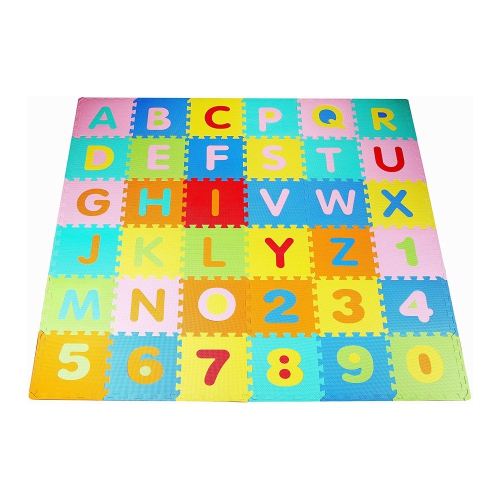 Your price for this item is $93.99
-
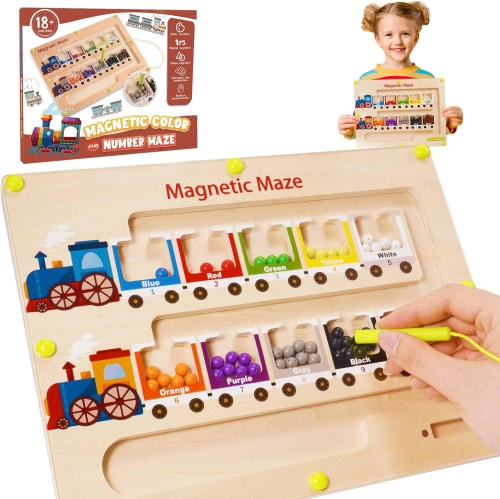 Your price for this item is $27.99
-
 Your price for this item is $27.99
-
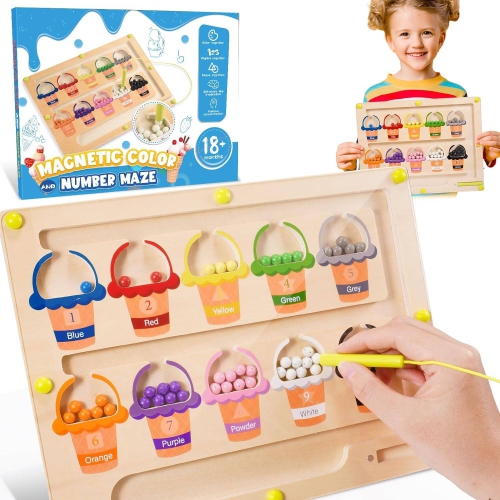 Your price for this item is $27.99
-
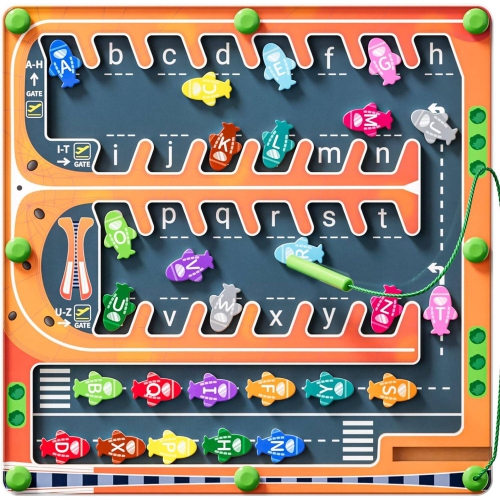 Your price for this item is $42.99
-
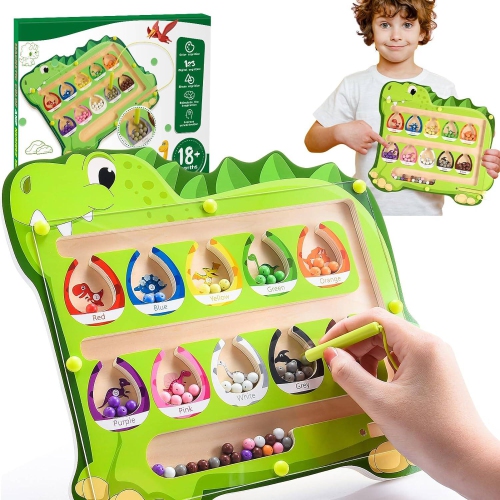 Your price for this item is $28.99
Discover more categories related to Maze for Kids

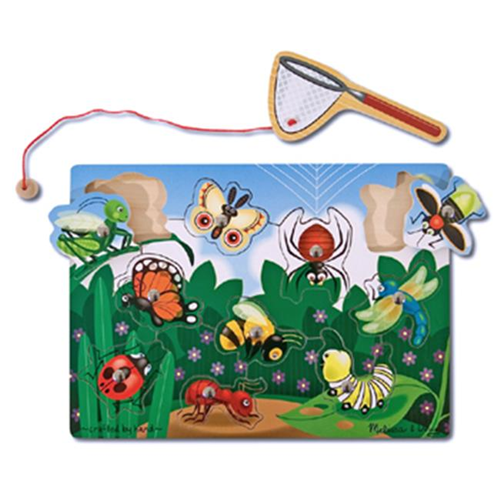

Top Collections:
Pokemon Centers, Best Cameras for Sports Photography, Kindle Devices, Samsung Galaxy Phones, Canon G7X Cameras, Pokémon 30th Celebration Cards, Refurbished Apple Laptops, iPhone 15 Apple, Laptops for Students, Budget Smartphones
Some products may be subject to Environmental Handling Fees
(EHF) depending on your province.
Learn more about EHFs.