Miniature Toys
Miniature toys bring a world of imagination and creativity right to your fingertips. Perfect for collectors and children alike, these tiny treasures offer endless possibilities for play and display. Whether you're building a detailed dollhouse scene, setting up a miniature train set, or simply adding to your collection of tiny figures, the charm and detail of miniature toys can captivate any enthusiast. Explore our diverse range of options that cater to various interests and styles, ensuring you find the perfect miniature companions to spark joy and inspire endless adventures.
Sort



![HASEGAWA [Fa05] 1:12 Capsule Toy Machine (Gashapon Dispensers) Model Kit Building Set With 12 Clear Miniature Capsules And 100 Colorful Plastic Balls](https://multimedia.bbycastatic.ca/multimedia/products/500x500/199/19971/19971463.png)

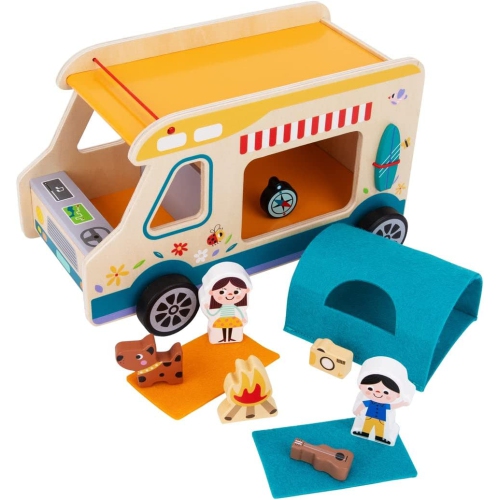

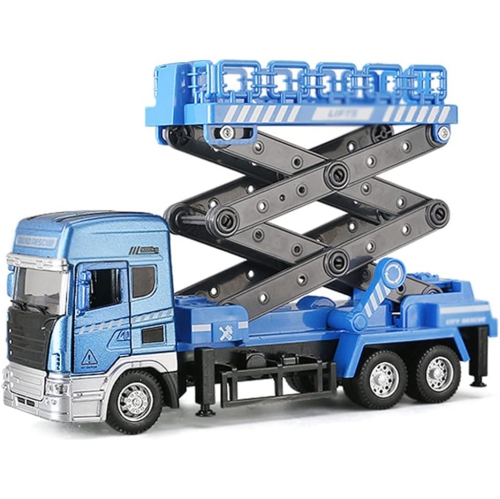
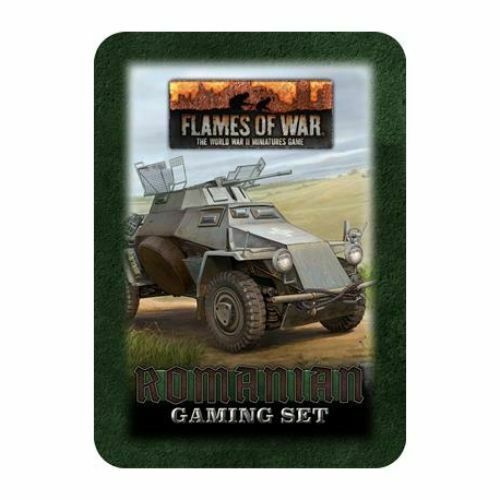
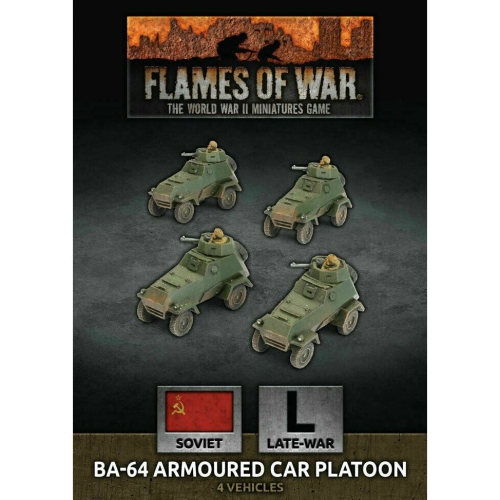
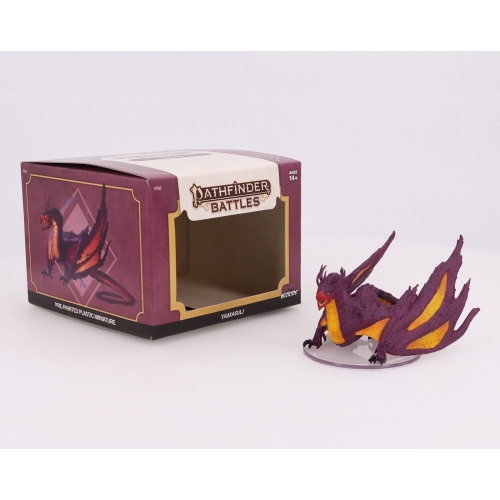
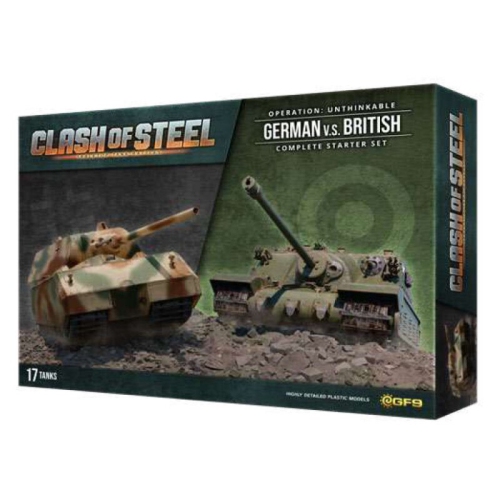

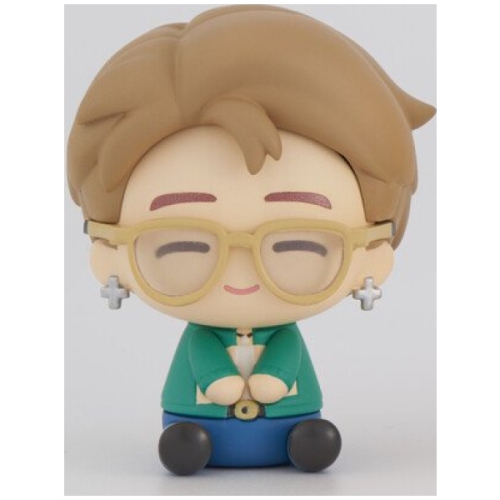
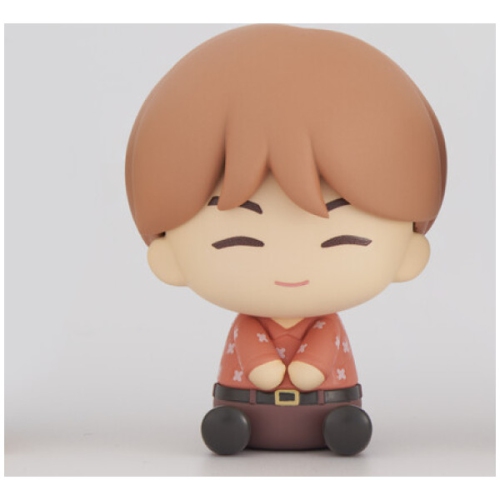

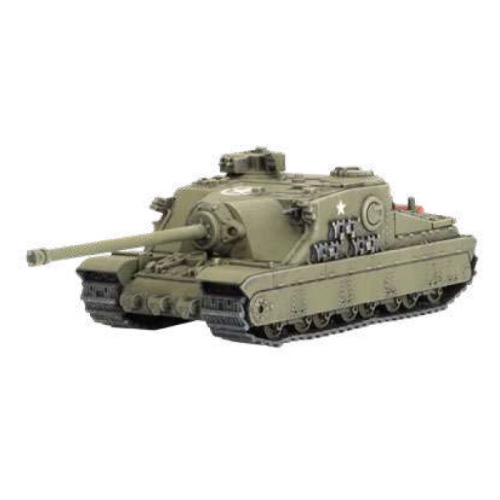
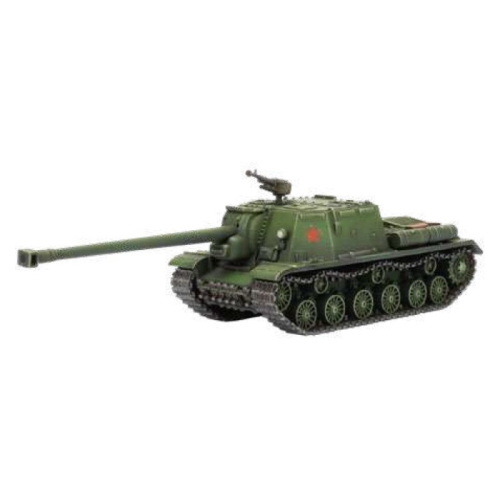
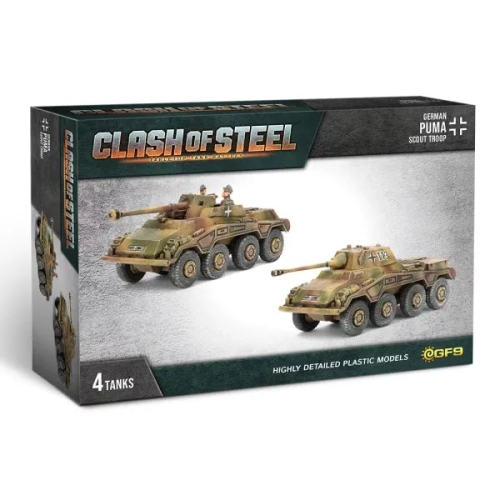

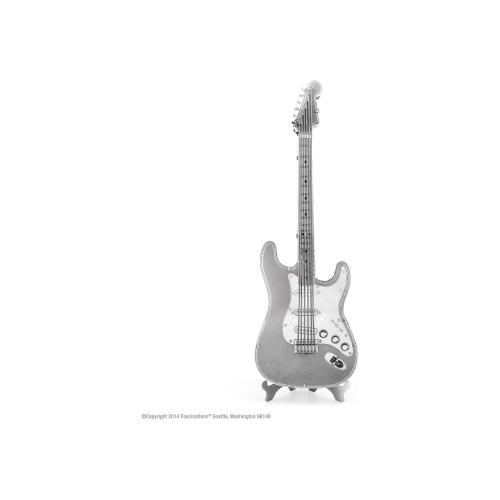
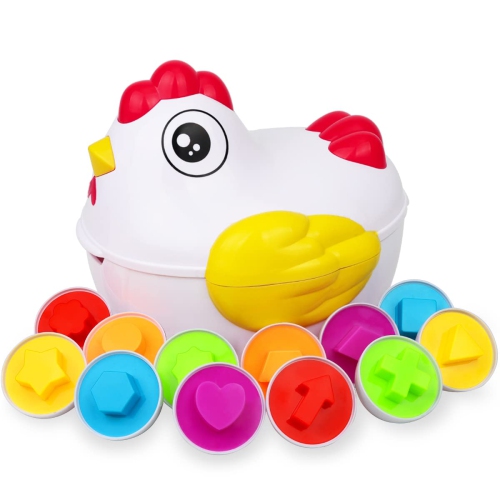
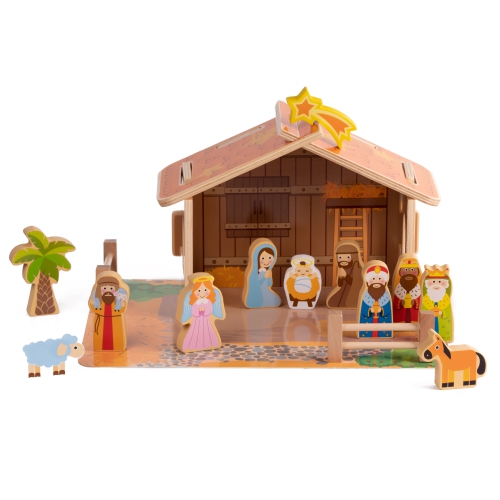
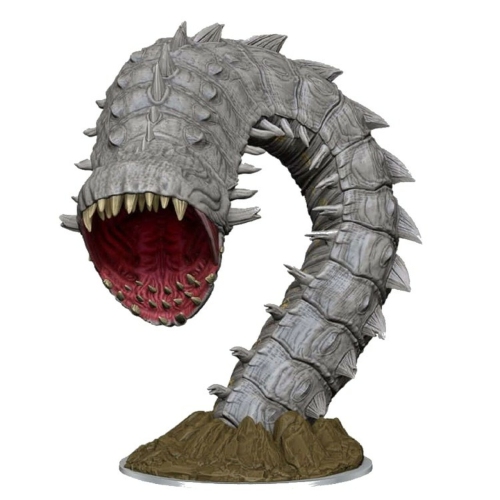
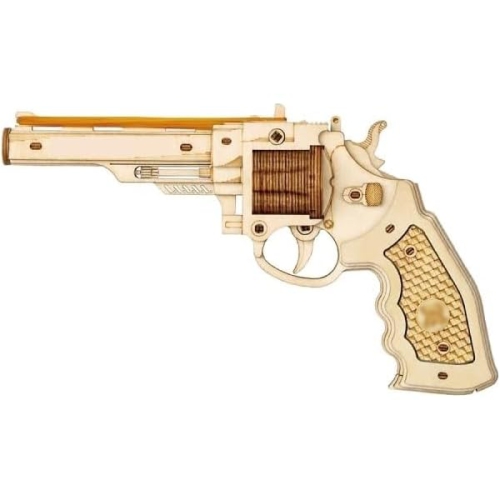
Small details set the scene for big stories
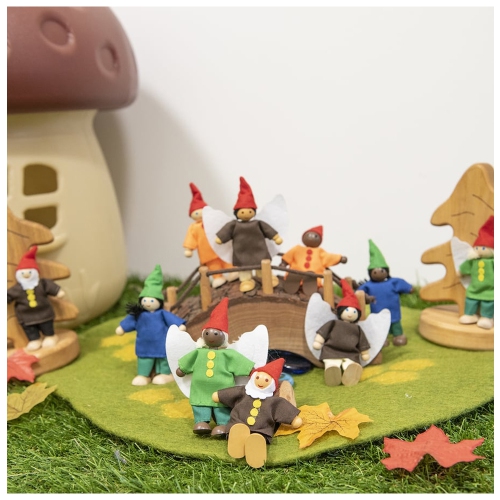
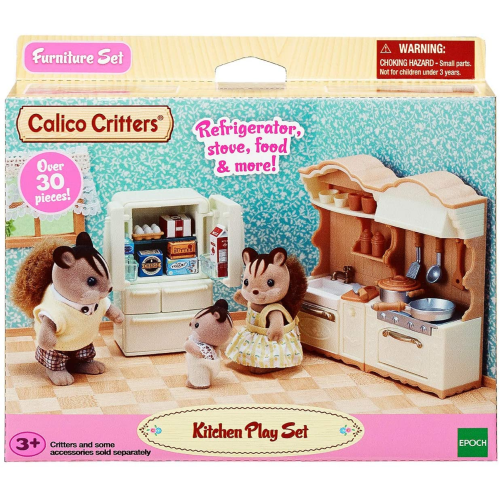
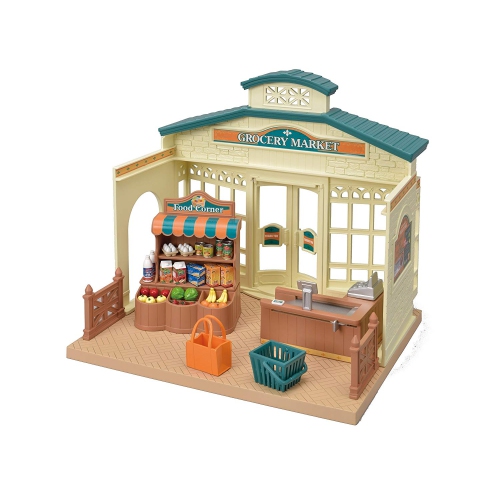
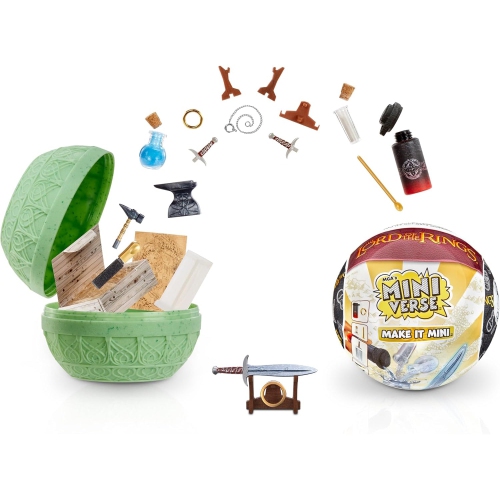
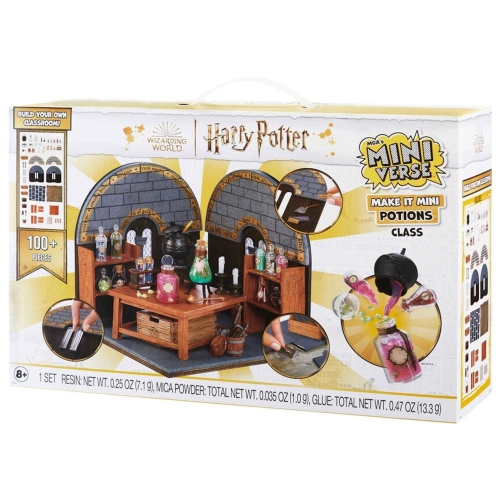
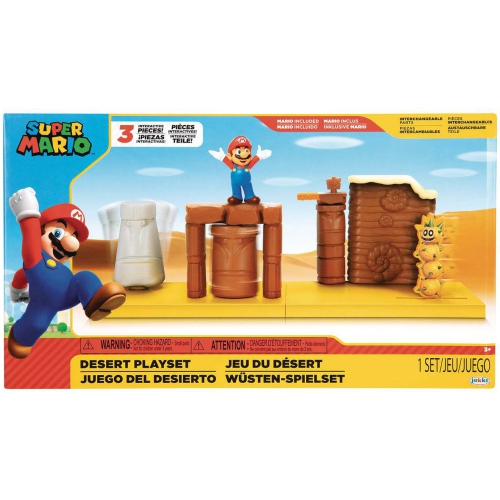
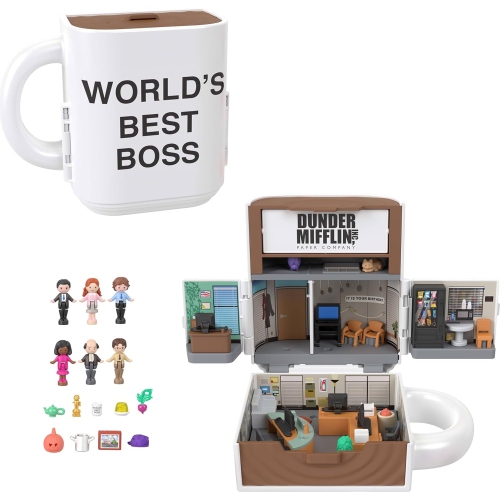
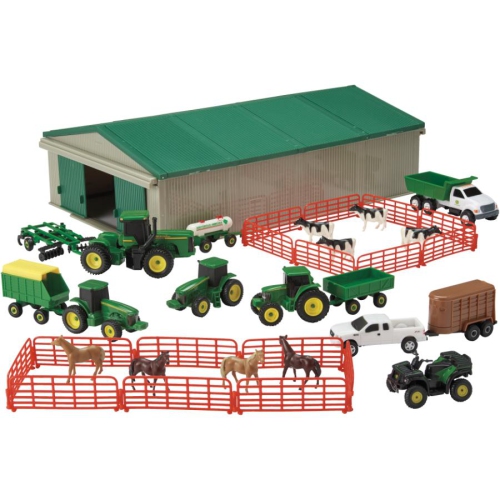
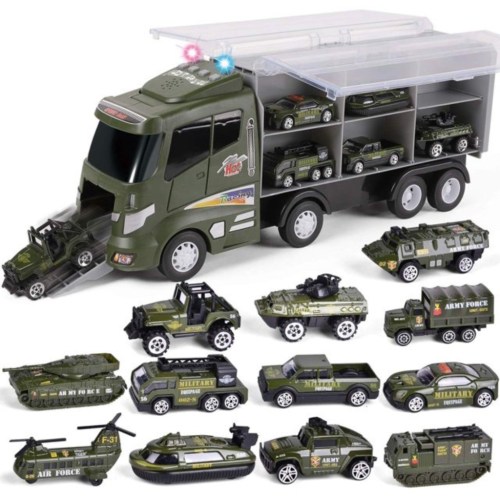
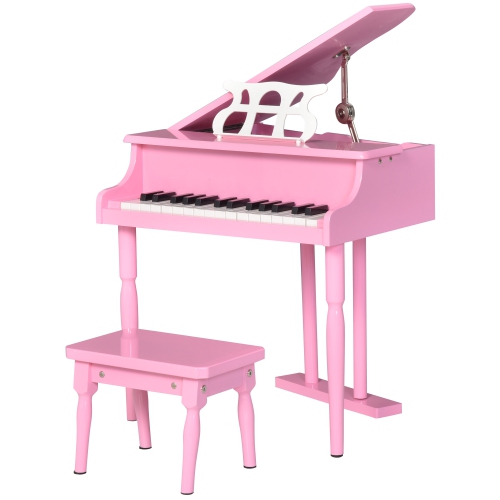
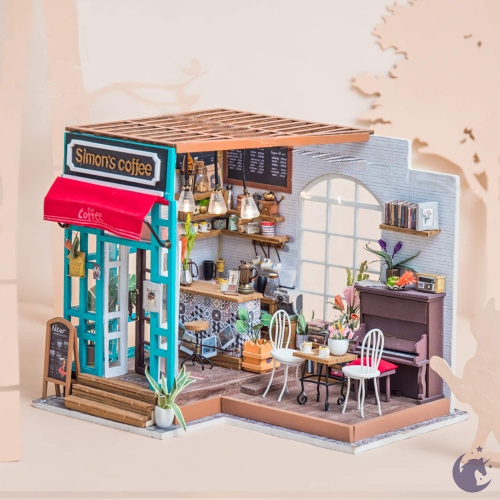
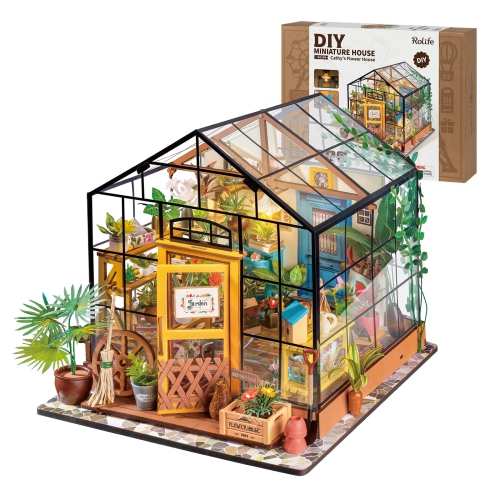
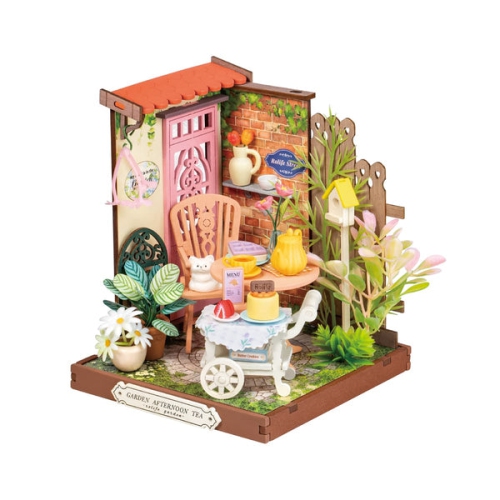
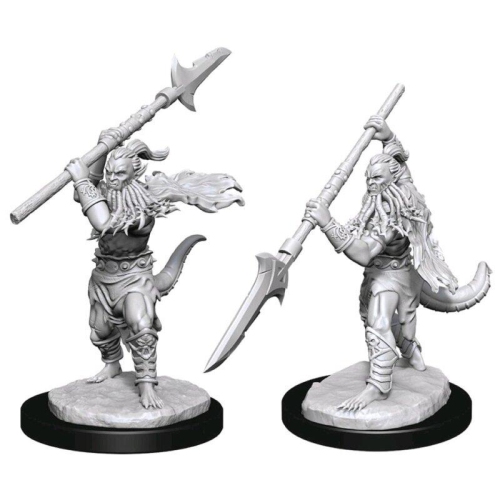
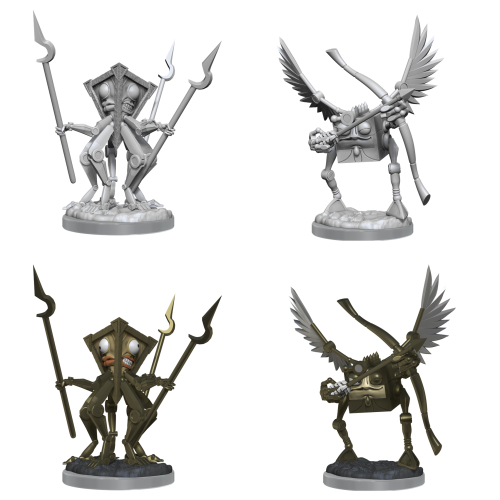
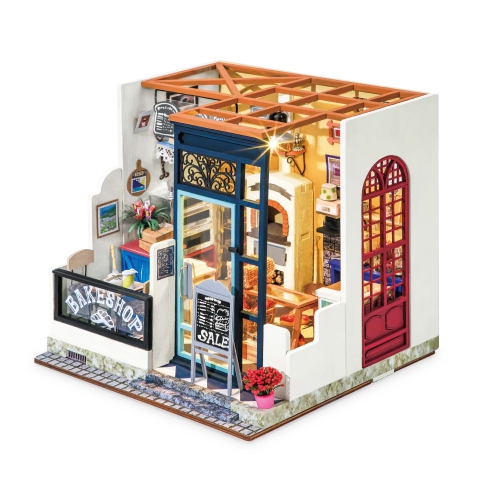
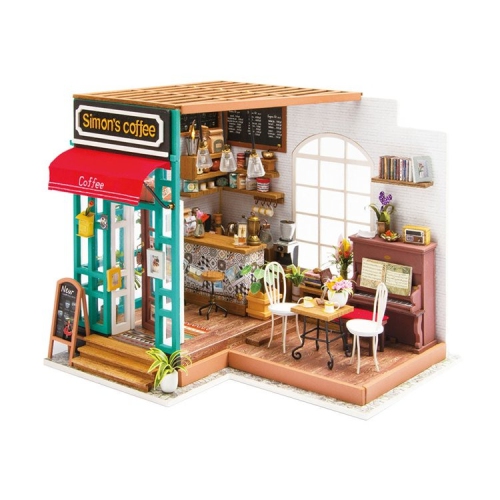
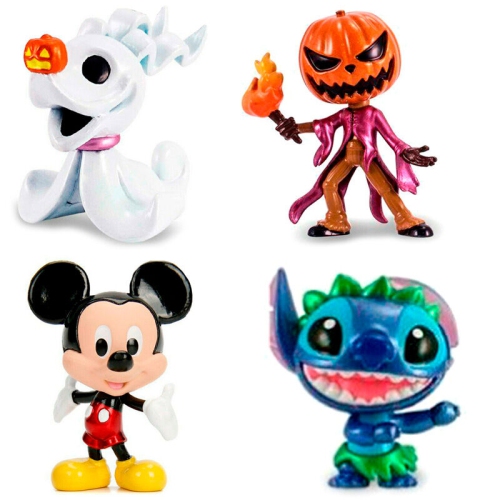
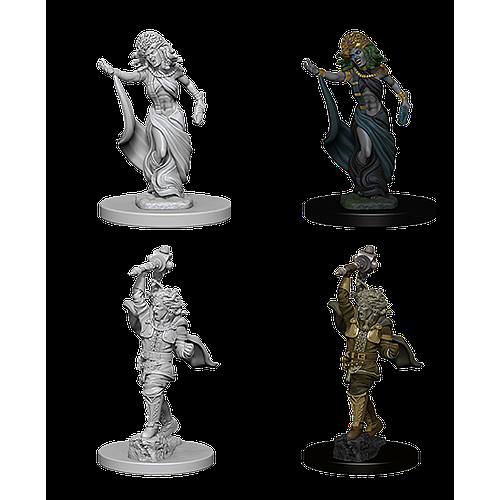
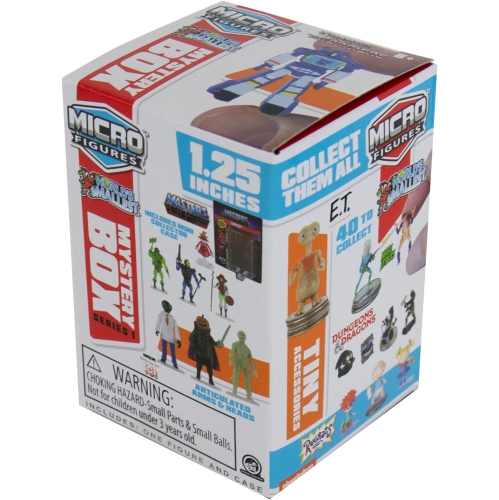
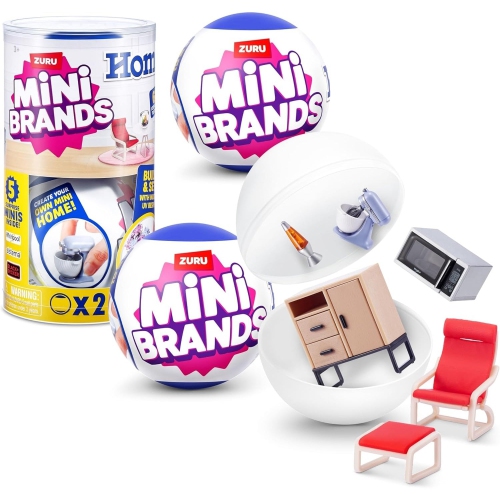
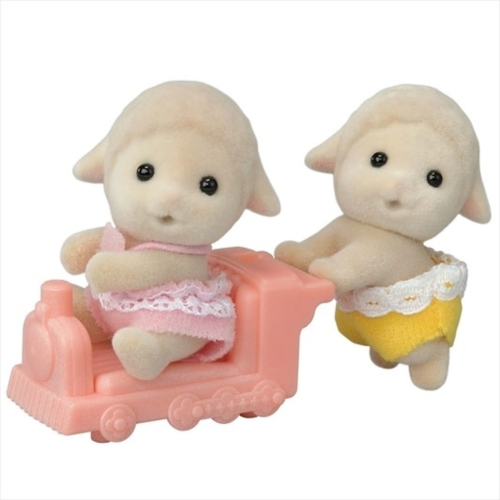
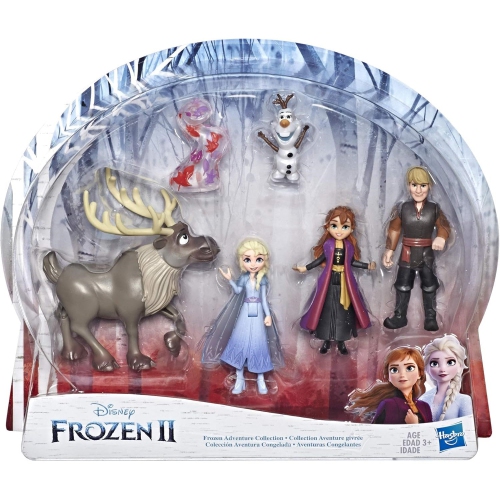
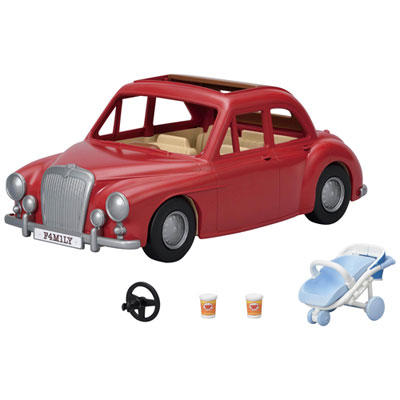
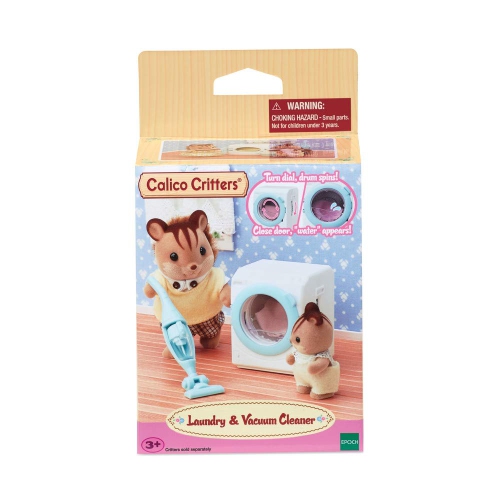
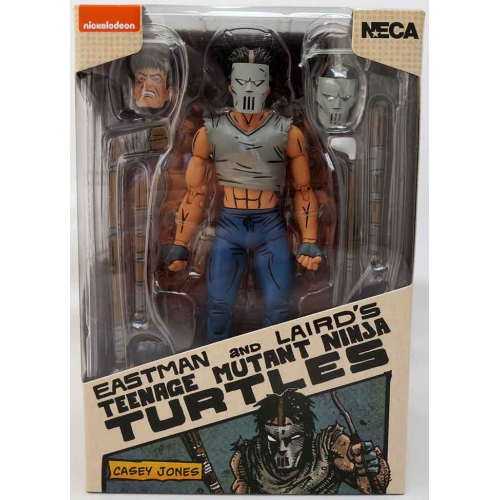
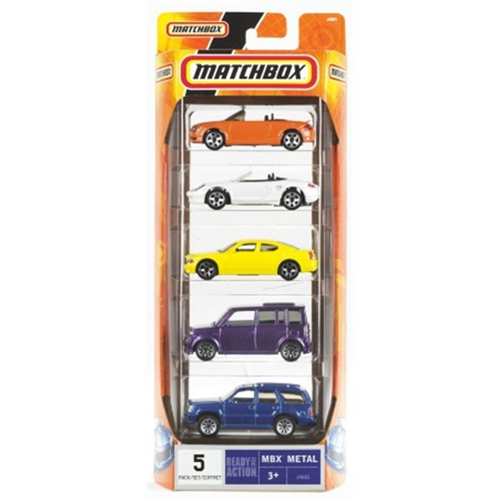
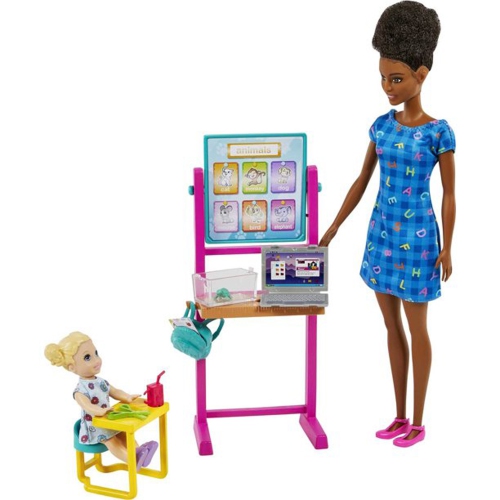
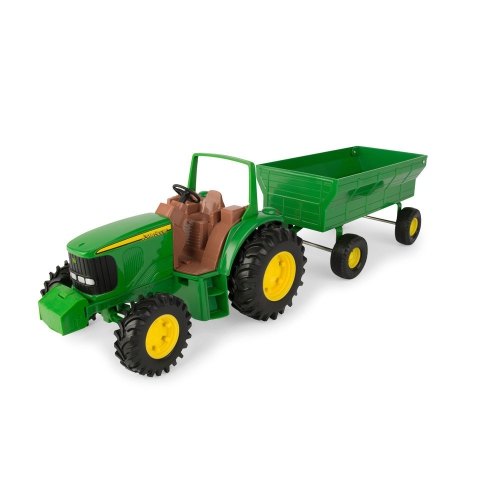
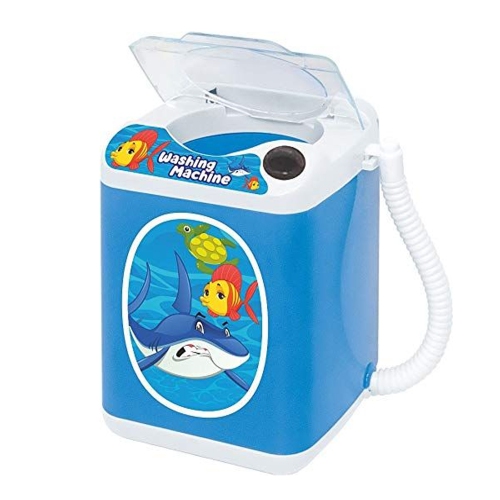
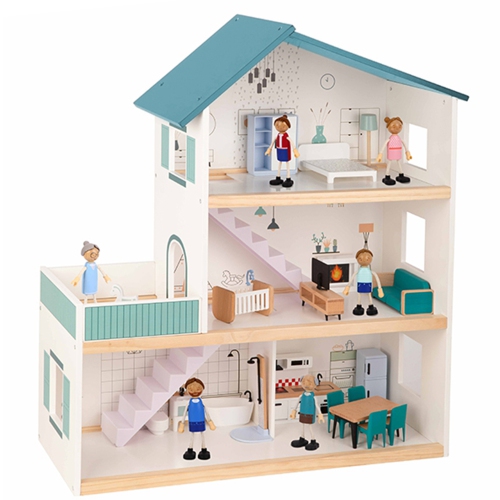
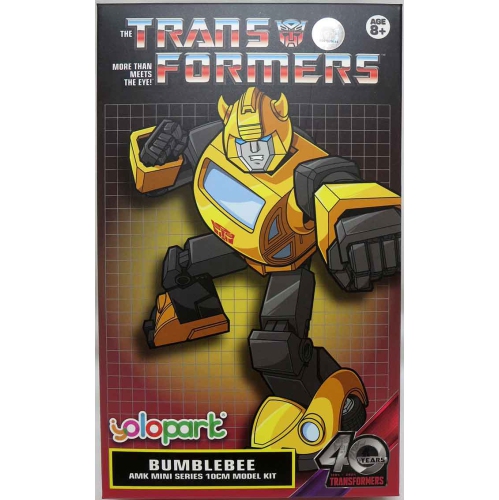
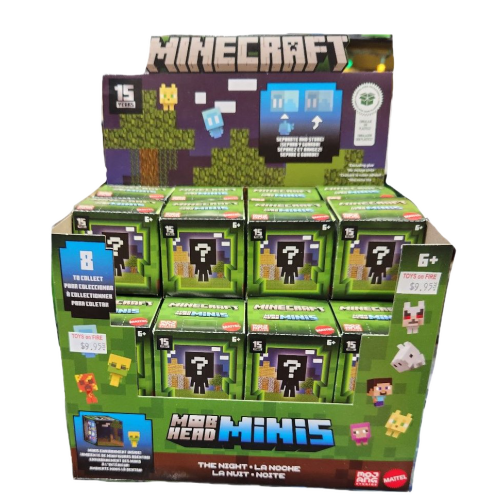
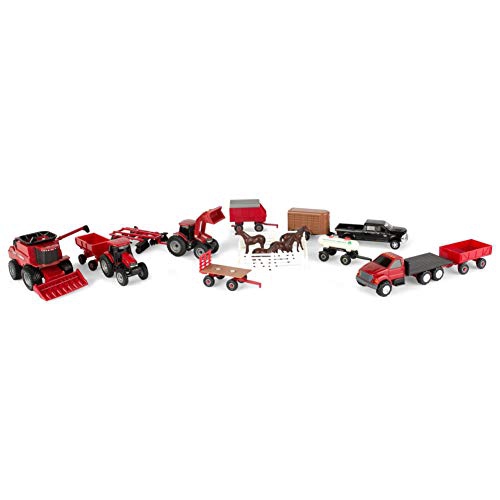
Miniature toys bring familiar places, characters, and everyday routines into a size that invites close attention. A tiny room can become the setting for an elaborate family story, while a collection of small animals can turn a tabletop into a busy farm or an imaginary wilderness. Much of their appeal comes from the contrast between their compact size and the possibilities they suggest: a carefully shaped face, a door that opens, or furniture arranged just as it would be in a full-sized home. For children, these details offer starting points for pretend play, storytelling, sorting, and arranging. For older hobbyists and collectors, the attraction may lie in accurate proportions, intricate paintwork, or the satisfaction of building a scene a little at a time. Miniatures can be used on their own, grouped into themed displays, or added to compatible playsets, depending on their size and intended purpose. Related Toy Figures can provide characters for these small settings, although measurements and age recommendations matter more than a shared theme when bringing different pieces together. Some miniature toys are designed for frequent handling and lively play; others place greater emphasis on fine detail and are better suited to careful arranging or display. That distinction helps explain why two pieces with similar dimensions may feel very different in the hand. A chunky, simply shaped miniature may be easier for a child to grasp, while a finely detailed model may have delicate extensions or small attachments that need more care. The most useful match depends on how the toys will actually be enjoyed, whether that means inventing stories at the kitchen table, setting up a miniature neighbourhood on a play mat, or arranging a favourite collection on a shelf. Even a small grouping can feel complete when its pieces share a setting, a visual style, or a clear role in the story.
Materials and construction influence both the appearance of miniature toys and how well they stand up to their intended use. Moulded plastic can capture expressive shapes and fine surface textures without adding much weight, making it a common choice for pieces that are moved around during play. Wood often brings a pleasing weight and a simpler shape, although painted surfaces and exposed edges still benefit from gentle handling. Metal components can give miniature vehicles or models a more substantial feel, while resin can support crisp detail in pieces intended primarily for display. Material alone does not determine durability: thin legs, narrow handles, tiny hinges, and projecting accessories can remain vulnerable even when the main body feels sturdy. For toys that will be handled often, the way parts connect, the stability of the base, and the ease of operating moving features can matter as much as the finish. Fit is another practical consideration, particularly when adding miniatures to an existing setting. Two objects described as miniature may differ greatly in scale, so overall height, width, and depth are worth comparing with doorways, seats, storage compartments, and surrounding pieces. Matching a stated scale is helpful, but stylized proportions can still affect how naturally objects work together. A figure might fit through a doorway yet be unable to sit on a chair because its knees do not bend. Similarly, a miniature with a broad base may stand securely on a flat surface but need more room than expected on a narrow shelf. Intended age deserves equally close attention. Small parts can pose a choking hazard, and toys containing them are not suitable for children under three. Older children’s miniatures should also be kept away from younger siblings who may put objects in their mouths. Packaging and manufacturer information provide the relevant age guidance, care directions, and warnings; a small size or playful appearance does not, by itself, indicate suitability for a young child.
Everyday enjoyment often depends on giving miniature toys a place to be played with, stored, and cared for. A shallow tray can help define a small play area and keep loose pieces from spreading across a table, while divided storage makes it easier to find matching parts without emptying an entire collection onto the floor. Compartments should leave enough space for delicate shapes rather than pressing them tightly together, and storage containers should be appropriate for the age of the person using them. Keeping accessories grouped by setting or function can also make the next play session easier to begin. During the cooler months, a tabletop scene can become an inviting indoor activity, with children taking turns assigning roles, arranging buildings, or deciding what happens next. Some may enjoy a detailed story that unfolds over several afternoons; others may prefer lining up pieces by colour, size, or type. Neither approach requires an elaborate setup, and leaving a little open space often gives hands more room to move without knocking neighbouring pieces over. For collectors, a stable display surface away from busy edges helps protect arrangements from accidental bumps. Direct sunlight, excess heat, and damp conditions can affect certain finishes and materials, so placement matters as well as presentation. Cleaning should follow the manufacturer’s directions. A soft, dry brush may be suitable for removing dust from intricate surfaces, while a lightly dampened cloth may be appropriate for some sturdy, non-electronic toys. Painted, wooden, metal, or assembled pieces should not be soaked unless their care instructions expressly allow it, and washable pieces should be fully dry before storage. As gifts, miniature toys can suit children who enjoy imaginative worlds, older enthusiasts with a particular interest, or collectors who appreciate small-scale craftsmanship. A thoughtful choice reflects the recipient’s preferred way of playing or displaying, their available space, and any collection they already own. Compatibility can be especially meaningful when a gift adds a new role or setting to something already enjoyed. Whether kept in a portable play box or given a dedicated shelf, well-chosen miniatures offer satisfying detail without needing a large setting.
Materials and construction influence both the appearance of miniature toys and how well they stand up to their intended use. Moulded plastic can capture expressive shapes and fine surface textures without adding much weight, making it a common choice for pieces that are moved around during play. Wood often brings a pleasing weight and a simpler shape, although painted surfaces and exposed edges still benefit from gentle handling. Metal components can give miniature vehicles or models a more substantial feel, while resin can support crisp detail in pieces intended primarily for display. Material alone does not determine durability: thin legs, narrow handles, tiny hinges, and projecting accessories can remain vulnerable even when the main body feels sturdy. For toys that will be handled often, the way parts connect, the stability of the base, and the ease of operating moving features can matter as much as the finish. Fit is another practical consideration, particularly when adding miniatures to an existing setting. Two objects described as miniature may differ greatly in scale, so overall height, width, and depth are worth comparing with doorways, seats, storage compartments, and surrounding pieces. Matching a stated scale is helpful, but stylized proportions can still affect how naturally objects work together. A figure might fit through a doorway yet be unable to sit on a chair because its knees do not bend. Similarly, a miniature with a broad base may stand securely on a flat surface but need more room than expected on a narrow shelf. Intended age deserves equally close attention. Small parts can pose a choking hazard, and toys containing them are not suitable for children under three. Older children’s miniatures should also be kept away from younger siblings who may put objects in their mouths. Packaging and manufacturer information provide the relevant age guidance, care directions, and warnings; a small size or playful appearance does not, by itself, indicate suitability for a young child.
Everyday enjoyment often depends on giving miniature toys a place to be played with, stored, and cared for. A shallow tray can help define a small play area and keep loose pieces from spreading across a table, while divided storage makes it easier to find matching parts without emptying an entire collection onto the floor. Compartments should leave enough space for delicate shapes rather than pressing them tightly together, and storage containers should be appropriate for the age of the person using them. Keeping accessories grouped by setting or function can also make the next play session easier to begin. During the cooler months, a tabletop scene can become an inviting indoor activity, with children taking turns assigning roles, arranging buildings, or deciding what happens next. Some may enjoy a detailed story that unfolds over several afternoons; others may prefer lining up pieces by colour, size, or type. Neither approach requires an elaborate setup, and leaving a little open space often gives hands more room to move without knocking neighbouring pieces over. For collectors, a stable display surface away from busy edges helps protect arrangements from accidental bumps. Direct sunlight, excess heat, and damp conditions can affect certain finishes and materials, so placement matters as well as presentation. Cleaning should follow the manufacturer’s directions. A soft, dry brush may be suitable for removing dust from intricate surfaces, while a lightly dampened cloth may be appropriate for some sturdy, non-electronic toys. Painted, wooden, metal, or assembled pieces should not be soaked unless their care instructions expressly allow it, and washable pieces should be fully dry before storage. As gifts, miniature toys can suit children who enjoy imaginative worlds, older enthusiasts with a particular interest, or collectors who appreciate small-scale craftsmanship. A thoughtful choice reflects the recipient’s preferred way of playing or displaying, their available space, and any collection they already own. Compatibility can be especially meaningful when a gift adds a new role or setting to something already enjoyed. Whether kept in a portable play box or given a dedicated shelf, well-chosen miniatures offer satisfying detail without needing a large setting.
Top selling and popular products
-
 Your price for this item is $119.99
 -
 Your price for this item is $103.49
 -
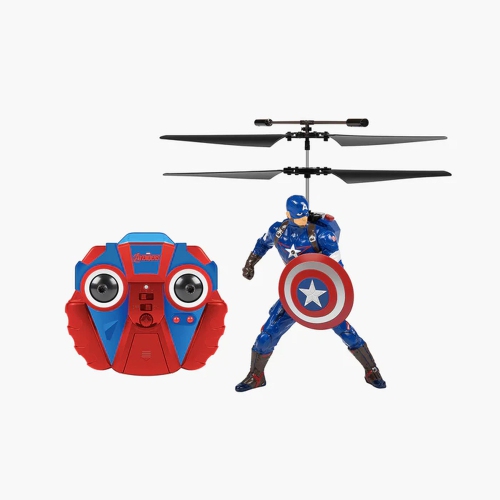 Your price for this item is $59.99
 -
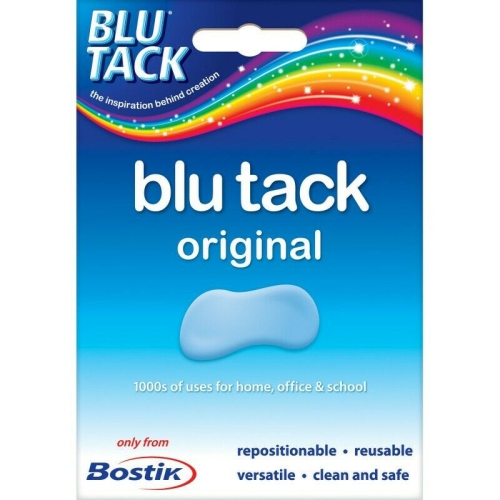 Your price for this item is $6
 -
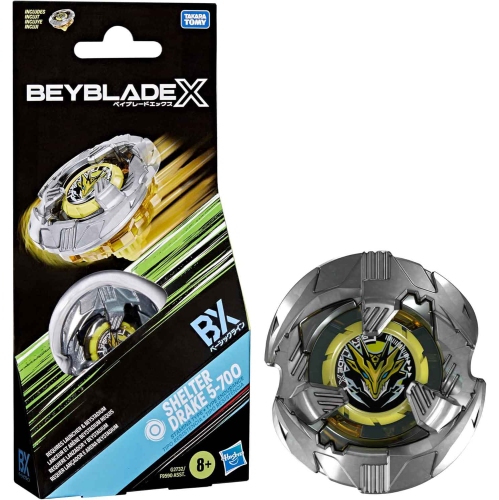 Your price for this item is $13.79
 -
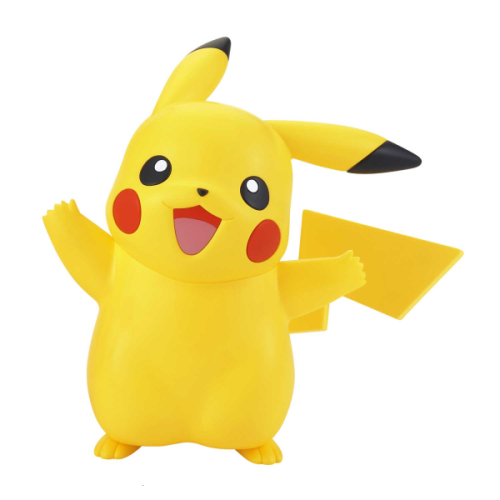 Your price for this item is $16
 -
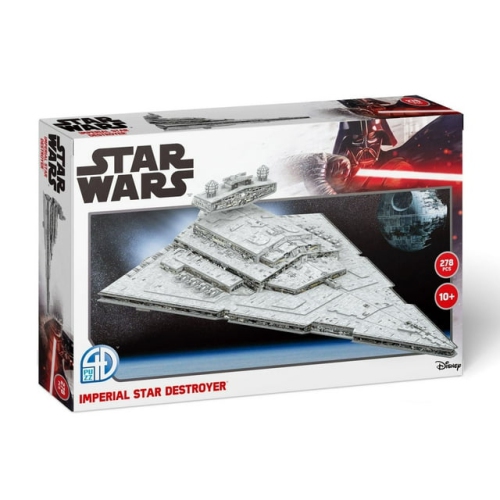 Your price for this item is $69.99
 -
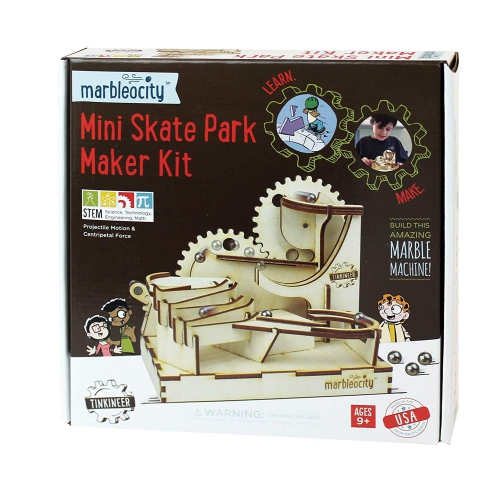 Your price for this item is $38.21
Discover more categories related to Miniature Toys
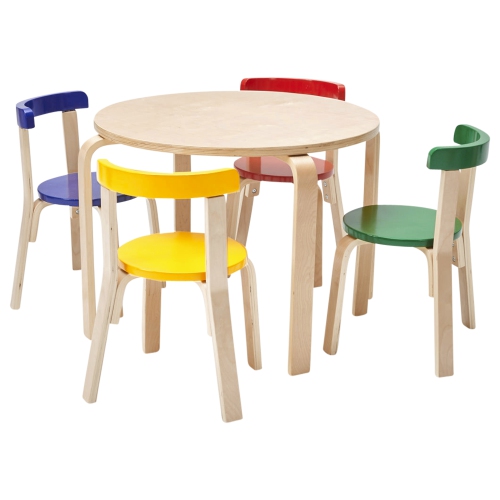
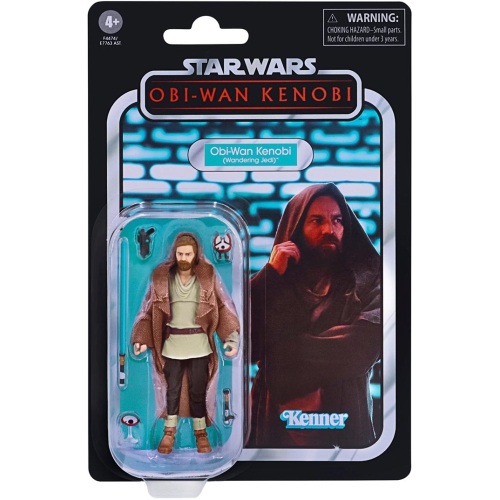
Top Collections:
Pokemon Centers, Kindle Devices, Best Budget Office Chairs, Apple iPhones 16, Best Laptops for Writers, iPhone 15 Apple, Canon G7X Cameras, Refurbished Apple Laptops, Alarm Clock, Motorola Razr Phones
Some products may be subject to Environmental Handling Fees
(EHF) depending on your province.
Learn more about EHFs.