Model Trains
Explore the captivating world of model trains, where creativity and imagination come to life on intricate tracks and detailed landscapes. Perfect for hobbyists and collectors alike, model trains offer endless possibilities for building unique layouts and expanding your collection. Whether you're just starting out or looking to enhance your setup, discover a wide selection of model trains that cater to every skill level and interest. Find everything you need to bring your miniature railway dreams to reality.
Sort

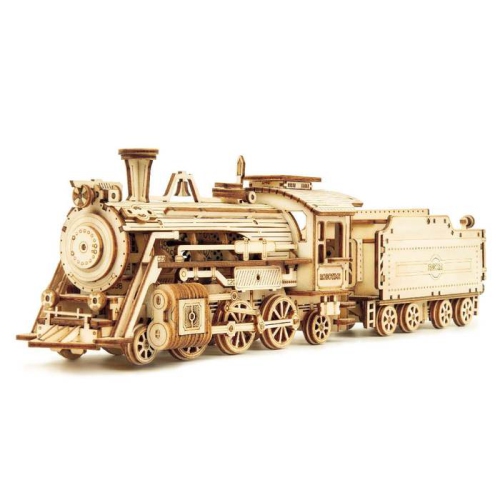

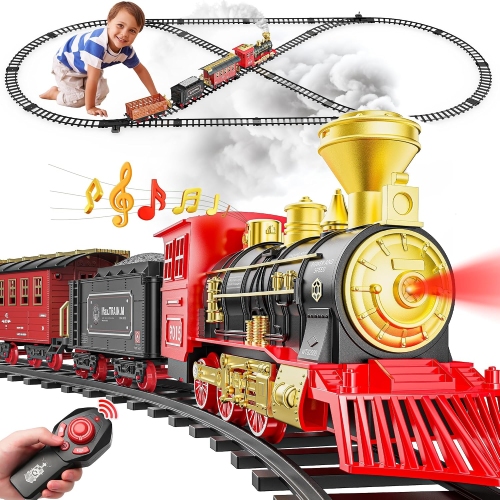
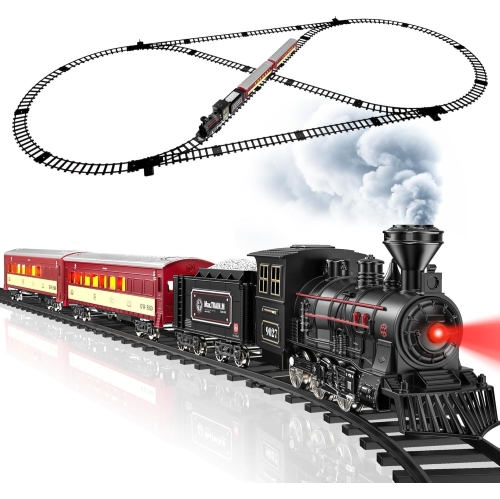

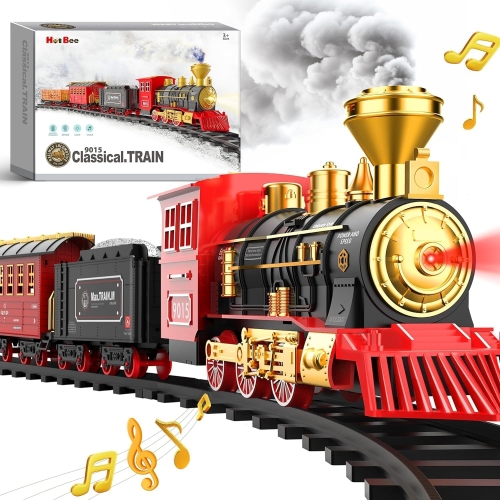
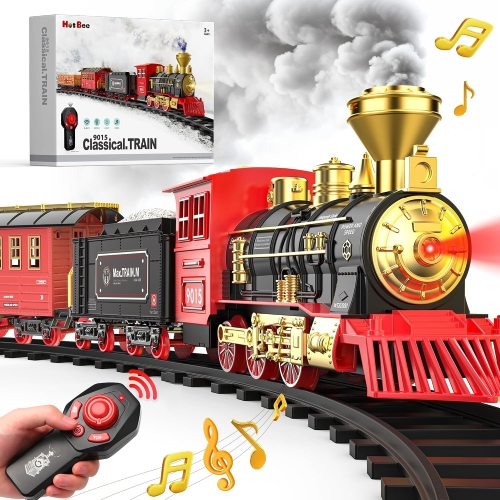
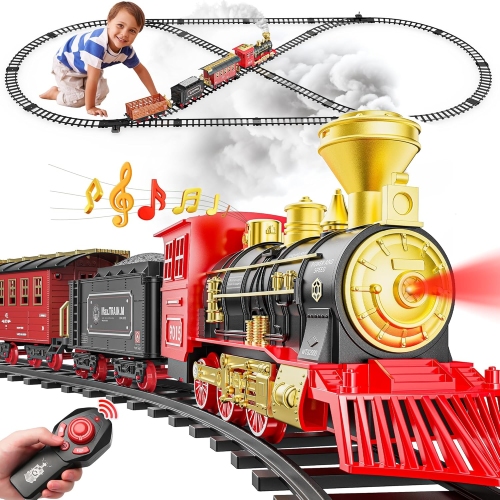
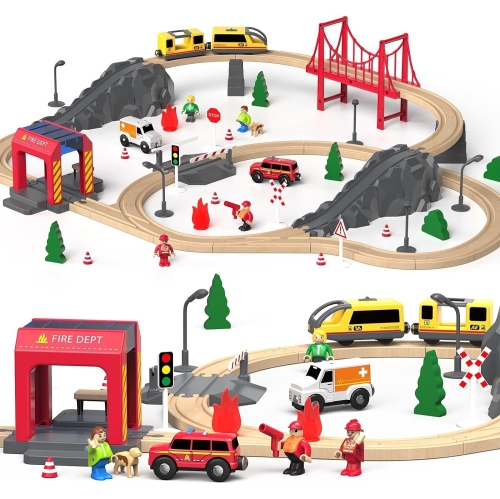
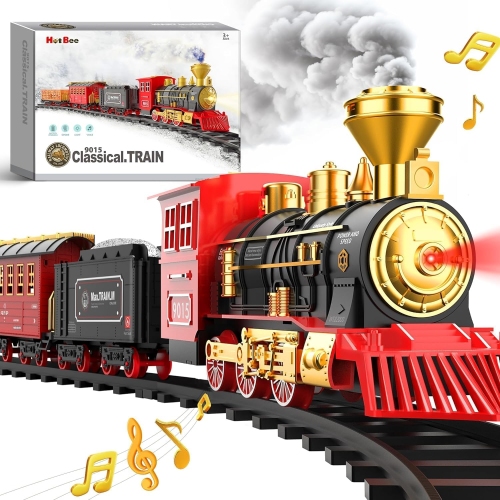
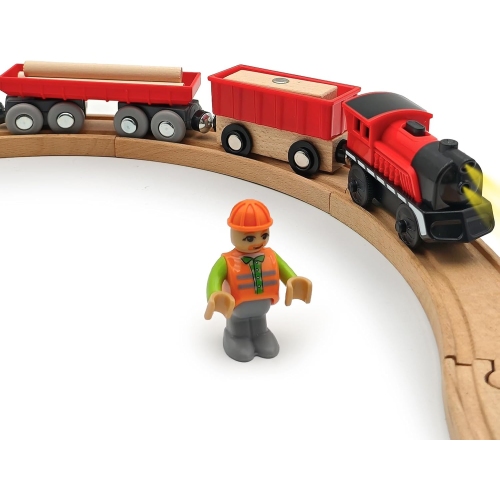
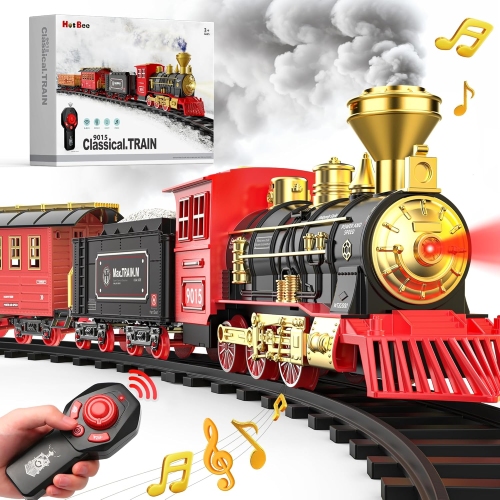
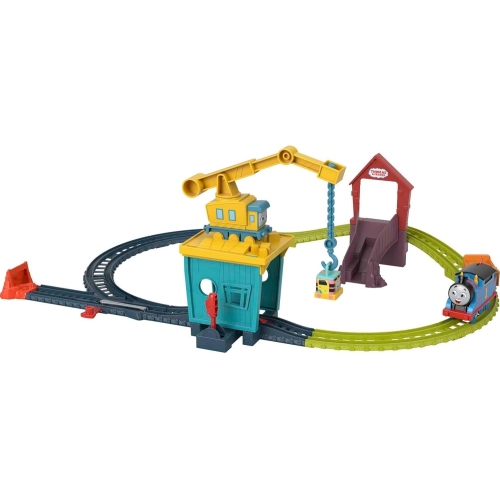
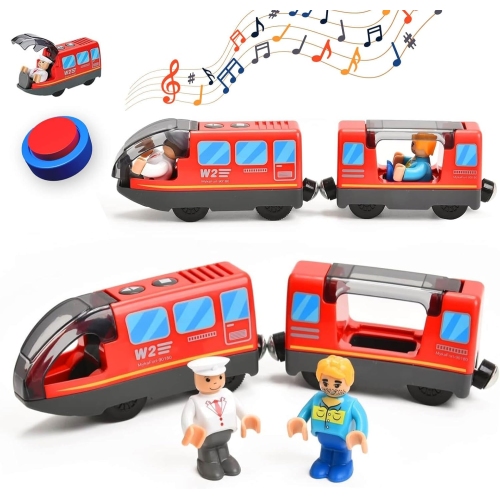

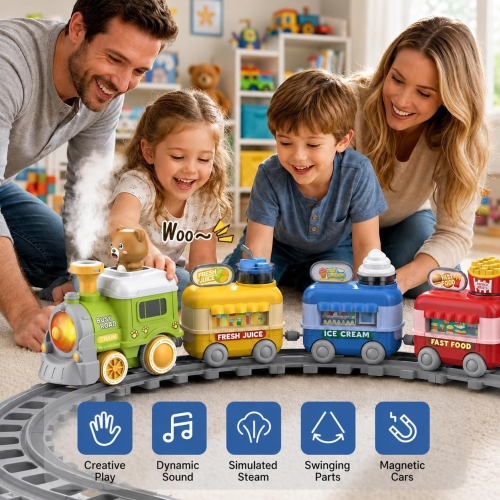
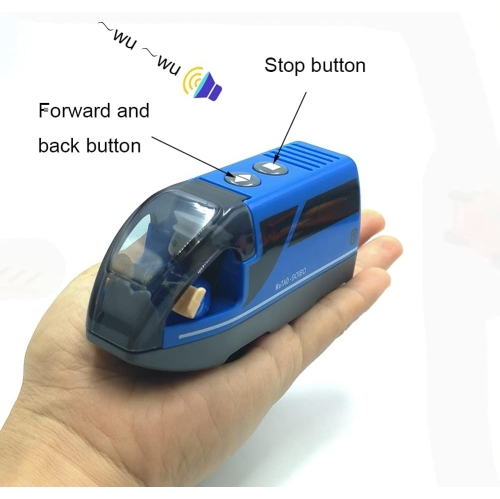
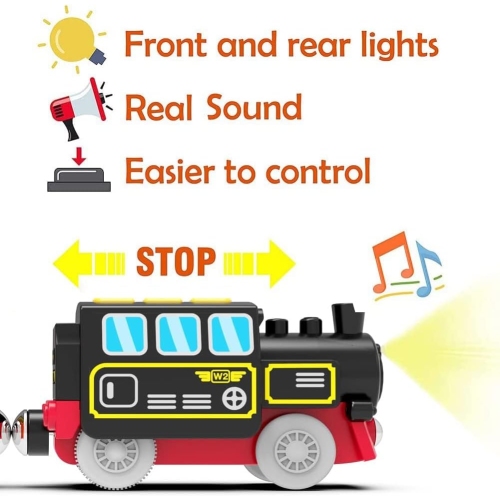
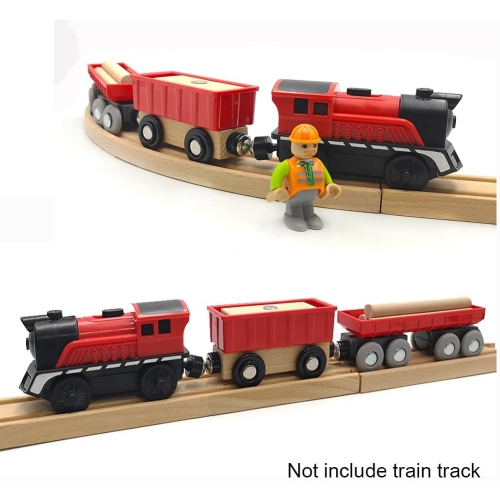
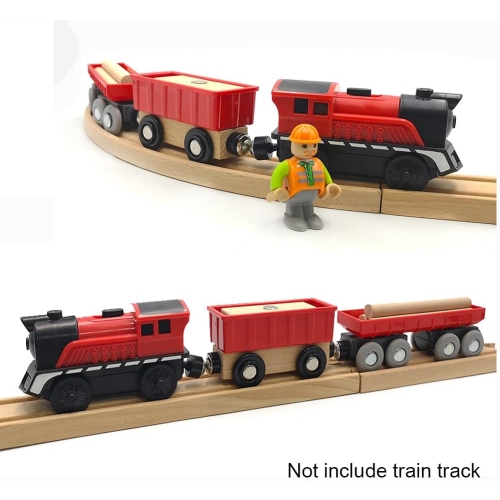
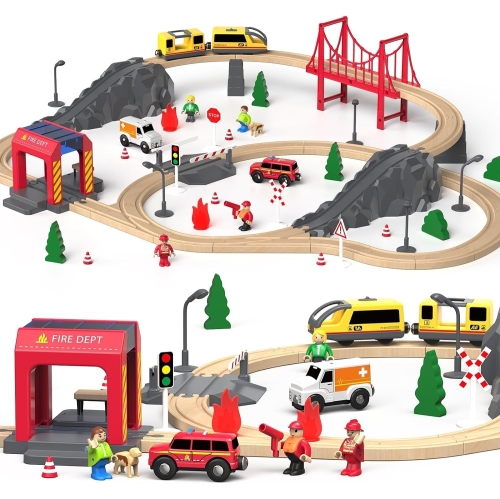
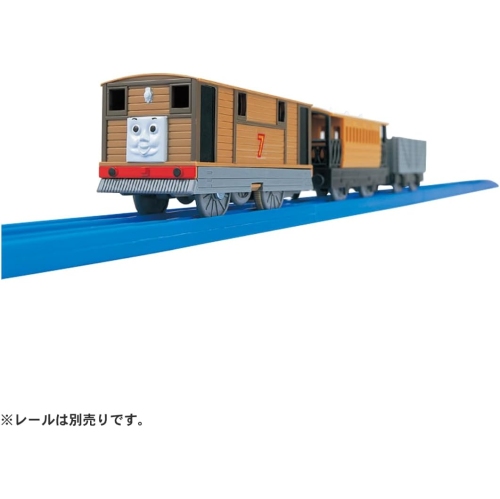
The details that turn miniatures into working railways
Model trains are miniature representations of locomotives, passenger coaches, and freight cars, designed for operation, display, or both. Model railroading brings these pieces together with track, buildings, and scenery to create a working miniature railway. The appeal can be mechanical, historical, creative, or a combination of all three: a locomotive easing into a station, freight cars moving through a switching yard, or a passenger train passing a carefully arranged streetscape each offers a different kind of enjoyment. Some trains emphasize realistic proportions and fine detailing, while others favour sturdy construction and straightforward operation for play. Scale is one of the main differences between model railway systems. It describes the size of a model relative to the full-sized train it represents. In North American modelling, HO scale is approximately 1:87, N scale is commonly 1:160, and O scale is commonly 1:48. N scale allows longer trains and more scenery within a smaller footprint, while larger scales give details such as handrails, wheel assemblies, and cab features greater visual presence. HO sits between these sizes and suits many tabletop layouts. Scale is different from gauge, which is the distance between the rails; matching one does not automatically establish compatibility with the other. Space requirements also extend beyond the dimensions of a locomotive. Curves, sidings, platforms, and clearance beside the track all influence how a railway fits on a table or dedicated baseboard. Longer passenger coaches and locomotives generally need broader curves than shorter rolling stock, particularly where realistic appearance and smooth movement matter. A compact industrial scene can be satisfying without a large circuit, while an extended main line gives longer trains room to stretch out. The intended setting helps shape the overall character, whether that means a busy urban terminal, a rural branch line, or a freight yard where the interest lies in assembling and moving trains rather than simply watching them circle.
Compatibility matters as much as appearance when model trains are used together. Locomotives, rolling stock, track, couplers, and controls form a system, and differences in scale, wheel standards, electrical arrangements, or coupling style can affect how that system works. The foundation is the model train tracks, whose gauge, curve radius, and connections need to suit the trains and the planned layout. Track with an integrated base can simplify a temporary tabletop setup, while other track formats lend themselves to more permanent layouts with separately applied ballast and scenery. Rail height and the shape of connecting sections can differ even within the same scale, so a similar appearance does not guarantee a direct fit. Couplers deserve the same attention: their style, mounting height, and ability to move through curves all influence reliable operation. Control systems introduce another distinction. Conventional direct-current control generally changes train speed by adjusting the voltage supplied to an electrically isolated section of track. Digital Command Control, usually called DCC, sends commands to decoders in suitably equipped locomotives, allowing independent control of multiple trains on the same powered track. Depending on the equipment, digital functions may also operate lighting and sound. A locomotive described as ready for a decoder is not necessarily supplied with one installed. Materials contribute to both handling and performance. Moulded plastic can reproduce crisp body details without excessive weight, while metal chassis components can add useful mass and support traction. Die-cast parts, fine wire handrails, and separately fitted details each have different strengths and handling needs. A heavier model is not automatically more durable, especially when small exterior parts remain delicate. Smooth slow-speed movement, dependable wheel contact, and secure couplings often matter more during operation than an abundance of decorative features. These practical qualities become particularly noticeable when a train creeps over a turnout, couples to a waiting freight car, or pulls away from a platform.
Model trains suit a wide range of interests, from hands-on family play to detailed collecting and long-term layout building. For younger users, age suitability, manageable controls, and construction that tolerates regular handling are important distinctions; finely detailed hobby models are not interchangeable with toys intended for small children. Small detachable parts and powered components also make the manufacturer's age guidance relevant. Adults may be drawn to railway history, mechanical design, miniature photography, or the satisfaction of creating a convincing scene. As gifts, model trains can be especially meaningful when they reflect the recipient's preferred scale, railway era, or operating style. Someone who enjoys passenger services may appreciate a different type of train from someone focused on freight switching, and an established modeller's existing system is an important part of the fit. Display-only enjoyment has its own considerations, including shelf depth, protection from dust, and support that keeps wheels and delicate underside details secure. For working layouts, regular care supports dependable running. Dust, fibres, and residue on rails or wheels can interrupt electrical contact, showing up as hesitation, flickering lights, or uneven movement. Suitable cleaning methods depend on the materials and finishes involved, with manufacturer-recommended products preferable to aggressive abrasives or household chemicals that may damage surfaces. Power should be disconnected before cleaning or maintenance. Lubrication also needs restraint: excess oil can attract dirt, and some mechanisms require only very small amounts of a compatible lubricant at specified points. Handling a locomotive by its main body rather than its handrails helps protect fine details. Between operating sessions, fitted packaging or divided storage can prevent loose models from knocking together. A stable, dry storage location away from direct sunlight helps protect finishes and packaging. Whether used for an occasional tabletop session or a carefully developed miniature railway, model trains offer lasting interest through their combination of movement, craftsmanship, and detail, with room for both simple enjoyment and increasingly intricate layouts.
Top selling and popular products
-
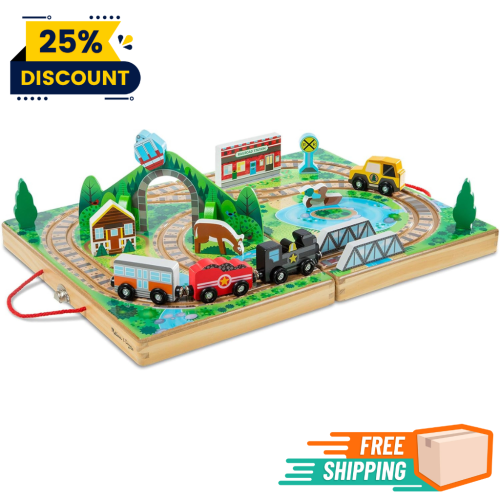 Your price for this item is $100.13
-
 Your price for this item is $79.99
-
 Your price for this item is $59.99
-
 Your price for this item is $21.88
-
 Your price for this item is $62.98
-
 Your price for this item is $115.99
-
 Your price for this item is $83.88
-
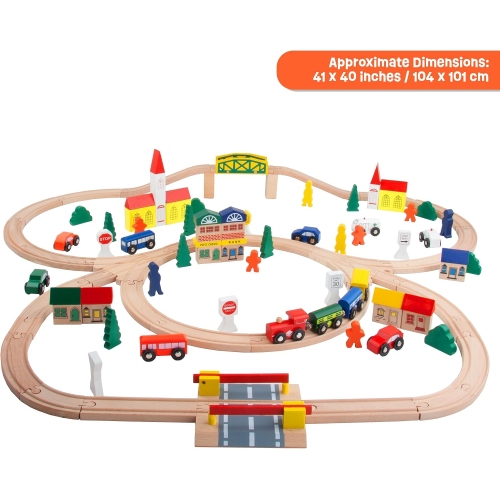 Your price for this item is $80.93
Discover more categories related to Model Trains
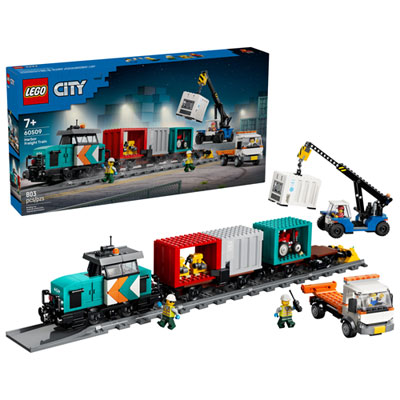

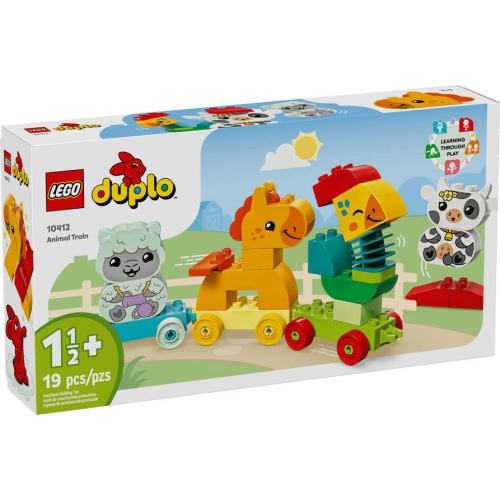
Top Collections:
Best Black Friday Deals This Year, Best Black Friday Deals On Electronics, Kindle Devices, Pokemon Centers, Best Black Friday Deals On Apple Products, Best Cameras for Sports Photography, Dyson Airwrap, Pokémon 30th Celebration Cards, Apple iPhone 17 Pro, Canon G7X Cameras
Some products may be subject to Environmental Handling Fees
(EHF) depending on your province.
Learn more about EHFs.