Toy Trains
Our extensive collection of toy trains is sure to capture the imagination of both young and old enthusiasts alike. From classic steam locomotives to modern high-speed trains, we have a wide variety of options to choose from. Whether you're starting a new hobby, expanding your existing collection, or searching for the perfect gift, you'll find everything you need right here. Let your imagination run wild as you explore our diverse selection of toy trains and accessories. Get ready to create unforgettable memories with these timeless toys!
Sort
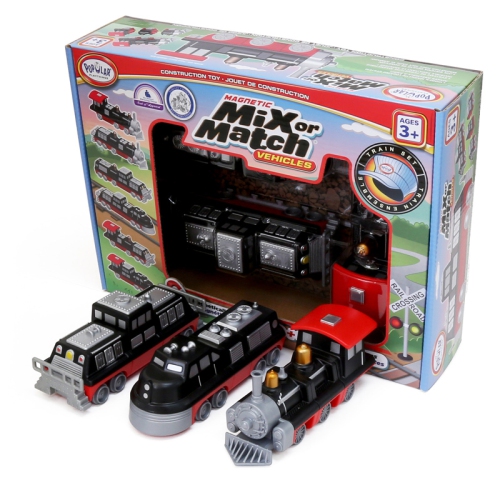
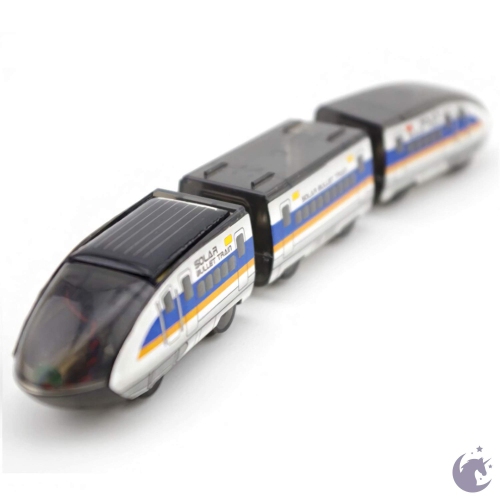
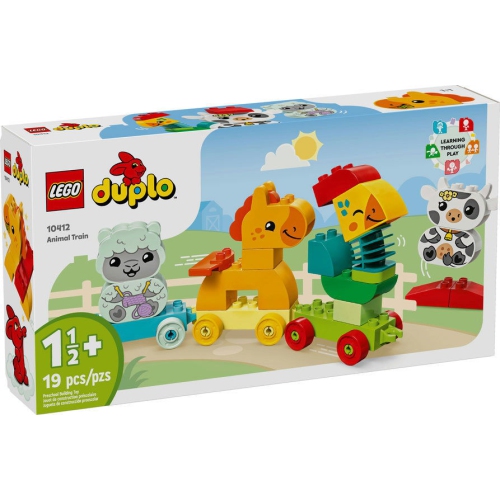
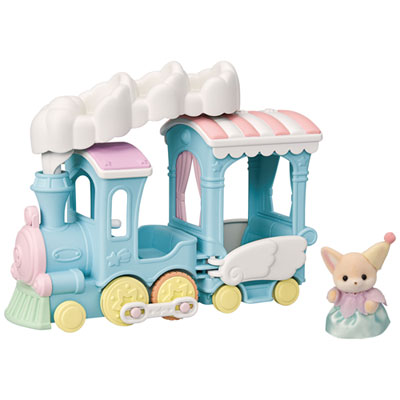
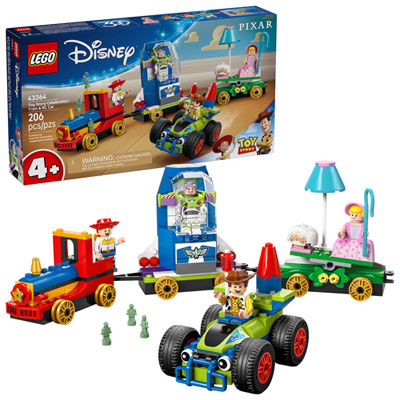
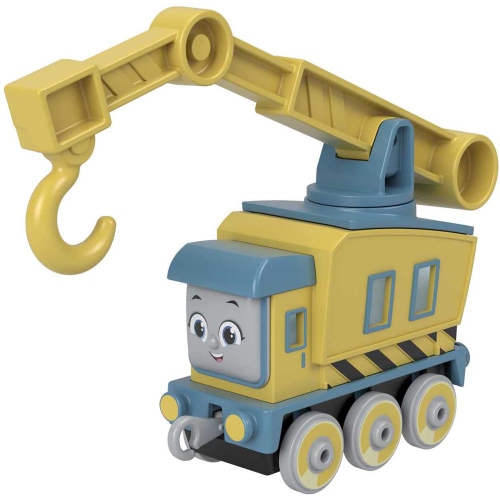
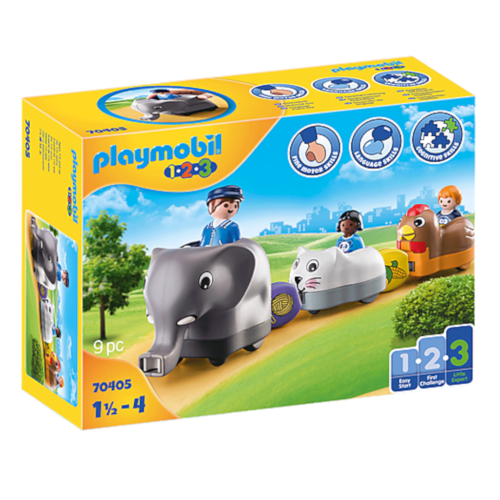
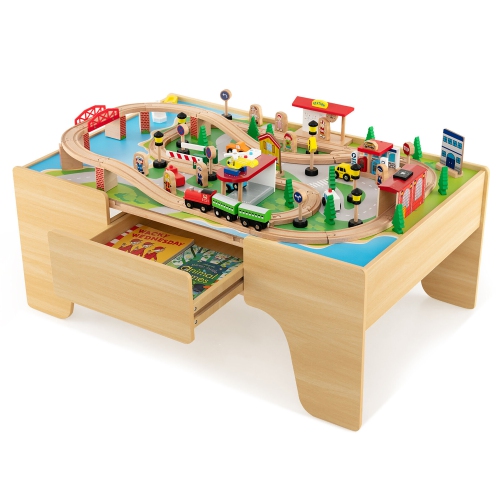
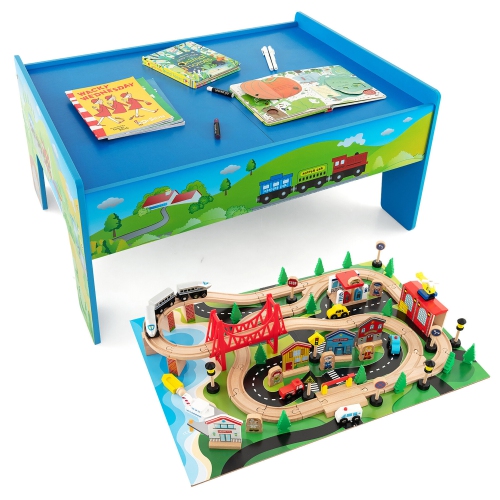

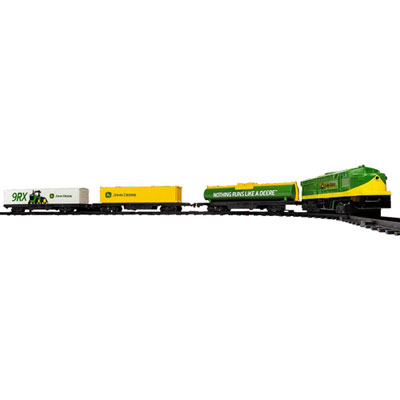
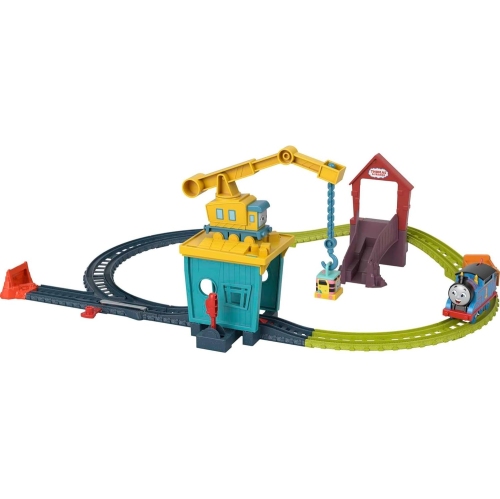
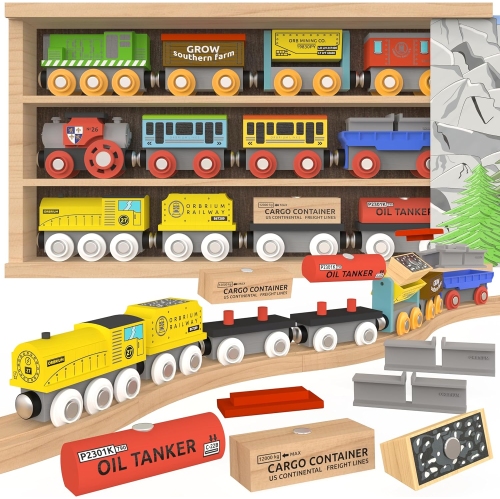
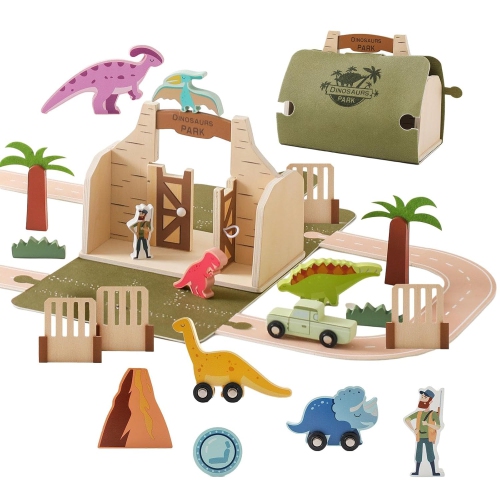
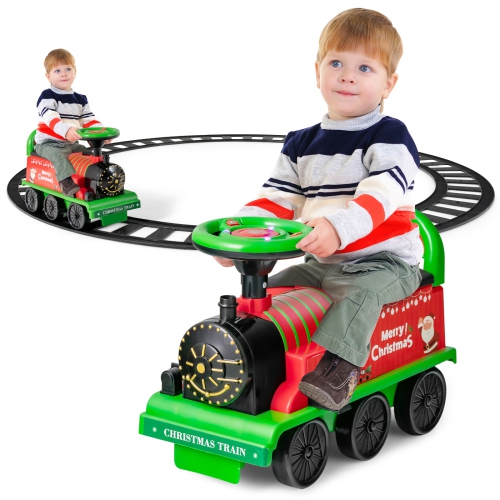
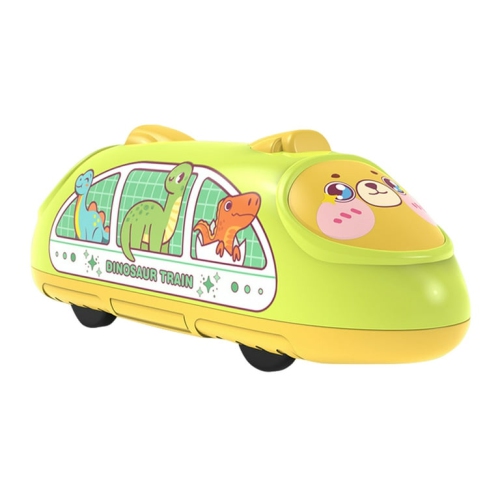
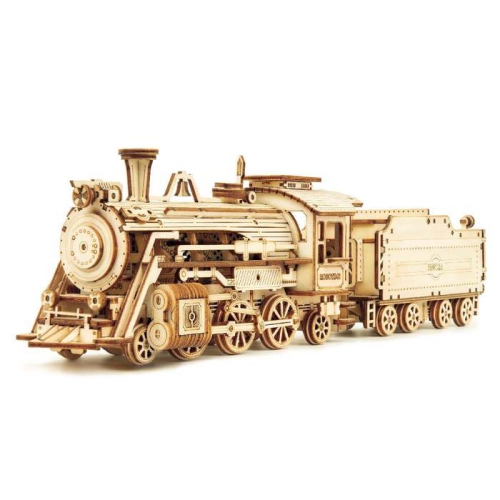
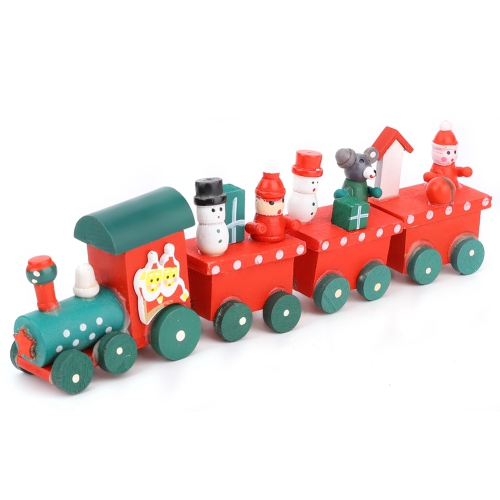
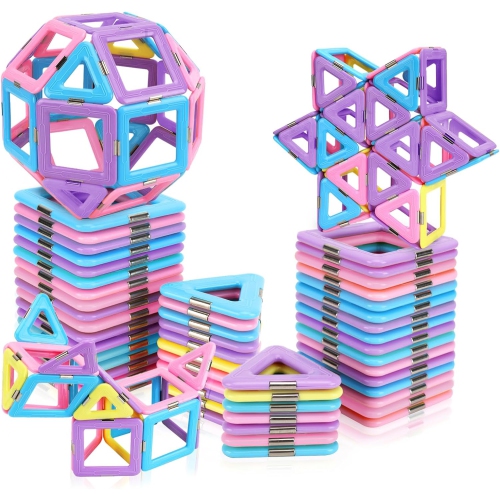
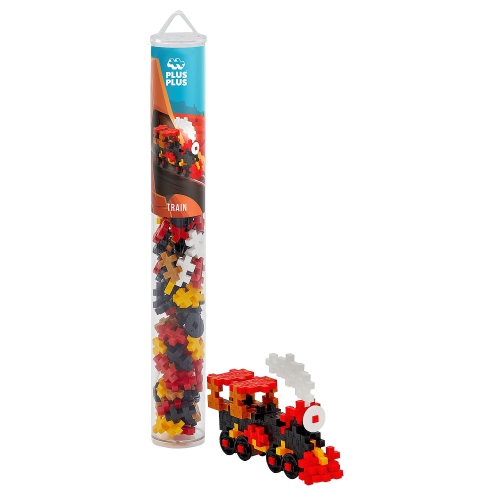
From first floor loops to detailed miniature railways
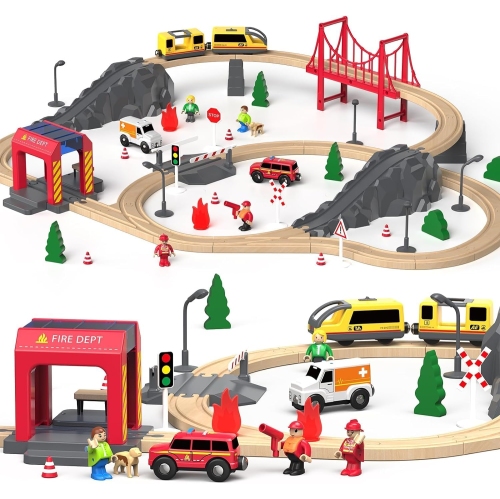
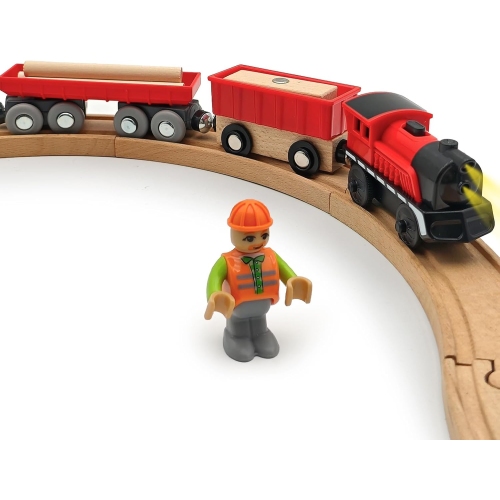
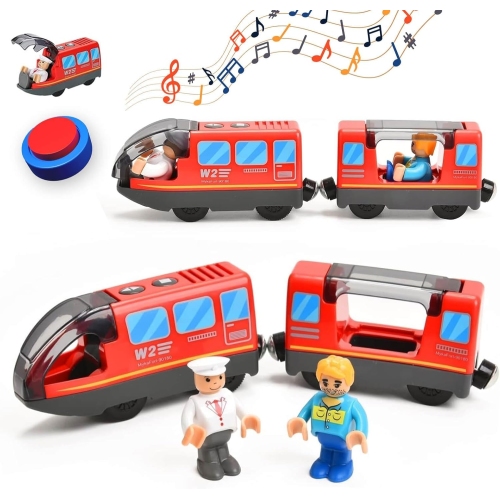
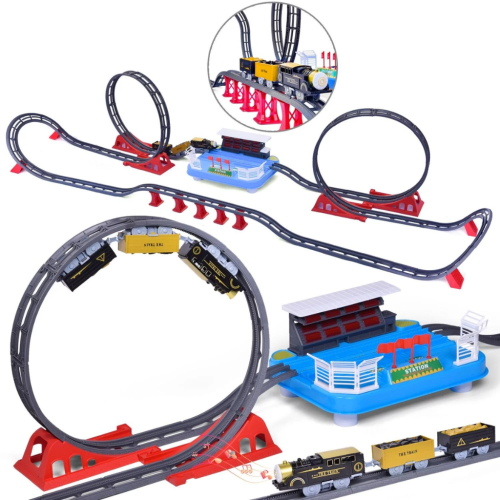
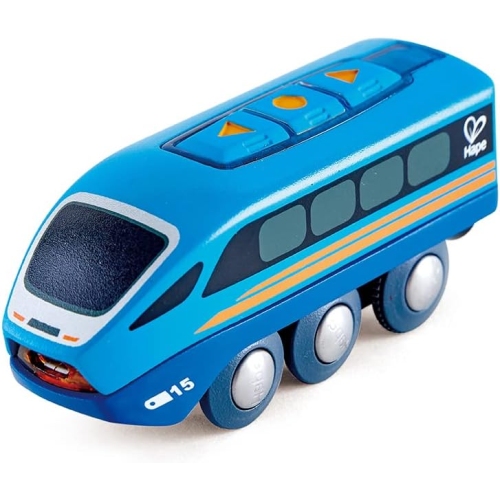
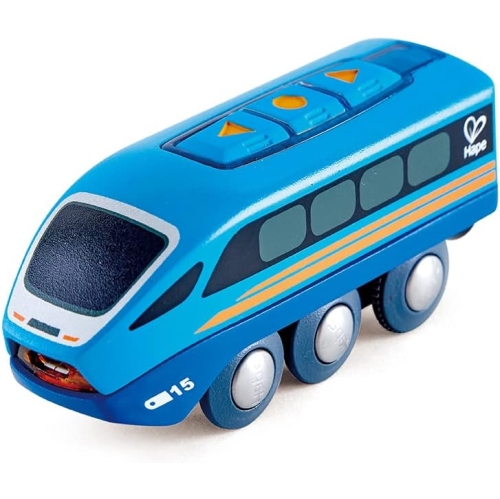
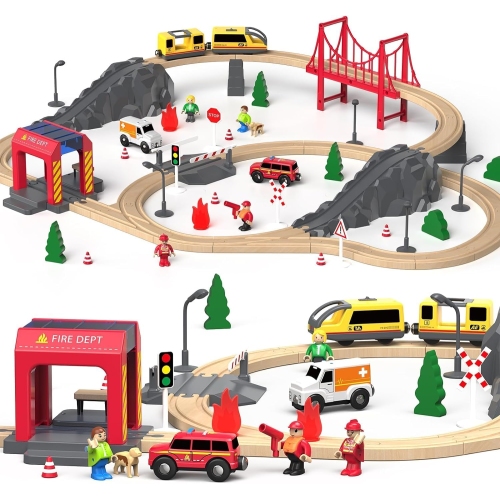
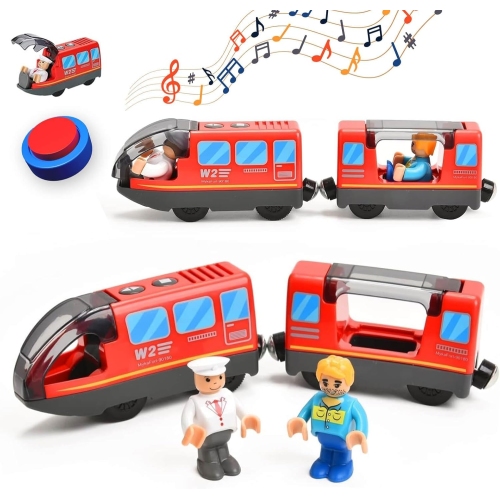
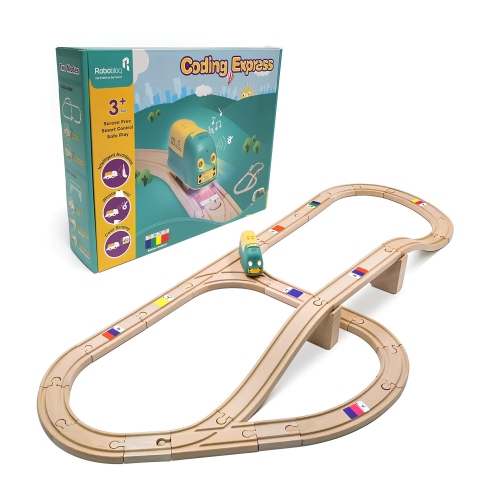
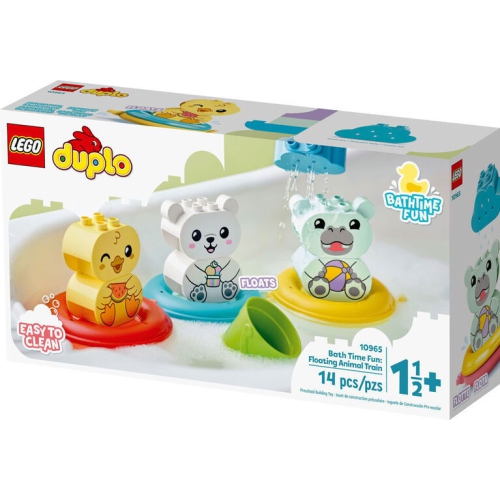
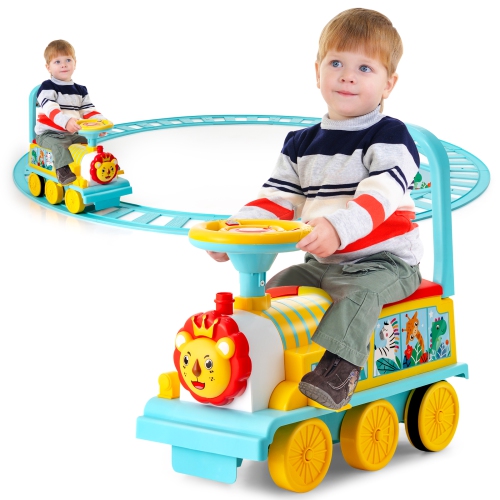
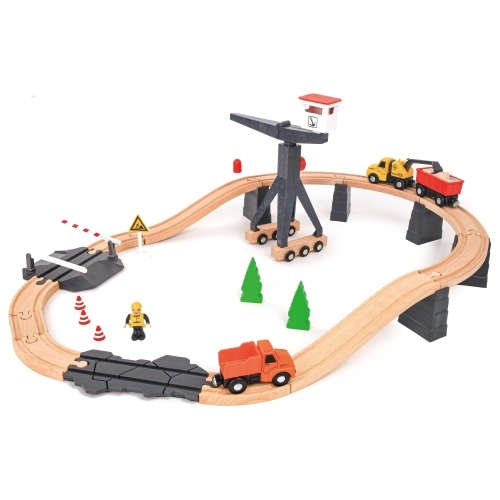
Toy trains bring movement, storytelling, and hands-on construction together in a play space that can be as simple as a loop on the floor or as detailed as a miniature town. The main types include push-along trains, wooden railway sets, battery-powered trains, and electric model trains, with different designs suited to different ages and interests. Push-along engines give children direct control over every stop and turn, while battery-powered versions add independent movement and sometimes lights or sounds. Electric model trains usually focus more on realistic railway operation and may need adult setup and supervision, depending on the age rating and power system. For everyday pretend play, a train set can become a morning passenger route, a busy freight yard, or a delivery service carrying wooden blocks from one side of a room to the other. Children can practise hand-eye coordination as they place wheels on rails, experiment with cause and effect as they send an engine down a slope, and develop stories around stations, passengers, and cargo. Shared layouts also create opportunities to take turns, divide tasks, and work through small challenges together, such as finding a route that lets two trains pass. The best match depends less on the size of a set than on how it will be used. A child who enjoys pushing vehicles around may appreciate easy-grip carriages and straightforward connections; someone who loves building may spend more time rearranging track than running trains. Older children and adults with an interest in railways may prefer more detailed engines and controlled operation. As gifts for birthdays or other celebrations, toy trains can suit a wide range of interests, but the recipient’s age, existing railway pieces, and space for play matter. A compact starter layout can provide a satisfying play experience without requiring a dedicated table, while an expandable system can suit someone who enjoys returning to the same project and changing it over time.
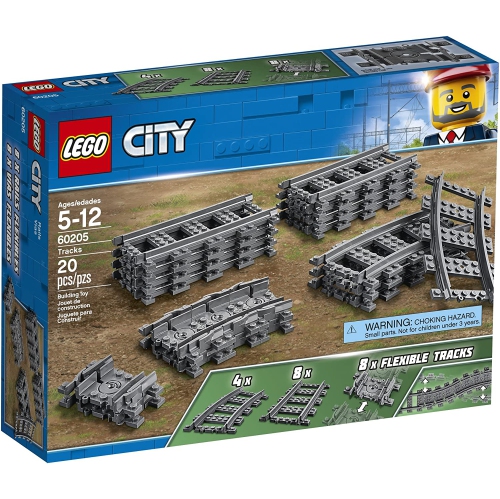
Materials and construction shape how toy trains feel in the hand, move across a layout, and stand up to repeated play. Wooden trains often have a solid, tactile feel, with painted or natural-looking finishes and simple forms that suit imaginative play. Plastic designs can incorporate detailed moulding, lightweight carriages, opening compartments, and built-in electronic features. Metal components may add weight and finer detail, though these features do not automatically make a train suitable for younger children. Smooth edges, firmly attached wheels, sturdy axles, and couplings that connect without excessive force are useful qualities for frequently handled toys. The manufacturer’s age rating remains important: small accessories, detachable cargo, and intricate parts may be unsuitable for children under three. Some train systems use magnetic couplings, so their condition deserves regular attention; stop using any piece with a loose or exposed magnet. Battery compartments should close securely, and any required screws should remain in place. Track compatibility is another practical consideration, particularly when adding to a railway already at home. Similar-looking wooden track systems are not necessarily interchangeable, and compatibility can vary with connector shape, rail spacing, bridge clearance, and the length or width of the trains. For model railways, scale and gauge both matter: scale describes the model’s proportions relative to a real train, while gauge refers to the distance between the rails. Matching one does not by itself establish complete compatibility. When expanding a layout, Toy Train Tracks can help turn a basic circuit into a longer route with sidings, junctions, and room for stations, provided the pieces are designed to work with the existing system. Consider the finished footprint as well as the number of pieces. Broad curves, bridges, and branching routes can take up more space than expected, and a layout needs enough room around it for children to reach the centre without stepping over fragile sections. A low, stable play surface or a clear patch of level floor can make building and running trains easier.
Day-to-day enjoyment often comes down to the smaller design details. A train that is easy to place back on the rails keeps play moving after a derailment, while simple couplings make it easier to change the order of carriages without adult help. For powered trains, accessible controls, an easy-to-find stop function, and a pace suited to the intended age group can matter more than a long list of effects. Sound and light features add atmosphere, but a quiet mode or adjustable volume may be useful in shared rooms. Check whether a powered design uses replaceable batteries or a rechargeable power source, and follow its charging and operating instructions. Track slopes and tight bends can affect performance, especially when an engine pulls several carriages, so a shorter train may travel more reliably on a compact or elevated route. Bridges need secure supports, and tunnels need enough clearance for the tallest carriage. A simple oval with one station can be easier for a young child to manage than a crowded layout filled with accessories; additional scenery can be introduced as their interest grows. Storage and care also help preserve the experience. Keeping curved rails, straight sections, trains, and small accessories in separate compartments makes rebuilding less frustrating and reduces the chance of pieces being lost. Before packing away, check for cracked track connectors, damaged wheels, or loose parts. Clean surfaces according to the manufacturer’s directions, using a lightly dampened cloth where appropriate rather than soaking wooden components or electronic trains. Allow cleaned pieces to dry before storage, keep electrical contacts dry, and avoid abrasive cleaning methods that could damage painted finishes. If a battery-operated train will be unused for an extended period, follow the instructions for battery removal and storage. For families who build together, leaving one small section assembled can preserve a favourite station or tricky junction between play sessions. Whether the railway hosts passenger journeys, carries pretend construction supplies, or simply circles past a carefully arranged row of buildings, a well-matched toy train set offers room for both familiar routines and new ideas.
Materials and construction shape how toy trains feel in the hand, move across a layout, and stand up to repeated play. Wooden trains often have a solid, tactile feel, with painted or natural-looking finishes and simple forms that suit imaginative play. Plastic designs can incorporate detailed moulding, lightweight carriages, opening compartments, and built-in electronic features. Metal components may add weight and finer detail, though these features do not automatically make a train suitable for younger children. Smooth edges, firmly attached wheels, sturdy axles, and couplings that connect without excessive force are useful qualities for frequently handled toys. The manufacturer’s age rating remains important: small accessories, detachable cargo, and intricate parts may be unsuitable for children under three. Some train systems use magnetic couplings, so their condition deserves regular attention; stop using any piece with a loose or exposed magnet. Battery compartments should close securely, and any required screws should remain in place. Track compatibility is another practical consideration, particularly when adding to a railway already at home. Similar-looking wooden track systems are not necessarily interchangeable, and compatibility can vary with connector shape, rail spacing, bridge clearance, and the length or width of the trains. For model railways, scale and gauge both matter: scale describes the model’s proportions relative to a real train, while gauge refers to the distance between the rails. Matching one does not by itself establish complete compatibility. When expanding a layout, Toy Train Tracks can help turn a basic circuit into a longer route with sidings, junctions, and room for stations, provided the pieces are designed to work with the existing system. Consider the finished footprint as well as the number of pieces. Broad curves, bridges, and branching routes can take up more space than expected, and a layout needs enough room around it for children to reach the centre without stepping over fragile sections. A low, stable play surface or a clear patch of level floor can make building and running trains easier.
Day-to-day enjoyment often comes down to the smaller design details. A train that is easy to place back on the rails keeps play moving after a derailment, while simple couplings make it easier to change the order of carriages without adult help. For powered trains, accessible controls, an easy-to-find stop function, and a pace suited to the intended age group can matter more than a long list of effects. Sound and light features add atmosphere, but a quiet mode or adjustable volume may be useful in shared rooms. Check whether a powered design uses replaceable batteries or a rechargeable power source, and follow its charging and operating instructions. Track slopes and tight bends can affect performance, especially when an engine pulls several carriages, so a shorter train may travel more reliably on a compact or elevated route. Bridges need secure supports, and tunnels need enough clearance for the tallest carriage. A simple oval with one station can be easier for a young child to manage than a crowded layout filled with accessories; additional scenery can be introduced as their interest grows. Storage and care also help preserve the experience. Keeping curved rails, straight sections, trains, and small accessories in separate compartments makes rebuilding less frustrating and reduces the chance of pieces being lost. Before packing away, check for cracked track connectors, damaged wheels, or loose parts. Clean surfaces according to the manufacturer’s directions, using a lightly dampened cloth where appropriate rather than soaking wooden components or electronic trains. Allow cleaned pieces to dry before storage, keep electrical contacts dry, and avoid abrasive cleaning methods that could damage painted finishes. If a battery-operated train will be unused for an extended period, follow the instructions for battery removal and storage. For families who build together, leaving one small section assembled can preserve a favourite station or tricky junction between play sessions. Whether the railway hosts passenger journeys, carries pretend construction supplies, or simply circles past a carefully arranged row of buildings, a well-matched toy train set offers room for both familiar routines and new ideas.
Top selling and popular products
-
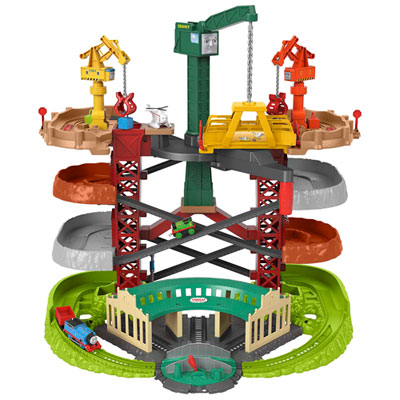 Your price for this item is $118.98
 -
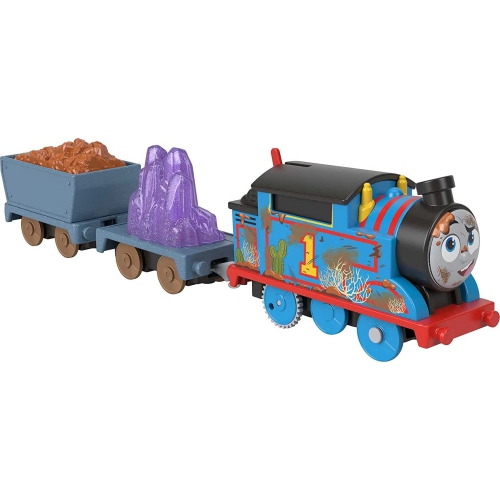 Your price for this item is $23.86
 -
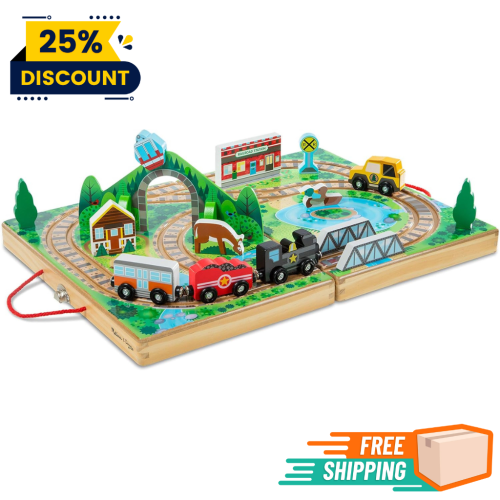 Your price for this item is $79.13
 -
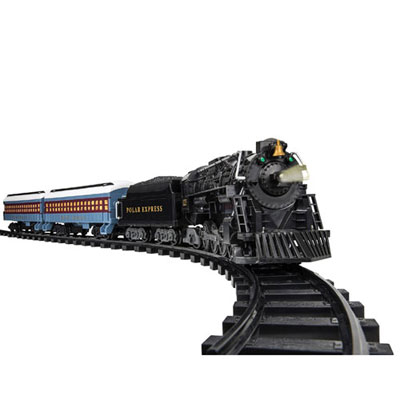 Your price for this item is $59.99
 -
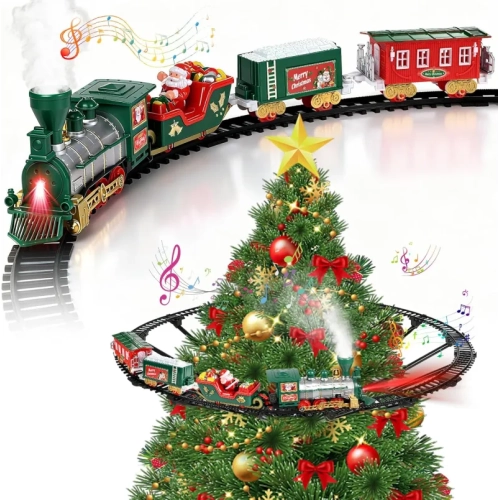 Your price for this item is $93.99
 -
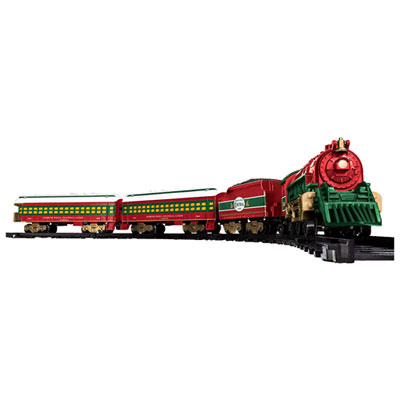 Your price for this item is $59.99
 -
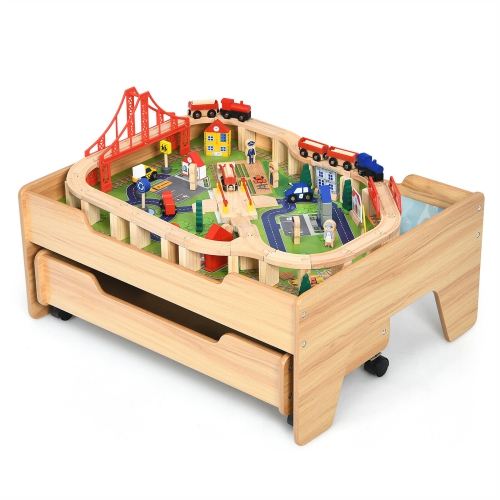 Your price for this item is $79.99
 -
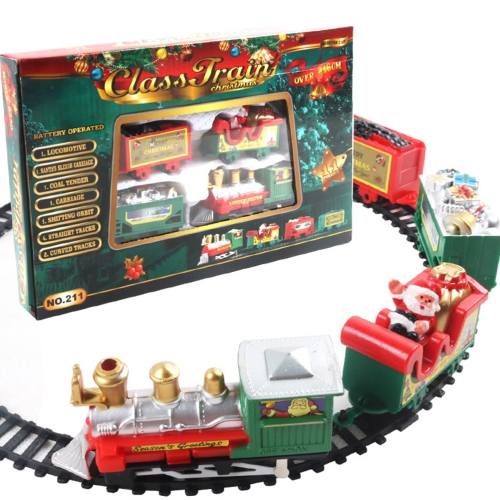 Your price for this item is $21.6
Discover more categories related to Toy Trains
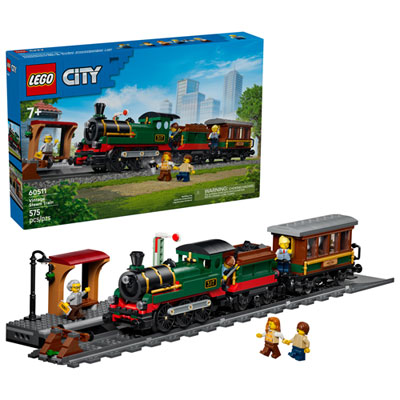
Top Collections:
Pokemon Centers, Kindle Devices, Best Budget Office Chairs, Apple iPhones 16, Best Laptops for Writers, iPhone 15 Apple, Canon G7X Cameras, Refurbished Apple Laptops, Alarm Clock, Motorola Razr Phones
Some products may be subject to Environmental Handling Fees
(EHF) depending on your province.
Learn more about EHFs.