Motor Skills Toys
Developing motor skills is an essential part of a child's growth and development. Motor skills toys are designed to engage children in fun and interactive play, while also helping them build their fine and gross motor skills. From building blocks to puzzles, ride-on toys to stacking rings, this collection offers a wide range of options to stimulate your child's coordination, balance, and dexterity. Whether your little one is just starting to explore their surroundings or already on the move, these motor skills toys provide endless opportunities for learning and exploration.
Sort
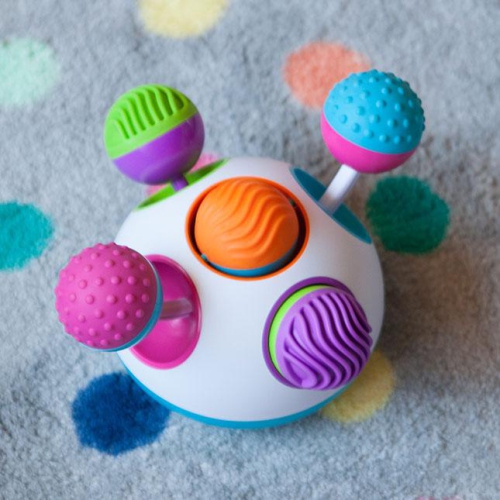
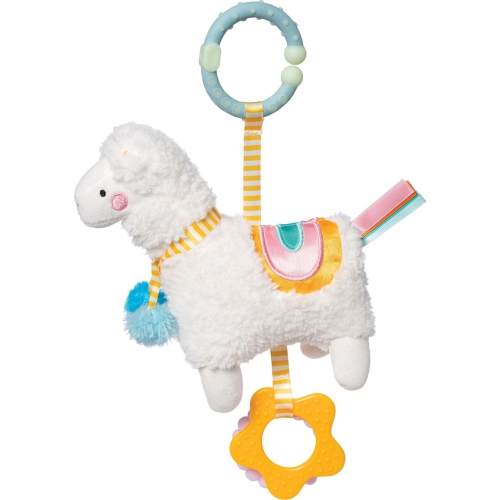
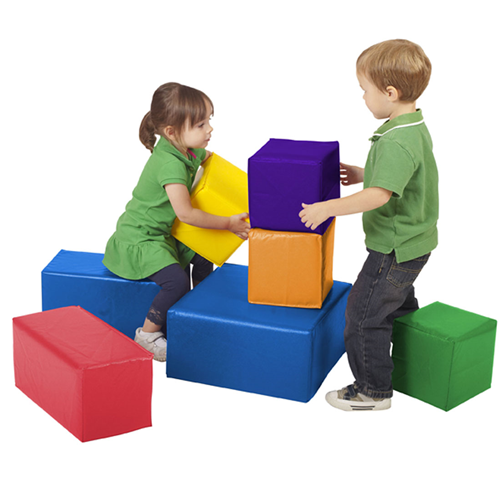
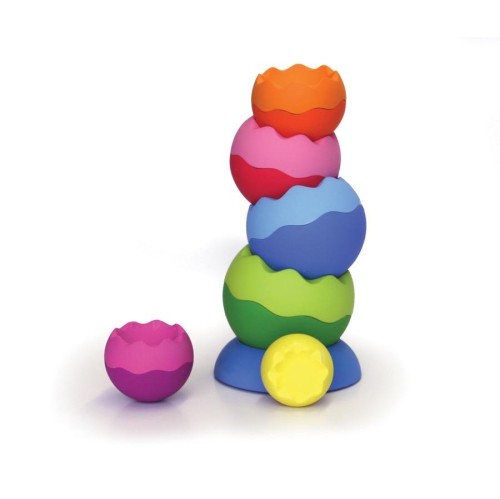
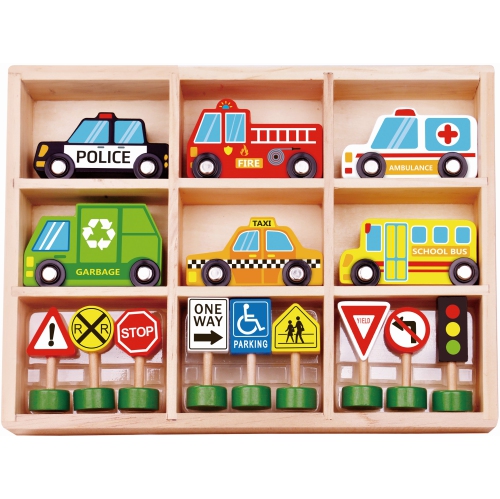
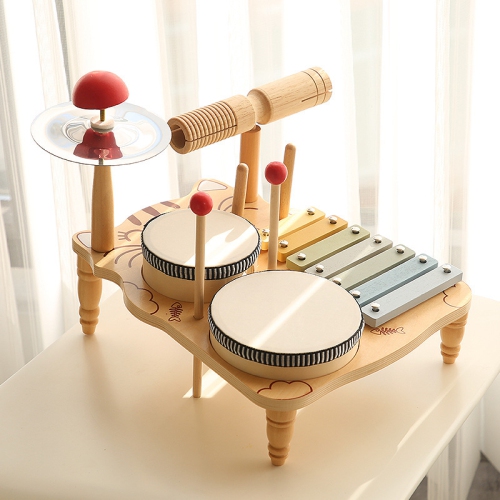
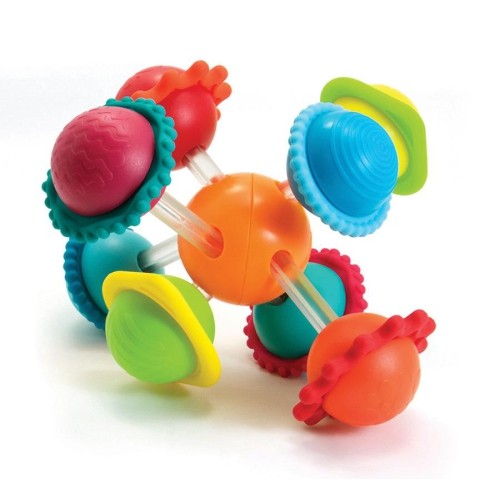
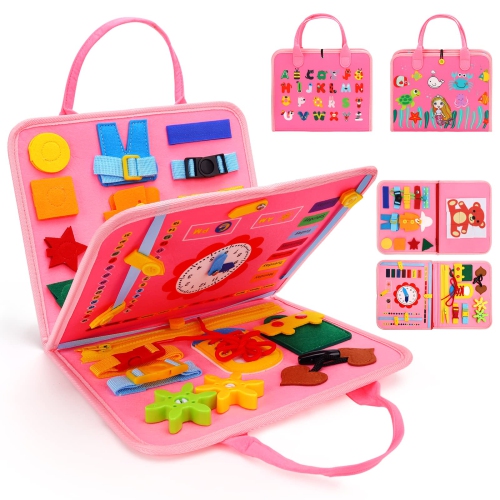
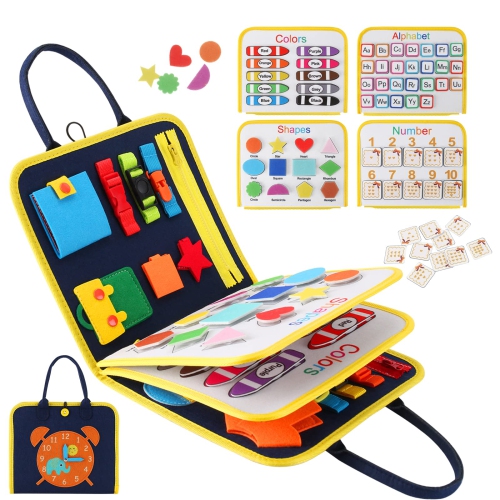
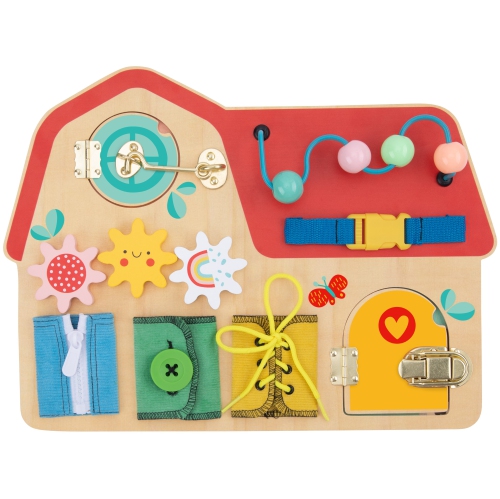
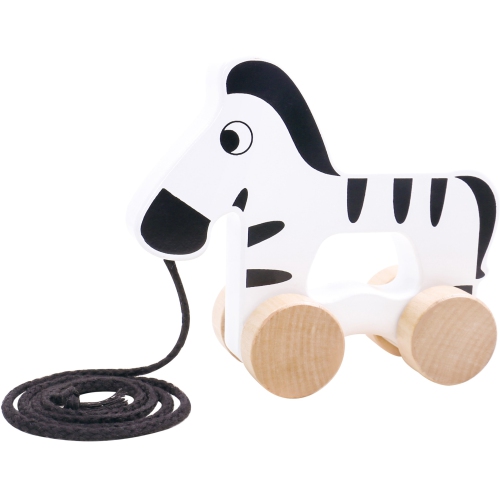
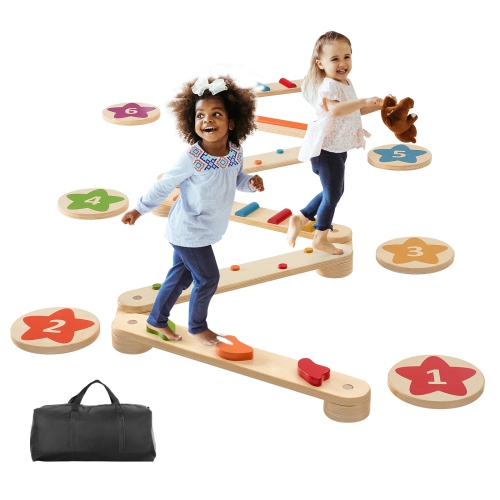
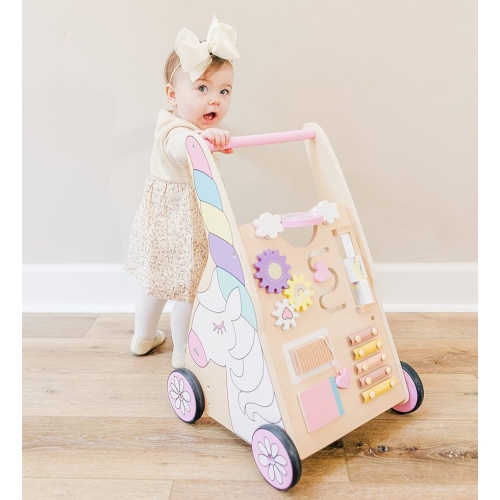
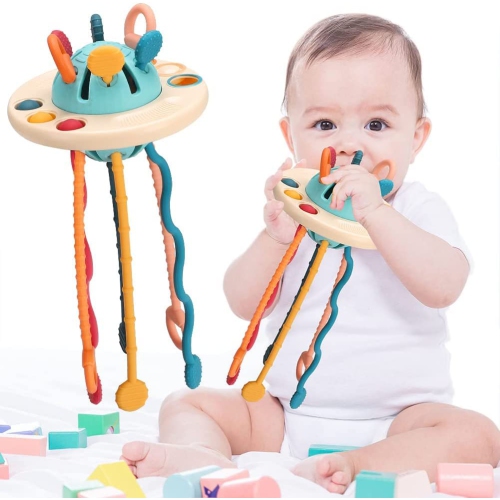
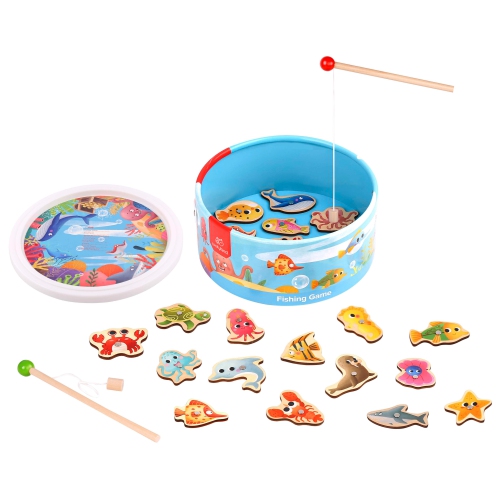
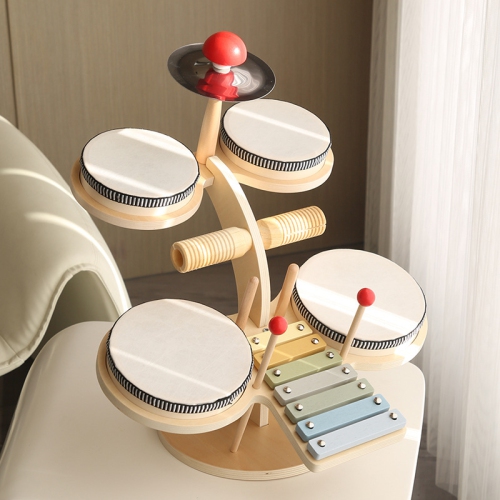
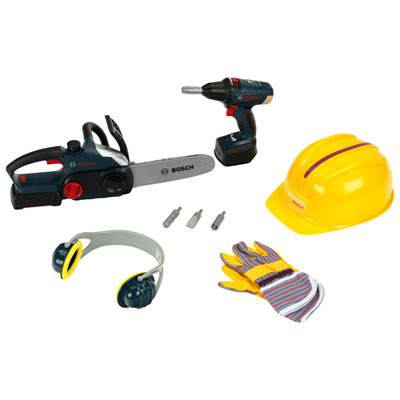
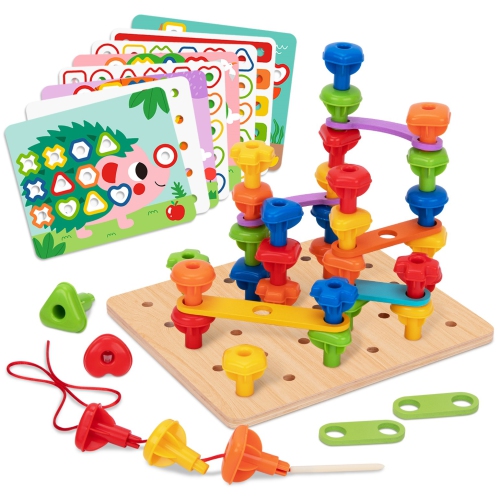
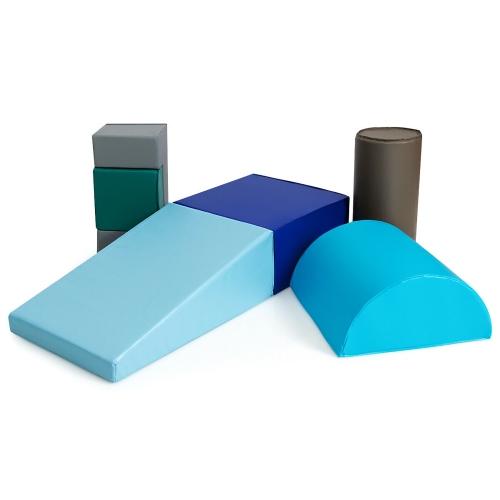
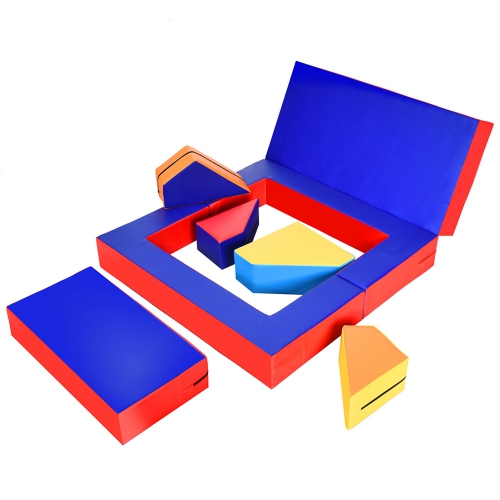

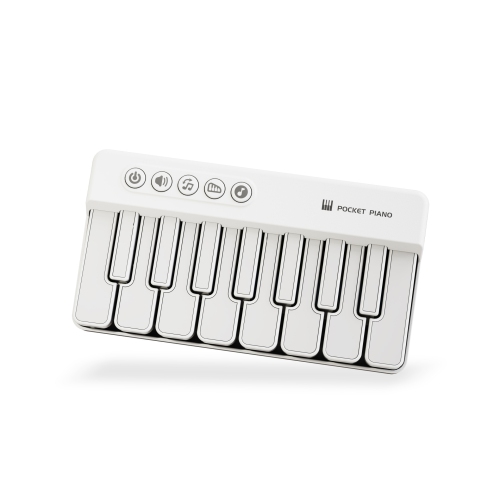
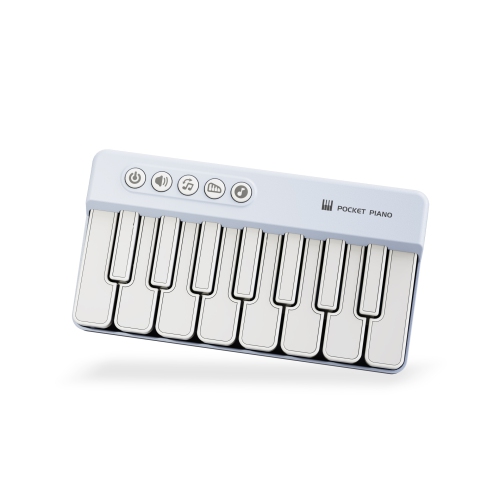
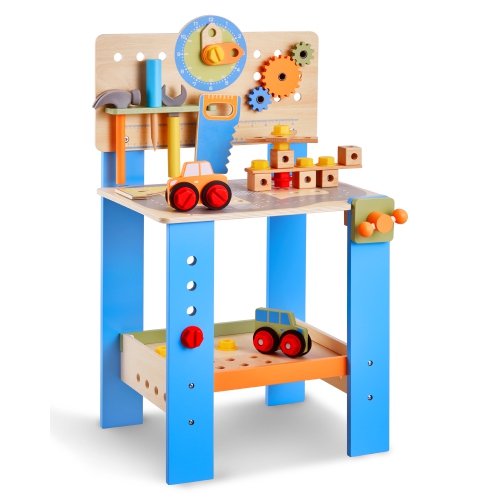
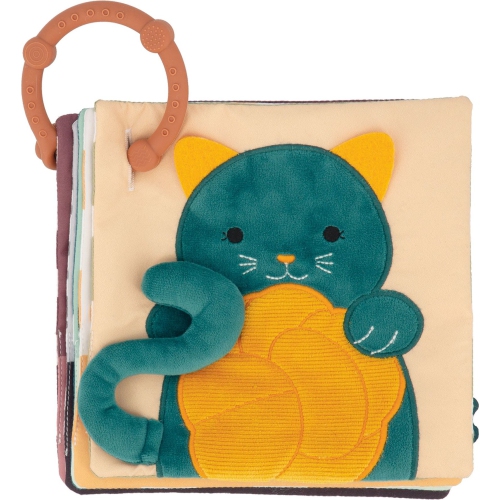
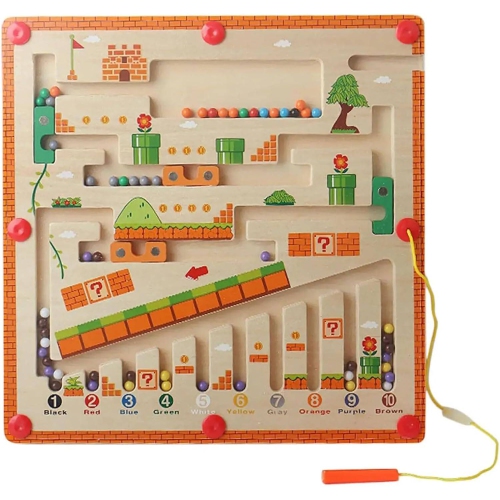
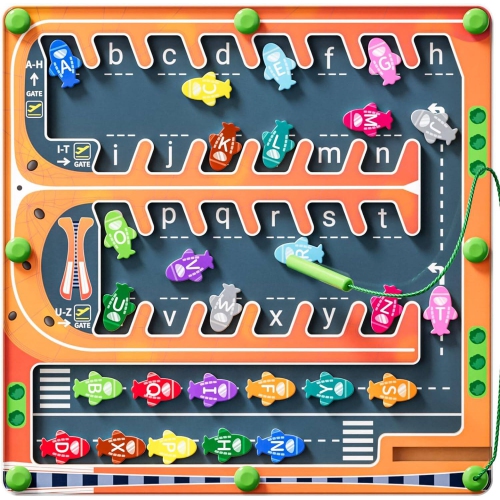
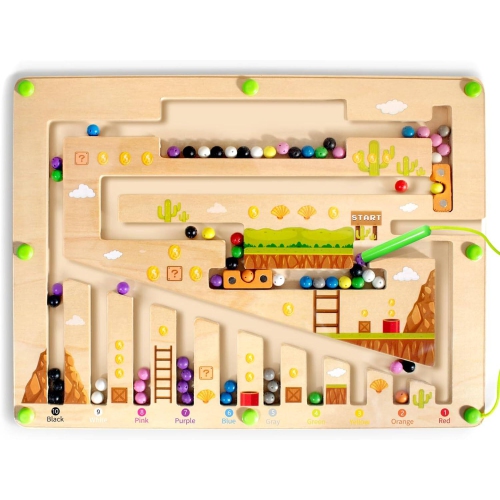
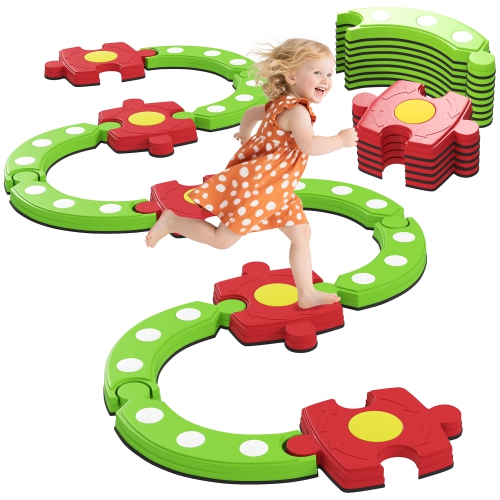
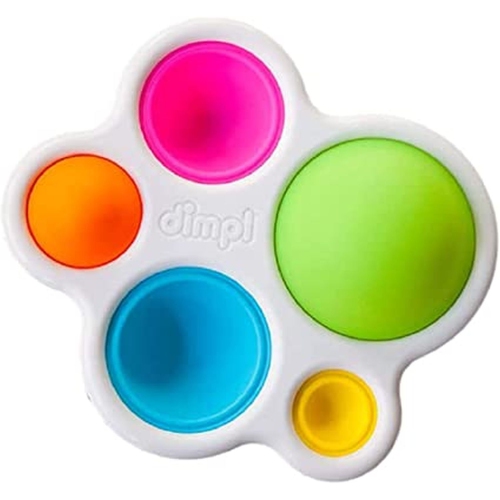
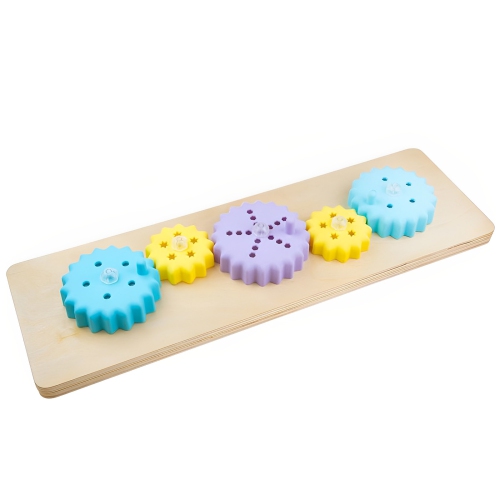
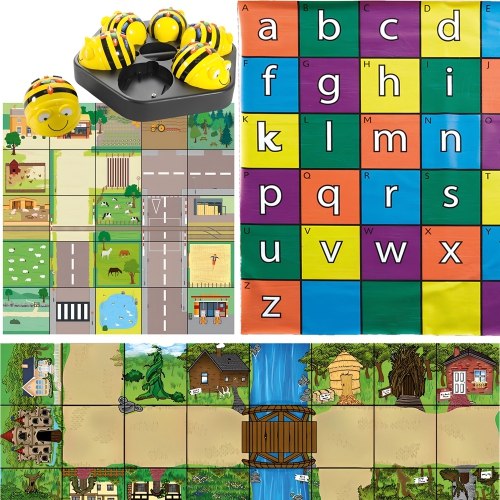
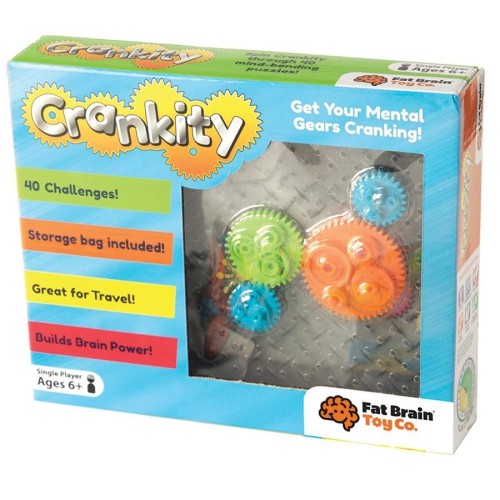
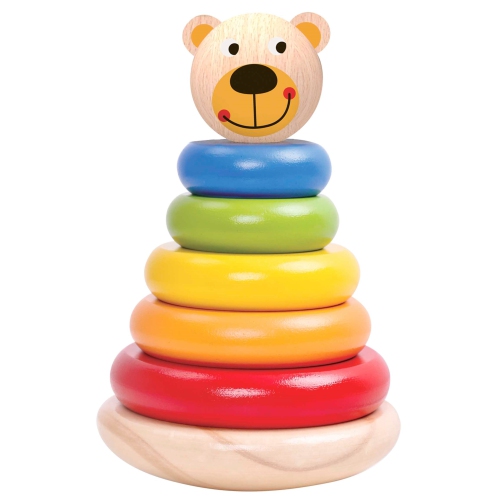
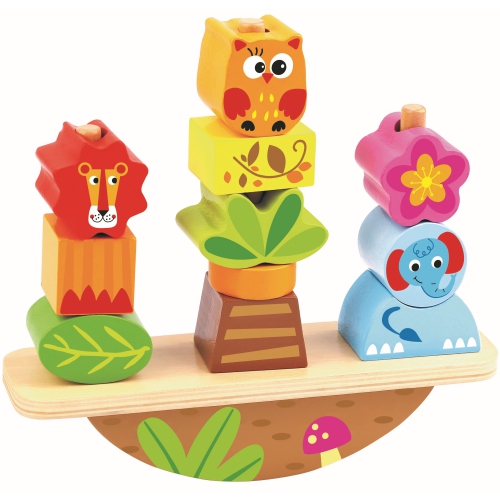
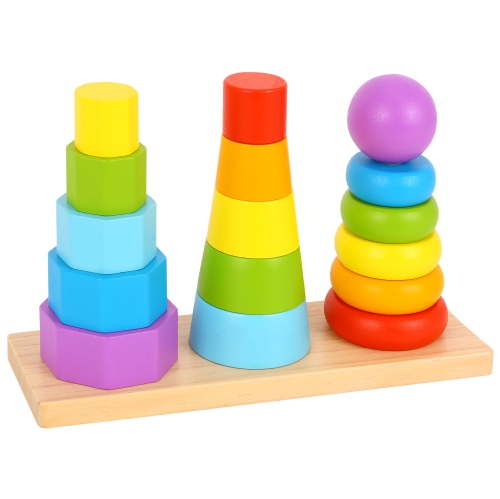

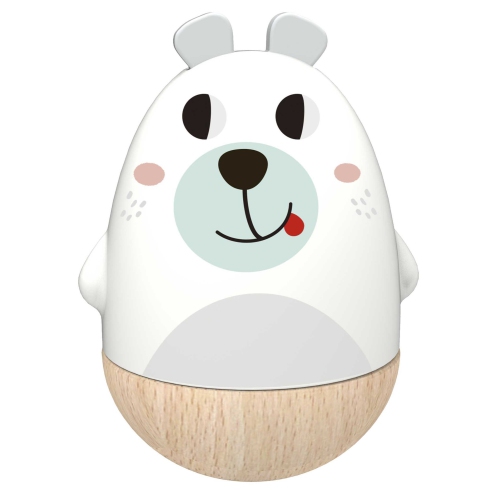
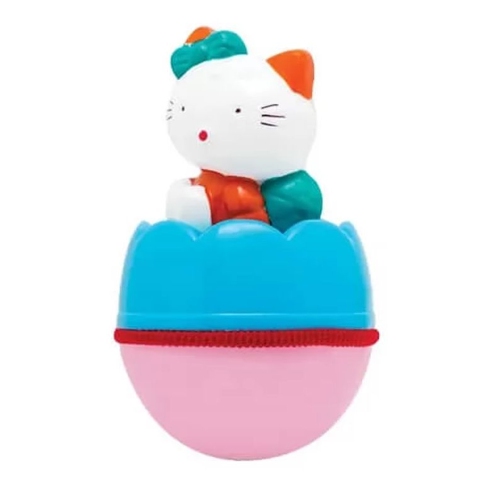
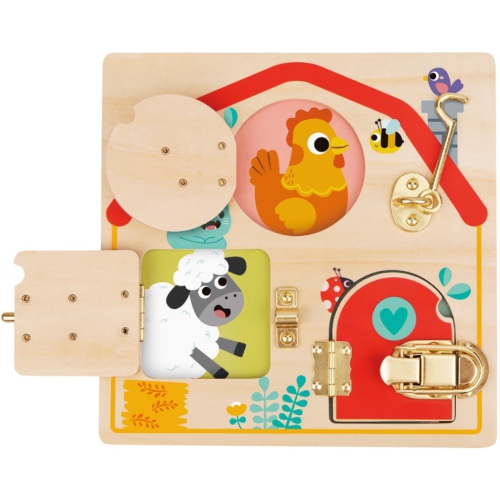
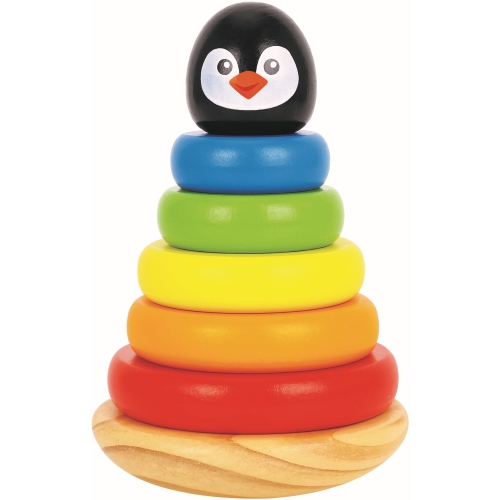
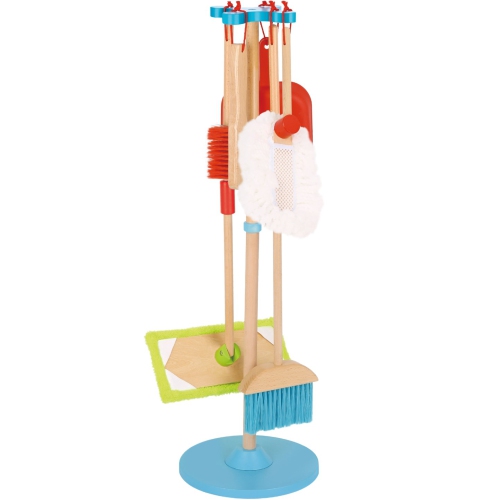
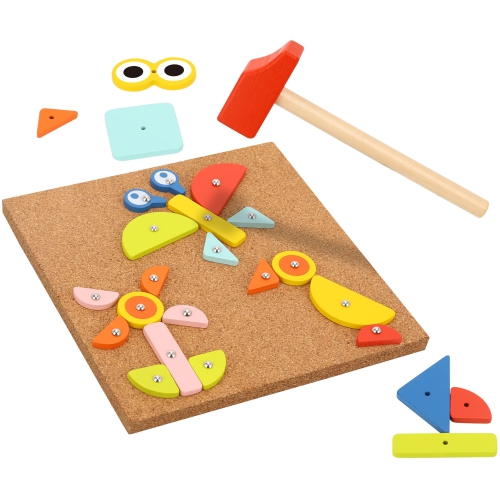
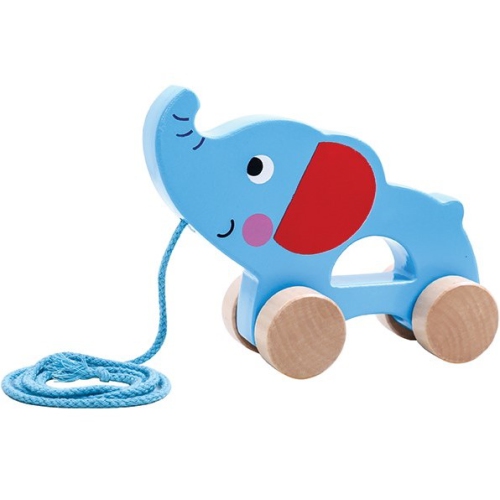

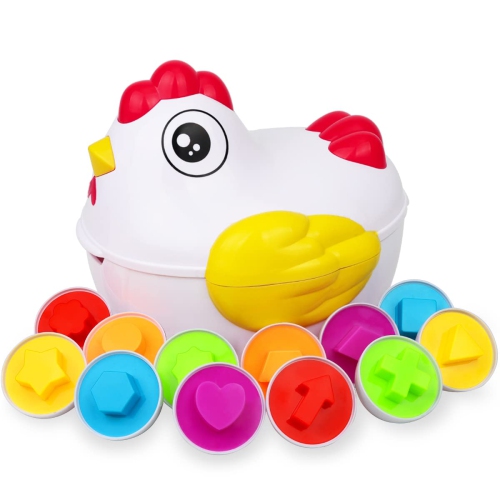
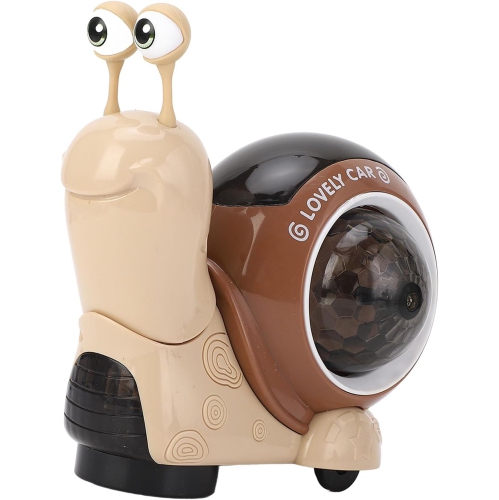
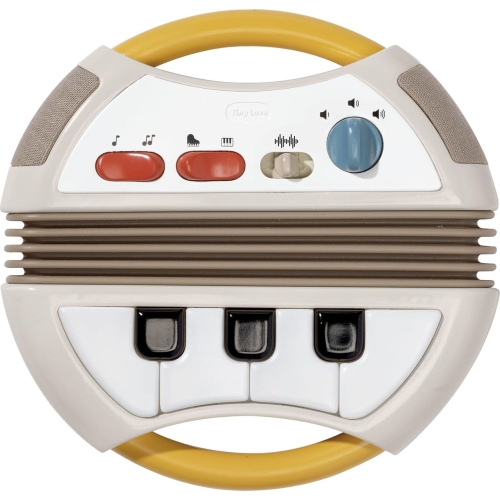
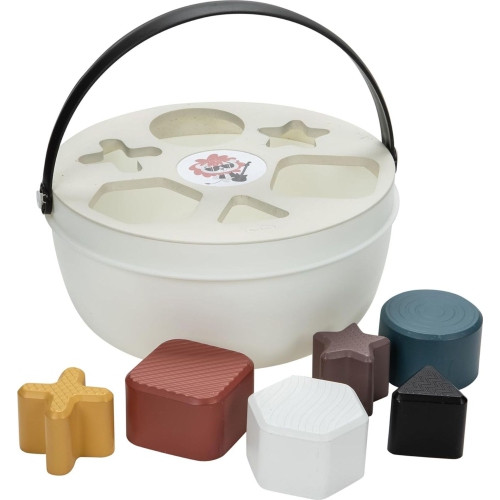
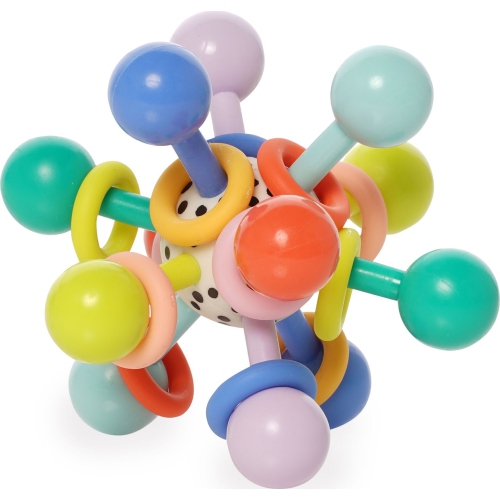
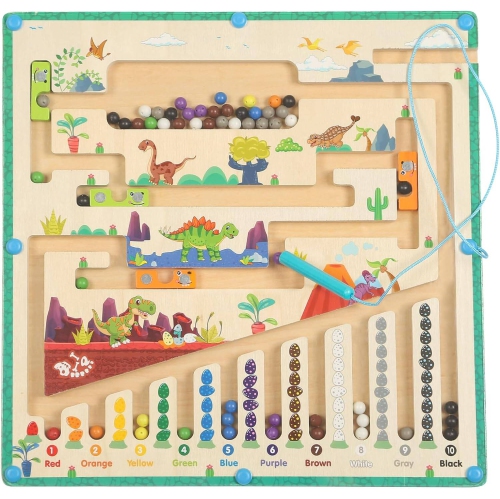
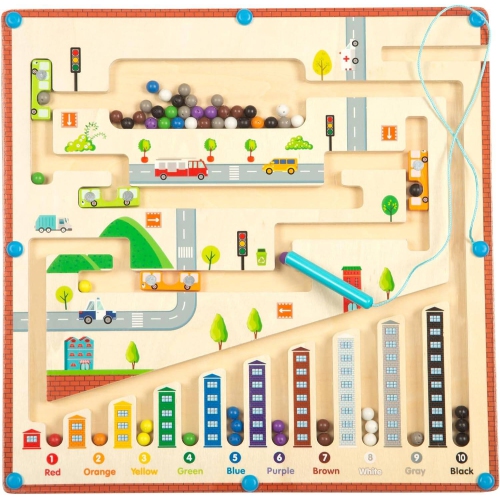
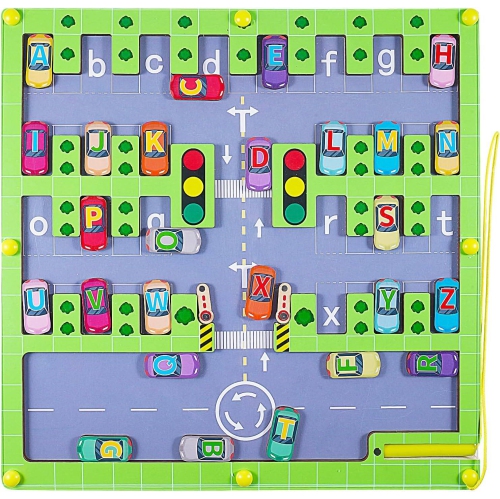
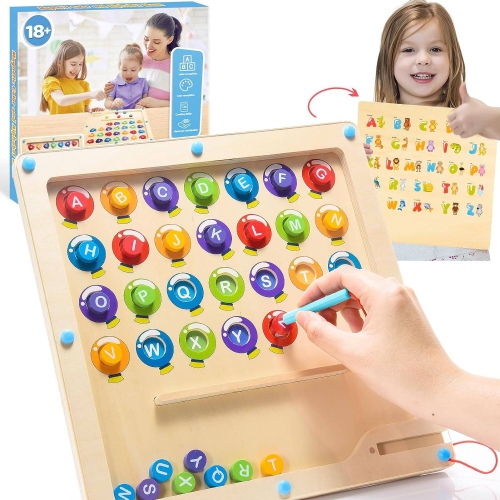
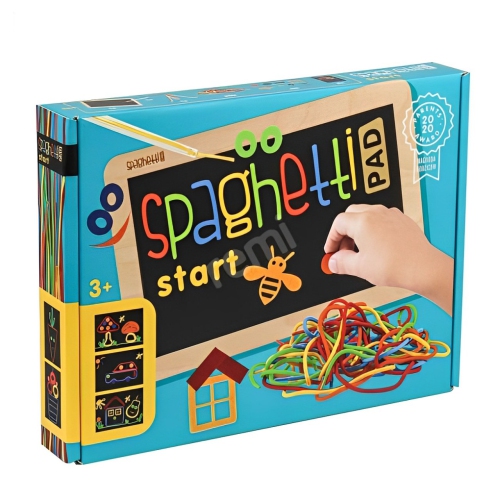
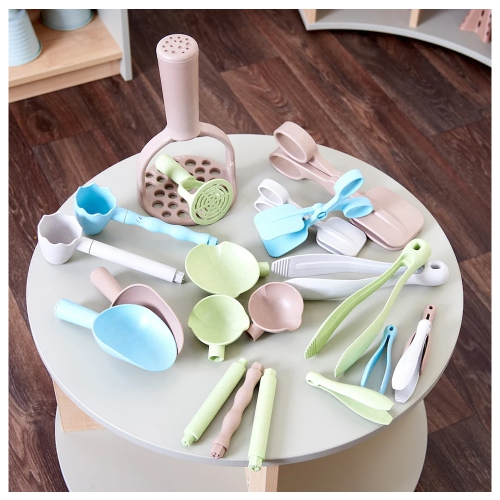
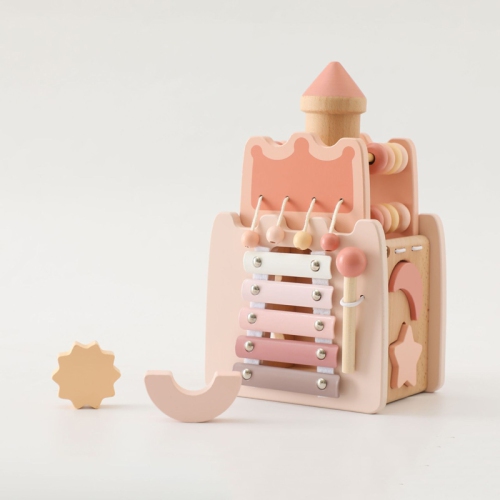
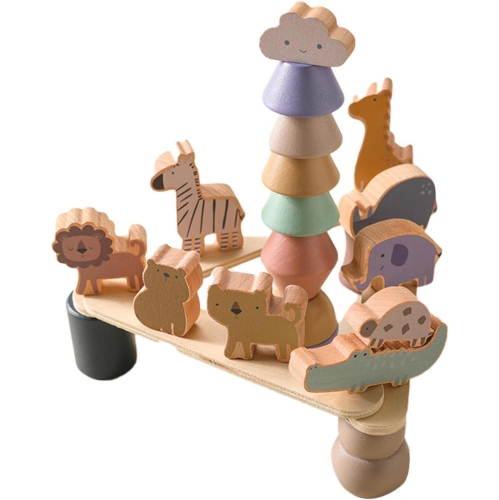
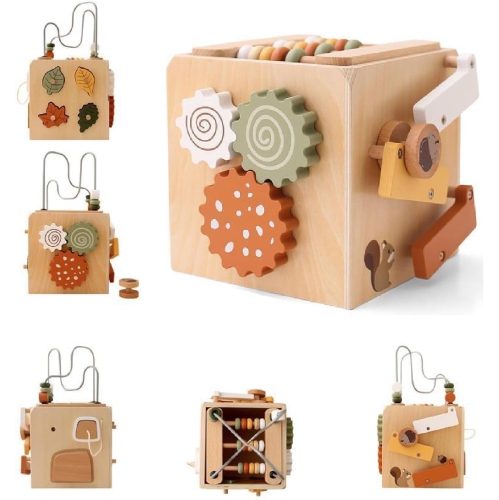
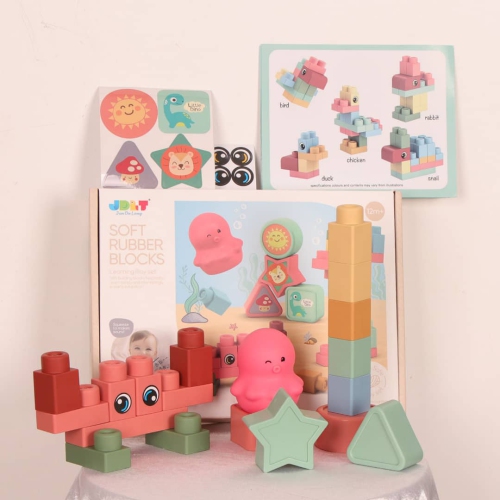
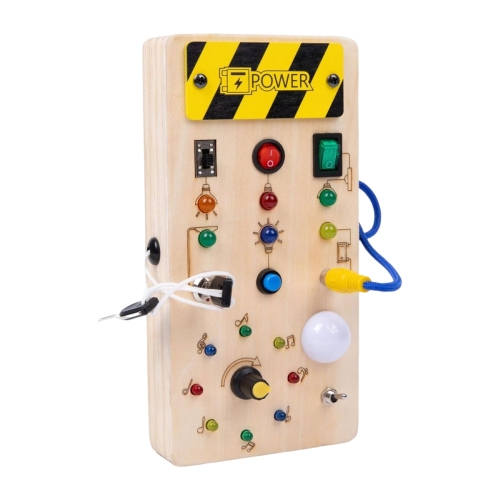
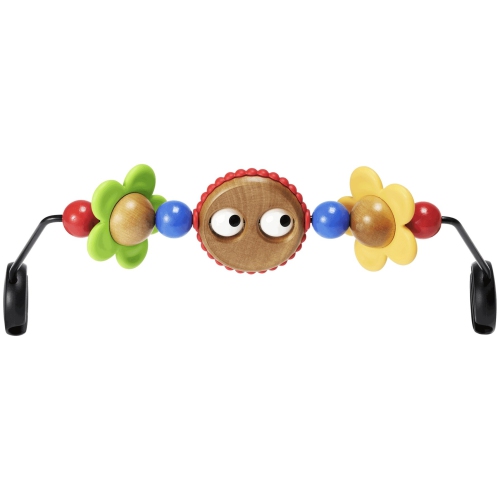
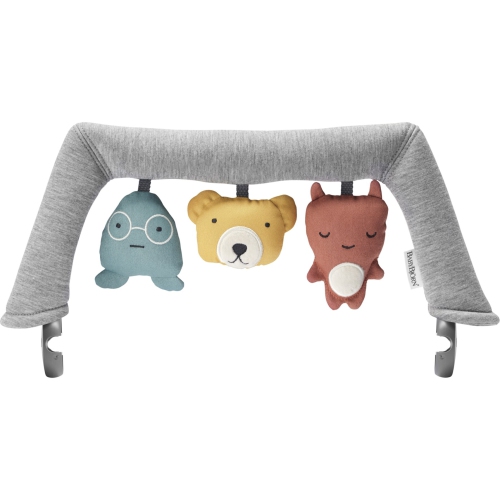
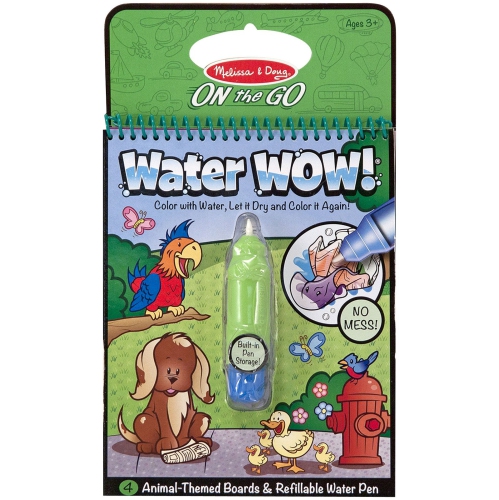
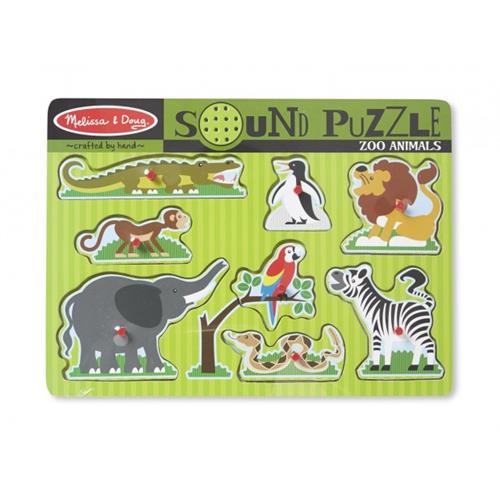
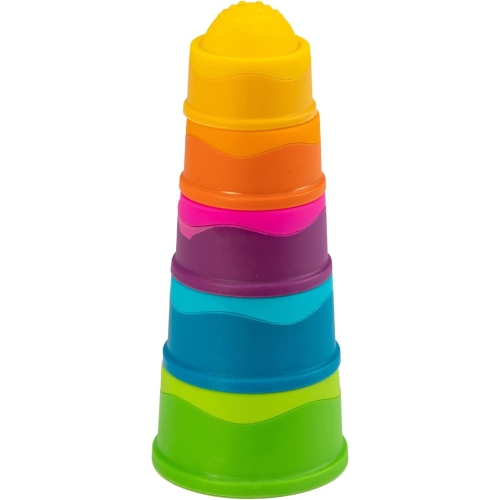
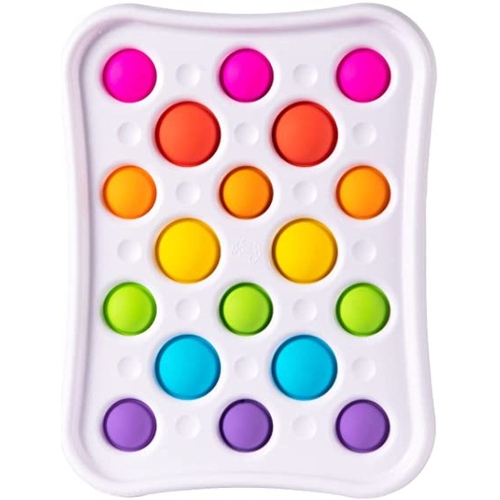


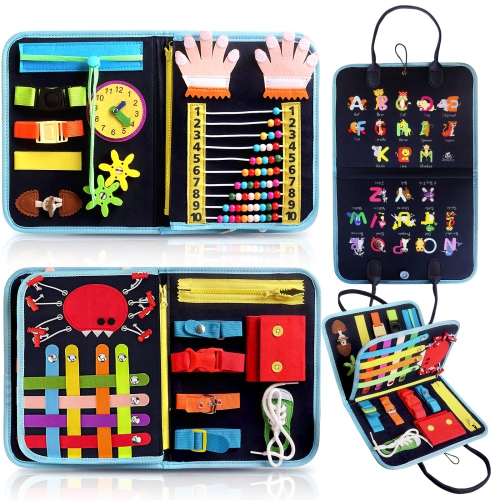
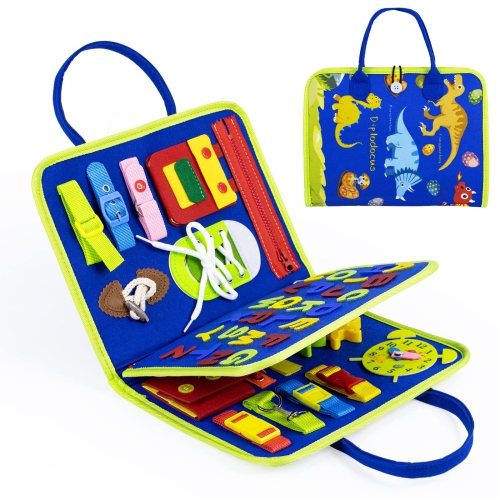
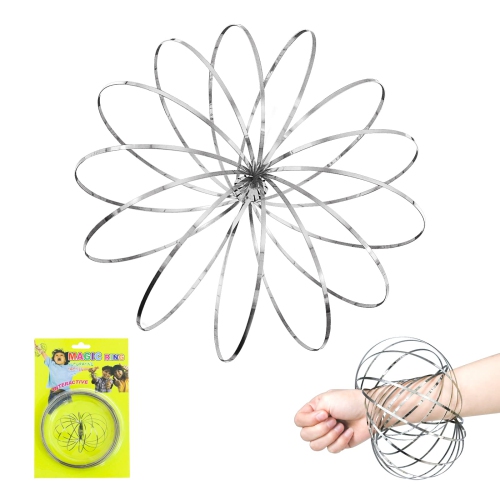
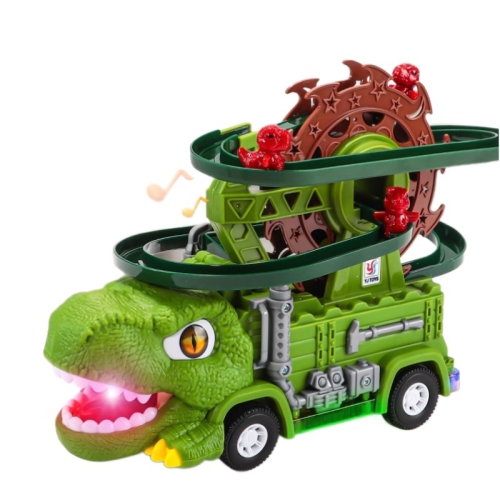
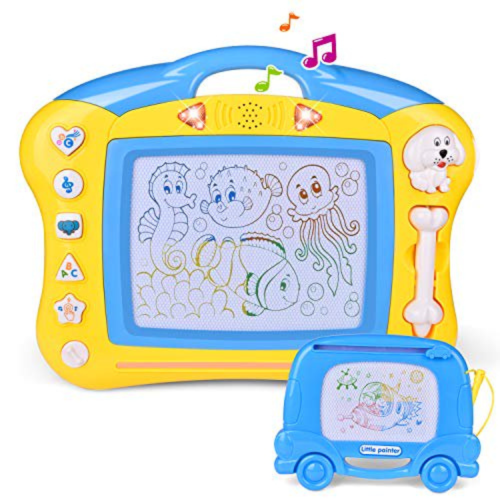
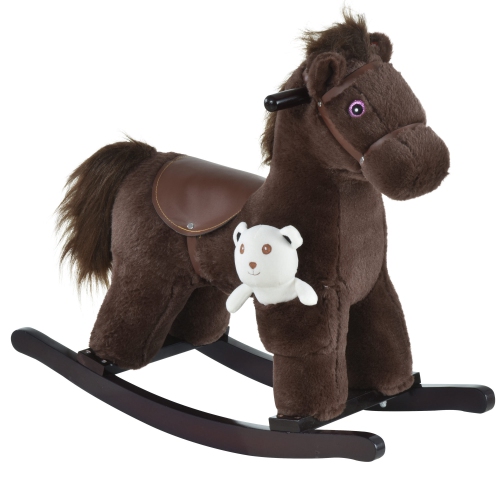
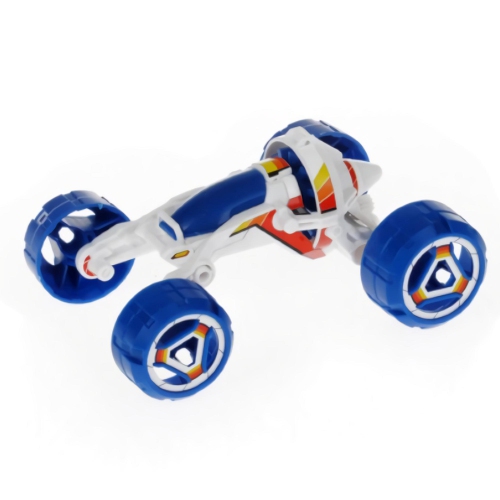


Purposeful play for growing hands, balance and coordination
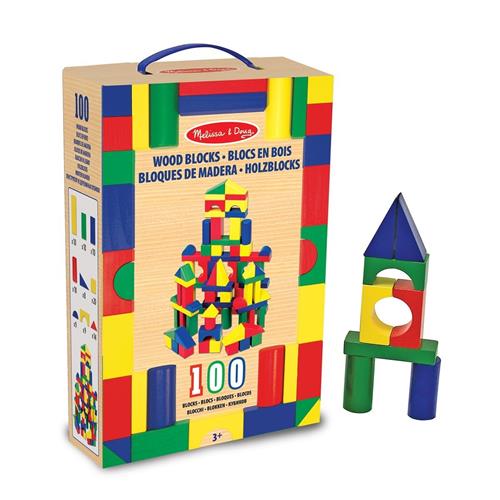
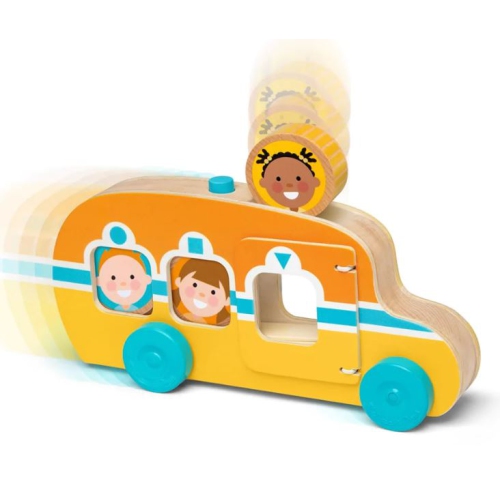
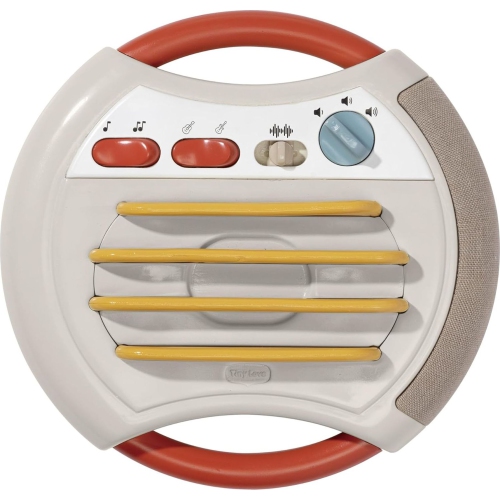
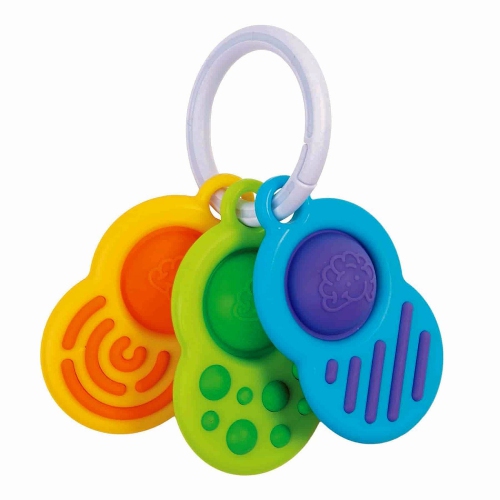
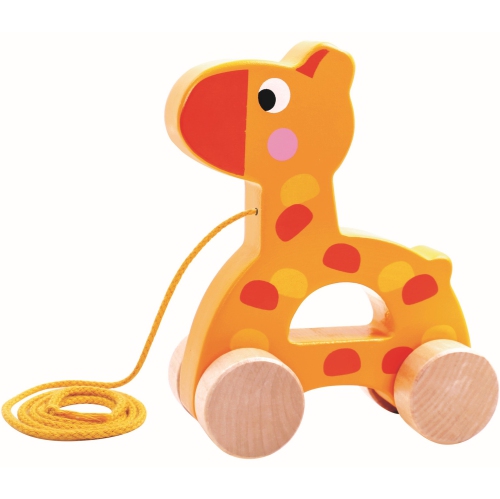
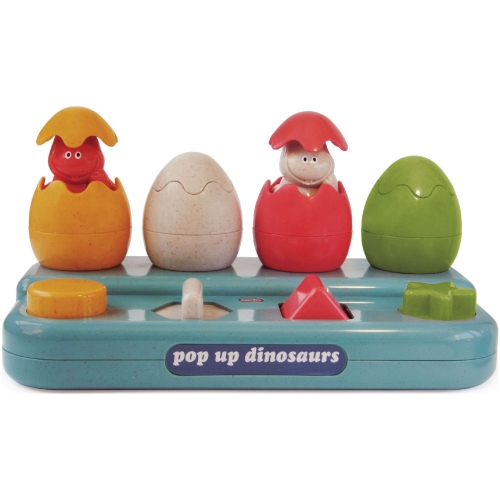
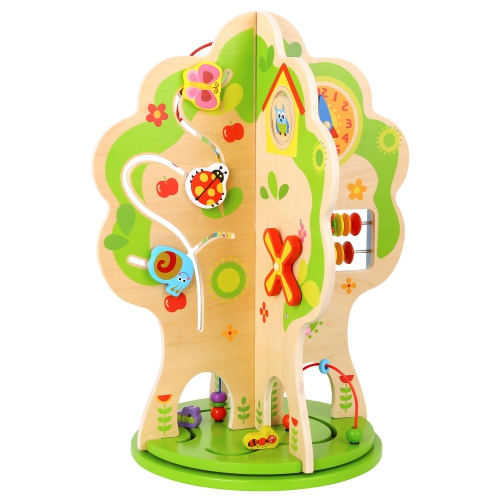
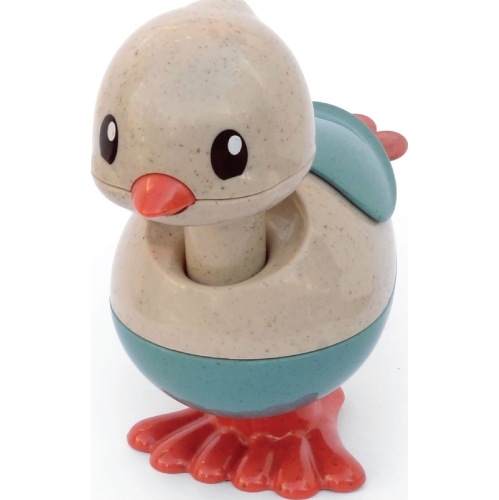
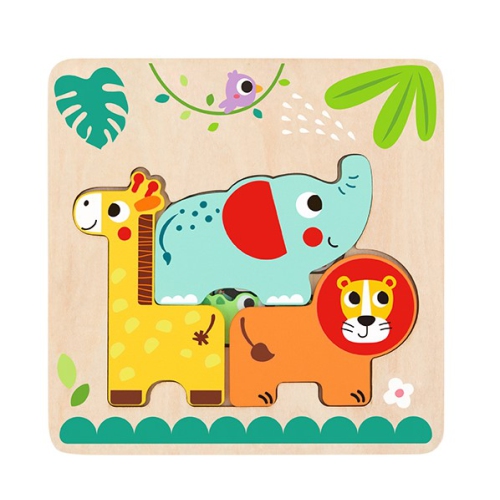
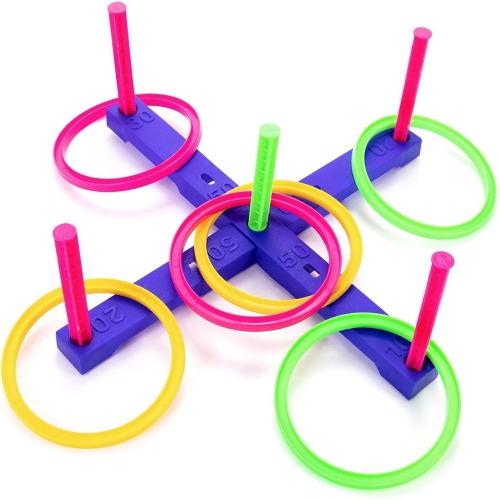
Motor skills toys give babies, toddlers and young children engaging ways to practise the movements they use every day. Fine motor skills involve the smaller muscles in the hands, fingers and wrists, while gross motor skills rely on larger muscle groups for movement, balance and coordination. A well-chosen toy can turn these important exercises into cheerful, hands-on play: a child pinches chunky pieces between their fingers, fits a shape into its matching opening, stacks one block on another or reaches across the floor to retrieve a favourite object. Repeating these actions helps build hand strength, hand-eye coordination, spatial awareness and control. Toys with pegs, knobs, laces, interlocking pieces, removable parts and simple tools can encourage a pincer grasp, which is useful for later activities such as drawing, fastening clothing and using cutlery. Stacking rings, nesting cups and building blocks introduce balance, size and sequencing, while sorting games can support colour and shape recognition alongside dexterity. For children developing larger movements, push-and-pull toys, soft climbing shapes, low balance equipment and activity centres can encourage walking, reaching, squatting, stepping and core stability. These toys are often useful in playrooms, daycares, classrooms and family spaces, giving children opportunities to move at their own pace while adults offer encouragement and supervision. They can also complement Sensory Toys that invite children to explore different textures, sounds and forms of hands-on interaction.
When choosing motor skills toys, start with the child’s age, current abilities and interests rather than selecting something based only on an age label. Babies may benefit from easy-to-grasp pieces, textured surfaces and larger components that are simple to hold and explore. Toddlers often enjoy toys that involve pushing, pulling, filling, emptying, fitting, stacking and carrying, especially when the result is immediate and visible. Preschoolers may be ready for more detailed puzzles, lacing activities, beginner construction sets, child-sized tools and games that involve sorting, transferring or following a sequence. Look for sturdy construction, smooth edges, securely attached parts and materials that are easy to wipe clean. Pieces should be large enough for the intended age group, with safety information checked carefully when younger children are in the home. Gross motor toys deserve the same attention to setup: place balance equipment and climbing pieces on a clear, stable surface, keep them away from stairs and sharp corners, and stay close while a young child is learning a new movement. Open-ended toys can be particularly valuable because they grow with a child’s imagination. A set of blocks may begin as a simple stacking activity, then become a road, a tower or a pretend shop. A sorting tray may first be used with adult guidance and later become part of an independent game. The best choice is often one that offers several ways to play without becoming frustrating. Pieces that are easy to grasp, clearly differentiated by size or colour and manageable in number can help children experience success while gradually building confidence and persistence.
Motor skills toys can make thoughtful gifts for new walkers, toddlers, preschoolers and young children who enjoy active, practical play. They are suitable for birthdays, family celebrations, visits to a new home or a care package designed for a child who spends more time playing indoors during cooler months. They can also be useful gifts for grandparents, childcare providers and educators who want engaging activities that support development without feeling like formal practice. At home, adults can introduce one activity at a time and let the child lead: place a few stacking pieces within reach, invite a toddler to move objects from one container to another, or create a clear path for pushing and pulling. Narrating the play with simple language—“over,” “under,” “big,” “small,” “in” and “out”—adds conversation and helps connect movement with early learning. A child who is concentrating on fitting the final piece into a puzzle may need a quiet pause rather than immediate help; gentle encouragement can make the accomplishment feel personal. Active toys can be used indoors when the weather is unsettled and outdoors when space and conditions allow, with play adapted to the child’s energy and comfort. Rotating a few toys instead of presenting everything at once can keep familiar activities interesting and make it easier to notice new skills, such as using both hands together, controlling pressure or planning a path. Motor skills develop through frequent, enjoyable opportunities, not a single session, so toys that invite return visits are especially practical. Whether the goal is strengthening little fingers, improving balance or giving a growing child a safe way to practise movement, motor skills toys bring purposeful play into ordinary routines.
When choosing motor skills toys, start with the child’s age, current abilities and interests rather than selecting something based only on an age label. Babies may benefit from easy-to-grasp pieces, textured surfaces and larger components that are simple to hold and explore. Toddlers often enjoy toys that involve pushing, pulling, filling, emptying, fitting, stacking and carrying, especially when the result is immediate and visible. Preschoolers may be ready for more detailed puzzles, lacing activities, beginner construction sets, child-sized tools and games that involve sorting, transferring or following a sequence. Look for sturdy construction, smooth edges, securely attached parts and materials that are easy to wipe clean. Pieces should be large enough for the intended age group, with safety information checked carefully when younger children are in the home. Gross motor toys deserve the same attention to setup: place balance equipment and climbing pieces on a clear, stable surface, keep them away from stairs and sharp corners, and stay close while a young child is learning a new movement. Open-ended toys can be particularly valuable because they grow with a child’s imagination. A set of blocks may begin as a simple stacking activity, then become a road, a tower or a pretend shop. A sorting tray may first be used with adult guidance and later become part of an independent game. The best choice is often one that offers several ways to play without becoming frustrating. Pieces that are easy to grasp, clearly differentiated by size or colour and manageable in number can help children experience success while gradually building confidence and persistence.
Motor skills toys can make thoughtful gifts for new walkers, toddlers, preschoolers and young children who enjoy active, practical play. They are suitable for birthdays, family celebrations, visits to a new home or a care package designed for a child who spends more time playing indoors during cooler months. They can also be useful gifts for grandparents, childcare providers and educators who want engaging activities that support development without feeling like formal practice. At home, adults can introduce one activity at a time and let the child lead: place a few stacking pieces within reach, invite a toddler to move objects from one container to another, or create a clear path for pushing and pulling. Narrating the play with simple language—“over,” “under,” “big,” “small,” “in” and “out”—adds conversation and helps connect movement with early learning. A child who is concentrating on fitting the final piece into a puzzle may need a quiet pause rather than immediate help; gentle encouragement can make the accomplishment feel personal. Active toys can be used indoors when the weather is unsettled and outdoors when space and conditions allow, with play adapted to the child’s energy and comfort. Rotating a few toys instead of presenting everything at once can keep familiar activities interesting and make it easier to notice new skills, such as using both hands together, controlling pressure or planning a path. Motor skills develop through frequent, enjoyable opportunities, not a single session, so toys that invite return visits are especially practical. Whether the goal is strengthening little fingers, improving balance or giving a growing child a safe way to practise movement, motor skills toys bring purposeful play into ordinary routines.
Top selling and popular products
-
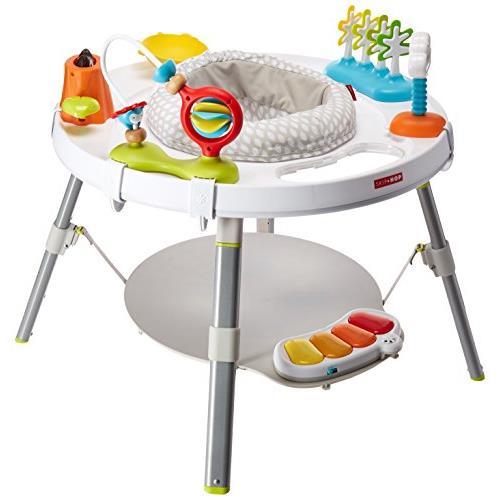 Your price for this item is $299.13
 -
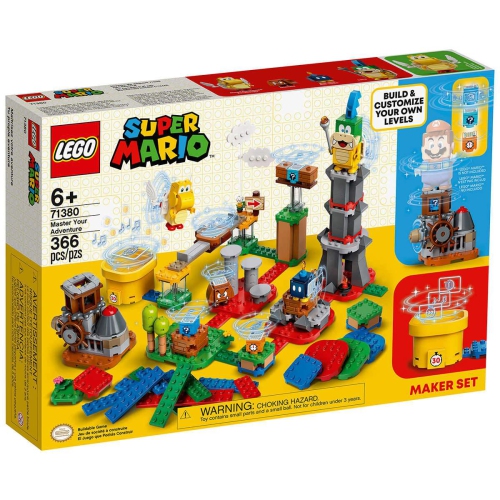 Your price for this item is $103.27
 -
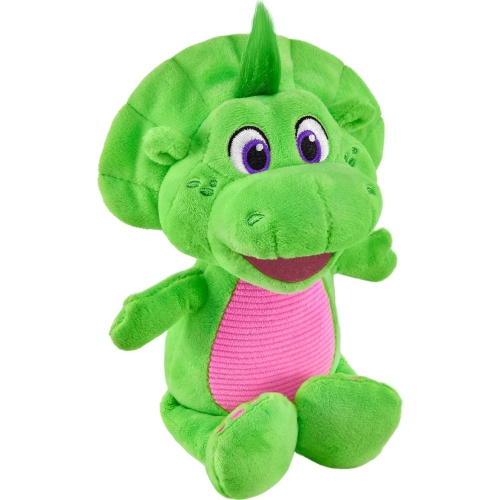 Your price for this item is $17.24
 -
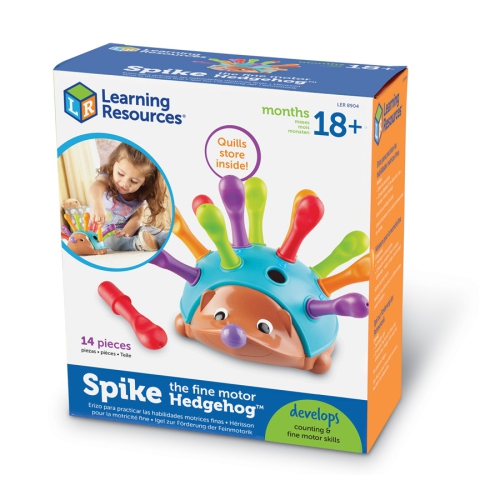 Your price for this item is $56.13
 -
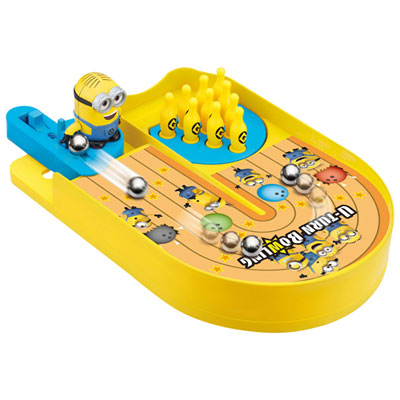 Your price for this item is $19.99
 -
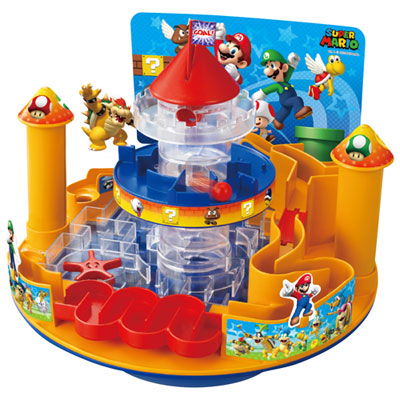 Your price for this item is $39.99
 -
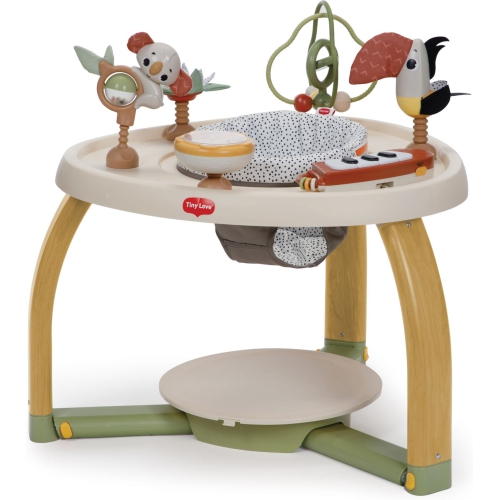 Your price for this item is $229.99
 -
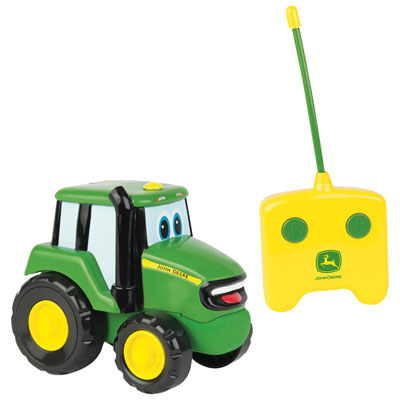 Your price for this item is $49.99
Discover more categories related to Motor Skills Toys
Top Collections:
Pokemon Centers, Budget 4K TVs, Kindle Devices, Canon G7X Cameras, Apple iPhones 16, iPhone 15 Apple, Laptops for Business Work, Flip Phones, Xiaomi Phones, Refurbished Apple Laptops
Some products may be subject to Environmental Handling Fees
(EHF) depending on your province.
Learn more about EHFs.