Gross Motor Skills Toys
Encouraging the development of gross motor skills in children is a vital part of their early growth, and toys designed for this purpose can make learning both fun and effective. These engaging toys are crafted to inspire movement, coordination, and physical activity, helping little ones build strength and confidence as they play. From climbing and balancing to jumping and running, these toys offer a variety of exciting ways to enhance physical abilities while sparking joy and creativity. Explore our selection of gross motor skills toys to find the perfect match for your child's developmental needs.
Sort
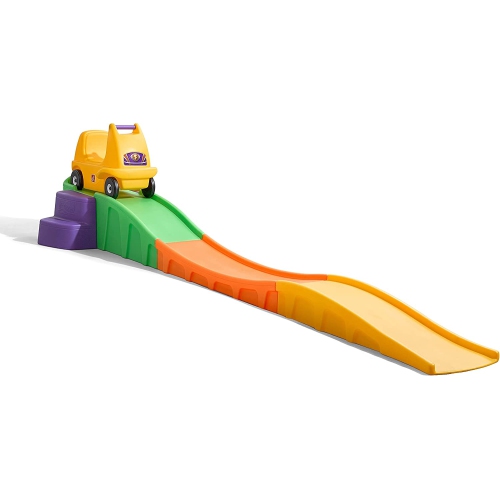
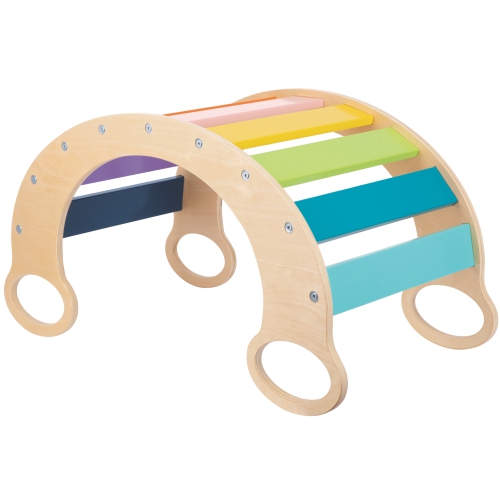
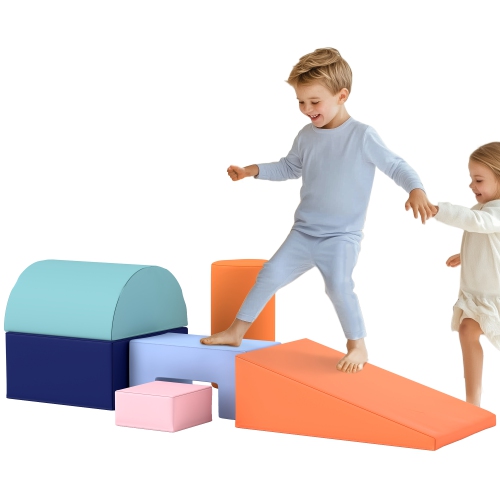
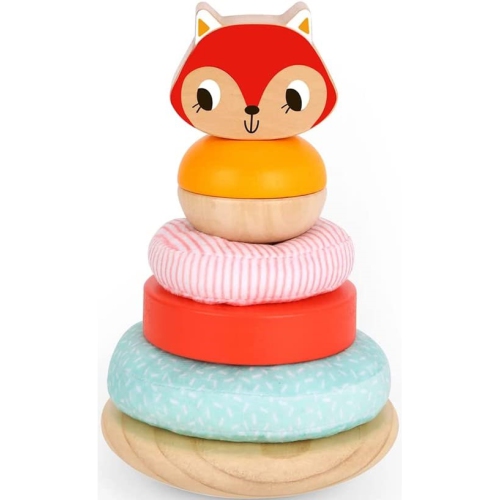
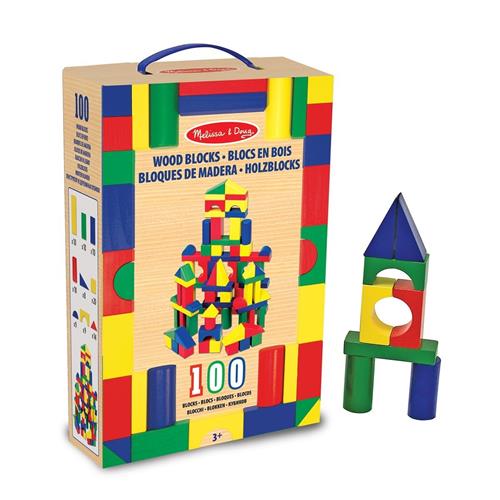
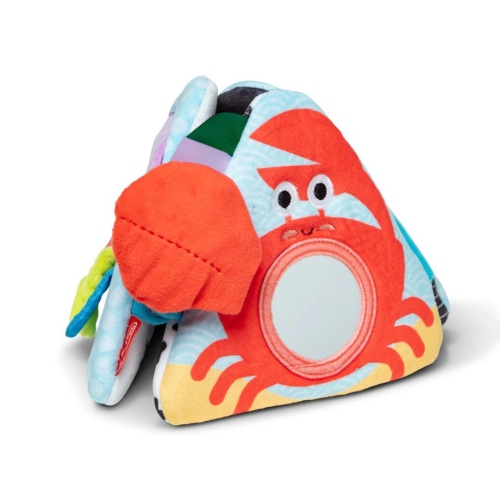
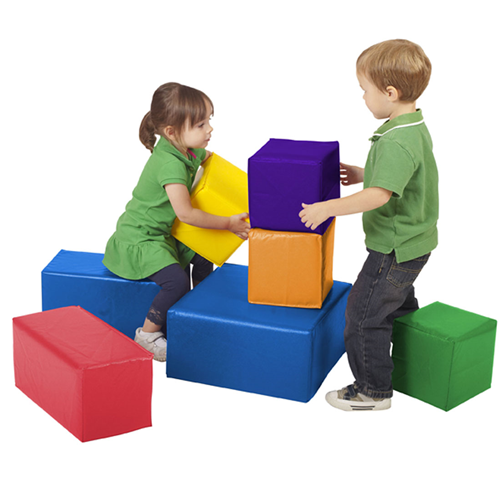
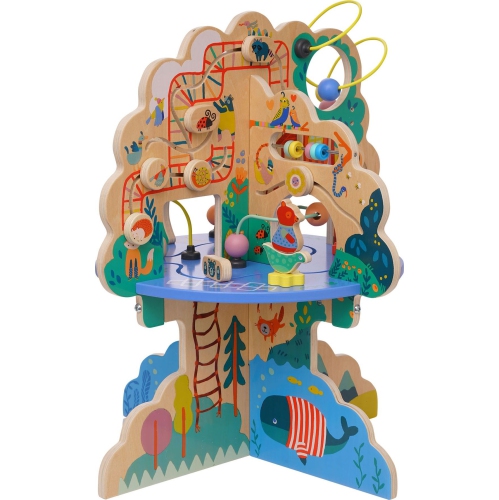
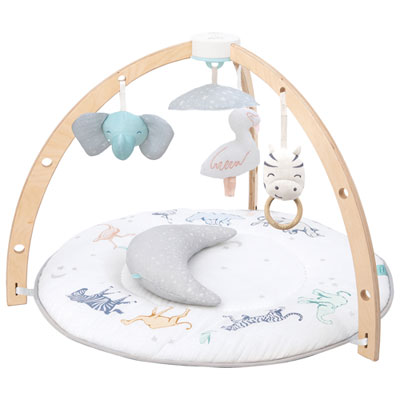
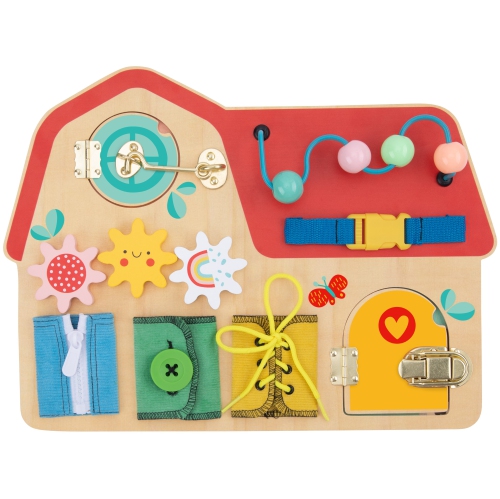
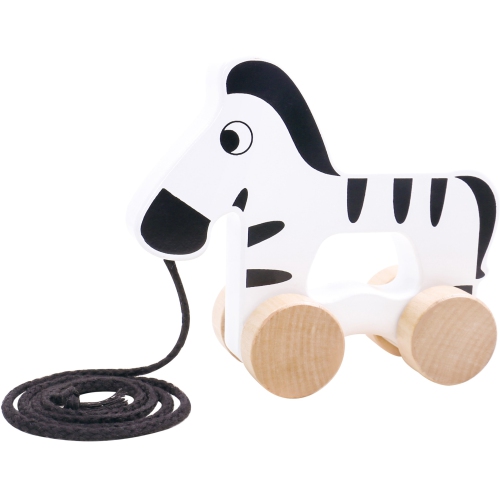
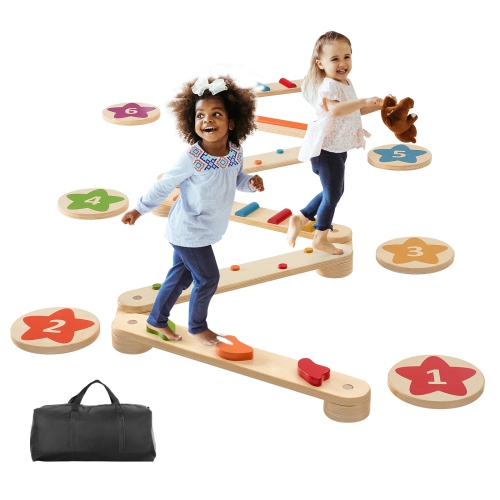
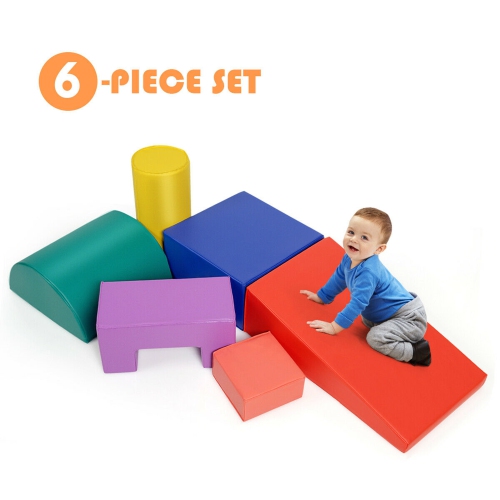
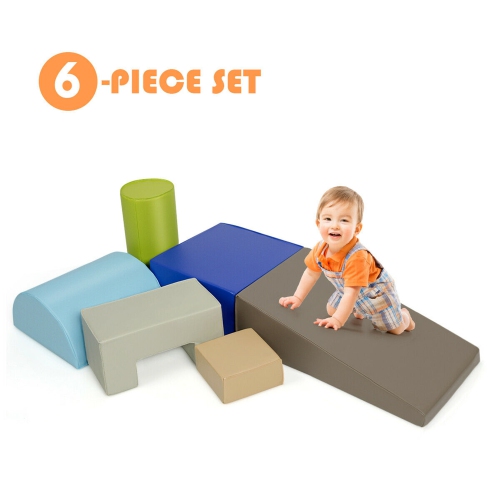
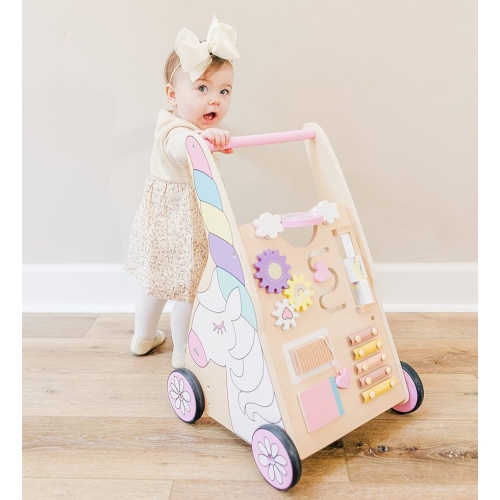
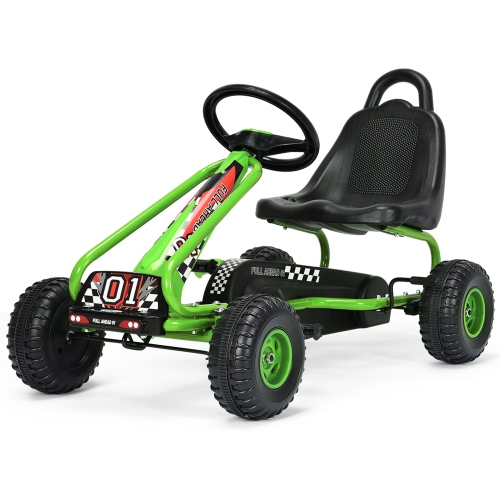

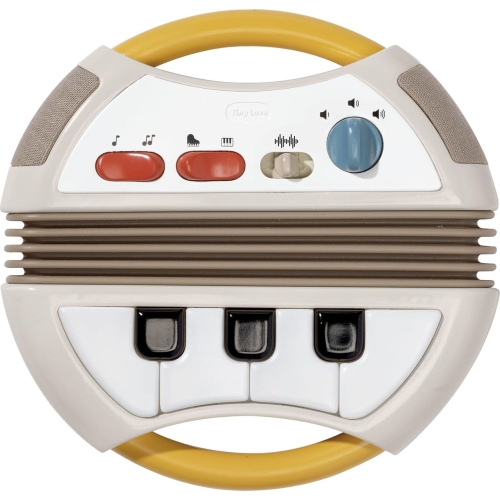
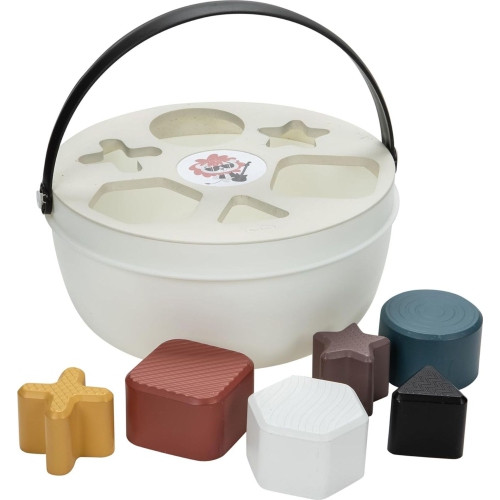
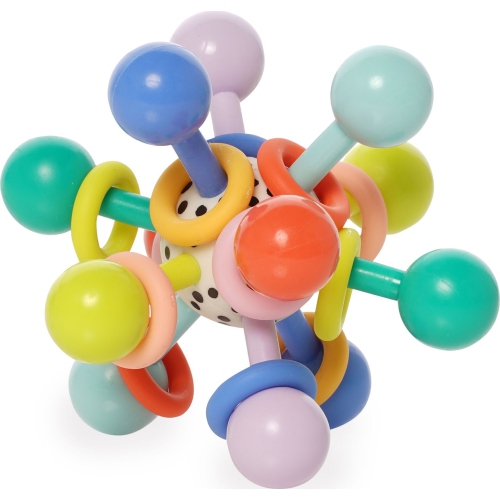
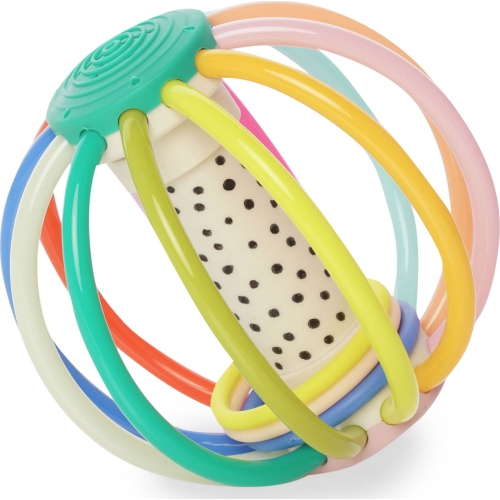
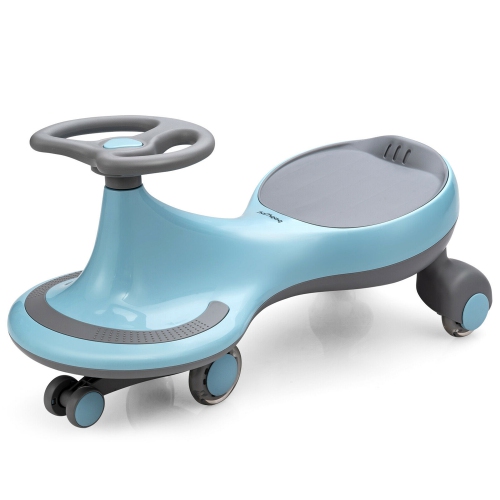
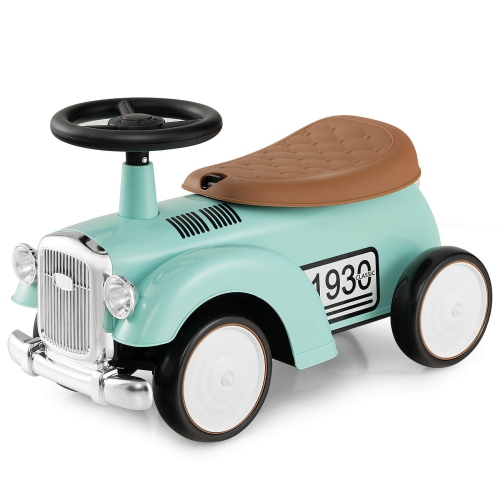
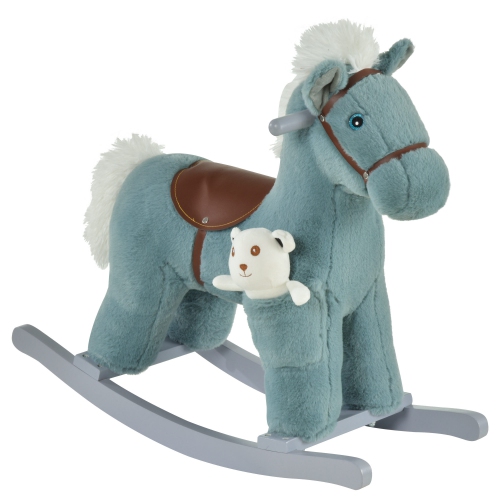
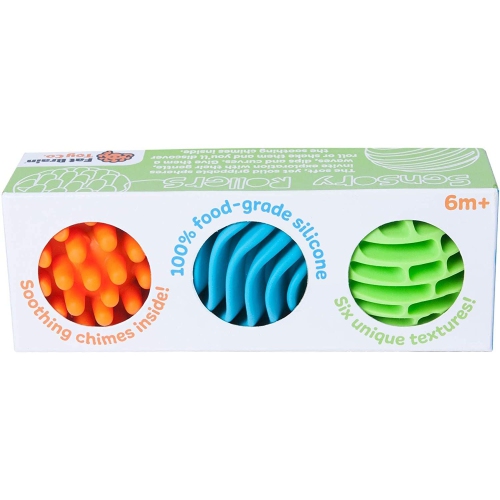
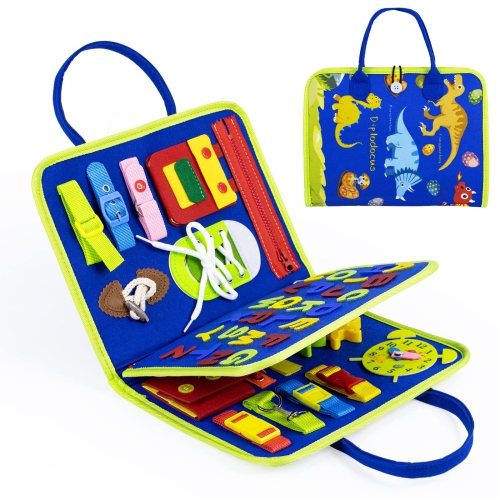
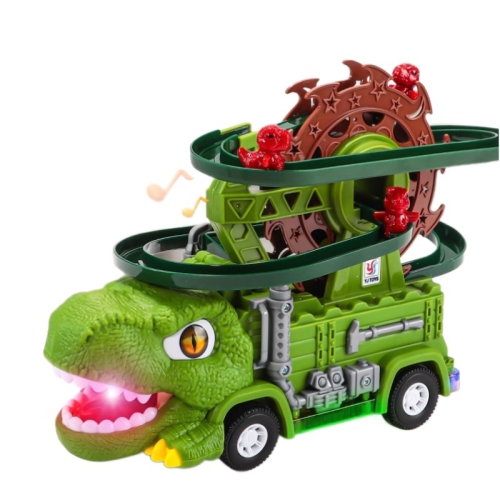
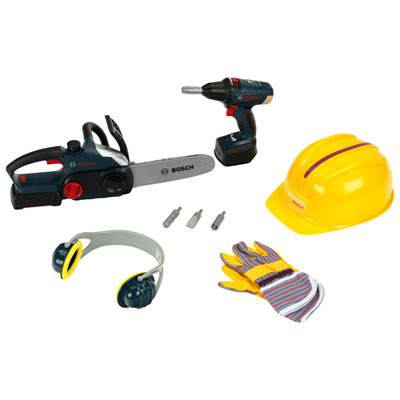
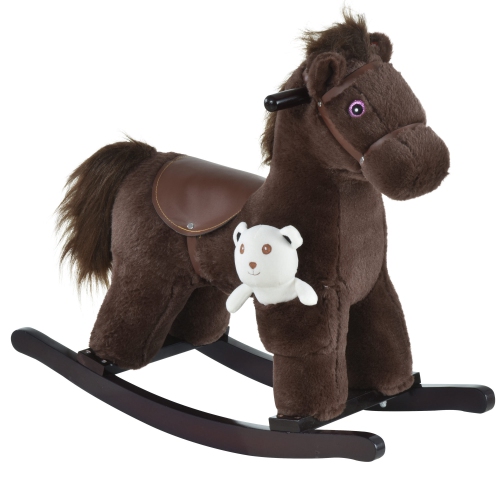
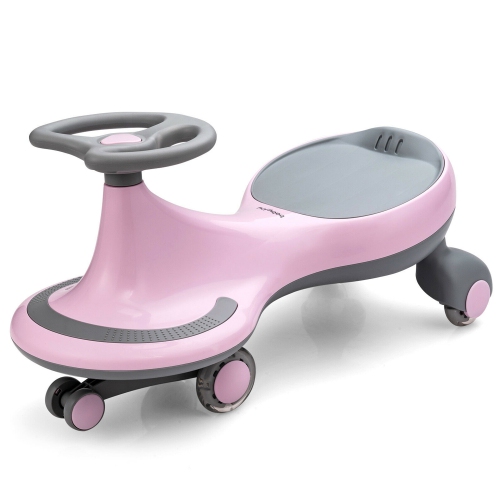
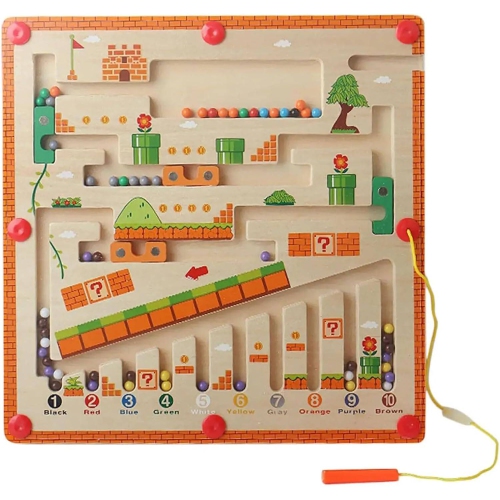
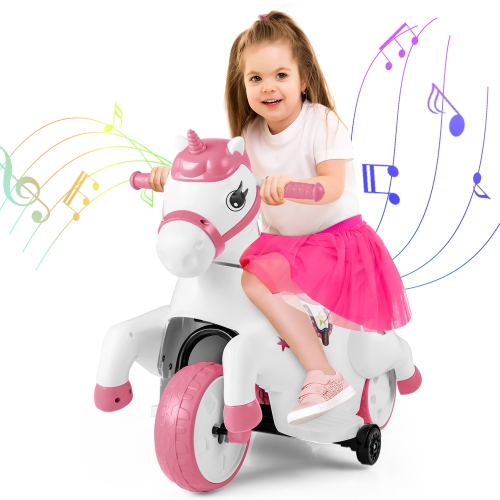


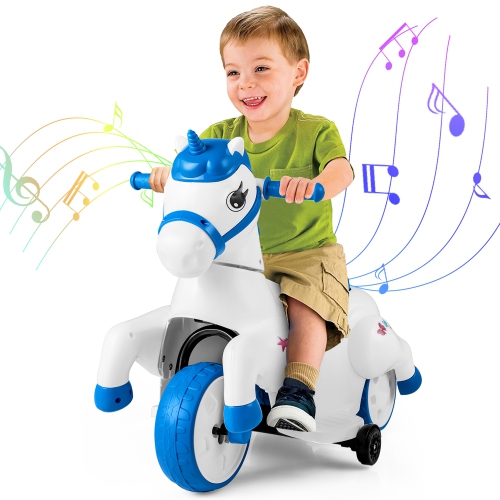
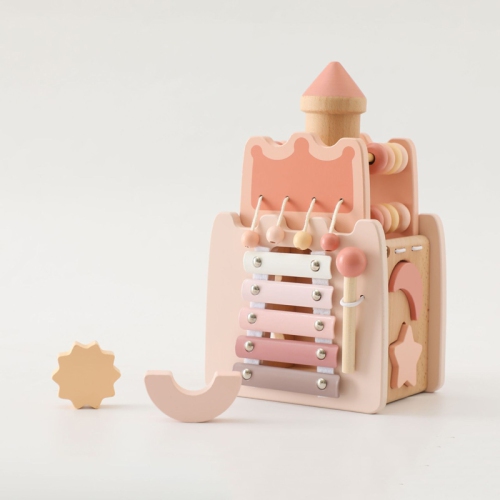
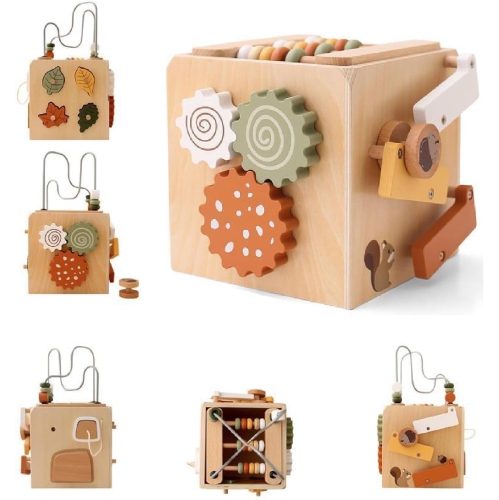
Playful ways to build balance, coordination and movement confidence
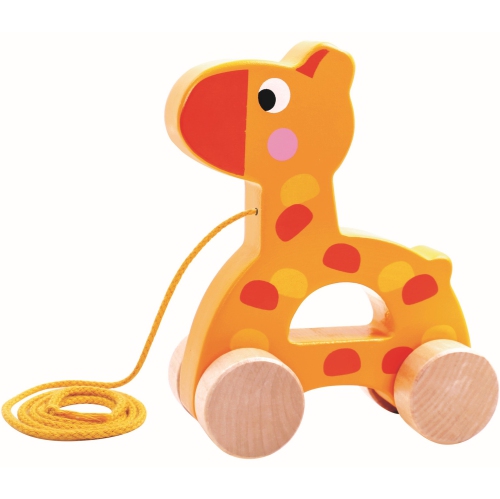
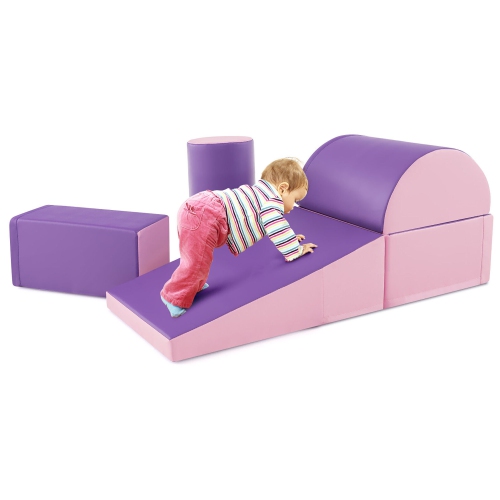
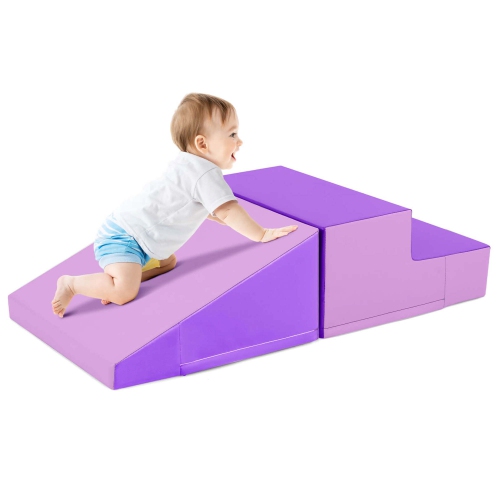
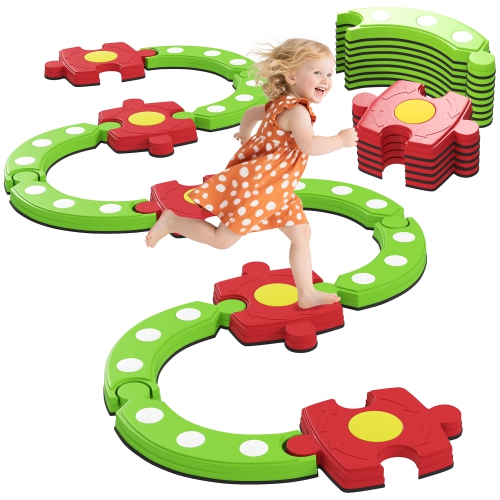
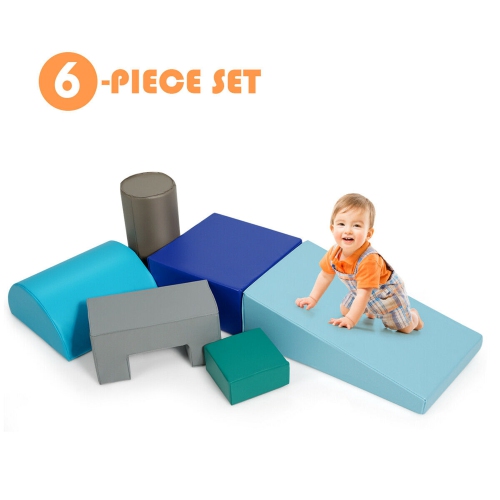
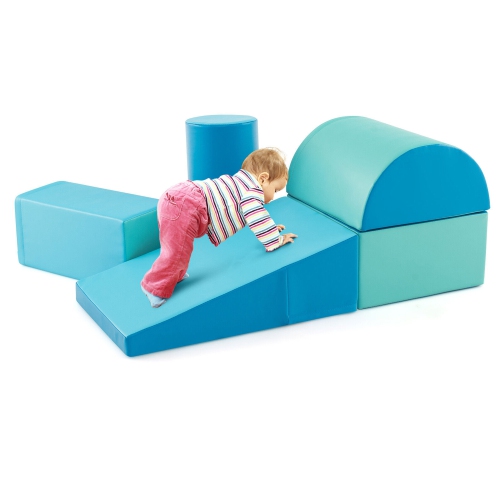
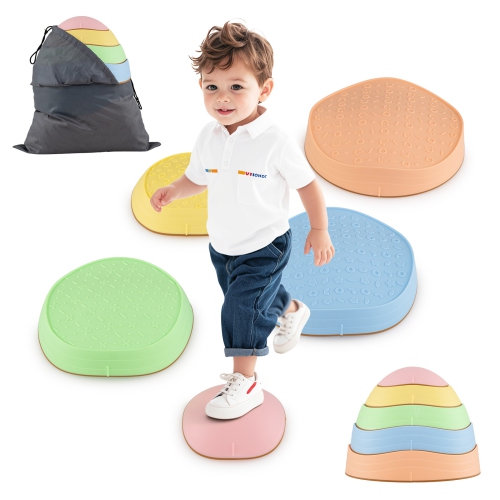
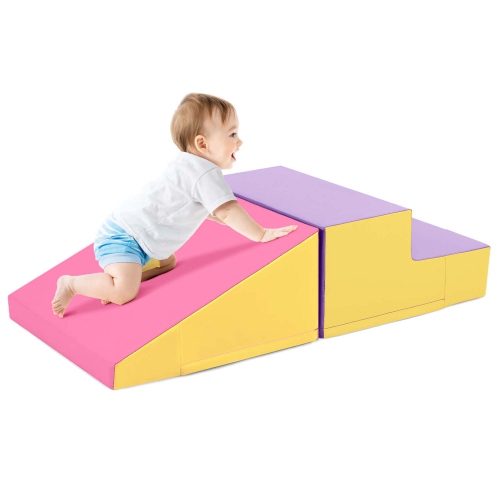
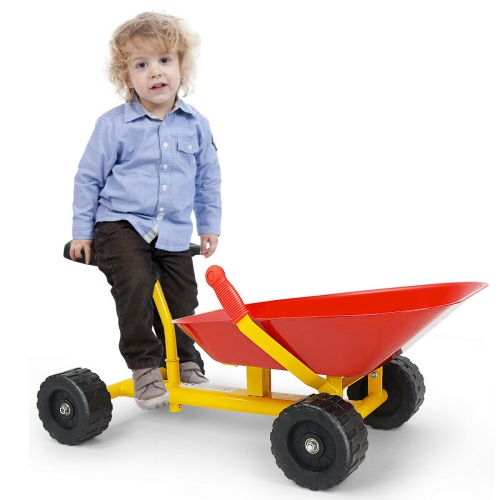
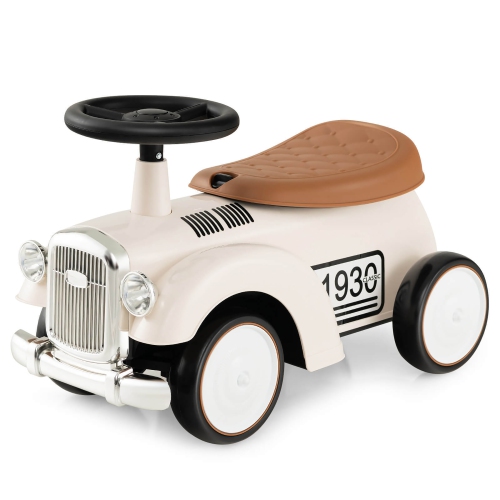
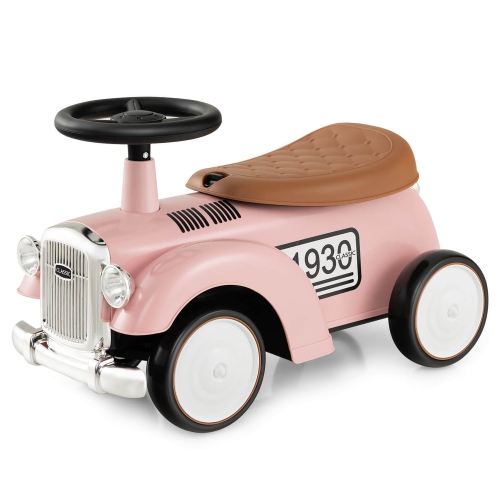
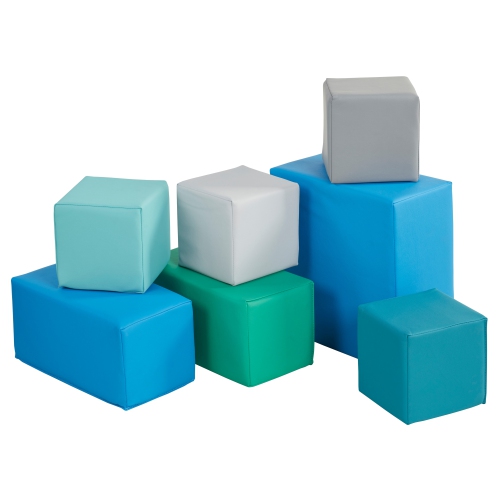
Gross motor skills toys are designed to encourage movement through the large muscle groups used for crawling, standing, walking, running, jumping, reaching and balancing. They can support children as they explore how their bodies move through space, whether that means lifting their head during tummy time, shifting weight from one side to the other, pulling up, taking early steps or navigating an indoor obstacle course. For babies, tummy time mirrors, soft activity mats and water-filled play mats can provide an inviting reason to lift the head, reach forward, pivot and strengthen the neck, shoulders and core. Crawling tunnels and open-ended floor play areas encourage children to move on their hands and knees while building confidence with changing directions. Sturdy push walkers can offer support for children who are pulling to stand and practising early steps, while ride-on toys and push bikes can introduce steering, leg strength and balance as coordination develops. For toddlers and preschoolers, climbing structures, foam blocks, balance boards, stepping stones, hop-and-count sets, cones, rings and bean bags can turn an open area into a simple movement zone. Each type of toy offers a different physical challenge, so it is helpful to choose options that suit the child’s age, current abilities, interests and available play space. A child who loves pretending to explore may be drawn to a tunnel or climbing set, while a child who enjoys games with clear goals may be more engaged by hopping, tossing or following a path.
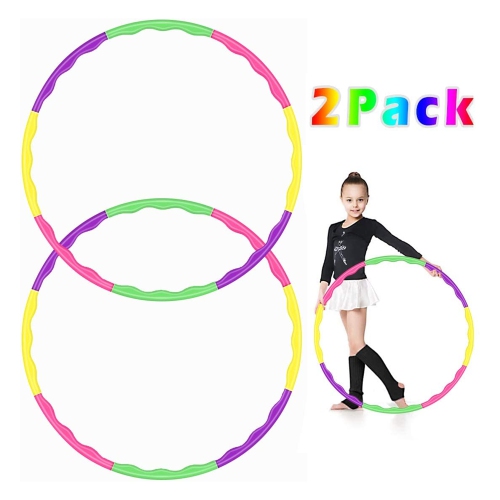
When choosing gross motor skills toys, consider how the item will be used, where it will be stored and whether it can accommodate the child’s changing abilities. Indoor-friendly options are useful during cooler months, rainy afternoons or busy days when outdoor play is not practical. Look for toys with a stable base, smooth edges, secure connections and materials that can stand up to energetic movement. A balance board or stepping set should be placed on a clear, level surface, and climbing toys should be used with close adult supervision on flooring that helps cushion an accidental tumble. Check the recommended age range and weight limits, and consider whether the child can use the toy independently or needs hands-on support. For younger children, the best play may involve a few minutes of reaching, rolling or crawling at a time, followed by a rest or a change of activity. Older children may enjoy a more involved course that includes stepping over low obstacles, crawling underneath a barrier, tossing a soft object into a target and finishing with a jump or balance challenge. Movement toys do not need to be used exactly as shown on the package. A set of soft blocks can become a low bridge, a row of stepping stones or a pretend mountain range, while hoops can mark a path across the floor or become targets for gentle bean-bag tosses. Keeping the setup simple makes it easier to adapt the activity to the child’s confidence, energy level and coordination on any given day.
Gross motor skills toys can be thoughtful gifts for babies, toddlers, preschoolers and young children who enjoy active play, imaginative games or hands-on discovery. They can also be useful additions to a playroom, childcare space, classroom or family room where children need opportunities to move between quieter activities. A child may begin by watching an adult demonstrate a balance path, then place one foot on the first marker, steady themselves with outstretched arms and celebrate when they reach the other side. Another child may spend an afternoon crawling through a tunnel, carrying soft toys from one end to the other, or using a push toy to make repeated trips across the room. These small moments help children practise body awareness, coordination, balance and controlled movement through play that feels natural rather than formal. Adults can extend the fun with simple prompts such as moving slowly like a turtle, taking giant steps, hopping between markers or stopping when a sound ends. Outdoors, gross motor toys can be used on a patio, deck or grassy area when the weather allows, while indoor activities can keep children moving during the cooler months. Children develop at different rates, so encouragement is more useful than comparison; offer a manageable challenge, stay nearby and allow plenty of time for repetition. Families looking to complement active play with activities that involve grasping, stacking, sorting and hand-eye coordination can also explore Fine Motor Skills Toys. With a thoughtful mix of movement and hands-on play, children can build confidence while discovering new ways to crawl, climb, balance, scoot, hop and explore.
When choosing gross motor skills toys, consider how the item will be used, where it will be stored and whether it can accommodate the child’s changing abilities. Indoor-friendly options are useful during cooler months, rainy afternoons or busy days when outdoor play is not practical. Look for toys with a stable base, smooth edges, secure connections and materials that can stand up to energetic movement. A balance board or stepping set should be placed on a clear, level surface, and climbing toys should be used with close adult supervision on flooring that helps cushion an accidental tumble. Check the recommended age range and weight limits, and consider whether the child can use the toy independently or needs hands-on support. For younger children, the best play may involve a few minutes of reaching, rolling or crawling at a time, followed by a rest or a change of activity. Older children may enjoy a more involved course that includes stepping over low obstacles, crawling underneath a barrier, tossing a soft object into a target and finishing with a jump or balance challenge. Movement toys do not need to be used exactly as shown on the package. A set of soft blocks can become a low bridge, a row of stepping stones or a pretend mountain range, while hoops can mark a path across the floor or become targets for gentle bean-bag tosses. Keeping the setup simple makes it easier to adapt the activity to the child’s confidence, energy level and coordination on any given day.
Gross motor skills toys can be thoughtful gifts for babies, toddlers, preschoolers and young children who enjoy active play, imaginative games or hands-on discovery. They can also be useful additions to a playroom, childcare space, classroom or family room where children need opportunities to move between quieter activities. A child may begin by watching an adult demonstrate a balance path, then place one foot on the first marker, steady themselves with outstretched arms and celebrate when they reach the other side. Another child may spend an afternoon crawling through a tunnel, carrying soft toys from one end to the other, or using a push toy to make repeated trips across the room. These small moments help children practise body awareness, coordination, balance and controlled movement through play that feels natural rather than formal. Adults can extend the fun with simple prompts such as moving slowly like a turtle, taking giant steps, hopping between markers or stopping when a sound ends. Outdoors, gross motor toys can be used on a patio, deck or grassy area when the weather allows, while indoor activities can keep children moving during the cooler months. Children develop at different rates, so encouragement is more useful than comparison; offer a manageable challenge, stay nearby and allow plenty of time for repetition. Families looking to complement active play with activities that involve grasping, stacking, sorting and hand-eye coordination can also explore Fine Motor Skills Toys. With a thoughtful mix of movement and hands-on play, children can build confidence while discovering new ways to crawl, climb, balance, scoot, hop and explore.
Top selling and popular products
-
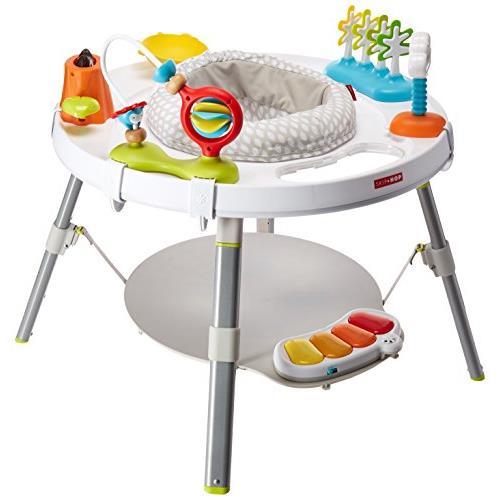 Your price for this item is $299.13
 -
 Your price for this item is $103.27
 -
 Your price for this item is $17.24
 -
 Your price for this item is $56.13
 -
 Your price for this item is $19.99
 -
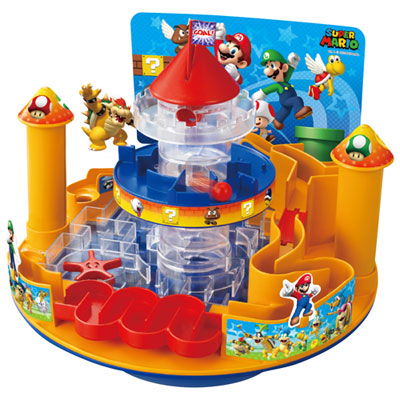 Your price for this item is $39.99
 -
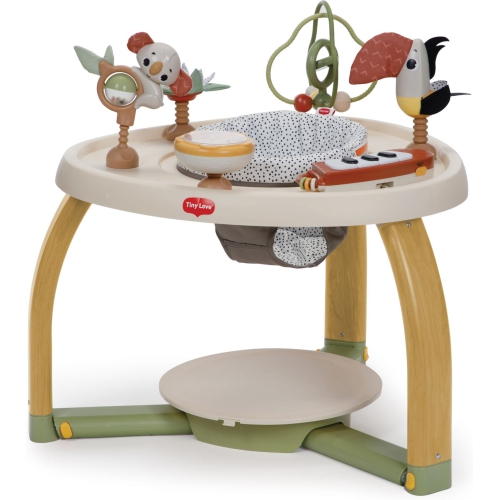 Your price for this item is $229.99
 -
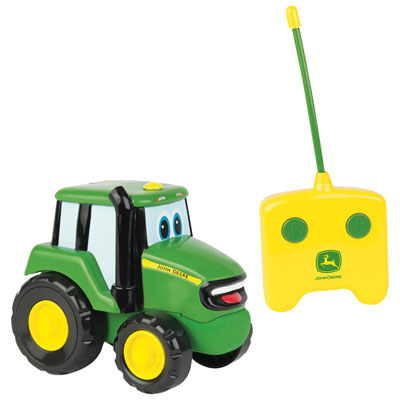 Your price for this item is $49.99
Discover more categories related to Gross Motor Skills Toys
Top Collections:
Pokemon Centers, Budget 4K TVs, Kindle Devices, Canon G7X Cameras, Apple iPhones 16, iPhone 15 Apple, Laptops for Business Work, Flip Phones, Xiaomi Phones, Refurbished Apple Laptops
Some products may be subject to Environmental Handling Fees
(EHF) depending on your province.
Learn more about EHFs.