Motorcycles With Training Wheels
Get ready for adventure with motorcycles equipped with training wheels. Whether you're introducing your little one to the thrill of riding or looking for a safe and stable option for beginners, our collection of motorcycles with training wheels has got you covered. These bikes offer a perfect balance of fun and safety, allowing riders to gain confidence as they navigate their way through exciting journeys. With various styles and sizes available, finding the right motorcycle with training wheels to kickstart your child's riding experience has never been easier. Explore our selection today and set them on the path to becoming a confident rider in no time!
Sort


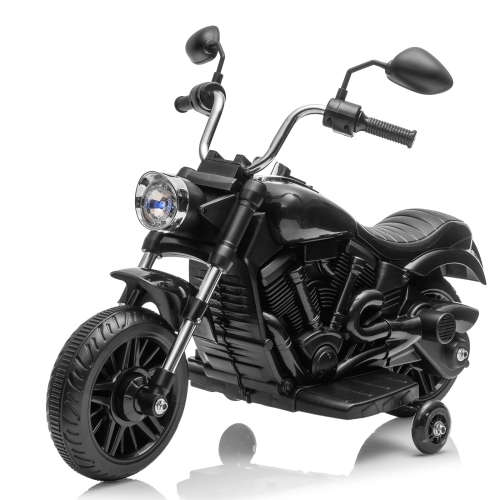


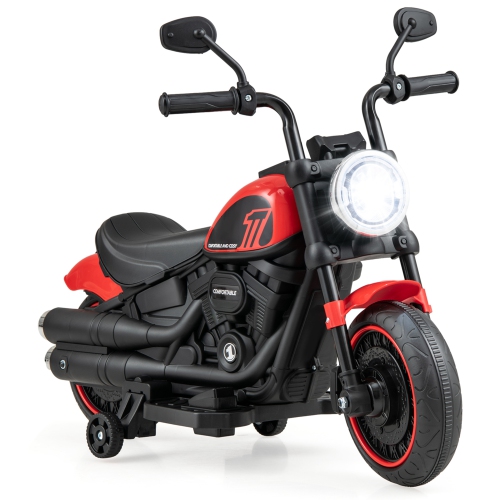
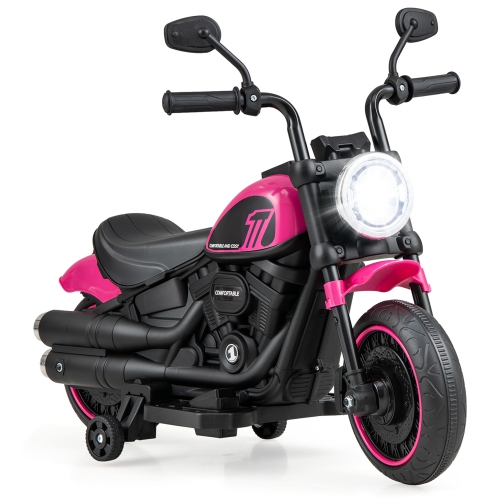

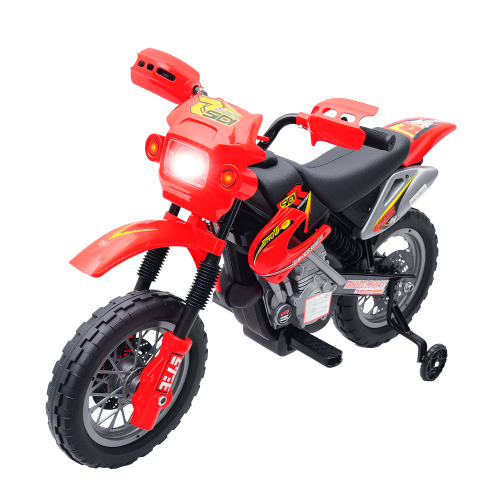












What to know about fit, safety, and rider readiness
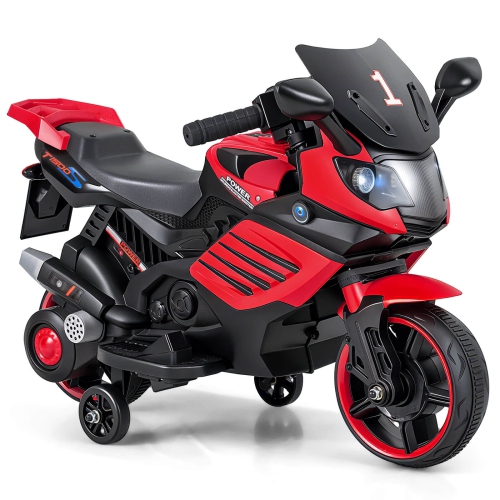
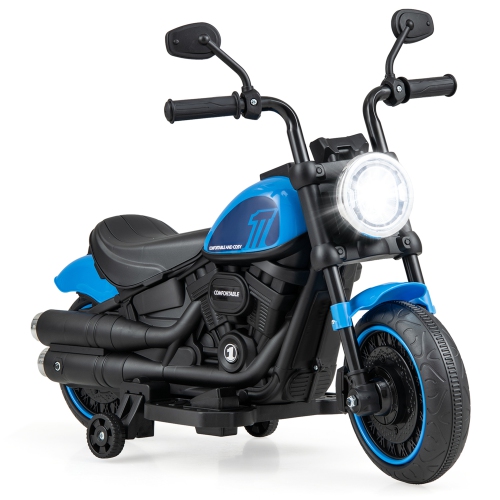
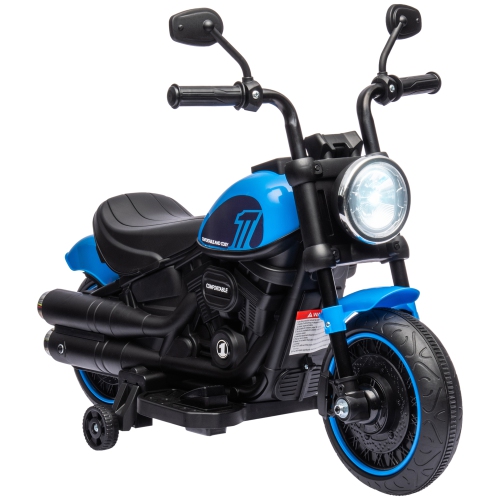
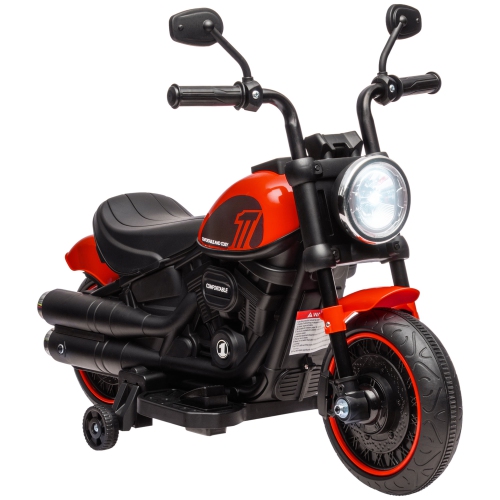
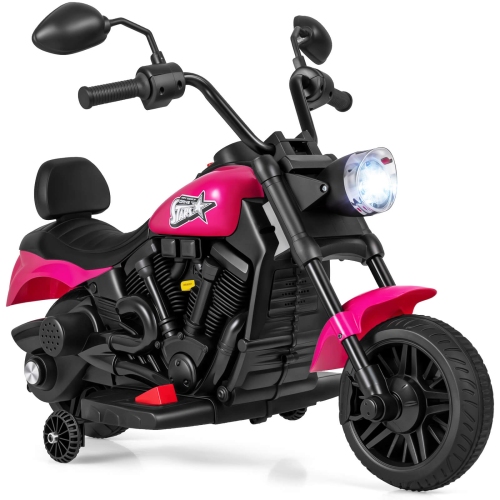
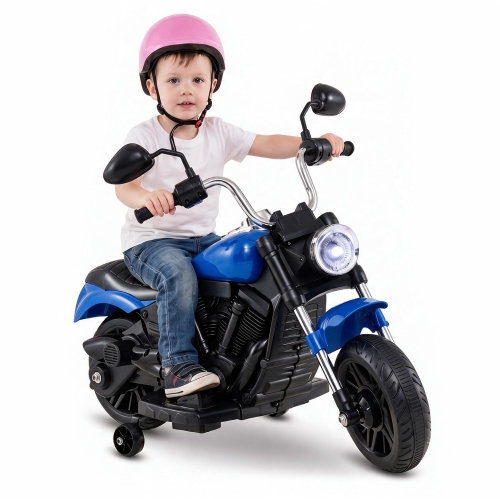
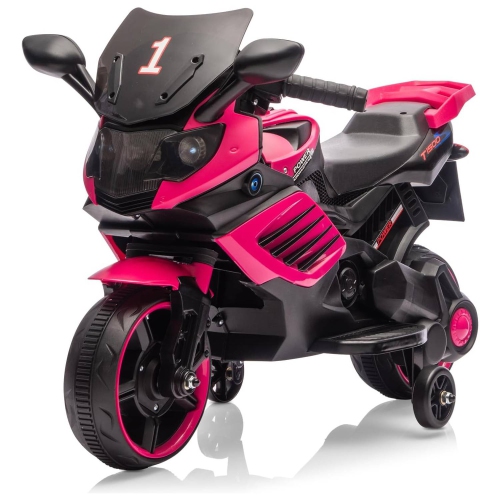
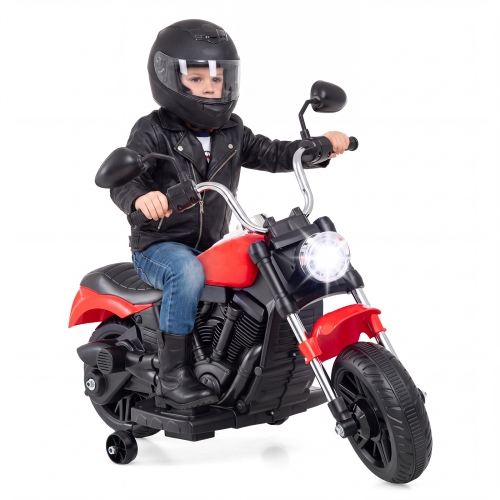
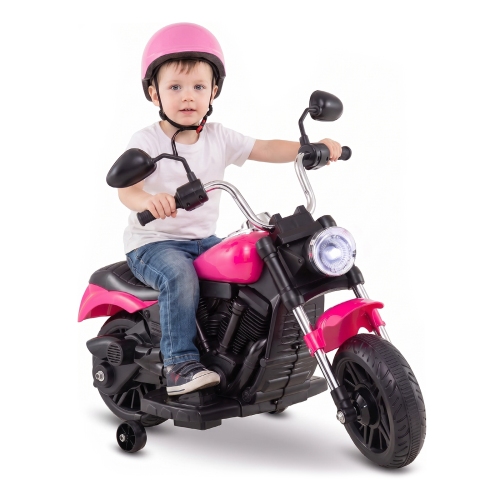
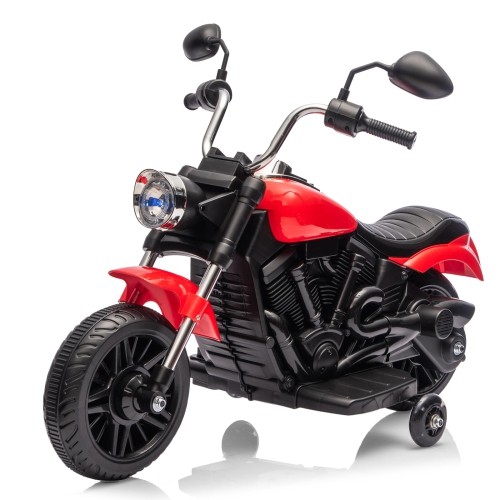
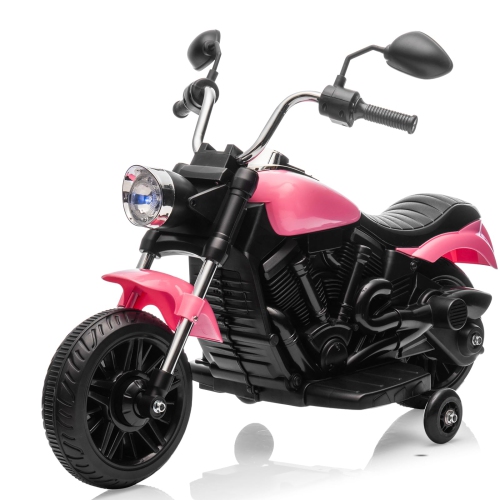
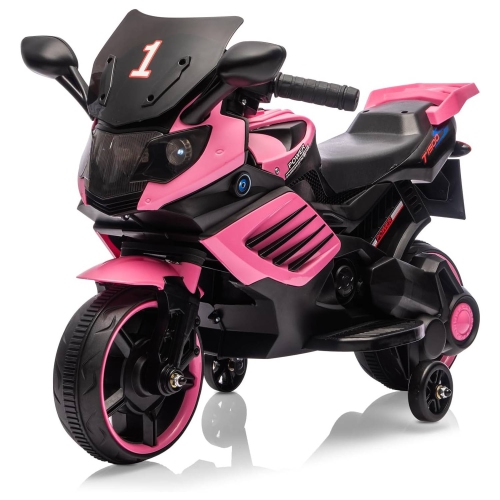
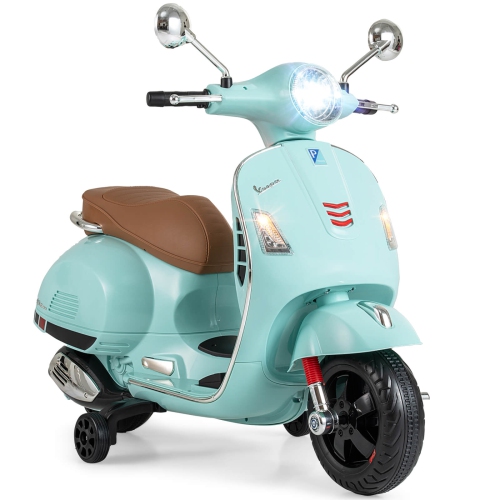
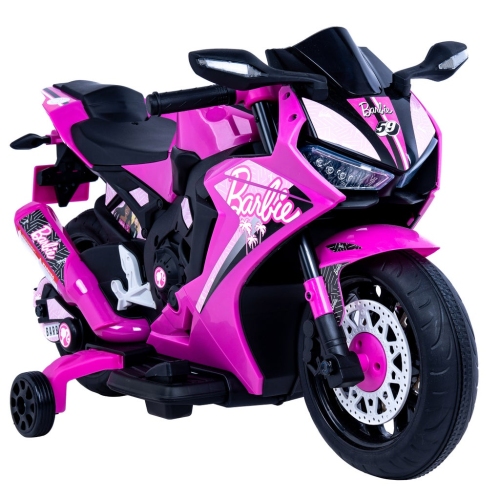
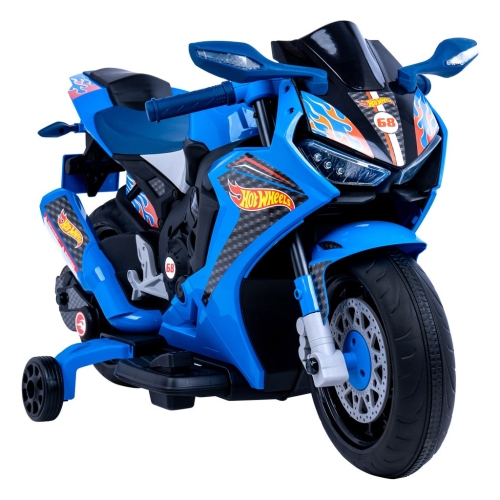
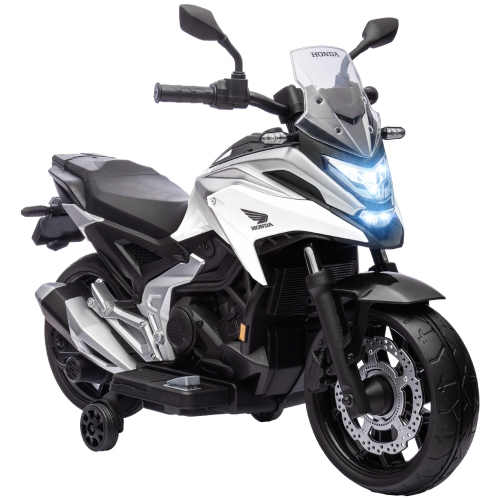
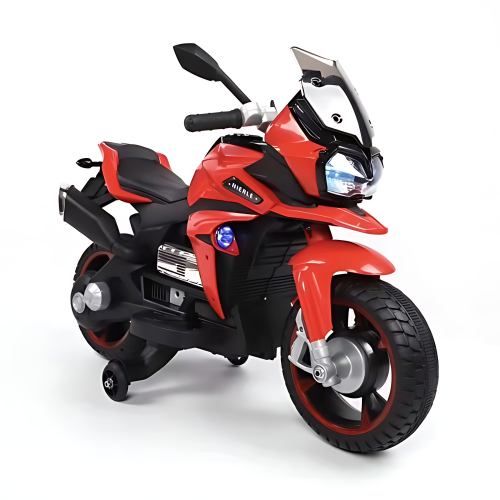
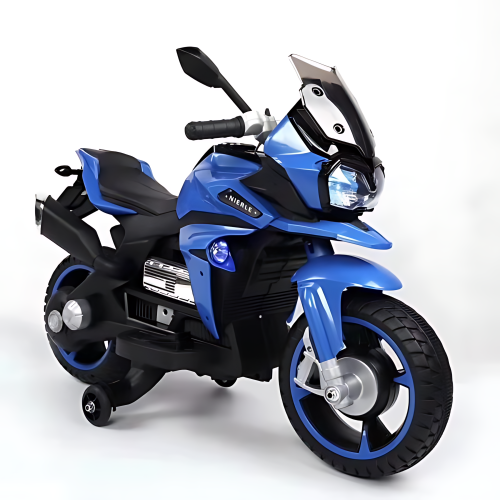
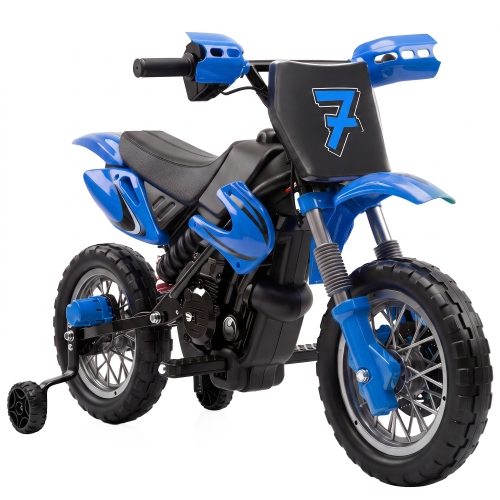
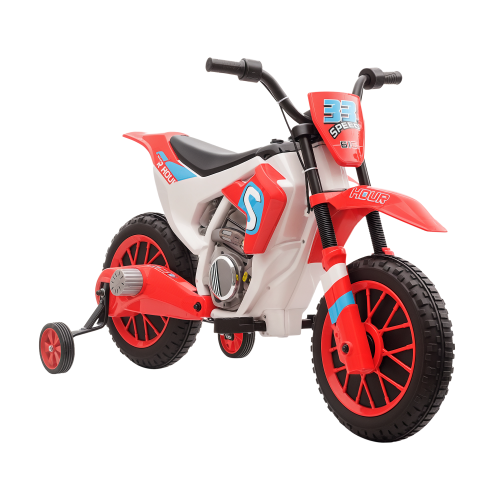
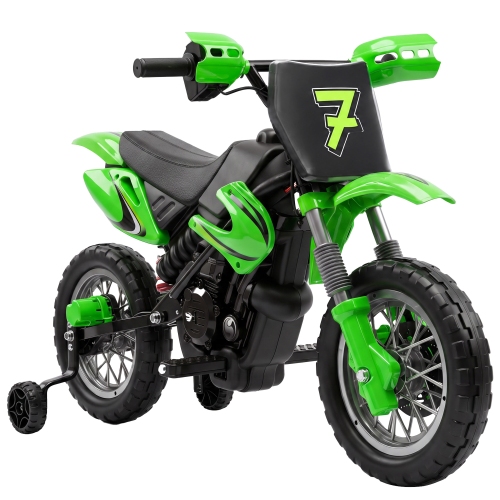
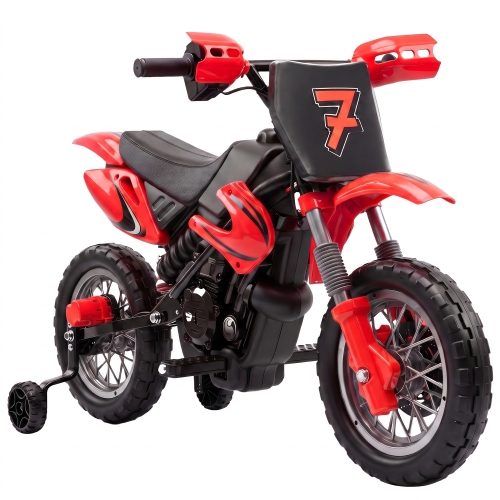
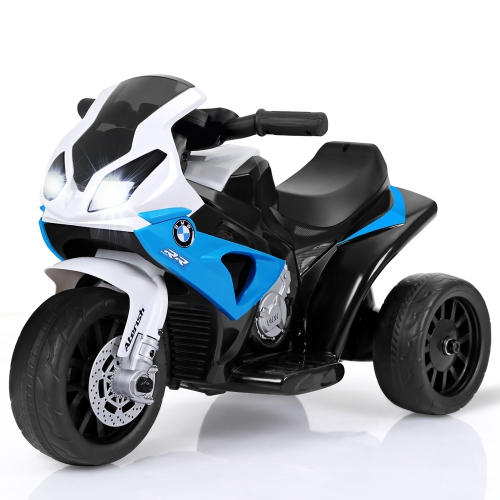
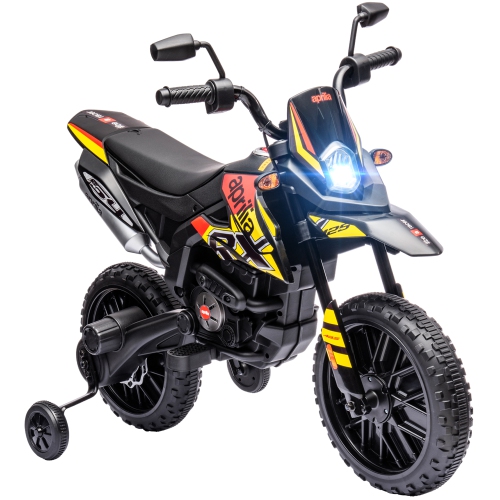
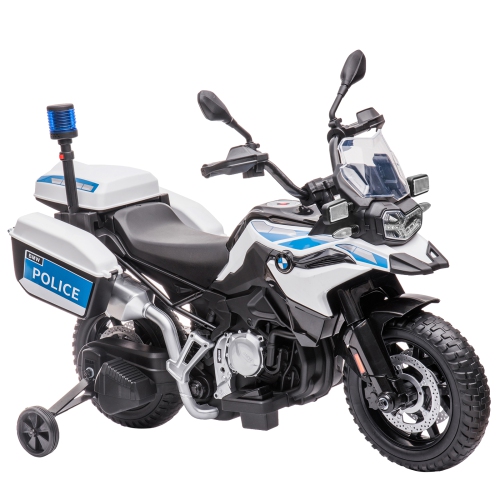
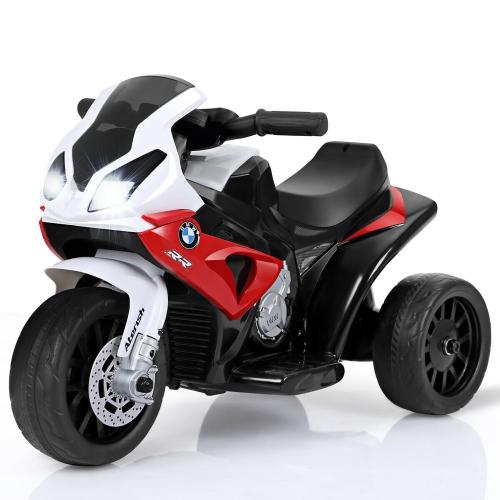
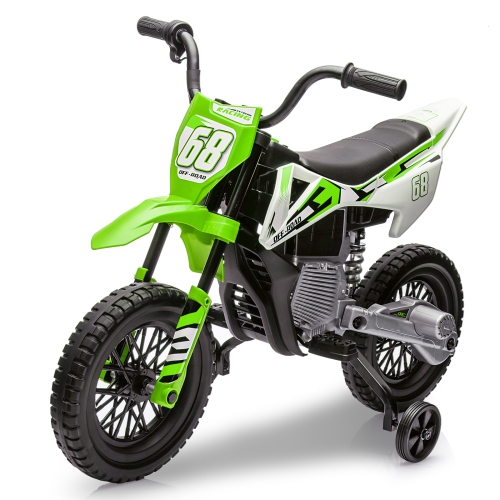
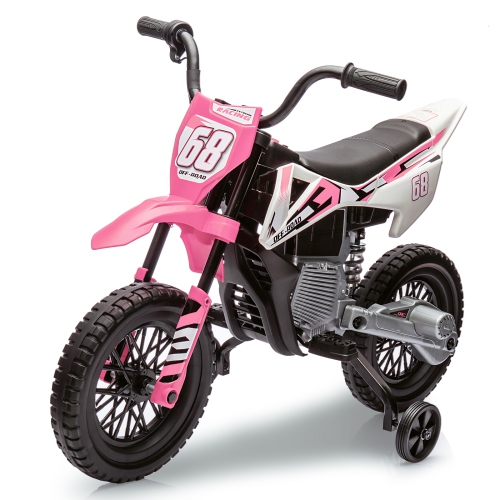
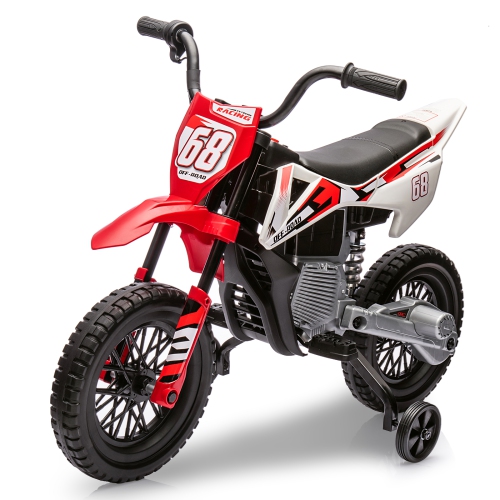
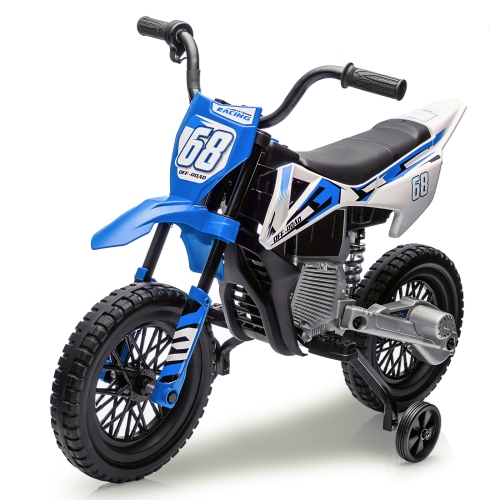
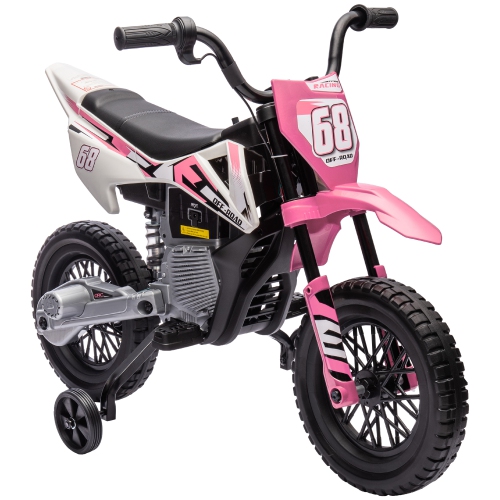
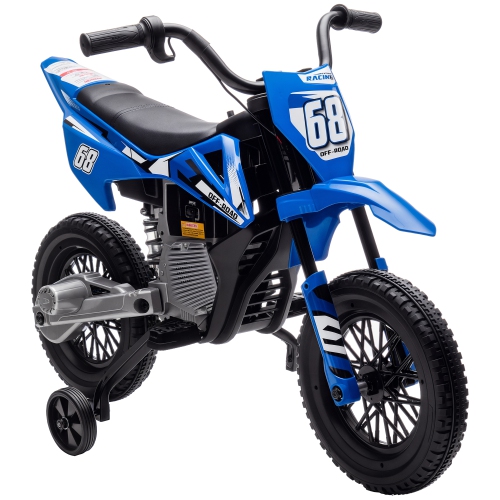
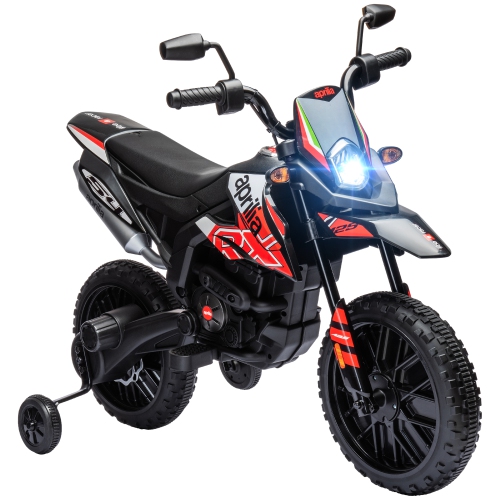
Motorcycles with training wheels are designed to give new riders a more stable introduction to two-wheel riding. In most cases, this term refers to youth dirt bikes, beginner motorcycles, or electric ride-on bikes fitted with two side wheels that help support the vehicle at low speeds. Some products are complete ride-on motorcycles intended for young children, while others are training-wheel kits that attach to a compatible youth bike. The right choice depends on the rider’s age, height, weight, experience, and the motorcycle’s make and model. A child who is just learning to steer may benefit from a low-speed electric ride-on with simple controls, a comfortable seat, and a wide, steady stance. Older children with more riding experience may be ready for a beginner dirt bike and a properly fitted training-wheel attachment that supports balance while they practise throttle control, braking, turning, and stopping. For families comparing options, the Training Wheels for Dirt Bikes selection can help narrow the search toward accessories intended for compatible youth off-road motorcycles. Training wheels should be treated as a learning aid rather than a substitute for instruction or protective equipment. A properly fitted helmet, eye protection, gloves, long sleeves, sturdy pants, and closed-toe footwear are important parts of every outing. Knee and elbow protection can also help a young rider feel more comfortable while learning. Adult supervision should remain close, particularly when a child is developing hand control or riding on unfamiliar ground. A quiet, level area with a firm surface is usually easier for early practice than loose gravel, steep grass, mud, or a busy recreational trail. Starting with short sessions can help a rider finish on a positive note, with practice focused on one skill at a time.
Compatibility is one of the most important considerations when selecting motorcycles with training wheels or a related attachment. Training-wheel kits are not universally interchangeable, even when two bikes look similar. Check the motorcycle’s exact make, model, year, frame design, wheel size, axle arrangement, weight capacity, and mounting points before purchasing. The attachment should sit evenly on both sides, remain secure when the motorcycle leans slightly, and allow the bike’s controls, chain, exhaust, suspension, and footrests to operate without interference. Fixed training wheels can provide a consistent base for early practice, while adjustable designs may allow the support wheels to be raised gradually as the rider becomes more confident. It is important not to lift the training wheels too soon: a child still learning to brake or turn may need the extra stability for several sessions. The motorcycle’s power and speed should also match the rider’s ability. Electric models often offer straightforward controls and quiet operation, while gas-powered youth bikes may require additional attention to fuel, engine starting, maintenance, and storage. For either type, inspect fasteners, wheel alignment, tyre condition, brakes, throttle return, and steering before each ride. Training wheels are most useful when they remain in firm contact with the riding surface without making the motorcycle difficult to steer. If the bike feels unstable, pulls to one side, tips unexpectedly, or makes unusual noises, stop riding and check the installation. Product instructions should take priority over general advice, and professional installation may be worthwhile when the kit requires frame-specific hardware or adjustments. A training-wheel setup can be a thoughtful gift for a child who is fascinated by motorcycles, construction equipment, or outdoor adventures, especially when it is paired with safety gear and a clear plan for supervised practice. It can also suit families looking for an approachable first step before a young rider transitions to a standard two-wheel motorcycle.
The phrase motorcycles with training wheels can also describe stability equipment for adult riders, although the design and purpose are different from children’s learning products. Motorcycle landing gear, outriggers, or stabiliser wheels may be used on larger touring motorcycles and cruisers to provide additional support when stopping, parking, or manoeuvring at very low speeds. These systems can be considered by riders managing balance limitations, recovering from an injury, adapting to changes in strength, or seeking more confidence with a heavy motorcycle. They must be selected for the exact motorcycle and installed according to the manufacturer’s specifications, since the frame, suspension, ground clearance, braking system, and weight distribution all affect performance. A permanent trike conversion is another distinct option: rather than adding temporary side wheels, it changes a two-wheel motorcycle into a three-wheel configuration with a wider rear axle. This may be more appropriate for some riders who need ongoing stability, but it involves different handling characteristics, turning technique, maintenance needs, registration considerations, and potentially different licensing or insurance requirements. Whether shopping for a child’s first electric ride-on, a beginner 50cc dirt bike setup, an attachment for an electric youth motorcycle, or an adult stability system, consider where the vehicle will be used and how it will be transported and stored. Cooler months can bring damp paths, lower temperatures, and shorter daylight, so batteries, fuel systems, tyres, and protective clothing may need extra attention between rides. Keep equipment clean and dry, charge electric batteries according to the instructions, store fuel-powered motorcycles in a suitable ventilated area, and check all fasteners after transport. With the correct fit, appropriate speed, suitable terrain, and patient supervision, training wheels can make the early stages of riding feel less intimidating and more manageable, helping a new rider build control and confidence one careful turn at a time.
Top selling and popular products
-
 Your price for this item is $150.99
-
 Your price for this item is $799.99
-
 Your price for this item is $142.99
-
 Your price for this item is $199.99
-
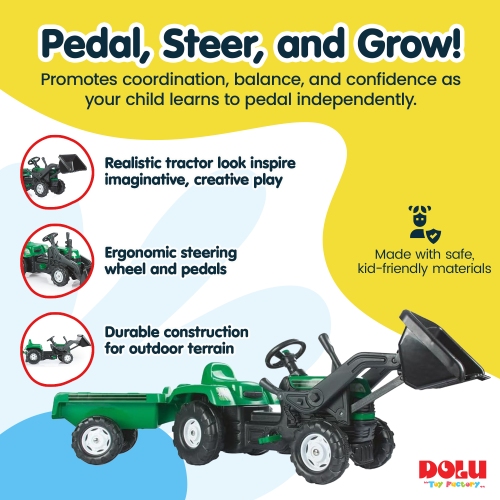 Your price for this item is $204.99
-
 Your price for this item is $199.99
-
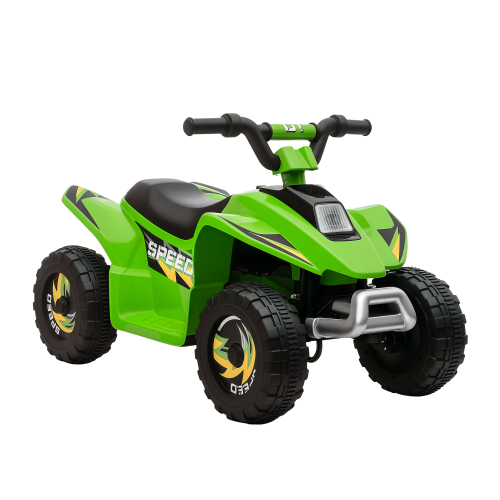 Your price for this item is $82.95
-
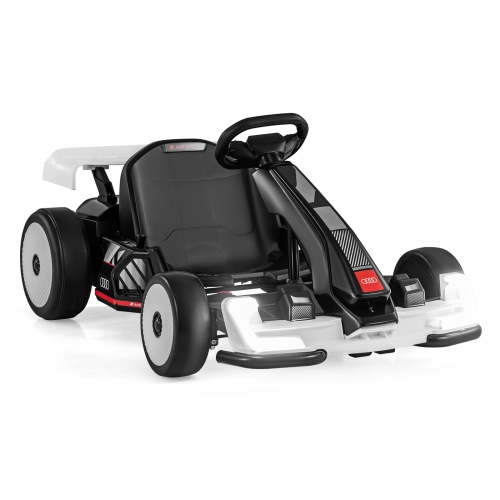 Your price for this item is $449.99
Discover more categories related to Motorcycles With Training Wheels
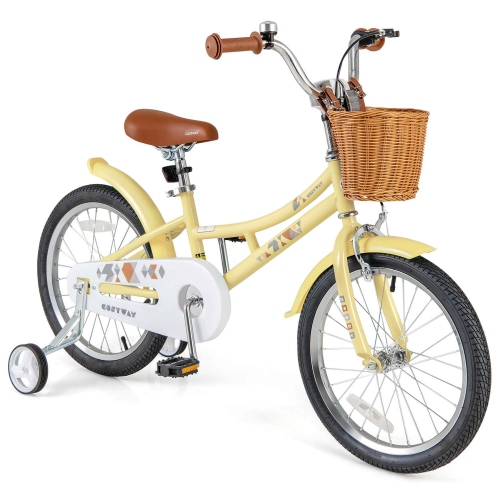

Top Collections:
Pokemon Centers, Best Cameras for Sports Photography, Kindle Devices, Samsung Galaxy Phones, Canon G7X Cameras, Pokémon 30th Celebration Cards, Refurbished Apple Laptops, iPhone 15 Apple, Laptops for Students, Budget Smartphones
Some products may be subject to Environmental Handling Fees
(EHF) depending on your province.
Learn more about EHFs.