Movable Toys
Discover a world of excitement and imagination with our diverse collection of movable toys, designed to captivate and inspire children of all ages. These dynamic playthings offer endless opportunities for creative exploration, encouraging active play and development through movement. From classic favorites to innovative designs, each toy promises hours of fun while fostering essential skills like coordination and problem-solving. Dive into a playful adventure where every twist, turn, and roll brings new possibilities for joy and learning.
Sort
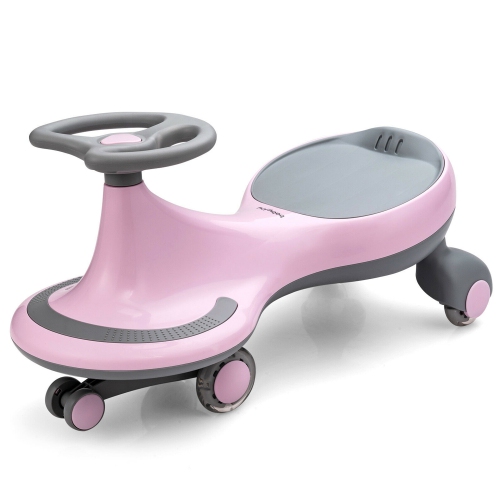
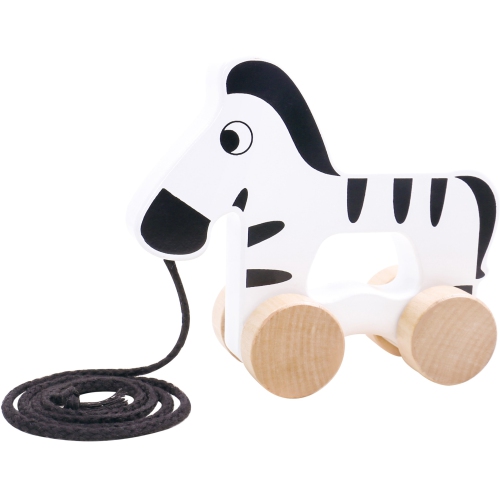

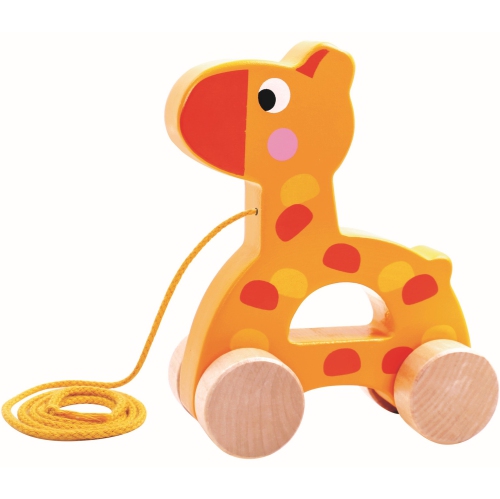
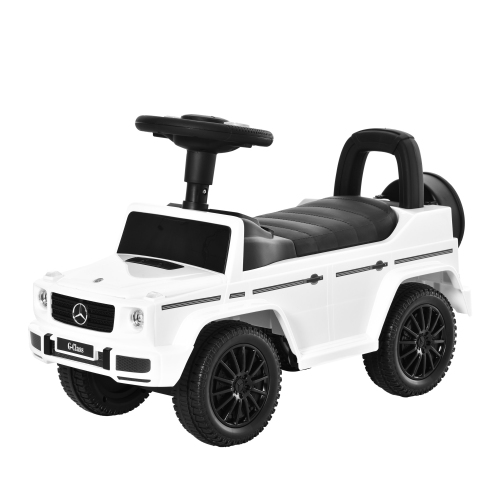

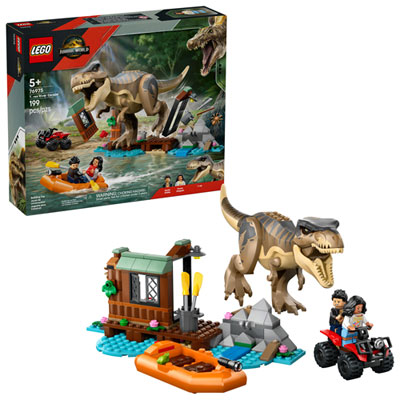
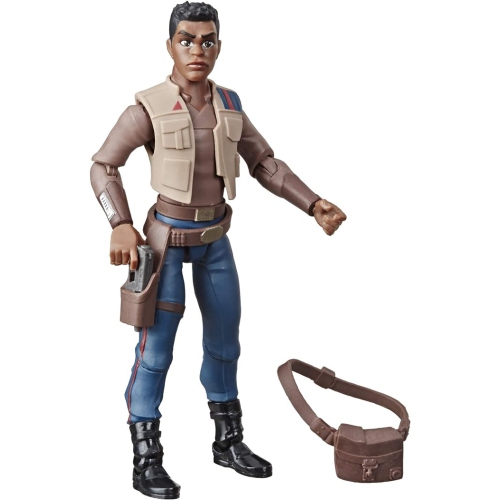
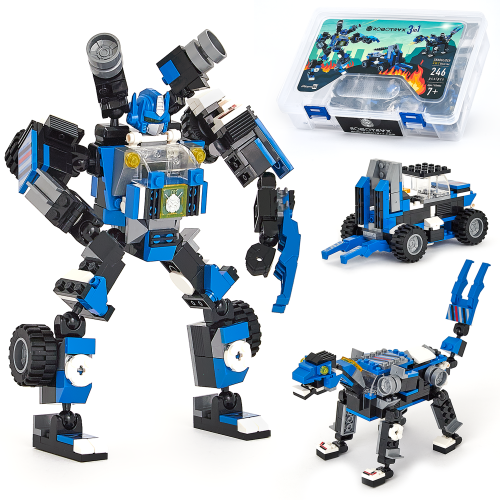
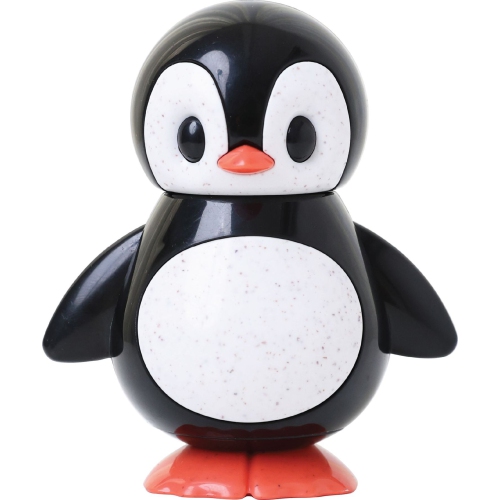
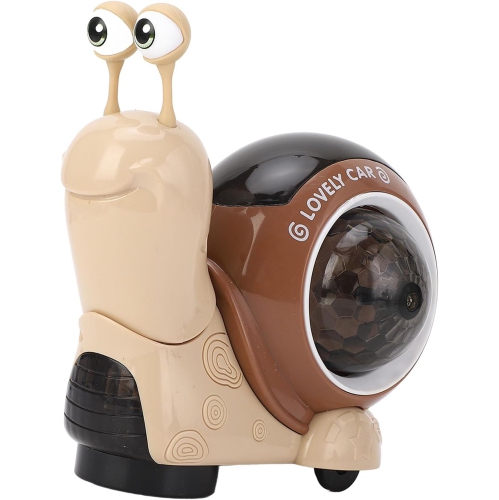
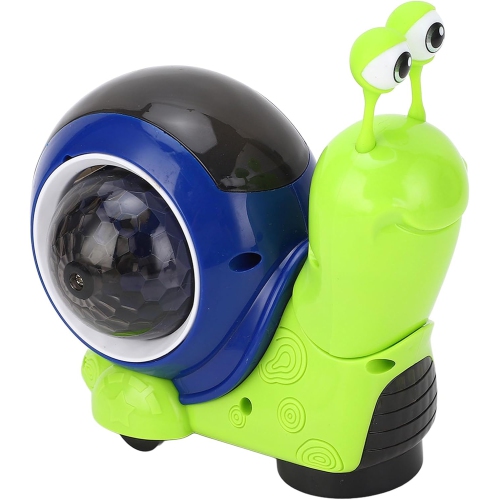
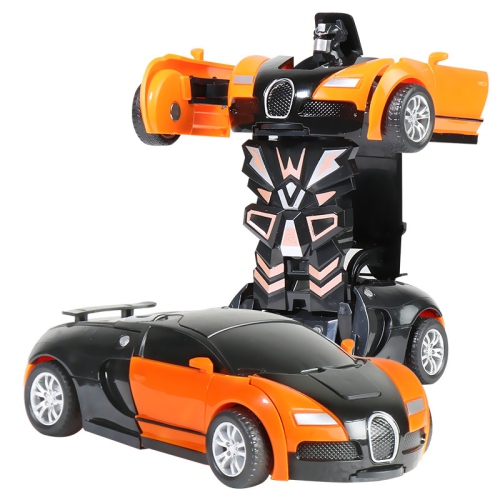
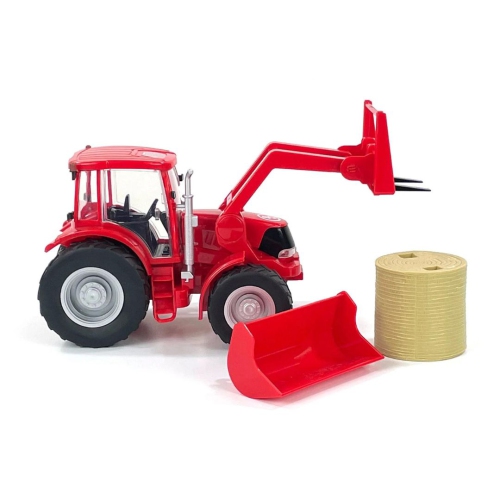
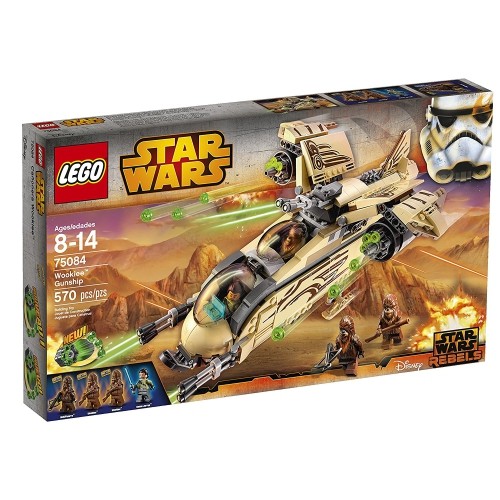
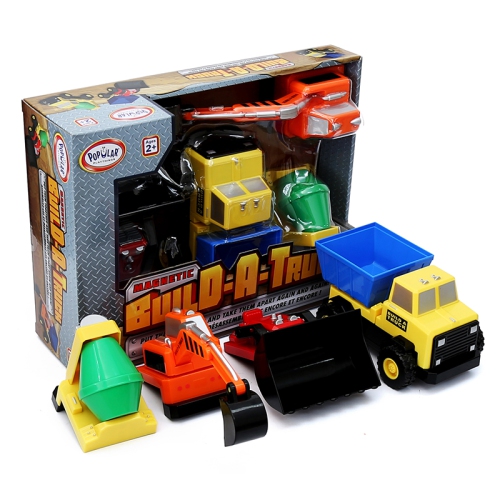

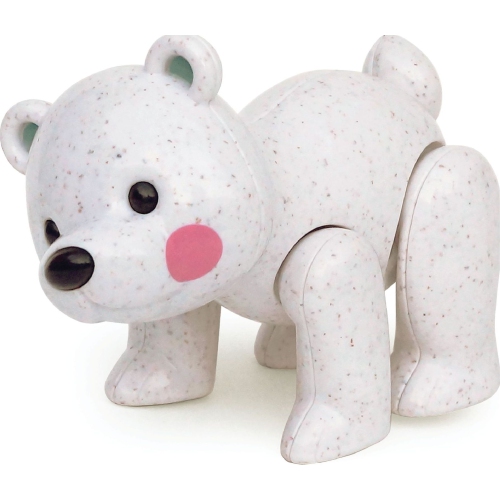
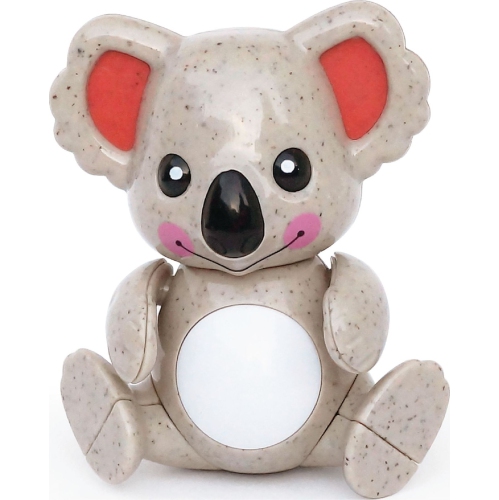
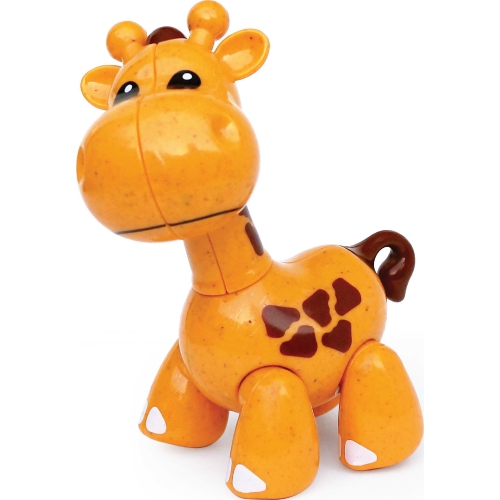
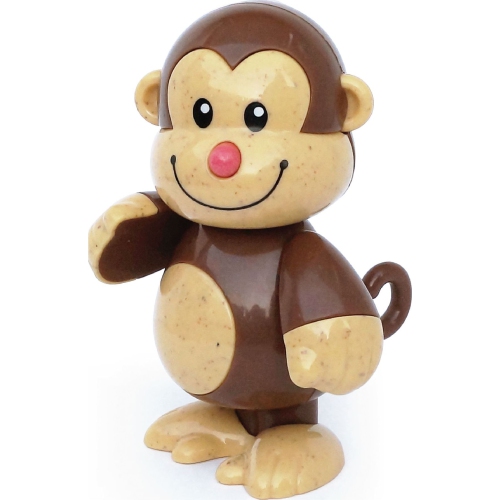
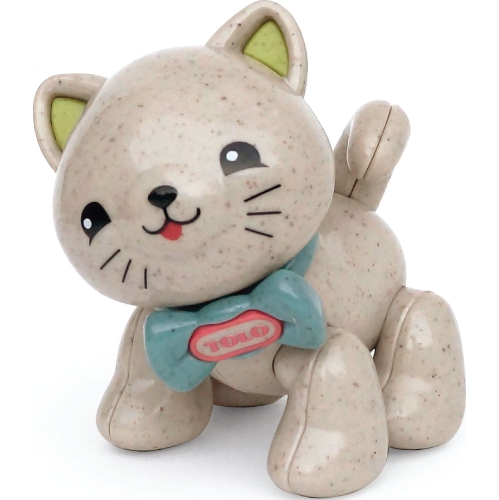
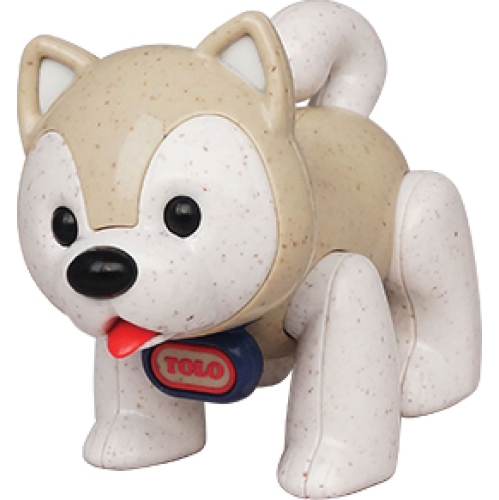
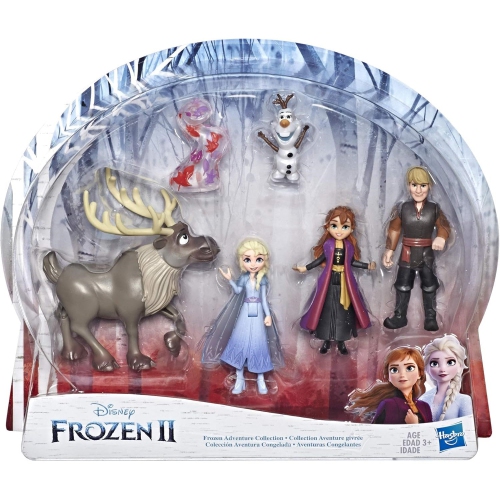
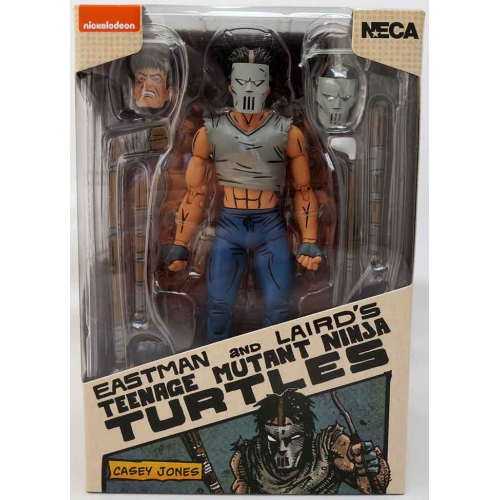
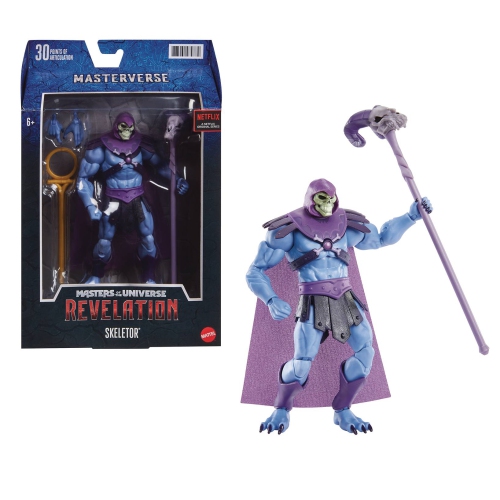
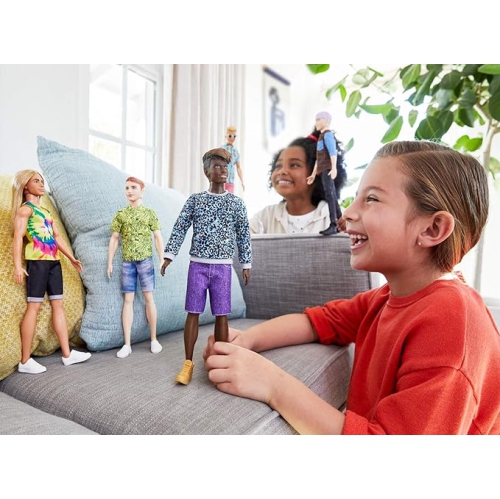
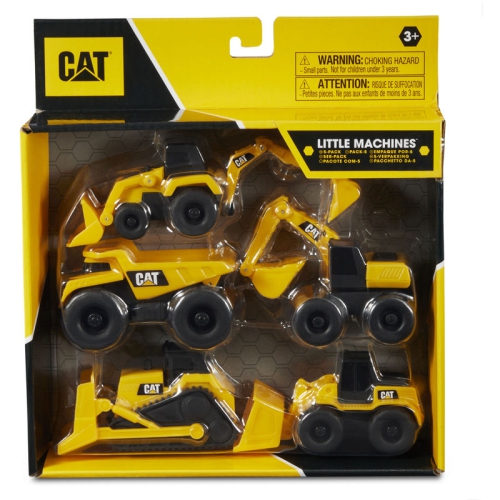
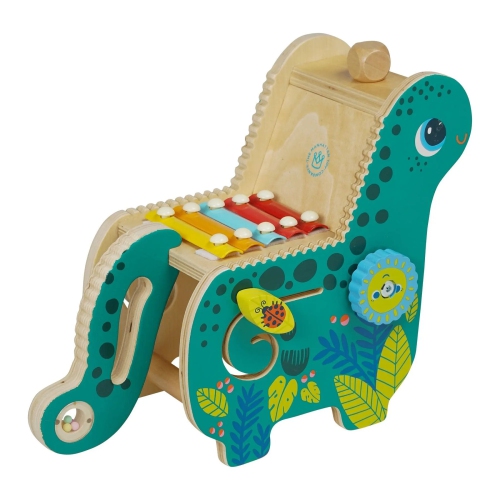
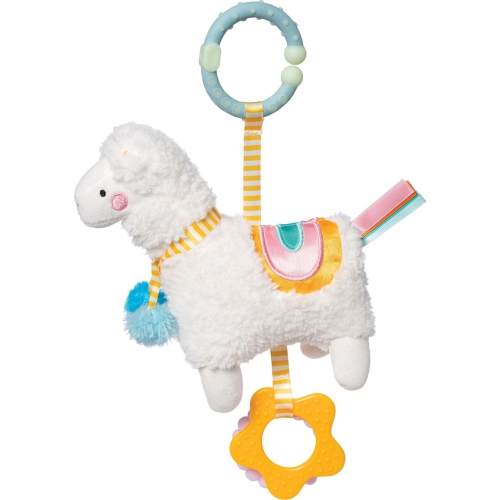
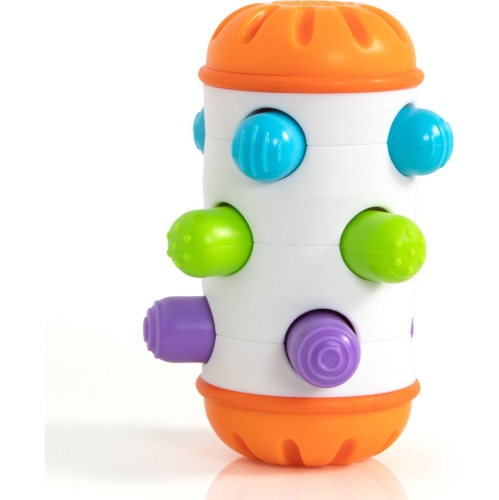
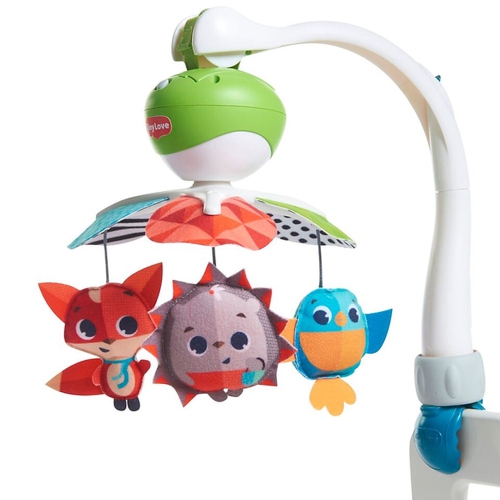
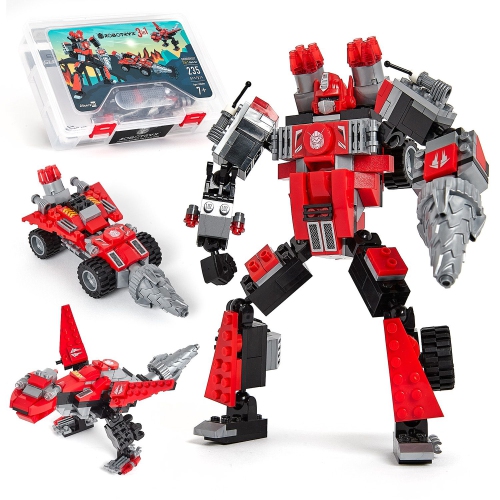
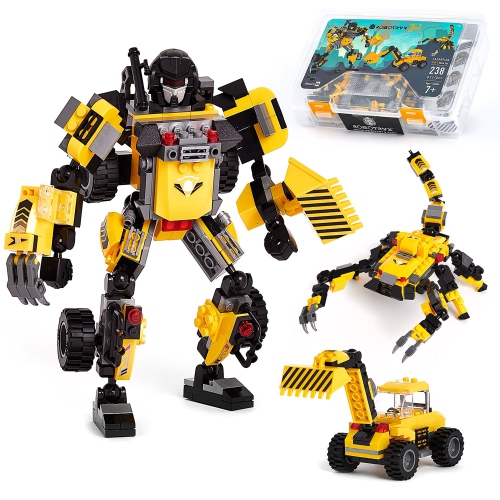
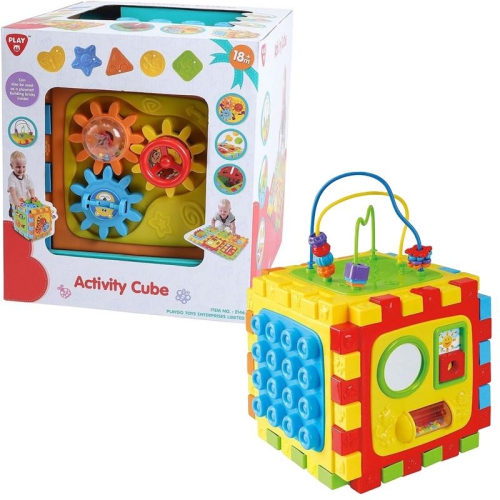
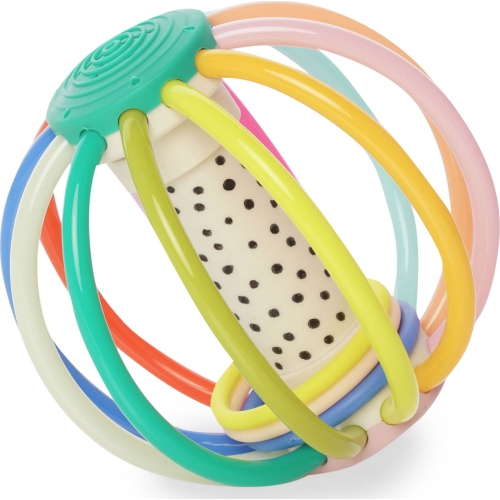
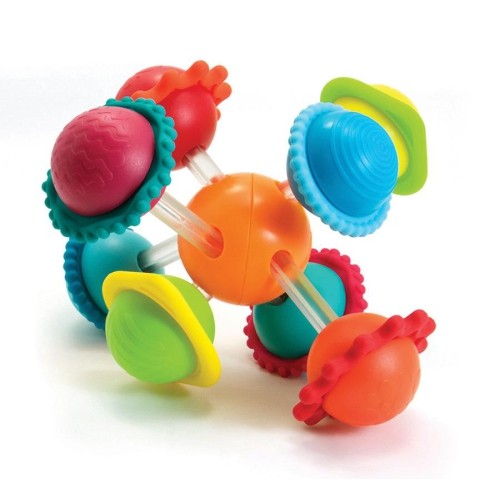
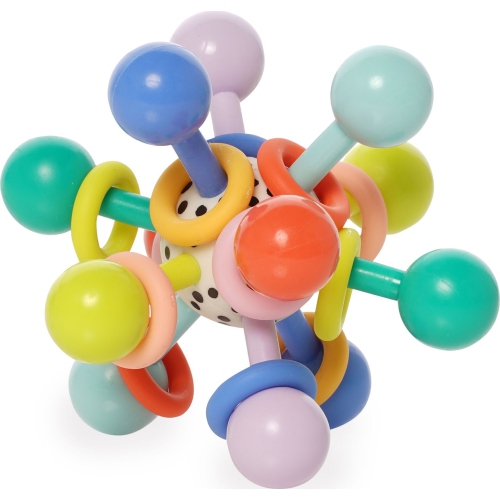
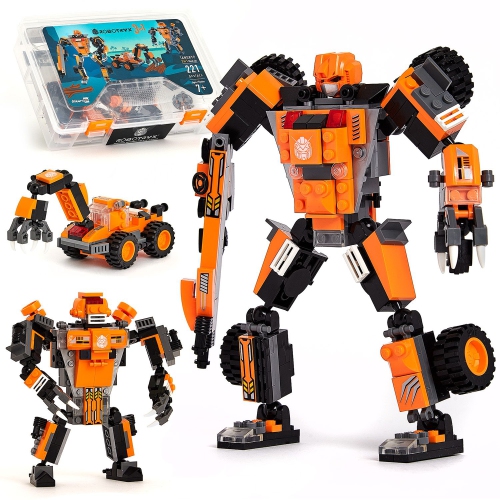
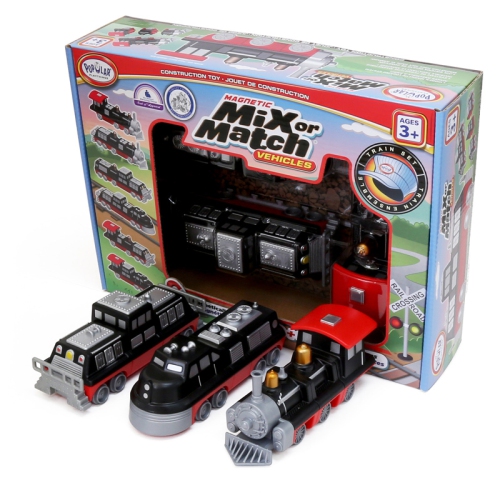
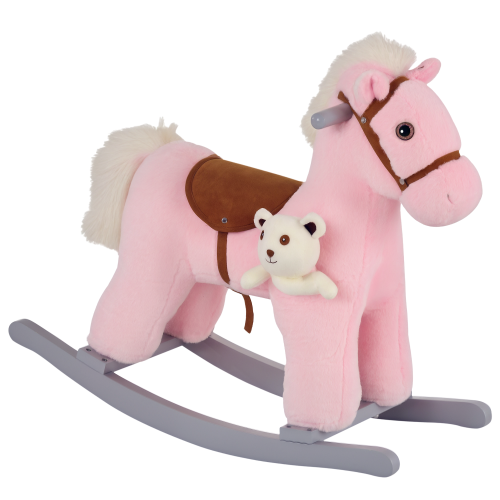
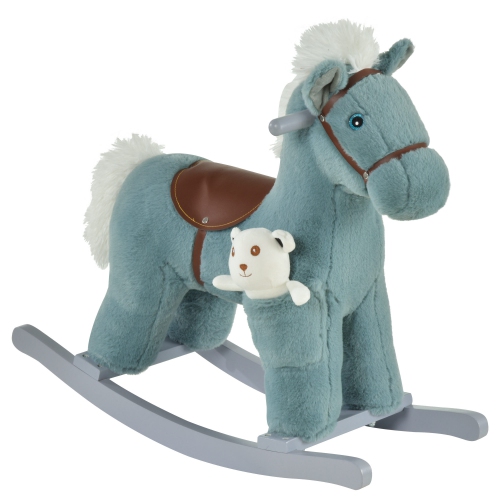
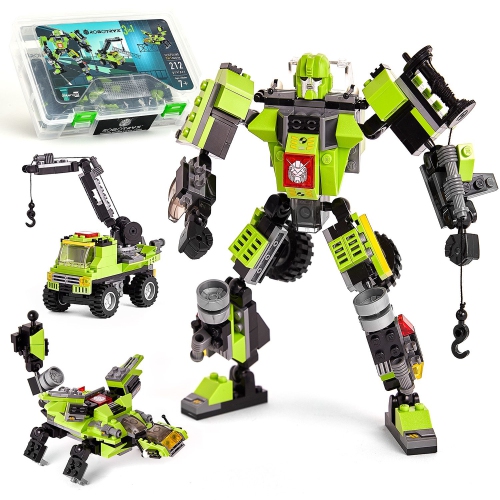
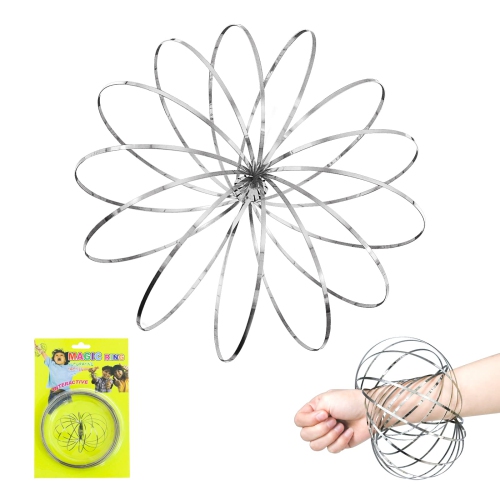
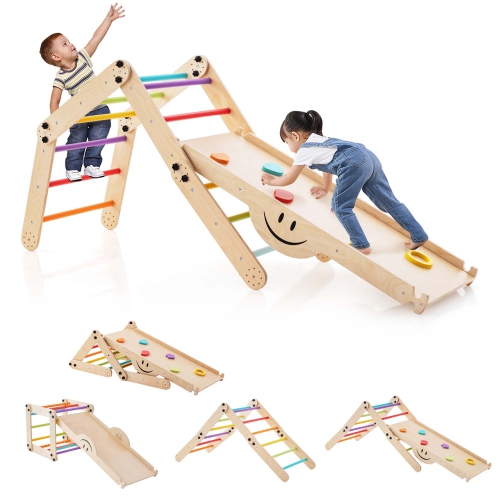
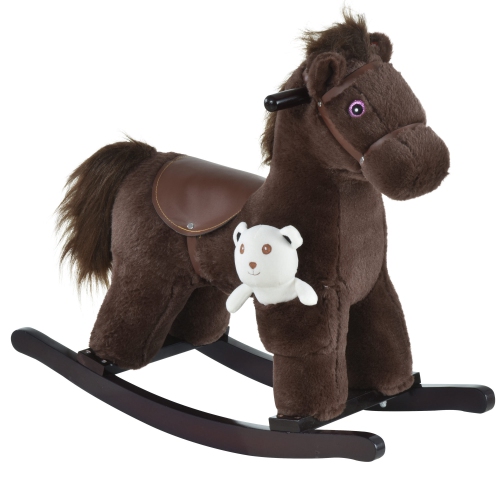
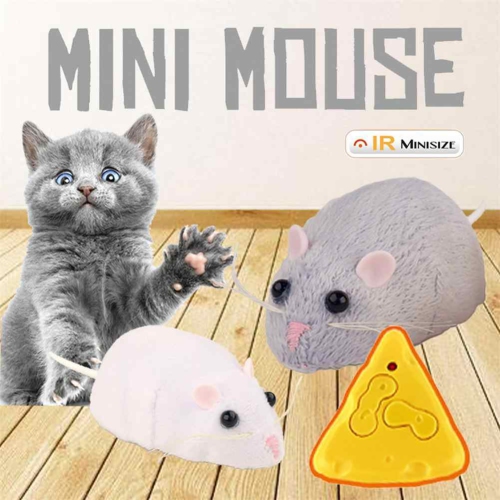
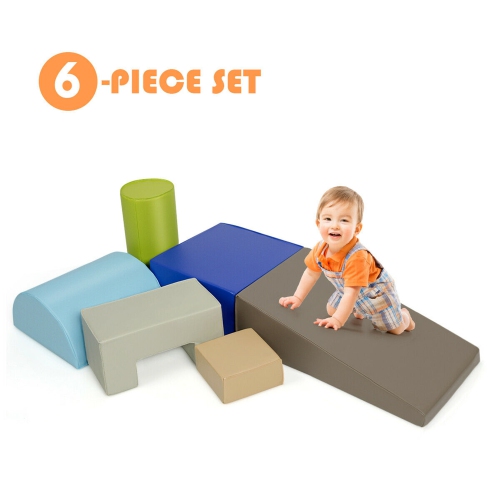
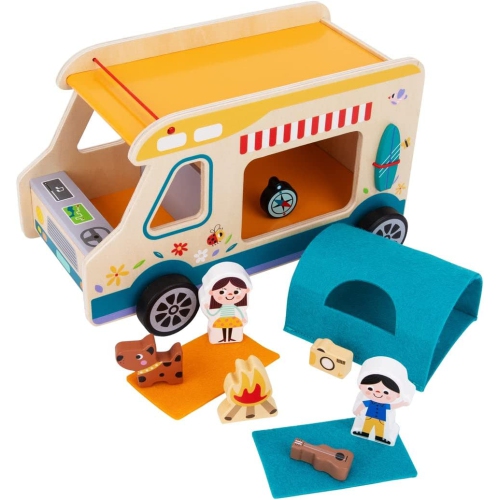
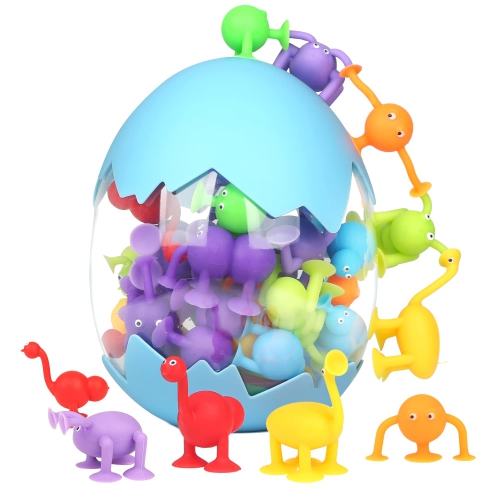

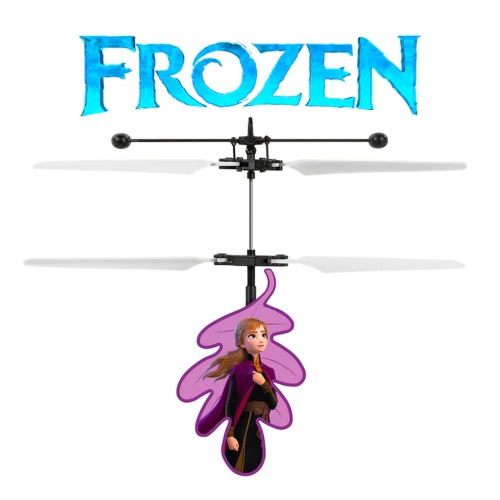
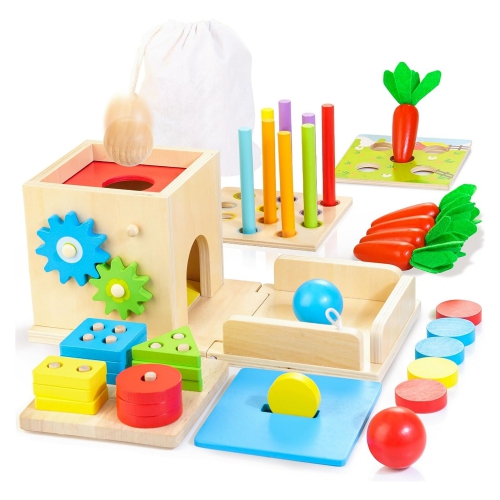
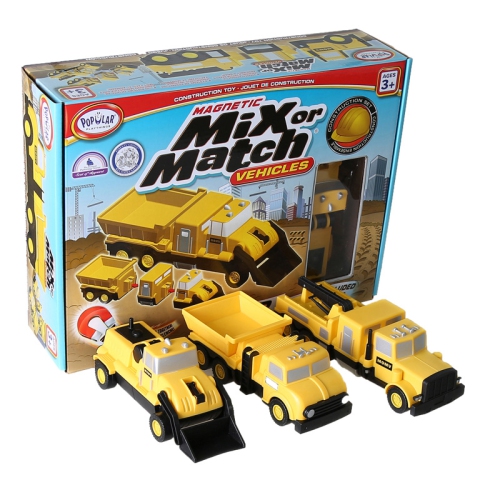
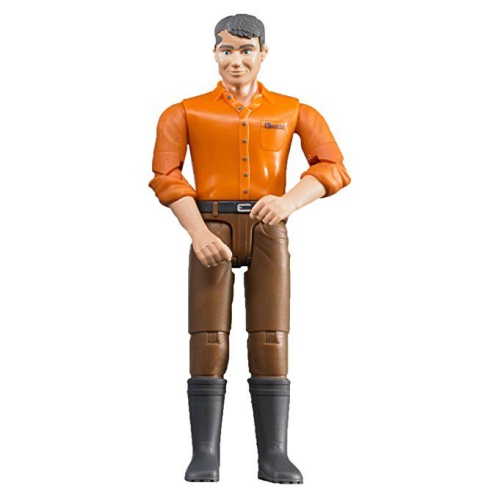
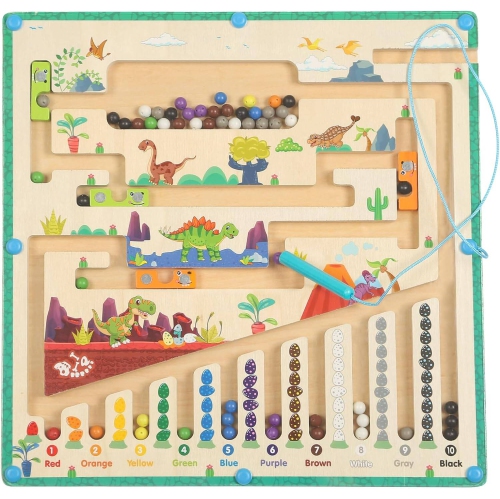
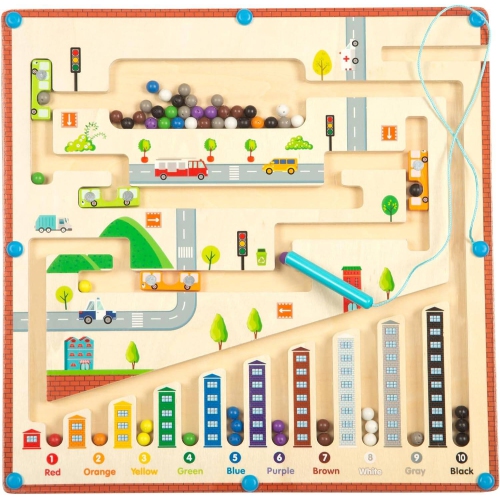
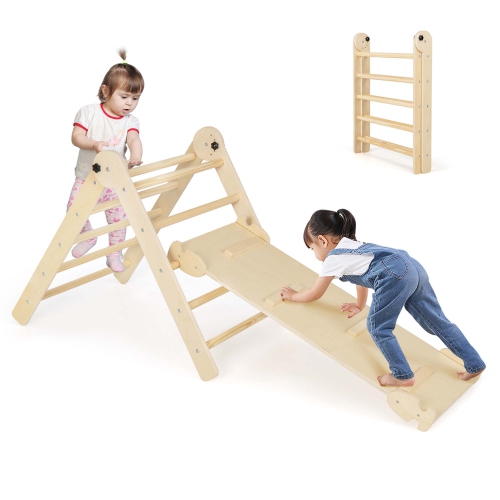
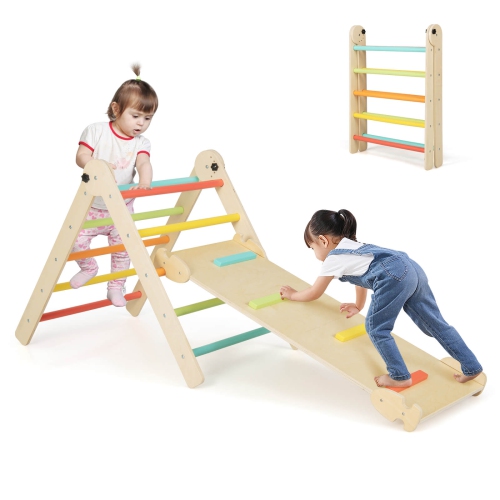
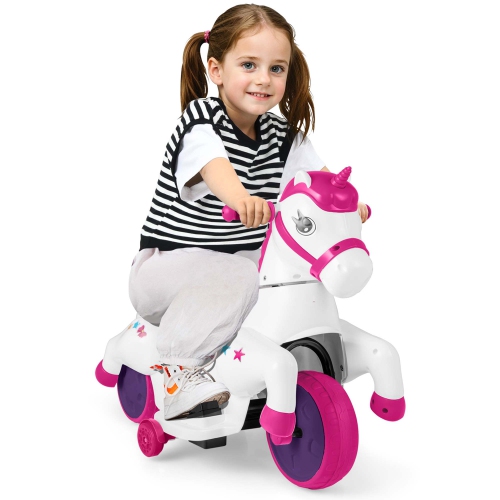
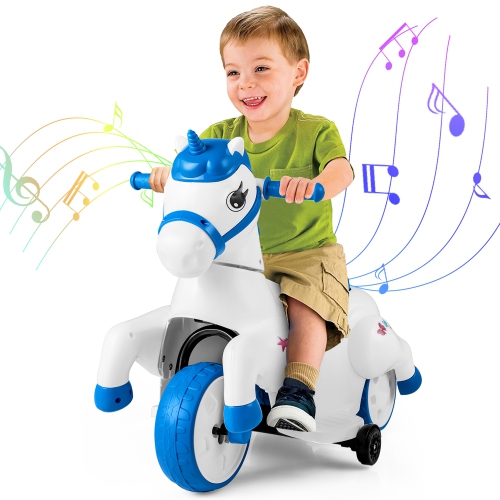
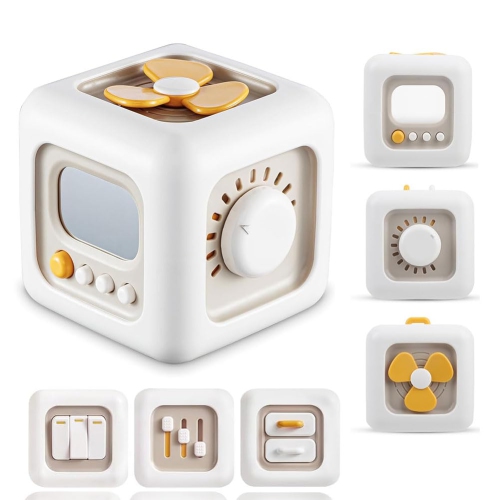
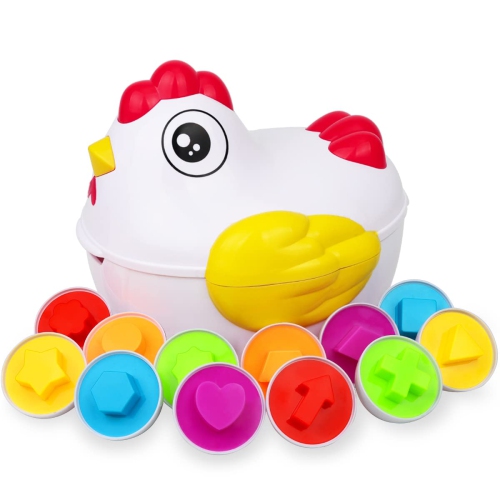
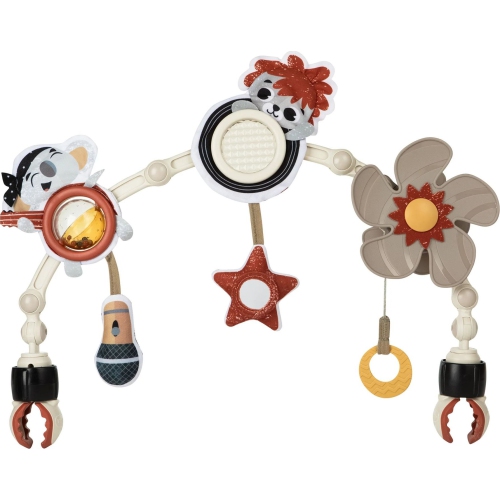
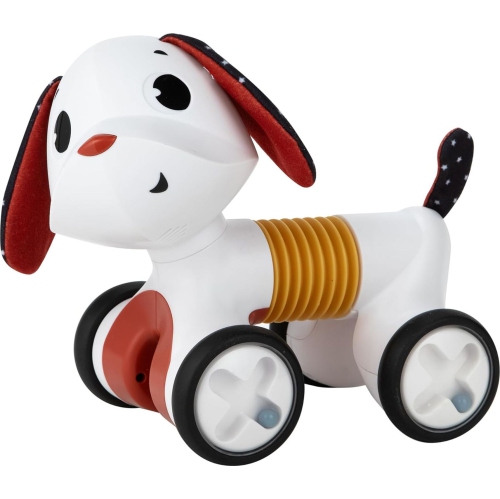
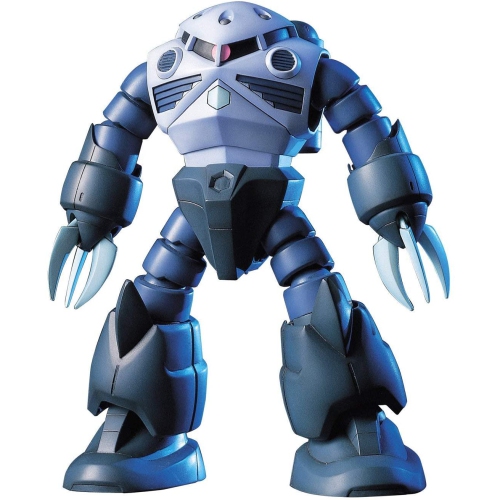

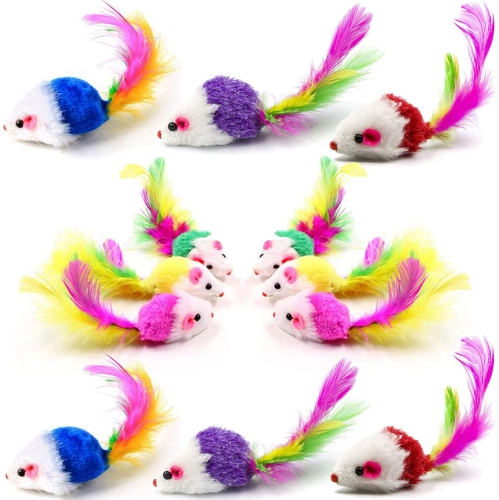
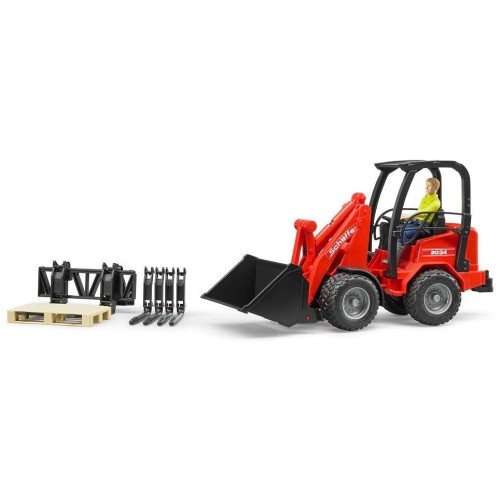
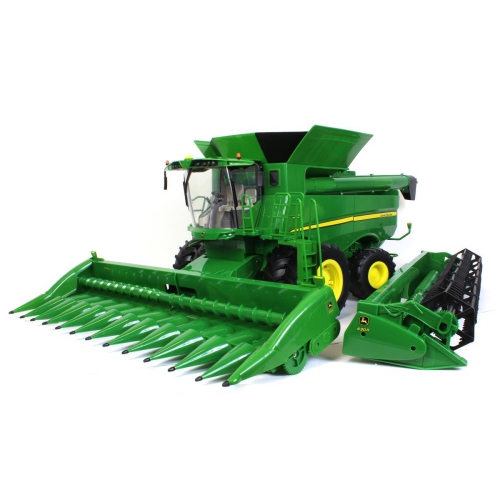
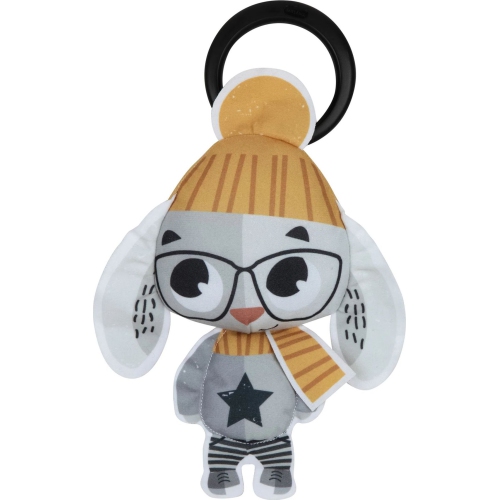
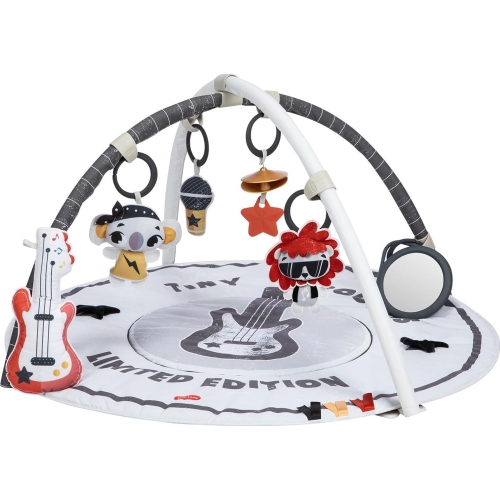
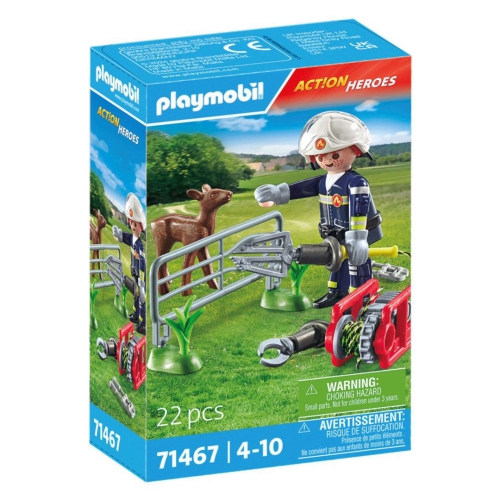

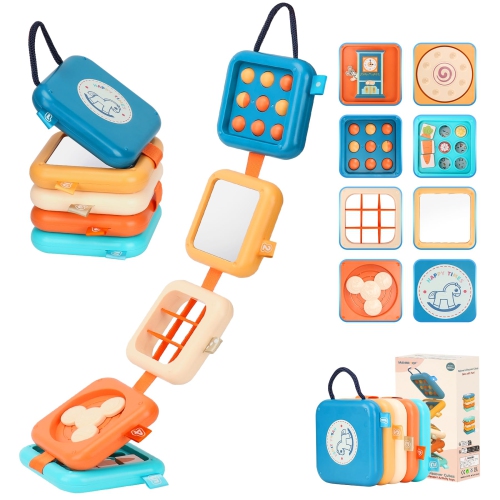
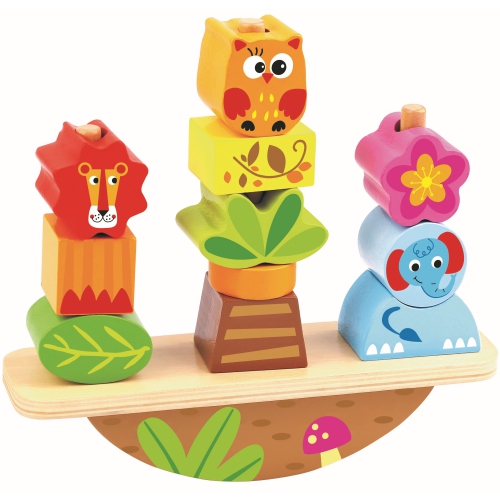
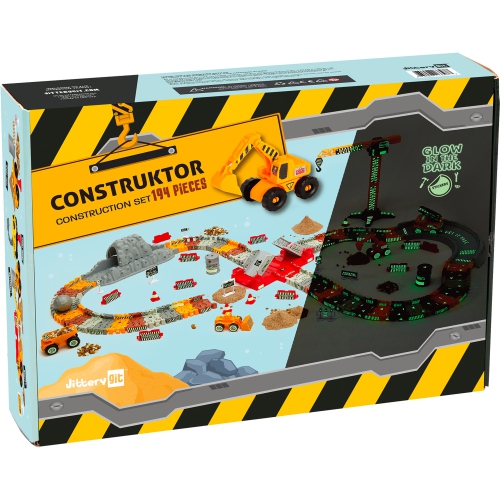
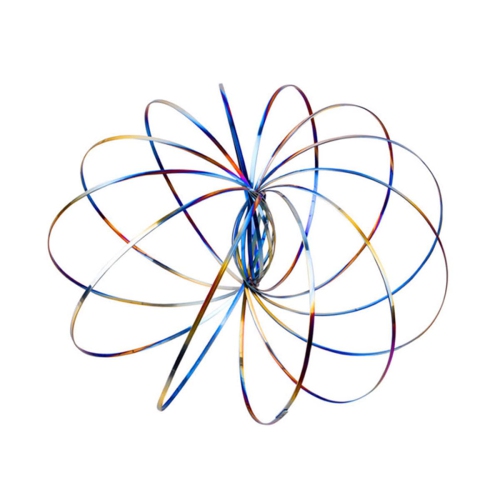
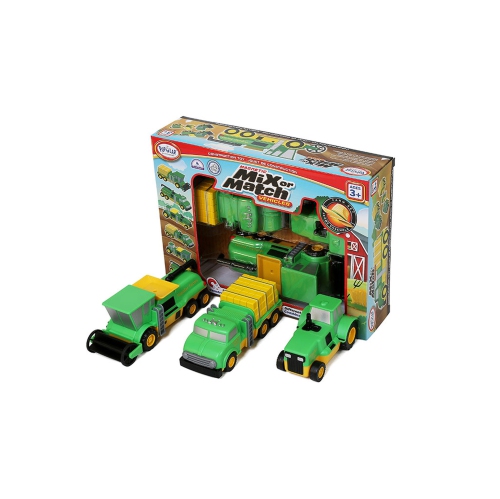
Hands-on toys that turn movement into imaginative play
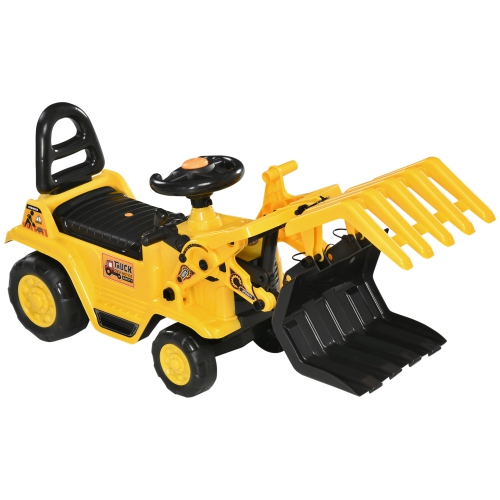
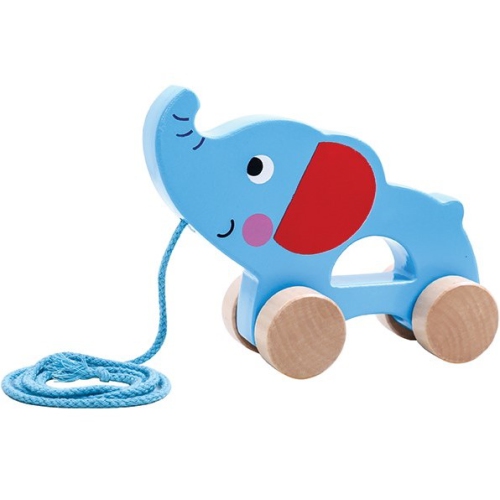
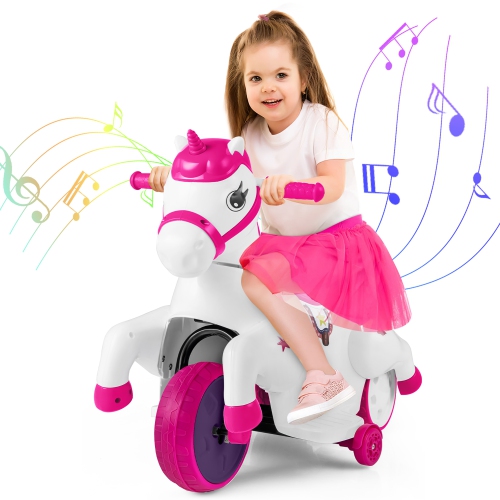
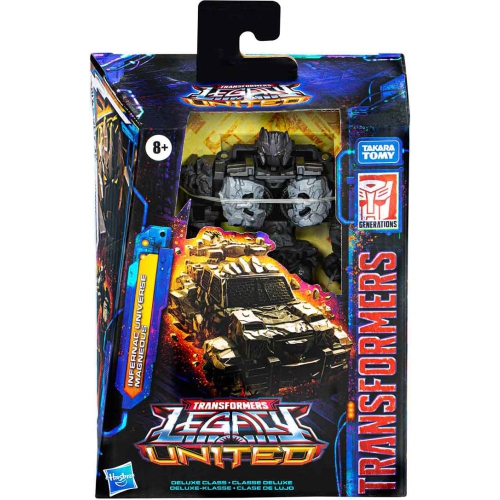
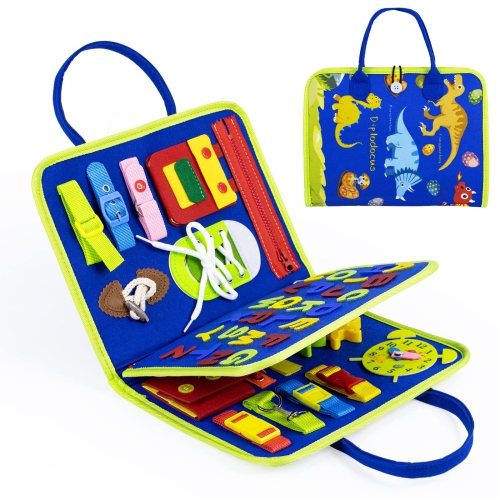
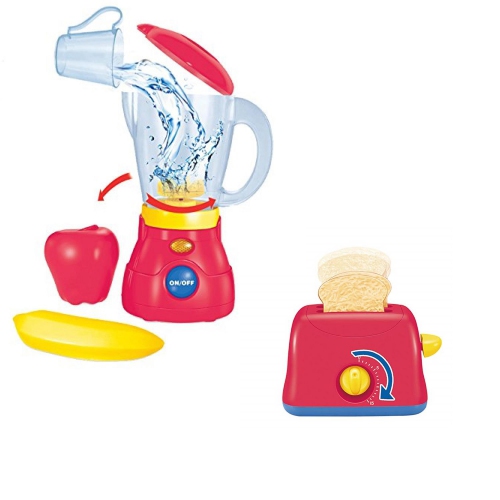
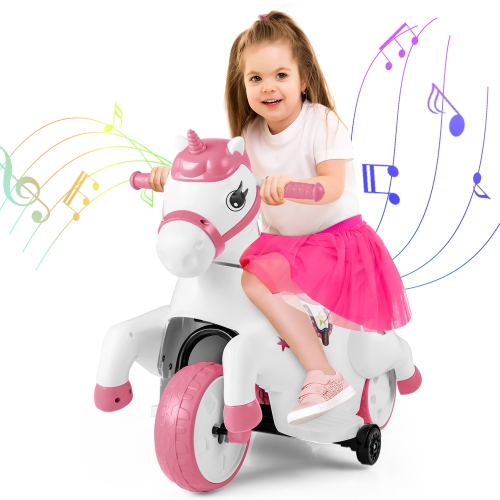
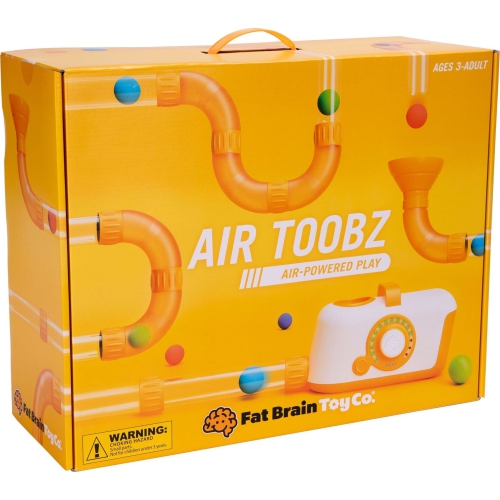
Movable toys are designed to bring motion, hands-on discovery, and imaginative play into everyday routines. This broad category includes articulated action figures with poseable arms and legs, animal figures that can be arranged in different scenes, wind-up toys that move across a surface, pull-along toys that follow a child from room to room, and interactive playsets with parts that turn, roll, lift, open, or shift. It can also include push toys, ride-on toys, and manually operated vehicles that encourage children to coordinate movement while creating their own stories. Unlike toys that are primarily intended to be displayed or used in one fixed position, movable toys invite children to touch, adjust, build, and experiment. A figure can become a brave explorer one afternoon and a space captain the next; a small vehicle can deliver imaginary supplies across a playroom rug; and a group of animals can transform a corner of the home into a busy farm, safari, or woodland scene. These toys can appeal to a wide range of ages and interests, from toddlers practising balance and cause-and-effect skills to older children arranging detailed action scenes with multiple characters. They are also a thoughtful gift choice for birthdays, family celebrations, and the holiday season because they support open-ended play rather than relying on just one way to use them. For children who enjoy stories, movable toys provide characters and settings; for children who prefer hands-on activity, they offer parts to operate and objects to move; and for siblings or friends, they can encourage shared games with simple roles and evolving storylines.
When choosing movable toys, start with the child’s age, abilities, and preferred style of play. For toddlers, look for sturdy construction, easy-to-grasp handles, stable bases, and moving parts that are simple to operate. Push and pull toys can help children practise walking, steering, and coordination, while larger ride-on designs may provide an active way to play indoors or outdoors when used on an appropriate surface and with suitable supervision. For preschoolers, toys with buttons, levers, rotating elements, or easy-to-position figures can introduce cause and effect without making play feel like a lesson. Older children may appreciate action figures with several points of articulation, animal sets with poseable limbs, or playsets that allow scenes to be rebuilt in different ways. Check the recommended age range and any small-part warnings, particularly when a toy includes miniature accessories, detachable pieces, or detailed figures. It is also worth considering where the toy will be used. A wind-up novelty or compact figure may suit a shelf, desk, or travel bag, while a ride-on vehicle or larger playset needs clear floor space and a convenient place for storage. Look for smooth edges, secure connections, responsive wheels, and materials that can withstand repeated handling. If a child tends to play enthusiastically, durable moving joints and reinforced parts can make a noticeable difference. Families may also want to consider noise levels, cleaning requirements, and whether batteries are needed. A toy that is easy to set up and put away is more likely to become part of regular play, especially during cooler months when children spend more time indoors.
Movable toys can be used in many different ways beyond simply watching them move. An adult might begin by showing a child how to pull a toy along a path, turn a figure’s arm, or activate a simple mechanism, then let the child take over and invent the next step. This kind of play can build fine motor control, hand-eye coordination, spatial awareness, and confidence as children discover what happens when they push, pull, twist, stack, or rearrange parts. A child who is fascinated by machines may enjoy operating a construction-style vehicle, while a child who loves animals may create a moving habitat with figures that can be positioned in different poses. Families looking for vehicles, cars, trucks, or other rolling designs can also explore Transport Toys for more play ideas connected to travel and motion. Movable toys are especially useful for open-ended storytelling: a character can travel through a homemade cardboard tunnel, stop at a pretend station, or join other figures in a rescue mission made up on the spot. In my experience, the most memorable play often begins with an ordinary living-room setup—a few figures on a blanket, a vehicle parked beside a cushion, and a child deciding that the cushions are mountains—and grows into a story that lasts far longer than expected. During the transition from warmer days to cooler weather, these toys can keep active, imaginative play going indoors, while compact options remain easy to bring along for visits, trips, or quiet time away from home. With the right combination of movement, durability, and age-appropriate features, movable toys can become reliable playroom favourites that invite children to return, rearrange, and create something new each time.
When choosing movable toys, start with the child’s age, abilities, and preferred style of play. For toddlers, look for sturdy construction, easy-to-grasp handles, stable bases, and moving parts that are simple to operate. Push and pull toys can help children practise walking, steering, and coordination, while larger ride-on designs may provide an active way to play indoors or outdoors when used on an appropriate surface and with suitable supervision. For preschoolers, toys with buttons, levers, rotating elements, or easy-to-position figures can introduce cause and effect without making play feel like a lesson. Older children may appreciate action figures with several points of articulation, animal sets with poseable limbs, or playsets that allow scenes to be rebuilt in different ways. Check the recommended age range and any small-part warnings, particularly when a toy includes miniature accessories, detachable pieces, or detailed figures. It is also worth considering where the toy will be used. A wind-up novelty or compact figure may suit a shelf, desk, or travel bag, while a ride-on vehicle or larger playset needs clear floor space and a convenient place for storage. Look for smooth edges, secure connections, responsive wheels, and materials that can withstand repeated handling. If a child tends to play enthusiastically, durable moving joints and reinforced parts can make a noticeable difference. Families may also want to consider noise levels, cleaning requirements, and whether batteries are needed. A toy that is easy to set up and put away is more likely to become part of regular play, especially during cooler months when children spend more time indoors.
Movable toys can be used in many different ways beyond simply watching them move. An adult might begin by showing a child how to pull a toy along a path, turn a figure’s arm, or activate a simple mechanism, then let the child take over and invent the next step. This kind of play can build fine motor control, hand-eye coordination, spatial awareness, and confidence as children discover what happens when they push, pull, twist, stack, or rearrange parts. A child who is fascinated by machines may enjoy operating a construction-style vehicle, while a child who loves animals may create a moving habitat with figures that can be positioned in different poses. Families looking for vehicles, cars, trucks, or other rolling designs can also explore Transport Toys for more play ideas connected to travel and motion. Movable toys are especially useful for open-ended storytelling: a character can travel through a homemade cardboard tunnel, stop at a pretend station, or join other figures in a rescue mission made up on the spot. In my experience, the most memorable play often begins with an ordinary living-room setup—a few figures on a blanket, a vehicle parked beside a cushion, and a child deciding that the cushions are mountains—and grows into a story that lasts far longer than expected. During the transition from warmer days to cooler weather, these toys can keep active, imaginative play going indoors, while compact options remain easy to bring along for visits, trips, or quiet time away from home. With the right combination of movement, durability, and age-appropriate features, movable toys can become reliable playroom favourites that invite children to return, rearrange, and create something new each time.
Top selling and popular products
-
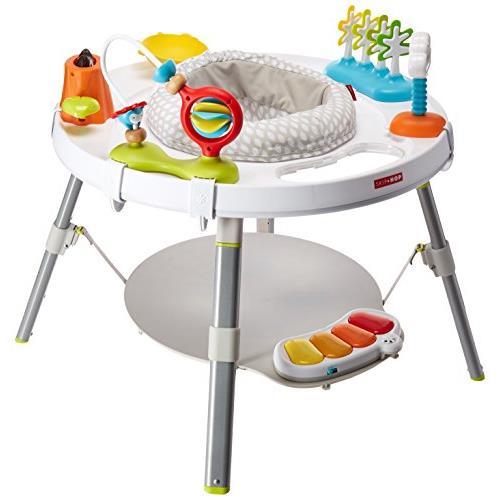 Your price for this item is $299.13
 -
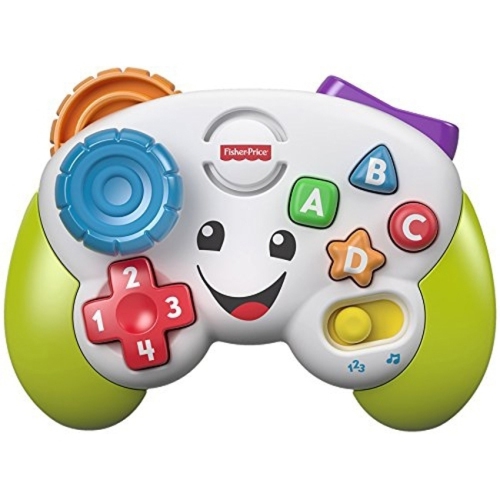 Your price for this item is $24.28
 -
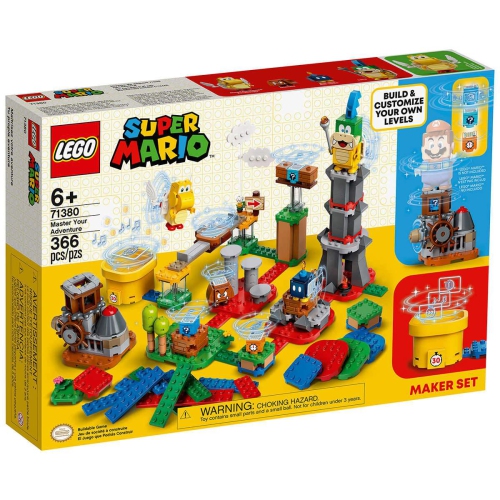 Your price for this item is $103.27
 -
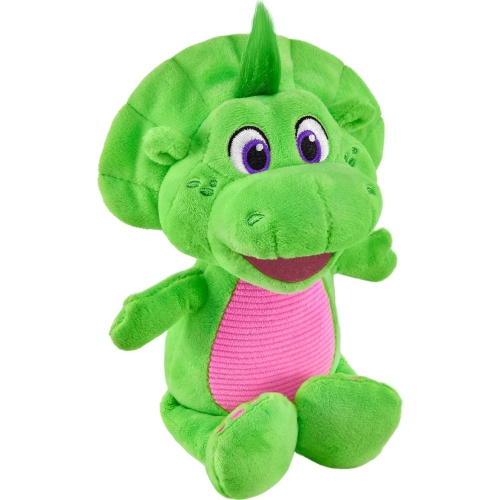 Your price for this item is $17.24
 -
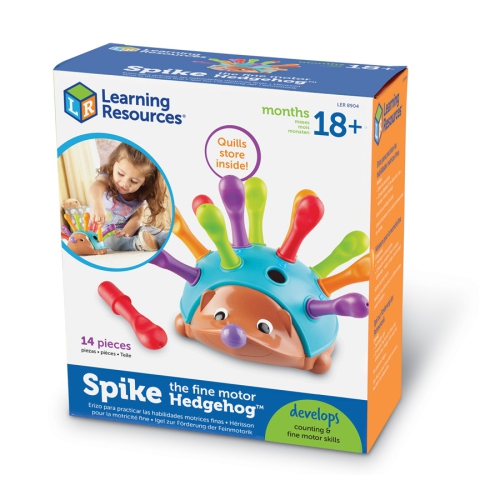 Your price for this item is $56.13
 -
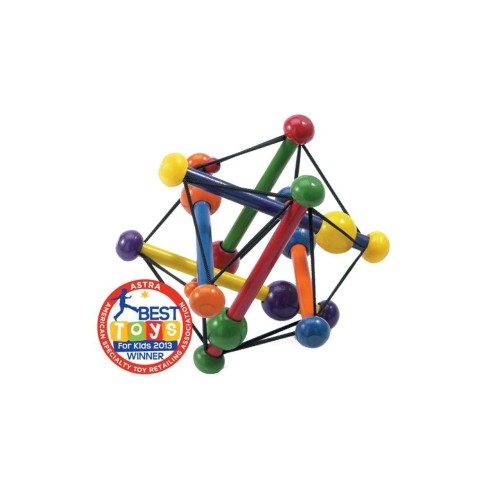 Your price for this item is $29.99
 -
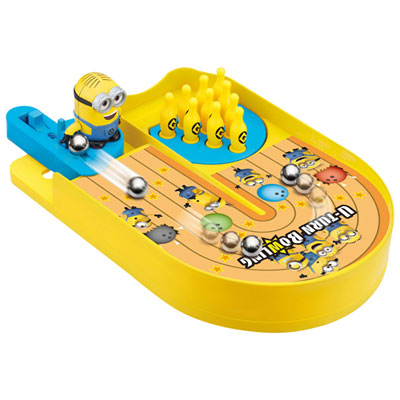 Your price for this item is $19.99
 -
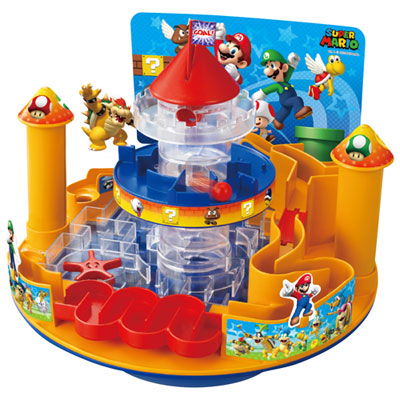 Your price for this item is $39.99
Discover more categories related to Movable Toys
Top Collections:
Pokemon Centers, Kindle Devices, Best Budget Office Chairs, Apple iPhones 16, Best Laptops for Writers, iPhone 15 Apple, Canon G7X Cameras, Refurbished Apple Laptops, Alarm Clock, Motorola Razr Phones
Some products may be subject to Environmental Handling Fees
(EHF) depending on your province.
Learn more about EHFs.