Rotating Toys
Discover the joy and excitement of rotating toys, a delightful addition to any playtime collection that captivates both young and old. These dynamic toys are designed to spin, twirl, and move in fascinating ways, sparking curiosity and encouraging imaginative play. Whether you're looking to enhance your child's developmental skills or simply add a touch of fun to your day, rotating toys offer endless entertainment possibilities. Explore our diverse selection to find the perfect spinning companion that brings smiles and laughter to every moment.
Sort

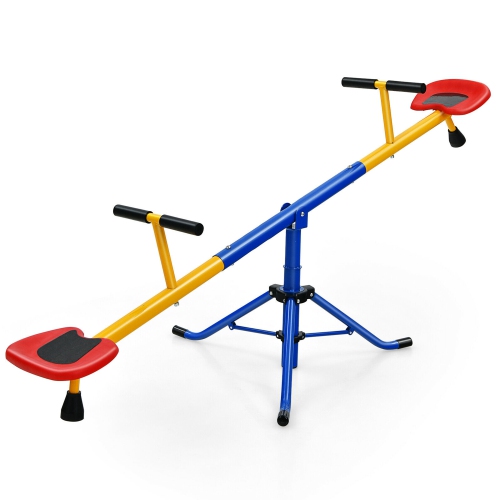


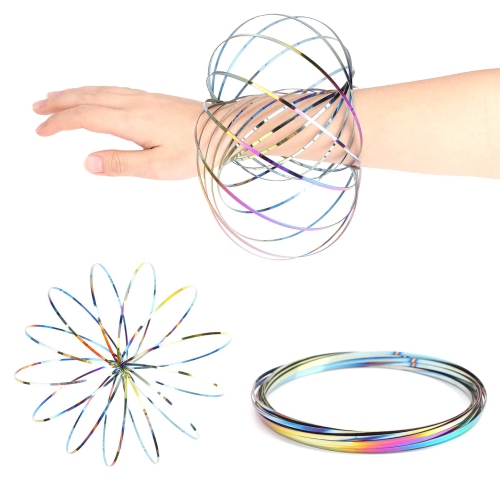
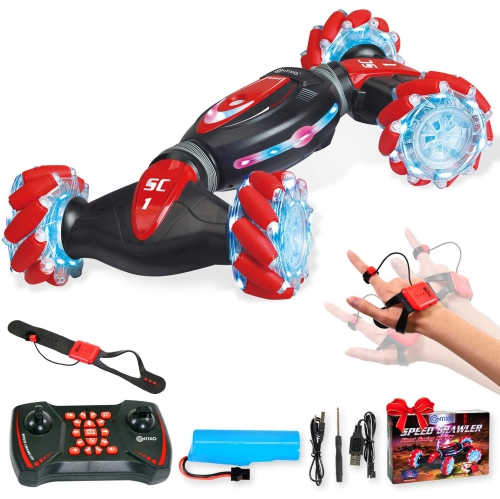
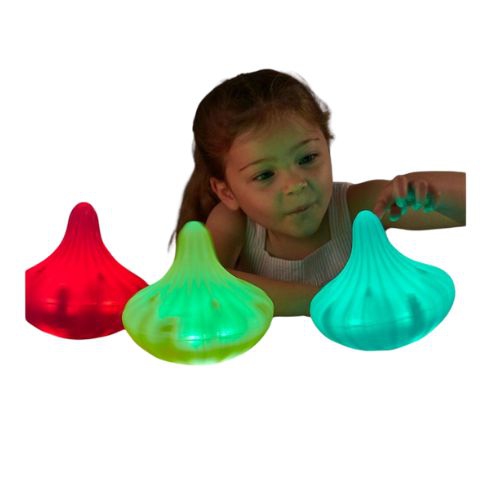
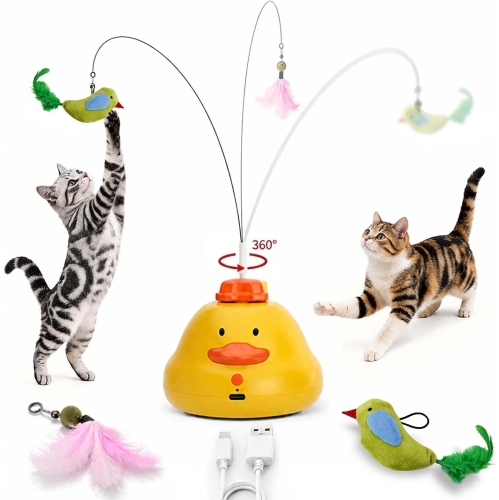
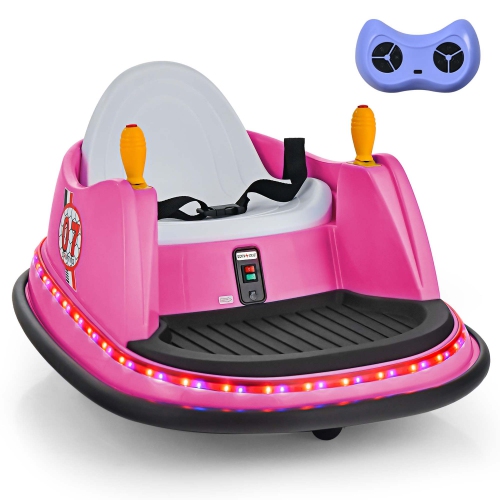
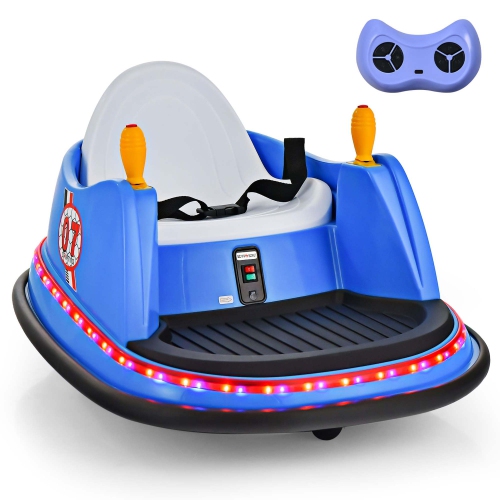
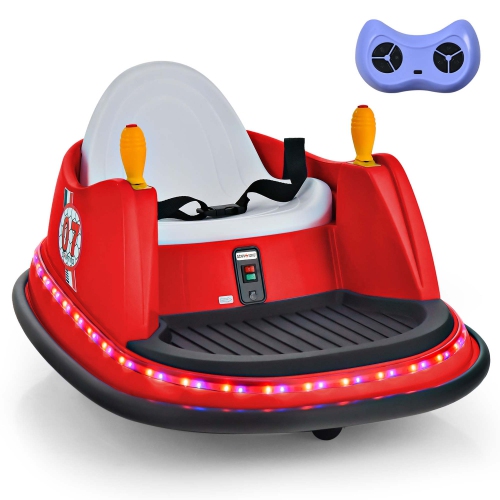
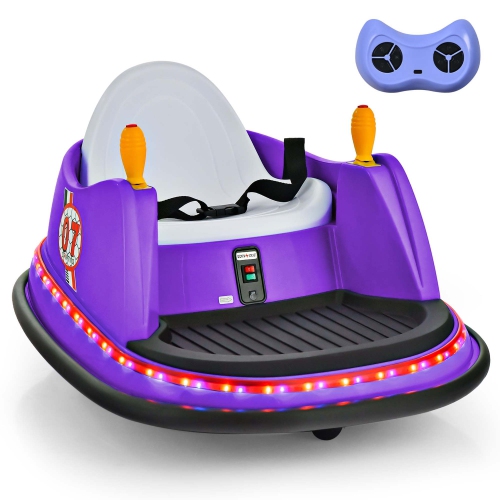
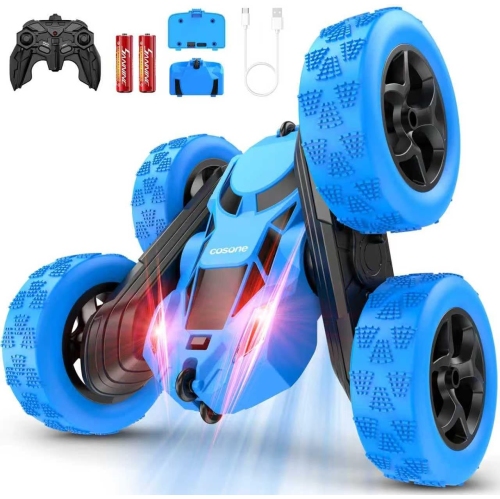
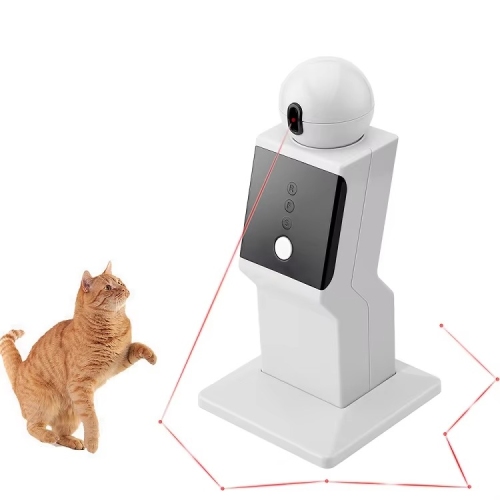
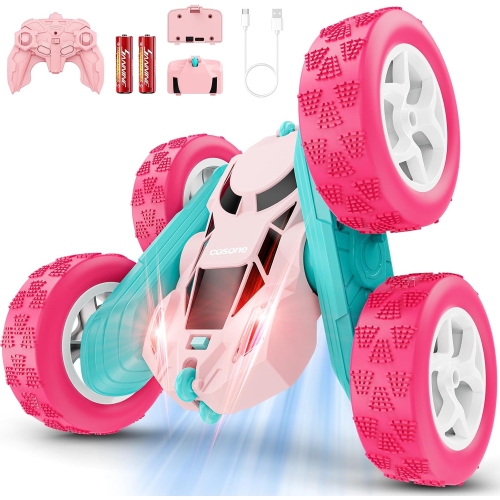
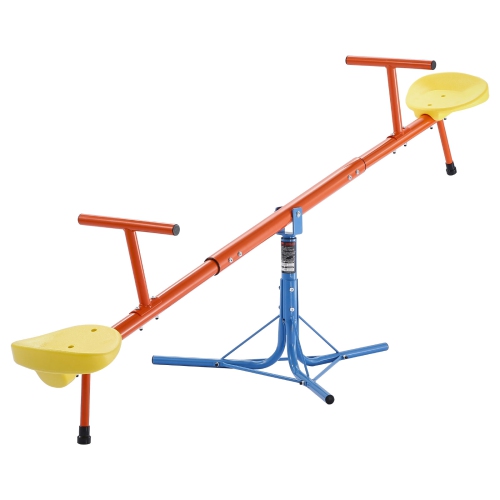


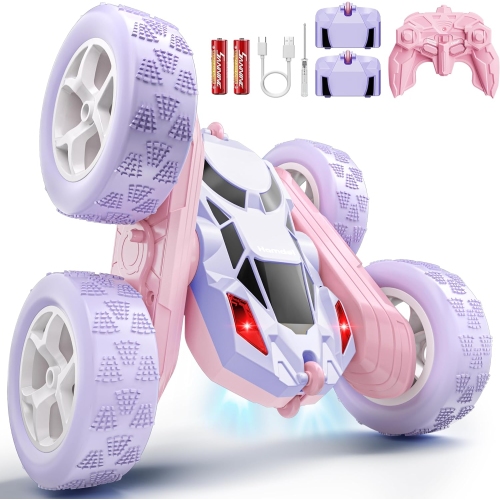
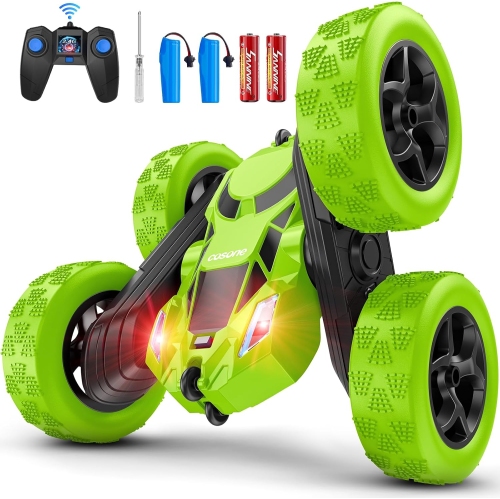
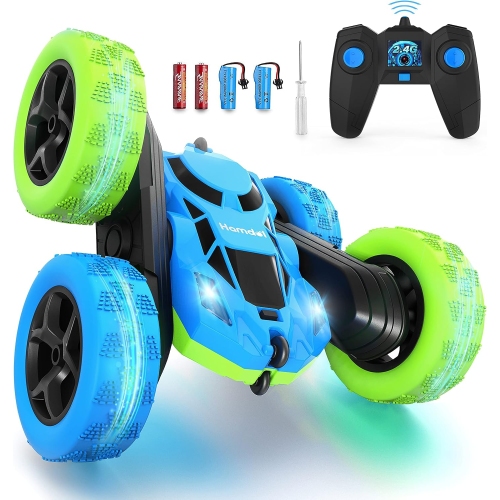
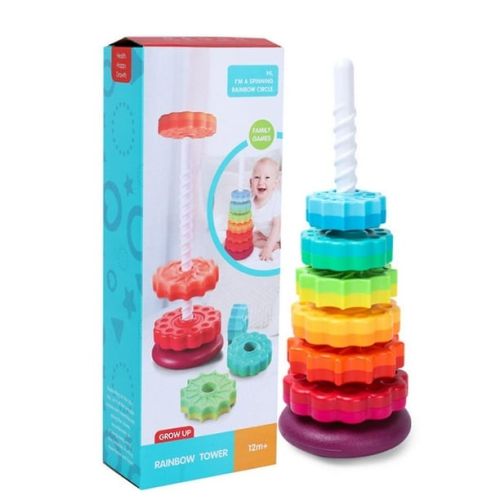
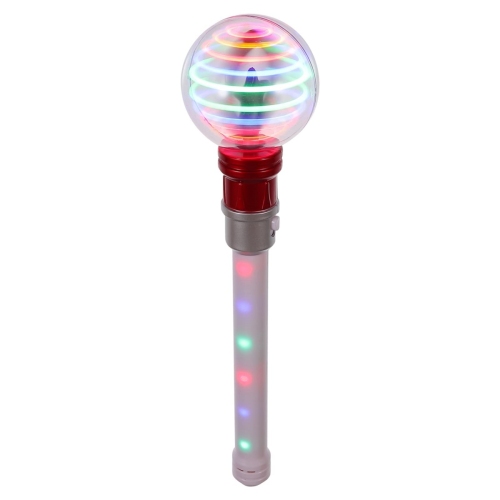
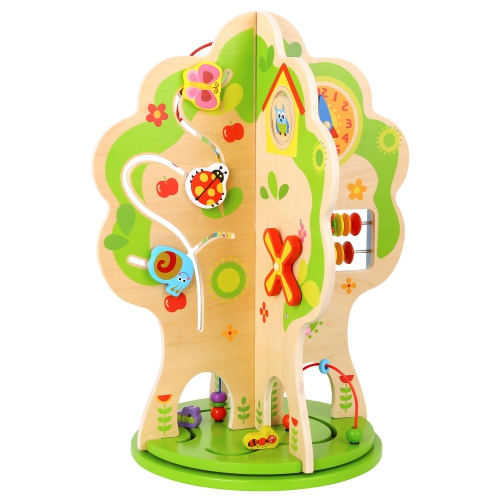
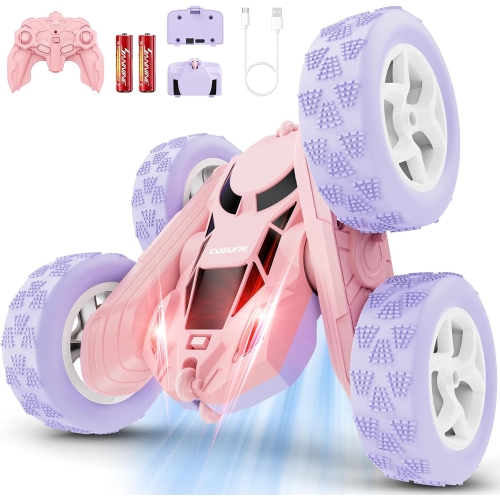
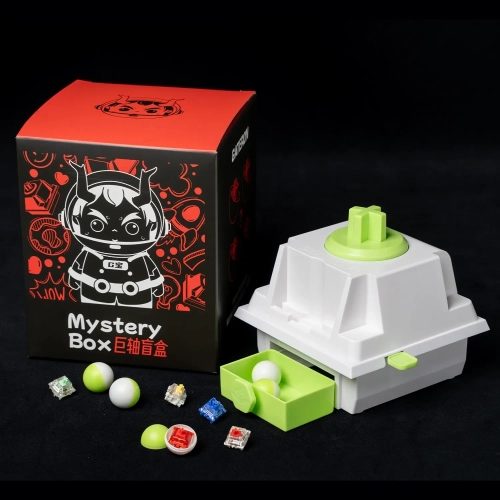
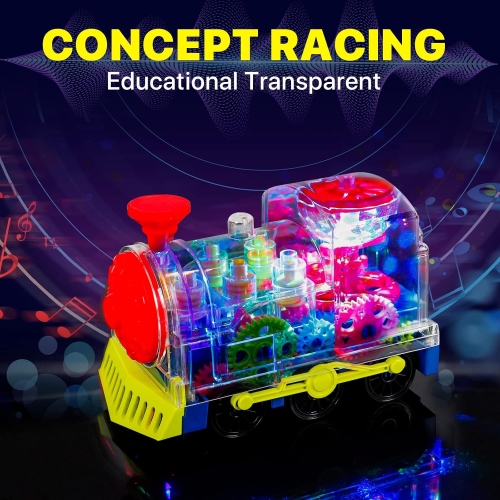
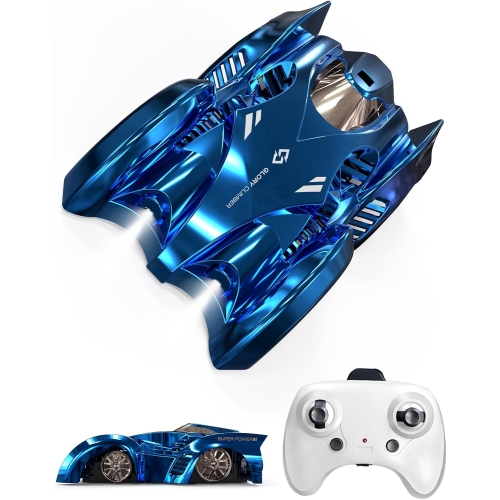
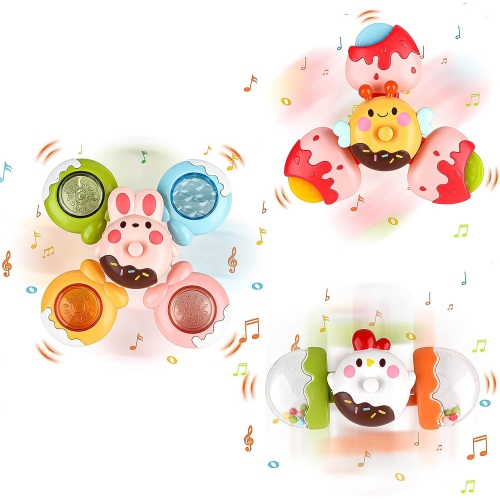
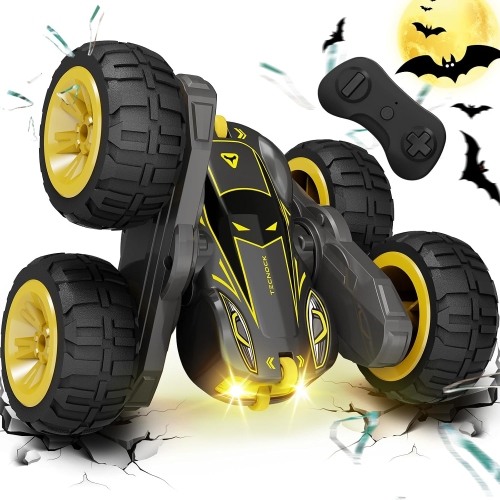
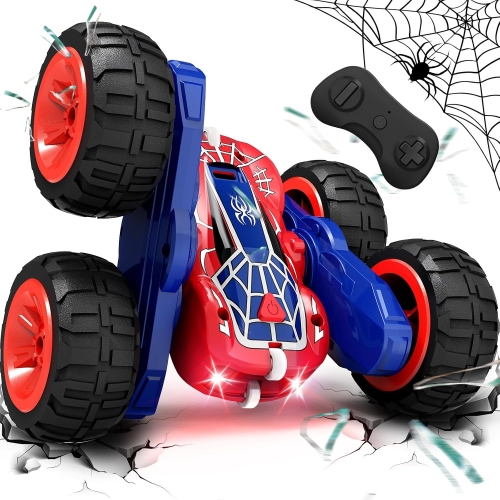

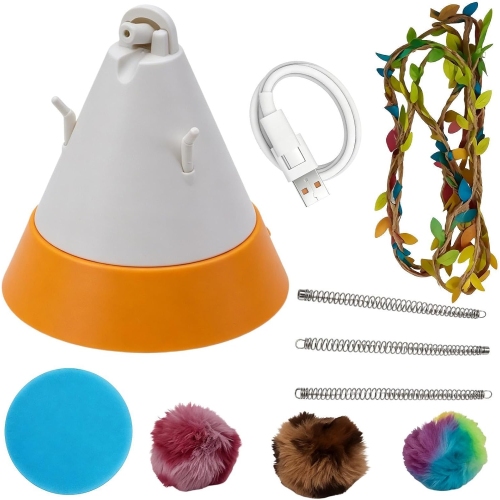

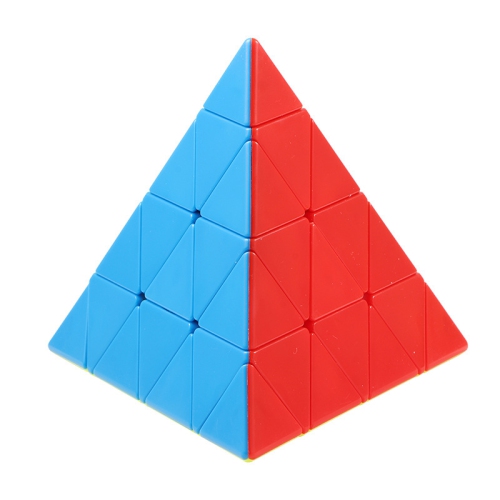


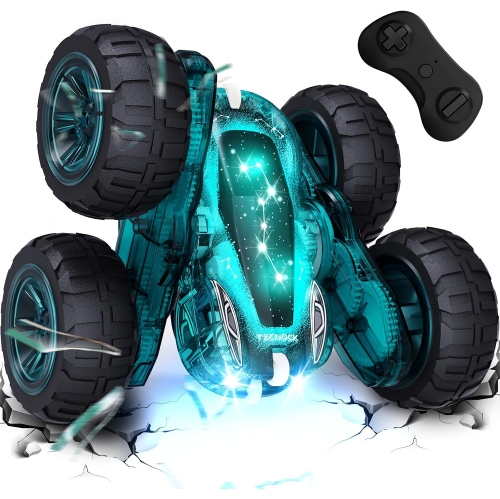
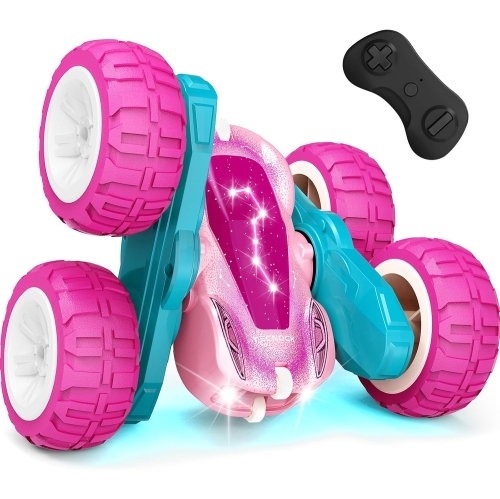
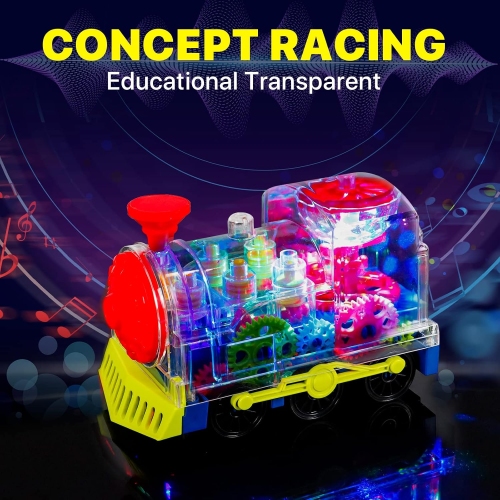
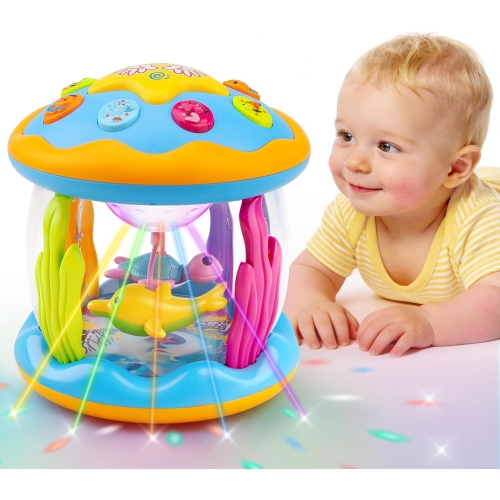
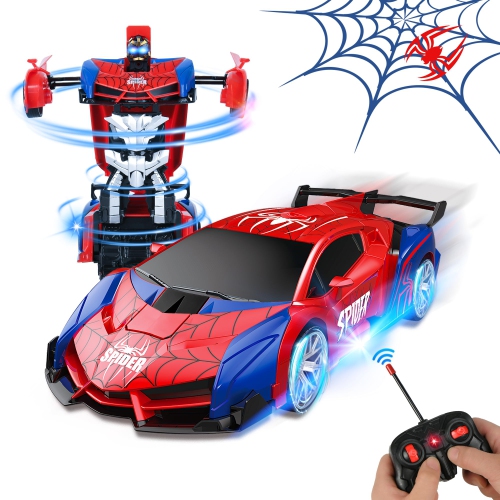



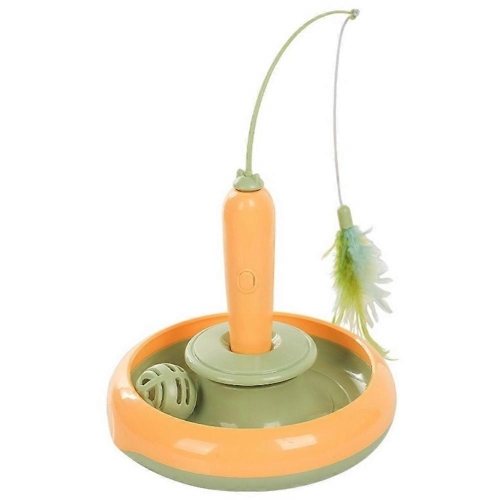
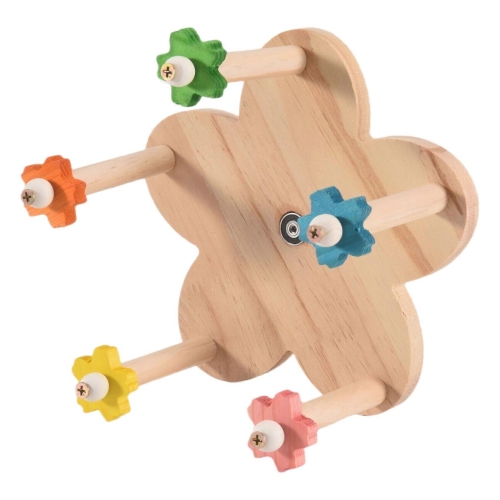
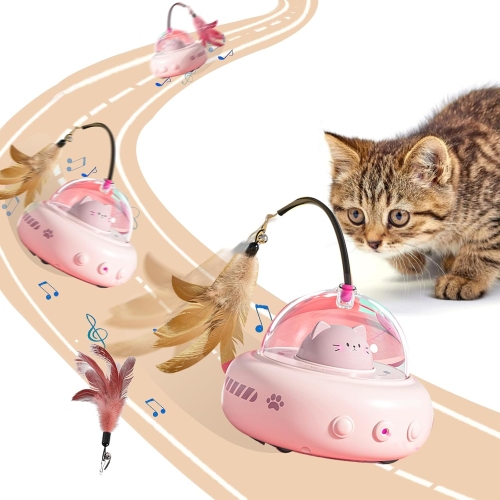
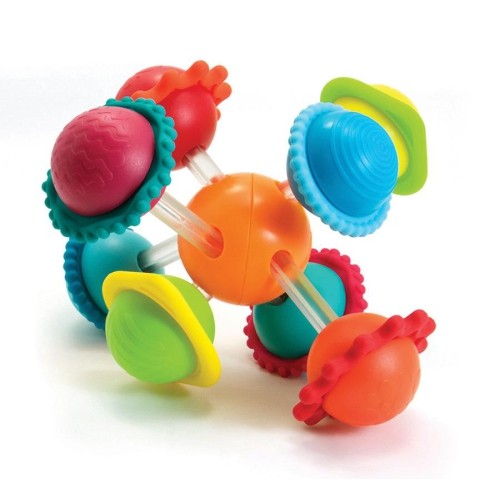
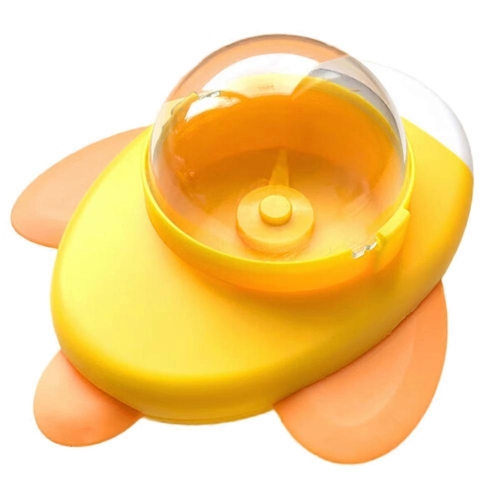
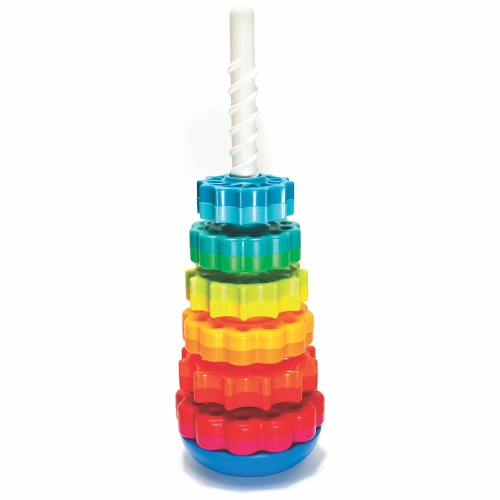
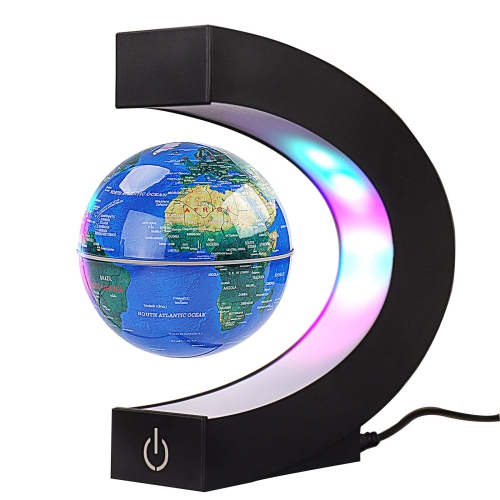

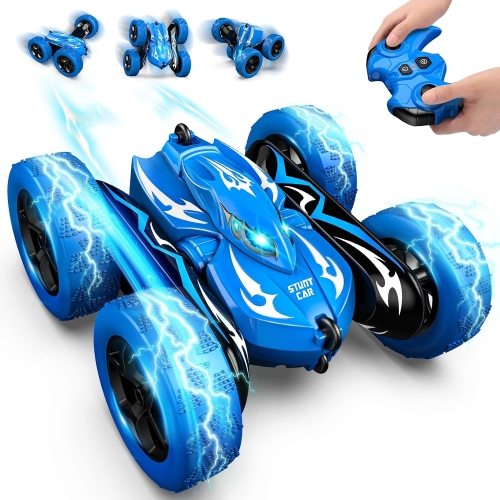
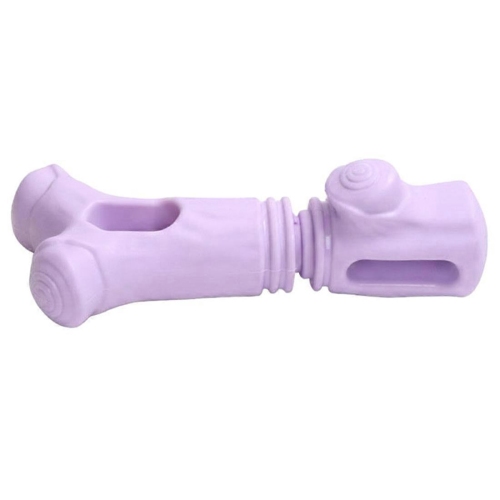
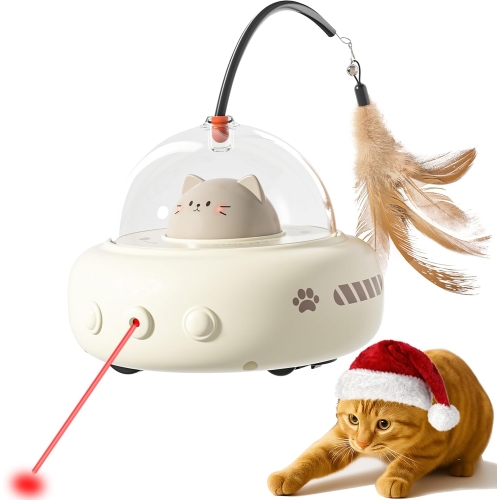
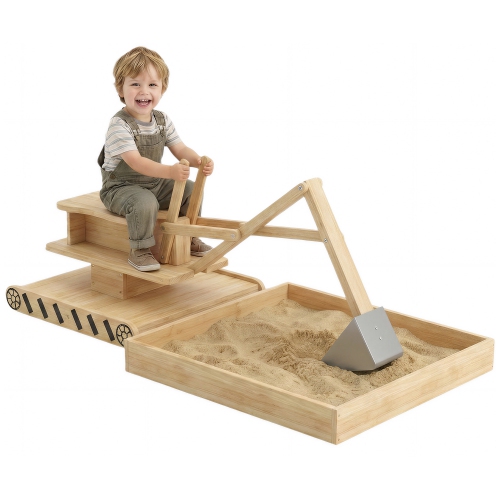
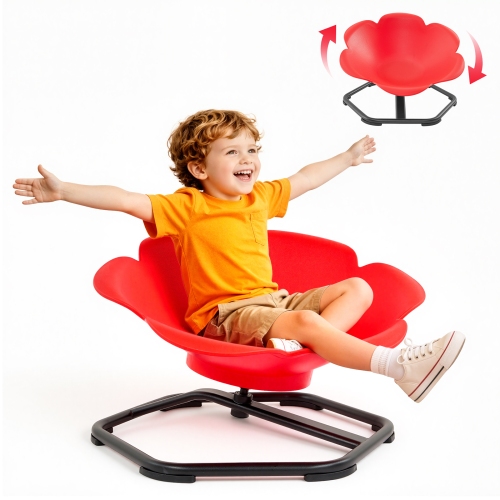
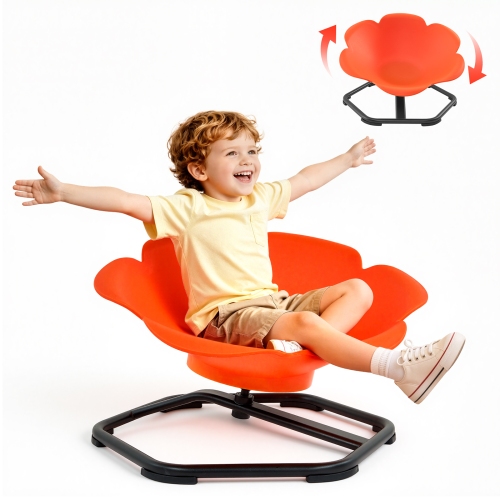
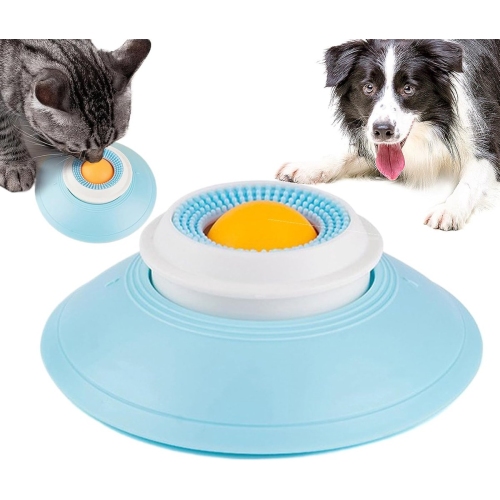
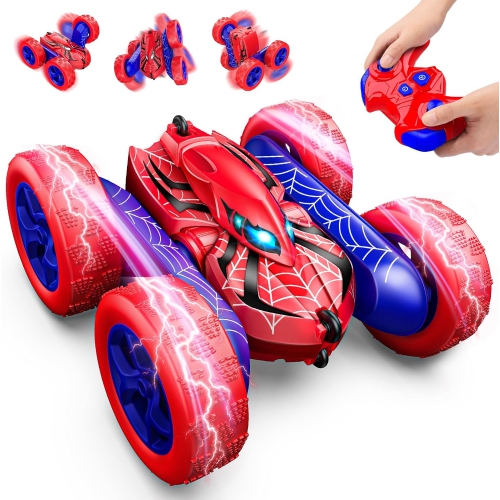

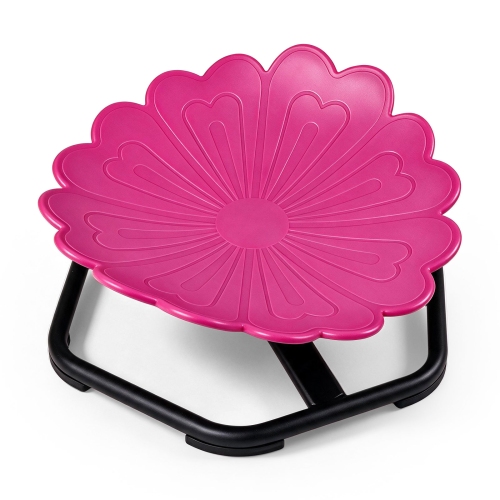
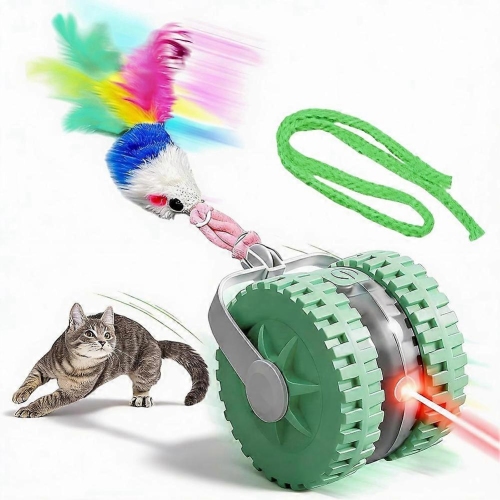
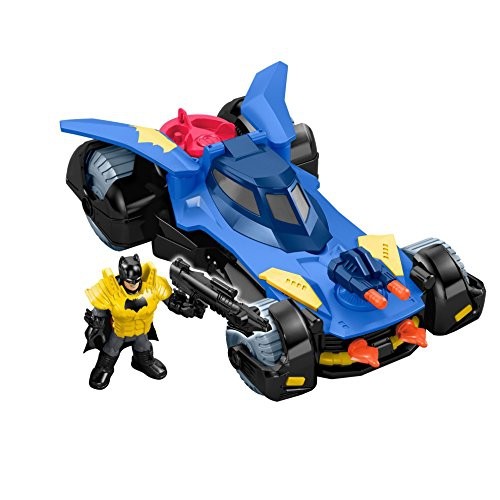
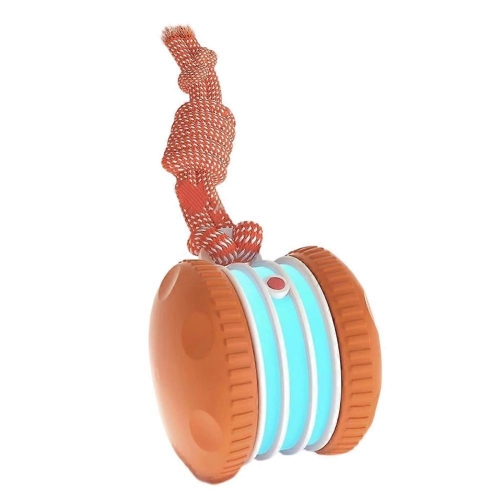
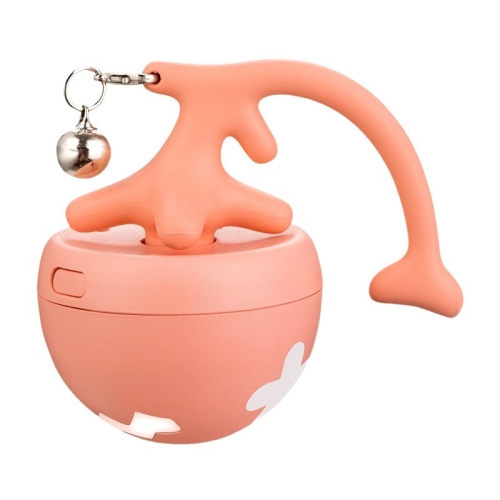
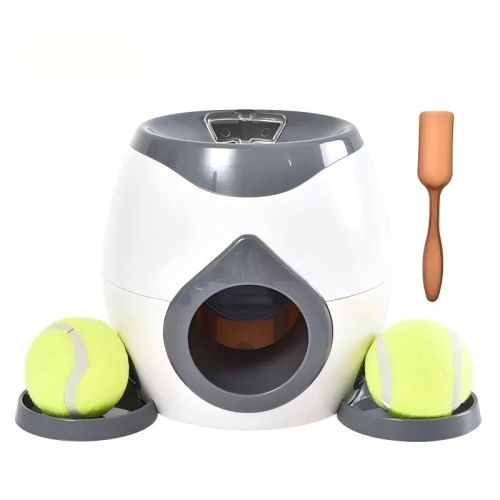
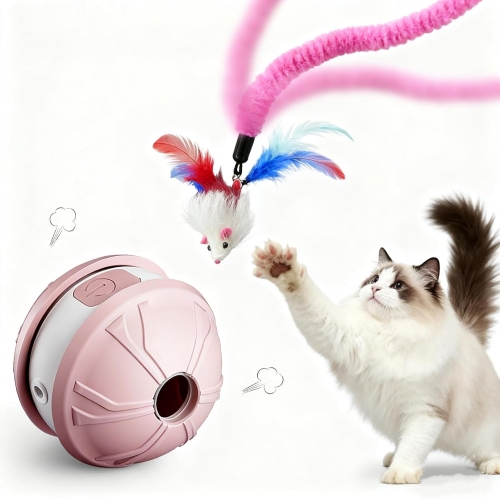
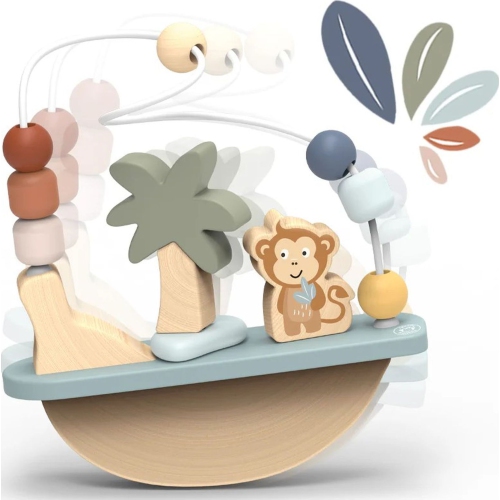
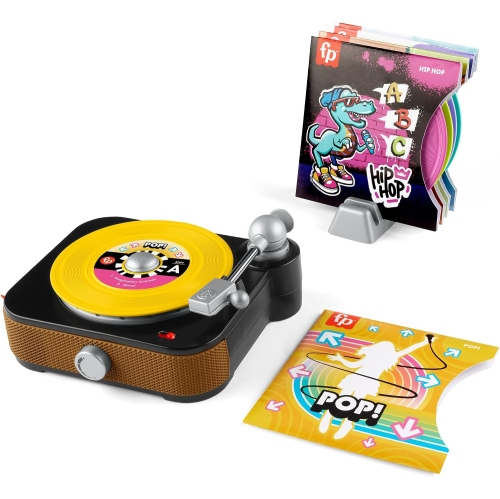
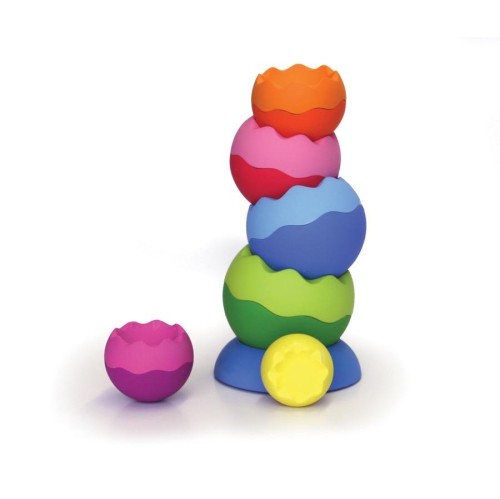
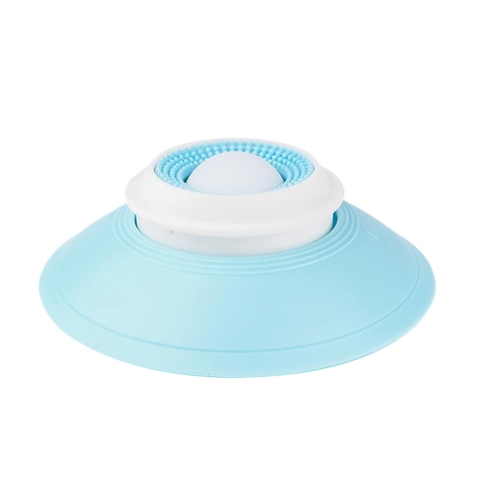
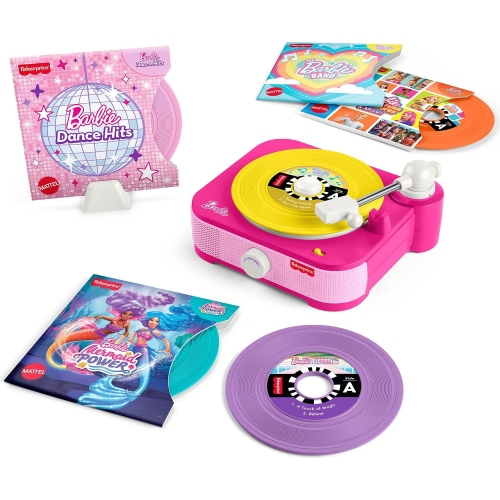
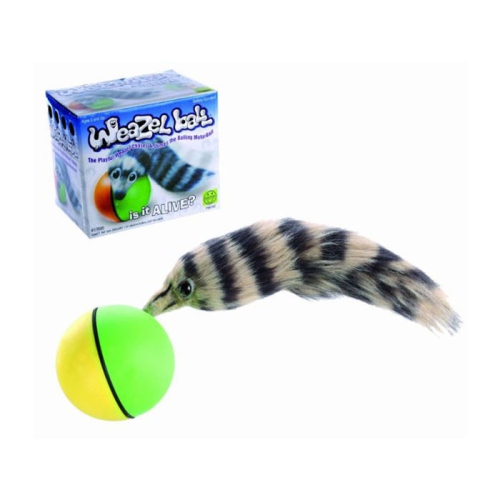
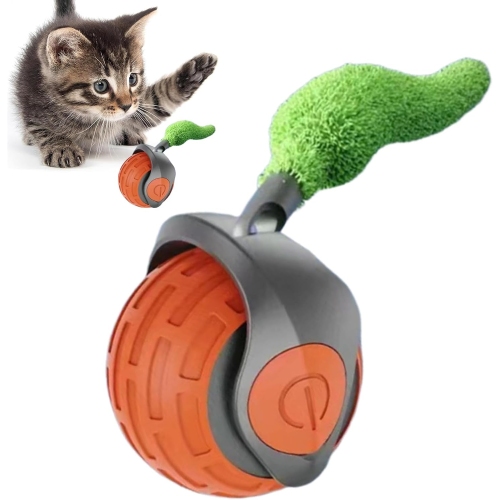
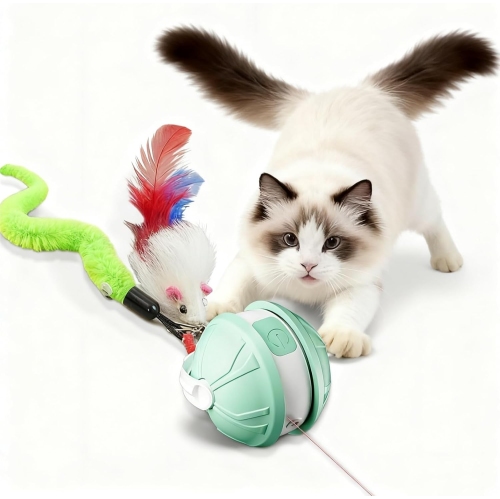
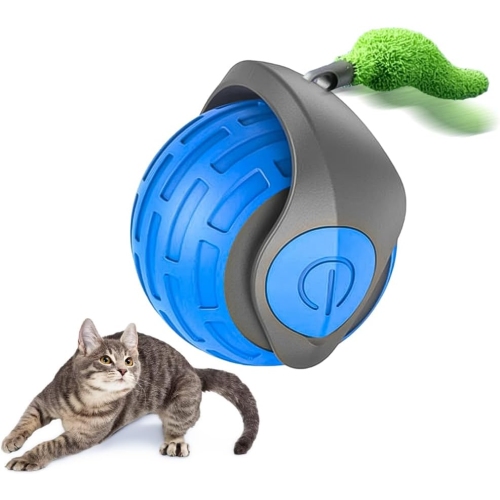
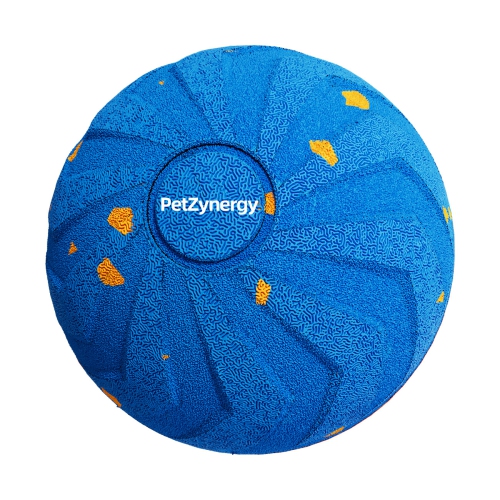

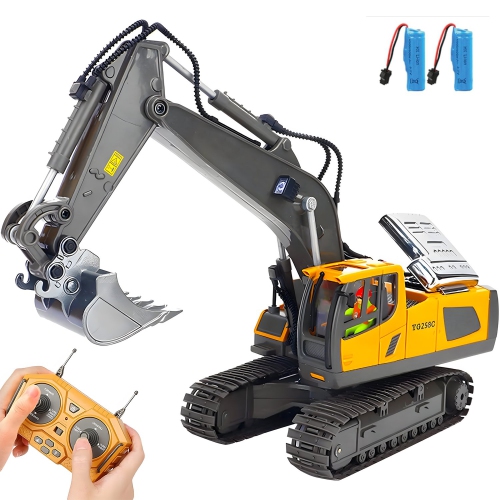
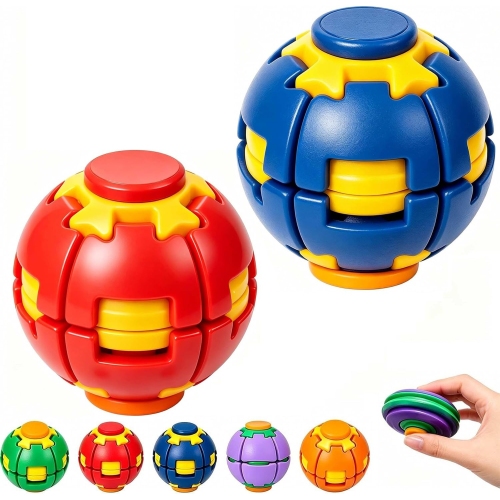

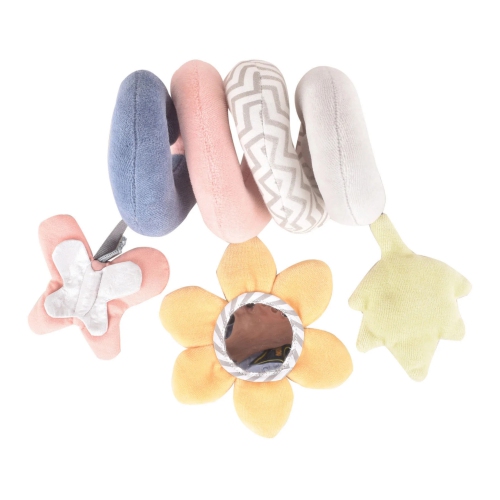
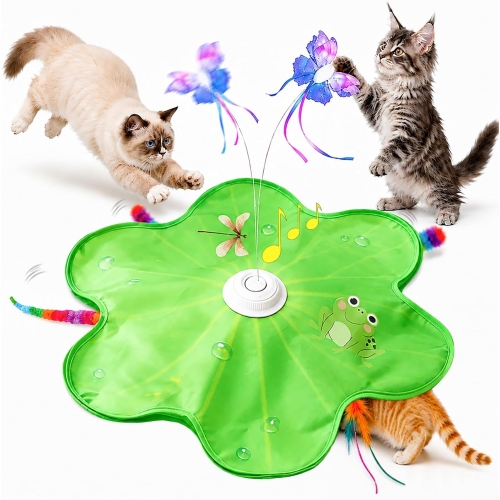
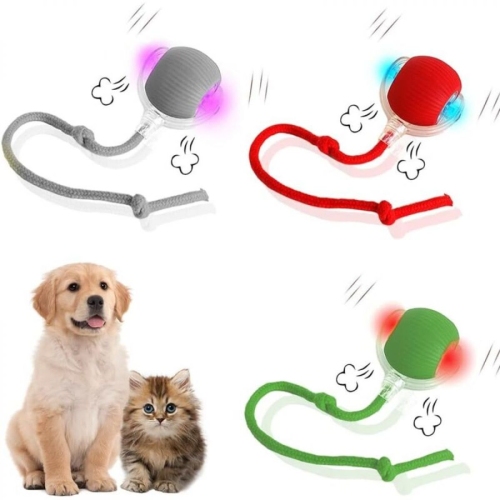
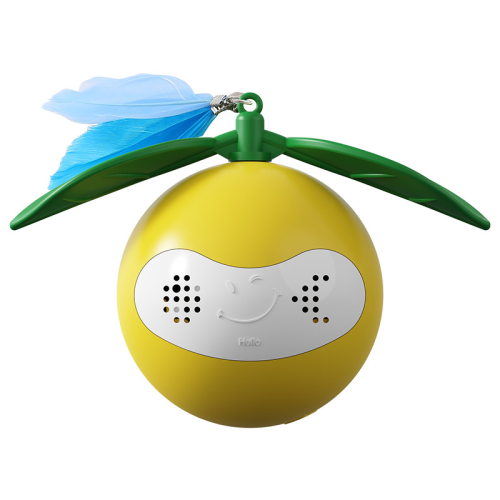
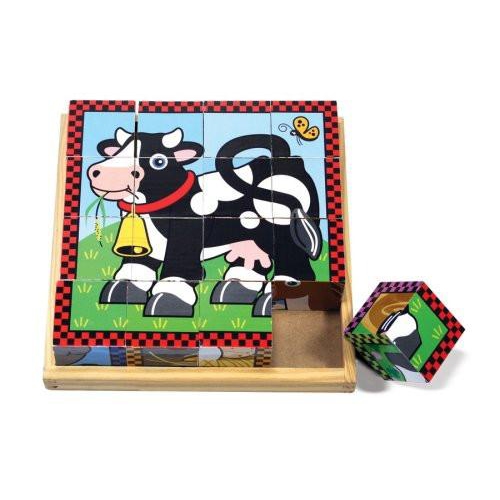
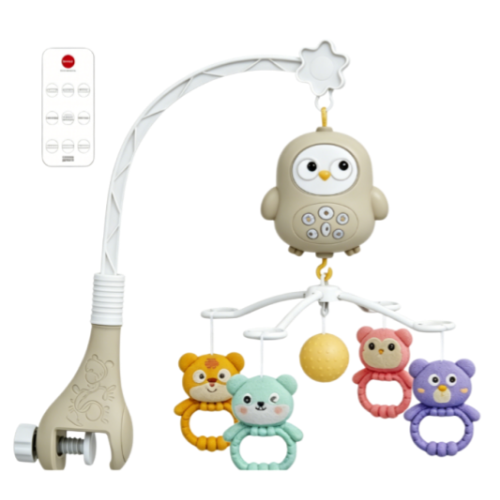
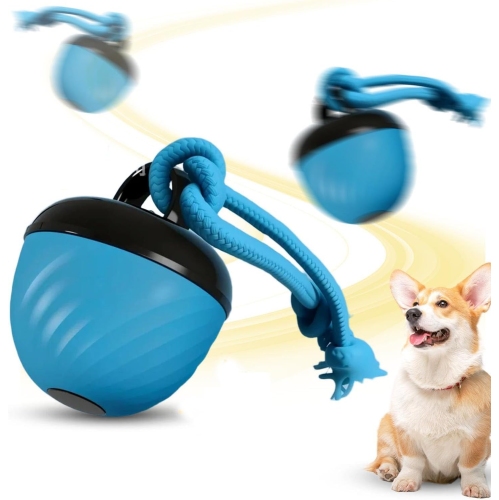
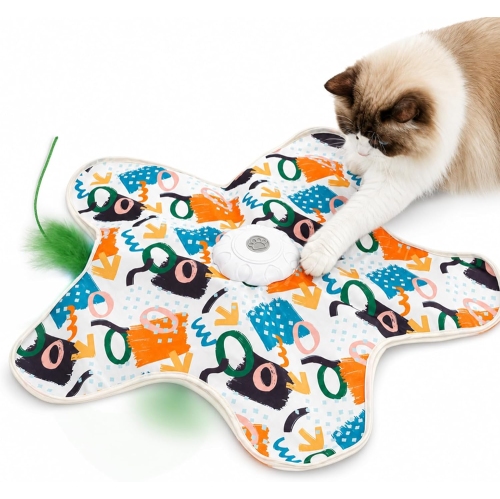
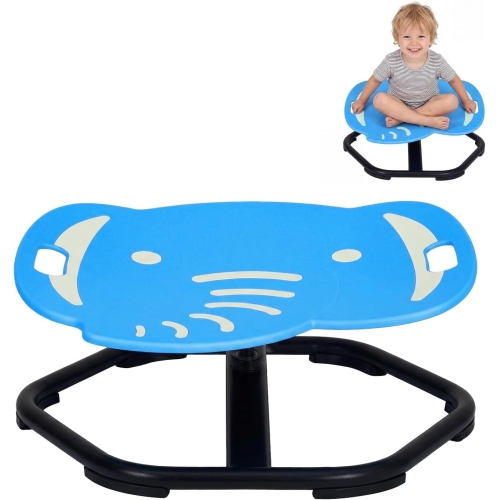
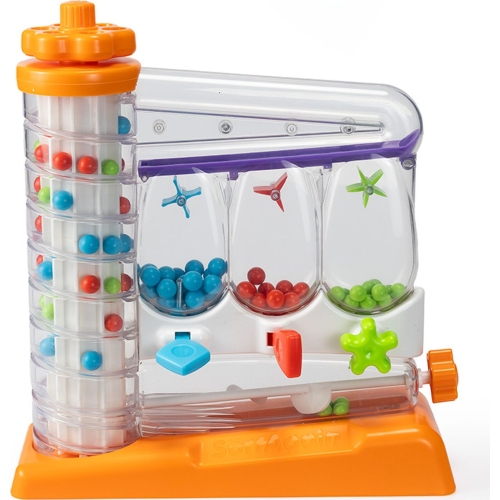
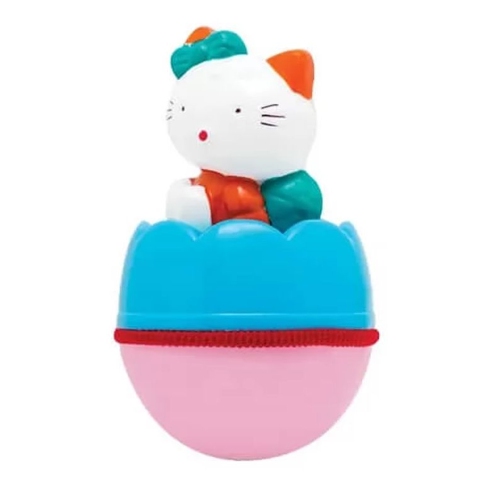
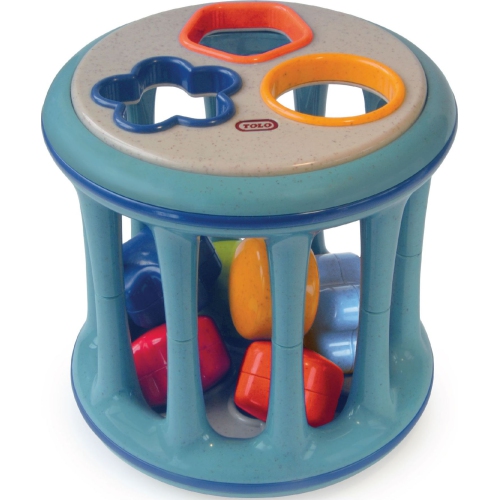
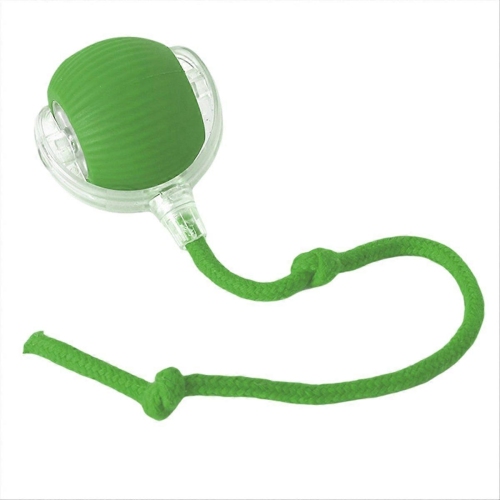
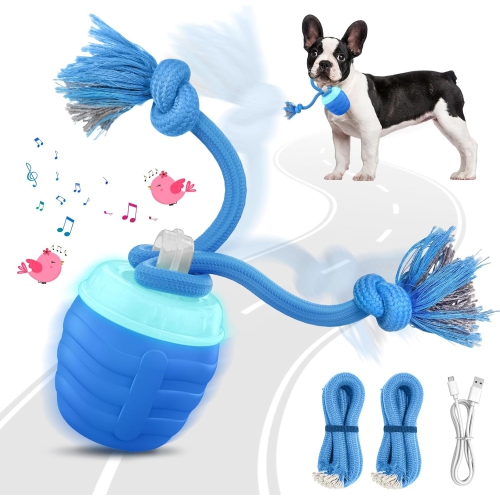
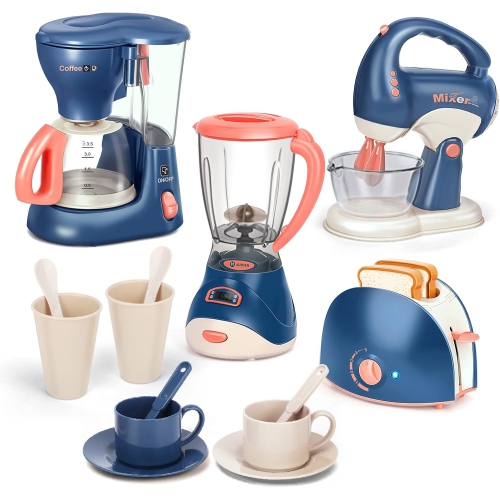
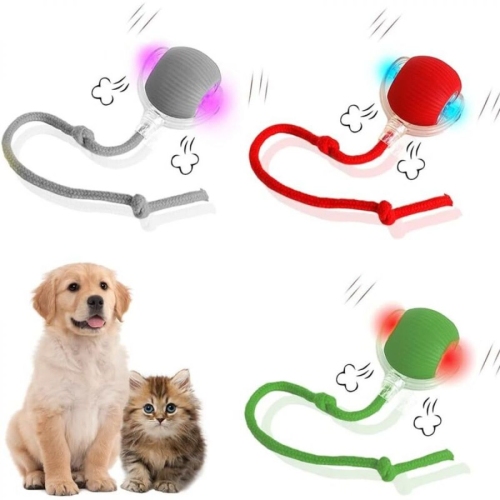
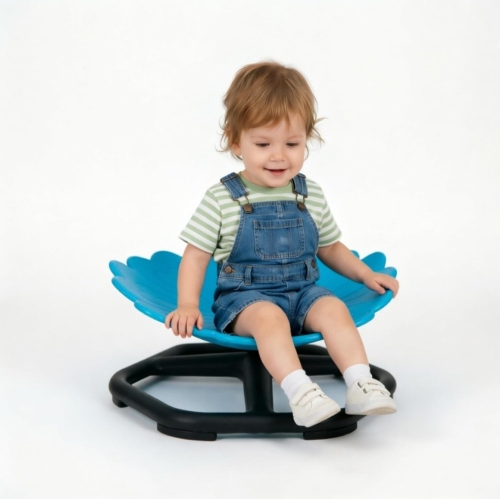
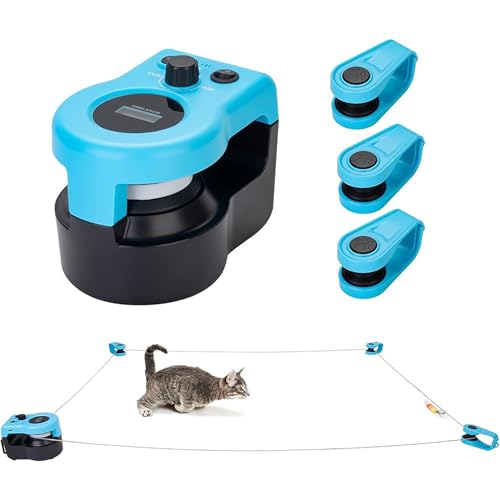
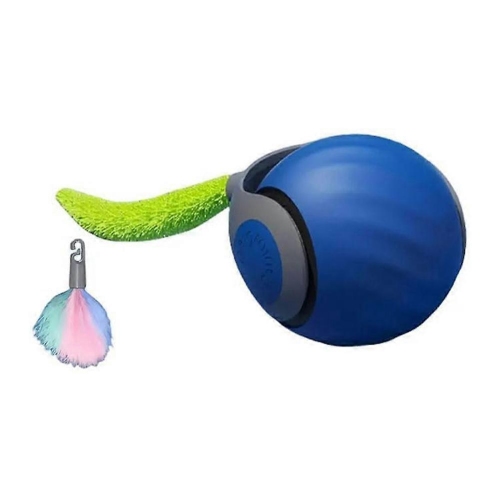
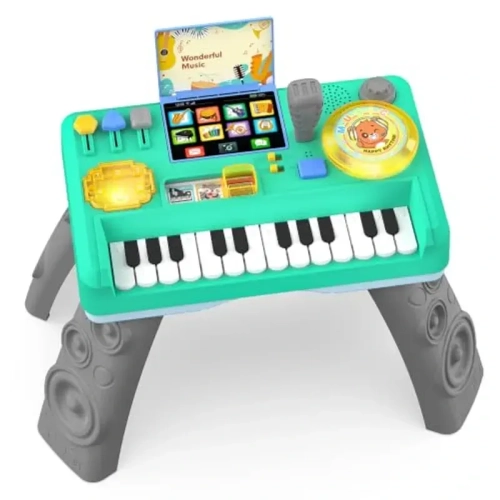
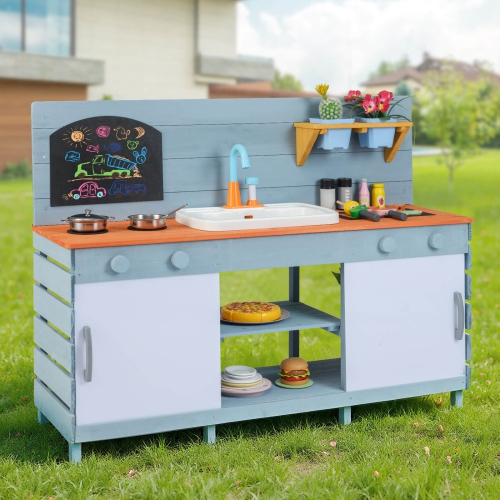
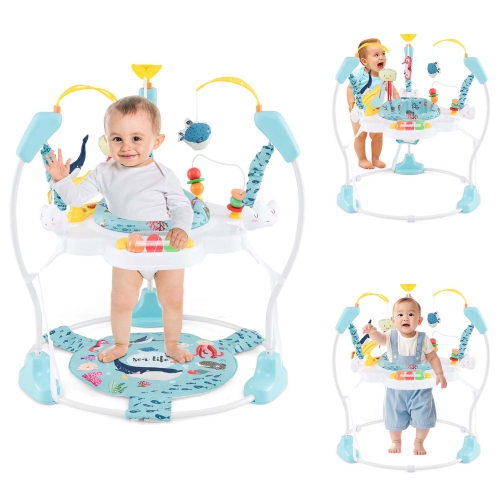
A simple rotation keeps playtime engaging and manageable
Rotating toys can make playtime feel fresh without requiring a crowded playroom. In this context, toy rotation means keeping a small, balanced selection available and storing the rest out of sight, then switching the selection every two to four weeks. Children often engage more deeply when there are fewer choices to compete for their attention, while parents and caregivers can spend less time sorting through overflowing bins. Begin by gathering the toys in one place and grouping them by type, such as building toys, puzzles, vehicles, pretend-play accessories, figures, sensory items, and creative activity sets. From there, choose a manageable group to keep within easy reach. A selection of roughly eight to 16 toys can provide variety without making the room feel overwhelming, although the right number depends on a child’s age, interests, available space, and ability to tidy up. Open-ended toys are especially useful because they can be used in several ways. A child might build a tower, create a small town, sort pieces by colour, or invent a story with the same set. Toys that encourage movement, problem-solving, pretend play, and hands-on discovery can also be combined to create a more balanced play area. Store the remaining items in clearly labelled bins, drawers, or containers in a closet or another place that is easy for an adult to access but does not compete with the active play space. When the toys come back out after a few weeks, they may feel newly exciting, even if they have been part of the household for a long time.
When choosing Rotating Toys, consider the child who will use them, the space available for play, and how much adult help may be needed. Babies and younger toddlers generally benefit from simple shapes, easy-to-grasp parts, bold visual details, and toys that support safe exploration under close supervision. Preschoolers may enjoy toys that invite make-believe, matching, sorting, building, and early problem-solving, while older children can often take on more complex challenges that require planning, coordination, or storytelling. Always check the recommended age range, warning labels, size of individual pieces, and any supervision guidance before adding a toy to a rotation. Battery-operated items may be a lively choice for children who enjoy lights, sounds, movement, and cause-and-effect play, but it is helpful to keep replacement batteries and operating instructions together. Toys with moving parts should be checked periodically for loose pieces, worn components, or anything that could become a hazard. Storage also matters: lightweight bins can work well for frequently rotated items, while compartmentalized organizers help keep smaller pieces together. A rotation does not need to follow a strict schedule. If a child is still deeply engaged with a toy, leave it available; if an item is ignored, incomplete, or causing frustration, replace it sooner. Favourite comfort items and everyday books can remain accessible, while less familiar toys can be introduced gradually. Families looking to add more variety may also explore Interactive Toys for play experiences that respond to touch, movement, sound, or other actions.
Rotating Toys can be a thoughtful gift for birthdays, family visits, classroom collections, playrooms, and households preparing for more indoor time during the cooler months. Rather than choosing a toy based only on its appearance, look for one that suits the recipient’s stage of development and fits naturally with the activities they already enjoy. A child who loves making up stories may appreciate additions that support role-play, while a child who prefers hands-on challenges may gravitate toward construction, matching, or activity-based options. Relatives and friends can make gifts easier for parents by considering storage needs, the size of the play area, and whether the toy can be used independently or shared with siblings. Rotations can also help create a simple rhythm at home: keep the current selection in a low shelf or basket, set aside a small container for pieces that need to be returned, and choose a convenient day every few weeks to refresh the collection. As the weather warms, some toys may move between indoor and outdoor play areas; during rainy days and cooler stretches, a thoughtfully arranged indoor selection can give children plenty to do without covering every surface. Children may build with blocks in the morning, act out an elaborate adventure after lunch, and return to a puzzle or creative activity later in the day. The goal is not perfection or a rigid timetable, but a play environment that feels inviting, manageable, and suited to the child’s changing interests. With a little observation and flexible storage, rotating toys can support independent play, encourage creativity, and make familiar activities feel rewarding again.
When choosing Rotating Toys, consider the child who will use them, the space available for play, and how much adult help may be needed. Babies and younger toddlers generally benefit from simple shapes, easy-to-grasp parts, bold visual details, and toys that support safe exploration under close supervision. Preschoolers may enjoy toys that invite make-believe, matching, sorting, building, and early problem-solving, while older children can often take on more complex challenges that require planning, coordination, or storytelling. Always check the recommended age range, warning labels, size of individual pieces, and any supervision guidance before adding a toy to a rotation. Battery-operated items may be a lively choice for children who enjoy lights, sounds, movement, and cause-and-effect play, but it is helpful to keep replacement batteries and operating instructions together. Toys with moving parts should be checked periodically for loose pieces, worn components, or anything that could become a hazard. Storage also matters: lightweight bins can work well for frequently rotated items, while compartmentalized organizers help keep smaller pieces together. A rotation does not need to follow a strict schedule. If a child is still deeply engaged with a toy, leave it available; if an item is ignored, incomplete, or causing frustration, replace it sooner. Favourite comfort items and everyday books can remain accessible, while less familiar toys can be introduced gradually. Families looking to add more variety may also explore Interactive Toys for play experiences that respond to touch, movement, sound, or other actions.
Rotating Toys can be a thoughtful gift for birthdays, family visits, classroom collections, playrooms, and households preparing for more indoor time during the cooler months. Rather than choosing a toy based only on its appearance, look for one that suits the recipient’s stage of development and fits naturally with the activities they already enjoy. A child who loves making up stories may appreciate additions that support role-play, while a child who prefers hands-on challenges may gravitate toward construction, matching, or activity-based options. Relatives and friends can make gifts easier for parents by considering storage needs, the size of the play area, and whether the toy can be used independently or shared with siblings. Rotations can also help create a simple rhythm at home: keep the current selection in a low shelf or basket, set aside a small container for pieces that need to be returned, and choose a convenient day every few weeks to refresh the collection. As the weather warms, some toys may move between indoor and outdoor play areas; during rainy days and cooler stretches, a thoughtfully arranged indoor selection can give children plenty to do without covering every surface. Children may build with blocks in the morning, act out an elaborate adventure after lunch, and return to a puzzle or creative activity later in the day. The goal is not perfection or a rigid timetable, but a play environment that feels inviting, manageable, and suited to the child’s changing interests. With a little observation and flexible storage, rotating toys can support independent play, encourage creativity, and make familiar activities feel rewarding again.
Top selling and popular products
-
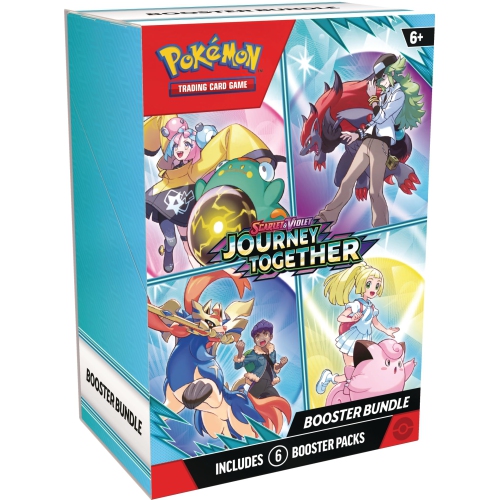 Your price for this item is $92
 -
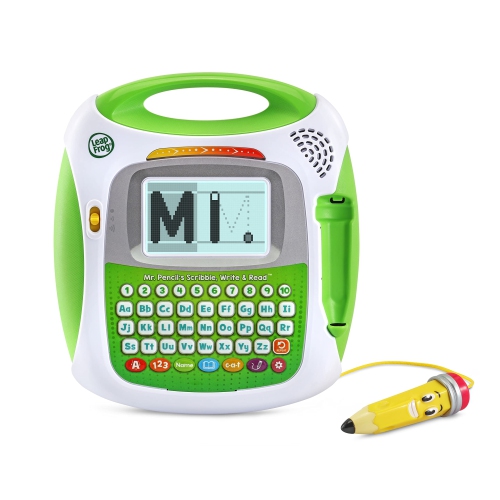 Your price for this item is $99.84
 -
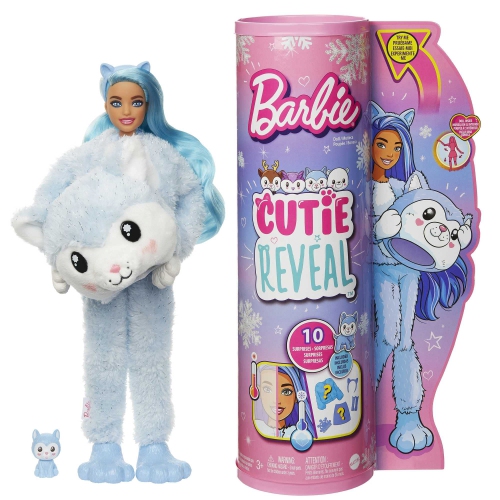 Your price for this item is $150
 -
 Your price for this item is $151.05
 -
 Your price for this item is $44.31
 -
 Your price for this item is $24.99
 -
 Your price for this item is $43.95
 -
![BIOWORLD Animal Crossing Isabelle, Tom Nook & Kk Slider Crew Socks 3 Pack [] In Multicolor](https://multimedia.bbycastatic.ca/multimedia/products/500x500/174/17406/17406340.jpeg) Your price for this item is $23.15
Your price for this item is $23.15
Discover more categories related to Rotating Toys
Top Collections:
Pokemon Centers, Best Cameras for Sports Photography, Kindle Devices, Samsung Galaxy Phones, Canon G7X Cameras, Pokémon 30th Celebration Cards, Refurbished Apple Laptops, iPhone 15 Apple, Laptops for Students, Budget Smartphones
Some products may be subject to Environmental Handling Fees
(EHF) depending on your province.
Learn more about EHFs.