Music Posters
Elevate your space and showcase your love for music with a wide selection of music posters. Perfect for bedrooms, dorm rooms, studios, or entertainment areas, these posters capture the spirit of your favorite artists and bands. Whether you’re looking to create a vibrant gallery wall or add a personal touch to any room, music posters offer an easy way to express your unique style and passion for sound. Explore a variety of designs and sizes to find the perfect addition to your home or office décor.
Sort

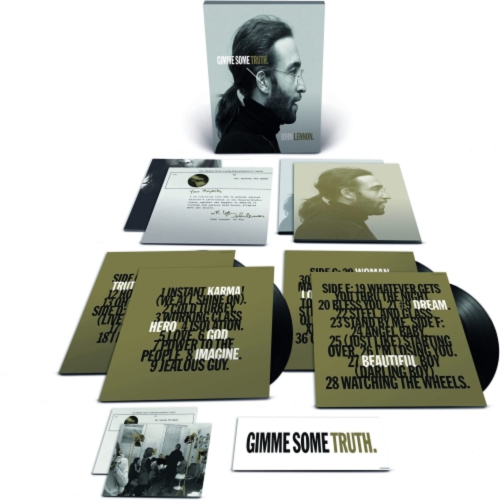

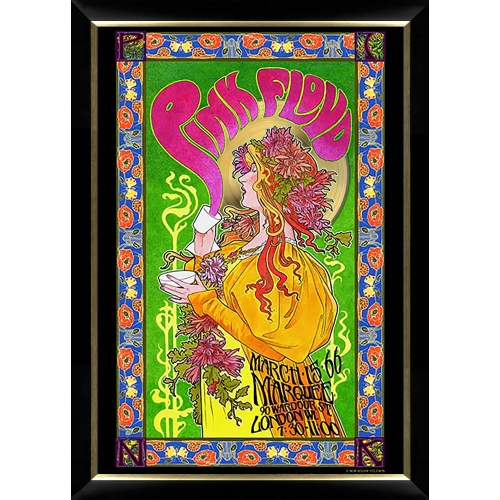


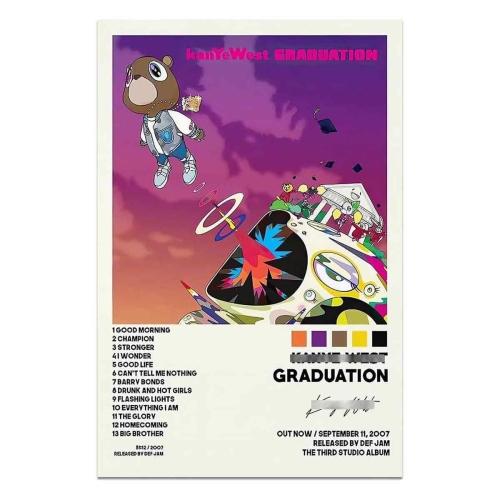
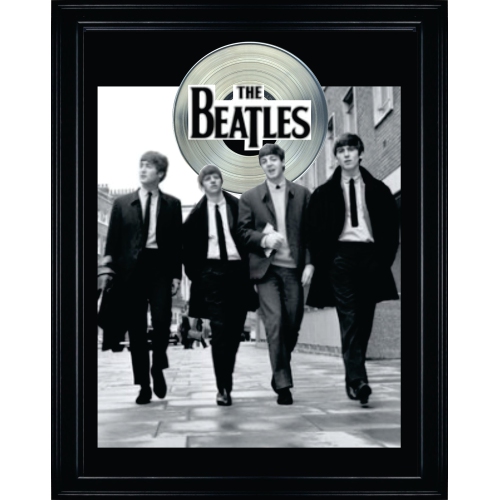





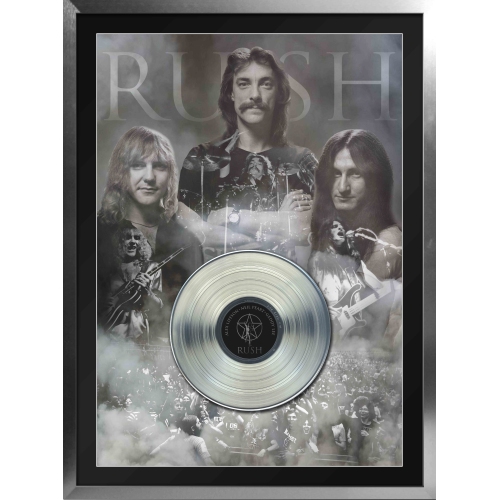


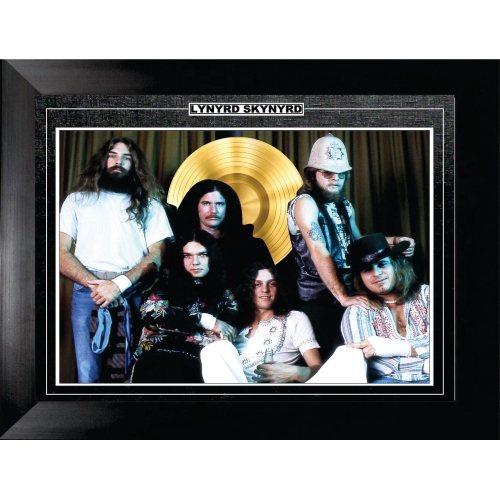
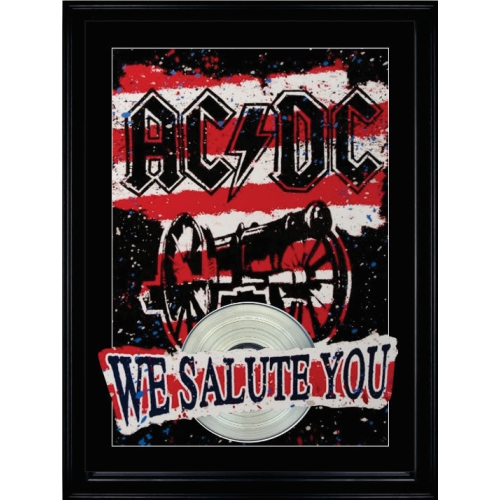
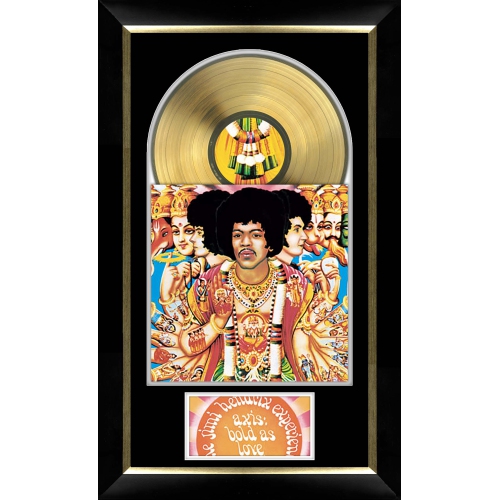

The visual side of your favourite music
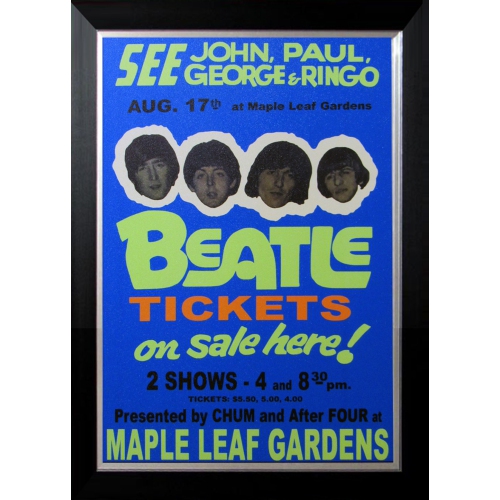
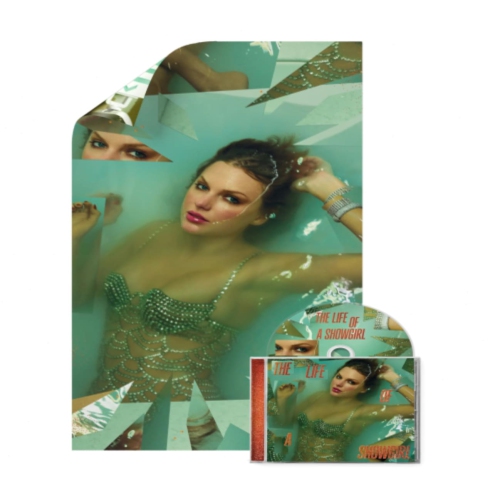
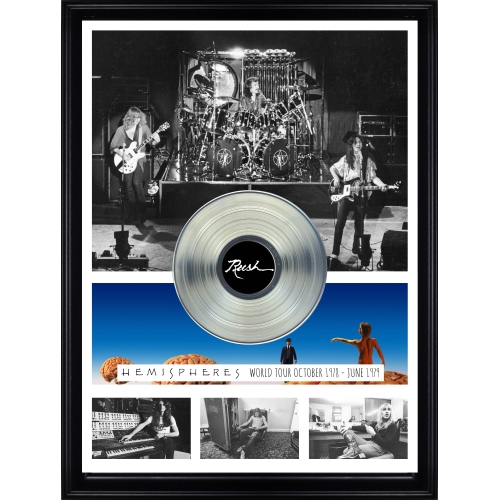
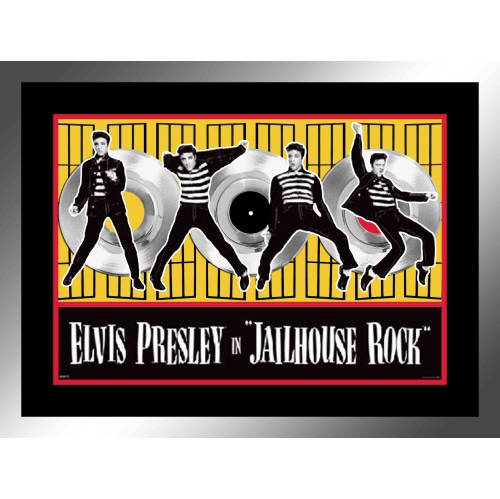
Music posters are wall art inspired by performers, bands, albums, concerts, and musical genres, with styles ranging from vintage concert graphics and album cover imagery to photographic portraits, illustrated scenes, and minimalist typography. They bring the visual side of music into a room, whether that means the saturated colours of a psychedelic rock design, the sharp geometry of an electronic music print, or a black-and-white photograph that captures the atmosphere of a live performance. Concert-style posters often combine bold lettering with a venue, date, and supporting artwork, giving them the character of a particular musical moment. Album-inspired designs put the emphasis on cover art, composition, and the associations a listener has with a recording. Other music posters take a broader approach through images of instruments, sound waves, handwritten notation, or graphic arrangements of musical symbols. That variety makes them suitable for more than a dedicated listening room. A large print above a sofa can anchor a living area, while a smaller piece beside a turntable adds a personal detail without crowding the space. In a bedroom, home office, or rehearsal area, music wall art can reflect a favourite genre while contributing colour, texture, and visual rhythm. The mood depends as much on the artwork as on the subject: a tightly cropped performance photograph feels different from an illustrated festival scene, even when both celebrate the same kind of music. Vintage-inspired designs may use faded colours and distressed lettering as part of the printed image; that appearance does not necessarily mean the poster itself is old. Contemporary layouts often leave more open space around a central image or a few carefully arranged words. For a room with patterned furniture or shelves full of records, a quieter composition can provide balance. In a more restrained space, an expressive concert graphic can become the main point of interest. The strongest connection is often personal, recalling a first concert, a much-played album, or a sound that has stayed meaningful over time.
The material and finish of a music poster affect how its artwork looks on the wall and how it holds up to handling. Paper posters are generally lightweight and easy to frame, although thickness, surface texture, and print quality vary. Thinner paper can crease or ripple more readily, while heavier stock usually feels more substantial when handled. A matte finish tends to soften reflections and suits detailed illustrations or text-heavy compositions; a glossy surface can give photographs and deep colours a more pronounced sheen, though nearby lamps and windows may create glare. Satin finishes sit between those effects. The result also depends on viewing distance. Fine print that looks crisp up close may become a subtle texture across the room, whereas a bold portrait or large album graphic remains easy to read from farther away. Dimensions matter beyond the size of the wall: the listed measurements may describe the full sheet, including any border, rather than the printed image alone. A mat adds space around the artwork and increases the overall framed dimensions, which can change how comfortably a piece fits above a desk or between shelves. Standard-size posters often work with ready-made frames, while unusual proportions may need a different framing arrangement. Glass and acrylic glazing both create a barrier against dust and casual contact, but their weight and care requirements differ. Framing can help protect the paper, although it does not make a print immune to fading or moisture damage. Direct sunlight can alter colours over time, and damp locations can encourage waviness or marks. A spot away from splashes, cooking residue, and prolonged sun exposure is generally better suited to paper wall art. Rolled posters benefit from gentle handling on a clean, dry surface before framing; forcing a curl flat or pressing down on a fold can leave lasting damage. Adhesive mounting methods also deserve attention, since tape and sticky putty can stain paper, tear edges, or mark painted walls. For framed displays, suitable hanging hardware depends on the frame’s weight and the wall surface.
Music posters also work well as gifts because the subject can carry a clear personal connection without needing to match every detail of the recipient’s room. A fan might appreciate artwork tied to a favourite genre, while a musician may respond to an instrument study or a print that recalls performing on stage. For someone setting up a first apartment, a poster can make an unfamiliar space feel more personal; for a longtime listener, it can become part of an established collection. Scale and presentation make a difference here. A smaller print is easier to place in a shared home or compact office, while a large statement piece needs more open wall space and a stronger commitment to its colours. A frame can give a gift a finished appearance, provided its dimensions match the poster and its style suits the artwork. Simple black, white, or wood-toned frames often let the image remain the focus, while a more decorative frame changes the character of the whole display. Music wall art can also sit naturally alongside physical recordings. For listeners interested in album packaging as well as sound, vinyl records with posters connect the listening experience with artwork that can be displayed separately. A listening corner might pair one framed image with a record shelf, leaving enough room to browse sleeves and use the equipment comfortably. A larger arrangement can mix photographs, typography, and illustrated prints, with shared colours or matching frames giving otherwise different pieces a sense of cohesion. Equal spacing helps a varied grouping feel deliberate, even when the posters have different proportions. Artwork that is not on display is best kept flat where practical, or loosely rolled in suitable protective storage, away from pressure and moisture. With thoughtful placement and careful handling, music posters can remain a lasting expression of musical taste rather than simply filling an empty wall.
Top selling and popular products
-
 Your price for this item is $399
-
 Your price for this item is $37.5
-
 Your price for this item is $39.99
-
 Your price for this item is $49
-
 Your price for this item is $432.5
-
 Your price for this item is $49
-
 Your price for this item is $172.9
-
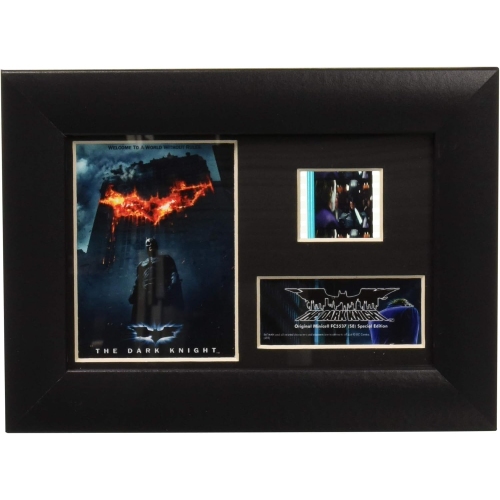 Your price for this item is $55.92
Discover more categories related to Music Posters
Top Collections:
Best Black Friday Deals This Year, Best Black Friday Deals On Electronics, Kindle Devices, Dyson Airwrap, Best Cameras for Sports Photography, Best Black Friday Deals On Apple Products, PS5 Pro Consoles, Portable Snow Blowers, Canon G7X Cameras, Pokémon 30th Celebration Cards
Some products may be subject to Environmental Handling Fees
(EHF) depending on your province.
Learn more about EHFs.