Party Games for Large Groups
Party Games for Large Groups are the perfect way to bring energy and excitement to any gathering. Whether you're hosting a family reunion, a team-building event, or a lively celebration with friends, these games help everyone get involved and make unforgettable memories together. Discover options designed to keep large crowds entertained, encourage laughter, and spark friendly competition. Find the ideal party games to ensure your next big event is a hit from start to finish.
Sort


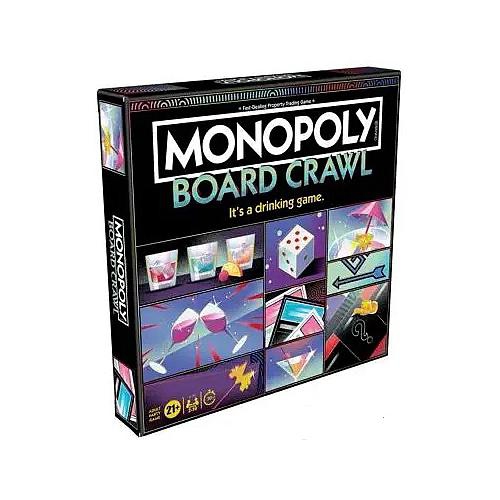



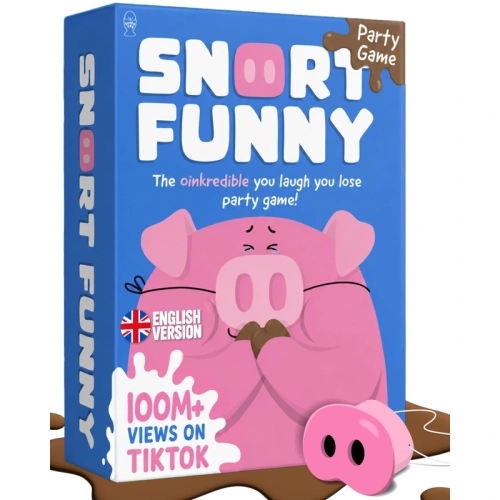



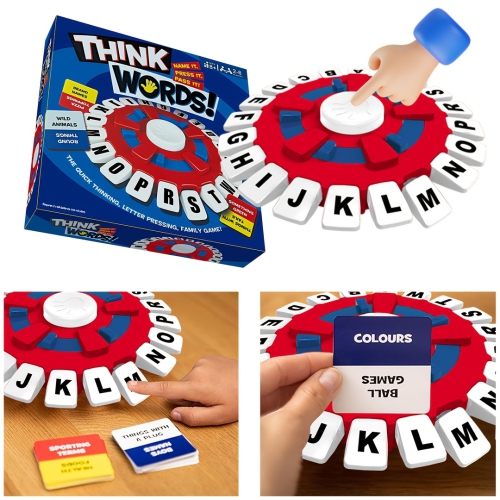

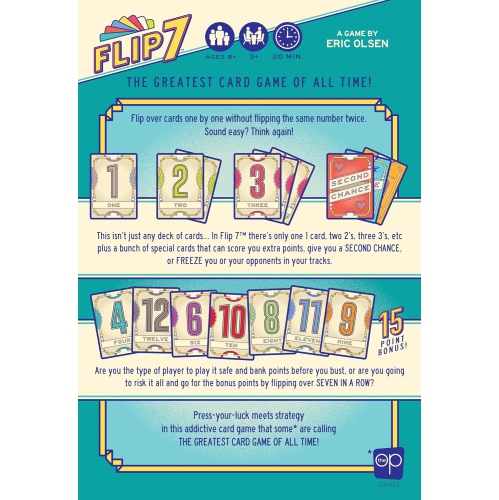
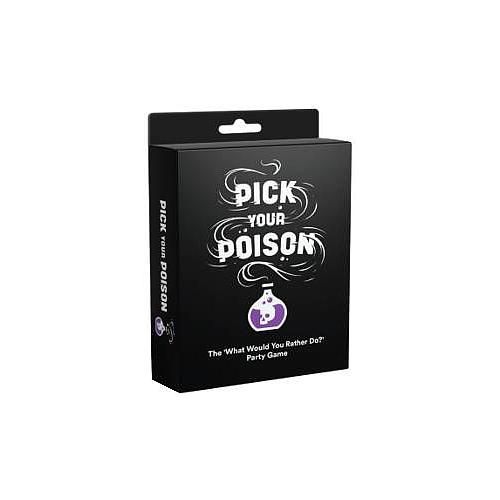

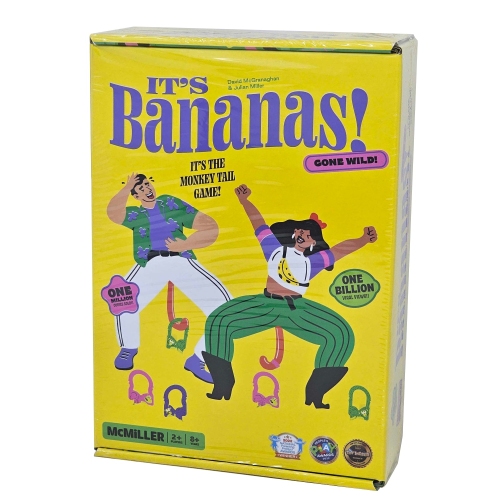
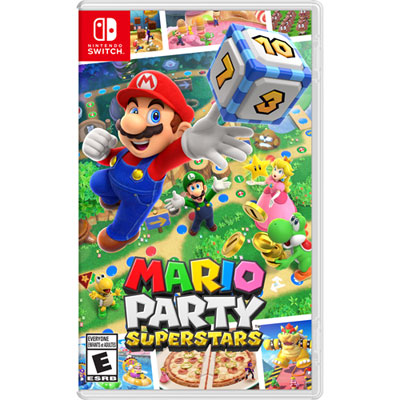
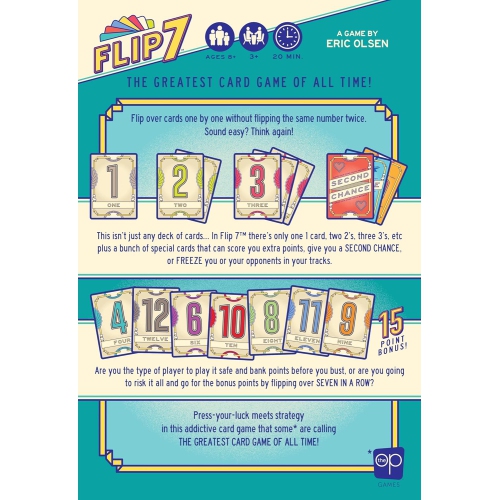

Less waiting and more ways for everyone to play
Party games for large groups bring more people into the action through simultaneous play, team challenges, or short turns that keep conversation moving and waiting to a minimum. The strongest fit is not simply a game with a high maximum player count, but one that gives everyone something meaningful to do. In a room of twelve, for example, a shared drawing challenge can have several people sketching at once, while a team guessing game can keep the whole table listening for the next clue. These formats suit birthday celebrations, family get-togethers, reunions, and casual gatherings where guests may have different levels of experience with tabletop games. Wordplay, trivia, acting, drawing, and deduction each create a different kind of interaction: some reward quick thinking, others encourage creative answers, and others turn a small clue into a lively debate. A mix of familiar rules and unexpected outcomes can make it easier for newcomers to join without leaving experienced players feeling that every round is predictable. The stated player range matters, particularly when a gathering includes enough people to stretch the seating around a dining table. A game designed for teams may comfortably involve a larger crowd, whereas adding extra players to a turn-based format can leave long gaps between turns. Short rounds and opportunities to rejoin are especially useful when guests arrive at different times or step away for a conversation. Games without lengthy elimination also let a missed answer become part of the fun rather than a reason to sit out. For mixed-age gatherings, the recommended age range, reading level, subject matter, and reliance on shared cultural references all help determine whether the experience will feel welcoming. A fast-paced clue might delight confident performers, while a written response or cooperative puzzle can offer a more comfortable role for someone who prefers a quieter contribution. That balance can keep a lively group engaged without making the loudest person the centre of every round.
The physical design of a party game matters when cards, boards, tokens, and writing surfaces pass through many hands. Sturdy card stock, well-finished edges, and a box with practical compartments can help a frequently played game stand up to repeated setup and packing. Laminated or coated components may tolerate regular handling better than uncoated paper, although care requirements vary by material. Dry-erase boards offer a reusable space for answers and drawings, with suitable markers and prompt wiping helping to limit lingering marks. Paper score sheets create a different experience, giving teams room to jot down guesses or keep a running tally, but they also require a suitable writing surface. Compact card-based formats can be a useful fit when a dining table is already holding serving dishes or when the gathering moves between rooms. The selection of Card Games for Large Groups centres on a format that can support quick dealing, shared prompts, and easy passing between players without a large board. Across game types, setup space includes more than the footprint of the box: room for separate teams, visible shared information, and comfortable access to components all affect how smoothly play unfolds. A drawing game may need space for elbows and sketchpads, while an acting game benefits from a clear area where everyone can see the performer. Readable print and uncluttered layouts make shared prompts easier to follow from across a table. Where colour distinguishes teams or categories, symbols or written labels can make information clearer for more players. Storage also has a practical role between gatherings. Keeping decks together, returning small pieces to their compartments, and storing paper components away from spills and dampness can help preserve their condition. Cleaning methods should match the included care directions, since soaking, harsh cleaners, or abrasive wiping can damage printed surfaces. A tidy insert or securely closing container can also make it easier to notice a missing piece before the next gathering.
Beyond the contents of the box, the best match depends on the kind of evening a group enjoys. Competitive teams can turn a simple guessing round into a cheerful rivalry, while cooperative play gives relatives or friends a shared goal without putting one person on the spot. Trivia tends to work differently when knowledge is spread across generations, and broad categories can give more people a chance to contribute than a narrow specialist topic. Games built around opinions, associations, or imaginative responses often generate conversation between people who have only just met. For a group of close friends, familiar habits and shared humour may become part of the entertainment, provided the tone and content suit everyone present. Sound levels are worth considering, too: a shouted-answer format feels very different from one where teams quietly agree on a written response. Timers can add excitement, but untimed play or adjustable pacing may better suit players who need more time to read, process a clue, or communicate an answer. Replay value comes from several sources, including a varied set of prompts, changing team combinations, and rules that allow different answers each time. A large deck alone does not guarantee variety if the group quickly learns every solution; open-ended challenges can create fresh moments from familiar material. For hosts who entertain in different places, compact packaging and straightforward setup make a game easier to carry to a friend's home, a community room, or a family reunion. As gifts, party games can suit a household that enjoys hosting, a relative who brings everyone together, or friends building a shared game collection. A recipient's preferred style of play matters more than novelty alone. A well-matched game makes room for the thoughtful guesser, the enthusiastic storyteller, and the player who surprises everyone with a perfectly timed answer, giving a large gathering a shared focus without turning participation into a performance requirement.
Top selling and popular products
-
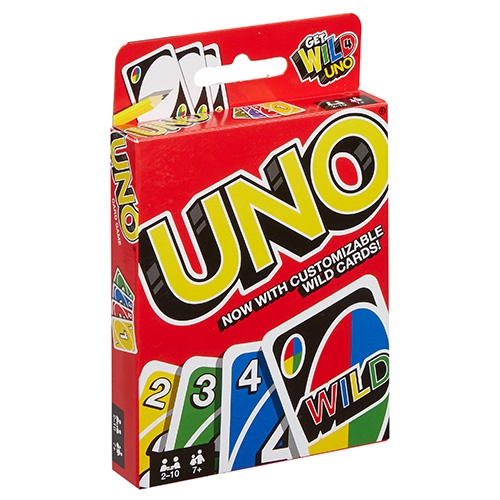 Your price for this item is $14.99
-
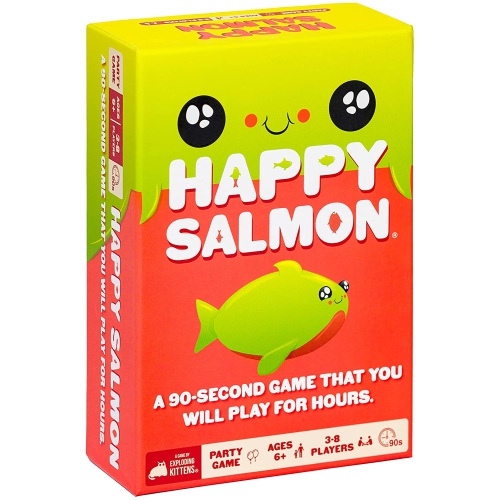 Your price for this item is $21.99
-
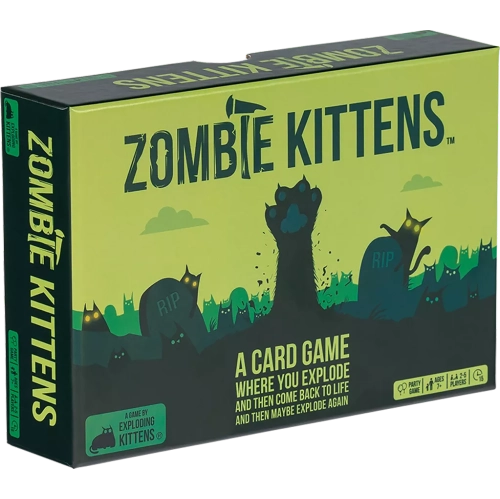 Your price for this item is $34.99
-
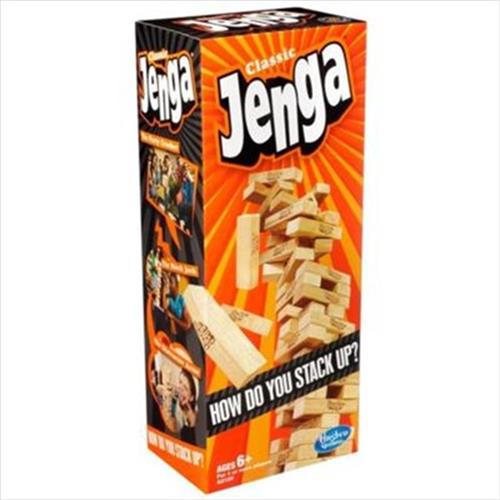 Your price for this item is $24.99
-
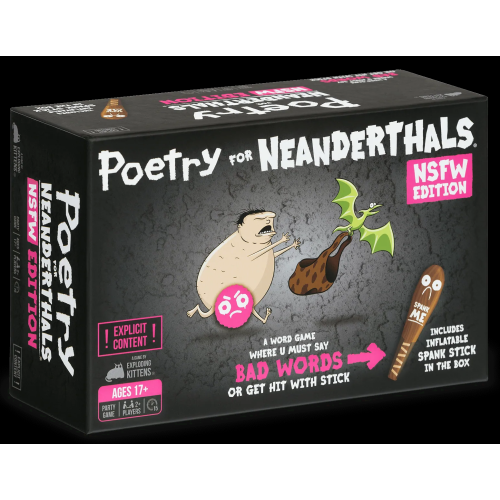 Your price for this item is $31.99
-
 Your price for this item is $29.99
-
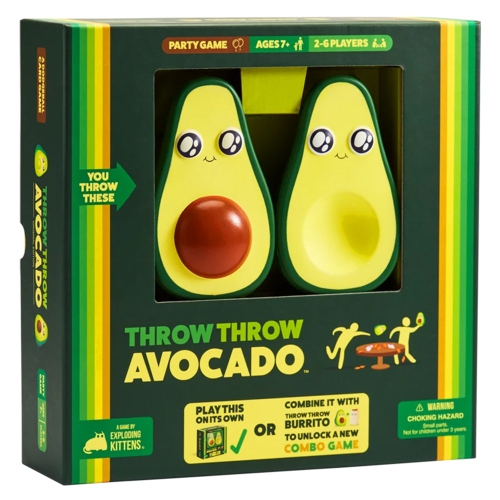 Your price for this item is $44.99
-
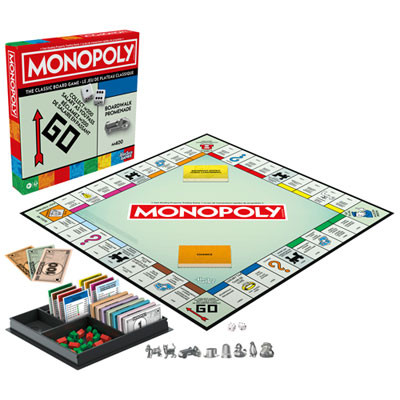 Your price for this item is $27.99
Discover more categories related to Party Games for Large Groups
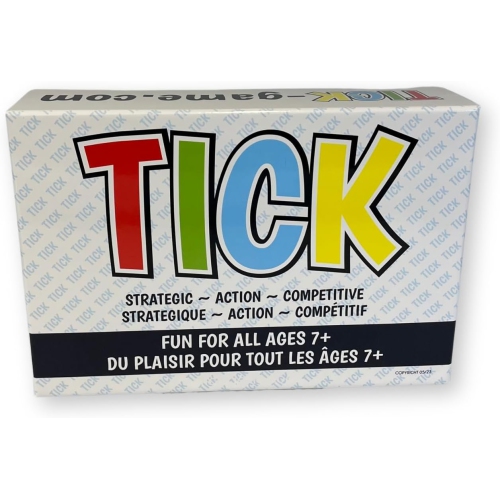
Top Collections:
Best Black Friday Deals This Year, Best Black Friday Deals On Electronics, Kindle Devices, Pokemon Centers, Best Black Friday Deals On Apple Products, Best Cameras for Sports Photography, Dyson Airwrap, Pokémon 30th Celebration Cards, Apple iPhone 17 Pro, Canon G7X Cameras
Some products may be subject to Environmental Handling Fees
(EHF) depending on your province.
Learn more about EHFs.