Card Games for Large Groups
Card Games for Large Groups offer a fantastic way to bring everyone together for hours of fun and laughter. Whether it’s a lively family gathering, a party with friends, or a team-building event, these games are designed to keep large groups engaged and entertained. With plenty of options to suit all ages and skill levels, Card Games for Large Groups make it easy to create memorable moments and enjoy friendly competition. Explore the perfect picks to energize any get-together and ensure everyone joins in on the excitement.
Sort



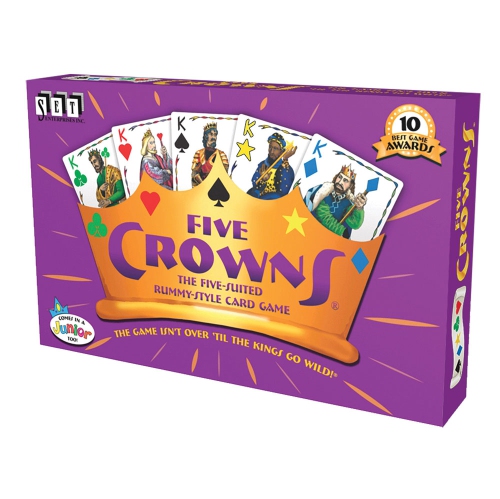


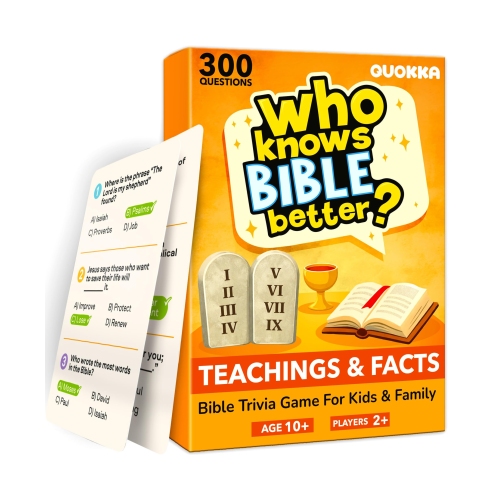
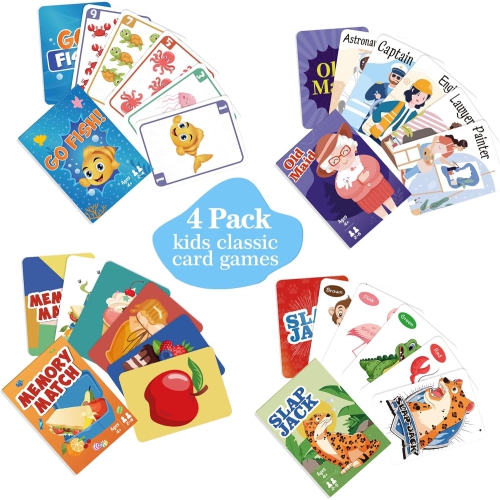
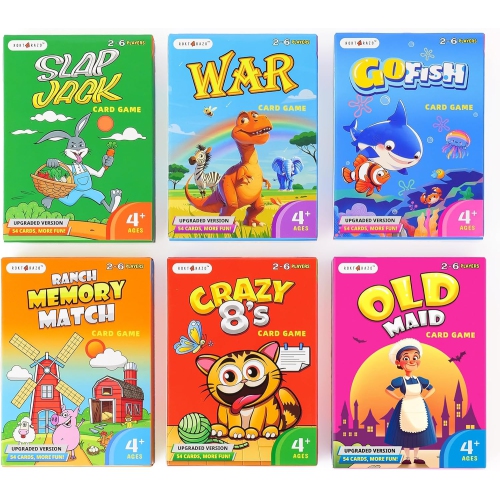
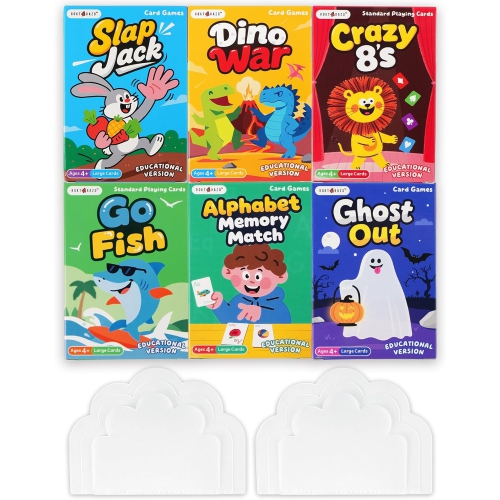
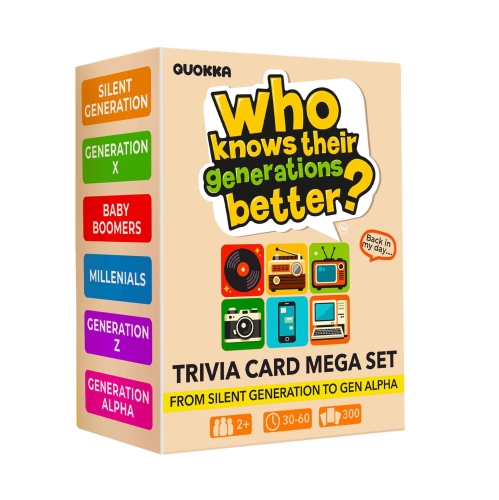
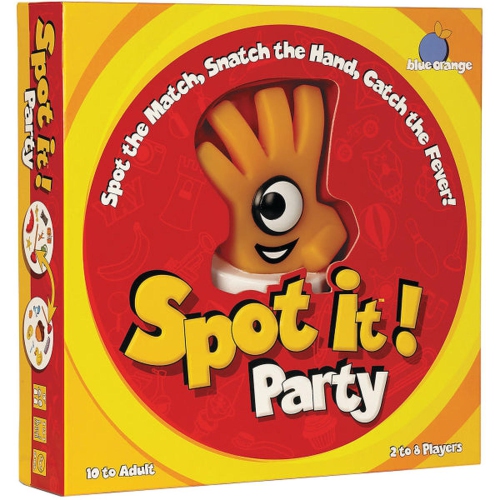
Why player count matters more than deck size
Card games for large groups bring six, eight, twelve or more people into a shared activity without necessarily needing a sprawling board or a complicated setup. The best fit depends on the stated player count, how turns work, the reading level, and how long a round lasts. Team-based, simultaneous-play, bluffing, and quick-turn formats can keep a bigger table involved, while games built around lengthy individual turns may move more slowly as seats fill up. The player range printed on the packaging matters more than the size of the deck: a box containing hundreds of cards does not automatically support a dozen players. Some games accommodate everyone individually, while others reach larger numbers by dividing the group into teams. That distinction changes the experience, especially when every guest wants to make their own decisions rather than confer with teammates. For a gathering of ten, a game designed for ten participants is generally a more straightforward choice than stretching rules intended for a smaller group. Standard playing cards can also suit group play, although certain formats require multiple decks or rules that account for repeated cards. Short rounds are useful when guests arrive at different times or someone needs to step away between hands. Longer scoring sessions suit a settled group that enjoys seeing rivalries develop over several rounds. Playing time is worth reading alongside the maximum player count, since a duration listed for a smaller table may not reflect a full group. Table space matters, too. A game played mainly with cards held in the hand needs a different setup from one with rows of face-up cards, a shared discard area, or individual scoring spaces. At a crowded dining table, the practical details become noticeable quickly: everyone needs to reach the draw pile, see shared information, and have somewhere to place their cards without covering another player's hand. Compact packaging makes a game easy to carry, but the layout during play determines how comfortably the whole group can join in.
Different card-game formats create very different kinds of conversation. Shedding games centre on getting rid of cards, often through matching, sequencing, or following restrictions on what can be played next. Bluffing games add uncertainty, asking players to judge a claim rather than simply read the cards on the table. Trading and set-collection formats reward building combinations, while trick-taking games involve comparing played cards under a defined ranking system. Some formats include bidding or predicting results, which can appeal to groups that enjoy planning and keeping score. Hidden-role games build interaction around incomplete information, though their enjoyment often depends on everyone understanding what can be revealed and when. For a lively gathering, simultaneous choices and team discussion can give players something to do between formal turns. For a quieter, more focused evening, individual hands and clear scoring may be a better match. Elimination deserves particular attention with a large group: someone removed early could spend a substantial part of the session watching. Formats that keep everyone active, or reset after brief rounds, make it easier for the whole table to stay involved. Mixed-age gatherings benefit from readable instructions, straightforward symbols, and content suited to the youngest participant. An age rating is a useful starting point, but the amount of reading, reliance on general knowledge, and need to hold information in memory also affect how approachable a game feels. Word-based cards may be less comfortable for someone playing in an additional language, while visual matching can reduce the reading load without removing the challenge. A family reunion might call for simple rules that can be explained once to several generations; a regular game night may welcome more layered decisions. For gatherings that also include acting, drawing, or other shared challenges, Party Games for Large Groups offers a related category to explore. The distinction is useful: card-focused play usually revolves around hands, decks, and card effects, whereas broader party formats may place more emphasis on performance or conversation.
The cards themselves deserve attention because large-group play means frequent shuffling, dealing, passing, and picking up from the table. Paper-based cards vary in thickness and surface finish, which can affect how easily they fan, slide, and withstand repeated handling. Plastic cards have a different feel and flexibility; any cleaning method should still follow the manufacturer's directions. A protective coating can improve resistance to everyday wear, but it should not be treated as a promise that cards can tolerate spills. Consistent card backs and clean edges matter in games with hidden information, since a conspicuous crease can make one card identifiable. Sleeves may add protection where the card size and game format allow them, although they increase deck thickness and may change how the cards shuffle or fit inside the box. Card dimensions also affect comfort. Smaller cards take up less room but can make text harder to read; larger cards offer more space for print and artwork but may be difficult for smaller hands to hold in a wide fan. Clear type, strong contrast, and symbols that do not rely on colour alone can make shared play easier. When cards must be read across a table, those details matter as much as attractive illustrations. Storage is part of long-term care: keeping a complete deck in its box, away from moisture and direct sunlight, helps protect both the cards and the printed rules. Clean, dry hands and a clear playing surface reduce avoidable wear, while checking components before packing up helps prevent a missing card from interrupting the next session. As gifts, group card games suit hosts, families, students, and friends who regularly bring people together for birthdays, reunions, or casual visits. The most useful choice reflects the recipient's usual gathering rather than player count alone. A host who welcomes newcomers may appreciate an easy opening round and minimal preparation, while an established group may enjoy deeper strategy and a longer scoring arc. Clear rules, manageable setup, comfortable handling, and an appropriate player range give a card game reasons to return to the table.
Top selling and popular products
-
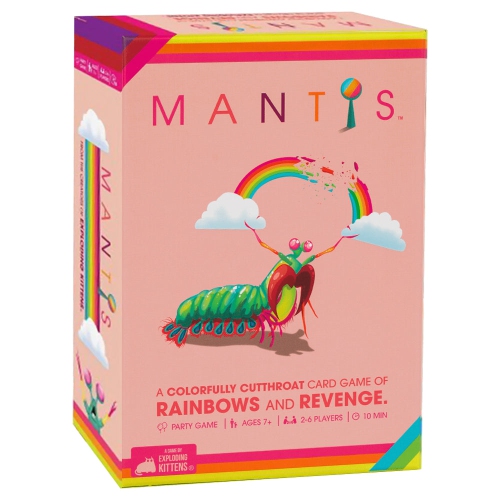 Your price for this item is $31.99
-
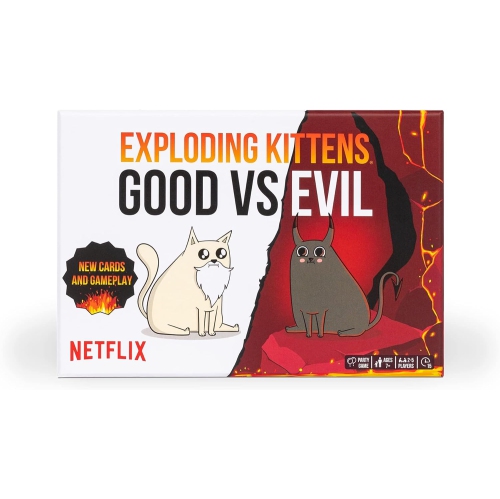 Your price for this item is $34.99
-
 Your price for this item is $154.99
-
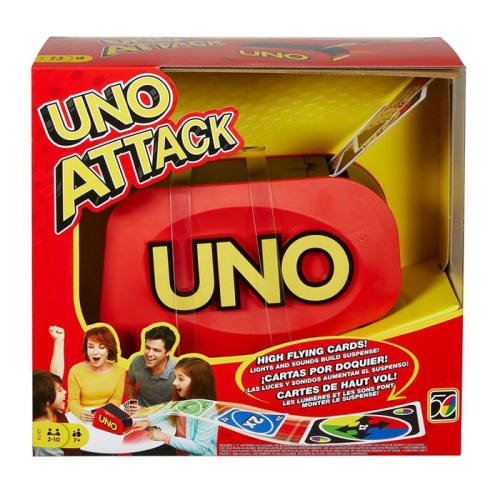 Your price for this item is $43.99
-
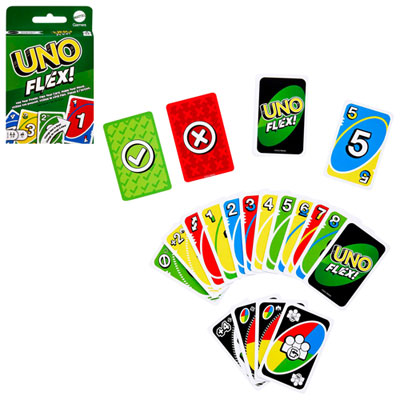 Your price for this item is $7.98
-
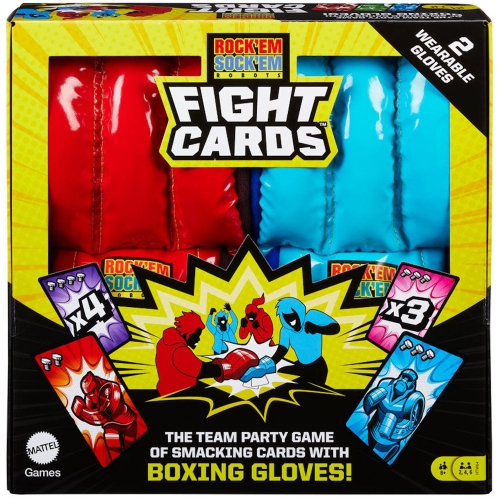 Your price for this item is $24.99
-
 Your price for this item is $40
-
 Your price for this item is $30.99
Discover more categories related to Card Games for Large Groups
Top Collections:
Best Black Friday Deals This Year, Best Black Friday Deals On Electronics, Kindle Devices, Pokemon Centers, Best Black Friday Deals On Apple Products, Best Cameras for Sports Photography, Dyson Airwrap, Pokémon 30th Celebration Cards, Apple iPhone 17 Pro, Canon G7X Cameras
Some products may be subject to Environmental Handling Fees
(EHF) depending on your province.
Learn more about EHFs.