Pattern Building Board Games
Pattern-building board games offer an exciting way to challenge your mind and develop strategic thinking skills. Perfect for family game nights or gatherings with friends, these engaging games encourage players to think creatively as they arrange shapes, colors, or symbols in unique combinations. With a variety of options available, pattern-building board games provide hours of interactive entertainment for players of all ages. Discover the perfect addition to your collection and enjoy endless fun as you master new patterns and outsmart your opponents.
The right pieces are only half the puzzle
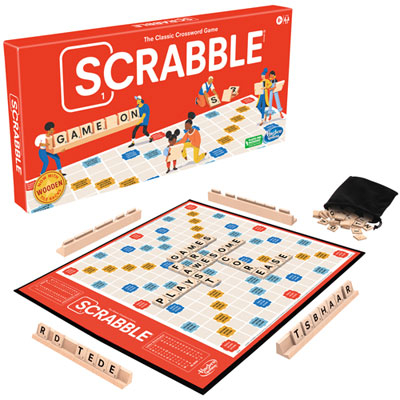
Pattern building board games are tabletop games in which players arrange tiles, cards, dice, or other pieces into specific configurations to complete objectives or earn points. The pattern might be a row of matching colours, a sequence of different shapes, a symmetrical design, or a group of pieces positioned at particular distances from one another. What distinguishes these games is that the arrangement matters: collecting the right pieces is only part of the challenge, and deciding where they belong gives each turn its purpose. Many overlap with Tile Placement Board Games, although pattern building can also involve components other than tiles. Some designs use a shared playing area, where every placement changes the possibilities for the next player. Others give each participant a personal board, allowing separate designs to develop while players compete for pieces from a common supply. Drafting, the process of choosing from a selection of available pieces, often creates a balance between taking something useful immediately and leaving space for a stronger combination later. A nearly complete row might offer quick points, while an empty corner could be worth keeping open for a larger shape. Pieces made from connected squares add another kind of puzzle: rotation and positioning become important when filling a grid without leaving awkward gaps. Dice-based designs may combine colour requirements with number restrictions, while card-based games can ask players to build sequences or connect symbols. Scoring may happen as patterns are completed, at the end of a round, or after the entire playing area is filled. That timing changes the feel of play, from steadily collecting small rewards to building towards a final arrangement. Across these variations, the appeal comes from seeing a plan take shape on the table and finding a satisfying place for a piece that initially seemed difficult to use. The visible layout gives players something concrete to study, even when several scoring possibilities are competing for attention.
The experience can range from a relaxed matching activity to a demanding spatial strategy game, making the category relevant to families, couples, regular gaming groups, and people who enjoy puzzles. Games with a small set of placement rules can be approachable for mixed-experience groups, particularly when colours and shapes make legal moves easy to identify. More involved designs may layer several objectives onto the same board, so a placement that helps one scoring condition also needs to work with another. A player might complete a diagonal but close off the only space large enough for a remaining piece, creating a trade-off that is easy to see but not always easy to resolve. Printed age recommendations, expected playing time, and the supported number of players help indicate whether a game suits a family gathering, a two-person evening, or a longer session with experienced players. Those details matter because adding players can change the pace of drafting and the amount of time between turns. Personal-board games often keep attention focused on individual layouts, while shared-board games can create more direct interaction through blocking, extending, or claiming useful spaces. Neither format necessarily determines difficulty; the number of scoring rules and the consequences of each choice are often more revealing. Where a dedicated solo mode is included, pattern building can also provide a structured puzzle for one person, with a target score or other conditions to work towards. These games can make thoughtful gifts for people who enjoy geometry, visual design, logic puzzles, or hands-on activities, without requiring an interest in a particular story or setting. For younger players, suitable designs offer opportunities to practise matching, counting, and planning within the rules of a game. Clear symbols alongside colours can make patterns easier to distinguish, and limited reading requirements can help participants concentrate on the layout. A compact game with short rounds may suit an occasional game night, while adjustable objectives or multiple scoring arrangements can give frequent players different problems to solve across repeated plays.
Physical construction has a noticeable effect on how a pattern building board game feels during play and how well it stands up to repeated handling. Thick cardboard tiles are useful for printed artwork and flat layouts, while wooden pieces can offer a substantial feel and easily distinguishable shapes. Moulded plastic components may provide raised details or consistent forms, and translucent dice can make colour-based arrangements visually striking. The material alone does not determine quality: clean edges, readable printing, a stable playing surface, and pieces that remain easy to pick up all contribute to a comfortable experience. On games with recessed boards or individual placement spaces, the fit of each component matters. A piece should sit clearly in its intended position without obscuring nearby symbols or making adjacent pieces difficult to lift. Flat boards need enough table space for layouts to remain undisturbed, especially when a completed pattern depends on precise rows, columns, or connections. The footprint can extend beyond the main board once personal boards, shared pieces, objective cards, and scoring aids are set out. That makes the full play area more relevant than the size of the closed box alone. Component size also affects handling and visibility; larger symbols can be easier to read across a table, while small pieces require care around young children and pets. Storage trays, bags, or divided compartments, when included, can help keep different shapes and colours organized and reduce setup time. Keeping cardboard and cards dry helps prevent warping, and storing pieces away from direct sunlight helps protect printed colour. Cleaning needs vary by material, so the manufacturer’s care directions are the best reference; soaking components or using harsh cleaners can damage finishes and artwork. Pieces that are comfortable to handle and straightforward to sort support repeated use, whether the game comes out for occasional gatherings or becomes a familiar part of game night. The strongest match is a game whose physical layout, level of challenge, and pattern rules suit the people around the table, leaving room for both careful planning and the pleasure of seeing the final design come together.
Top selling and popular products
-
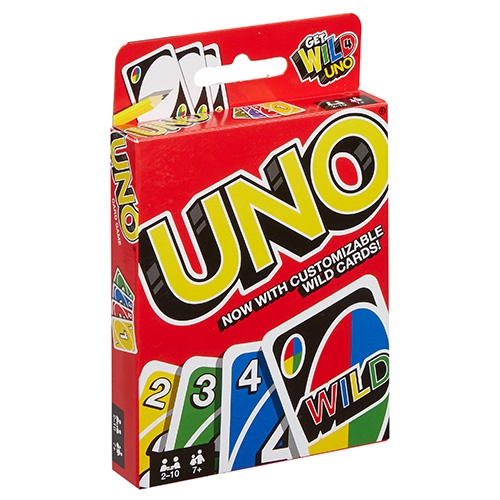 Your price for this item is $14.99
-
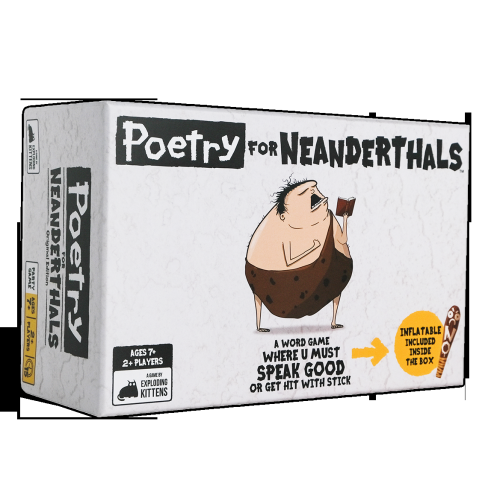 Your price for this item is $34.99
-
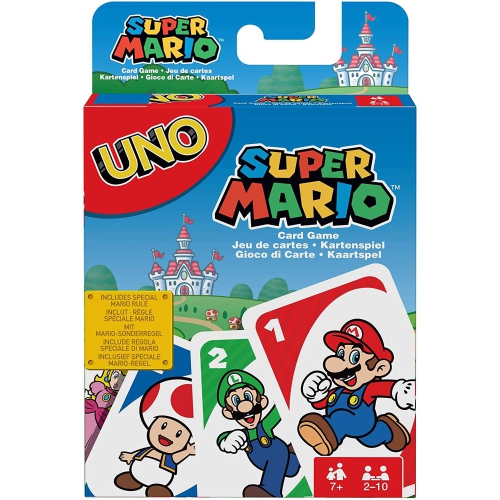 Your price for this item is $15
-
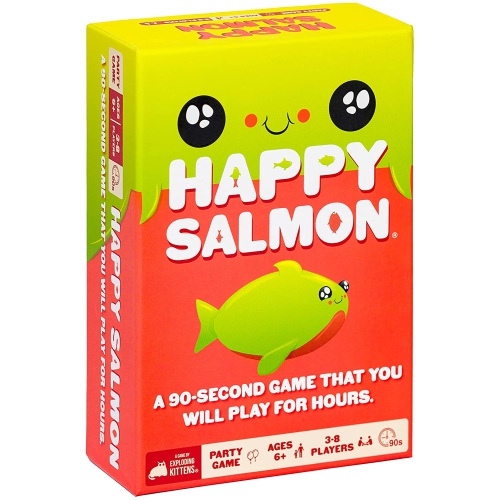 Your price for this item is $21.99
-
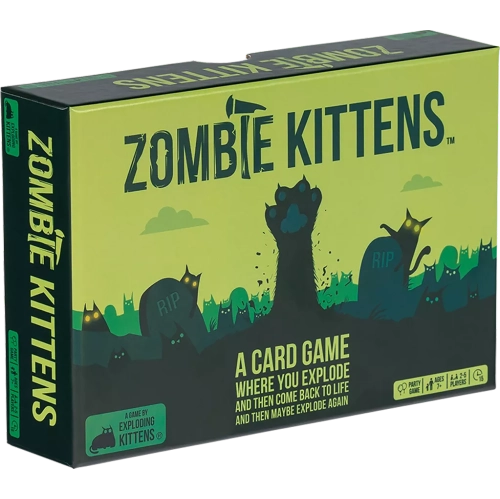 Your price for this item is $34.99
-
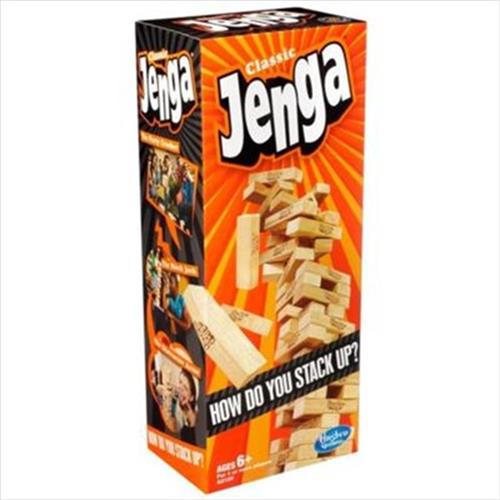 Your price for this item is $24.99
-
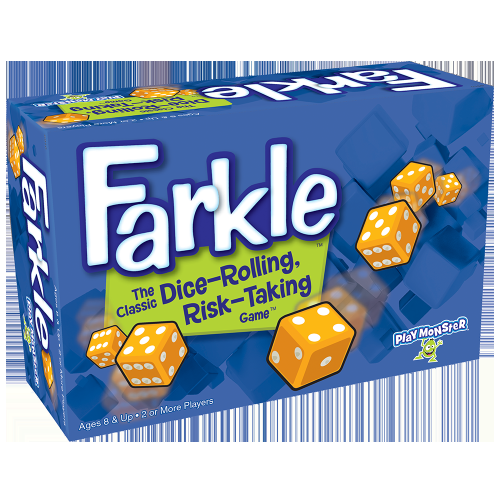 Your price for this item is $20.93
-
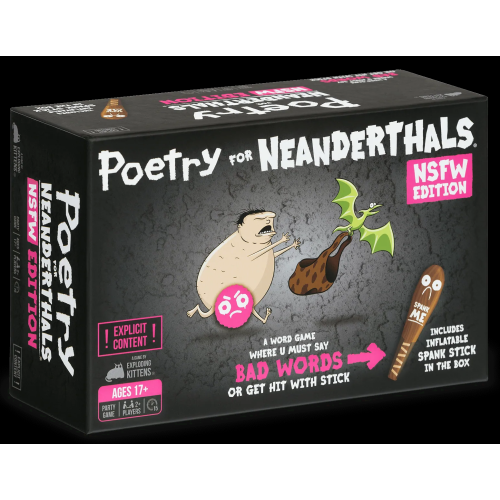 Your price for this item is $31.99
Discover more categories related to Pattern Building Board Games
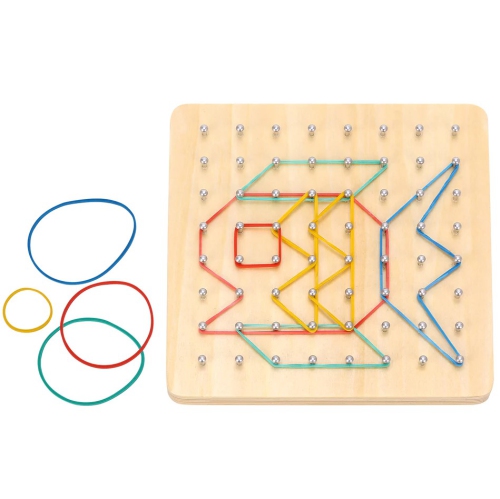
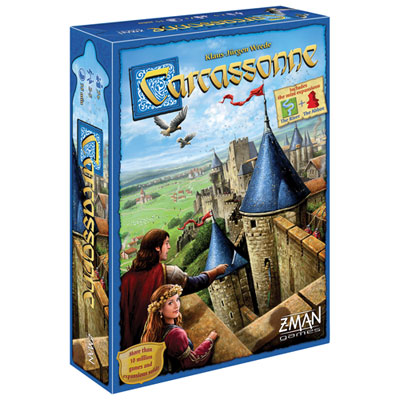
Top Collections:
Pokemon Centers, Best Cameras for Sports Photography, Kindle Devices, Samsung Galaxy Phones, Canon G7X Cameras, Pokémon 30th Celebration Cards, Refurbished Apple Laptops, iPhone 15 Apple, Laptops for Students, Budget Smartphones
Some products may be subject to Environmental Handling Fees
(EHF) depending on your province.
Learn more about EHFs.