Tile Placement Board Games
Tile placement board games offer a dynamic and engaging way to challenge your strategic thinking and creativity. Perfect for game nights with family or friends, these games invite players to build, connect, and compete as they create unique layouts on the board. Whether you’re seeking a quick puzzle or a deep, tactical experience, tile placement board games provide endless possibilities for fun and replayability. Explore the latest options to find the perfect addition to your collection and enjoy hours of interactive entertainment.
Sort


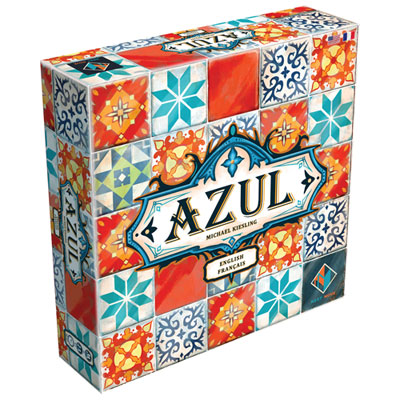

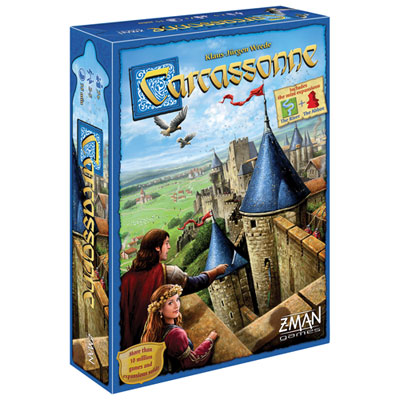
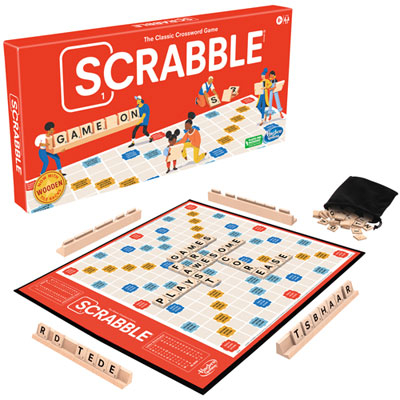


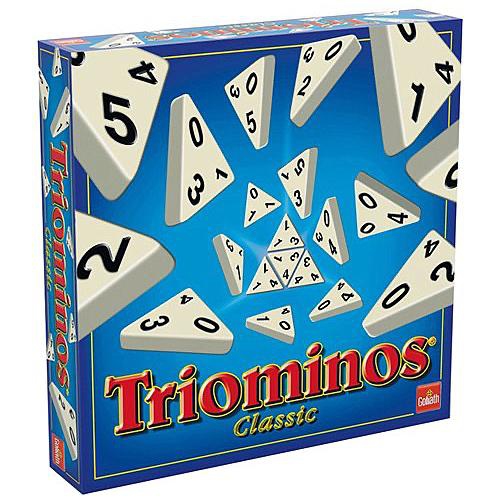
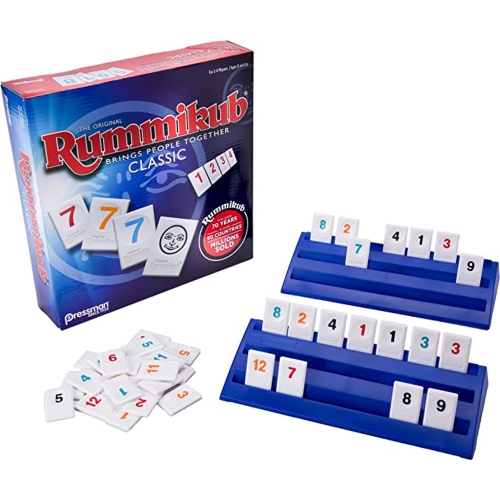


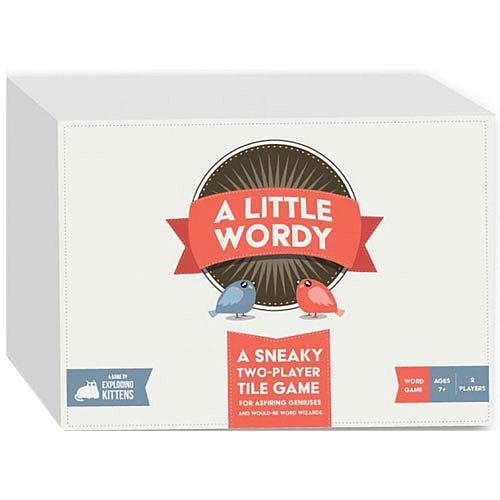
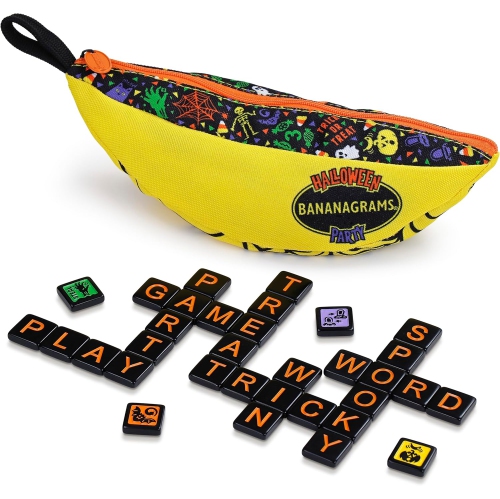
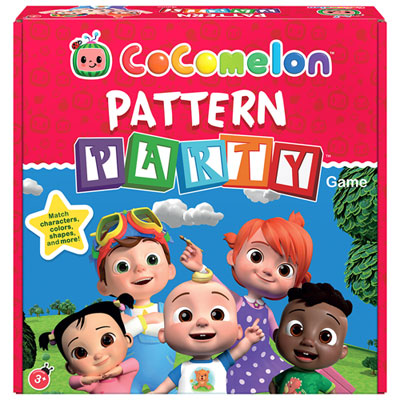


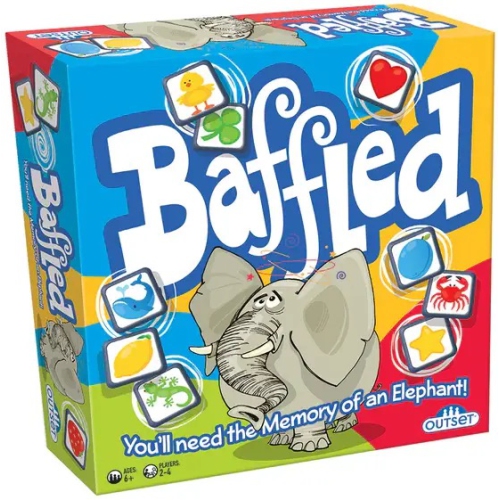

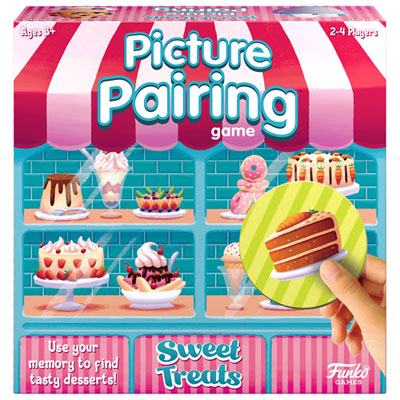

Where every tile shapes a new strategic landscape
Tile placement board games are tabletop games in which players draw, choose, and position individual pieces to create patterns, landscapes, buildings, routes, or complete personal layouts. Some use square, hexagonal, or irregularly shaped tiles, while others add layers, tracks, tokens, cards, or small character pieces that interact with the developing board. A turn may be as simple as selecting one tile and fitting it beside another, or it may involve several connected decisions about timing, scoring, available space, and the plans of other players. Because every placement can change the options that follow, these games often feel like a blend of a spatial puzzle and a strategy game. Players might build a winding network, expand a settlement, arrange a decorative design, or stack sections to create a three-dimensional display. The shared table gradually becomes a visual record of everyone’s choices, with each new piece adding shape and meaning to the layout. This makes tile placement games especially appealing to people who enjoy hands-on play and prefer seeing their progress develop in front of them rather than tracking everything on a screen.
When choosing among tile placement board games, start with the intended group and the type of experience that suits its players. Family-friendly options generally use straightforward rules, clear symbols, and scoring that can be explained in a few minutes, making them suitable for mixed-age gatherings and casual game nights. More involved games may introduce several scoring categories, limited resources, hidden objectives, special abilities, or rules that reward planning several turns ahead. The number of players also matters. Some games work best with two people, where every available tile and open space becomes part of a close contest. Others are designed for larger groups, with simultaneous selection or a shared pool that keeps everyone involved between turns. Playing time can range from a quick session that fits into a weeknight to a longer experience suited to an unhurried weekend afternoon. Consider the amount of table space required as well, especially when a game includes personal boards, a central supply, reference cards, and a growing arrangement of tiles. Storage is another practical detail: sturdy boxes, sorting trays, bags, or a dedicated location for game pieces can make setup and cleanup easier. For homes where several games are played regularly, Puzzle Boards can also be useful for keeping a developing arrangement together between sessions, particularly when the table needs to be cleared before the game is finished.
Tile placement games can suit a wide range of players and make thoughtful gifts for people who enjoy puzzles, design, maps, architecture, planning, or relaxed social activities. They are a natural fit for families looking for an alternative to fast-paced video games, couples who like compact two-player challenges, and groups of friends who enjoy conversation alongside a little friendly competition. They can also work well for newcomers to modern board games because the physical action is easy to understand: take a piece, find a useful position, and watch the layout grow. For younger players, matching edges, completing pictures, and recognizing patterns can support early planning and spatial reasoning while keeping the focus on play. Older children and adults may appreciate the extra challenge of balancing short-term rewards with a larger plan, such as leaving room for a future expansion, connecting several areas, or avoiding a placement that helps another player. During the cooler months, a tile placement game can turn a kitchen table or coffee table into a welcoming gathering place, with pieces spread out beneath warm lighting and players pausing to study the next available choice. For gift giving, look for a complexity level that matches the recipient’s experience, a player count that suits their household, and a theme that reflects their interests. Whether the goal is a calm solo puzzle, a competitive head-to-head match, or a lively family session, the best choice is one that makes the rules approachable while offering enough variety to invite another game.
Top selling and popular products
-
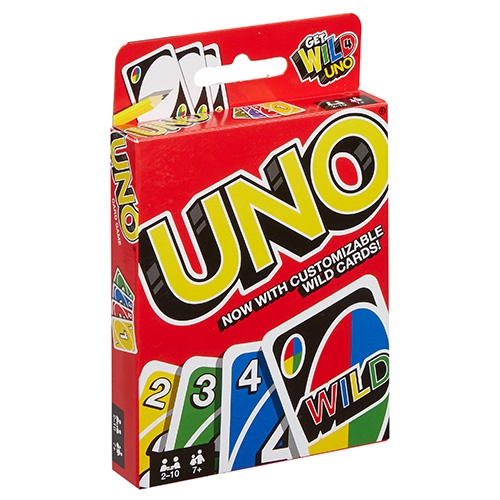 Your price for this item is $14.99
-
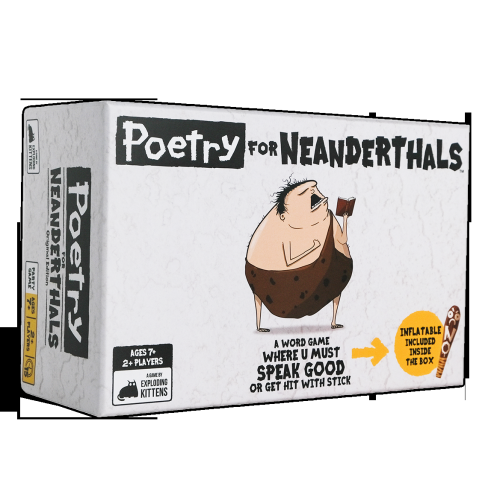 Your price for this item is $34.99
-
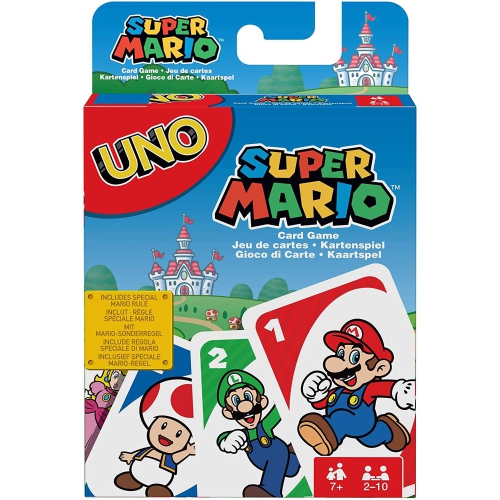 Your price for this item is $15
-
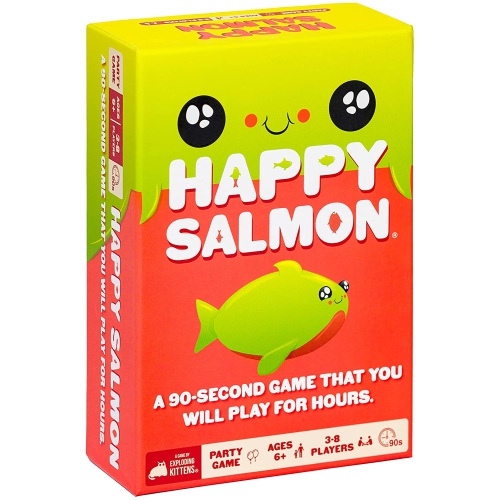 Your price for this item is $21.99
-
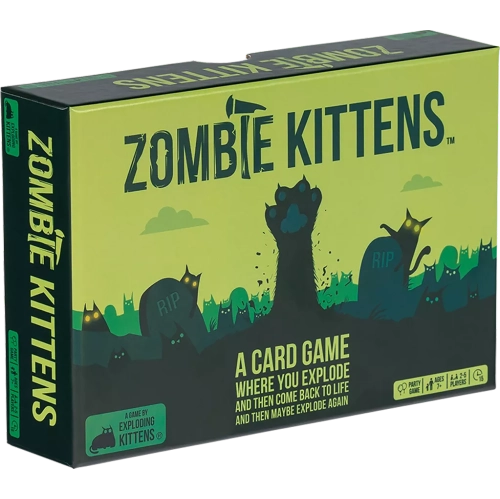 Your price for this item is $34.99
-
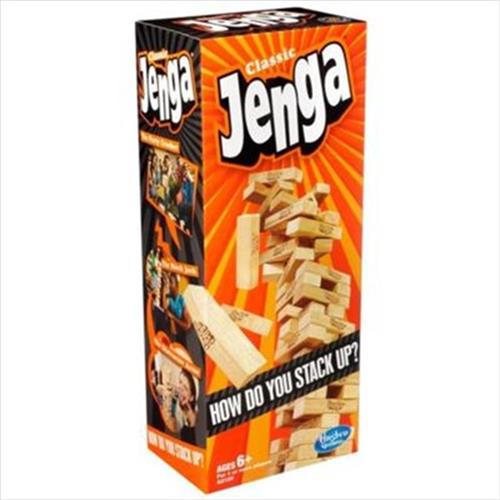 Your price for this item is $24.99
-
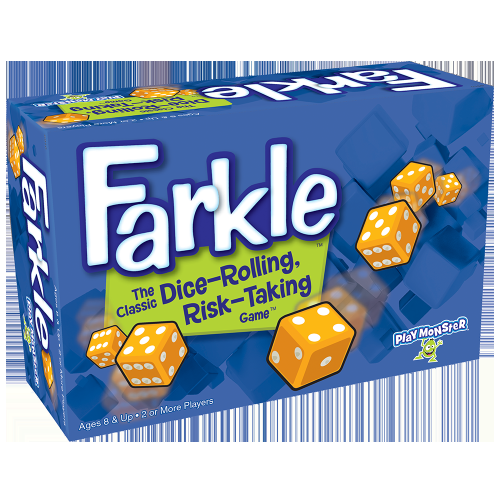 Your price for this item is $20.93
-
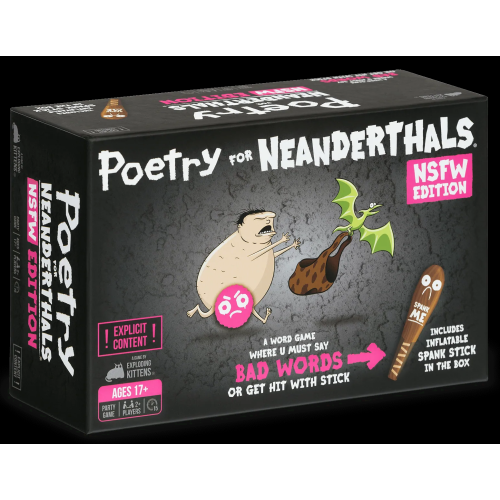 Your price for this item is $31.99
Discover more categories related to Tile Placement Board Games
Top Collections:
Pokemon Centers, Best Cameras for Sports Photography, Kindle Devices, Samsung Galaxy Phones, Canon G7X Cameras, Pokémon 30th Celebration Cards, Refurbished Apple Laptops, iPhone 15 Apple, Laptops for Students, Budget Smartphones
Some products may be subject to Environmental Handling Fees
(EHF) depending on your province.
Learn more about EHFs.