Pattern Puzzles
Solve the mystery of style with our collection of Pattern Puzzles. From bold geometric prints to delicate floral patterns, these puzzles offer a fun and creative way to add a pop of personality to your space. Whether you're looking to spruce up your living room or add a touch of whimsy to your bedroom decor, our selection of Pattern Puzzles has something for every taste and style. Dive into the world of design and let your imagination run wild as you piece together the perfect puzzle for your home.
Sort
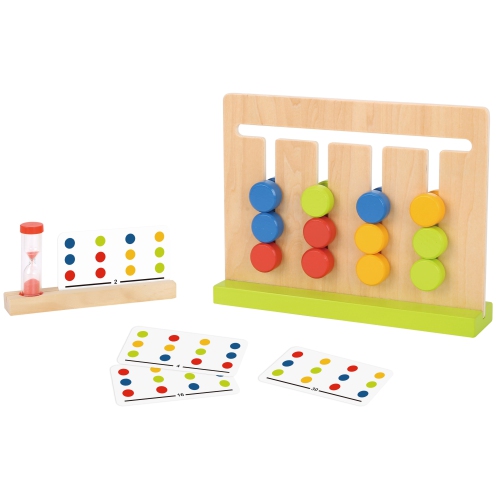
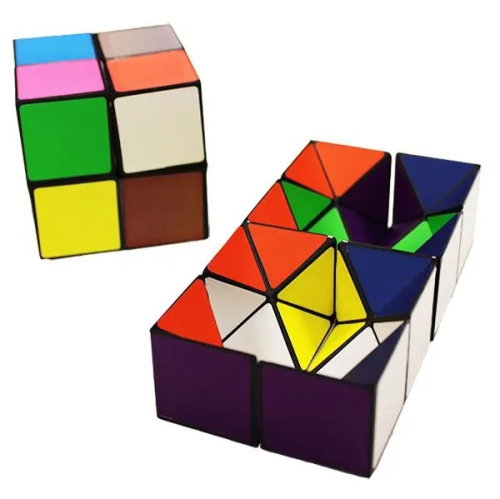
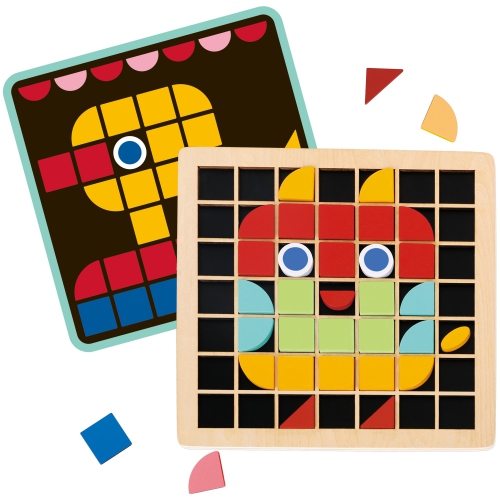
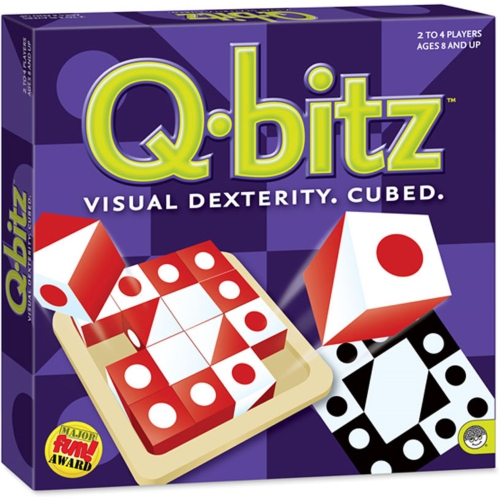
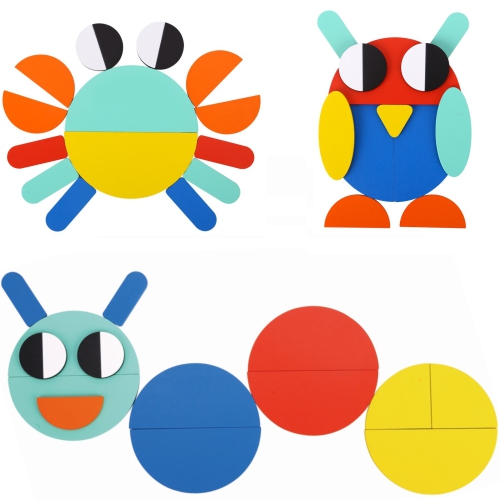

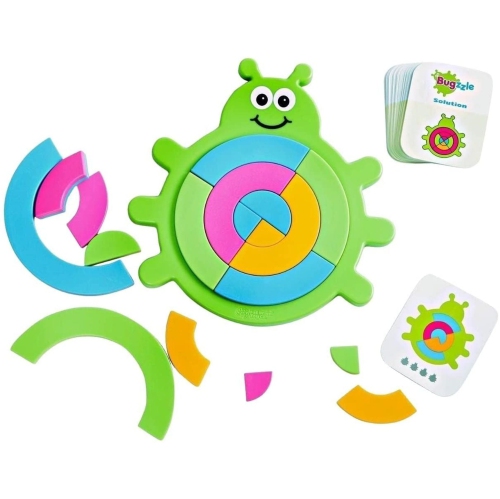
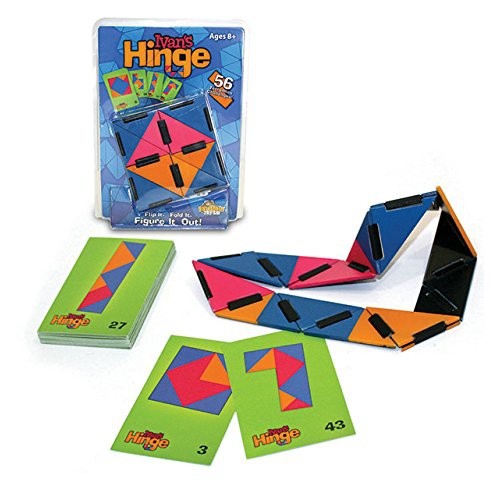
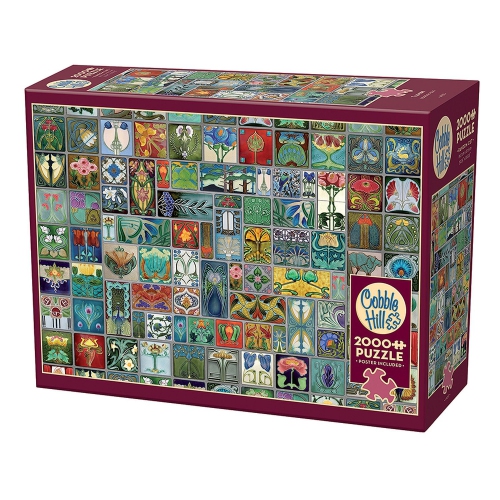
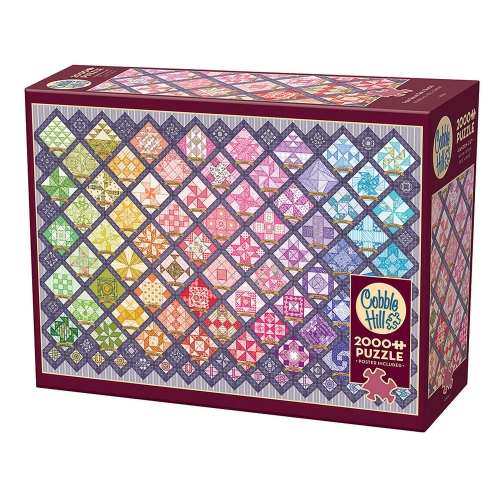
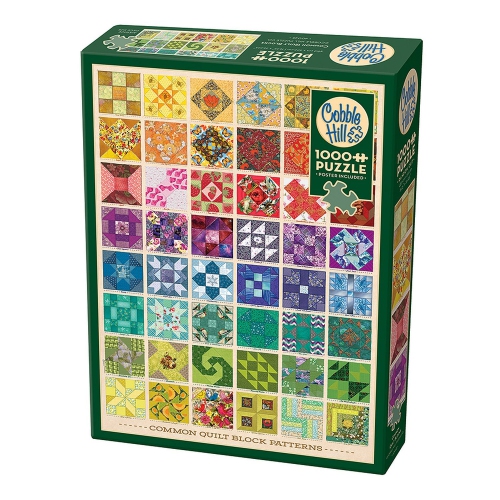
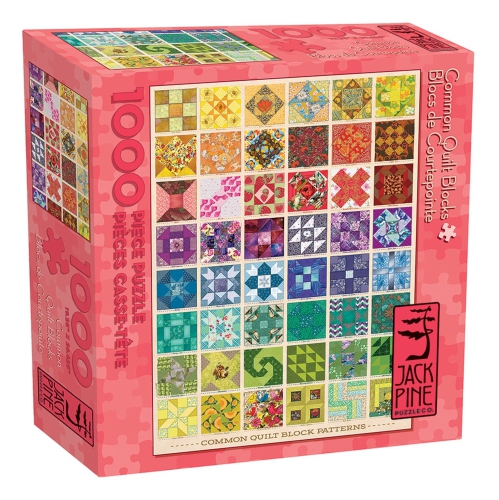


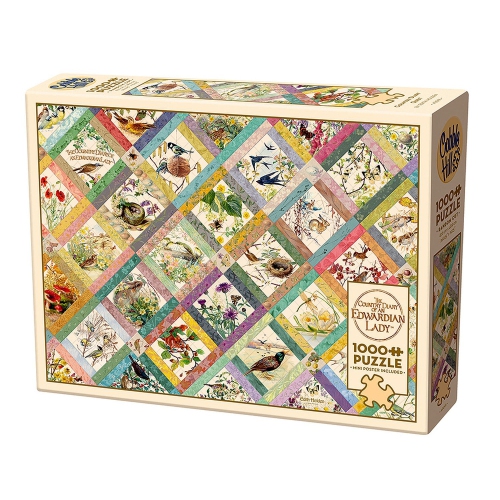
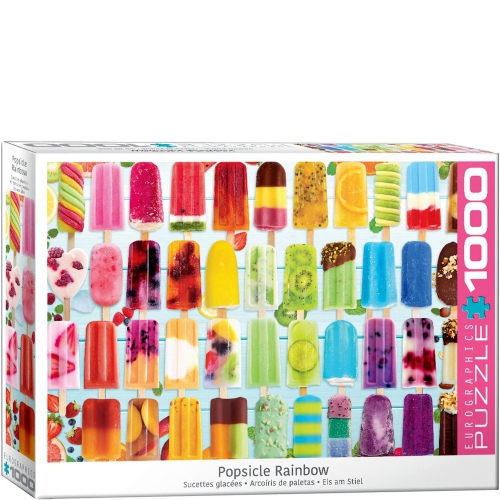
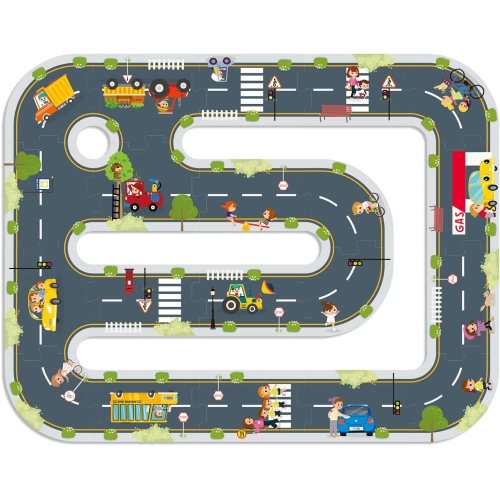
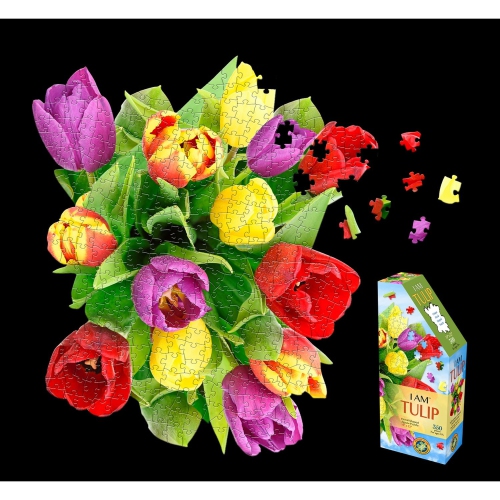
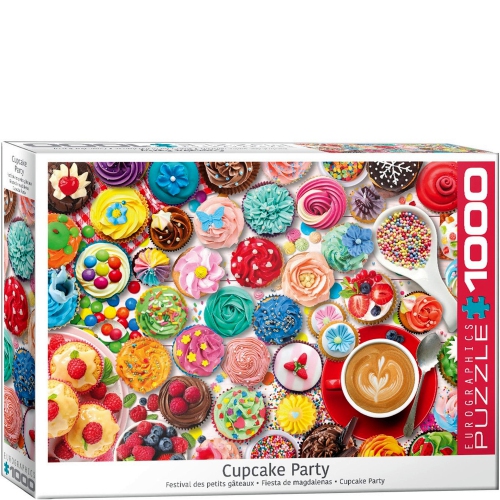
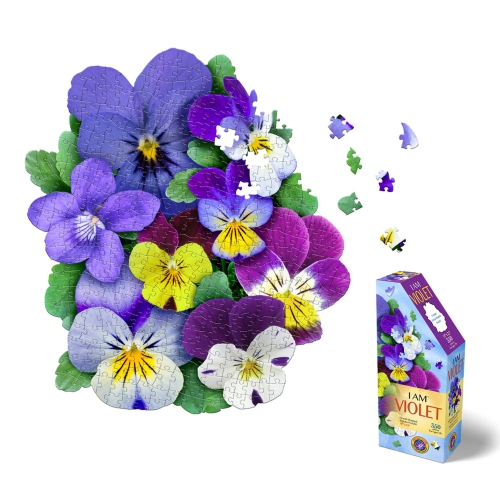

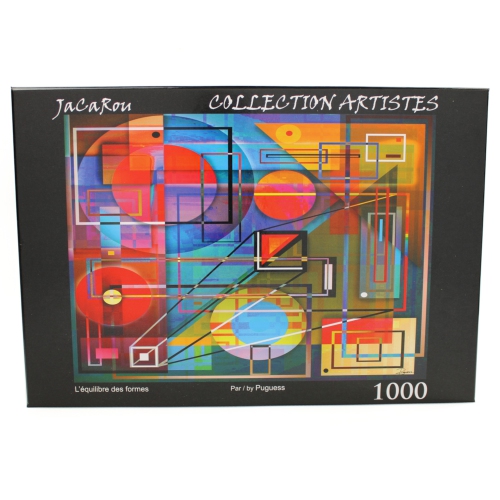
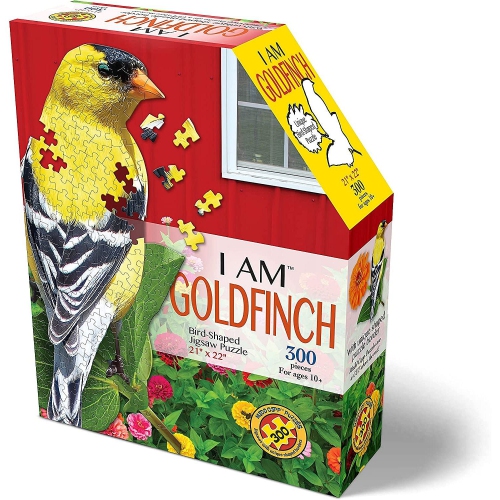
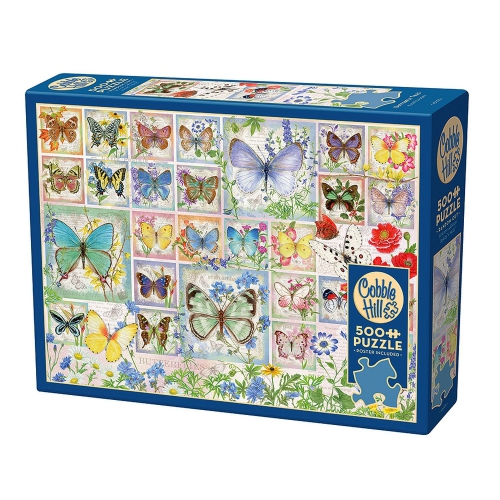
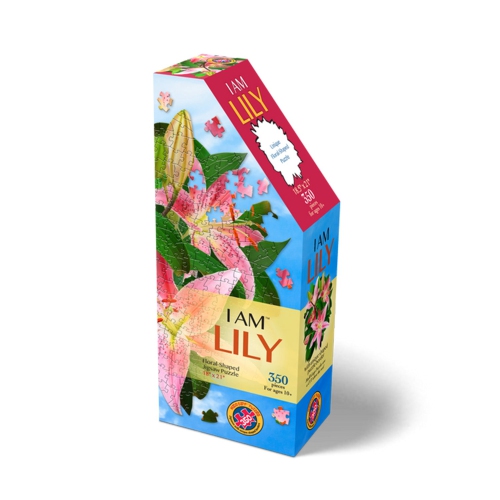
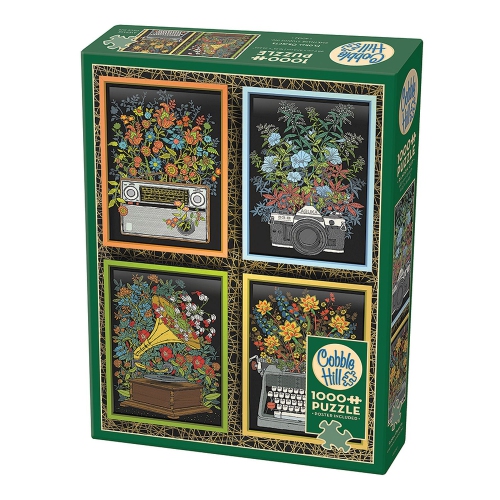
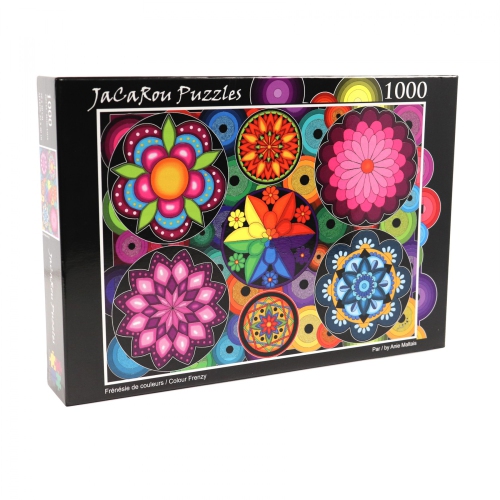
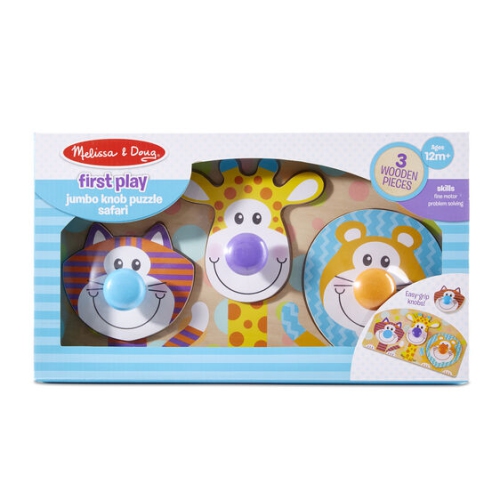
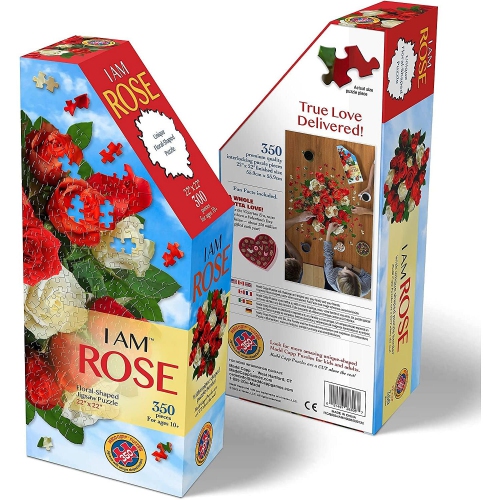
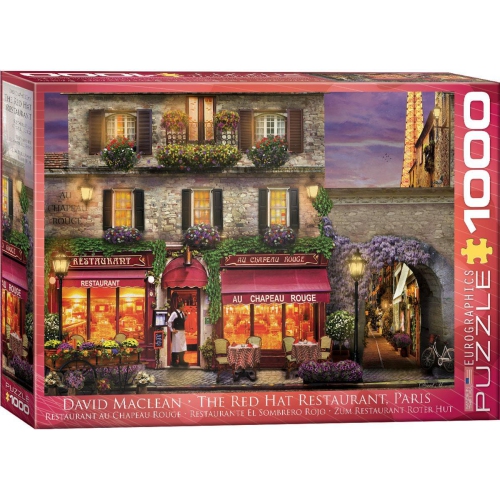
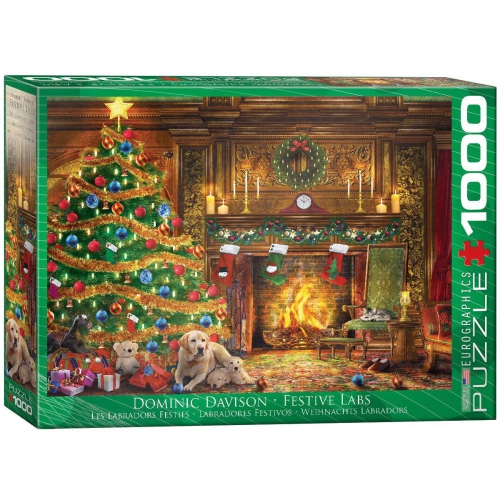
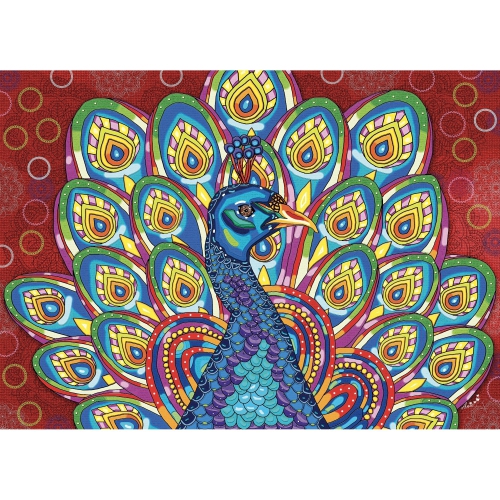

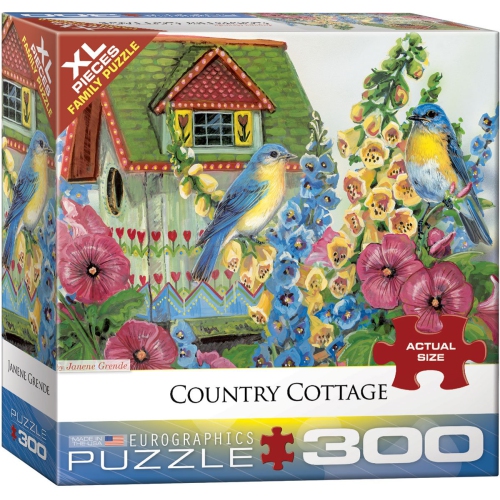

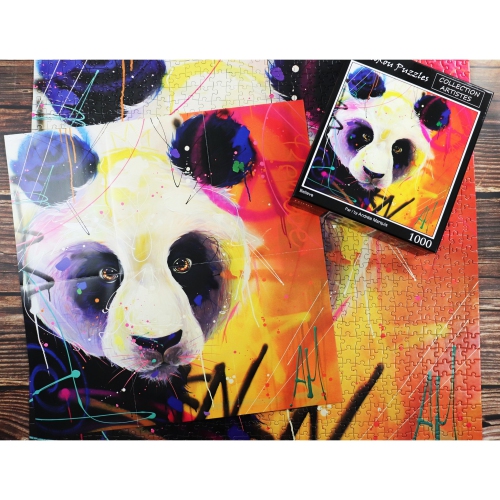
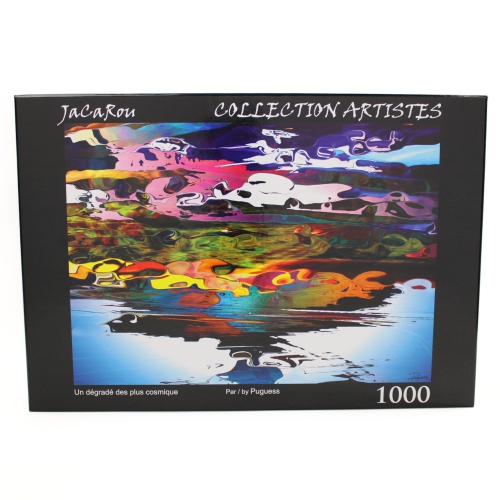
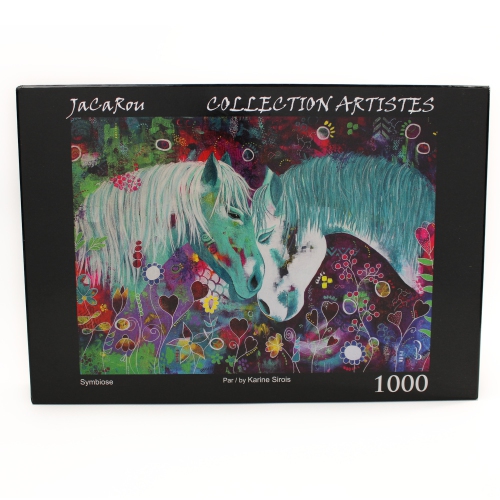
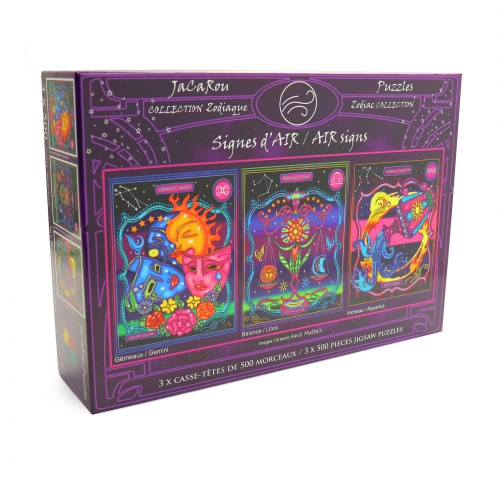
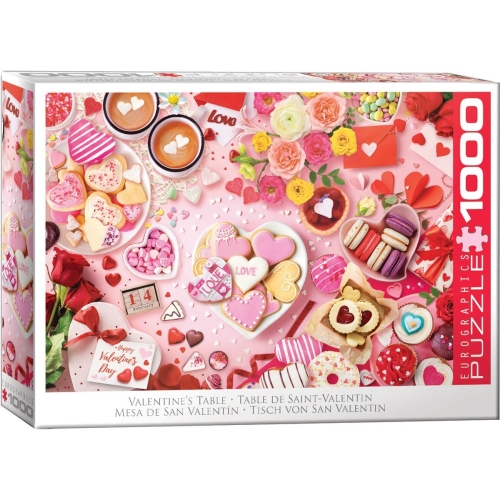
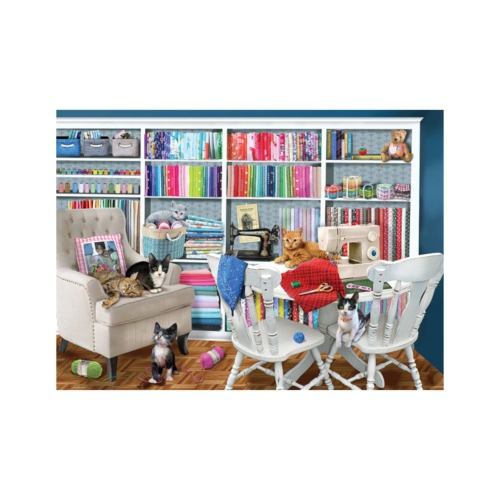


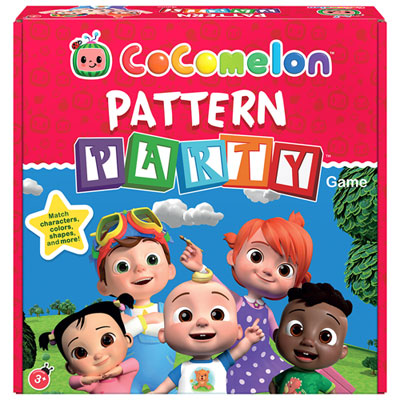


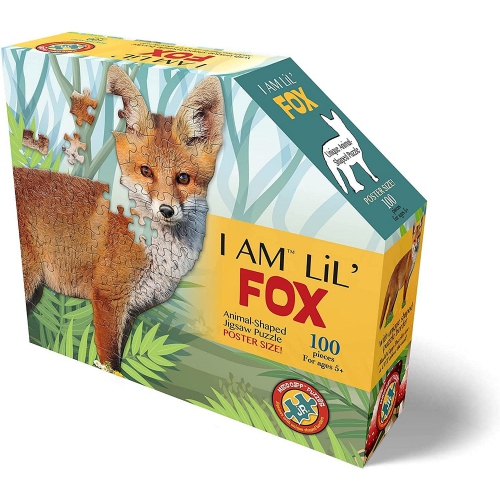
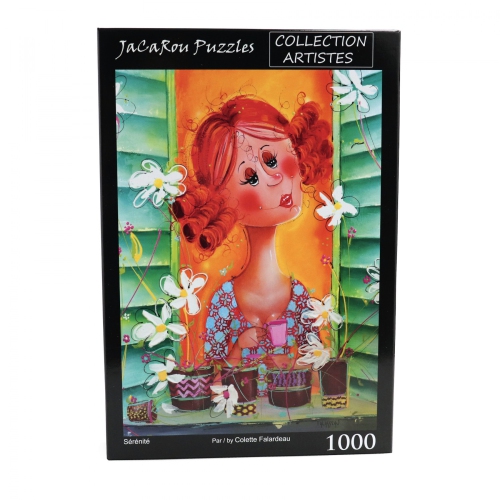

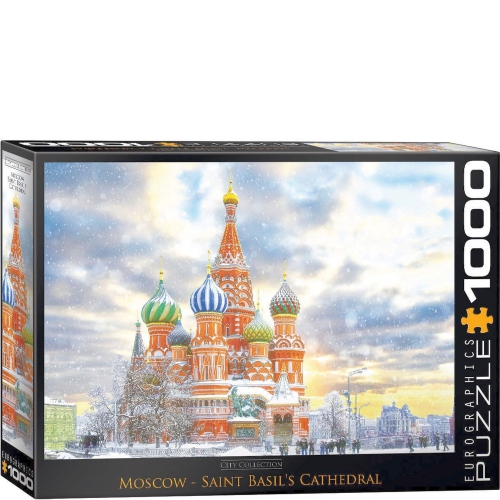
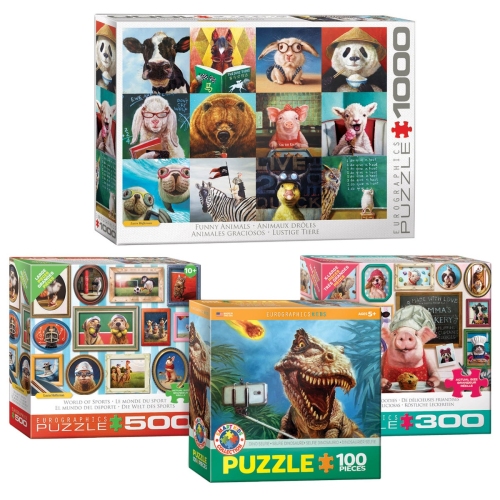
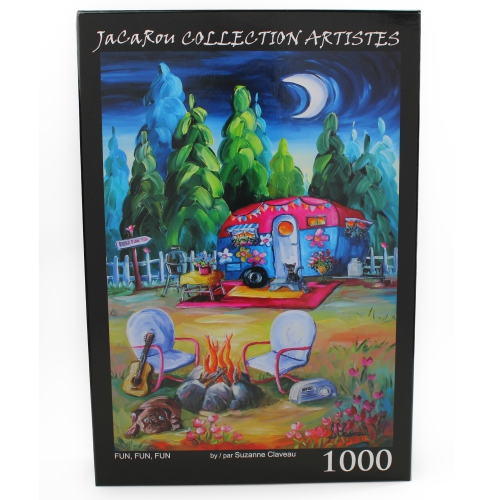
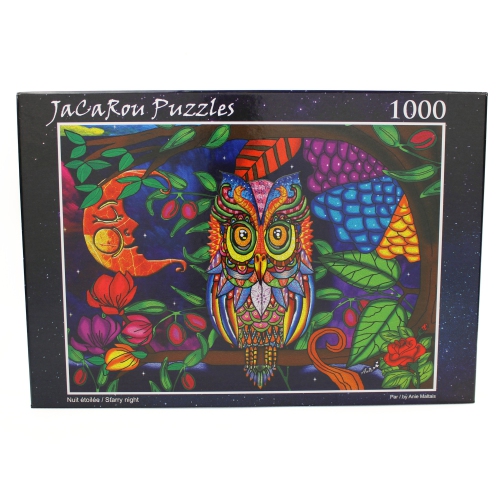
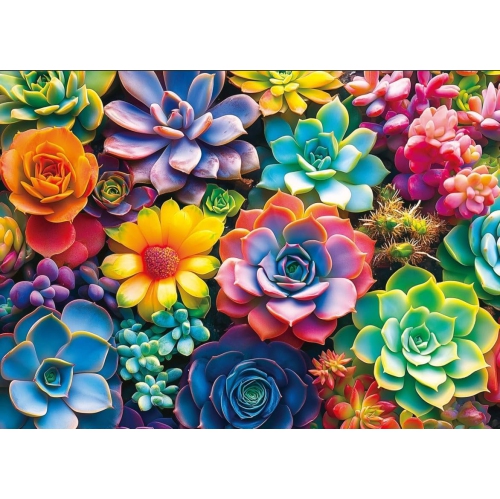





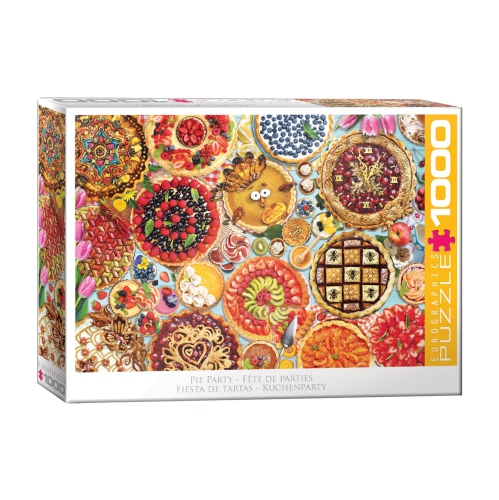

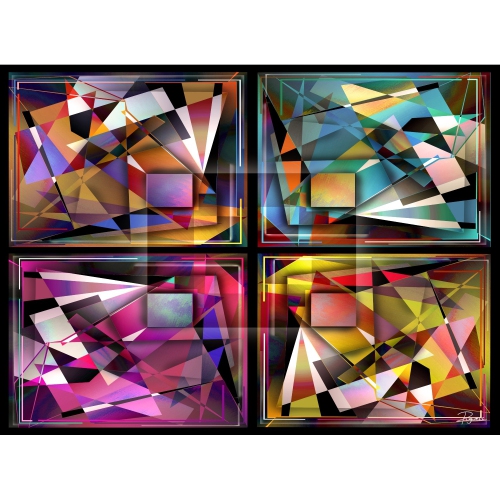
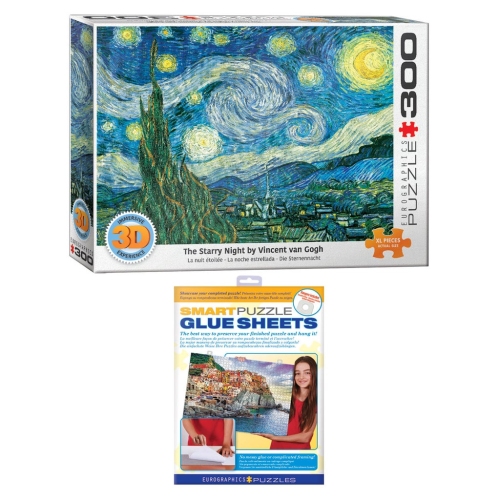

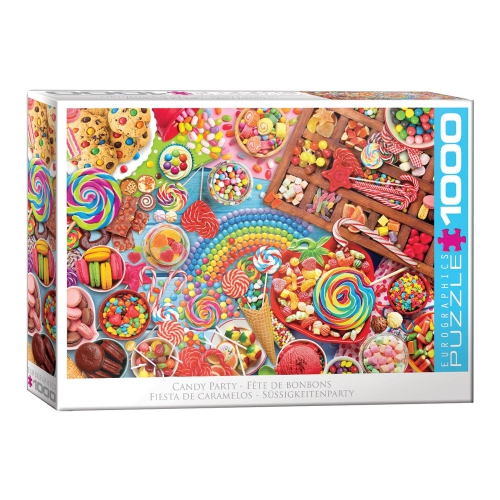
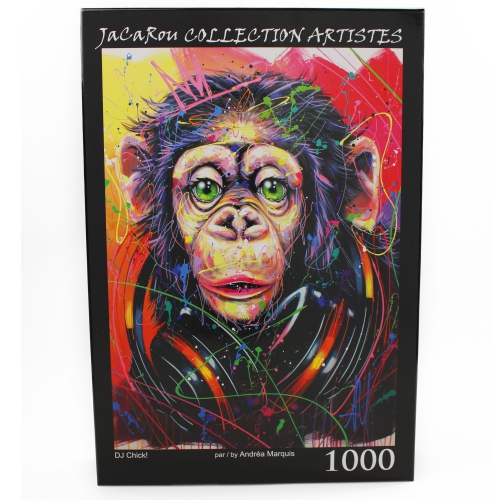
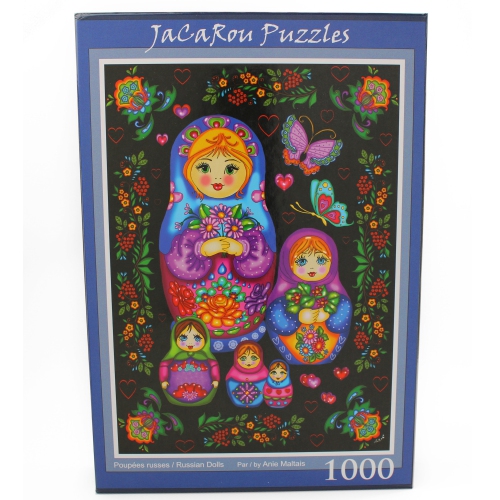
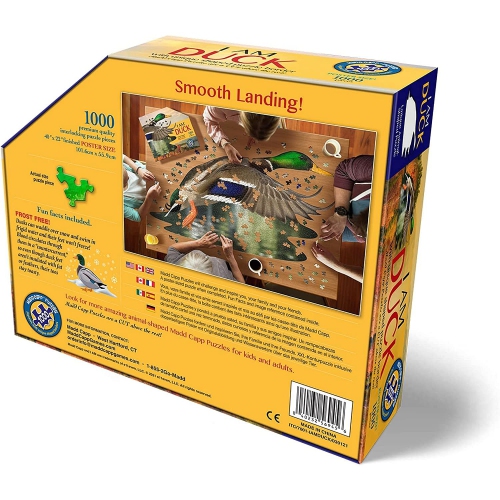
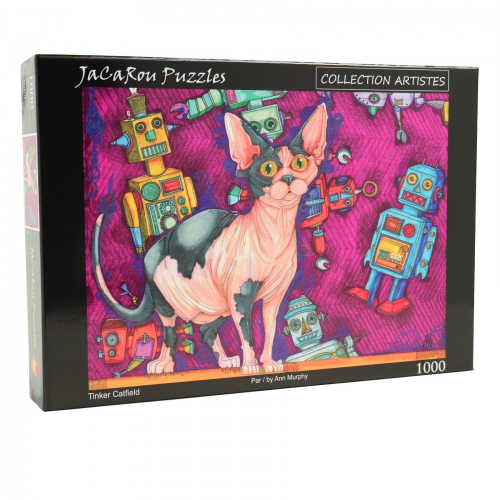
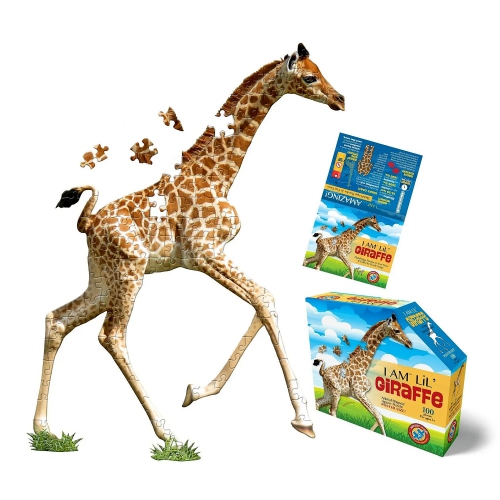
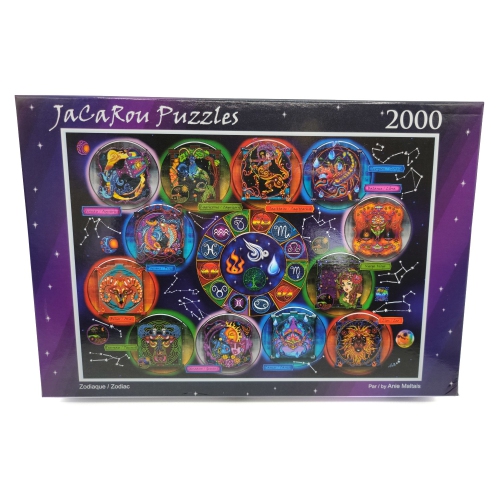
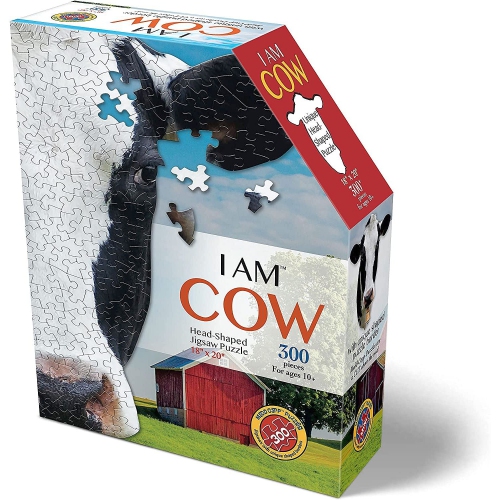

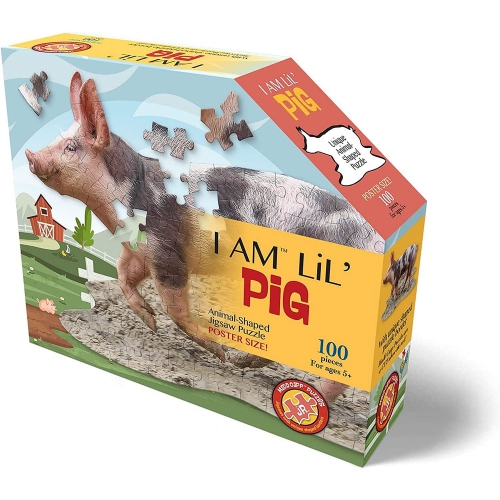




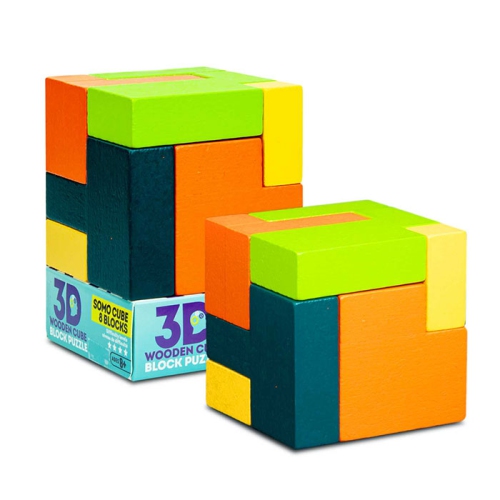
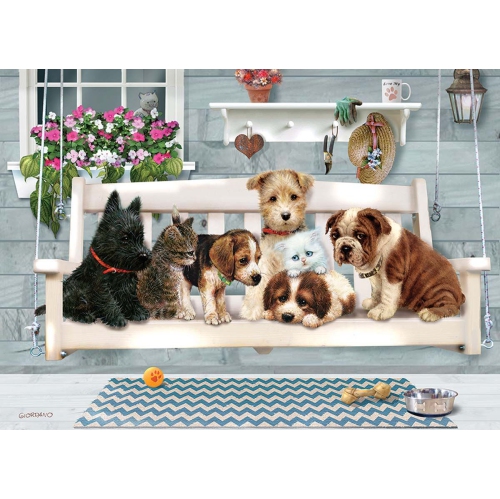
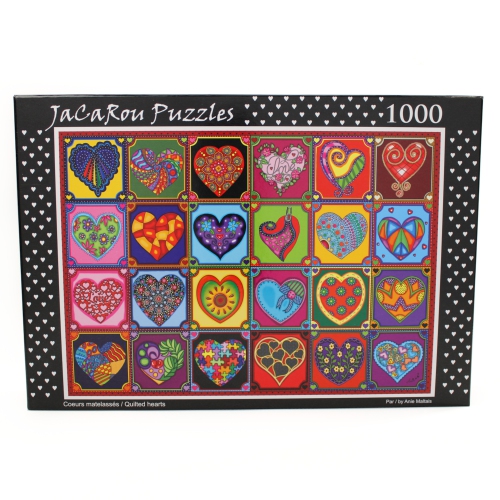


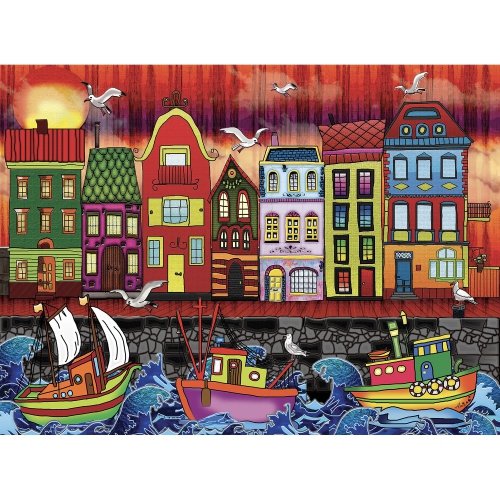
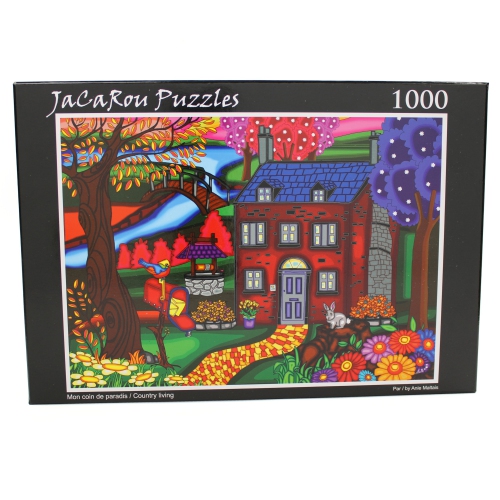
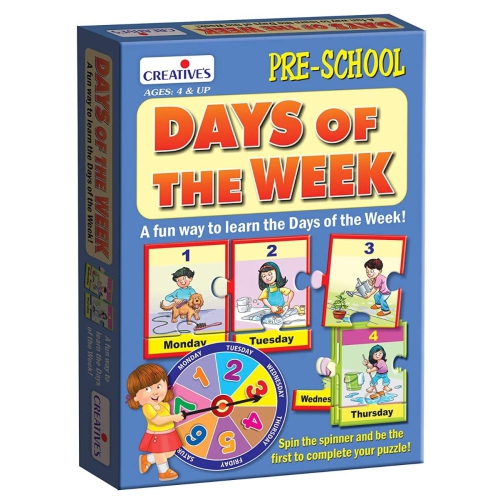
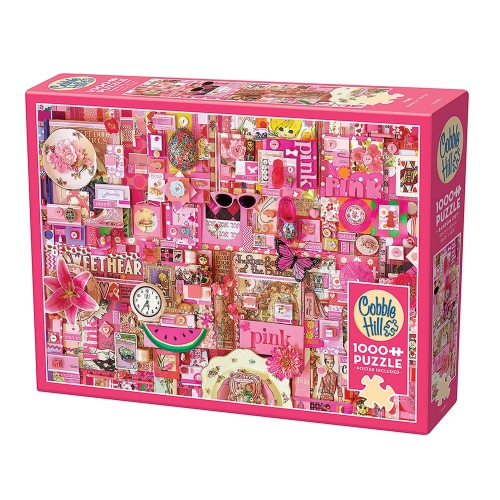
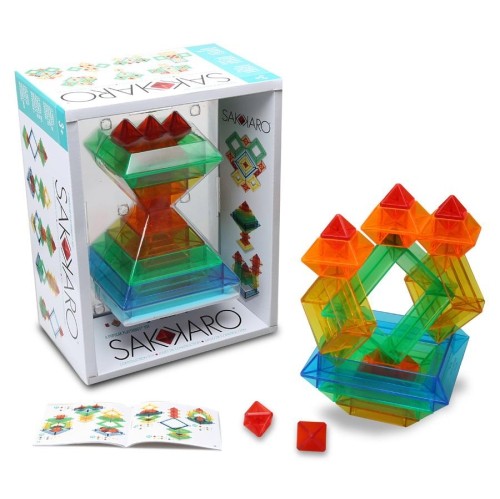


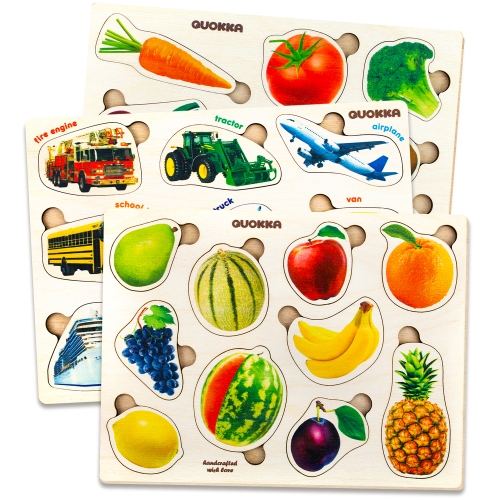
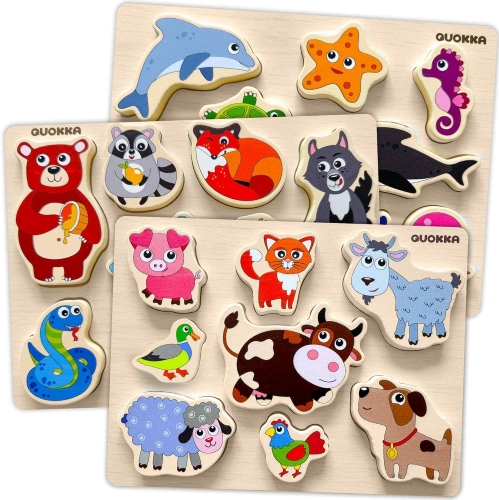
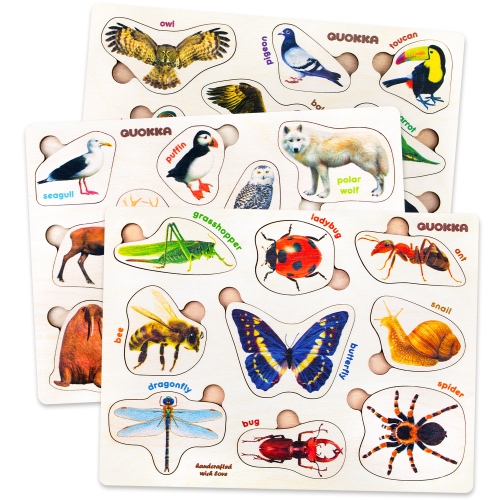

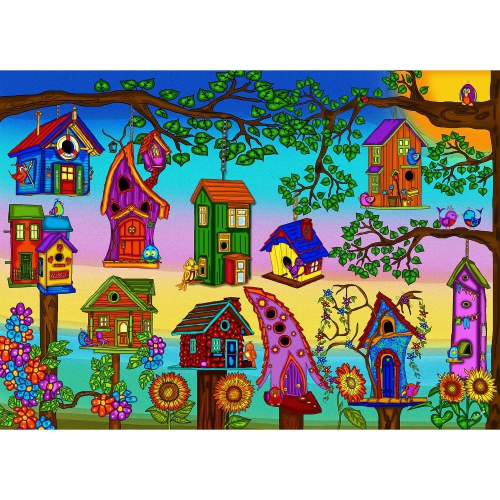


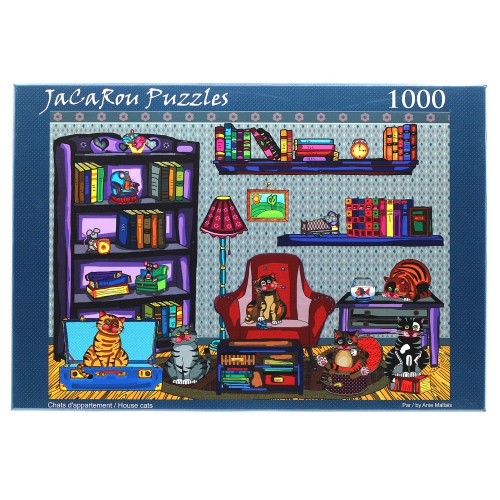
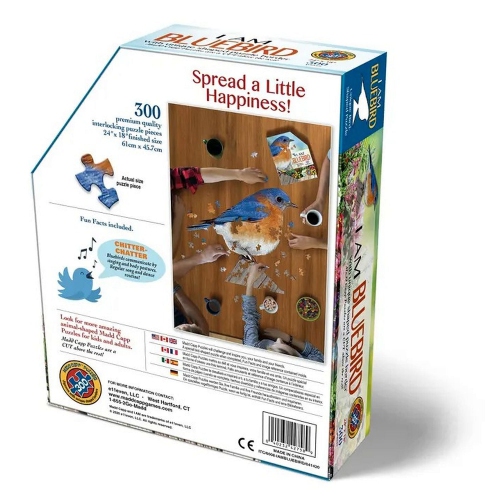
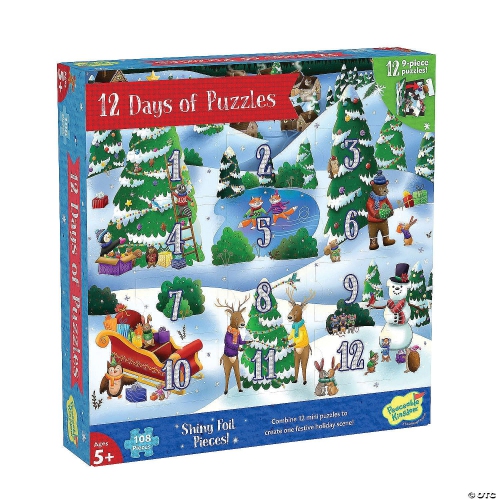
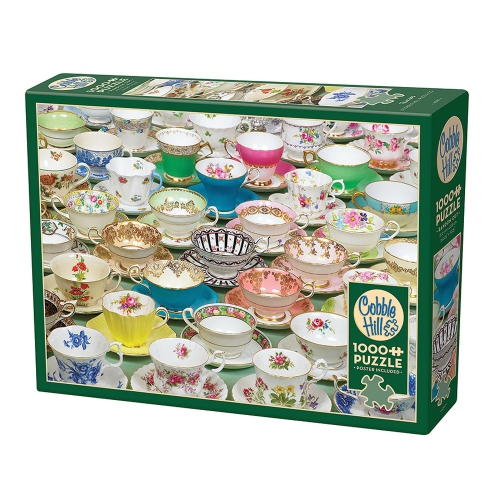
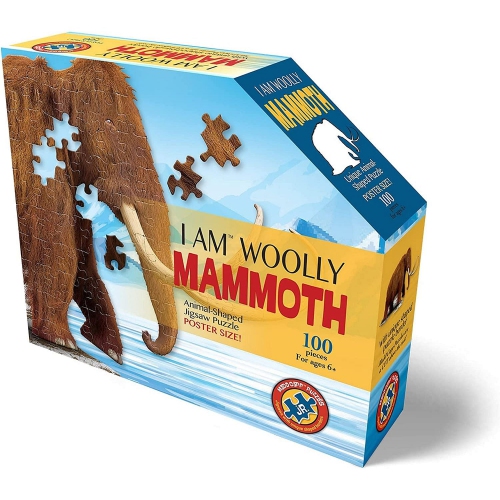
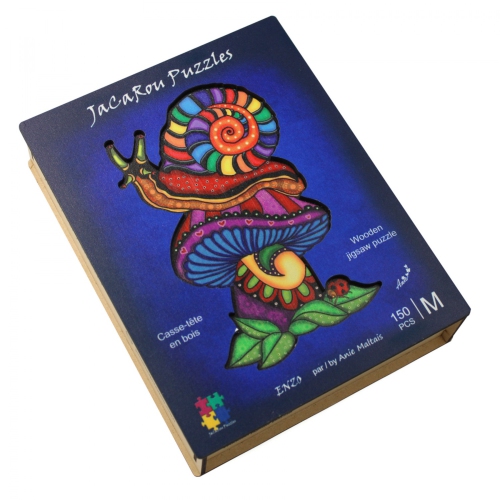

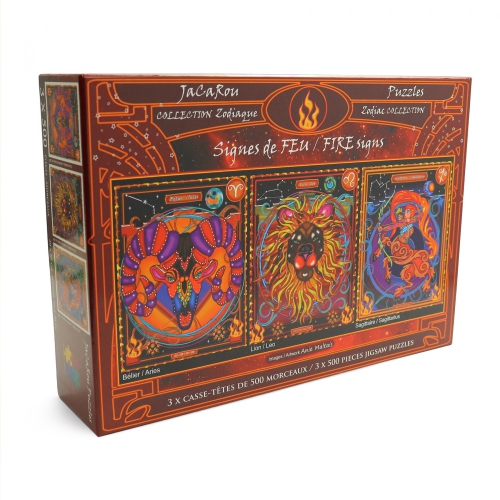
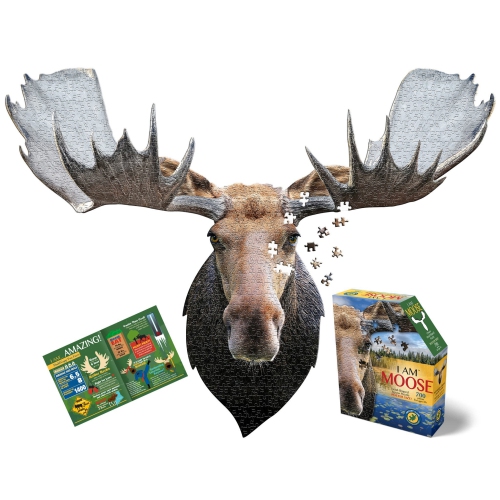

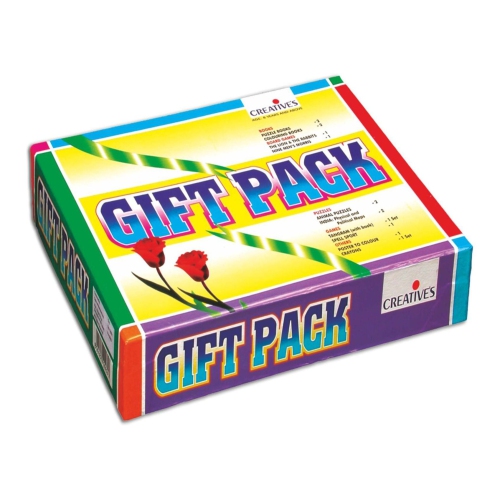
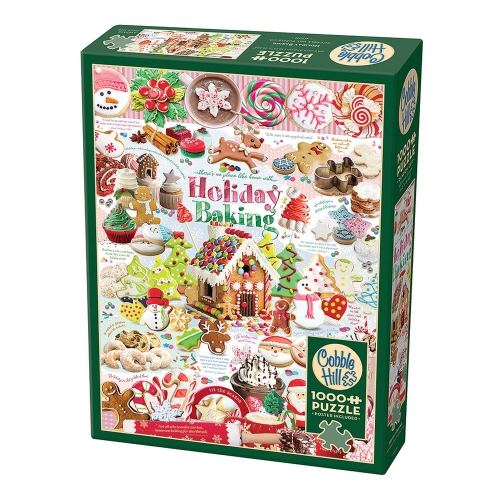


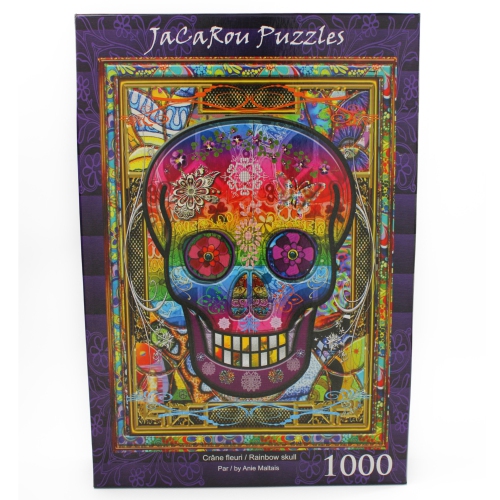
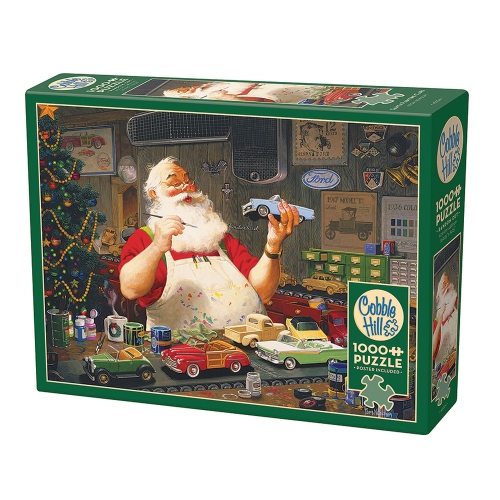
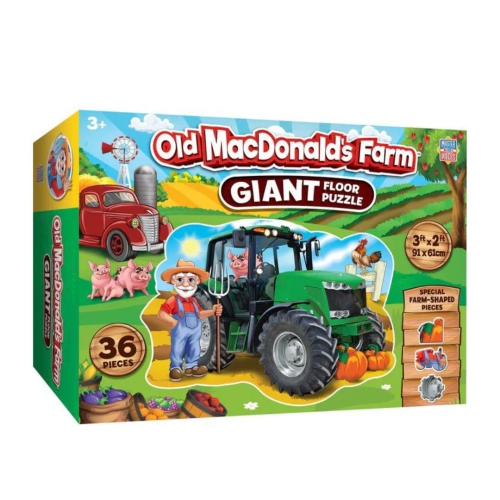
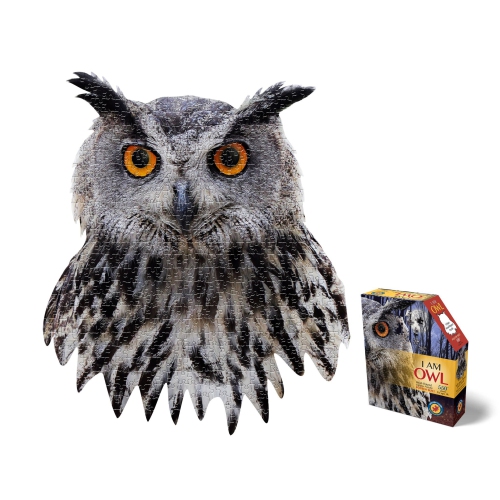
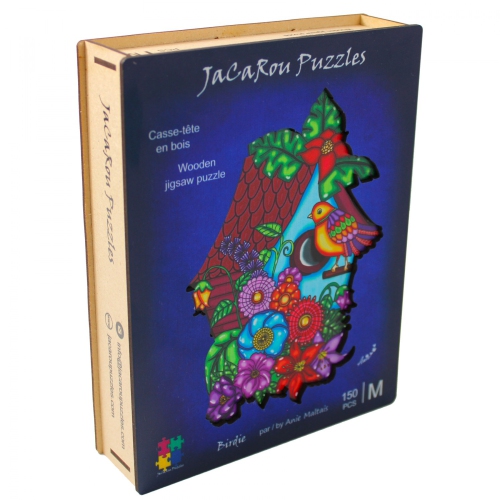

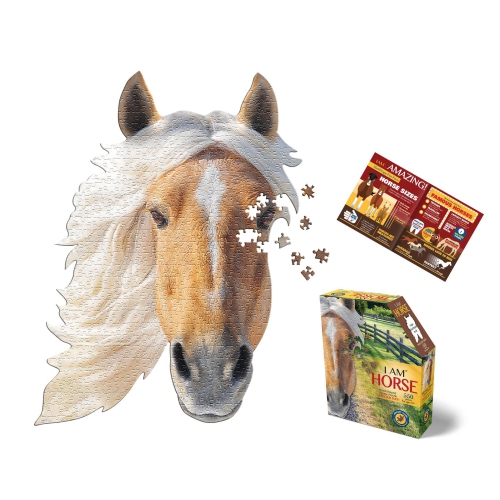

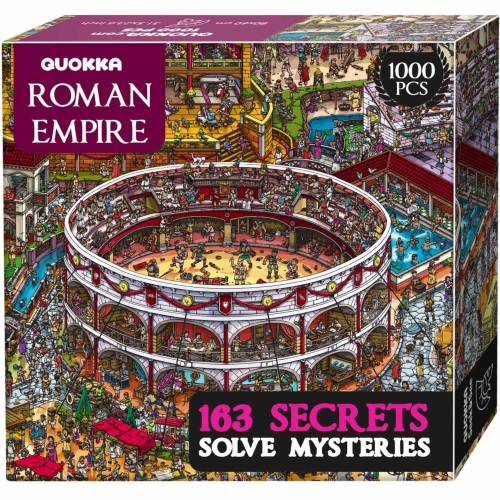
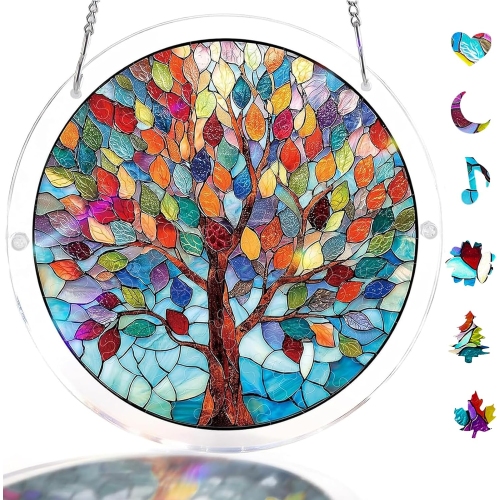
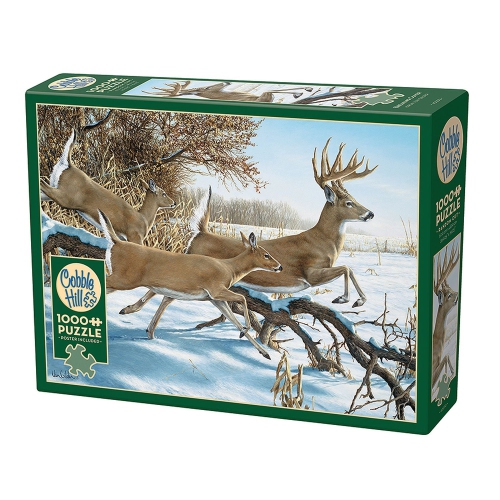
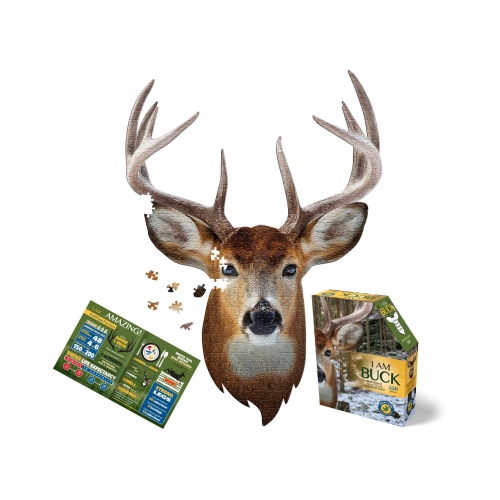
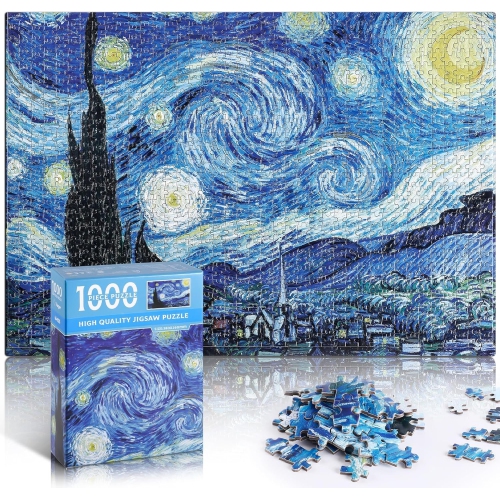
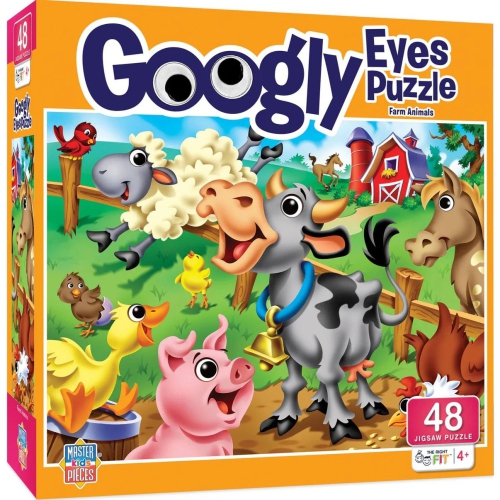
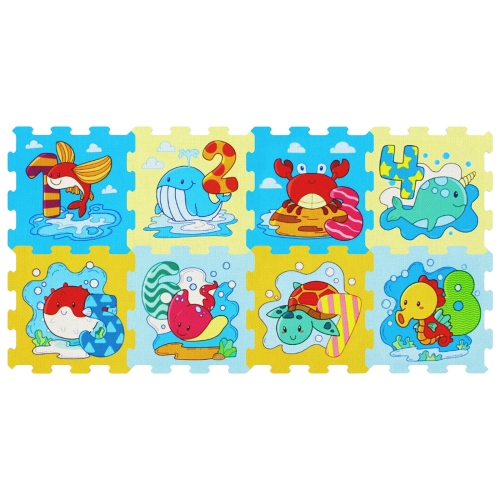
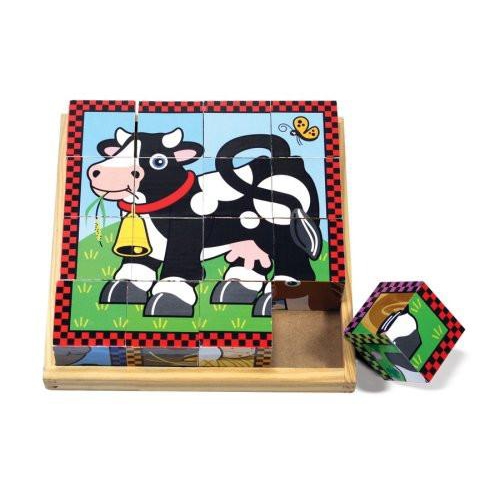
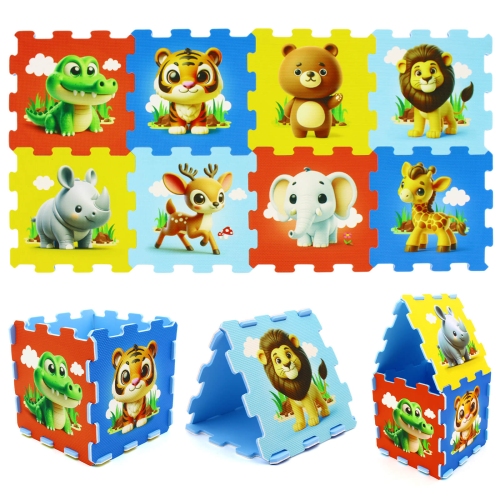
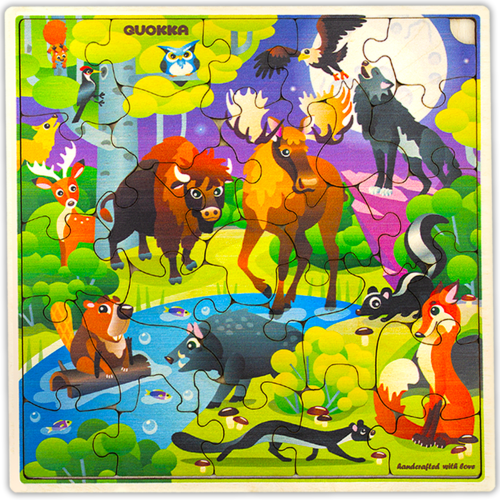
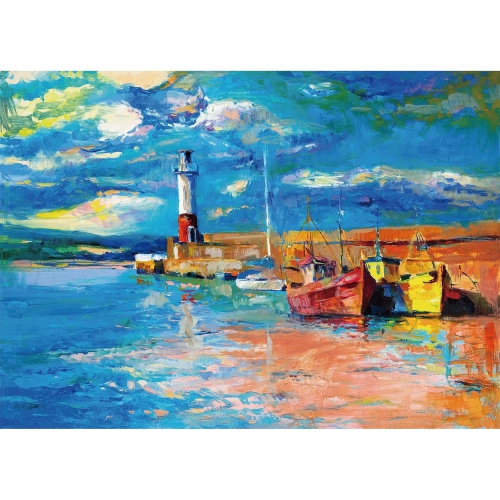


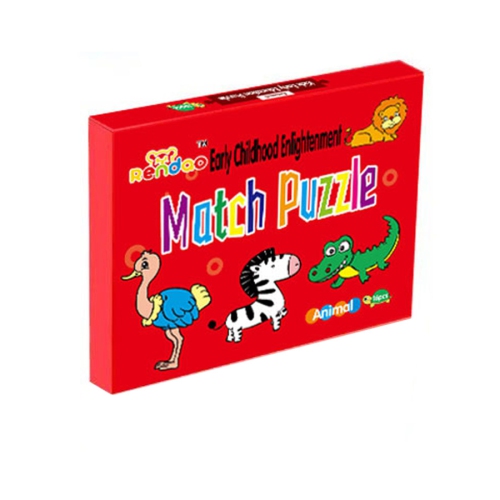
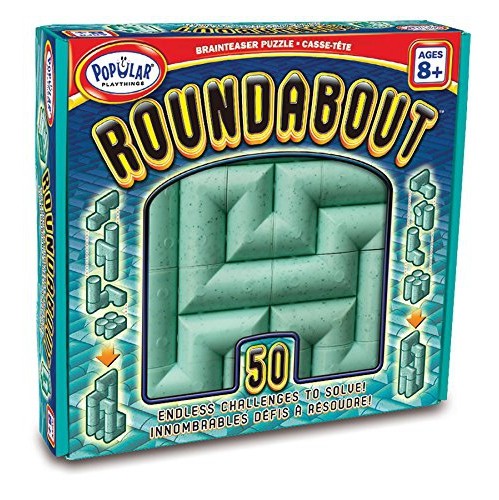
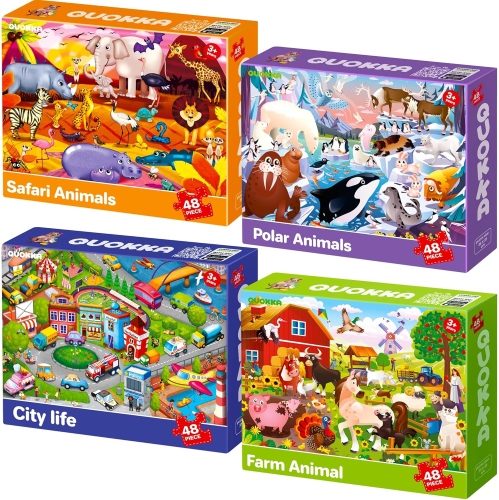
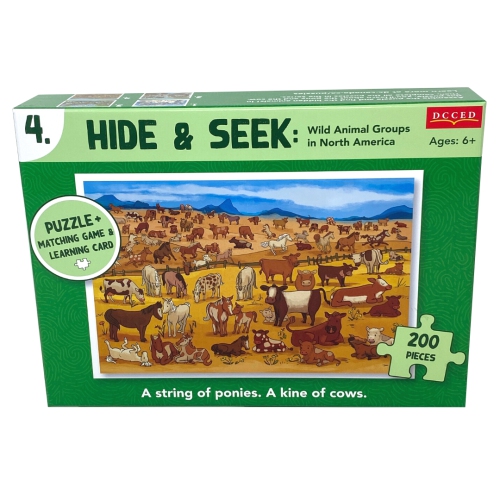
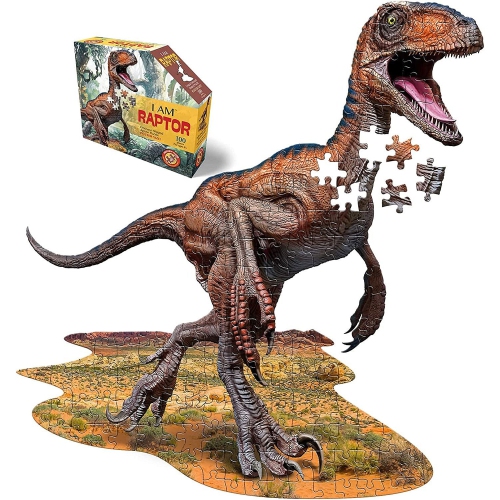
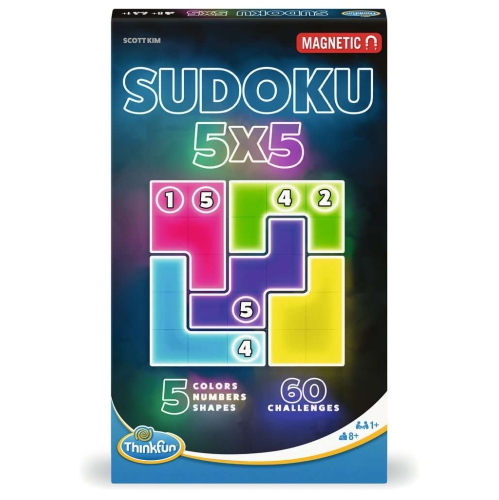
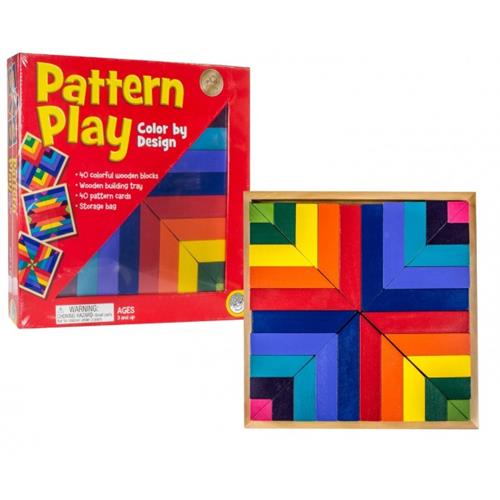
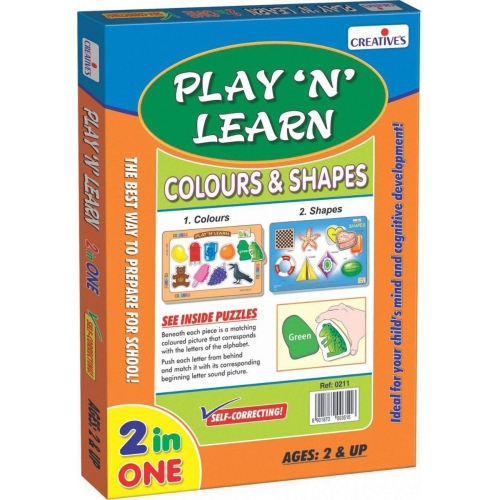
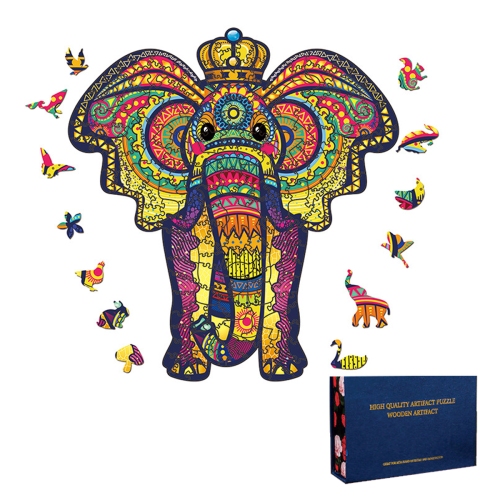
Logic, visual reasoning, and number patterns for every solver
Pattern puzzles turn observation, logic, and patience into an engaging activity built around finding a hidden rule. Depending on the format, that rule may involve numbers, shapes, colours, letters, symbols, or the position of pieces within a grid. Sequence puzzles ask you to identify what comes next in a line, while odd-one-out puzzles challenge you to spot the item that does not follow the same pattern as the others. Grid and matrix puzzles present a larger visual arrangement with one missing section, inviting you to compare rows, columns, and diagonals before choosing the answer that completes the design. Some puzzles use straightforward arithmetic, such as adding or subtracting a consistent amount between numbers; others rely on multiplication, division, alternating operations, or familiar number sets such as square numbers. Shape-based challenges may show forms that rotate, grow, change direction, or switch colours in an orderly sequence. Letter and word patterns can involve alphabetical positions, repeated arrangements, or changes in spelling. Together, these puzzle styles offer a satisfying mix of visual reasoning and mental calculation, with each completed pattern providing a small moment of discovery. When browsing pattern puzzles, consider whether the person using them enjoys numbers, abstract images, wordplay, or a combination of all three. A clear layout with generous spacing can be helpful for younger solvers or anyone who prefers an uncluttered presentation, while compact designs with several conditions may appeal to experienced puzzle fans who enjoy a deeper challenge. Difficulty is another important consideration: easy puzzles can build confidence and work well for relaxed sessions, whereas medium and advanced puzzles may suit people who like to take notes, test several possibilities, and return to a problem after letting it rest.
Pattern puzzles can be enjoyed independently, shared around a kitchen table, or kept nearby for a quiet break during the cooler months. They suit a wide range of ages and interests because solving does not depend on speed or a single type of knowledge. A child who likes arranging shapes may notice a rotation pattern before anyone else, while a number-focused solver may quickly recognize a sequence based on differences or ratios. Adults may appreciate the chance to step away from screens and focus on one contained problem, and older family members may enjoy puzzles that encourage careful observation without requiring a competitive pace. They can also make thoughtful gifts for birthdays, seasonal gatherings, classroom rewards, care packages, or anyone who enjoys brain games and hands-on activities. For a shared experience, choose a format that allows several people to study the same sequence or matrix and explain how they reached an answer. This can lead to lively discussions, especially when two possible solutions seem convincing at first. For individual use, look for a collection with a range of difficulty levels so the solver can begin with approachable challenges and gradually move toward more complex arrangements. Number enthusiasts may prefer puzzles built around arithmetic progressions, skip-counting, prime numbers, or square numbers; visual thinkers may be drawn to changing shapes, reflections, symmetry, and rotations. Those interested in related formats can also explore Square Puzzles, particularly when they enjoy working within a defined geometric layout. A well-chosen puzzle format can make the activity feel inviting rather than intimidating, giving the solver enough structure to begin while leaving room for independent reasoning.
When selecting pattern puzzles, pay attention to the amount of information shown, the size and clarity of the print or illustrations, and whether solutions or hints are included. Hints can be useful for younger players, casual solvers, or anyone who prefers gentle encouragement instead of leaving a difficult problem unfinished. Detailed answer explanations are especially valuable because they show the rule behind the correct choice rather than simply identifying a letter or number. For example, a solution may reveal that each shape turns 90 degrees, that the number increases by successive odd values, or that the colours alternate while the position moves around the grid. If the puzzle is intended for travel, waiting rooms, or a bedside table, a compact format is easy to keep within reach; for family use, a larger presentation may be easier for everyone to view at once. Consider also whether the activity is designed for pencil-and-paper solving, reusable pieces, movable tiles, or another hands-on approach. A solver who enjoys circling possibilities and writing calculations may prefer a printed layout, while someone who likes manipulating objects may find a tactile arrangement more absorbing. Pattern puzzles can become part of a calming routine: a few minutes over breakfast, a focused pause between tasks, or a quiet evening session with a cup of tea nearby. The best choice is one that matches the solver’s preferred style, desired challenge, and available space, making it easy to begin and rewarding to continue.
Top selling and popular products
-
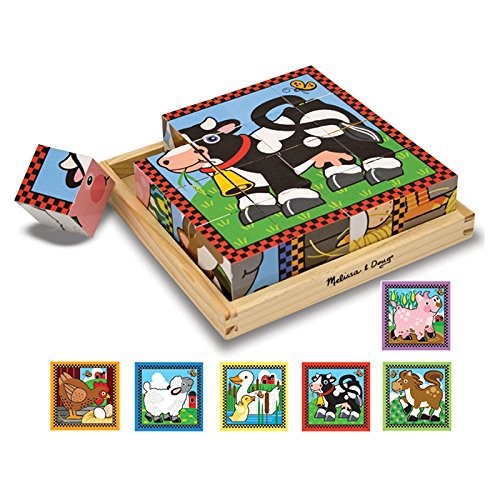 Your price for this item is $32.99
-
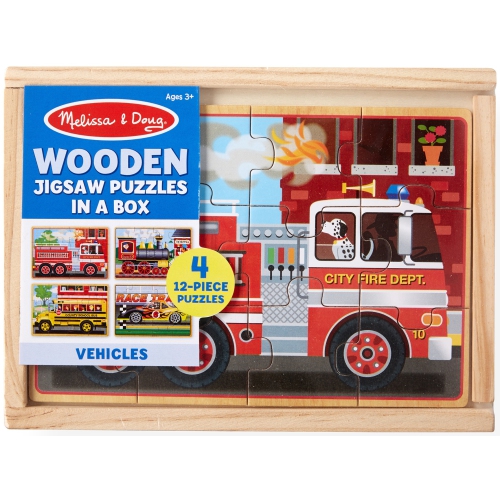 Your price for this item is $35.99
-
 Your price for this item is $30.99
-
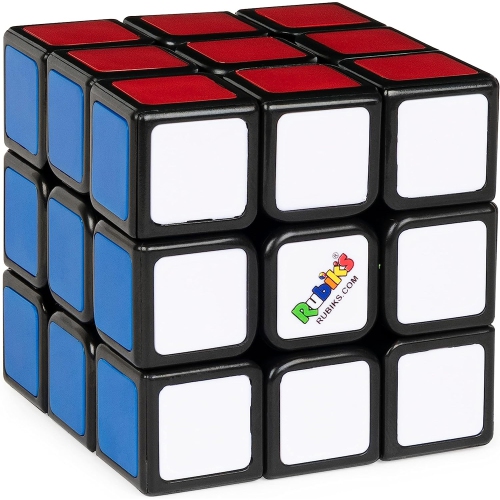 Your price for this item is $26.93
-
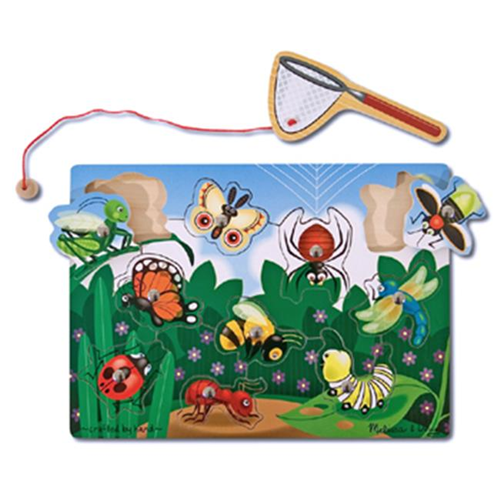 Your price for this item is $29.99
-
 Your price for this item is $36.99
-
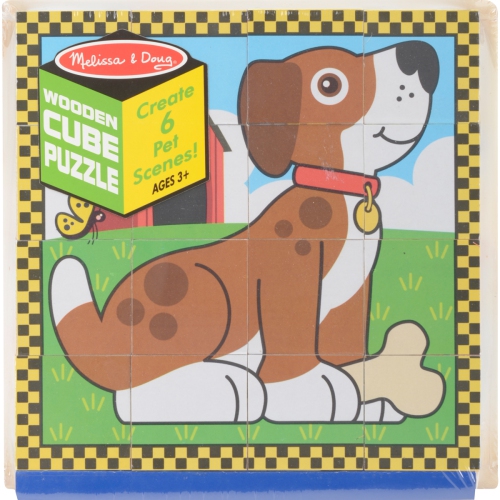 Your price for this item is $32.99
-
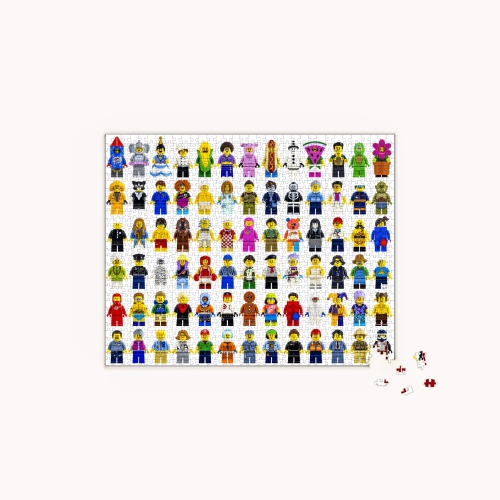 Your price for this item is $34.9
Discover more categories related to Pattern Puzzles
Top Collections:
Pokemon Centers, Best Cameras for Sports Photography, Kindle Devices, Samsung Galaxy Phones, Canon G7X Cameras, Pokémon 30th Celebration Cards, Refurbished Apple Laptops, iPhone 15 Apple, Laptops for Students, Budget Smartphones
Some products may be subject to Environmental Handling Fees
(EHF) depending on your province.
Learn more about EHFs.