Pokemon EX Cards
Pokemon EX Cards offer a fantastic way to enhance your trading card collection and elevate your gameplay experience. Whether you're a dedicated collector or a passionate player, these cards bring excitement and variety to every match. Explore a wide selection of Pokemon EX Cards to find the perfect additions for your deck or collection, and discover new possibilities in the world of Pokemon trading cards.
Sort
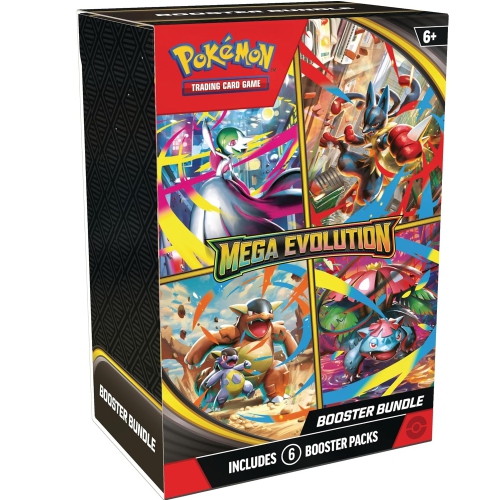
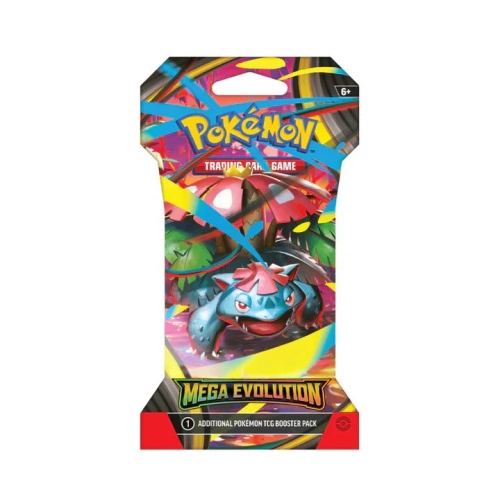
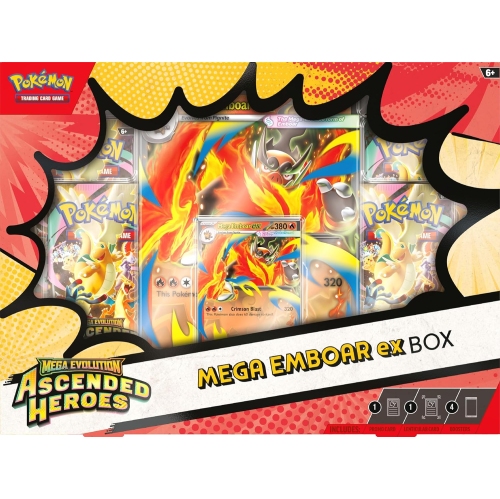



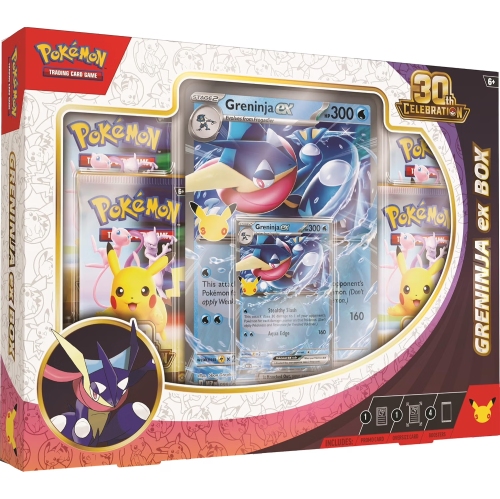

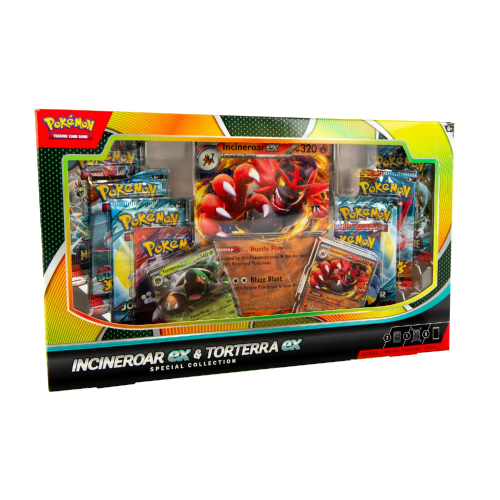
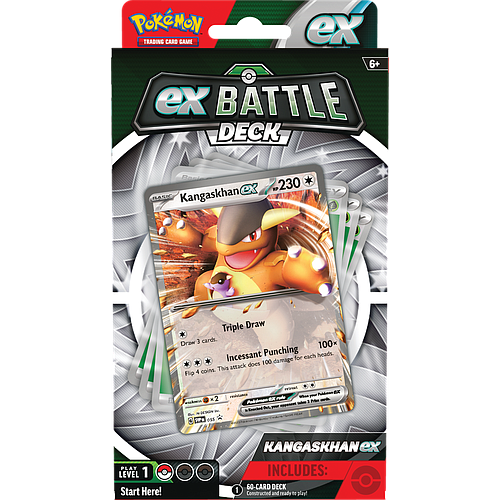


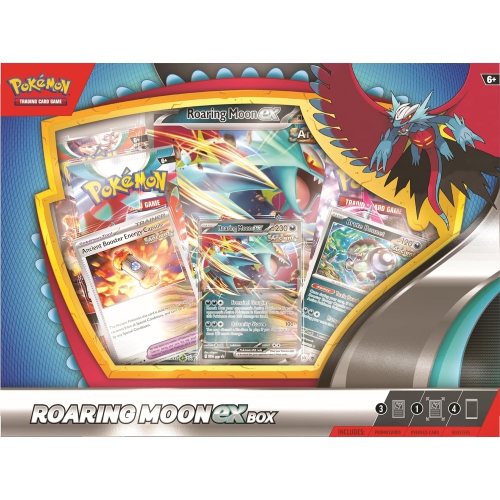
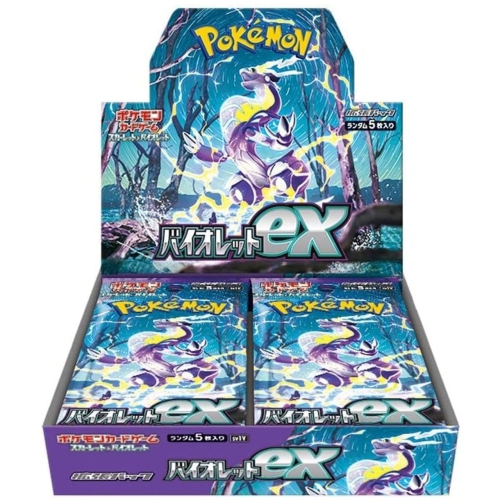
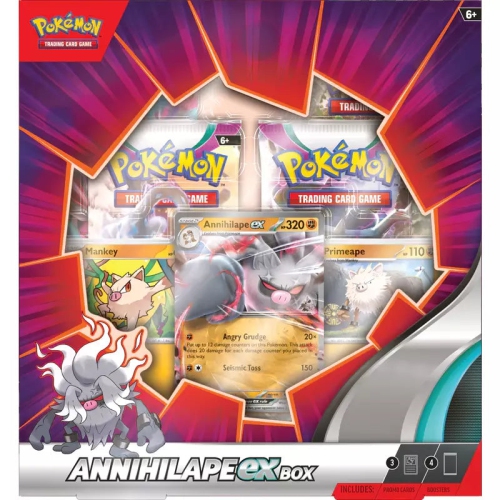
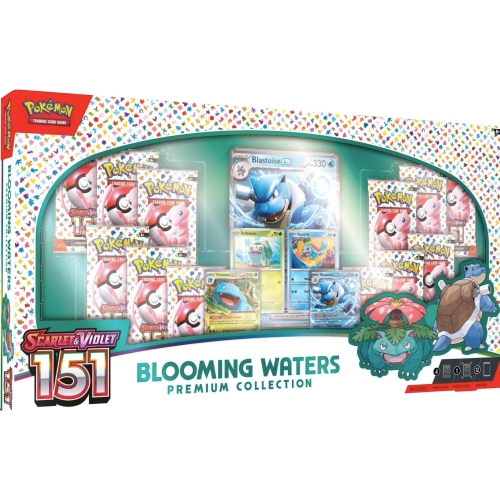
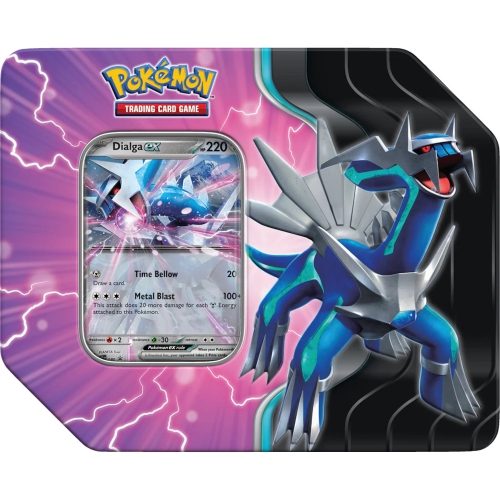
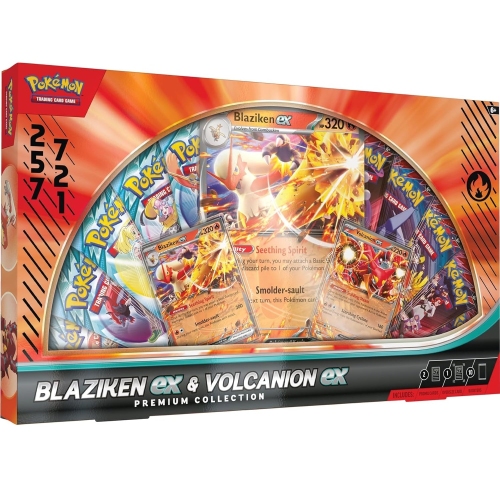
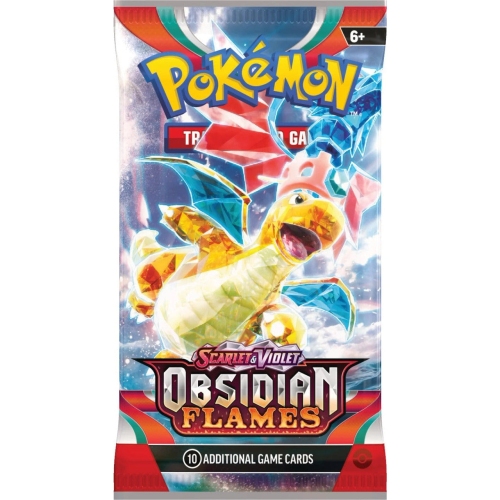
Powerful attacks come with more Prize cards at stake
Pokémon ex and Pokémon-EX cards bring powerful attacks, high Hit Points (HP), and distinctive artwork to the Pokémon Trading Card Game. Compared with many regular Pokémon cards, they often offer greater damage potential or useful Abilities, balanced by a larger reward for the opponent when they are Knocked Out. Most Pokémon ex and Pokémon-EX give up two Prize cards rather than the single Prize card usually taken for a regular Pokémon. Mega Evolution Pokémon ex give up three Prize cards, while older Mega Evolution Pokémon-EX give up two. The printed rule box identifies the rule that applies to each card. Although “ex” and “EX” often appear together in searches, their capitalization reflects different card mechanics and eras of the game, rather than a purely cosmetic difference. Pokémon-EX are generally Basic Pokémon, with Mega Evolution Pokémon-EX forming a separate evolution step. Pokémon ex can be Basic, Stage 1, or Stage 2 Pokémon, so their place in a deck depends partly on the supporting cards needed to bring them into play. For players, that distinction affects how quickly a Pokémon can reach the battlefield and how much space its evolution line occupies in a deck. A powerful attack may also require several Energy cards, a particular Energy type, or another condition before it can be used. High HP alone does not make a card the best fit for every strategy. Attack costs, Weakness, Retreat Cost, Abilities, and the number of Prize cards at risk all contribute to its intended role. A family learning the game may appreciate straightforward attacks and clearly worded effects, while an experienced player may be interested in interactions with other cards. For organized play, eligibility depends on the chosen format and applicable rules, not simply on whether a card carries an ex or EX label. Older cards can still suit collecting or agreed-upon casual games even when they are not eligible for a particular tournament format.
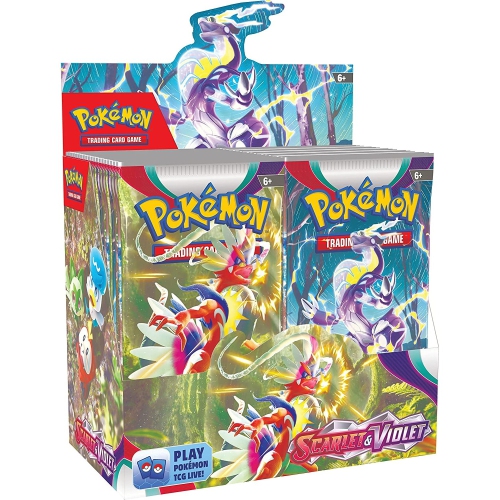
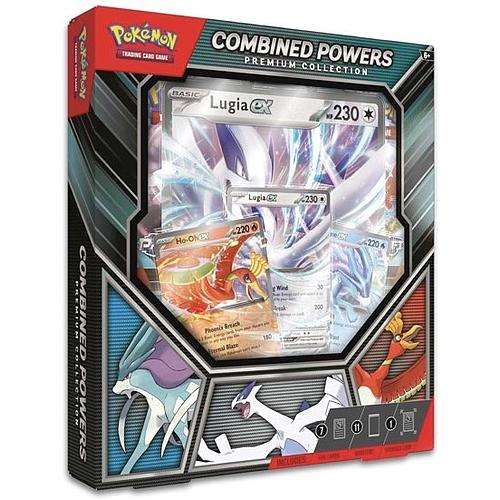
For collectors, Pokémon ex cards offer several ways to build a collection beyond their usefulness in a match. Some collections centre on a favourite Pokémon, while others bring together a particular illustration style, expansion, or type of foil finish. Artwork can show a Pokémon in a dramatic battle pose, place it within a detailed scene, or extend across much of the card’s surface. Different printings of the same Pokémon may share similar gameplay functions but have different illustrations, collector numbers, or rarity markings. Those details matter when matching a card to an existing collection: the Pokémon’s name alone may not identify the exact version. An expansion symbol or code, collector number, language, and printed card text help distinguish one printing from another. Foil and textured finishes also vary, and not every ex card has the same surface treatment. A shiny appearance by itself does not establish rarity, authenticity, or suitability for play. Clear printing, consistent layout, and details that match the intended printing are useful points of comparison, although no single visual feature provides a complete authenticity check. Packaging contents deserve similar attention. Randomized booster packs offer the experience of discovering cards, but an ex card is not guaranteed in every pack. An illustrated Pokémon on the outer packaging does not necessarily identify a card included inside; stated contents distinguish guaranteed cards from randomized ones. For someone seeking a particular character or artwork, that difference can shape the experience of opening a gift or adding to a binder. Display preferences matter too. A collector who enjoys seeing character art on a shelf may combine protected cards with Pokemon Figures, while another may prefer a neatly arranged album with matching card sizes and clearly separated expansions. Neither approach requires a complete set: a small group connected by a favourite Pokémon, artist, or visual theme can feel just as personal.
The physical condition of Pokémon ex cards affects how they look, how comfortably they handle during play, and how well they fit into a collection. Standard cards are typically about 63 by 88 mm and are made from layered cardstock, sometimes with foil or textured surface treatments. Their printed faces and edges can show scratches, whitening, dents, or creases after repeated handling. A glossy card passed around a table can pick up fingerprints, while an unprotected card sliding against another may develop fine surface marks. Properly fitted trading-card sleeves provide a barrier during handling, and a rigid holder can add support for a card kept for display. For deck use, uniform opaque sleeve backs help keep cards consistent in appearance and prevent individual cards from being identifiable from behind. Holders that work well on a shelf are not necessarily practical for shuffling, so protection should match the card’s intended use. Binder pockets should hold cards without forcing the corners, and an overfilled album can place unnecessary pressure on its contents. Clean, dry hands, a clear playing surface, and drinks kept away from the table help reduce everyday damage. Cards are best stored away from direct sunlight, excess moisture, and sources of heat; adhesive tape, household cleaners, and attempts to flatten a card with heat can cause lasting damage. For gifts, the recipient’s interests are often more useful than the most elaborate artwork or highest HP. A child learning with family may enjoy cards that fit a familiar deck and have readable text in a language they understand. A returning player may care about compatibility with a chosen format, while a collector may be focused on a particular illustration or an unmarked surface. Sleeves, an album, or a suitable display holder can support those different uses without assuming every recipient wants to battle. Whether the appeal is a dramatic foil illustration, a favourite character, or a carefully planned deck, Pokémon ex cards connect collecting and play through the same small, tangible format.
Top selling and popular products
-
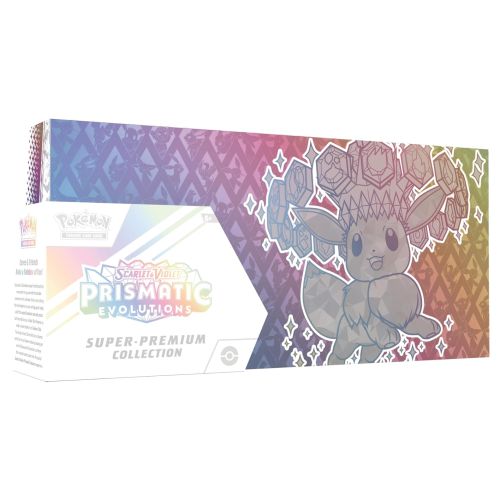 Your price for this item is $419.99
-
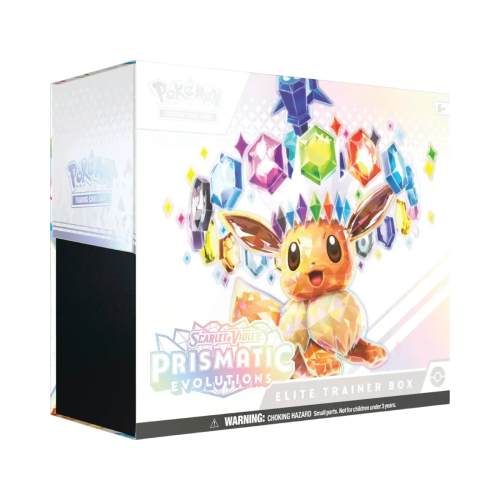 Your price for this item is $214
-
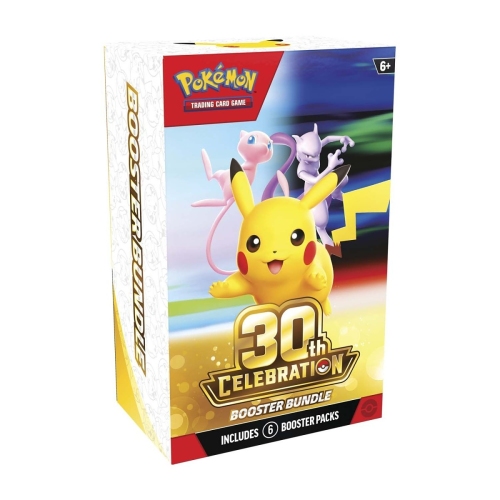 Your price for this item is $104.97
-
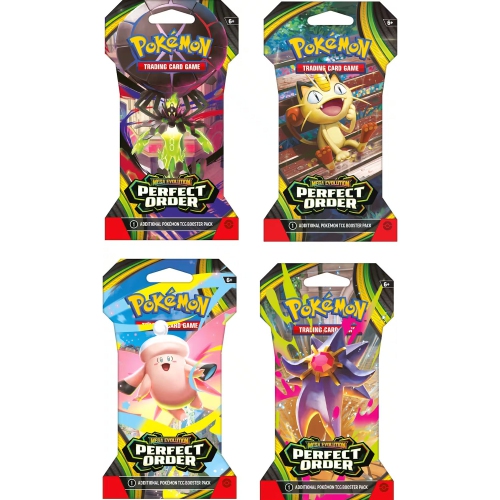 Your price for this item is $19.99
-
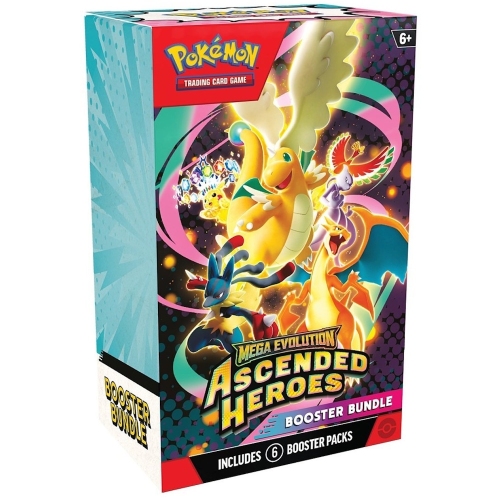 Your price for this item is $127.99
-
 Your price for this item is $239.99
-
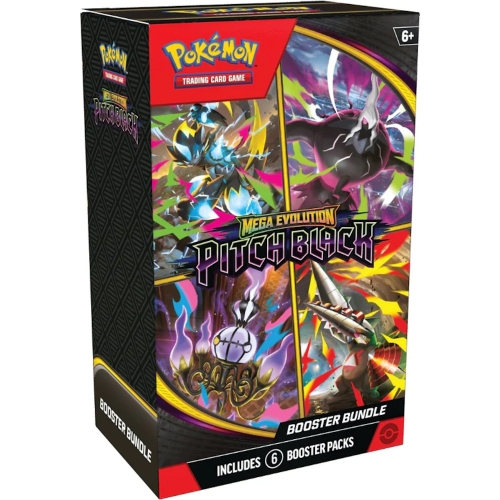 Your price for this item is $59.99
-
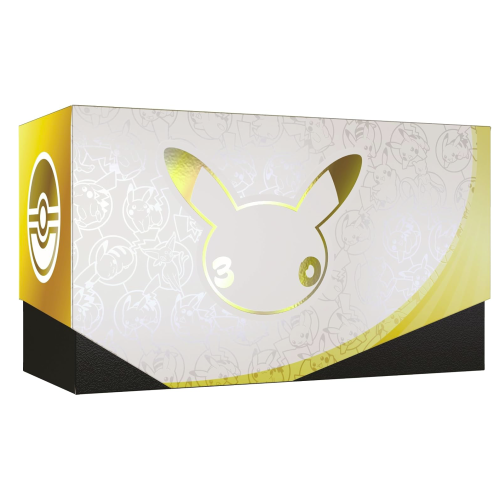 Your price for this item is $199.97
Discover more categories related to Pokemon EX Cards

Top Collections:
Best Black Friday Deals This Year, Best Black Friday Deals On Electronics, Kindle Devices, Dyson Airwrap, Best Cameras for Sports Photography, Best Black Friday Deals On Apple Products, PS5 Pro Consoles, Portable Snow Blowers, Canon G7X Cameras, Pokémon 30th Celebration Cards
Some products may be subject to Environmental Handling Fees
(EHF) depending on your province.
Learn more about EHFs.