Power Rangers Villain Action Figures
Power Rangers Villain Action Figures bring the excitement of epic showdowns right into your home. Perfect for collectors and fans alike, these figures capture the most memorable adversaries from the Power Rangers universe. Whether you're recreating legendary battles or expanding your display, Power Rangers Villain Action Figures add a dynamic edge to any collection. Explore a wide variety of characters and find the perfect addition to your lineup today.
Sort


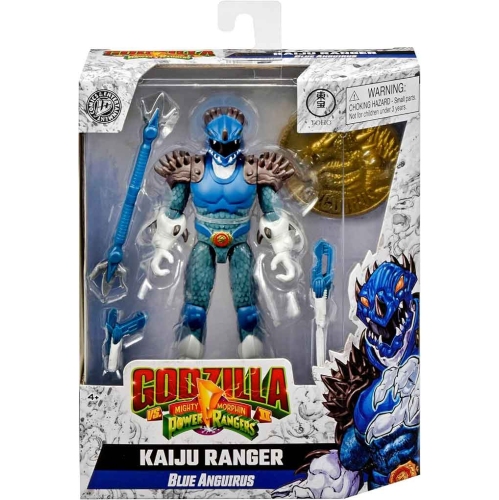


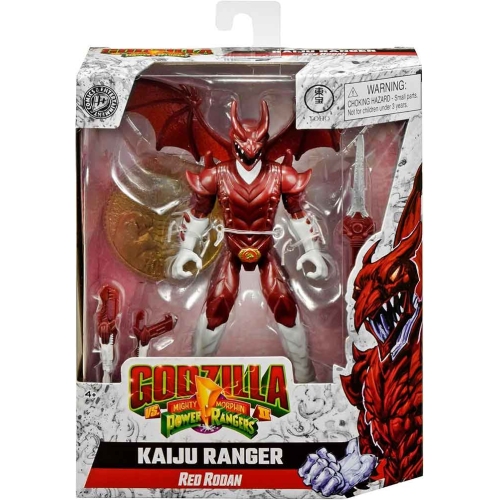


Striking villain designs bring personality to every display
Power Rangers villain action figures bring the opposing side of the adventure into focus, giving fans a way to recreate the confrontations, unlikely alliances, and larger-than-life entrances that make the series memorable. Where the heroes often share coordinated suits and team colours, their adversaries offer a broader mix of silhouettes: armoured warriors, elaborate monsters, robed masterminds, and foot soldiers built around striking visual themes. That variety gives a villain collection its own personality, whether it occupies a single shelf or forms part of a larger display. Sculpted scales, ridged armour, sweeping capes, and expressive faces can make these characters interesting to view even outside a battle scene. For younger fans, an opponent gives an adventure a starting point and leaves room for invented stories that go beyond familiar episodes. For adult collectors, the appeal may be a costume remembered from childhood, a distinctive creature design, or the chance to complete a hero-and-villain pairing. Fans arranging both sides of a confrontation can also explore Mighty Morphin Power Rangers Action Figures as a companion theme, particularly when building a display around the franchise’s earliest television adventures. A shared series connection can matter as much as physical size: figures from different eras may look impressive together, while a more focused collection can capture the visual character of one storyline. Villains also lend themselves to varied arrangements. A commanding figure at the rear, a group of smaller adversaries in front, and a clear space between opposing teams can suggest a scene without requiring a large backdrop. Even a compact display can feel complete when the poses and character relationships are easy to read. The result is a category that suits both imaginative play and character-focused collecting, with the appeal rooted in the designs, personalities, and dramatic roles of the villains themselves.
Construction and articulation influence how a villain figure feels in the hand and how convincingly it holds a pose. Many action figures use moulded plastic for the body, with different materials or softer components used for details such as skirts, capes, or flexible armour. The precise combination varies, and a sculpt with intricate protrusions may call for gentler handling than a simpler, more solid design. Paintwork adds definition to eyes, teeth, metallic-looking surfaces, and layered costumes; crisp boundaries and well-placed details can be especially noticeable on a face or helmet. Articulation is another important distinction. Movable shoulders, elbows, hips, and knees can support expressive battle stances, while ankle movement may help keep feet flat against a display surface. More joints do not automatically mean better results, since bulky shoulder pieces, long robes, or sculpted armour can limit movement in ways that suit the character’s appearance. For a figure intended to hold a staff or another accessory, the fit between the grip and the handle matters, as does the balance once the accessory is in place. Interchangeable hands or heads, where included, can change the mood of a scene, but small connectors benefit from careful alignment rather than force. Size deserves similar attention. Two figures described with the same general scale may have different heights because their characters have different proportions, and a wide stance or extended cape can take up more room than the listed height suggests. On a shallow shelf, the depth of the base and the reach of an outstretched arm may matter more than overall height. Accessories and stands are not universally compatible across figure ranges, so matching measurements alone does not establish a secure fit. For frequent play, sturdy construction and manageable parts are useful priorities; for a mostly stationary display, fine sculpting, accurate costume details, and a convincing neutral stance may carry greater weight.
Intended use helps distinguish a satisfying gift from a figure that is better suited to a different recipient. A child who enjoys making up battles may appreciate an expressive opponent that is easy to reposition, while a collector may care more about a particular series, visual style, or display scale. Recommended ages and package warnings are important, especially when figures include detachable hands, pointed accessories, or other small parts. A detailed collectible should not be assumed to be suitable for young children simply because it depicts a television character. For a gift, knowing whether the recipient prefers opening figures or keeping them in their packaging can also shape the presentation. An opened collection offers room for posing and rearranging, whereas a packaged collection places more emphasis on the box dimensions, artwork, and visibility of the figure inside. Either approach benefits from a little planning around storage and care. A clean, dry display area away from direct sunlight helps protect the appearance of painted surfaces and packaging. Dust can usually be lifted gently with a soft, dry brush or cloth, while any cleaning beyond that should follow the maker’s care directions. Soaking, harsh cleaners, and rough scrubbing may damage finishes or affect joints. During posing, supporting the body close to the joint helps avoid putting unnecessary pressure on a thin limb or decorative piece; resistance is a reason to pause rather than twist harder. Small accessories are easier to keep track of in separate, labelled compartments, particularly when several figures have similar hands or connectors. For heavier or top-heavy designs, a compatible stand and a stable surface can make a display more dependable. Leaving some space around delicate details also reduces accidental contact when another figure is moved. With that balance of character appeal, suitable construction, and thoughtful handling, Power Rangers villain action figures can serve as imaginative play companions, carefully posed display pieces, or meaningful gifts for fans drawn to the franchise’s most theatrical adversaries.
Top selling and popular products
-
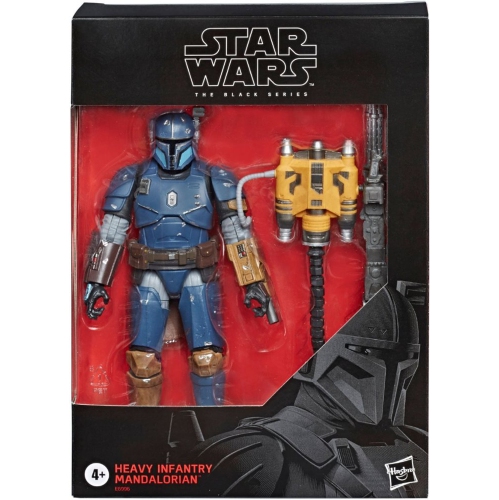 Your price for this item is $35.64
-
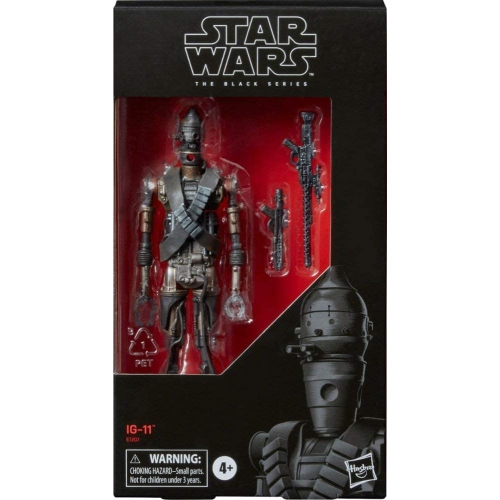 Your price for this item is $42
-
 Your price for this item is $92
-
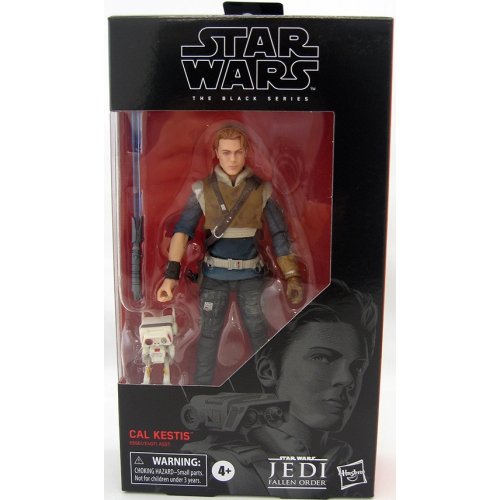 Your price for this item is $41.39
-
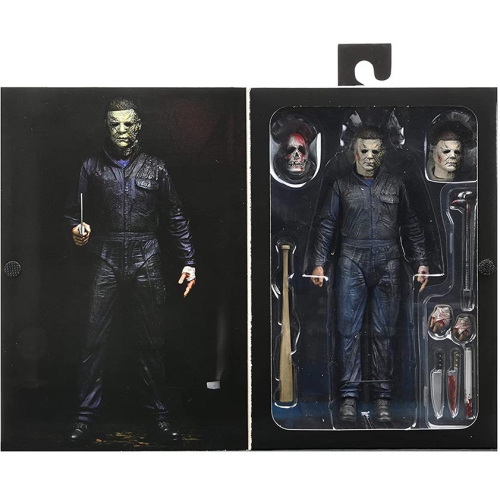 Your price for this item is $81
-
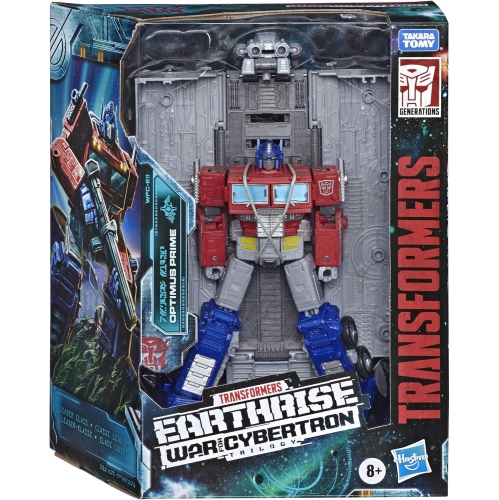 Your price for this item is $79.97
-
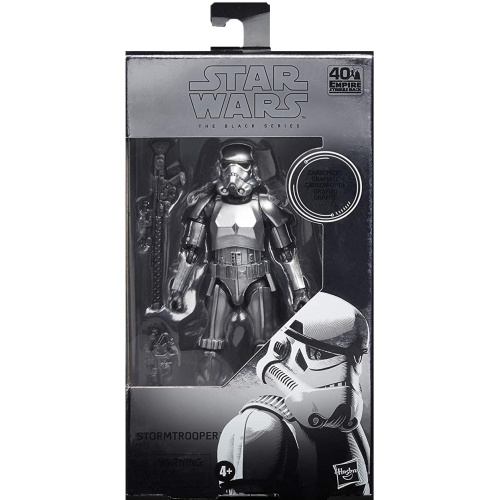 Your price for this item is $46
-
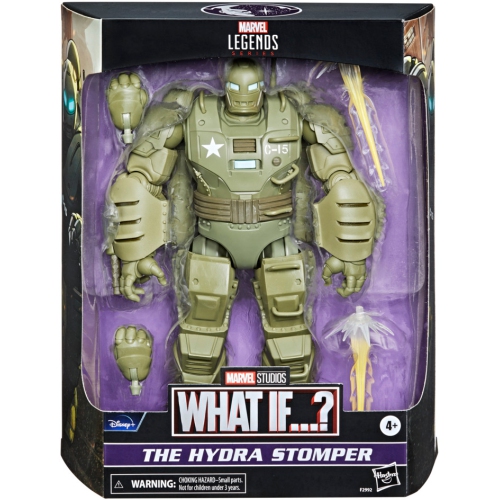 Your price for this item is $73.59
Discover more categories related to Power Rangers Villain Action Figures


Top Collections:
Pokemon Centers, Best Cameras for Sports Photography, Kindle Devices, Samsung Galaxy Phones, Canon G7X Cameras, Pokémon 30th Celebration Cards, Refurbished Apple Laptops, iPhone 15 Apple, Laptops for Students, Budget Smartphones
Some products may be subject to Environmental Handling Fees
(EHF) depending on your province.
Learn more about EHFs.