Educational Toys for Preschoolers
The best educational toys for preschoolers are the ones that will keep your child entertained while also teaching them something new. From learning letters and numbers to learning about colours and shapes, these toys are sure to stimulate your child's growth and help them learn valuable skills.
Sort
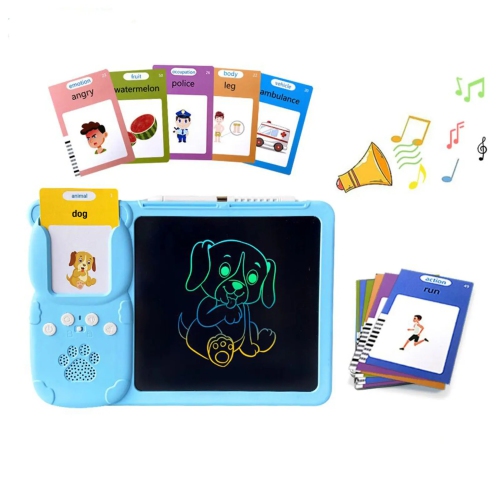
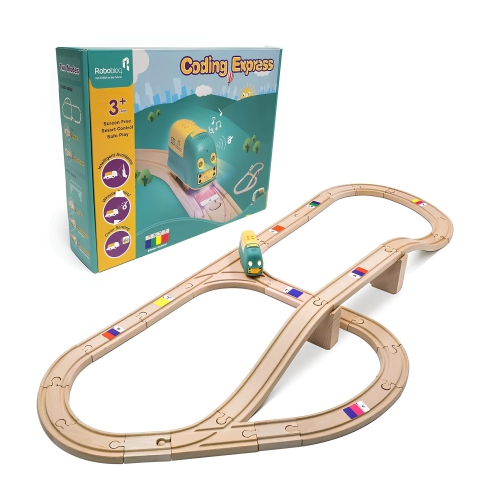
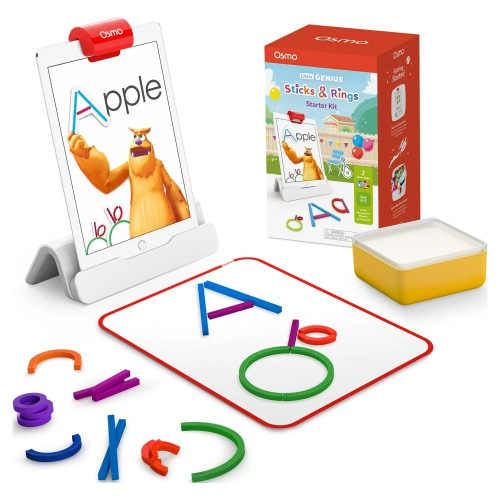
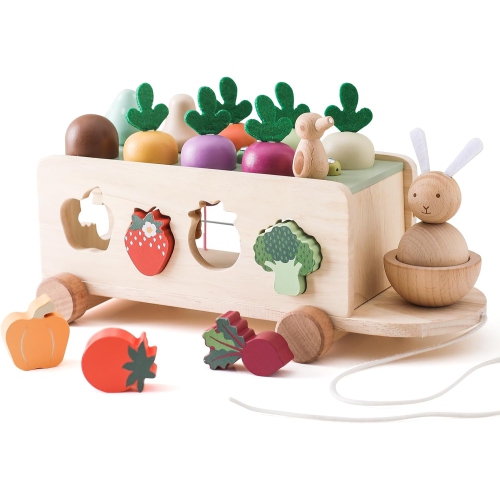
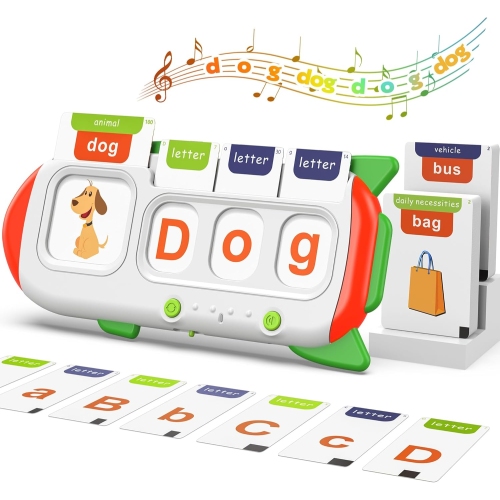
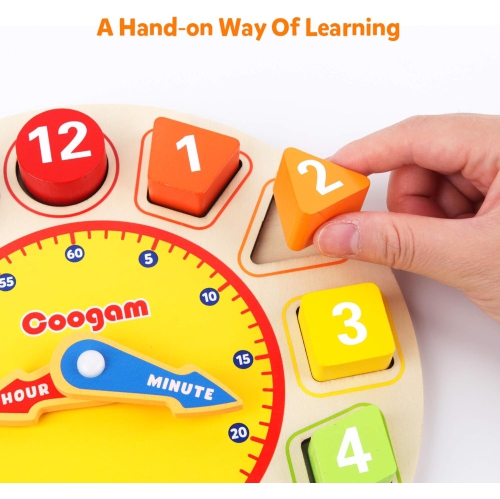
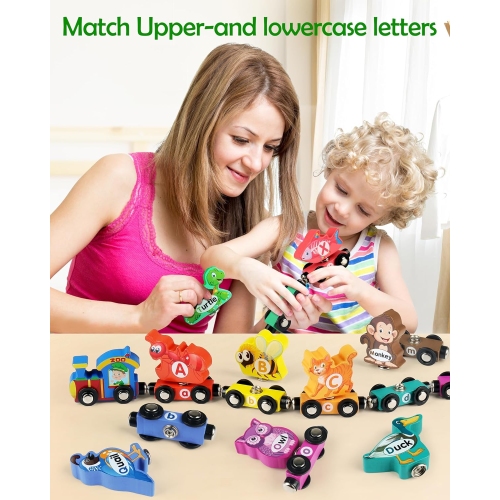
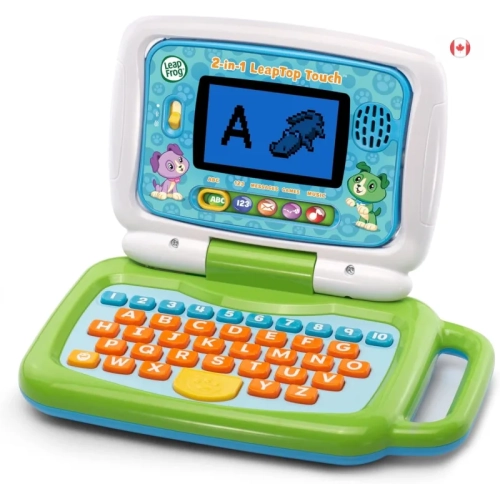
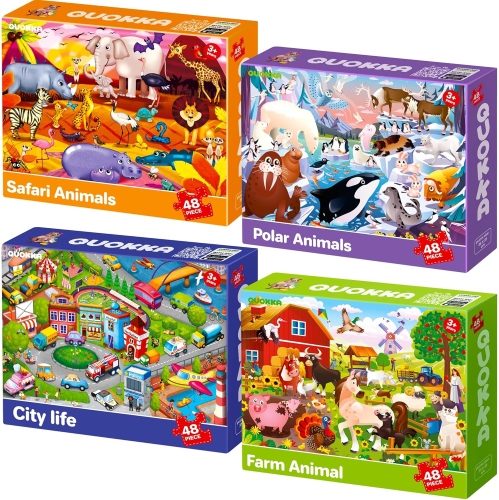
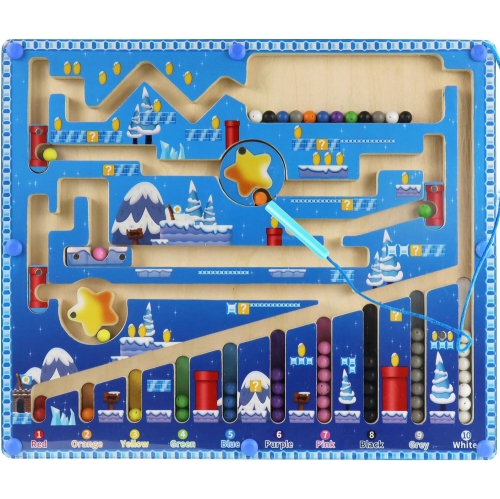
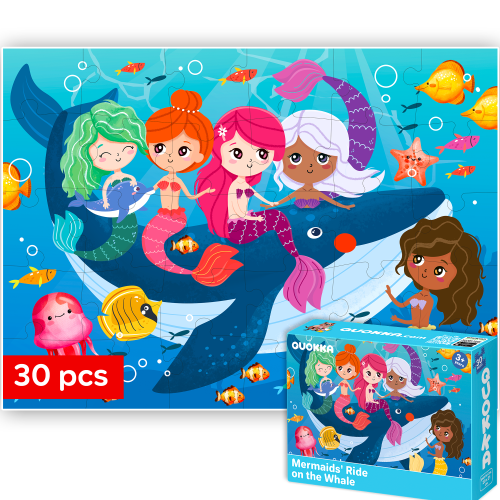
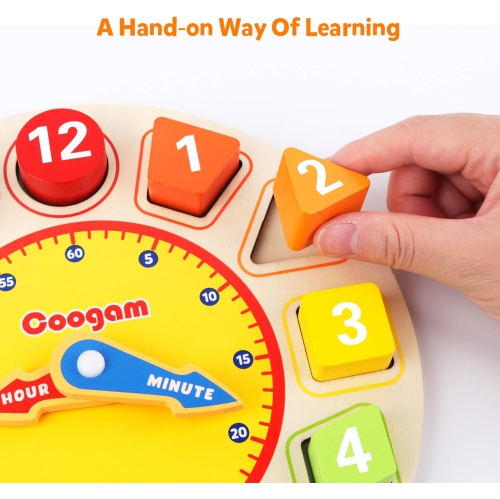
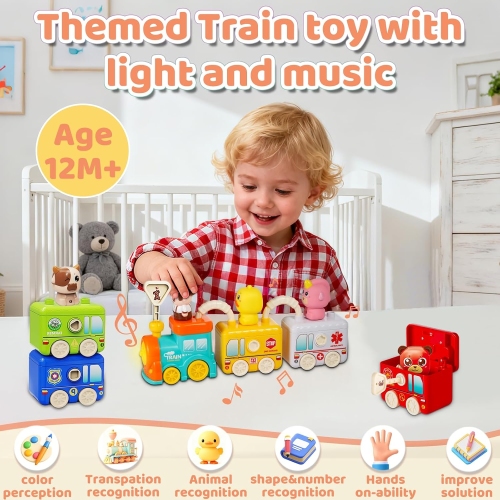
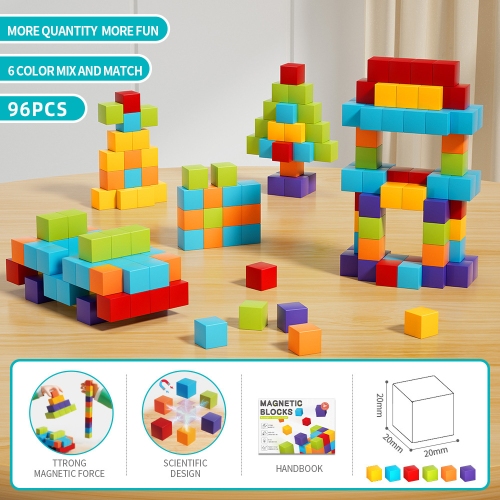
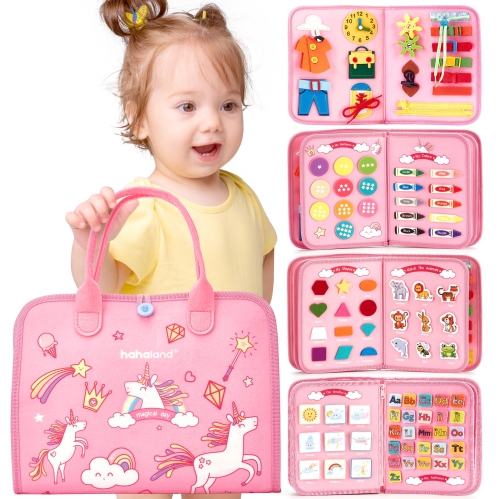
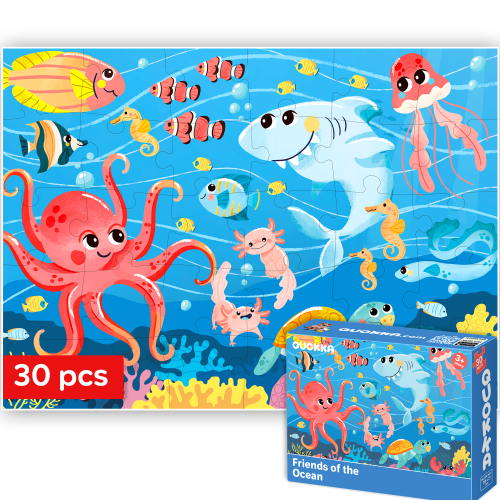
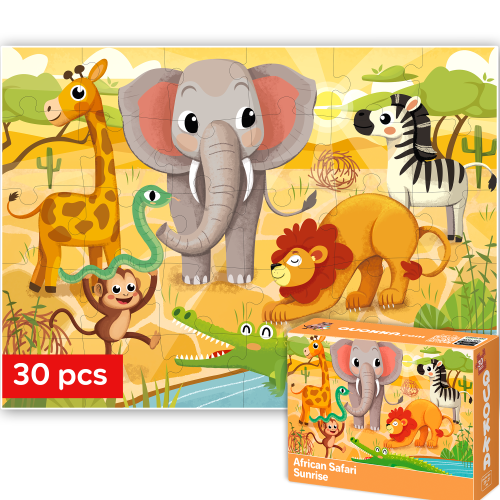
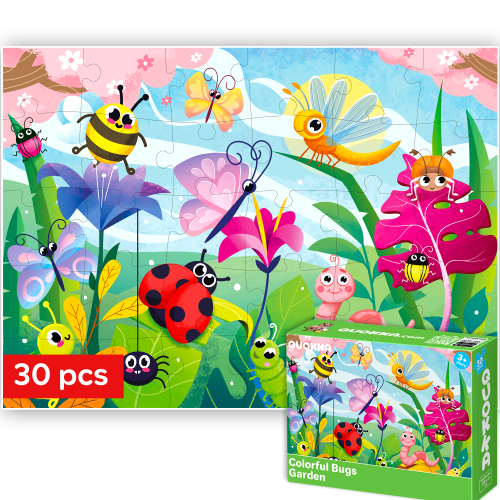
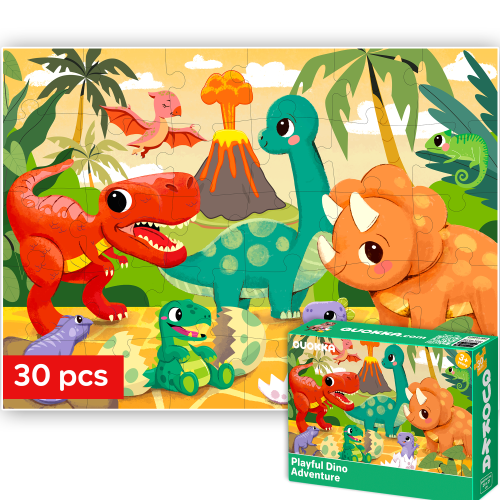

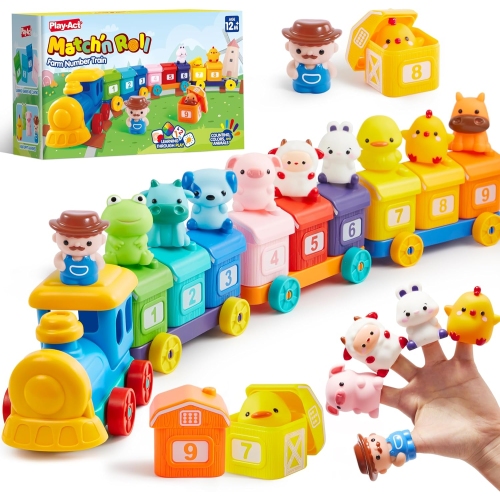
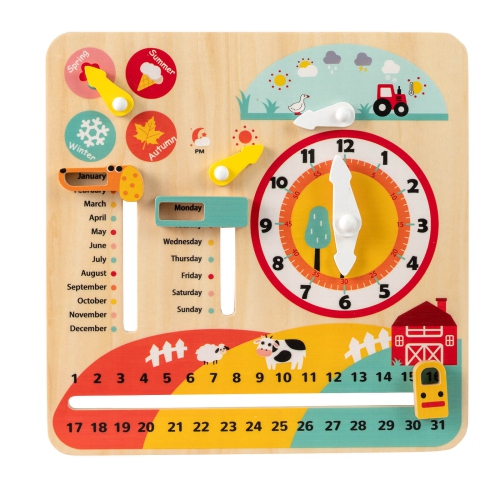
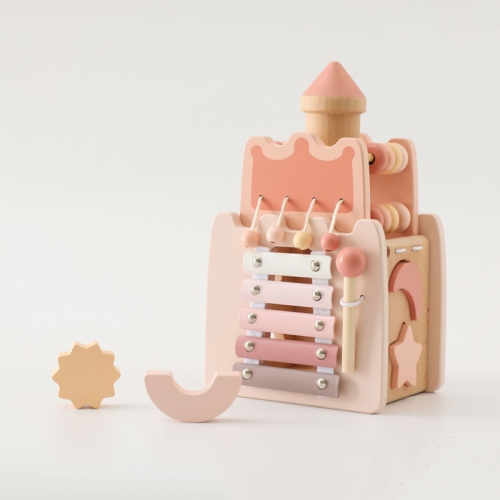
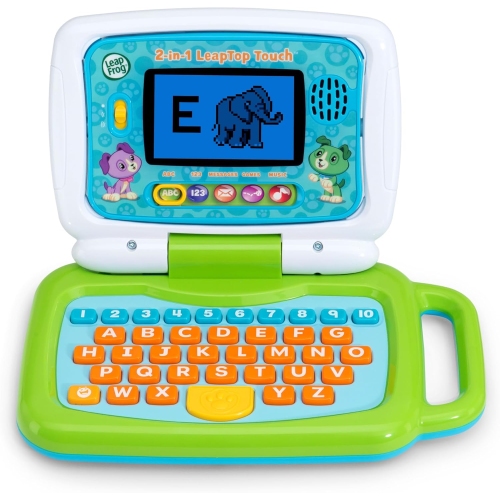


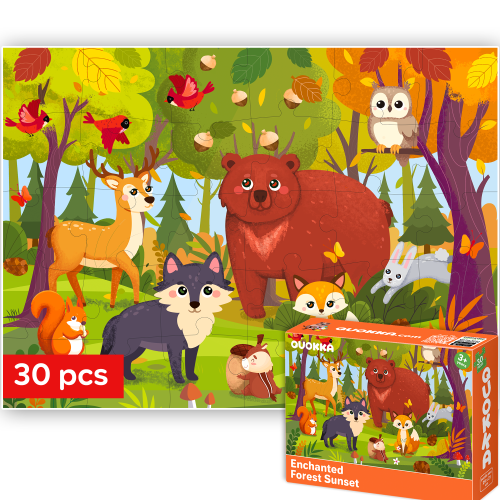
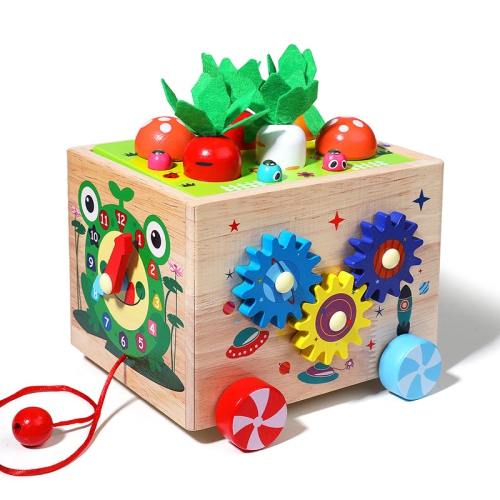
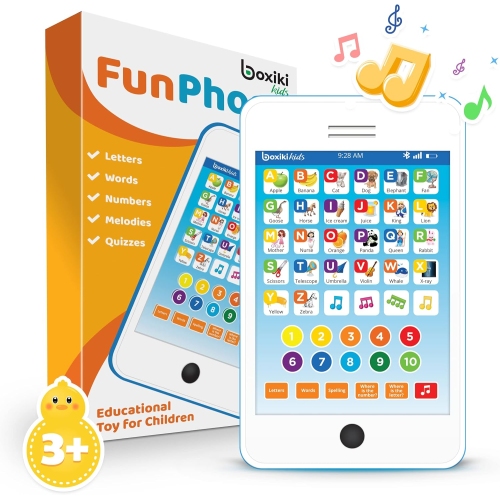
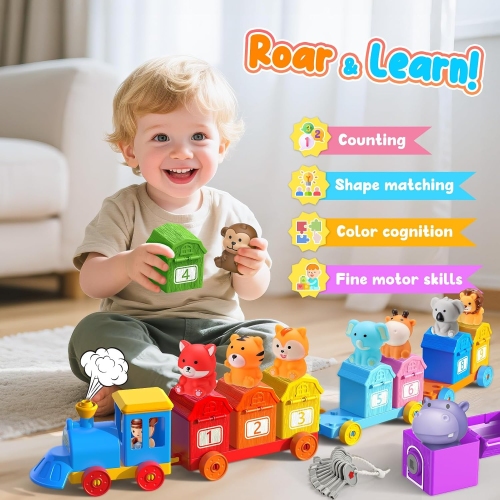
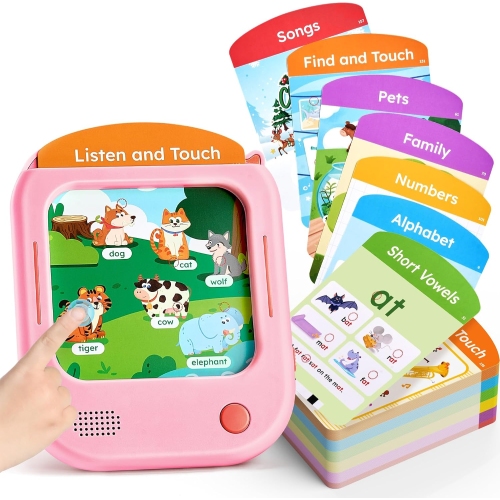
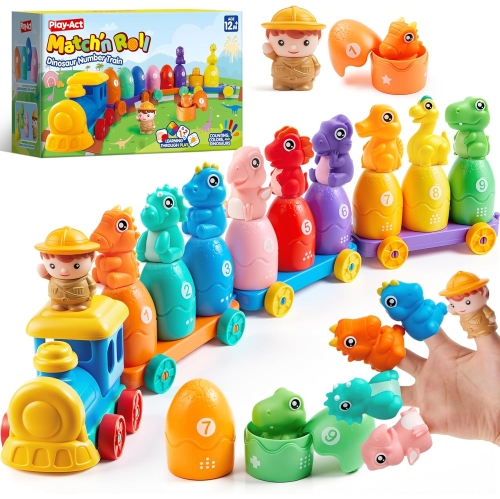

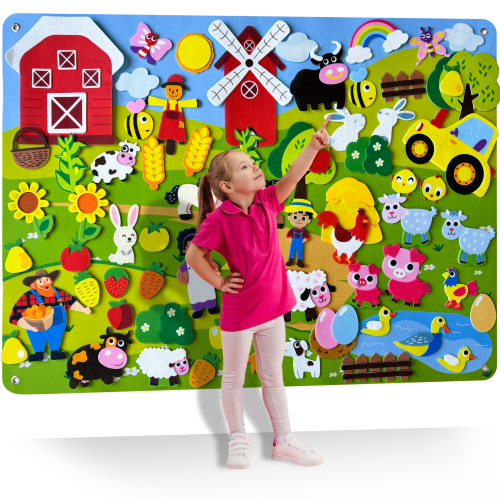
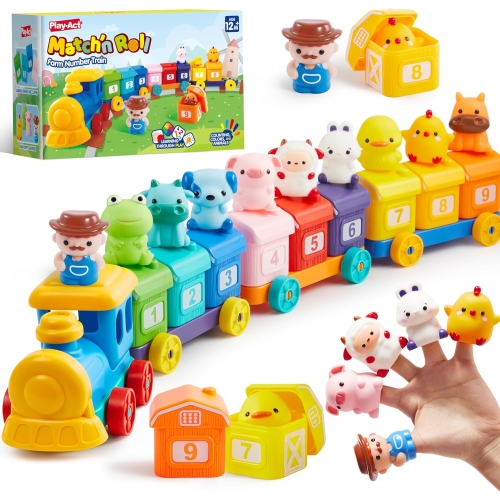
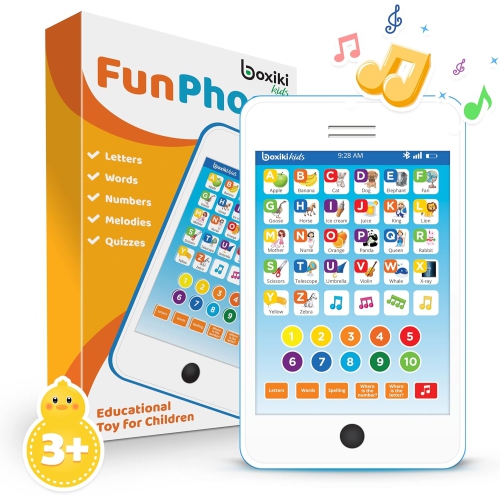
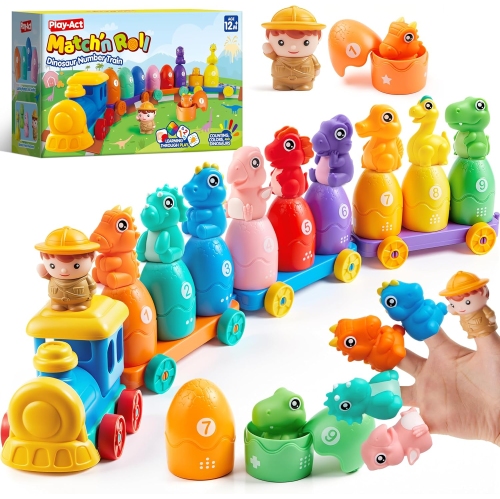
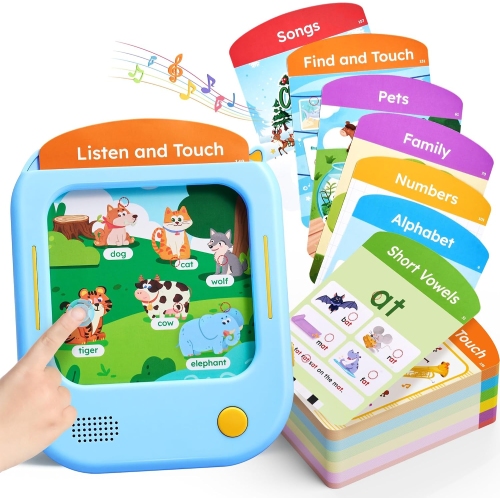
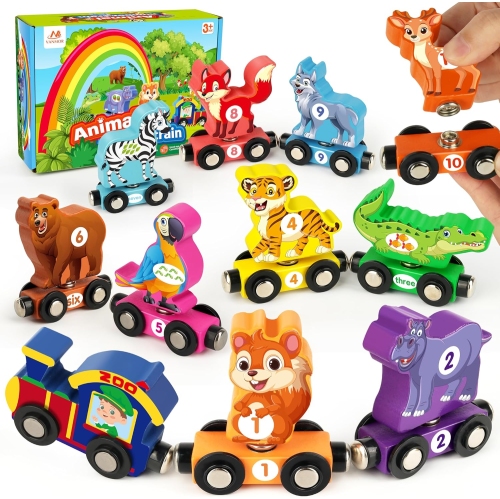
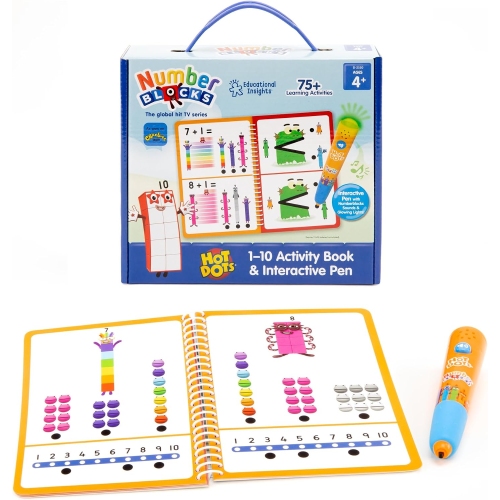
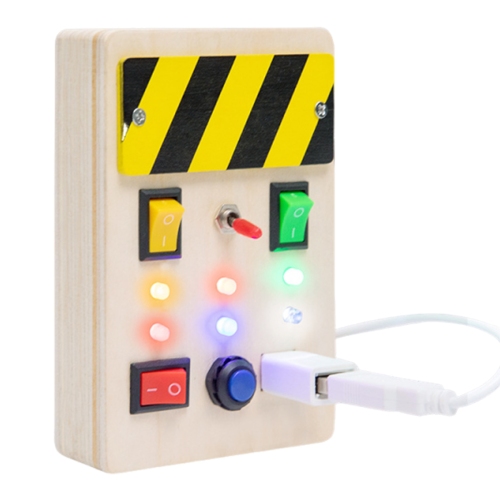
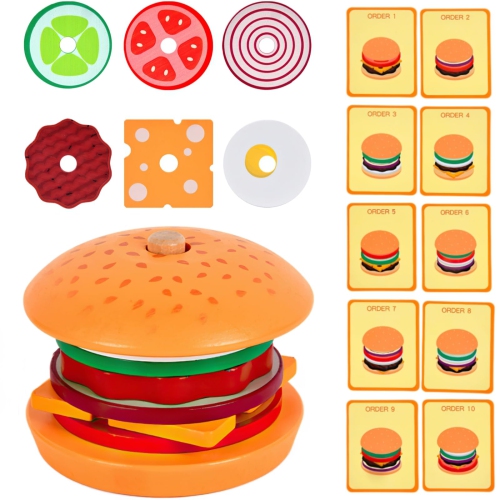
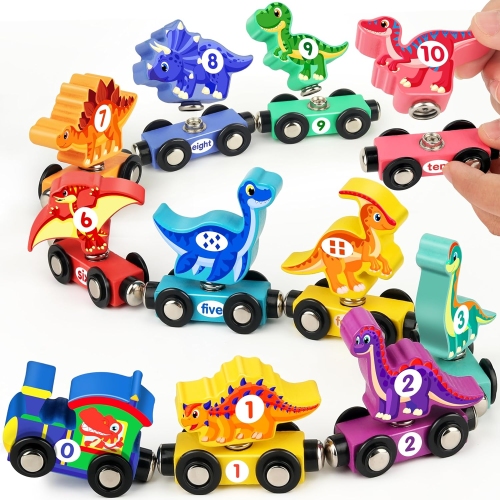
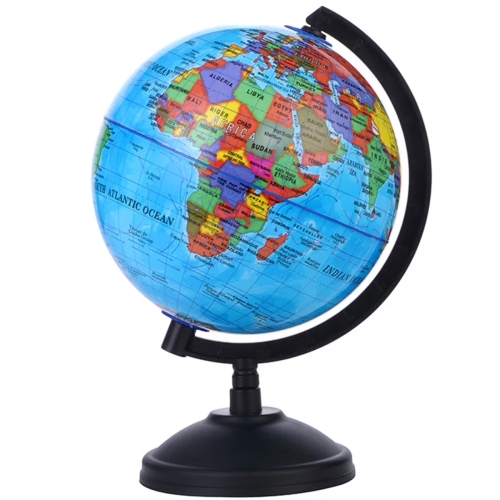


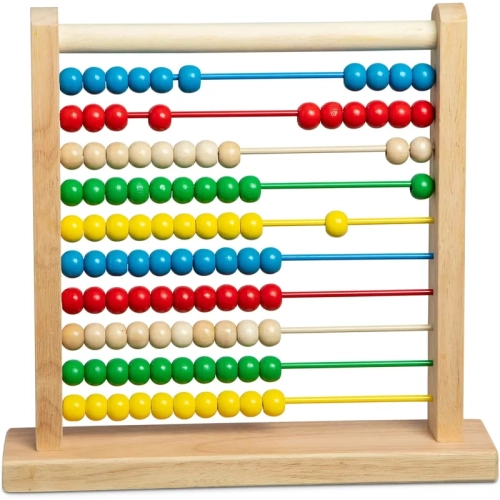
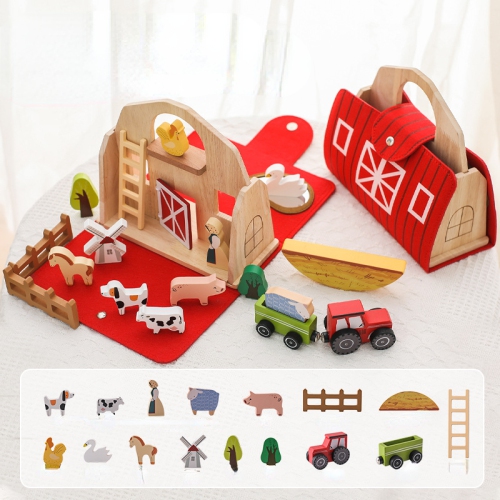
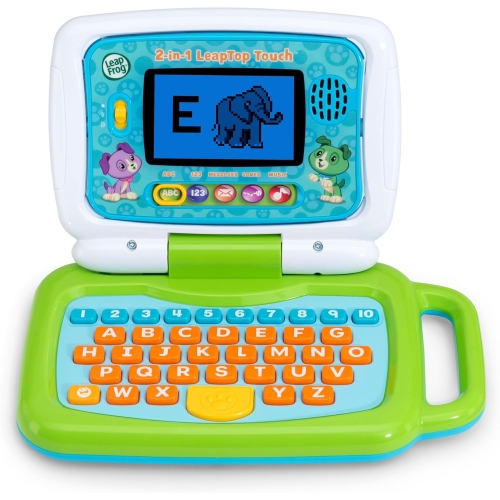
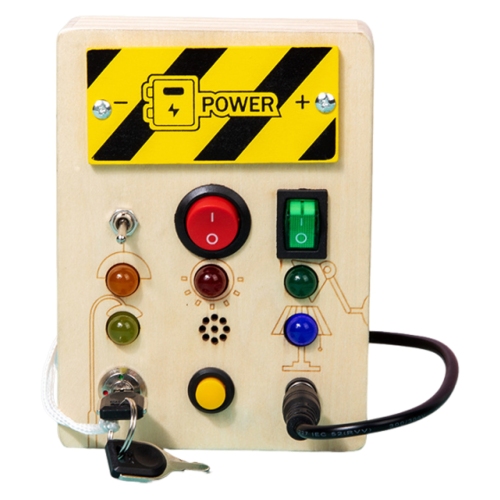

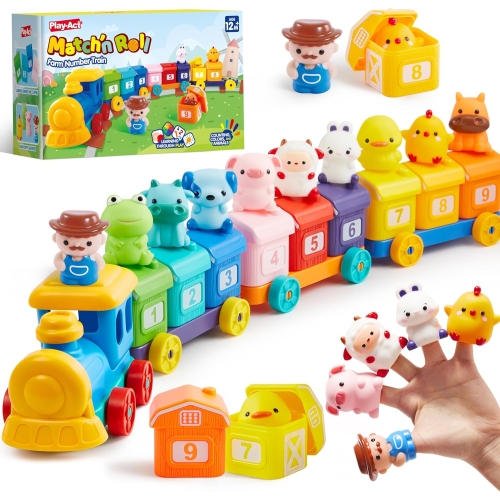
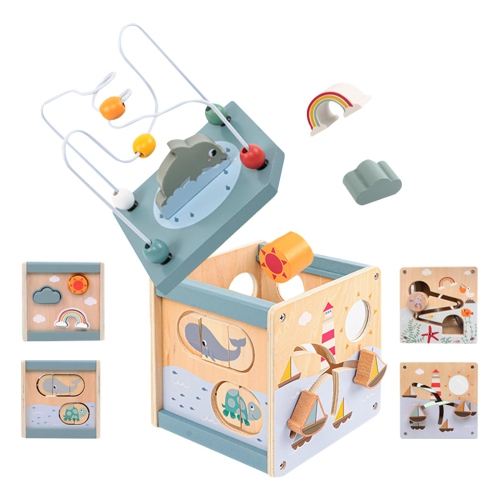
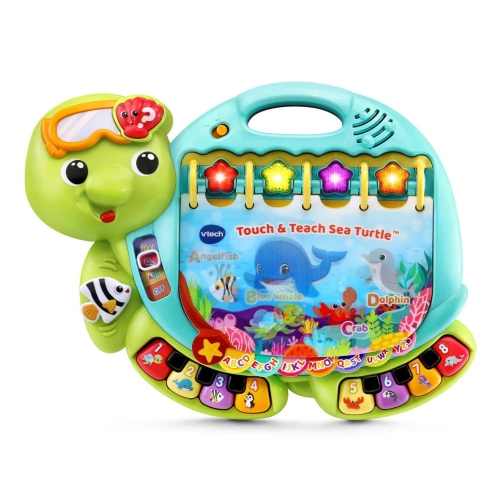
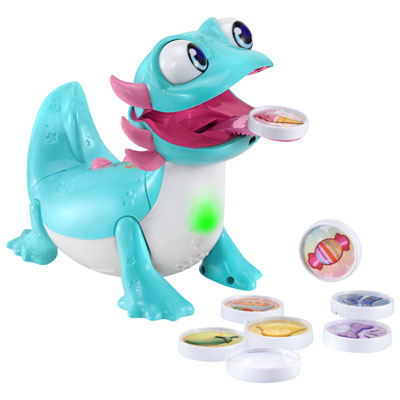
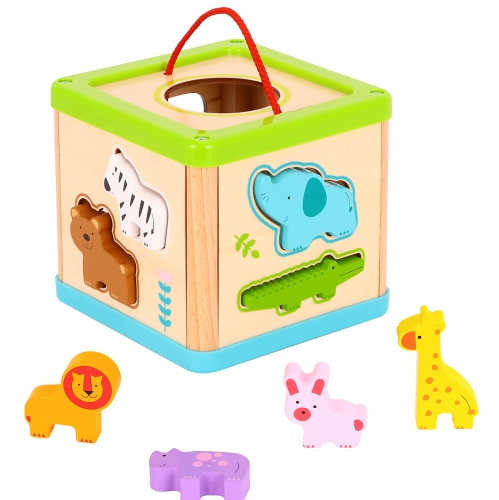
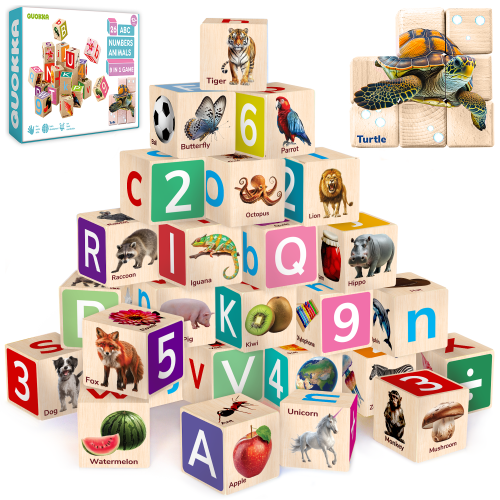
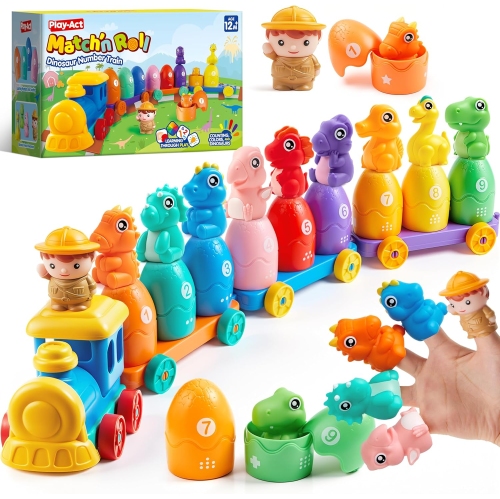
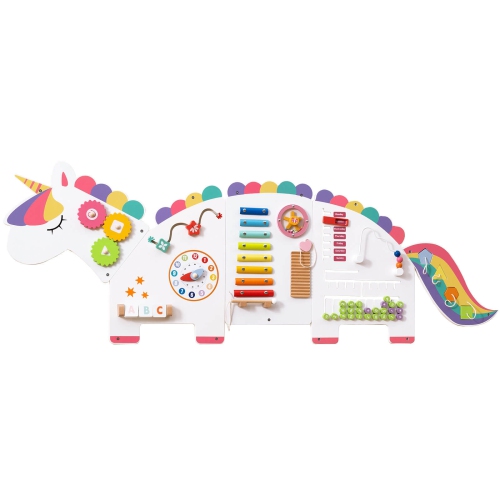
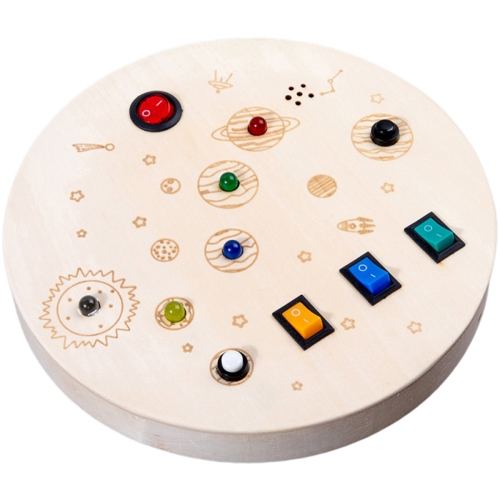
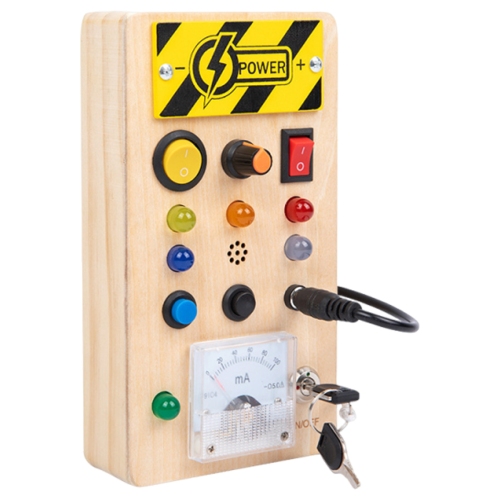
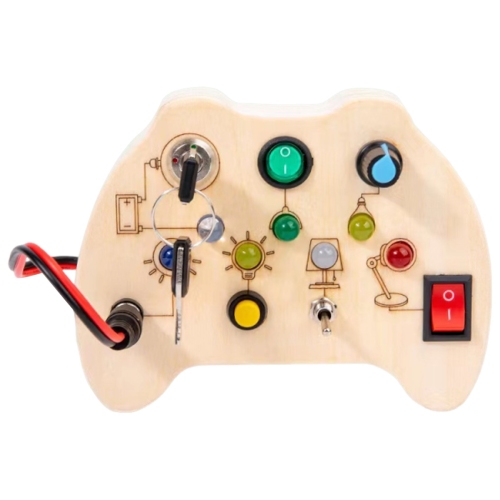
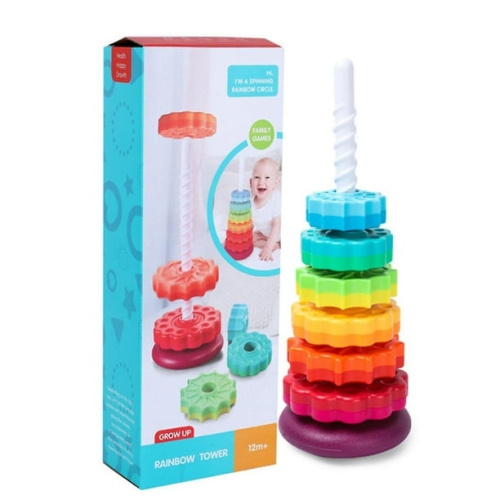
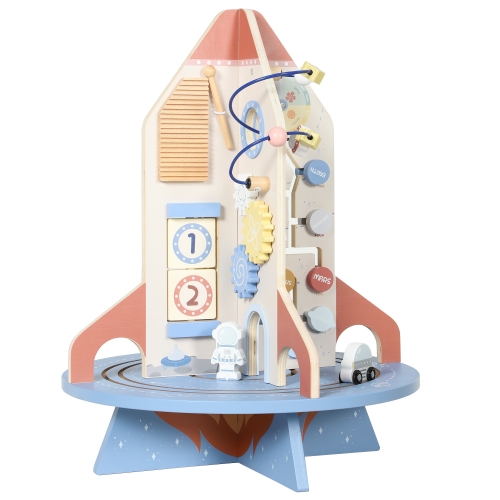
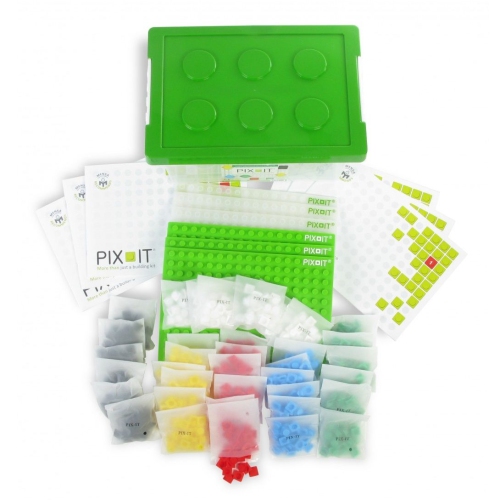
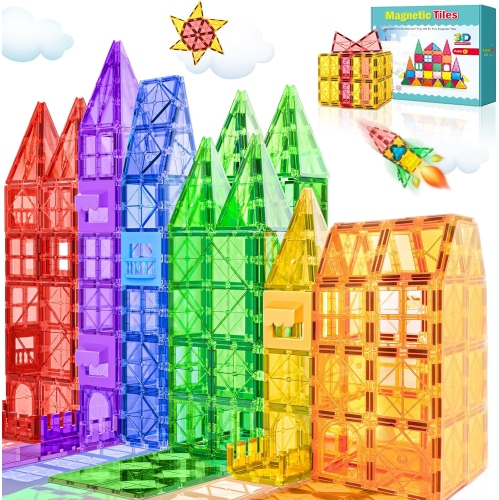
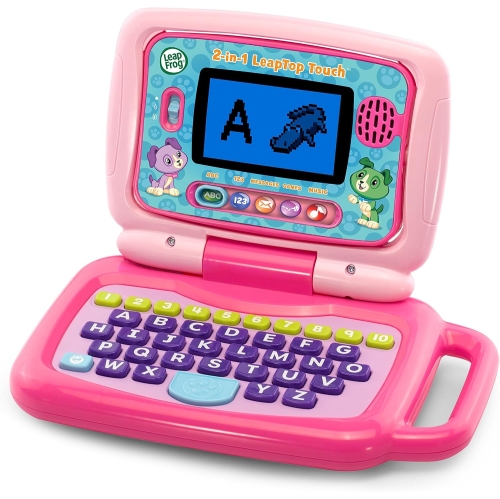
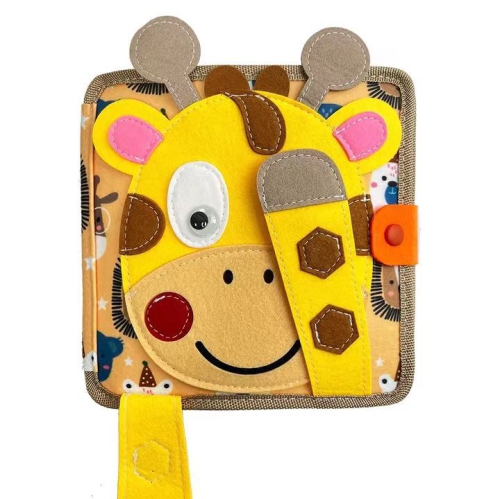
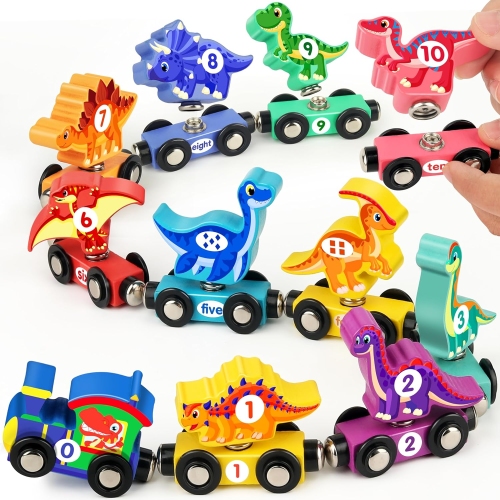
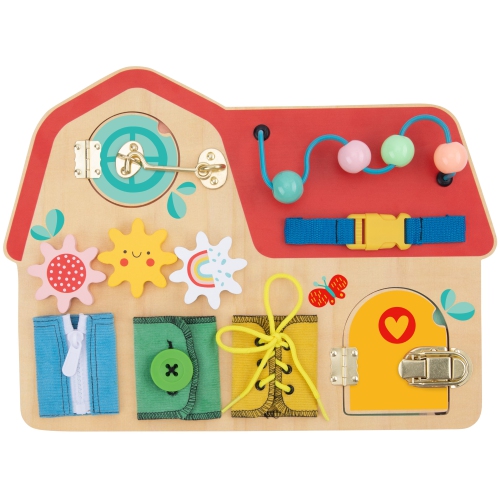
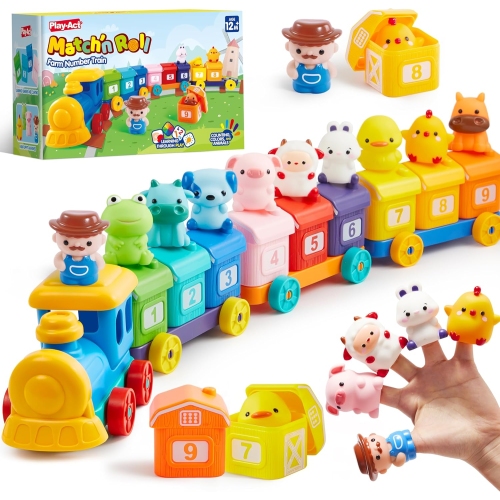
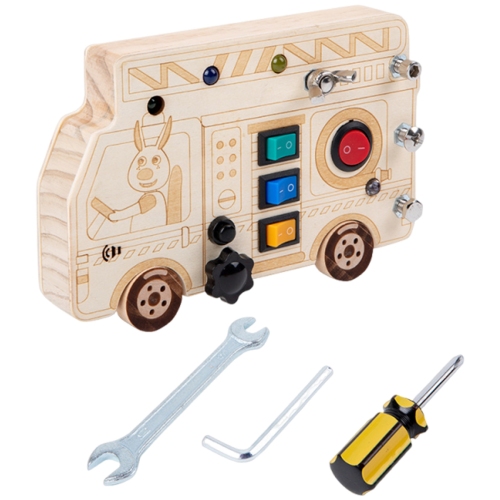
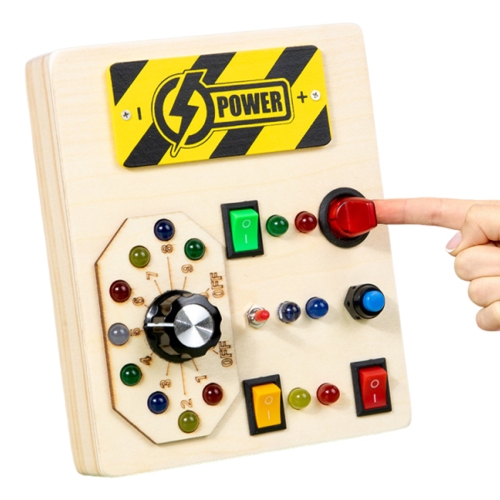
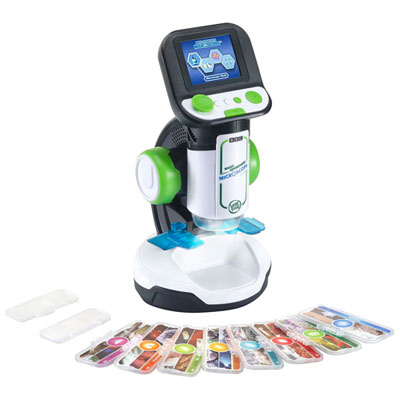
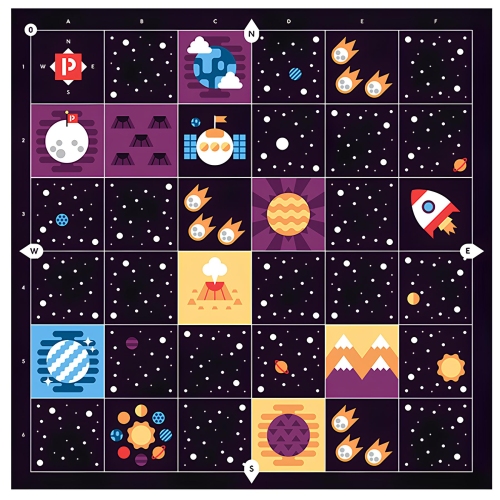
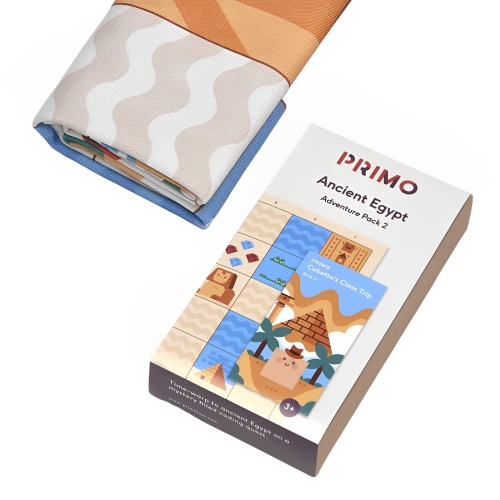
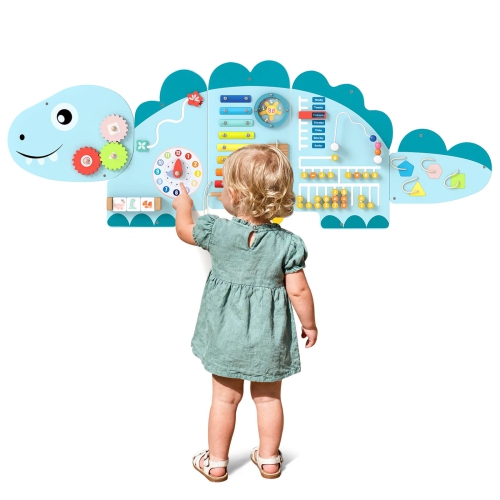
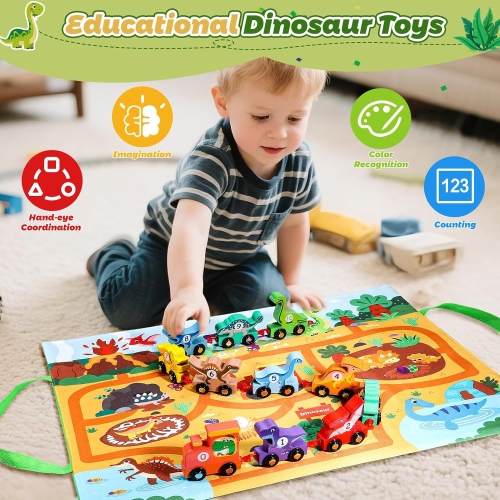




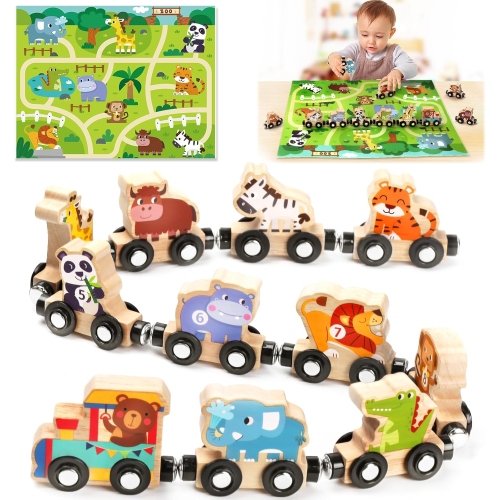
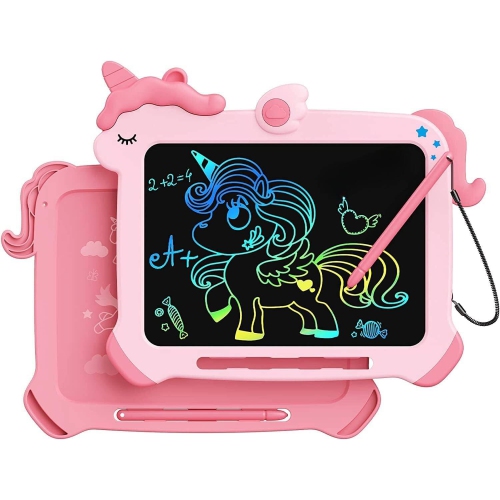
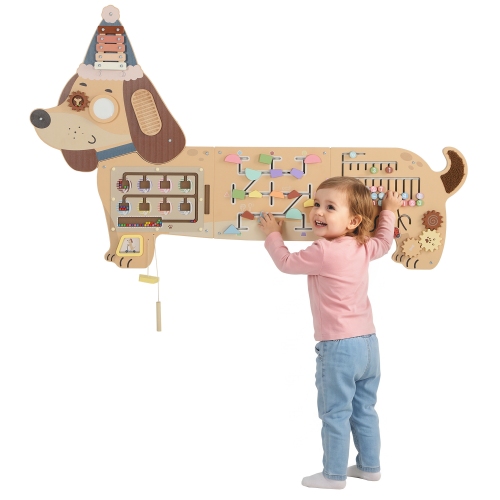
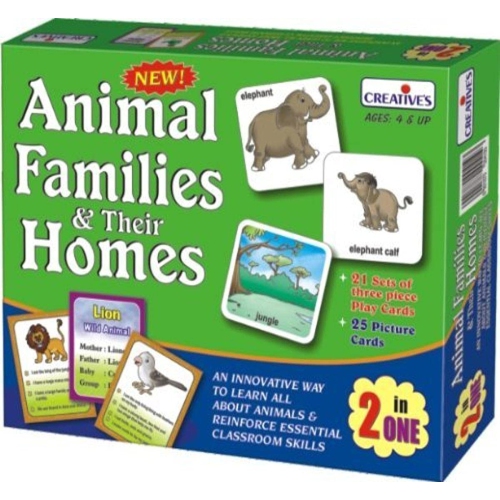
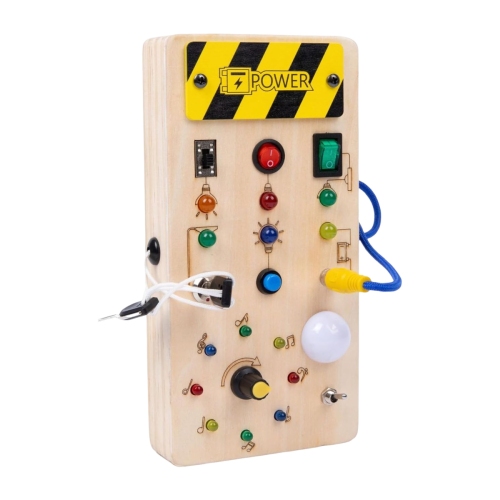
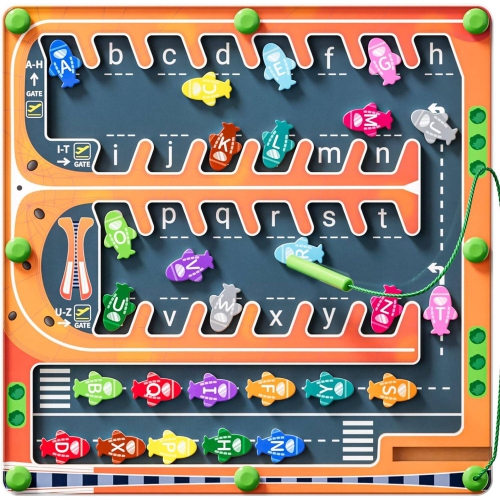
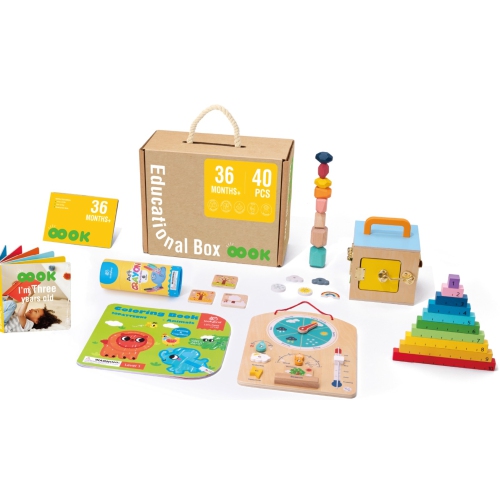
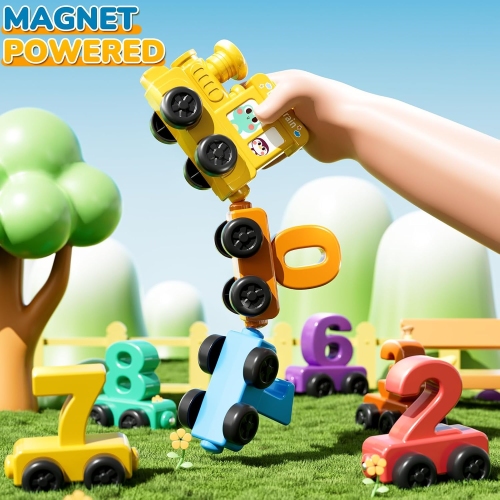

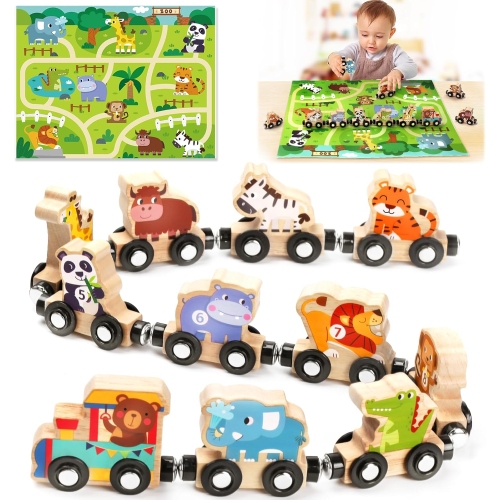
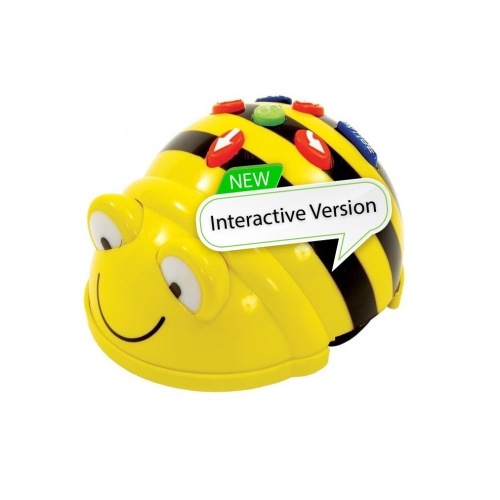
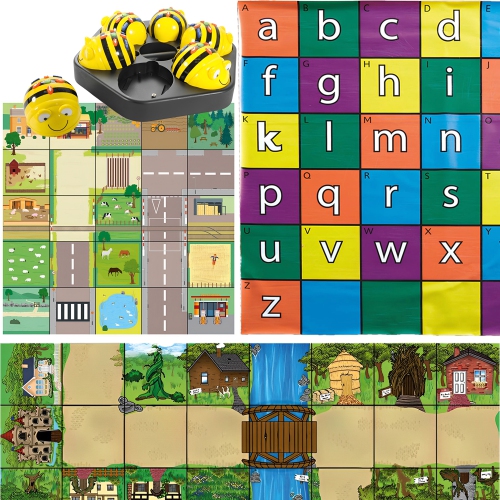
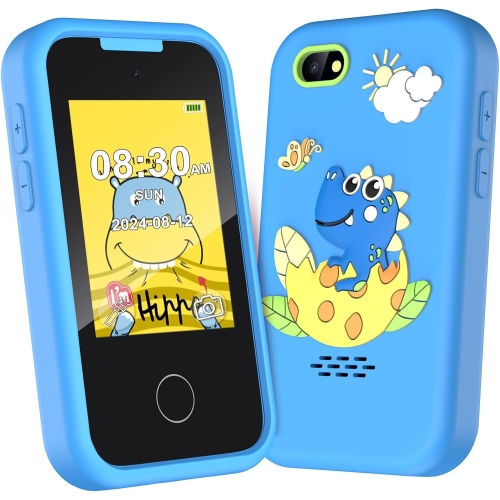
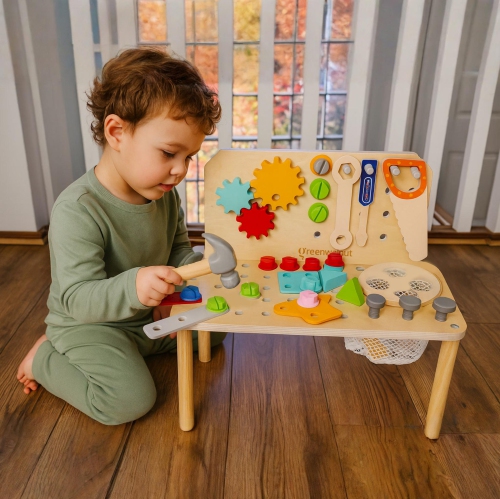
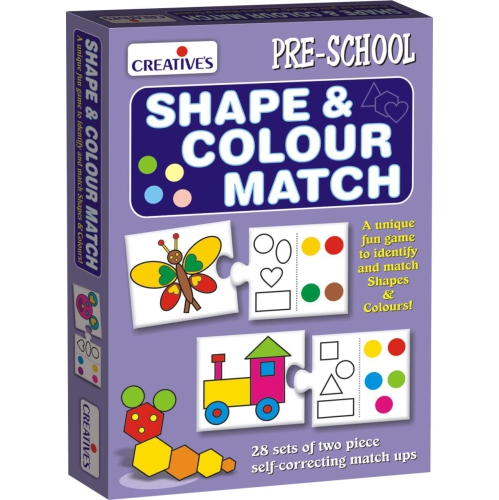

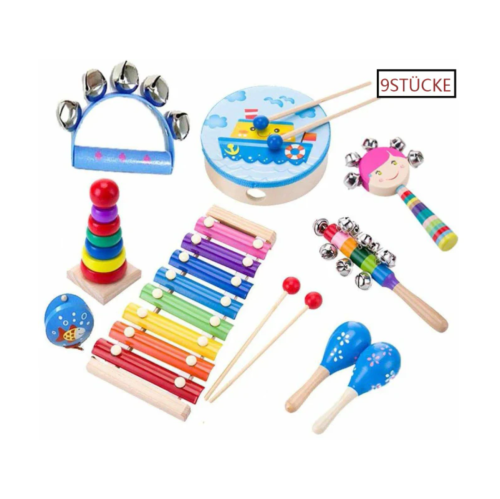

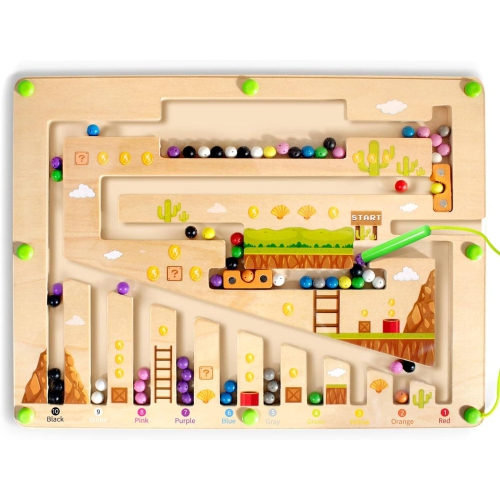
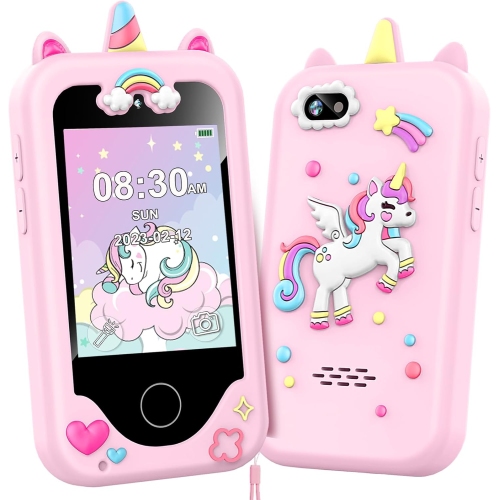
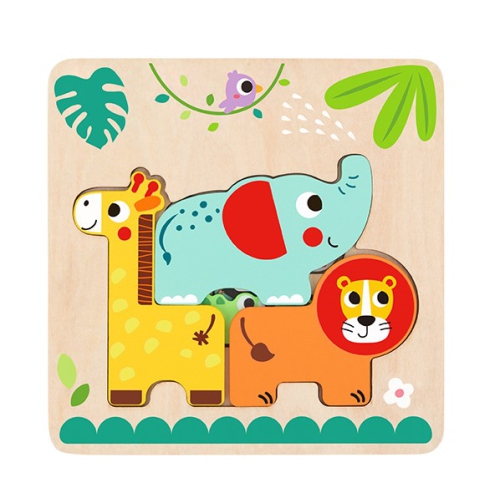


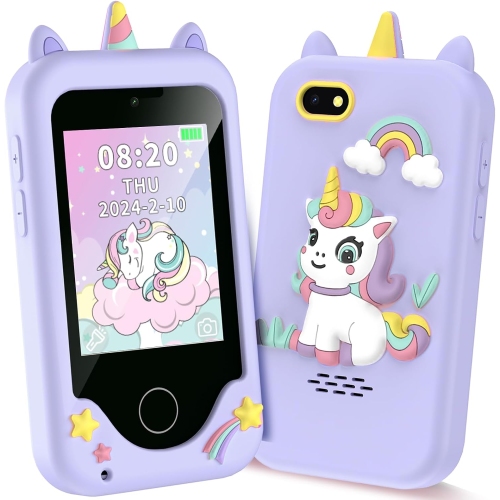
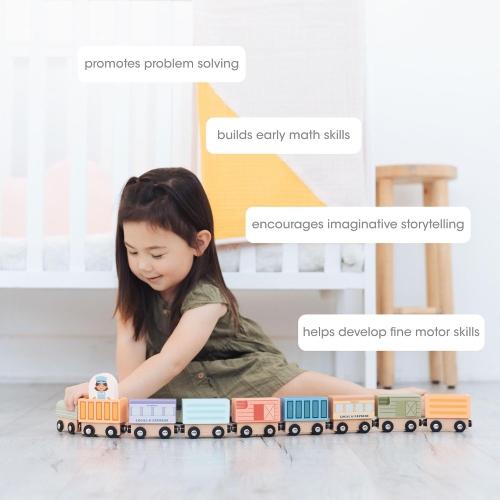
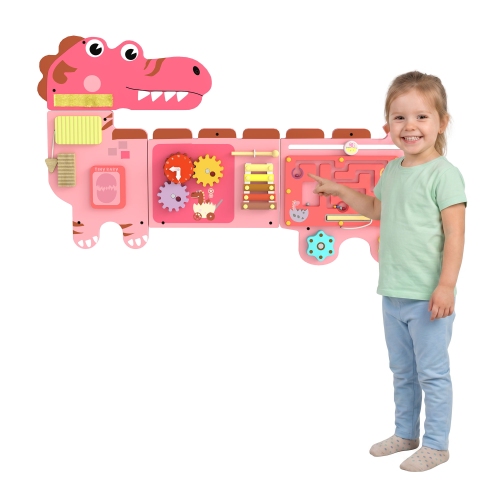

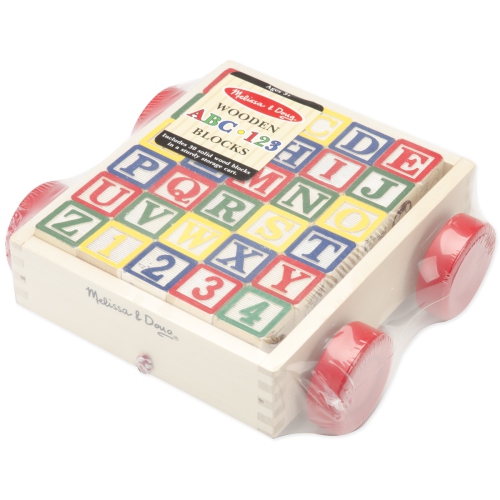
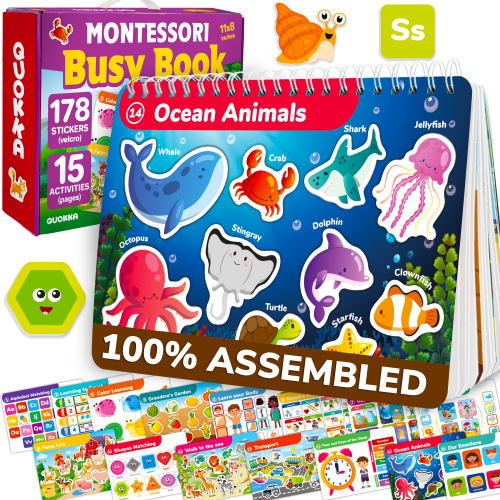

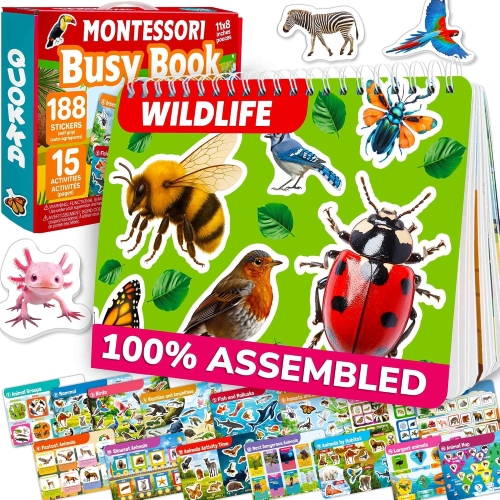
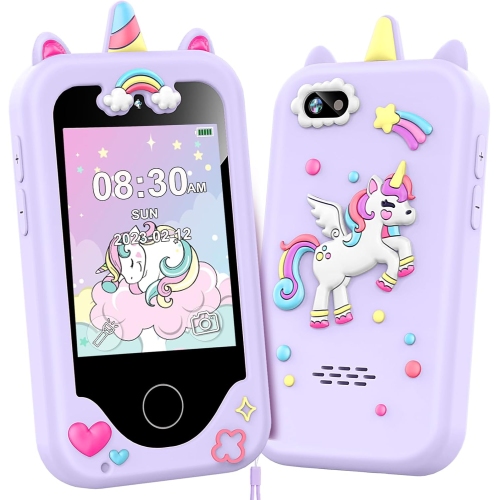
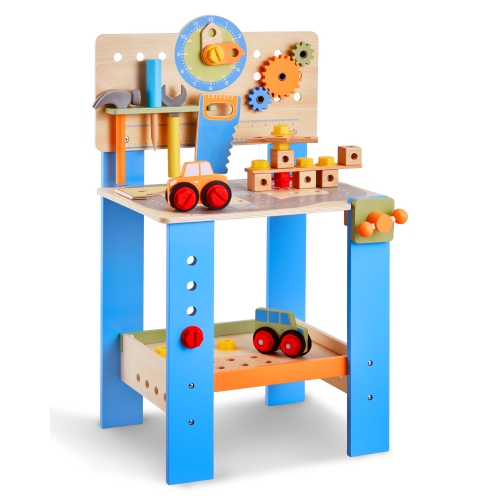
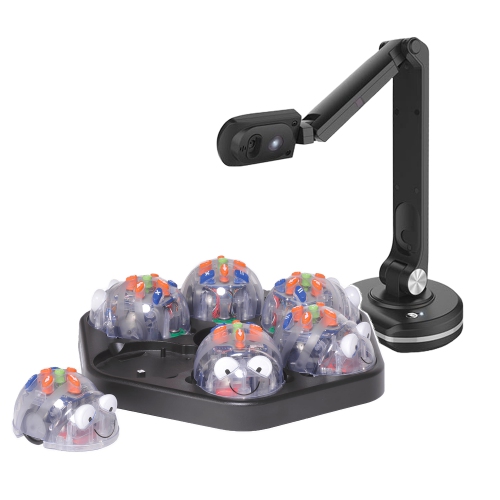
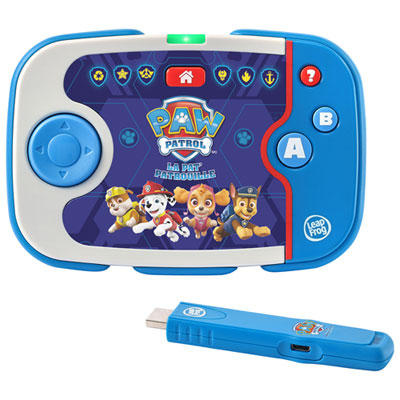
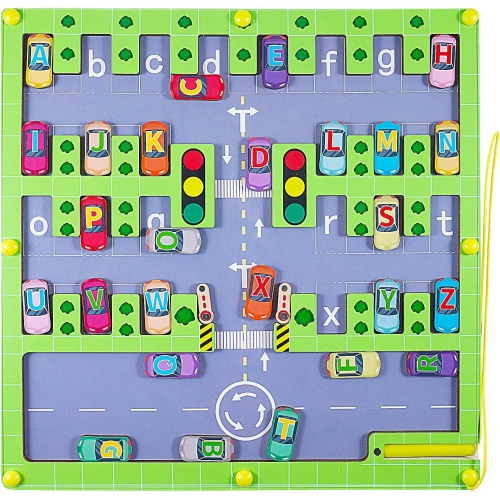
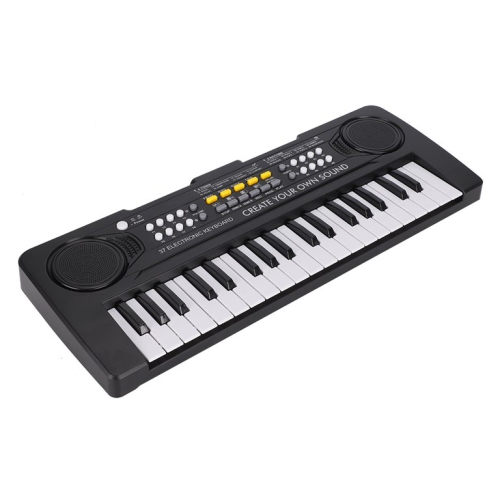
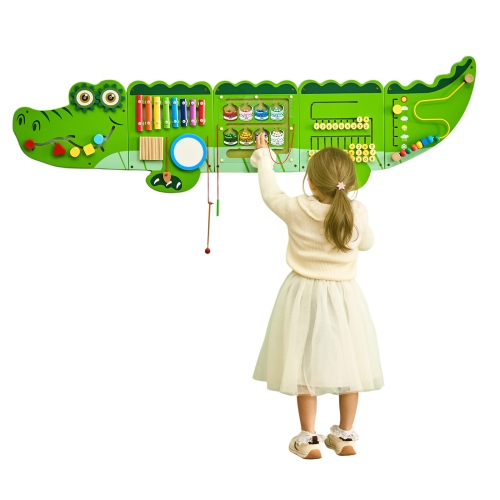
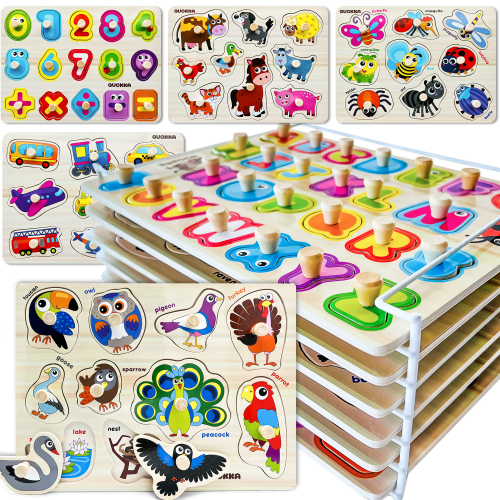


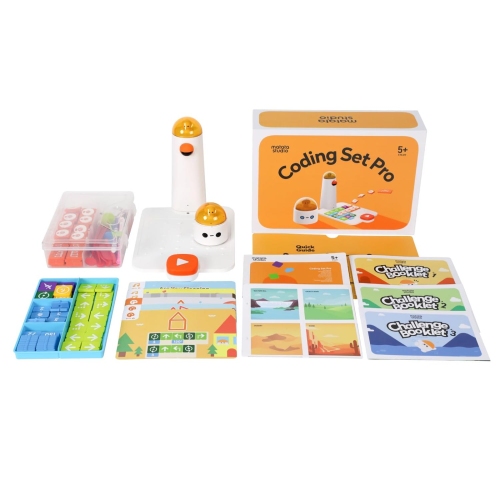
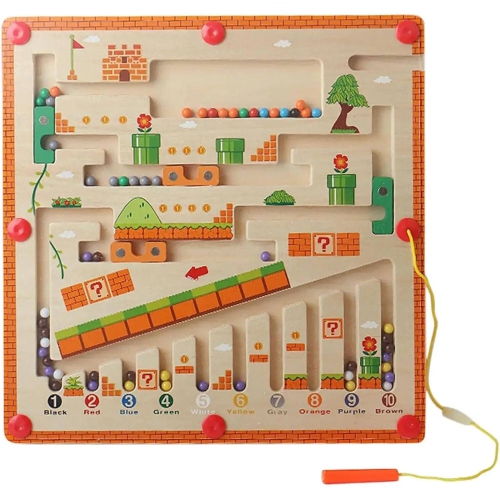
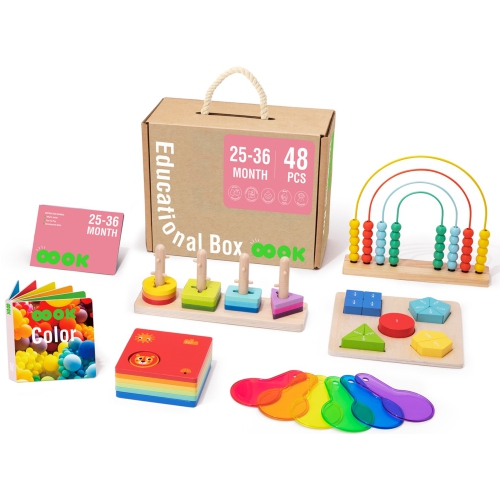

How hands-on play makes early learning tangible
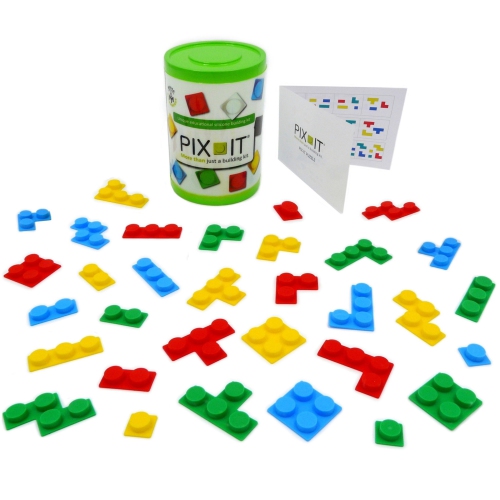
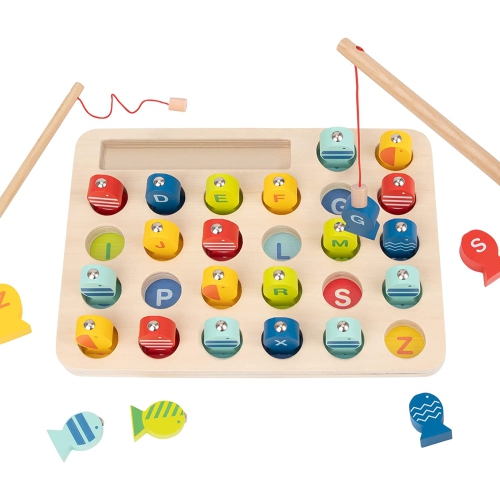
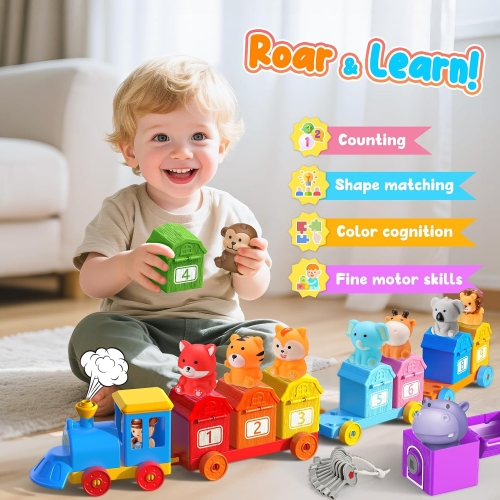
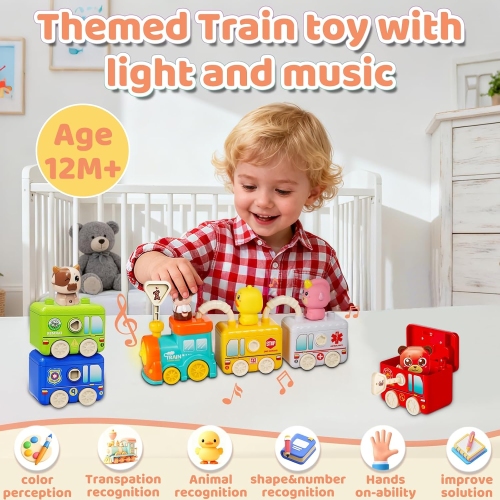
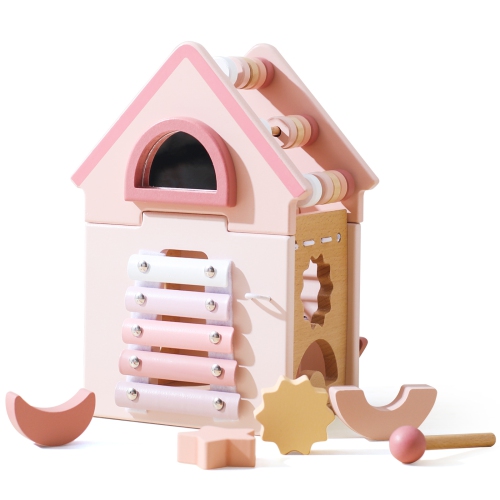
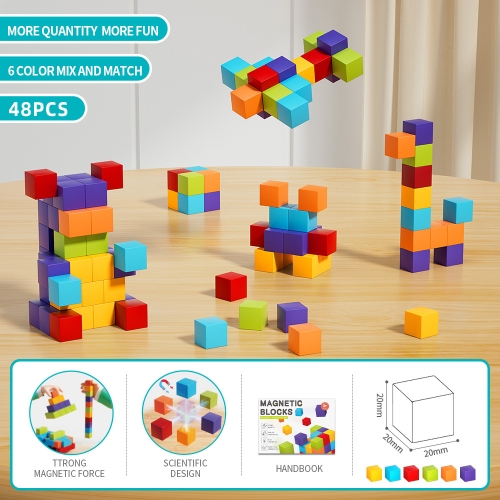
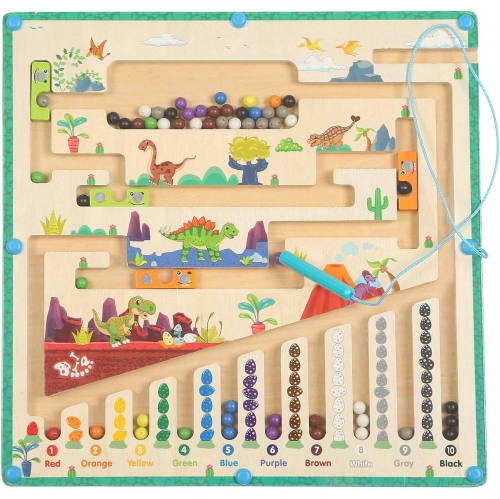
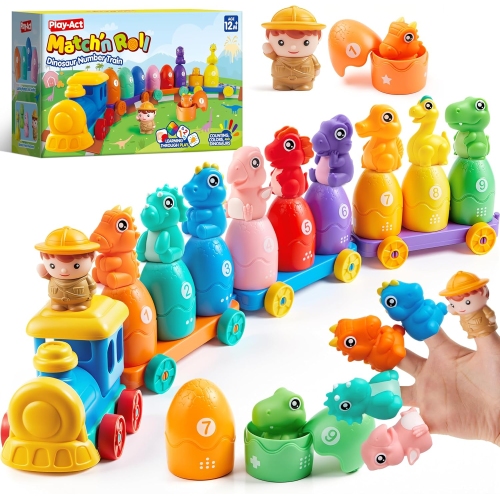
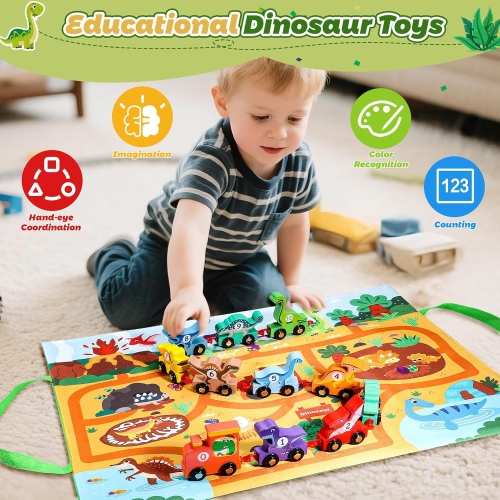
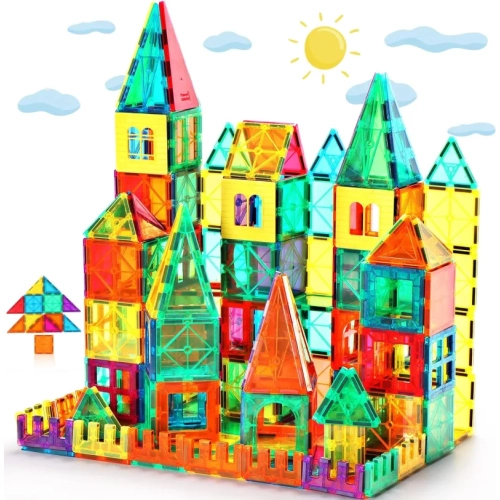
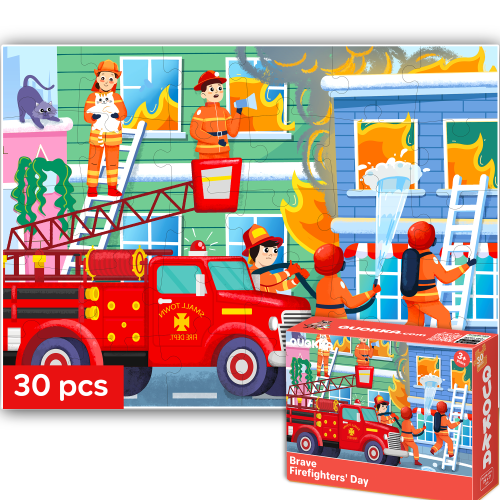
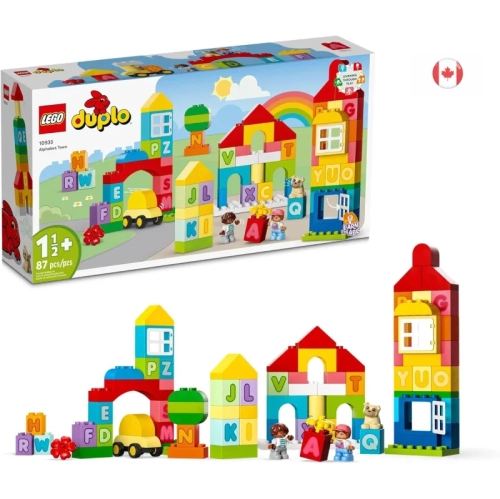
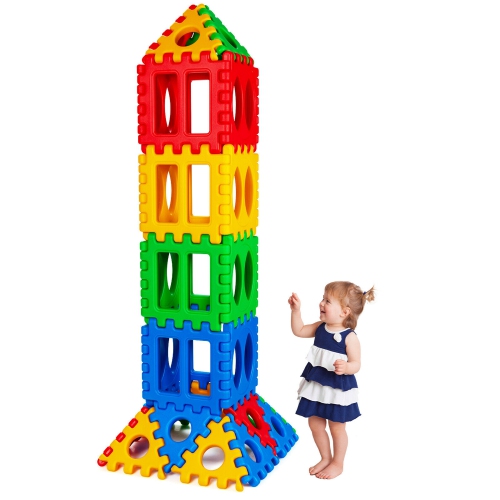
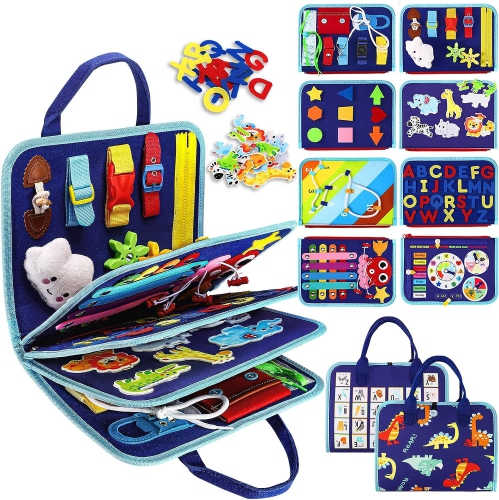
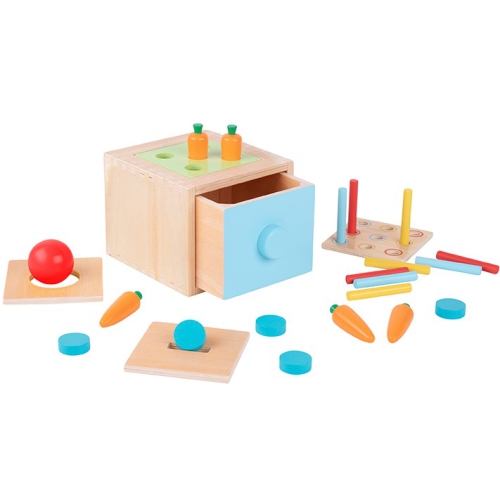
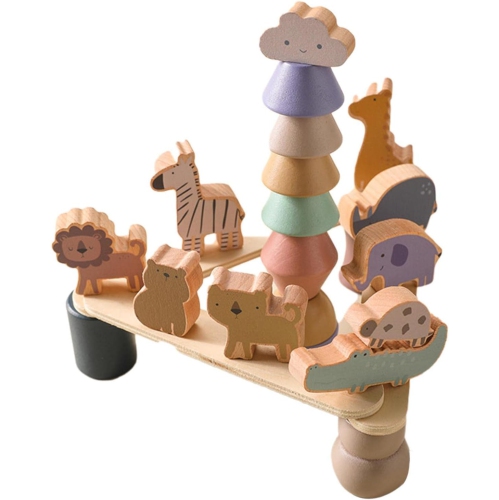
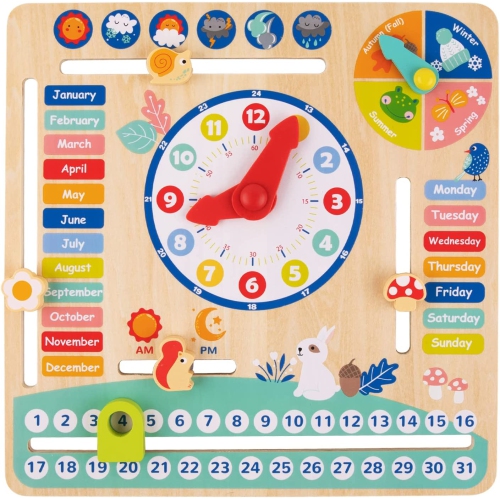
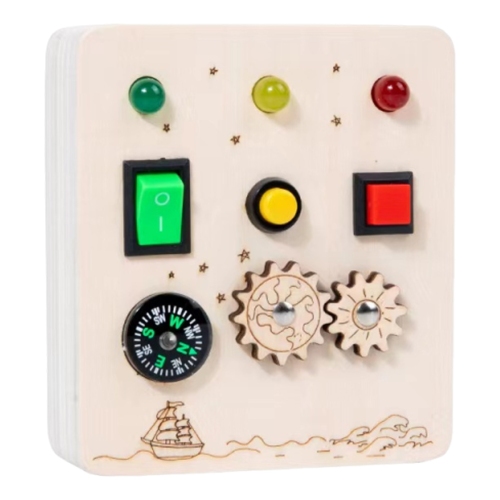
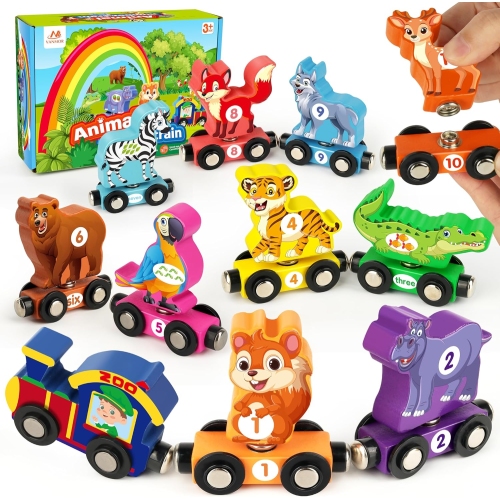
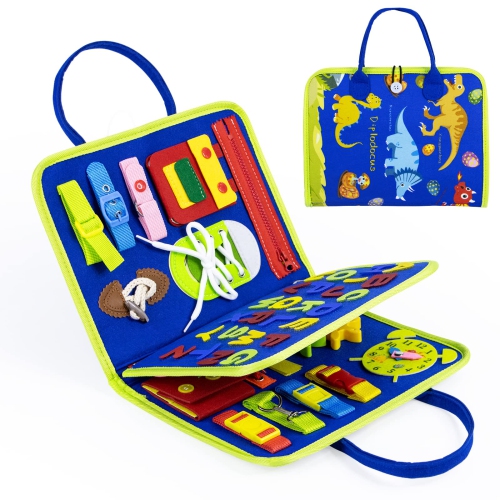
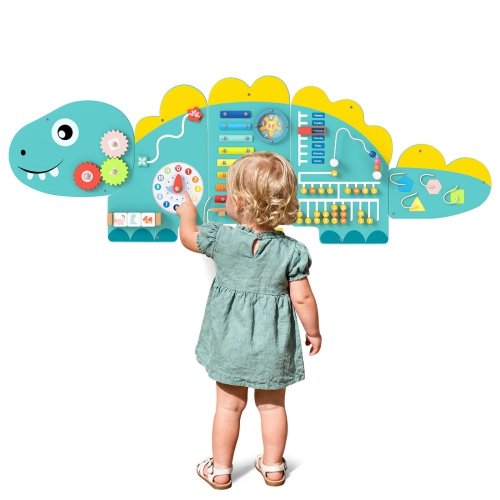
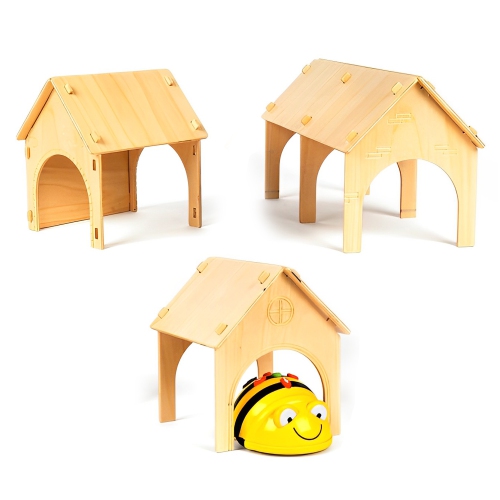
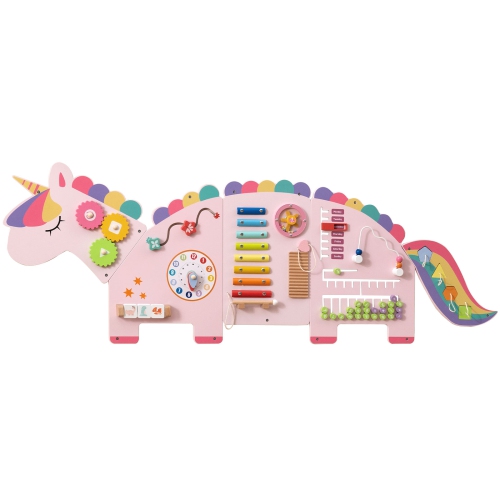
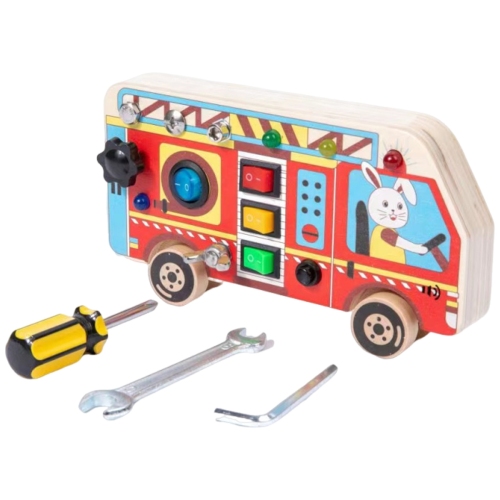
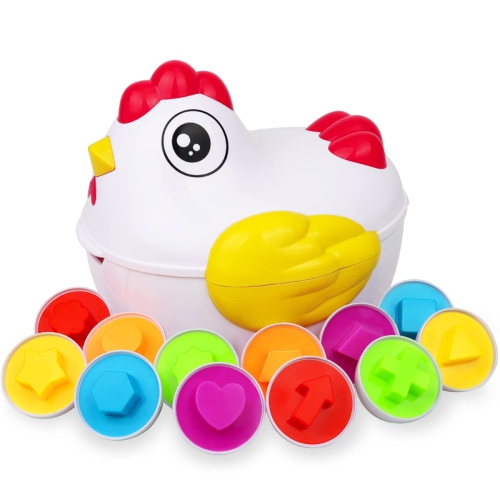
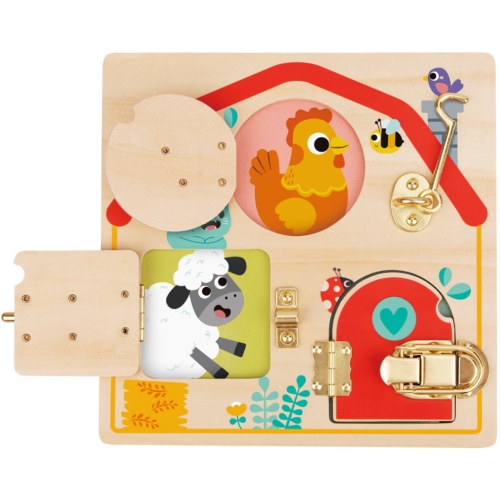
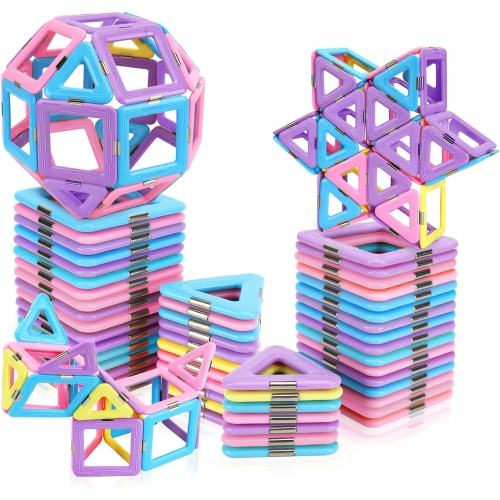
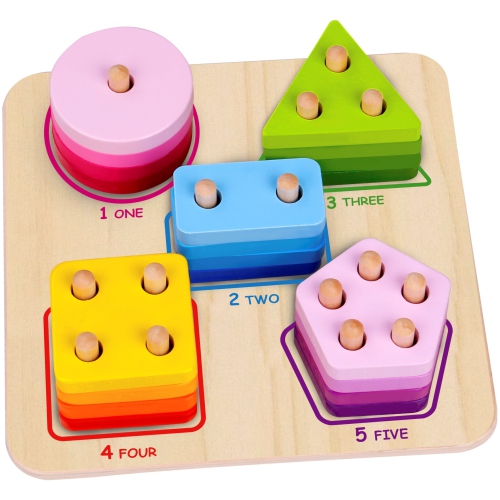
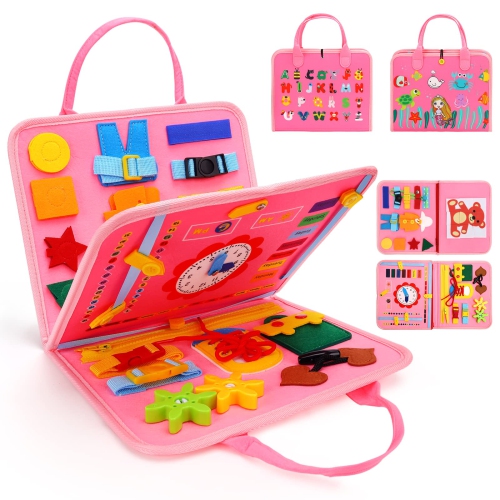
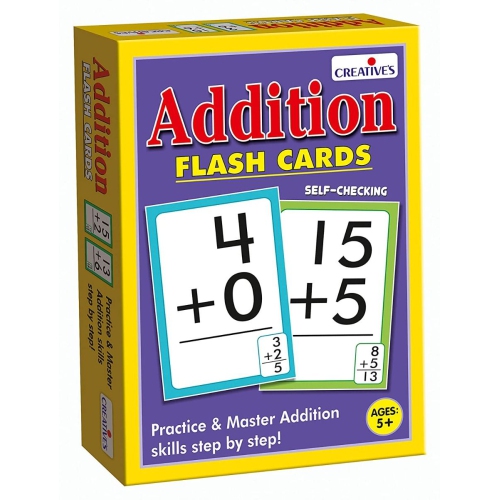
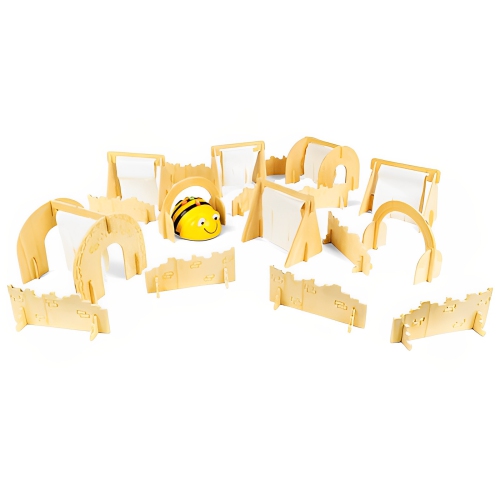
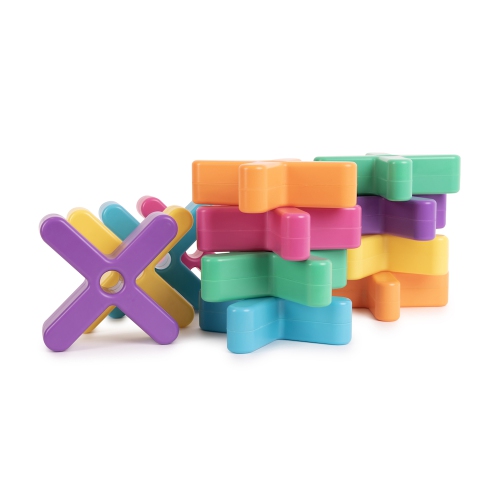
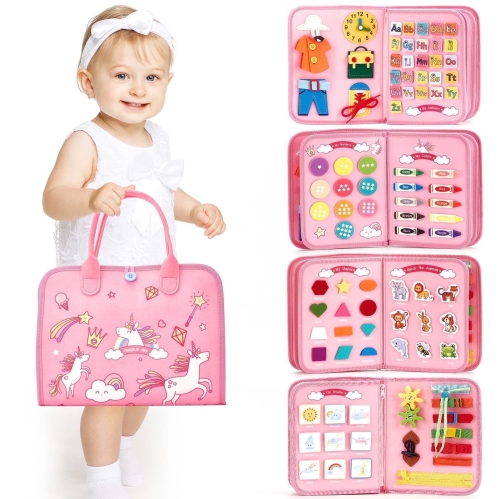
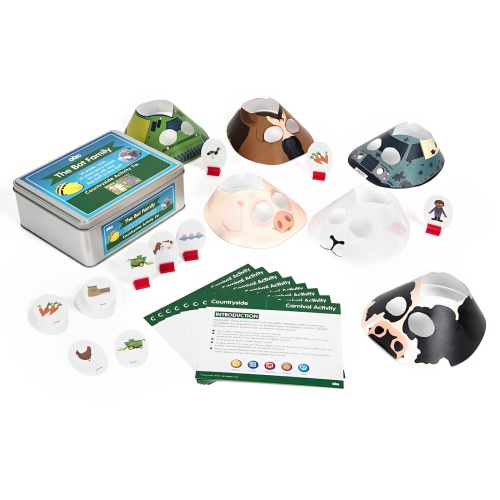
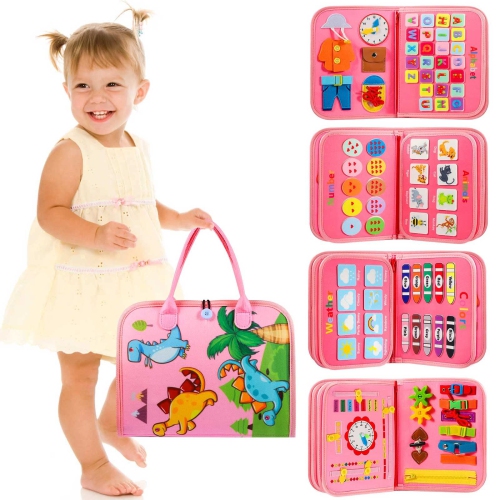
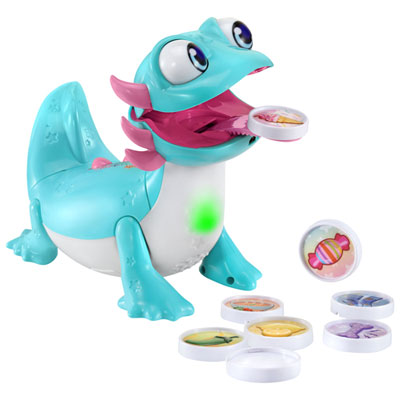
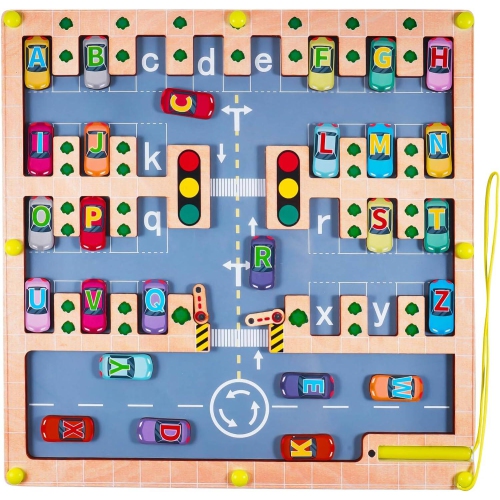
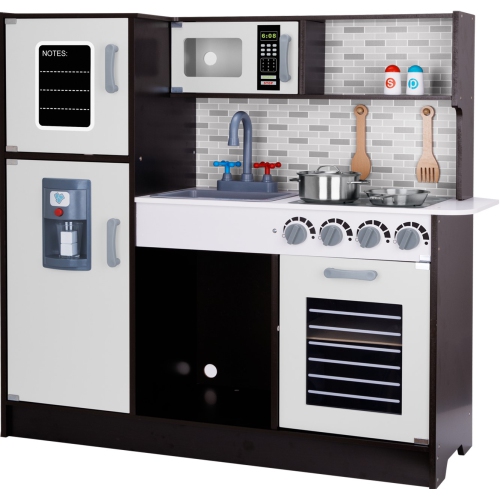
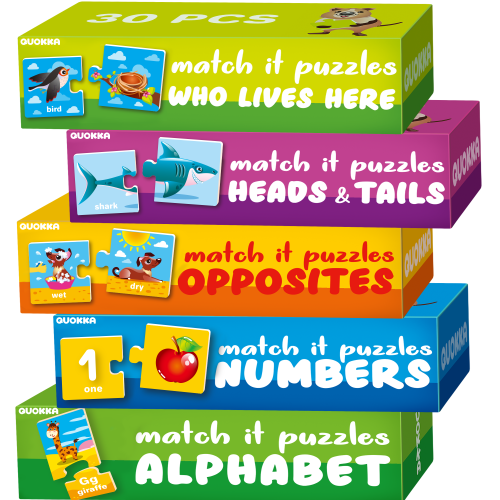
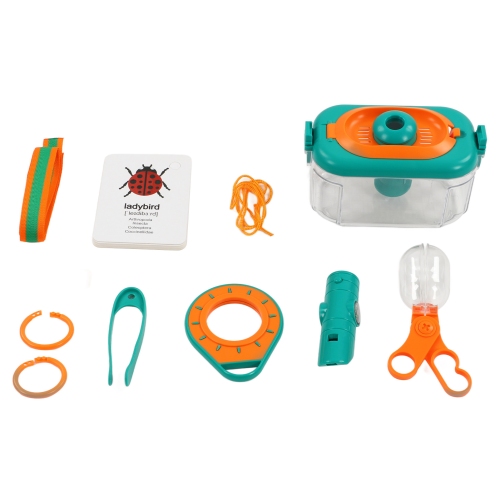
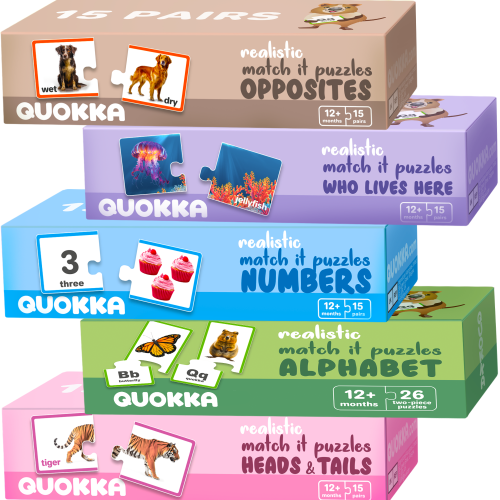
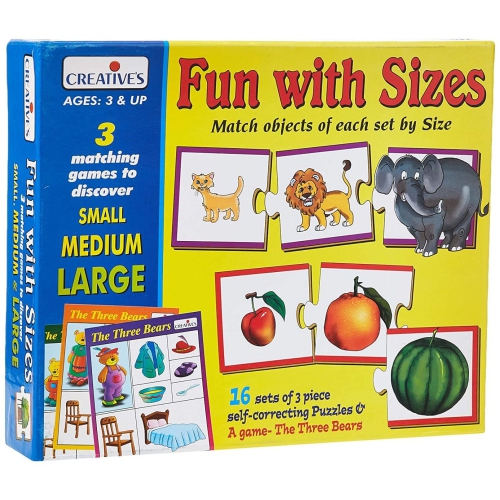
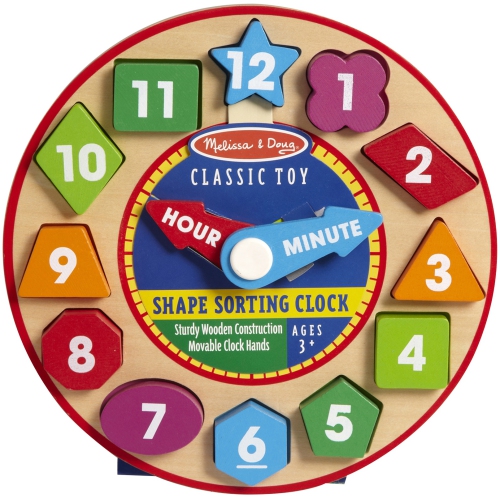
Educational toys for preschoolers support early learning through hands-on activities that invite children to build, sort, count, imagine, and experiment. For children roughly three to five years old, play can turn an abstract idea into something tangible: a triangle becomes a roof, five counters fill five spaces, and a row of alternating colours becomes a pattern worth repeating. Building toys encourage spatial reasoning as children rotate pieces, compare sizes, and discover why a wide base helps a tower stand. Puzzles and shape-matching activities give them opportunities to notice details, test a possible fit, and try another approach without needing a single prescribed route to success. Sorting toys can introduce early maths through grouping, matching, and comparing quantities, while manipulatives that children pinch, turn, stack, or thread offer practice with fine motor control and hand-eye coordination. Early literacy toys bring letters, sounds, pictures, and storytelling into everyday play, whether a child is matching an initial sound to a familiar object or describing what happens next in an imaginary adventure. Science and exploration toys encourage observation and cause-and-effect thinking through simple actions such as rolling, balancing, or examining a textured surface. These experiences do not need to resemble formal lessons to be meaningful. A preschooler who keeps adjusting a bridge so a pretend vehicle can pass underneath is exploring height, clearance, and stability while following an idea of their own. Pretend-play toys add another dimension by giving children a reason to explain plans, negotiate roles, and use new vocabulary. During a make-believe meal, for example, counting place settings and sharing materials can happen alongside conversation. The most useful learning opportunities often come from toys with a clear starting point and enough flexibility for children to invent what happens next. An activity that begins as matching colours may later become a sorting challenge, a counting game, or part of a much larger pretend world.
The fit between a toy and a child matters more than the number of skills listed on its packaging. Manufacturer age guidance, the size and complexity of the pieces, and the actions needed to use them all help indicate whether an activity is appropriate. A child still developing a steady grip may find chunky puzzle pieces or broad drawing surfaces more inviting than tasks requiring precise movements. Another child may enjoy a more involved construction challenge but still need help following several steps in sequence. Clear visual cues, easy-to-grasp handles, and adjustable sound settings can make play more comfortable for different preferences and abilities. Materials also influence how a toy feels and functions. Smooth wooden pieces offer a firm, tactile surface for stacking and arranging; moulded plastic can suit detailed shapes and frequent handling; and fabric elements can add softness and varied textures to pretend play. Quality depends on construction as well as material, including securely attached parts, smooth edges, sturdy seams, and pieces that continue to fit together after repeated use. Preschool toys often spend as much time being carried from room to room as they do in a planned activity, so practical durability matters. Care requirements vary: some surfaces can be wiped clean, fabric components may have specific washing directions, and electronic parts generally need to be kept away from moisture. Following the manufacturer's care instructions helps protect finishes, mechanisms, and any printed learning details. Safety information deserves equal attention, particularly in homes where younger siblings share the play space. Small parts, loose magnets, and accessible button batteries present serious hazards, so age restrictions, secure battery compartments, and checks for damage are important. Toys containing magnets should remain intact, and damaged pieces should be removed from use. Adult supervision should match both the activity and the child's abilities. Enough room to spread out, stable seating where needed, and storage that keeps pieces together can also make an activity easier to enjoy and tidy away.
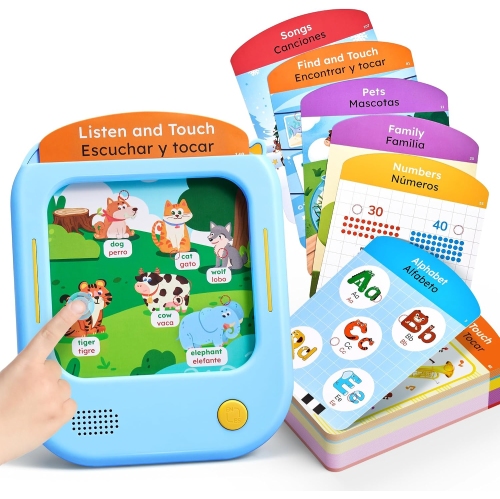
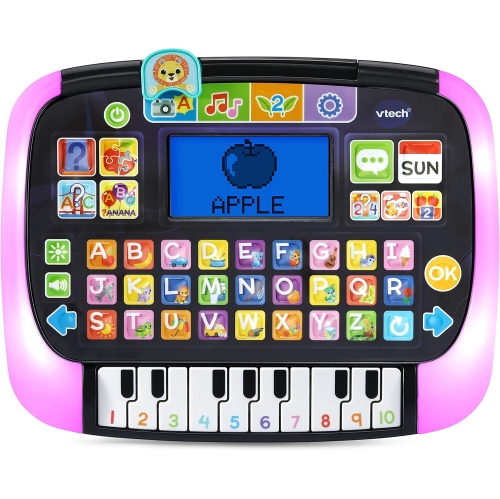
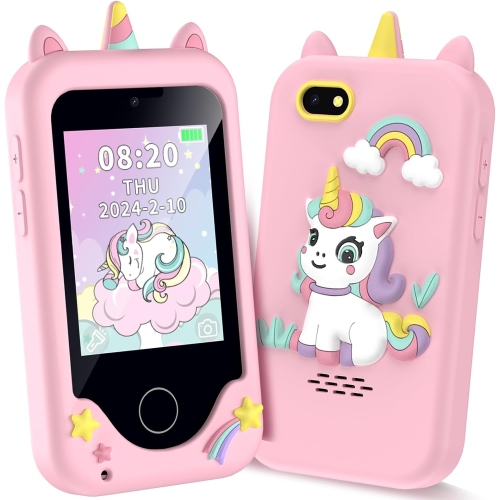
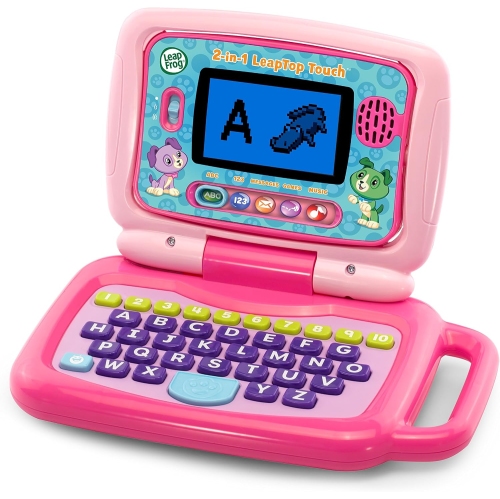
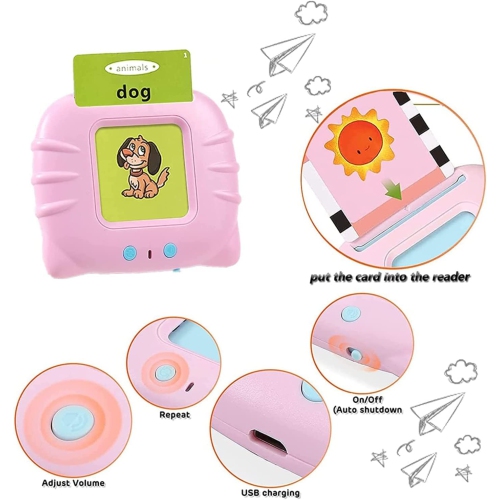
Educational toys for preschoolers can suit independent exploration, shared play with an adult, and small-group activities in childcare or preschool settings. The same toy may serve different purposes depending on how it is used. A child playing alone might spend several minutes testing which pieces balance, while two children working together may focus on taking turns and agreeing on a design. An adult can add useful language by describing what the child is doing—placing a piece beside another, making a longer row, or finding a matching shape—without turning every moment into a test. Leaving time for repetition is valuable, too. Rebuilding the same structure or completing a familiar puzzle can offer satisfaction and a chance to practise before a child chooses a harder challenge. Open-ended toys work well when the aim is imaginative exploration, while activities with a visible finish can appeal to children who enjoy completing a defined task. Electronic learning toys offer a different style of interaction through spoken prompts, sounds, or guided practice; useful considerations include understandable instructions, language options, volume control, and whether an adult needs to help with setup. For any toy, the learning content should be suited to the child's stage rather than simply offering more advanced material. Home language is especially relevant for activities based on letter sounds, vocabulary, or spoken directions. Gifts are often most personal when they connect to an existing interest, such as building, animals, music, drawing, or make-believe, while leaving room for a new skill to emerge. For a birthday or another gift-giving occasion, Educational Gifts for Preschoolers offers a related theme to explore. Practical details matter to families as well: a manageable number of pieces, straightforward cleanup, and a footprint that fits the intended play area can make a toy easier to include in daily routines. Above all, a worthwhile learning toy gives a preschooler something interesting to do, a reason to keep experimenting, and the freedom to make the experience their own.
Top selling and popular products
-
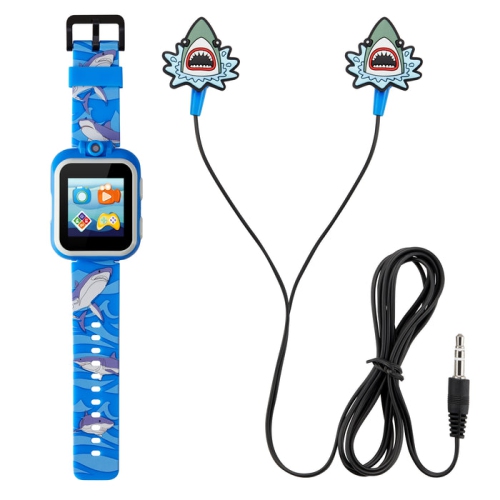 Your price for this item is $38.98
-
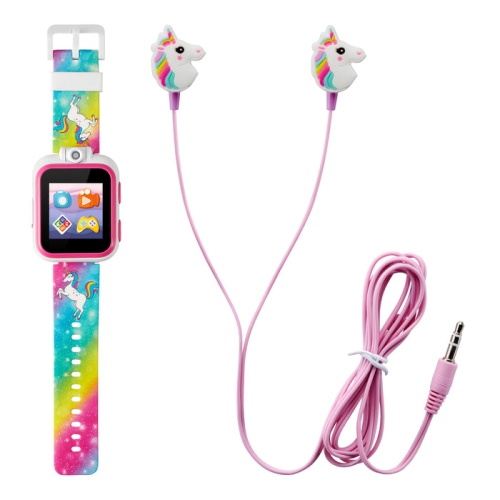 Your price for this item is $19.99
-
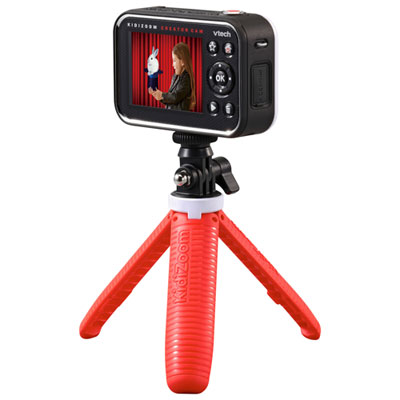 Your price for this item is $89.99
-
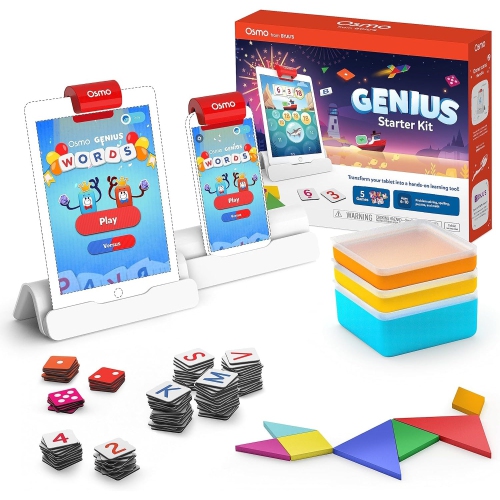 Your price for this item is $49.99
-
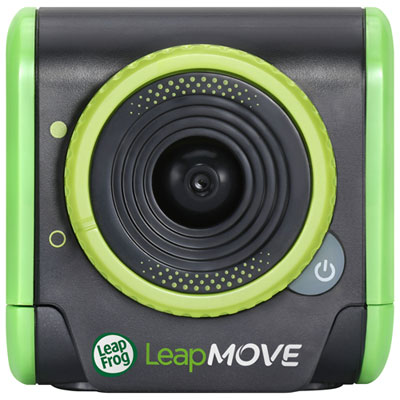 Your price for this item is $79.99
-
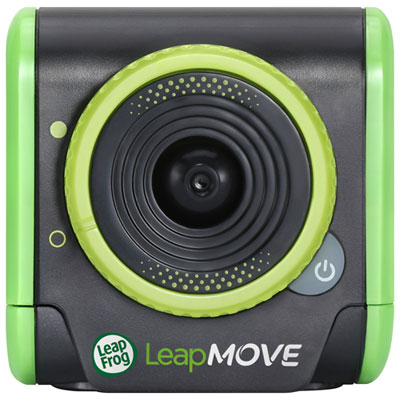 Your price for this item is $79.99
-
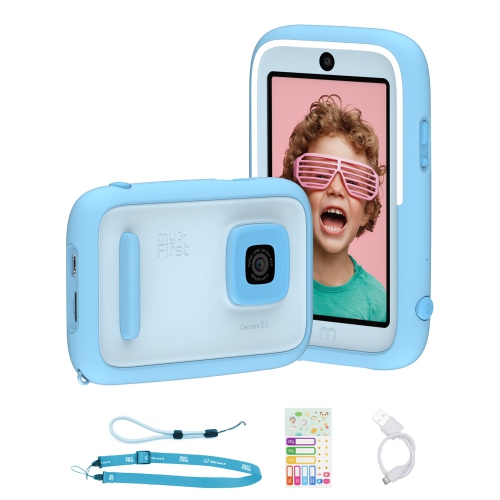 Your price for this item is $149
-
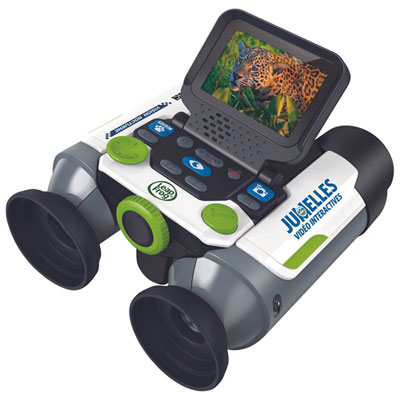 Your price for this item is $67.98
Discover more categories related to Educational Toys for Preschoolers
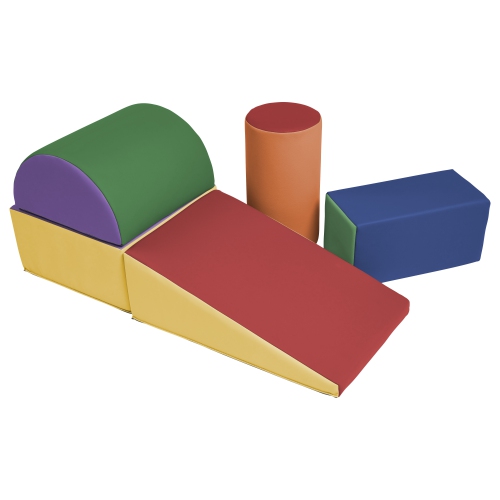
Top Collections:
Pokemon Centers, Best Cameras for Sports Photography, Kindle Devices, Samsung Galaxy Phones, Canon G7X Cameras, Pokémon 30th Celebration Cards, Refurbished Apple Laptops, iPhone 15 Apple, Laptops for Students, Budget Smartphones
Some products may be subject to Environmental Handling Fees
(EHF) depending on your province.
Learn more about EHFs.