Puzzle Boards
Looking for the perfect solution to keep your puzzles organized and secure while working on them? Our Puzzle Board page offers a variety of options to enhance your puzzling experience. With different sizes, materials, and features available, you can find the ideal puzzle board to suit your needs. Whether you're a beginner or a seasoned puzzler, these boards provide a stable surface to work on your puzzles anywhere in your home. Stay organized, protect your puzzles from pets or kids, and easily transport your unfinished puzzles with our selection of puzzle boards.
Sort


Designed for organized puzzling, storage, and comfortable setups
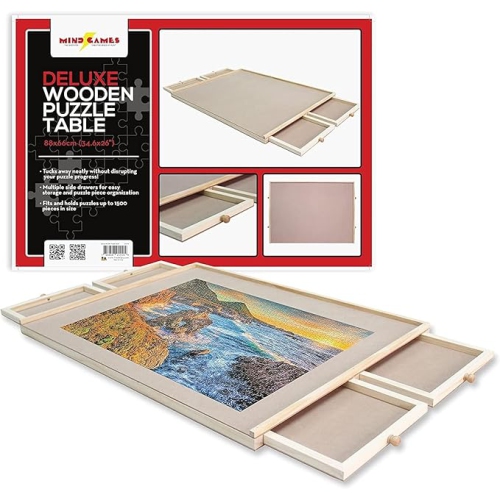
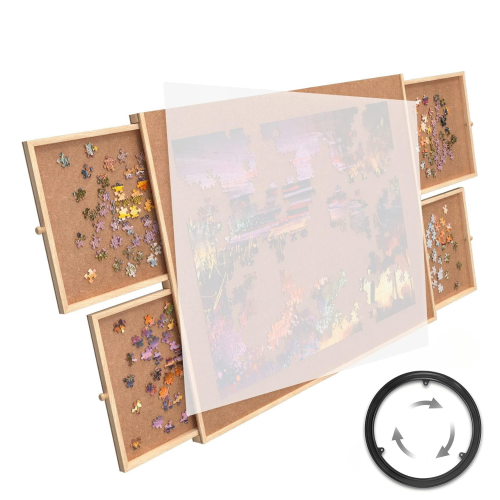
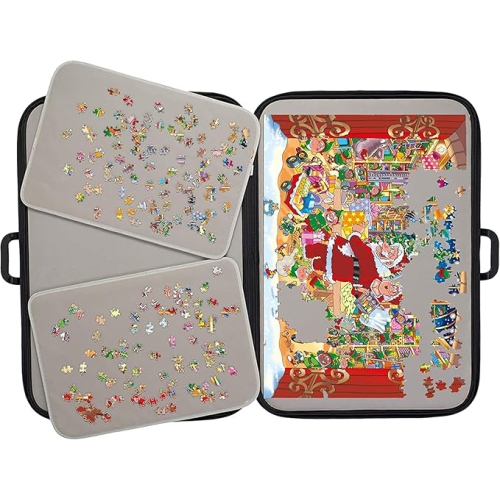
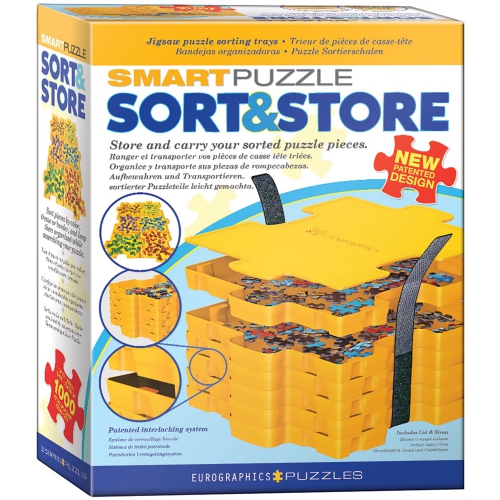
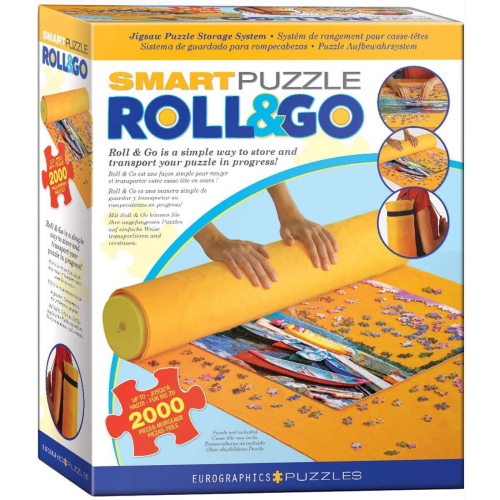
Puzzle boards are portable work surfaces designed to make jigsaw puzzling more comfortable, organized, and convenient. Instead of spreading pieces directly across a dining table, coffee table, bed, or floor, a puzzle board gives you a dedicated area for building, sorting, and storing a puzzle in progress. Many boards feature a smooth or felt-covered surface that helps pieces stay in place while you work, along with raised borders that help prevent loose pieces from sliding away. Depending on the design, a puzzle board may also include sorting trays, sliding drawers, folding legs, a protective cover, or a rotating base. These details can make a noticeable difference when a puzzle takes several sessions to complete. A board with a lazy Susan-style base, for example, can rotate through 360 degrees so you can reach different sections without leaning across the entire work surface. This is particularly useful for large puzzles, shared projects, or anyone who prefers to work from a comfortable seated position. Storage features are equally helpful: separate trays let you group edge pieces, colours, patterns, or sections of the image, while a cover or removable mat can protect your progress from dust, curious pets, accidental bumps, and the need to clear the table for another activity. When comparing puzzle boards, start with the finished dimensions of the puzzles you usually build. A board intended for smaller puzzles may not provide enough room for a 1,000-piece or 1,500-piece design, while a generously sized surface can accommodate larger layouts and give you extra space for sorting. Check the board’s listed capacity rather than relying only on the piece count, since puzzle dimensions vary by manufacturer and by format. The height, weight, and storage footprint are also worth considering. A lightweight board is easier to move between rooms, while folding legs or a foldable frame can make it practical to store in a closet when the work area is needed for meals, homework, crafts, or other activities. Felt or fabric surfaces can add grip and reduce the sound of moving pieces, whereas a firm smooth base may be easier to wipe clean. If you prefer to puzzle on a bed or sofa, look for a design that supports an elevated, stable working position; if you plan to leave the board on a table, a flat profile may be the better fit. Raised edges should be high enough to contain pieces without getting in the way of placing them, and drawers should slide smoothly while providing enough room for the categories you commonly create.
Puzzle boards can suit a wide range of puzzlers, from someone completing a first landscape puzzle to an experienced enthusiast who keeps several projects in rotation. They are useful for solo puzzling because they help keep the workspace orderly between sessions, and they can make a thoughtful gift for a friend or family member who enjoys quiet hobbies, intricate artwork, travel scenes, wildlife imagery, or classic jigsaw challenges. A board can also make puzzling more accessible for people who find it uncomfortable to bend over a low table or reach across a large surface. Choosing a board with a suitable working height, rotating function, or supportive legs may help create a more relaxed setup. Families can use a puzzle board as a shared activity centre, with children and adults sorting pieces together and returning to the same project over several days. For couples or roommates, a portable board makes it easier to move a puzzle off a shared table without dismantling the work already completed. During the cooler months, when more time is often spent indoors, a puzzle board can turn a quiet corner of the home into a welcoming creative space. It can be placed on a dining table during the afternoon, moved to a side table in the evening, and stored safely when the room needs to be used for something else. A clear cover or secure storage solution is especially useful in busy homes, helping preserve a nearly finished section until there is time to continue. Before purchasing, consider where the board will be used most often and how far it will need to be carried. Measure the available table, counter, bed, or floor area, allowing room for chairs and for sorting trays to sit beside the main surface. Think about whether you prefer to keep pieces visible in open trays or tucked away in drawers, and whether the board will be shared by more than one person. If portability matters, check the handle, folded dimensions, and overall weight. If the board will remain in one place, a larger work area and sturdier construction may be more important than compact storage. Shoppers looking for other tabletop activities may also enjoy exploring Game Boards for additional ways to spend time together.
A well-chosen puzzle board is ultimately about matching the setup to the way you enjoy puzzling. Someone who builds small, quick designs may value a compact surface with simple sorting space, while a dedicated puzzler working on intricate 2,000-piece scenes may need a broad felt workspace, sturdy raised borders, and several colour-coded trays. A rotating base can help when the puzzle fills the centre of the board, and a protective sheet can be important when a project must remain undisturbed for days or weeks. Consider the types of images you enjoy, too: detailed city scenes, dark backgrounds, skies, water, and repeating patterns often require more sorting room than puzzles with clearly separated sections. Extra trays allow you to divide similar shades and shapes before assembly begins, which can make a complex image feel more manageable without taking away from the satisfaction of finding the right fit. Puzzle boards can also support creative routines beyond traditional tabletop puzzling. They may be used for family afternoons, friendly challenges, relaxing solo sessions, or as a screen-free activity during gatherings at home. Their portable design lets you move a project closer to natural light during the day or to a comfortable chair in the evening, while a cover helps keep the layout intact between sessions. When selecting among options, review the material, board dimensions, supported puzzle capacity, storage features, rotating or tilting functions, and ease of cleaning. Look for construction that feels stable when trays are opened and closed, and make sure the surface provides enough room for both the assembled puzzle and the loose pieces waiting to be placed. With the right size and features, a puzzle board helps transform a pile of scattered pieces into an organized, inviting project that can be enjoyed at a relaxed pace.
Puzzle boards can suit a wide range of puzzlers, from someone completing a first landscape puzzle to an experienced enthusiast who keeps several projects in rotation. They are useful for solo puzzling because they help keep the workspace orderly between sessions, and they can make a thoughtful gift for a friend or family member who enjoys quiet hobbies, intricate artwork, travel scenes, wildlife imagery, or classic jigsaw challenges. A board can also make puzzling more accessible for people who find it uncomfortable to bend over a low table or reach across a large surface. Choosing a board with a suitable working height, rotating function, or supportive legs may help create a more relaxed setup. Families can use a puzzle board as a shared activity centre, with children and adults sorting pieces together and returning to the same project over several days. For couples or roommates, a portable board makes it easier to move a puzzle off a shared table without dismantling the work already completed. During the cooler months, when more time is often spent indoors, a puzzle board can turn a quiet corner of the home into a welcoming creative space. It can be placed on a dining table during the afternoon, moved to a side table in the evening, and stored safely when the room needs to be used for something else. A clear cover or secure storage solution is especially useful in busy homes, helping preserve a nearly finished section until there is time to continue. Before purchasing, consider where the board will be used most often and how far it will need to be carried. Measure the available table, counter, bed, or floor area, allowing room for chairs and for sorting trays to sit beside the main surface. Think about whether you prefer to keep pieces visible in open trays or tucked away in drawers, and whether the board will be shared by more than one person. If portability matters, check the handle, folded dimensions, and overall weight. If the board will remain in one place, a larger work area and sturdier construction may be more important than compact storage. Shoppers looking for other tabletop activities may also enjoy exploring Game Boards for additional ways to spend time together.
A well-chosen puzzle board is ultimately about matching the setup to the way you enjoy puzzling. Someone who builds small, quick designs may value a compact surface with simple sorting space, while a dedicated puzzler working on intricate 2,000-piece scenes may need a broad felt workspace, sturdy raised borders, and several colour-coded trays. A rotating base can help when the puzzle fills the centre of the board, and a protective sheet can be important when a project must remain undisturbed for days or weeks. Consider the types of images you enjoy, too: detailed city scenes, dark backgrounds, skies, water, and repeating patterns often require more sorting room than puzzles with clearly separated sections. Extra trays allow you to divide similar shades and shapes before assembly begins, which can make a complex image feel more manageable without taking away from the satisfaction of finding the right fit. Puzzle boards can also support creative routines beyond traditional tabletop puzzling. They may be used for family afternoons, friendly challenges, relaxing solo sessions, or as a screen-free activity during gatherings at home. Their portable design lets you move a project closer to natural light during the day or to a comfortable chair in the evening, while a cover helps keep the layout intact between sessions. When selecting among options, review the material, board dimensions, supported puzzle capacity, storage features, rotating or tilting functions, and ease of cleaning. Look for construction that feels stable when trays are opened and closed, and make sure the surface provides enough room for both the assembled puzzle and the loose pieces waiting to be placed. With the right size and features, a puzzle board helps transform a pile of scattered pieces into an organized, inviting project that can be enjoyed at a relaxed pace.
Top selling and popular products
-
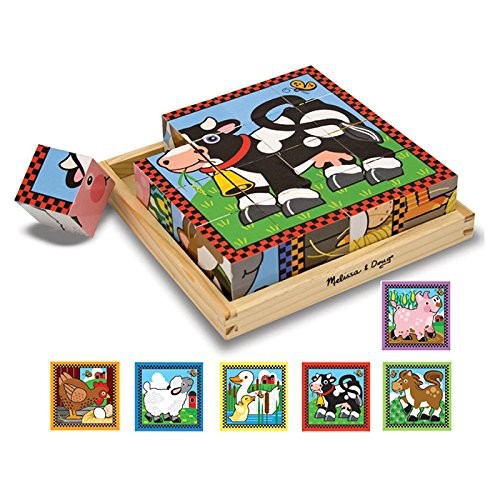 Your price for this item is $32.99
 -
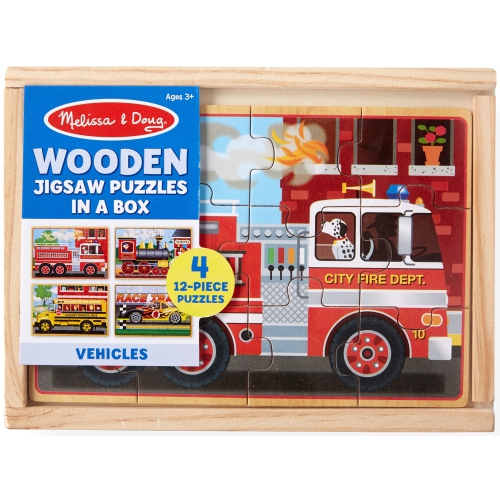 Your price for this item is $35.99
 -
 Your price for this item is $30.99
 -
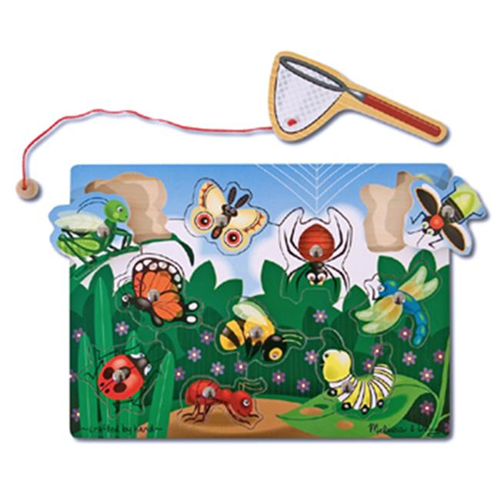 Your price for this item is $29.99
 -
 Your price for this item is $36.99
 -
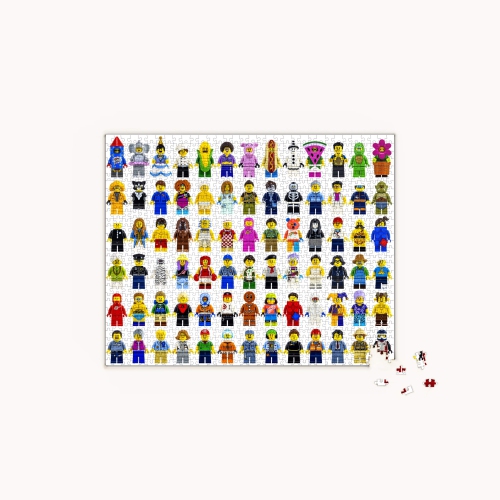 Your price for this item is $34.9
 -
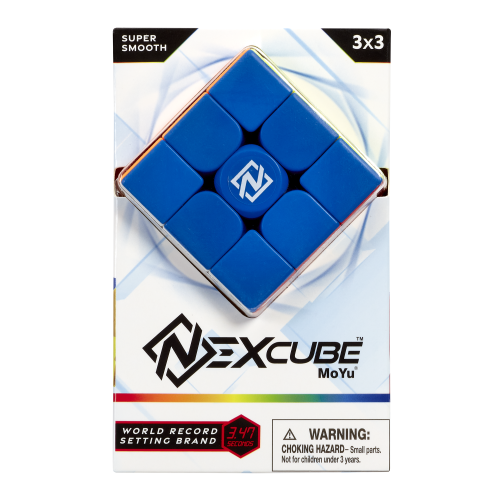 Your price for this item is $17.95
 -
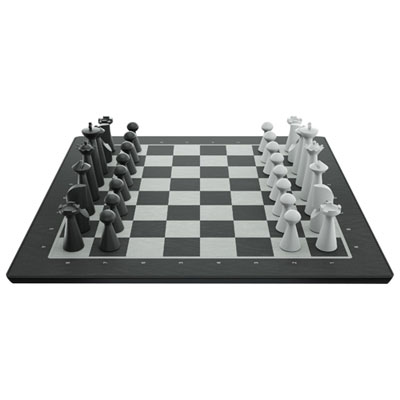 Your price for this item is $349.99
Discover more categories related to Puzzle Boards
Top Collections:
Pokemon Centers, Budget 4K TVs, Kindle Devices, Canon G7X Cameras, Apple iPhones 16, iPhone 15 Apple, Laptops for Business Work, Flip Phones, Xiaomi Phones, Refurbished Apple Laptops
Some products may be subject to Environmental Handling Fees
(EHF) depending on your province.
Learn more about EHFs.