Board Puzzles
Dive into the captivating world of board puzzles, where creativity meets challenge and fun knows no bounds. Perfect for family gatherings, solo brain workouts, or a cozy night in with friends, these engaging games offer endless hours of entertainment and mental stimulation. From intricate designs to classic favorites, board puzzles cater to all ages and skill levels, making them a versatile addition to any game collection. Discover a variety of themes and complexities that promise not only to entertain but also to enhance problem-solving skills and strategic thinking. Whether you're a seasoned puzzle enthusiast or just starting out, there's a board puzzle waiting to spark your imagination and test your wits.
Sort


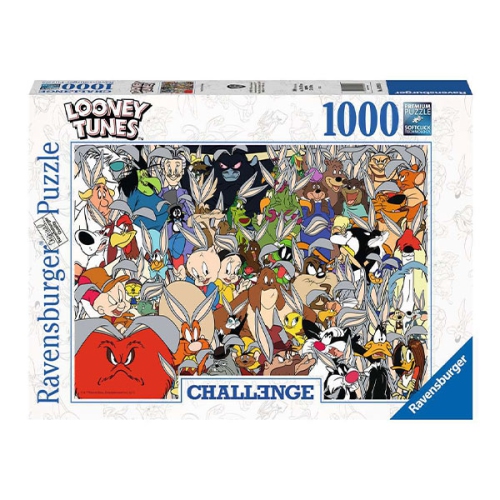
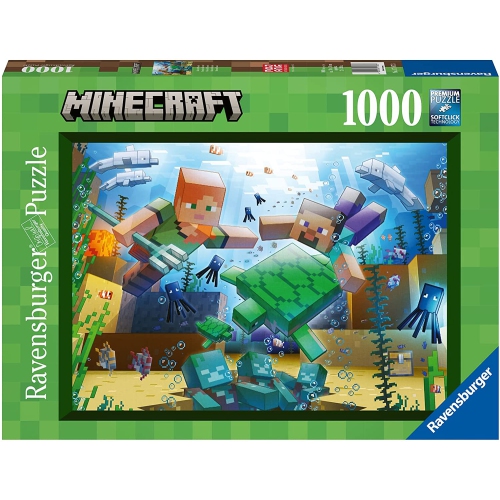
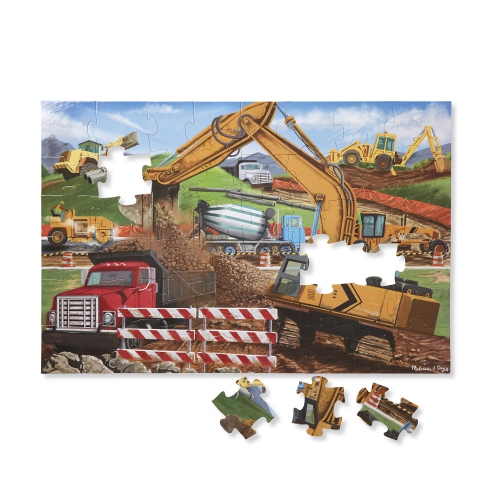
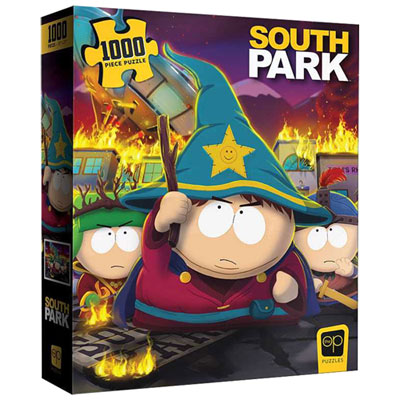
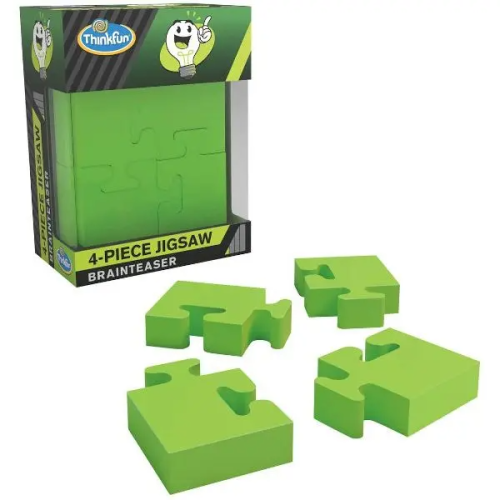
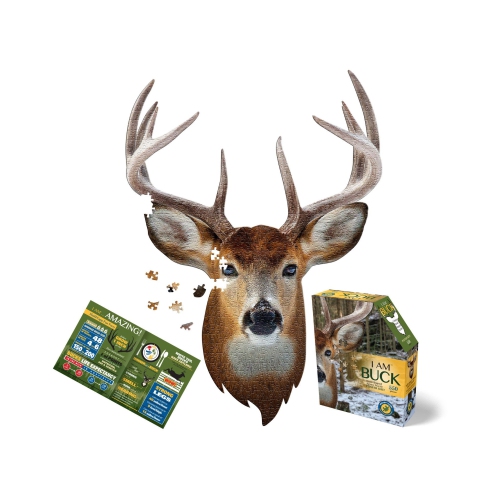

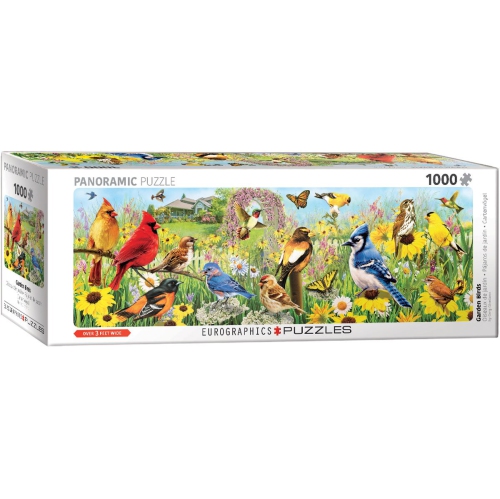


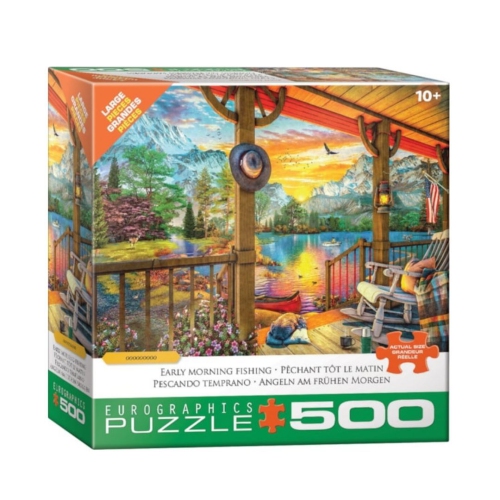
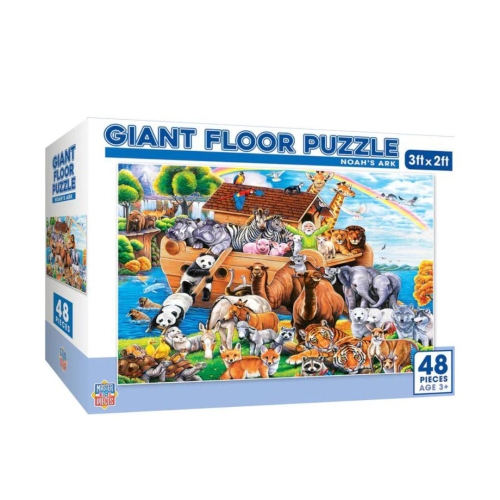
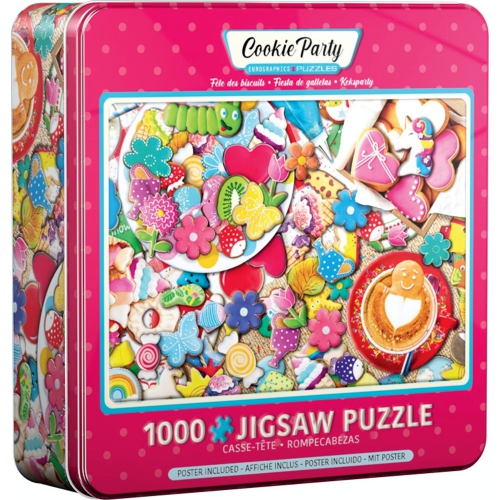
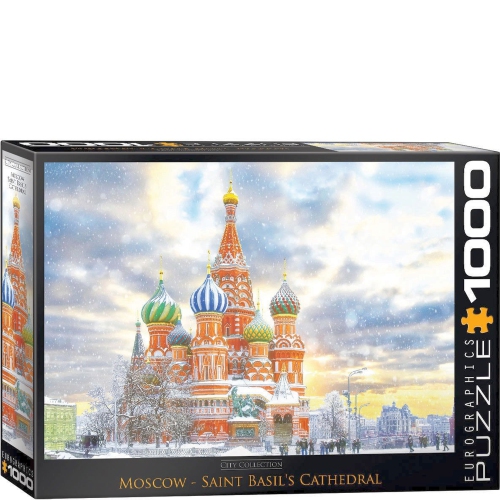
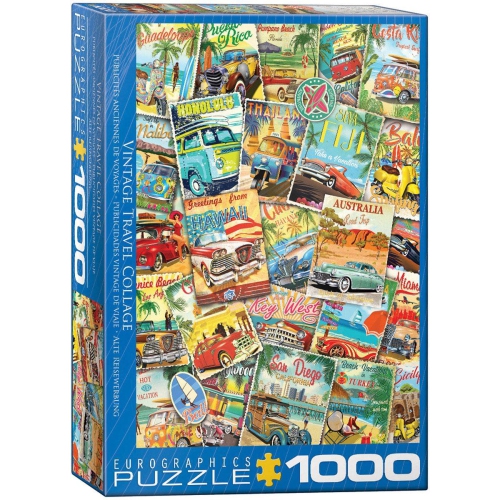
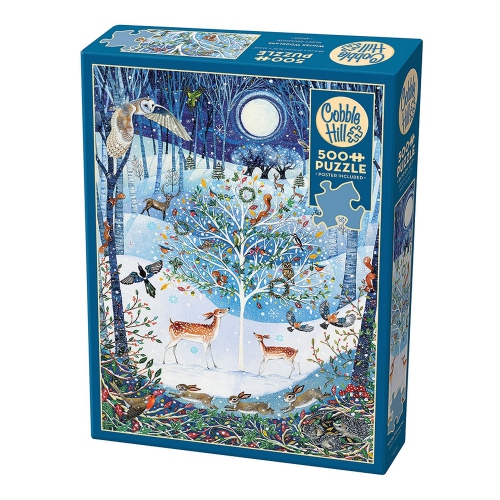
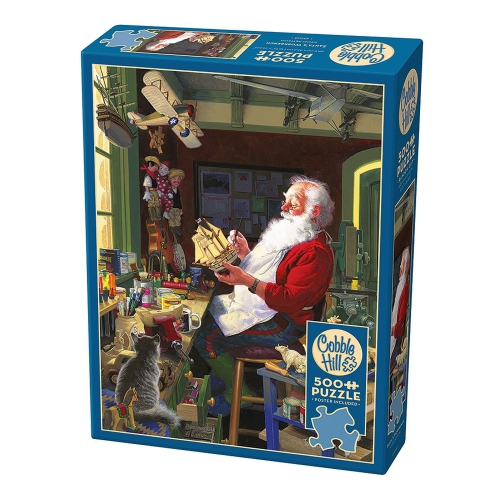
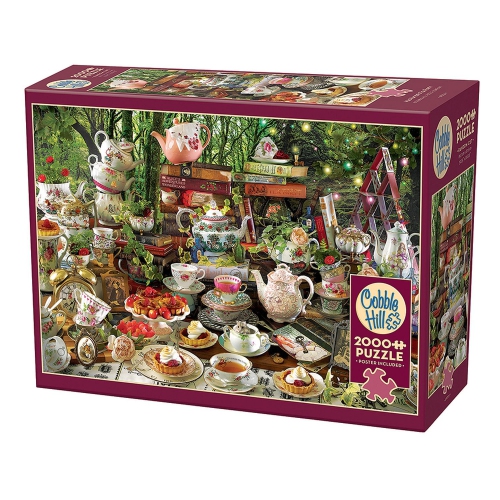
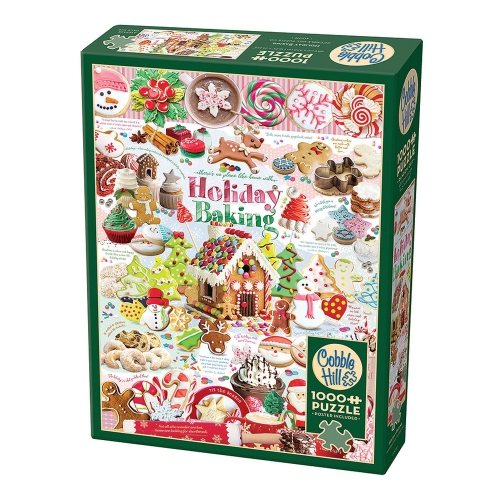
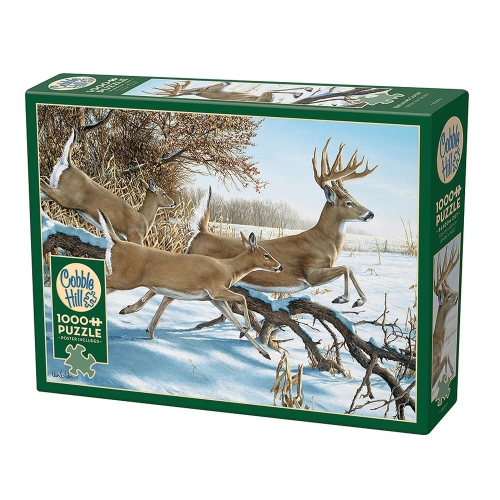
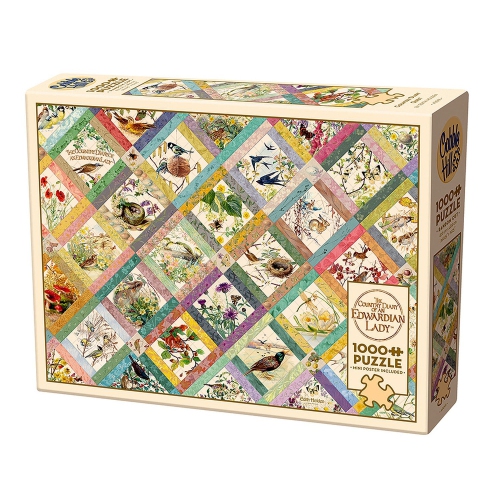
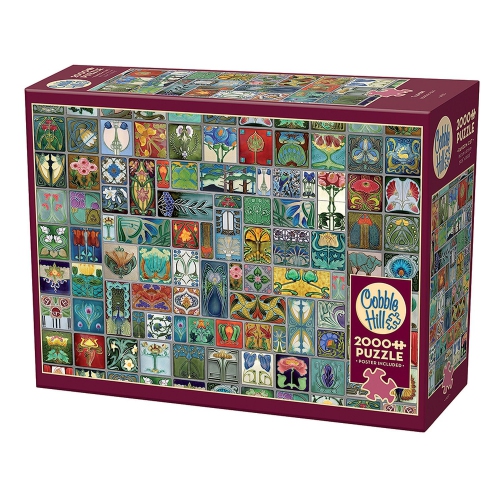
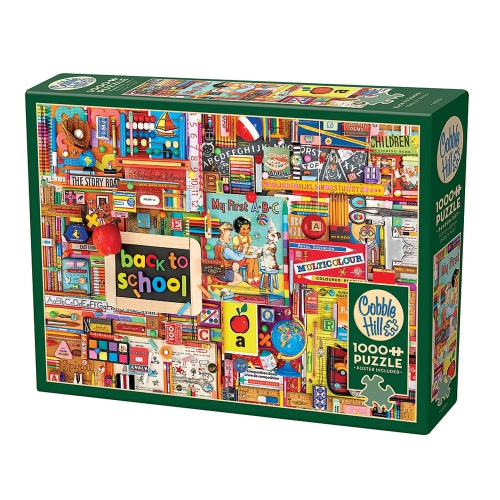
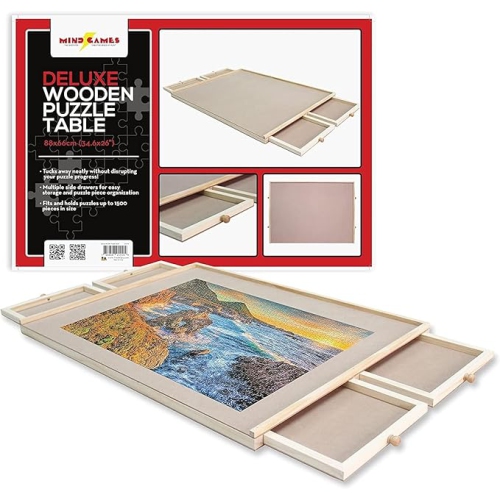
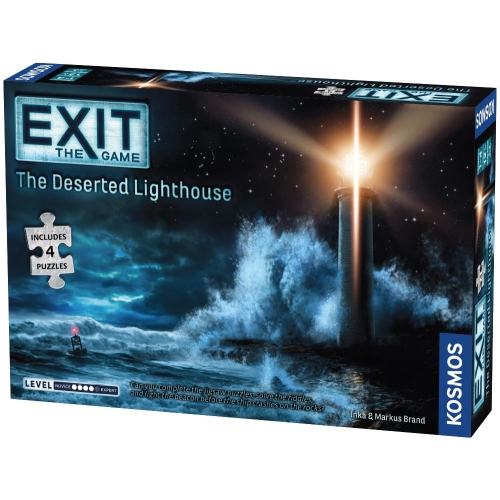
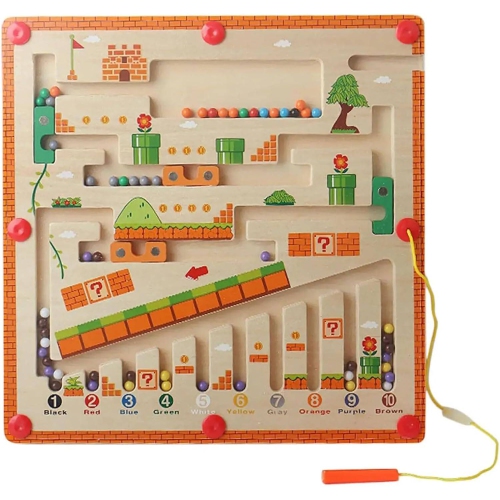
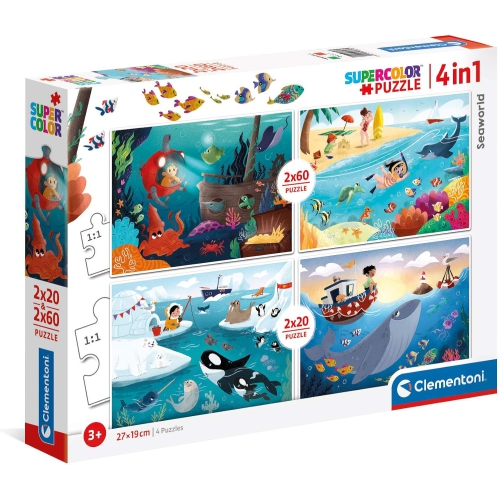
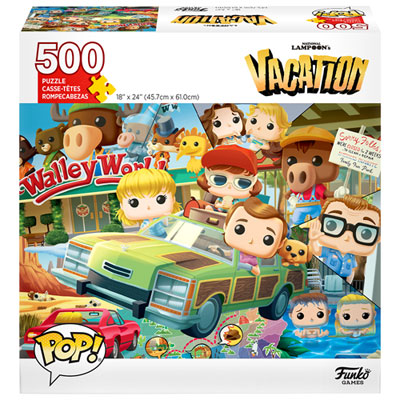

A dedicated surface for more comfortable puzzling sessions
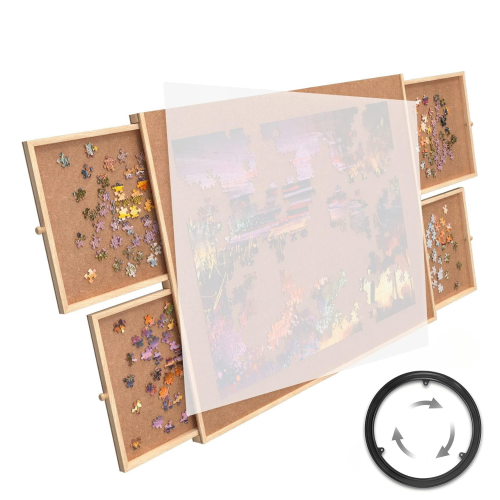
Board Puzzles are practical work surfaces designed to make jigsaw puzzling more comfortable, organized, and convenient. Rather than building directly on a dining table, coffee table, or other shared surface, a puzzle board gives you a dedicated area where pieces can be arranged, sorted, and left in place between sessions. Many boards are flat and lightweight, making them easier to move when a room needs to be cleared, while others include a raised edge or a covered surface to help keep loose pieces from sliding away. A felt or suede-style surface can provide extra grip, which is especially useful when the board is carried or placed on a lap. When choosing a board, start with the size of the puzzles you usually complete. A surface suited to a 500-piece puzzle may feel crowded with a larger design, while a board that accommodates 1,000 pieces or more can provide valuable room for sorting edge pieces, colour groups, and unfinished sections. It is also helpful to measure the space where you expect to use it, including the area needed to sit comfortably and reach across the puzzle. A broad, flat board can work well on a dining table, desk, or sturdy coffee table, while a more compact design may be easier to store in a closet or under furniture during the cooler months. If several people enjoy puzzling together, look for enough working area around the assembled image so each person can participate without constantly shifting pieces.
Different Board Puzzles features suit different routines and puzzle spaces. A basic wooden or felt plateau is a straightforward choice for keeping a puzzle separate from the table underneath, and it can be moved carefully from one room to another when necessary. A rotating board, sometimes built on a swivel base, lets you turn the puzzle towards you instead of leaning across the entire surface. This can be useful when working on small details, comparing similar shades, or sharing the puzzle with someone seated on the opposite side. Caddies and storage cases add portability by combining a puzzle surface with compartments, drawers, or a protective cover. Built-in sorting areas can help separate border pieces from interior pieces, or organize groups by colour, pattern, and texture before assembly begins. A dust cover is particularly useful when a puzzle remains unfinished for several days, helping protect the work from dust, accidental bumps, curious pets, and everyday spills. Tilt-adjustable tables or easels can raise one side of the puzzle to create a more comfortable viewing angle, which may be helpful for extended sessions or for anyone who prefers not to bend over a flat surface. Before purchasing, check the usable puzzle area rather than relying only on the overall dimensions, and consider the weight of the board if it will be moved regularly. Smooth edges, secure drawers, a stable base, and a surface that does not catch or lift puzzle pieces can make a noticeable difference. Storage is another practical consideration: a board that slides under a sofa or fits behind a door can be easier to live with than a larger table that must stay in position. Those looking for related ways to enjoy classic tabletop entertainment can also browse Puzzle Board Games.
Board Puzzles can be useful for experienced puzzlers, families, couples, and anyone who enjoys a quiet activity that can be picked up and paused without losing progress. They make thoughtful gifts for a person who likes detailed artwork, calm hands-on hobbies, family game nights, or screen-free projects during evenings at home. A portable board may be especially appreciated by someone living in a smaller space, sharing a table with family members, or moving between rooms as the day changes. Families can use one to create a relaxed group activity, with younger puzzlers sorting large visual sections while older participants work on edges and more intricate areas. For solo puzzling, a dedicated surface helps establish a comfortable routine: pieces can be laid out in shallow groups, the image can be completed gradually, and the board can be covered and stored when other activities take priority. During early fall through early winter, a puzzle board can also make an inviting addition to indoor leisure time, whether it is used during a quiet afternoon, after dinner, or while friends visit. Think about the habits of the person who will use it. Someone who likes to leave a challenging puzzle in progress may value a cover and secure storage, while someone who finishes puzzles quickly may prefer a simple, open work surface. A frequent host may benefit from a larger board that allows several people to gather around it, whereas a casual puzzler may prefer a lighter design that can be tucked away easily. By matching the board’s capacity, surface, storage features, and portability to the intended space and puzzle size, it becomes easier to keep pieces organized and enjoy a smoother, more comfortable puzzling experience.
Different Board Puzzles features suit different routines and puzzle spaces. A basic wooden or felt plateau is a straightforward choice for keeping a puzzle separate from the table underneath, and it can be moved carefully from one room to another when necessary. A rotating board, sometimes built on a swivel base, lets you turn the puzzle towards you instead of leaning across the entire surface. This can be useful when working on small details, comparing similar shades, or sharing the puzzle with someone seated on the opposite side. Caddies and storage cases add portability by combining a puzzle surface with compartments, drawers, or a protective cover. Built-in sorting areas can help separate border pieces from interior pieces, or organize groups by colour, pattern, and texture before assembly begins. A dust cover is particularly useful when a puzzle remains unfinished for several days, helping protect the work from dust, accidental bumps, curious pets, and everyday spills. Tilt-adjustable tables or easels can raise one side of the puzzle to create a more comfortable viewing angle, which may be helpful for extended sessions or for anyone who prefers not to bend over a flat surface. Before purchasing, check the usable puzzle area rather than relying only on the overall dimensions, and consider the weight of the board if it will be moved regularly. Smooth edges, secure drawers, a stable base, and a surface that does not catch or lift puzzle pieces can make a noticeable difference. Storage is another practical consideration: a board that slides under a sofa or fits behind a door can be easier to live with than a larger table that must stay in position. Those looking for related ways to enjoy classic tabletop entertainment can also browse Puzzle Board Games.
Board Puzzles can be useful for experienced puzzlers, families, couples, and anyone who enjoys a quiet activity that can be picked up and paused without losing progress. They make thoughtful gifts for a person who likes detailed artwork, calm hands-on hobbies, family game nights, or screen-free projects during evenings at home. A portable board may be especially appreciated by someone living in a smaller space, sharing a table with family members, or moving between rooms as the day changes. Families can use one to create a relaxed group activity, with younger puzzlers sorting large visual sections while older participants work on edges and more intricate areas. For solo puzzling, a dedicated surface helps establish a comfortable routine: pieces can be laid out in shallow groups, the image can be completed gradually, and the board can be covered and stored when other activities take priority. During early fall through early winter, a puzzle board can also make an inviting addition to indoor leisure time, whether it is used during a quiet afternoon, after dinner, or while friends visit. Think about the habits of the person who will use it. Someone who likes to leave a challenging puzzle in progress may value a cover and secure storage, while someone who finishes puzzles quickly may prefer a simple, open work surface. A frequent host may benefit from a larger board that allows several people to gather around it, whereas a casual puzzler may prefer a lighter design that can be tucked away easily. By matching the board’s capacity, surface, storage features, and portability to the intended space and puzzle size, it becomes easier to keep pieces organized and enjoy a smoother, more comfortable puzzling experience.
Top selling and popular products
-
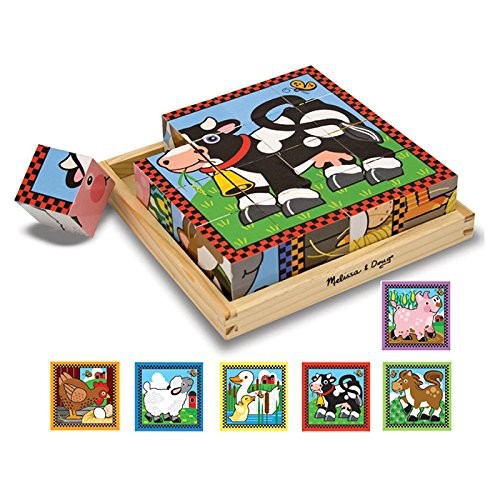 Your price for this item is $32.99
 -
 Your price for this item is $46.99
 -
 Your price for this item is $35.99
 -
 Your price for this item is $30.99
 -
 Your price for this item is $29.99
 -
 Your price for this item is $36.99
 -
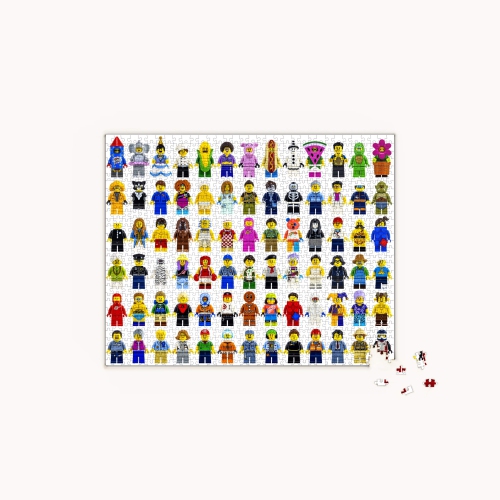 Your price for this item is $34.9
 -
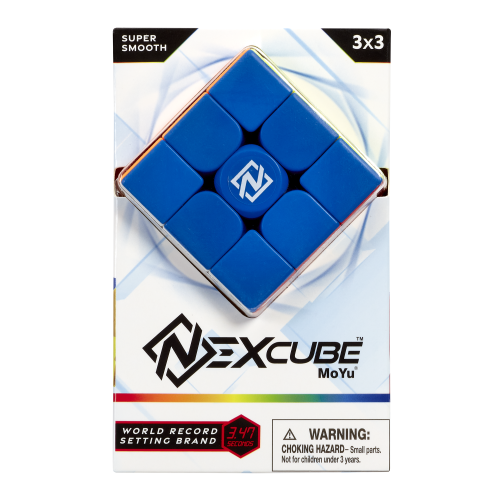 Your price for this item is $17.95
Discover more categories related to Board Puzzles
Top Collections:
Pokemon Centers, Budget 4K TVs, Best Budget Office Chairs, Kindle Devices, Canon G7X Cameras, Apple iPhones 16, iPhone 15 Apple, Laptops for Business Work, Xiaomi Phones, Flip Phones
Some products may be subject to Environmental Handling Fees
(EHF) depending on your province.
Learn more about EHFs.