Puzzles for Mental Exercise
Puzzles for Mental Exercise offer an engaging way to challenge your mind and sharpen your cognitive skills. Whether you enjoy classic jigsaw puzzles, brainteasers, or intricate logic games, these options provide hours of stimulating entertainment for all ages. Explore a variety of puzzles designed to keep your mind active, encourage creative thinking, and add a fun element to your daily routine. Find the perfect choice to match your interests and skill level with Puzzles for Mental Exercise.
Sort

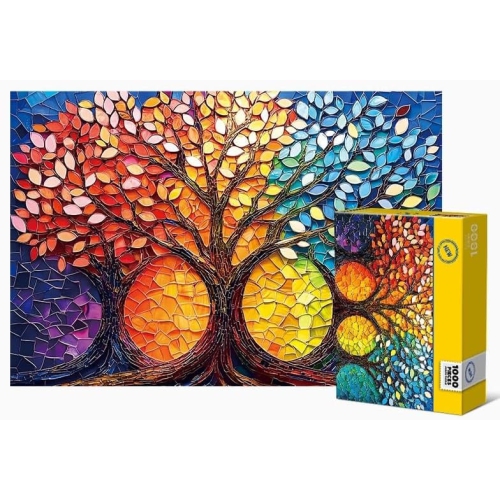
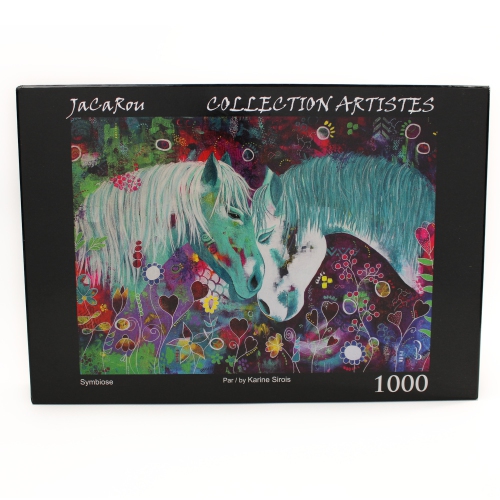
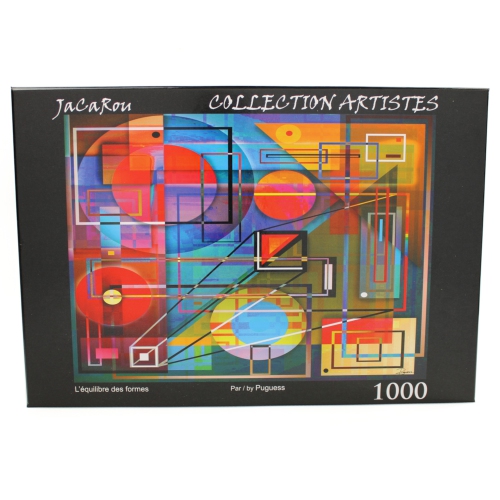
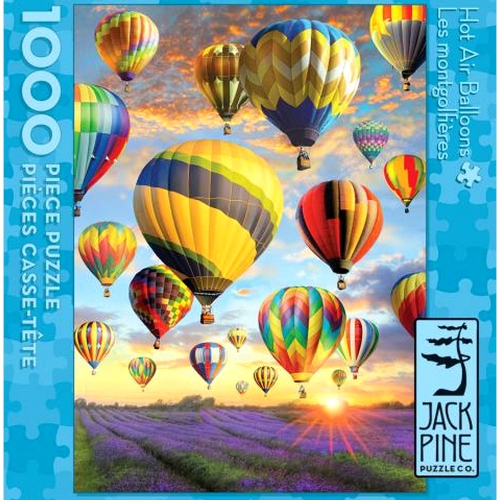
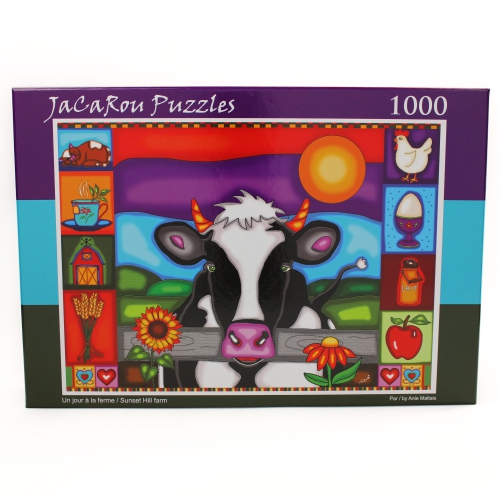
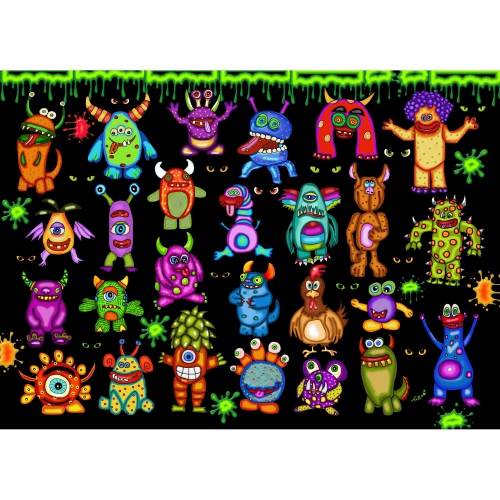
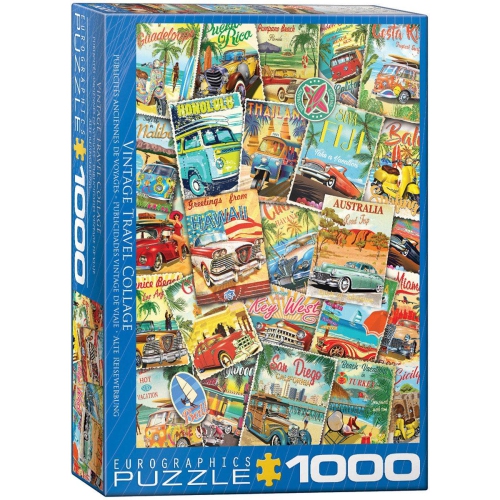
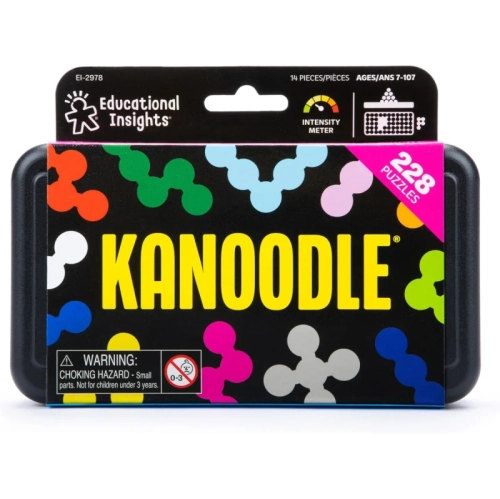
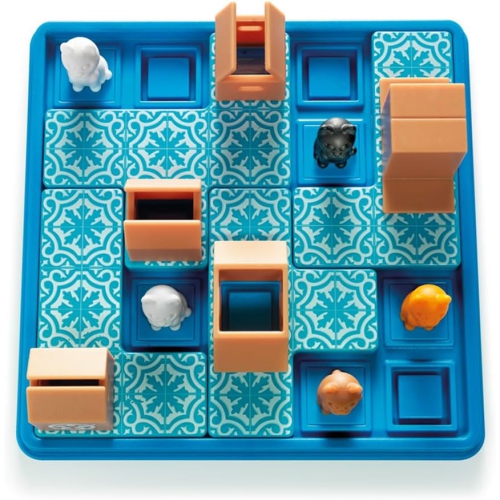
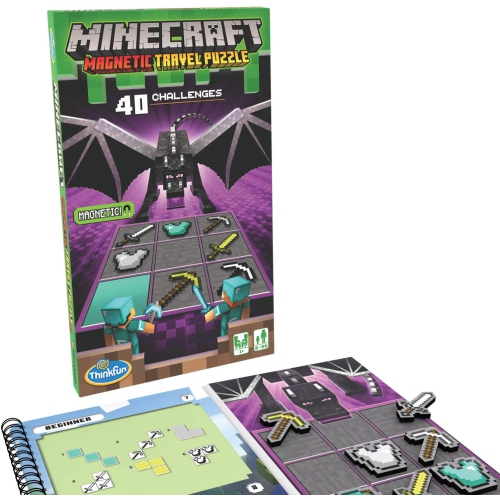

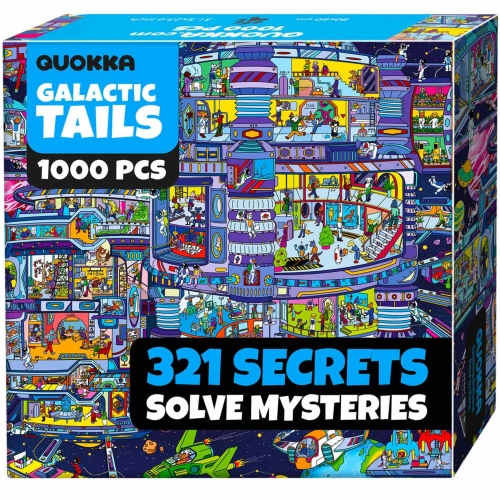
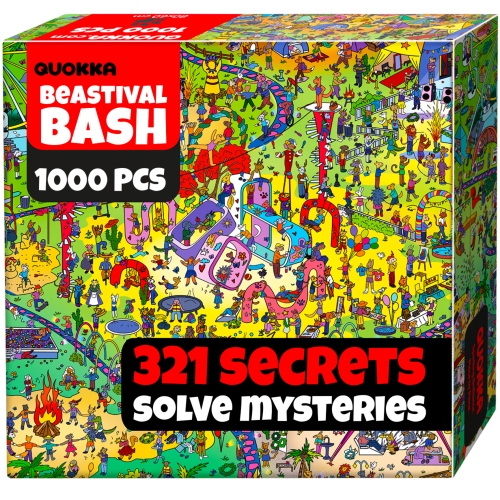
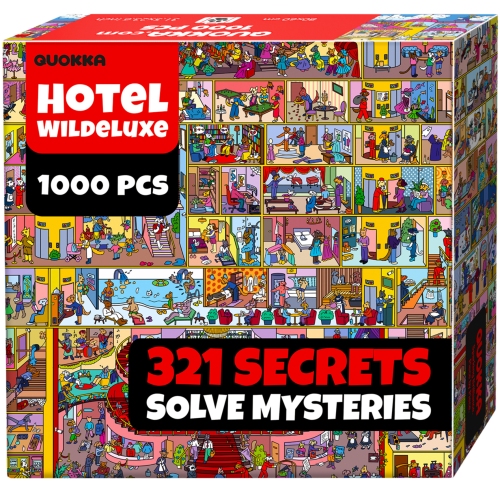
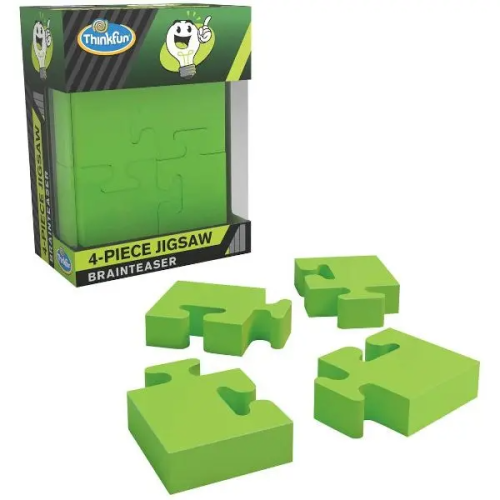
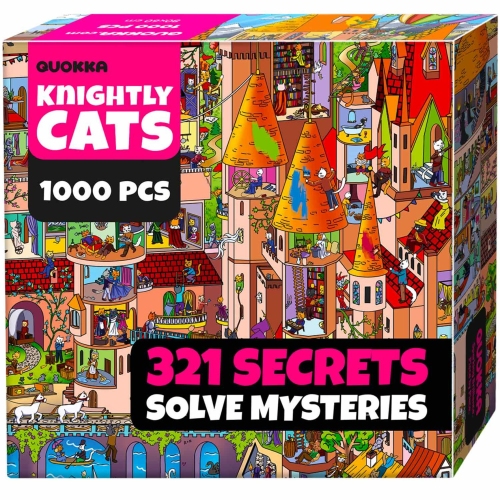
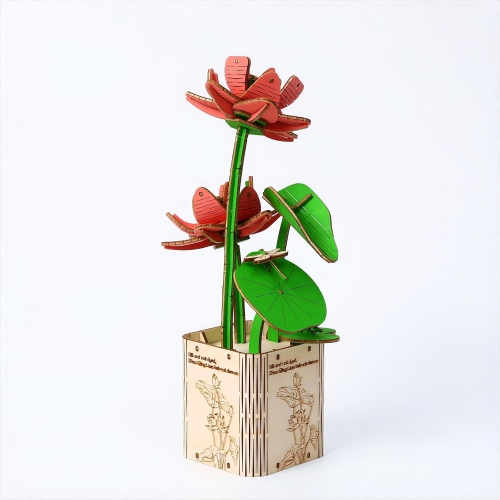
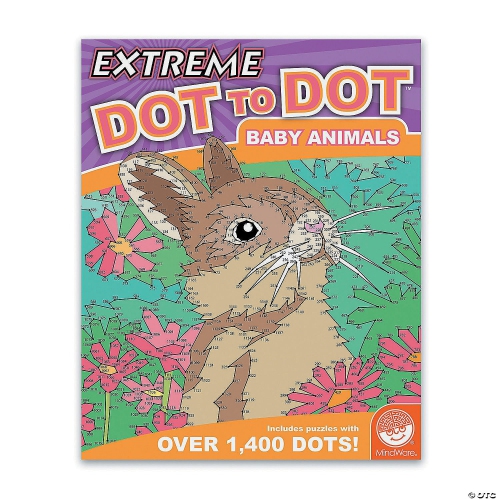
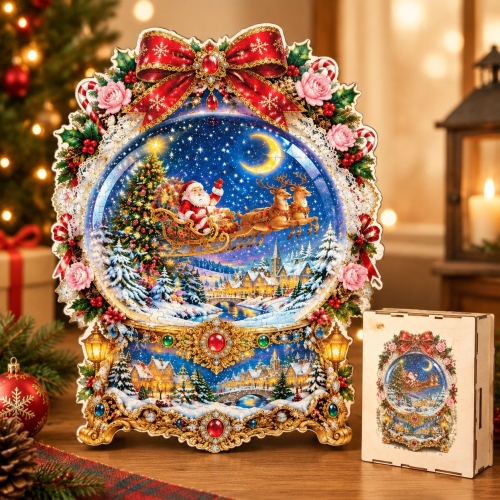
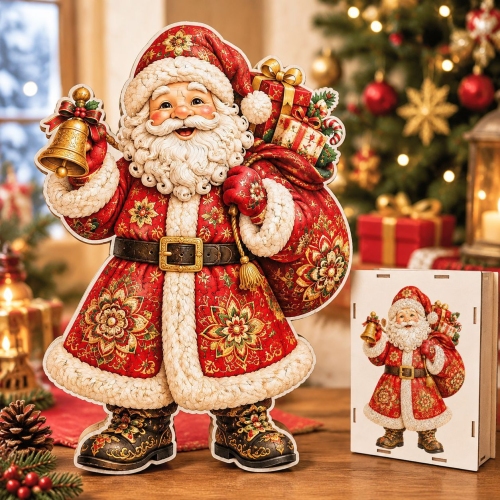
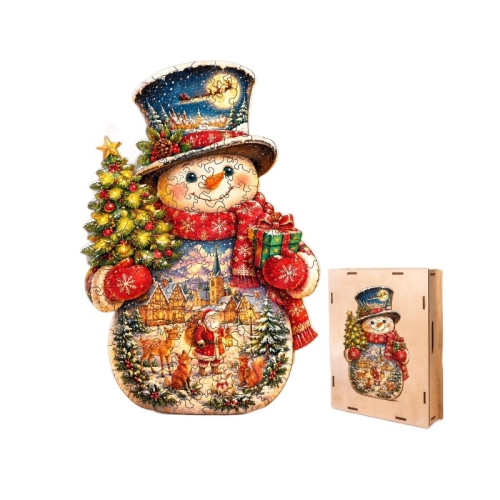
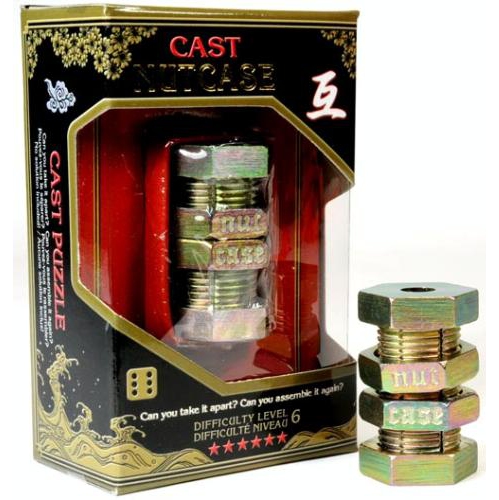
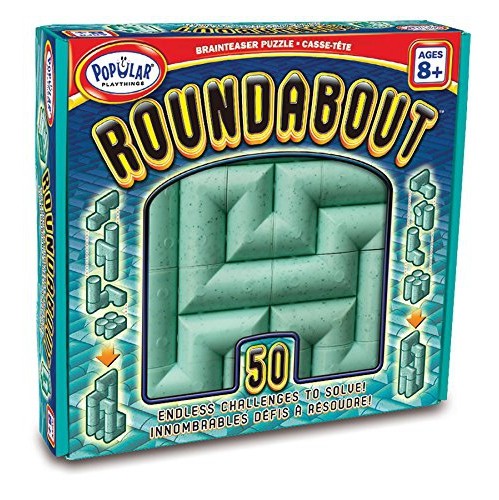
Different puzzle formats put different skills to work
Puzzles for mental exercise turn a quiet break into an opportunity to work with words, numbers, shapes, and clues. Different formats call on different skills: crosswords draw on vocabulary and recall, sudoku uses deduction, jigsaw puzzles involve visual matching and spatial reasoning, and mechanical brainteasers invite hands-on experimentation. The appeal is often in the process as much as the finished result, whether that means finding the word that unlocks a corner of a crossword or spotting how two nearly identical pieces fit together. In a standard sudoku puzzle, the numbers 1 through 9 must appear once in each row, column, and three-by-three box; the challenge is logical placement rather than arithmetic. Logic grid puzzles also rely on deduction, with written clues helping the solver eliminate possibilities until the remaining relationships become clear. Word searches involve scanning for letter patterns, while anagrams require rearranging familiar letters into something new. Jigsaws bring another kind of focus, asking the solver to compare outlines, follow colour changes, and connect small details to a larger image. These activities provide practice in attention, reasoning, and persistence, but no single puzzle format guarantees better memory or prevents cognitive decline. Enjoyment and a manageable level of difficulty are more useful starting points than promises of measurable results. A familiar format can offer a satisfying pause between other activities, while an unfamiliar one introduces a different set of rules to work through. Difficulty also depends on more than a label on the packaging. A crossword filled with unfamiliar cultural references may feel harder than one with more complex but familiar vocabulary, just as a jigsaw with broad areas of similar colour may demand more patience than a detailed illustration with many distinct landmarks. A good match leaves room for discovery without making every step feel like a dead end. Clear rules, readable clues, and a gradual path into the challenge can make the experience more rewarding for beginners and returning puzzlers alike.
The physical design of a puzzle matters just as much as its subject. For jigsaws, piece count is only one measure of complexity; finished dimensions, piece size, image detail, and the variety of piece shapes all affect how the puzzle feels to assemble. Larger pieces can be easier to see and handle, while a smaller finished footprint suits a side table or a shared workspace. An illustration with distinct buildings, clothing, or animals provides recognizable sections to sort, whereas repeated patterns and subtle colour transitions put more emphasis on careful comparison. Cardboard pieces benefit from a firm backing and cleanly cut edges that hold their shape through repeated assembly. Wooden puzzles offer a different tactile experience, with thickness, surface finish, and cut quality influencing how comfortably the pieces fit together. A snug connection should not require force, and a flat, stable surface helps prevent bending or accidental separation. Puzzle books have their own practical details: clear printing, sufficient writing space, and pages that stay open comfortably can make a longer session easier. Large-print layouts may suit readers who prefer more generous lettering, though both clue size and the answer grid deserve attention. An answer section kept apart from the puzzles allows progress to be checked without revealing the next solution. For reusable logic puzzles and handheld brainteasers, smooth edges, sturdy moving parts, and clear reset instructions support repeated use. Materials such as wood, metal, and plastic each have different care needs, so cleaning should follow the maker’s directions rather than a single rule for every format. Cardboard and paper generally need protection from moisture, and loose pieces are easier to keep together in a closed container or resealable bag. A puzzle board or mat can help preserve an unfinished jigsaw when the table is needed for something else. Compact formats work well for travel or short breaks, especially when pieces are contained and the activity can be paused without losing the entire setup.
Puzzles can suit a wide range of routines, from a few minutes with a word grid to an extended jigsaw session spread across several evenings. Someone who enjoys language may gravitate towards crosswords and anagrams, while a person who likes testing patterns may prefer number puzzles or visual logic challenges. For shoppers interested in adult-focused formats, Brain Training Puzzles for Adults brings that interest into a more specific category. The most useful fit still depends on the person’s preferences, comfort, and available space. A puzzle intended for a bedside table needs a different footprint from one that can occupy a dedicated hobby surface, and a shared household activity benefits from a design that lets several people contribute. On a jigsaw, one person might sort the border while another gathers pieces from a brightly coloured section. With a crossword, reading clues aloud gives participants a way to compare knowledge and discuss possible answers without needing to hold the book themselves. For older adults or anyone with reduced hand mobility, larger pieces, easy-to-grip components, and uncluttered layouts may make participation more comfortable without removing the intellectual challenge. Children need age-appropriate difficulty and materials, with particular attention to small parts and the manufacturer’s safety guidance. A more complex puzzle is not automatically a better choice if its instructions are hard to follow or its components are awkward to use. As gifts, puzzles feel more personal when the format and subject reflect the recipient’s interests, such as detailed artwork, wordplay, mathematics, or hands-on problem-solving. Familiarity also matters: a newcomer may appreciate clear examples and a range of difficulty levels, while an experienced solver may enjoy fewer hints and a more demanding challenge. For ongoing use, variety can keep the activity engaging without turning it into a performance target. Alternating between a visual puzzle and a word-based one offers different ways to concentrate, and stopping at a natural break leaves the next session with somewhere to begin. The lasting appeal comes from having an absorbing activity that fits comfortably into everyday life.
Top selling and popular products
-
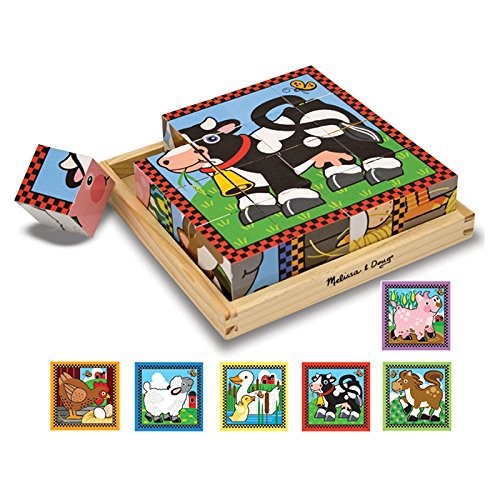 Your price for this item is $32.99
-
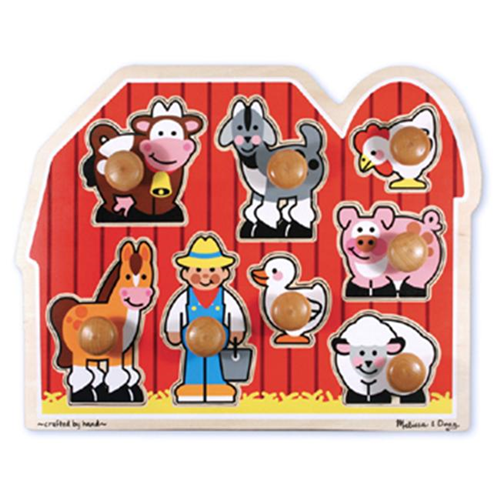 Your price for this item is $46.99
-
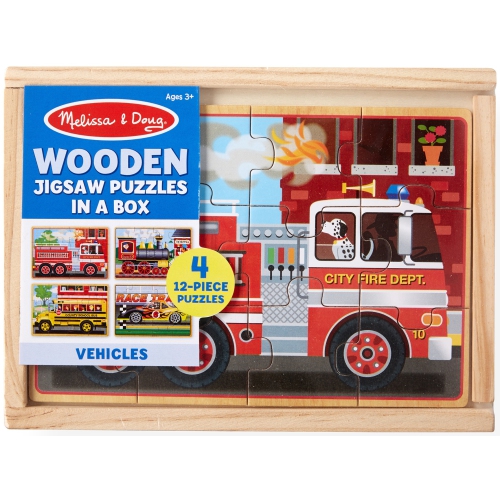 Your price for this item is $35.99
-
 Your price for this item is $30.99
-
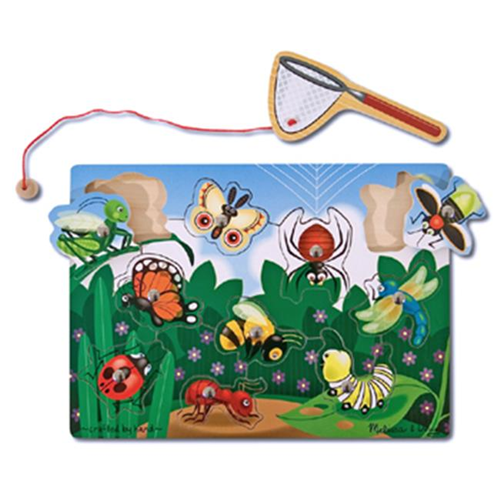 Your price for this item is $29.99
-
 Your price for this item is $36.99
-
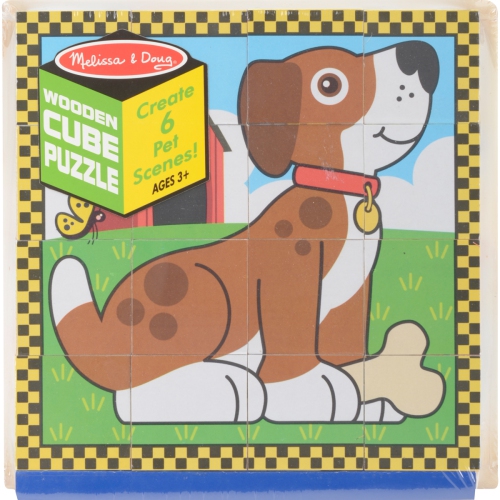 Your price for this item is $32.99
-
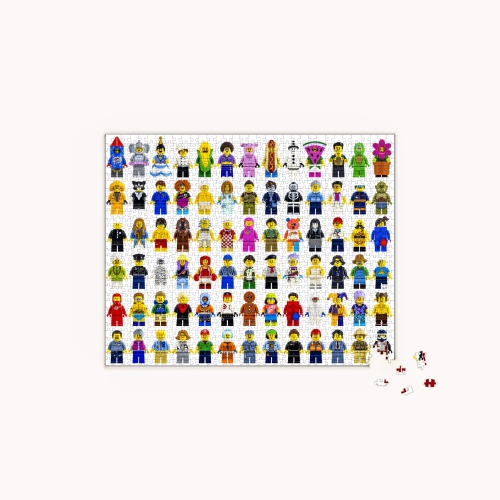 Your price for this item is $34.9
Discover more categories related to Puzzles for Mental Exercise
Top Collections:
Best Black Friday Deals This Year, Best Black Friday Deals On Electronics, Kindle Devices, Pokemon Centers, Best Black Friday Deals On Apple Products, Best Cameras for Sports Photography, Dyson Airwrap, Pokémon 30th Celebration Cards, Apple iPhone 17 Pro, Canon G7X Cameras
Some products may be subject to Environmental Handling Fees
(EHF) depending on your province.
Learn more about EHFs.