Rc Car Kits
Rev up your passion for remote control adventures with our diverse selection of RC car kits. Perfect for hobbyists and enthusiasts alike, these kits offer an exciting opportunity to build and customize your very own high-speed machine. Whether you're a beginner eager to dive into the world of RC cars or an experienced builder looking to enhance your collection, you'll find a variety of options that cater to all skill levels and preferences. Explore the thrill of assembling your own RC car and unleash its power on any terrain, transforming your leisure time into an action-packed experience.
Sort
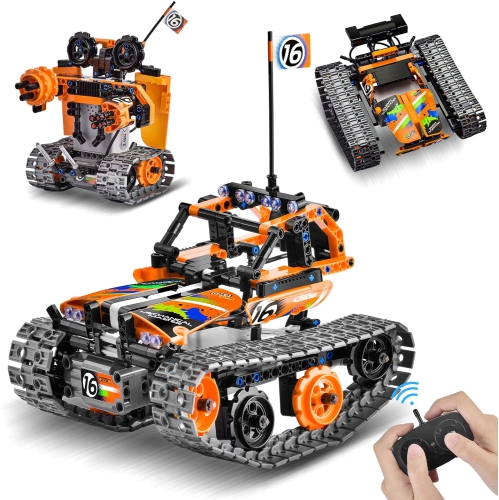
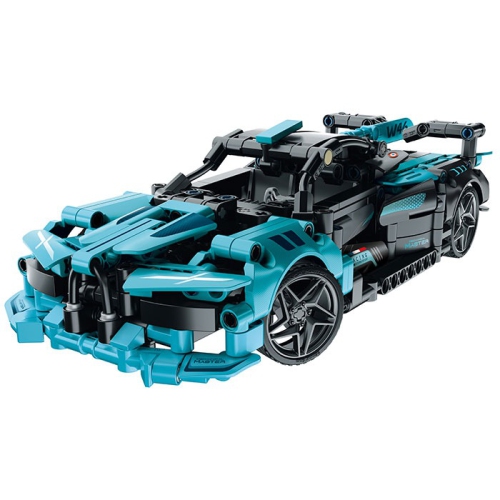
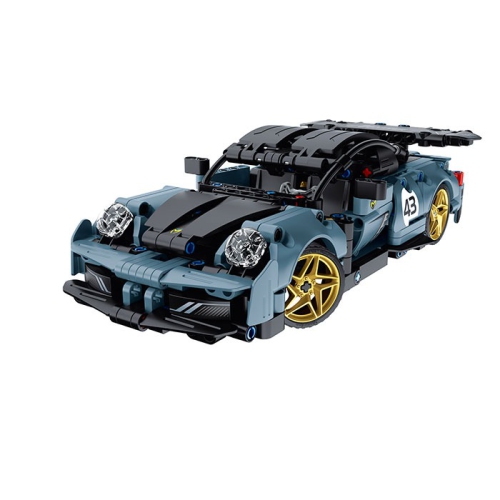
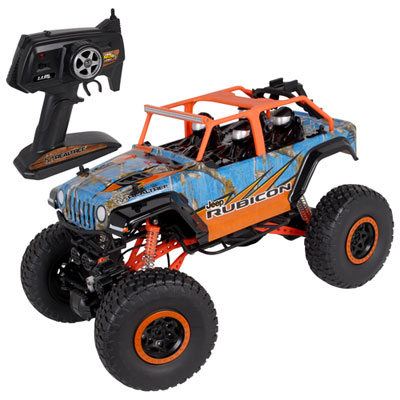
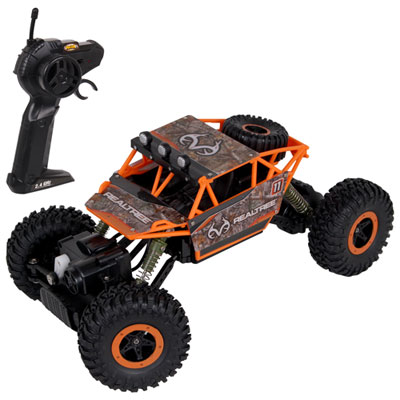
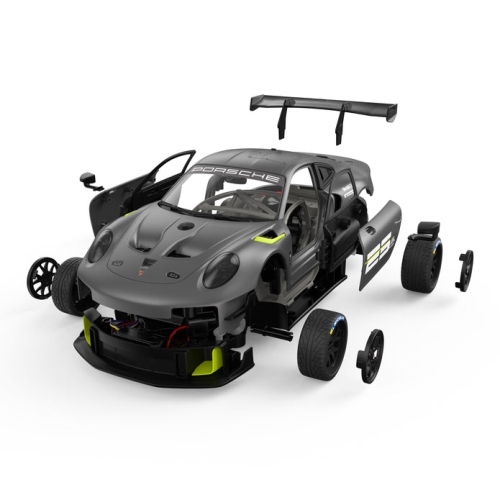
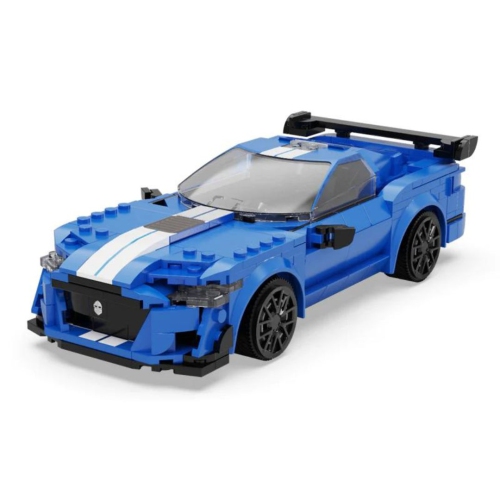
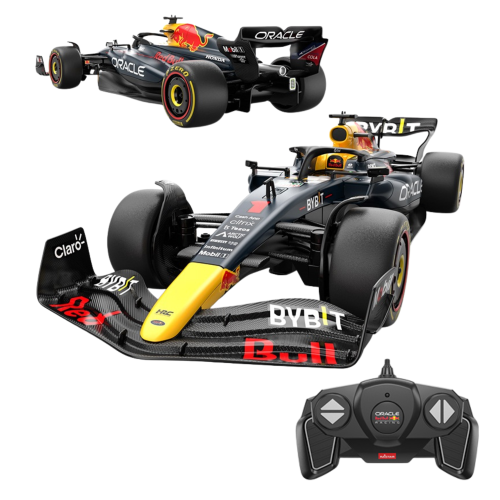
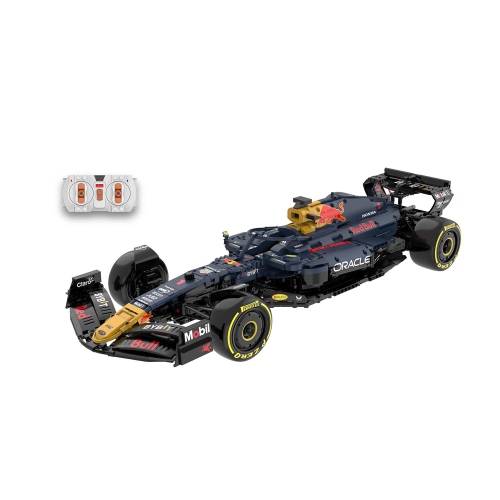
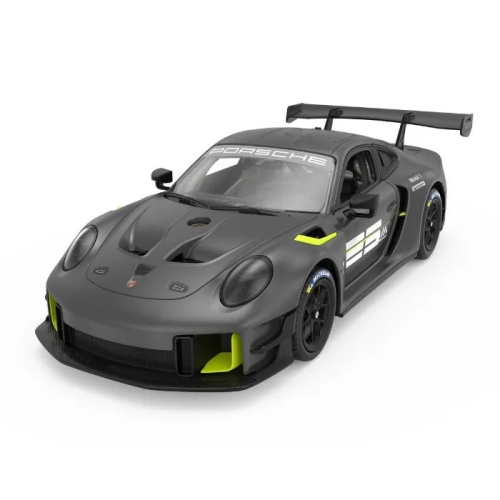
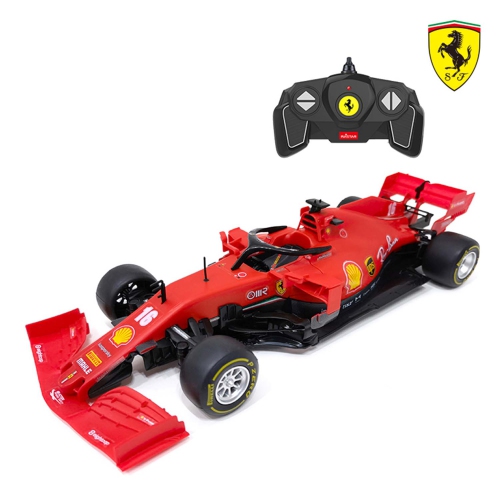
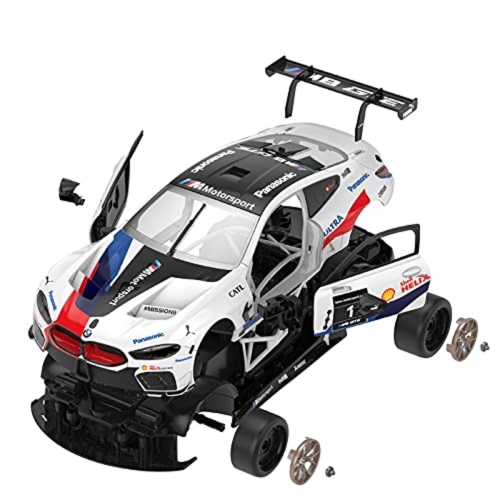
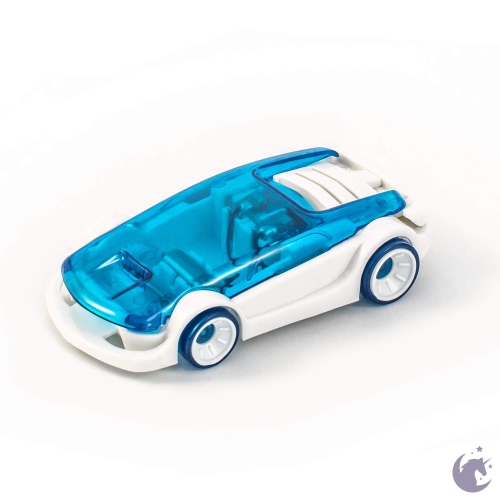
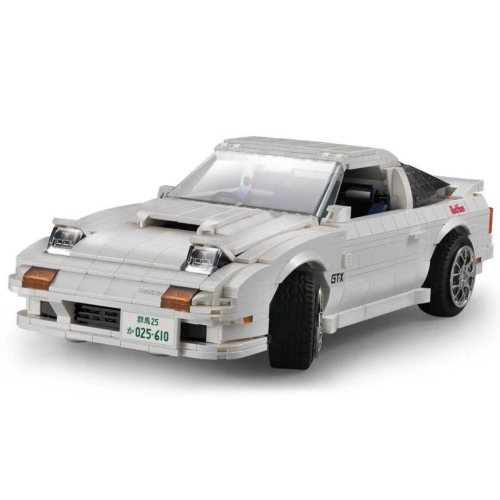
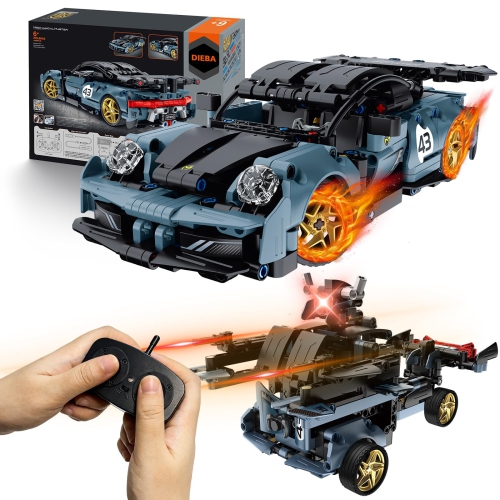
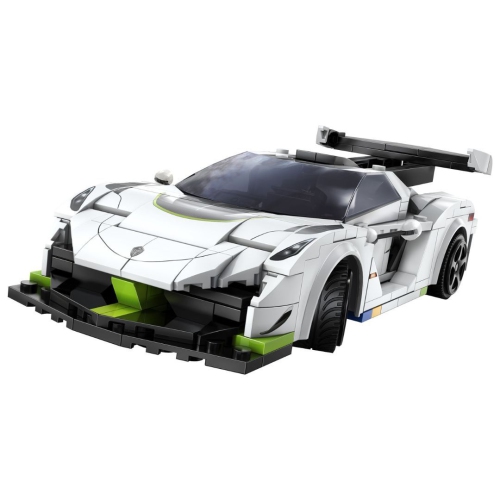
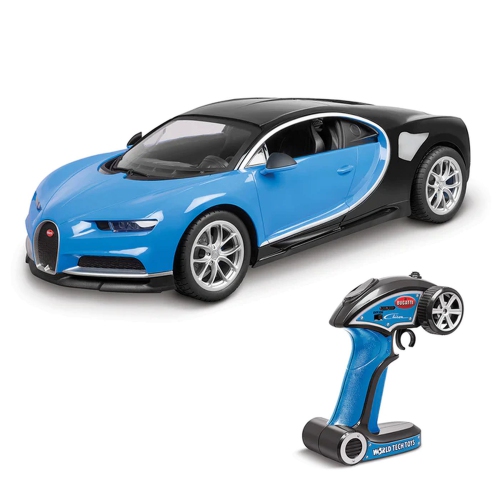
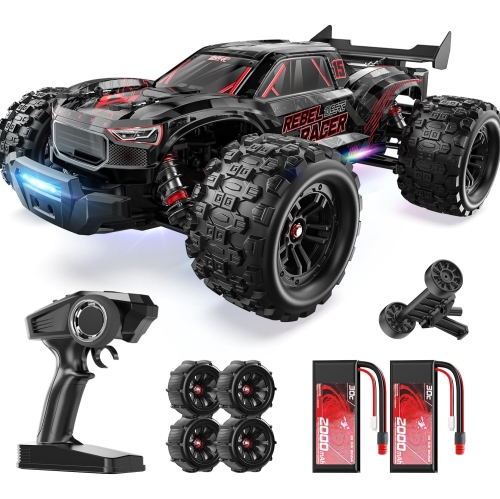
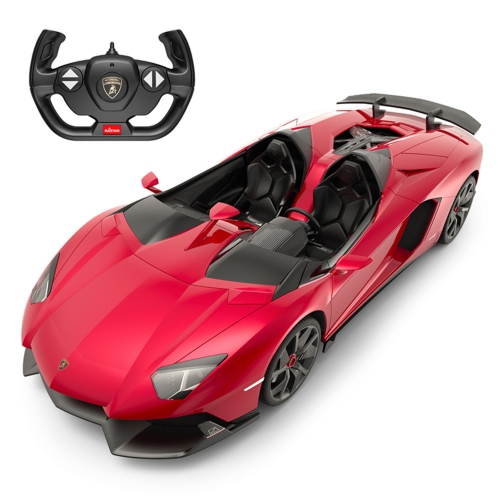
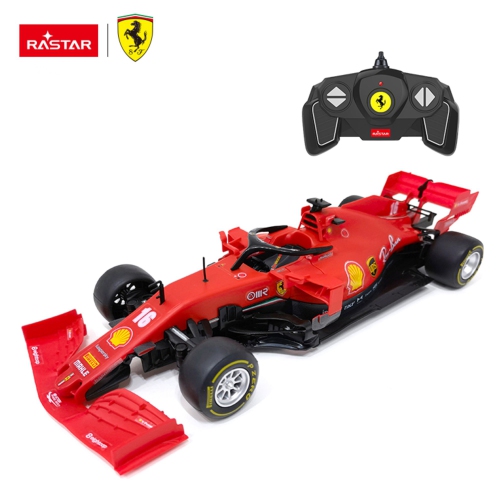
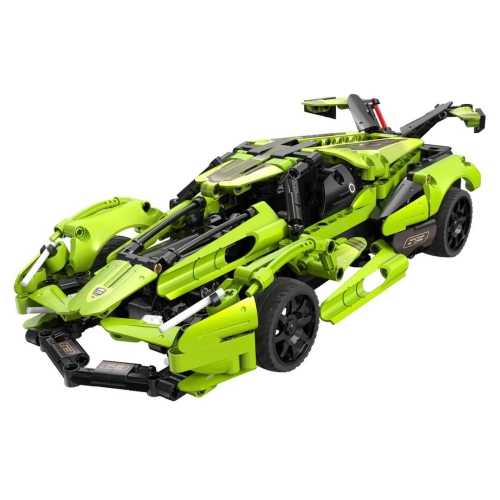
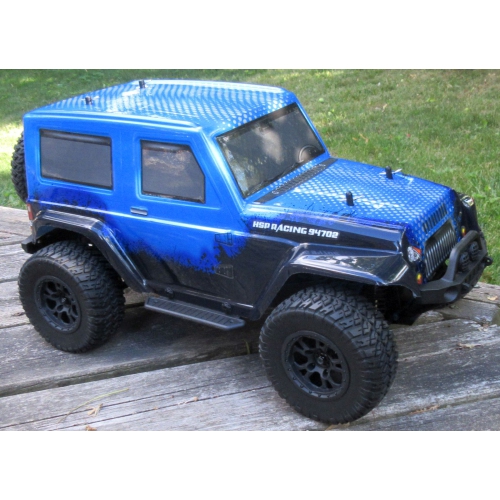


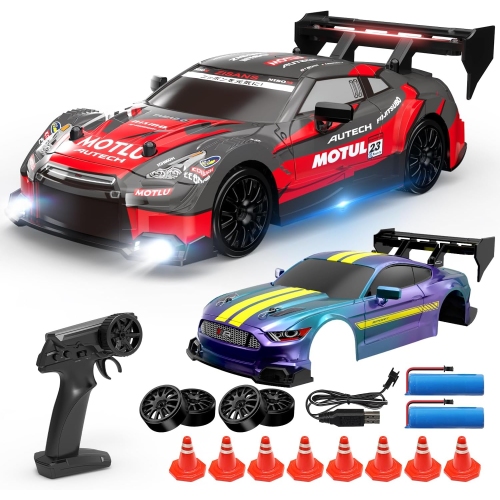
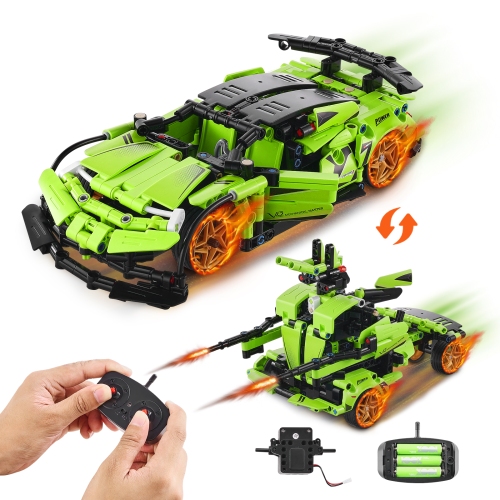
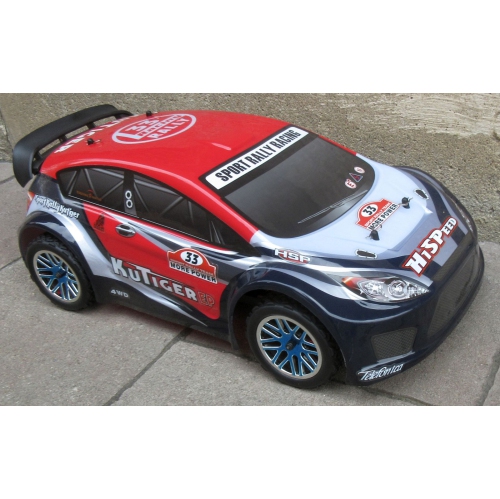
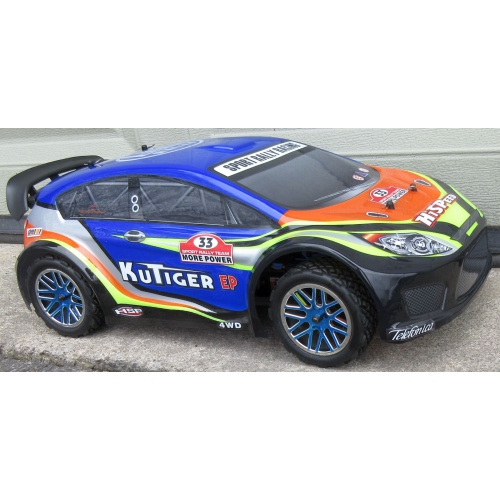

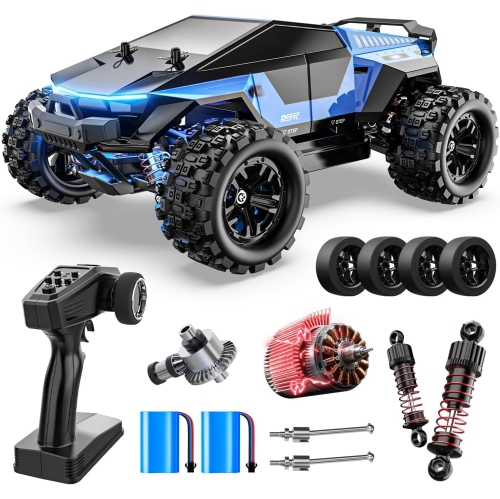


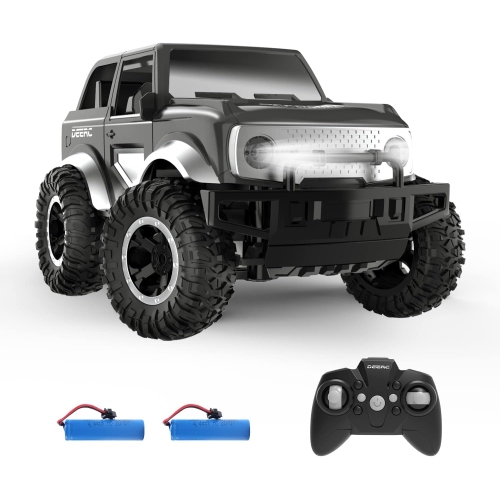



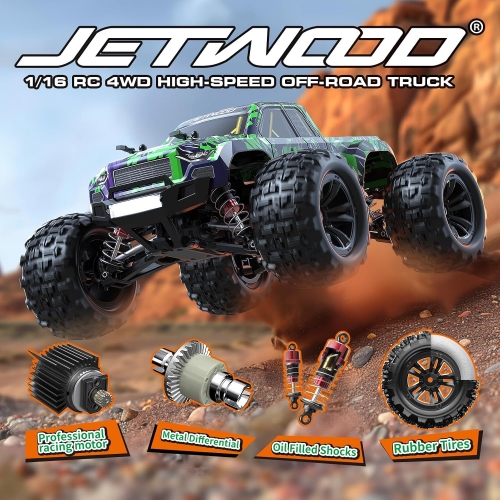
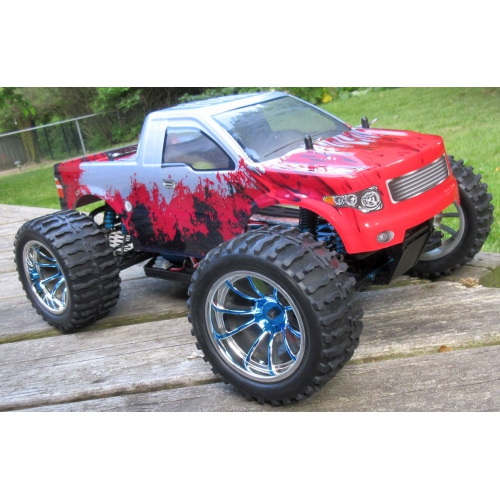

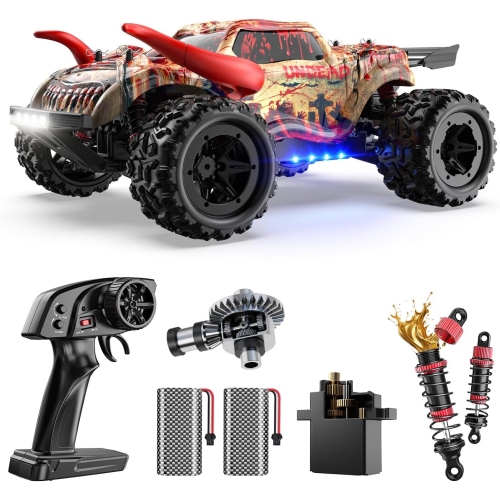
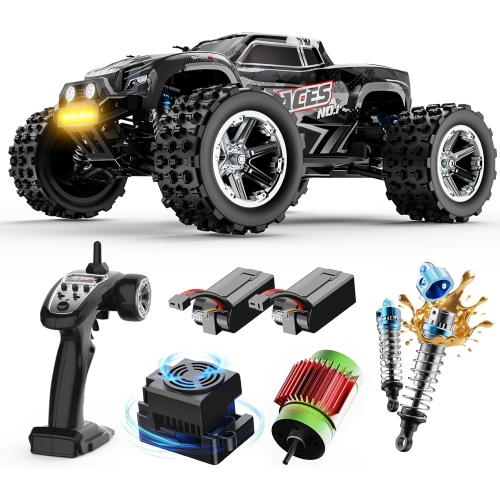
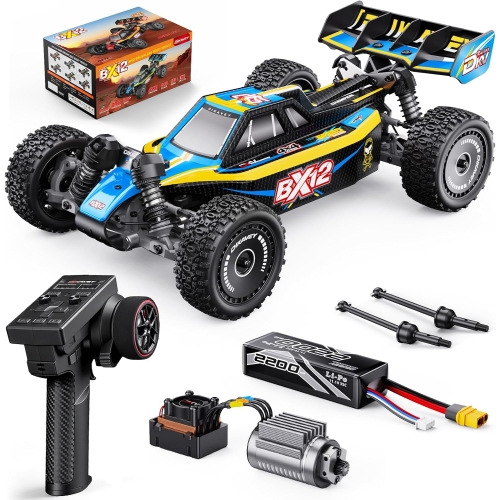

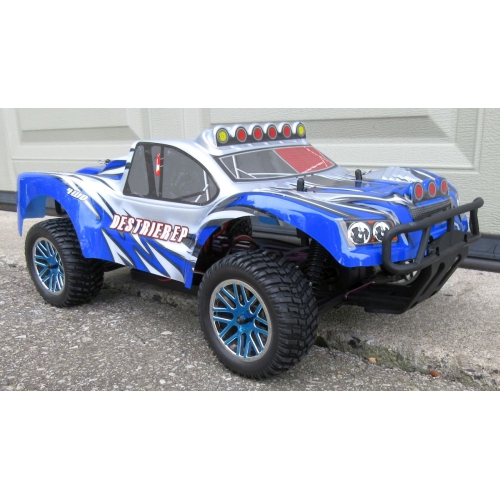

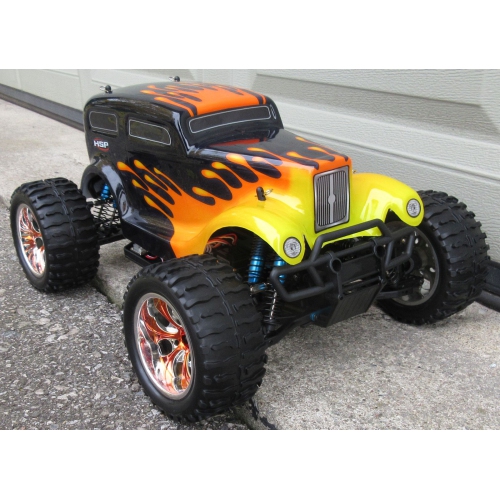

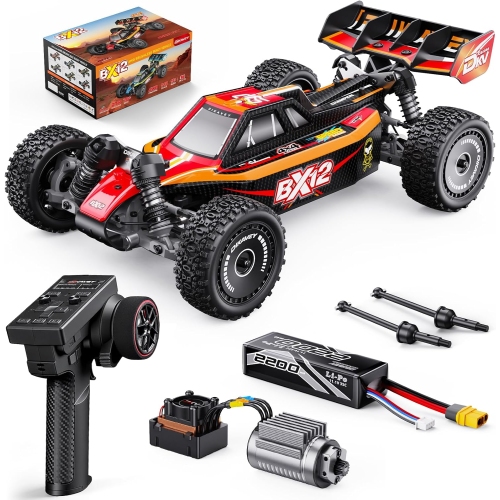
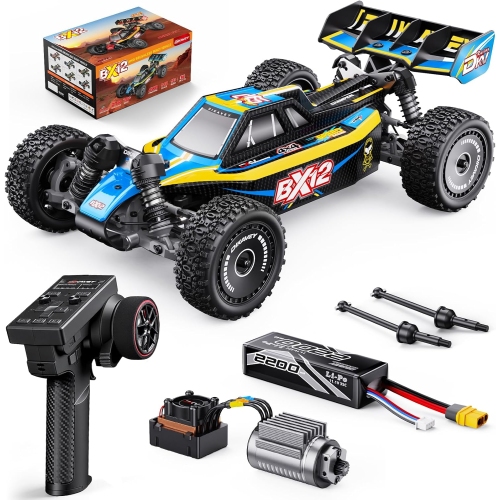
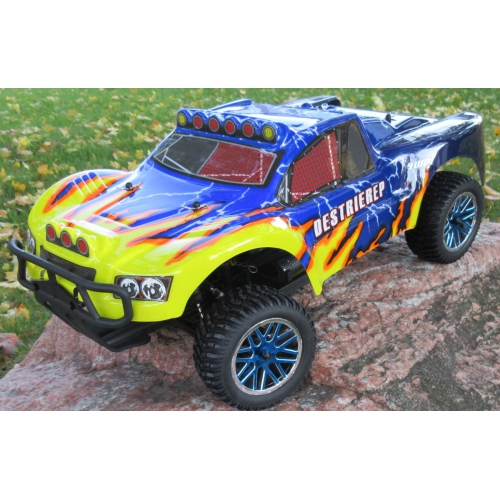


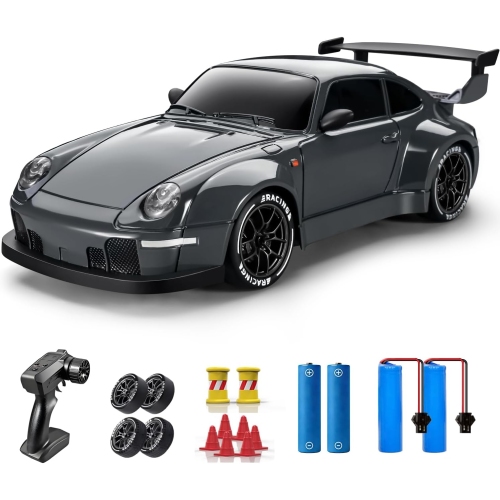
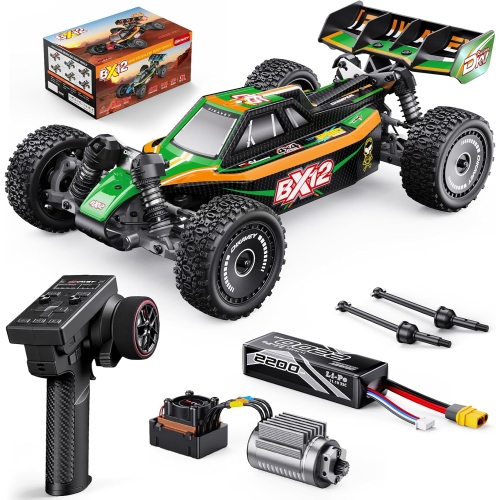
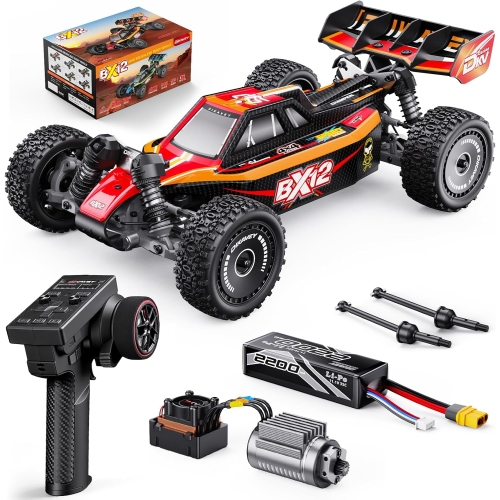


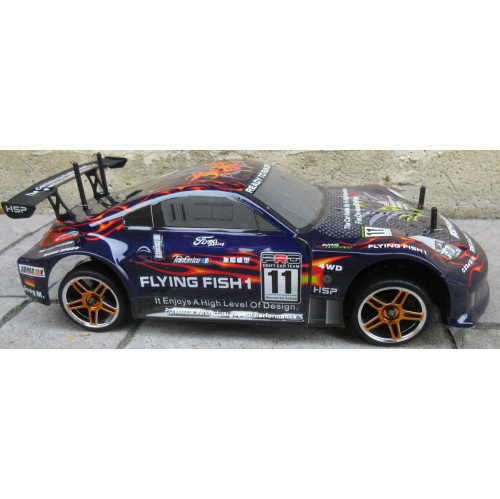
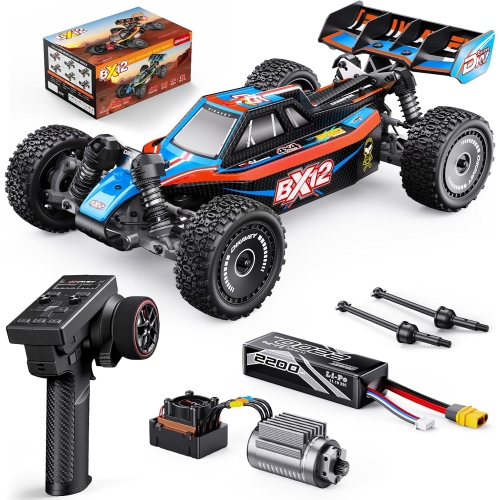
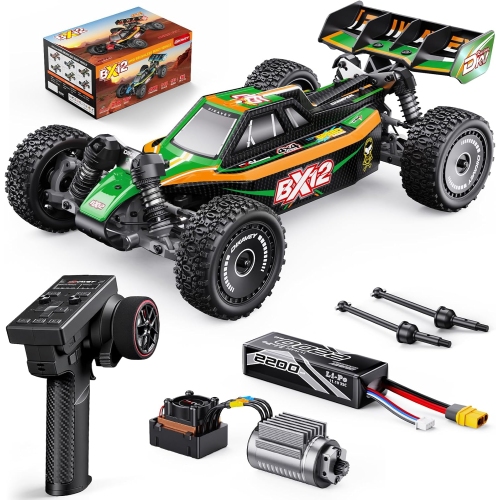


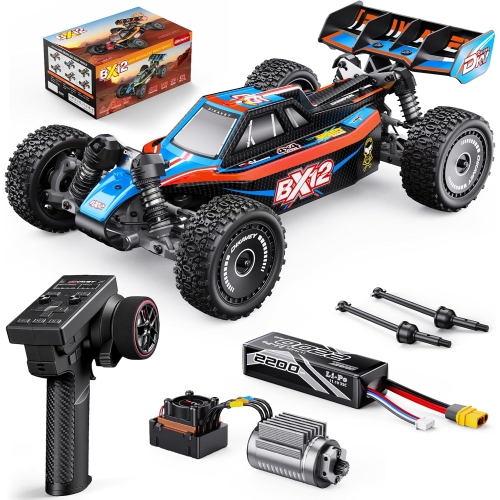
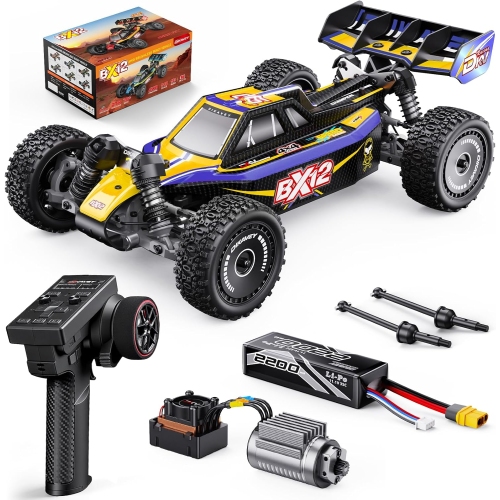
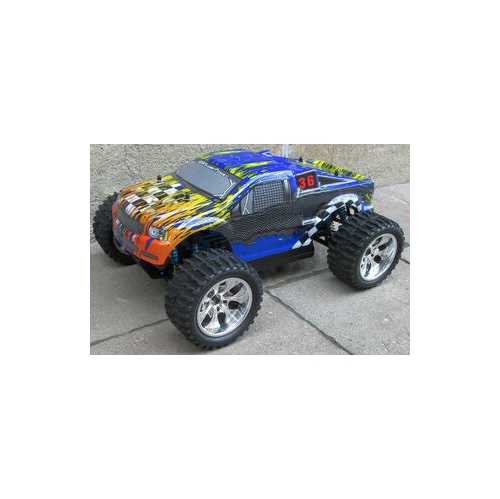

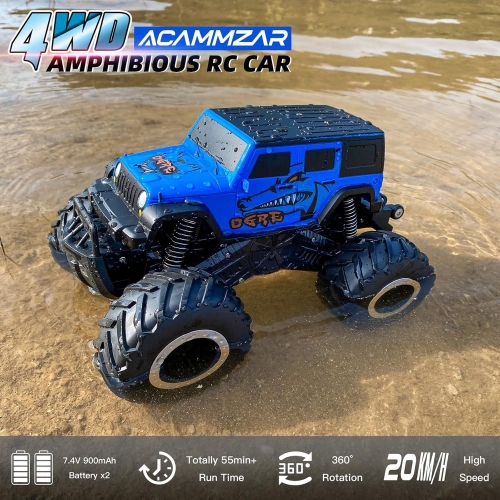
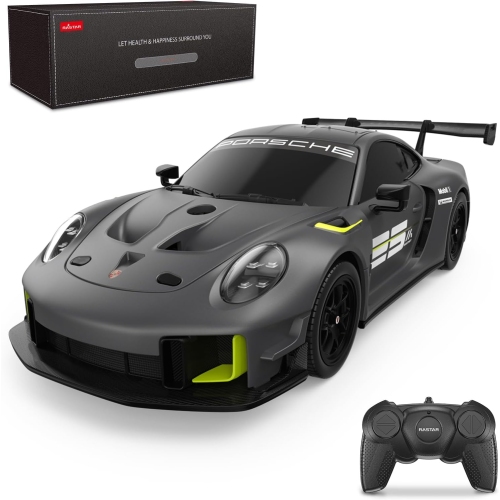
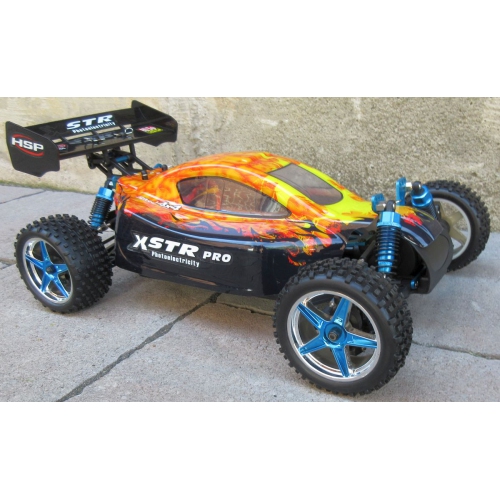

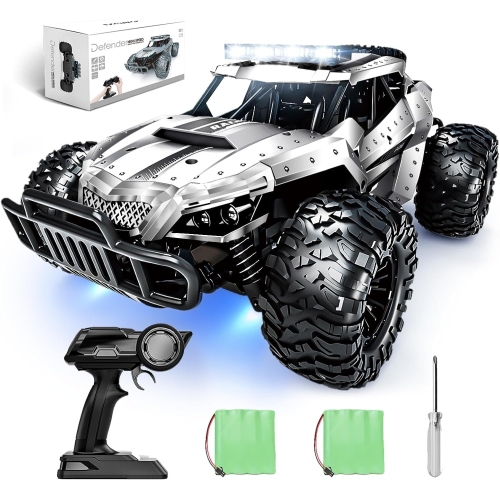
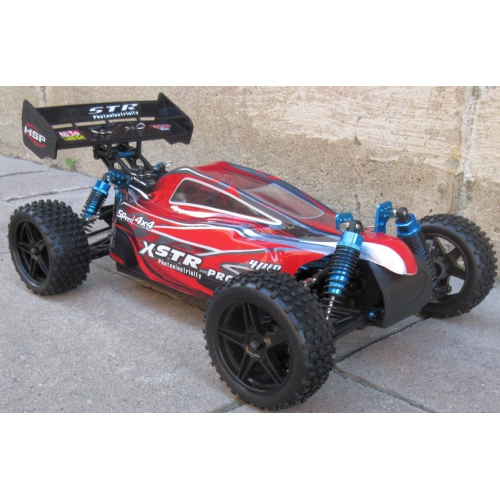

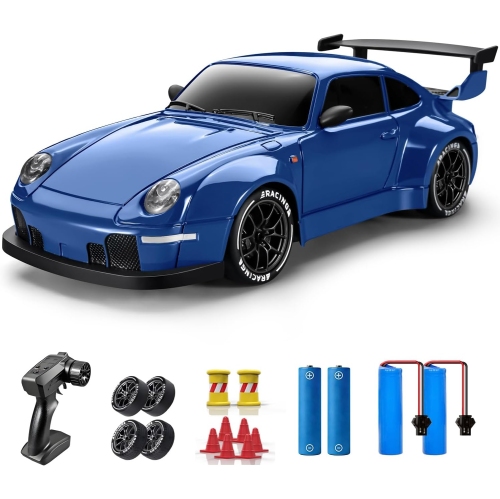


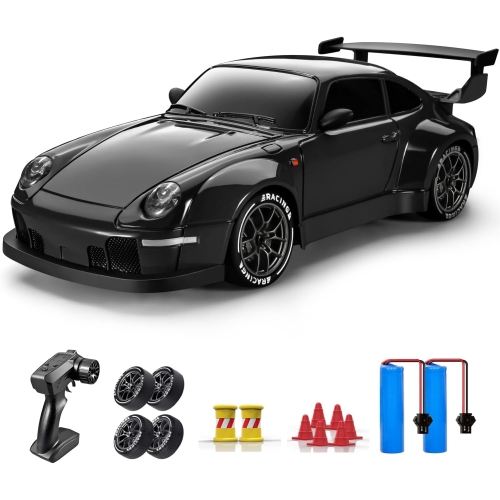
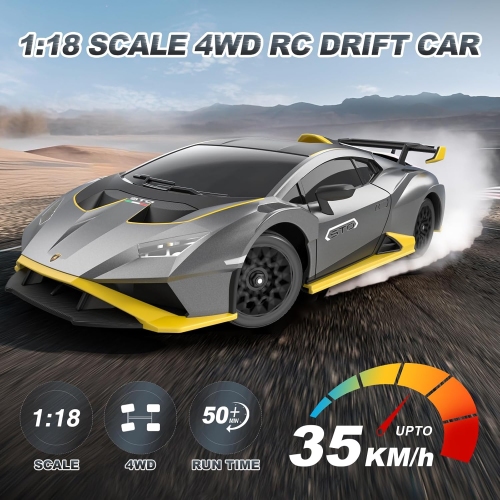
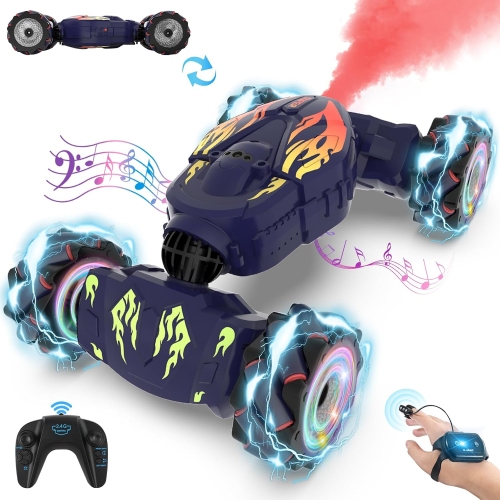

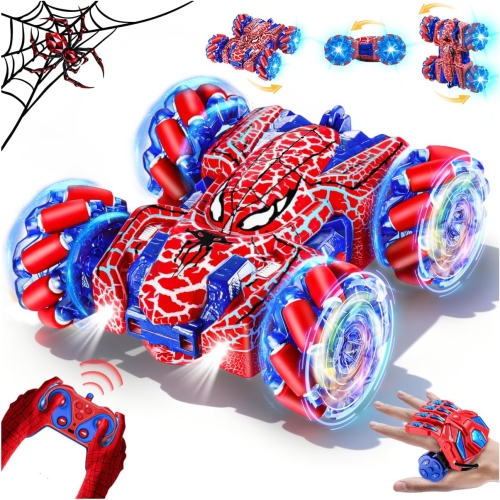
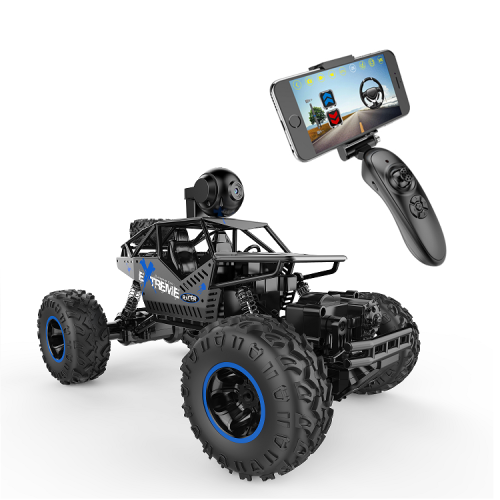
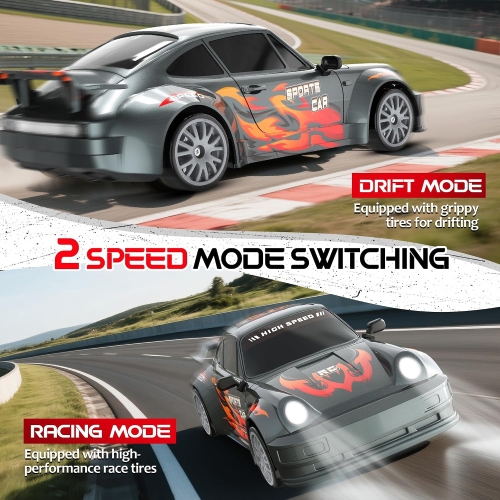
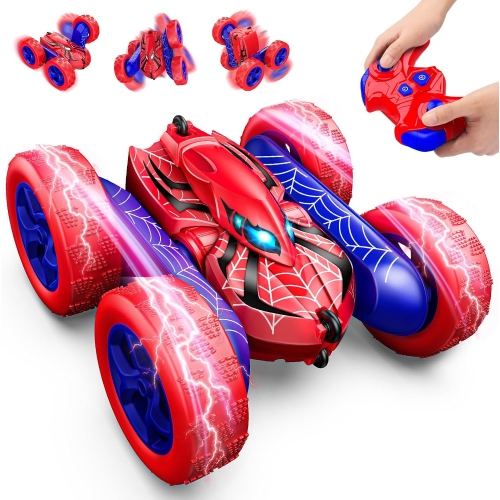
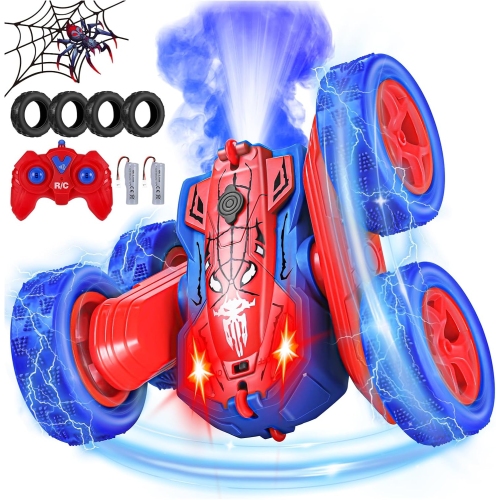
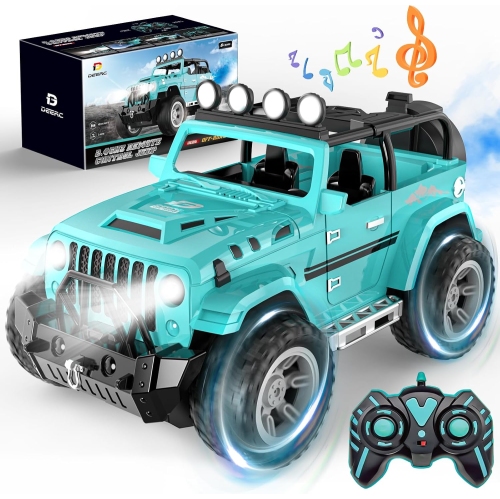

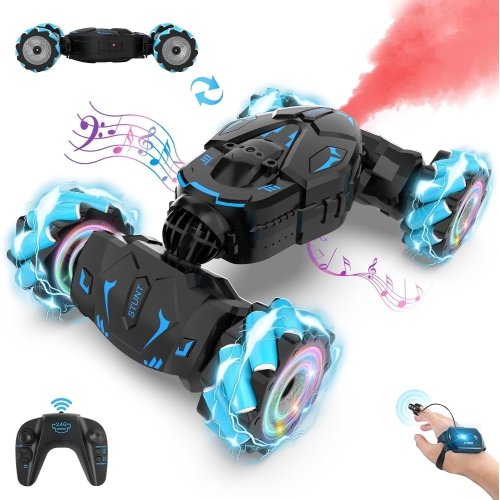
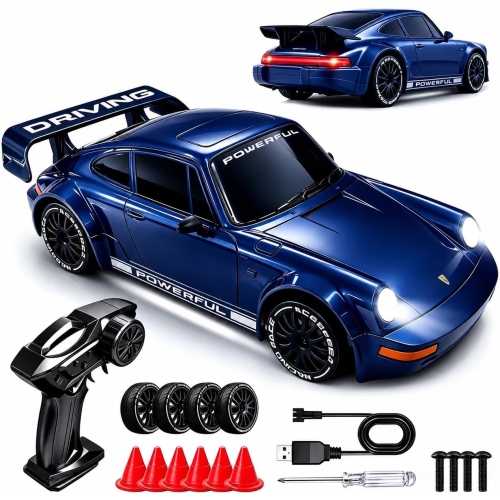

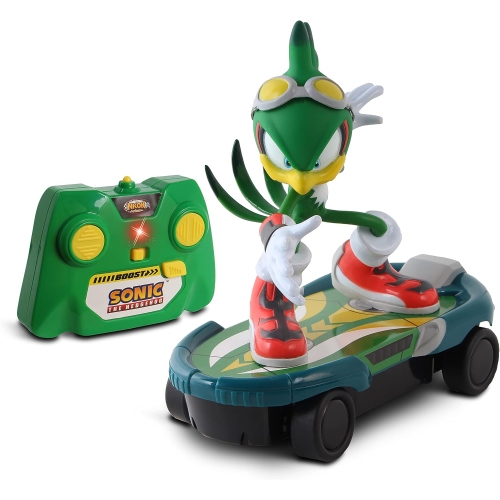
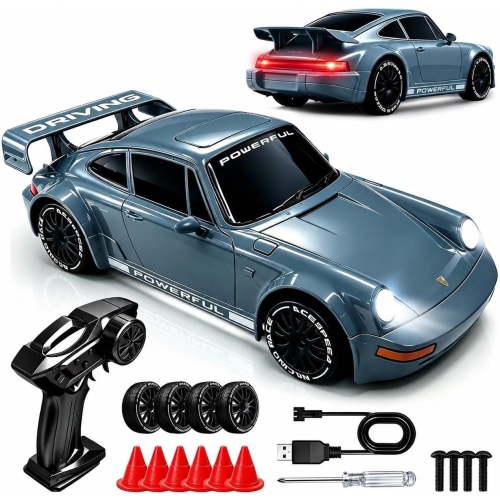
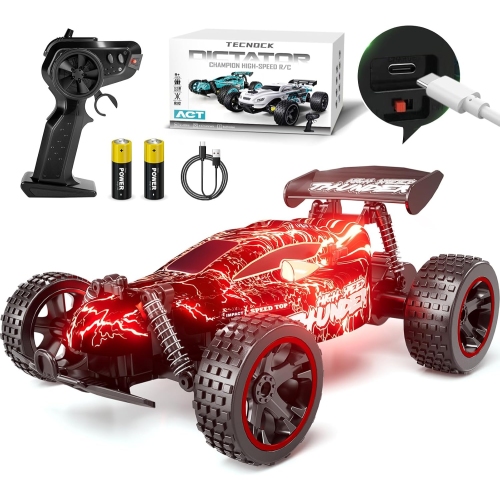
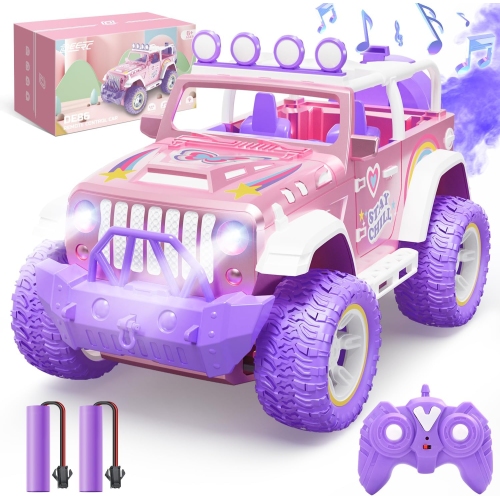
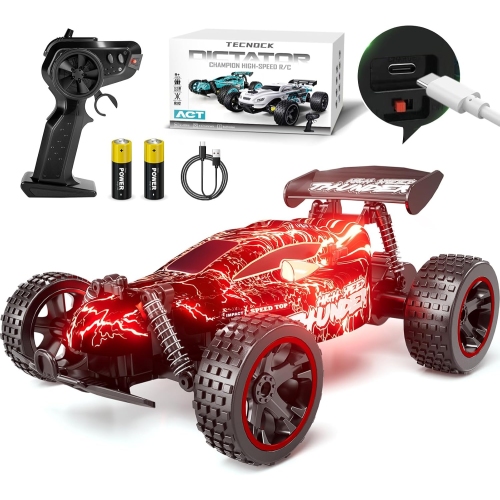

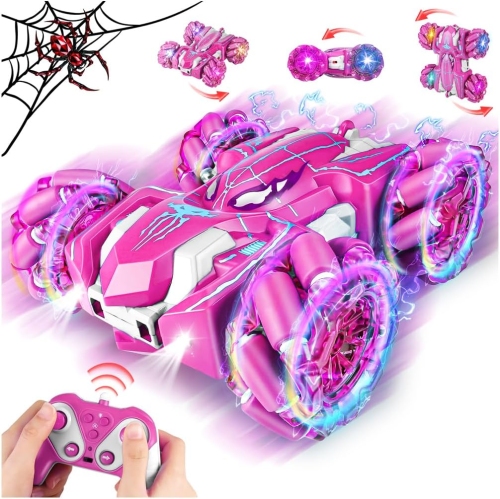
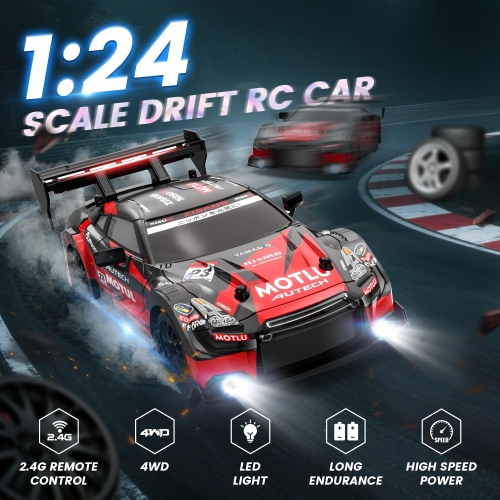
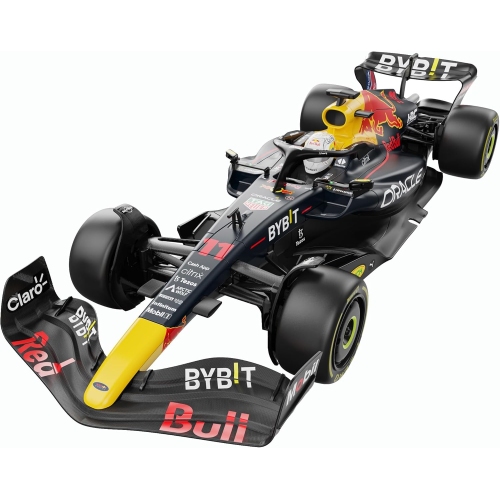
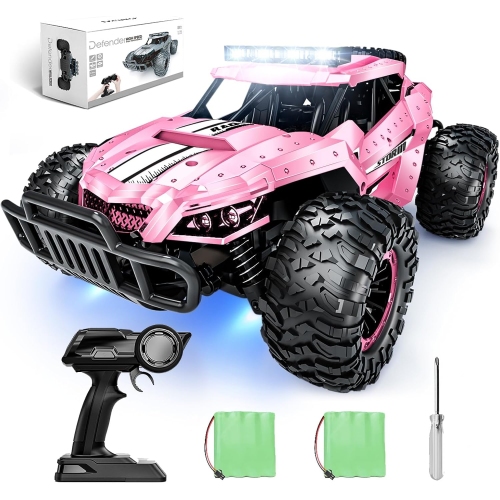
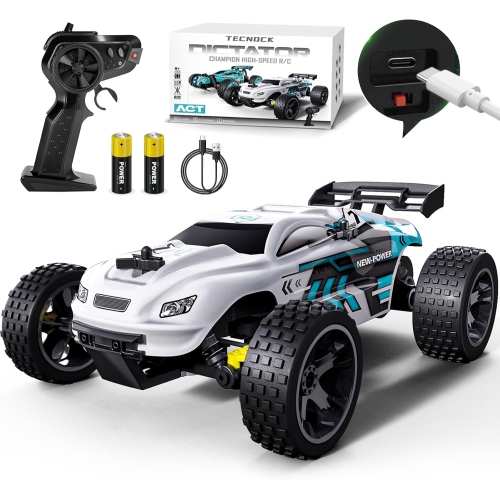
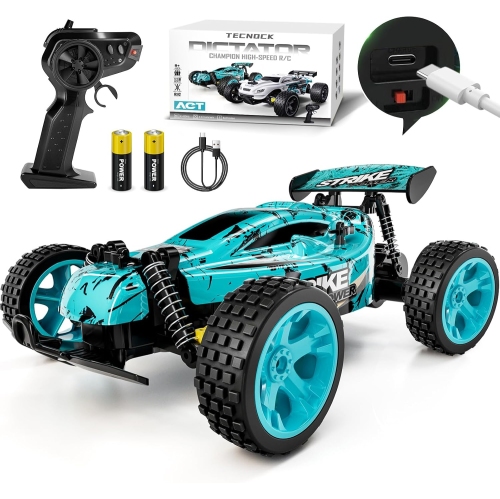
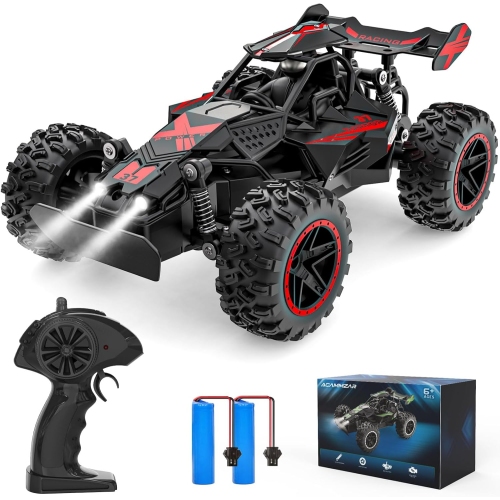
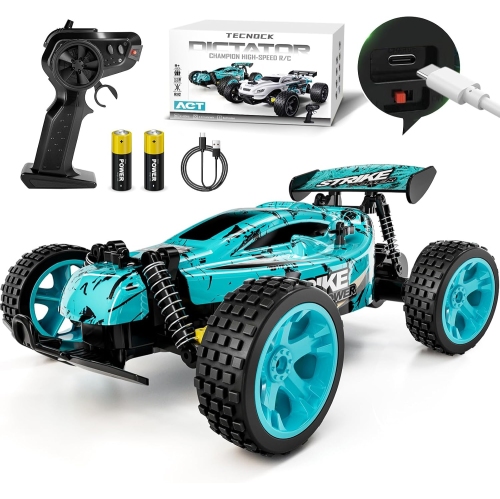
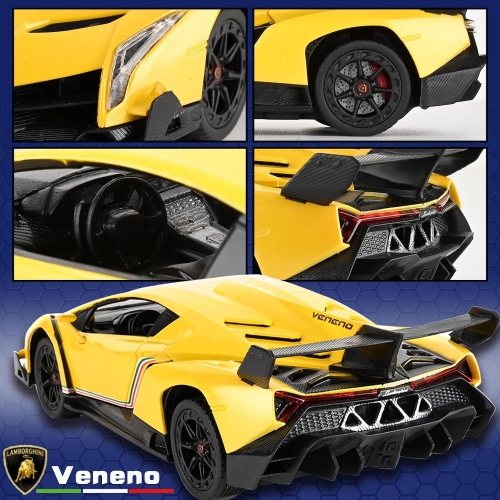
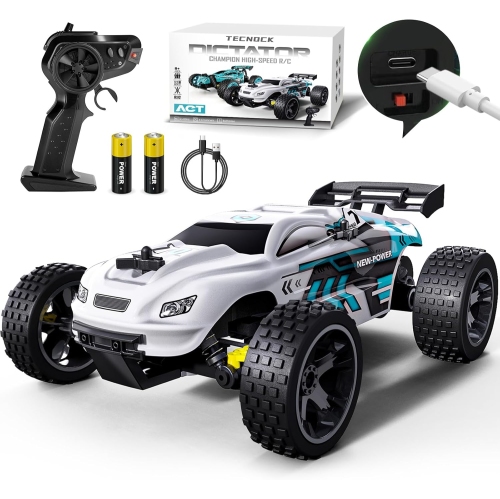
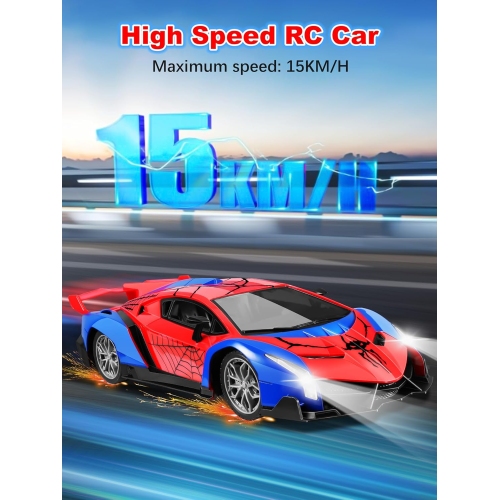
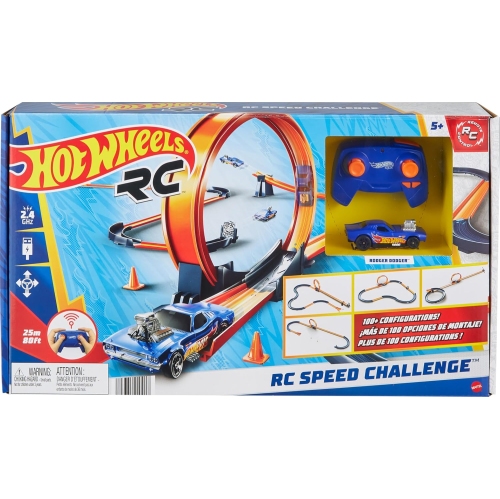
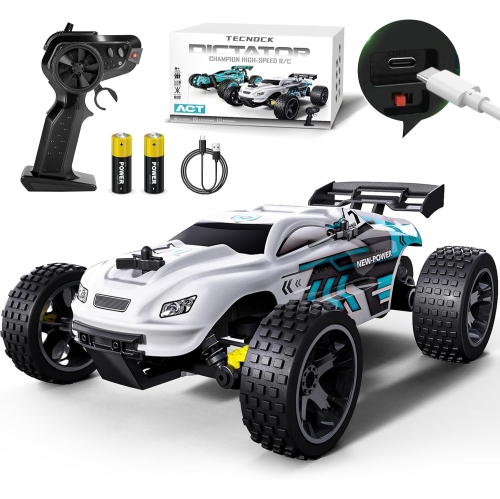
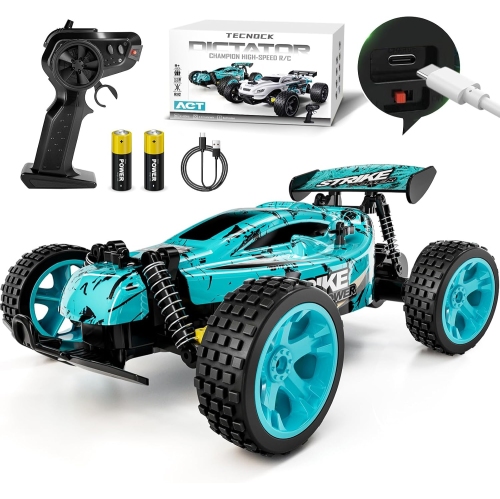
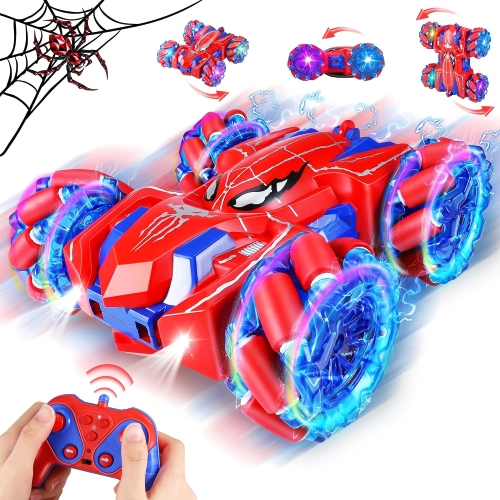
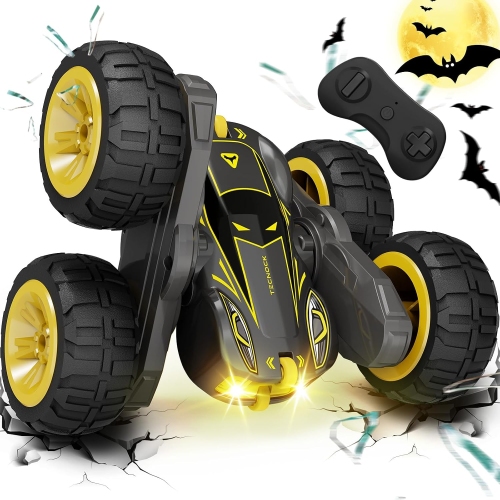
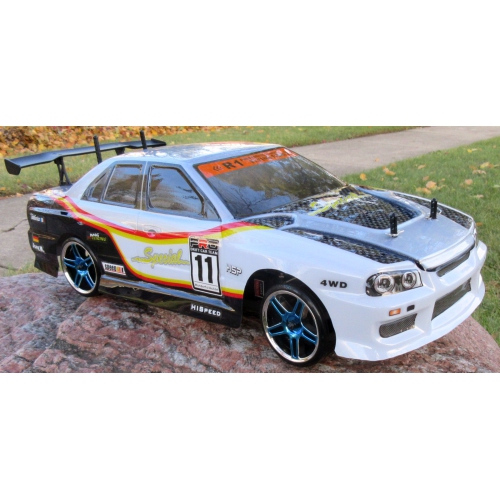
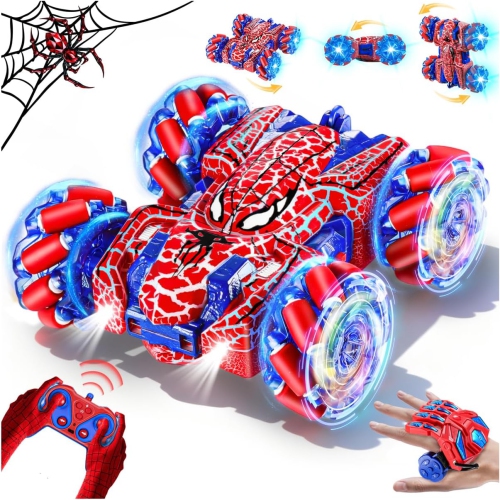
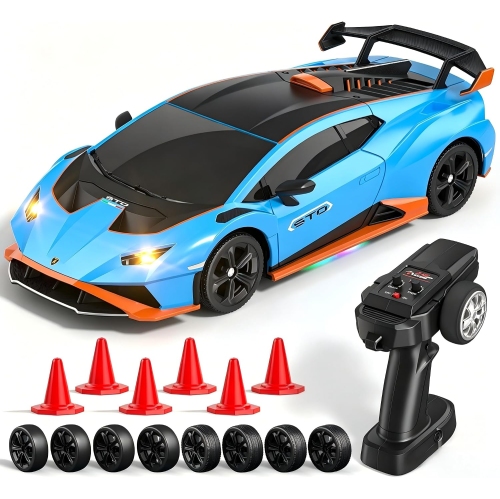
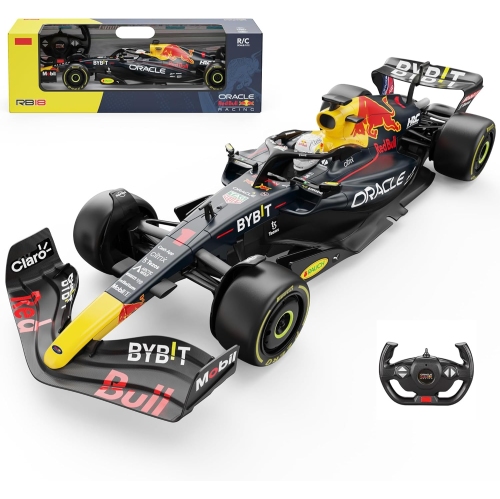
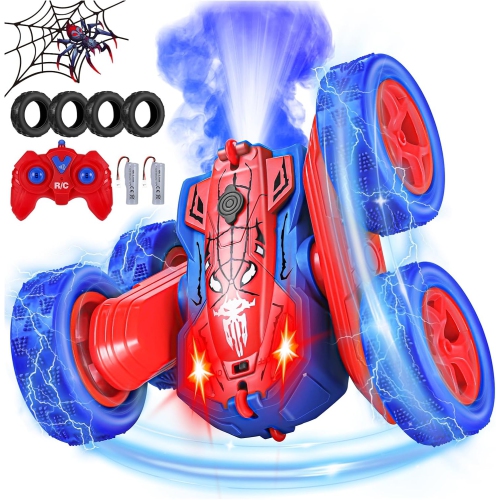
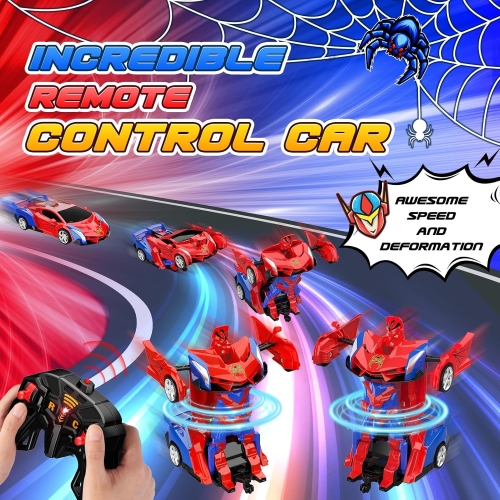
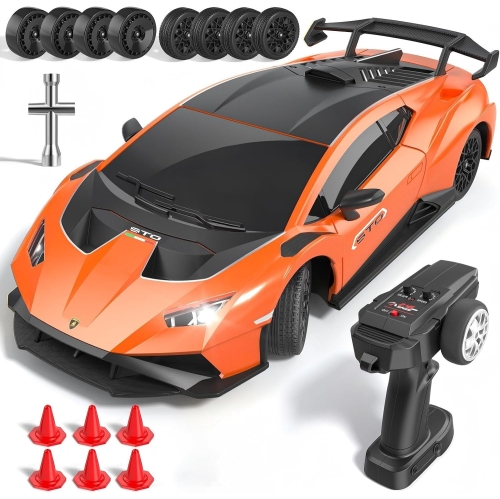
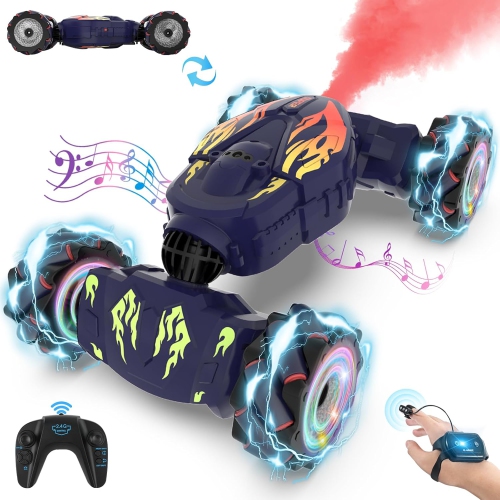
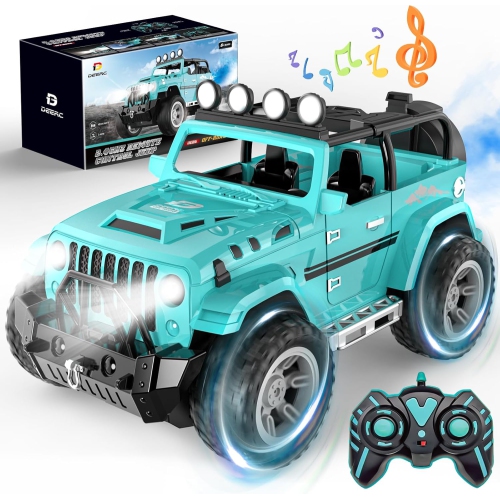
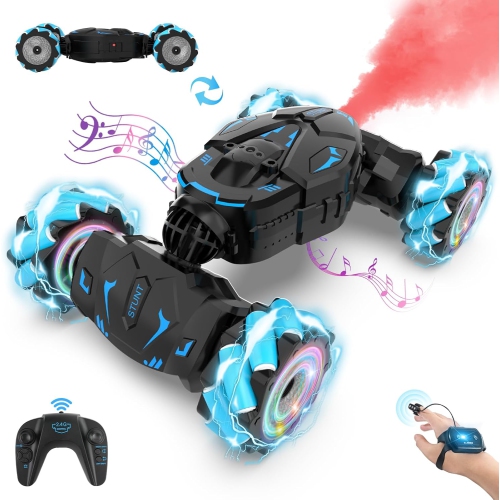
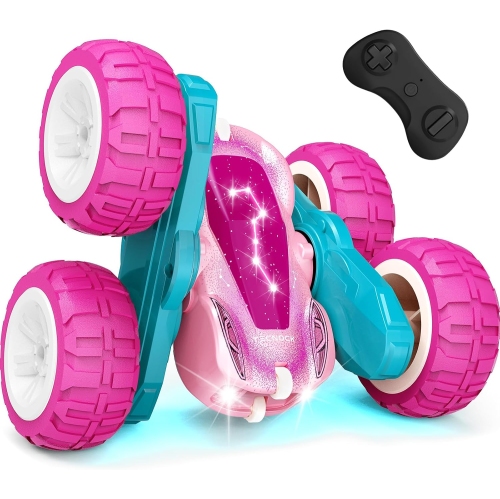
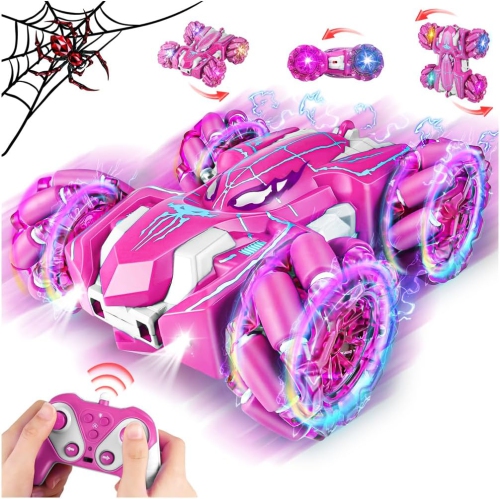
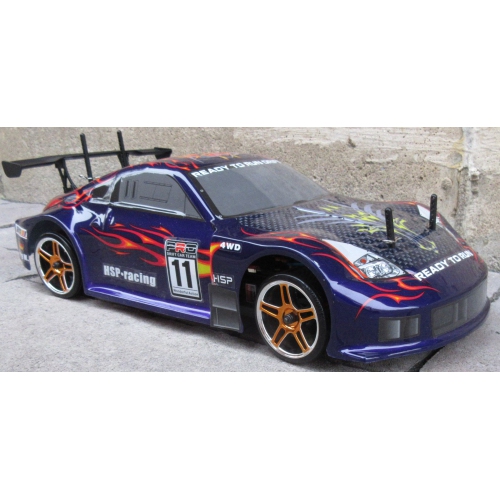
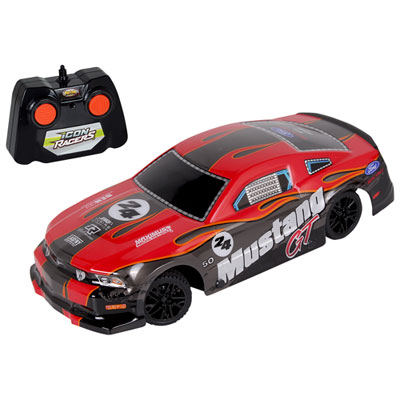
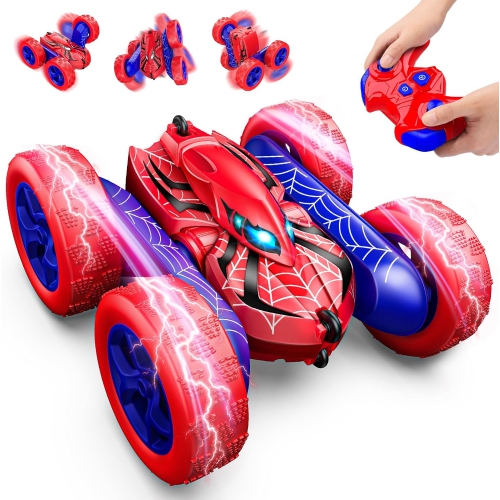
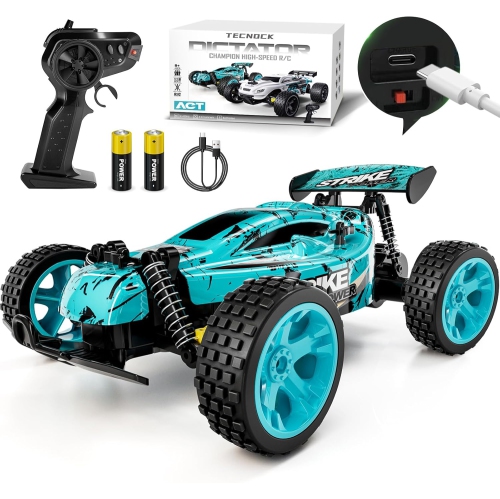

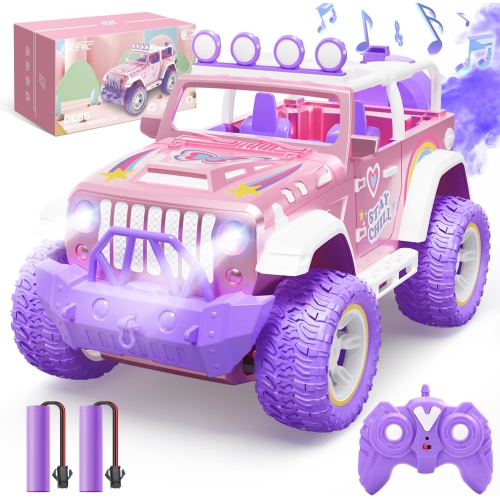
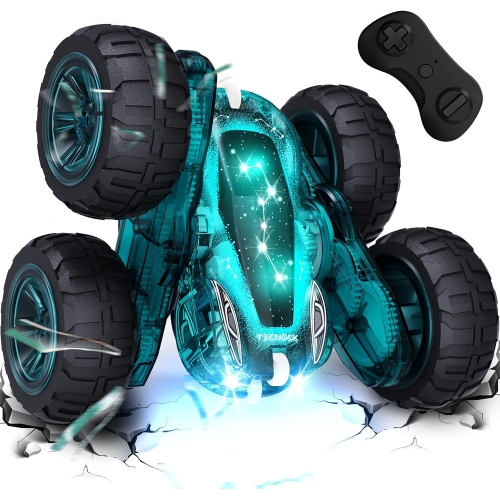
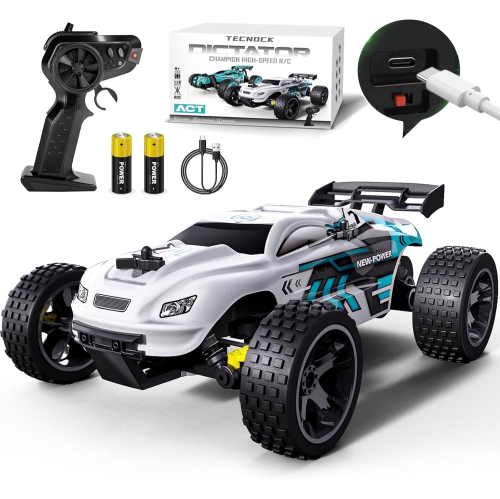
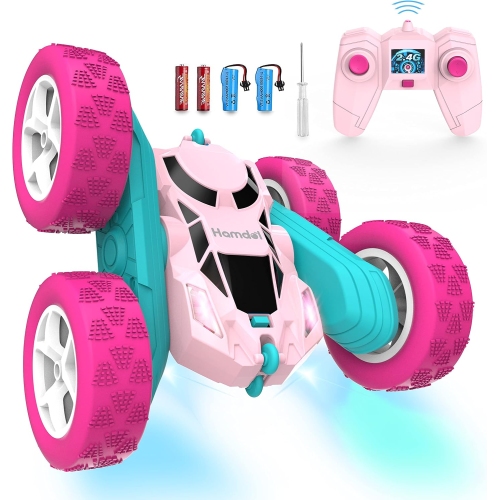
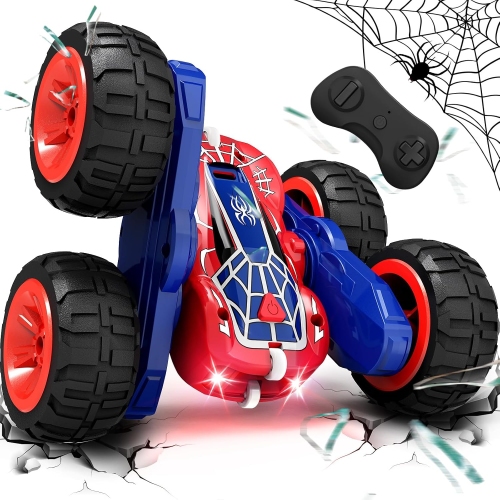
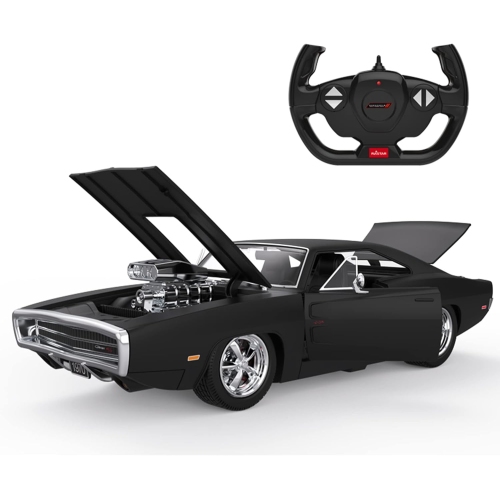
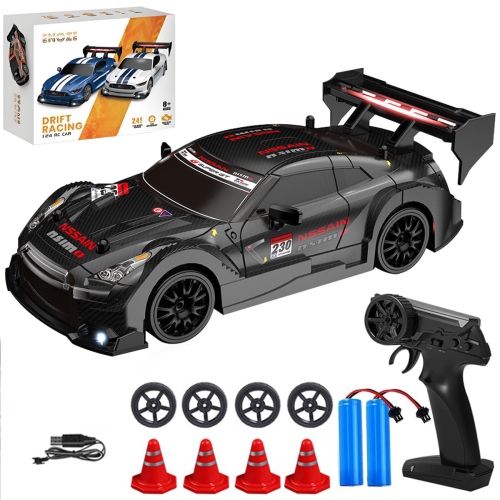
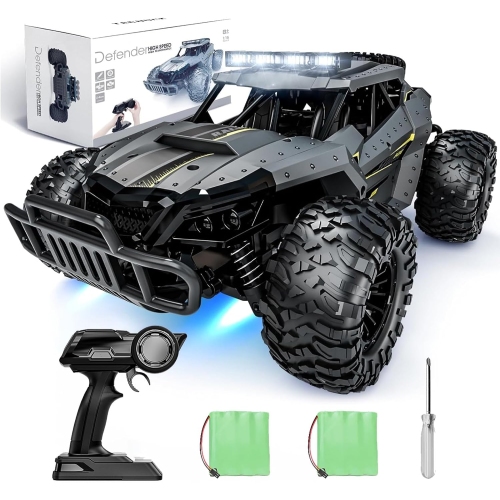
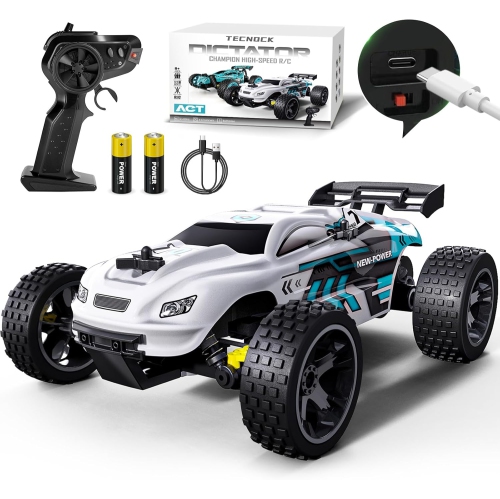
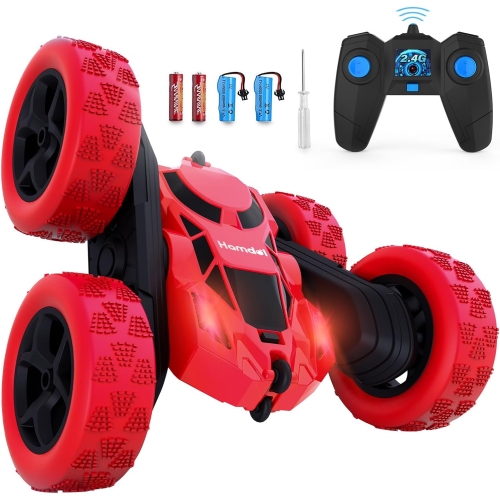
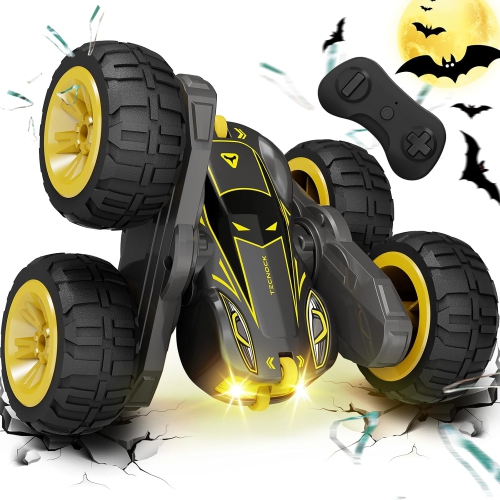

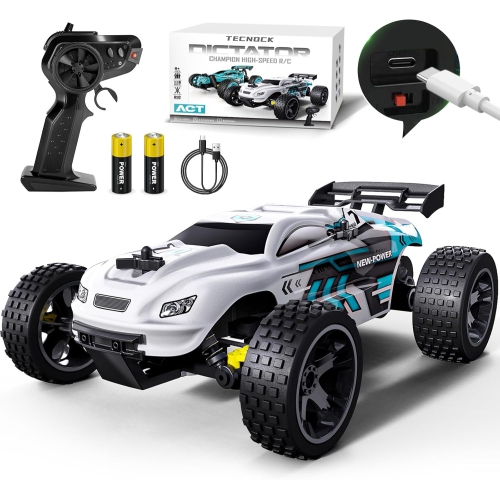
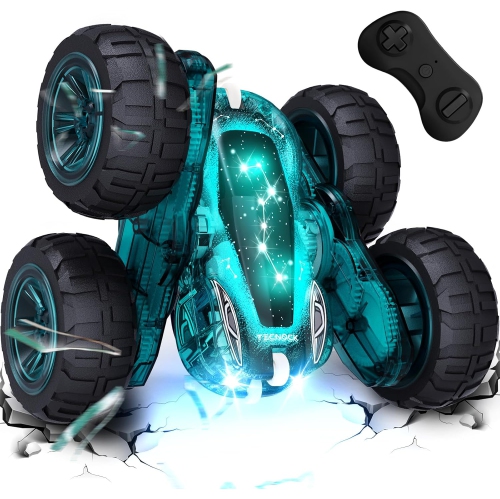
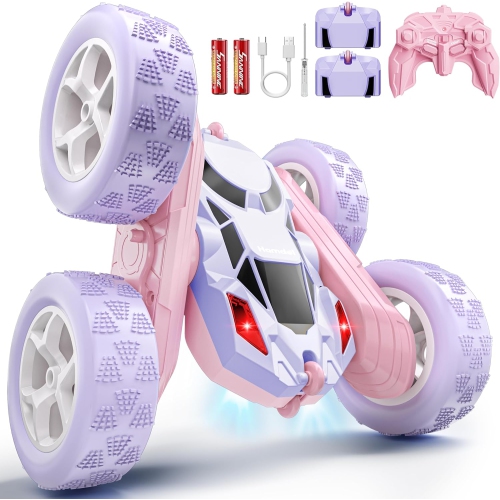
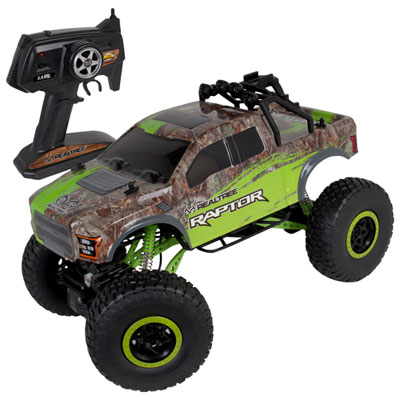
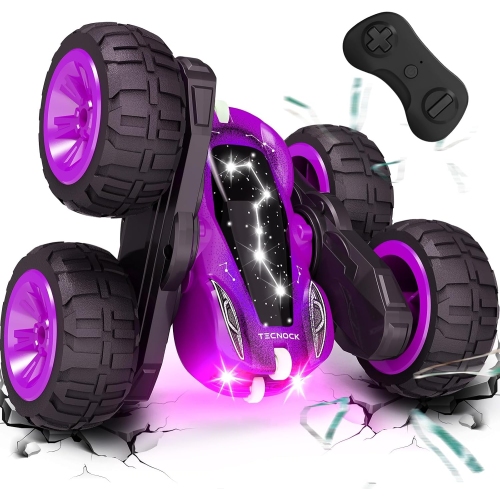
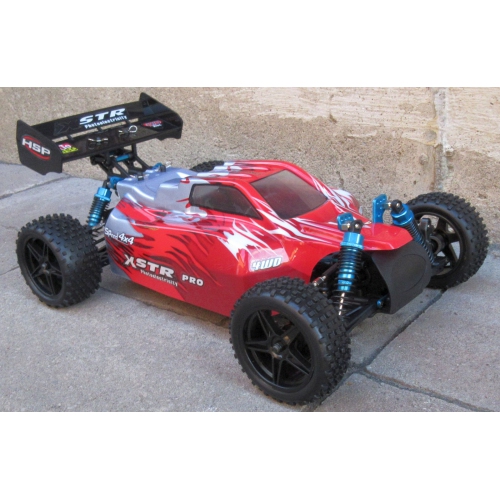

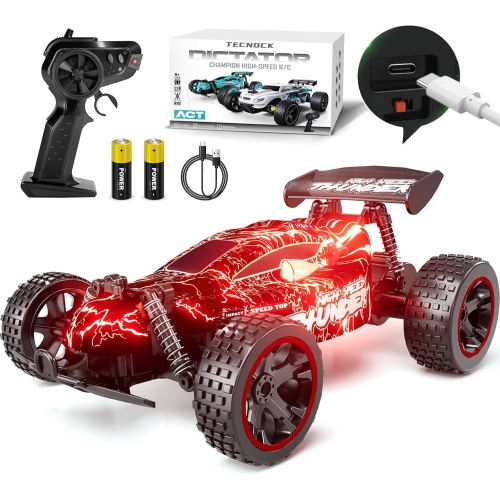
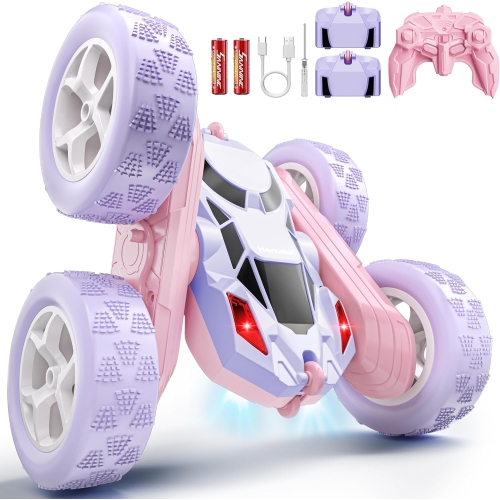
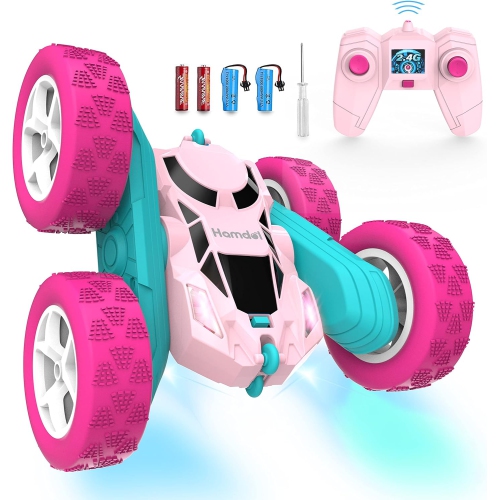
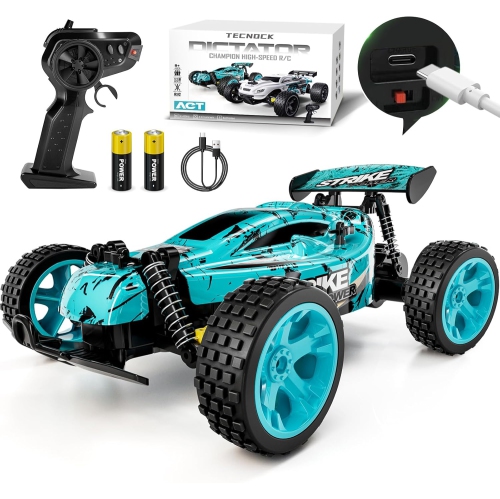
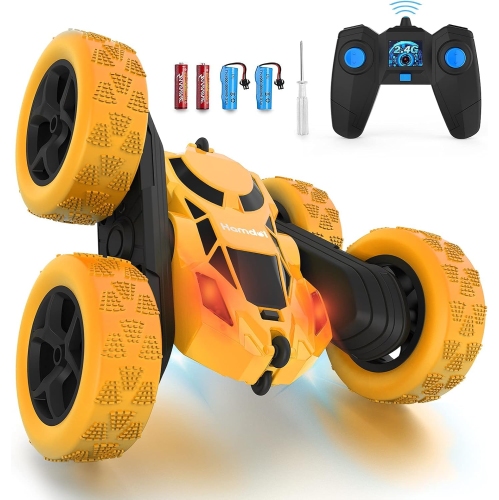
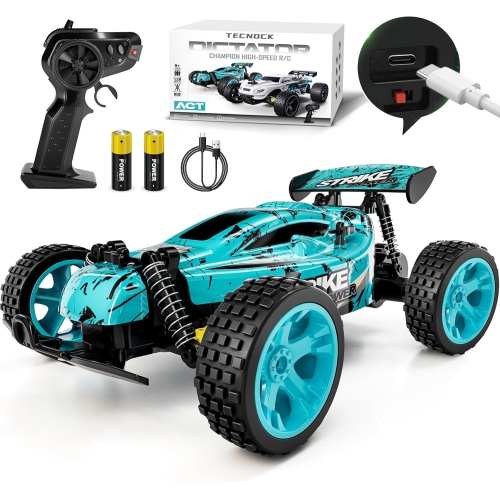
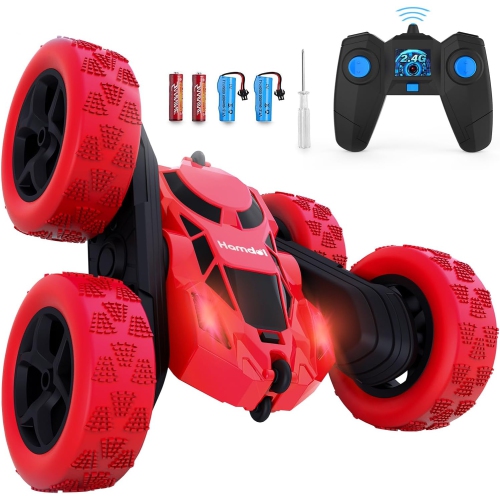
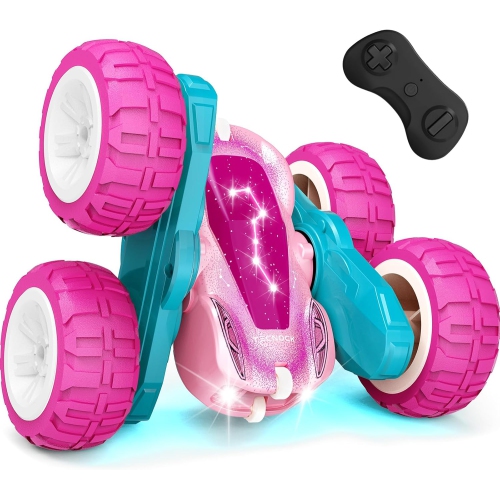
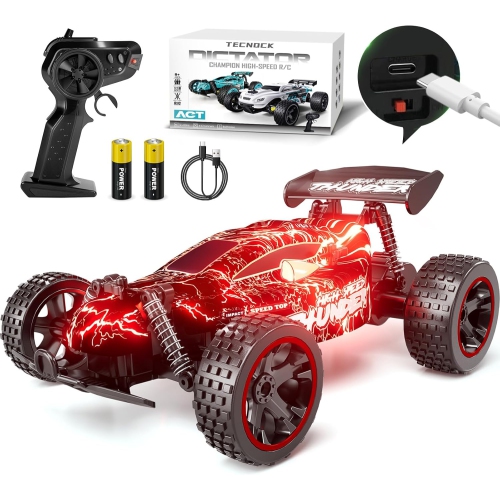
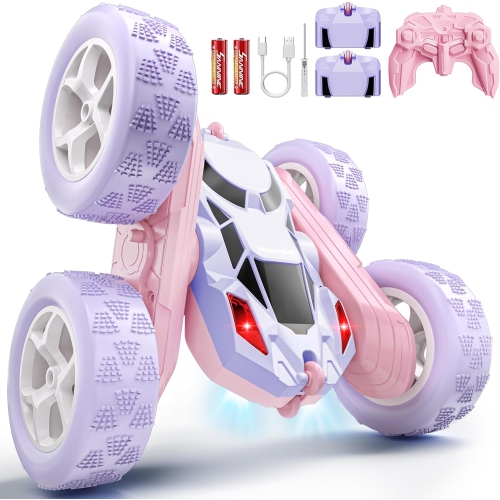
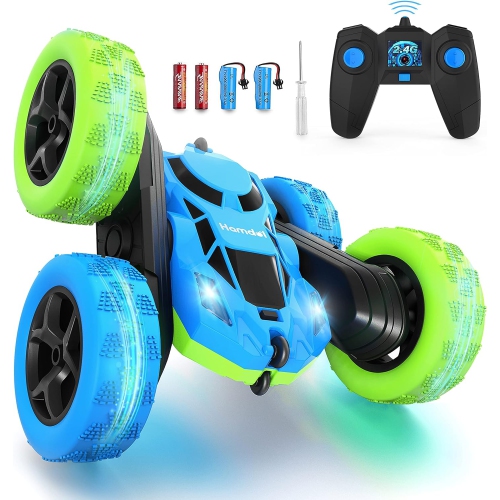
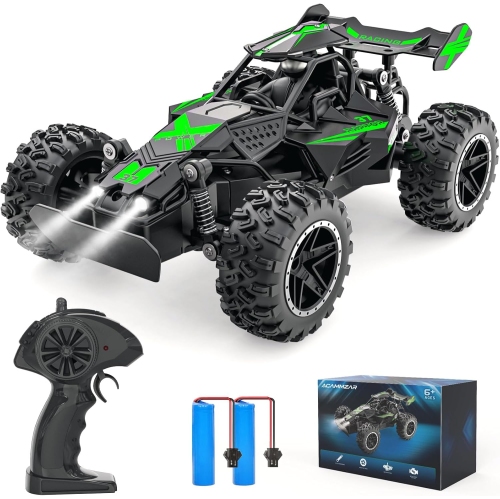
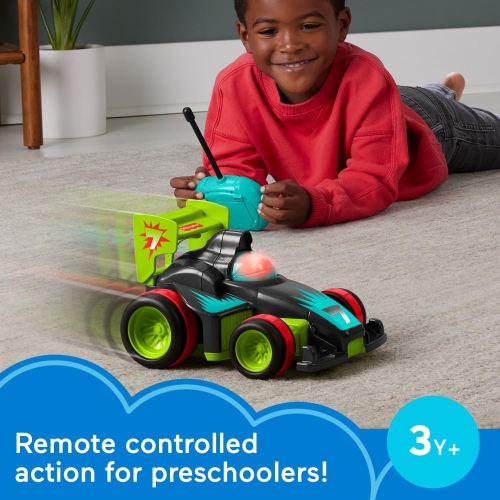
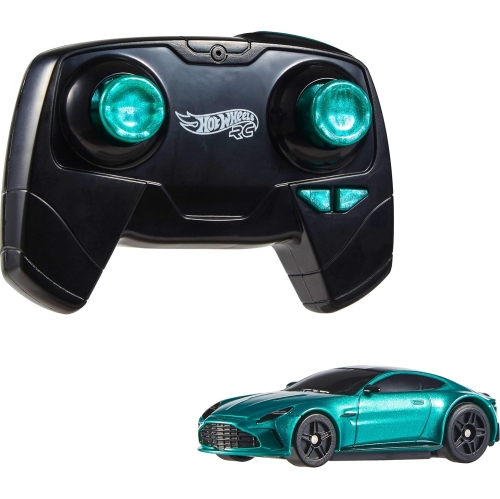
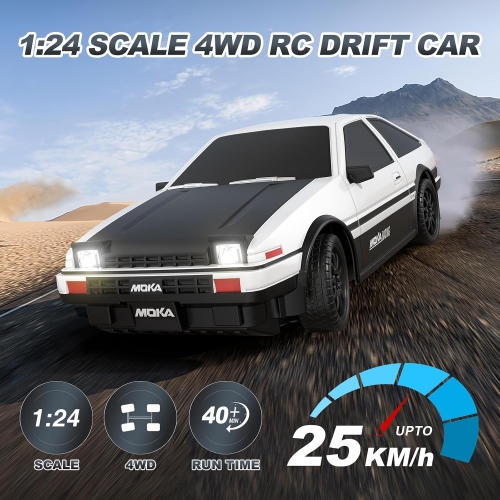
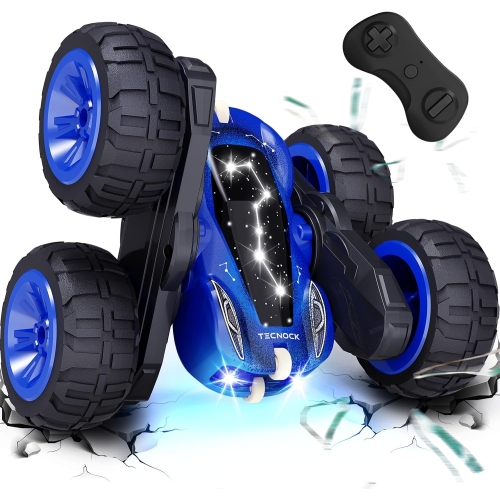
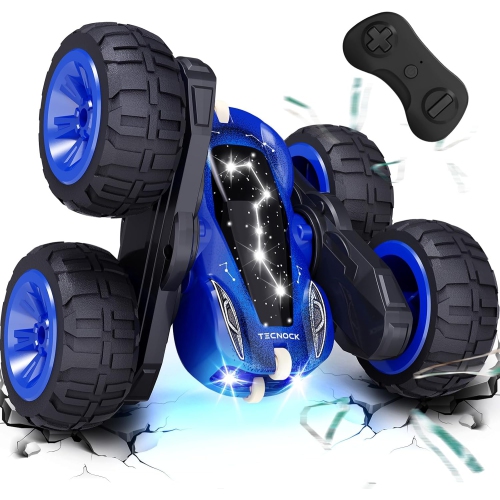
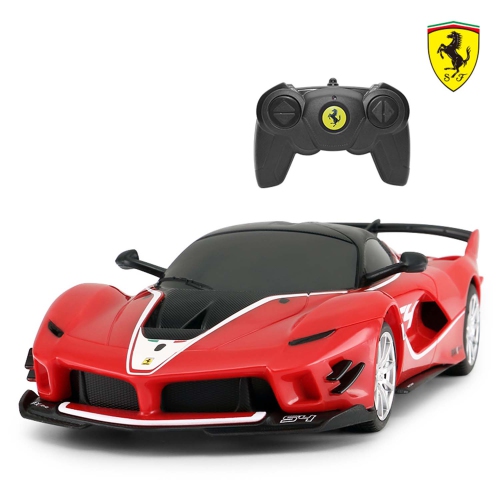
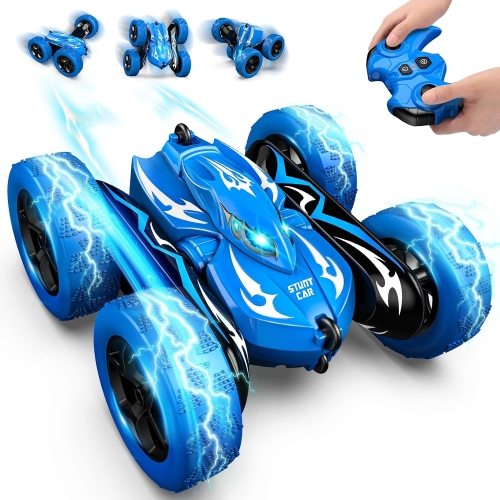
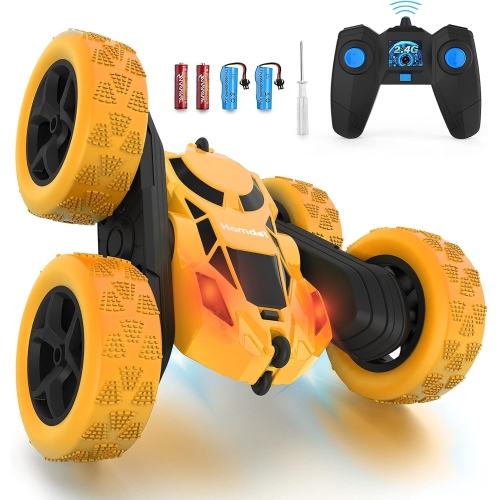
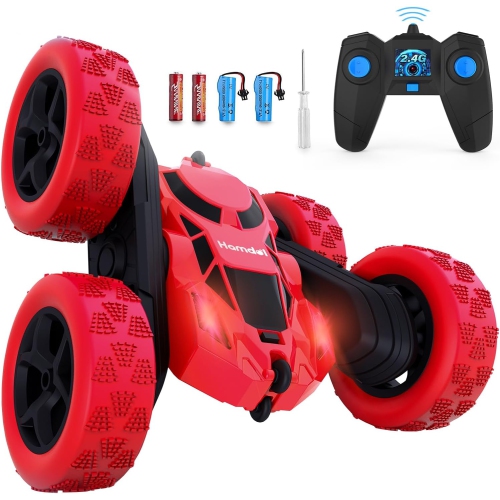
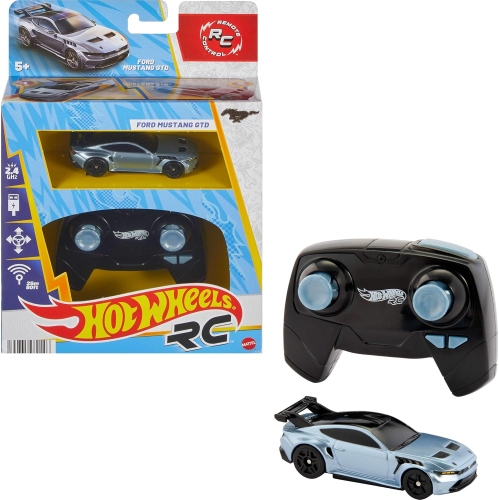
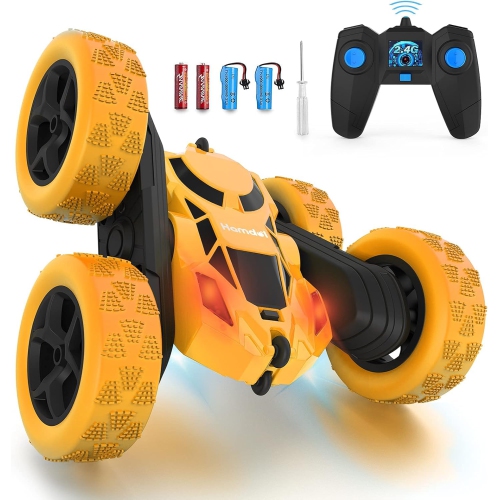
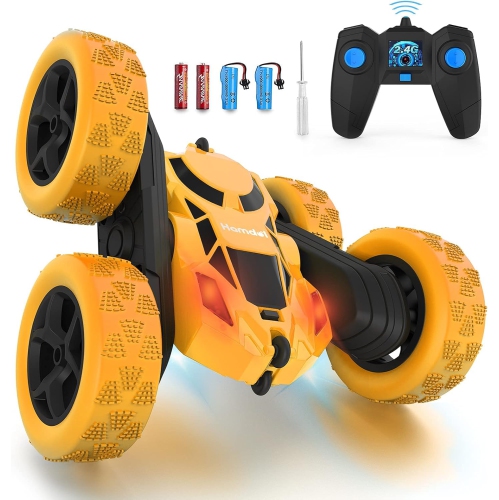
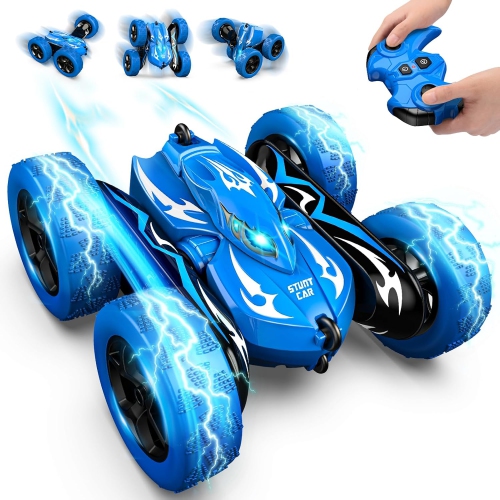
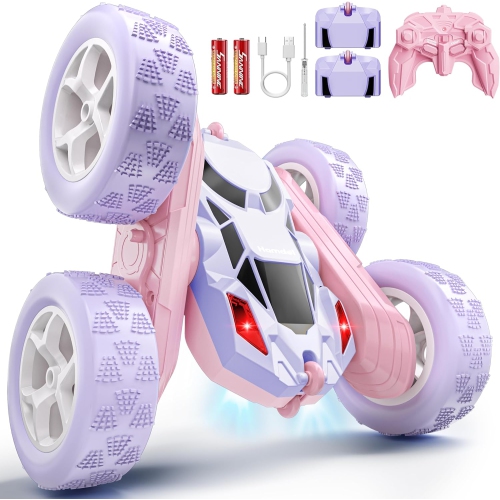
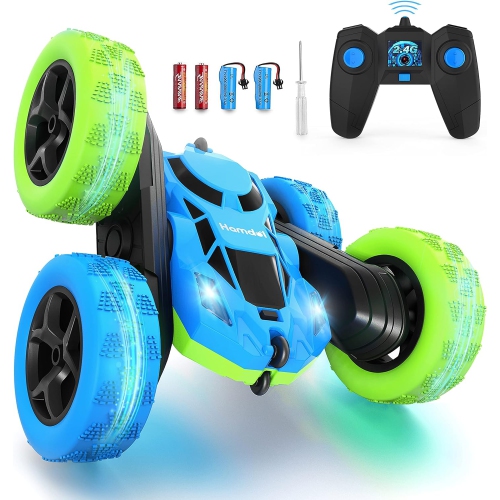
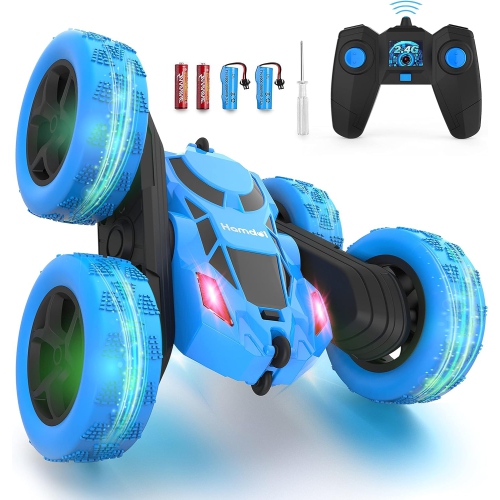
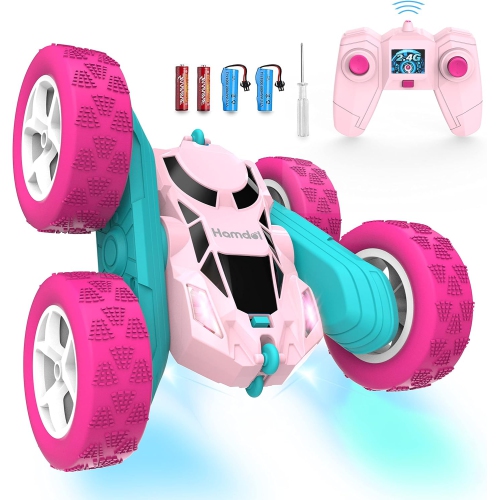
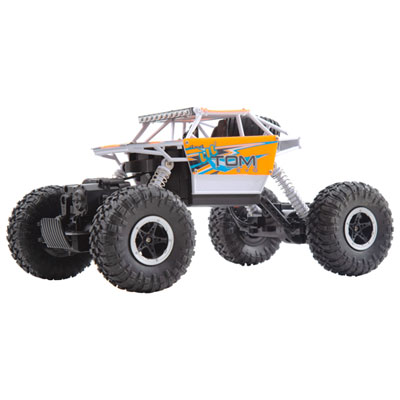
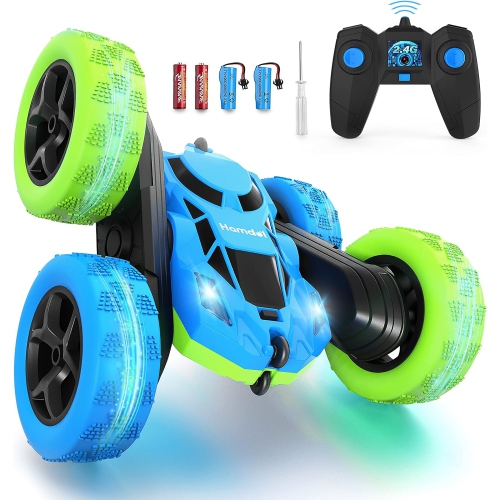
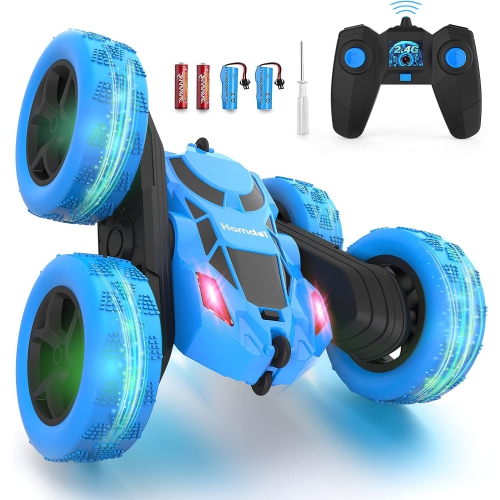
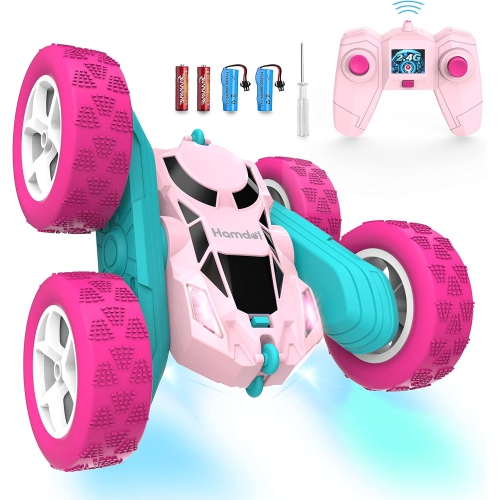
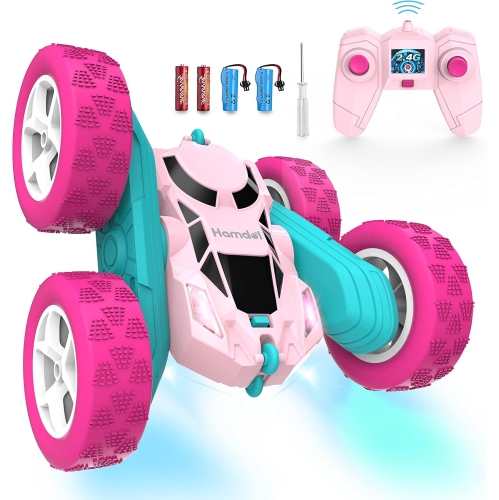
Hands-on builds that lead to personalized driving experiences
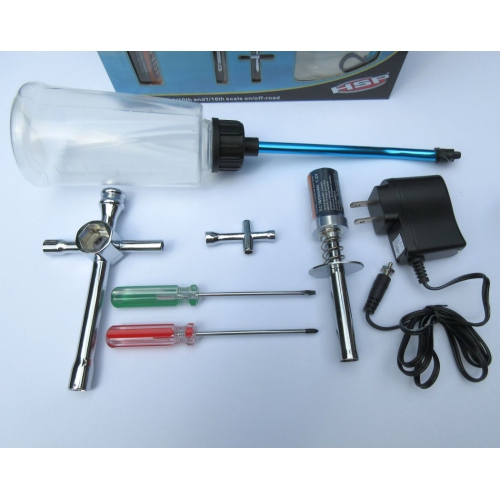
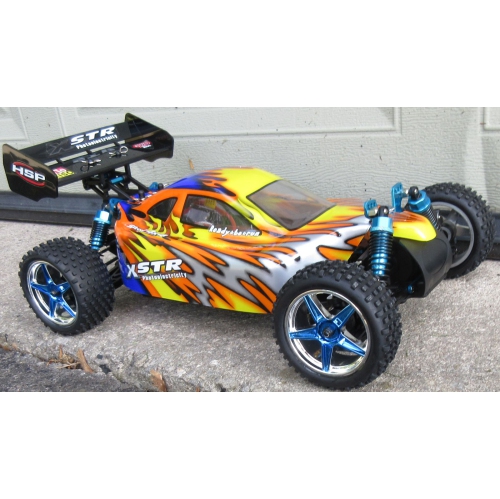
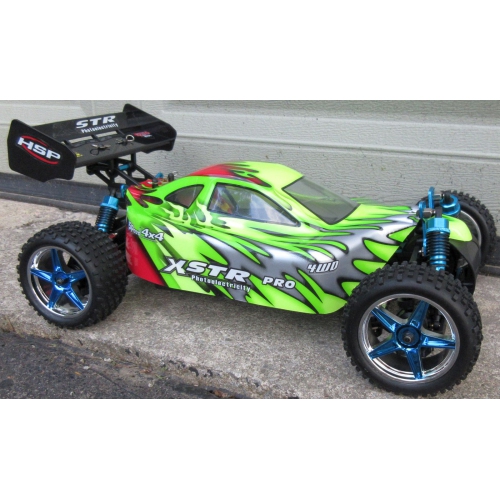
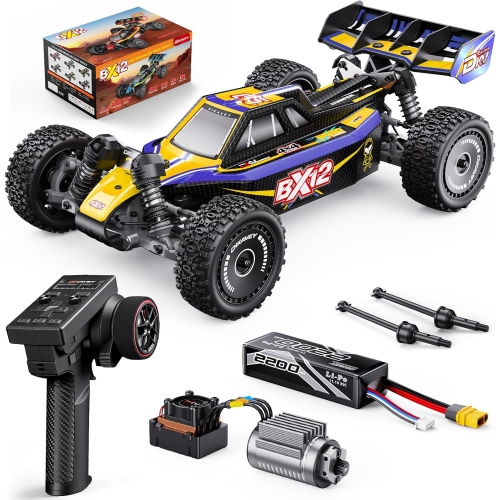
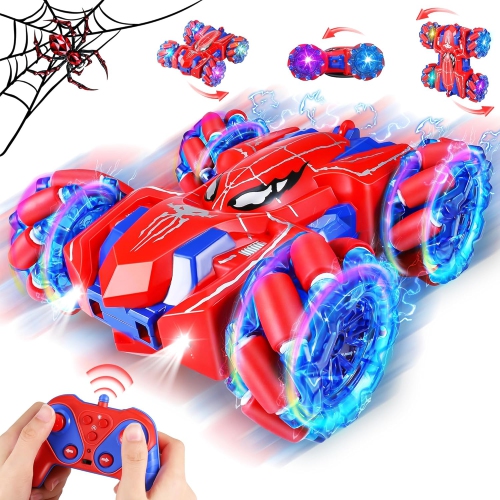
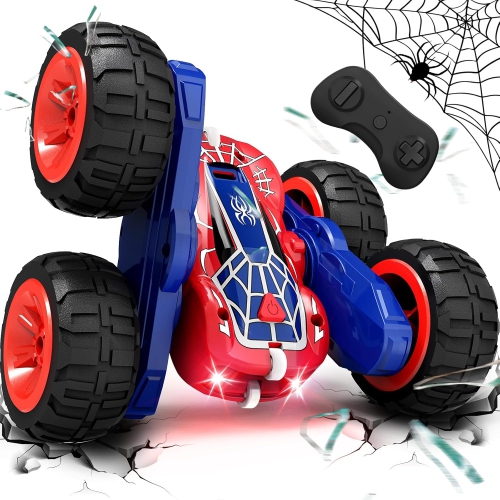
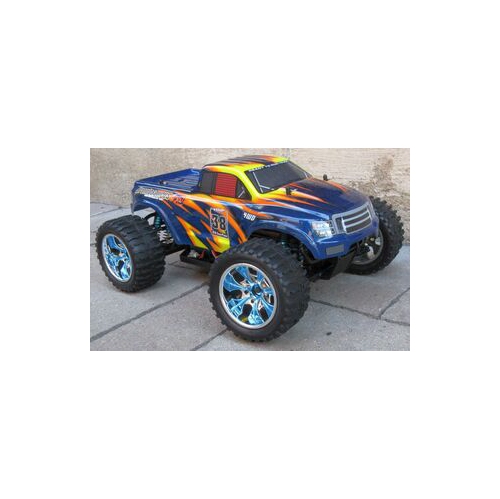
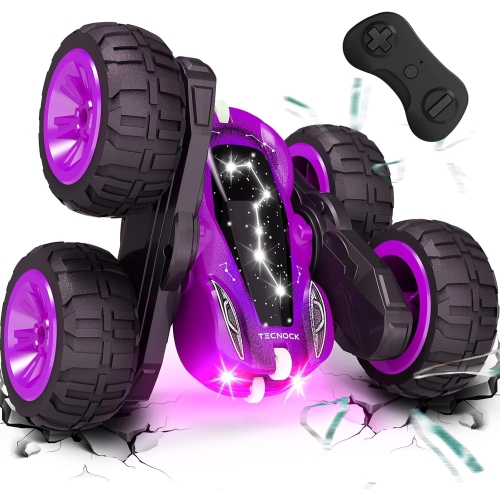
RC car kits offer a hands-on way to enjoy remote-controlled vehicles, combining the excitement of driving with the satisfaction of building. Unlike ready-to-run models, which arrive assembled for quick operation, an RC car kit typically includes the vehicle’s major components in separate pieces so you can put them together, adjust the setup and learn how the mechanical and electronic systems work. Depending on the design, assembly may involve fitting the chassis, suspension, steering, drivetrain, motor, gears and body, followed by installing a compatible radio system and battery. The process can feel a little like assembling a miniature performance machine at a workbench: parts are laid out, instructions are followed step by step, and each completed section brings the vehicle closer to its first drive. This makes RC car kits appealing to hobbyists who enjoy careful projects, practical problem-solving and the ability to personalize a vehicle rather than simply taking it out of the box. They can also make thoughtful gifts for older children, teenagers and adults who enjoy model building, engineering, motorsports or hands-on activities. Because the assembly requires patience, small parts and basic mechanical ability, it is important to check the recommended age range and skill level before choosing a kit. Younger enthusiasts may enjoy helping with straightforward steps under adult supervision, while more experienced builders may prefer a detailed kit that leaves room for fine-tuning and upgrades. A beginner should also look closely at what is included, since some kits require a separate transmitter, receiver, motor, speed controller, battery, charger, wheels or body finishing supplies. Understanding these requirements before purchase helps ensure that the build can move smoothly from the workbench to the driveway.
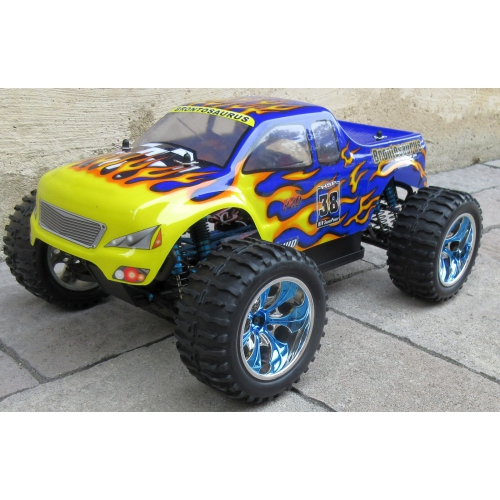
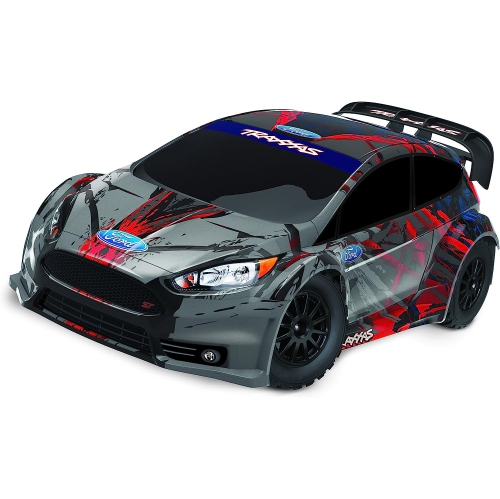
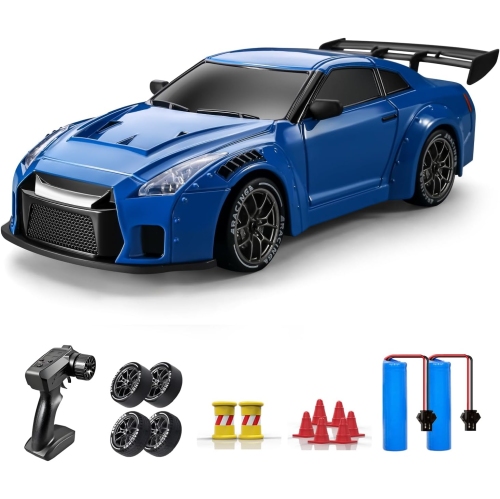
The style of RC car kit has a major effect on where and how it can be driven. Buggy kits are often suited to loose dirt, grass and mixed off-road surfaces, with a lightweight shape and suspension designed to handle jumps, uneven ground and quick changes in direction. Touring car kits are generally intended for smoother surfaces such as pavement or indoor tracks, where lower ground clearance and responsive handling can make them enjoyable for laps, timed runs and friendly competition. Crawler kits focus on control rather than speed, using careful gearing, flexible suspension and detailed proportions to climb over rocks, roots and other obstacles at a steady pace. Drift kits are designed for controlled slides on smooth surfaces, rewarding precise throttle and steering input as the vehicle arcs through a turn. Monster truck kits typically feature larger tyres, increased ground clearance and a robust stance for driving over rough terrain and tackling small jumps. Drive configuration is another useful consideration: two-wheel drive can provide a simpler, more accessible setup, while four-wheel drive or all-wheel drive may offer added traction on loose or uneven ground. Scale also matters. A compact vehicle is easier to store and transport, while a larger model may feel more substantial outdoors and provide more space for accessible components. Think about the driver’s preferred experience, the available driving area and the surfaces nearby. A smooth parking area calls for different characteristics than a backyard trail, gravel path or indoor track. During the warmer season, a completed kit can turn a quiet stretch of driveway into a personal test course; during the cooler months, building, servicing and tuning the vehicle indoors can keep the hobby engaging even when outdoor driving time is limited. For a broader look at performance-focused remote-controlled vehicles, explore RC Racing Cars.
Before selecting an RC car kit, consider the tools, replacement parts and maintenance involved over the life of the vehicle. Basic assembly may call for small screwdrivers, hex drivers, pliers, a hobby knife and a clean, well-lit work surface, while more advanced builds may benefit from a parts tray, measuring tools and supplies for securing or servicing fasteners. A kit with clear instructions and well-organized components can make the first build more approachable, particularly for someone learning how gears, suspension arms and steering linkages work together. It is also worth checking whether replacement tyres, body parts, suspension pieces and drivetrain components are readily available, since regular driving can bring normal wear or the occasional hard landing. Battery type and run time should be matched to the vehicle and the driver’s expectations; some people prefer a lighter setup for agile handling, while others value longer sessions between charges. The radio system should offer comfortable controls and a reliable connection, and adjustable settings can help a new driver begin gently before increasing speed or steering response. Once assembled, the vehicle may need small adjustments to wheel alignment, suspension stiffness, gear mesh or weight balance. These details are part of the appeal for many enthusiasts, turning each drive into an opportunity to refine performance. A good routine includes checking fasteners, clearing dirt from moving parts, inspecting the battery and allowing components to cool after use. Store the vehicle and accessories together so the next outing is easy to organize, whether that means a short run across the pavement, a technical crawl through a backyard course or a friendly race with family and friends. With the right match between kit complexity, driving environment and personal interests, RC car kits can provide a rewarding project that continues well beyond the first completed build.
The style of RC car kit has a major effect on where and how it can be driven. Buggy kits are often suited to loose dirt, grass and mixed off-road surfaces, with a lightweight shape and suspension designed to handle jumps, uneven ground and quick changes in direction. Touring car kits are generally intended for smoother surfaces such as pavement or indoor tracks, where lower ground clearance and responsive handling can make them enjoyable for laps, timed runs and friendly competition. Crawler kits focus on control rather than speed, using careful gearing, flexible suspension and detailed proportions to climb over rocks, roots and other obstacles at a steady pace. Drift kits are designed for controlled slides on smooth surfaces, rewarding precise throttle and steering input as the vehicle arcs through a turn. Monster truck kits typically feature larger tyres, increased ground clearance and a robust stance for driving over rough terrain and tackling small jumps. Drive configuration is another useful consideration: two-wheel drive can provide a simpler, more accessible setup, while four-wheel drive or all-wheel drive may offer added traction on loose or uneven ground. Scale also matters. A compact vehicle is easier to store and transport, while a larger model may feel more substantial outdoors and provide more space for accessible components. Think about the driver’s preferred experience, the available driving area and the surfaces nearby. A smooth parking area calls for different characteristics than a backyard trail, gravel path or indoor track. During the warmer season, a completed kit can turn a quiet stretch of driveway into a personal test course; during the cooler months, building, servicing and tuning the vehicle indoors can keep the hobby engaging even when outdoor driving time is limited. For a broader look at performance-focused remote-controlled vehicles, explore RC Racing Cars.
Before selecting an RC car kit, consider the tools, replacement parts and maintenance involved over the life of the vehicle. Basic assembly may call for small screwdrivers, hex drivers, pliers, a hobby knife and a clean, well-lit work surface, while more advanced builds may benefit from a parts tray, measuring tools and supplies for securing or servicing fasteners. A kit with clear instructions and well-organized components can make the first build more approachable, particularly for someone learning how gears, suspension arms and steering linkages work together. It is also worth checking whether replacement tyres, body parts, suspension pieces and drivetrain components are readily available, since regular driving can bring normal wear or the occasional hard landing. Battery type and run time should be matched to the vehicle and the driver’s expectations; some people prefer a lighter setup for agile handling, while others value longer sessions between charges. The radio system should offer comfortable controls and a reliable connection, and adjustable settings can help a new driver begin gently before increasing speed or steering response. Once assembled, the vehicle may need small adjustments to wheel alignment, suspension stiffness, gear mesh or weight balance. These details are part of the appeal for many enthusiasts, turning each drive into an opportunity to refine performance. A good routine includes checking fasteners, clearing dirt from moving parts, inspecting the battery and allowing components to cool after use. Store the vehicle and accessories together so the next outing is easy to organize, whether that means a short run across the pavement, a technical crawl through a backyard course or a friendly race with family and friends. With the right match between kit complexity, driving environment and personal interests, RC car kits can provide a rewarding project that continues well beyond the first completed build.
Top selling and popular products
-
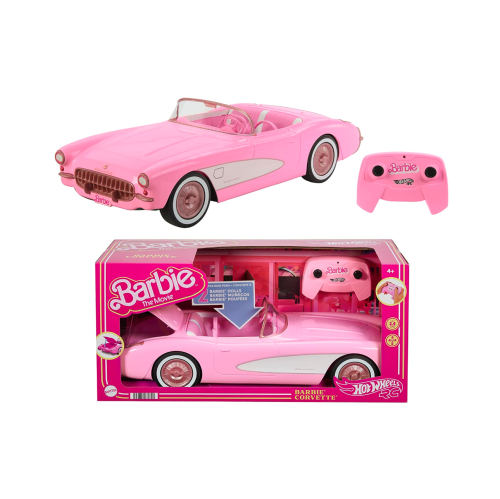 Your price for this item is $239.79
 -
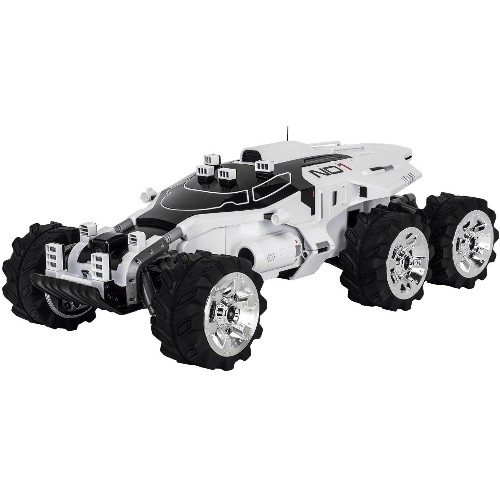 Your price for this item is $330.68
 -
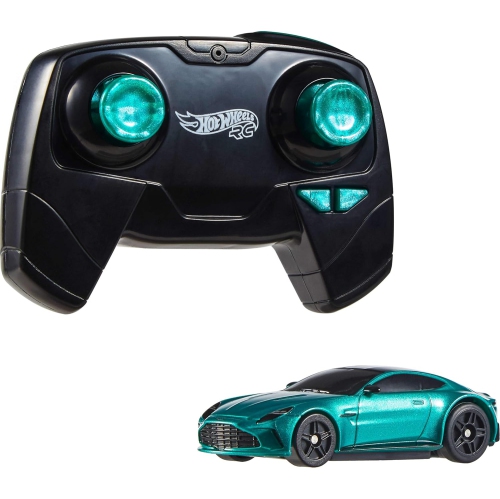 Your price for this item is $51.74
 -
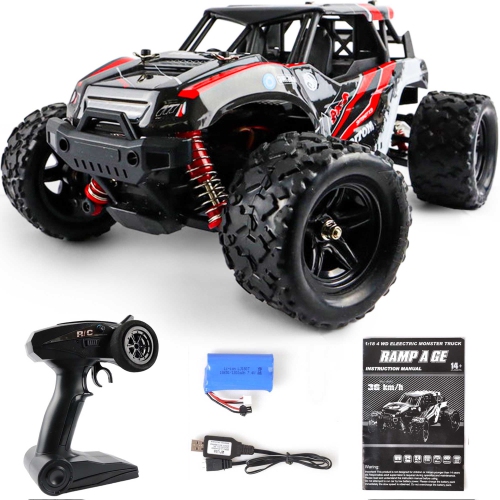 Your price for this item is $149.99
 -
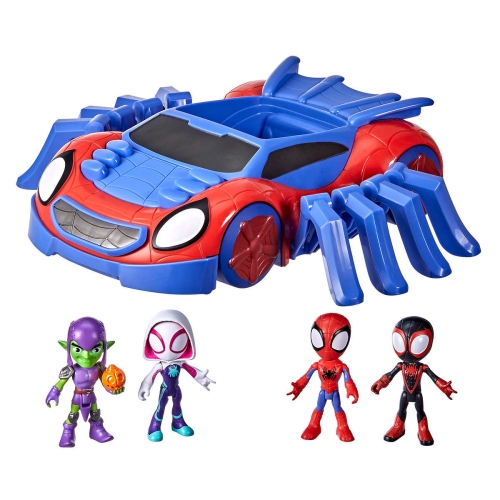 Your price for this item is $58
 -
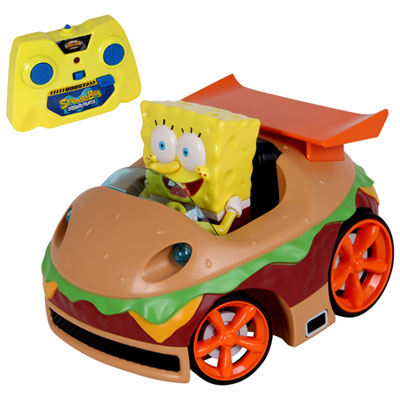 Your price for this item is $39.99
 -
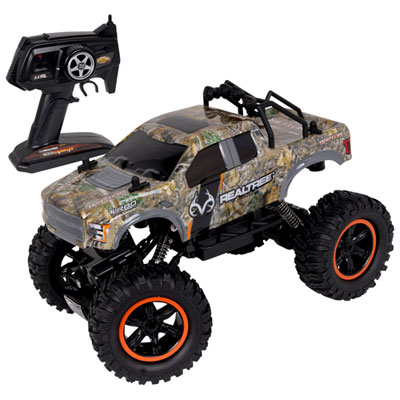 Your price for this item is $69.99
 -
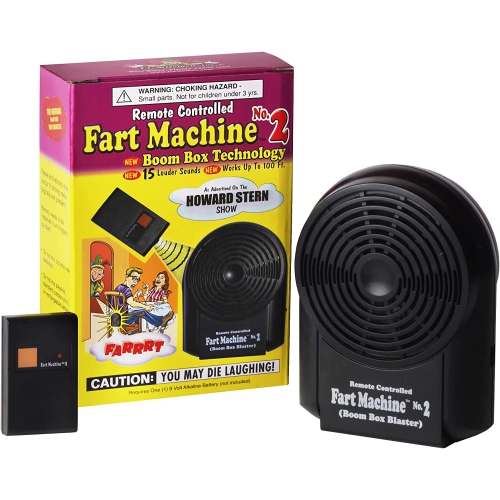 Your price for this item is $24.99
Discover more categories related to Rc Car Kits
Top Collections:
Pokemon Centers, Best Cameras for Sports Photography, Kindle Devices, Samsung Galaxy Phones, Canon G7X Cameras, Pokémon 30th Celebration Cards, Refurbished Apple Laptops, iPhone 15 Apple, Laptops for Students, Budget Smartphones
Some products may be subject to Environmental Handling Fees
(EHF) depending on your province.
Learn more about EHFs.