Ride On Police Car Toys
Looking to add some excitement to playtime? Look no further than our collection of ride-on police car toys. These miniature vehicles are perfect for little ones who dream of becoming brave officers one day. With their realistic designs and interactive features, these ride-on police cars will transport your child straight into the world of law enforcement. From flashing lights and sirens to working steering wheels and adjustable seats, these toys offer endless hours of imaginative play. Let your child's imagination run wild as they patrol the neighborhood, chase down imaginary criminals, and uphold justice in style. Explore our selection of ride-on police car toys and watch as your little one's imagination takes off on thrilling adventures.
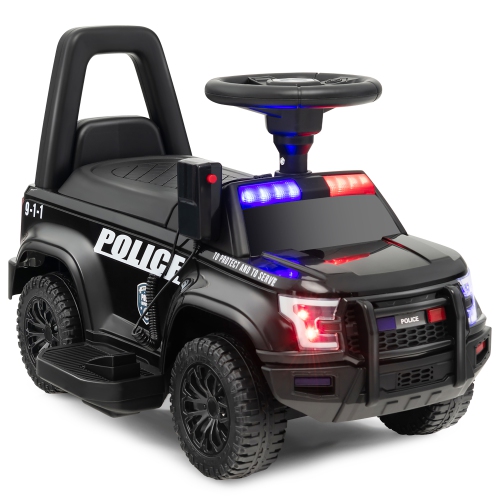
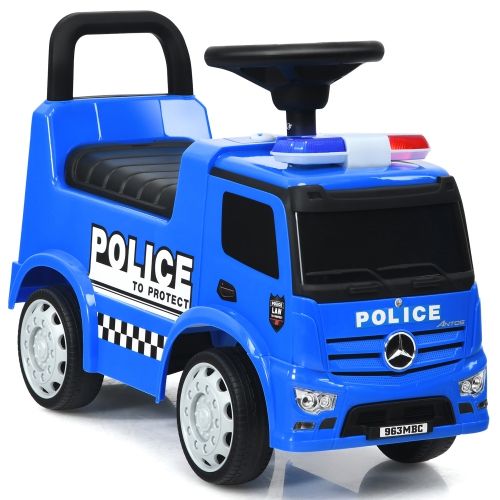
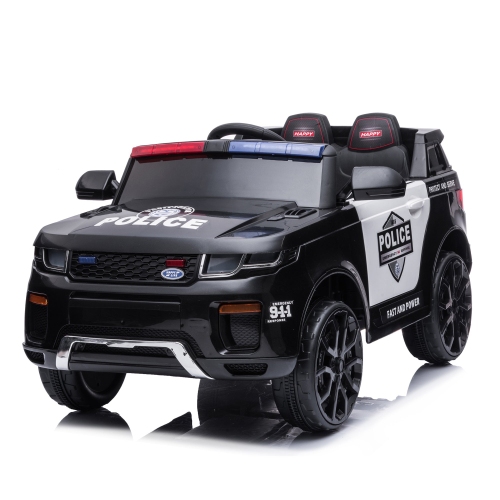
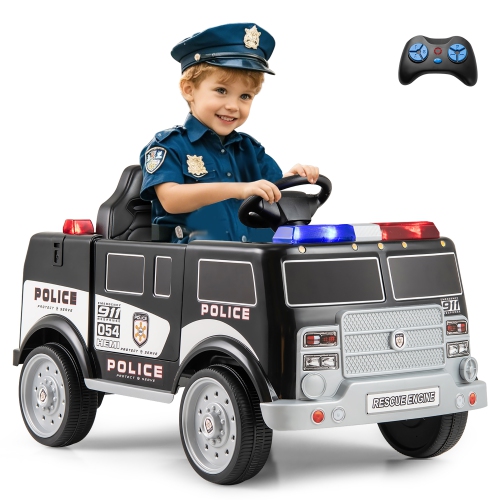
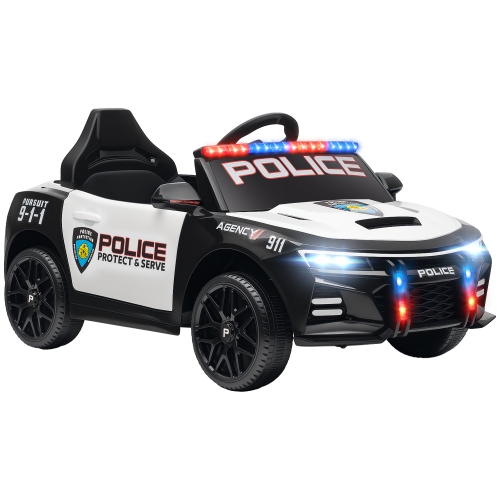
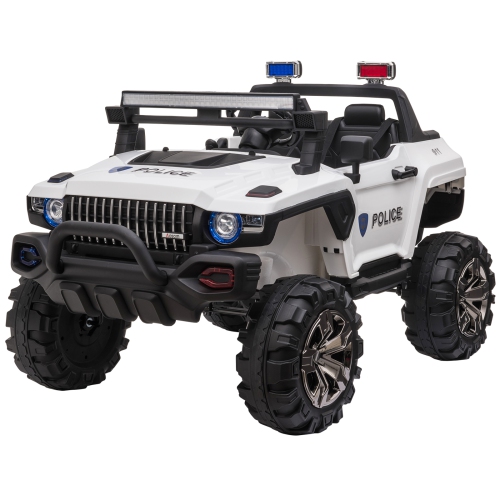
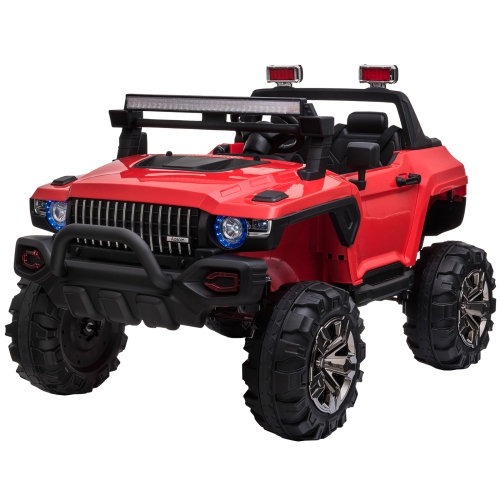

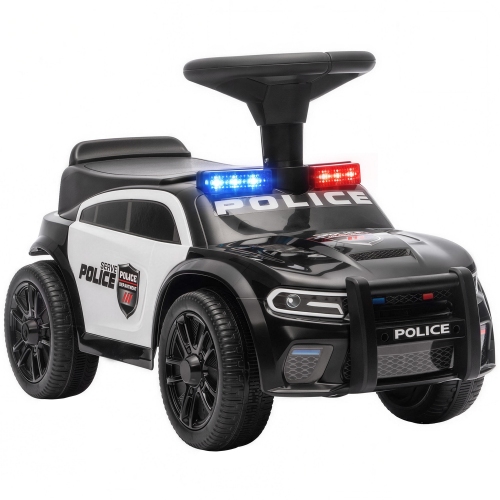
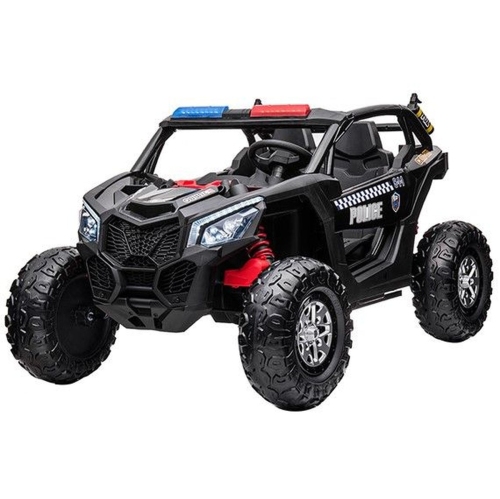
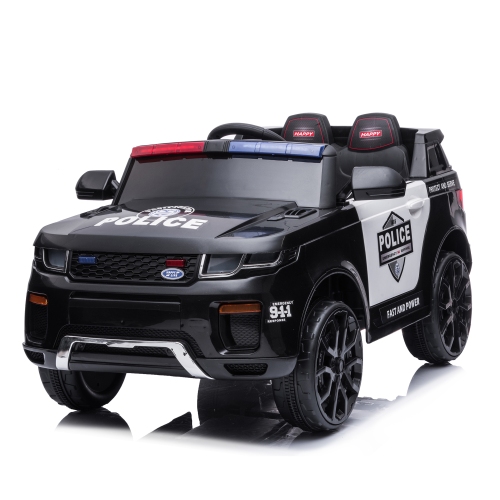
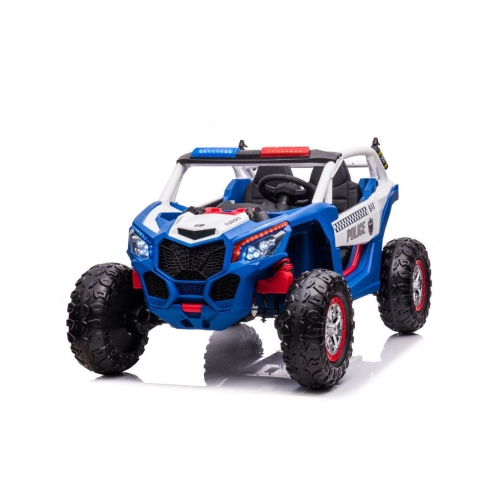
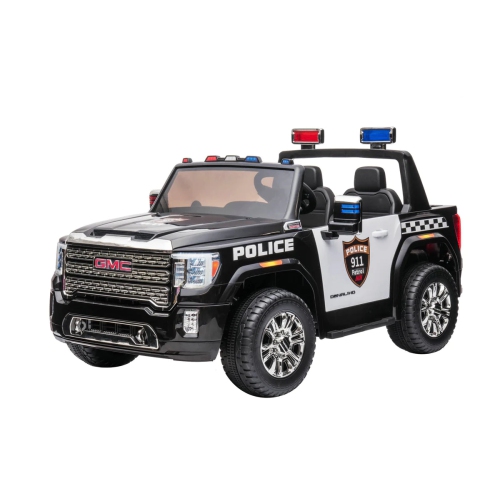

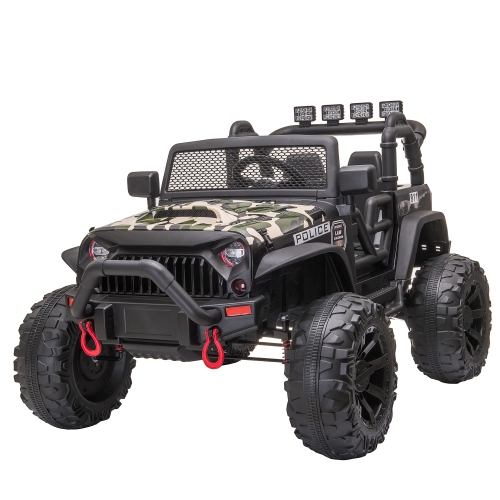
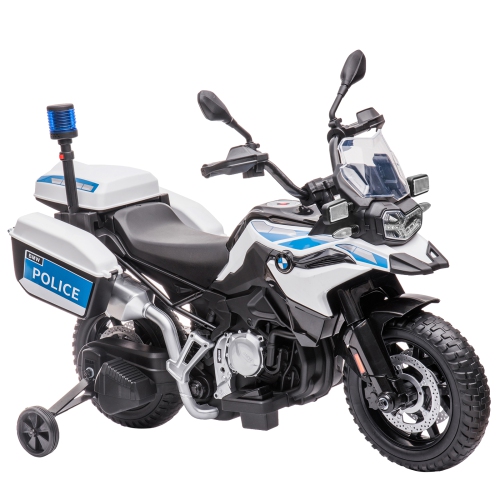
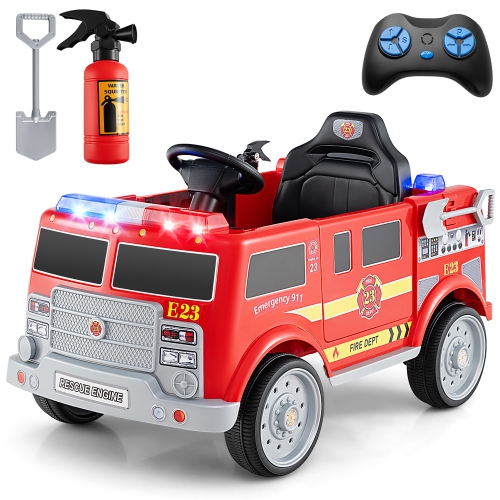

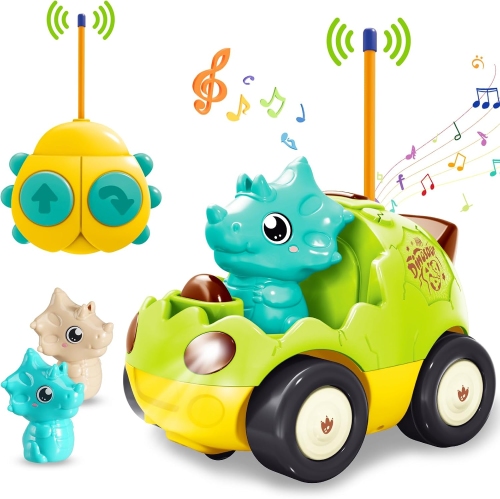




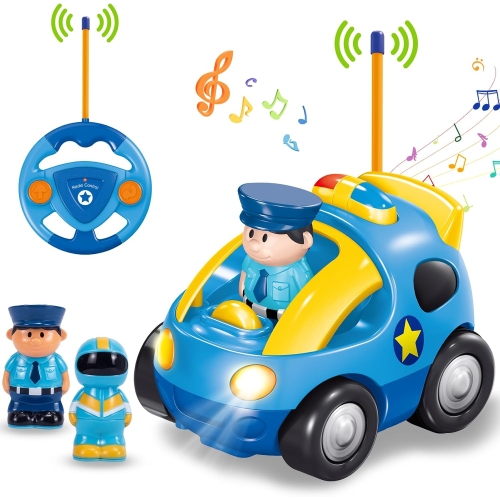
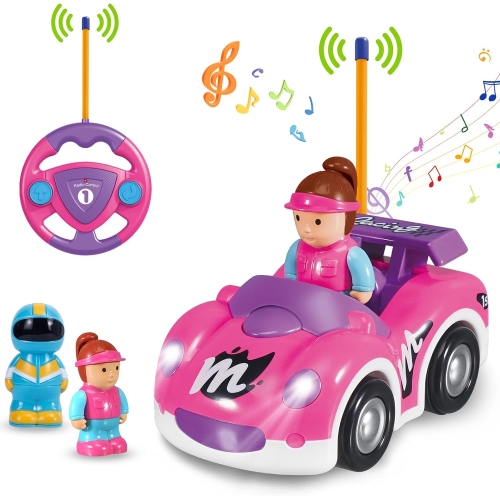


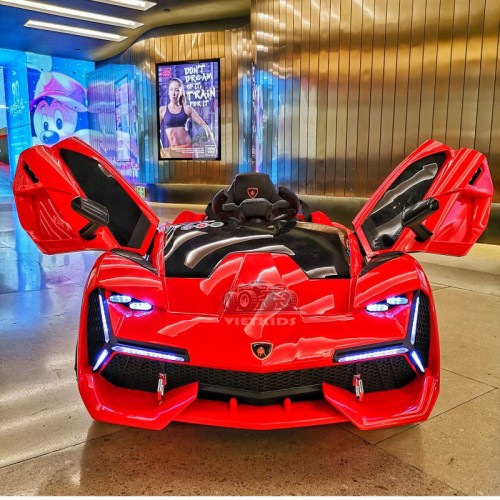

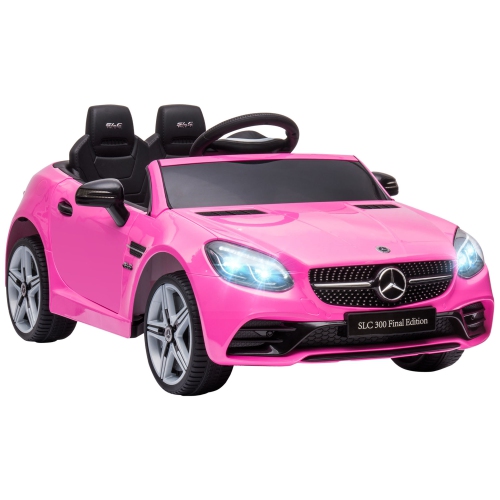


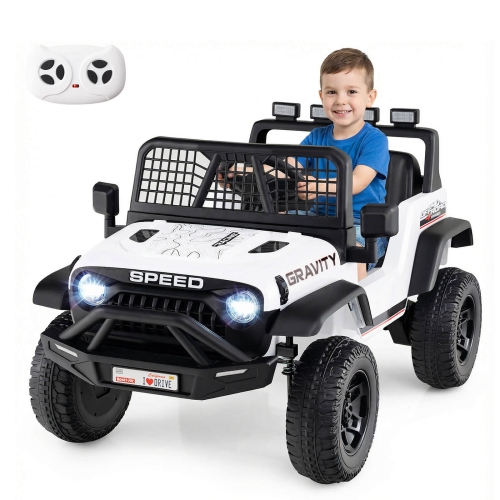

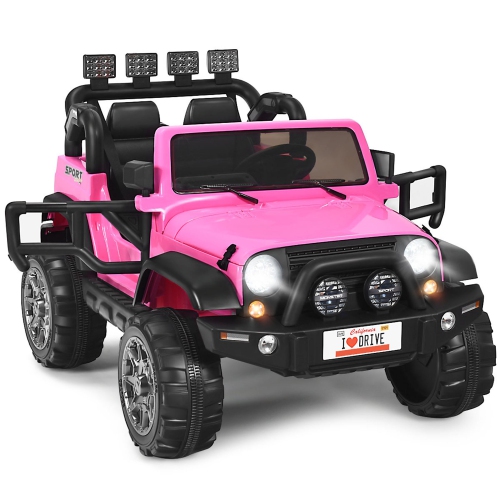

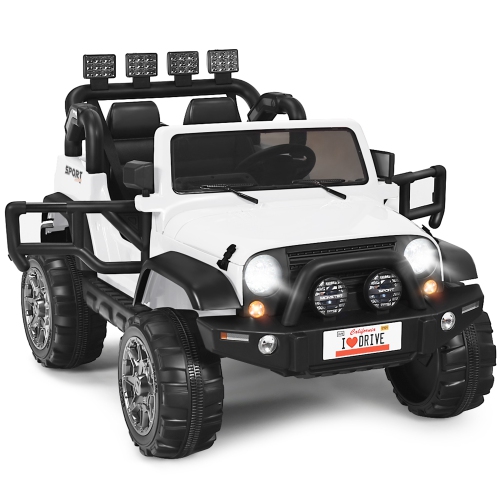
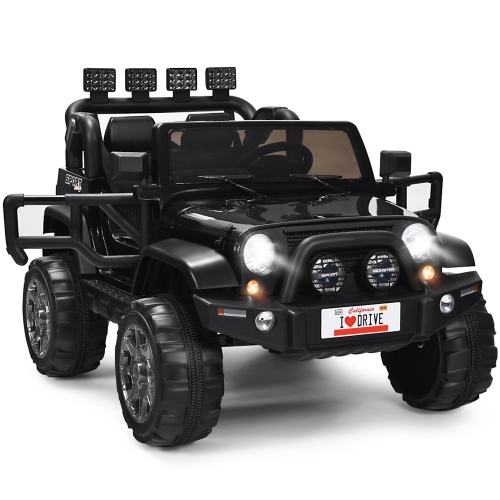
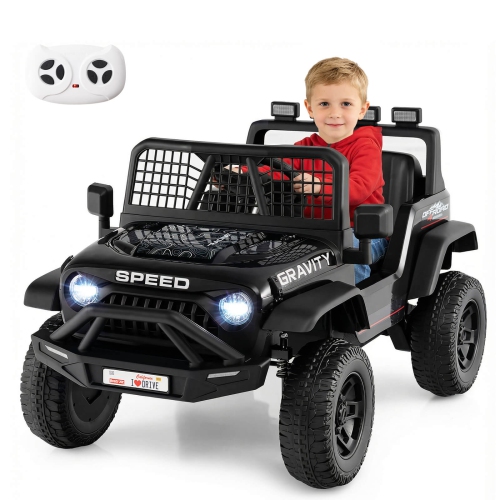
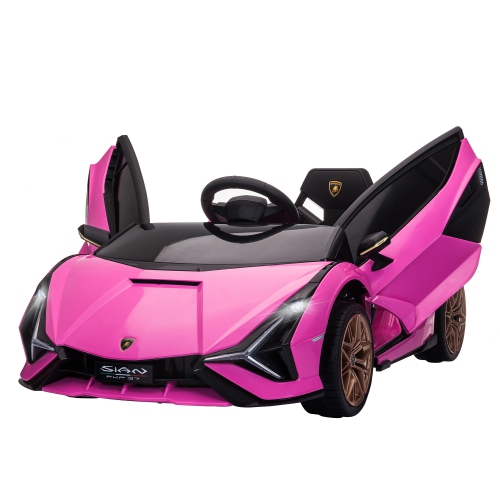

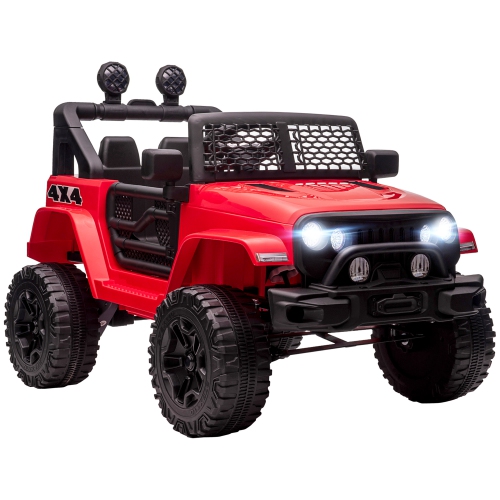
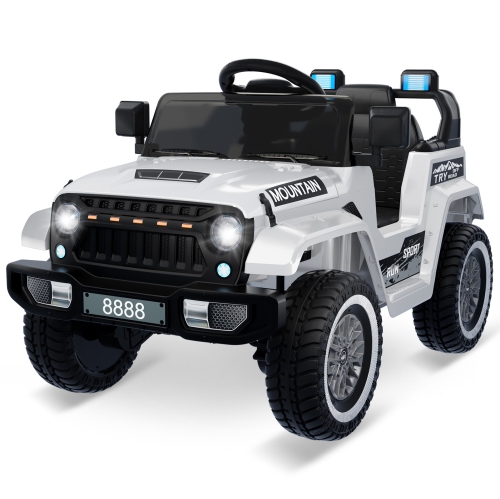
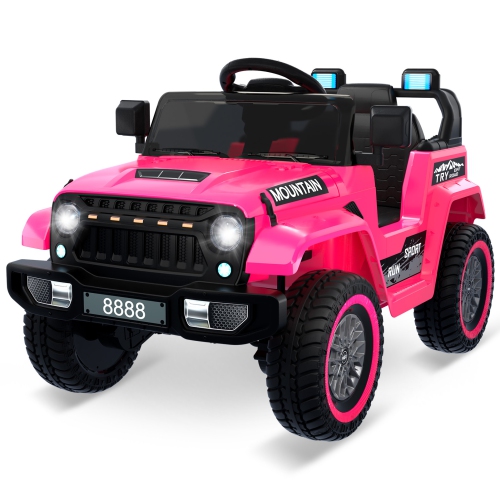

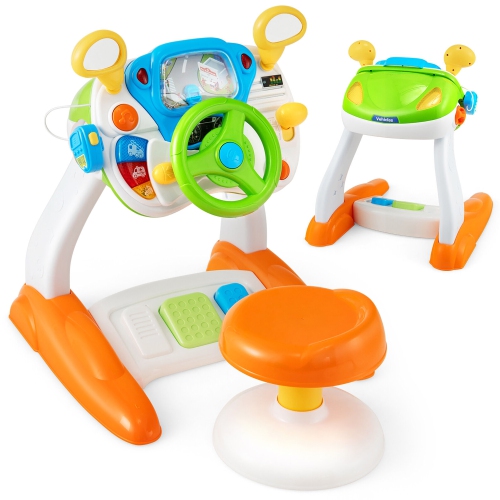


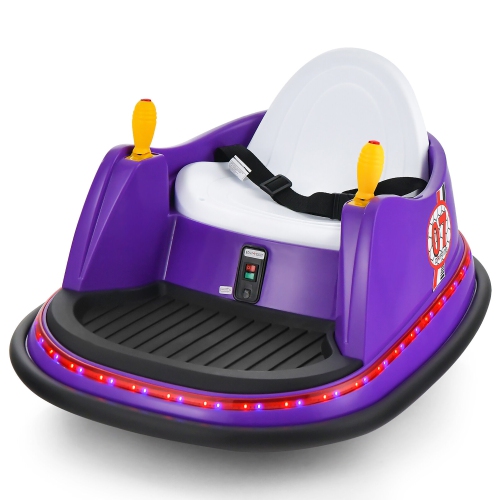
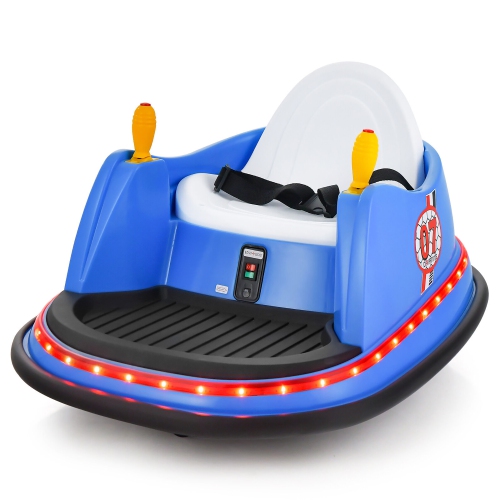
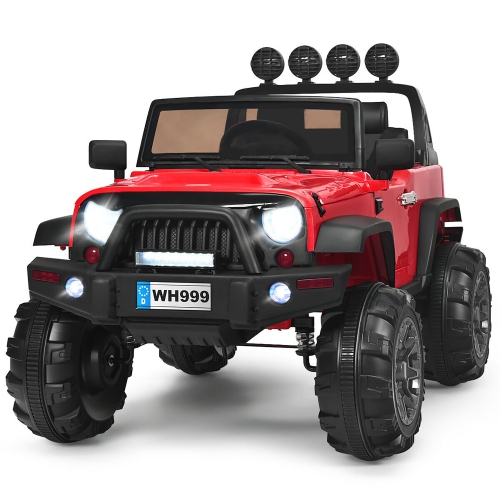
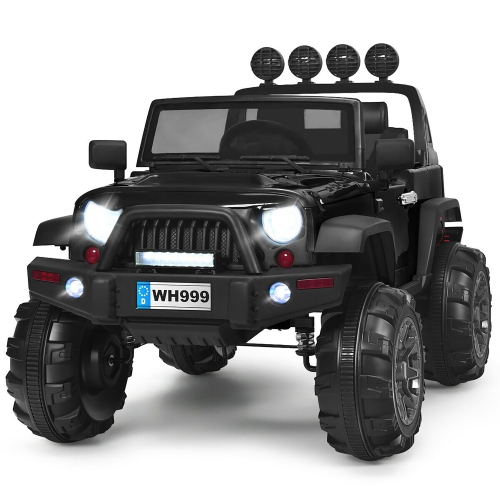
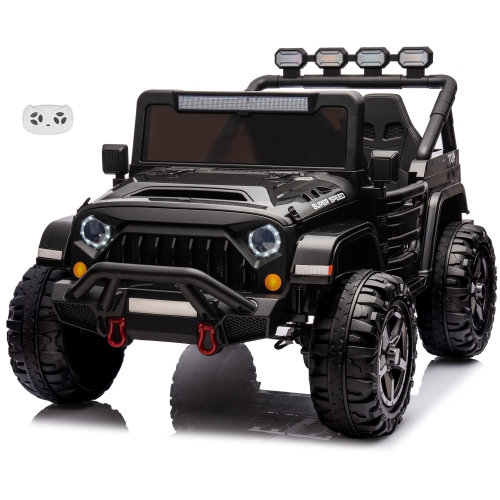
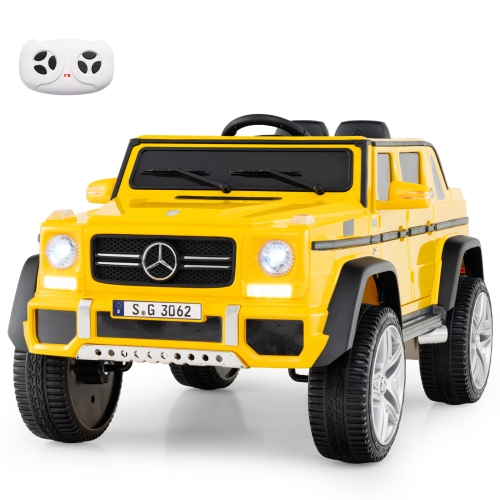
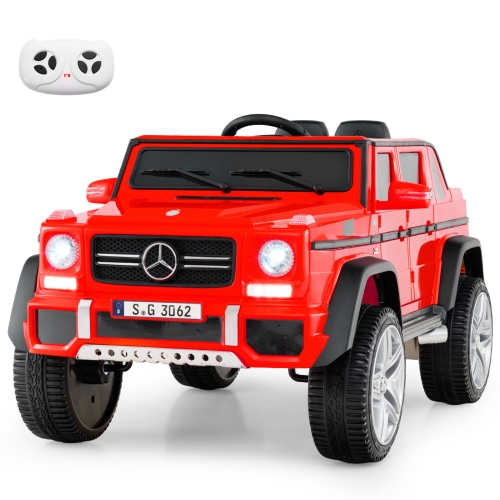
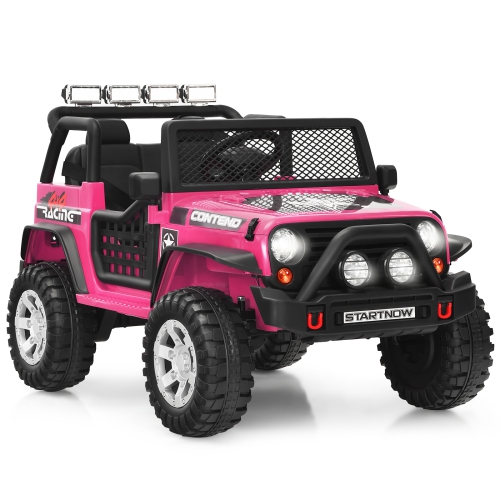
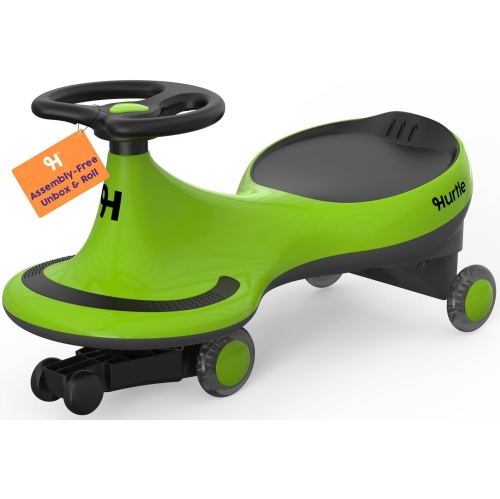
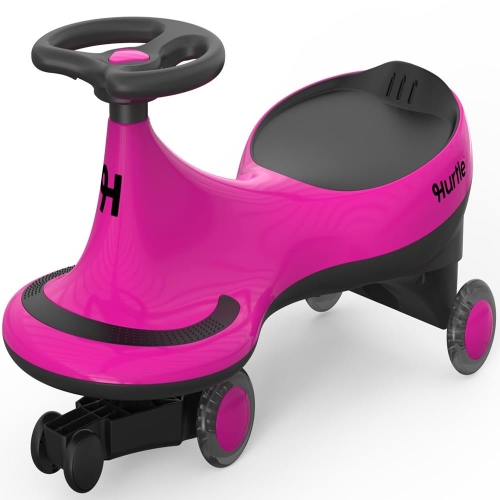
Pretend patrols put children in the driver’s seat
Fit and intended use are central considerations for ride-on police cars, particularly because vehicles that look similar in photographs can differ considerably in dimensions and operating requirements. Manufacturer age recommendations, maximum rider weight, seat measurements, and the distance to the pedals all help establish whether a design is appropriate for a particular child. A rider should be able to sit in the intended position and reach the controls comfortably; extra space alone does not make a larger vehicle suitable for a younger child. Foot-powered designs need enough room for the child to move their legs freely, while powered versions require an understanding of how to start, steer, and stop. Controls vary, so an accelerator pedal may not behave the same way across different designs, and adult supervision remains essential. Where a parental remote control is included, its functions and limits should be understood before play begins; it is an additional control feature, not a substitute for staying attentive and nearby. Seat belts, when fitted, should be used as directed, and a single-seat vehicle should never carry an extra passenger. The riding space matters just as much as the car. A level, enclosed area away from traffic, stairs, pools, and other hazards gives adults a clearer view and children fewer obstacles to manage. Surface compatibility depends on the vehicle’s wheel design and manufacturer specifications, so a toy intended for smooth, hard surfaces should not be assumed suitable for gravel or uneven ground. Turning space is worth considering too: a car needs room to complete a bend without repeatedly bumping furniture or boundaries. For powered designs, battery capacity, rider weight, surface, and use of lights or sounds can all affect running time. Speed settings, reverse controls, and braking behaviour also vary. These practical details help distinguish a vehicle suited to short, simple routes from one that requires more space and closer attention to its controls.
Materials and construction influence both the feel of a ride-on police car and the care it needs between play sessions. Moulded plastic body panels are common, while frames, axles, wheels, and steering components vary by design. Wheel material can affect grip, rolling noise, and how the vehicle moves across an approved surface; decorative tread alone does not establish where a car can be used. Doors, mirrors, light bars, and other projecting details add character, but their attachment points deserve attention during routine checks. Secure fasteners, intact wheels, and steering that moves as intended matter more to continued use than a large number of decorative features. Cleaning generally involves removing loose dirt and wiping suitable surfaces according to the manufacturer’s directions, with particular care around switches, wiring, battery compartments, and electronic sound modules. Powered vehicles should not be washed with a hose or immersed in water. Charging should be handled by an adult using the specified charger and charging procedure, and damaged cables or connectors should be addressed before further use. Storage is another practical consideration: the overall length and width need to fit the space, and lifting or moving the vehicle may require an adult even when the child can drive it independently. A designated parking place can keep the car out of walkways and give a play session a natural finish. As a birthday gift or a present marking another personal milestone, a ride-on police car is most thoughtful when the child’s size, interests, and access to a suitable riding area have all been considered. It is also worth confirming that the receiving household has room for assembly, storage, and supervised use. The lasting appeal often lies in a comfortable, manageable vehicle that fits easily into familiar play routines, whether the next outing is a careful circuit around play cones or a pretend visit to help a favourite teddy bear.
Top selling and popular products
-
 Your price for this item is $150.99
-
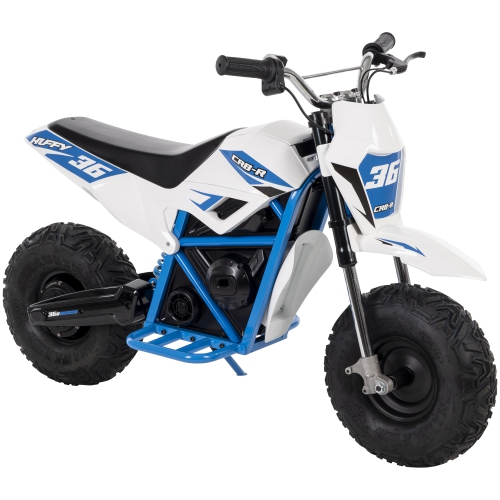 Your price for this item is $799.99
-
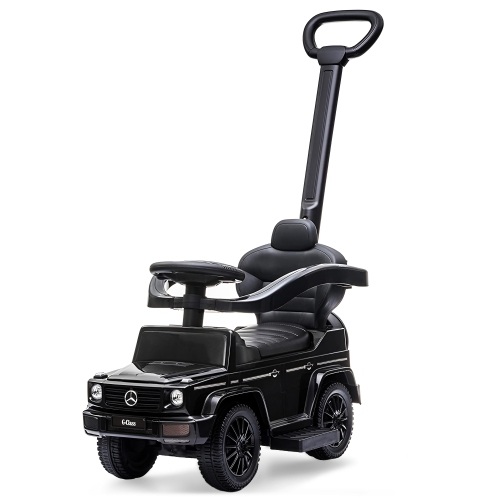 Your price for this item is $141.99
-
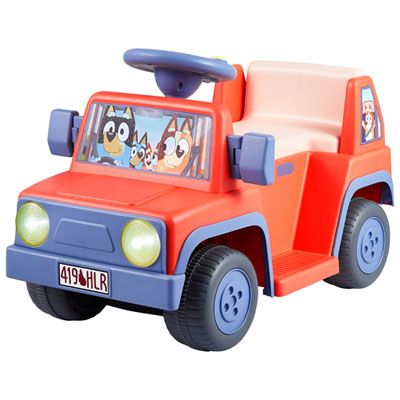 Your price for this item is $199.99
-
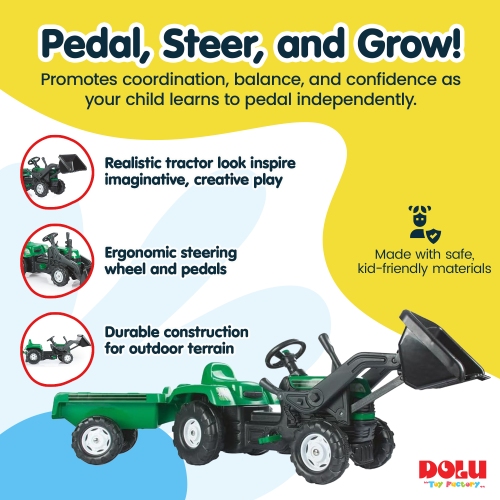 Your price for this item is $205.99
-
 Your price for this item is $199.99
-
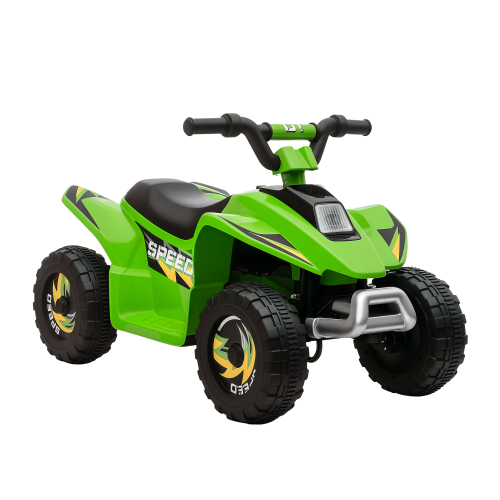 Your price for this item is $82.95
-
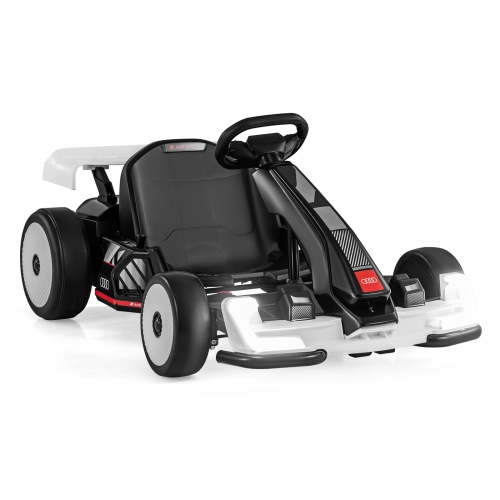 Your price for this item is $449.99