Sensory Kits
Sensory kits are an engaging way to inspire curiosity and creativity in both children and adults. These kits are thoughtfully designed to stimulate the senses, offering a unique blend of textures, colors, and activities that encourage exploration and learning through play. Ideal for enhancing sensory development, they provide a hands-on experience that can be both calming and invigorating. Whether you're looking to support developmental milestones or simply seeking a fun and interactive activity, sensory kits offer endless possibilities for discovery and enjoyment. Explore our selection to find the perfect kit for your needs.
Sort
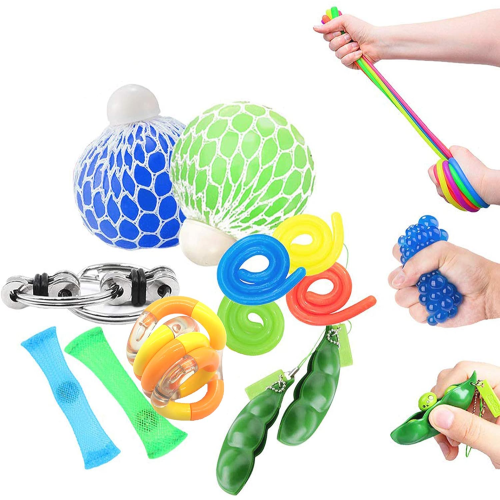
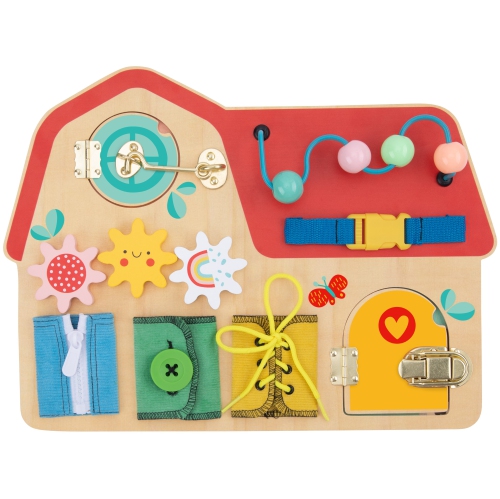
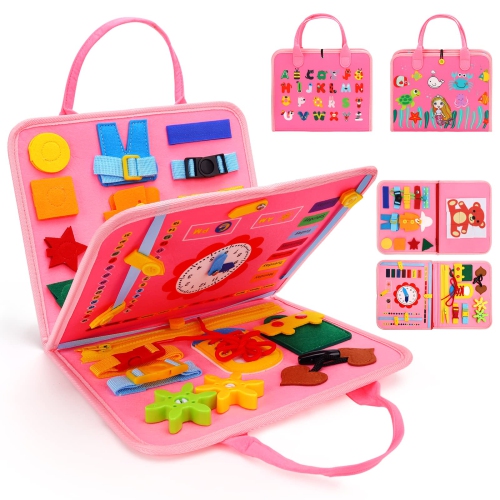
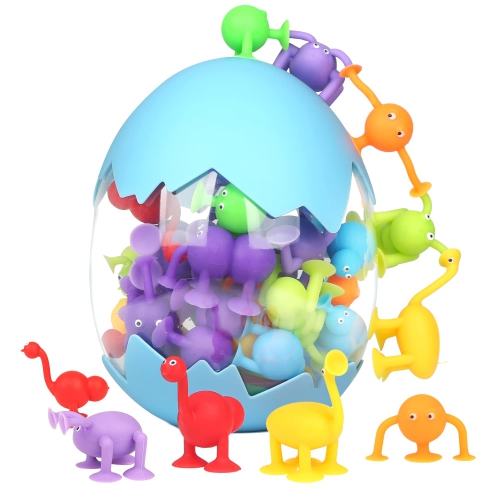
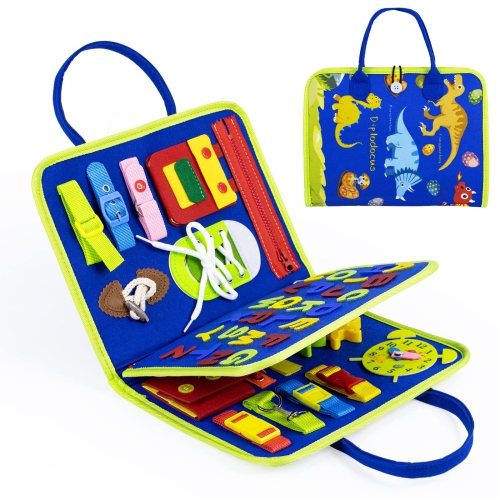
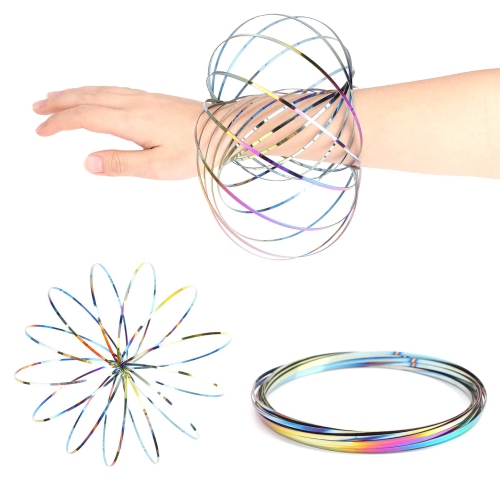
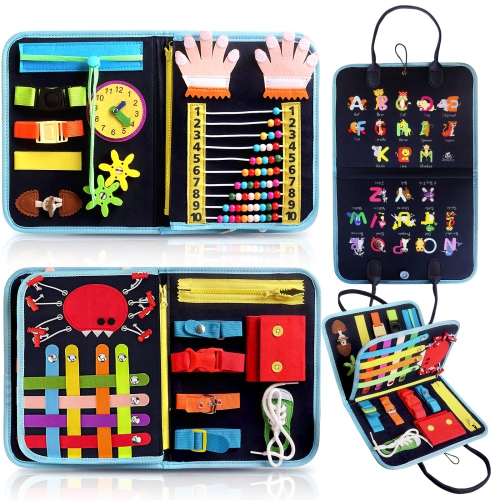
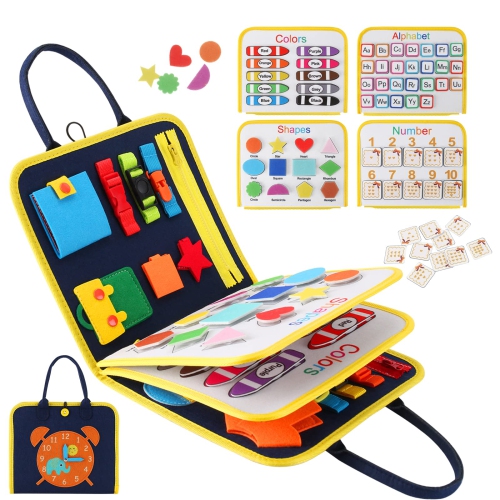
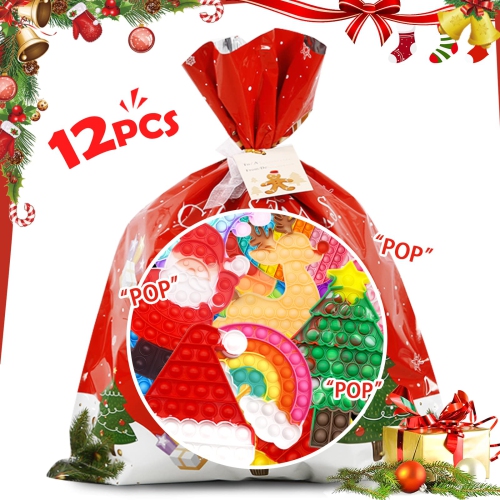
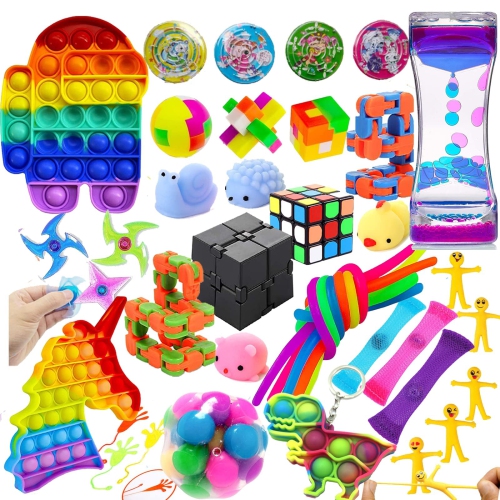
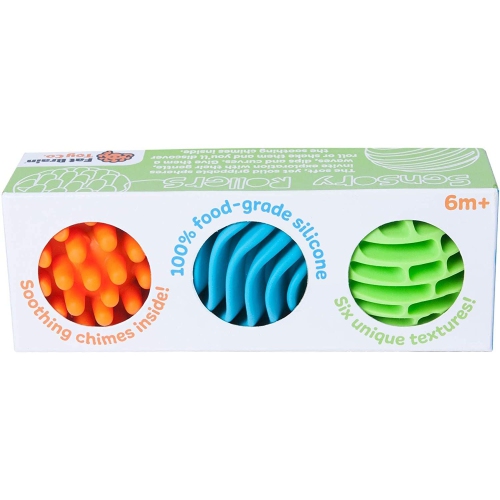
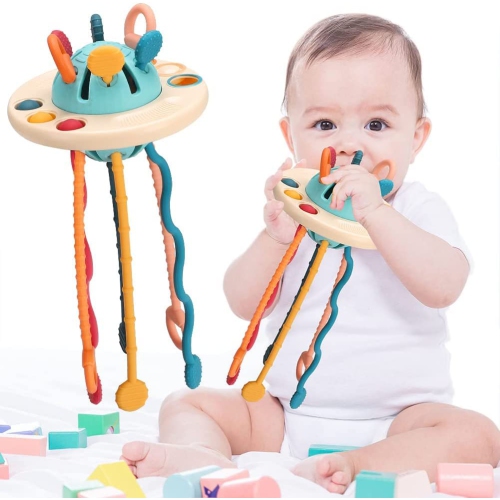
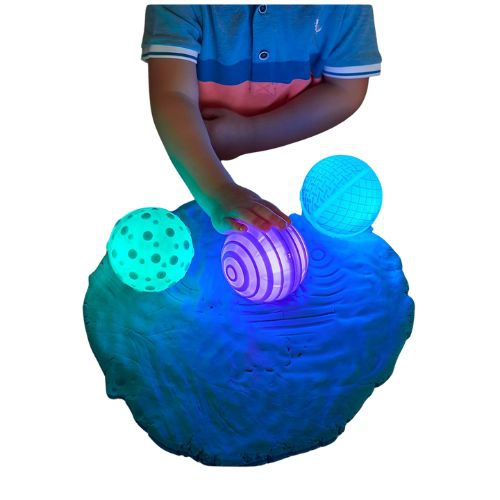
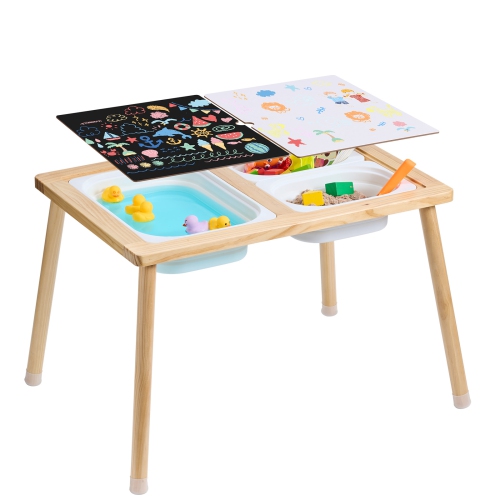
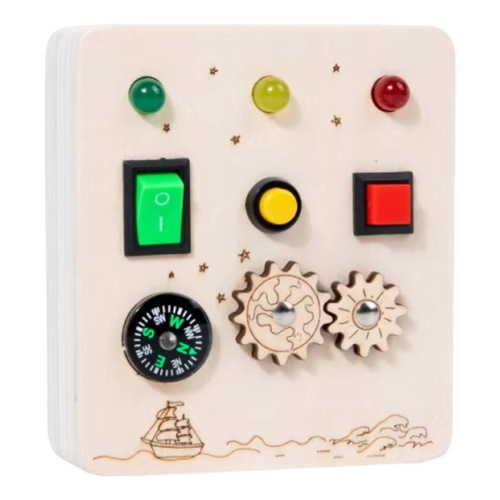
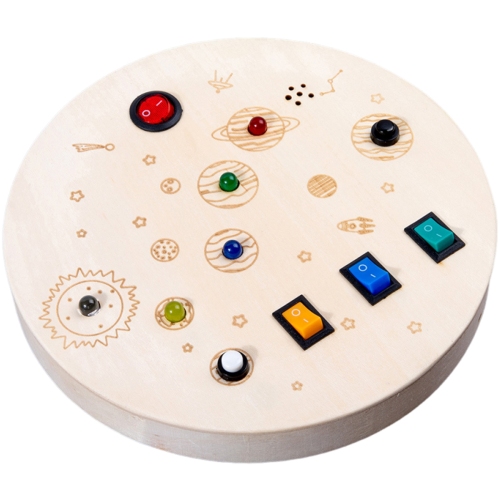
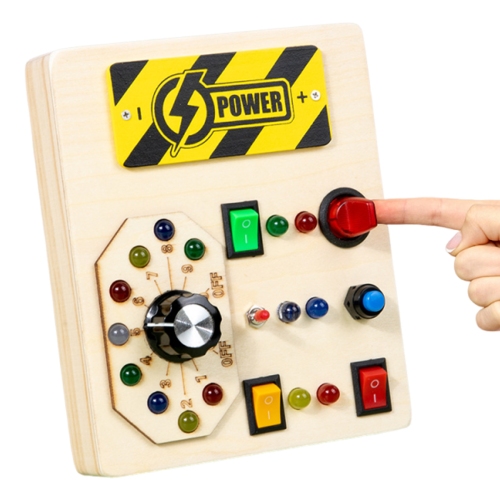
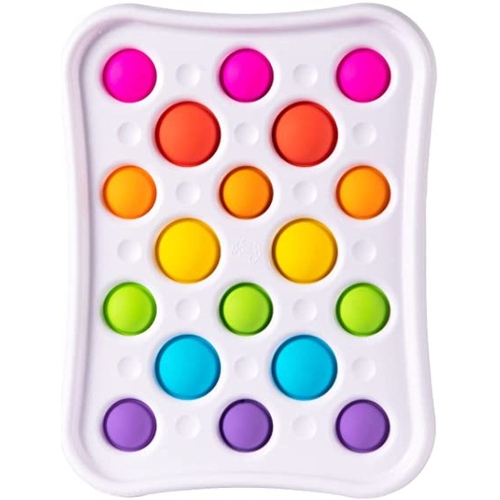
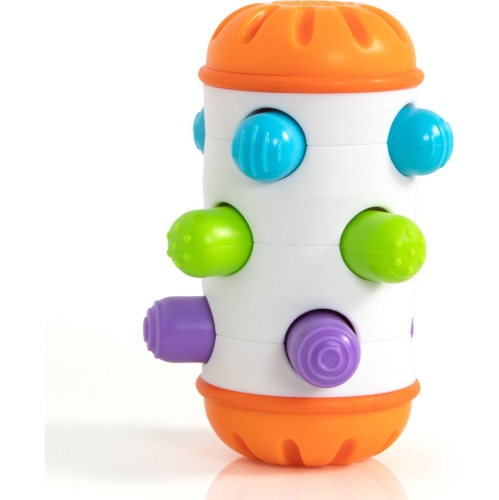
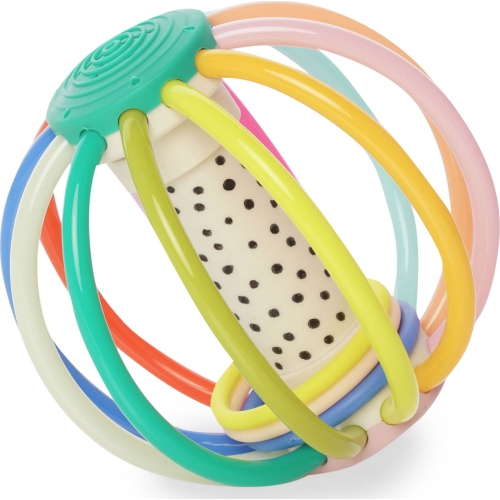
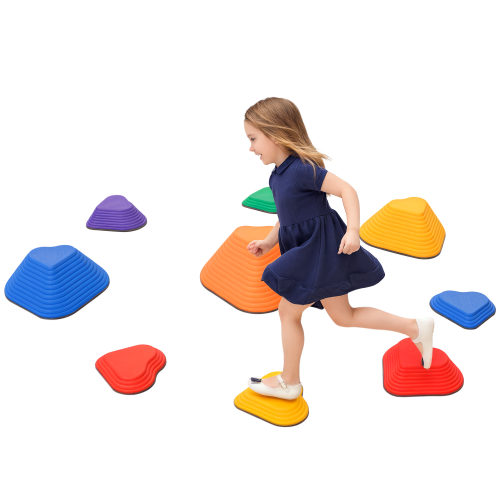
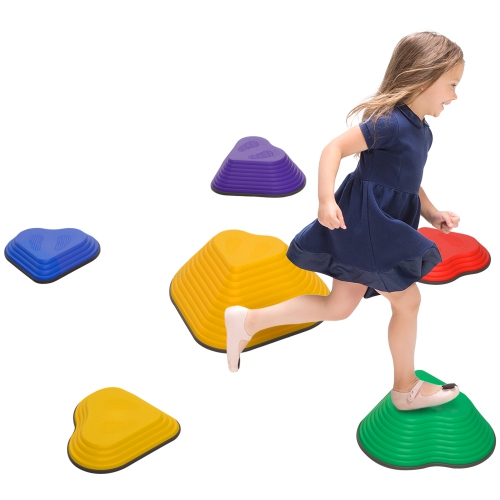
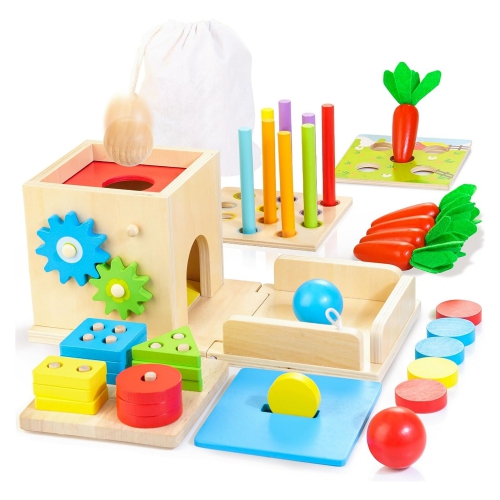
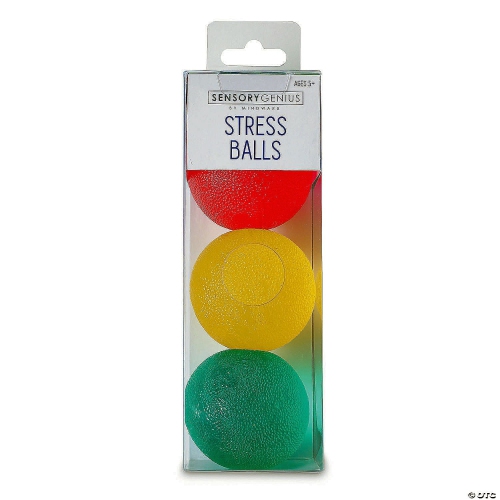
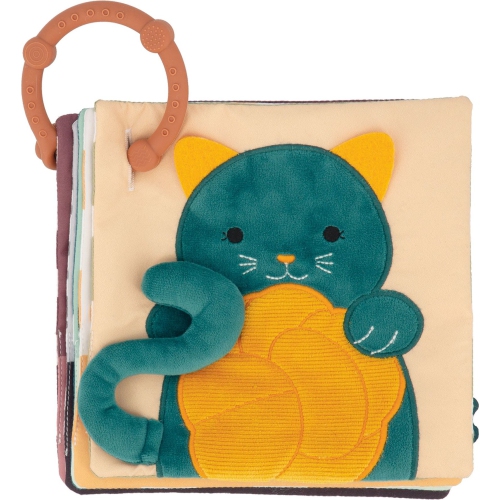
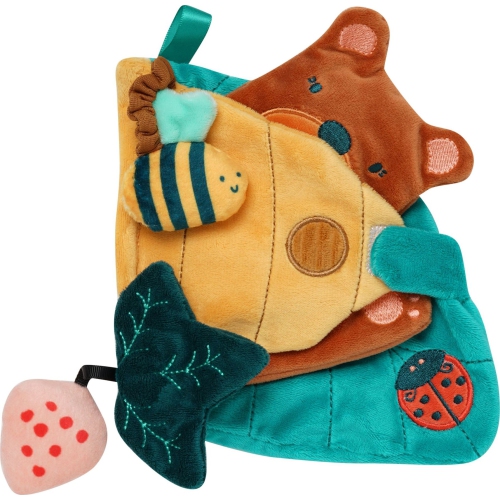
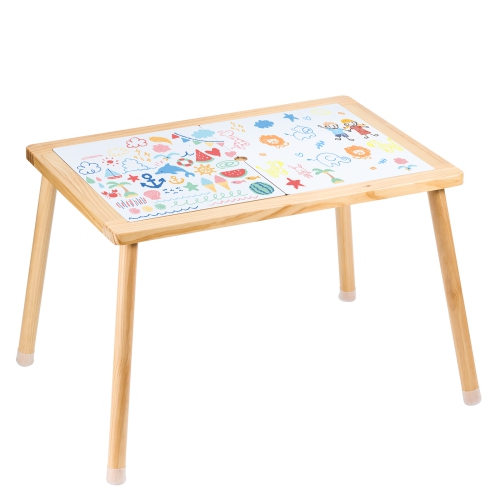
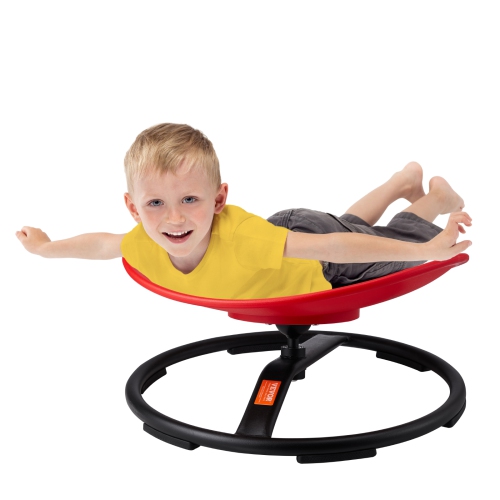
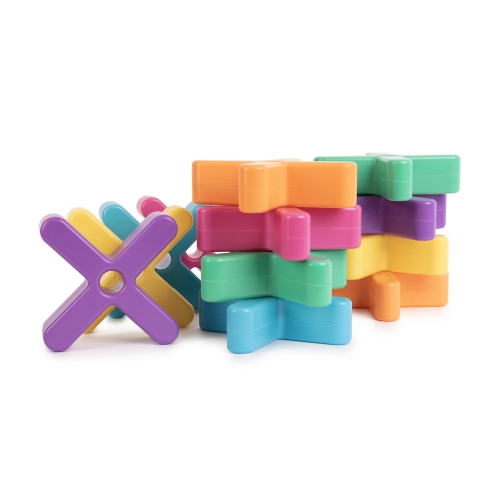
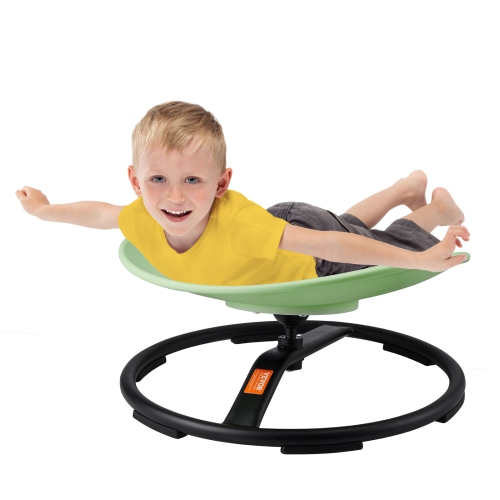
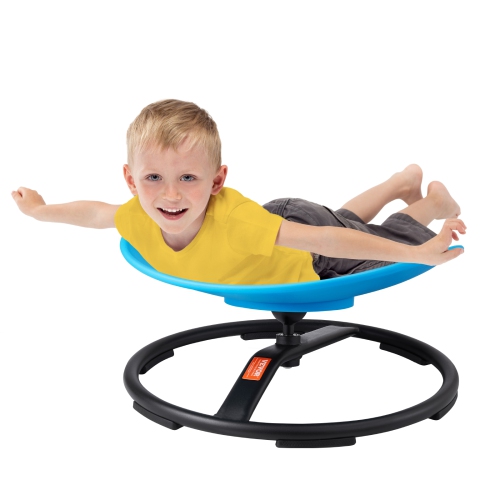
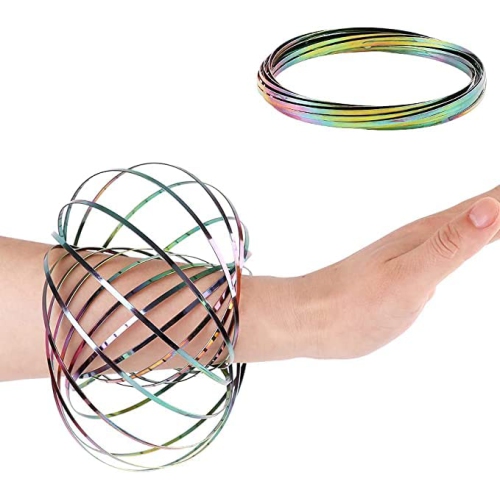
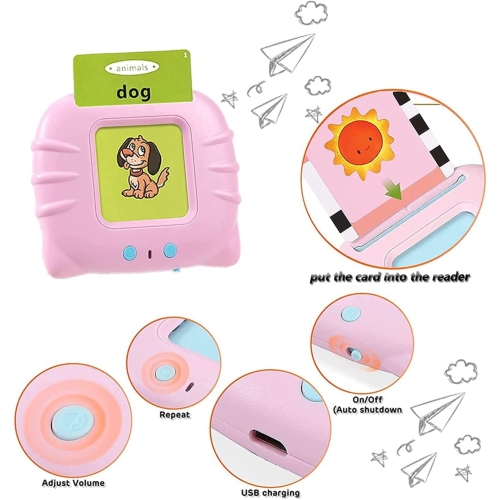
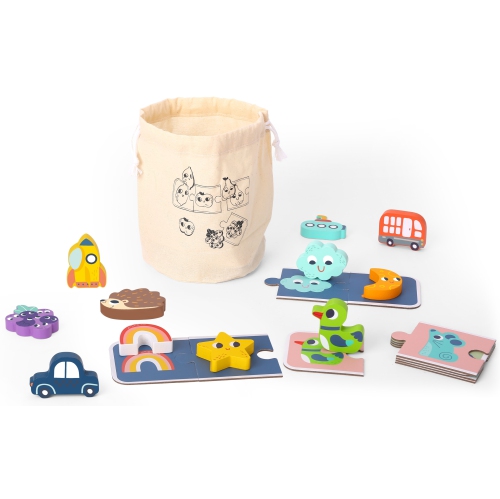
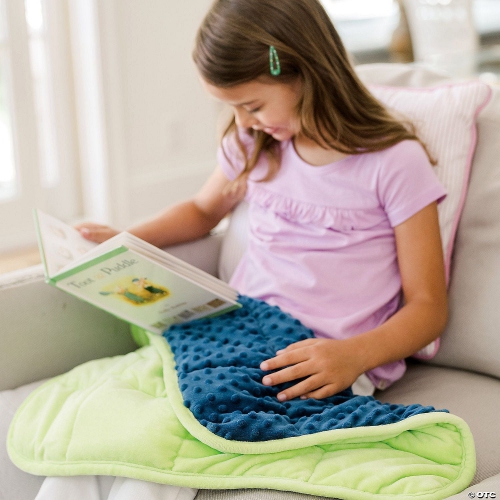
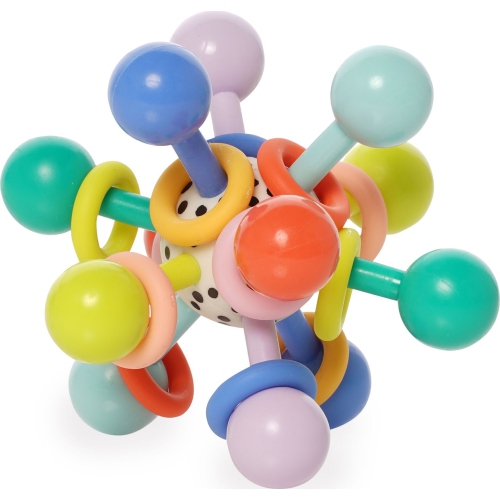
Tools for tactile play, focus, travel and quiet time
Sensory kits are portable collections of tactile, visual, auditory and movement-based tools that can help children and adults explore their senses, settle into an activity or stay engaged with a task. A well-chosen kit might include items to squeeze, stretch, spin, press, sort, mould or gently manipulate, along with calming aids that make busy surroundings feel more manageable. Some are designed for open-ended sensory play, while others are assembled around focus, quiet time, travel or emotional regulation. The right choice depends on the person using it, the setting and the type of input they find most comfortable. A child may enjoy the soft resistance of a squishy toy, the grainy feel of mouldable material or the satisfying motion of a pop-and-press fidget. An older child, teenager or adult may prefer discreet tools that fit in a backpack, desk drawer or coat pocket and can be used during homework, commuting, appointments or other moments that call for extra focus. Sensory kits can also complement a child’s playroom, classroom, therapy space or quiet corner at home, giving them a selection of activities rather than a single way to interact. Families often appreciate having a kit ready for long car rides, waiting rooms, restaurants and visits to unfamiliar places, when a familiar texture or repetitive motion can provide a welcome sense of routine. For more options that encourage hands-on discovery, explore Sensory Toys.
When comparing sensory kits, start by considering the user’s age, interests, motor skills and sensory preferences. Texture is one of the most important details: some people enjoy smooth, stretchy or soft surfaces, while others prefer ridges, beads, resistance or a firm item that can be pressed in the hand. Kits with several textures can encourage discovery, but a smaller selection may be more suitable for someone who becomes overwhelmed by too many choices. Look for activities that match the intended use. Mouldable materials and sensory bins can support imaginative play, sorting and fine motor practice, while fidget tools with a predictable action can be useful during reading, desk work or quiet listening. Spinning, clicking and snapping items may be engaging, but they are not ideal for every shared environment, so consider the sound level if the kit will be used in a classroom, library, vehicle or office. Portability matters as well. A compact container with a secure closure helps keep small pieces together between uses, and a lightweight kit is easier to bring along during cooler months when families may spend more time indoors or travel between activities. For home use, larger kits can create a dedicated invitation to play, with enough room for scooping, shaping, arranging and storytelling. For travel or gifting, a neatly organized set with a range of manageable activities may be the most practical choice. Check the recommended age range and supervise young children, particularly around small parts, loose fillers or materials that are not intended for mouthing. It is also helpful to introduce new textures gradually, keep an eye on wear and tear, and store the kit in a place where the user can reach it when they want a short sensory break.
Sensory kits can make thoughtful gifts for children who enjoy hands-on play, budding artists who like experimenting with shape and texture, students setting up a calm study space, or adults looking for simple tools to keep their hands occupied during demanding days. They can be opened at a kitchen table on a grey afternoon, brought out beside a reading nook while rain taps against the window, or packed for a family visit during the busy holiday season. A kit may offer a child a peaceful activity after school, help make a waiting period feel shorter, or provide a creative way to wind down before bedtime when used as part of an established routine. Caregivers and educators can also use sensory activities to support transitions, such as moving from active play to story time or from outdoor activity to a quieter indoor task. These products are not one-size-fits-all solutions, and they should not be treated as a replacement for professional support when someone needs it. Instead, they are flexible tools for play, concentration and everyday comfort, with the best results coming from observing what the user naturally reaches for. Keep preferred items easy to access, rotate activities when interest fades, and create clear storage habits so the kit remains inviting and ready for its next use. Whether selected for a young child, an older student, a family member or a shared learning space, a sensory kit can bring texture, movement and imagination into ordinary moments while giving the user more ways to interact with the world around them.
When comparing sensory kits, start by considering the user’s age, interests, motor skills and sensory preferences. Texture is one of the most important details: some people enjoy smooth, stretchy or soft surfaces, while others prefer ridges, beads, resistance or a firm item that can be pressed in the hand. Kits with several textures can encourage discovery, but a smaller selection may be more suitable for someone who becomes overwhelmed by too many choices. Look for activities that match the intended use. Mouldable materials and sensory bins can support imaginative play, sorting and fine motor practice, while fidget tools with a predictable action can be useful during reading, desk work or quiet listening. Spinning, clicking and snapping items may be engaging, but they are not ideal for every shared environment, so consider the sound level if the kit will be used in a classroom, library, vehicle or office. Portability matters as well. A compact container with a secure closure helps keep small pieces together between uses, and a lightweight kit is easier to bring along during cooler months when families may spend more time indoors or travel between activities. For home use, larger kits can create a dedicated invitation to play, with enough room for scooping, shaping, arranging and storytelling. For travel or gifting, a neatly organized set with a range of manageable activities may be the most practical choice. Check the recommended age range and supervise young children, particularly around small parts, loose fillers or materials that are not intended for mouthing. It is also helpful to introduce new textures gradually, keep an eye on wear and tear, and store the kit in a place where the user can reach it when they want a short sensory break.
Sensory kits can make thoughtful gifts for children who enjoy hands-on play, budding artists who like experimenting with shape and texture, students setting up a calm study space, or adults looking for simple tools to keep their hands occupied during demanding days. They can be opened at a kitchen table on a grey afternoon, brought out beside a reading nook while rain taps against the window, or packed for a family visit during the busy holiday season. A kit may offer a child a peaceful activity after school, help make a waiting period feel shorter, or provide a creative way to wind down before bedtime when used as part of an established routine. Caregivers and educators can also use sensory activities to support transitions, such as moving from active play to story time or from outdoor activity to a quieter indoor task. These products are not one-size-fits-all solutions, and they should not be treated as a replacement for professional support when someone needs it. Instead, they are flexible tools for play, concentration and everyday comfort, with the best results coming from observing what the user naturally reaches for. Keep preferred items easy to access, rotate activities when interest fades, and create clear storage habits so the kit remains inviting and ready for its next use. Whether selected for a young child, an older student, a family member or a shared learning space, a sensory kit can bring texture, movement and imagination into ordinary moments while giving the user more ways to interact with the world around them.
Top selling and popular products
-
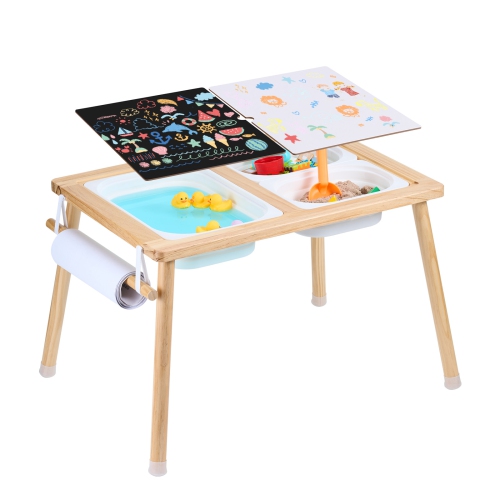
 Your price for this item is $299.13
 -
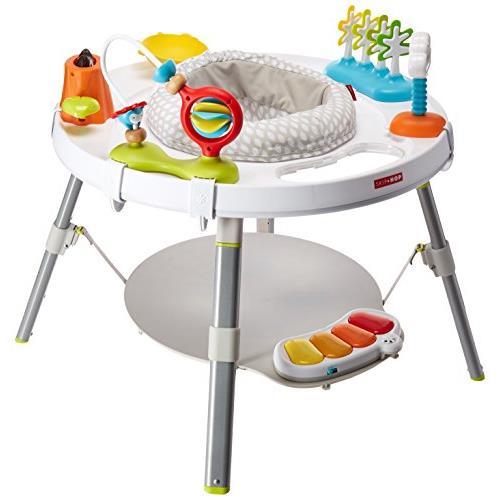
 Your price for this item is $103.27
 -
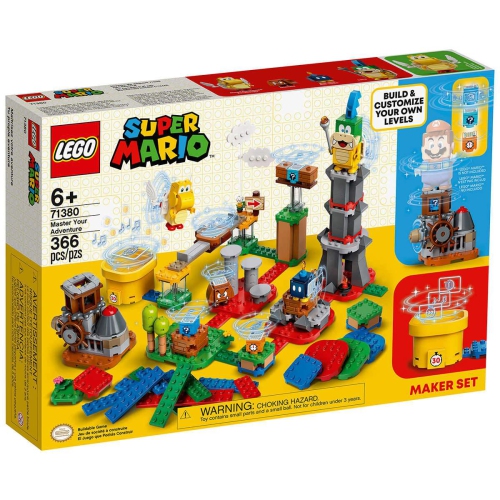
 Your price for this item is $17.24
 -
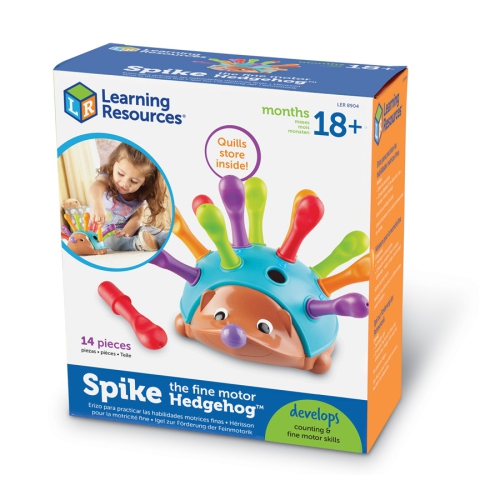 Your price for this item is $56.13
 -
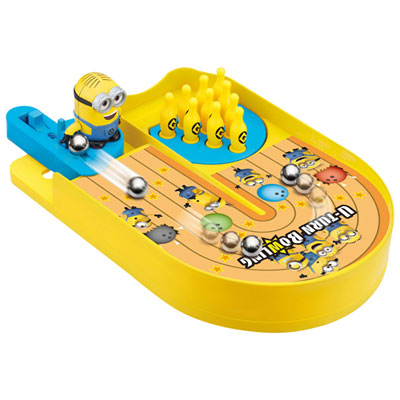 Your price for this item is $19.99
 -
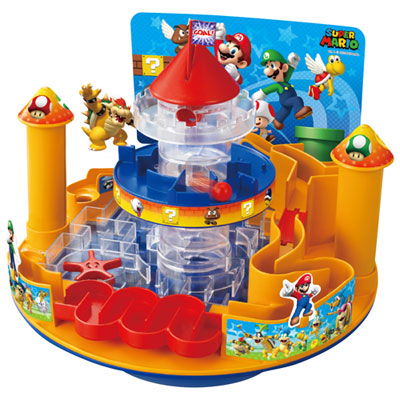 Your price for this item is $39.99
 -
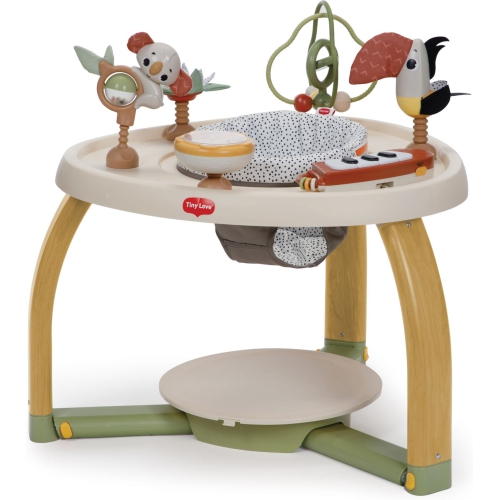 Your price for this item is $229.99
 -
 Your price for this item is $49.99
Discover more categories related to Sensory Kits
Top Collections:
Pokemon Centers, Budget 4K TVs, Kindle Devices, Canon G7X Cameras, Apple iPhones 16, iPhone 15 Apple, Laptops for Business Work, Flip Phones, Xiaomi Phones, Refurbished Apple Laptops
Some products may be subject to Environmental Handling Fees
(EHF) depending on your province.
Learn more about EHFs.