Ship Games
Navigate the vast and exciting world of ship games, where adventure and strategy come together on the high seas. Whether you're a fan of epic naval battles, intricate ship-building mechanics, or tranquil ocean exploration, there's something for every type of gamer. Immerse yourself in stunning graphics and captivating storylines as you command your fleet, trade across oceans, or simply enjoy the beauty of maritime life. Perfect for both casual players and seasoned strategists, ship games offer endless hours of entertainment and challenge. Dive into this thrilling genre today and set sail on a journey like no other.
Sort



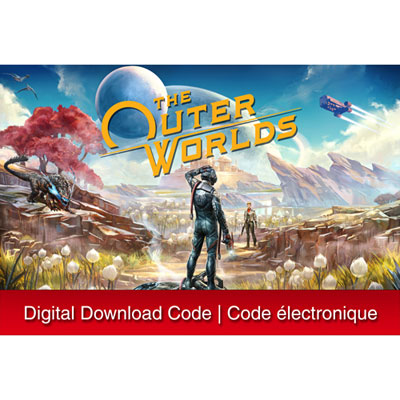
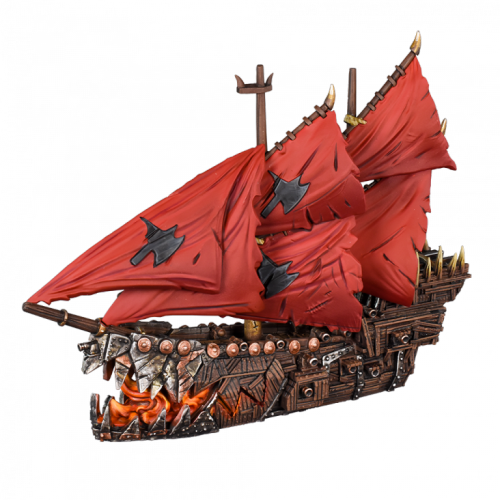


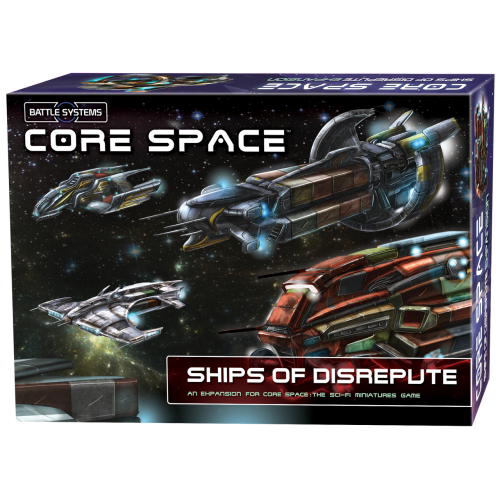


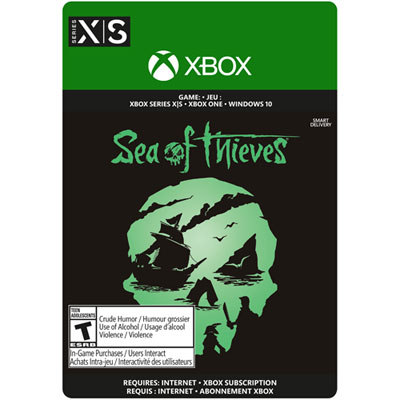











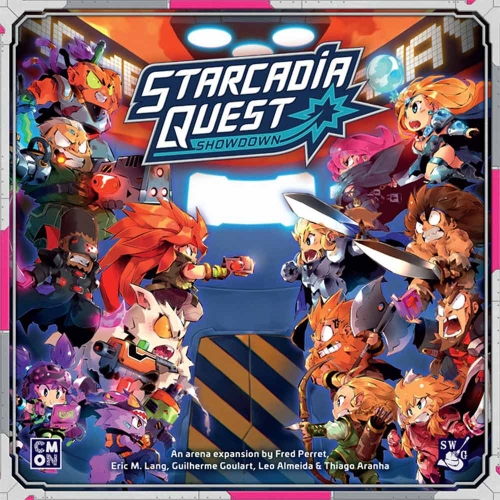

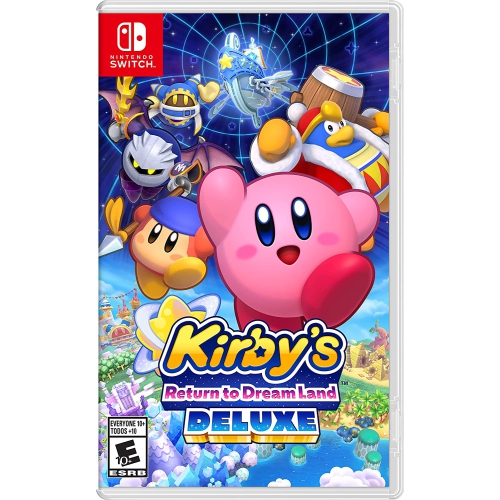


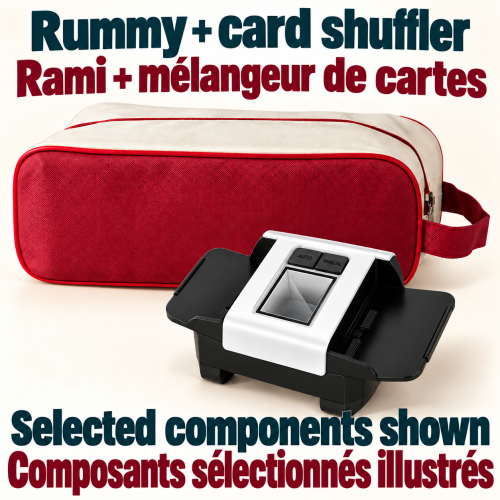




From precise harbour manoeuvres to open-water adventures
Ship games are video games centred on operating vessels, exploring waterways, or taking part in naval action. The category spans realistic ship simulators, naval combat games, maritime strategy, and adventures built around sailing and discovery. Each type offers a different relationship with the water: a simulator might focus on bringing a large vessel safely alongside a quay, while an action game may put the emphasis on aiming, positioning, and reacting to an approaching opponent. For players drawn to the workings of a ship, simulation can make small adjustments feel meaningful. Reducing speed before a turn, allowing room for a long hull to swing, and accounting for stopping distance can turn a routine harbour arrival into a satisfying challenge. Some games feature cargo transport, fishing, rescue missions, or passenger routes, with objectives that give each journey a purpose. Others favour exploration, allowing players to chart unfamiliar coastlines, visit ports, or follow a story across open water. Sailing-focused games may involve sail trim and wind direction, whereas motor-powered vessels place more emphasis on throttle, steering, and engine response. Naval strategy can shift the viewpoint away from the bridge altogether, asking players to manage several ships, protect a route, or coordinate movement across a larger map. Historical and fictional settings also create distinct experiences, from vessels that turn slowly and require careful planning to faster craft built for responsive action. Realism varies widely, so detailed graphics alone do not establish how closely a game models ship handling. The depth of the controls, the role of navigation, and the consequences of a mistake are more useful indicators. A forgiving game may help a new player line up a docking approach, while a demanding simulation may require repeated practice before the same manoeuvre feels comfortable. That variety makes ship games relevant to players who enjoy machinery, maritime history, tactical decisions, exploration, or the simple satisfaction of completing a difficult passage.
Platform compatibility and control design have a large influence on how a ship game feels to play. A computer-based simulation may use a keyboard and mouse for charts, camera views, and multiple ship systems, while a console game may arrange its controls around a gamepad. Support for additional input devices varies by title and should not be assumed, even when a game presents a detailed bridge or cockpit. For computer games, processor, memory, graphics, and storage requirements help establish whether a system can run the software as intended. Large ports, detailed water effects, and numerous vessels on screen can place different demands on hardware, so visual style is only part of the picture. Clear instrument displays and readable navigation markers can matter just as much as detailed reflections, especially when judging a narrow approach. Camera options are another practical consideration: an external view can help players understand the space around a hull, while a bridge view offers a more immediate sense of commanding the vessel. Session length also shapes the experience. Short missions can suit players who want a defined task, such as completing a delivery or reaching a checkpoint, whereas longer voyages and management campaigns reward more extended attention. Save options, checkpoints, and the ability to pause can make those longer sessions easier to fit around everyday routines. Multiplayer introduces further differences. Cooperative play may involve sharing responsibilities or coordinating separate vessels, while competitive modes can reward quick decisions and familiarity with ship strengths and limitations. Online features may require an internet connection, an account, or a separate platform membership, depending on the game and system. Accessibility features such as remappable controls, adjustable text, subtitles, and difficulty settings are worth considering individually rather than assuming they are standard. A good match comes from the combination of pace, interface, and challenge, not simply from choosing the most technically detailed simulation.
The intended player is often the clearest starting point when choosing between ship games. Someone fascinated by working vessels may appreciate a measured experience built around routes, docking, and completing jobs, while a player who enjoys tactical competition may prefer naval battles with clear objectives and opportunities to improve through practice. An explorer might be more interested in the freedom to investigate islands and coastlines than in managing every switch on the bridge. For a gift, the recipient’s existing gaming system and preferred style of play matter more than a general interest in boats. A person who enjoys watching ships in a harbour may welcome realistic handling, but could find a complex interface less appealing than an approachable adventure with helpful tutorials. Age ratings and content descriptions are useful for families because a maritime setting can include anything from gentle exploration to combat, strong language, or tense story scenes. Multiplayer communication settings also deserve attention when younger players are involved. Replay appeal can come from varied missions, adjustable challenge, different vessel types, or the freedom to attempt a familiar route with greater precision; these features differ between games. Physical and digital formats bring practical considerations of their own. A physical edition needs compatible hardware, and its case helps protect the disc between sessions. Handling discs by the edges and returning them to their cases can reduce fingerprints and accidental scratches. Digital editions avoid disc handling but still require enough storage and access to the appropriate platform account; download codes can also carry regional or redemption conditions. For players interested in exploring another gaming theme, Go Games offers a separate category to browse. Within ship-focused play, the most rewarding fit is often the one that matches a player’s preferred kind of attention: watching a channel marker slide past during a careful approach, planning a fleet’s next move, or steering towards an unexplored stretch of coastline.
Top selling and popular products
-
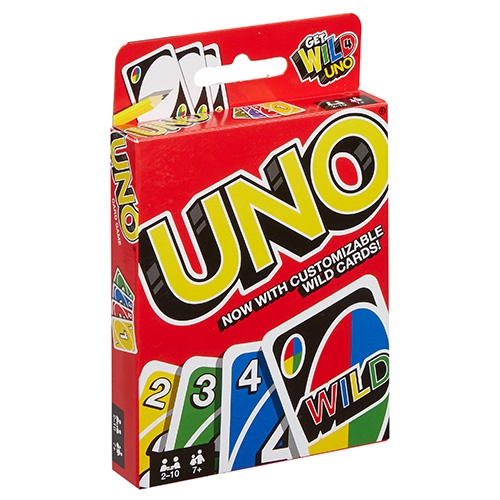 Your price for this item is $14.99
-
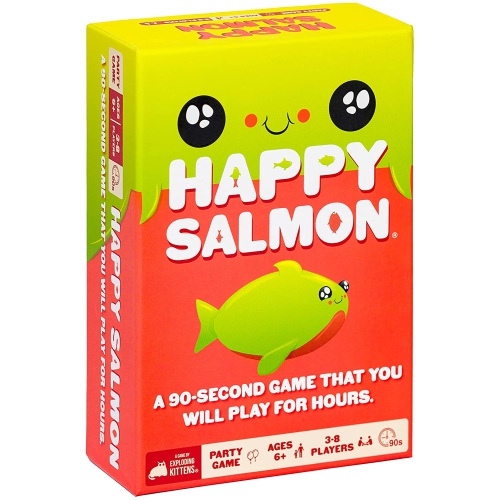 Your price for this item is $21.99
-
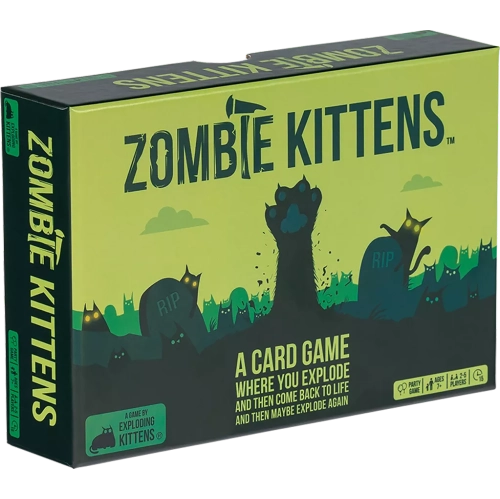 Your price for this item is $34.99
-
 Your price for this item is $24.99
-
 Your price for this item is $31.99
-
 Your price for this item is $29.99
-
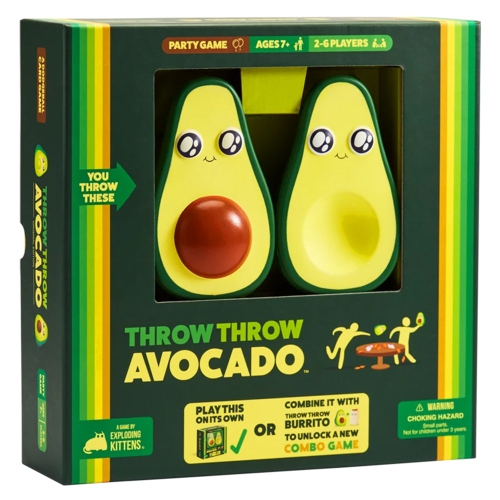 Your price for this item is $44.99
-
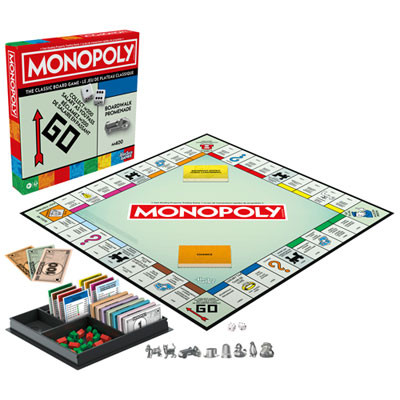 Your price for this item is $27.99
Discover more categories related to Ship Games


Top Collections:
Best Black Friday Deals This Year, Best Black Friday Deals On Electronics, Kindle Devices, Pokemon Centers, Best Black Friday Deals On Apple Products, Best Cameras for Sports Photography, Dyson Airwrap, Pokémon 30th Celebration Cards, Apple iPhone 17 Pro, Canon G7X Cameras
Some products may be subject to Environmental Handling Fees
(EHF) depending on your province.
Learn more about EHFs.