Battle Games
Step into the thrilling world of battle games where strategy, skill, and quick reflexes are key to emerging victorious. Whether you prefer intense first-person shooters, tactical real-time strategy games, or immersive role-playing adventures, our curated selection offers a diverse range of options to satisfy every gamer's craving for epic battles. From futuristic sci-fi settings to historical battlegrounds, gear up for heart-pounding action and adrenaline-pumping excitement with our collection of top-notch battle games.
Sort











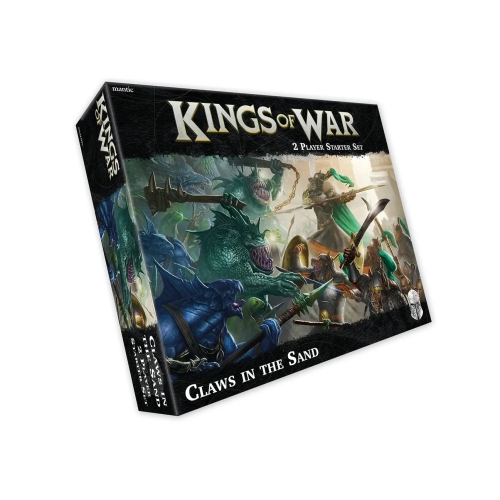


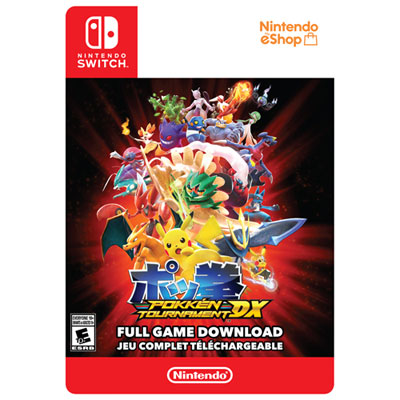

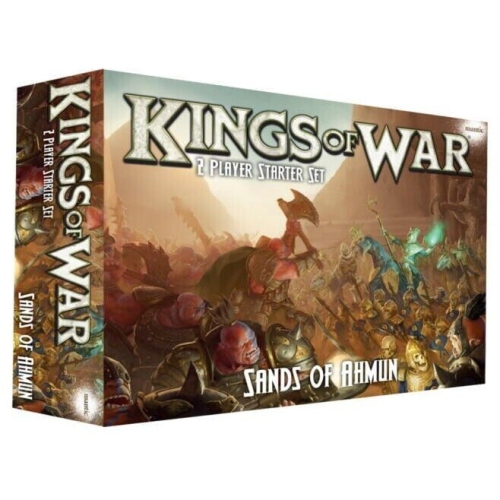


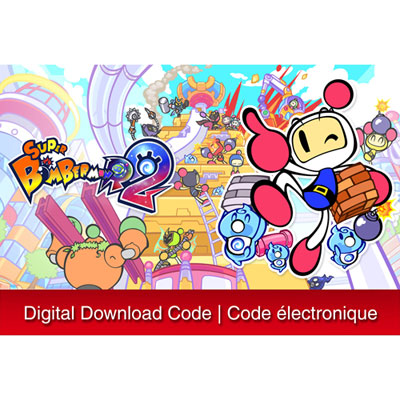

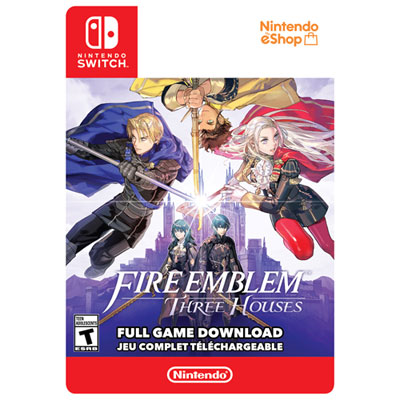

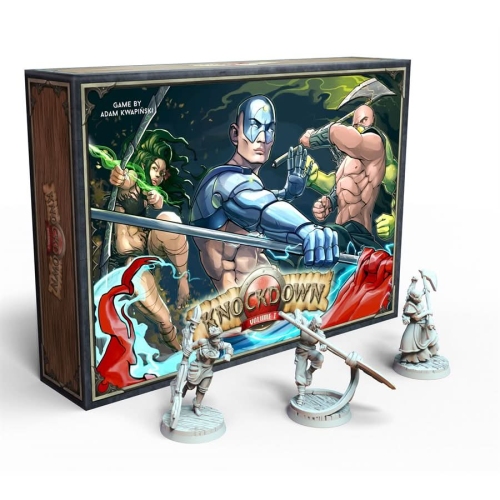


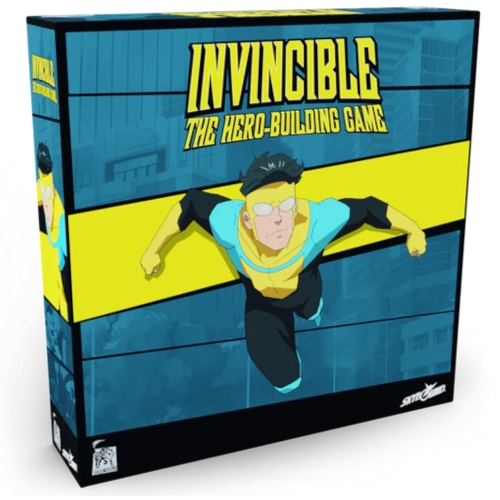


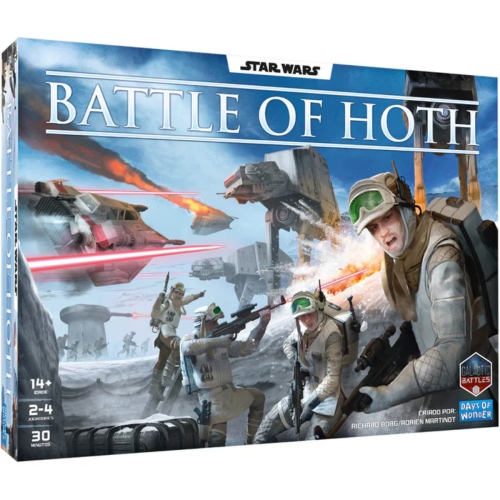




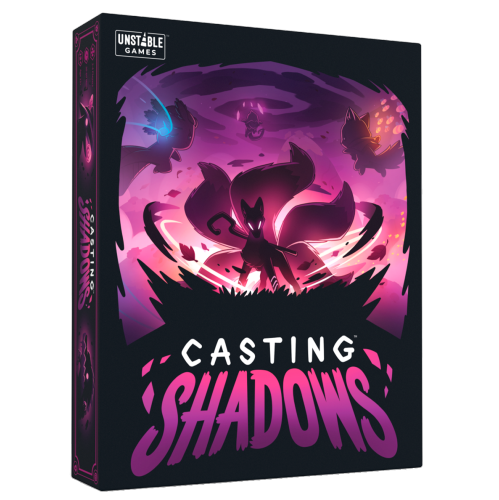

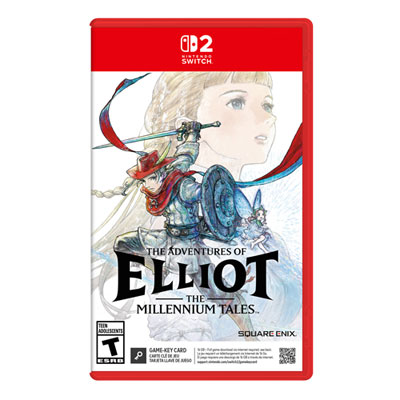

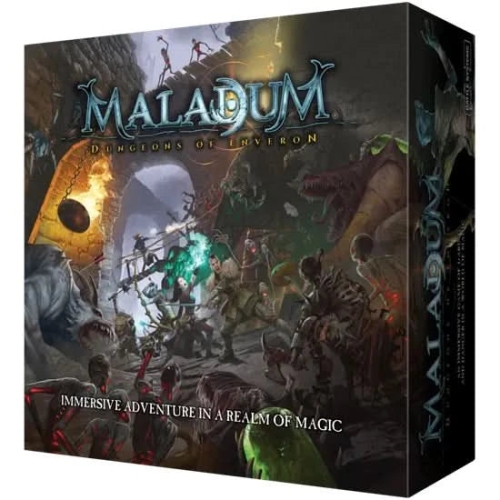


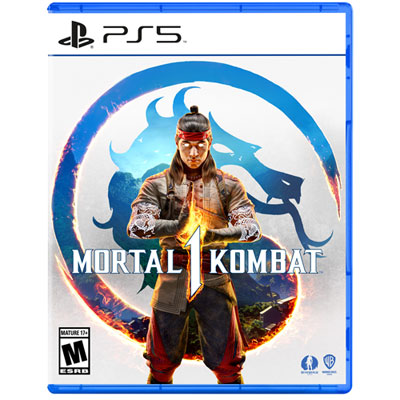











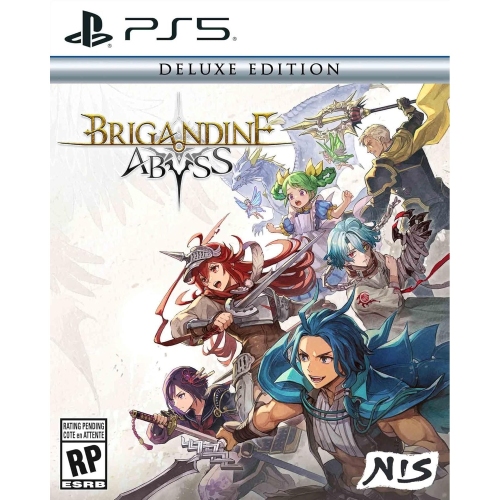

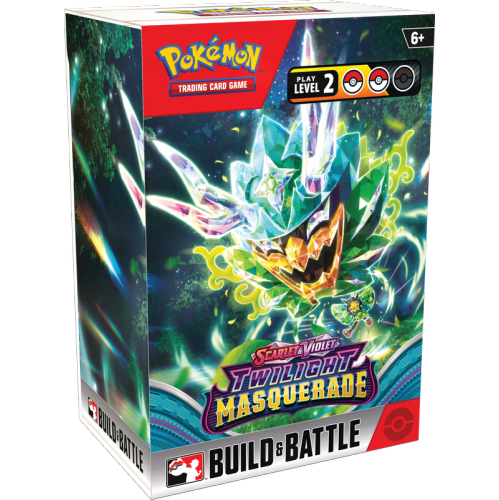


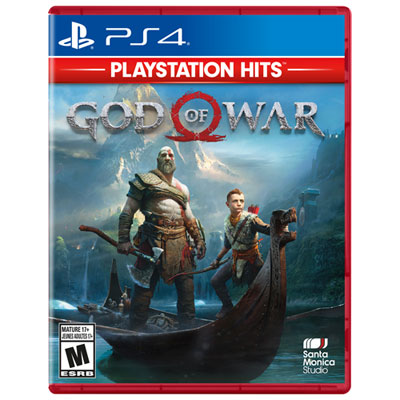
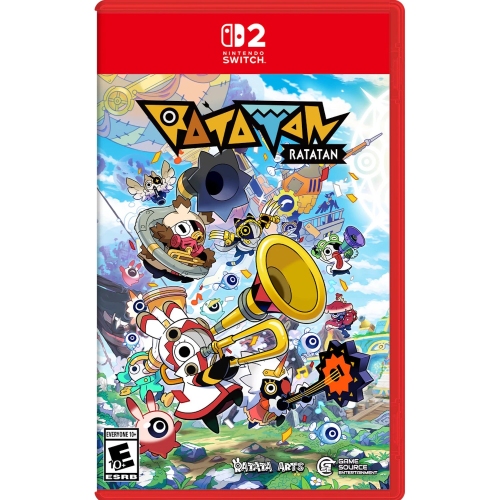
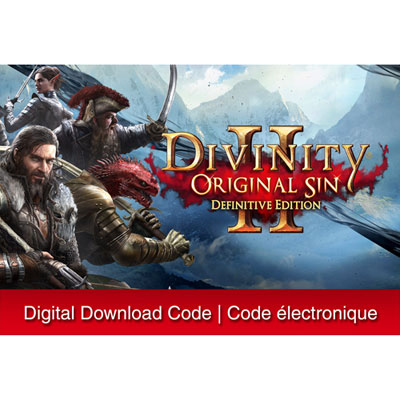

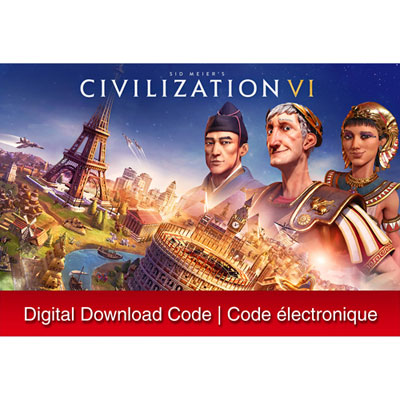


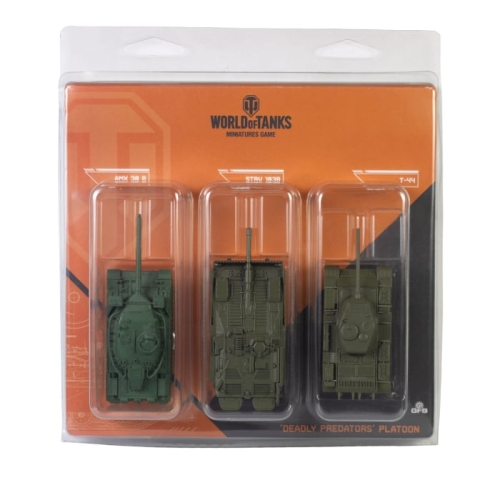

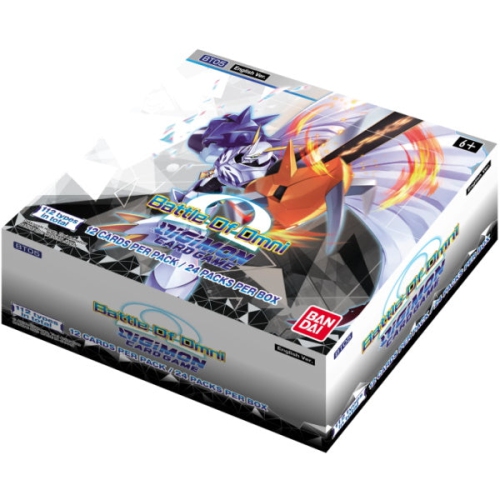












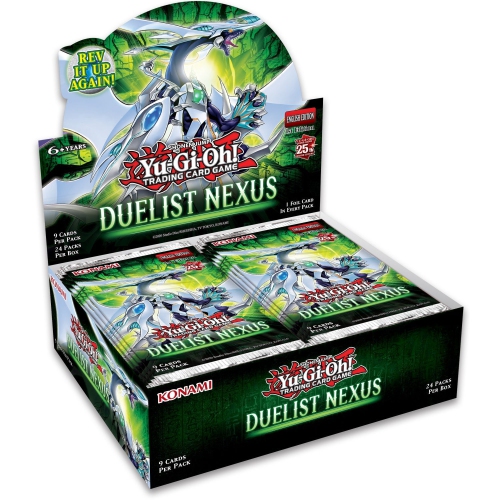
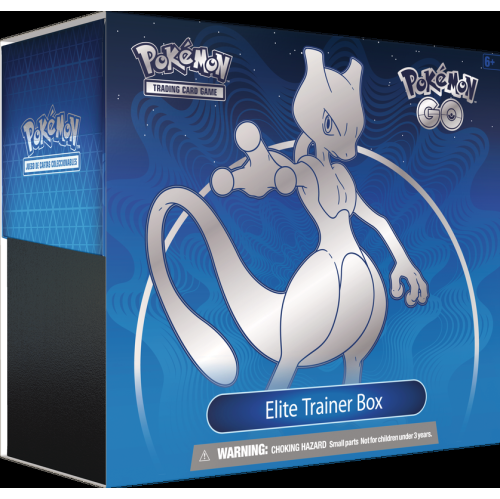
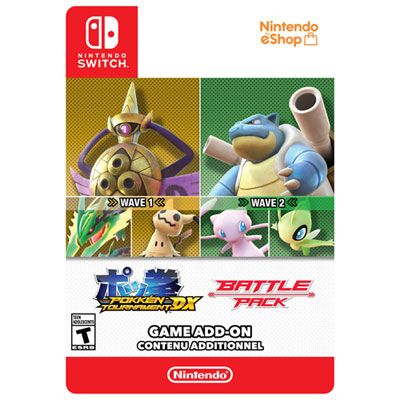
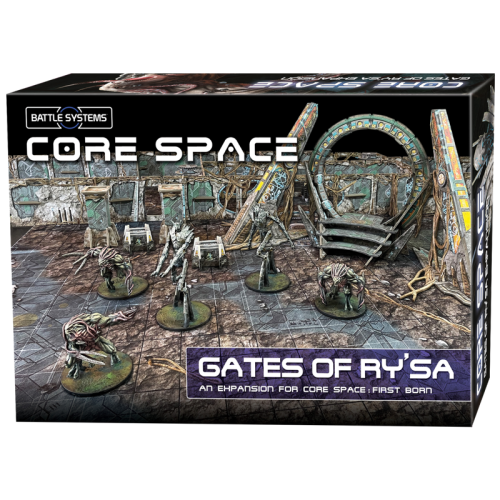











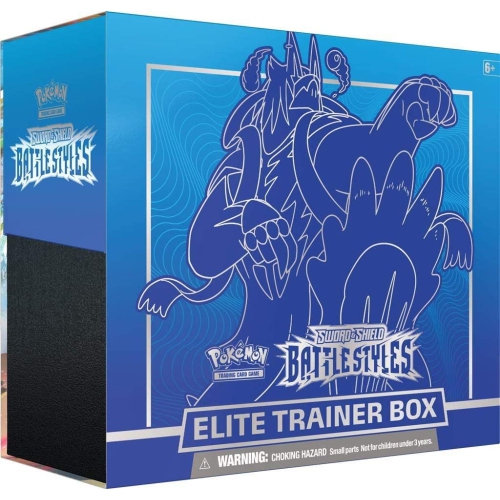


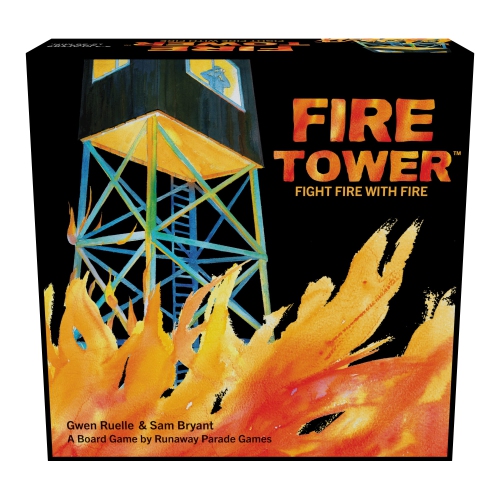
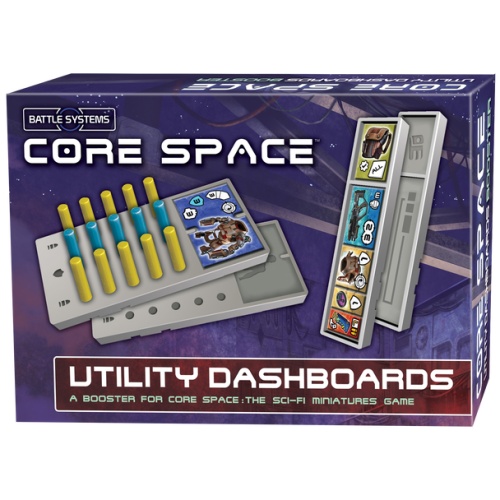
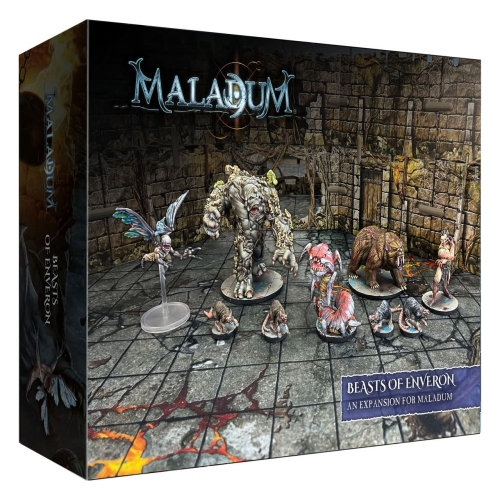





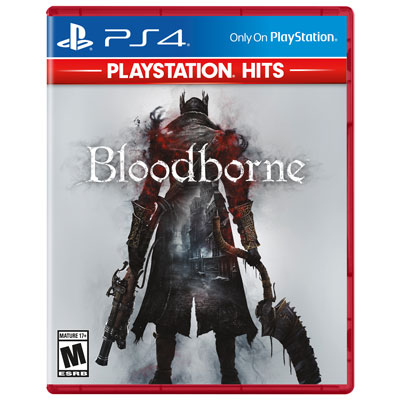
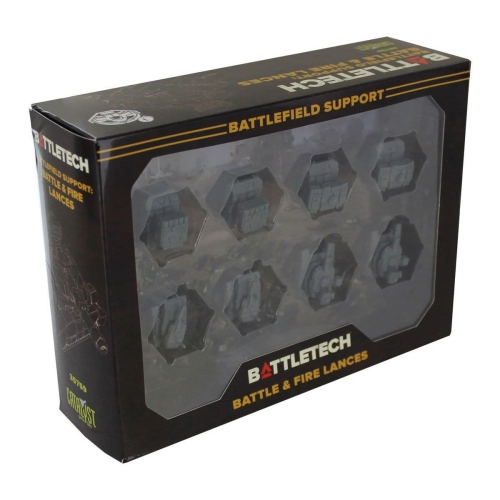
From fast-paced combat to carefully planned campaigns
Battle games are video games built around combat, competition, and tactical decision-making, from fast-moving action matches to carefully planned strategy campaigns. The term covers several distinct styles of play rather than one genre. First-person combat games place the action at the character’s eye level, while third-person games show the character on screen and offer a different perspective on movement and positioning. Battle royale games typically bring many players into a shared match where the goal is to remain the last individual or team standing, often within a shrinking playable area. Tactical strategy games put more emphasis on commanding units, managing resources, and choosing when to advance or hold a position. Some unfold in real time, rewarding quick adjustments as a battle develops; others use turns, leaving space to consider each move. Across these formats, the setting can be historical, contemporary, futuristic, or entirely fictional, with different balances of realism and imagination. A carefully timed flank through a side passage feels different from directing a formation across a wide battlefield, even when both depend on reading an opponent’s next move. Campaigns can connect individual encounters through a story, while competitive modes centre on repeatable matches with changing opponents and objectives. Cooperative modes offer another approach, allowing players to work together against computer-controlled challenges rather than compete against one another. For shoppers, these distinctions matter more than the word “battle” alone: someone who enjoys deliberate planning may prefer a very different experience from someone drawn to quick reactions and close team coordination. Players interested in military-themed combat can also explore Battlefield Games for a more focused selection. The broader appeal of battle games comes from that range, with room for individual problem-solving, shared victories, and the satisfaction of learning how a particular system works over time. A game can reward precision, patience, creativity, or communication, and many combine several of those strengths within the same match. That variety makes the theme relevant to players with different interests and levels of experience, rather than only those seeking constant action.
The way a battle game fits into everyday play depends on its modes, pacing, and controls. A single-player campaign can suit someone who enjoys progressing through a story independently, particularly when it offers flexible difficulty settings and clear save points. Short, round-based matches may fit a brief session, although an online match generally needs to be played through without pausing. Longer tactical encounters can appeal to players who enjoy settling into a complex objective and adapting as conditions change. Cooperative play works especially well when friends enjoy taking complementary roles: one person might watch an approach while another completes an objective, with success depending on timing rather than individual score alone. Local multiplayer and online multiplayer are not interchangeable, however. Playing together on one screen requires a mode designed for that setup, while joining friends remotely depends on supported platforms, network features, and any account or membership requirements. Cross-platform play, where supported, can help friends connect across different systems, but it should not be assumed from a multiplayer label. Controls also shape the experience. Responsive aiming, adjustable sensitivity, remappable inputs, and clear visual information can make demanding encounters easier to understand and more comfortable to practise. Features such as subtitles, colour settings, and alternatives to rapid button presses may be important for individual accessibility needs. Headphones can make directional audio easier to distinguish, while readable on-screen markers help players follow objectives without relying entirely on sound. For a shared household, the ability to adjust chat settings and manage communication can be just as relevant as the combat itself. Age ratings and content descriptors provide useful context about themes, language, and depictions of violence, while parental controls can help families manage online interaction. A thoughtful choice reflects how someone likes to play, who they expect to play with, and how much uninterrupted time they usually have, rather than relying on a dramatic cover image or a familiar genre label.
As products, battle games also have practical differences that affect setup, ownership, and long-term use. Platform compatibility comes first: a console edition needs to match the intended system, and a computer game needs hardware that meets its stated requirements. Similar packaging or a shared title does not necessarily mean that editions work across different console generations. For computer players, processor, graphics, memory, and storage requirements help establish whether a game is a suitable match for their setup. Installation space matters for both physical and digital formats, since a disc-based game may still require substantial storage and downloaded updates. Online features need an appropriate internet connection, and some games require a connection even for parts of the experience that appear to be played alone. Physical editions provide a case and disc that can be stored on a shelf, while digital editions are generally tied to an account and downloaded to a compatible device. A physical copy can make a straightforward gift when the recipient’s system supports discs; a digital gift requires careful attention to platform, account region, and redemption details. Edition descriptions also matter, since extra content may be supplied through a code rather than stored on the disc, and codes can carry specific redemption conditions. For physical copies, durability depends largely on handling and storage. Holding discs by the edges, returning them to their cases, and keeping them away from direct sunlight and moisture helps protect the playing surface and packaging. If cleaning is needed, the manufacturer’s care directions take priority; a soft, lint-free cloth used gently from the centre outward is commonly recommended for optical discs. Digital ownership removes disc care from the routine but makes account access and download management more important. As a gift, a battle game is most meaningful when it matches the recipient’s preferred pace, age suitability, and existing gaming setup. Someone who regularly plays with a group may value compatible multiplayer features, while a player who enjoys independent challenges may get more use from a substantial campaign. Those everyday details help turn a broad interest in battle games into a choice that feels well suited to the person playing.
Top selling and popular products
-
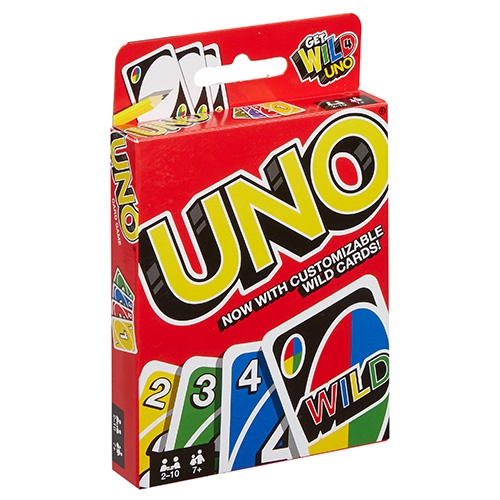 Your price for this item is $14.99
-
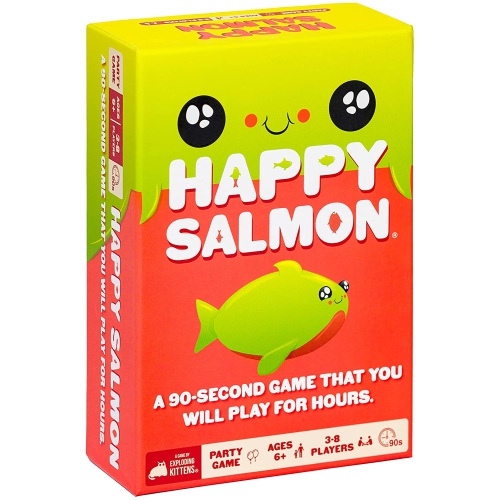 Your price for this item is $21.99
-
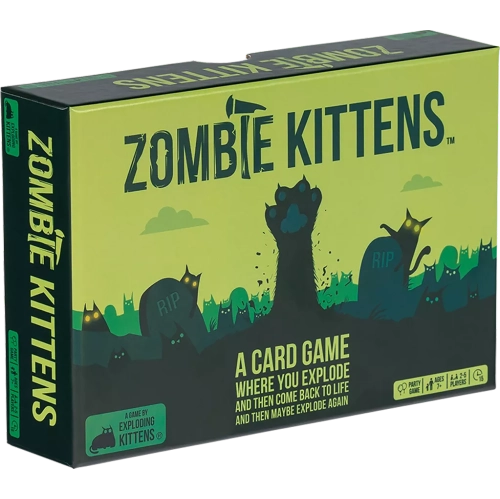 Your price for this item is $34.99
-
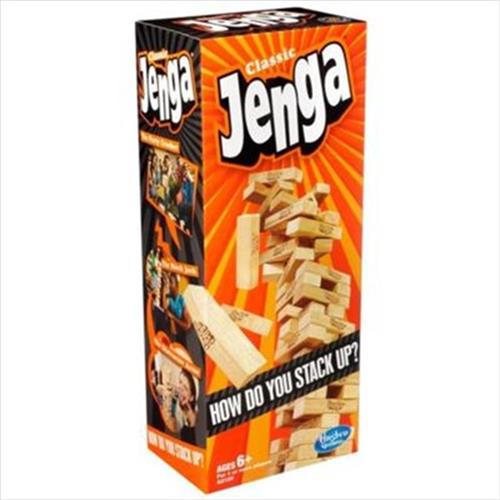 Your price for this item is $24.99
-
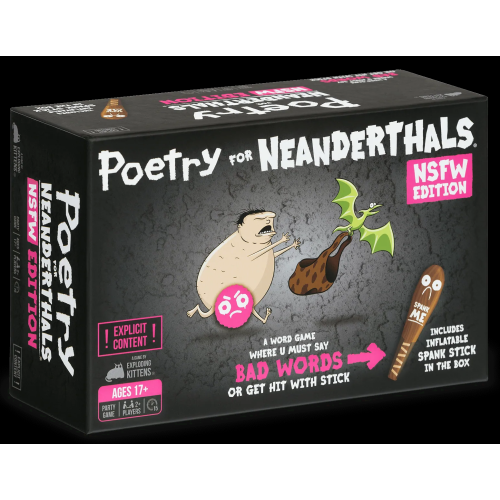 Your price for this item is $31.99
-
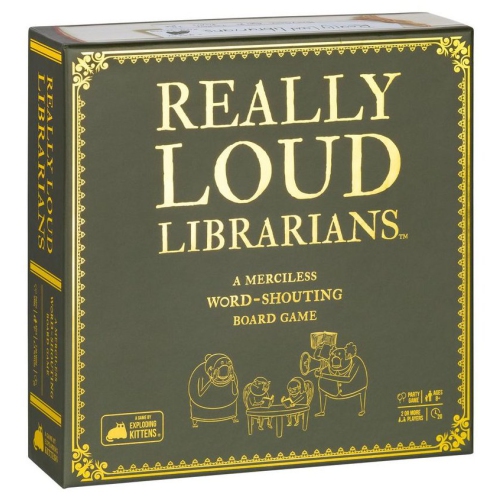 Your price for this item is $29.99
-
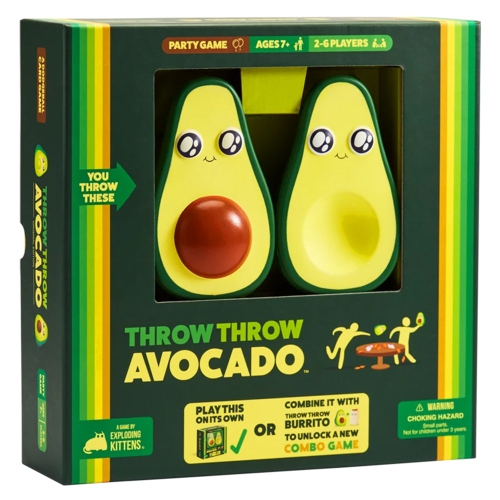 Your price for this item is $44.99
-
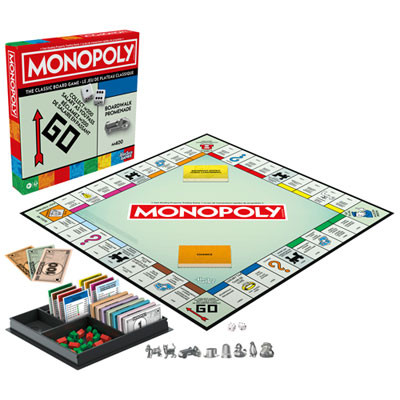 Your price for this item is $27.99
Discover more categories related to Battle Games

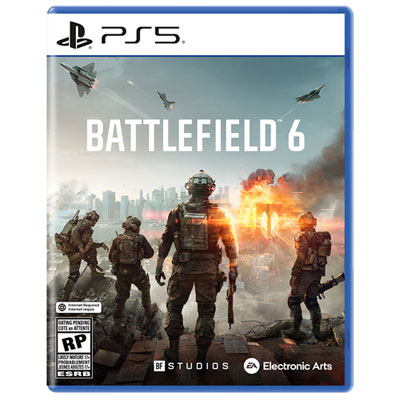

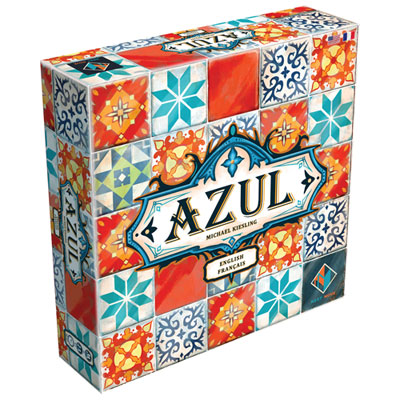
Top Collections:
Best Black Friday Deals This Year, Best Black Friday Deals On Electronics, Kindle Devices, Pokemon Centers, Best Black Friday Deals On Apple Products, Best Cameras for Sports Photography, Dyson Airwrap, Pokémon 30th Celebration Cards, Apple iPhone 17 Pro, Canon G7X Cameras
Some products may be subject to Environmental Handling Fees
(EHF) depending on your province.
Learn more about EHFs.