Silicone Molds for Resin
Create stunning resin crafts with our selection of silicone molds designed for resin art. Whether you're a seasoned crafter or just starting out, these molds are perfect for creating intricate designs and unique pieces. From geometric shapes to botanical motifs, the possibilities are endless. Explore our range of high-quality silicone molds that are durable, easy to use, and sure to inspire your next creative project.
Sort
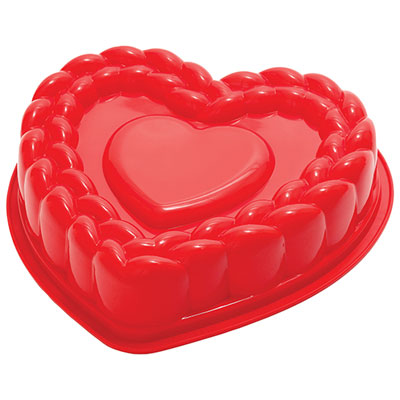
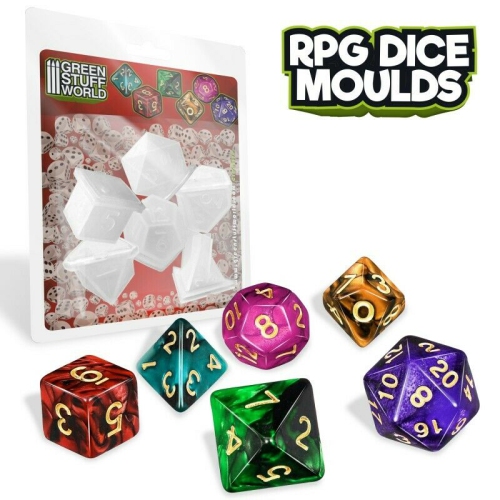
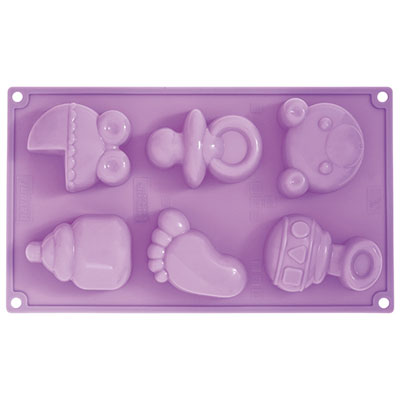
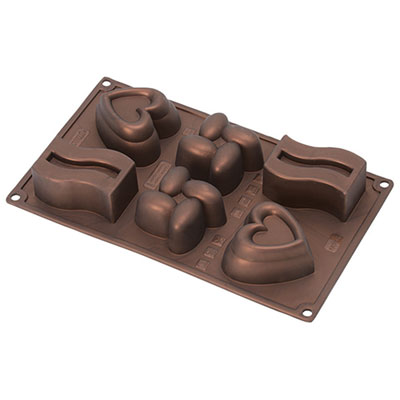

How mould details shape your finished resin pieces
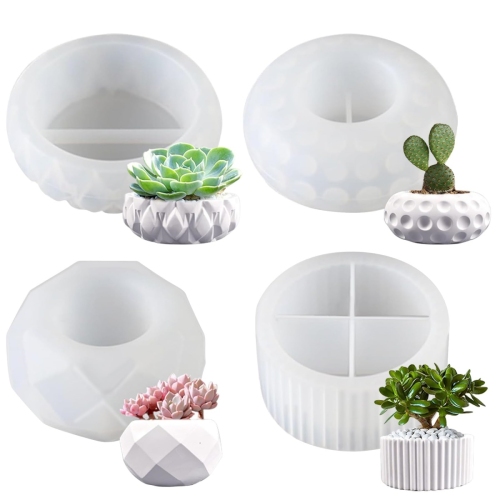
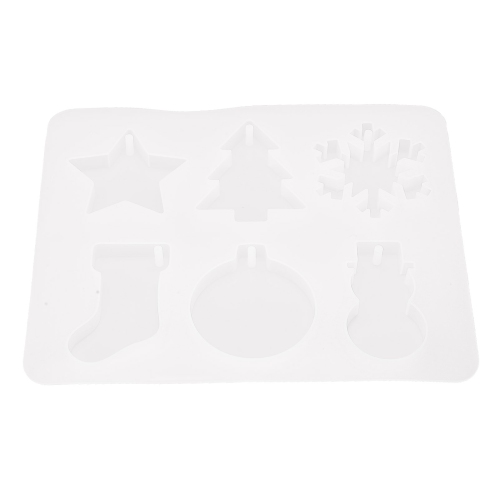
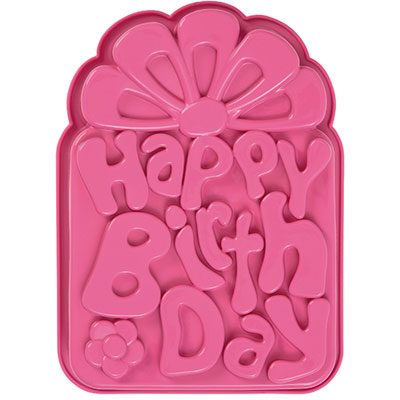
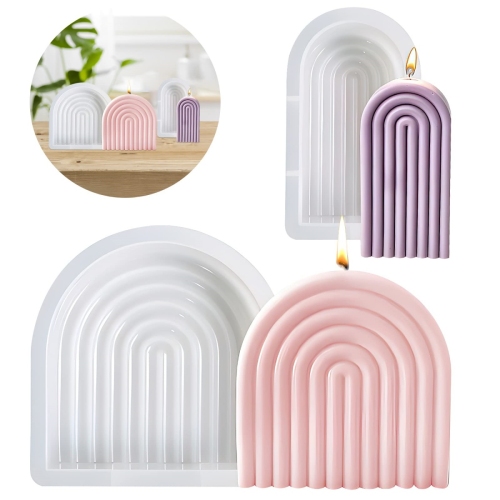
Silicone moulds for resin are flexible forms that hold liquid casting resin while it cures into a solid shape. They are used to make jewellery, coasters, trays, trinket boxes, figurines, and other craft pieces, with designs ranging from simple circles and rectangles to detailed flowers, letters, and geometric forms. Their flexibility allows the sides to peel away from a hardened casting, helping release edges and surface details that would be difficult to remove from a rigid container. For someone making a pair of earrings, shallow cavities with matching dimensions can create a balanced set; for a desk accessory, a deeper form offers room for layered colour or carefully placed inclusions. The inside surface matters as much as the outline: a glossy cavity generally produces a glossy casting, while a matte or textured cavity transfers that finish to the resin. Finished results still depend on the resin, curing conditions, and any polishing or finishing work. Dimensions deserve close attention because the outside measurement of a mould is not necessarily the size of the finished piece. Cavity width, depth, and capacity give a clearer picture of whether a pendant will sit comfortably, a coaster will suit a favourite mug, or a small dish will fit on a bedside table. Multi-cavity designs can support coordinated batches, while individual forms offer flexibility when experimenting with different pigments or embedded details. For boxes and lids, matching components and clearly stated finished dimensions help establish how the pieces are intended to fit together. Jewellery makers, hobby crafters, artists, and small craft businesses may use these moulds for different reasons, but each benefits from shapes suited to the intended project rather than appearance alone. As a gift for a resin crafter, a thoughtfully chosen form can complement the tools and materials they already use without requiring a completely different casting setup.
Compatibility between the silicone mould and the resin is central to a successful casting. Two-part epoxy resin hardens through a chemical reaction, while UV resin needs exposure to a suitable curing light. Clear or translucent moulds may allow light to reach UV resin more effectively, but transparency alone does not guarantee complete curing, particularly with thick sections, opaque pigments, or densely packed inclusions. Small, shallow designs are often more practical for UV work; deeper shapes require a resin and casting method suitable for their depth. Epoxy formulations also have different maximum pour depths, so a deep cavity should not be treated as permission to fill it in one pour. Excessively thick pours can generate too much heat, damage the mould, and affect the casting. Manufacturer specifications for both materials are more useful than a broad claim that a mould works with every resin. Silicone quality, wall thickness, and construction influence how well a form holds its shape and withstands repeated demoulding. Platinum-cure silicone can offer good durability and dimensional stability, although performance depends on the formulation and its compatibility with the casting material. A soft, thin wall may make a small pendant easier to release but provide too little support for a broad tray. Larger forms benefit from a stable, level base and, where specified, an outer support that helps prevent bulging. Intricate recesses, narrow openings, and undercuts add visual detail but can make release more demanding, especially around delicate projections. For planning material quantities, a stated cavity capacity is helpful. A water measurement can estimate volume when the mould manufacturer permits it, provided the mould is completely dry before resin is introduced; that measurement does not replace the resin’s specified mixing ratio by weight or volume. Resin work also calls for suitable ventilation, protective gloves, and any additional precautions identified in the resin’s safety information. These moulds are craft tools, not a way to make uncured resin safe to handle.
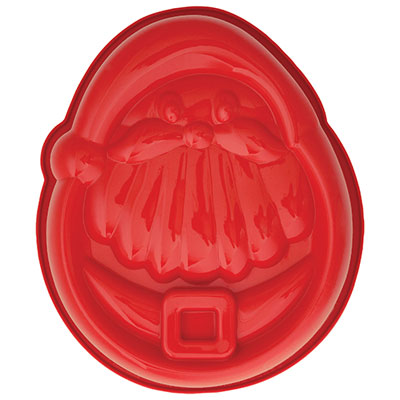
Care and intended use help determine how long silicone resin moulds remain useful and whether the finished pieces suit their purpose. Dust, lint, and leftover fragments can show up clearly in a smooth casting, particularly when transparent resin surrounds a pressed flower or a small arrangement of metallic flakes. Cleaning should follow the mould manufacturer’s directions; where permitted, mild soap and water with a soft cloth can remove ordinary residue without scraping the cavity. Thorough drying matters, as moisture can interfere with some resin systems. Sharp tools, abrasive pads, and forceful stretching can scratch or tear silicone, leaving marks that transfer to later castings. Waiting until the resin reaches its specified demoulding stage, then gently easing the silicone away from the piece, puts less strain on both the casting and the form. Direct flames should not be used on silicone moulds to remove bubbles. Any heat treatment needs to stay within the limits stated by both the resin and mould manufacturers; a fine, blunt tool may help release a trapped surface bubble without applying heat. Flat storage away from direct sunlight, dust, and heavy objects helps preserve the shape between projects. Even with careful handling, repeated casting can eventually dull the cavity surface or cause sticking and tears, so there is no universal number of uses that applies to every mould. The finished object also needs to match its intended role. A resin coaster is not automatically suitable for very hot cookware, and a tray-shaped casting is not automatically approved for direct food contact. Those uses depend on the resin’s documented properties, complete curing, and any applicable restrictions. Baking moulds belong to a separate use category: silicone cupcake moulds are intended for food preparation, and any mould used with craft resin should remain dedicated to non-food projects. For resin gifts such as jewellery dishes, bookmarks, or keepsakes, clean edges, appropriate hardware, and a fully cured finish are just as important as the shape itself.
Compatibility between the silicone mould and the resin is central to a successful casting. Two-part epoxy resin hardens through a chemical reaction, while UV resin needs exposure to a suitable curing light. Clear or translucent moulds may allow light to reach UV resin more effectively, but transparency alone does not guarantee complete curing, particularly with thick sections, opaque pigments, or densely packed inclusions. Small, shallow designs are often more practical for UV work; deeper shapes require a resin and casting method suitable for their depth. Epoxy formulations also have different maximum pour depths, so a deep cavity should not be treated as permission to fill it in one pour. Excessively thick pours can generate too much heat, damage the mould, and affect the casting. Manufacturer specifications for both materials are more useful than a broad claim that a mould works with every resin. Silicone quality, wall thickness, and construction influence how well a form holds its shape and withstands repeated demoulding. Platinum-cure silicone can offer good durability and dimensional stability, although performance depends on the formulation and its compatibility with the casting material. A soft, thin wall may make a small pendant easier to release but provide too little support for a broad tray. Larger forms benefit from a stable, level base and, where specified, an outer support that helps prevent bulging. Intricate recesses, narrow openings, and undercuts add visual detail but can make release more demanding, especially around delicate projections. For planning material quantities, a stated cavity capacity is helpful. A water measurement can estimate volume when the mould manufacturer permits it, provided the mould is completely dry before resin is introduced; that measurement does not replace the resin’s specified mixing ratio by weight or volume. Resin work also calls for suitable ventilation, protective gloves, and any additional precautions identified in the resin’s safety information. These moulds are craft tools, not a way to make uncured resin safe to handle.
Care and intended use help determine how long silicone resin moulds remain useful and whether the finished pieces suit their purpose. Dust, lint, and leftover fragments can show up clearly in a smooth casting, particularly when transparent resin surrounds a pressed flower or a small arrangement of metallic flakes. Cleaning should follow the mould manufacturer’s directions; where permitted, mild soap and water with a soft cloth can remove ordinary residue without scraping the cavity. Thorough drying matters, as moisture can interfere with some resin systems. Sharp tools, abrasive pads, and forceful stretching can scratch or tear silicone, leaving marks that transfer to later castings. Waiting until the resin reaches its specified demoulding stage, then gently easing the silicone away from the piece, puts less strain on both the casting and the form. Direct flames should not be used on silicone moulds to remove bubbles. Any heat treatment needs to stay within the limits stated by both the resin and mould manufacturers; a fine, blunt tool may help release a trapped surface bubble without applying heat. Flat storage away from direct sunlight, dust, and heavy objects helps preserve the shape between projects. Even with careful handling, repeated casting can eventually dull the cavity surface or cause sticking and tears, so there is no universal number of uses that applies to every mould. The finished object also needs to match its intended role. A resin coaster is not automatically suitable for very hot cookware, and a tray-shaped casting is not automatically approved for direct food contact. Those uses depend on the resin’s documented properties, complete curing, and any applicable restrictions. Baking moulds belong to a separate use category: silicone cupcake moulds are intended for food preparation, and any mould used with craft resin should remain dedicated to non-food projects. For resin gifts such as jewellery dishes, bookmarks, or keepsakes, clean edges, appropriate hardware, and a fully cured finish are just as important as the shape itself.
Top selling and popular products
-
 Your price for this item is $29.99
 -
 Your price for this item is $32.77
 -
 Your price for this item is $26.77
 -
 Your price for this item is $20.89
 -
 Your price for this item is $31.7
 -
 Your price for this item is $30
 -
 Your price for this item is $35.5
 -
 Your price for this item is $33.04
Discover more categories related to Silicone Molds for Resin


Top Collections:
Pokemon Centers, Kindle Devices, Best Budget Office Chairs, Apple iPhones 16, Best Laptops for Writers, iPhone 15 Apple, Canon G7X Cameras, Refurbished Apple Laptops, Alarm Clock, Motorola Razr Phones
Some products may be subject to Environmental Handling Fees
(EHF) depending on your province.
Learn more about EHFs.