Stem Building Toys
Looking to ignite your child's imagination while fostering their critical thinking skills? Look no further than our extensive collection of stem-building toys. These innovative playsets are designed to captivate young minds and encourage hands-on exploration in the fields of science, technology, engineering, and math. They provide a safe and fun way for children to learn the basics of these important disciplines while having a blast.
Sort
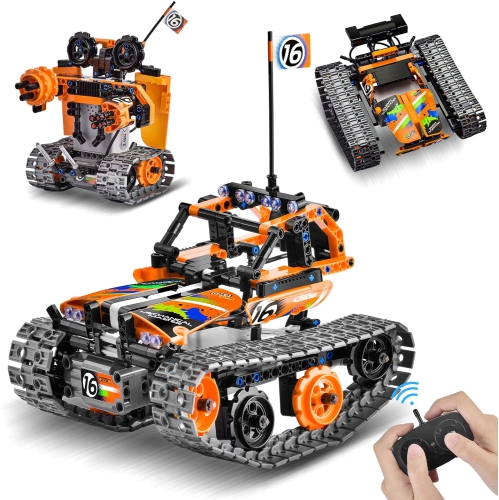
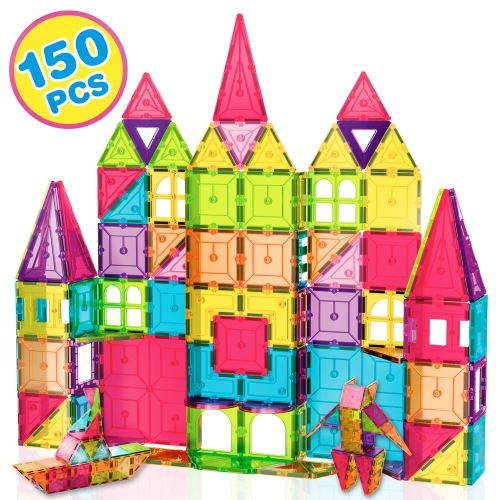
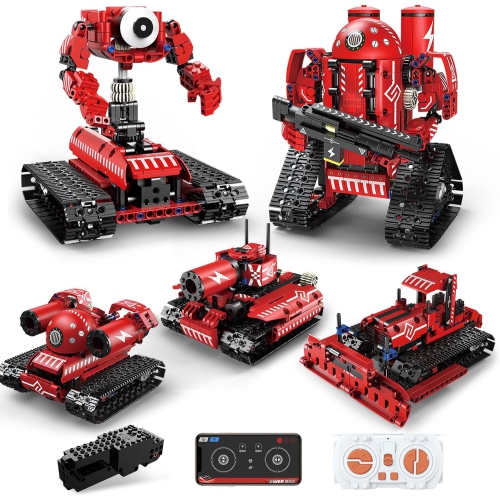
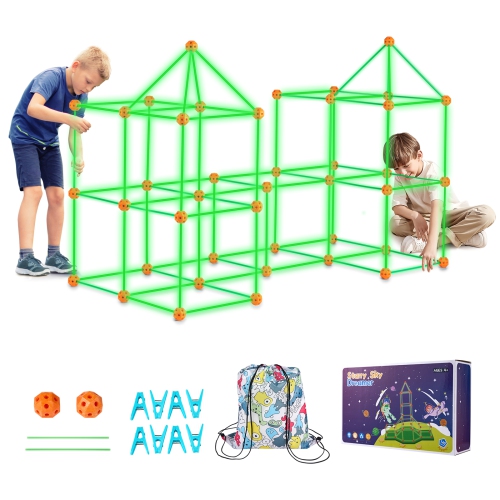
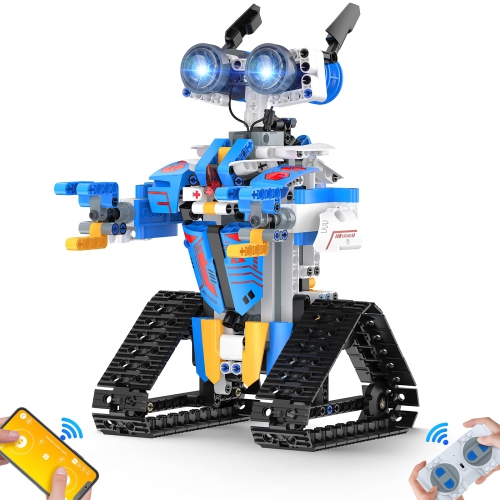
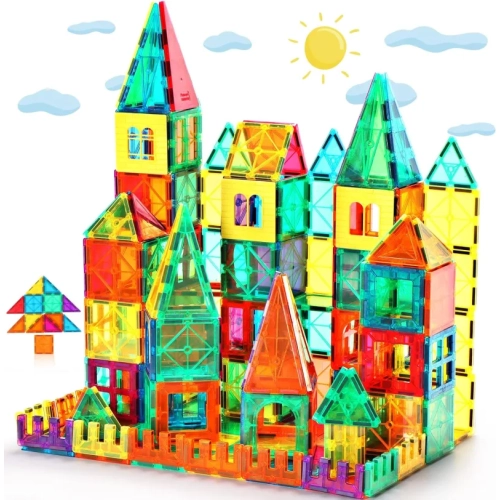
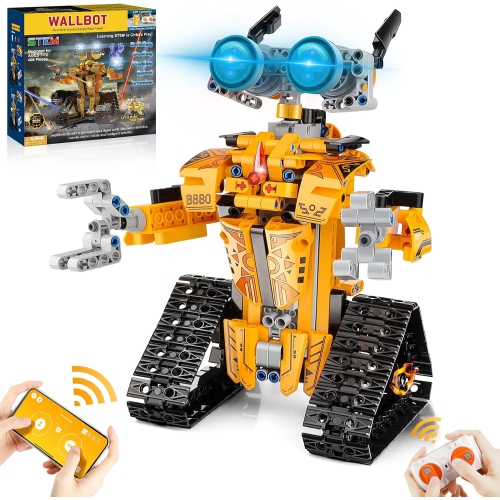
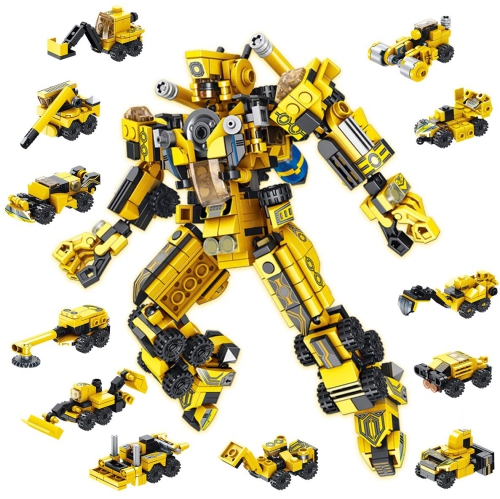

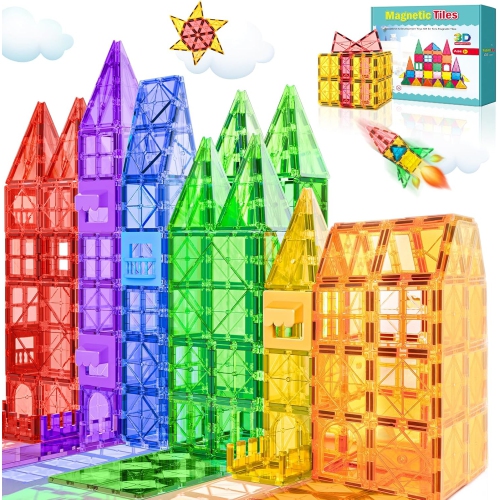
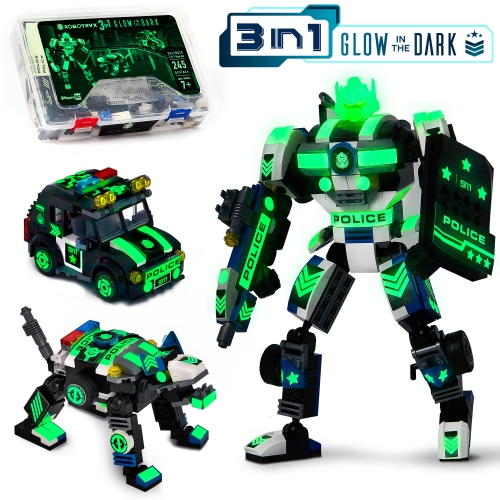

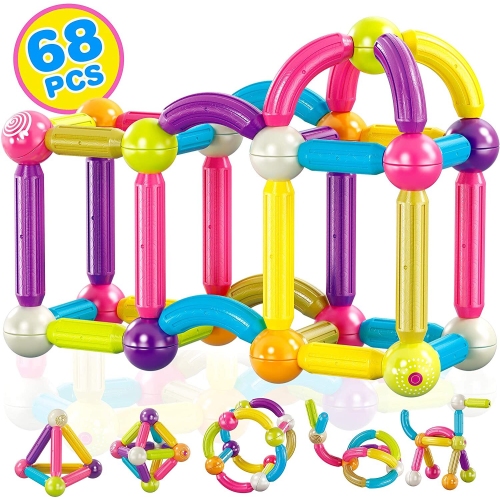
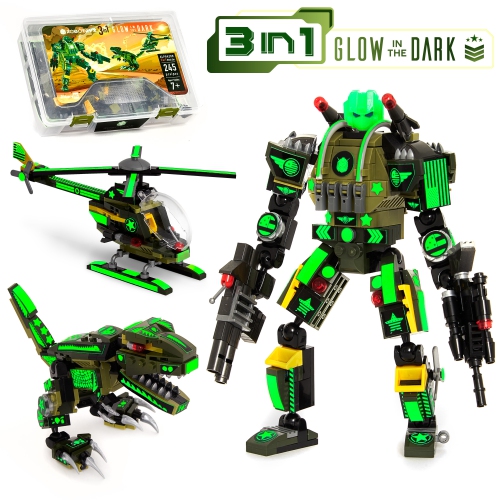
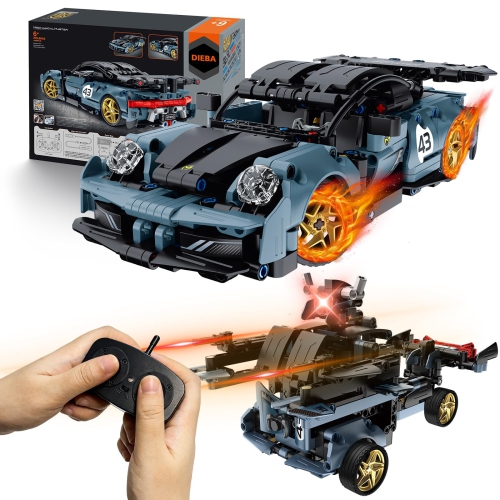

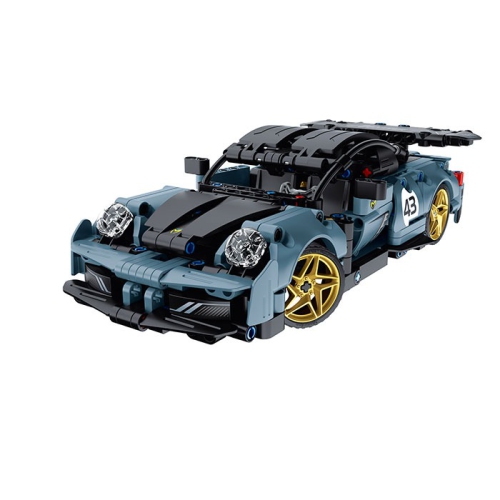
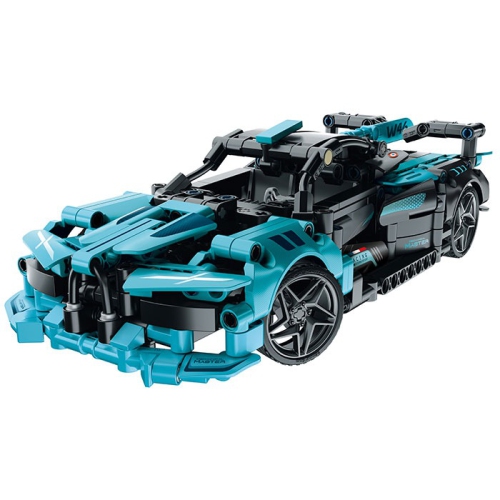
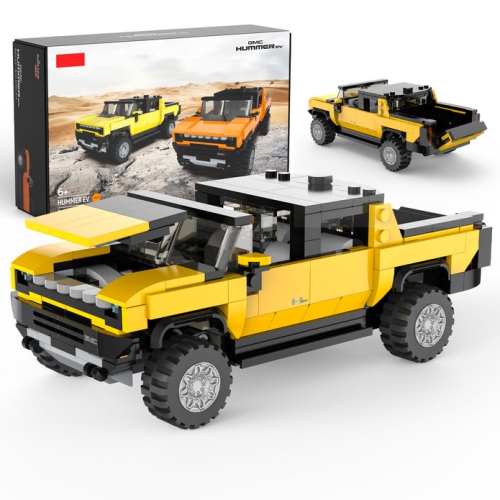
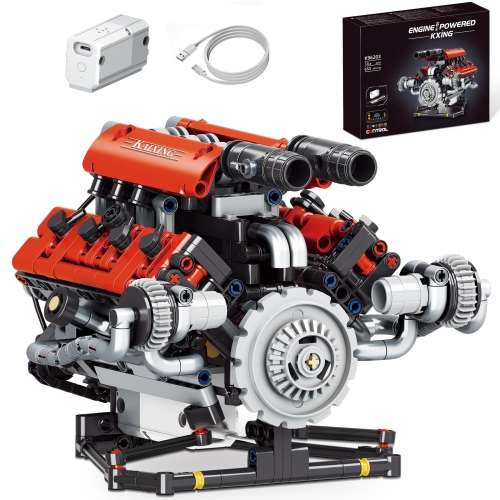
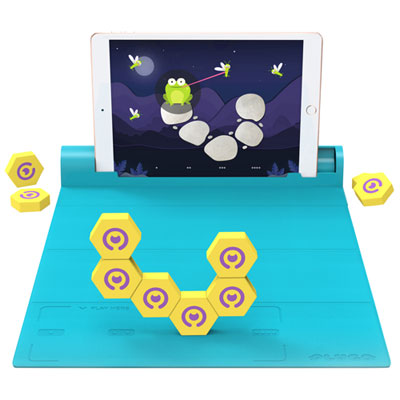
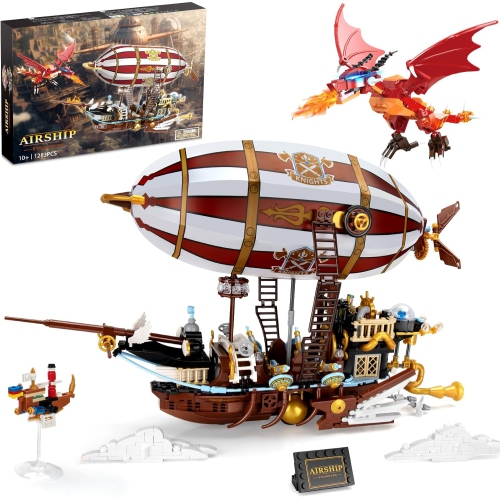
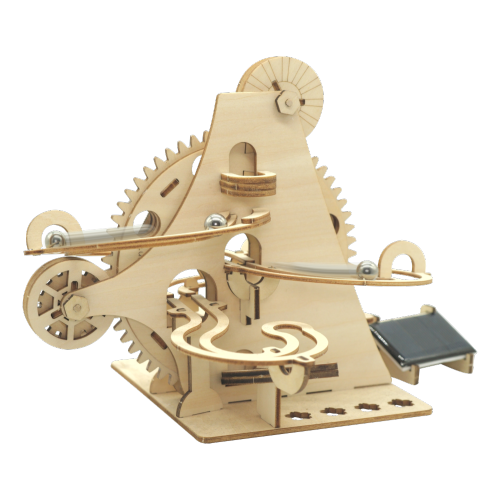
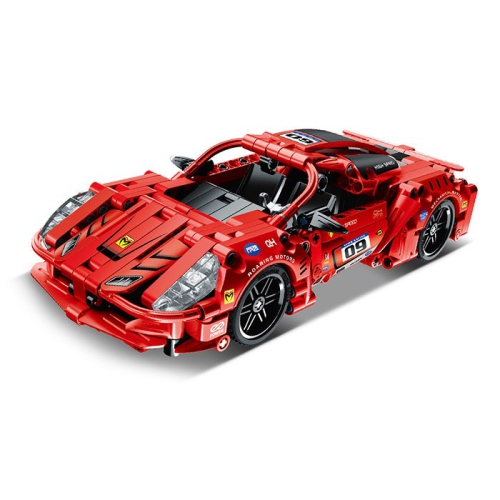

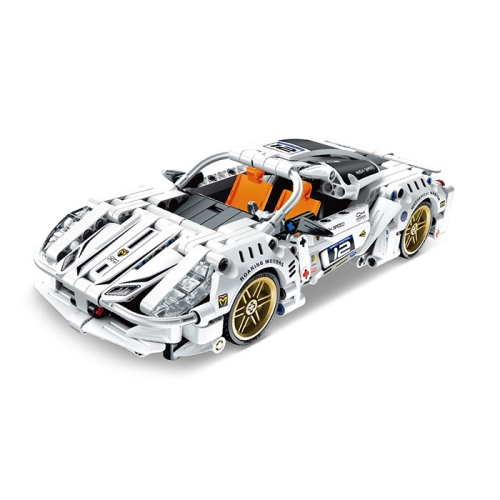
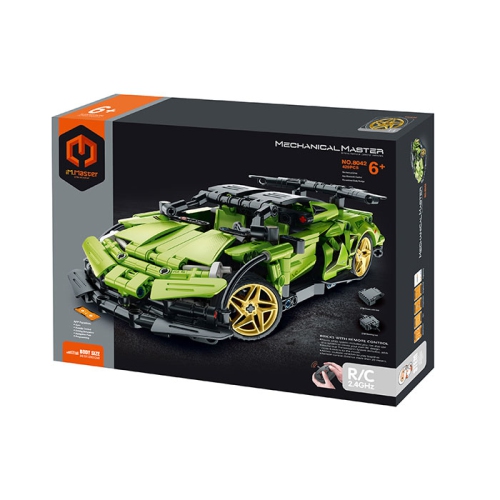

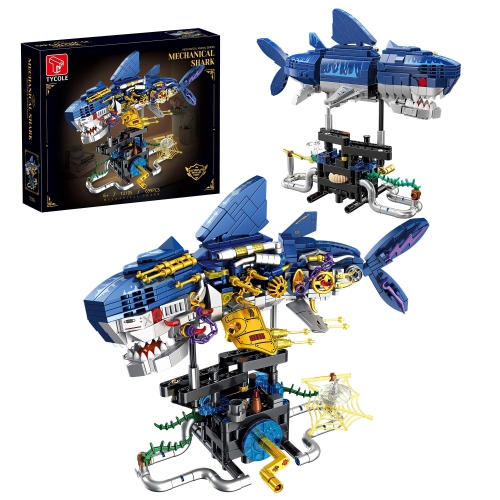

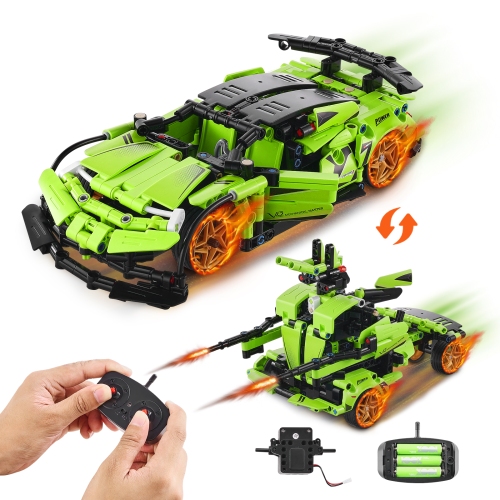
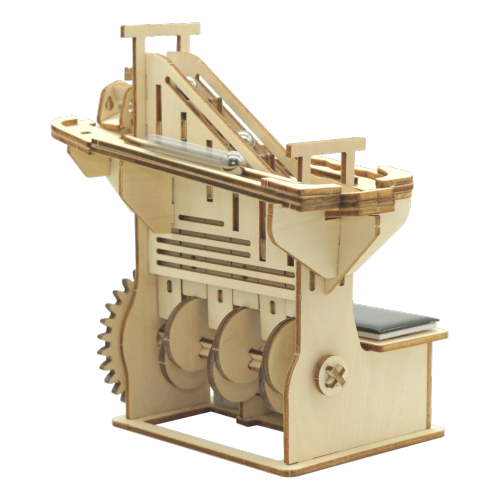
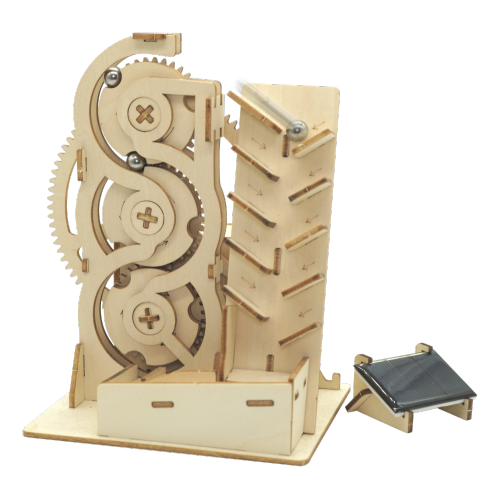
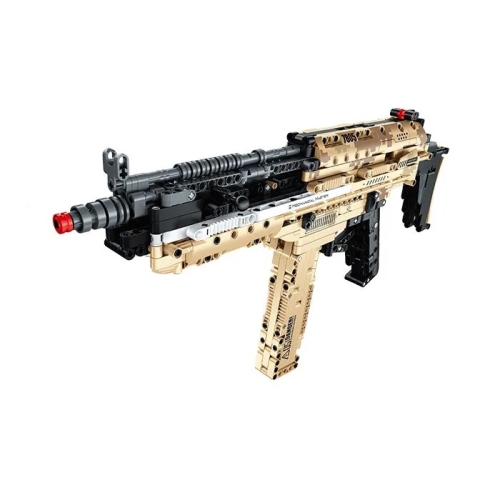
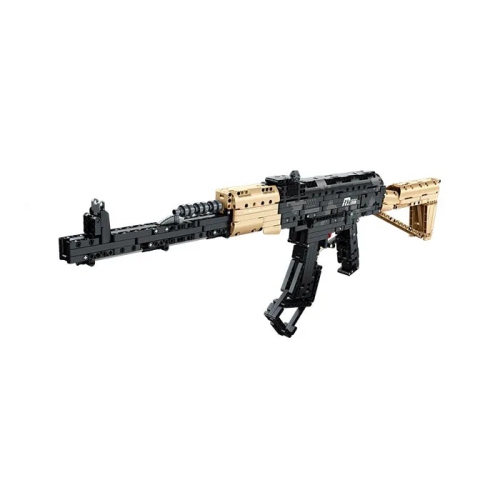
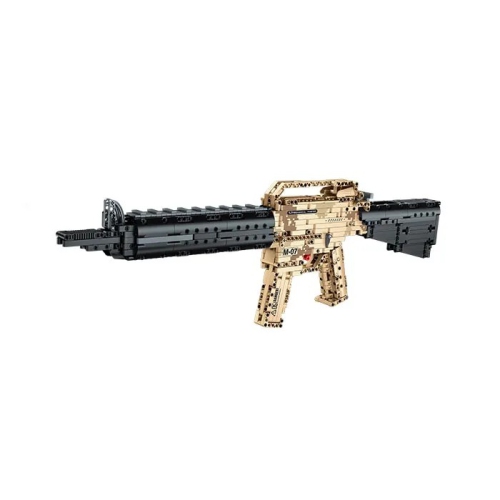
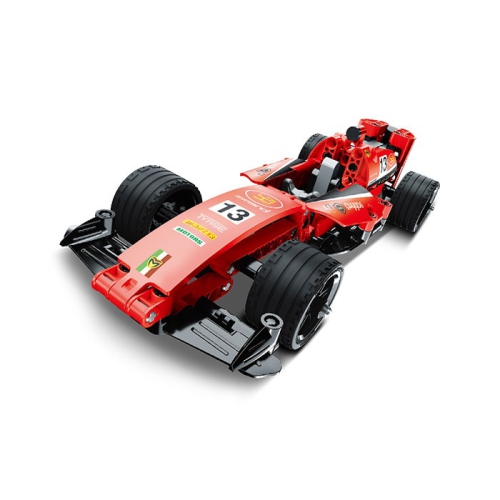
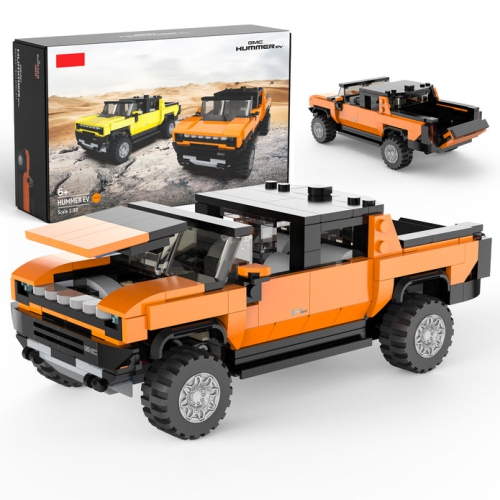
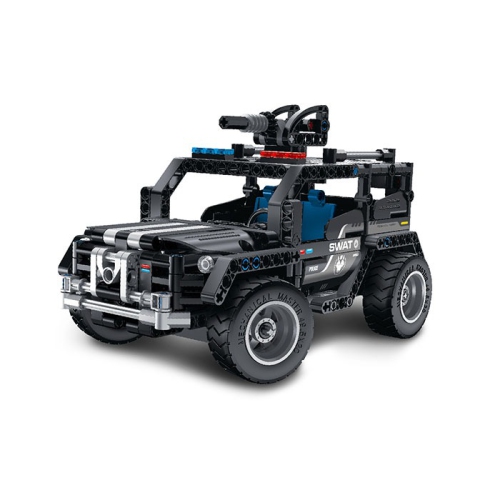
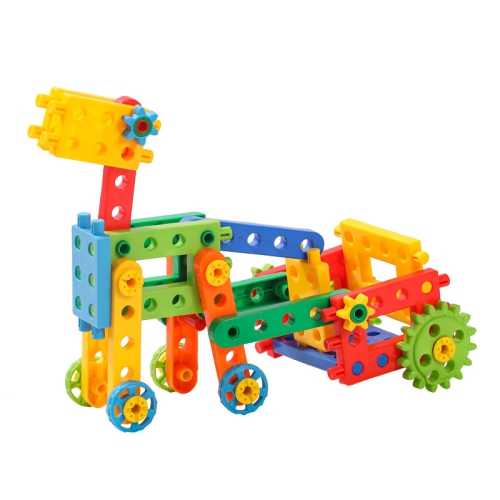
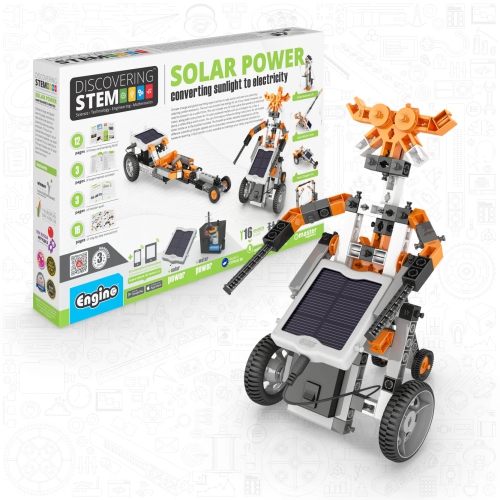
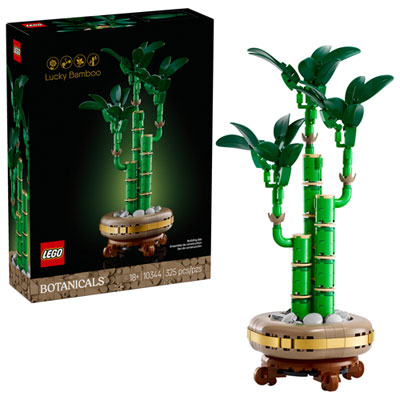

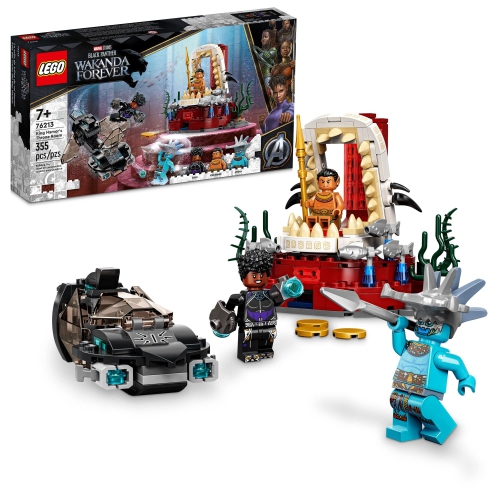
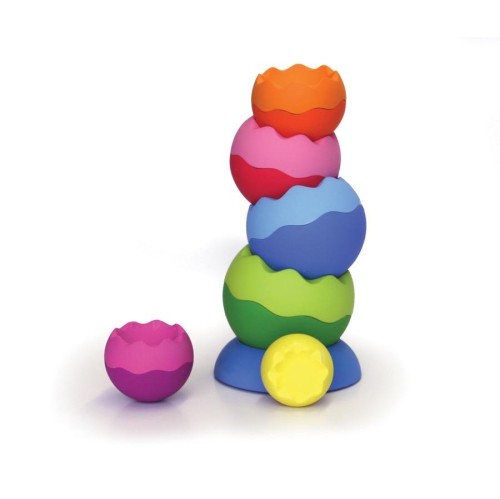
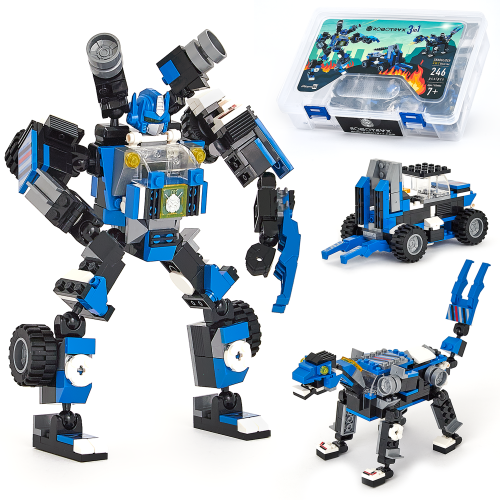

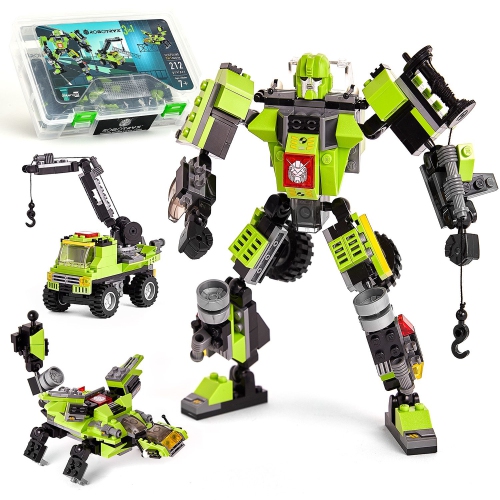
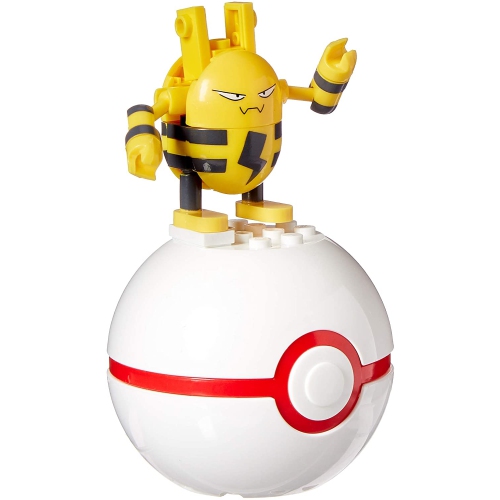
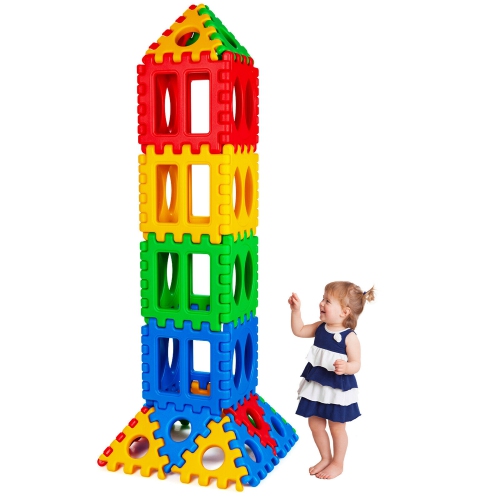
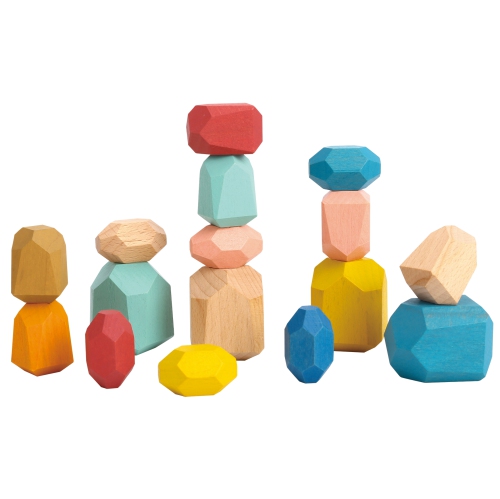
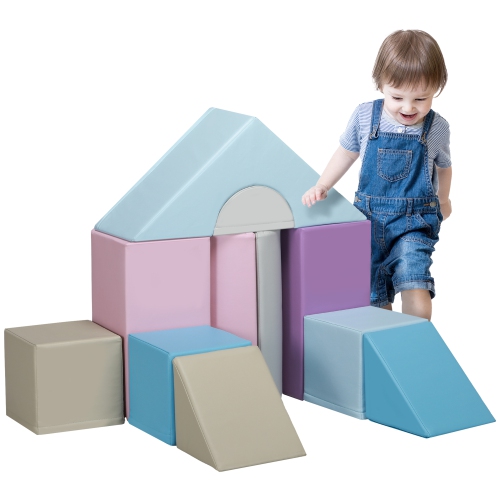

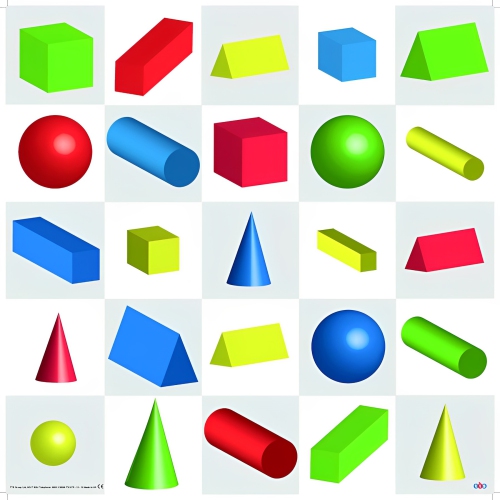
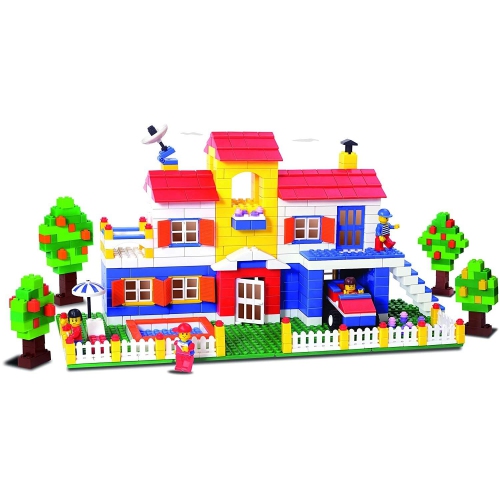

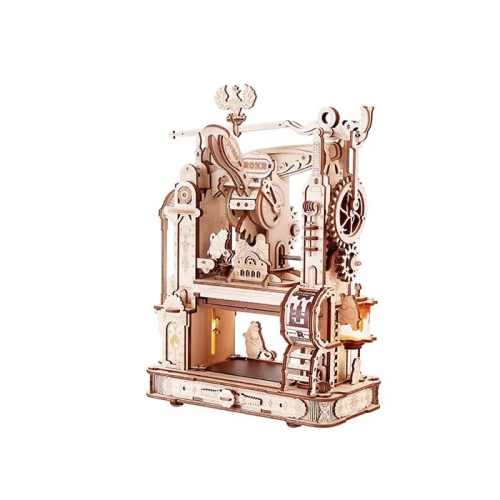
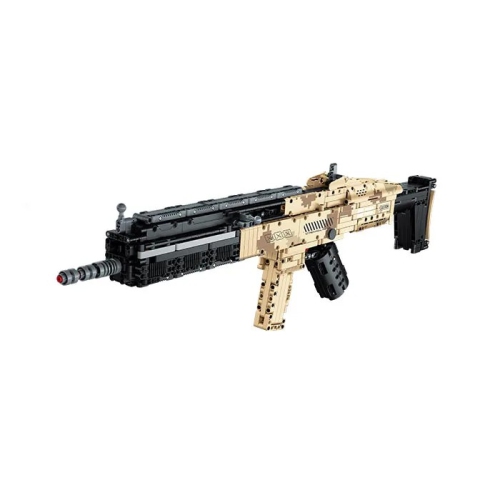
How a pile of parts sparks hands-on learning
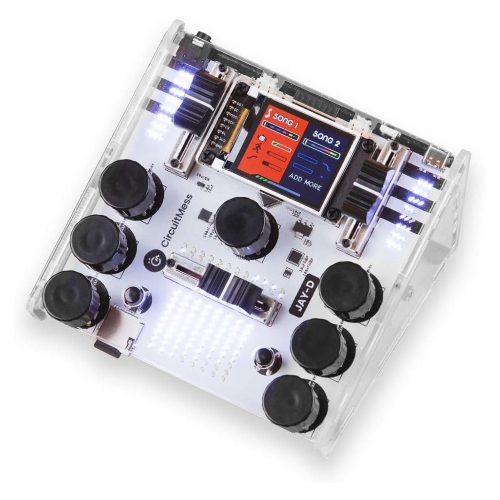
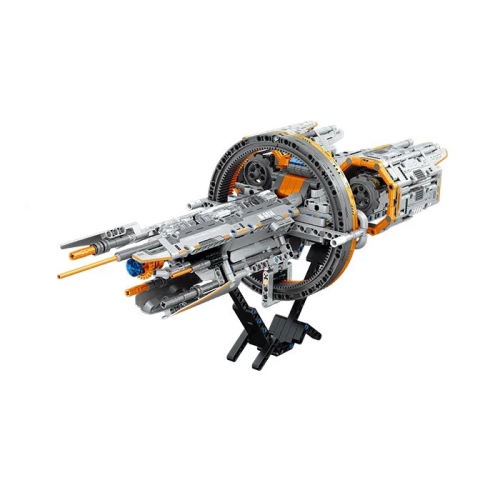
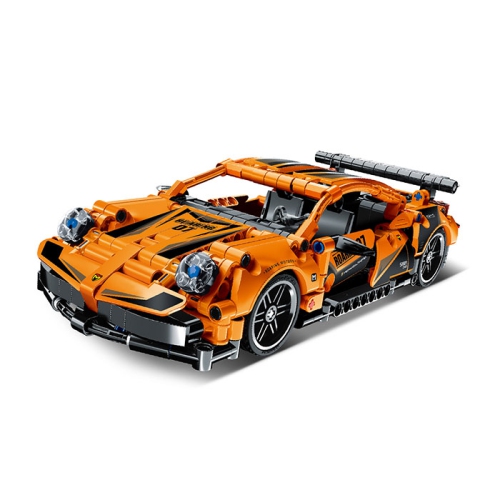
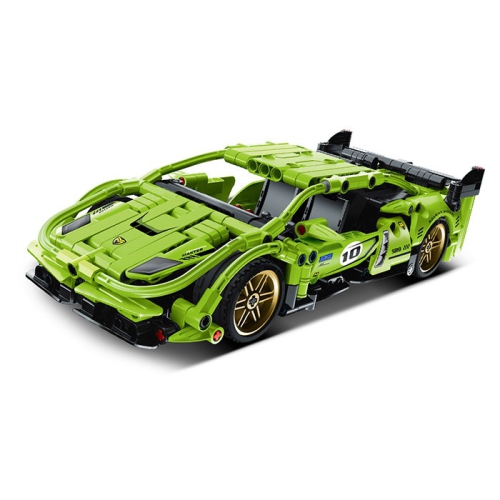
STEM building toys bring science, technology, engineering, and mathematics into hands-on play through pieces children can connect, stack, arrange, and turn into working designs. Their appeal starts with something simple: a pile of parts becoming a bridge, a rolling vehicle, or a tower tall enough to look over the edge of the sofa. Along the way, children have opportunities to practise counting, compare shapes, explore balance, and figure out why one structure holds together while another tips over. Construction toys can make abstract ideas tangible. A wider base can help a tall build stay upright, a diagonal support can stiffen a frame, and differently sized gears can change how connected parts move. These are discoveries children can see and test rather than just read about. Following illustrated instructions gives them practice translating a flat picture into a three-dimensional object, while open-ended building leaves room to invent something that has no picture to follow. Both approaches have value, and many children enjoy moving between them: first completing the suggested design, then changing the wheels, extending the roof, or adding a moving arm. Picking up, lining up, and fastening pieces can support fine motor practice and hand-eye coordination, although the amount of grip strength and precision required varies between toys. Planning a build, spotting a weak connection, and trying a different arrangement also create opportunities for problem-solving and persistence. The learning need not feel like a lesson. A child testing how many toy passengers a homemade bridge can carry is already comparing results and adjusting a design. During the cooler months, these projects can turn a stretch of indoor play into an absorbing activity at the kitchen table or on a clear patch of floor. The most engaging STEM construction toys leave enough room for that familiar moment when a child pauses, studies what happened, and reaches for another piece with a new idea.
Choosing STEM building toys starts with the builder’s age, interests, and comfort with construction rather than piece count alone. Manufacturer age ratings and safety warnings should come first, followed by a closer look at the size of the parts, the connection method, and the complexity of the instructions. Younger builders may find larger, easy-to-hold components more manageable, while children with more building experience may enjoy smaller connections, layered assemblies, and mechanisms that require careful alignment. A large set is not necessarily more challenging or more satisfying than a compact one; the variety of useful pieces and the ways they work together often matter more. Consider whether the child likes making recognizable objects, experimenting with moving parts, or creating free-form structures. Instruction-led sets offer a clear starting point and a visible goal, which can be helpful for a builder who feels unsure about where to begin. Open-ended sets encourage repeated rearranging, and sets that offer both suggested builds and flexible components can accommodate different moods and abilities. Look closely at instruction quality, too. Clear diagrams, manageable stages, and easy-to-distinguish parts can make the difference between an enjoyable independent activity and a project that needs frequent adult help. For motorized or programmable construction toys, check the power source, whether batteries are included, and whether an app, compatible device, or internet connection is required. Some families prefer entirely screen-free building; others want a project that connects a physical model with simple coding tasks. Neither approach is essential to every STEM interest. Compatibility deserves attention if the child already has construction toys, since pieces that look similar may not connect. Storage is another practical consideration: a sturdy container, sorting compartments, and enough space to keep a partly finished build can make a toy easier to use regularly. Small parts are unsuitable for children under three, and magnetic components require particular care around younger children and anyone likely to mouth objects. Always follow the manufacturer’s supervision guidance, keep loose pieces away from younger siblings, and stop using damaged components.
STEM building toys can suit a wide range of occasions and users, from a first construction gift to a more involved project for an experienced young builder. For birthdays and seasonal gift-giving, it helps to match the level of challenge to what the child enjoys doing, not simply to the age printed on the box. A child fascinated by how things move may spend longer adjusting a mechanism than finishing a decorative model, while another may prefer building elaborate spaces for imaginative stories. If buying for someone else’s household, practical details such as available floor space, noise from powered features, battery needs, and storage can be just as important as the finished build. Parents and caregivers may appreciate a toy that works for short sessions but also offers enough possibilities to revisit over time. In classrooms, after-school settings, and shared play spaces, building materials can support small-group activities when there are enough components for everyone to participate. Children might divide up tasks, explain how they joined two sections, or compare several solutions to the same challenge. At home, a shared build gives siblings or adults and children something concrete to work on together, although different ages may need different roles and levels of supervision. An adult can hold a base steady or help interpret a diagram without taking over the design. Leaving space for a slightly crooked tower or an unexpected wheel placement preserves the child’s ownership of the project. Families interested in related hands-on activities can also explore STEM Kits for Kids alongside construction-focused toys. For lasting play value, consider how easily the pieces come apart, whether essential connectors are plentiful, and how many different ideas the materials can support. A finished model may be proudly displayed on a shelf, but a toy that can be taken apart and turned into something entirely different offers another kind of satisfaction. The strongest fit is often a set that feels approachable on the first afternoon and still has possibilities left after the original instructions have been put away.
Choosing STEM building toys starts with the builder’s age, interests, and comfort with construction rather than piece count alone. Manufacturer age ratings and safety warnings should come first, followed by a closer look at the size of the parts, the connection method, and the complexity of the instructions. Younger builders may find larger, easy-to-hold components more manageable, while children with more building experience may enjoy smaller connections, layered assemblies, and mechanisms that require careful alignment. A large set is not necessarily more challenging or more satisfying than a compact one; the variety of useful pieces and the ways they work together often matter more. Consider whether the child likes making recognizable objects, experimenting with moving parts, or creating free-form structures. Instruction-led sets offer a clear starting point and a visible goal, which can be helpful for a builder who feels unsure about where to begin. Open-ended sets encourage repeated rearranging, and sets that offer both suggested builds and flexible components can accommodate different moods and abilities. Look closely at instruction quality, too. Clear diagrams, manageable stages, and easy-to-distinguish parts can make the difference between an enjoyable independent activity and a project that needs frequent adult help. For motorized or programmable construction toys, check the power source, whether batteries are included, and whether an app, compatible device, or internet connection is required. Some families prefer entirely screen-free building; others want a project that connects a physical model with simple coding tasks. Neither approach is essential to every STEM interest. Compatibility deserves attention if the child already has construction toys, since pieces that look similar may not connect. Storage is another practical consideration: a sturdy container, sorting compartments, and enough space to keep a partly finished build can make a toy easier to use regularly. Small parts are unsuitable for children under three, and magnetic components require particular care around younger children and anyone likely to mouth objects. Always follow the manufacturer’s supervision guidance, keep loose pieces away from younger siblings, and stop using damaged components.
STEM building toys can suit a wide range of occasions and users, from a first construction gift to a more involved project for an experienced young builder. For birthdays and seasonal gift-giving, it helps to match the level of challenge to what the child enjoys doing, not simply to the age printed on the box. A child fascinated by how things move may spend longer adjusting a mechanism than finishing a decorative model, while another may prefer building elaborate spaces for imaginative stories. If buying for someone else’s household, practical details such as available floor space, noise from powered features, battery needs, and storage can be just as important as the finished build. Parents and caregivers may appreciate a toy that works for short sessions but also offers enough possibilities to revisit over time. In classrooms, after-school settings, and shared play spaces, building materials can support small-group activities when there are enough components for everyone to participate. Children might divide up tasks, explain how they joined two sections, or compare several solutions to the same challenge. At home, a shared build gives siblings or adults and children something concrete to work on together, although different ages may need different roles and levels of supervision. An adult can hold a base steady or help interpret a diagram without taking over the design. Leaving space for a slightly crooked tower or an unexpected wheel placement preserves the child’s ownership of the project. Families interested in related hands-on activities can also explore STEM Kits for Kids alongside construction-focused toys. For lasting play value, consider how easily the pieces come apart, whether essential connectors are plentiful, and how many different ideas the materials can support. A finished model may be proudly displayed on a shelf, but a toy that can be taken apart and turned into something entirely different offers another kind of satisfaction. The strongest fit is often a set that feels approachable on the first afternoon and still has possibilities left after the original instructions have been put away.
Top selling and popular products
-
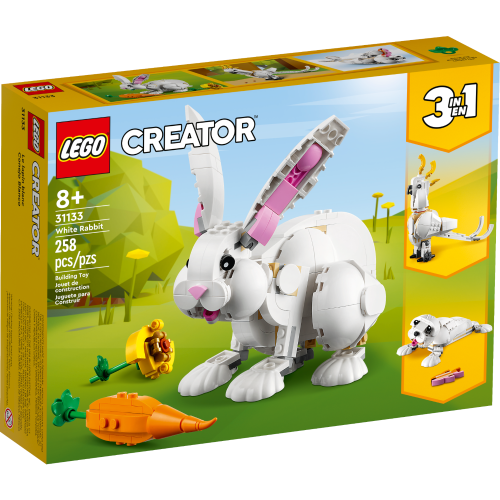 Your price for this item is $38.53
 -
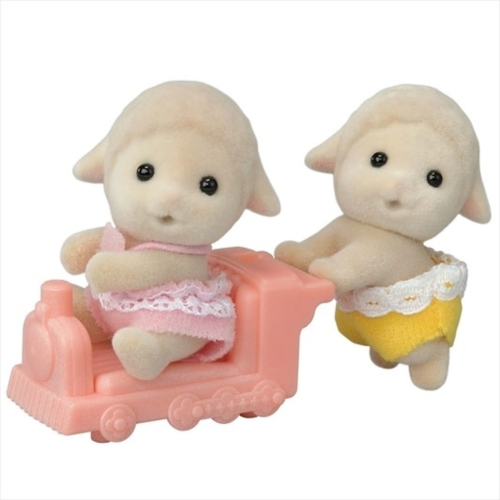 Your price for this item is $93.99
 -
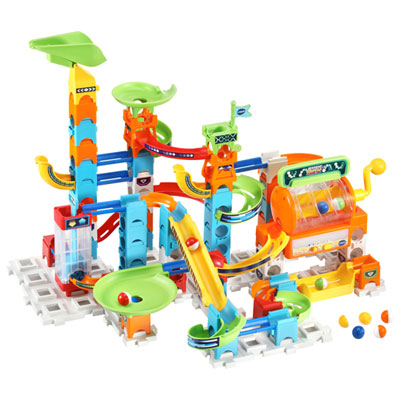 Your price for this item is $59.99
 -
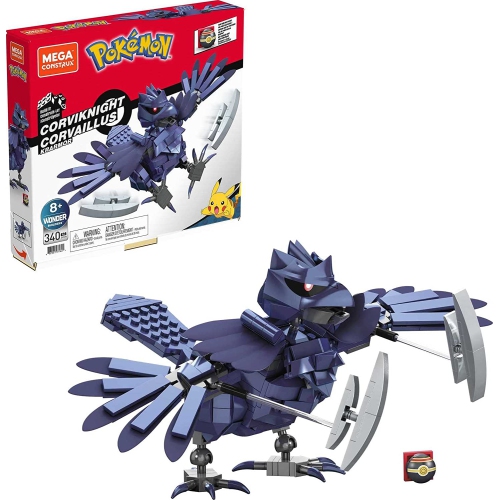 Your price for this item is $51
 -
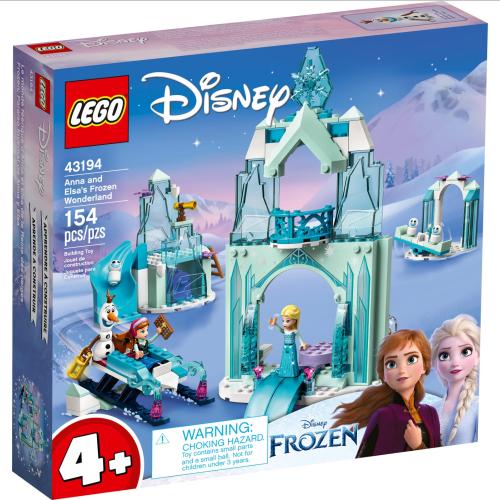 Your price for this item is $108.48
 -
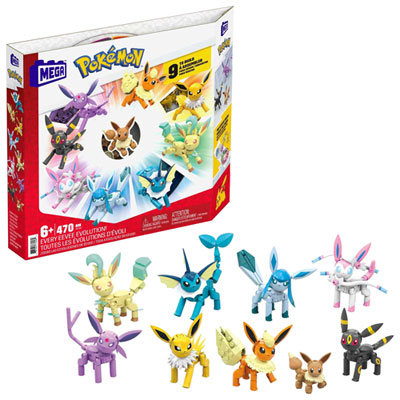 Your price for this item is $82.99
 -
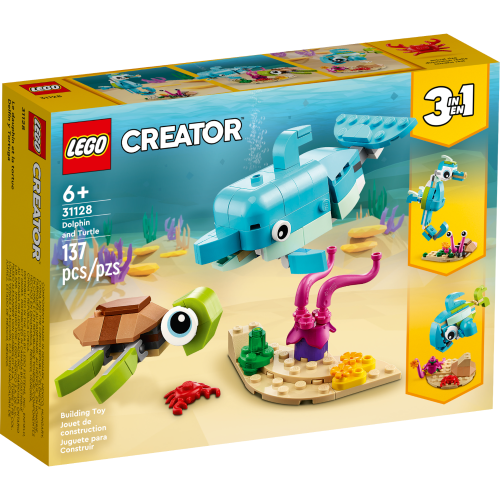 Your price for this item is $55.78
 -
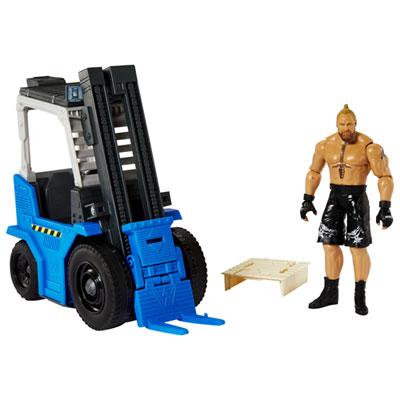 Your price for this item is $44.99
Discover more categories related to Stem Building Toys
Top Collections:
Pokemon Centers, Budget 4K TVs, Kindle Devices, Canon G7X Cameras, Apple iPhones 16, iPhone 15 Apple, Laptops for Business Work, Flip Phones, Xiaomi Phones, Refurbished Apple Laptops
Some products may be subject to Environmental Handling Fees
(EHF) depending on your province.
Learn more about EHFs.