Stem Robotics Kits
Looking to inspire the next generation of innovators? Look no further than our collection of stem robotics kits. These kits are designed to engage young minds in the exciting world of science, technology, engineering, and math. With hands-on building and coding activities, kids can explore the fundamentals of robotics while developing critical thinking skills and creativity. Whether your child is a beginner or an advanced learner, stem robotics kits offer a range of options to suit every level of interest and expertise.
Sort
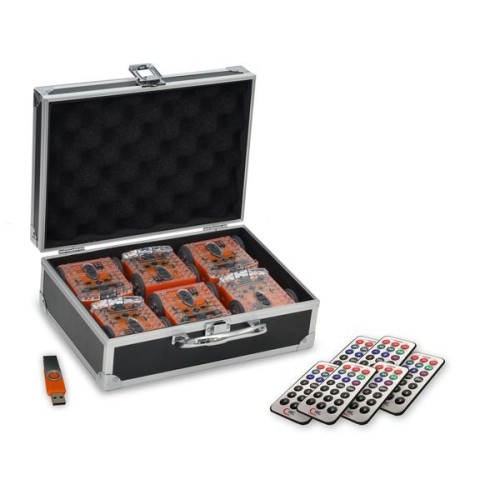
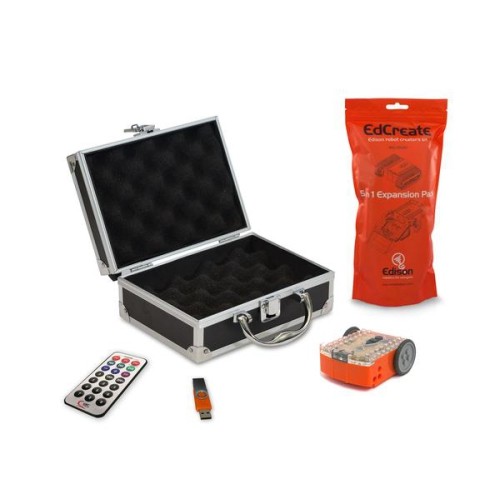
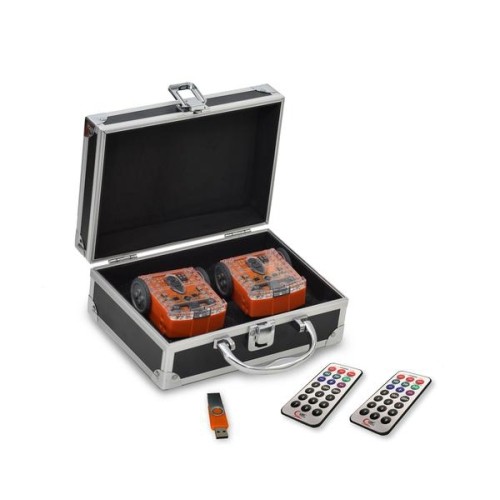
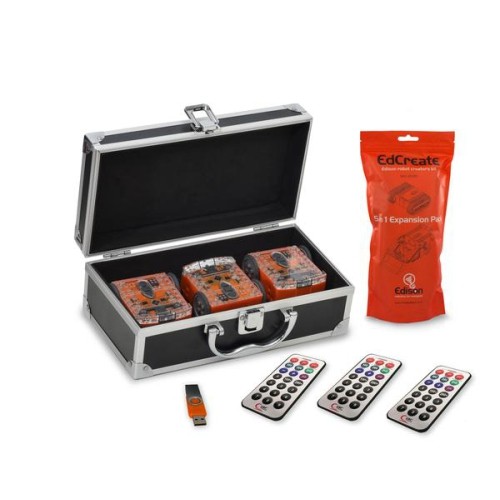

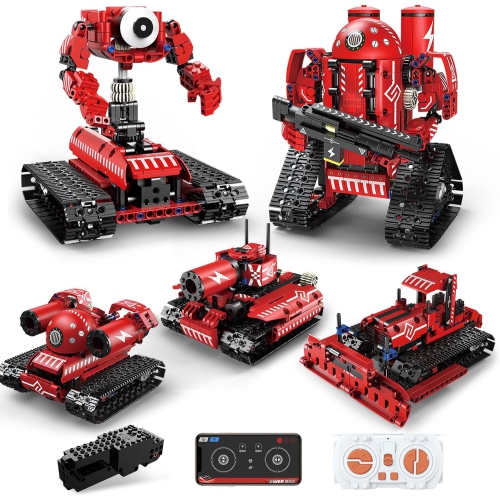
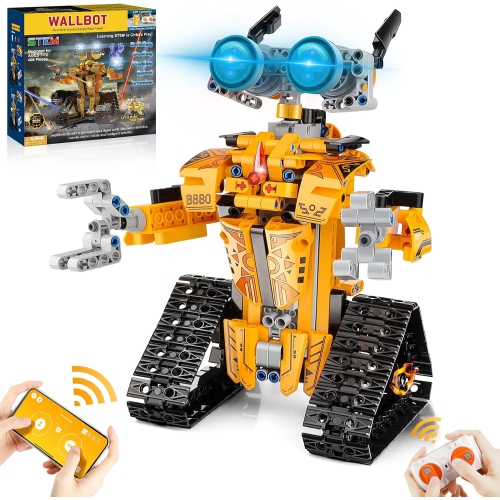
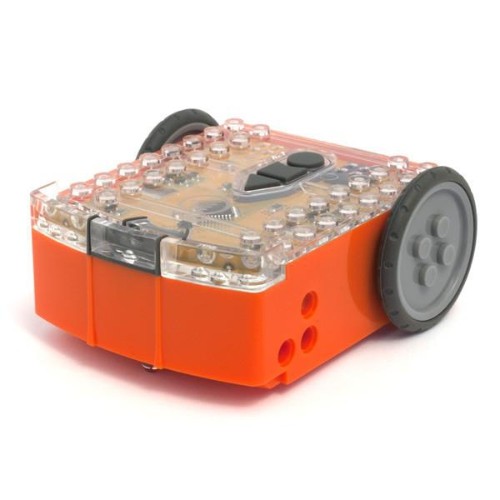
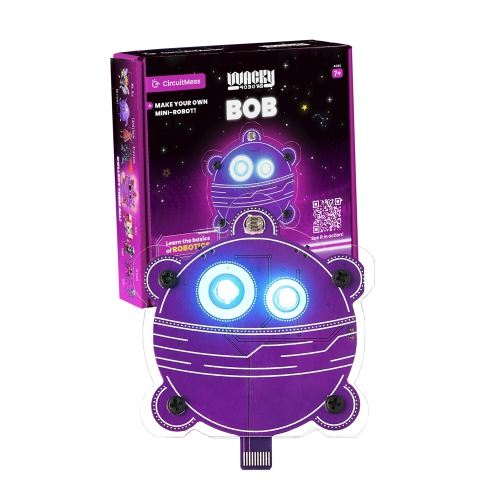
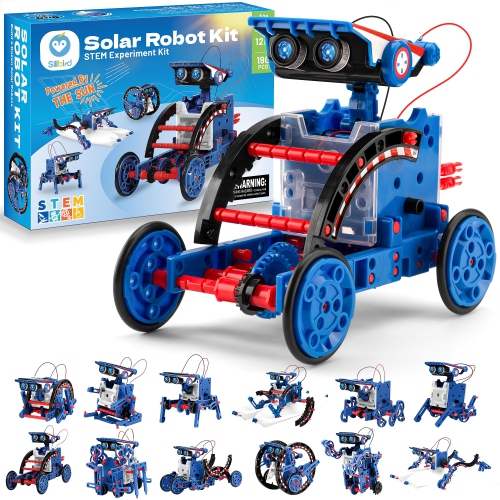
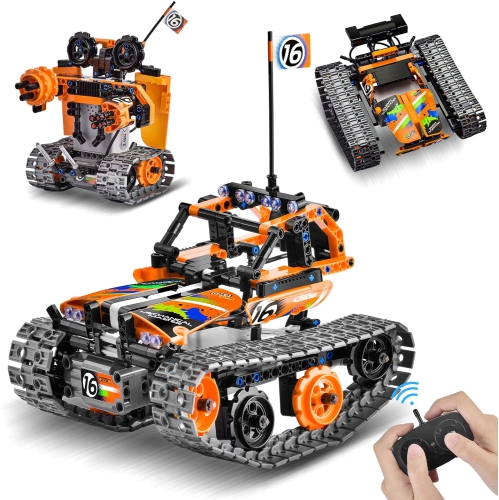
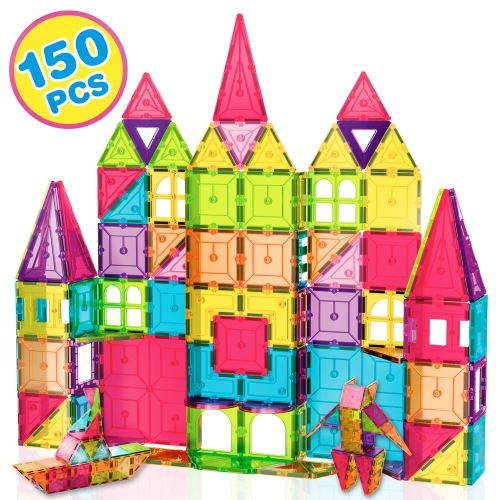
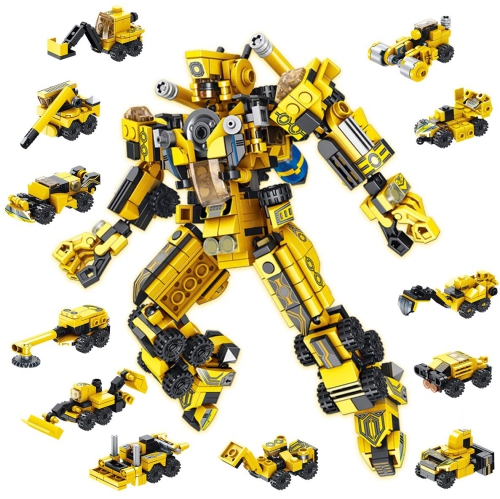

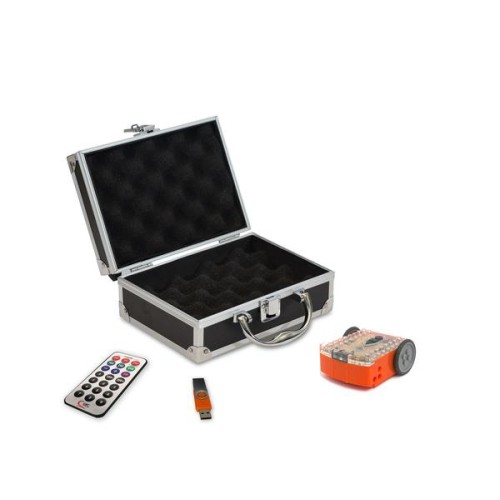
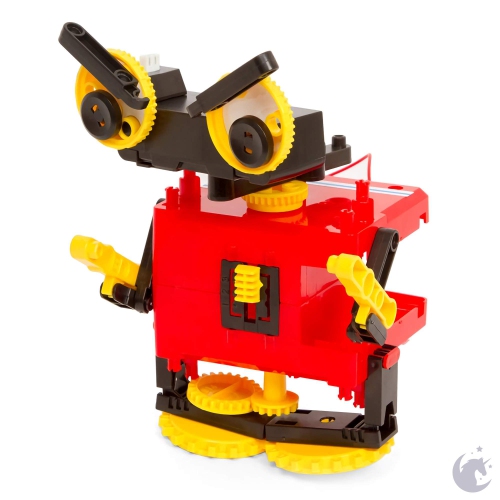
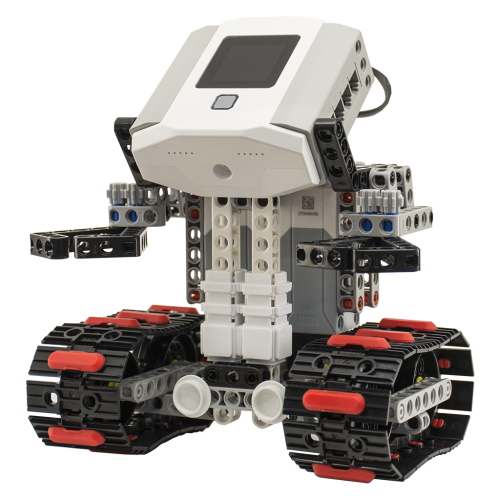
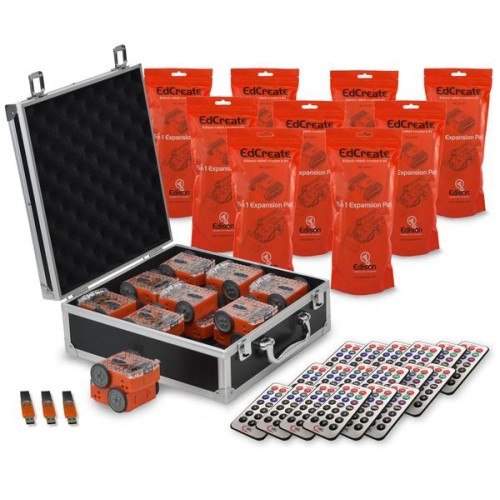
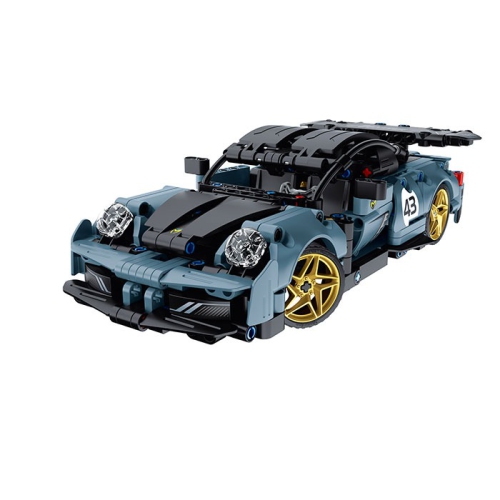
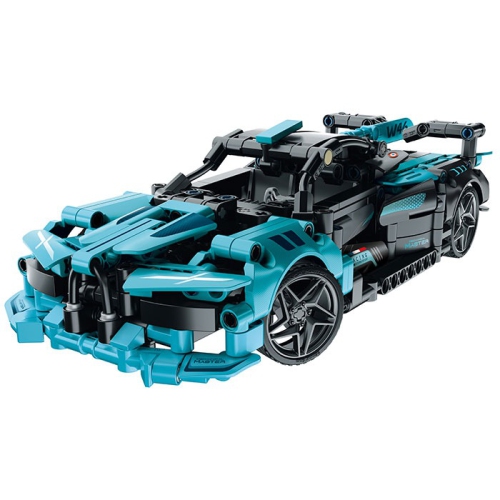

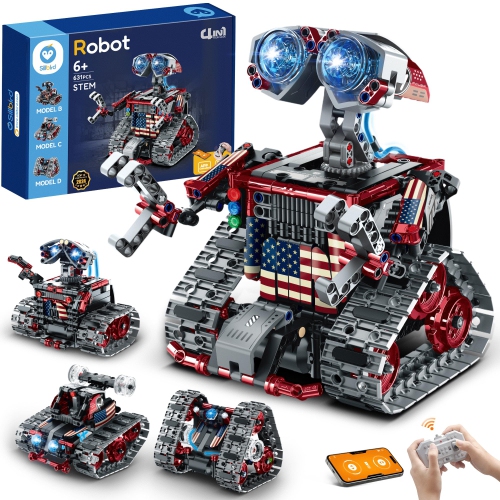
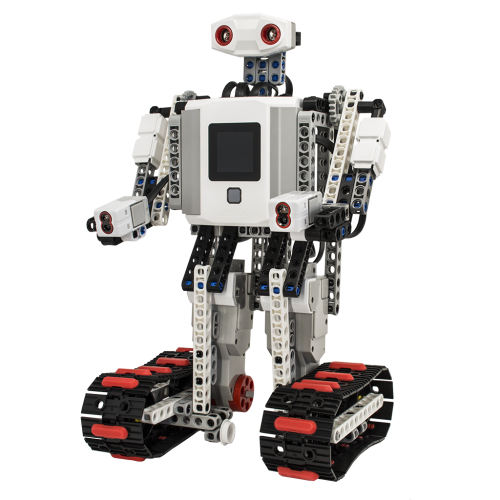

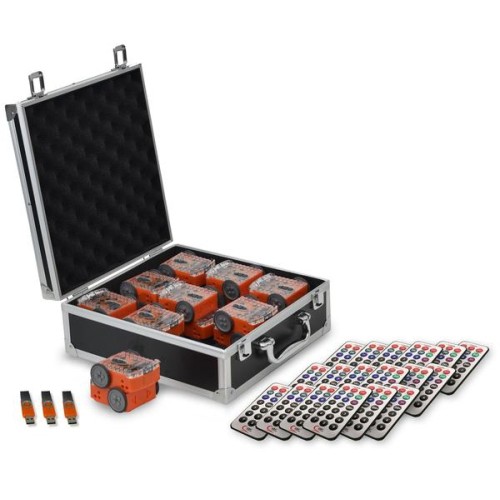
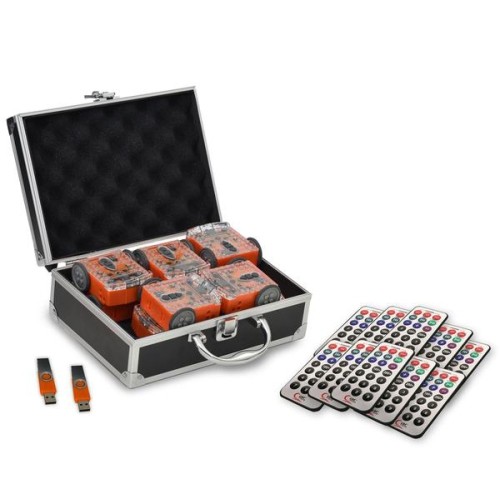
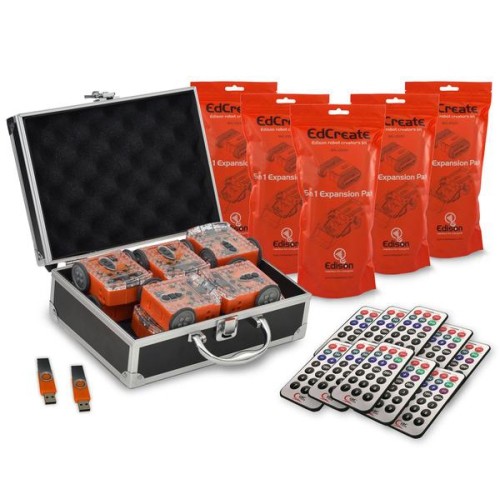
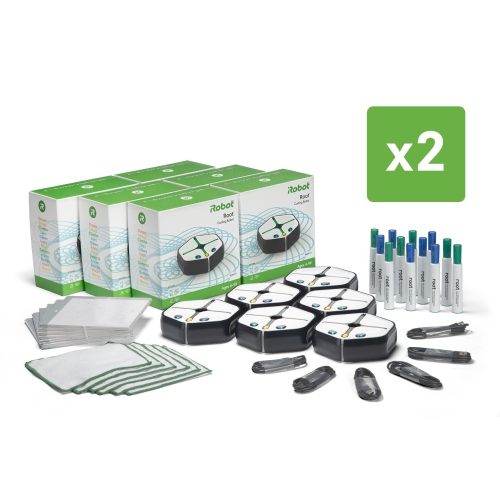
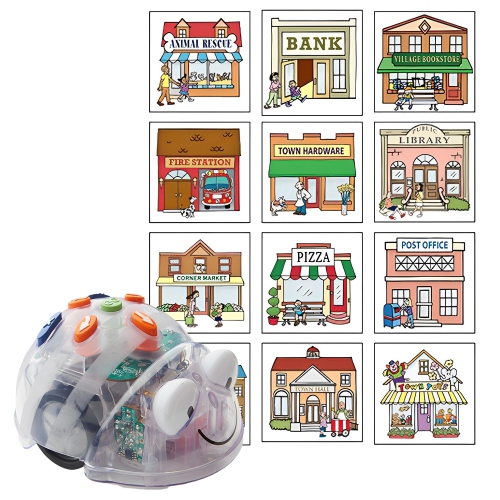

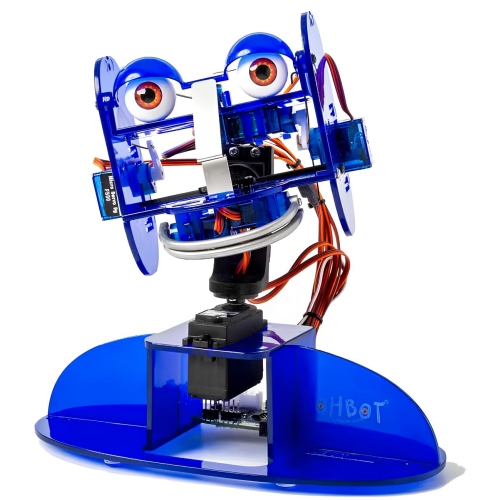
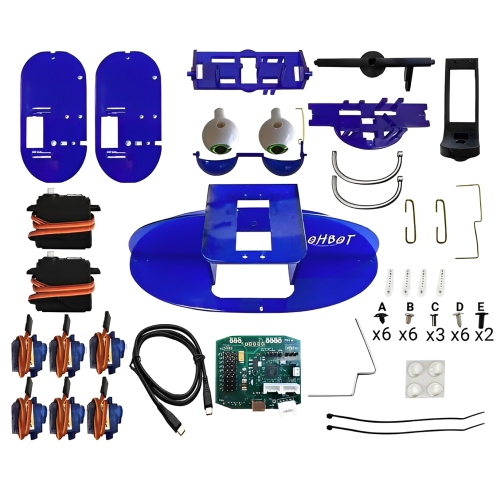
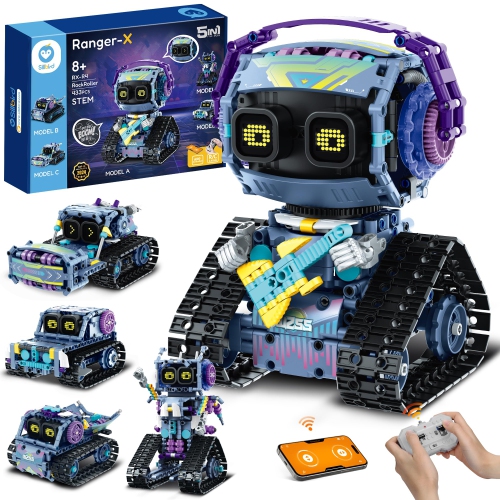
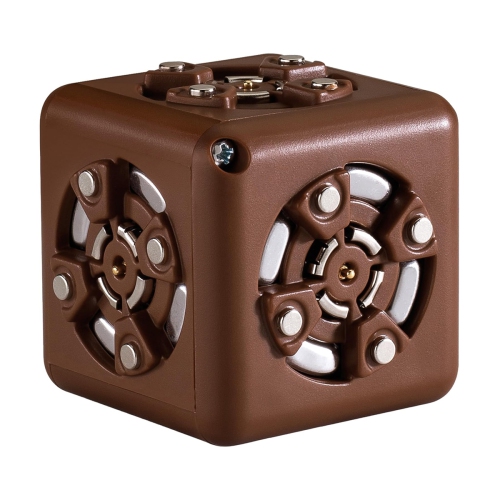
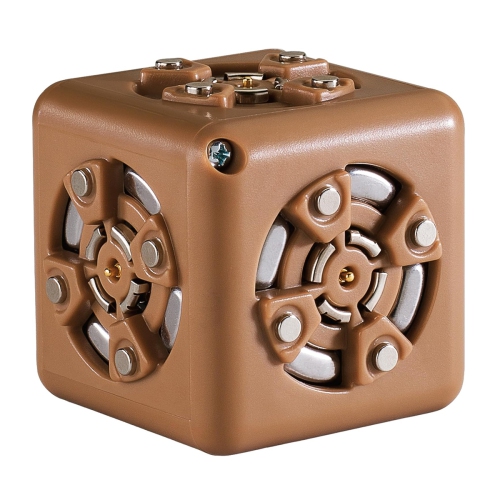
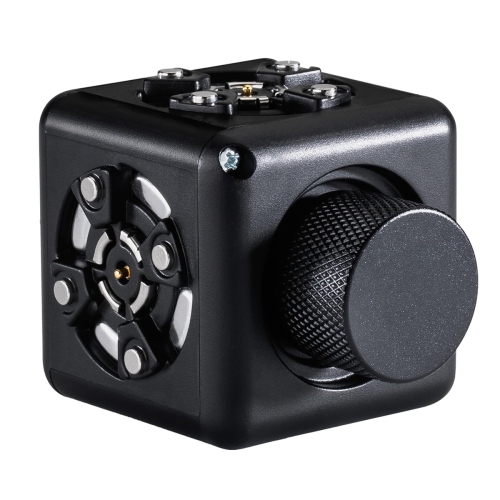
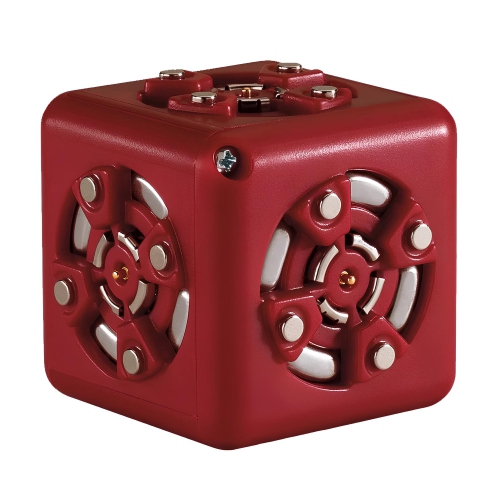
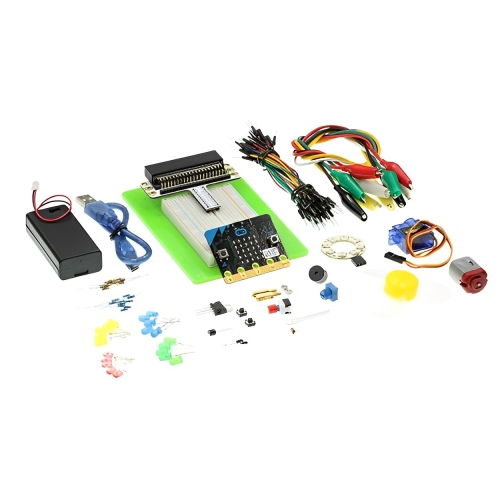
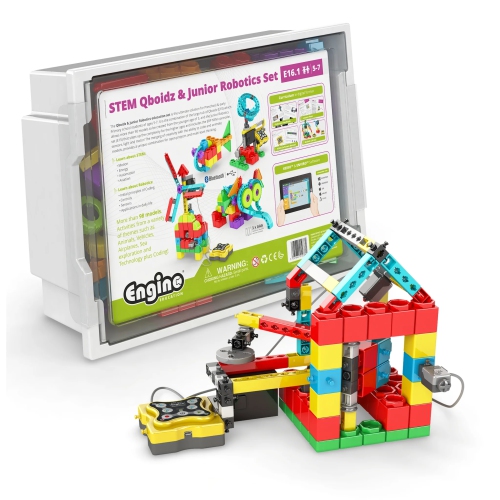
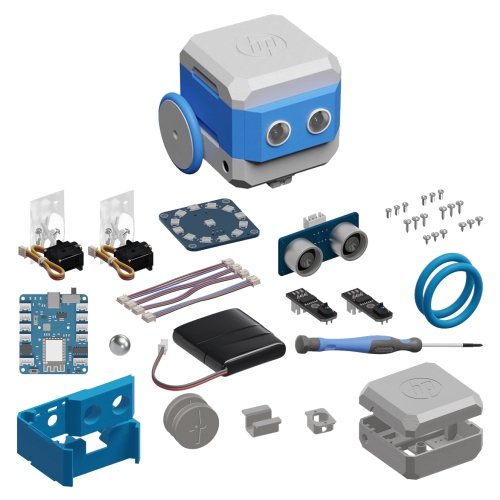
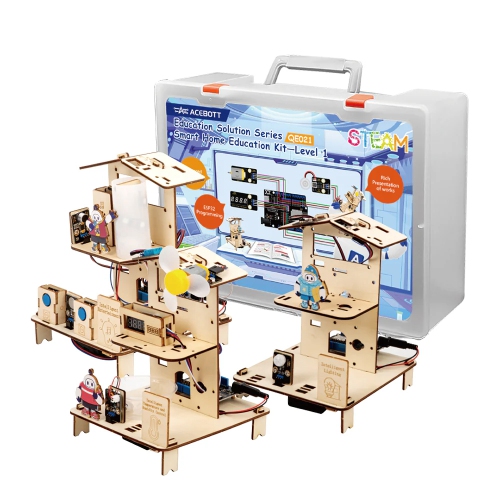
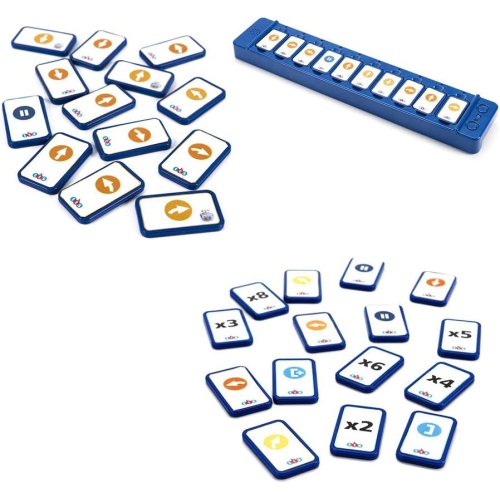
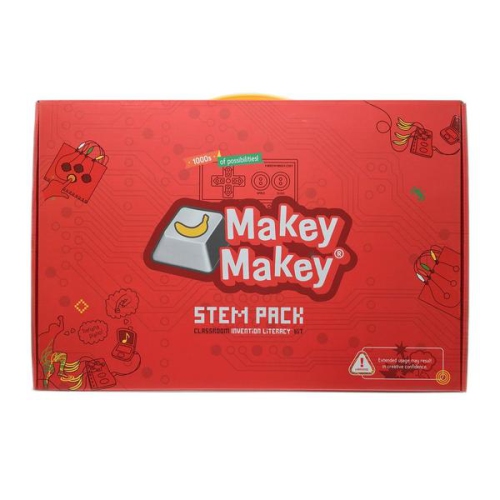

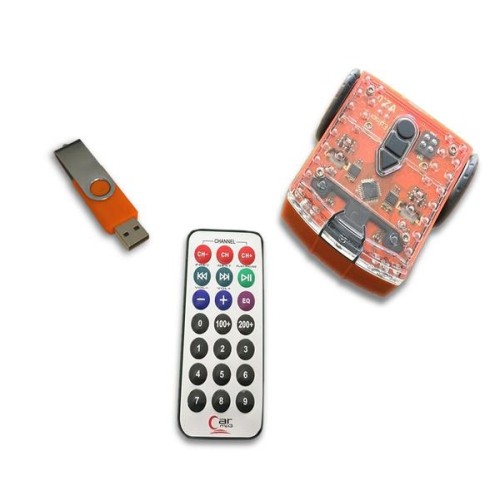
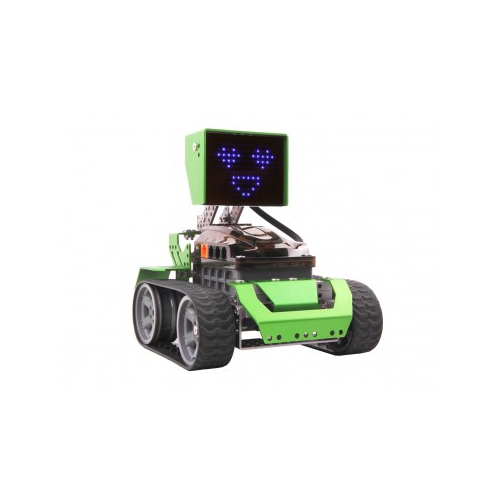
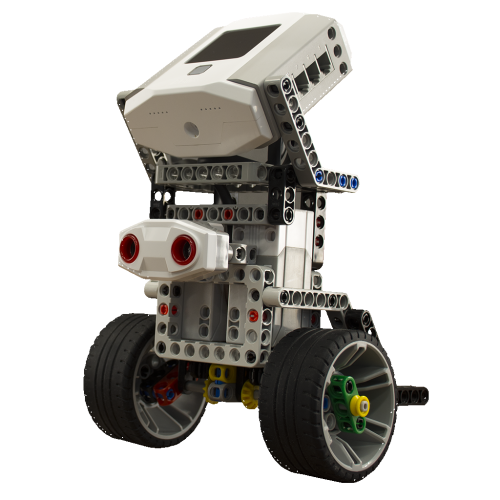
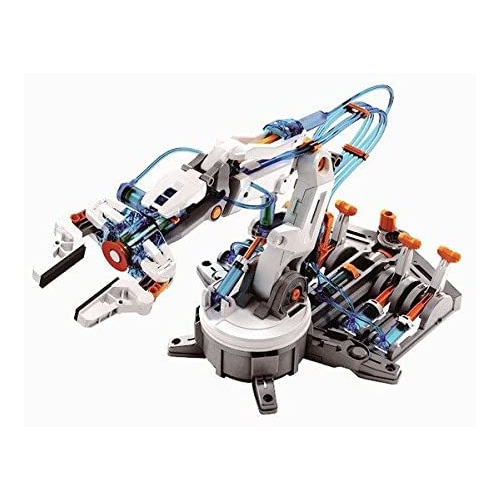
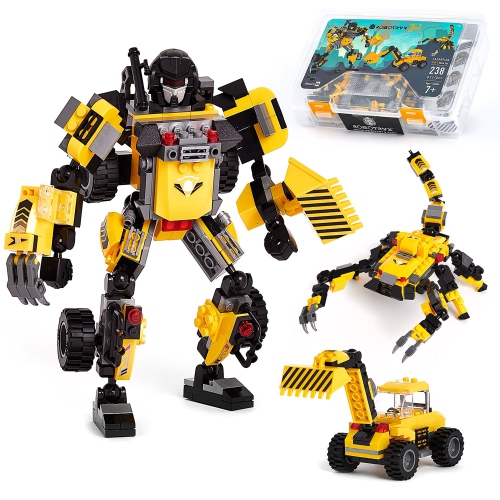
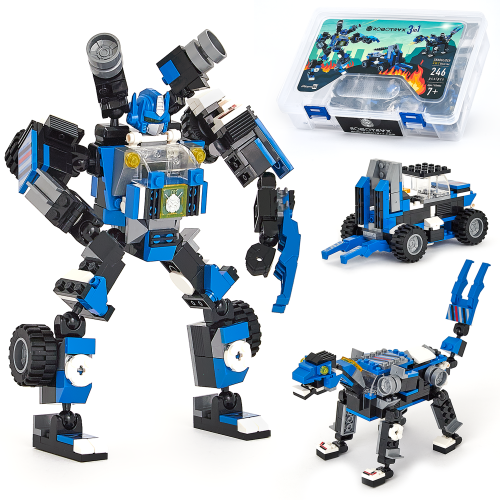
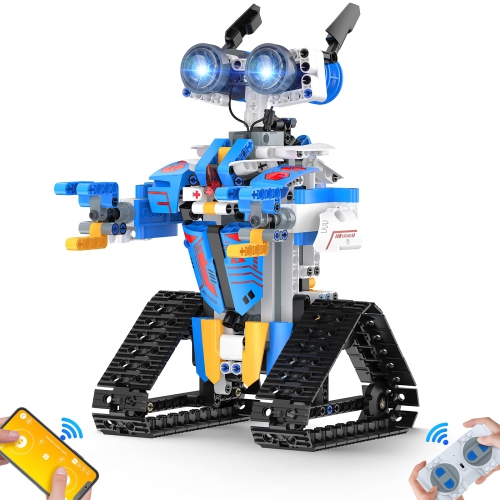

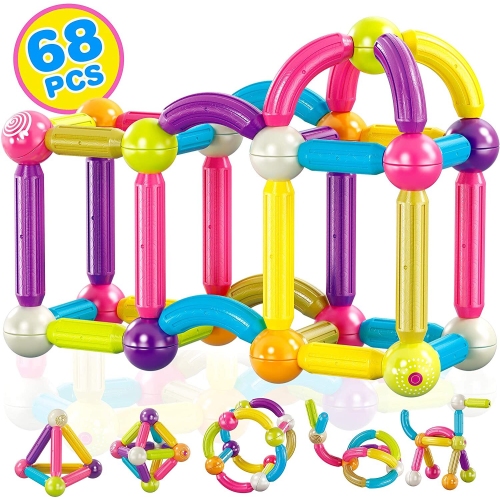
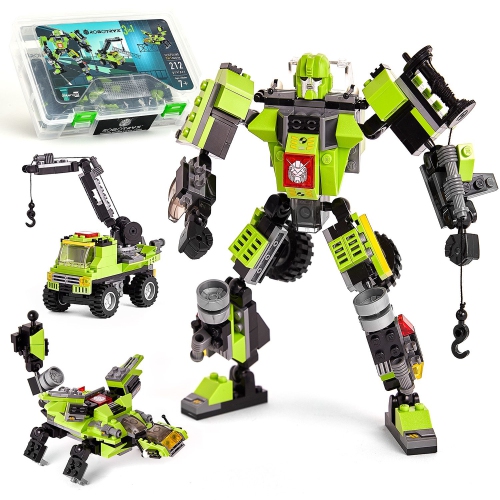
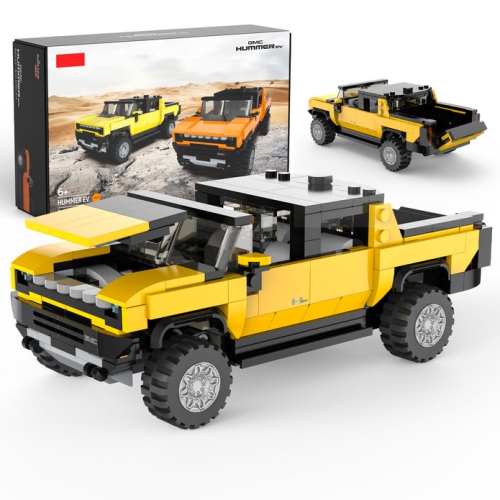
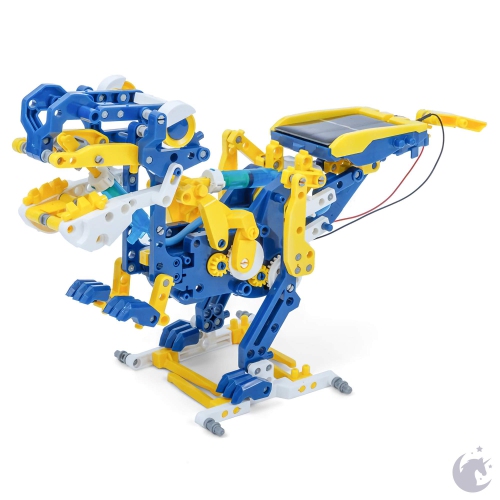
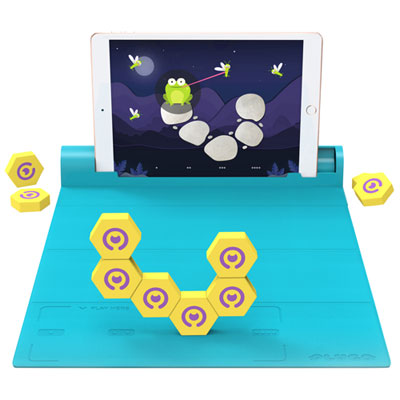
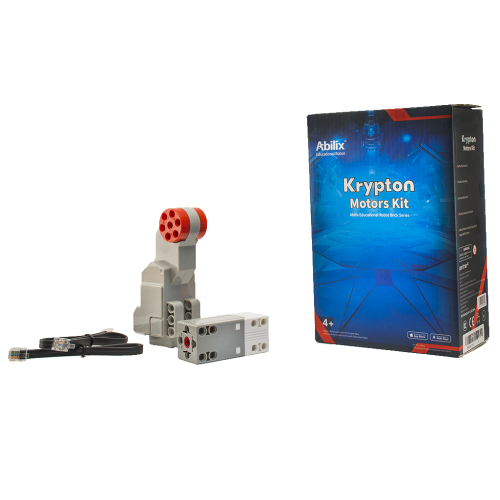
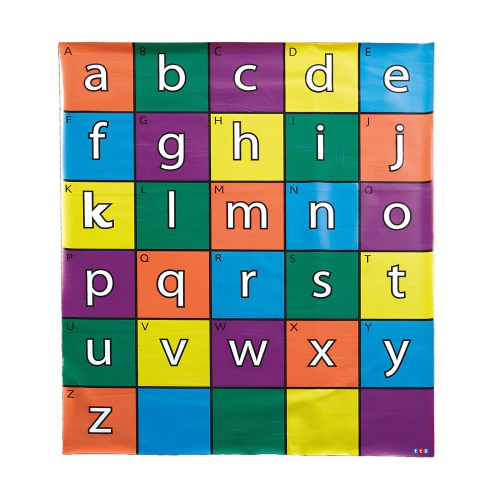
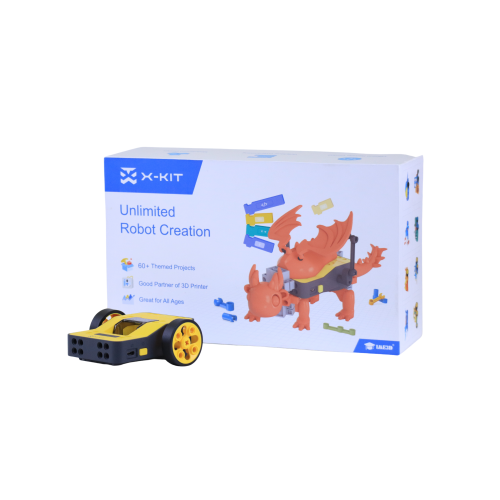
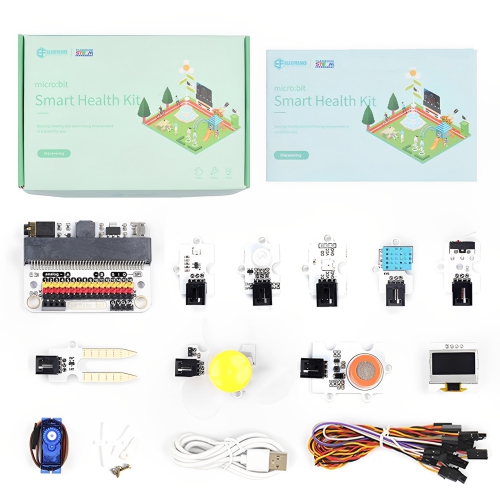
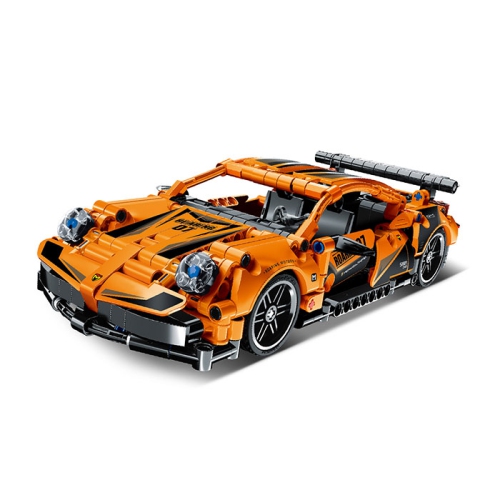
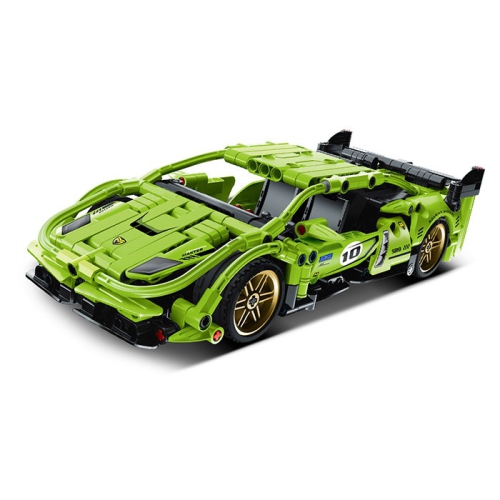

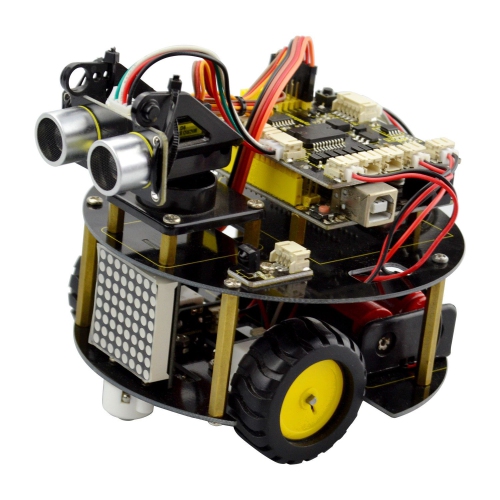
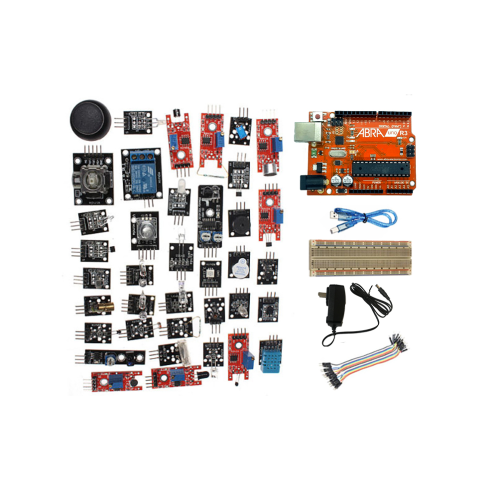
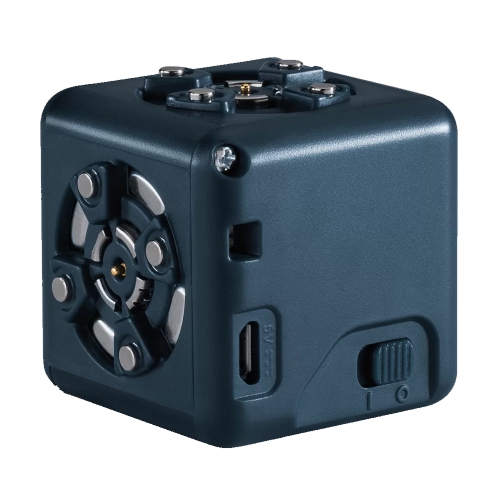
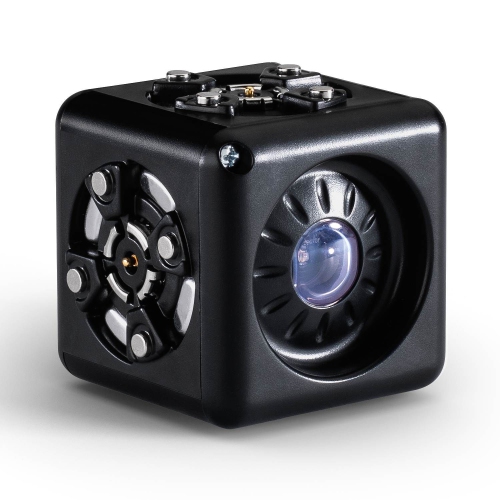
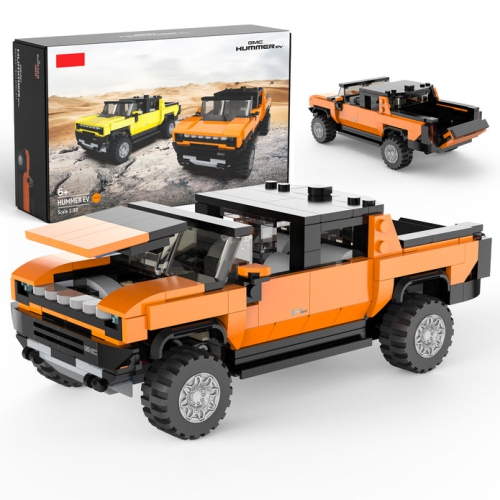
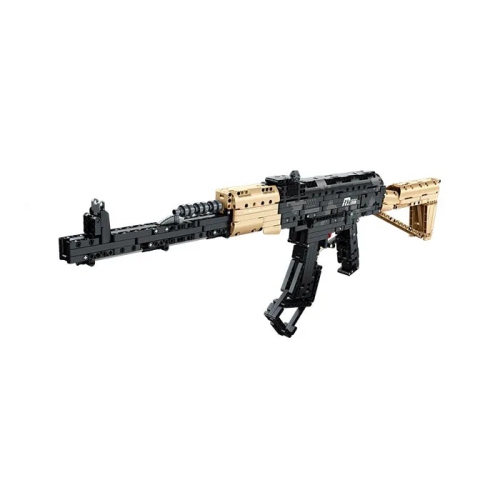
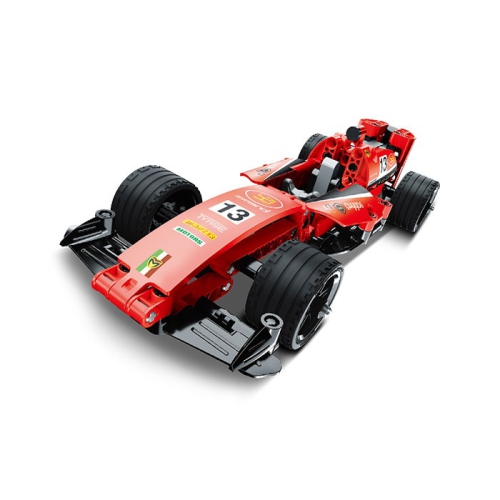
Hands-on projects that turn coding into working machines
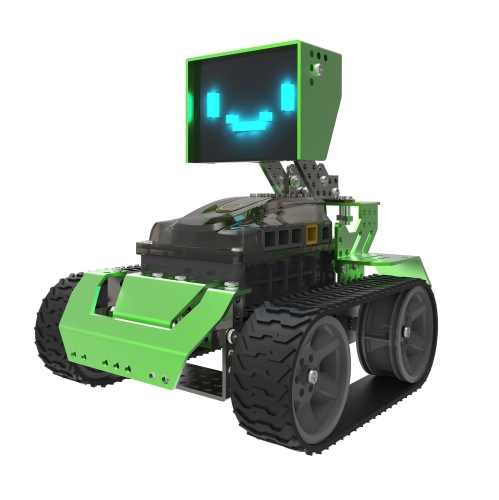
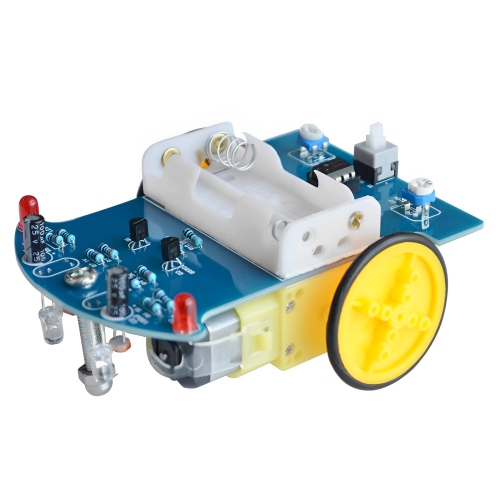
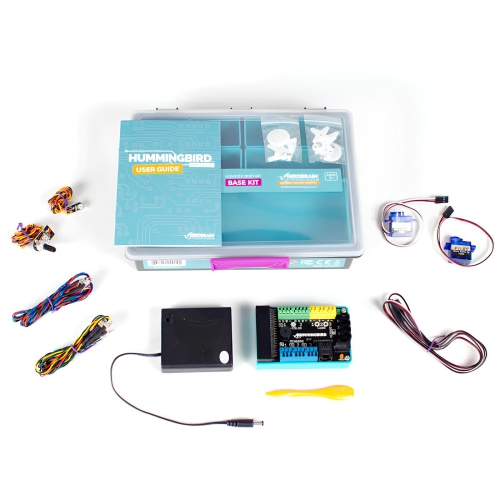
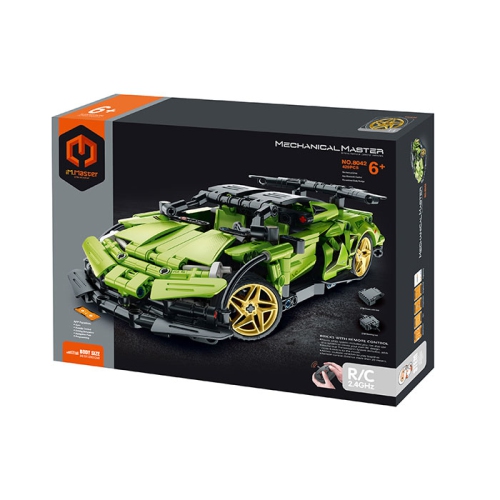
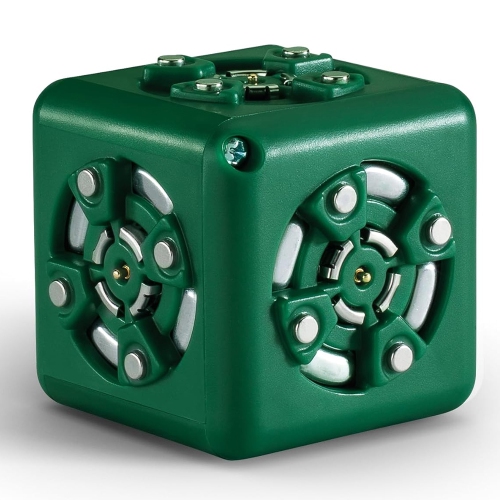
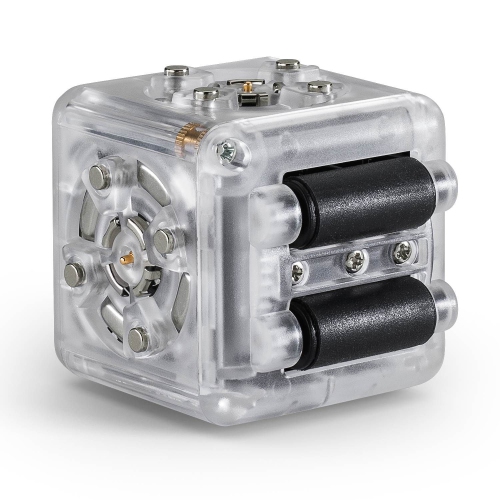
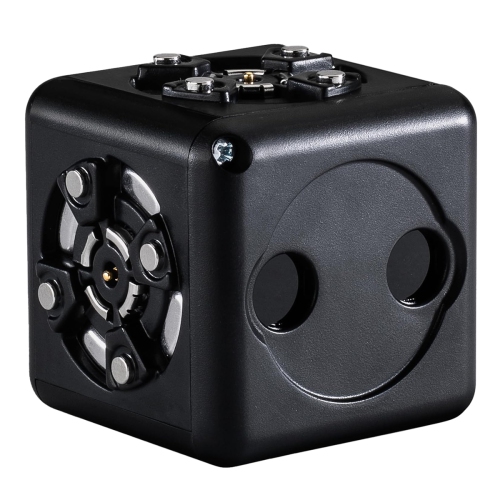
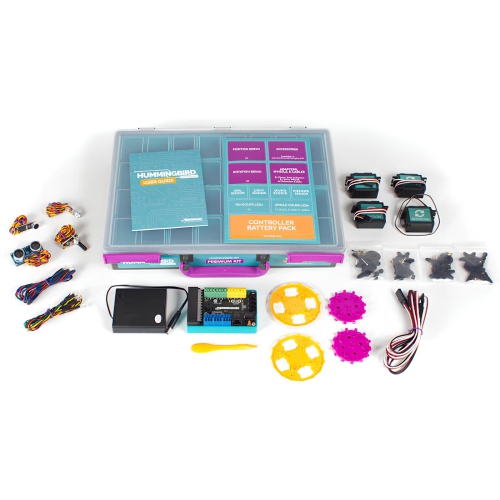
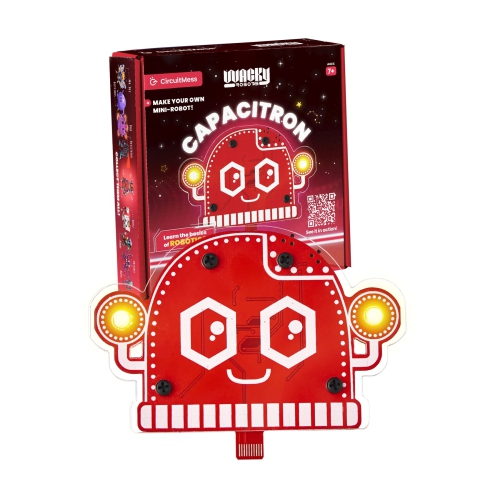
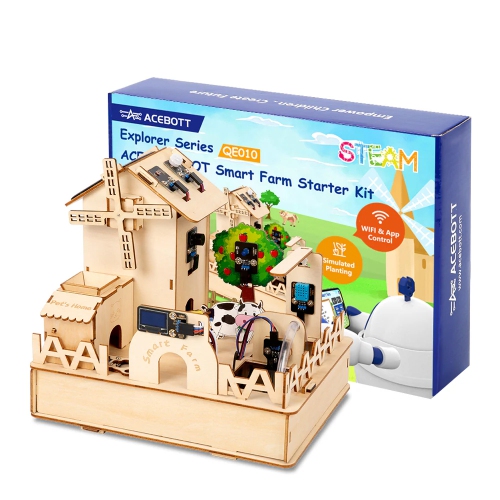
STEM robotics kits bring science, technology, engineering and math to life through hands-on building, programming and problem-solving. Instead of learning about sensors, motors and logic only through a screen or textbook, learners can assemble a working machine, test what it does and make changes based on the results. A typical kit may include structural pieces, wheels or moving joints, a control board, motors, lights, distance sensors and other electronic components, along with instructions or project ideas. Some sets are designed for children who are completely new to robotics, while others suit learners who are ready to explore more advanced coding and mechanical design. The best choice depends on the builder’s age, patience, reading ability and previous experience. For a first project, block-based programming can be an approachable starting point because commands are arranged visually, making it easier to understand sequences, loops, conditions and cause-and-effect relationships. As confidence grows, many learners can move toward text-based coding and begin working with variables, functions and more precise control. Families comparing robotics kits may also want to consider the recommended age range, the complexity of the assembly process, the number of guided projects, the type of power source and whether additional tools or batteries are required. Kits with colour-coded pieces and clear, illustrated instructions can help younger builders get started independently, while open-ended systems offer more room for older children, teens and adult learners to design their own creations. A robotics kit can be a thoughtful gift for a child who enjoys taking things apart, building with construction toys, playing logic games or asking how machines work, and it can also be a rewarding choice for a family activity during the cooler months, when a project at the kitchen table can lead to an afternoon of experimentation.
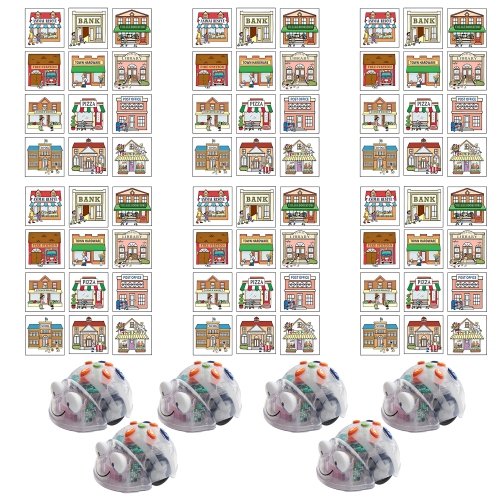
When selecting STEM robotics kits for kids, think about the kind of learning experience you want to encourage. A beginner-friendly set with a small number of components and step-by-step challenges may be the right fit for an elementary-school learner who wants to see a robot move quickly and build confidence through short successes. A more extensive kit with multiple sensors, articulated parts or several construction options may appeal to an older student who is comfortable reading detailed instructions and troubleshooting unexpected results. Some robotics systems focus on vehicles that can follow a line, avoid obstacles or respond to light and sound. Others introduce robotic arms, walking mechanisms, sorting machines or programmable creatures. Each style highlights different skills: a wheeled design can demonstrate speed, direction and friction; a gripper can introduce leverage and precision; and a sensor-based project can show how a machine gathers information from its surroundings before responding. Compatibility is another useful consideration. Learners who already enjoy modular building systems may appreciate a kit that works with familiar construction pieces, while those interested in electronics may prefer access to breadboard-style connections, expandable ports or programmable control boards. It is also helpful to check whether the coding platform works on the family’s computer or tablet and whether lessons are available in a format the learner can follow comfortably. A kit that is technically capable but too difficult to assemble may spend more time in a cupboard than on a work surface, so matching the challenge level to the intended user is important. For additional hands-on learning ideas across science, technology, engineering and math, explore STEM Kits for Kids.
Robotics projects often become more engaging when learners are encouraged to treat mistakes as part of the build rather than as signs that something has gone wrong permanently. A motor that turns in the wrong direction, a sensor that reacts too soon or a program that repeats unexpectedly can provide a clear opportunity to inspect the connections, adjust the code and test one change at a time. Adults can support the process by helping children read the instructions, organize small pieces and talk through what they expect the robot to do before pressing the start button. Younger builders may enjoy working alongside a parent, grandparent, teacher or older sibling, while independent learners may prefer a kit that lets them experiment at their own pace. Robotics kits can also support classroom clubs, library activities, coding groups and family learning sessions because several people can contribute different strengths: one person can plan the structure, another can connect the electronics and another can create the program. For gift-giving, consider the recipient’s interests as well as their skill level. A child fascinated by vehicles may enjoy a mobile robot, while a learner who likes puzzles may prefer projects built around sensors and decision-making. Teens and adult beginners may look for a more durable system with room to develop programming and engineering skills over time. Keeping a clear workspace, sorting components into small containers and taking photos during assembly can make longer projects easier to manage. With the right balance of guidance and creative freedom, a robotics kit can turn a quiet indoor afternoon into a lively sequence of building, testing, discovering and improving, with each successful adjustment offering a tangible reminder that complex technology begins with small ideas and careful hands.
When selecting STEM robotics kits for kids, think about the kind of learning experience you want to encourage. A beginner-friendly set with a small number of components and step-by-step challenges may be the right fit for an elementary-school learner who wants to see a robot move quickly and build confidence through short successes. A more extensive kit with multiple sensors, articulated parts or several construction options may appeal to an older student who is comfortable reading detailed instructions and troubleshooting unexpected results. Some robotics systems focus on vehicles that can follow a line, avoid obstacles or respond to light and sound. Others introduce robotic arms, walking mechanisms, sorting machines or programmable creatures. Each style highlights different skills: a wheeled design can demonstrate speed, direction and friction; a gripper can introduce leverage and precision; and a sensor-based project can show how a machine gathers information from its surroundings before responding. Compatibility is another useful consideration. Learners who already enjoy modular building systems may appreciate a kit that works with familiar construction pieces, while those interested in electronics may prefer access to breadboard-style connections, expandable ports or programmable control boards. It is also helpful to check whether the coding platform works on the family’s computer or tablet and whether lessons are available in a format the learner can follow comfortably. A kit that is technically capable but too difficult to assemble may spend more time in a cupboard than on a work surface, so matching the challenge level to the intended user is important. For additional hands-on learning ideas across science, technology, engineering and math, explore STEM Kits for Kids.
Robotics projects often become more engaging when learners are encouraged to treat mistakes as part of the build rather than as signs that something has gone wrong permanently. A motor that turns in the wrong direction, a sensor that reacts too soon or a program that repeats unexpectedly can provide a clear opportunity to inspect the connections, adjust the code and test one change at a time. Adults can support the process by helping children read the instructions, organize small pieces and talk through what they expect the robot to do before pressing the start button. Younger builders may enjoy working alongside a parent, grandparent, teacher or older sibling, while independent learners may prefer a kit that lets them experiment at their own pace. Robotics kits can also support classroom clubs, library activities, coding groups and family learning sessions because several people can contribute different strengths: one person can plan the structure, another can connect the electronics and another can create the program. For gift-giving, consider the recipient’s interests as well as their skill level. A child fascinated by vehicles may enjoy a mobile robot, while a learner who likes puzzles may prefer projects built around sensors and decision-making. Teens and adult beginners may look for a more durable system with room to develop programming and engineering skills over time. Keeping a clear workspace, sorting components into small containers and taking photos during assembly can make longer projects easier to manage. With the right balance of guidance and creative freedom, a robotics kit can turn a quiet indoor afternoon into a lively sequence of building, testing, discovering and improving, with each successful adjustment offering a tangible reminder that complex technology begins with small ideas and careful hands.
Top selling and popular products
-
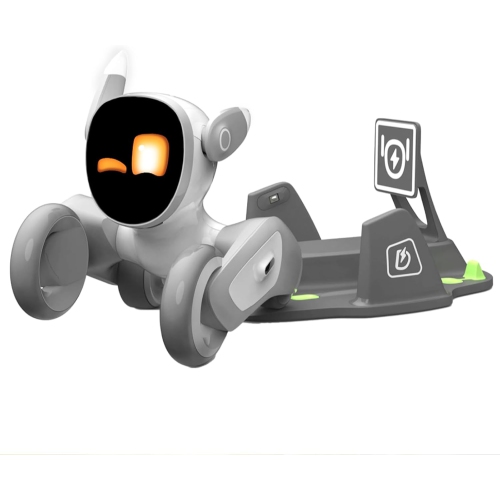 Your price for this item is $699.99
 -
 Your price for this item is $199.99
 -
 Your price for this item is $75.99
 -
 Your price for this item is $39.99
 -
 Your price for this item is $55.95
 -
 Your price for this item is $39.99
 -
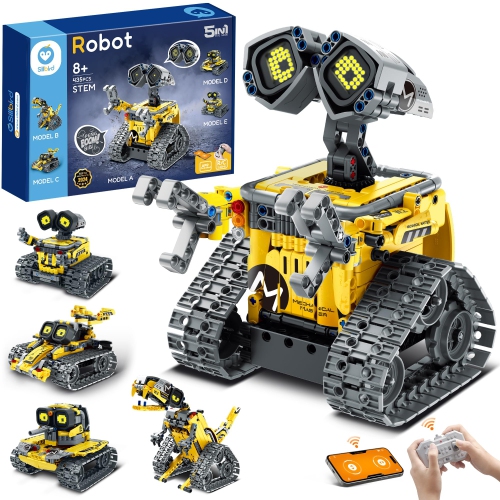 Your price for this item is $116.96
 -
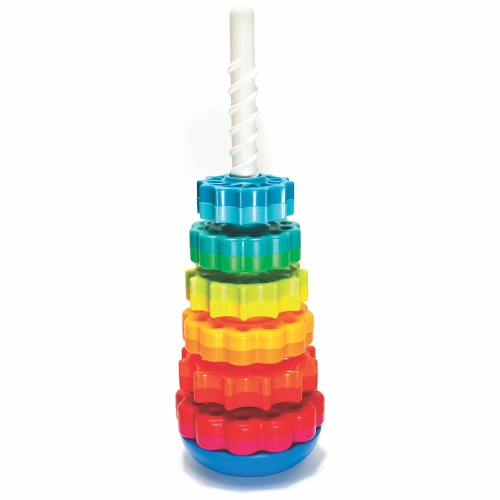 Your price for this item is $52.17
Discover more categories related to Stem Robotics Kits
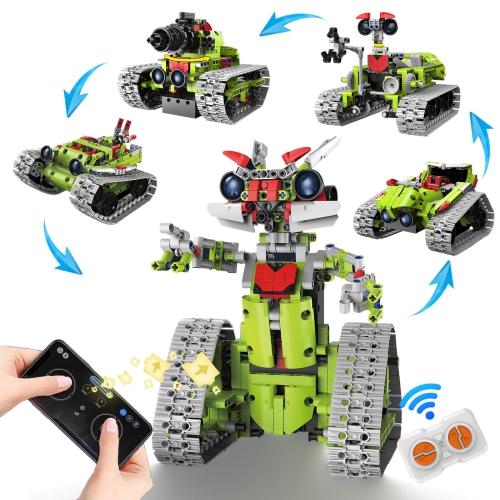
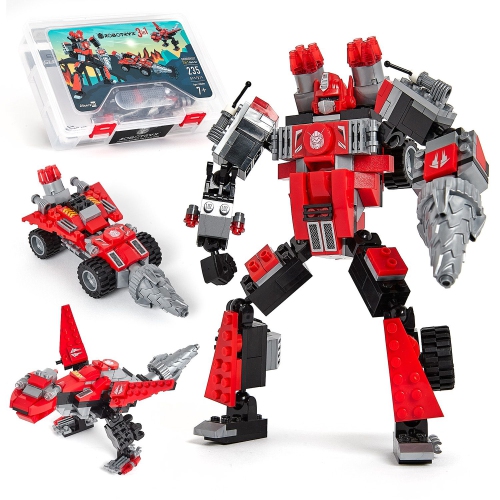

Top Collections:
Pokemon Centers, Budget 4K TVs, Kindle Devices, Canon G7X Cameras, Apple iPhones 16, iPhone 15 Apple, Laptops for Business Work, Flip Phones, Xiaomi Phones, Refurbished Apple Laptops
Some products may be subject to Environmental Handling Fees
(EHF) depending on your province.
Learn more about EHFs.