Stress Relief Toys For Students And Classrooms
Stress relief toys for students and classrooms are designed to help promote calm and support focus during the school day. These toys offer a variety of options that can be used at desks, in group activities, or as part of classroom routines. Whether you’re looking to add engaging tools to your learning space or seeking ways to help students manage stress, explore a wide selection of stress relief toys for students and classrooms that fit different needs and preferences.
Sort
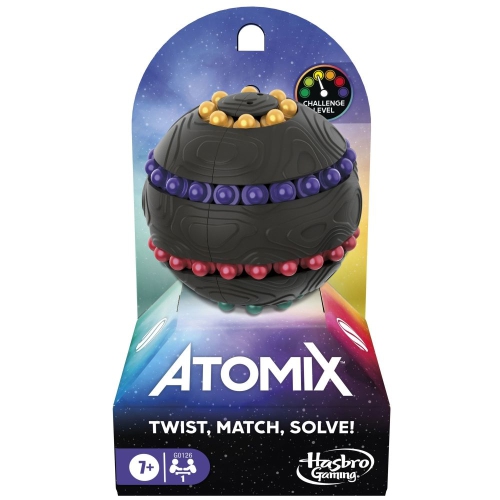
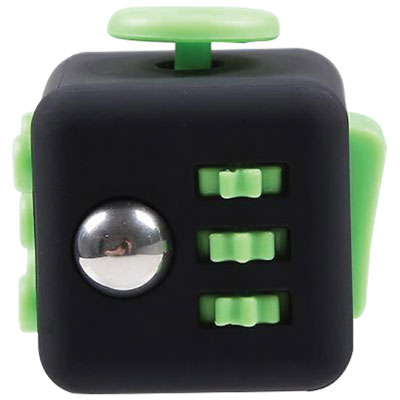
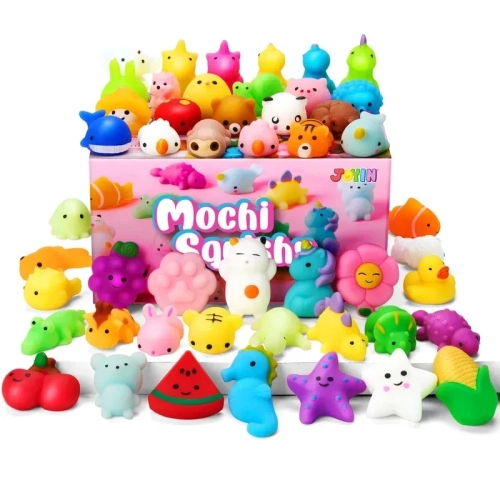


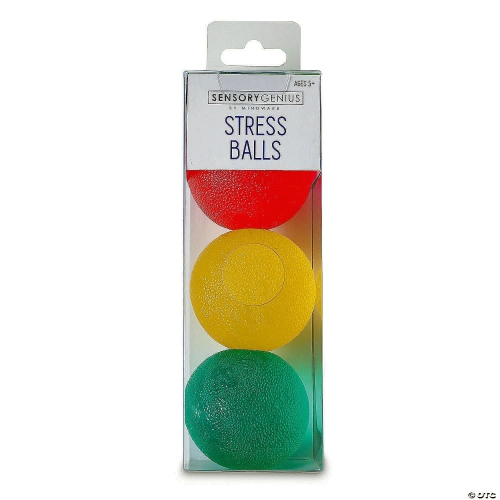

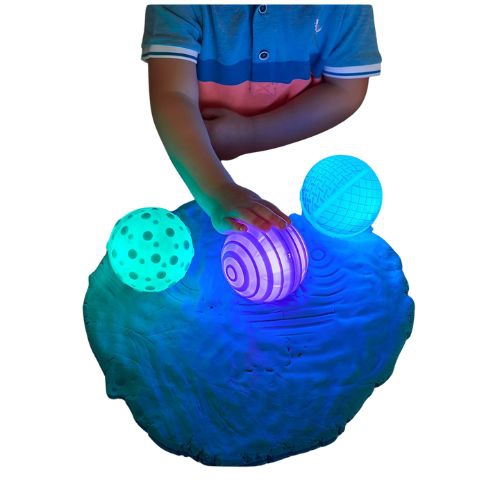
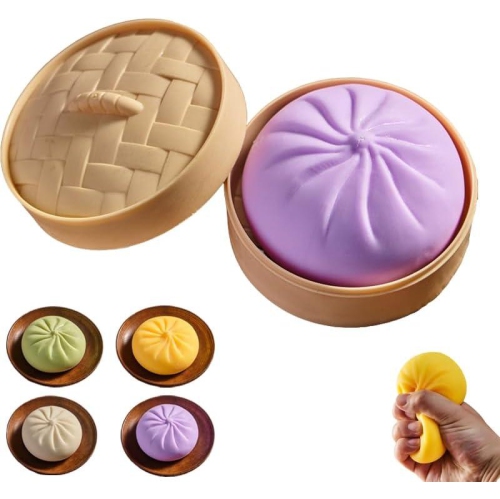
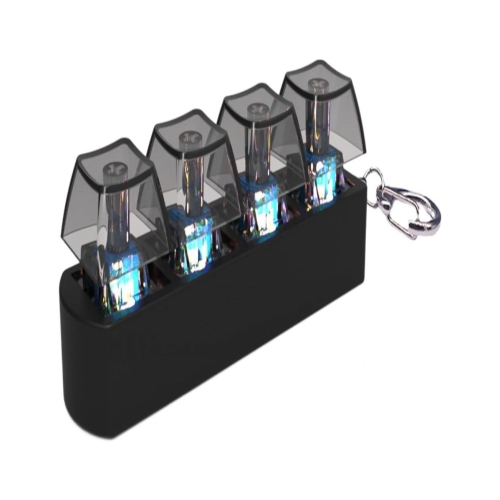

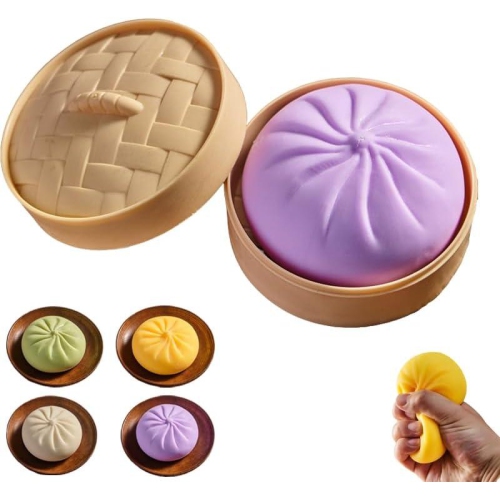


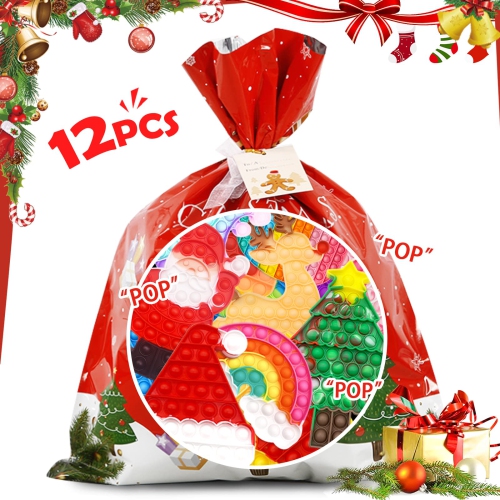
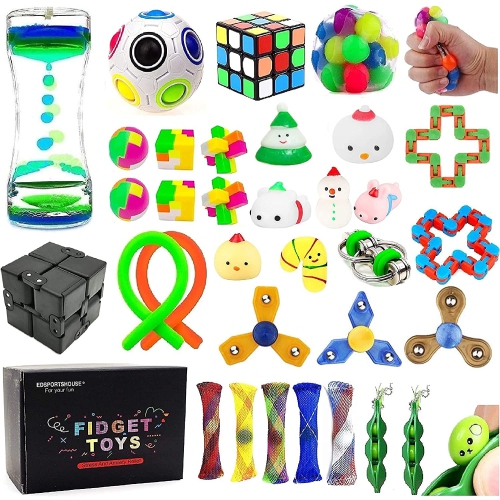

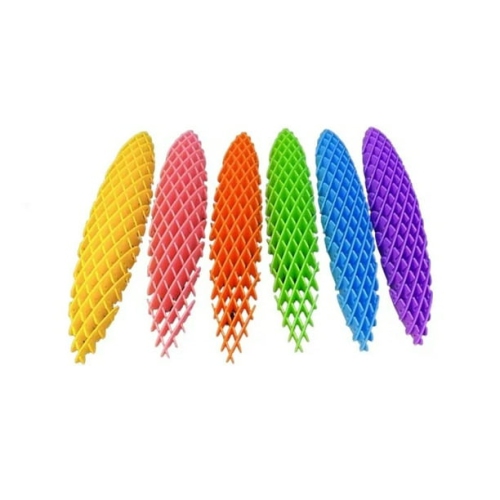

A quiet outlet for busy hands during learning
Stress relief toys for students and classrooms give busy hands a simple, tactile activity during learning, study breaks, and everyday transitions. Squeezing, stretching, rolling, or tracing a textured surface can provide a quiet outlet for restless movement and may help some students settle into a task. Their value depends on the student, the activity, and the classroom rules: a soft squeeze held in one hand may be unobtrusive during listening time, while an audible click or a bright moving feature can draw attention away from a lesson. For shared learning spaces, useful qualities often include low noise, manageable size, comfortable resistance, and movement that is easy to control. A student listening to instructions might prefer a smooth shape held in one hand; another taking a brief pause between assignments might enjoy a more textured surface or a gentle stretching motion. Neither preference is a measure of how well a student is concentrating. The purpose is to offer a manageable hands-on outlet without making participation, writing, or communication harder. These tools can be relevant to elementary pupils, secondary students, and older learners who prefer a small tactile object at a desk. They may also have a place in a supervised calming area, where a short pause can include slow breathing, a comfortable seat, and a return to the next activity when the student is ready. Responses vary, so a toy that feels reassuring to one learner may feel distracting or unpleasant to another. Stress relief toys are not a treatment for anxiety or a substitute for learning supports, but they can be one part of a thoughtful routine. A good classroom match supports the task at hand: the student can still hear instructions, keep track of materials, and rejoin group work without the toy becoming the main event.
Materials and construction shape both the feel of a stress relief toy and how it holds up to repeated handling. Silicone and rubber designs can offer flexible resistance, foam can provide a softer compressing motion, and fabric-covered options bring a different surface feel against the fingers. The material name alone does not establish softness, strength, or suitability; age guidance, construction details, and care directions matter too. Raised bumps, ridges, and grooves offer distinct sensations, while a smooth finish may suit students who dislike pronounced textures. Fit is about more than whether a toy fits inside a pencil case. A comfortable size rests securely in the hand without requiring a tight grip, and an appropriate resistance allows repeated movement without discomfort or fatigue. Younger students may need larger, simpler shapes, but the stated age range and small-parts warnings remain essential. Detachable pieces, loose fillings, long cords, and damaged seams require particular attention, especially where younger children may have access to shared supplies. Toys intended for hand use should not be treated as suitable for chewing. For frequent classroom use, sturdy joins, intact surfaces, and clear cleaning instructions are practical advantages. A daily trip between a backpack and a desk can expose a toy to crumbs, pencil shavings, and pressure from books, so a separate pouch can help keep it clean and prevent snagging. Care varies by material: some surfaces allow wiping, while porous fabrics, foam, and filled designs may need different handling. Following the manufacturer's directions helps avoid damage from soaking, heat, or unsuitable cleaners. Shared toys also need a consistent cleaning routine, with time to dry fully before returning to use. Individually assigned toys can simplify ownership and reduce swapping. Regular checks for splitting, leaking, exposed filling, or loose components help identify when a toy should be removed from use. Known material sensitivities are another reason to read composition information rather than judge suitability by appearance alone.
The way stress relief toys fit into a school day is just as important as their texture or shape. A quiet desk tool, a tactile activity for a scheduled break, and something used at home during revision can serve different purposes, even for the same student. Clear expectations make those differences easier to understand: a classroom may allow silent hand movements during listening activities but keep toys put away during practical work that requires both hands. In a reading corner, a soft tactile object may accompany a brief pause; during a group presentation, even a quiet toy may need to stay out of sight if its movement distracts others. Teachers, caregivers, and students can use these everyday observations to identify a comfortable role without assuming that longer use is always better. Straightforward storage also helps. A labelled pouch, a designated compartment, or a small personal container gives the toy a predictable home and keeps it from rolling across a shared table. Students organizing a pencil case or home study space can also explore Back To School Stress Relief Fidget Toys for a related selection. At home, tactile tools can sit alongside ordinary study supports such as a clear desktop, planned breaks, and enough room to spread out an assignment. They can also make thoughtful gifts for students who already enjoy hands-on textures, provided the recipient's age, preferences, and school rules are taken into account. A gift intended for classroom use benefits from being easy to carry, simple to clean, and discreet enough for a shared table. Colour and appearance can make a toy feel personal, but comfort and suitability matter more than novelty. The most useful choice is one the student can handle safely, put down when needed, and use without drawing attention away from classmates or the work in front of them.
Top selling and popular products
-
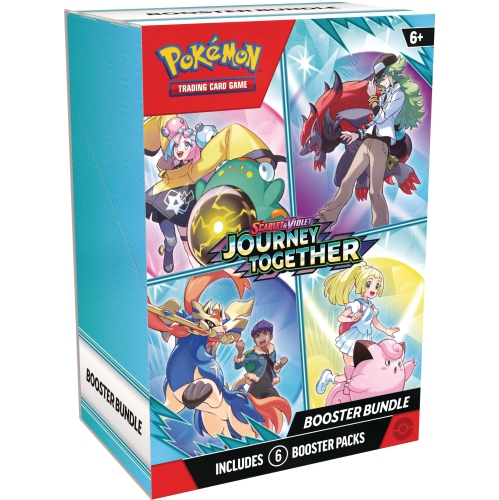 Your price for this item is $94.99
-
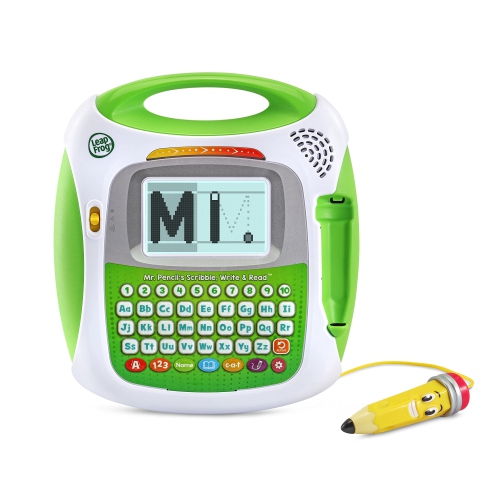 Your price for this item is $99.84
-
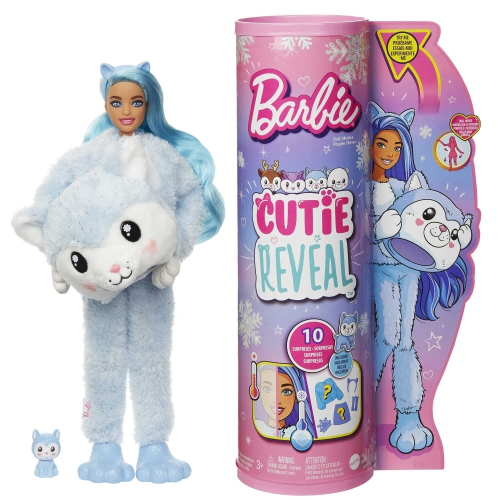 Your price for this item is $150
-
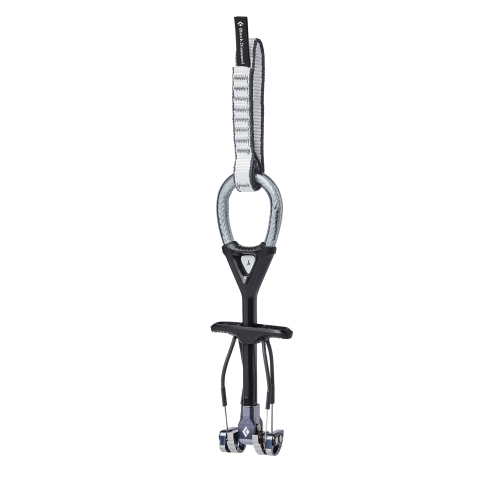 Your price for this item is $151.05
-
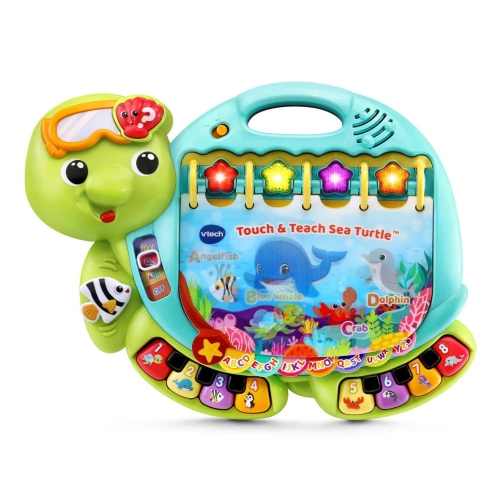 Your price for this item is $44.31
-
 Your price for this item is $45.54
-
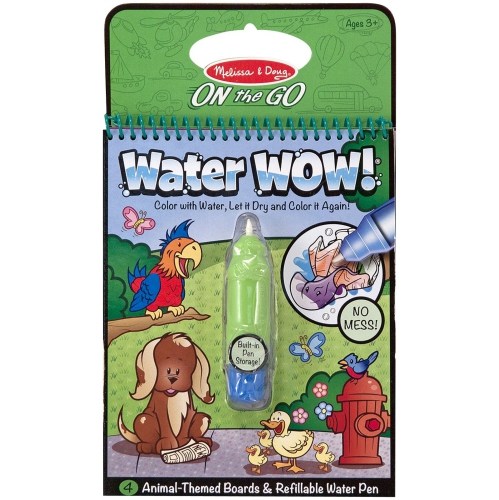 Your price for this item is $24.99
-
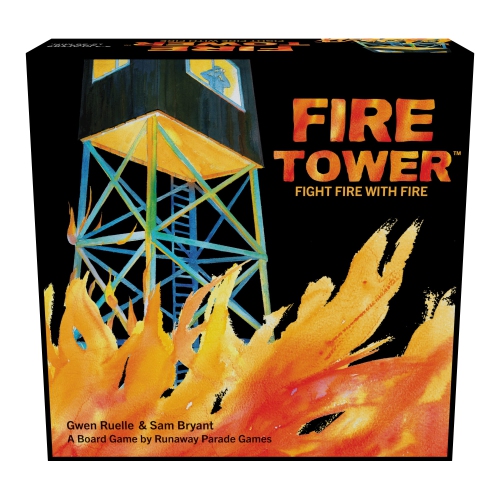 Your price for this item is $43.95
Discover more categories related to Stress Relief Toys For Students And Classrooms
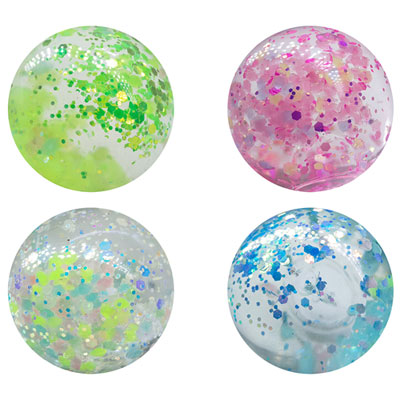
Top Collections:
Best Black Friday Deals This Year, Best Black Friday Deals On Electronics, Kindle Devices, Pokemon Centers, Best Black Friday Deals On Apple Products, Best Cameras for Sports Photography, Dyson Airwrap, Pokémon 30th Celebration Cards, Apple iPhone 17 Pro, Canon G7X Cameras
Some products may be subject to Environmental Handling Fees
(EHF) depending on your province.
Learn more about EHFs.