Strong Adhesives
If you're looking for a reliable solution to keep things together, this selection of strong adhesives offers the perfect bonding power for all your projects. Whether you're working on crafts, DIY repairs, or professional tasks, these adhesives are designed to provide a secure and long-lasting hold. From quick-drying formulas to versatile options suitable for various surfaces, you'll find the right adhesive to tackle any sticking challenge with ease. Discover the strength you need to get your projects done efficiently and effectively.
Sort
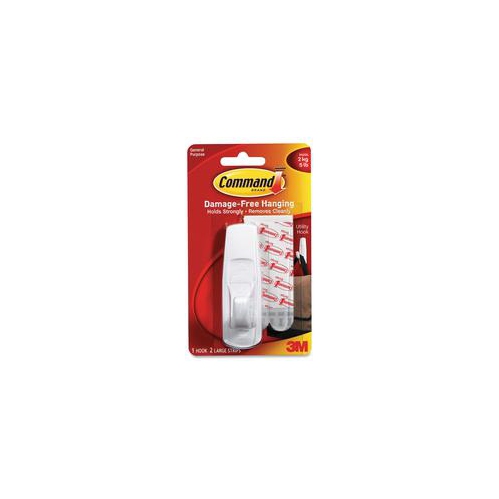
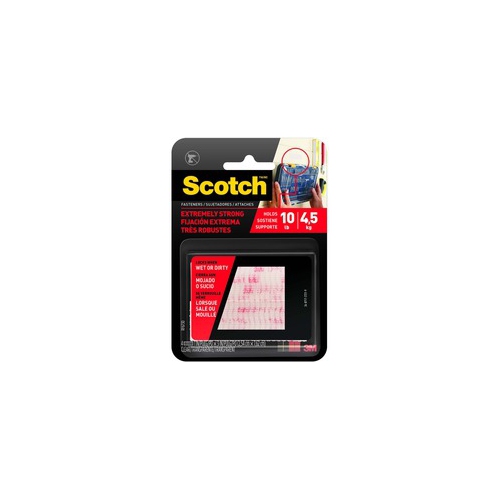


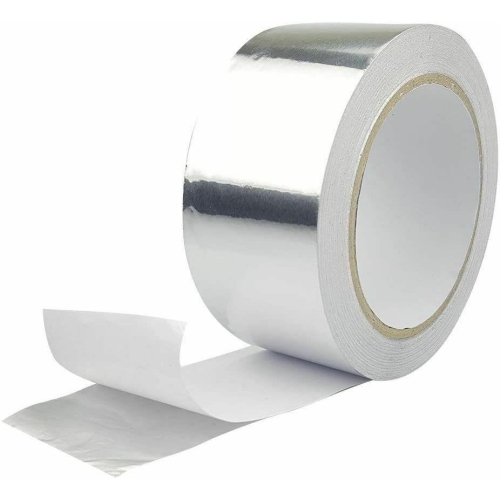
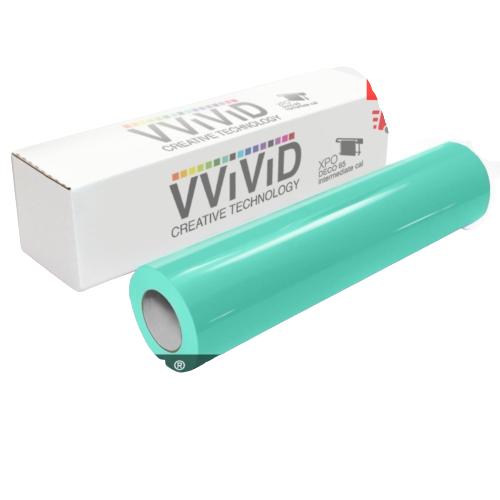
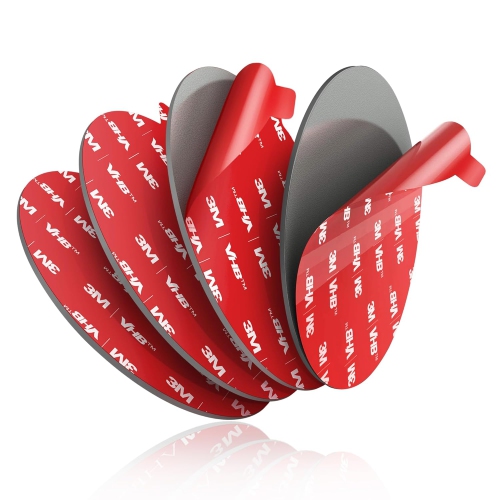
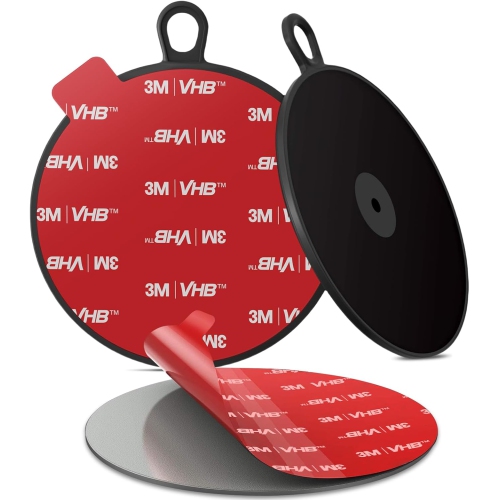
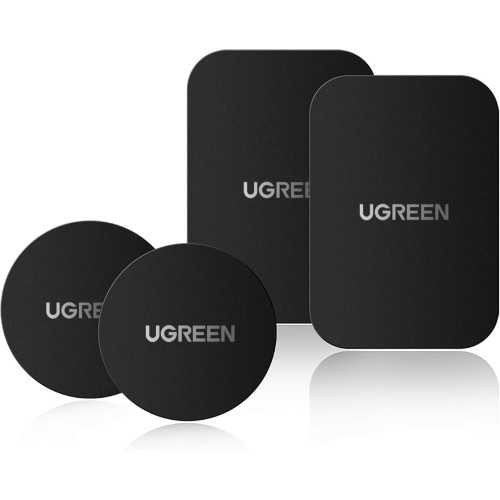
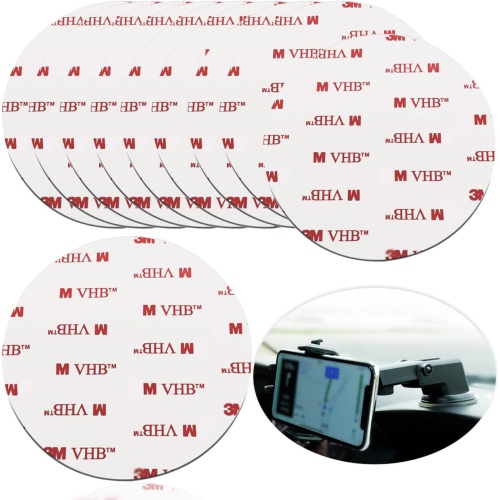
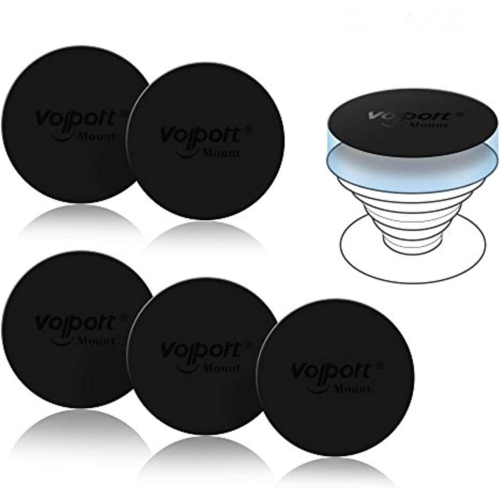
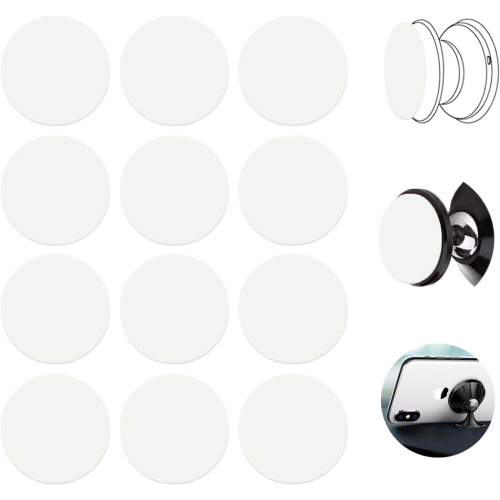
![DOLAER [8 Pack] Magnetic Car Mount Holder Metal Plate, 40MM Round Universal Replacement Mount Metal Plate Kit w Adhesive for Magnetic Car Mount Cell](https://multimedia.bbycastatic.ca/multimedia/products/500x500/164/16403/16403593.jpeg)
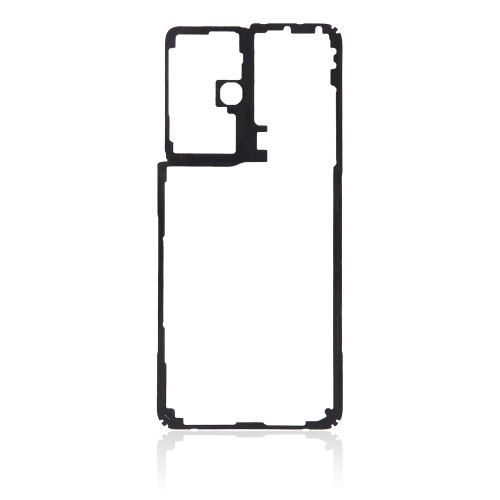
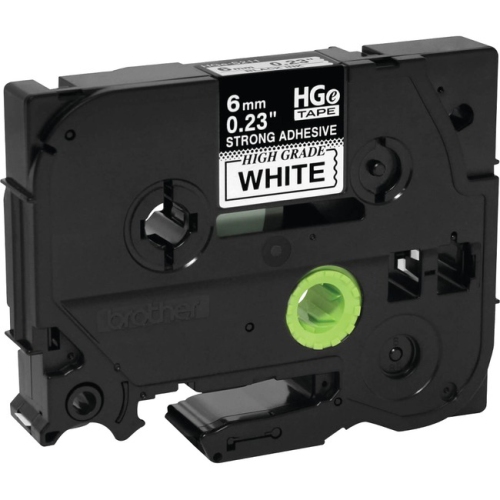
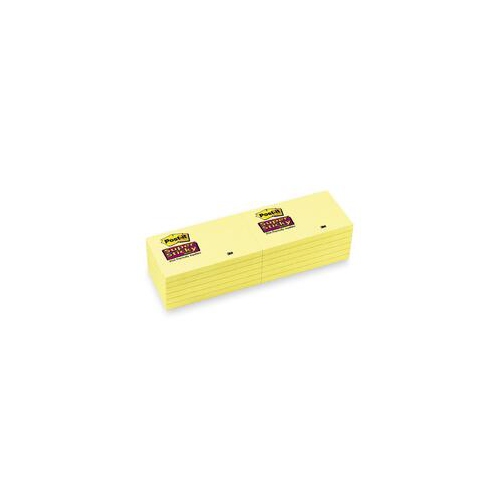





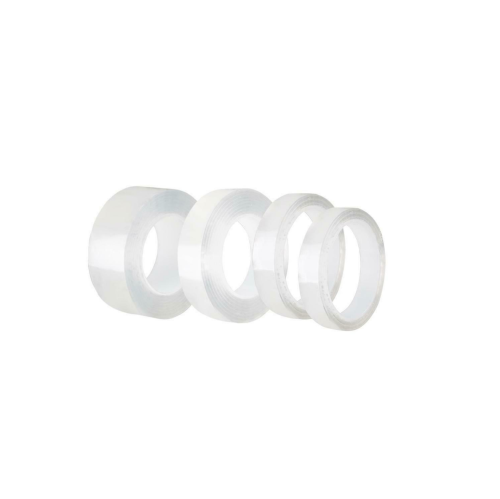
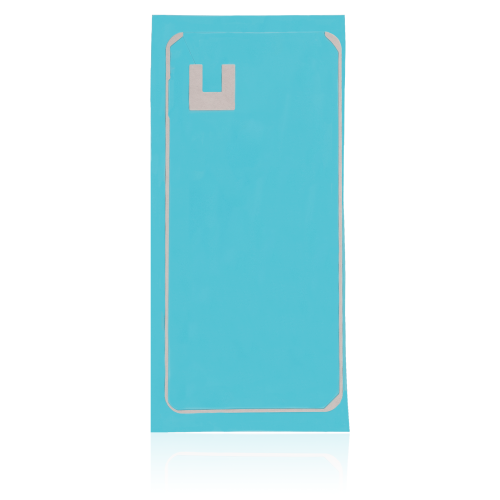
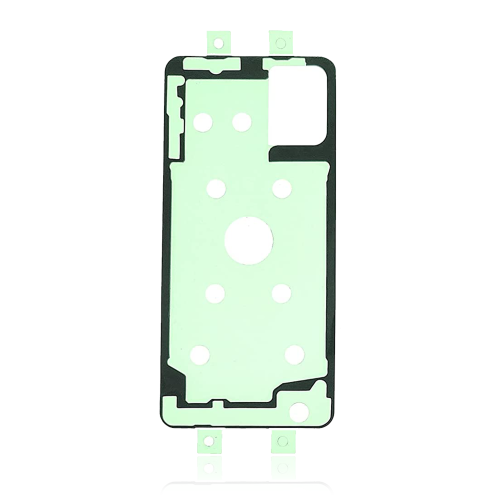
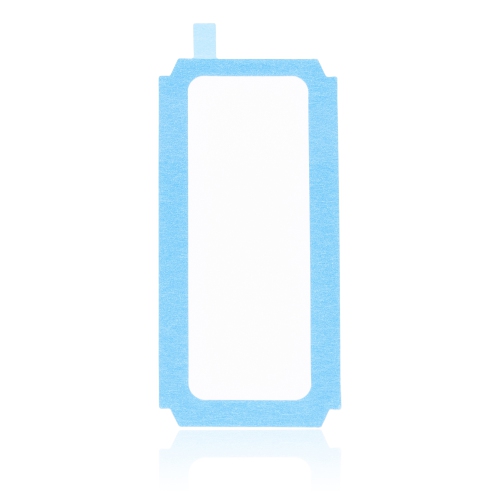
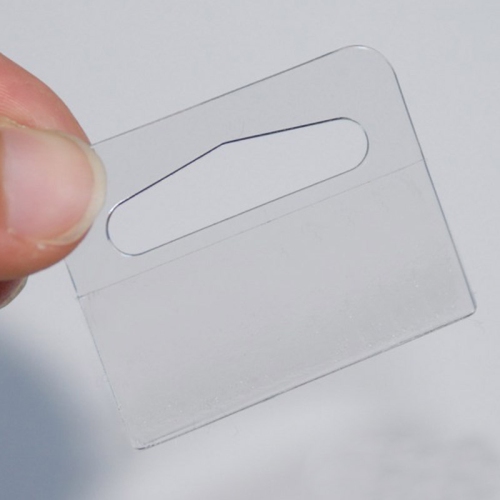
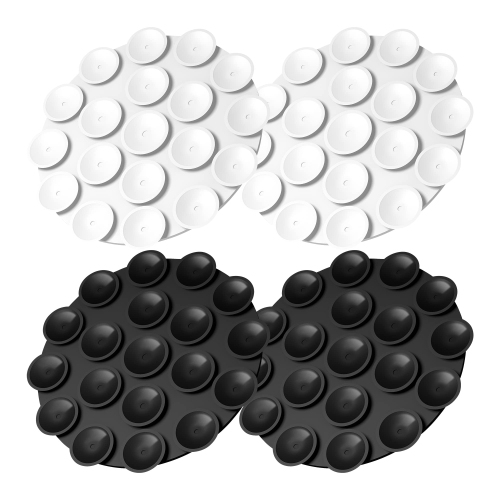

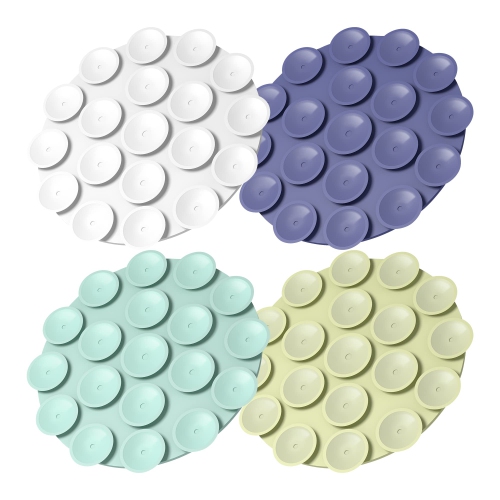
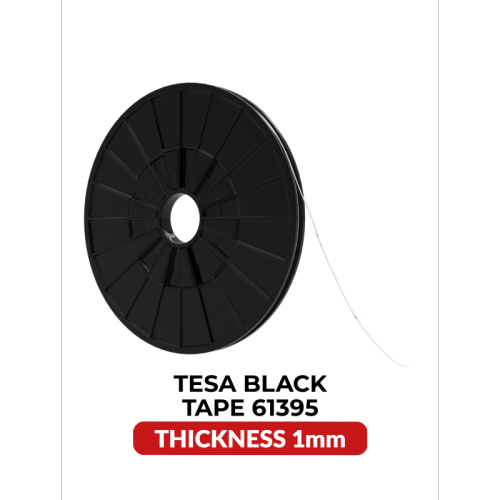
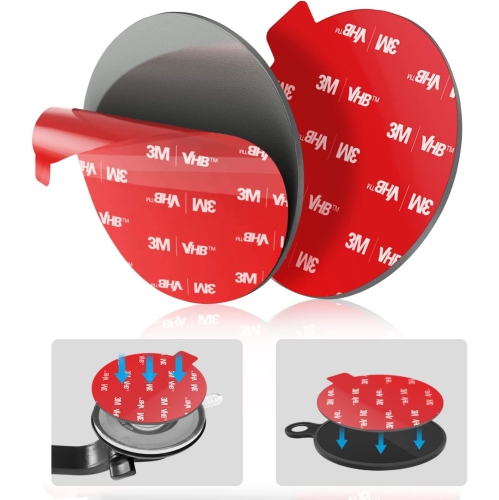
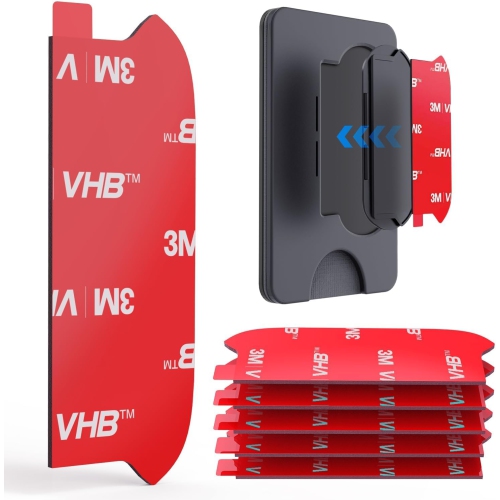
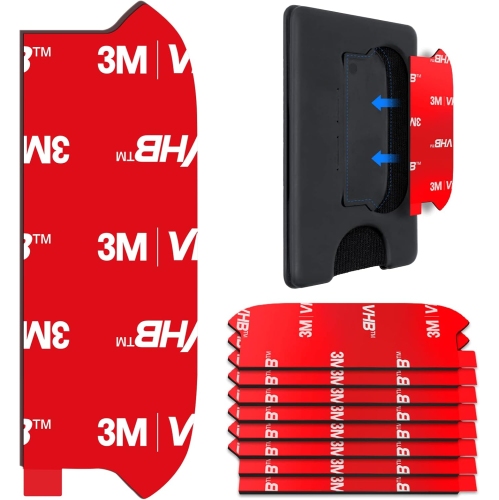
![OECECA 6 Pack Very High Bond Sticky Adhesive [Easy to Peel Off] Replacement Compatible w Socket Mount Base Sticker Pads for Collapsible Grip & Stand](https://multimedia.bbycastatic.ca/multimedia/products/500x500/194/19413/19413414.jpeg)
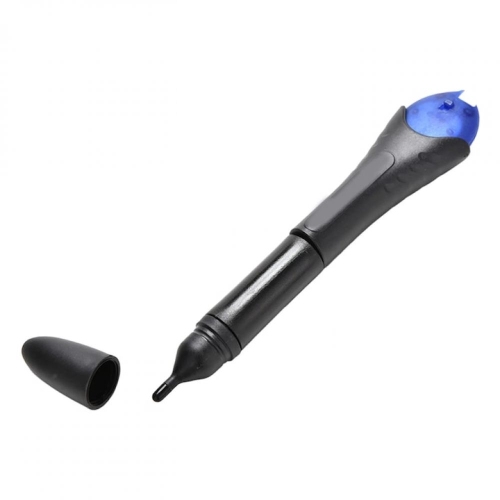
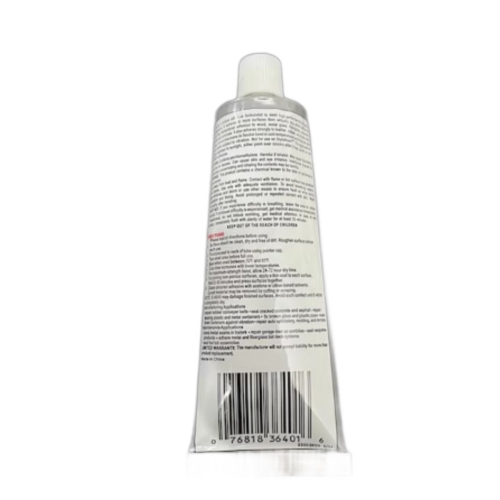
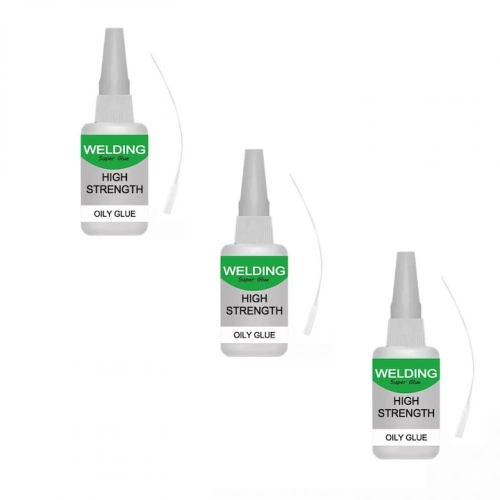
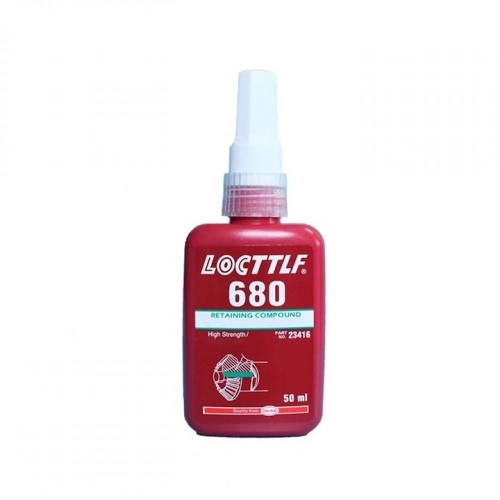
![GENERIC 6 Pack Very High Bond Sticky Adhesive [Easy to Peel Off] Replacement Compatible With Socket Mount Base Sticker Pads](https://multimedia.bbycastatic.ca/multimedia/products/500x500/200/20009/20009862.jpeg)

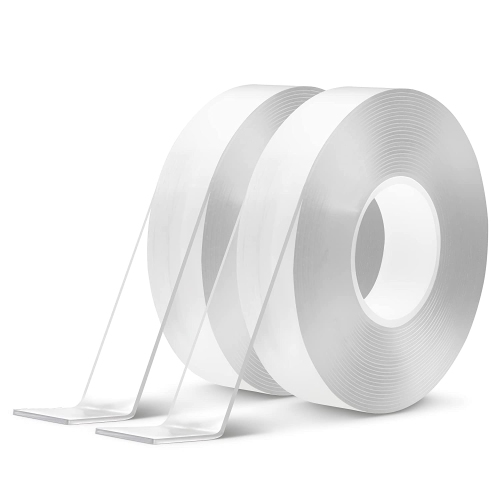


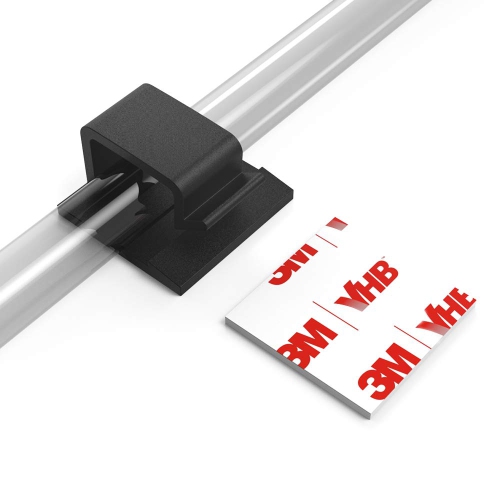
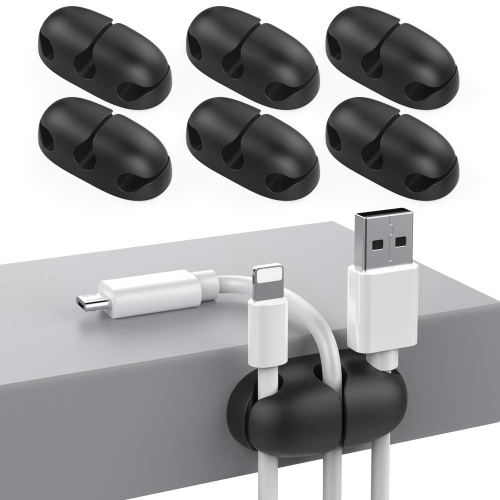

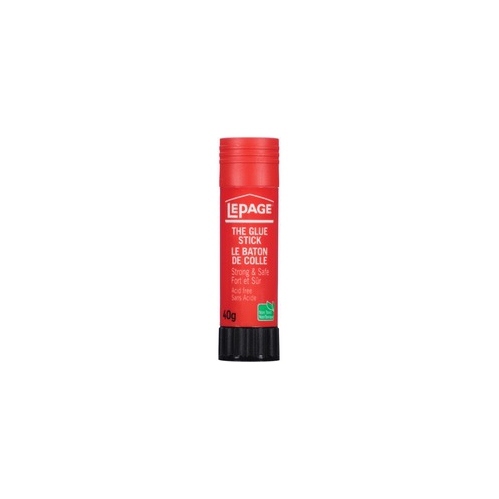
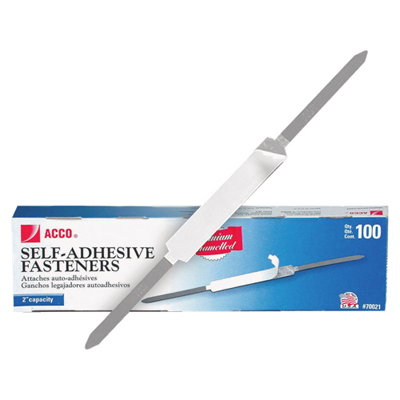
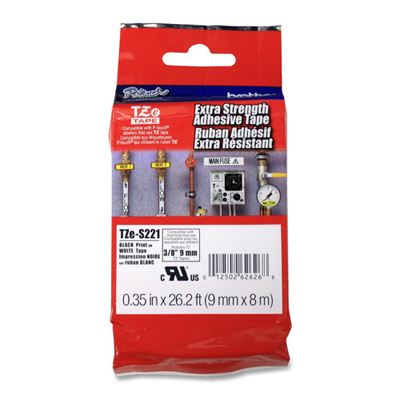
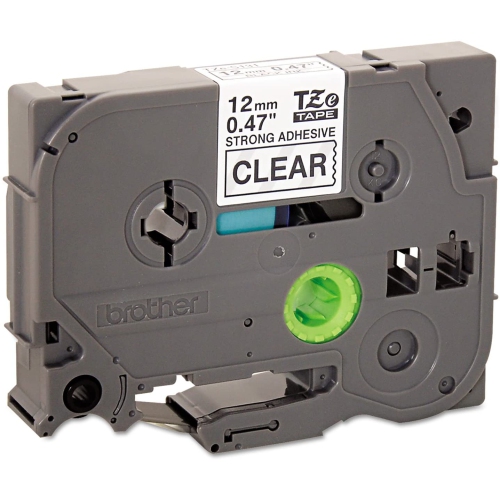
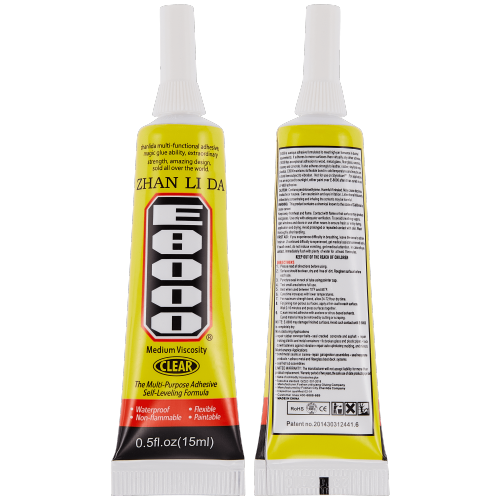
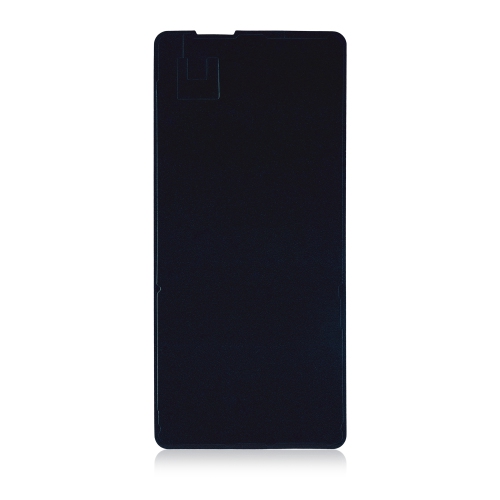
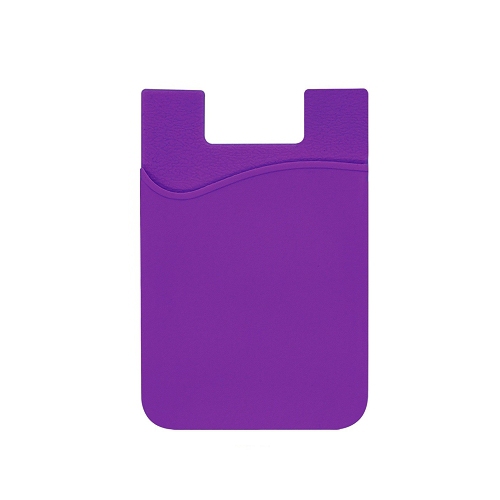
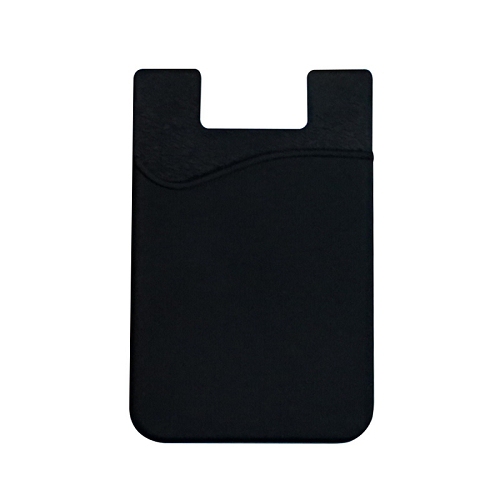

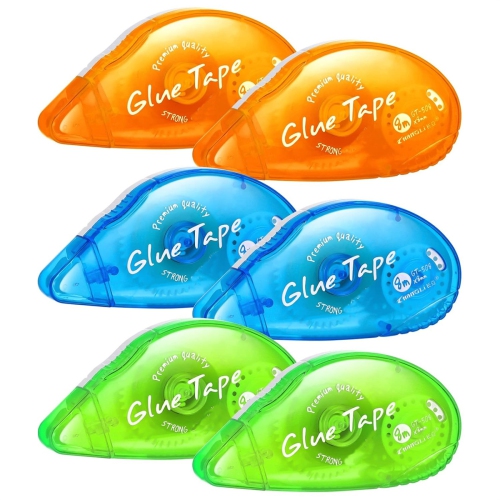
The right formula helps repairs hold through everyday demands
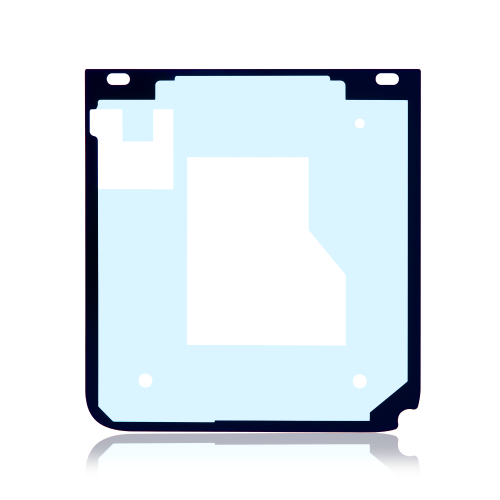
Strong adhesives can make everyday repairs, craft projects and home improvements more secure when the formula matches the materials being joined. The strongest choice depends on the surfaces, the size and shape of the bond, the amount of weight or movement involved, and whether the finished project will encounter moisture, heat or changing temperatures. Two-part epoxy is often the most versatile option for demanding general repairs because it combines a resin and hardener to create a rigid, durable bond. It works well on materials such as metal, glass, hard plastics, stone and ceramics, and its thicker consistency can help bridge small gaps between uneven surfaces. Epoxy is useful for repairing a cracked decorative item, securing a loose handle, rebuilding a chipped edge or joining dissimilar materials that do not fit together perfectly. Because it usually requires mixing and a longer curing period, it rewards careful preparation: clean away grease, dust and old residue, lightly roughen smooth surfaces when appropriate, mix the components thoroughly in the recommended proportion, and keep the pieces aligned while the adhesive sets. Polyurethane adhesive is another heavy-duty option, particularly for wood projects and assemblies that may experience some moisture. It is activated by moisture and can expand slightly as it cures, helping it fill small imperfections in a joint. This makes it suitable for outdoor wood projects, furniture repairs, stone, ceramic and certain multi-material applications, although the expanding foam should be controlled and trimmed after curing if it squeezes from the joint. Construction adhesive is designed for substantial household and renovation tasks where broad coverage and strong holding power matter. Depending on the formulation, it can be used for heavy trim, subflooring, stairs, wall fixtures, panelling and other building materials. These adhesives are typically applied in beads or lines, then pressed firmly into place, with temporary support or mechanical fasteners used when recommended until the bond has cured completely.
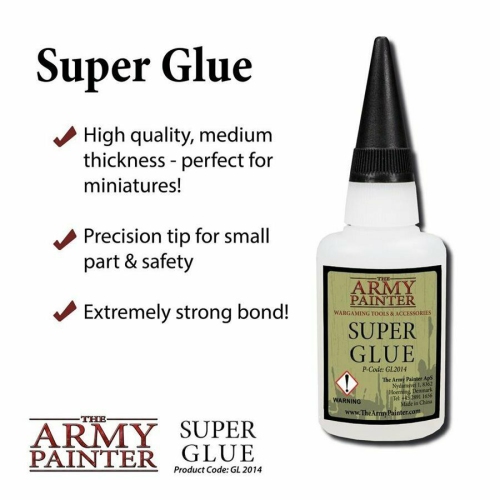
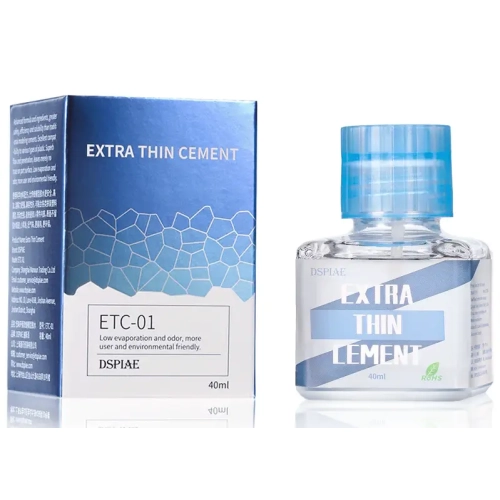
For small, precise repairs, cyanoacrylate adhesive—often called instant adhesive or super glue—sets quickly on close-fitting, non-porous surfaces. It is a practical choice for repairing a small ceramic ornament, reattaching a narrow piece of rubber, stabilizing a clean break or tacking parts together before a more substantial assembly. Its fast curing time leaves little room for repositioning, so a dry fit is important before applying even a small amount. It may not be the right solution for flexible joints, large gaps or surfaces exposed to constant impact, and some materials can become cloudy, brittle or damaged when exposed to an instant adhesive. For projects involving plastic components, choosing a formula made for the specific type of plastic can improve the result; shoppers comparing options for models, toys, household parts and creative projects can also explore Plastic Adhesives. Contact adhesives are useful when two broad surfaces need an immediate bond after the adhesive has become tacky, while specialty formulas may be designed for fabric, foam, leather, flexible materials or high-temperature applications. Read the label for compatible surfaces rather than relying on a general claim of strength. Some adhesives bond well to porous materials but poorly to smooth ones, while others are formulated for non-porous surfaces. Painted, waxed, dusty or oily surfaces can weaken even an otherwise excellent bond, so cleaning and preparation are as important as the adhesive itself. A light sanding can give certain smooth surfaces more grip, but it should only be done when suitable for the material and finish. Measuring, levelling and clamping also make a noticeable difference, especially when attaching hardware, assembling furniture or repairing an item that needs to remain square while it cures.
Strong adhesives are useful for homeowners, renters, hobbyists, makers, students, decorators and anyone who prefers to repair or customize household items rather than replace them. A compact adhesive set can be a thoughtful gift for someone moving into a new home, setting up a workshop, building models, creating decorations or tackling a list of small repairs during the cooler months. In a family craft area, a selection of suitable formulas can help with projects ranging from school models to costume details, while a renovation-focused adhesive can be useful for updating trim, securing fixtures or completing weekend carpentry work. Keep the intended use in mind when choosing between a rigid bond and a flexible one: a joint that bends, vibrates or expands with temperature may need an adhesive that retains some flexibility, while a rigid repair on metal, stone or hard plastic may benefit from epoxy. Outdoor applications need special attention because rain, humidity, frost, sunlight and temperature changes can affect curing and long-term performance. Indoor adhesives are not automatically suitable for decks, sheds, exterior trim or garden projects, so check whether the product is rated for exterior use and follow the required curing conditions. Always allow the full cure time before placing weight on a repair, even if the surface feels firm sooner. Use adhesives in a well-ventilated area, protect the work surface, avoid contact with skin and eyes, and follow the manufacturer’s instructions for application, storage and disposal. Keep containers closed and stored as directed, away from heat and out of reach of children and pets. Choosing the right adhesive for the material, joint design and environment helps create a cleaner repair and a bond that is more likely to hold through everyday handling, seasonal changes and years of use.
For small, precise repairs, cyanoacrylate adhesive—often called instant adhesive or super glue—sets quickly on close-fitting, non-porous surfaces. It is a practical choice for repairing a small ceramic ornament, reattaching a narrow piece of rubber, stabilizing a clean break or tacking parts together before a more substantial assembly. Its fast curing time leaves little room for repositioning, so a dry fit is important before applying even a small amount. It may not be the right solution for flexible joints, large gaps or surfaces exposed to constant impact, and some materials can become cloudy, brittle or damaged when exposed to an instant adhesive. For projects involving plastic components, choosing a formula made for the specific type of plastic can improve the result; shoppers comparing options for models, toys, household parts and creative projects can also explore Plastic Adhesives. Contact adhesives are useful when two broad surfaces need an immediate bond after the adhesive has become tacky, while specialty formulas may be designed for fabric, foam, leather, flexible materials or high-temperature applications. Read the label for compatible surfaces rather than relying on a general claim of strength. Some adhesives bond well to porous materials but poorly to smooth ones, while others are formulated for non-porous surfaces. Painted, waxed, dusty or oily surfaces can weaken even an otherwise excellent bond, so cleaning and preparation are as important as the adhesive itself. A light sanding can give certain smooth surfaces more grip, but it should only be done when suitable for the material and finish. Measuring, levelling and clamping also make a noticeable difference, especially when attaching hardware, assembling furniture or repairing an item that needs to remain square while it cures.
Strong adhesives are useful for homeowners, renters, hobbyists, makers, students, decorators and anyone who prefers to repair or customize household items rather than replace them. A compact adhesive set can be a thoughtful gift for someone moving into a new home, setting up a workshop, building models, creating decorations or tackling a list of small repairs during the cooler months. In a family craft area, a selection of suitable formulas can help with projects ranging from school models to costume details, while a renovation-focused adhesive can be useful for updating trim, securing fixtures or completing weekend carpentry work. Keep the intended use in mind when choosing between a rigid bond and a flexible one: a joint that bends, vibrates or expands with temperature may need an adhesive that retains some flexibility, while a rigid repair on metal, stone or hard plastic may benefit from epoxy. Outdoor applications need special attention because rain, humidity, frost, sunlight and temperature changes can affect curing and long-term performance. Indoor adhesives are not automatically suitable for decks, sheds, exterior trim or garden projects, so check whether the product is rated for exterior use and follow the required curing conditions. Always allow the full cure time before placing weight on a repair, even if the surface feels firm sooner. Use adhesives in a well-ventilated area, protect the work surface, avoid contact with skin and eyes, and follow the manufacturer’s instructions for application, storage and disposal. Keep containers closed and stored as directed, away from heat and out of reach of children and pets. Choosing the right adhesive for the material, joint design and environment helps create a cleaner repair and a bond that is more likely to hold through everyday handling, seasonal changes and years of use.
Top selling and popular products
-
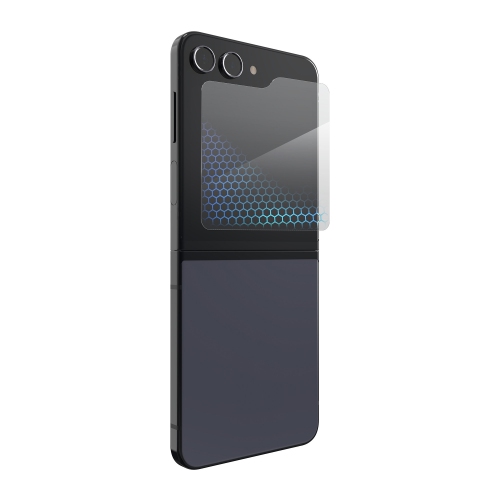 Your price for this item is $59.99
 -
 Your price for this item is $59.99
 -
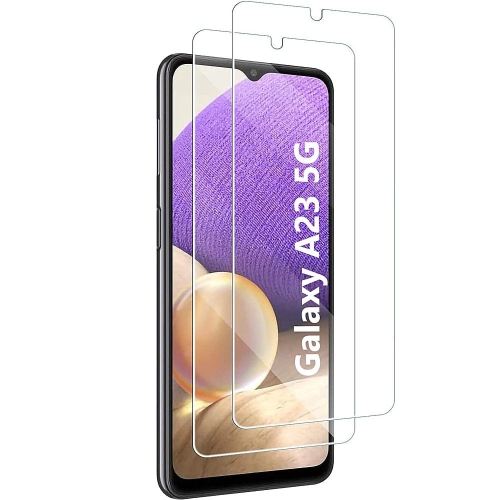 Your price for this item is $52
 -
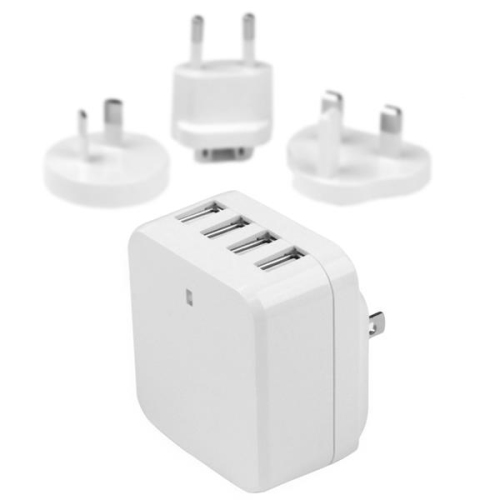 Your price for this item is $49.99
 -
 Your price for this item is $14.68
 -
 Your price for this item is $52.49
 -
 Your price for this item is $14.79
 -
 Your price for this item is $16.79
Discover more categories related to Strong Adhesives
Top Collections:
Pokemon Centers, Budget 4K TVs, Best Budget Office Chairs, Kindle Devices, Canon G7X Cameras, Apple iPhones 16, iPhone 15 Apple, Laptops for Business Work, Xiaomi Phones, Flip Phones
Some products may be subject to Environmental Handling Fees
(EHF) depending on your province.
Learn more about EHFs.