Supplies for Christmas Crafts
Get ready to spark creativity and holiday cheer with supplies for Christmas crafts. Whether you’re planning festive decorations, handmade gifts, or fun family projects, the right materials make all the difference. Find everything you need to bring your seasonal ideas to life and add a personal touch to your celebrations. With a wide selection of supplies for Christmas crafts, it’s easy to make this holiday season extra special.
Sort
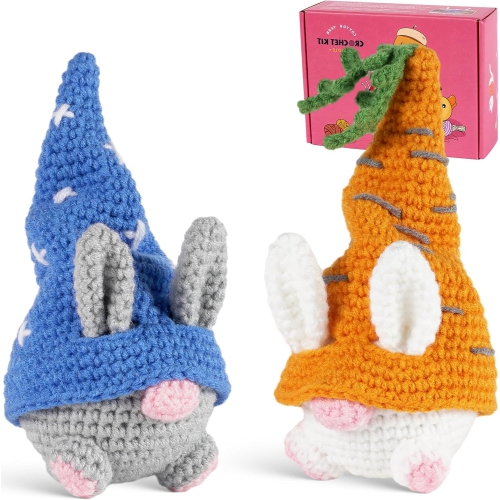
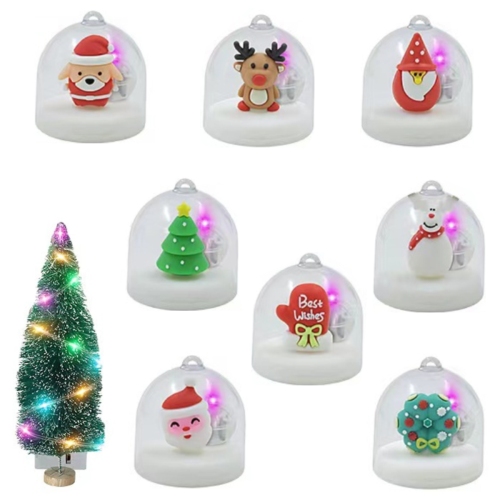
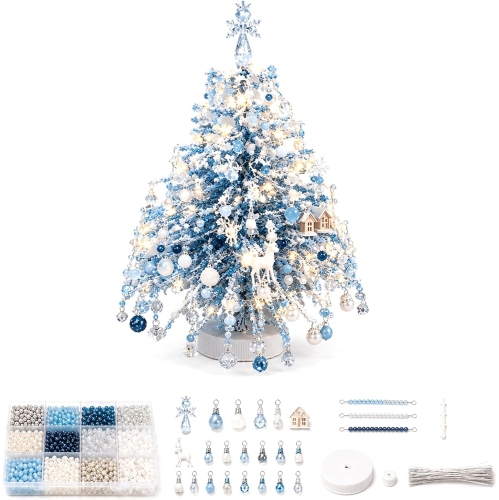
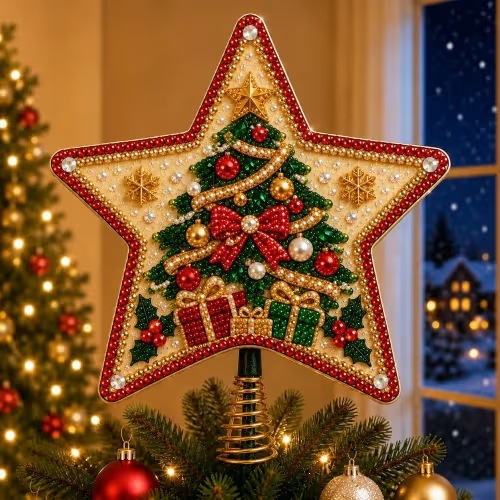



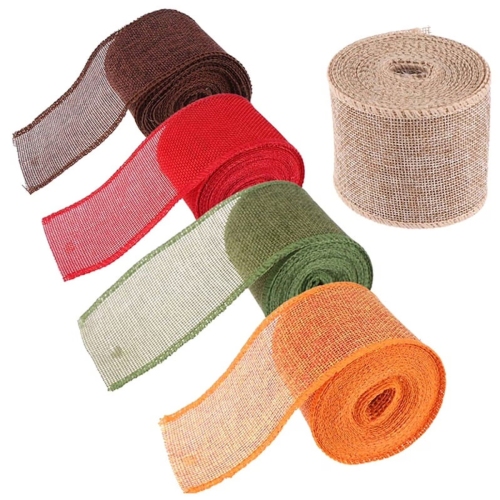
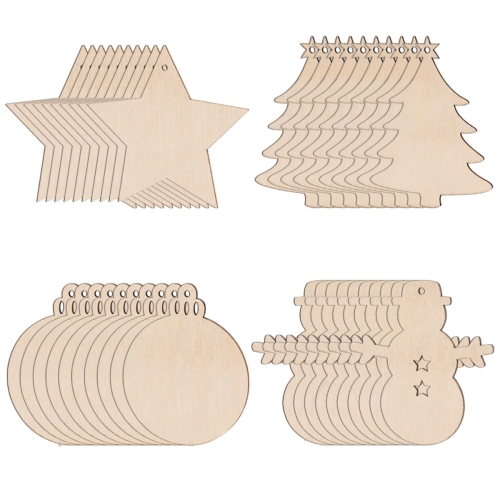
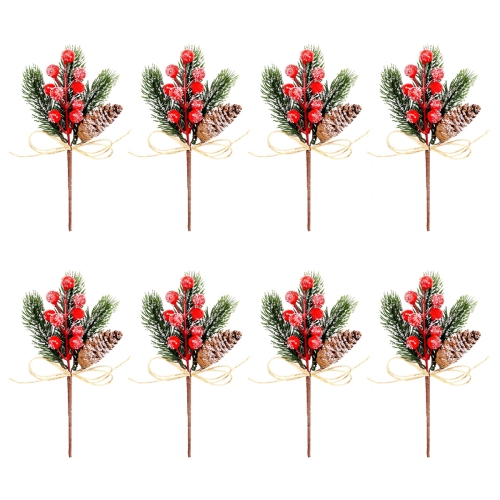
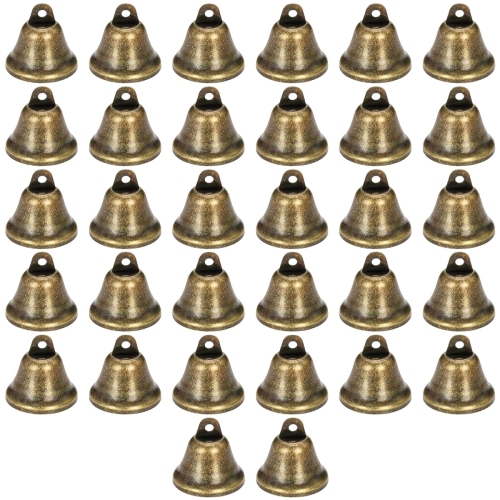
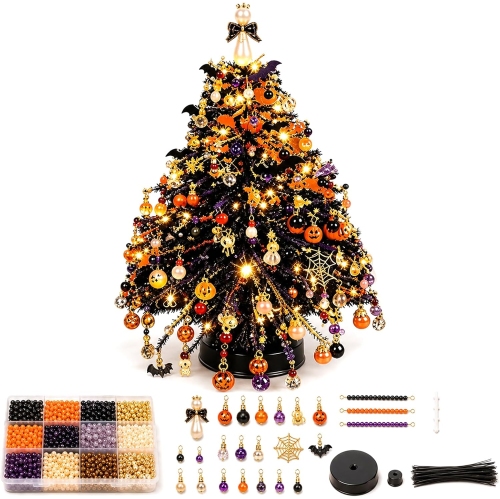

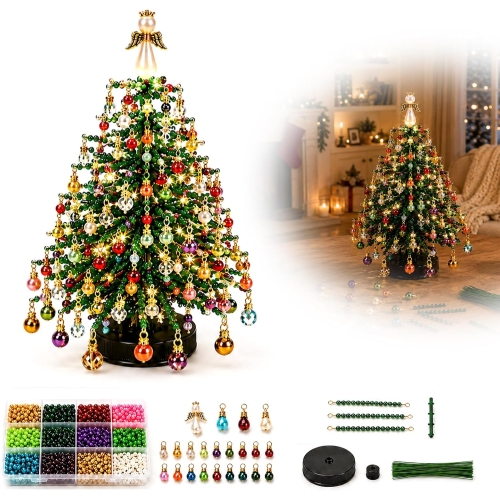
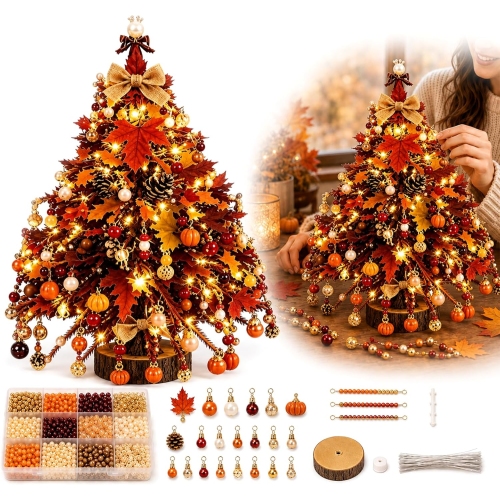
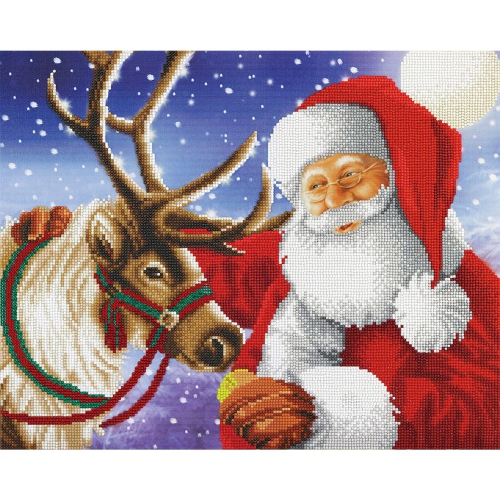


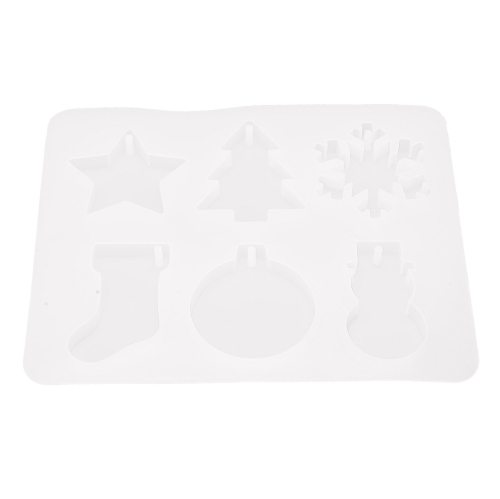
How materials shape handmade ornaments and holiday keepsakes
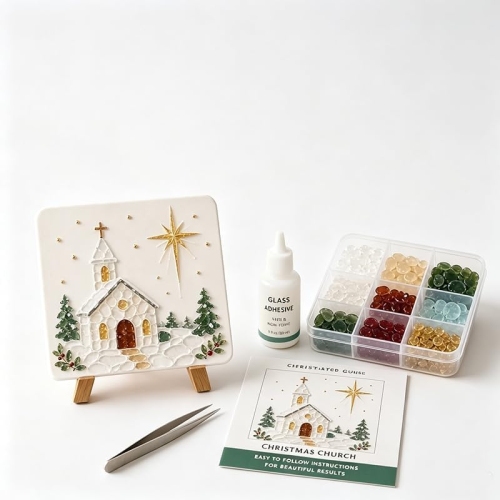
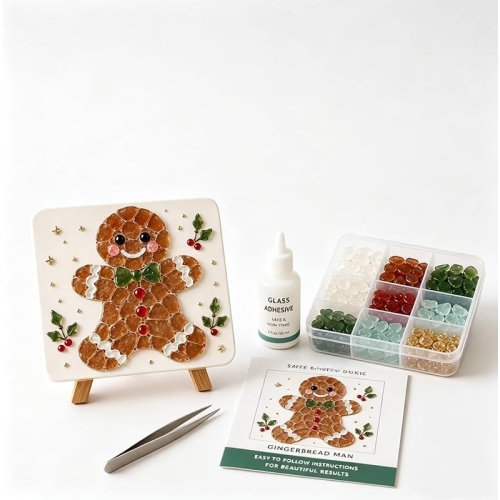
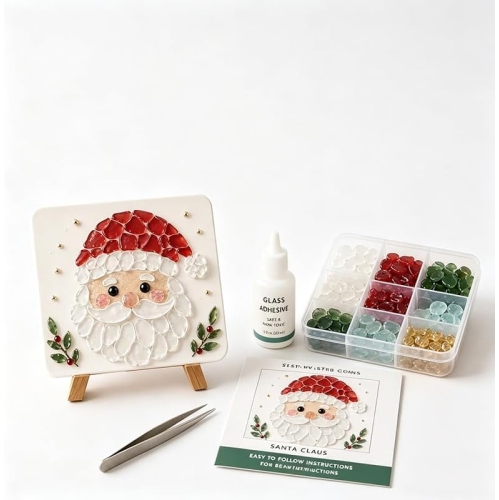
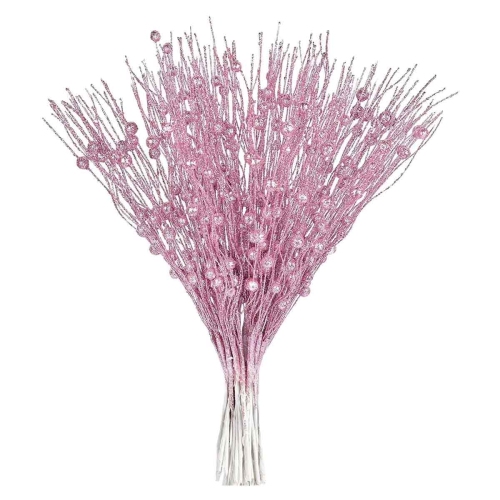
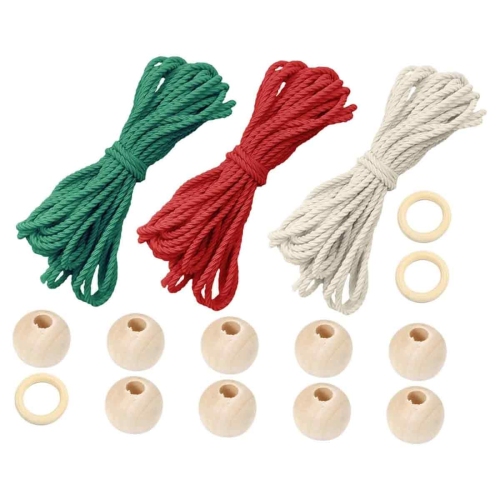
Supplies for Christmas crafts bring together the materials used to make handmade ornaments, greeting cards, gift tags, wreaths, and festive table decorations. Paper and cardstock provide the foundation for folded shapes and layered designs, while felt, yarn, and fabric add softness and texture. Unfinished wood offers a firmer surface for painted keepsakes, and ribbon, beads, bells, and decorative trims add finishing details. The most useful combination depends on whether the project is a child’s paper snowman, a set of personalized place cards, or an ornament intended to come out of storage year after year. Cardstock with enough body to hold a fold suits freestanding shapes and tags, whereas lighter paper is easier to curl, pleat, and cut into delicate patterns. Felt resists fraying along cut edges, making it practical for simple stitched or glued shapes. Wooden surfaces have a natural grain that may remain visible beneath lighter paint colours, giving finished pieces a different character from smooth paper or fabric. Colour and finish help tie those materials together: red and green create a familiar Christmas palette, white and silver suit snowflake designs, and warm neutrals complement rustic wrapping and natural wood tones. Matte finishes keep lettering easy to read, while metallic accents catch the light on a tree or mantel. Scale matters just as much as colour. A broad ribbon can overwhelm a small hanging ornament, and a tiny embellishment may disappear against a full wreath. For coordinated projects, similar proportions and a limited palette can make different materials feel connected without making every piece identical. Texture also affects how a finished decoration looks from across a room. Soft felt shapes, crisp folded paper, and raised details each create a distinct effect, even when they share the same colours. Christmas craft supplies suit family activity tables, classroom projects, hobby groups, and individual makers who enjoy adding a personal touch to holiday traditions. A handwritten name, a carefully chosen colour, or a small stitched detail can turn a simple design into something closely associated with its maker or recipient.
The practical differences between craft materials become especially noticeable during cutting, assembly, and drying. Scissors need to suit both the material and the user: paper, fabric, and thicker craft surfaces place different demands on a cutting edge, and comfortable handles matter during repeated work. Adhesives also have different intended uses. A glue suited to lightweight paper may not hold a textured ribbon or a wooden component securely, while too much wet adhesive can wrinkle a thin sheet. Product labelling is the best reference for compatible surfaces, curing time, ventilation needs, and age suitability. Washable colour materials can make shared activity spaces easier to clean, although “washable” does not mean every mark will lift from every fabric or finish. A protective work surface is still useful when painting or gluing. For painted Christmas crafts, coverage, drying time, and the texture of the base material influence the result. Porous wood and fabric may absorb colour unevenly, whereas very smooth surfaces may need preparation or a compatible paint to help the finish adhere. Materials that look dry at the surface may need more time before they can be handled, wrapped, or stacked. That distinction matters when several people are sharing a table and completed pieces need somewhere to rest. Children’s Christmas craft supplies should be chosen according to the labelled age range and the amount of adult supervision required, rather than appearance alone. Small embellishments can present a choking hazard, and sharp tools or heated adhesives require appropriate handling and close oversight. Larger shapes and easy-to-grip materials often suit younger makers, while older children and adults may enjoy more detailed cutting, lettering, or stitching. In a group setting, repeatable shapes and manageable assembly steps leave room for individual colour choices without making every participant wait for help. For someone with limited hand strength or dexterity, lightweight materials, comfortable grips, and larger components may make the activity more enjoyable. The aim is a set of supplies that fits the maker’s abilities and the project’s demands, whether the finished piece is deliberately simple or full of intricate detail.
Durability and care are worth considering when handmade Christmas decorations are intended to become keepsakes. Lightweight paper is well suited to cards, tags, and protected indoor displays, but it can crease or soften if exposed to moisture. Fabric and felt decorations tolerate gentle handling, although loose fibres and raised details may catch on neighbouring pieces in storage. Wooden crafts generally offer a firmer structure, yet thin sections and glued joints can still be vulnerable to knocks. Hanging decorations need attachment points that can support the finished weight, including any added trim, rather than just the weight of the undecorated base. A light ornament can sit comfortably on a smaller branch, while a heavier piece needs sturdier support. Materials intended only for indoor use should not be assumed to withstand an outdoor doorway, where moisture and temperature changes can affect colour, shape, and adhesion. Display location matters indoors, too. Paper, fabric, ribbon, and other combustible craft materials belong away from open flames and heat sources, and handmade decorations should never obstruct electrical connections or ventilation. Table decorations also have different requirements from anything that touches food; ordinary craft paints and adhesives should not be treated as food-contact materials unless explicitly labelled for that purpose. After use, gentle dusting and dry storage help preserve many decorative crafts, with delicate surfaces kept apart to reduce scuffing and tangling. Keeping completed pieces clean and fully dry before packing can help protect the work invested in them. For gift giving, craft materials can be as personal as the finished creations. A recipient who enjoys precise paper work may appreciate a different mix of textures and tools from someone drawn to sewing, painting, or making decorations with children. Smaller creative gifts grouped under Stocking Stuffers for Crafters offer another way to connect Christmas giving with a favourite hobby. Thoughtfully matched supplies leave space for the recipient’s own style, whether that means neat handwritten tags, colourful family ornaments, or carefully finished keepsakes with a place in future celebrations.
Top selling and popular products
-
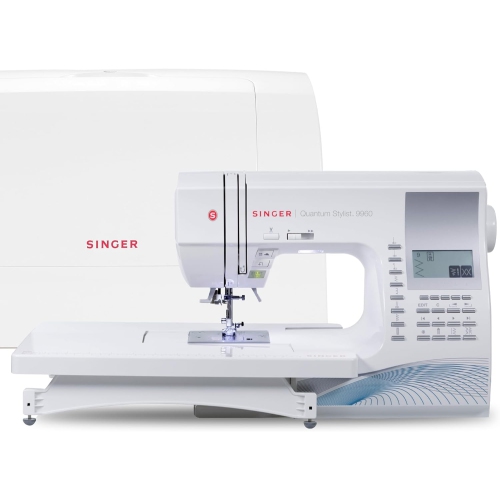 Your price for this item is $911.05
-
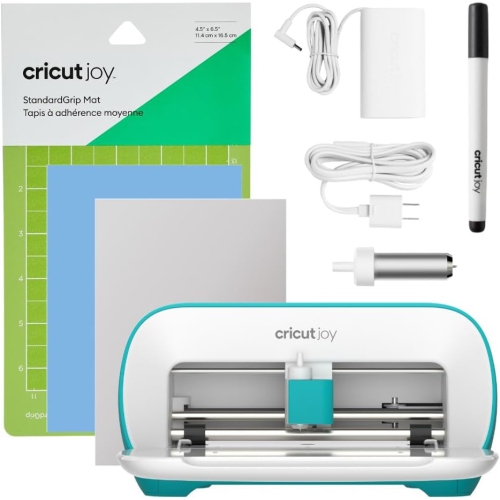 Your price for this item is $238.44
-
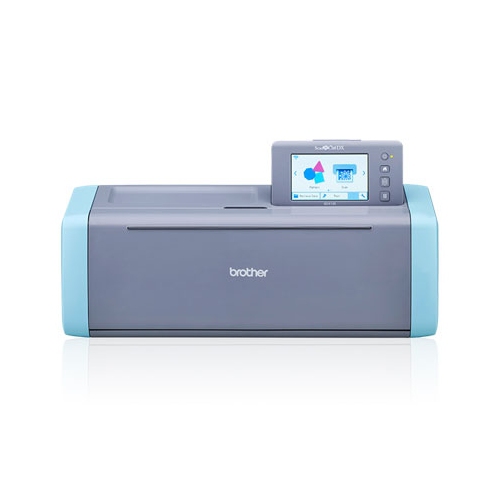 Your price for this item is $685.99
-
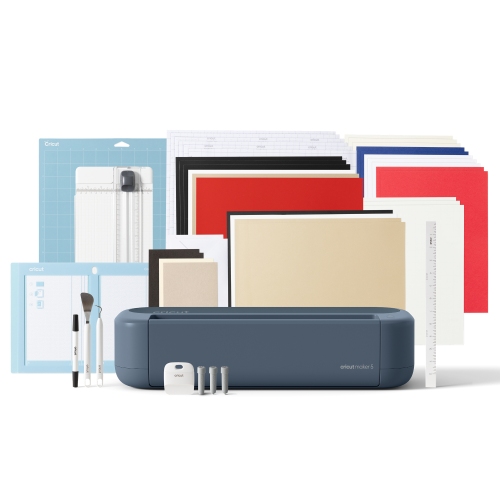 Your price for this item is $549
-
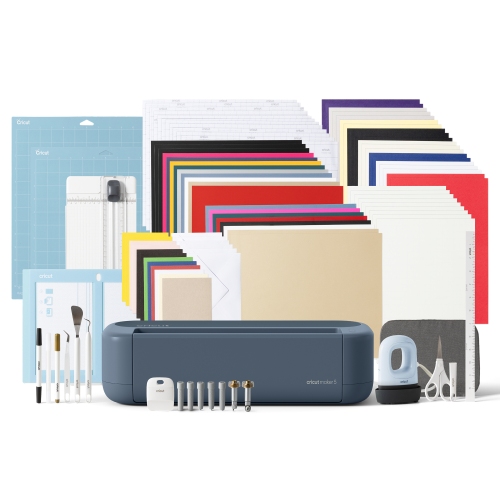 Your price for this item is $679
-
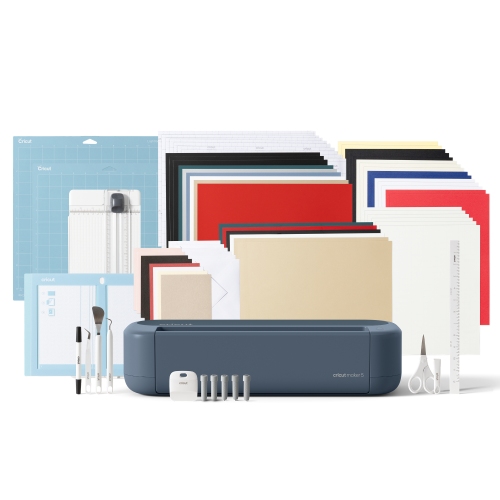 Your price for this item is $599
-
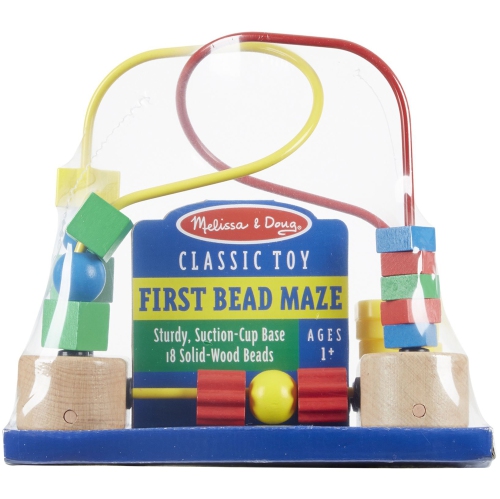 Your price for this item is $39.99
-
 Your price for this item is $429
Discover more categories related to Supplies for Christmas Crafts
Top Collections:
Pokemon Centers, Pokémon 30th Celebration Cards, Best Budget Office Chairs, Kindle Devices, Best Cameras for Sports Photography, Canon G7X Cameras, Best Black Friday Deals On Electronics, Best Laptops for Writers, iPhone 15 Apple, Jackery Power Stations
Some products may be subject to Environmental Handling Fees
(EHF) depending on your province.
Learn more about EHFs.