Toy Pirate Ships
Embark on an exciting adventure with our collection of toy pirate ships! Perfect for young buccaneers and imaginative playtime, these toy vessels will transport your little ones to the high seas where they can unleash their creativity and sail through thrilling imaginary escapades. From intricate details to sturdy designs, our selection of toy pirate ships offers a variety of options to cater to every swashbuckler's preferences. Let your child's imagination run wild as they commandeer their very own ship and navigate through daring quests and treasure hunts.
Sort

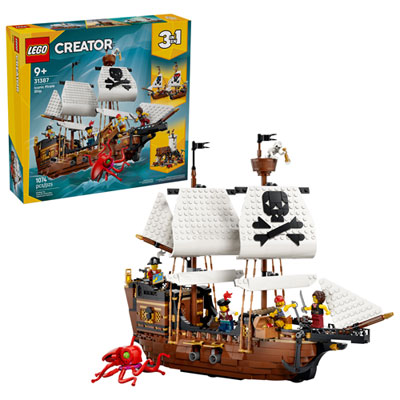
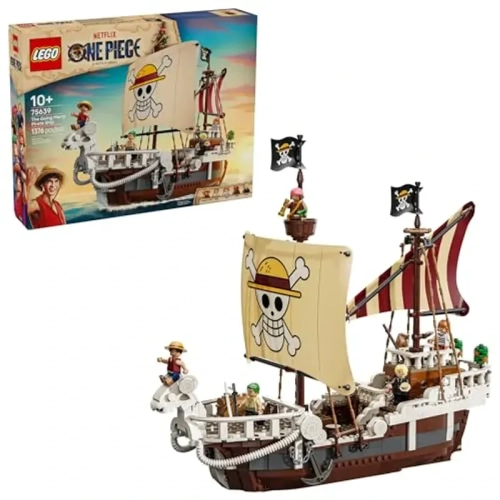

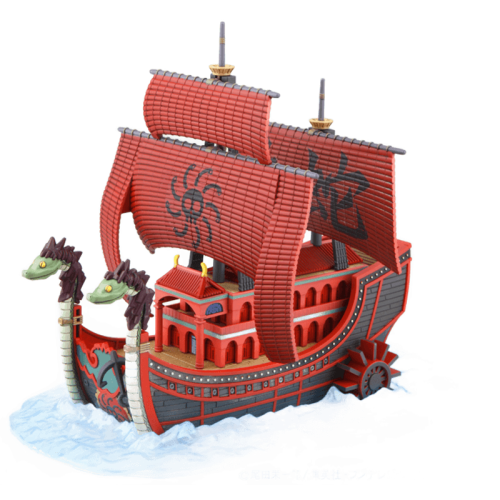
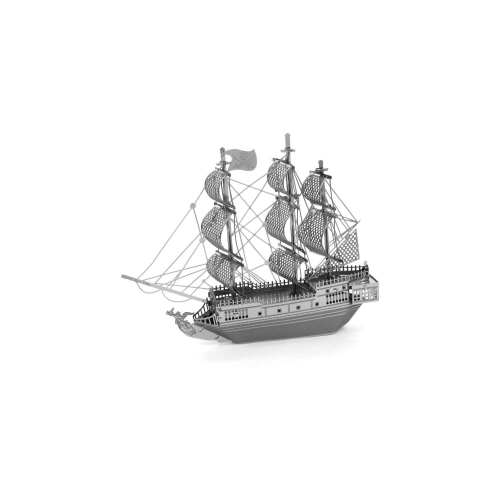
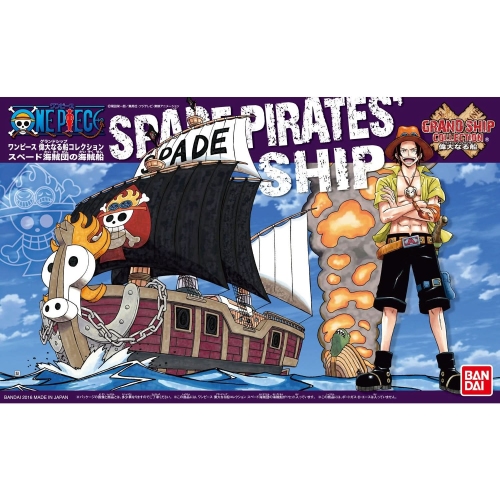

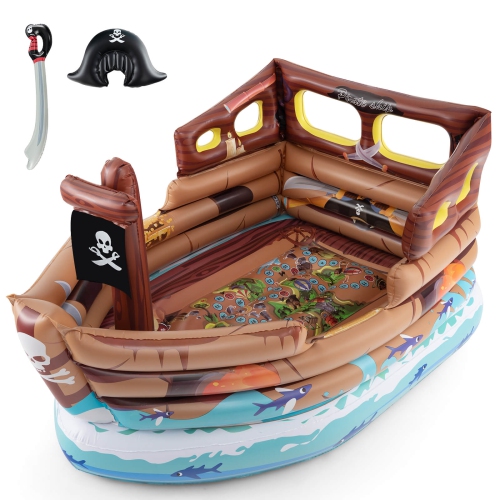
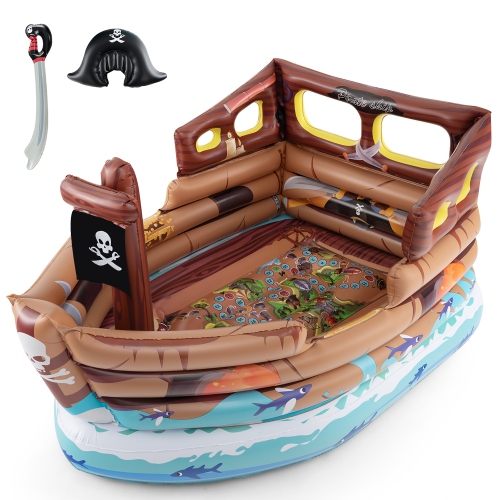

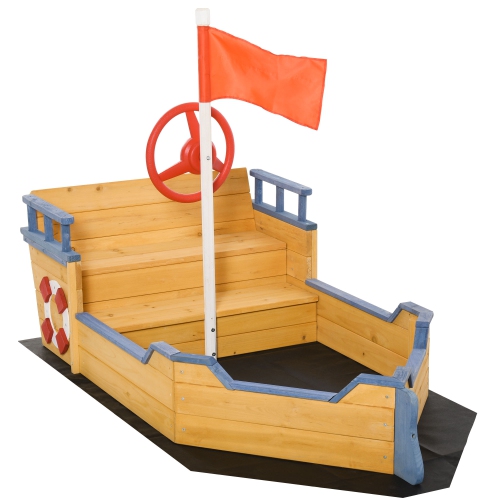


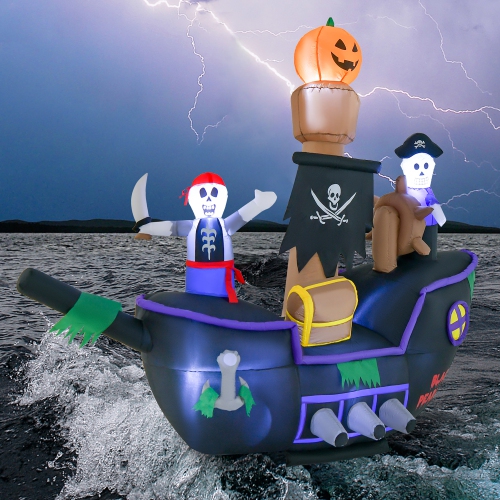
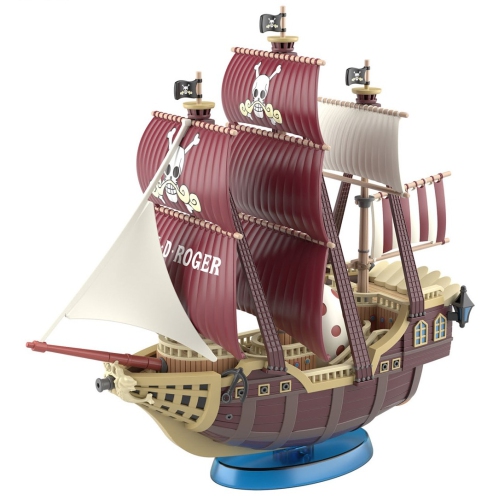
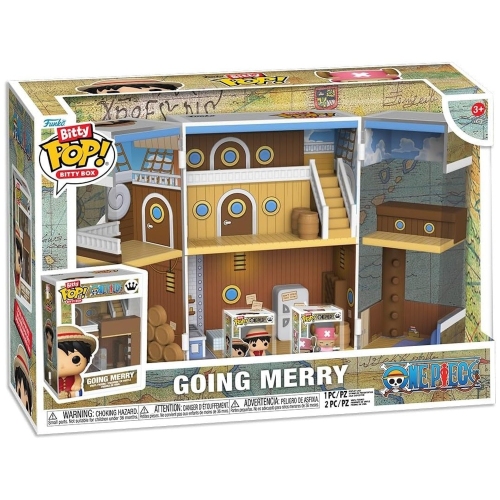

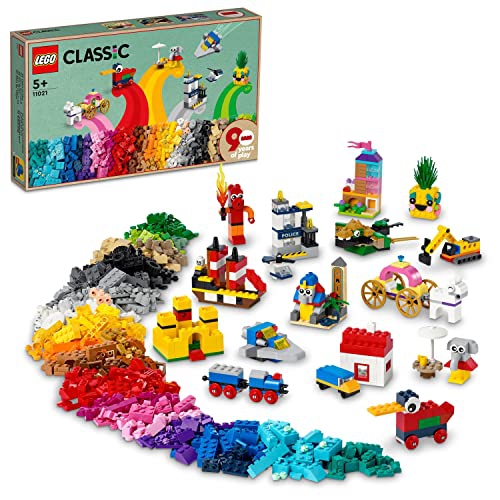

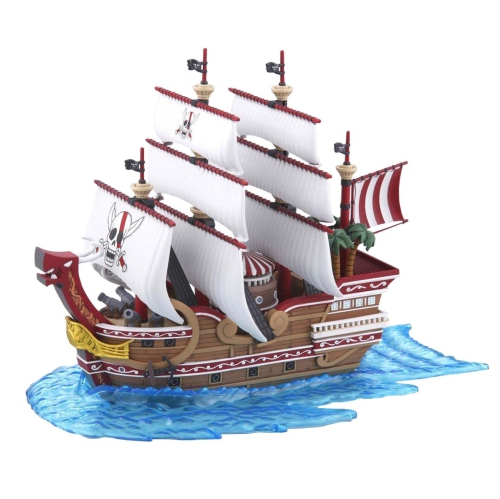
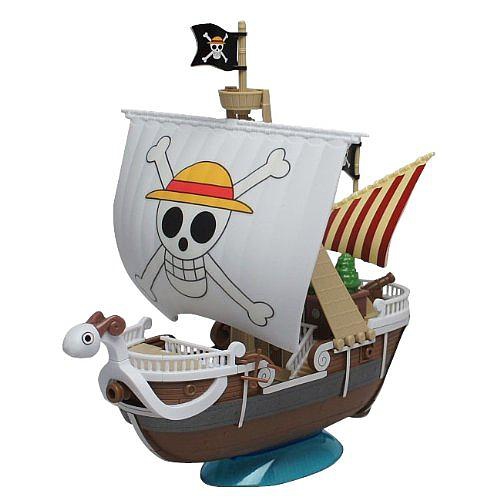
From building the hull to planning imaginary voyages
Toy pirate ships turn a familiar adventure theme into hands-on play, with decks to explore, crews to assemble, and imaginary voyages to plan. The category spans ready-built playsets, construction sets, wooden boats, and interactive designs with moving parts or sound effects. Each format offers a different experience: an open-sided ship makes it easier to move figures between cabins, while a buildable vessel makes assembling the hull, rigging, and lookout platform part of the fun. Recognizable details such as a ship’s wheel, crow’s nest, anchor, sails, and treasure chest give children plenty of starting points for their own stories. A voyage might involve following a hand-drawn map, rescuing a stranded sailor, or finding a safe harbour before an imaginary sea monster catches up. For younger children, simple layouts, chunky figures, and easy-to-grasp accessories can make play more approachable, provided the toy’s age rating is appropriate. Older children may enjoy more involved assembly, detailed interiors, and mechanisms that require a little practice to operate. Age recommendations matter more than the pirate theme alone, since small accessories and building pieces can make two similarly sized ships suitable for very different users. Ready-built designs tend to put the focus on storytelling straight away, while construction-based ships can appeal to children who enjoy following instructions and experimenting with how parts fit together. Neither format needs an elaborate setup to feel engaging. A blue play mat can stand in for the sea, a cushion can mark an island, and a few compatible figures can turn a quiet corner into a bustling port. Features are most useful when they match how a child actually plays: a removable cabin roof may matter more to a keen storyteller than a long list of sounds, while a child who loves mechanical details may spend more time lowering an anchor or turning a working wheel. Space for hands to reach inside the ship is another small detail that can make a big difference during everyday play.
Materials, construction, and size all influence how a toy pirate ship fits into a home. Plastic designs can accommodate moulded cabins, curved hulls, and moving mechanisms, although thin decorative parts may need gentler handling than the main body. Wooden designs often have a substantial feel and simpler shapes; smooth edges, well-attached fittings, and a finish suited to the intended age group are important details. Fabric sails add texture and movement, but their attachment points and cleaning requirements deserve attention, especially when a ship is handled frequently. Durability depends on the whole design rather than the material alone. A firmly fitted mast, stable base, and securely attached railings help a vessel stand up to repeated voyages across a playroom floor. Removable components can make storage easier, though tiny fittings are also easier to misplace. Overall dimensions should account for more than hull length: tall masts, projecting bows, and wide sails can take up unexpected shelf space. A ship that looks compact in a photograph may need a broad tabletop or a clear area on the floor once its accessories are spread out. Figure compatibility is worth checking too, because deck height, cabin openings, and attachment points are not universal across toy ranges. For ships with lights or sounds, the required batteries, an adult-secured battery compartment, and an accessible power switch are practical considerations. Care should follow the manufacturer’s directions, particularly where electronics, painted surfaces, or fabric components are involved. Many hard surfaces can be wiped clean as directed, while sails or other removable pieces may require separate treatment. Not every toy boat is designed to float, and a pirate ship intended for dry play should not be assumed suitable for the bath. Water-play designs need specific confirmation that they are suitable for that use, followed by draining and drying according to their care instructions. Keeping loose accessories in a separate container can help preserve a complete crew and make the next play session easier to start.
Toy pirate ships can suit independent storytelling, shared adventures, and gifts for children with an interest in boats, building, or make-believe. A child who spends time arranging characters may appreciate accessible cabins and room for a crew, whereas an enthusiastic builder may be more interested in the assembly process and structural details. Some older hobbyists also enjoy model-style pirate ships, where the appeal lies in careful construction and display rather than frequent handling. The distinction between a playset and a display model is important when matching a gift to its recipient. For siblings or friends playing together, a ship with several reachable areas gives each person somewhere to take part: one child can steer, another can manage the anchor, and another can organize supplies below deck. Shared play works best when the accessories and complexity suit everyone involved, with small pieces kept away from children below the stated age range. Stories do not have to centre on battles. Trading supplies between islands, repairing a damaged sail, delivering a message, or working together to retrieve lost treasure can keep the adventure varied. A ship can also become part of a wider pretend-play setting, alongside a homemade dock, a cardboard island, or an illustrated map marked with familiar room names. The pirate theme extends beyond tabletop vessels to larger play settings through Playground Pirate Ships, where the scale and intended use are different. At home, the most satisfying match is often a ship that leaves enough room for imagination without making setup or tidying feel cumbersome. Accessible storage, manageable assembly, and parts that a child can operate comfortably all contribute to repeat use. A well-matched toy pirate ship gives its crew somewhere to begin, whether the next adventure is a short treasure hunt before dinner or an elaborate voyage that stays assembled for another day.
Top selling and popular products
-
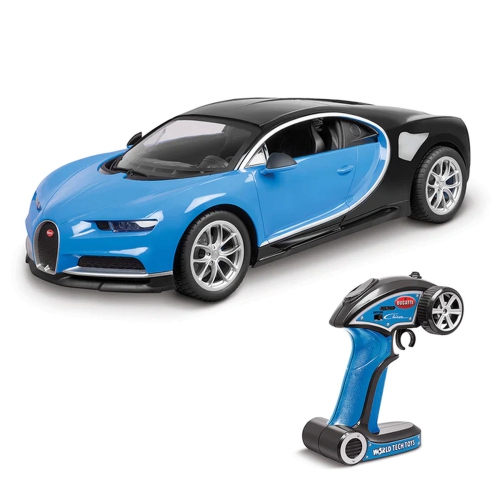 Your price for this item is $119.99
-
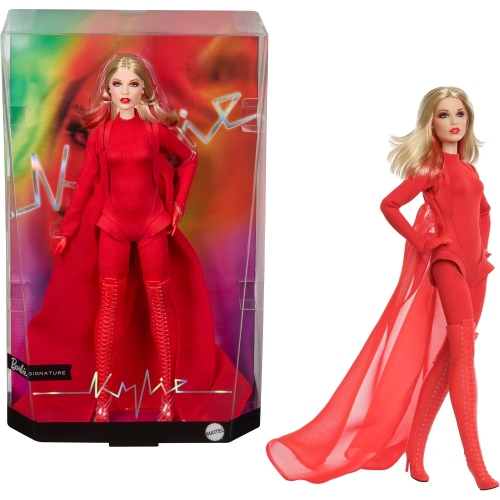 Your price for this item is $112.99
-
 Your price for this item is $59.99
-
 Your price for this item is $6
-
 Your price for this item is $18
-
 Your price for this item is $13.79
-
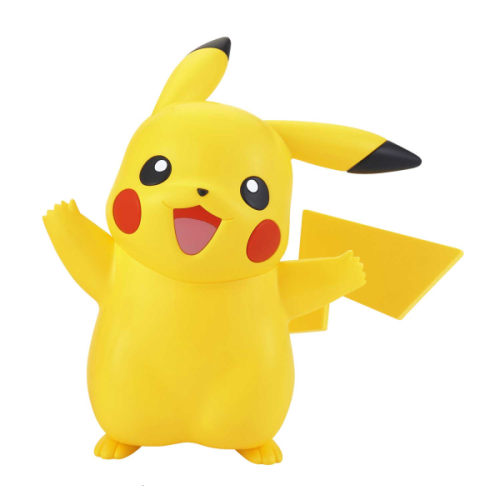 Your price for this item is $16
-
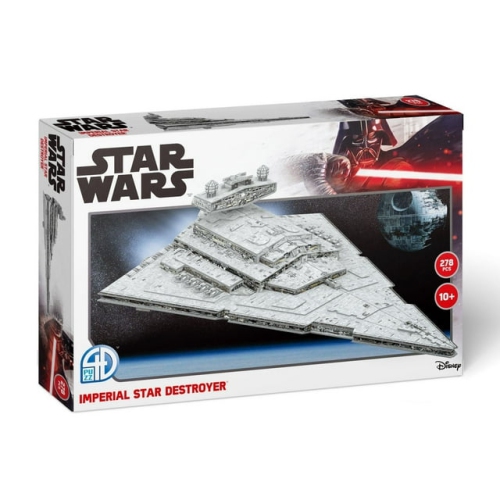 Your price for this item is $64.99
Discover more categories related to Toy Pirate Ships



Top Collections:
Pokemon Centers, Pokémon 30th Celebration Cards, Best Budget Office Chairs, Kindle Devices, Best Cameras for Sports Photography, Canon G7X Cameras, Best Black Friday Deals On Electronics, Best Laptops for Writers, iPhone 15 Apple, Jackery Power Stations
Some products may be subject to Environmental Handling Fees
(EHF) depending on your province.
Learn more about EHFs.