Toys for 8-10 Year Old Boy
Discover a world of fun and excitement with our selection of toys for 8-10 year old boys. From interactive games to imaginative playsets, these toys are designed to spark creativity, encourage learning, and provide hours of entertainment. Whether your little one is into building epic structures with construction sets, solving puzzles, or engaging in friendly competition with friends and family, you'll find the perfect toy to keep them entertained and engaged.
Sort
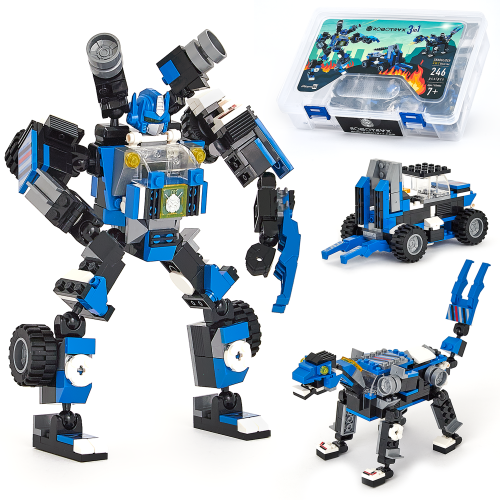
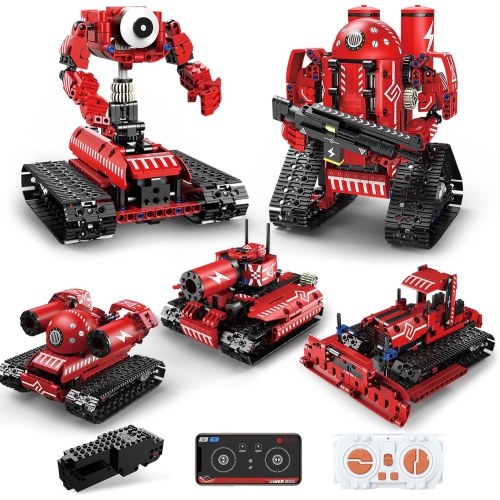
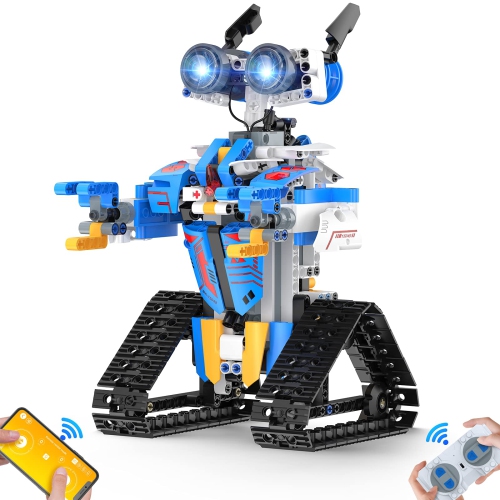
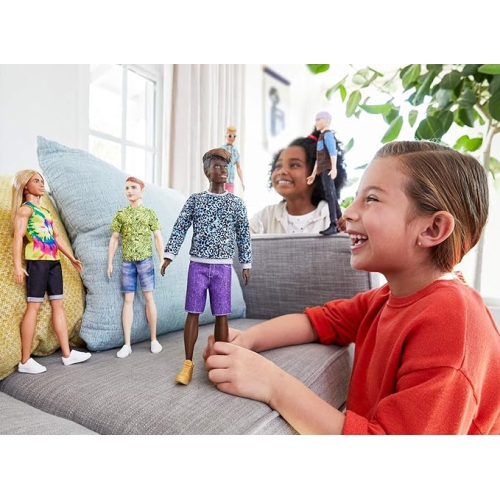
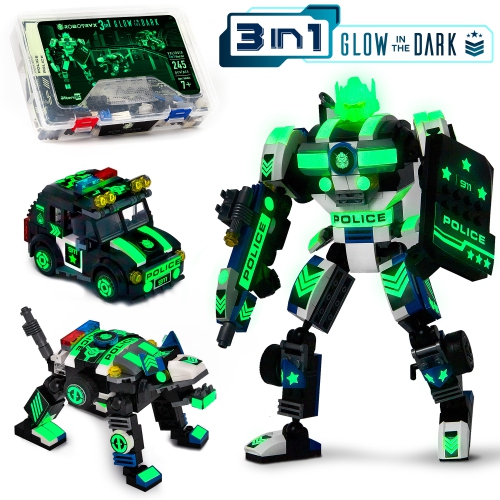
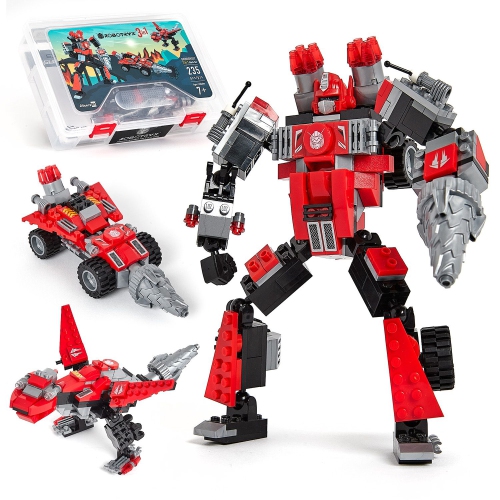


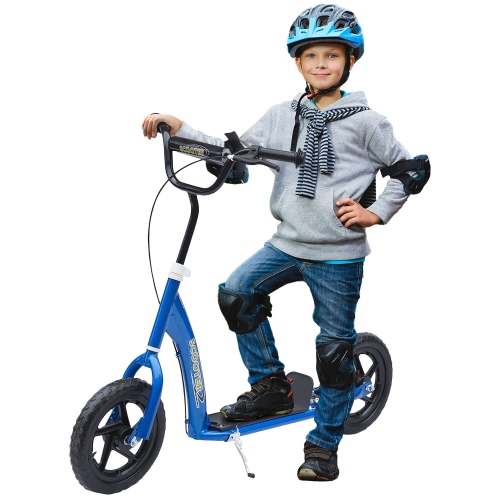

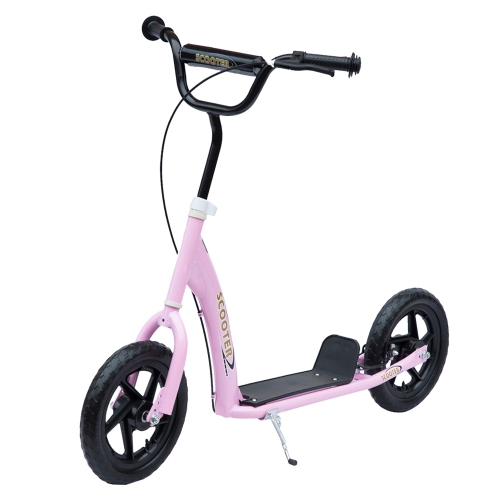

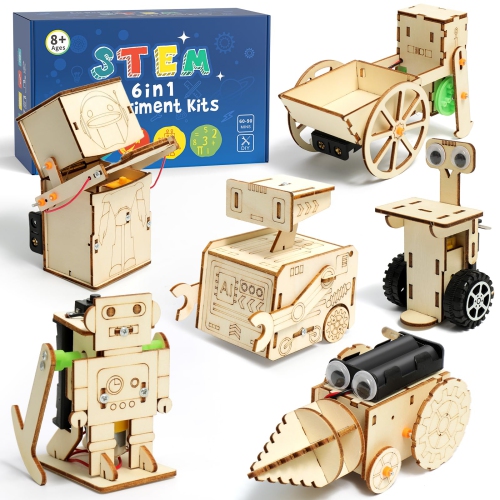
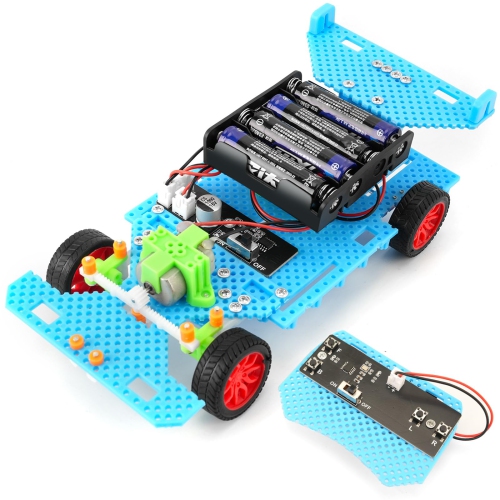
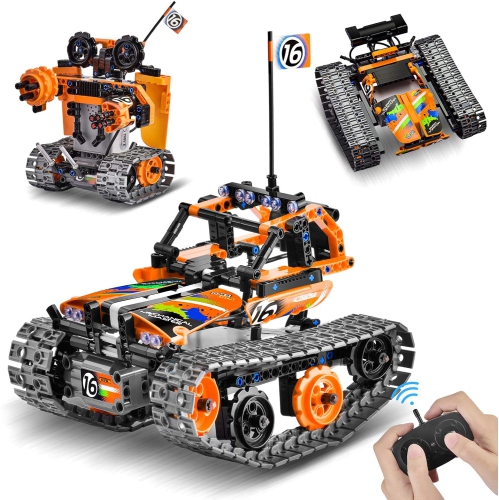
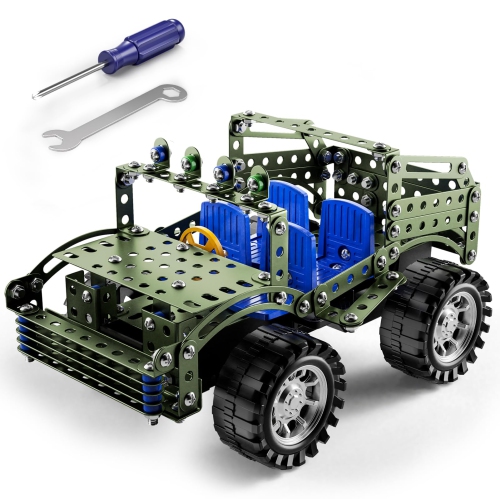
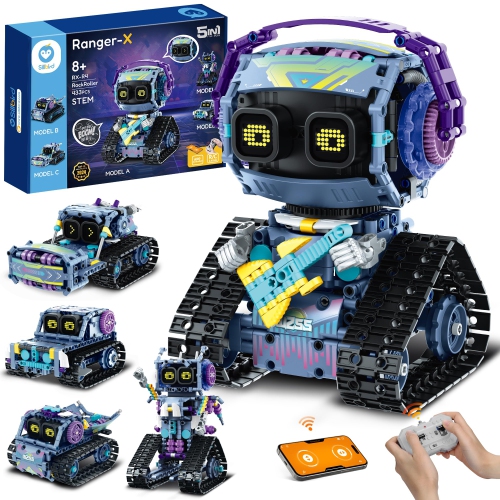
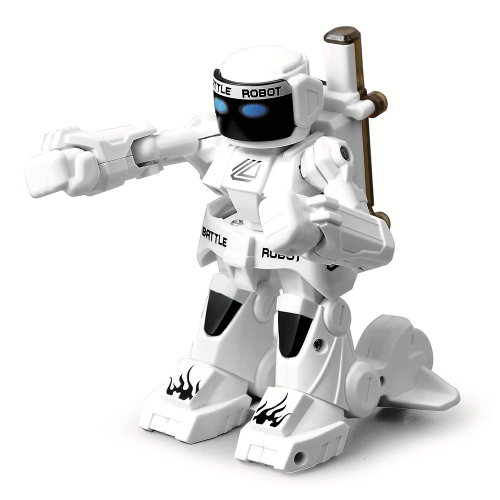

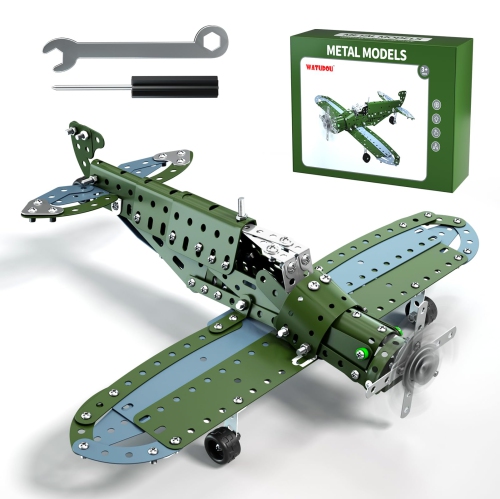
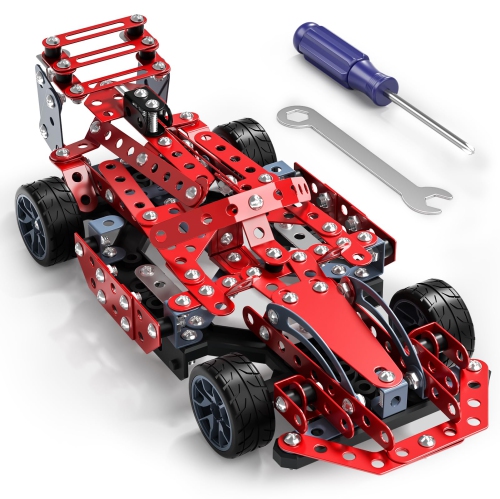

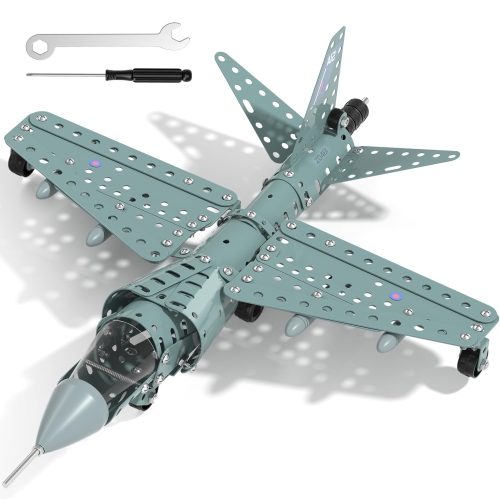
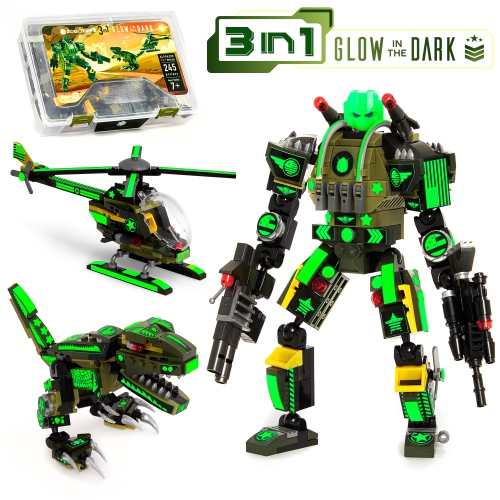
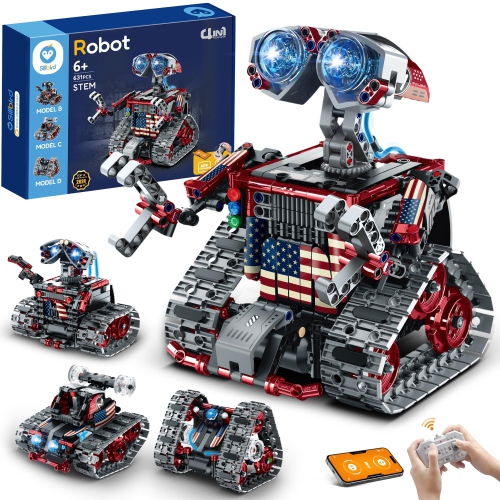
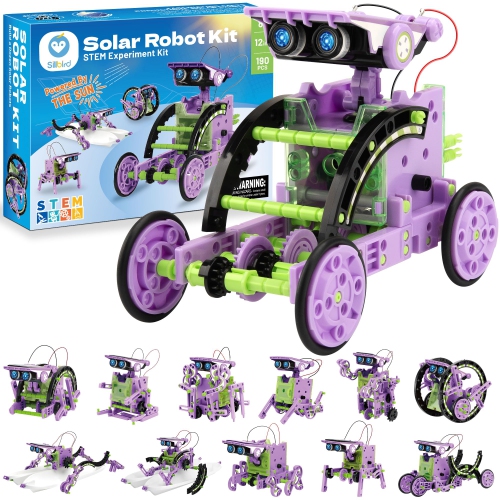

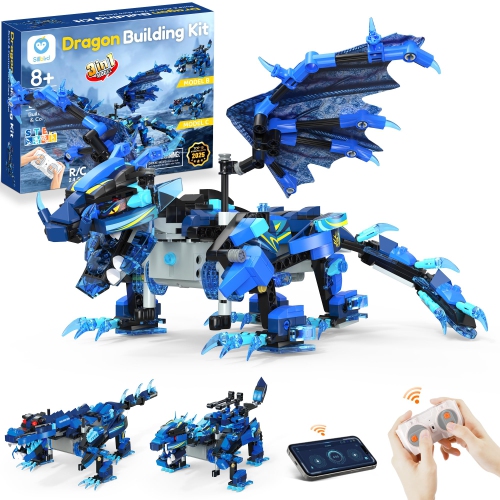
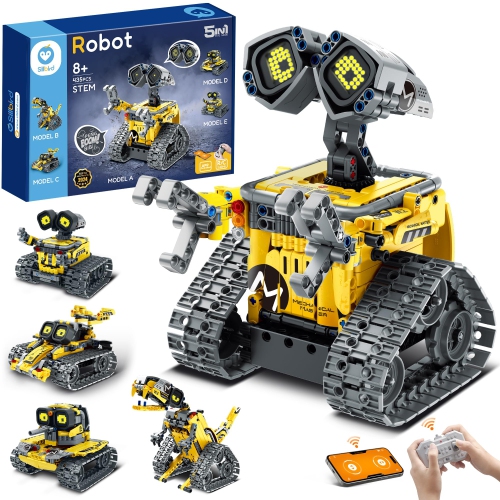
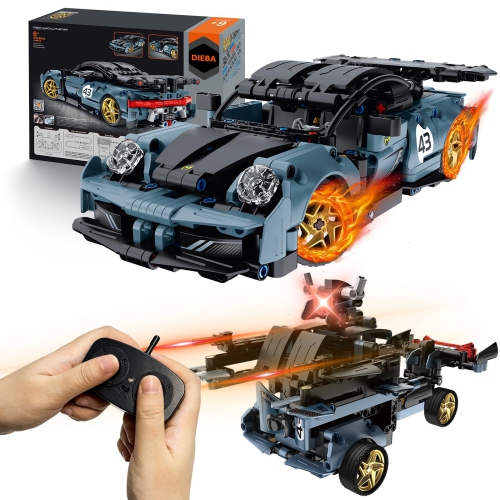
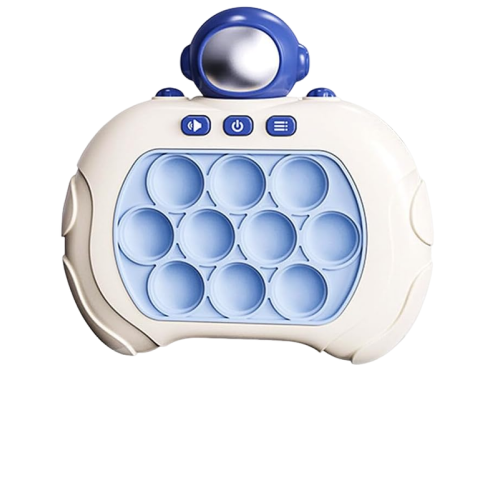
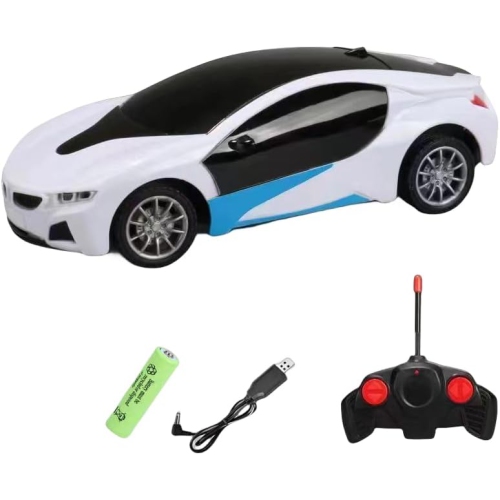
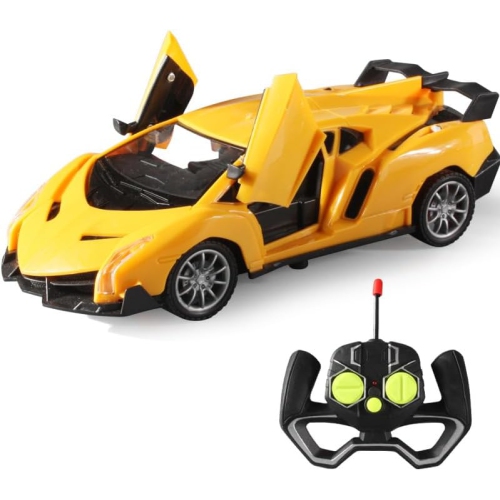
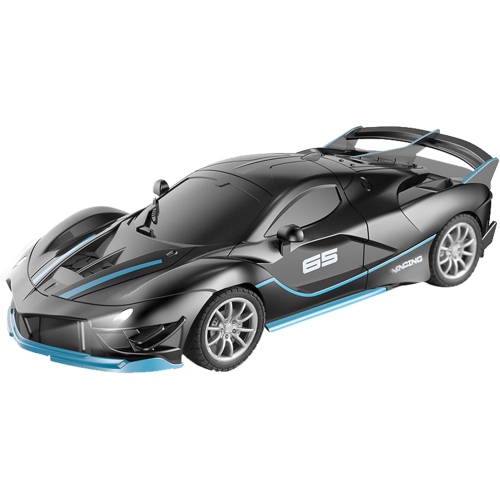
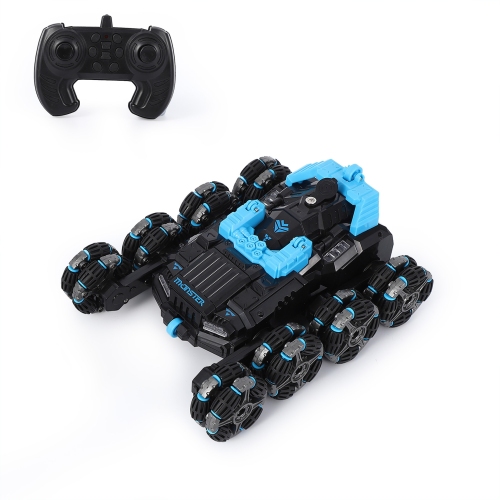
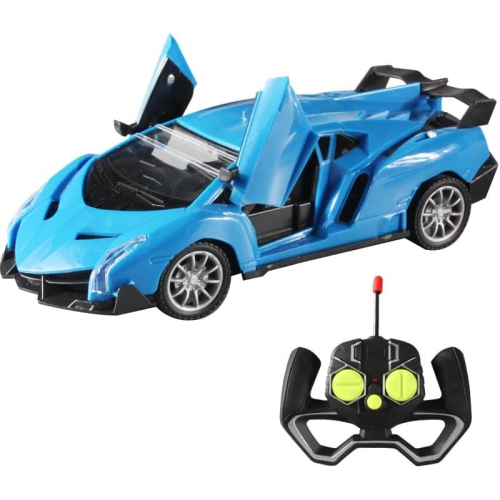
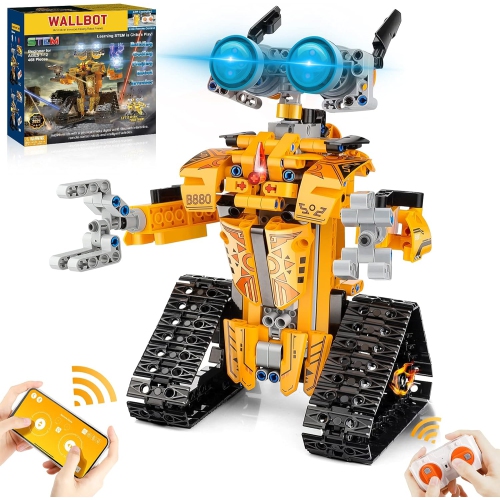
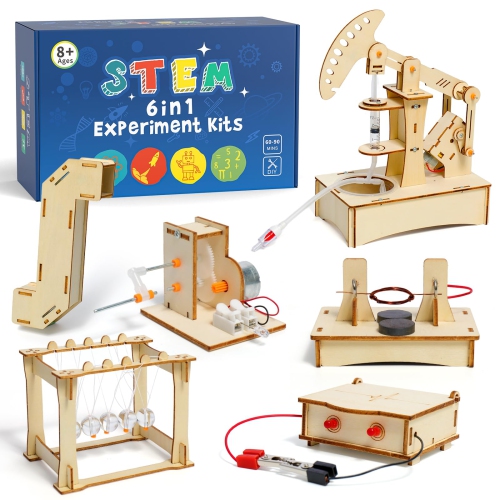
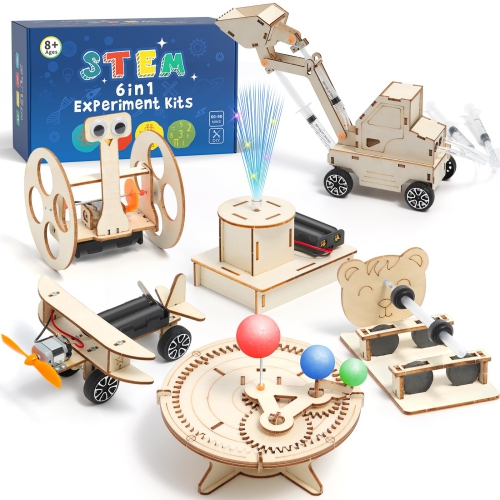
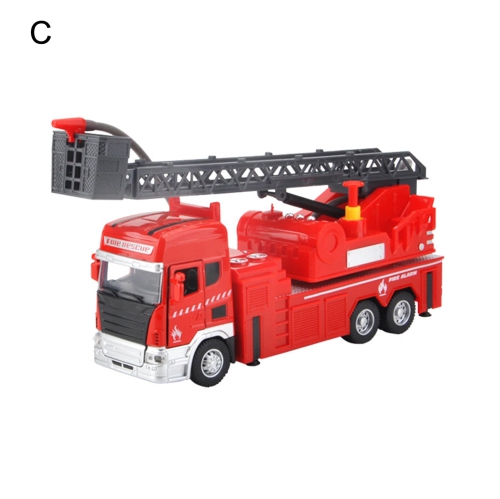
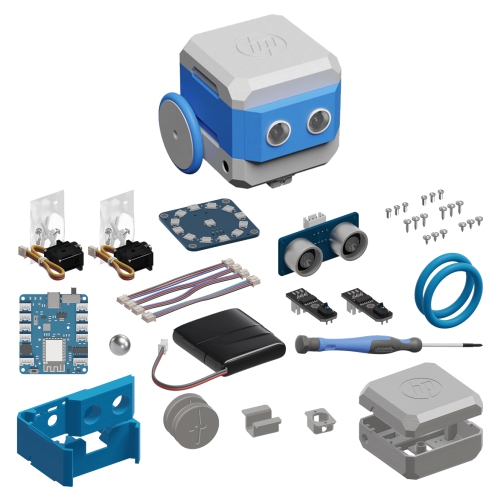


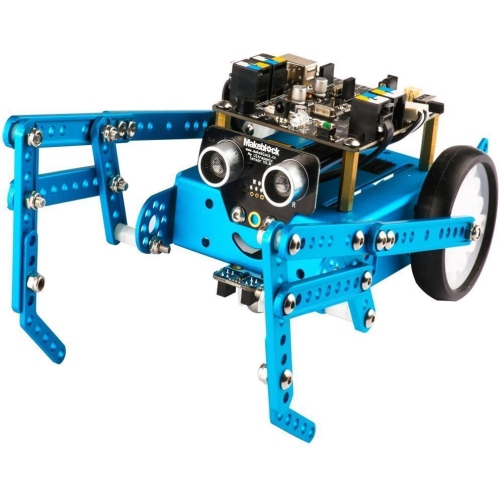


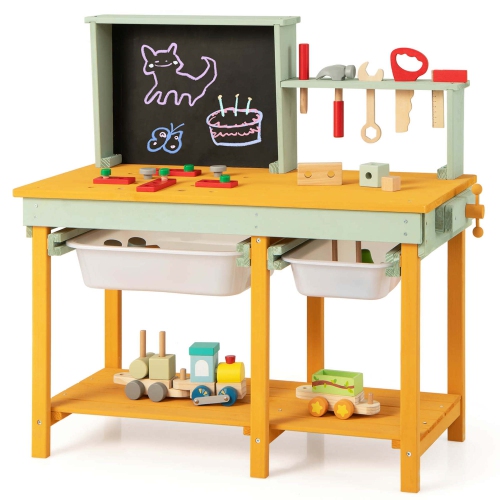
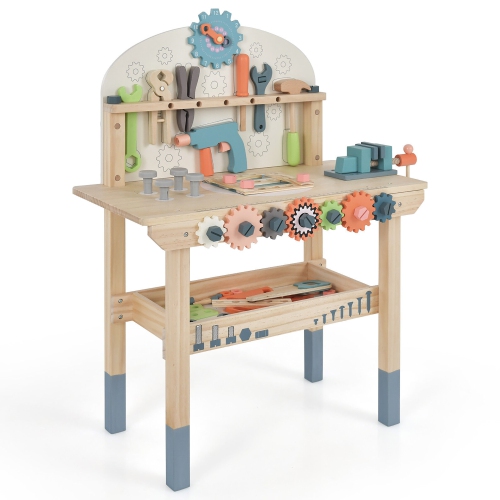
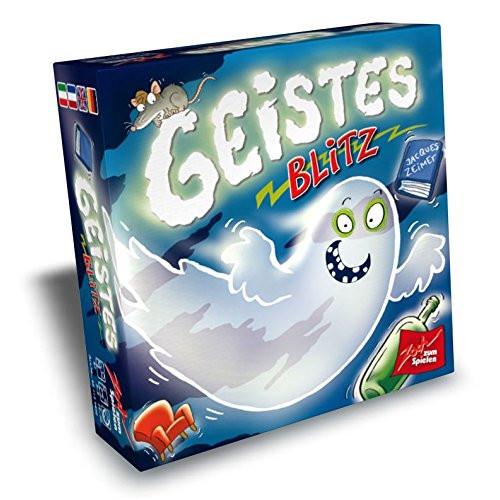
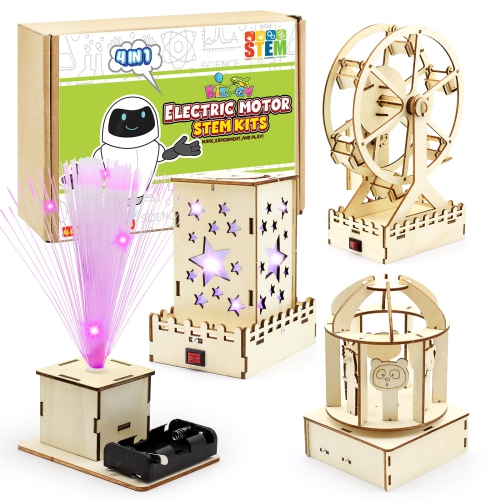
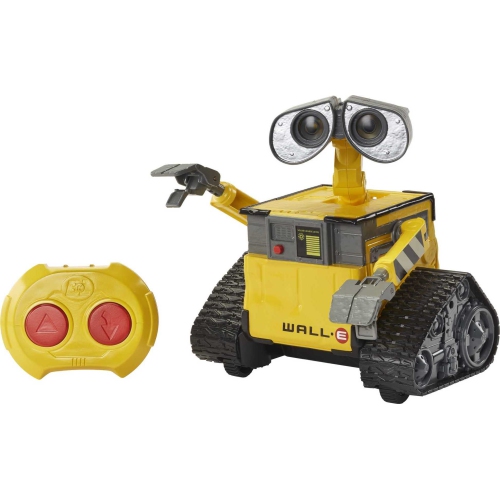

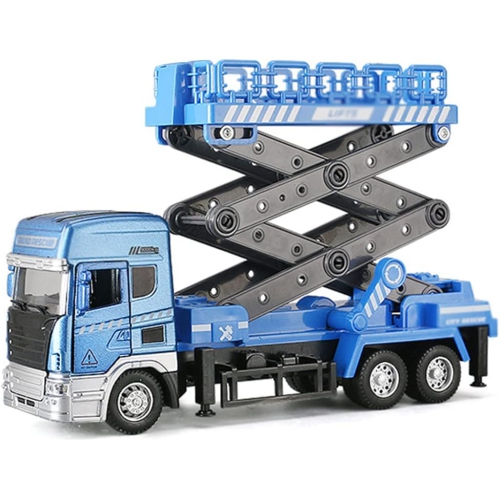
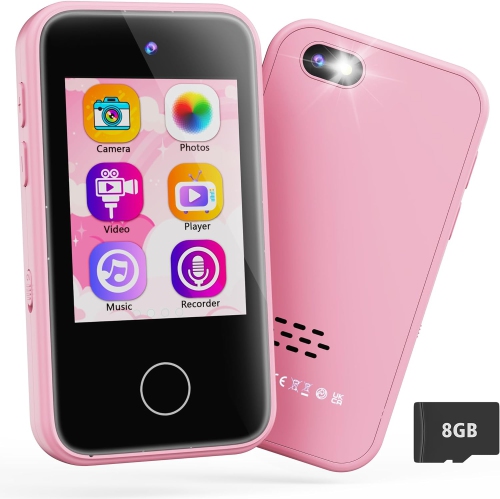

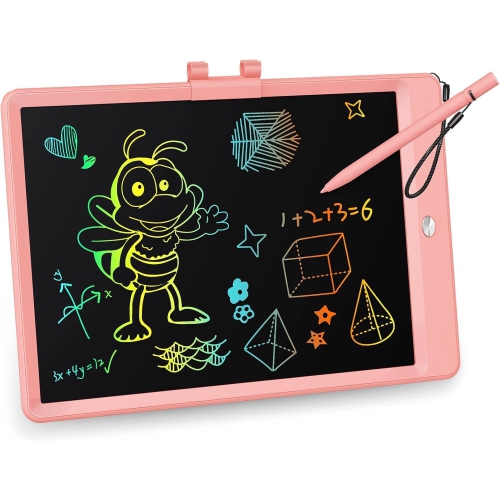

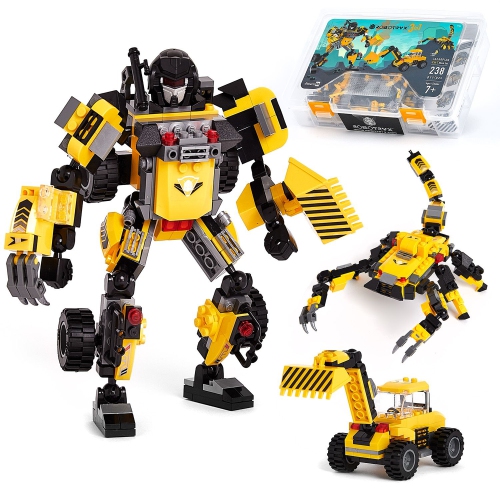
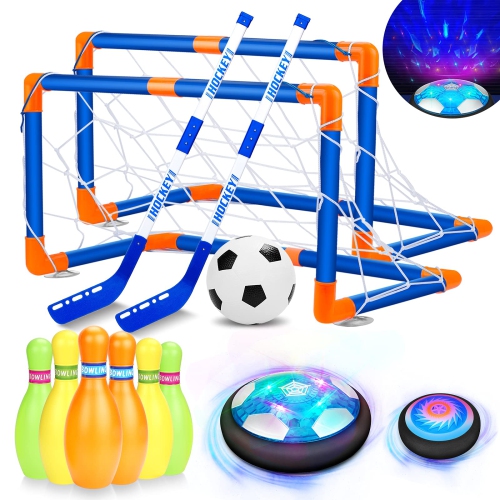
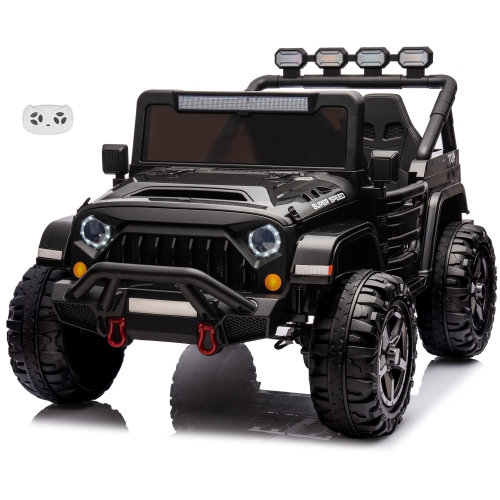

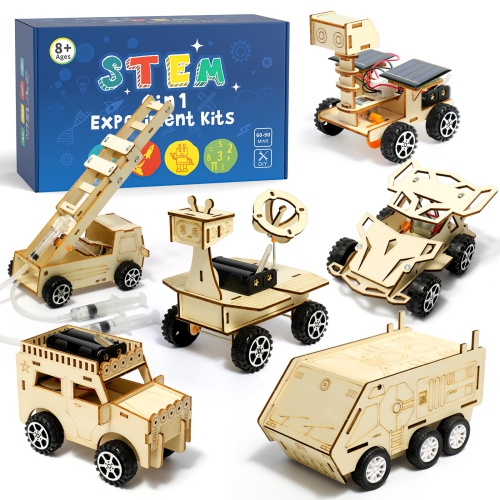
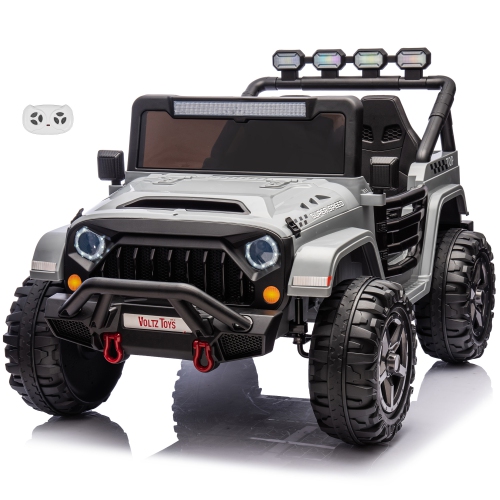








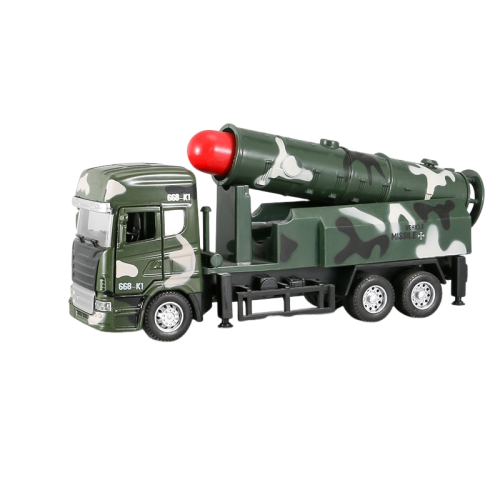
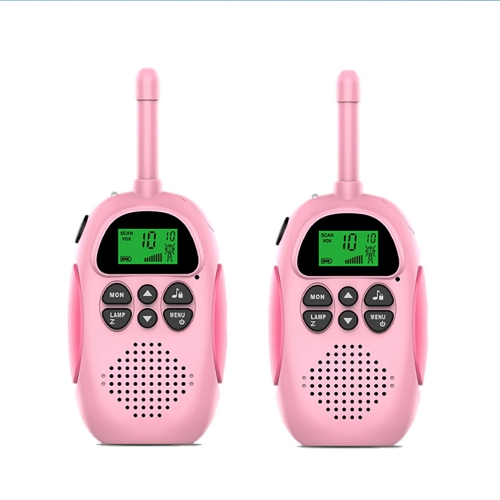

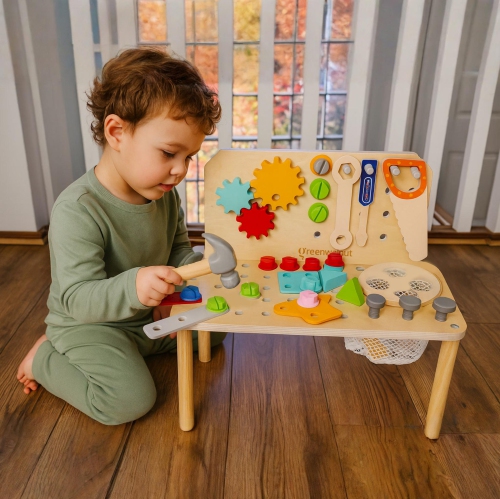
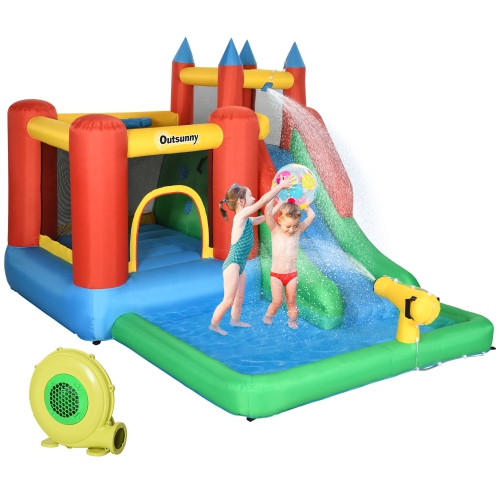

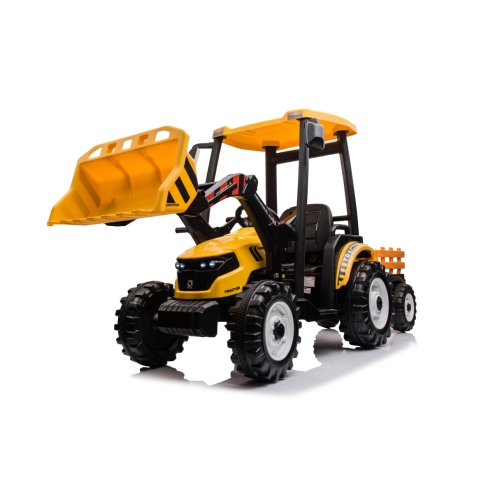
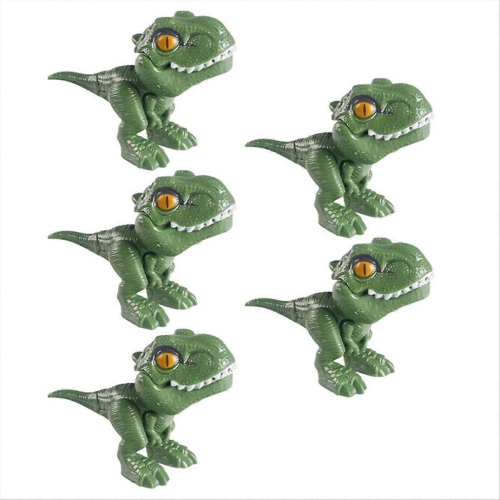


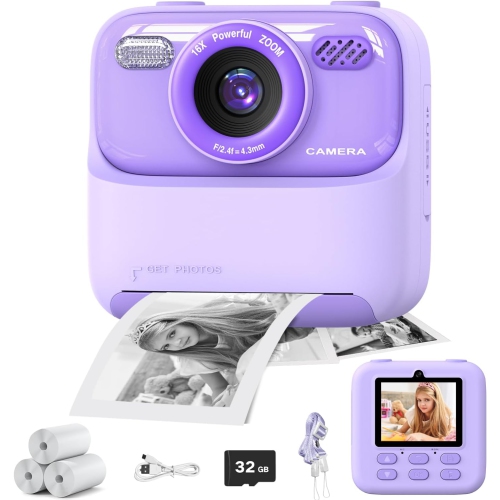
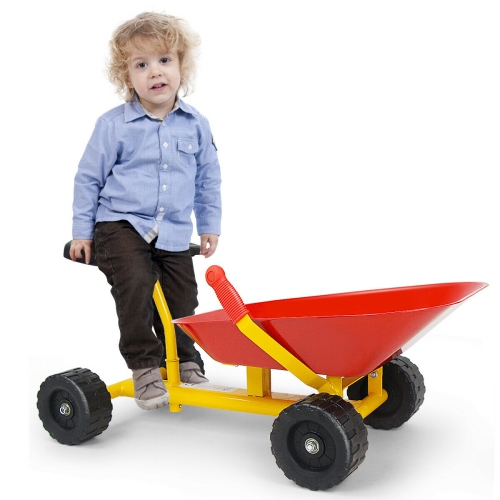
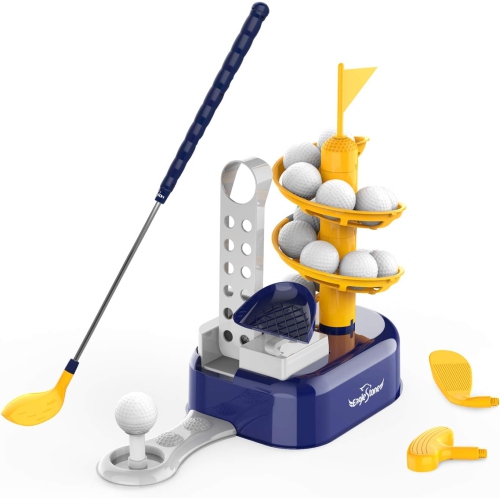

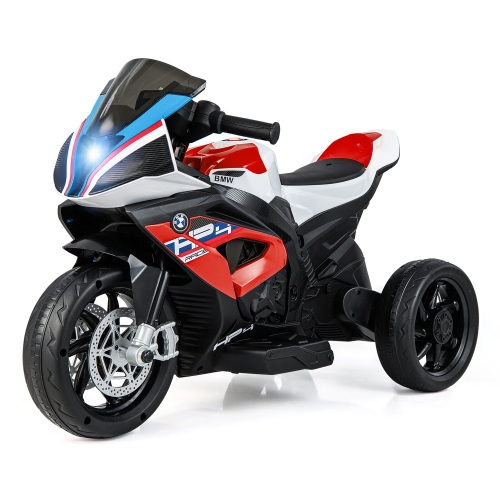


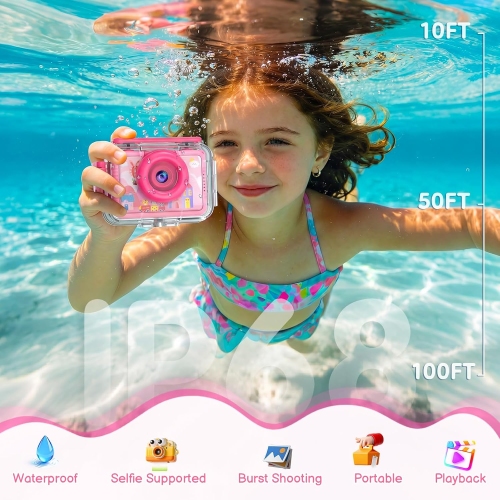

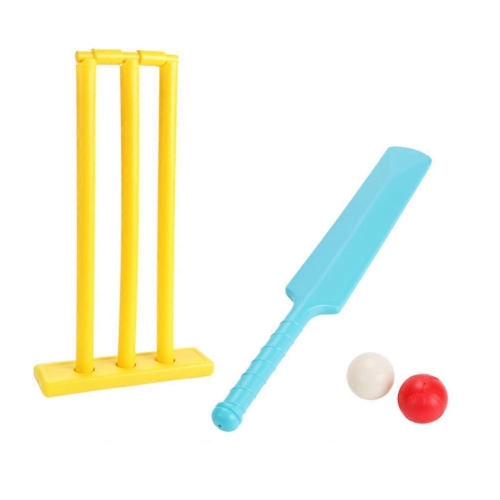

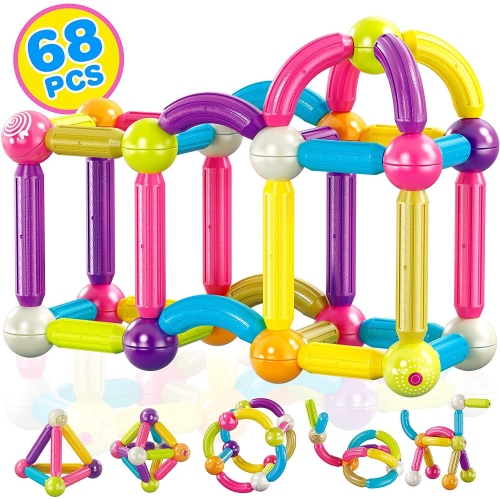
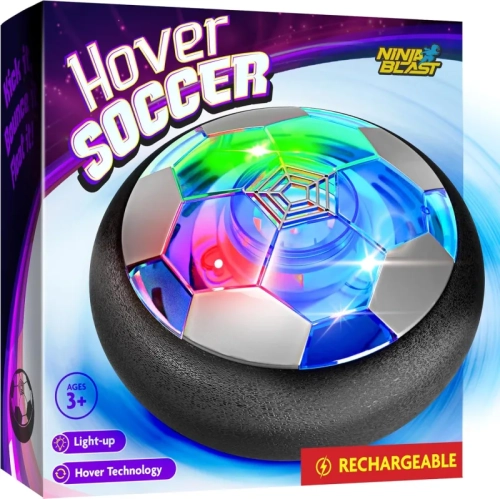


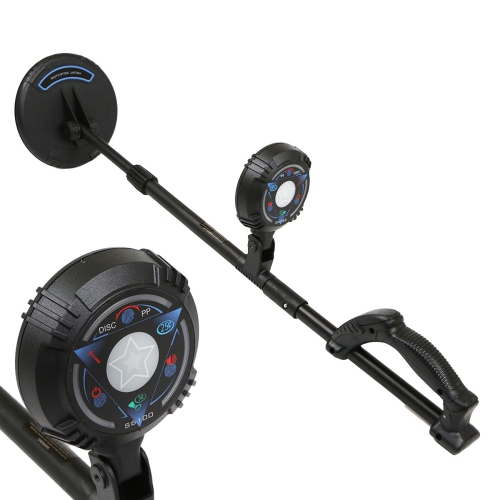
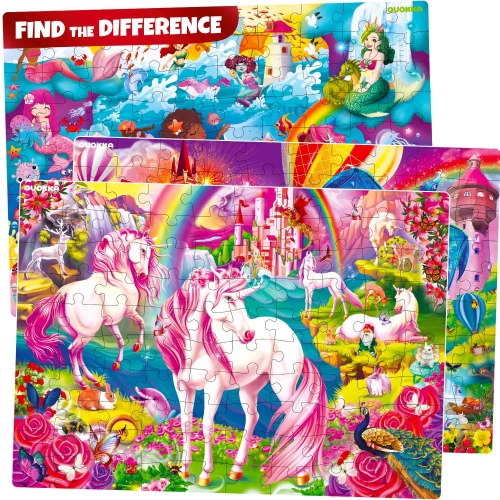

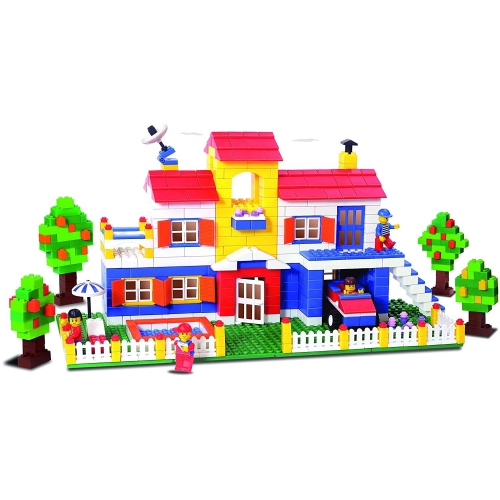


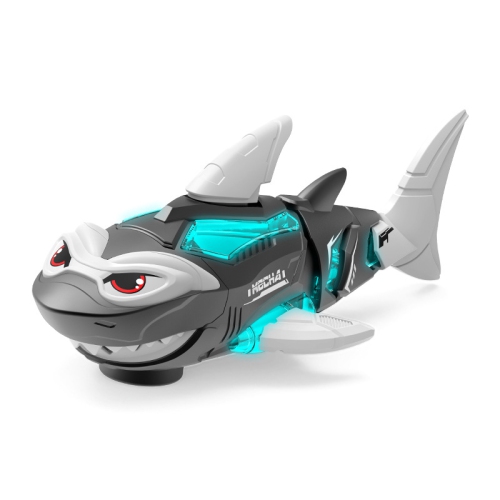
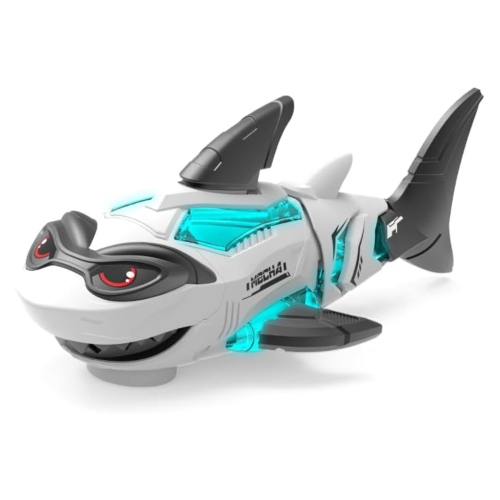
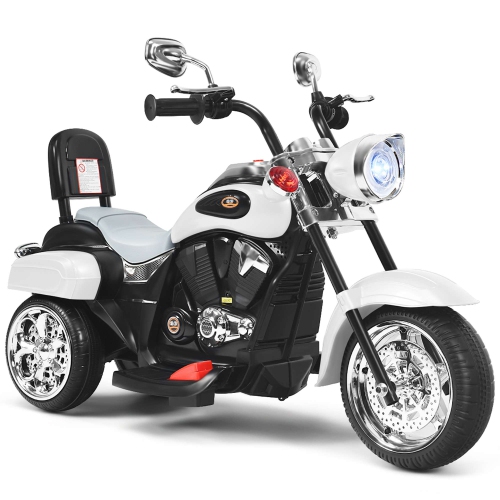





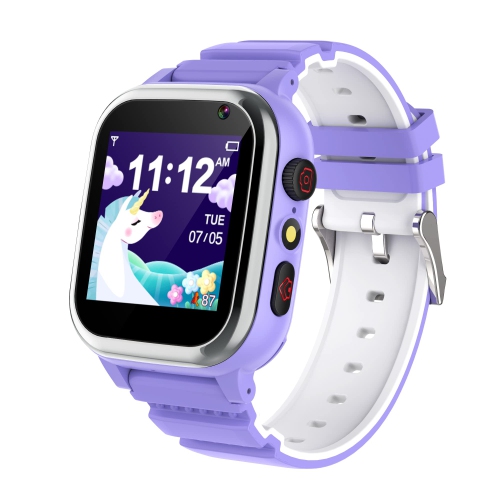

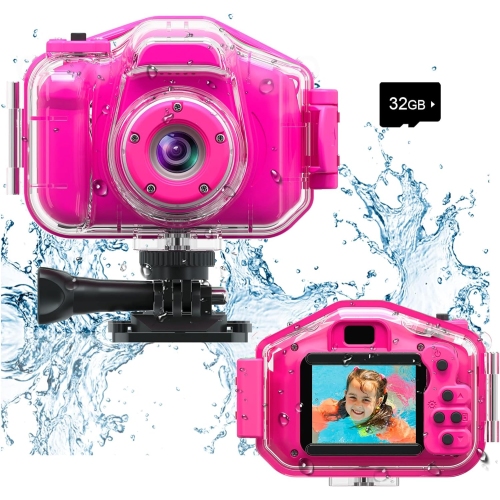
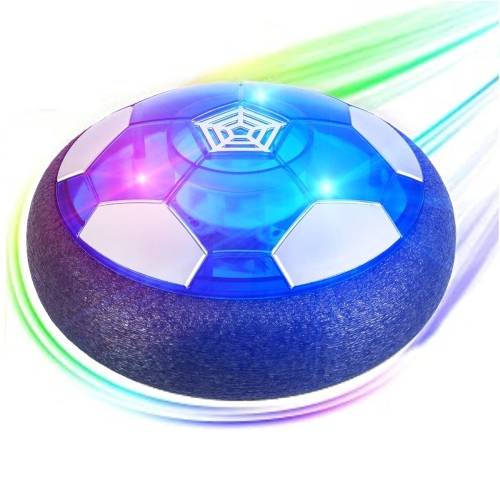
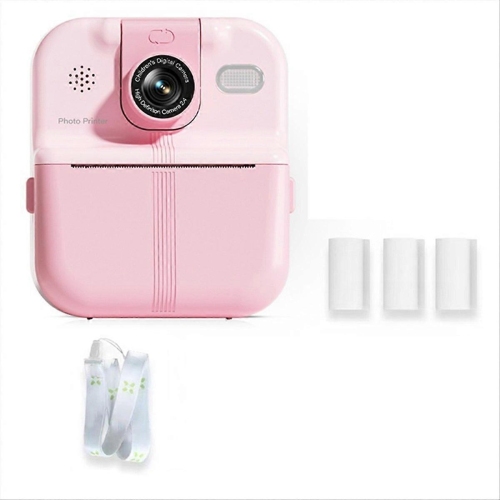
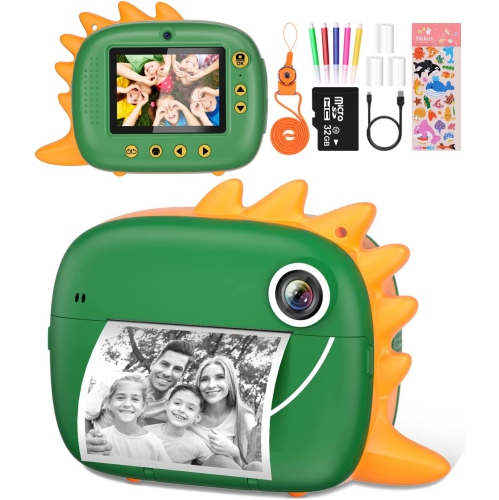

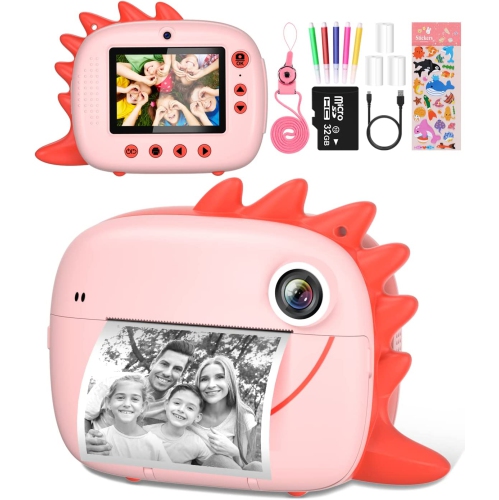

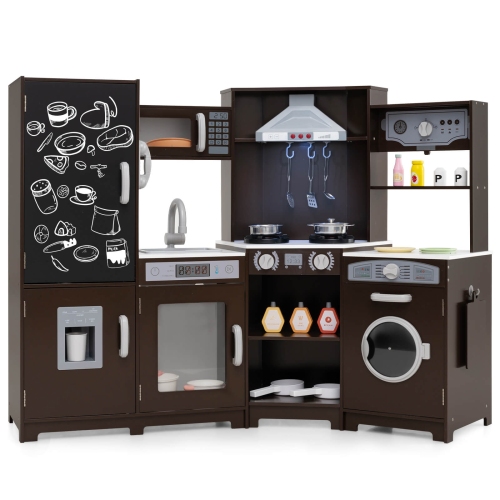
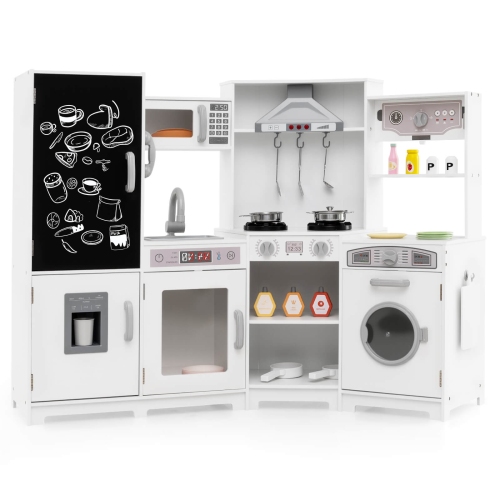





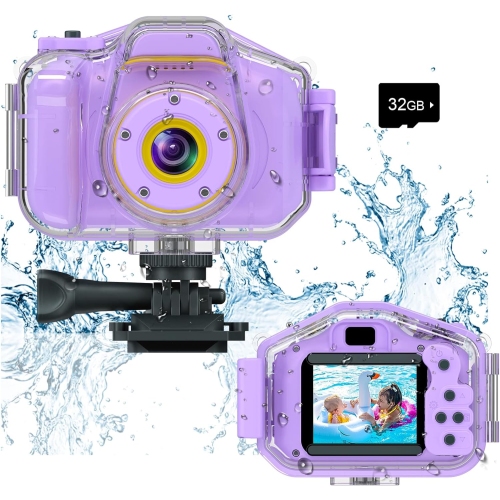
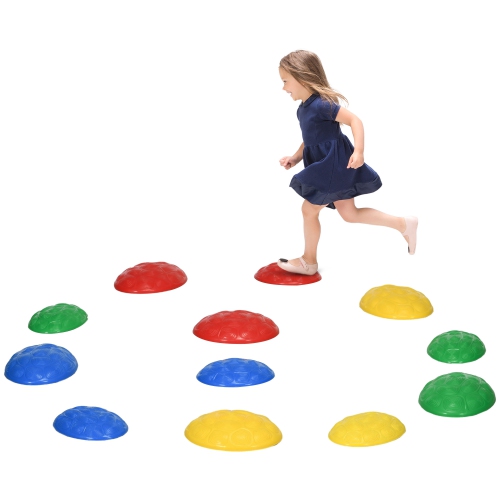
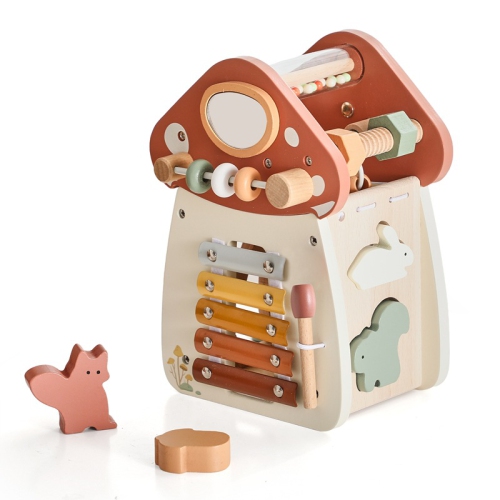
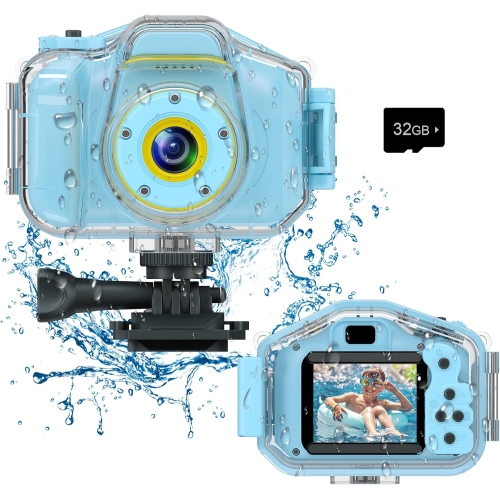


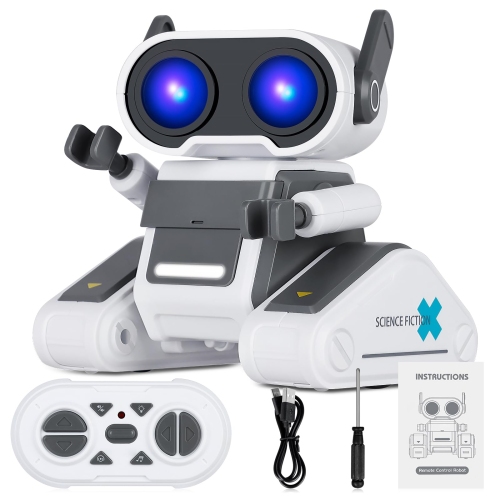
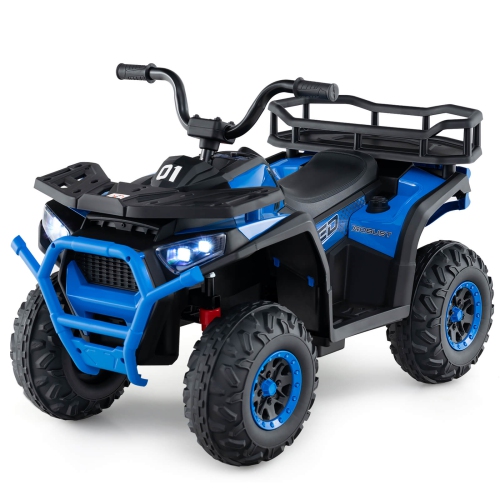

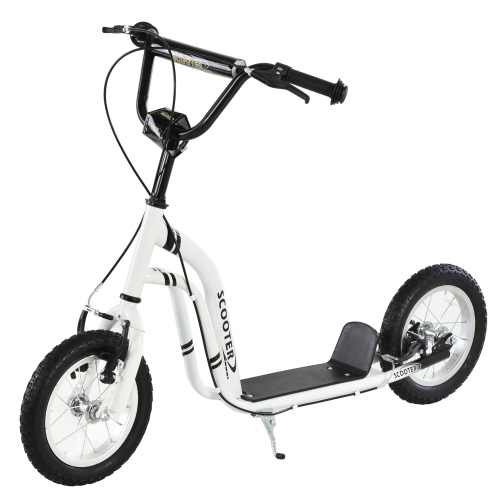
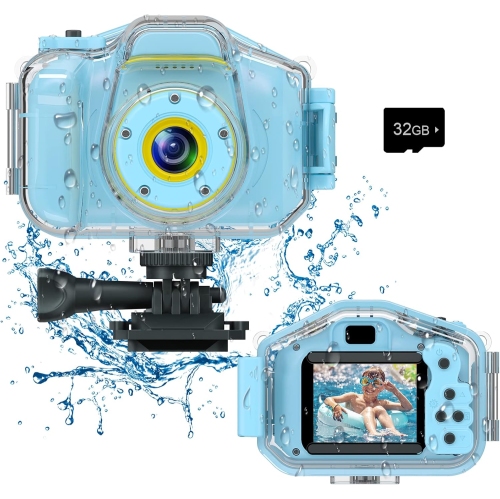
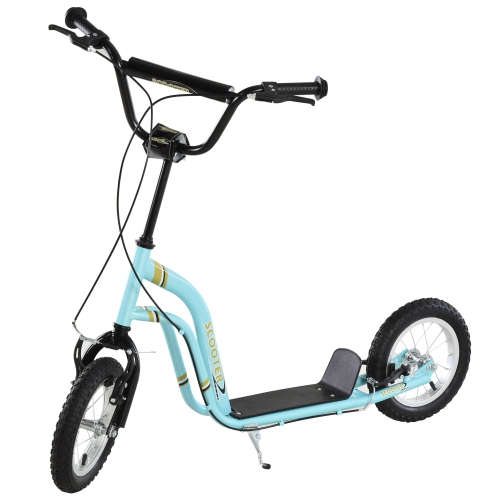
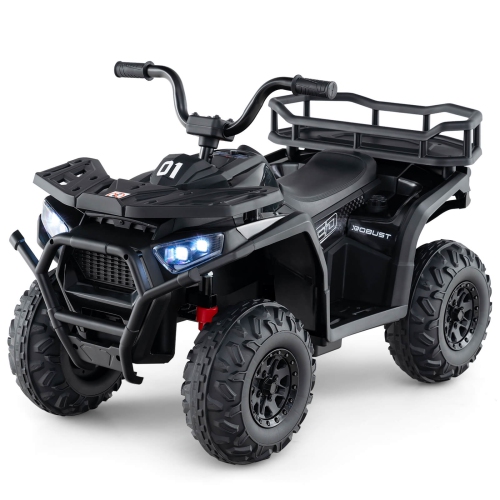

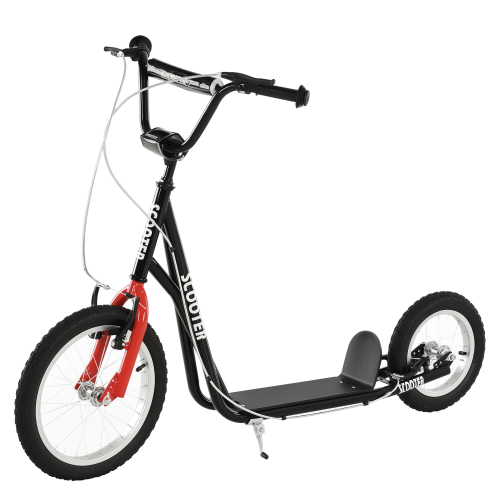


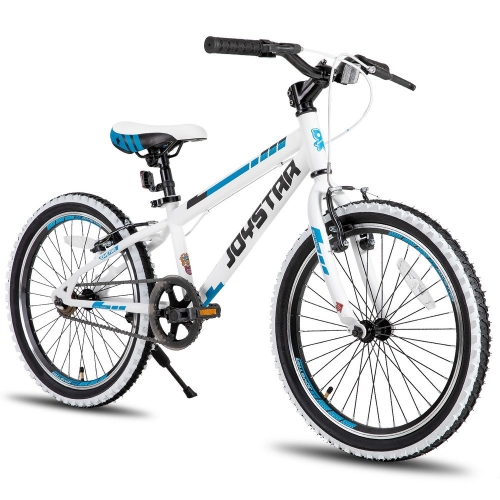


Toys that reward persistence and spark new adventures
Toys for 8–10-year-old boys bring together hands-on building, imaginative storytelling, active play, and challenges that take a little persistence to solve. At this age, many children enjoy toys that give them something to work towards, whether that means completing a detailed construction, mastering a new trick, or finding a winning move in a game. Building toys, science activities, puzzles, remote-controlled toys, and sports equipment can all suit this age group, depending on a child’s interests and the level of independence he enjoys. The strongest match is usually a toy with an approachable starting point and enough variety to stay interesting after the first afternoon. A child who loves making things might spend an hour adjusting a structure until it stands securely, while another might prefer a fast-moving challenge with clear rules and a finish line. Creative play still has plenty of appeal, too: figures, vehicles, and make-believe settings can become the cast and scenery for elaborate adventures that continue over several days. Age recommendations provide a useful starting point, but reading ability, hand strength, patience, and previous experience also affect how comfortable a toy feels to use. An eight-year-old trying a new activity may appreciate large, clearly illustrated steps, while a ten-year-old with an established interest may welcome finer details and more demanding tasks. That distinction is about experience rather than a strict dividing line between ages. For a closer focus on the younger end of this range, Toys for 8 Year Old Boys offers a more age-focused way to browse. Across the wider age group, interests matter more than assumptions about what boys should enjoy. Art, music, pretend play, engineering, and physical activity all have a place, and a toy that connects with an existing enthusiasm can also introduce a fresh way to explore it.
Different types of toys offer different rhythms of play, from a quiet project at a table to an energetic game with friends. Construction and design activities give children room to follow a plan, take it apart, and try their own version. Pieces that connect securely without excessive force make repeated building more satisfying, especially when a finished creation needs to survive being moved from the floor to a shelf. Science-focused play can turn observation and experimentation into something tangible, with children comparing results, changing one variable, or keeping track of what happened. Clear instructions, stated age suitability, and any required adult supervision are particularly important for activities involving mixtures, moving mechanisms, or tools. Logic puzzles and strategy games offer a different kind of challenge, encouraging children to think ahead and adjust when an early approach does not work. For shared play, the number of participants, reading requirements, and typical playing time help determine whether a game fits a sibling afternoon or a family gathering. Short rounds can make it easier for everyone to take a turn, while longer games suit children who enjoy settling into a more involved activity. Remote-controlled play combines coordination with experimentation, but the practical details matter: a vehicle needs enough room to turn, and its wheels and construction should suit the intended surface. Electronic toys may also require batteries, charging time, a compatible device, or adult help with setup. Where an app or online connection is involved, checking device requirements and parental controls helps clarify how the toy will be used. Creative activities offer another pace entirely, giving children a chance to draw, shape, assemble, or perform without needing a single correct result. A partly finished design left ready for another session can be just as inviting as a new challenge. Toys that allow both structured activities and open-ended exploration are especially adaptable as confidence grows and a child starts inventing his own rules.
Materials, size, and everyday handling make a noticeable difference to how well toys fit into family life. Moulded plastic can support intricate shapes and wipe-clean surfaces, while wooden components offer a different weight and feel; neither material alone determines quality or suitability. Smooth edges, secure connections, well-attached parts, and construction appropriate to the intended activity are more useful details to consider. Fabric pieces benefit from clear washing instructions, and painted or printed surfaces need care that protects their finish. Manufacturer care directions should guide cleaning, particularly for toys with battery compartments, electronic components, or materials that should not be soaked. Durability also depends on how a toy is used: a display-style construction is different from something intended for repeated rolling, throwing, or carrying. For wearable play equipment and sports accessories, fit should reflect the child’s measurements and the manufacturer’s size guidance rather than age alone. Handles and controls should be comfortable for smaller hands, and any required protective equipment should suit the activity. Space is another practical consideration. A building project may need a flat surface where it can remain undisturbed, while active play needs a clear area away from fragile belongings. Storage trays, lidded containers, and a designated place for instructions can help keep small components together and make it easier to return to an unfinished activity. Small parts also need to be kept away from younger siblings, even when the toy is appropriate for the older child. As birthday gifts or presents to mark a personal achievement, toys for this age range feel more thoughtful when they reflect how the recipient actually likes to spend his time. A child who enjoys working independently may value a project he can revisit at his own pace, while someone who regularly invites friends over may get more use from shared challenges. Clear setup requirements and manageable cleanup help a gift fit naturally into the household. The lasting appeal often comes from what happens after the instructions end: a redesigned track, a new game rule, or a creation proudly brought over for someone else to see.
Top selling and popular products
-
 Your price for this item is $150.99
-
 Your price for this item is $799.99
-
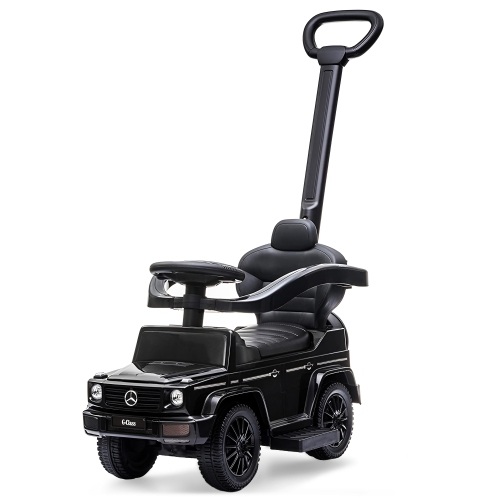 Your price for this item is $141.99
-
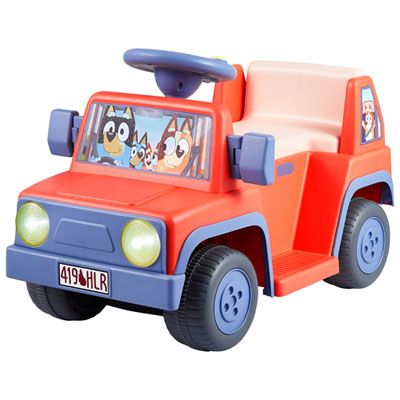 Your price for this item is $199.99
-
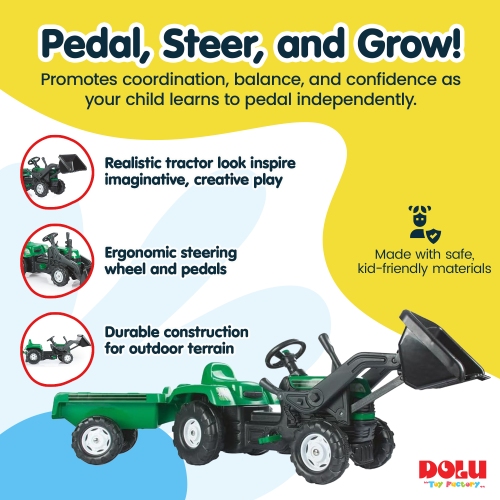 Your price for this item is $205.99
-
 Your price for this item is $199.99
-
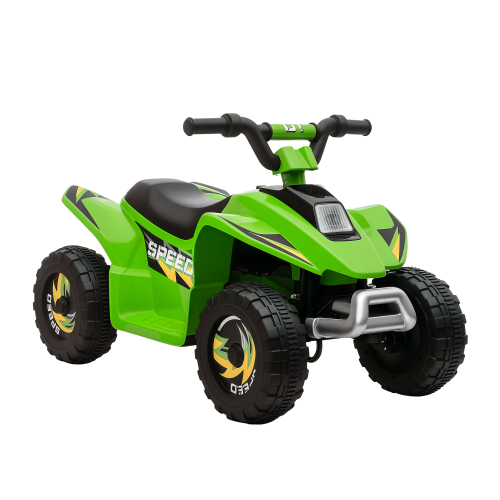 Your price for this item is $82.95
-
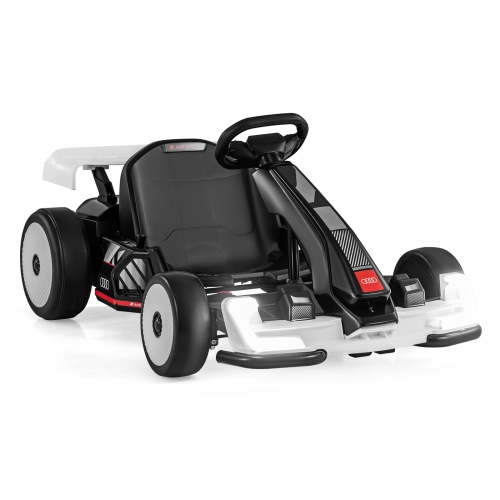 Your price for this item is $449.99
Discover more categories related to Toys for 8-10 Year Old Boy
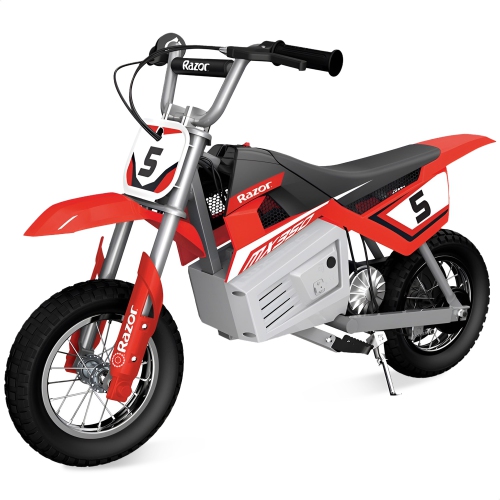
Top Collections:
Pokemon Centers, Kindle Devices, Best Budget Office Chairs, Canon G7X Cameras, Apple iPhones 16, Samsung Galaxy Phones, Refurbished Apple Laptops, Laptops for Students, iPhone 15 Apple, Budget Smartphones
Some products may be subject to Environmental Handling Fees
(EHF) depending on your province.
Learn more about EHFs.