Toys for 8 Year Old Boys
Toys for 8-year-old boys are an important part of their development and can help them learn, grow, and have fun. These toys should be age-appropriate and engaging to keep their interest. Here are some great options available.
Sort

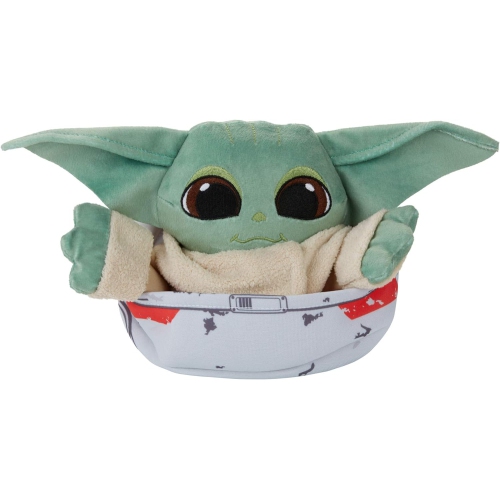
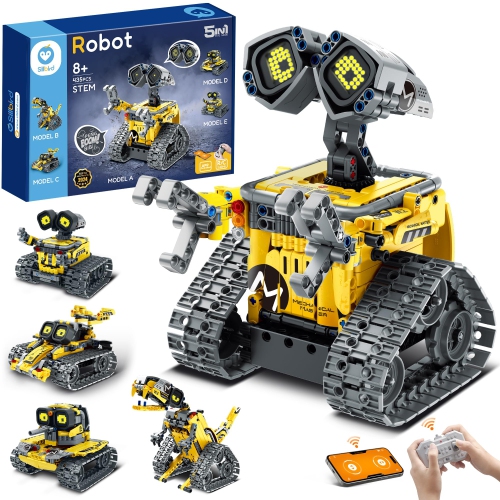
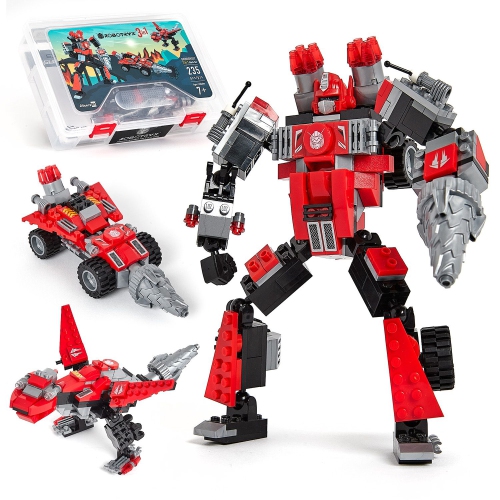
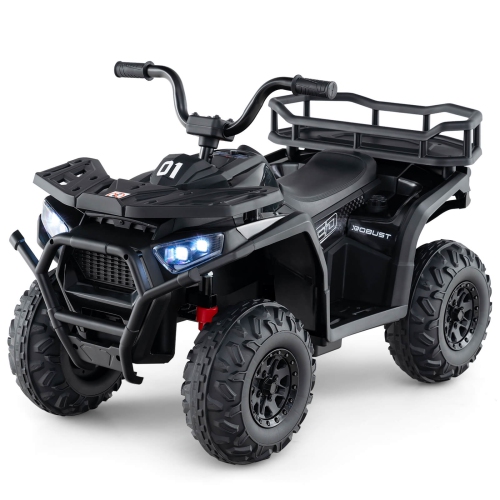
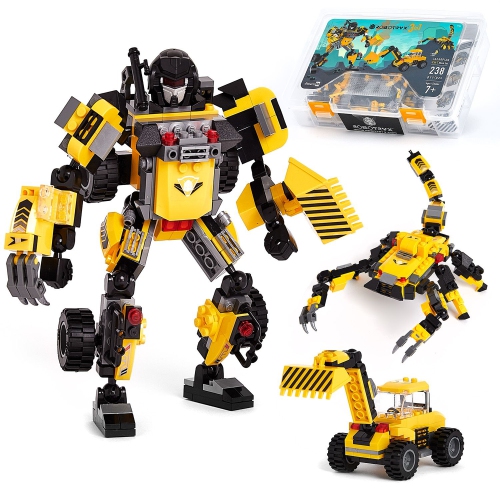
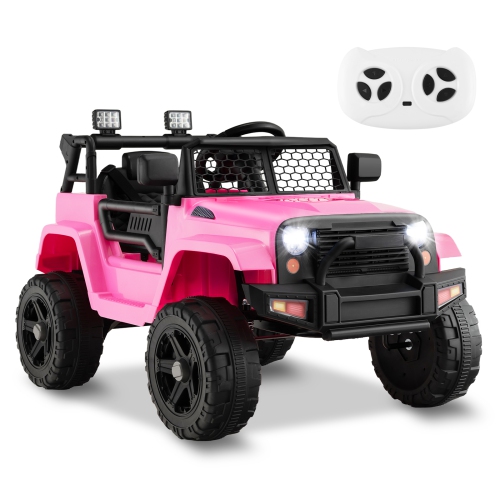
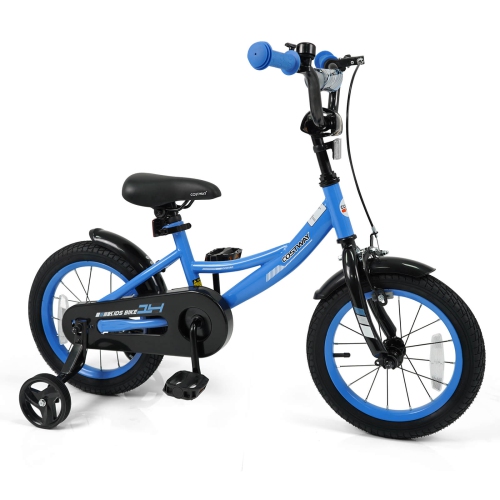
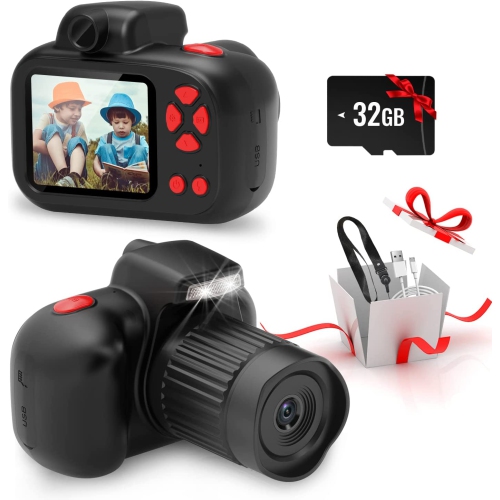
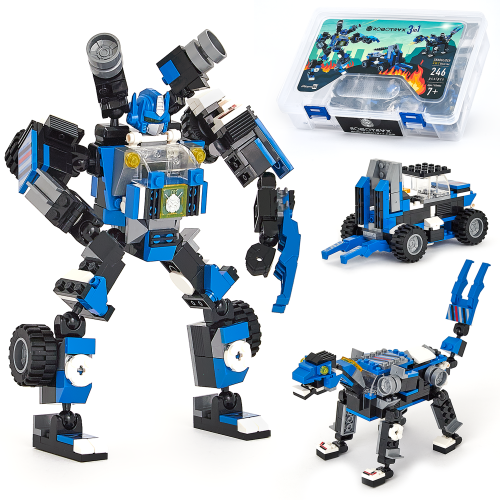
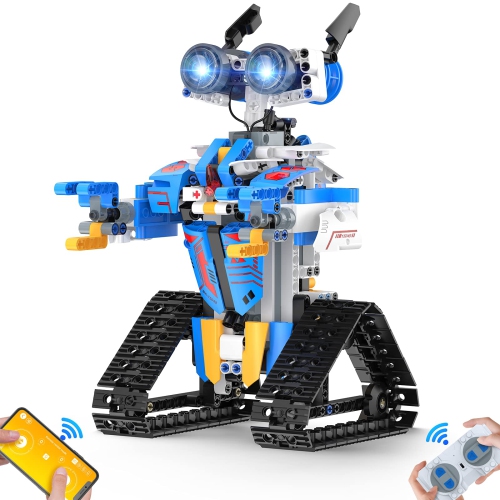

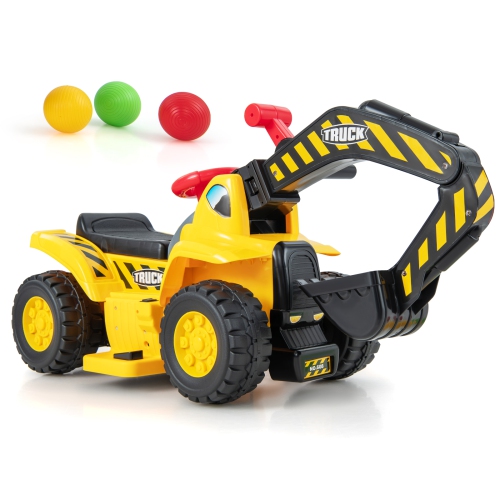


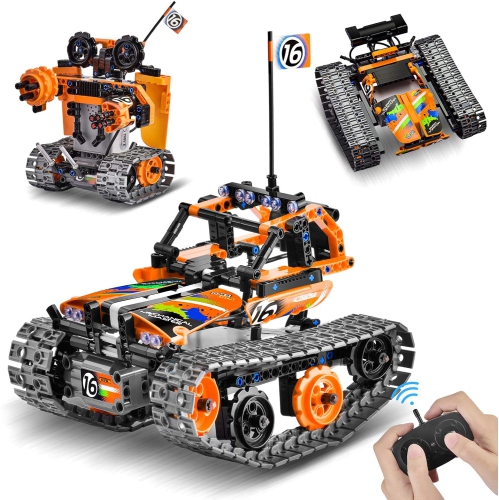
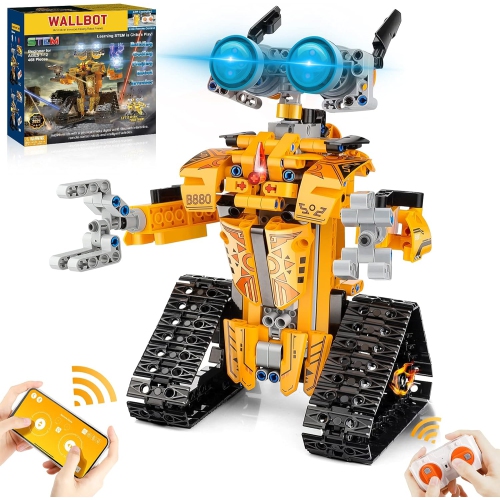
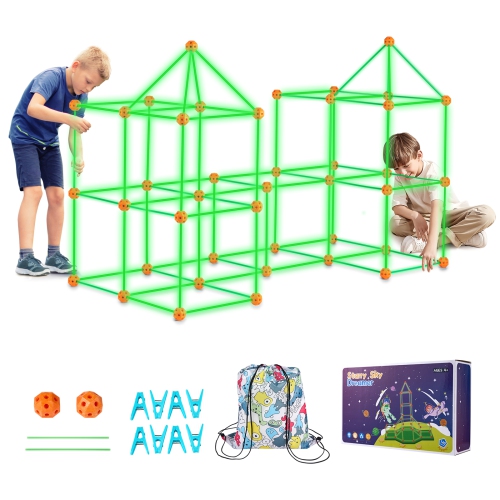
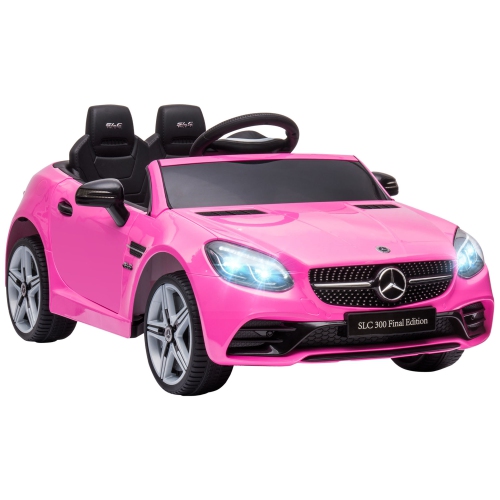

From step-by-step builds to inventions of their own
Toys for 8-year-old boys often include building sets, science and engineering kits, puzzles, creative materials, pretend-play toys, and games that get kids moving. At this age, many children enjoy projects with several steps, rules they can explain to a friend, and challenges that leave room for their own ideas. A model that starts with illustrated instructions might later become a completely different invention, while a strategy game can turn a familiar family activity into a chance to plan ahead. The most engaging choice usually connects with a child’s interests rather than simply matching an age on a box. Space, animals, sports, vehicles, music, and imaginary worlds can all provide a starting point, but preferred ways of playing matter just as much. One child may happily spend an hour fitting small pieces together; another may prefer a quick challenge followed by a race across the room. Age recommendations help establish a starting point for complexity and safety, although reading confidence, patience, and previous experience also affect how comfortably a child can play. Clear pictures, easy-to-hold components, and manageable stages can make an unfamiliar activity more approachable without removing the satisfaction of figuring something out. Toys with more than one way to play can suit changing interests, allowing children to follow a suggested activity first and experiment later. For birthdays and other gift-giving occasions, it helps to consider whether the recipient usually plays independently, with siblings, or with friends. A quiet tabletop project has a different role from a group challenge that needs open floor space. Families choosing for children with varied interests can also explore Toys for 8 Year Olds for a broader age-based starting point. Interests are not limited by gender, and art, storytelling, construction, and active play can all belong in a toy collection for an eight-year-old boy. A thoughtful mix gives children different ways to unwind, share ideas, and take on a challenge at their own pace.
Building and construction toys offer hands-on opportunities to explore shape, balance, and how parts fit together. Some children enjoy the precision of completing a detailed design, while others would rather build a tall tower, test its stability, and change the base when it wobbles. Piece size, connection strength, and the clarity of instructions all influence that experience. Connections should suit the child’s hand strength: pieces that separate too easily can make a structure frustrating to move, while very tight fittings may require adult help. Science and engineering toys can add simple cause-and-effect activities, such as observing how gears transfer movement or how a change in a ramp affects a rolling object. These activities can encourage observation and problem-solving, but the practical details matter too. Required adult supervision, extra household materials, and the space needed for setup or cleanup should be clear before an activity begins. Art and craft toys provide another kind of focus, giving children ways to experiment with colour, texture, and design without needing every result to look the same. Washability, drying time, and the suitability of materials for the intended surface can make a noticeable difference at a shared kitchen table. Puzzles and tabletop games offer varied levels of challenge, from recognizing visual patterns to weighing choices over several turns. Session length and reading requirements are often more useful considerations than a complicated-looking package. A game that fits comfortably between dinner and bedtime may see more use than one that needs a lengthy explanation each time. Cooperative formats can give siblings a shared goal, while competitive formats offer practice with taking turns and handling an unexpected result. Storytelling and pretend-play toys leave more of the structure to the child, turning a small scene into an adventure with characters, obstacles, and invented rules. Across these categories, replay value can come from alternate builds, adjustable difficulty, fresh combinations, or enough flexibility for children to set their own challenges rather than repeat one fixed activity.
Materials, durability, and everyday care help determine how well toys fit into family life. Moulded plastic can be lightweight and easy to wipe down when the care directions permit, while wooden components may offer a sturdy feel but need protection from soaking. Cardboard game boards and puzzle pieces benefit from dry storage and careful handling around drinks. Fabric elements may require spot cleaning rather than machine washing, so the manufacturer’s care instructions remain important. Smooth edges, secure fastenings, and parts designed for repeated handling are useful features for toys that move between bedrooms, shared spaces, and visits with relatives. Small components need particular attention in homes with younger children or pets; a suitable age rating for the intended user does not make loose pieces appropriate for everyone nearby. Storage is part of usability as well. Compartments can keep construction pieces organized, and a secure container helps prevent a missing token from interrupting the next game. For electronic toys, battery requirements, compartment security, charging instructions, and any need for a compatible device deserve consideration. Connected features may also involve an account or parental settings, depending on the toy. Active-play toys bring a different set of needs, including enough clearance, an appropriate playing surface, and a fit that matches the child’s size and abilities. Adjustable features can be helpful where offered, but stated height, weight, and use limits still apply. Equipment intended for outdoor use may not suit a hallway or a room with fragile furnishings, and any protective gear specified by the manufacturer should accompany the activity. Shared toys also need to accommodate the number of children likely to join in, with rules and components that allow everyone to participate. Gift recipients often appreciate being able to begin without a long setup, so assembly needs and adult involvement can matter as much as the theme. Whether the appeal is careful construction, imaginative storytelling, friendly competition, or movement, well-matched toys give an eight-year-old a satisfying activity that fits their interests and the places where they play.
Top selling and popular products
-
 Your price for this item is $150.99
-
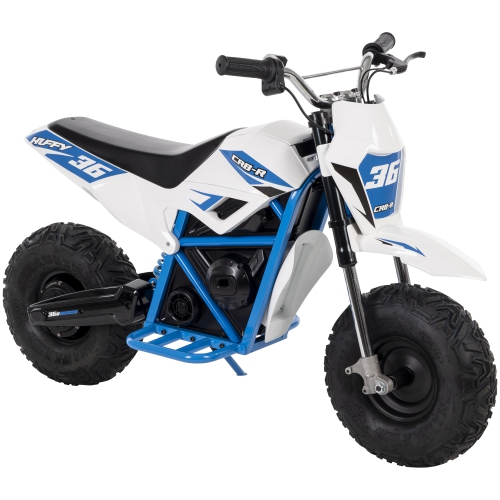 Your price for this item is $799.99
-
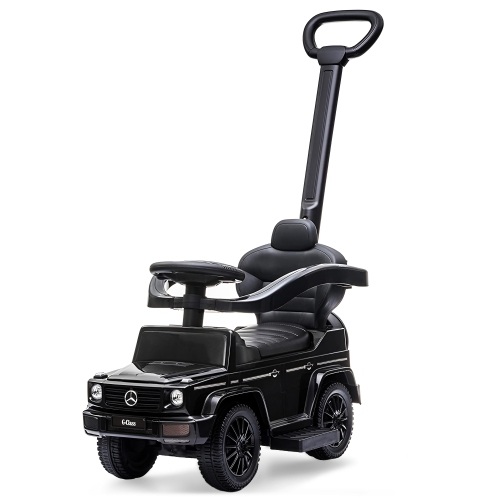 Your price for this item is $141.99
-
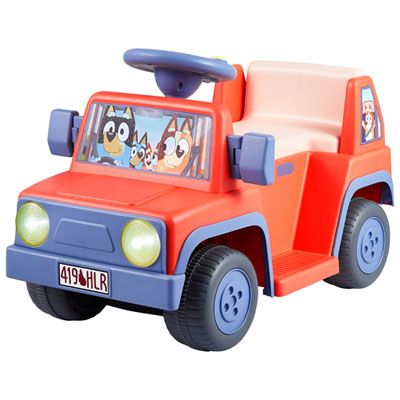 Your price for this item is $199.99
-
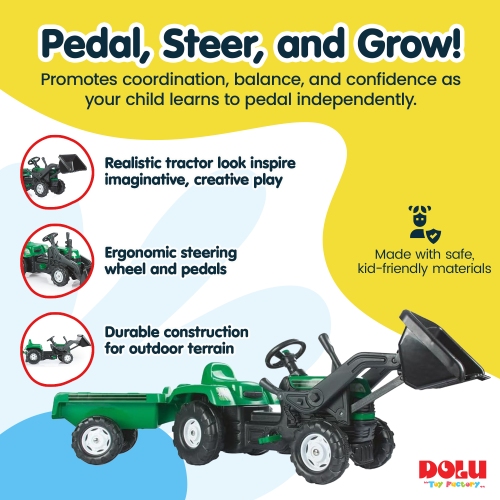 Your price for this item is $205.99
-
 Your price for this item is $199.99
-
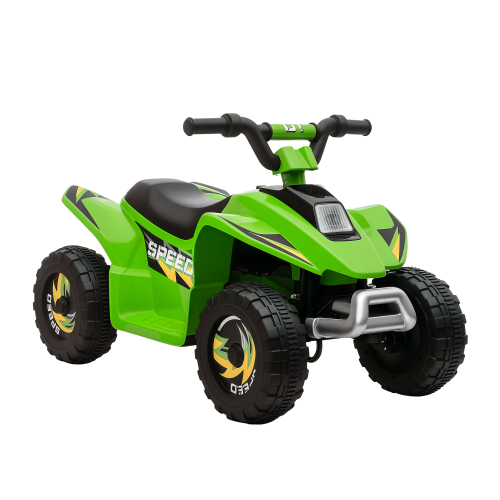 Your price for this item is $82.95
-
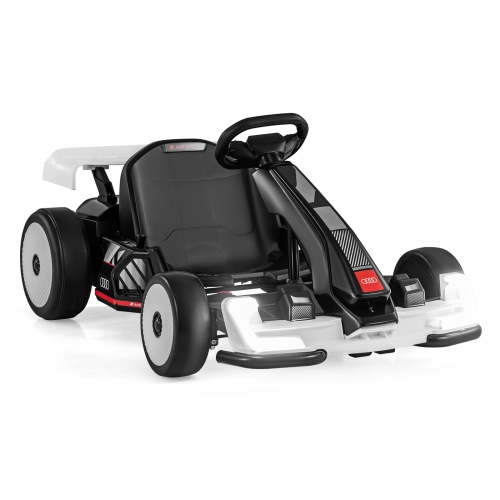 Your price for this item is $449.99
Discover more categories related to Toys for 8 Year Old Boys
Top Collections:
Pokemon Centers, Kindle Devices, Best Budget Office Chairs, Canon G7X Cameras, Apple iPhones 16, Samsung Galaxy Phones, Refurbished Apple Laptops, Laptops for Students, iPhone 15 Apple, Budget Smartphones
Some products may be subject to Environmental Handling Fees
(EHF) depending on your province.
Learn more about EHFs.