Toys for 7 Year Olds
Looking for the perfect toys to keep your 7-year-old entertained and engaged? Look no further! Our collection of toys for 7-year-olds is designed to spark their imagination, foster their creativity, and provide hours of fun. From educational games that promote learning while playing, to action-packed toys that encourage physical activity, we have a wide range of options to suit every interest. Whether they love building, solving puzzles, or exploring new worlds, our selection of toys is sure to delight and captivate your little one. Get ready to discover the best toys for 7-year-olds and make playtime an adventure they'll never forget!
Sort
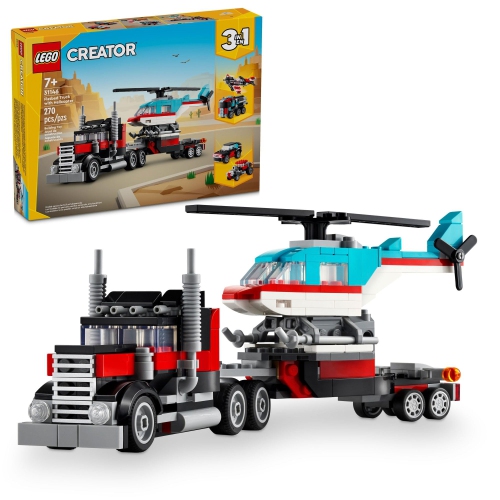


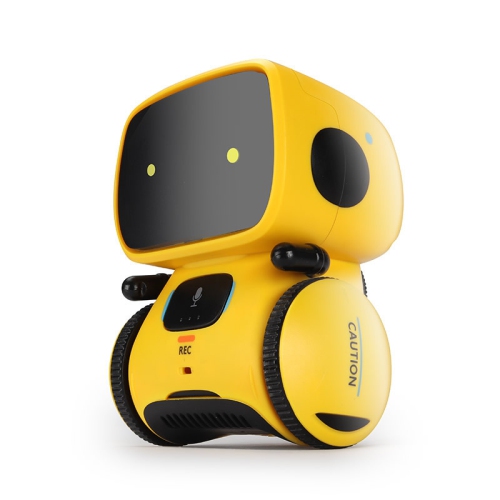

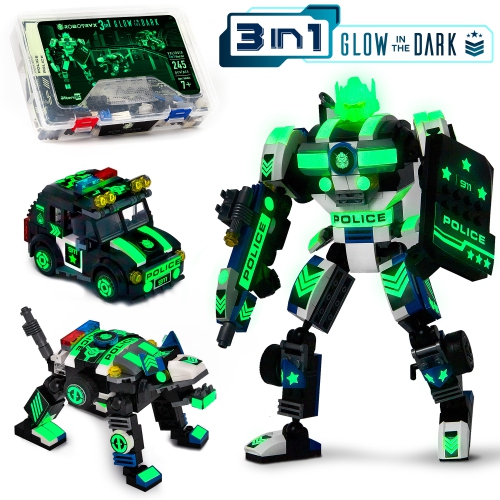


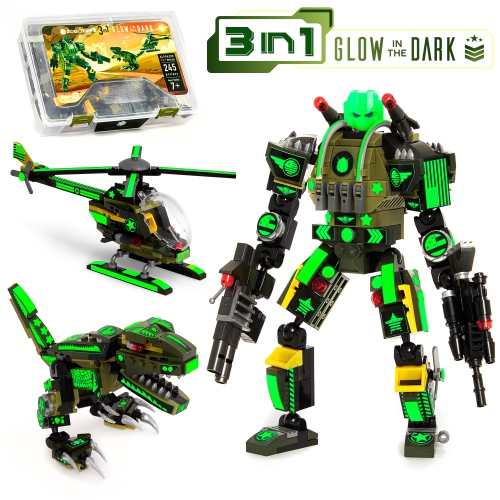

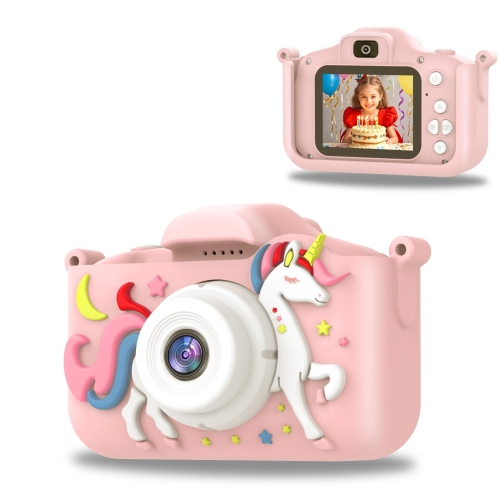
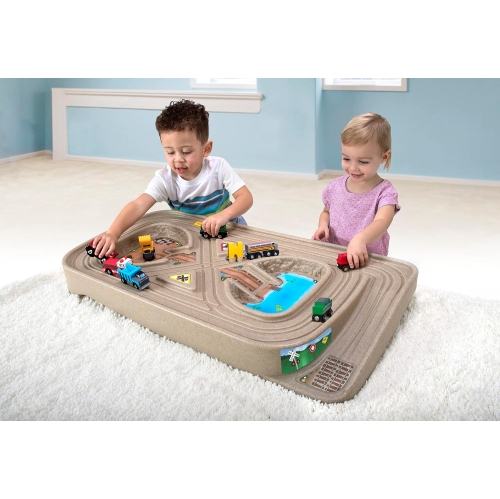
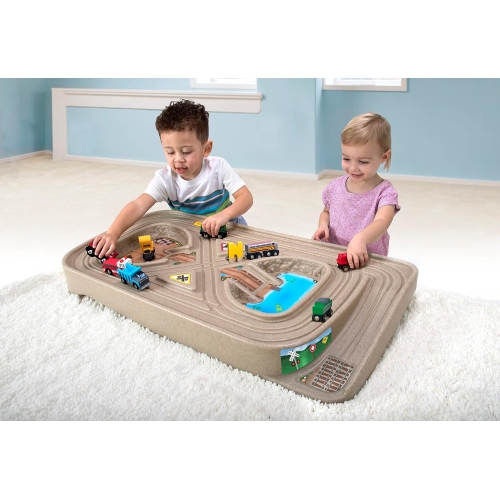
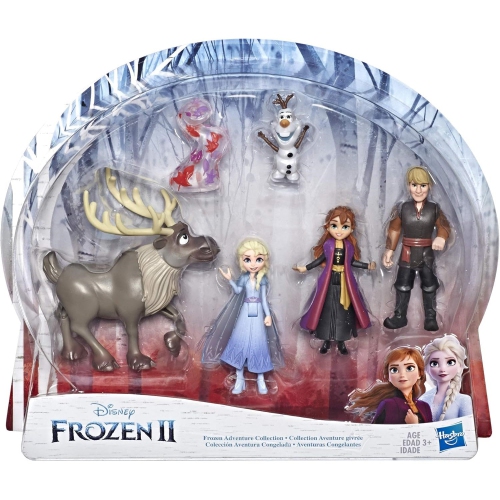

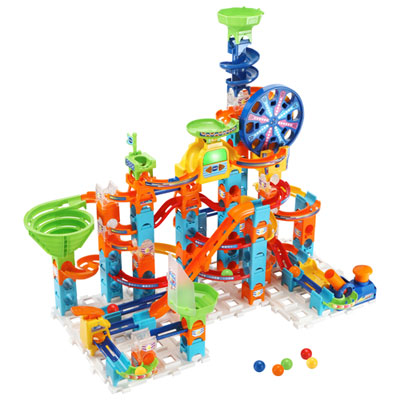

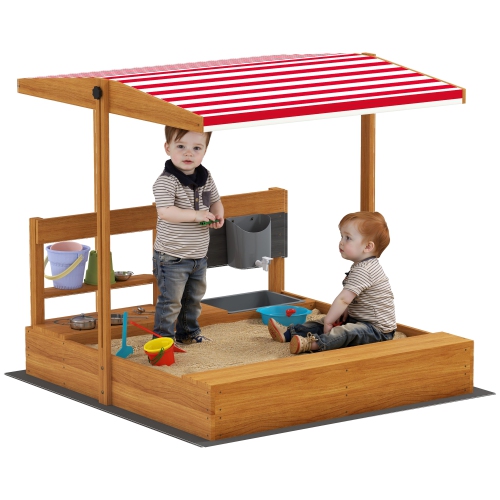
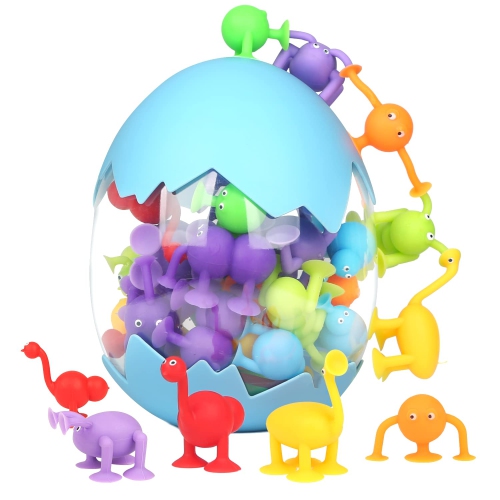
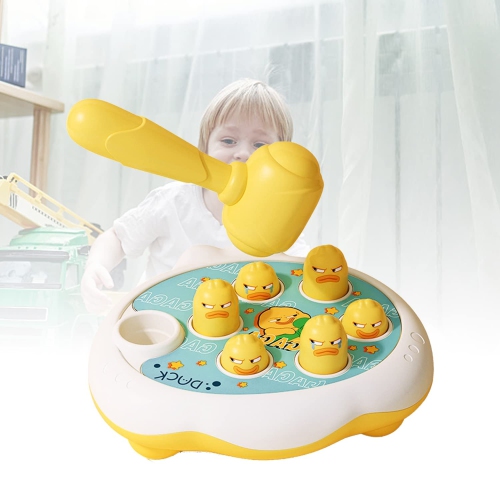

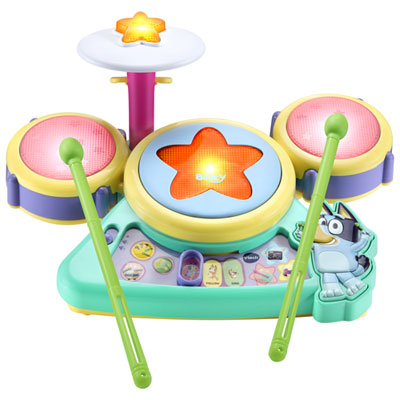
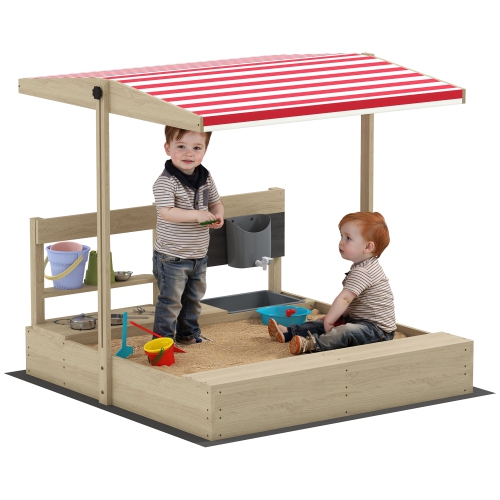

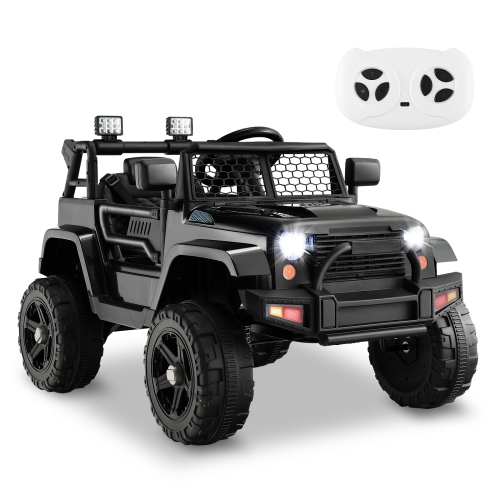
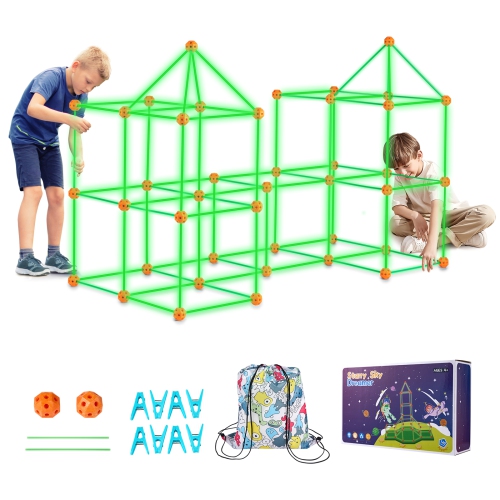
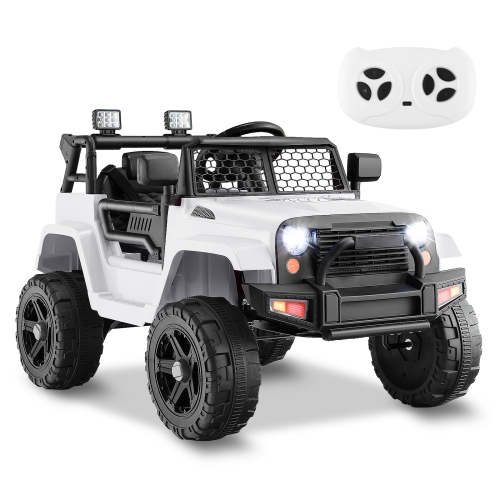
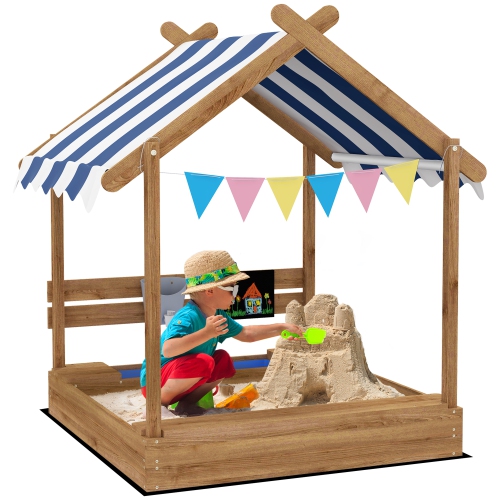
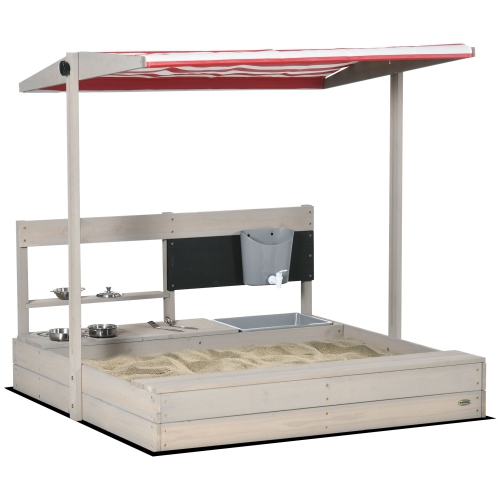
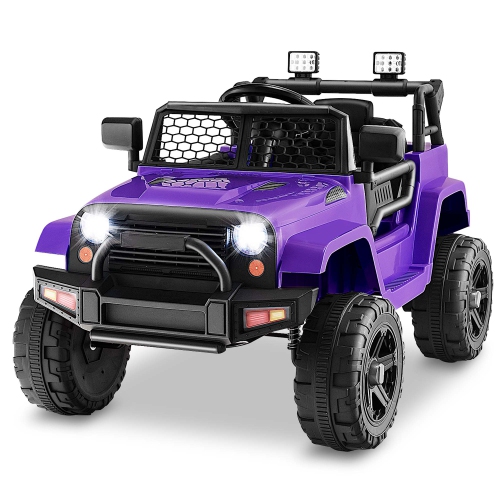
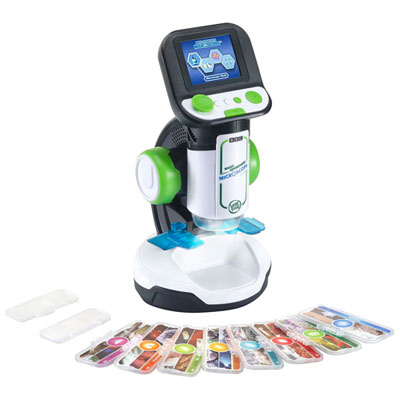
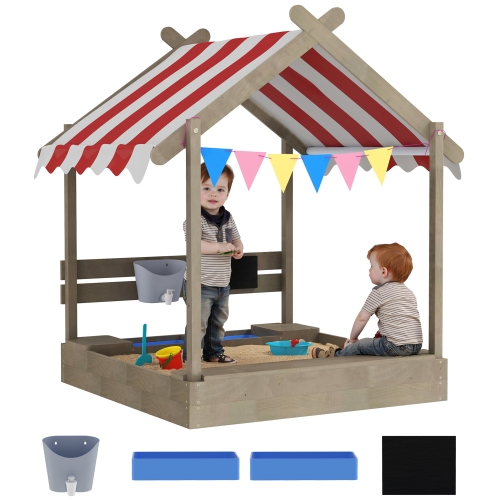
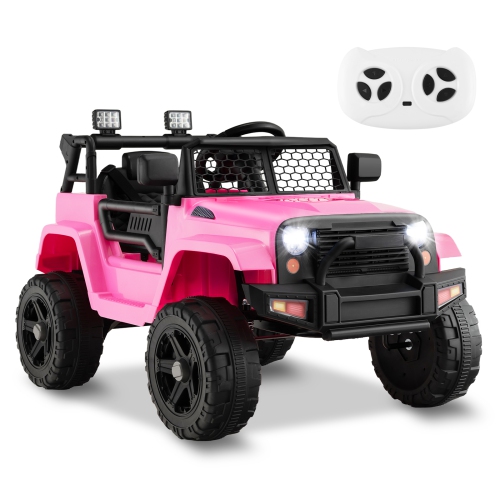
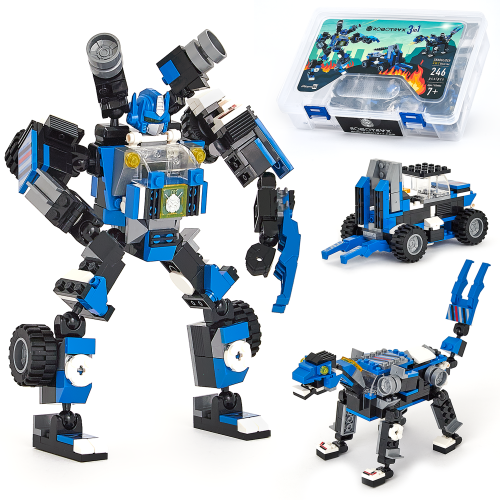


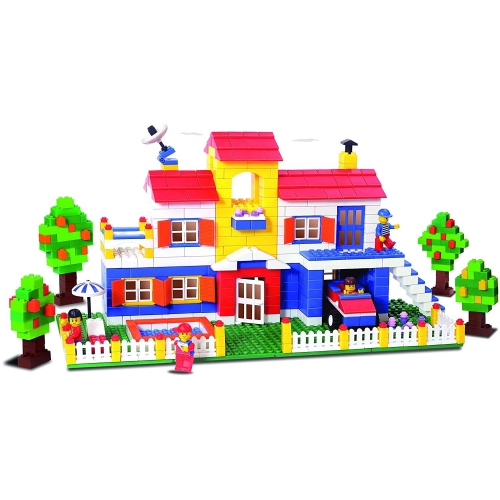
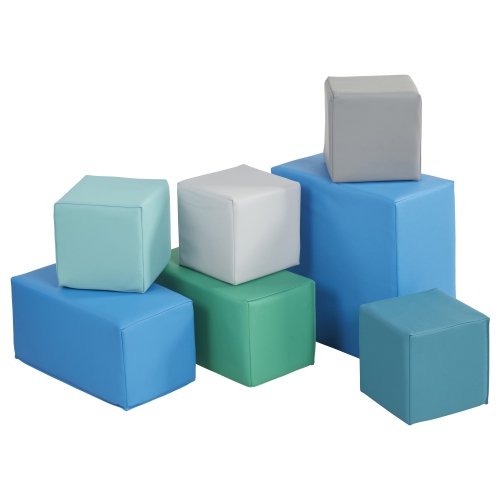

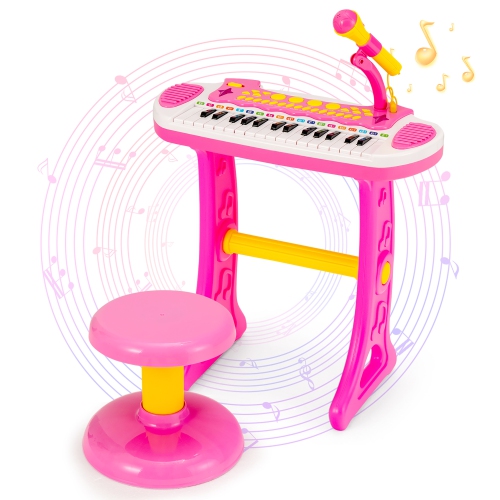
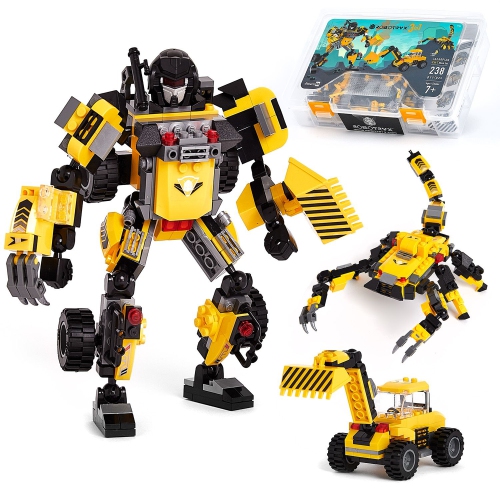

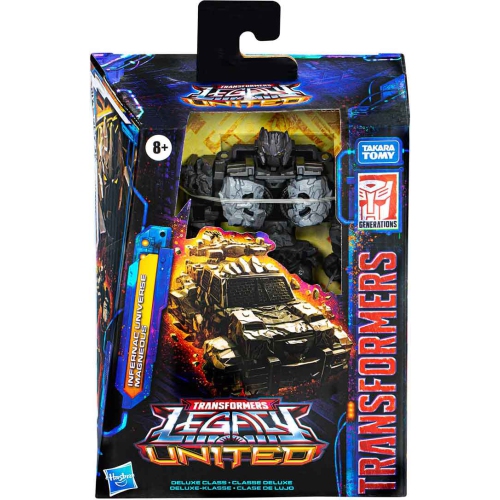

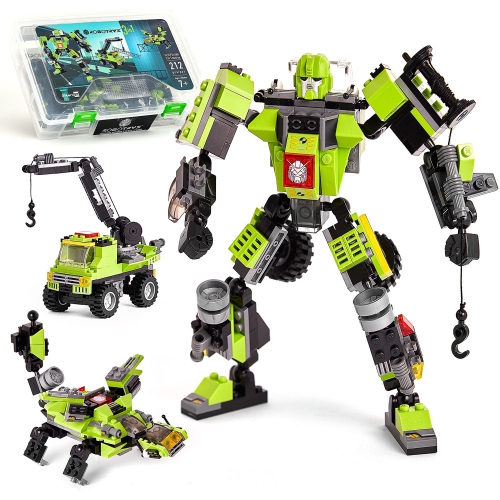

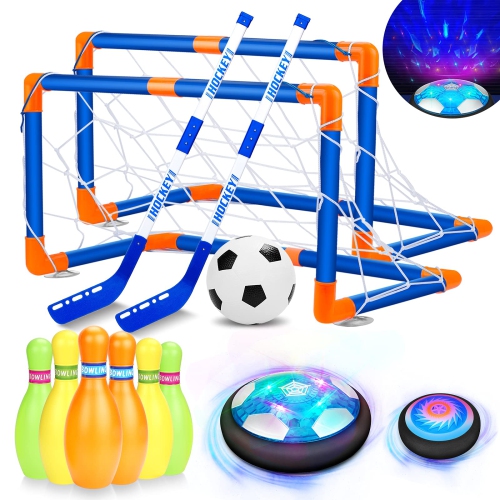
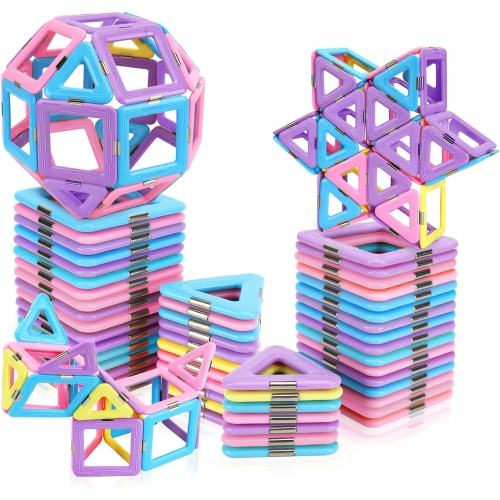

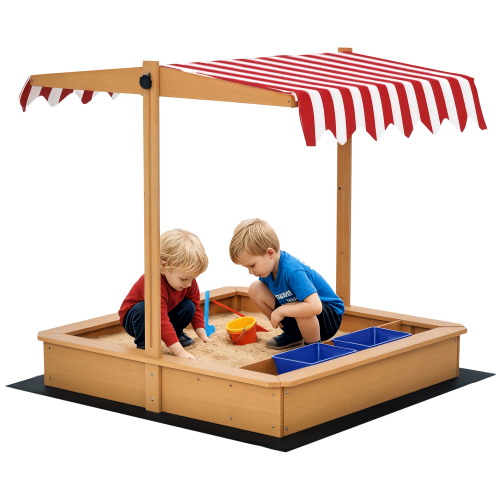
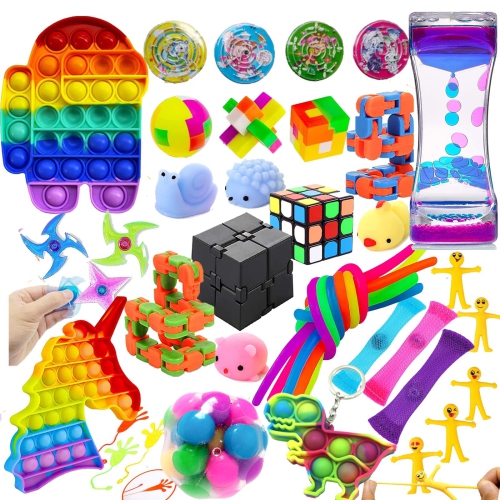
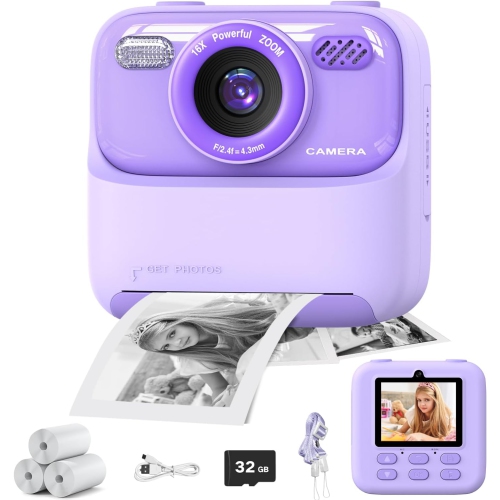


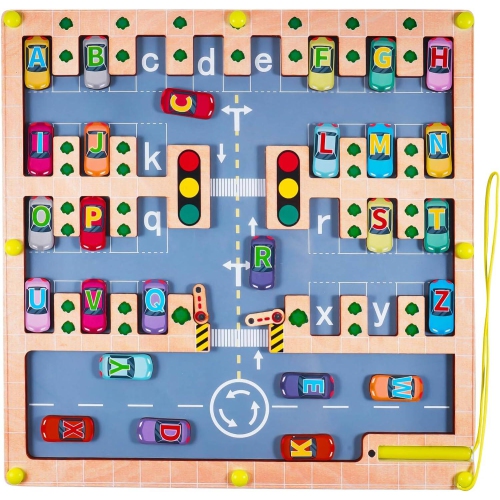


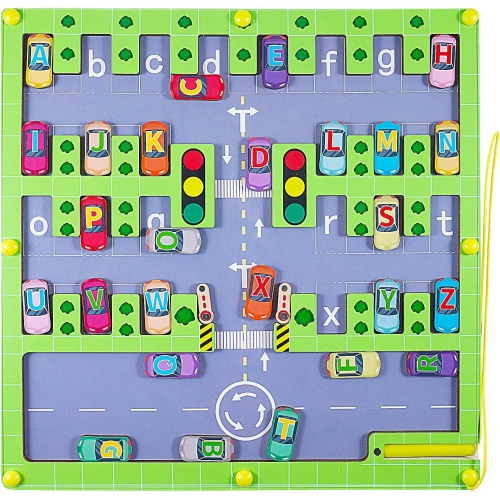
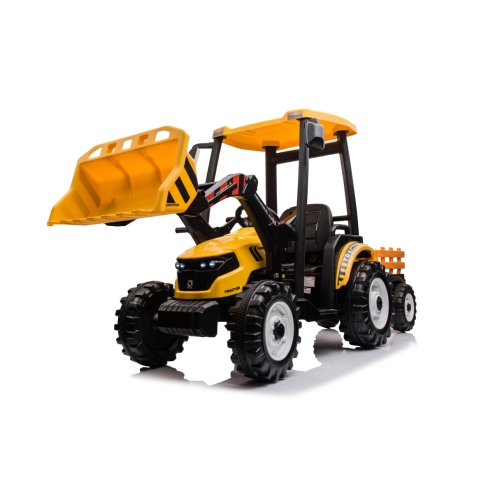
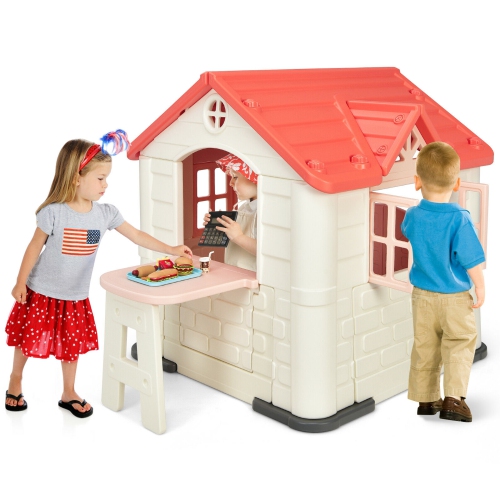

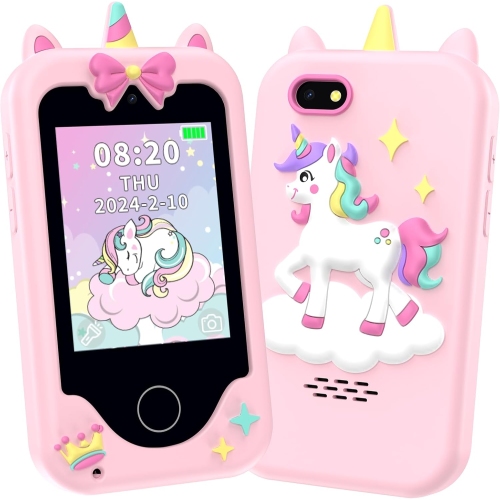

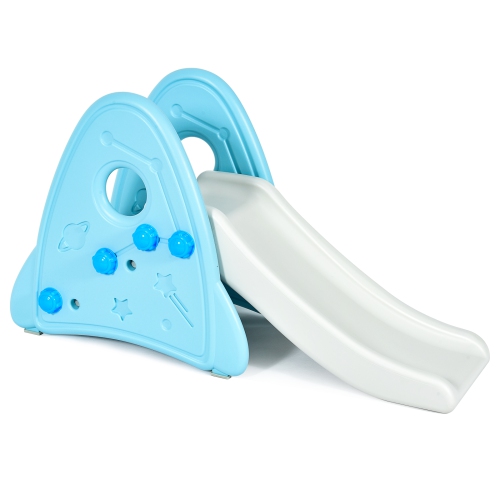
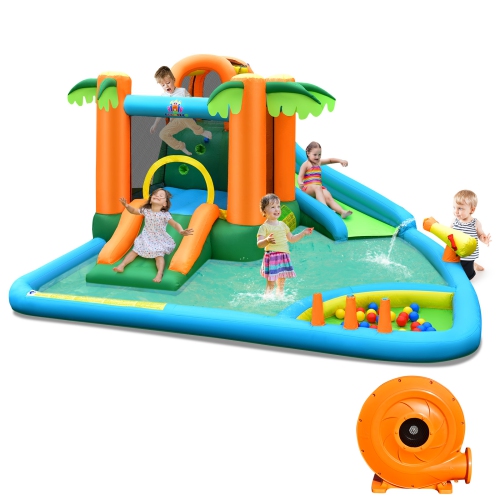


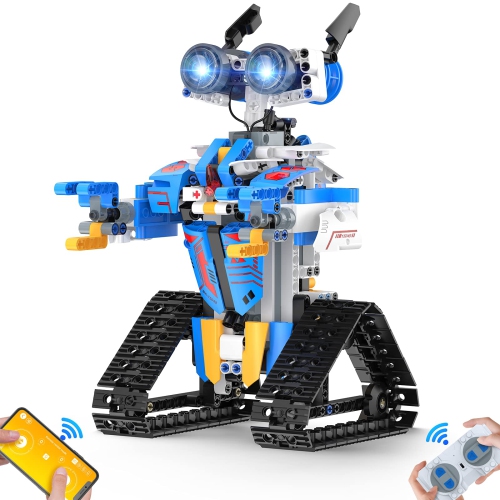

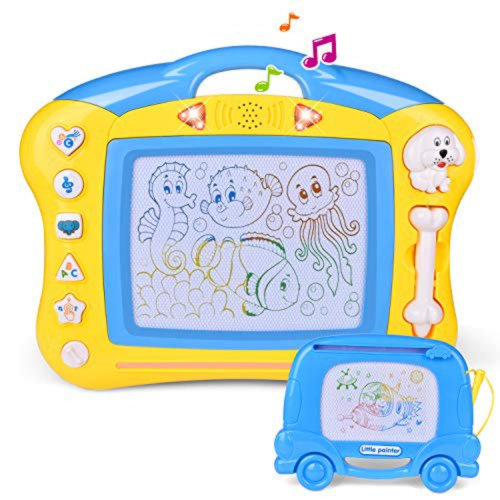

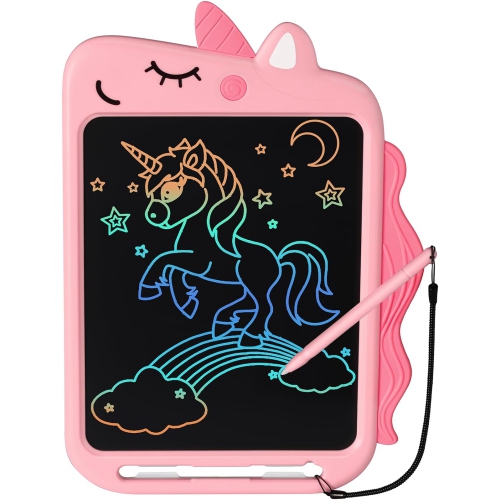
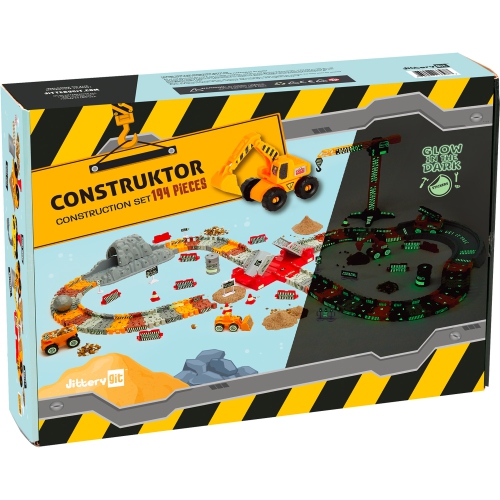


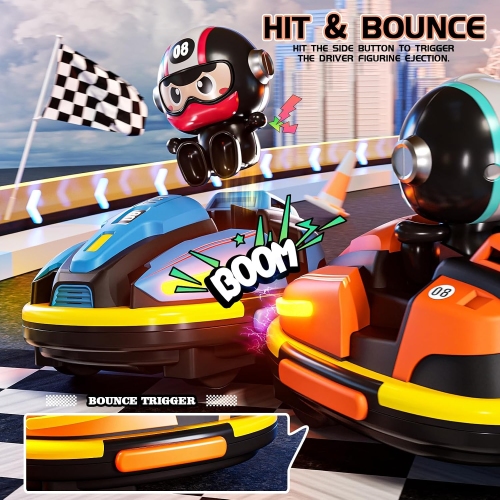

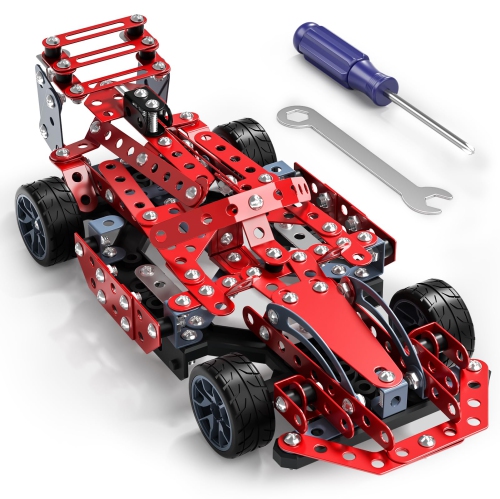






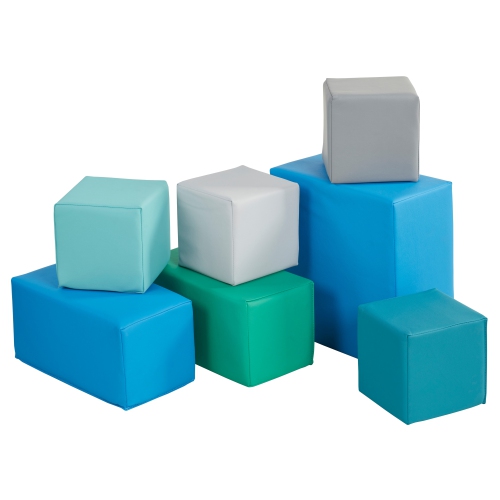


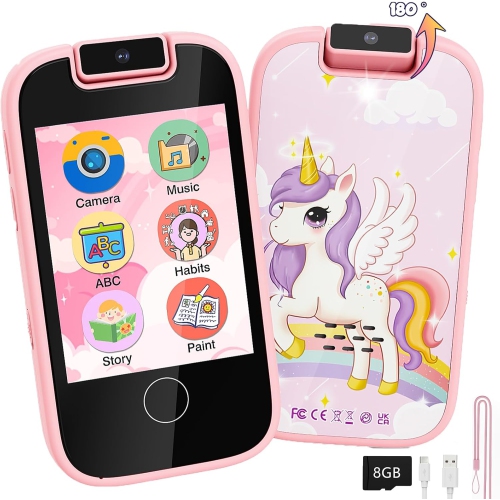


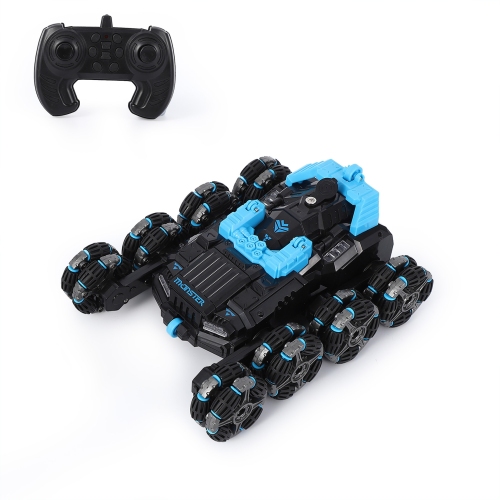
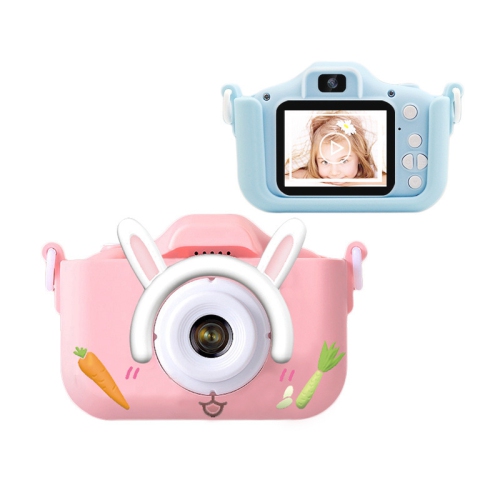
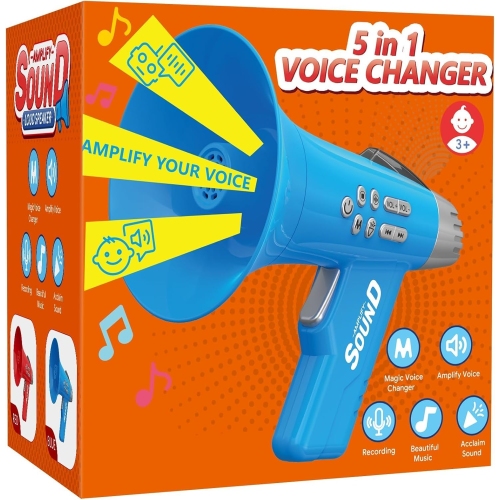
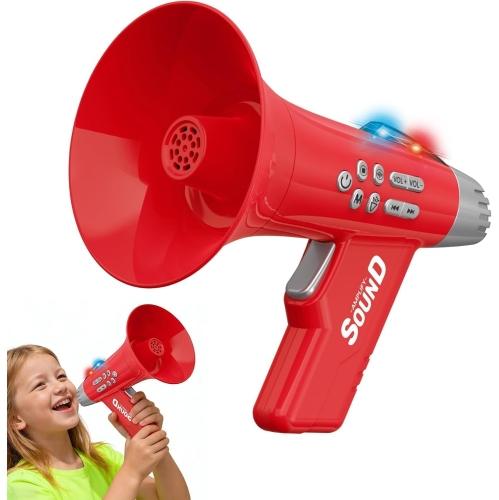
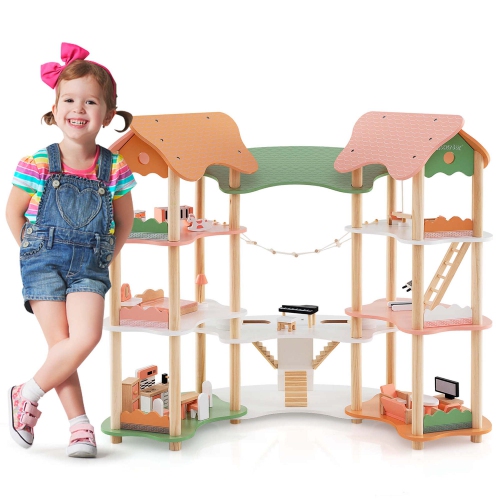
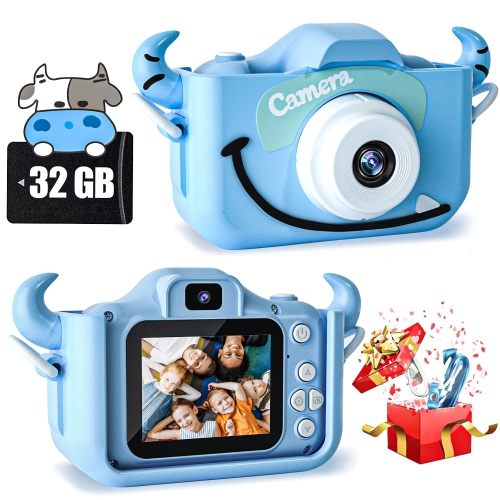


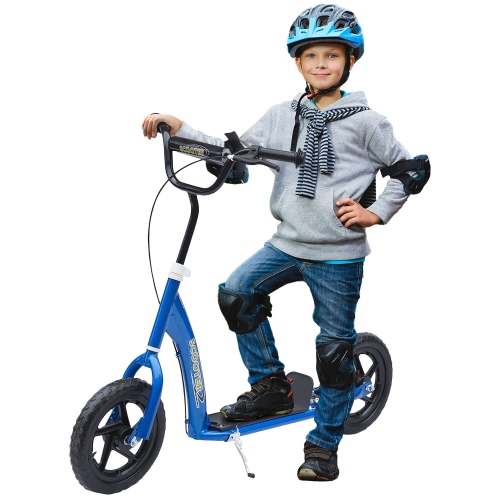

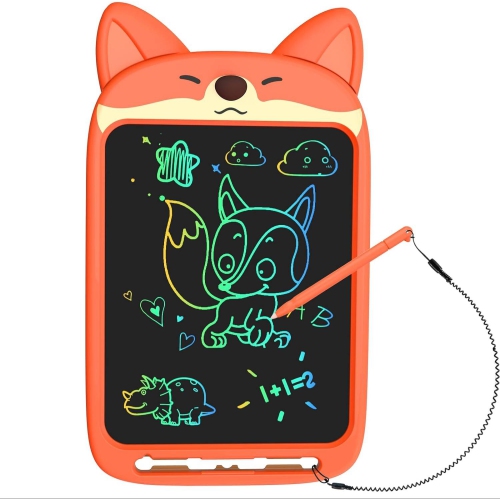
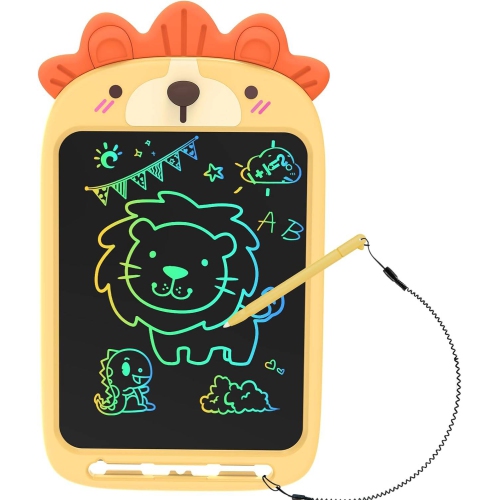


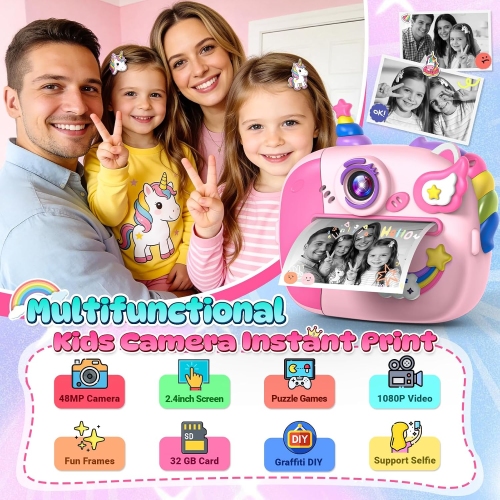
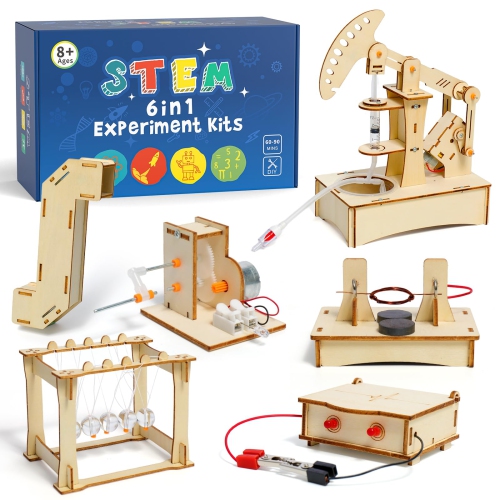
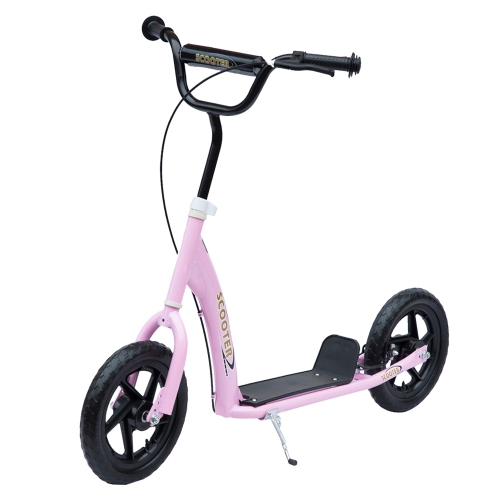
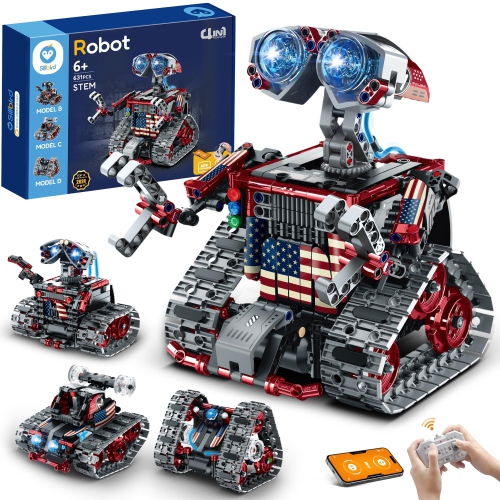
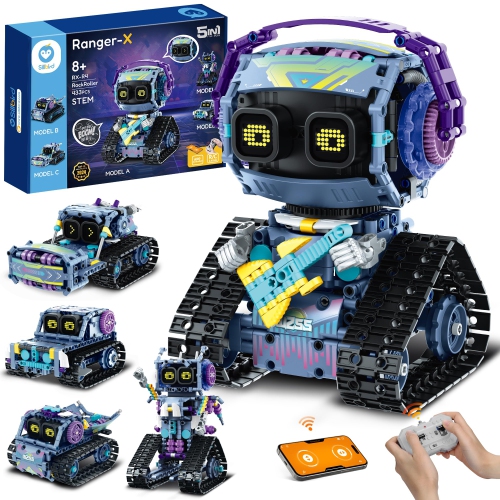


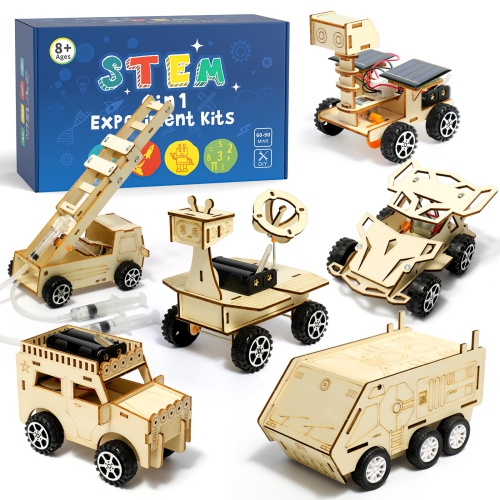
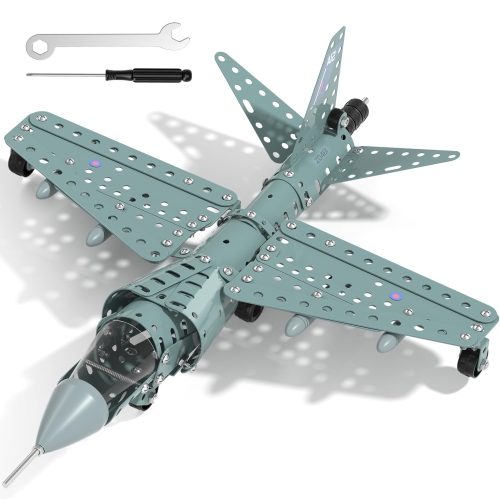
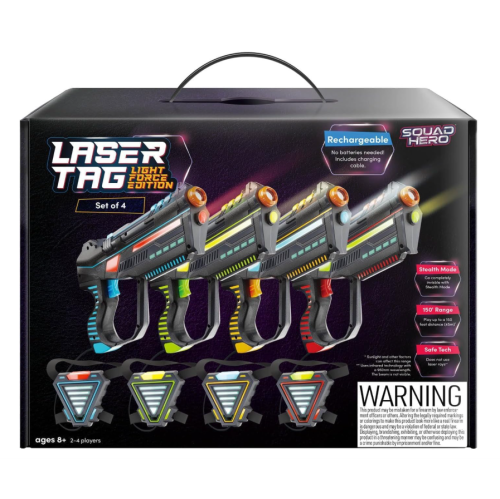
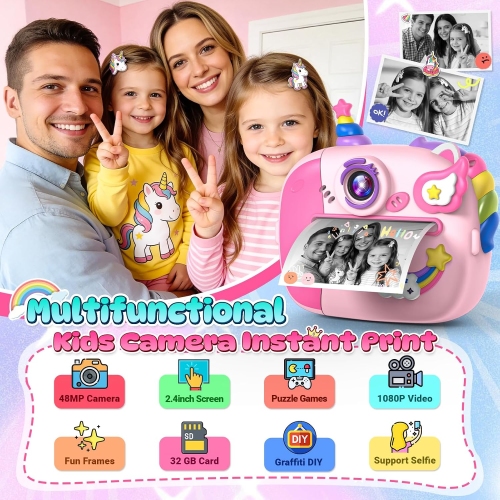

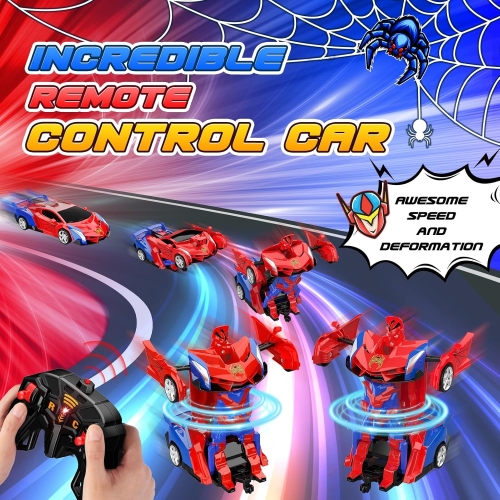
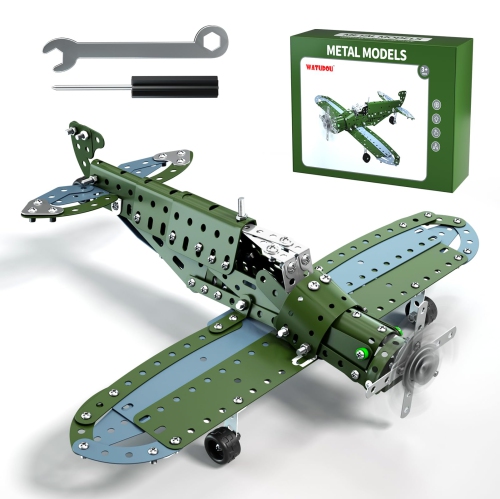


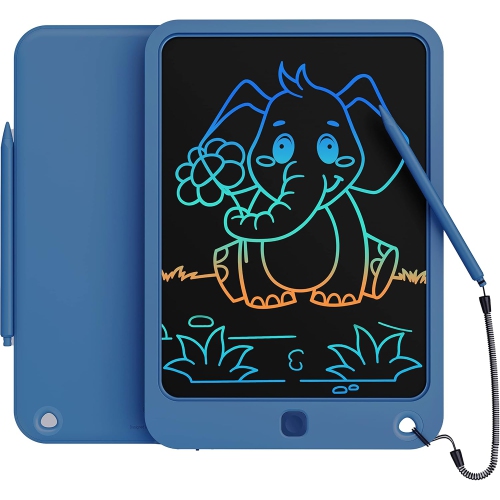
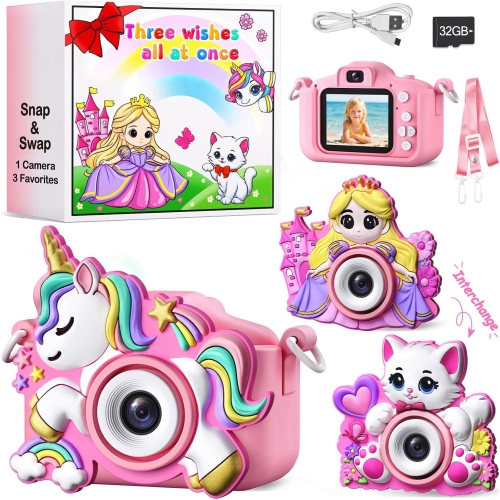

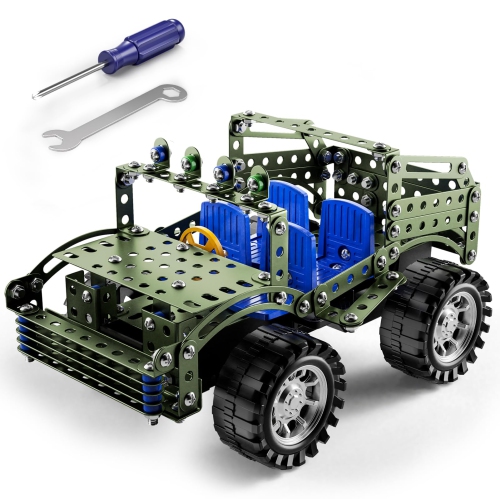
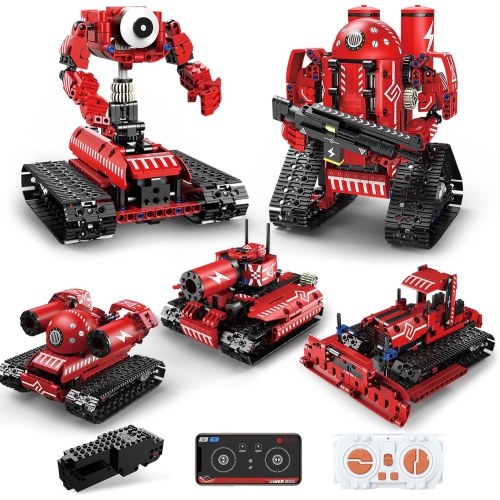
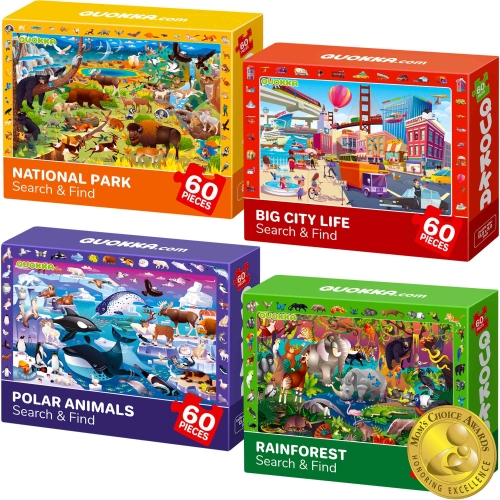
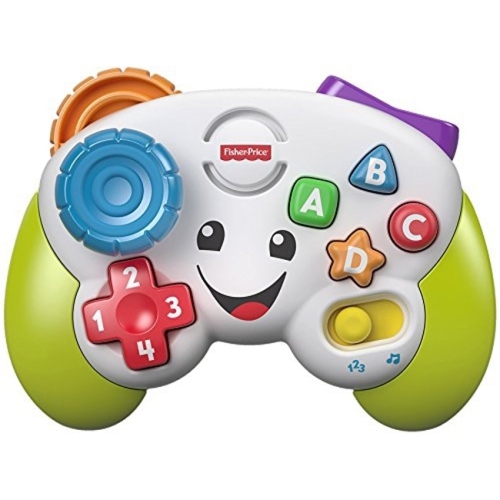
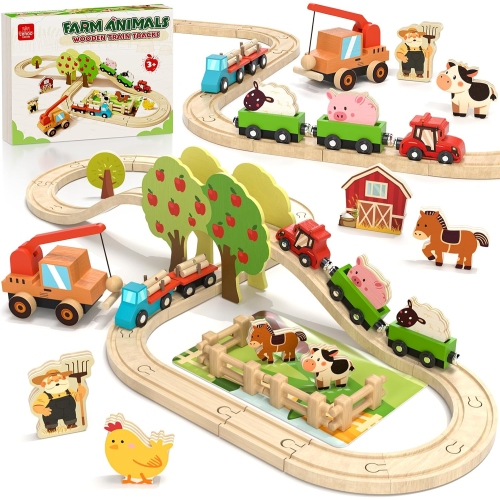
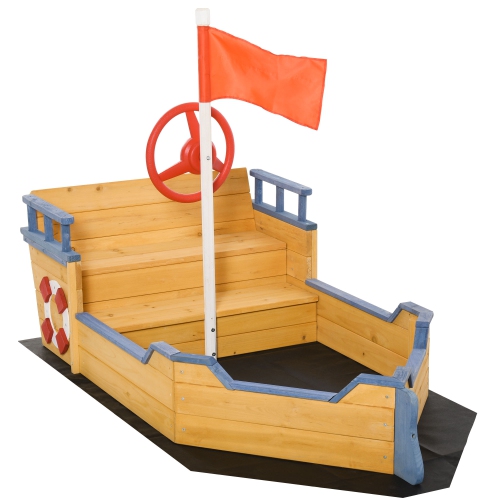
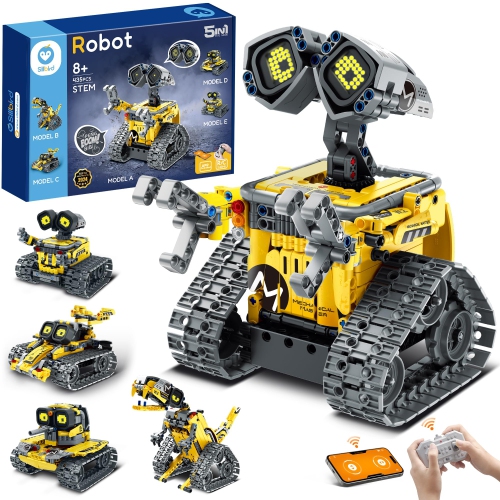
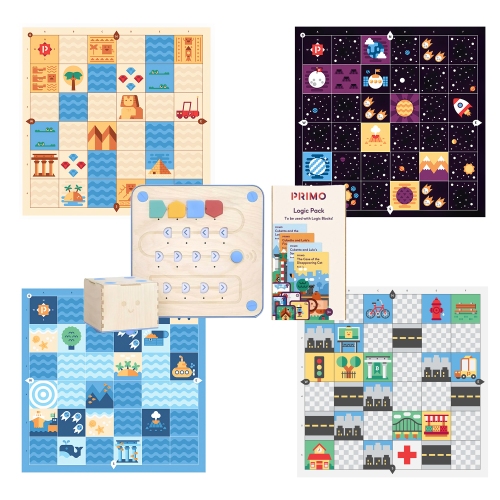
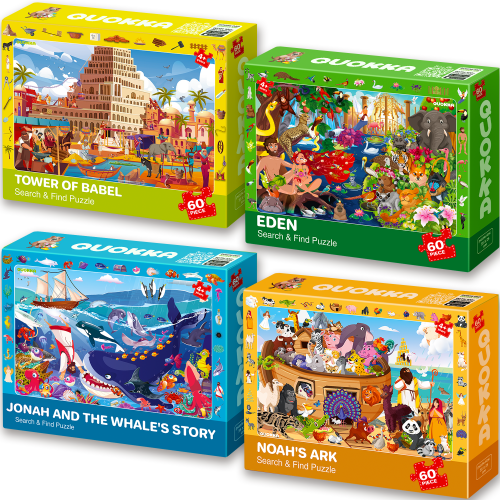

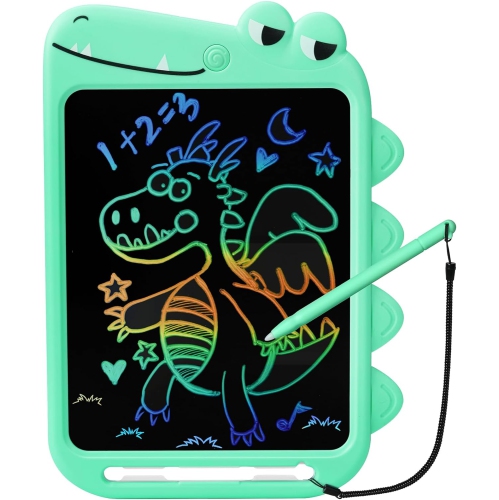
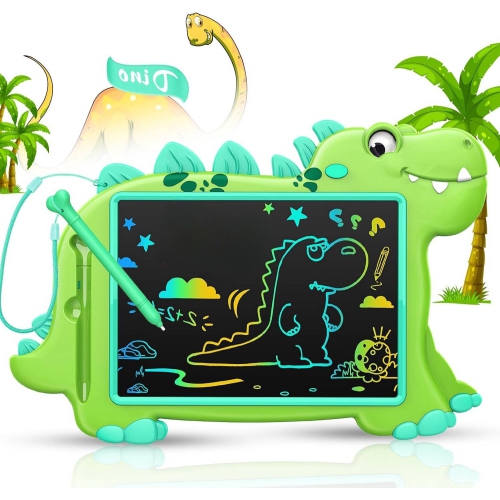
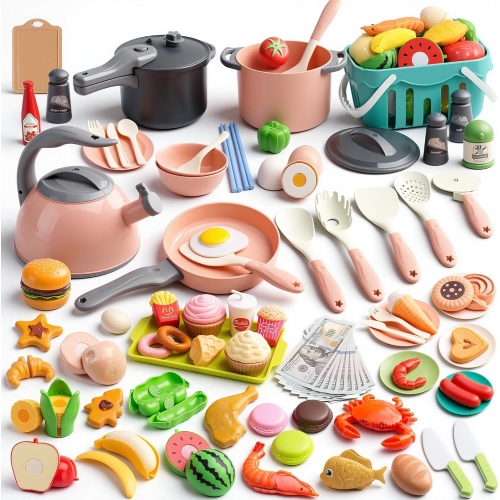
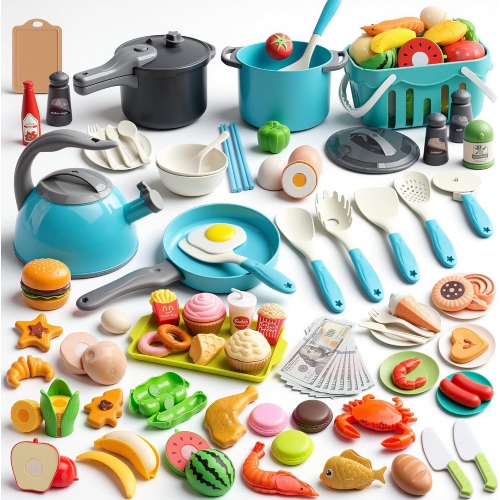
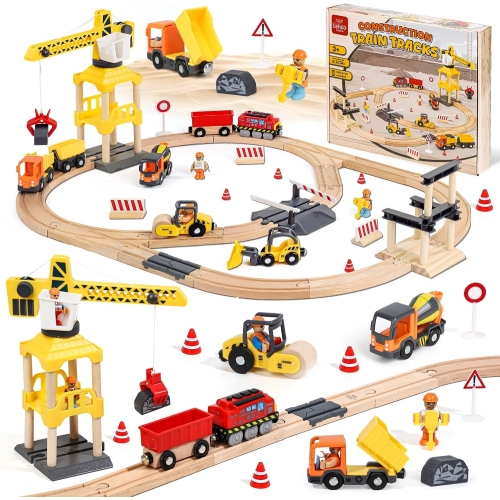
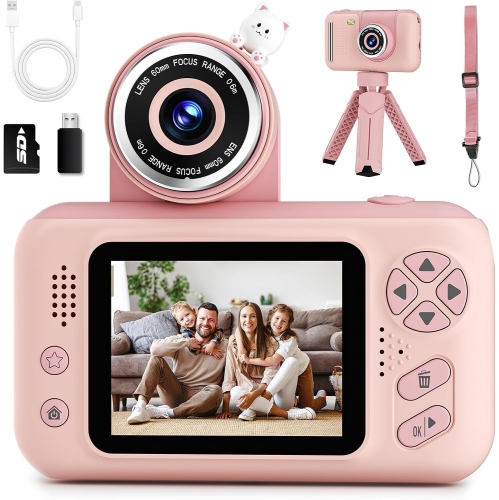
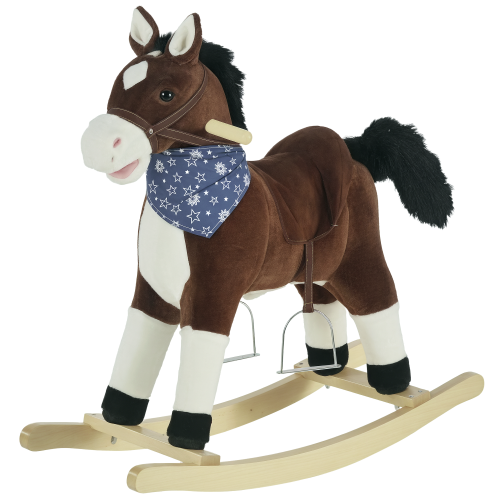
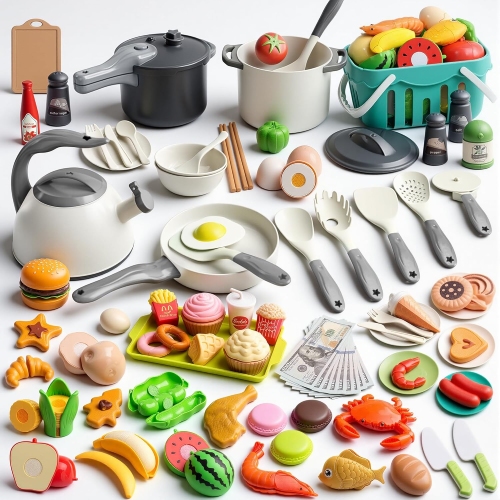
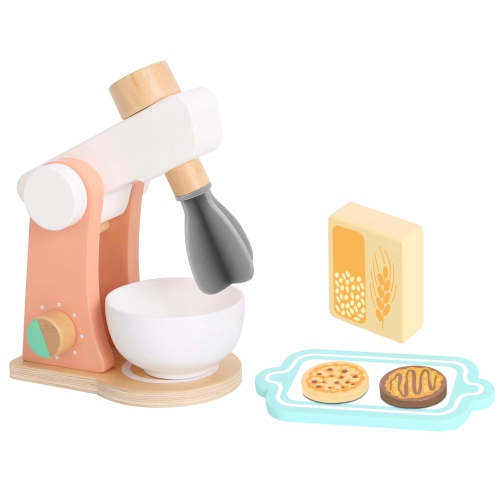
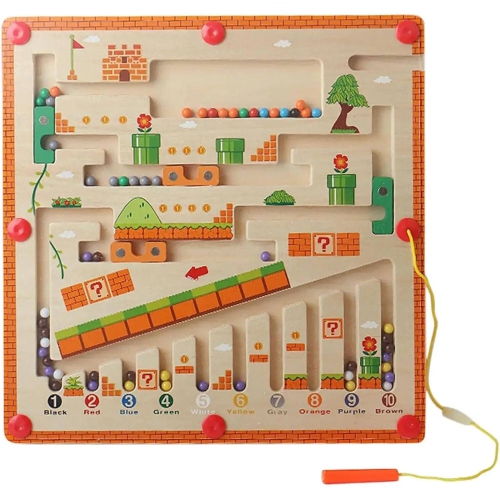

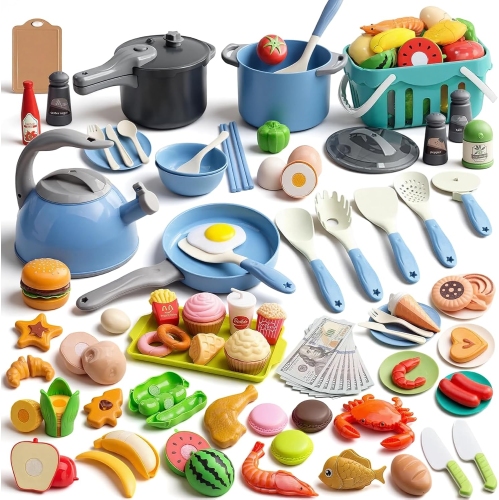
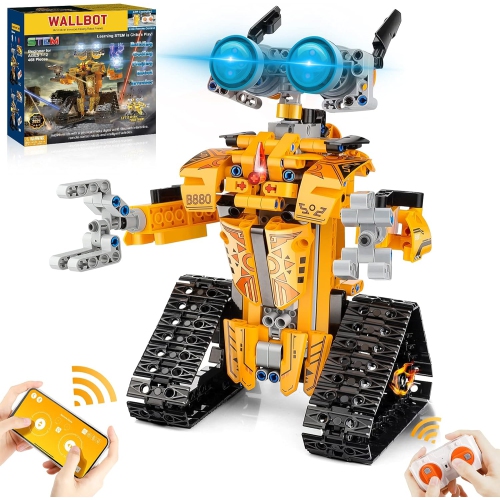
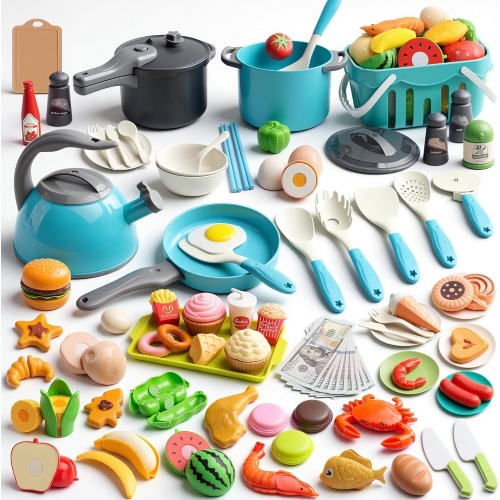
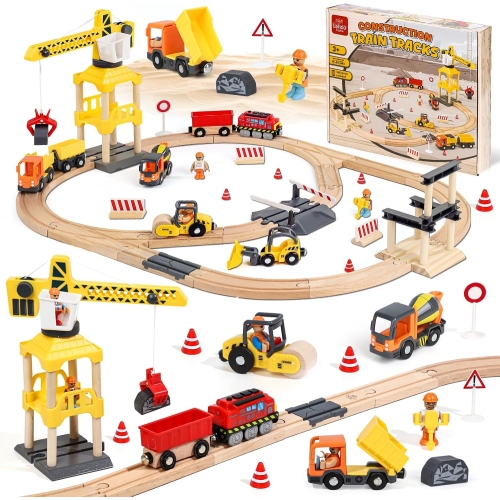
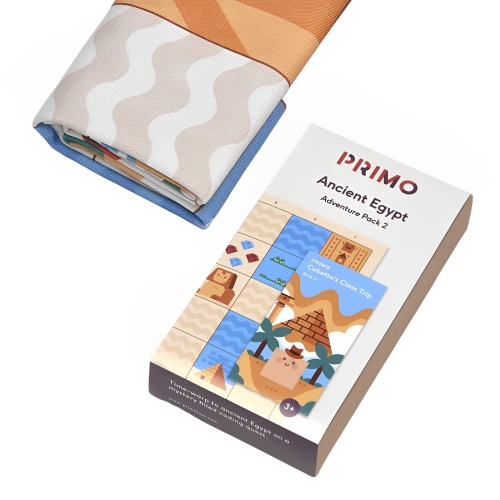
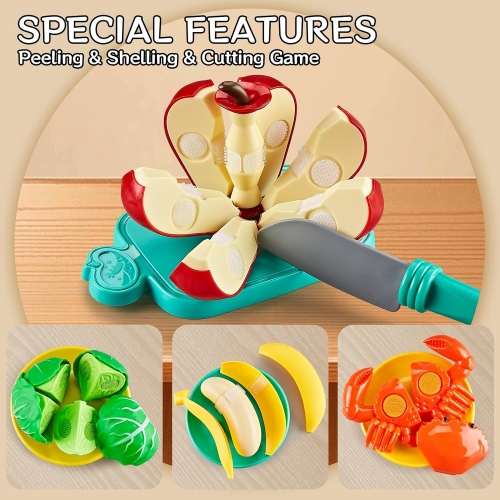
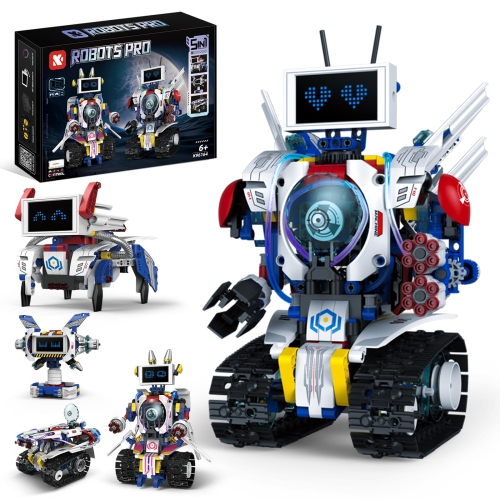
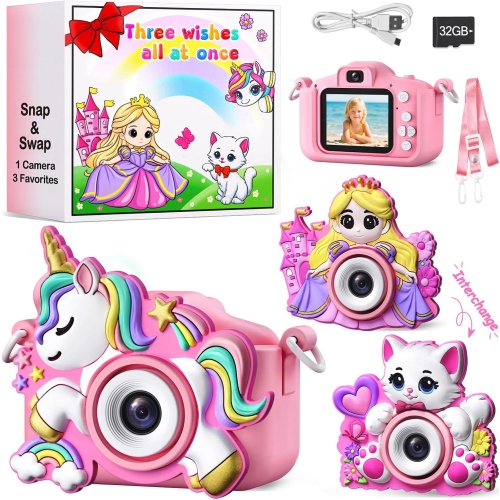

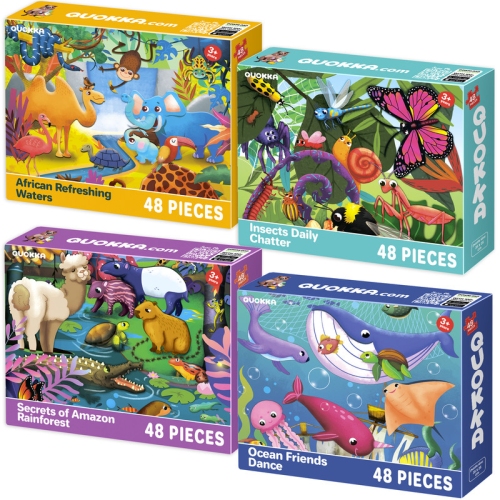
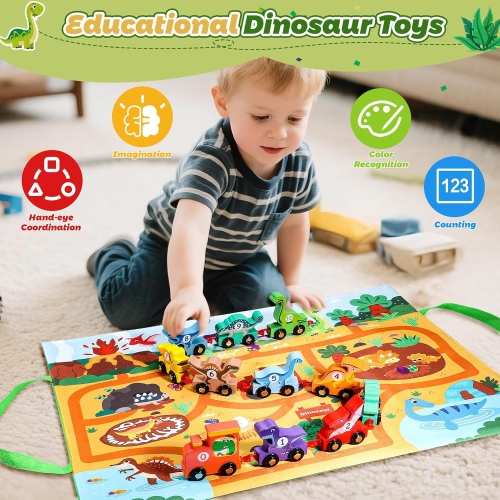
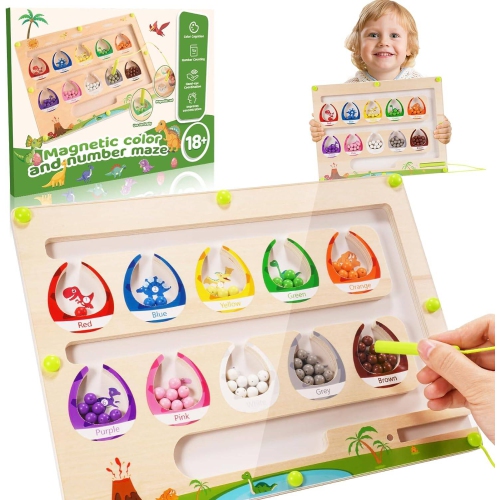
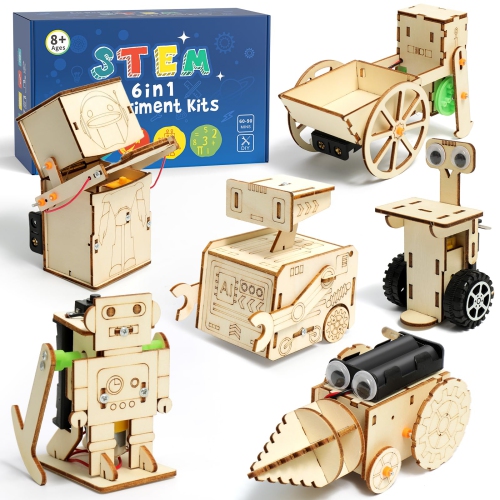
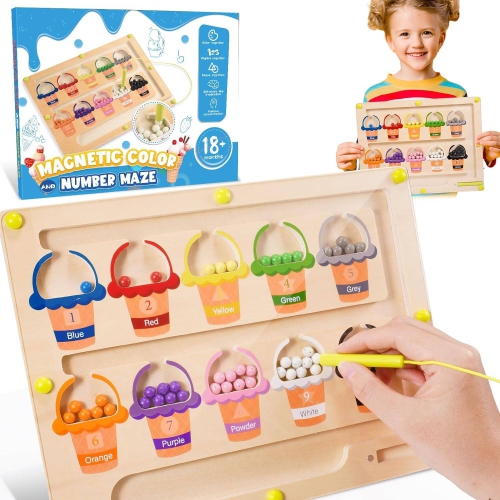
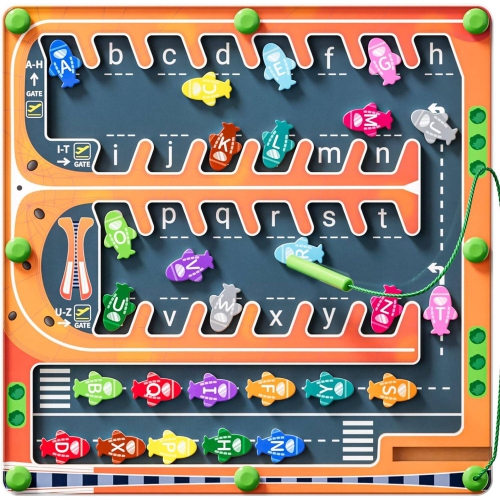
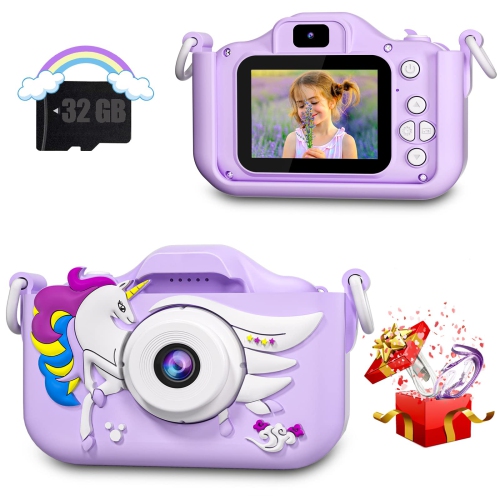
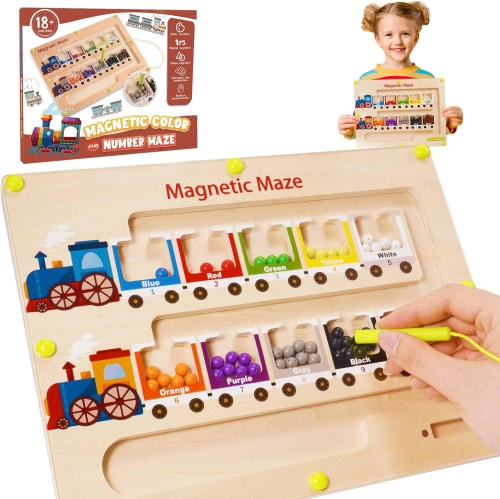
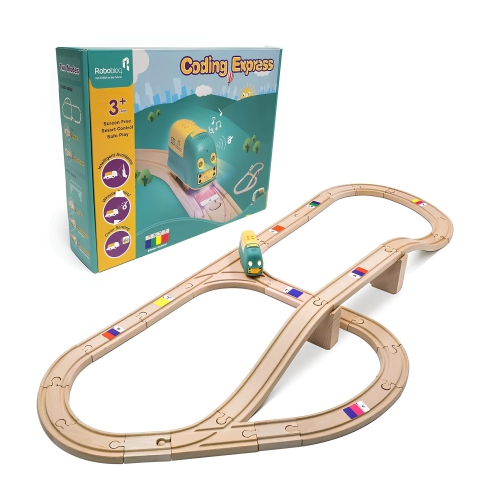
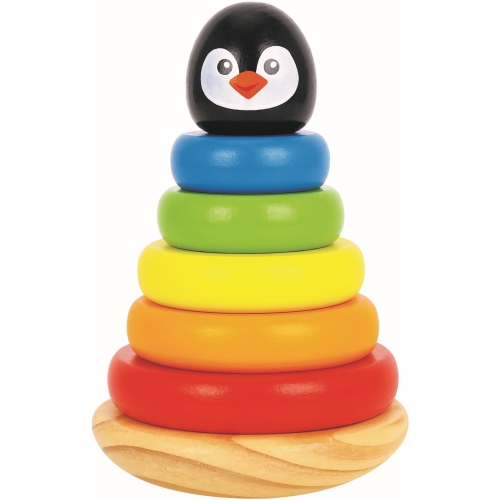
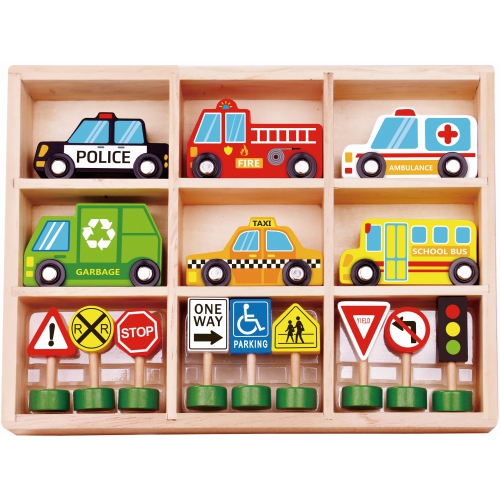
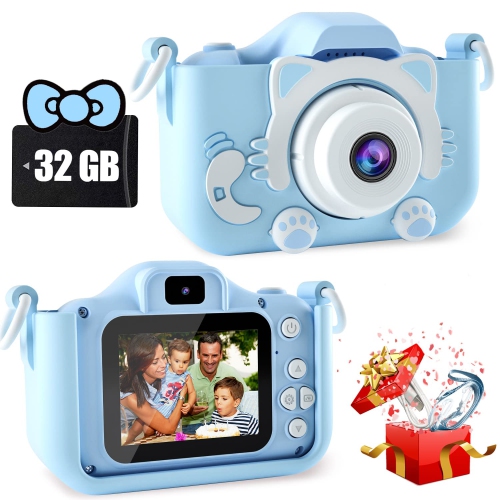
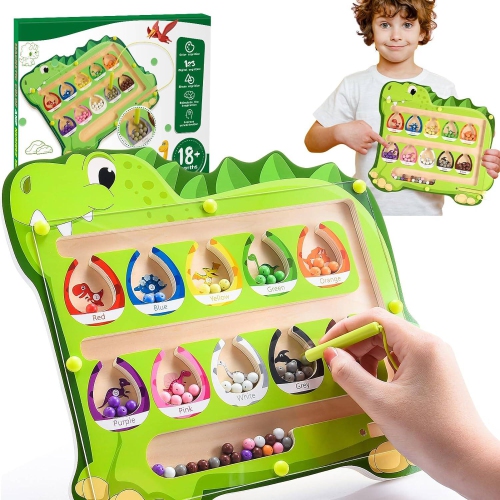
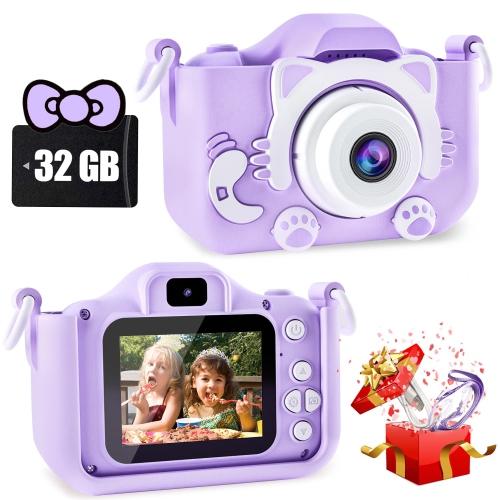
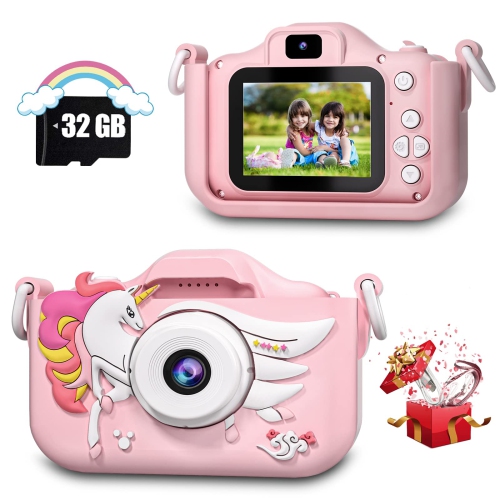
Play that balances achievable challenges with imaginative freedom
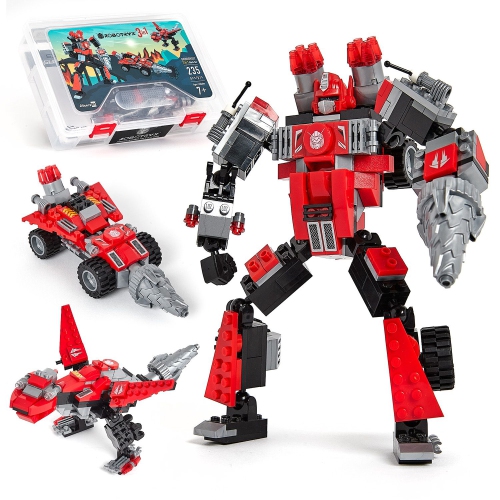
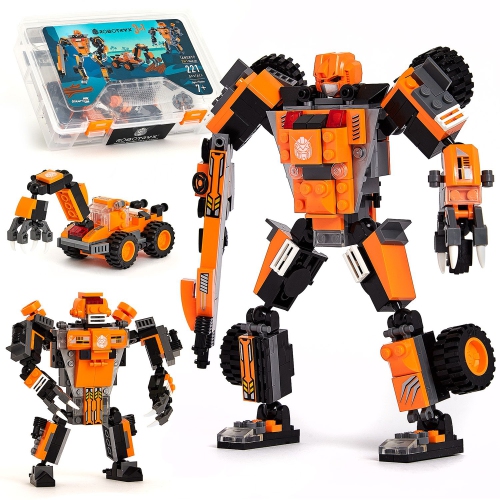
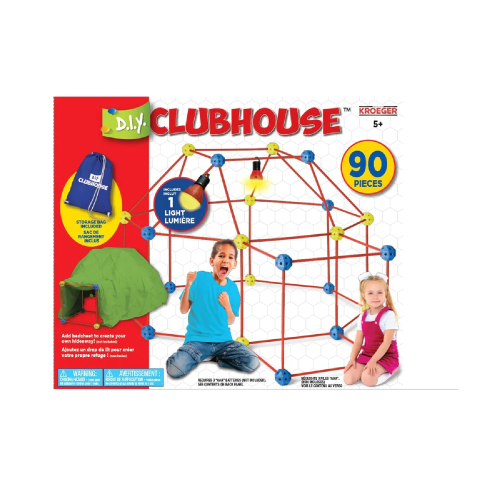
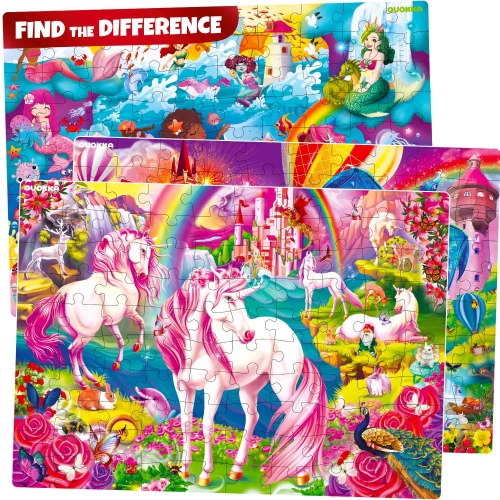
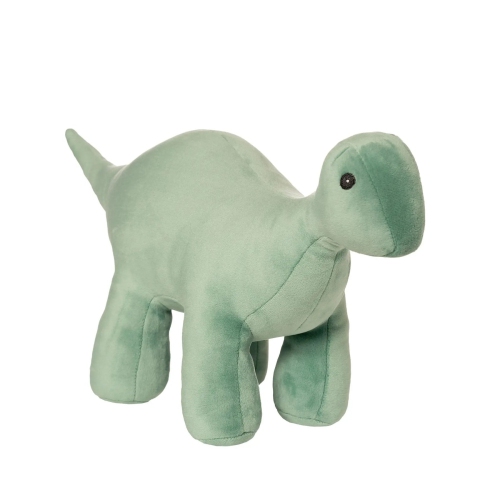
Building sets, family board games, puzzles, creative activity kits and hands-on science toys suit many 7-year-olds because they offer a balance of achievable challenges and imaginative play. At this age, children may be ready to follow longer instructions, experiment with their own ideas and take a more active role in games with friends or family. Their interests and confidence still vary widely, so toys for 7-year-olds can range from open-ended construction materials to activities with a clear beginning and end. Building toys give children something tangible to work towards, whether that is a tall tower, a bridge or an imaginary home with rooms arranged just so. Pieces that connect securely but separate without excessive force make it easier to adjust a design rather than abandon it when something goes wrong. Illustrated instructions can support independent building, while extra pieces and flexible designs leave space for inventions beyond the original model. Puzzles offer a different kind of challenge: sorting colours, noticing patterns and gradually turning scattered pieces into a complete picture. Piece size, image detail and the child’s previous puzzle experience can matter as much as the number of pieces. Board games and card games bring turn-taking, memory, matching and simple strategy into shared play. Clear rules and manageable playing times help a game fit into an after-school break or a family evening without requiring a long explanation before every round. Cooperative games can appeal to children who enjoy working towards a shared goal, while competitive games provide opportunities to practise handling wins and losses. Reading requirements also make a difference. A child who is still gaining confidence with written instructions may enjoy games that use pictures or symbols, particularly when playing without an adult beside them. Pretend-play toys remain relevant, too, giving children props for elaborate stories, invented jobs and adventures with siblings. The most engaging option is not necessarily the most complicated one; it is often the toy that gives a child enough structure to get started and enough freedom to make the play their own.
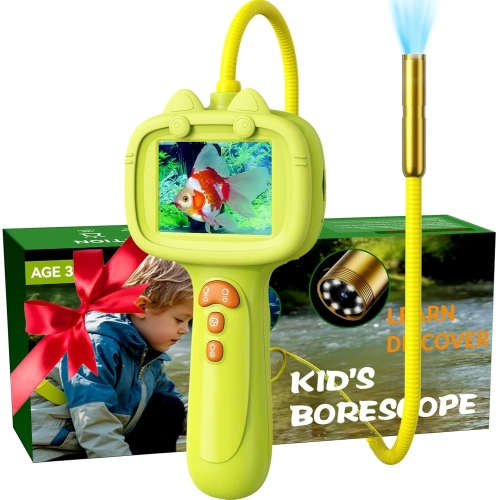
Creative and science-based toys offer another way for seven-year-olds to explore an interest through something they can make, test or change. Arts and crafts activities can involve drawing, painting, modelling or assembling materials into a finished creation. Some children enjoy carefully following an example, while others would rather invent a character or cover a blank surface with their favourite colours. A useful creative activity leaves room for both approaches and has tools that fit comfortably in smaller hands. Clear instructions, a manageable number of steps and materials intended for the stated age group can help prevent a promising project from becoming frustrating halfway through. Science and STEM toys introduce ideas from science, technology, engineering and mathematics through practical activities. Building a structure and testing its strength, comparing how objects move or observing the results of a simple experiment can give children a reason to predict, notice details and try again. Adult involvement depends on the activity, so age recommendations and supervision requirements are important even when a child is an enthusiastic reader. Material choices also affect how toys feel and how they stand up to repeated use. Smooth wooden pieces, sturdy moulded plastic, reinforced cardboard and securely stitched fabric each have different uses; well-finished edges and secure connections are particularly relevant for toys handled frequently. For construction toys with magnets, components should remain fully enclosed and the toy should be used according to its safety instructions. Loose or damaged parts need to be kept out of play, especially in homes with younger children. Care requirements are worth considering alongside the activity itself. Some surfaces can be wiped clean, while fabric toys or electronic components may need a different approach specified by the manufacturer. Paints, modelling materials and experiment supplies may require a protected work surface and adult help with cleanup. Storage trays, compartments and resealable containers make it easier to keep small pieces together. A project that can be packed away without losing essential parts is more likely to become a repeat activity rather than a one-time experience.
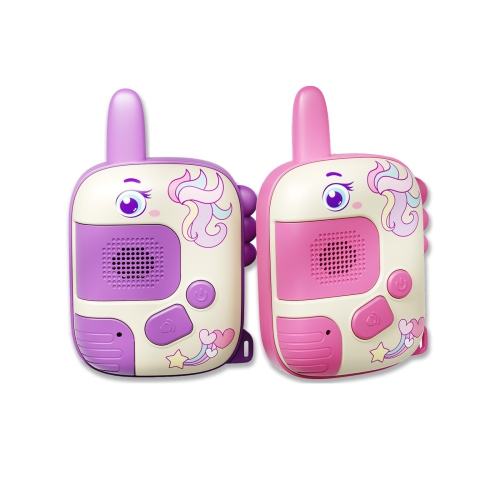
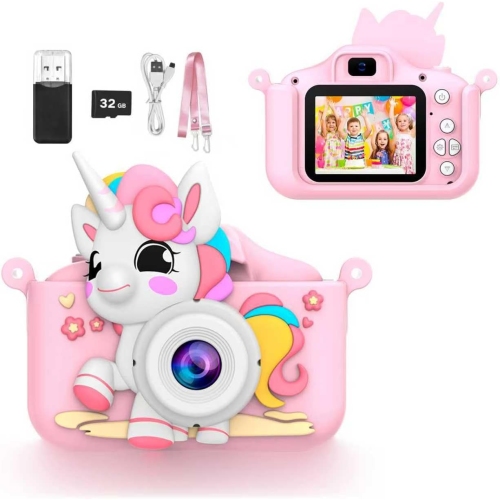
Movement-based toys and interactive play can complement quieter activities, particularly for children who enjoy practising a skill or seeing an immediate response to an action. Throwing, catching, balancing and aiming activities can be adapted to different abilities, with equipment sized for the child and enough clear space for the intended use. Comfortable grips, manageable weight and an appropriate level of resistance matter more than simply choosing something labelled for a broad age range. Toys intended for active play also need a suitable surface and any protective equipment called for by the manufacturer. Interactive electronic toys may appeal to children interested in sound, movement or cause and effect, but their practical details shape the experience. Controls that are easy to understand, adjustable volume and straightforward setup can make a difference when a child wants to begin playing independently. Battery requirements, charging instructions and whether an activity needs a separate device are useful details to check before bringing an electronic toy home or giving it as a gift. For birthday presents and other celebrations, a child’s established interests offer a helpful starting point without limiting them to more of the same. A child who enjoys animal stories might appreciate imaginative play or a themed puzzle, while one who constantly builds with everyday objects may enjoy a construction challenge. It also helps to consider who will be playing: a self-contained activity can suit quiet time alone, whereas a game with room for several players may better suit siblings or visiting friends. Toys that can be enjoyed at different levels allow an adult to join in without taking over and give children room to develop their own approach. For children approaching their next birthday, Toys for 8 Year Olds offers a related age group to explore, while each toy’s age rating and play requirements remain important. Thoughtful choices reflect the child’s interests, the space available for play and the amount of help needed, creating opportunities for satisfying everyday play rather than just an exciting first unwrapping.
Top selling and popular products
-
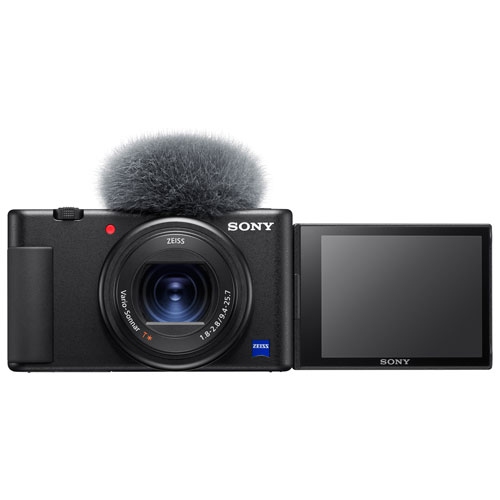 Your price for this item is $804.97
-
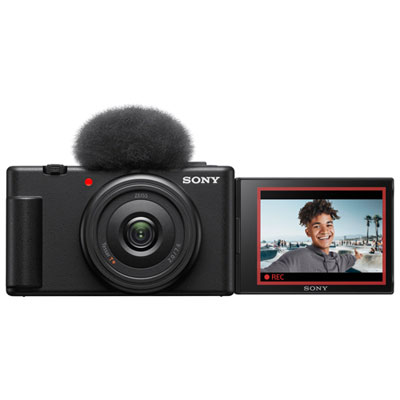 Your price for this item is $649.99
-
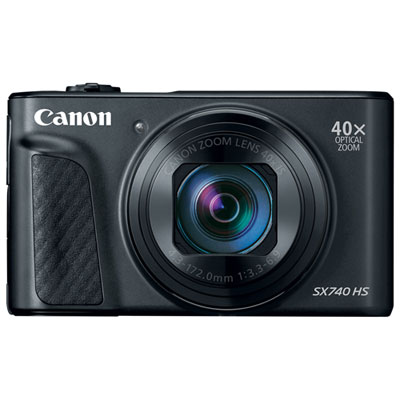 Your price for this item is $749.99
-
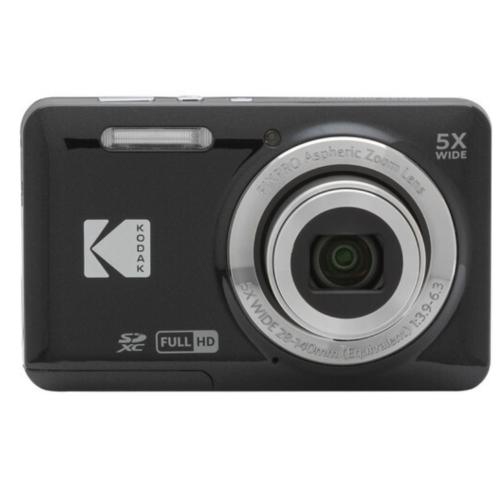 Your price for this item is $253
-
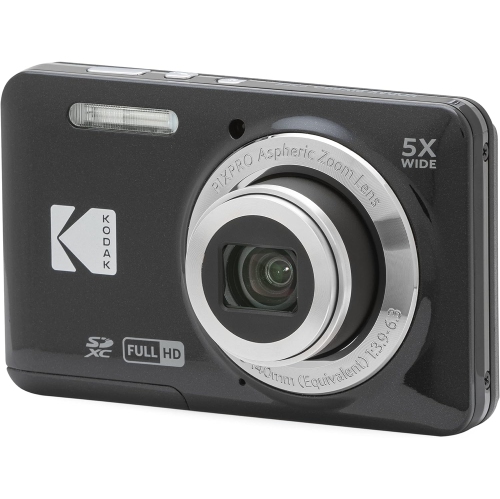 Your price for this item is $255
-
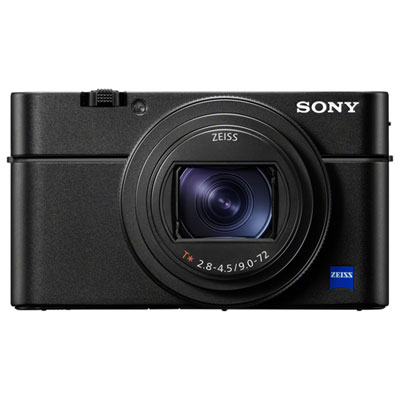 Your price for this item is $1999.99
-
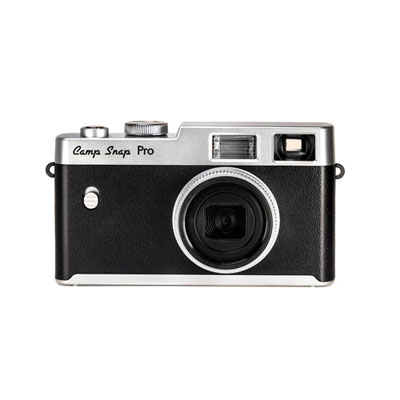 Your price for this item is $99.99
-
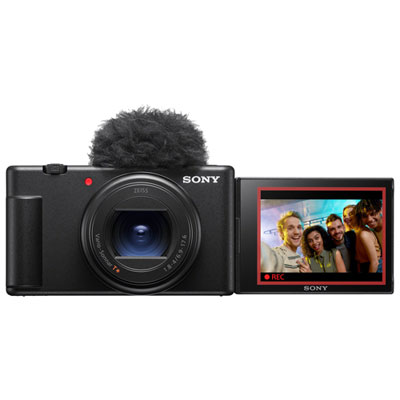 Your price for this item is $1199.99
Discover more categories related to Toys for 7 Year Olds
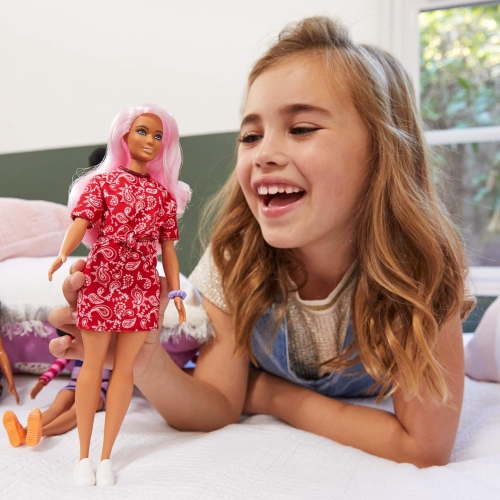
Top Collections:
Pokemon Centers, Kindle Devices, Best Budget Office Chairs, Canon G7X Cameras, Apple iPhones 16, Samsung Galaxy Phones, Refurbished Apple Laptops, Laptops for Students, iPhone 15 Apple, Budget Smartphones
Some products may be subject to Environmental Handling Fees
(EHF) depending on your province.
Learn more about EHFs.