Trainer Box TCG
Trainer Box TCG offers everything collectors and players need to enhance their trading card game experience. Explore a wide selection of Trainer Box TCG options designed to help organize, store, and showcase your card collection. Whether you're looking to upgrade your game or searching for the perfect gift for a fan, you'll find a variety of choices to suit every level of interest. Shop Trainer Box TCG products and take your trading card adventures to the next level.
Sort

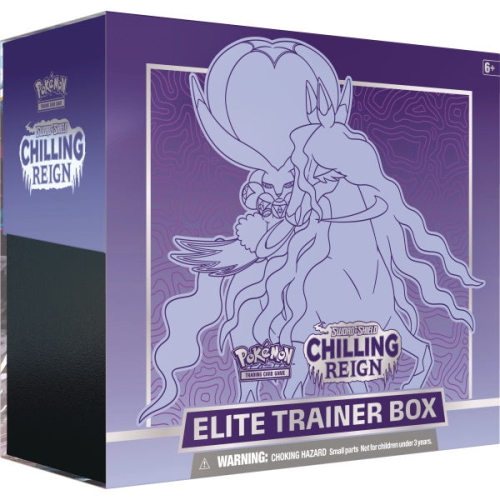


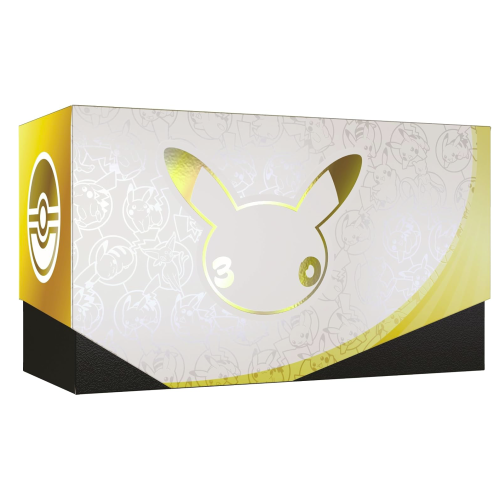


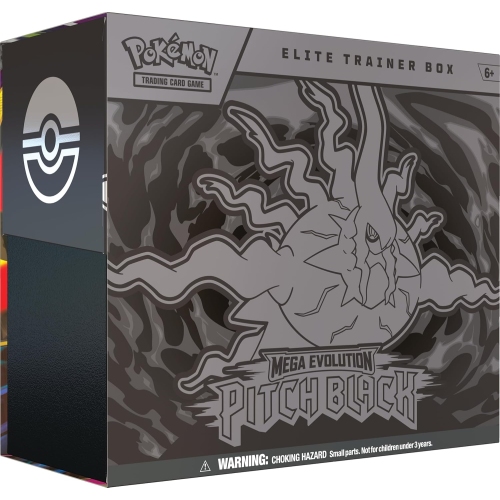
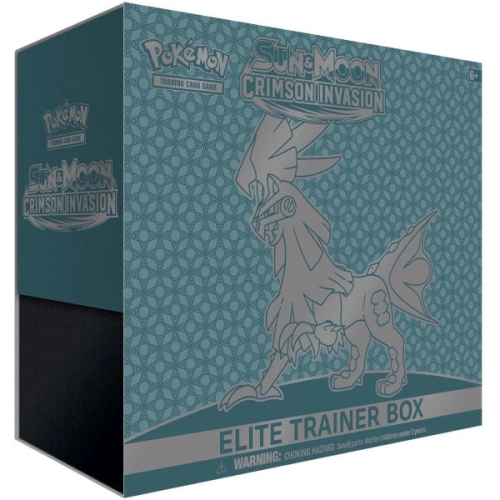

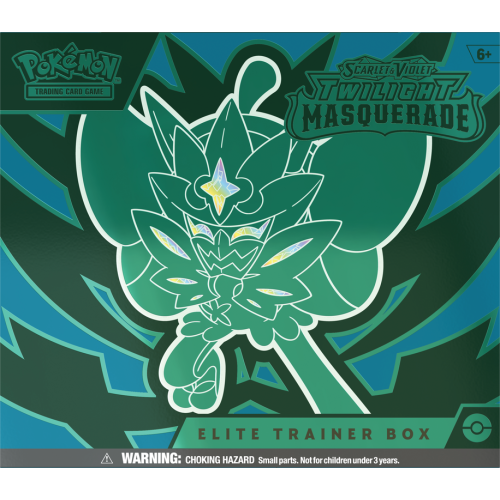


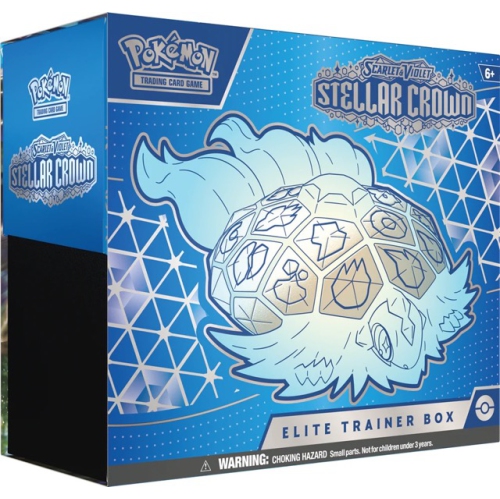
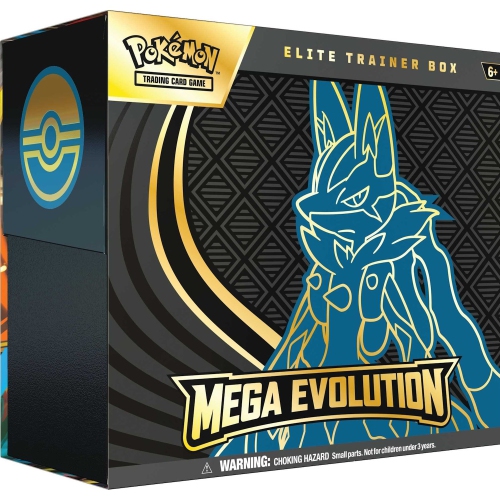
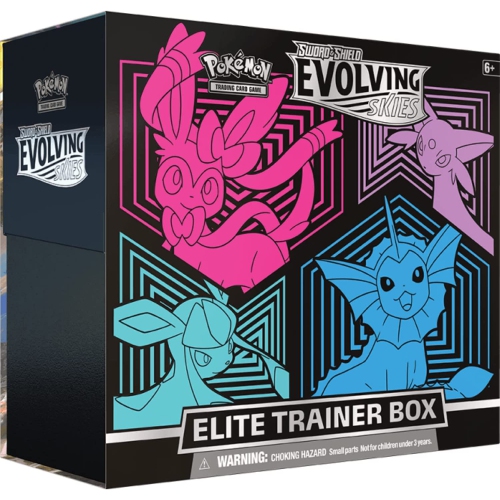


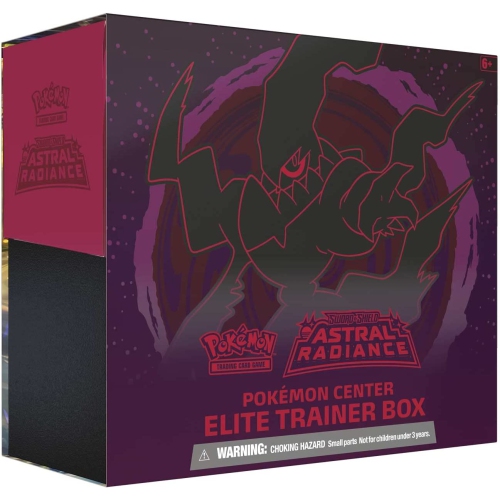
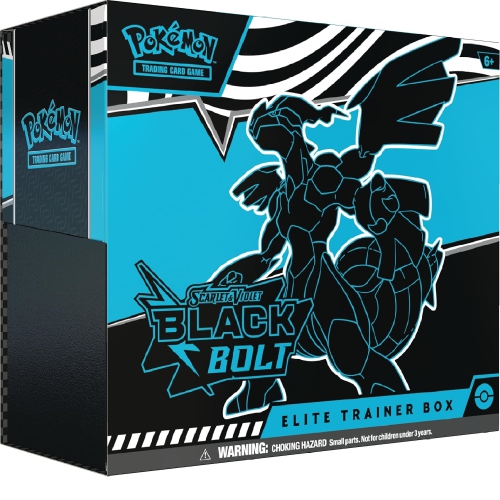

Booster packs are only part of the appeal
A trading card game (TCG) trainer box brings booster packs, card storage, and useful play accessories together in one themed package. It sits between a simple pack-opening purchase and a collection of separate gaming supplies, making it appealing to both players building their card pool and collectors following a favourite expansion. Typical contents may include sealed booster packs, card sleeves, dice or counters, condition markers, and a sturdy storage box with dividers. Some boxes also contain basic resource cards, a foil promotional card, a printed expansion reference, or a code for a compatible digital game. The exact assortment varies by expansion and edition, so the contents listed on the packaging matter more than the appearance of the outer box alone. Pack quantities, promotional cards, and accessory designs are not interchangeable across every release. Booster packs contain randomized cards, which means opening a trainer box does not guarantee a particular character, illustration, rarity, or combination of cards. A separately listed promotional card is different: it is a stated inclusion rather than a possible pull from a pack. This distinction is useful for anyone drawn to a particular piece of artwork or hoping to add a known card to a collection. Trainer boxes also should not be assumed to contain a complete, ready-to-play deck. Their role is usually to expand a collection and provide supporting supplies, while a playable deck still needs the correct number and mix of cards for its game. For someone who enjoys sorting new cards across a table, comparing illustrations, and setting aside promising additions to a deck, the appeal extends beyond opening the packs. The box becomes a place for those cards to live, and the accessories can remain useful through repeated games. Expansion-themed packaging ties the contents together visually, giving the set a cohesive feel without making every card inside match the artwork on the lid. That balance of discovery, practical supplies, and presentation makes trainer boxes a distinct format within trading card collecting.
For active players, the most useful trainer box is one that matches the game they play and the way they organize their cards between sessions. Cards from different trading card games are not interchangeable, and expansion compatibility can also matter within the same game. Organized play may have format rules that limit which cards are permitted, while casual groups may agree on a different approach. New booster packs can introduce options for an existing deck, but a useful addition depends on how a card works alongside the rest of that deck, not simply on its rarity or finish. Accessories serve equally specific purposes. Sleeves help shield card faces and edges from routine handling, while dice, counters, and markers can make changing game states easier to follow across the table. Basic resource cards, when included and used by the game, can support deck building without needing to come from randomized packs. Sleeve fit deserves attention because trading cards come in different dimensions. A suitable sleeve holds the card securely without bending its corners or leaving an excessive amount of loose material around it. The number of included sleeves also matters when covering a full deck and keeping replacements for sleeves that become split, cloudy, or noticeably marked. Consistent sleeve backs are particularly important in organized play, where individual cards should not be identifiable while face down. Counters and markers are easier to manage when they have a separate compartment or small container rather than sitting loose among unsleeved cards. At a kitchen table, that separation helps keep the play area clear; at a local game night, it makes packing up less fiddly. Players who already own accessories may be more interested in the expansion and pack assortment, while someone moving beyond occasional games may appreciate having several essentials gathered together. Age recommendations and small-part warnings remain relevant, especially when dice and markers will be used around younger children. The intended use determines which parts of the bundle will earn a regular place at the table.
For collectors, a trainer box offers both an opening experience and a practical way to organize the cards that follow. Cards are generally made from layered paper stock, sometimes with foil or textured finishes, and their edges can show wear when repeatedly rubbed against rough surfaces. Sleeves provide a protective layer, but they do not make cards waterproof or prevent damage from bending, pressure, or careless handling. Clean, dry hands and a clear work surface help keep fingerprints, food residue, and grit away from newly opened cards. Paperboard storage boxes hold up best when kept dry and supported on a shelf rather than compressed beneath heavier objects. Dividers can separate expansions, card types, deck-building options, or duplicates, making a collection easier to revisit without repeatedly searching through every stack. Leaving enough room to lift cards out comfortably helps prevent bent corners, while avoiding overfilled compartments reduces pressure on sleeves and box walls. Particularly delicate or valued cards may need additional protection beyond the accessories included in a trainer box. Artwork can be another part of the appeal: a coordinated box and sleeve design can make an ordinary storage shelf feel like a personal collection rather than a row of anonymous containers. As a gift, a trainer box can suit a player who enjoys opening packs, a collector following a particular expansion, or a younger enthusiast sharing the hobby with an adult. Knowing the recipient’s game and interests matters more than choosing packaging that looks impressive in isolation. Someone who enjoys gameplay may value usable accessories, whereas an artwork-focused collector may care more about the stated promotional card and expansion theme. Shoppers comparing formats can also explore Collector Booster Boxes when a pack-focused opening experience is the priority. A trainer box has its own appeal when storage, accessories, and sealed packs are all part of the enjoyment, with a purpose that can continue long after the wrappers have been cleared away.
Top selling and popular products
-
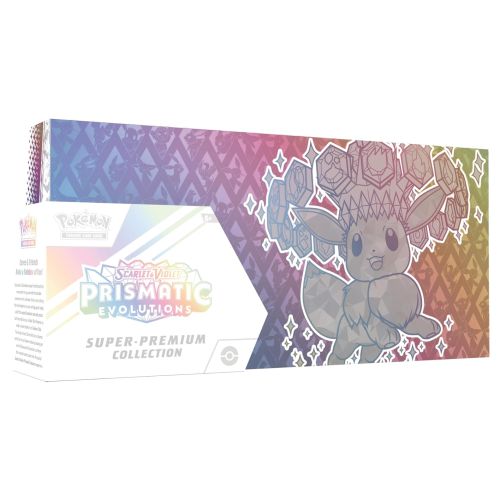 Your price for this item is $429.99
-
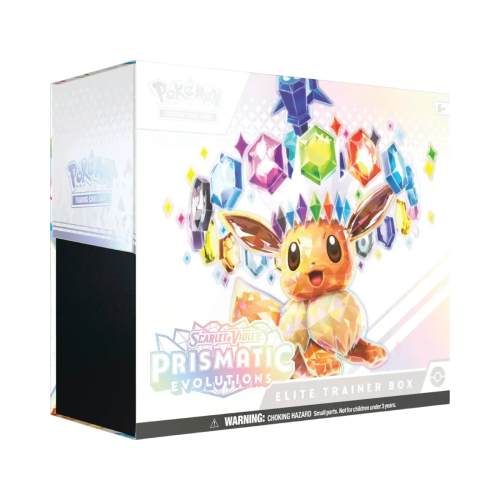 Your price for this item is $224.99
-
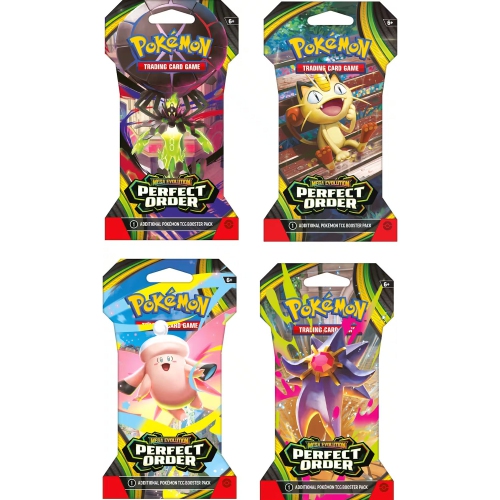 Your price for this item is $15.99
-
 Your price for this item is $239.99
-
 Your price for this item is $129.99
-
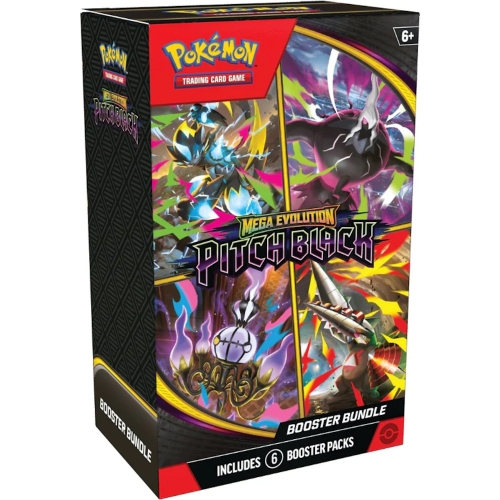 Your price for this item is $59.99
-
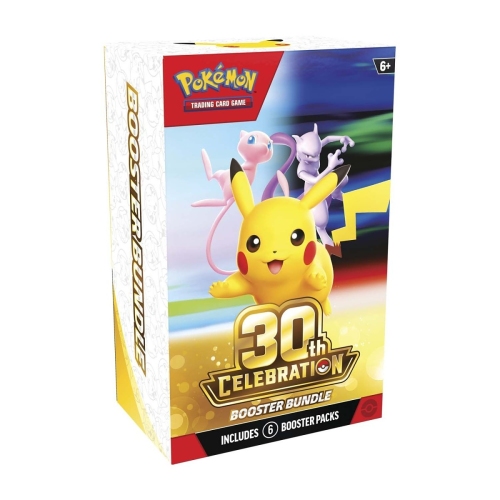 Your price for this item is $119.99
-
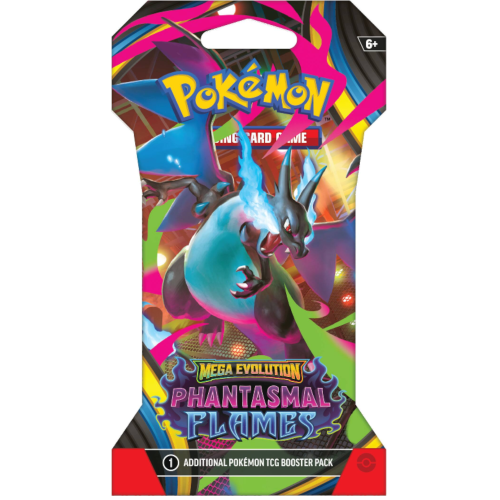 Your price for this item is $27.99
Discover more categories related to Trainer Box TCG
Top Collections:
Pokemon Centers, Kindle Devices, Best Cameras for Sports Photography, Pokémon 30th Celebration Cards, Canon G7X Cameras, Samsung Galaxy Phones, iPhone 15 Apple, Best Black Friday Deals On Electronics, Jackery Power Stations, Solar Generators for Home
Some products may be subject to Environmental Handling Fees
(EHF) depending on your province.
Learn more about EHFs.