Water Tables
Transform your backyard into a hub of fun and learning with an engaging water table. Perfect for sparking creativity and exploration, water tables offer endless opportunities for imaginative play and sensory development. Whether you're looking to entertain the little ones during sunny afternoons or seeking a captivating activity that encourages social interaction, water tables are a fantastic choice. Dive into the world of aquatic adventures and watch as children explore, splash, and discover new worlds right in your own outdoor space.
Sort

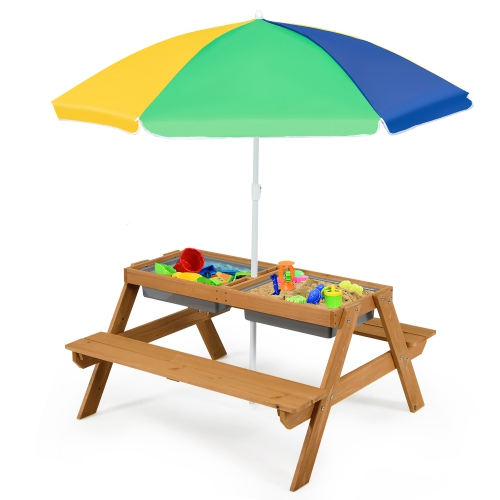
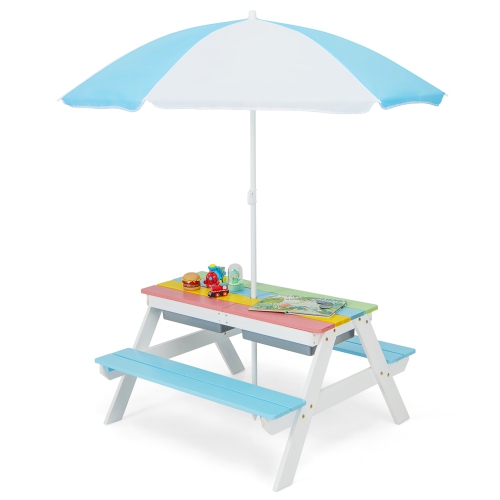


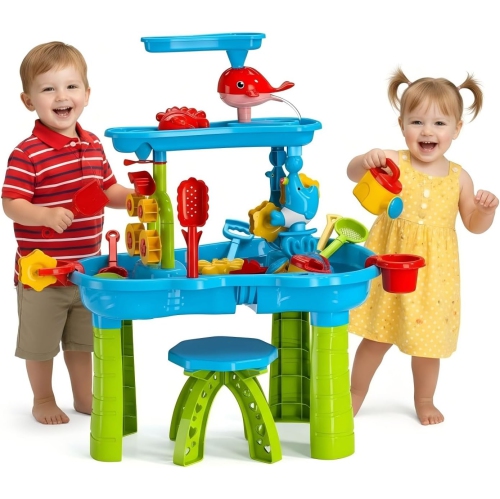
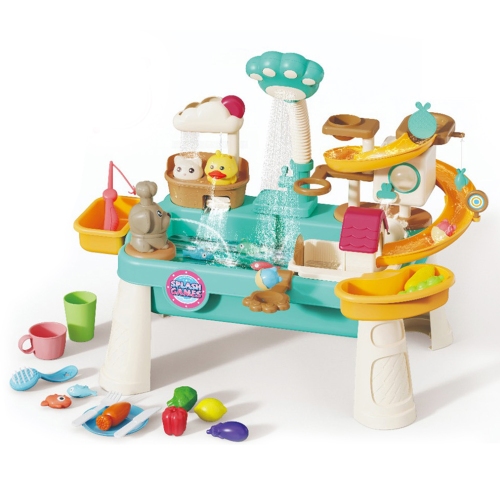
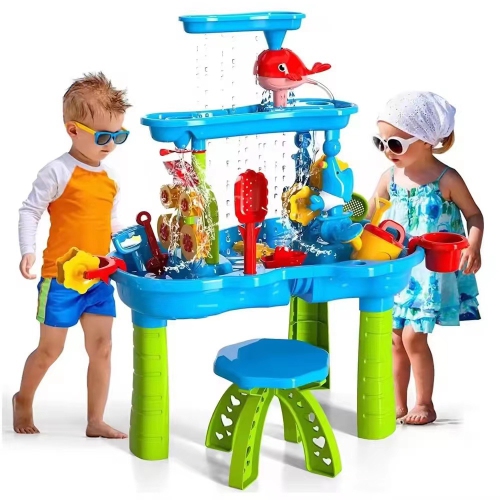
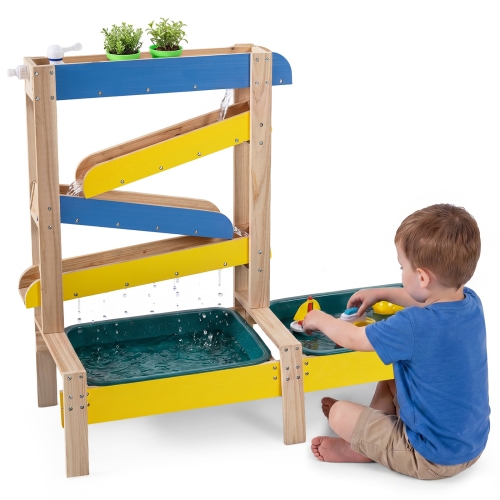
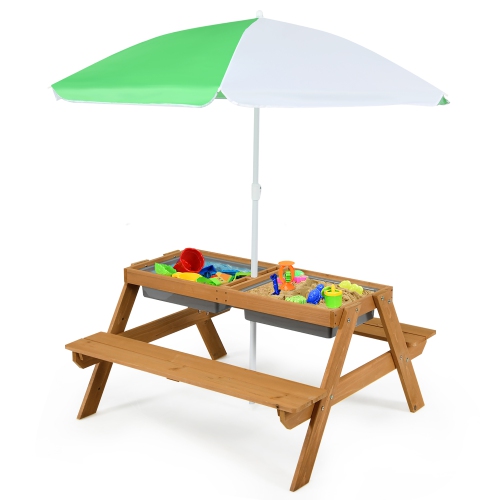
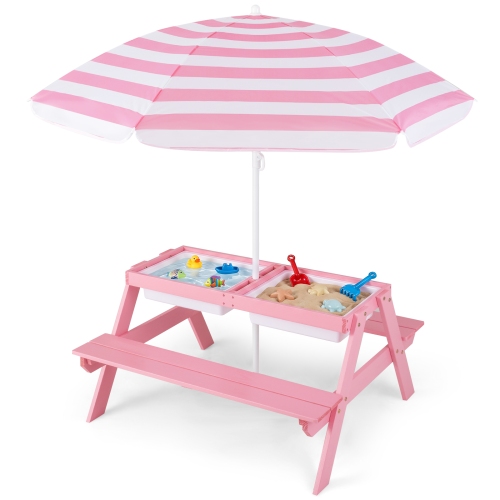
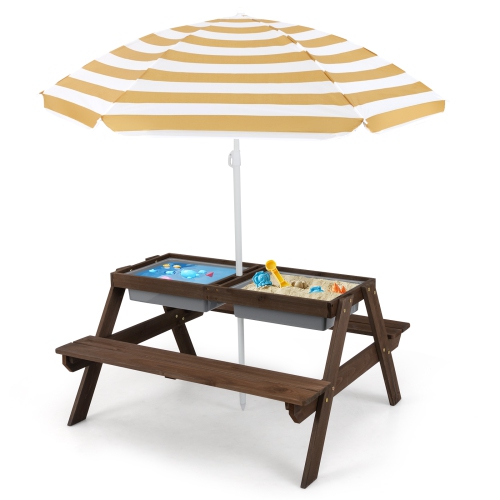
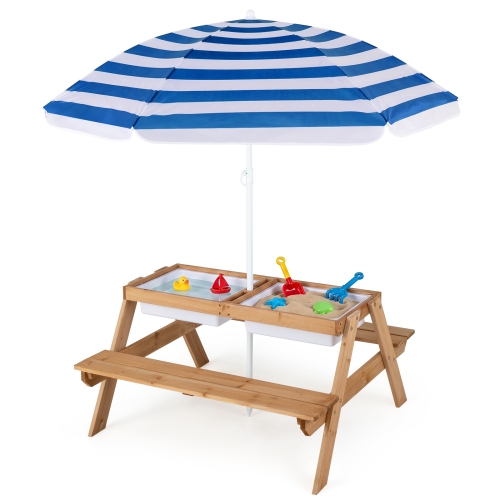
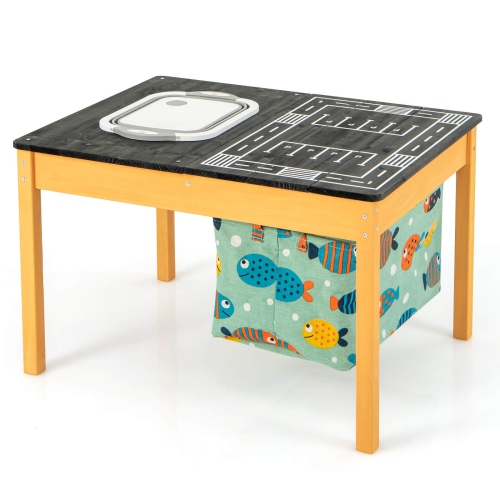
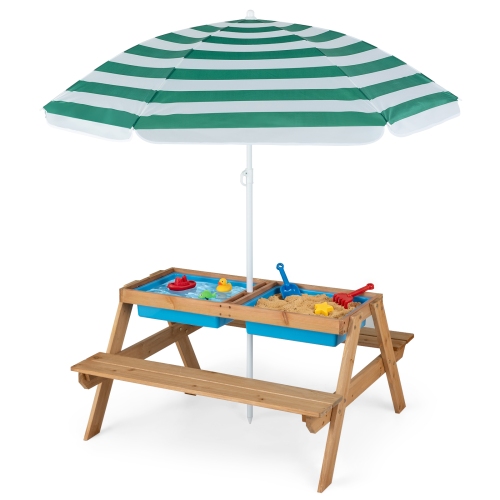
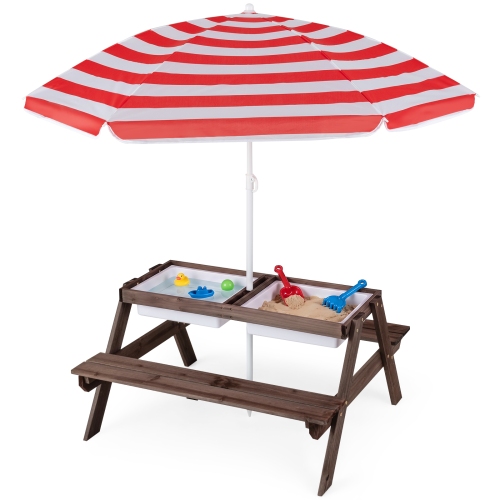
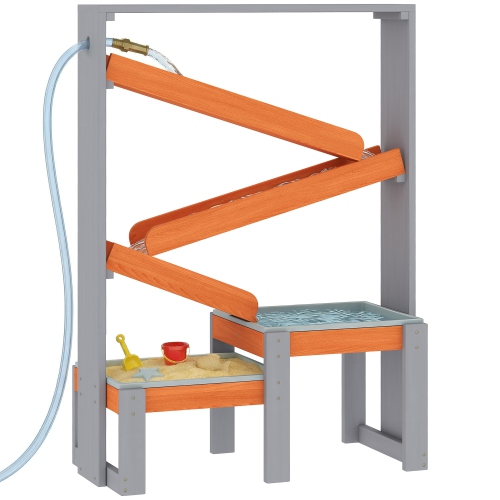

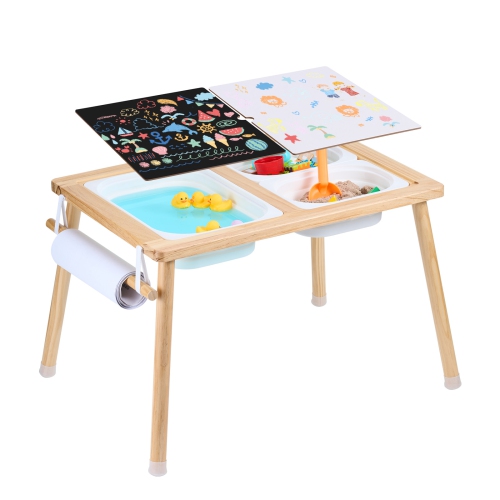
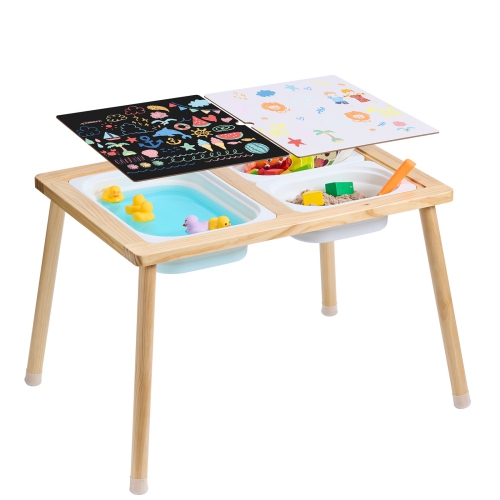
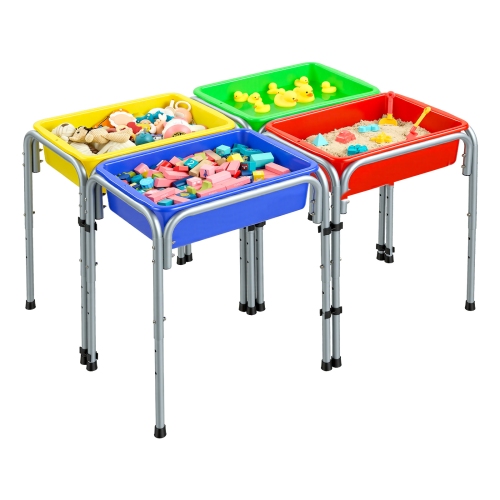
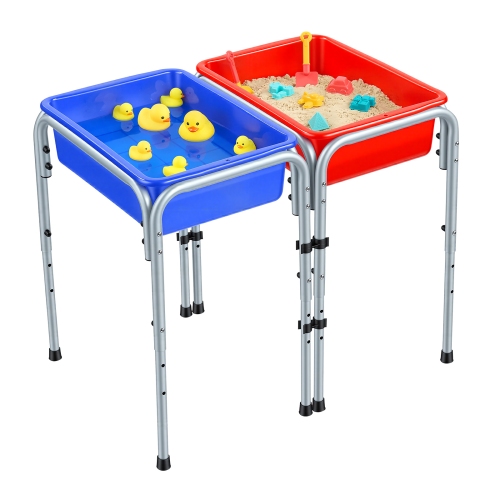
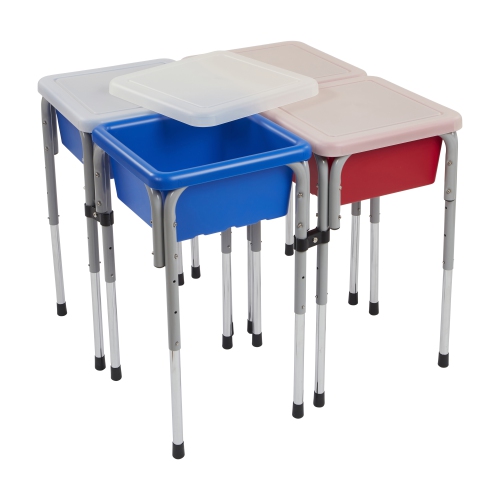

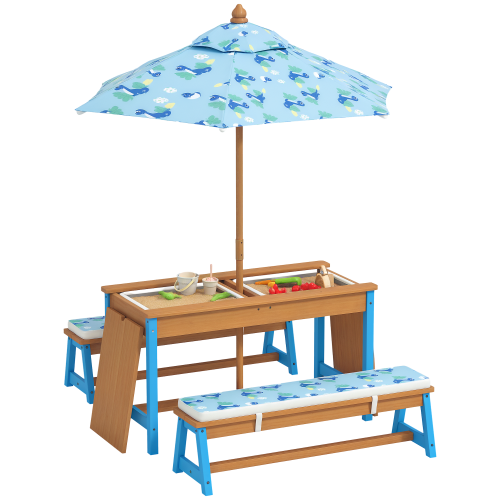



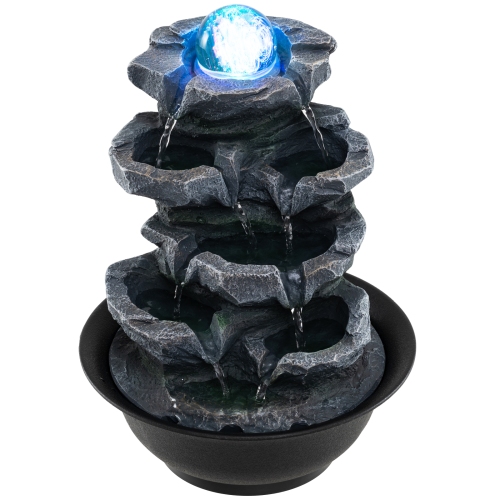
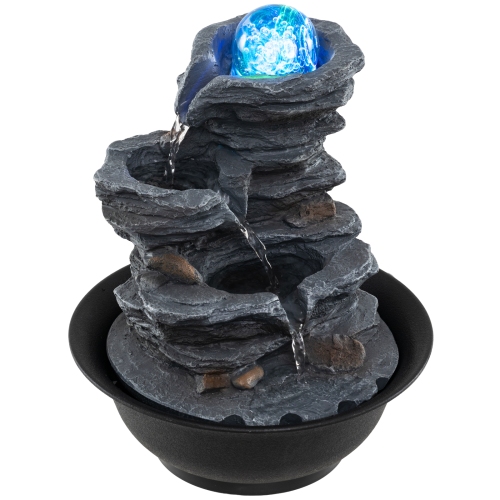
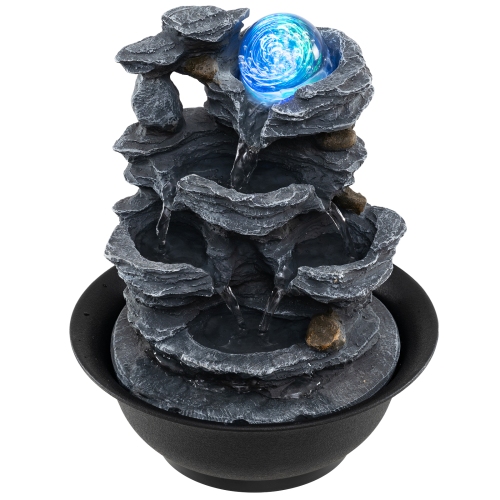
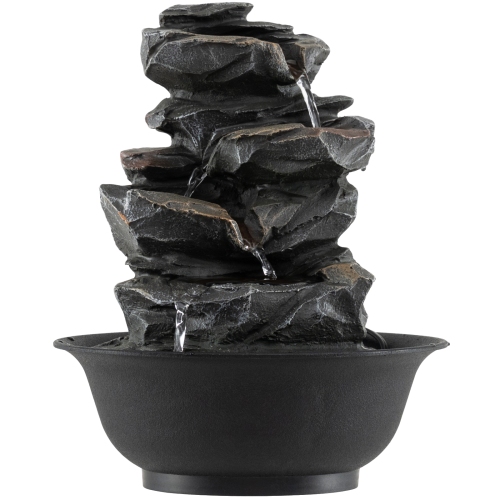
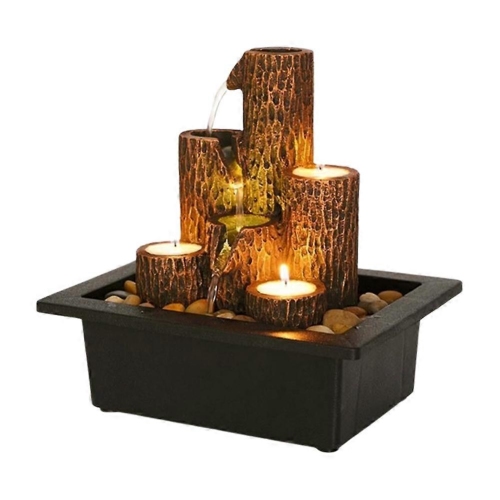
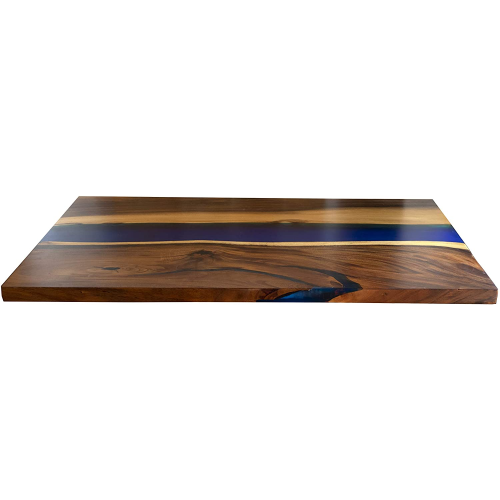

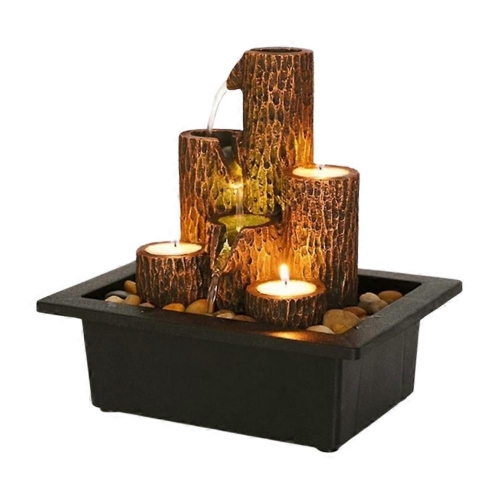
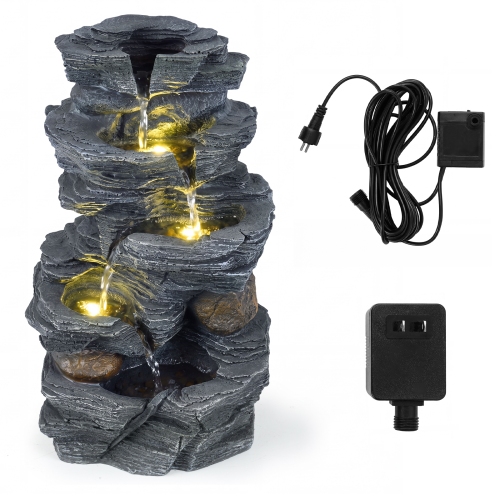


Scooping and splashing put sensory play within reach
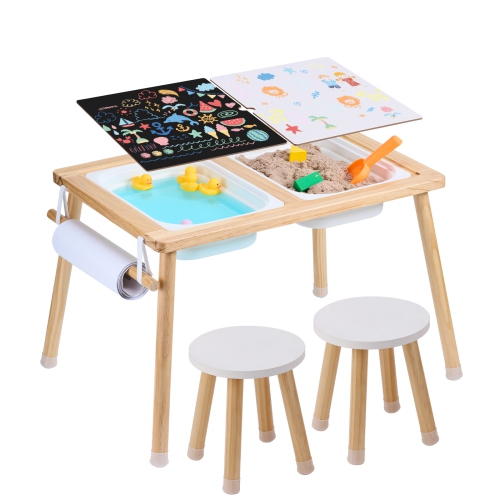
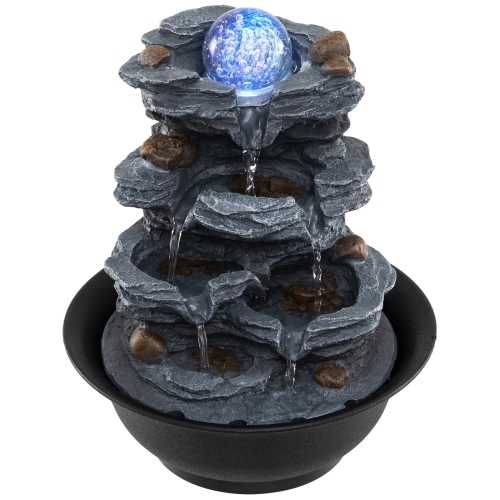
Water tables are raised play basins that hold shallow water for children to scoop, pour, splash, and explore. Designed for hands-on sensory play, they bring water activities up to a height that toddlers and preschoolers can reach without sitting in a pool. In a toy-shopping context, the term refers to these activity tables rather than the underground boundary associated with groundwater. A simple basin gives children room to float toys and practise filling containers, while more elaborate designs may include channels, spinning wheels, removable towers, or upper trays that send water trickling into the basin below. Each feature offers a slightly different kind of play: pouring into a funnel calls for careful aiming, turning a wheel introduces cause and effect, and moving a floating toy through a channel encourages storytelling. Repeated scooping and tipping can support hand-eye coordination and fine motor practice, although children will use the same table differently depending on their age, interests, and abilities. A younger child may enjoy watching water slip through their fingers, while an older preschooler might arrange a pretend harbour or compare how quickly two containers empty. Shared basins also create opportunities to take turns, pass accessories, and work together to keep a stream flowing. Water-only tables keep the activity focused on pouring and splashing; sand and water tables have separate sections for different textures, though some mixing is likely once play begins. Open layouts leave more space for imaginative activities, whereas built-in play features give children a starting point. For a birthday or another gift-giving occasion, a water table can be a thoughtful choice for a family that enjoys tactile play and has suitable space for setup, drainage, and storage. The most useful design is not necessarily the one with the most attachments. A comfortable working height, an easy-to-reach basin, and features that match the child’s abilities often matter more than a crowded tabletop. Enough clear space to scoop and pour can make a table just as engaging as a tall cascade of moving parts.
Size and fit affect how comfortably children can use a water table and how easily adults can manage it. The manufacturer’s age recommendation is an important starting point because it accounts for the design and included components, not simply the table’s height. A child should be able to stand securely beside the basin and reach the main play area without climbing onto the rim or leaning heavily across it. Tables with accessible edges can suit children playing side by side, while deep central sections or tall attachments may be harder for smaller users to reach. For siblings, usable space around the basin matters as much as overall dimensions: two children need room to move their arms, fill cups, and approach different features without constantly bumping into each other. Families seeking seated access should consider leg clearance, rim height, and reach distance rather than assuming that every raised design will accommodate a chair. Measure the intended play area with extra room for movement and splashes, and account for the route the table will take through doors or gates. Many children’s water tables use moulded plastic, which allows for rounded shapes, integrated channels, and surfaces that are relatively straightforward to wipe clean. Durability depends on the whole construction, including leg connections, attachment points, drain fittings, and the stability of the assembled base. A broad stance and securely fitted parts are particularly useful when enthusiastic pouring turns into vigorous splashing, but no play table should be treated as climbing equipment. Removable legs or folding components can make storage easier when those features are part of the design; repeated assembly should still follow the manufacturer’s directions. A drain plug can reduce the need to lift a filled basin, while smooth corners and removable accessories make routine cleaning more manageable. Separate sand and water compartments offer variety, but they also mean dealing with wet sand and keeping grit out of narrow channels. Simple layouts can be especially practical for caregivers who want a quick setup and fewer small pieces to collect afterward.
Everyday use is easiest when the table has a designated place on a firm, level surface and an adult can remain close throughout play. Follow the stated fill level and use fresh water for each session rather than leaving a filled basin ready for the next day. Even shallow water requires active adult supervision, and children should never be left alone with a filled water table. Keep the table away from steps, electrical equipment, and areas where splashes could make walking surfaces slippery. For designs approved for indoor use, a water-resistant floor and a suitable splash mat can help contain small spills, but a mat will not protect against an overflowing basin or replace prompt cleanup. Household Water Level Detectors serve a separate monitoring purpose; they are not play accessories or a substitute for supervision. Accessories should match the child’s age and the table’s instructions, with particular attention to small detachable parts when younger siblings share the space. Large scoops, easy-grip cups, and floating toys can keep activities approachable without filling every inch of the basin. A child who finds a busy cascade overwhelming may prefer a quieter corner with a single cup, while another may enjoy repeatedly pouring water through a spinning wheel. Once play is finished, empty the basin and any containers that hold water, following the manufacturer’s drainage directions. Clear sand and debris from plugs and channels, clean surfaces with the recommended method, and allow parts to dry before storage. Hollow accessories deserve attention because water can remain trapped inside even when the outside feels dry. Check periodically for cracks, rough edges, loose fasteners, or damaged attachments, and stop using any component that is no longer secure. A fitted cover can help keep debris out between uses when the table is empty, but it is not a safety barrier. Keeping the basin clean, the accessories organized, and the setup manageable helps a water table remain an inviting place for repeated, open-ended play.
Top selling and popular products
-
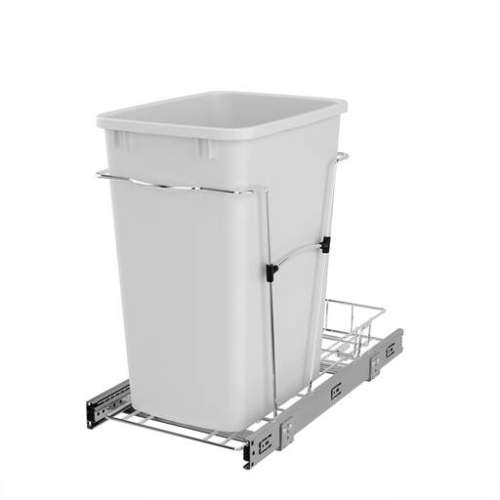 Your price for this item is $176.99
-
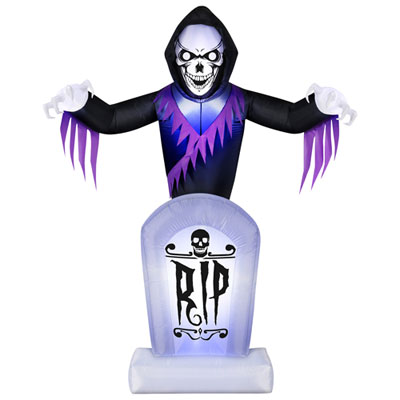 Your price for this item is $99.98
-
 Your price for this item is $69.98
-
 Your price for this item is $67.99
-
 Your price for this item is $39.98
-
 Your price for this item is $12.99
-
 Your price for this item is $299.99
-
 Your price for this item is $103.99
Discover more categories related to Water Tables
Top Collections:
Pokemon Centers, Best Cameras for Sports Photography, Kindle Devices, Samsung Galaxy Phones, Canon G7X Cameras, Pokémon 30th Celebration Cards, Refurbished Apple Laptops, iPhone 15 Apple, Laptops for Students, Budget Smartphones
Some products may be subject to Environmental Handling Fees
(EHF) depending on your province.
Learn more about EHFs.