Wooden Toys for Kids
Wooden toys for kids are sure to delight both little ones and their parents. These classic toys can provide hours of fun while helping to develop important skills. They can also be used to encourage imaginative play and creative thinking. Here are some great options available.
Sort
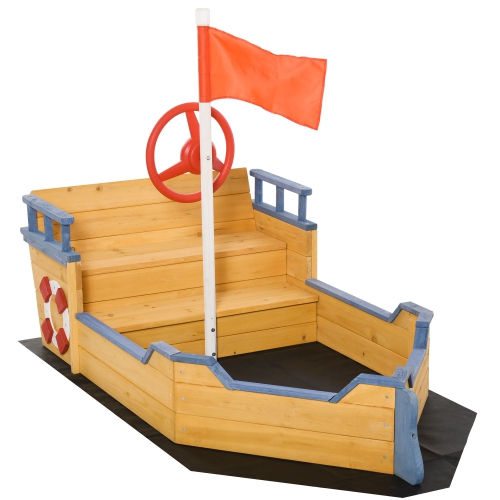
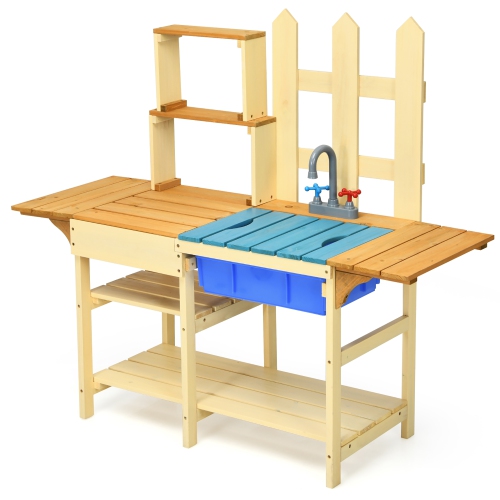
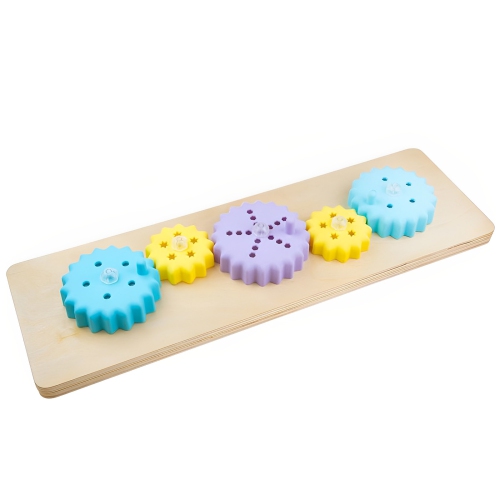
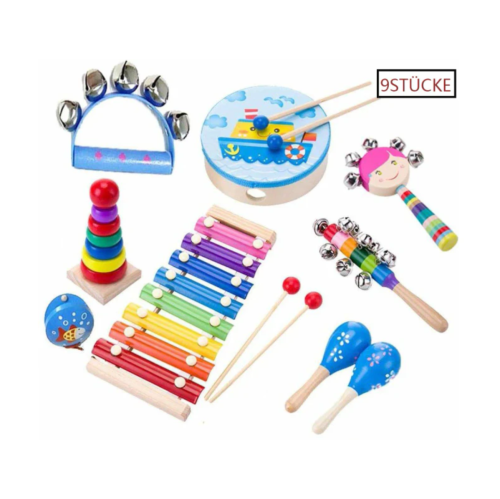
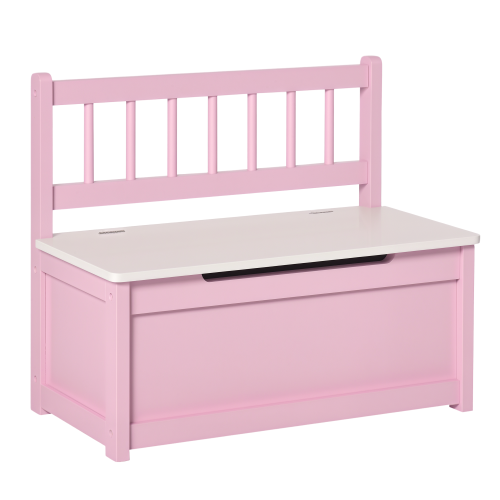
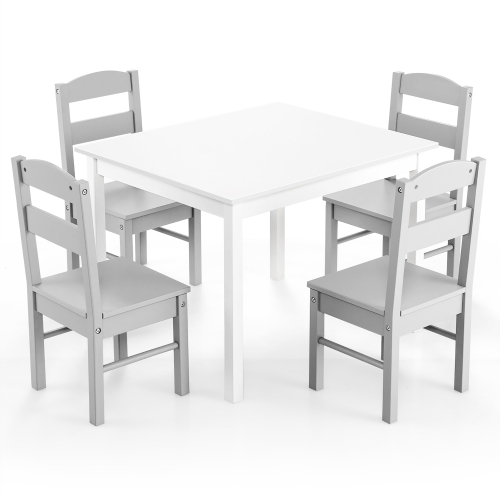
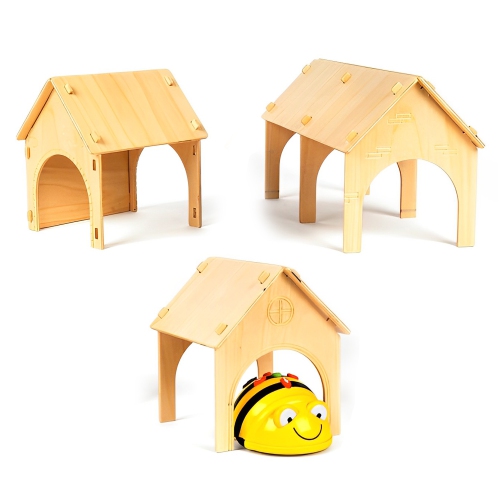
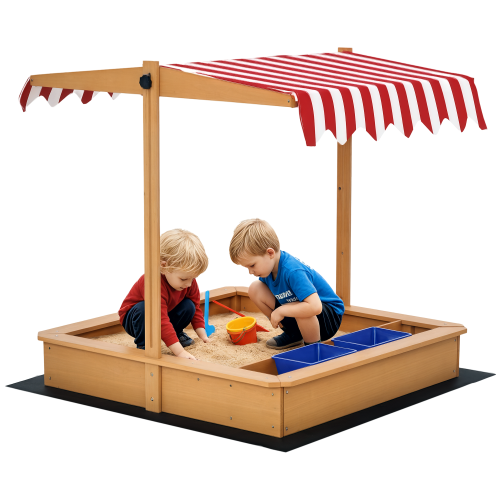
How simple wooden pieces spark hands-on play
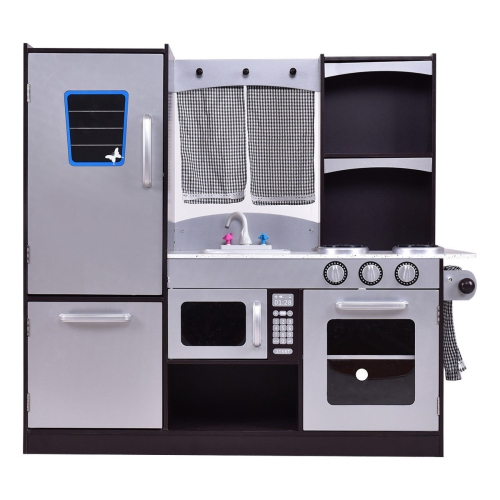
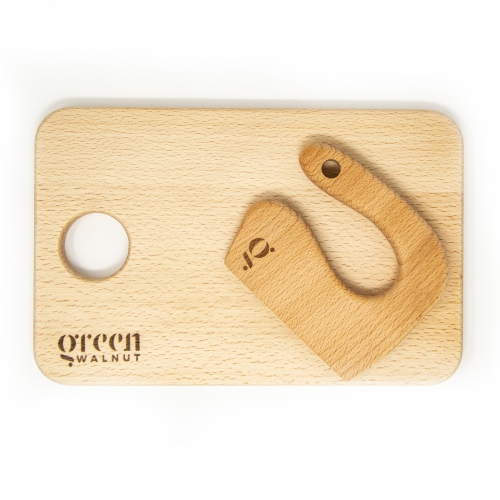
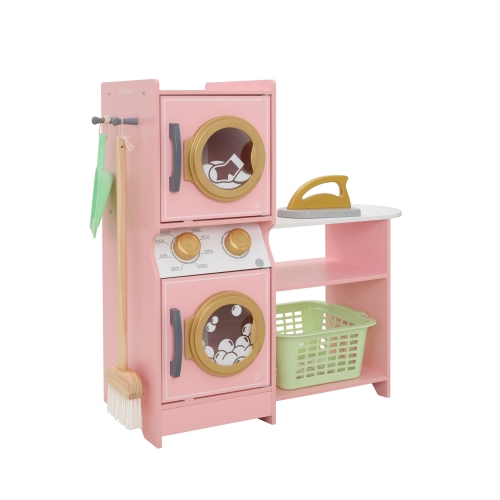
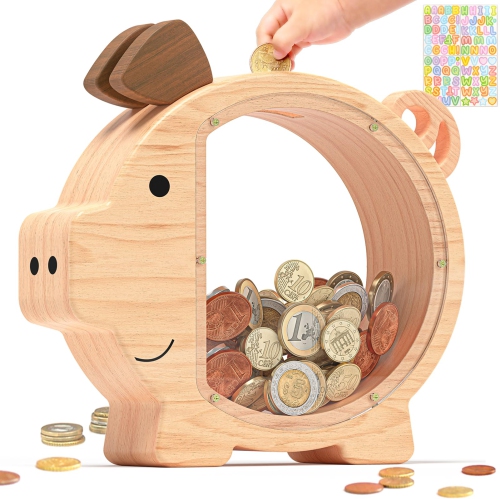
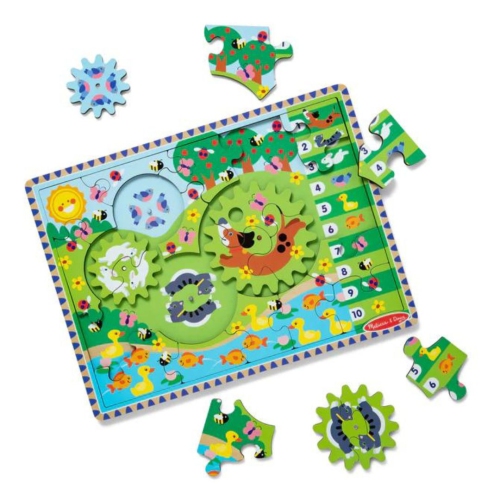
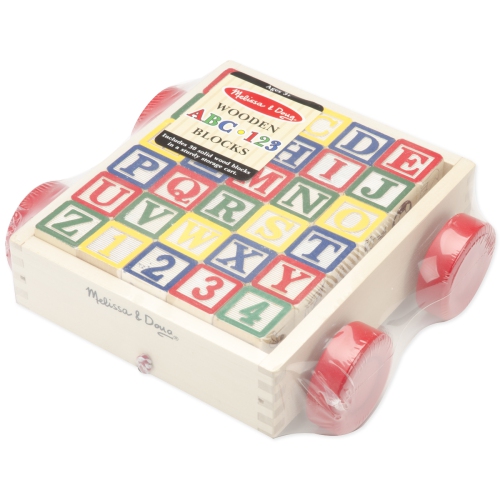
Wooden toys for kids bring hands-on play to everyday routines, from fitting a shape into its matching opening to building a town across the living room floor. The appeal is often in the simplicity: a child can feel the weight of a piece, hear the gentle clack of blocks meeting, and see how a small adjustment changes the balance of a tower. Common types include building blocks, puzzles, stacking toys, vehicles, and pretend-play sets, each offering different ways to explore movement, shape, and storytelling. Blocks invite children to experiment with height and balance, while a puzzle gives them practice turning and positioning pieces to find a fit. Rolling vehicles can become part of an invented delivery route, and pretend kitchen accessories can turn a small table into a busy café. These activities offer opportunities to practise hand-eye coordination, fine motor control, problem-solving, and communication without requiring a fixed outcome. A row of blocks might be a fence in one game and a train platform in the next. For children who enjoy repetition, familiar pieces provide a satisfying activity to return to; for those who prefer inventing stories, the same pieces can take on new roles each time. Wooden toys can suit independent play, shared time with a parent or caregiver, and small-group activities where children practise taking turns or building something together. Their suitability depends on the design and the child, rather than the material alone. Some children enjoy the clear goal of completing a picture, while others are happiest arranging loose pieces into patterns of their own. Matching the play style matters more than choosing something that looks impressive on a shelf. A manageable set that a child can carry, arrange, and put away may become a regular part of the day, particularly when it connects with an existing interest in buildings, animals, vehicles, cooking, or make-believe adventures.
Age recommendations, piece size, and construction are important considerations when choosing wooden toys for children. Large, easy-to-grasp components can be more manageable for younger children developing hand control, while older children may enjoy more detailed puzzles, complex building tasks, or pretend-play arrangements with several moving parts. Always follow the manufacturer’s age grading and warnings, especially where small pieces, magnets, cords, or detachable components are involved. Toys with small parts are not suitable for children under three, and shared play spaces need extra attention when a younger sibling may reach an older child’s toys. Smooth surfaces, rounded edges, secure attachments, and a finish intended for the toy’s age group are useful details to check. Wood itself does not guarantee safety, and a natural-looking surface is not a substitute for clear product information. Materials vary: toys may use solid wood, plywood, or a combination of wood and other components, with painted, stained, or unpainted surfaces. The type of wood, thickness of each piece, joinery, and finish all influence how a toy feels and stands up to use. A heavier piece may feel sturdy but can be awkward for a small child to lift, while a lighter piece may be easier to handle during repeated stacking and sorting. For floor play, consider the space needed to spread out a layout and whether the surface allows wheeled pieces to move as intended. For tabletop activities, the child should be able to reach the play area comfortably without balancing on an unsuitable seat. Sound and texture also matter: wooden pieces can make a noticeable clatter on hard flooring, and children have different preferences for smooth paint, visible grain, or varied shapes. Those interested in individual making methods and finishing details can explore Handcrafted Wooden Toys, while assessing each toy’s stated materials, age suitability, and care requirements. Handmade construction can vary, so craftsmanship should be considered alongside practical details such as stable bases, well-fitted pieces, and accessible instructions.
Durability is one reason families consider wooden toys, but lasting performance depends on appropriate use and care. Well-made pieces can tolerate regular handling, though wood can still dent, split, warp, or develop rough patches. Painted surfaces may show wear where pieces repeatedly rub together, and moving components need occasional inspection. Check toys regularly for splinters, cracks, loose wheels, damaged fasteners, or peeling finishes, and remove damaged toys from play until the manufacturer’s advice can be followed. Cleaning methods should match the finish and construction. Many wooden toys can be wiped with a lightly damp cloth and dried promptly, but the care instructions take priority; soaking, dishwashers, and harsh cleaning agents can damage wood, adhesives, or surface coatings. Toys that children put in their mouths need particular attention to the manufacturer’s cleaning directions. Storage works best when pieces are dry and easy to sort. A low shelf, a sturdy basket, or separate containers for different sets can help children find what they need without emptying everything onto the floor. Keeping pieces together also makes play more satisfying: a puzzle with all its shapes or a building set with its familiar parts is easier to return to independently. In smaller rooms, consider the full play footprint as well as the storage size, especially for layouts that children may want to leave assembled. Wooden toys can make thoughtful birthday gifts or presents for other family celebrations when chosen around the recipient’s age, interests, and home setup. Caregivers may appreciate manageable storage, straightforward cleaning, and pieces that suit the children sharing the space. For a child who loves telling stories, open-ended props can support elaborate scenes; for one who enjoys a clear challenge, fitting, matching, and balancing activities may hold greater appeal. Shared play can be as simple as taking turns adding a block, sorting pieces by colour, or describing where a vehicle is going. The strongest fit is a toy that gives the child something enjoyable to do with their hands and imagination, with a level of challenge that invites another attempt rather than repeated frustration.
Age recommendations, piece size, and construction are important considerations when choosing wooden toys for children. Large, easy-to-grasp components can be more manageable for younger children developing hand control, while older children may enjoy more detailed puzzles, complex building tasks, or pretend-play arrangements with several moving parts. Always follow the manufacturer’s age grading and warnings, especially where small pieces, magnets, cords, or detachable components are involved. Toys with small parts are not suitable for children under three, and shared play spaces need extra attention when a younger sibling may reach an older child’s toys. Smooth surfaces, rounded edges, secure attachments, and a finish intended for the toy’s age group are useful details to check. Wood itself does not guarantee safety, and a natural-looking surface is not a substitute for clear product information. Materials vary: toys may use solid wood, plywood, or a combination of wood and other components, with painted, stained, or unpainted surfaces. The type of wood, thickness of each piece, joinery, and finish all influence how a toy feels and stands up to use. A heavier piece may feel sturdy but can be awkward for a small child to lift, while a lighter piece may be easier to handle during repeated stacking and sorting. For floor play, consider the space needed to spread out a layout and whether the surface allows wheeled pieces to move as intended. For tabletop activities, the child should be able to reach the play area comfortably without balancing on an unsuitable seat. Sound and texture also matter: wooden pieces can make a noticeable clatter on hard flooring, and children have different preferences for smooth paint, visible grain, or varied shapes. Those interested in individual making methods and finishing details can explore Handcrafted Wooden Toys, while assessing each toy’s stated materials, age suitability, and care requirements. Handmade construction can vary, so craftsmanship should be considered alongside practical details such as stable bases, well-fitted pieces, and accessible instructions.
Durability is one reason families consider wooden toys, but lasting performance depends on appropriate use and care. Well-made pieces can tolerate regular handling, though wood can still dent, split, warp, or develop rough patches. Painted surfaces may show wear where pieces repeatedly rub together, and moving components need occasional inspection. Check toys regularly for splinters, cracks, loose wheels, damaged fasteners, or peeling finishes, and remove damaged toys from play until the manufacturer’s advice can be followed. Cleaning methods should match the finish and construction. Many wooden toys can be wiped with a lightly damp cloth and dried promptly, but the care instructions take priority; soaking, dishwashers, and harsh cleaning agents can damage wood, adhesives, or surface coatings. Toys that children put in their mouths need particular attention to the manufacturer’s cleaning directions. Storage works best when pieces are dry and easy to sort. A low shelf, a sturdy basket, or separate containers for different sets can help children find what they need without emptying everything onto the floor. Keeping pieces together also makes play more satisfying: a puzzle with all its shapes or a building set with its familiar parts is easier to return to independently. In smaller rooms, consider the full play footprint as well as the storage size, especially for layouts that children may want to leave assembled. Wooden toys can make thoughtful birthday gifts or presents for other family celebrations when chosen around the recipient’s age, interests, and home setup. Caregivers may appreciate manageable storage, straightforward cleaning, and pieces that suit the children sharing the space. For a child who loves telling stories, open-ended props can support elaborate scenes; for one who enjoys a clear challenge, fitting, matching, and balancing activities may hold greater appeal. Shared play can be as simple as taking turns adding a block, sorting pieces by colour, or describing where a vehicle is going. The strongest fit is a toy that gives the child something enjoyable to do with their hands and imagination, with a level of challenge that invites another attempt rather than repeated frustration.
Top selling and popular products
-
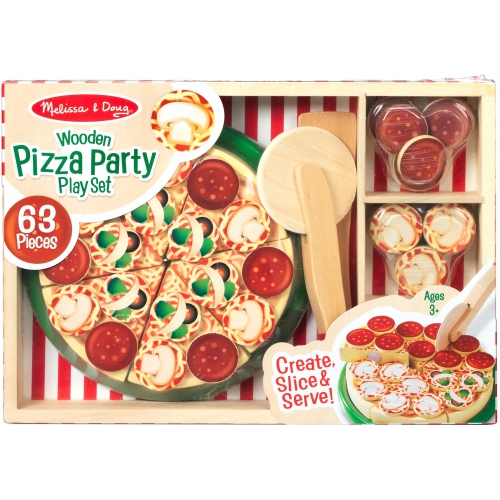 Your price for this item is $25
 -
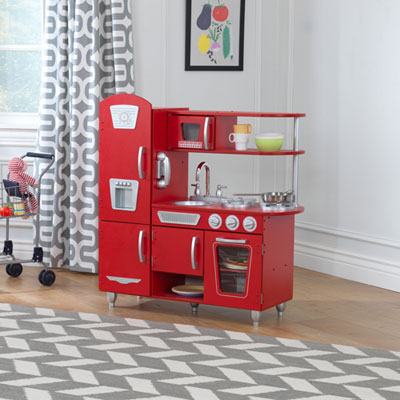 Your price for this item is $218.98
 -
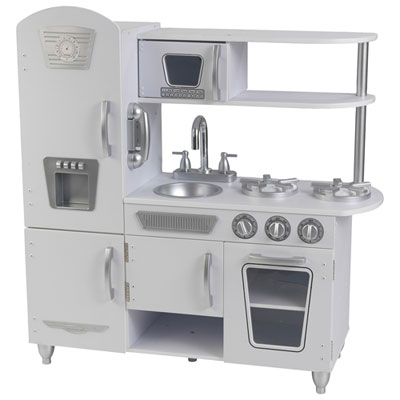 Your price for this item is $155.98
 -
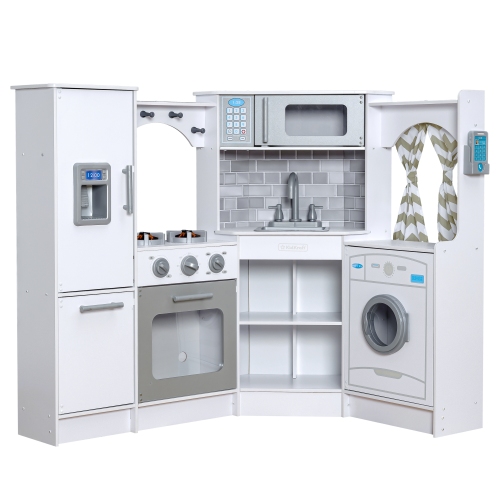 Your price for this item is $319.99
 -
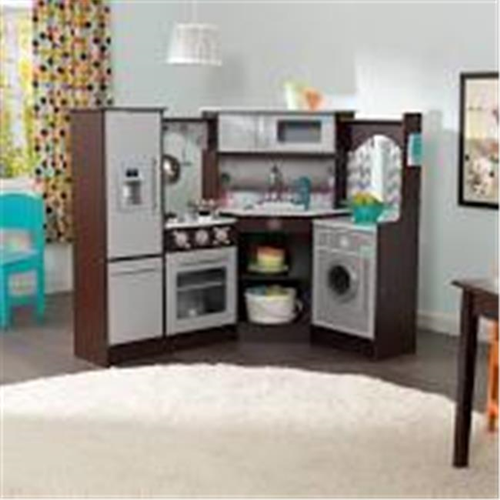 Your price for this item is $319.99
 -
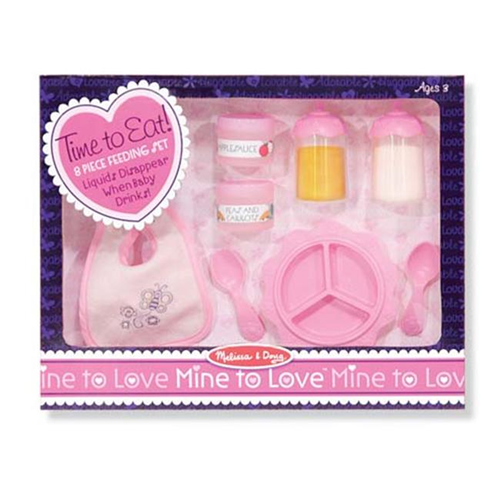 Your price for this item is $43.99
 -
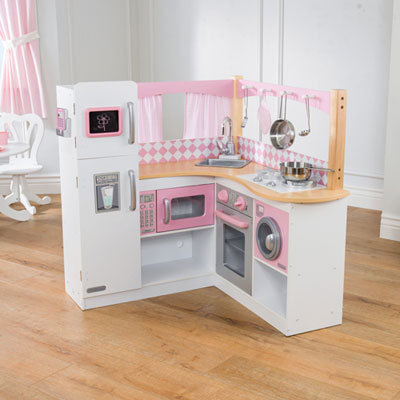 Your price for this item is $199.98
 -
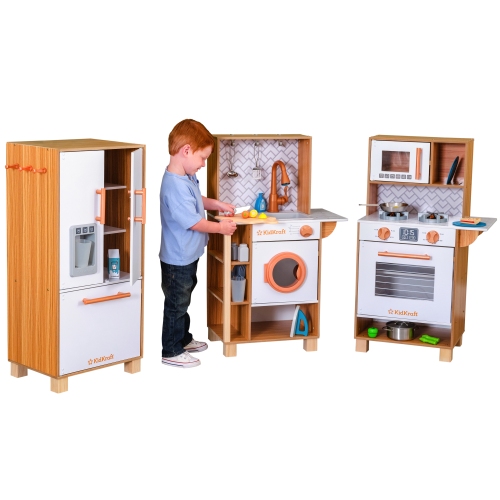 Your price for this item is $409.99
Discover more categories related to Wooden Toys for Kids
Top Collections:
Pokemon Centers, Kindle Devices, Best Budget Office Chairs, Apple iPhones 16, Best Laptops for Writers, iPhone 15 Apple, Canon G7X Cameras, Refurbished Apple Laptops, Alarm Clock, Motorola Razr Phones
Some products may be subject to Environmental Handling Fees
(EHF) depending on your province.
Learn more about EHFs.