Wooden Puzzles
Our wooden puzzles are perfect for all ages and skill levels, providing hours of entertainment and cognitive stimulation. From intricate designs to whimsical shapes, our wooden puzzles offer a wide variety of options to choose from. Whether you're a puzzle enthusiast or simply looking for a new hobby, you'll find the perfect puzzle to suit your interests and preferences. Get ready to embark on a journey of creativity and problem-solving with our selection of wooden puzzles.
Sort
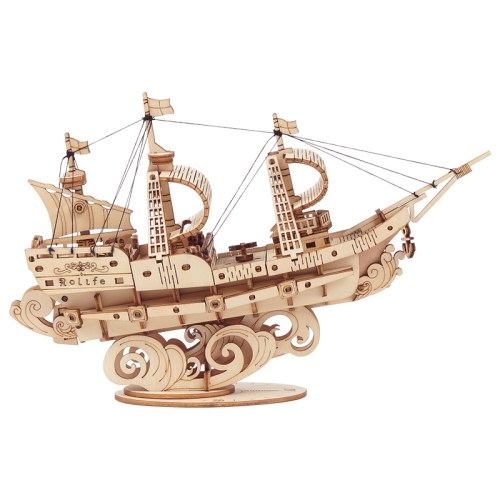
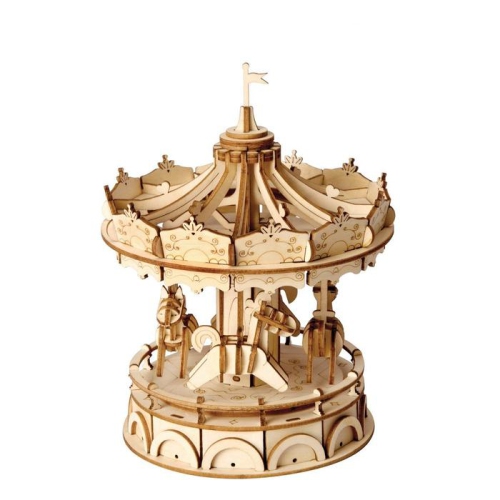


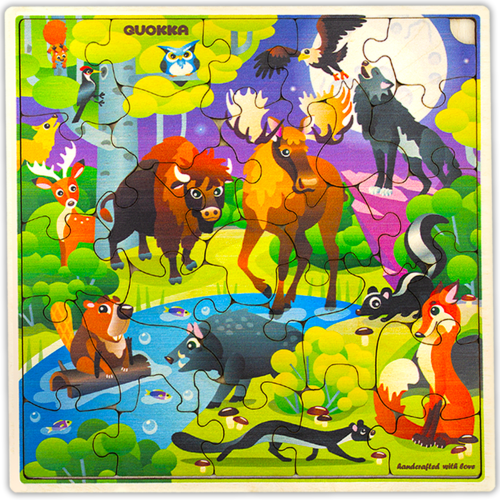
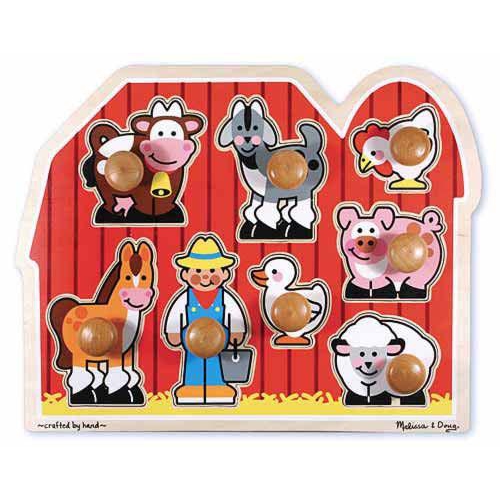
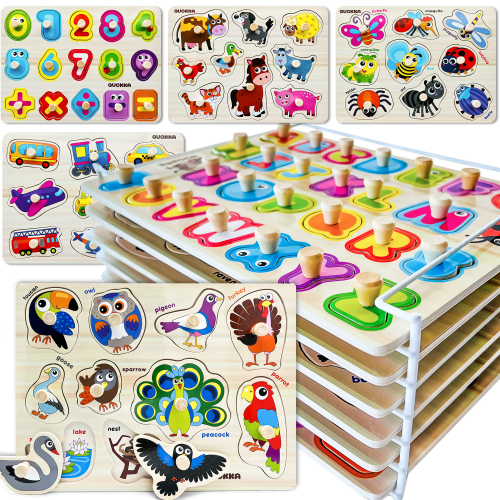
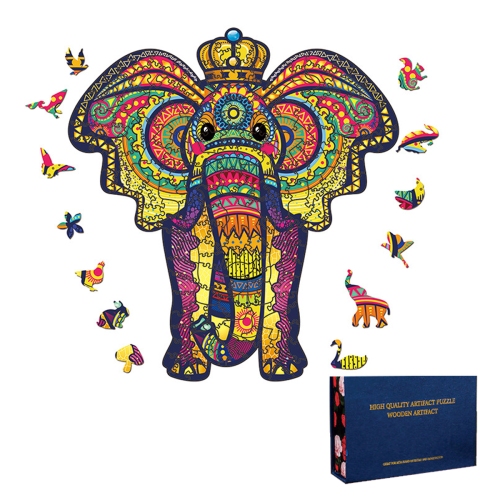
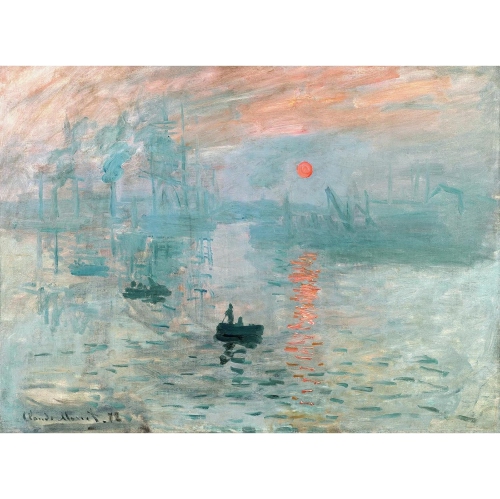
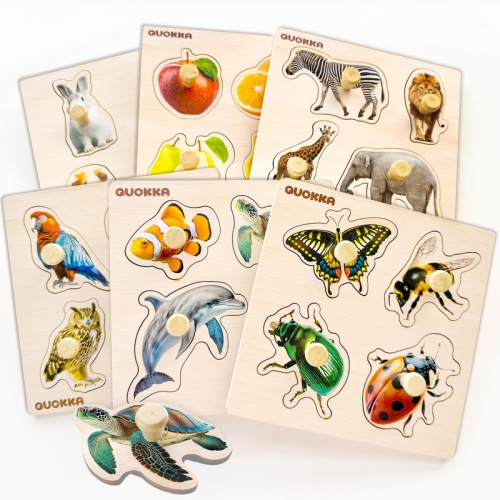

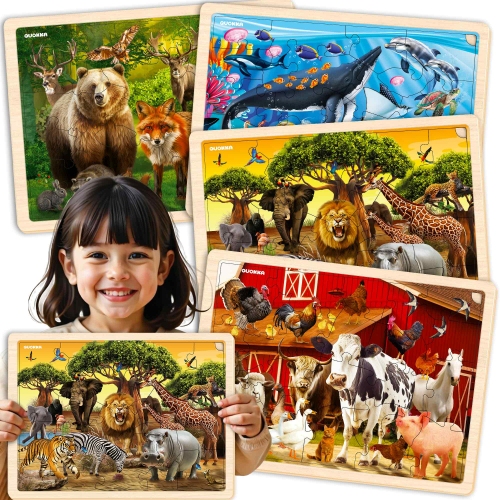
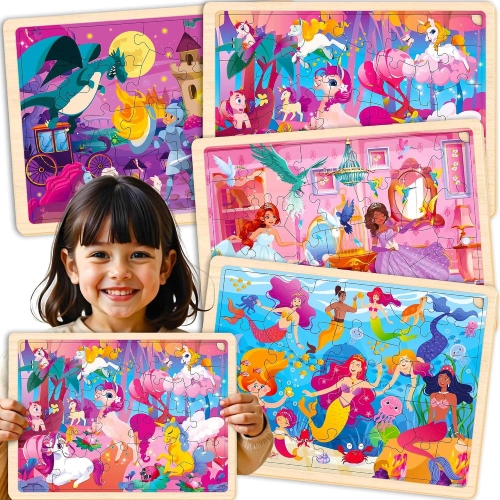


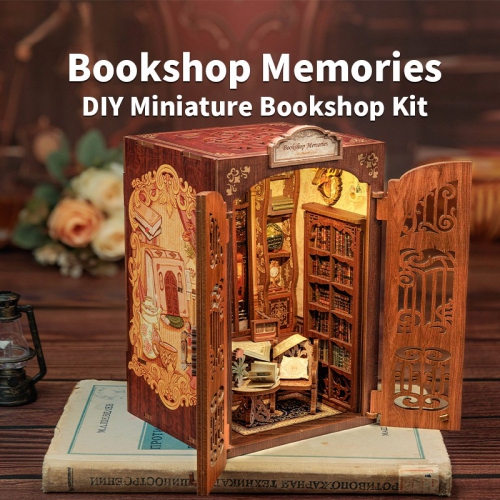
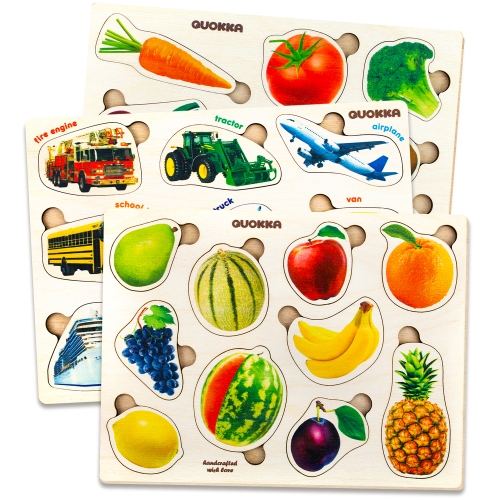



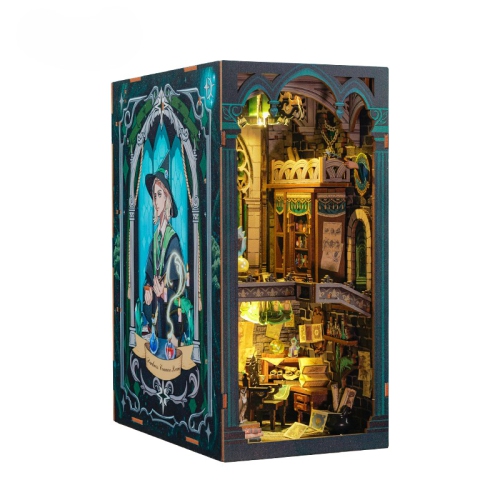
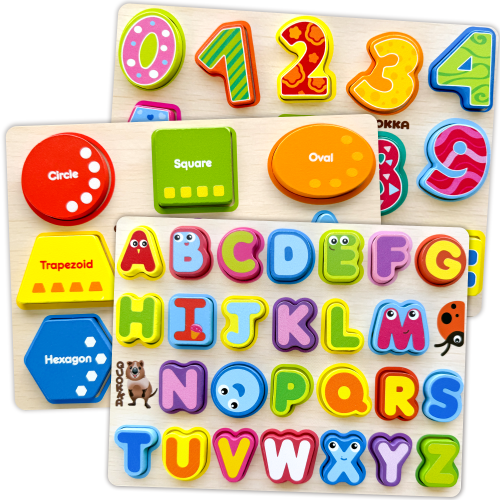

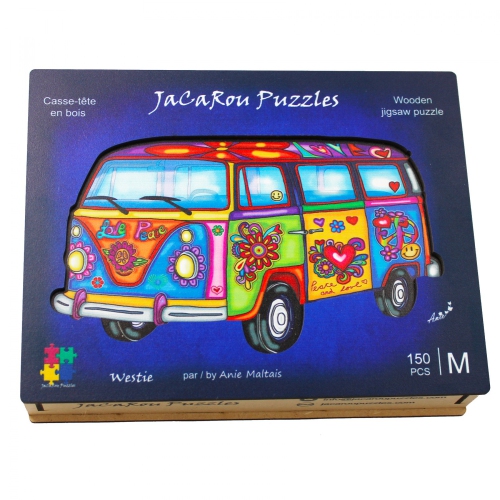
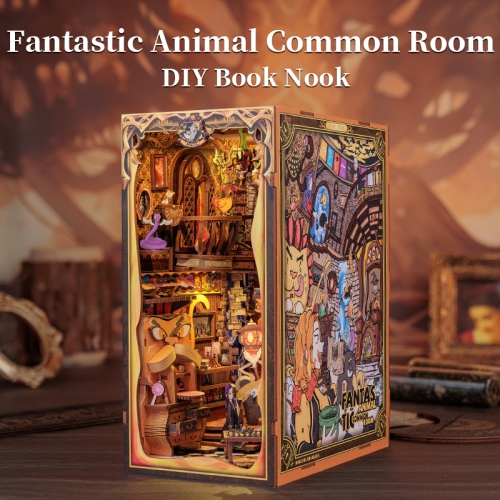



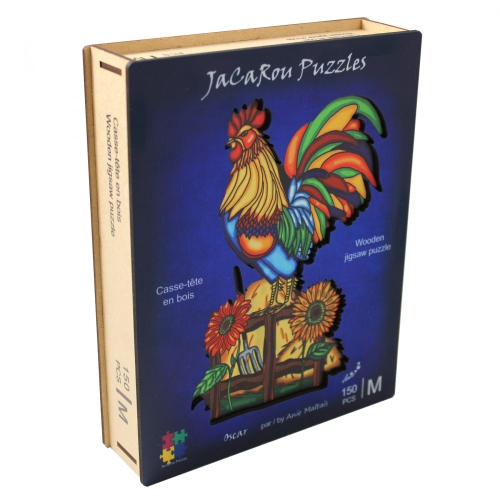
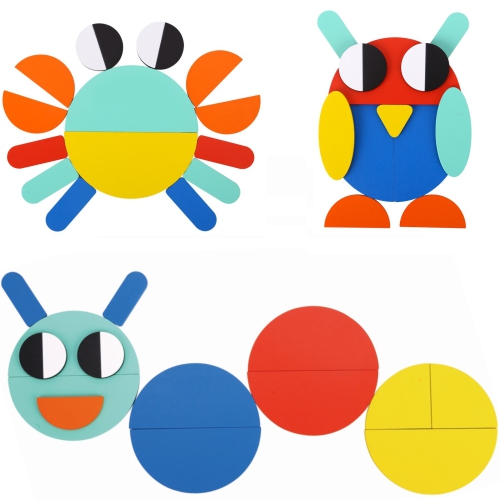
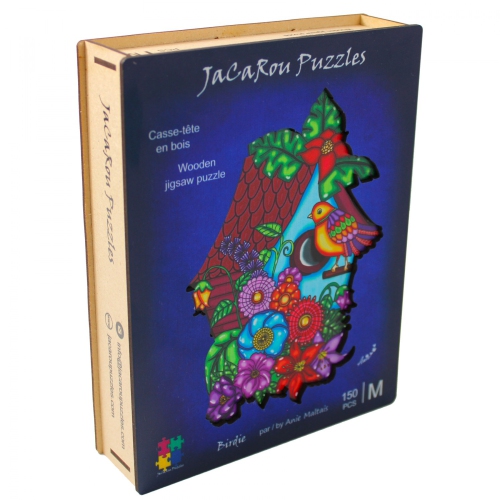
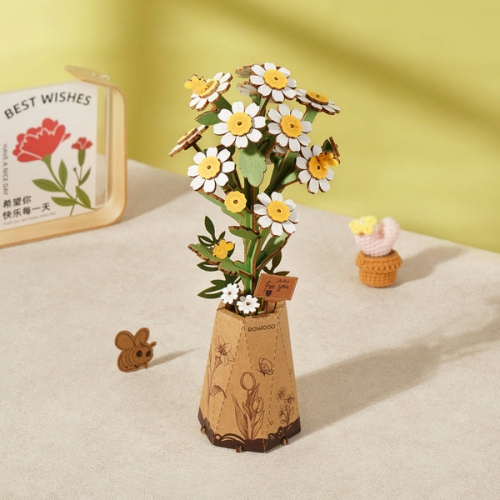


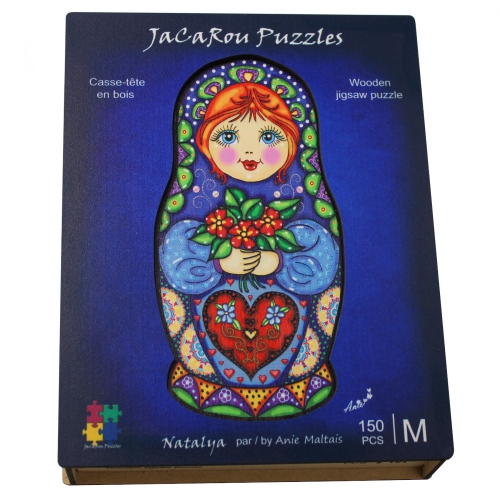
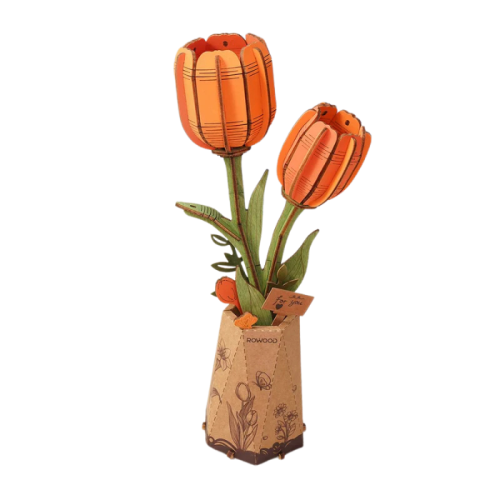


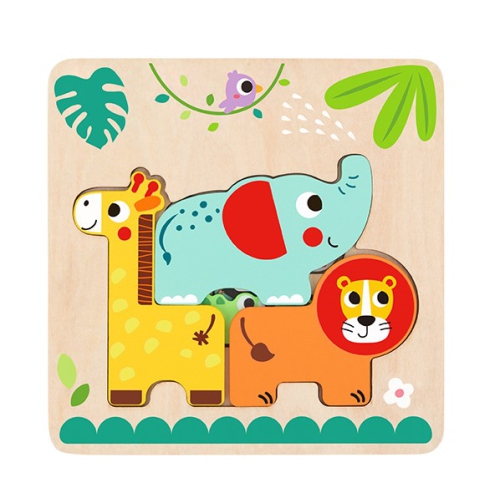
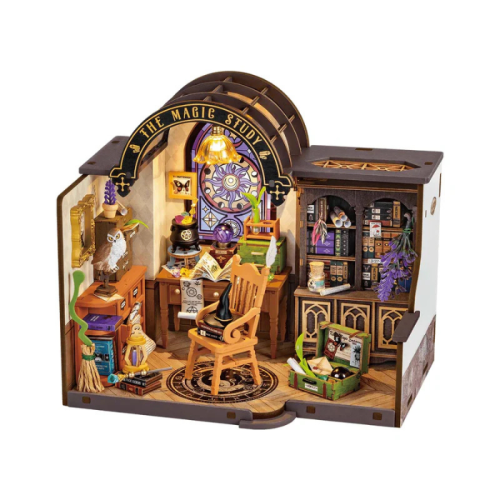


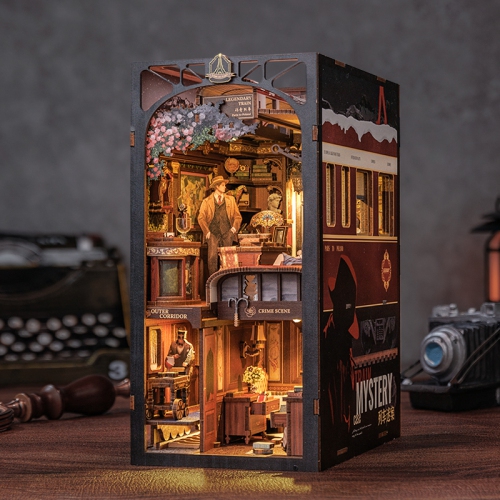

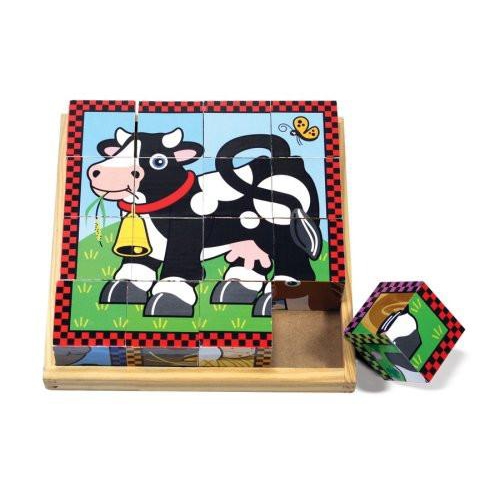
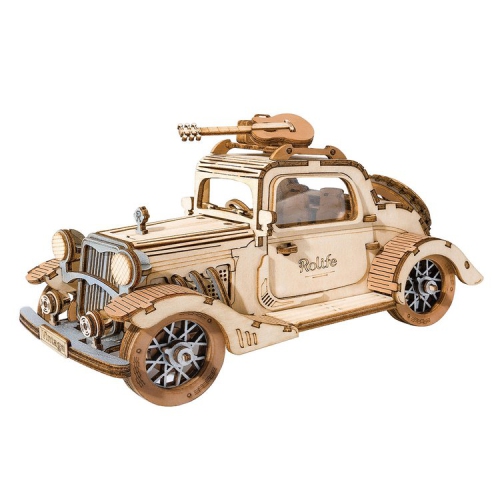


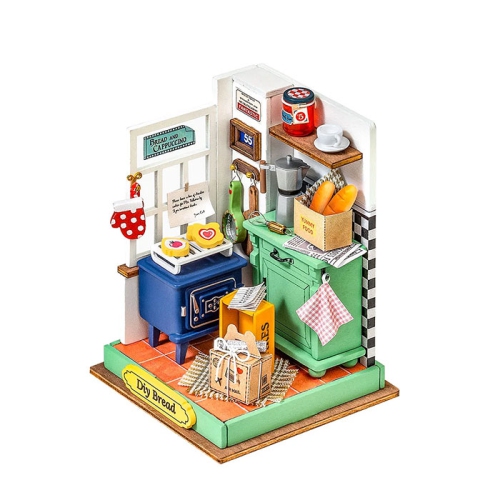

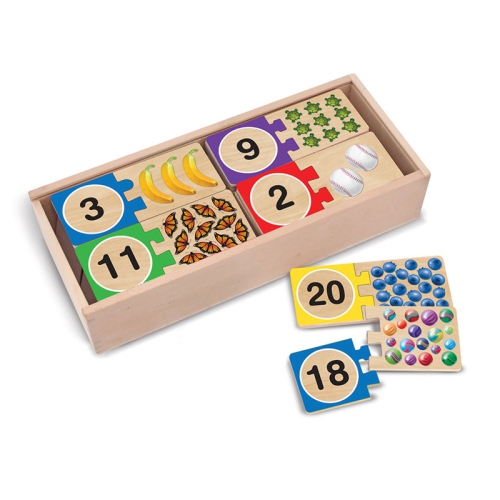
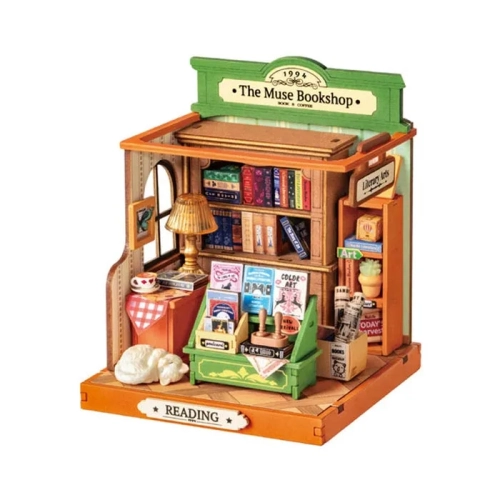

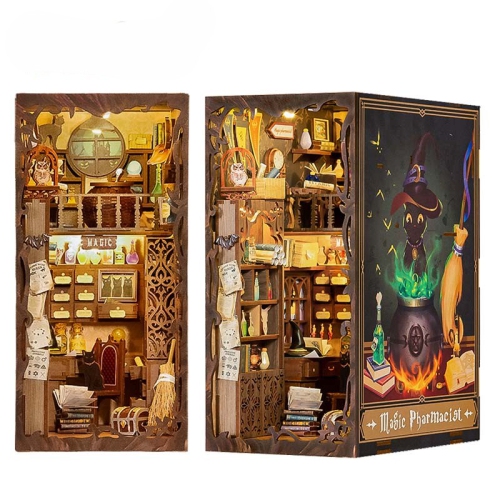


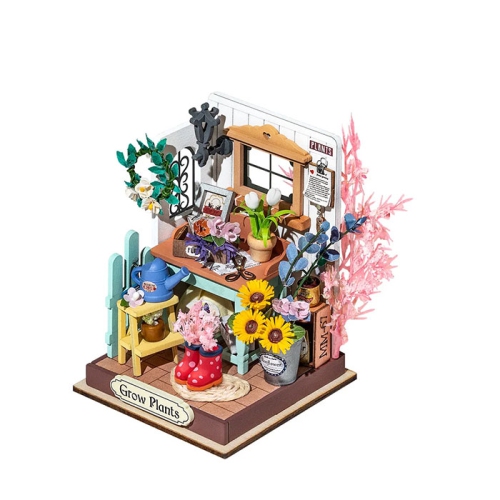
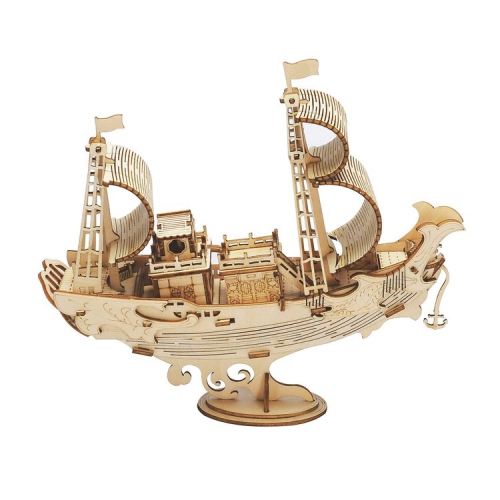
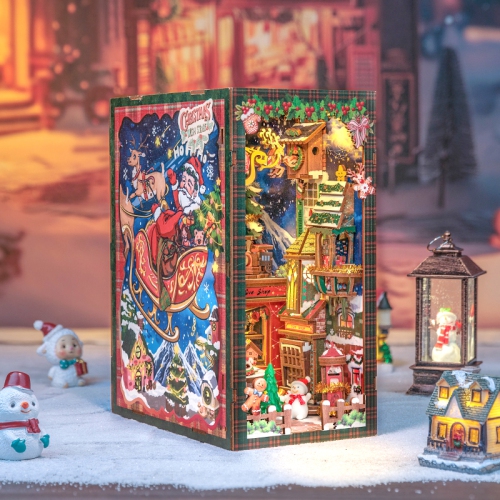

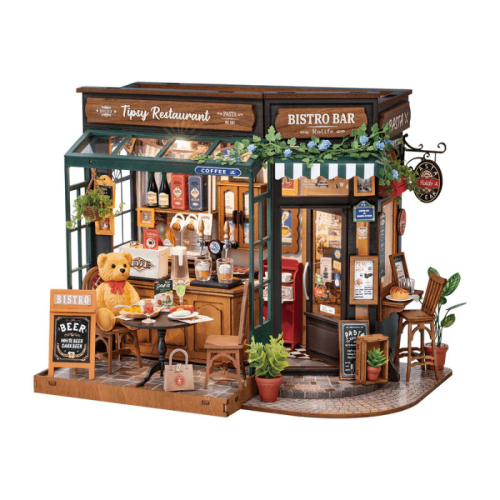
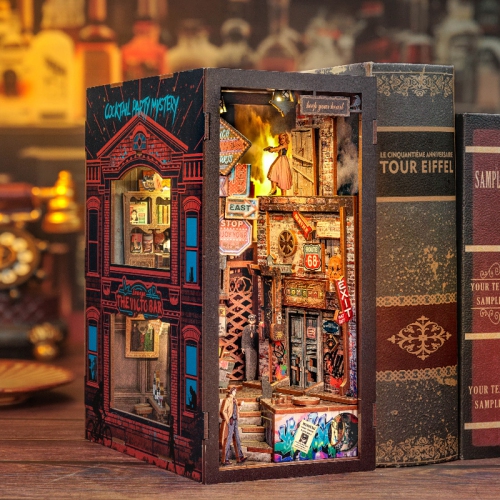

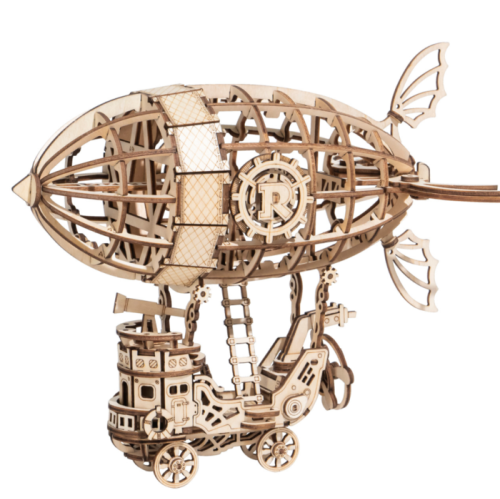
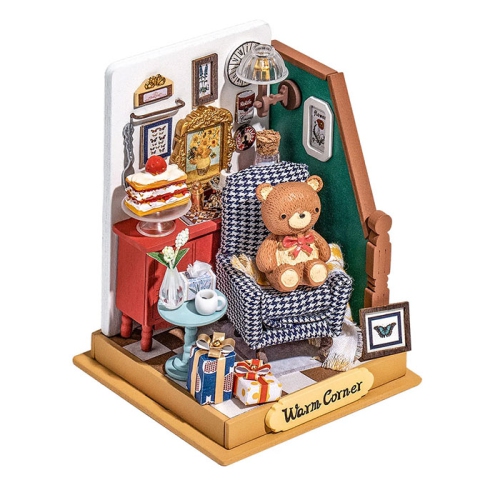
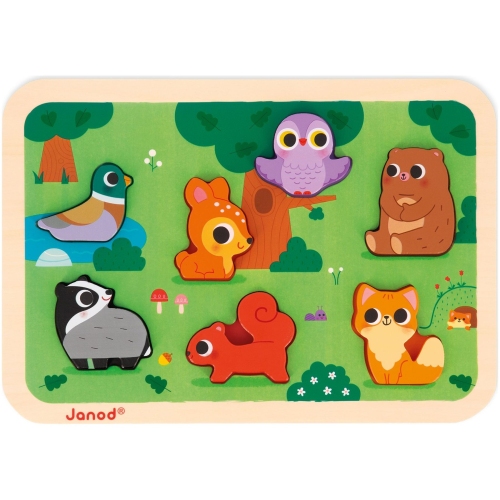
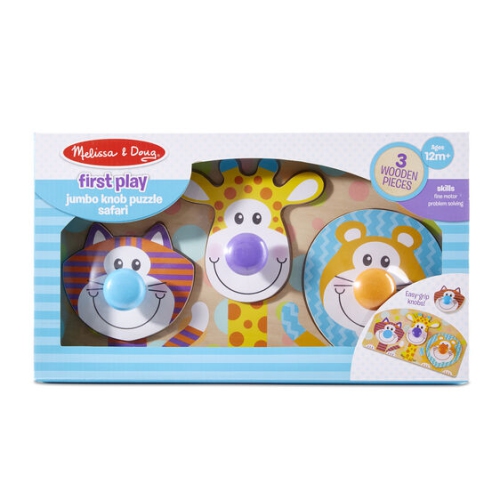


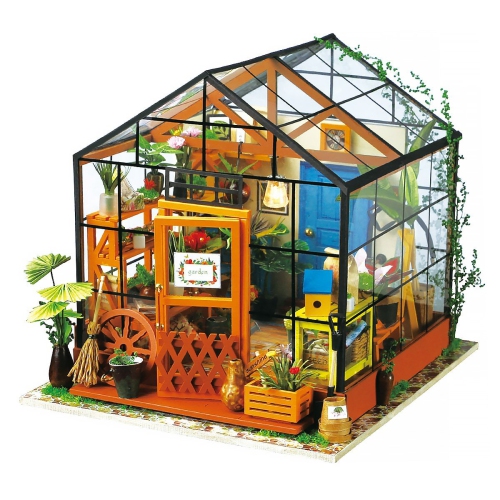

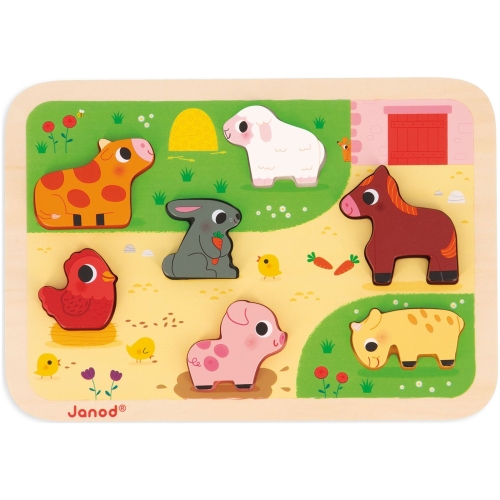
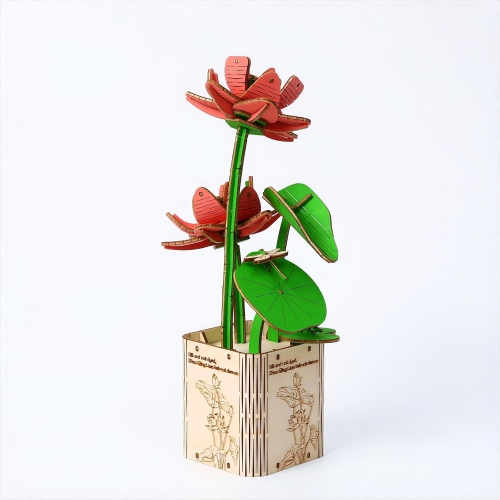
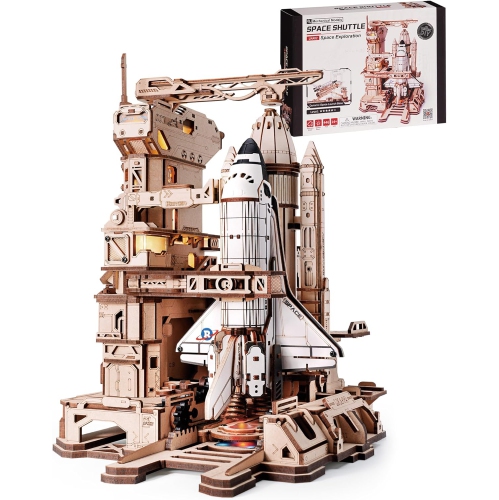
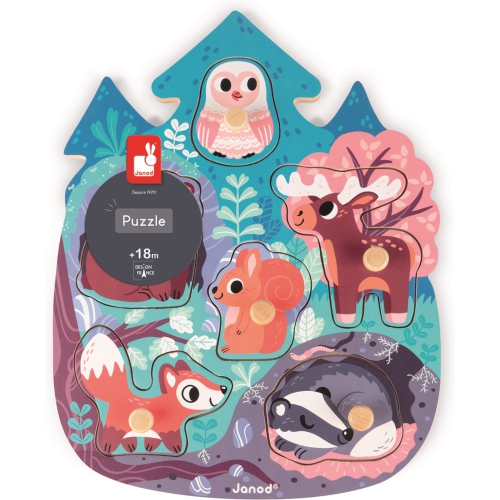
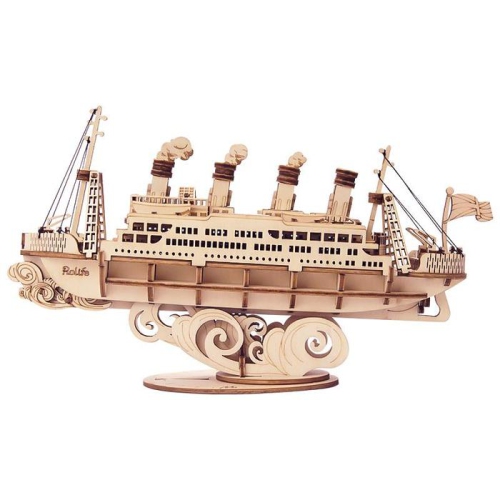
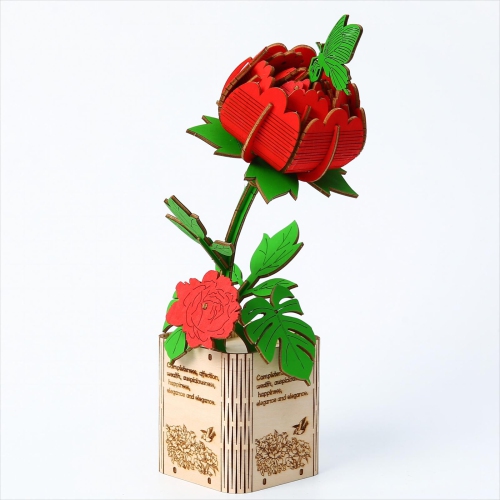
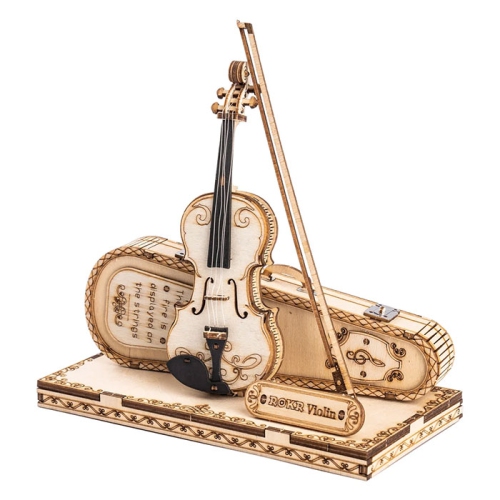
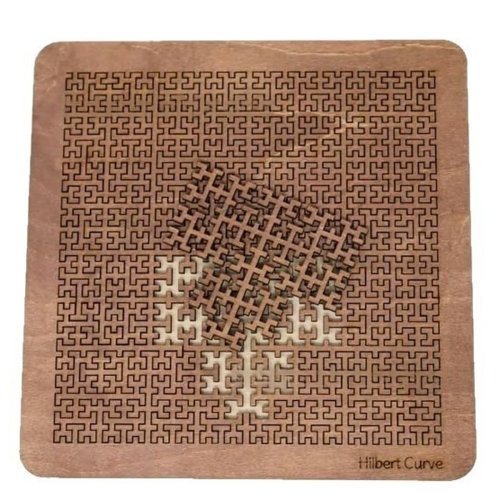
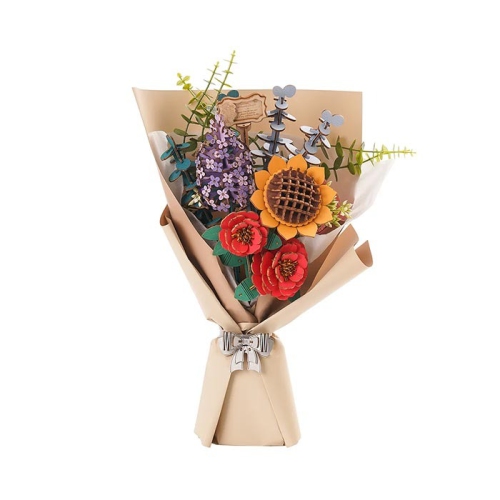
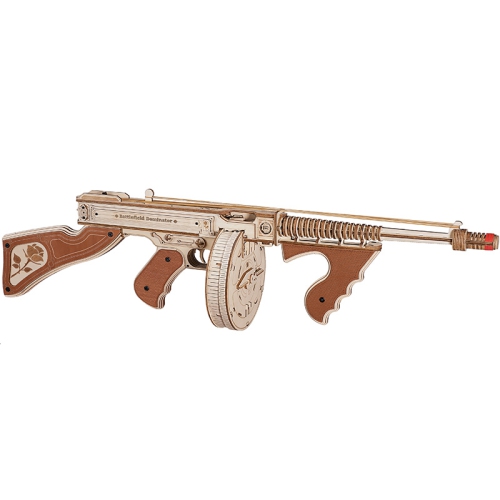
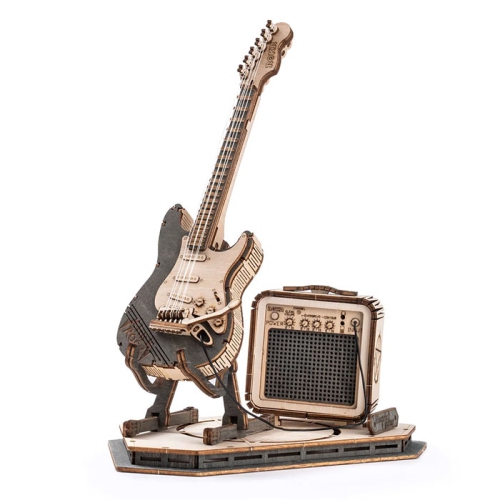
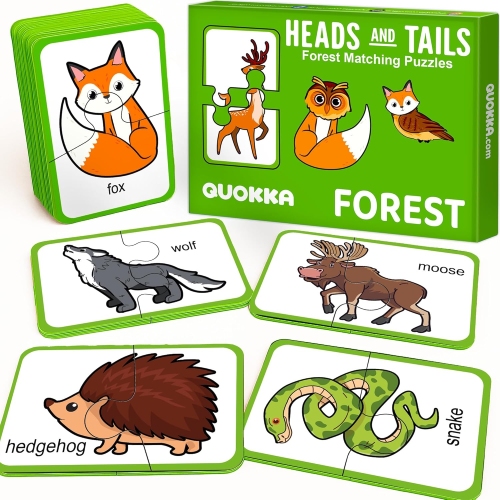
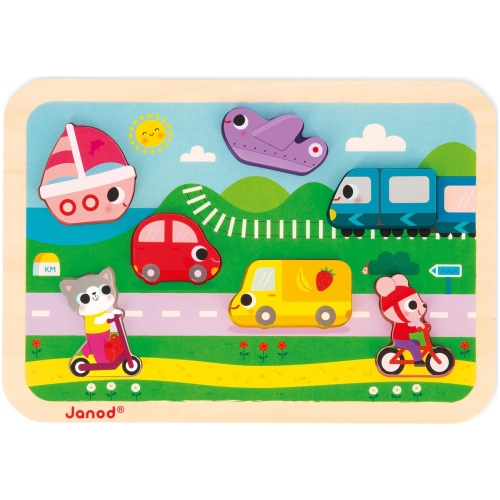
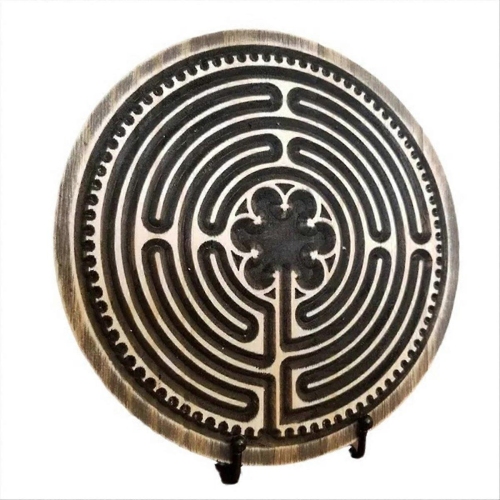
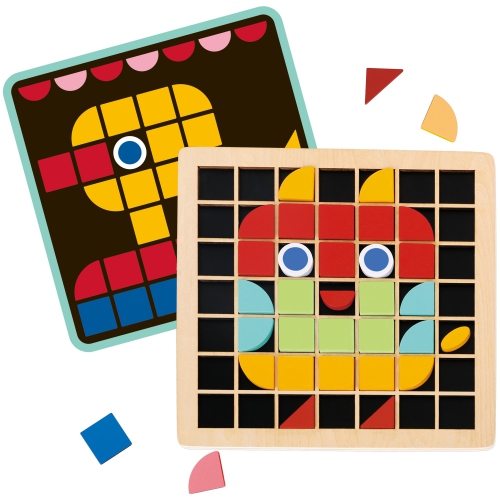
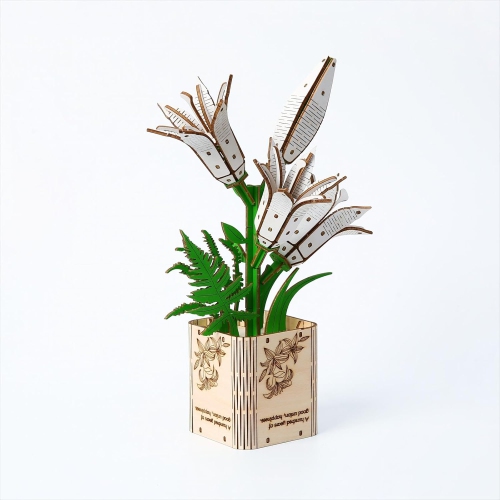
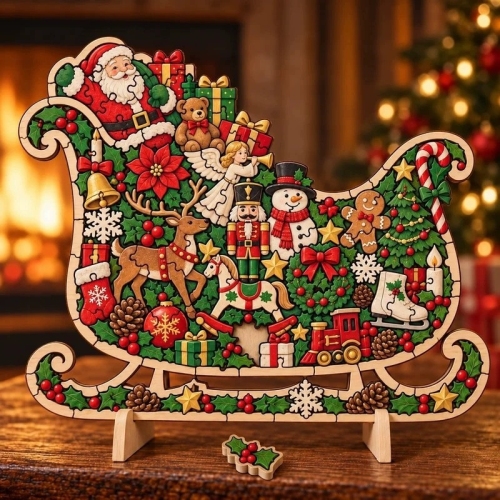
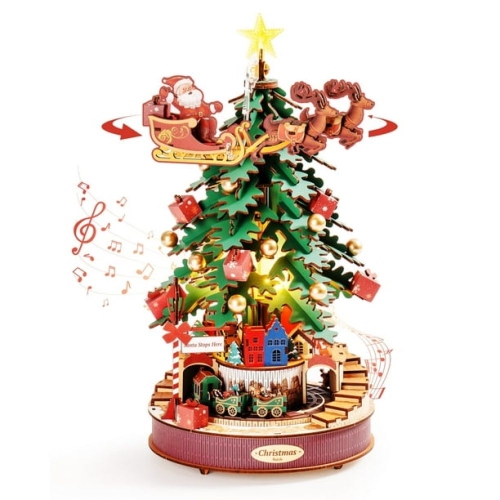
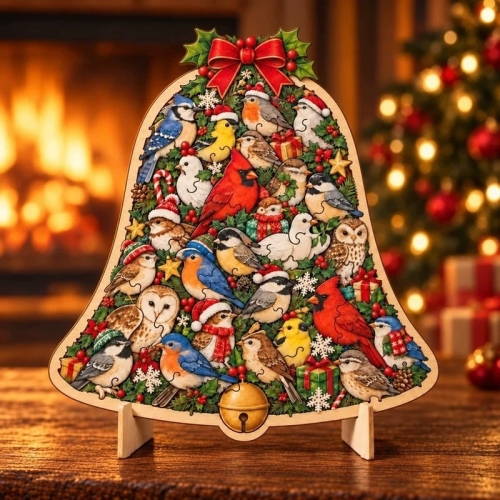

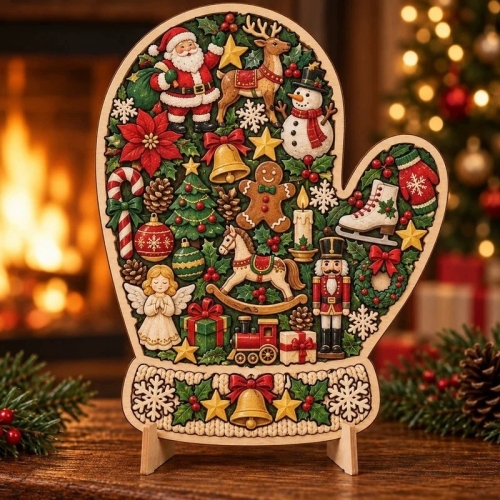
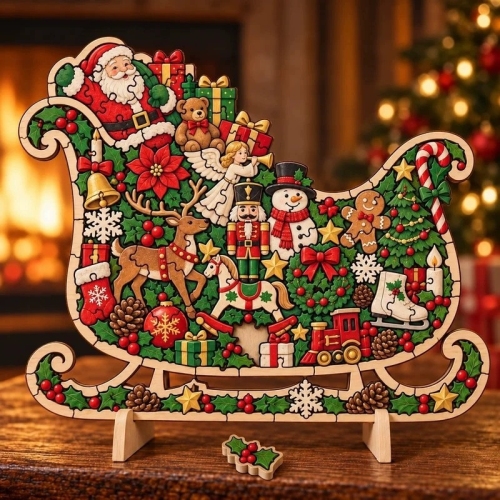
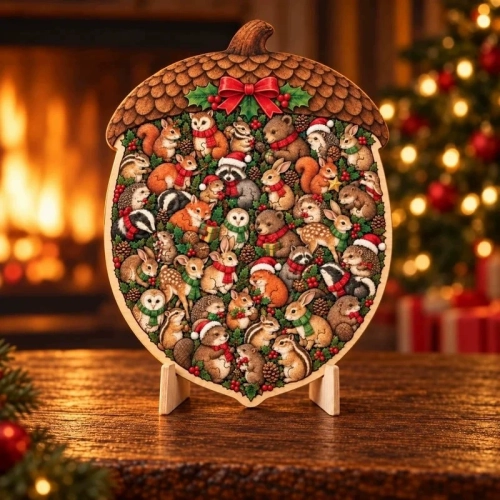
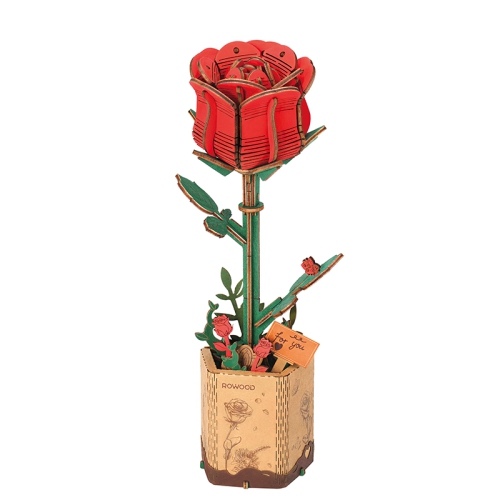

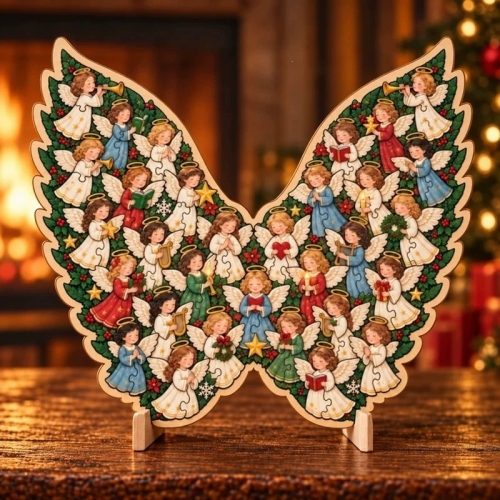
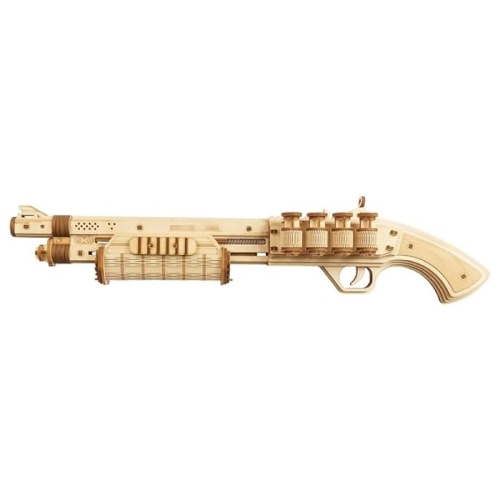
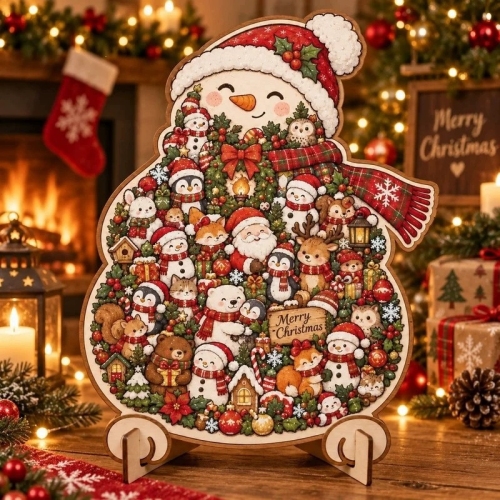
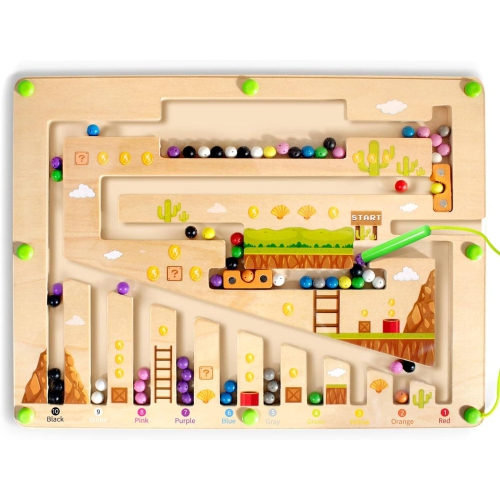
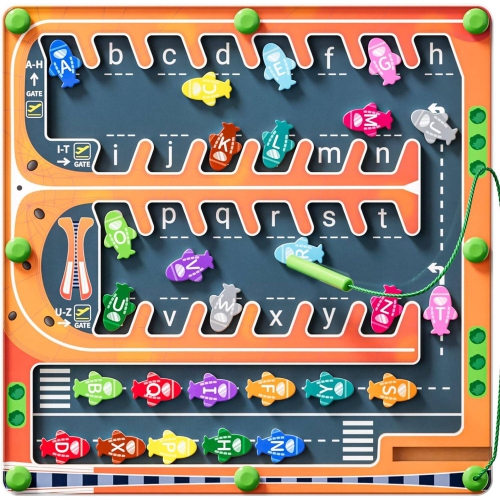
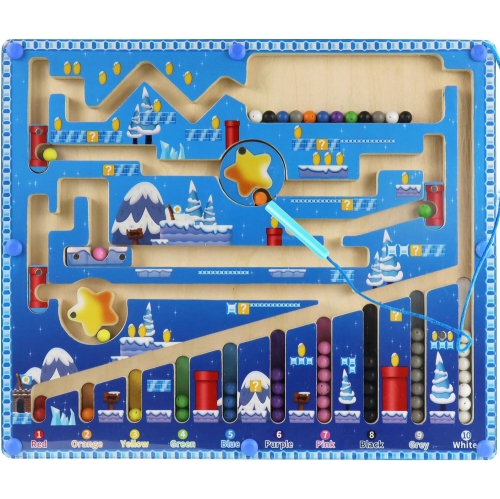
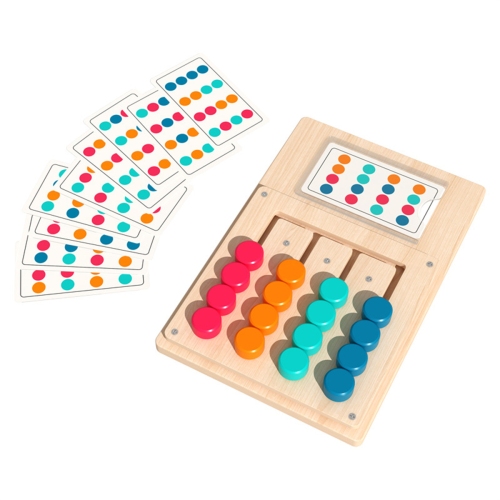


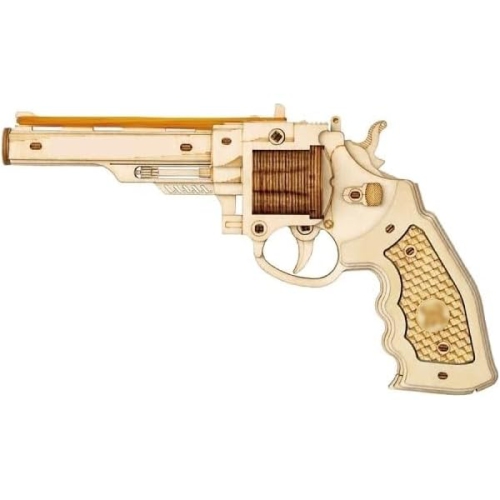
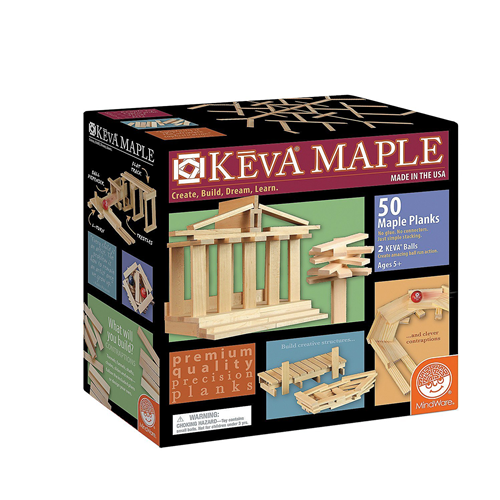
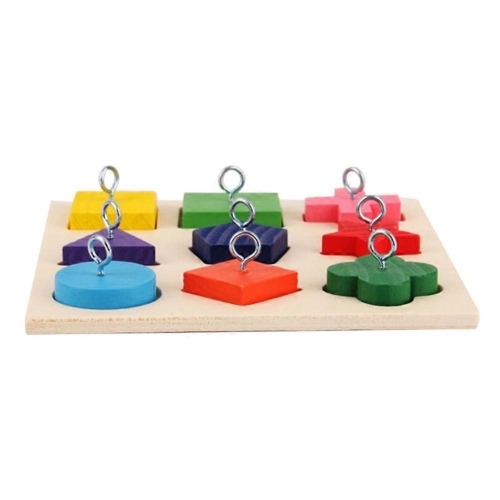
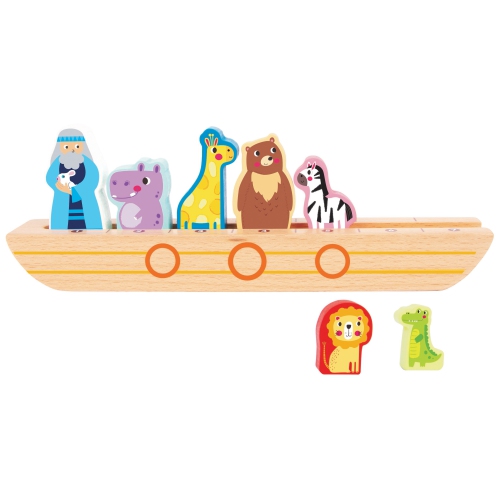
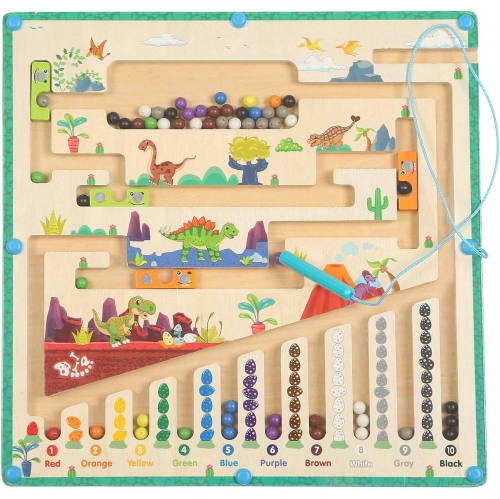
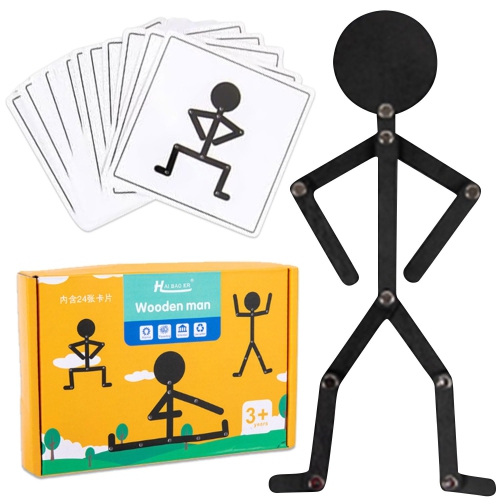
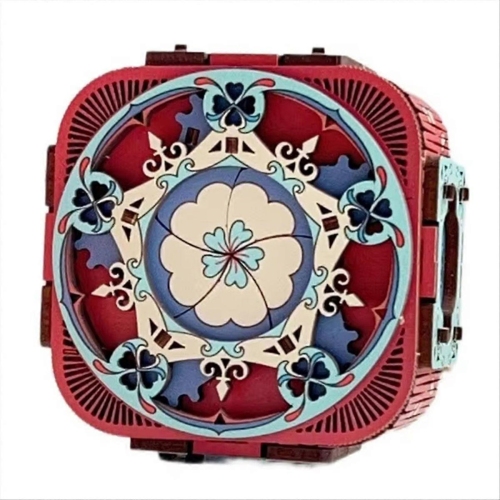
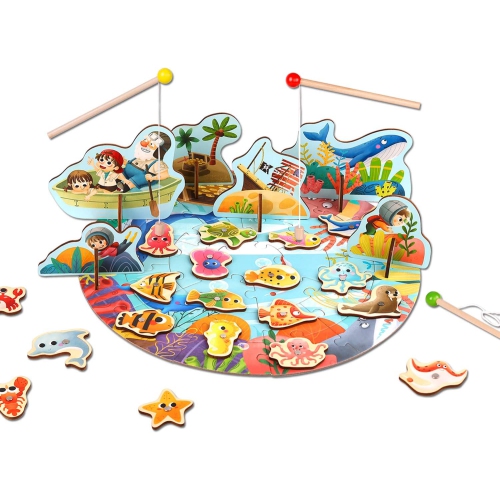
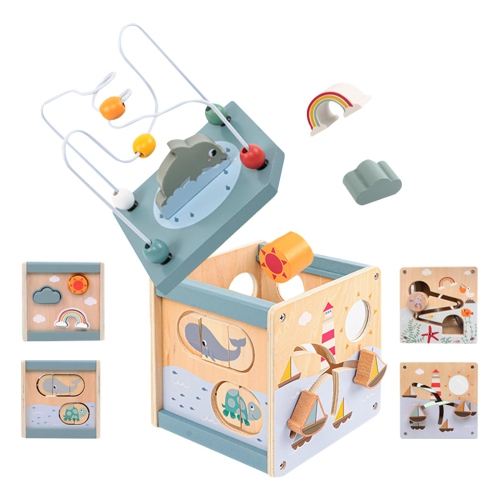
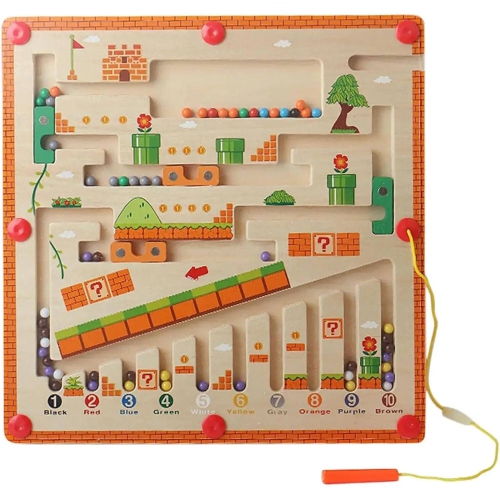
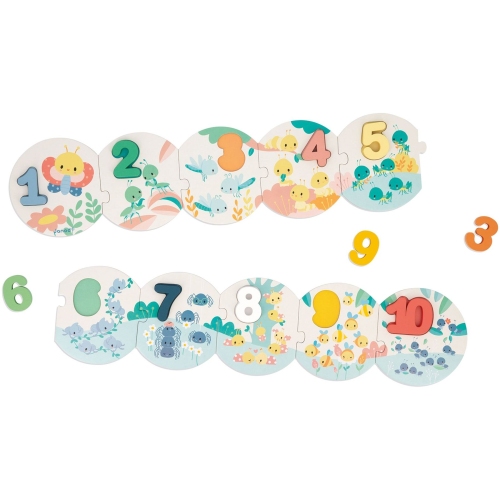

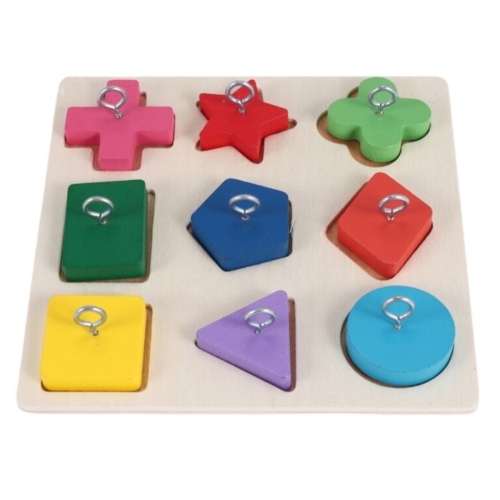
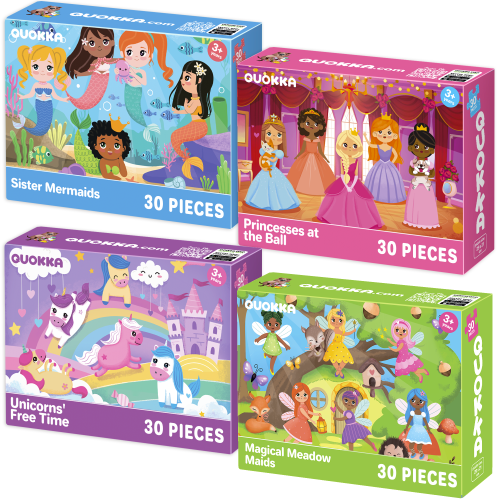

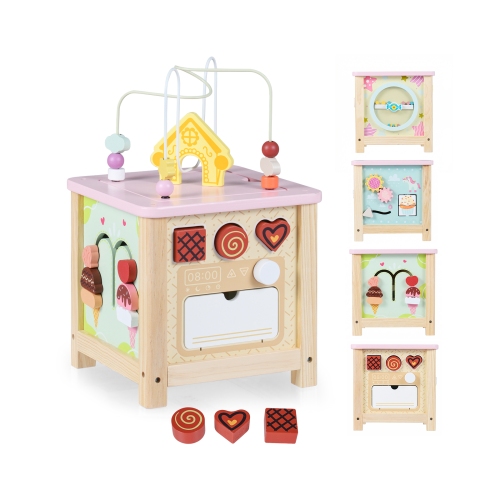
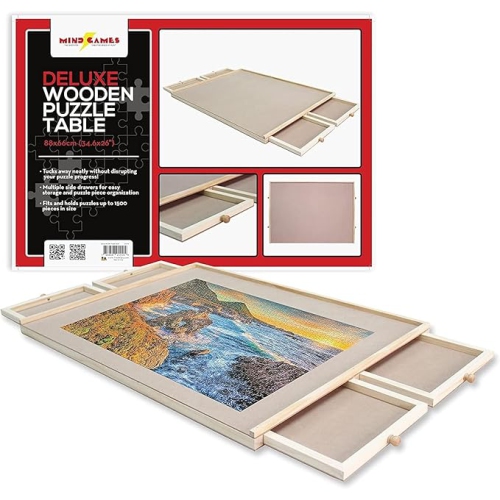
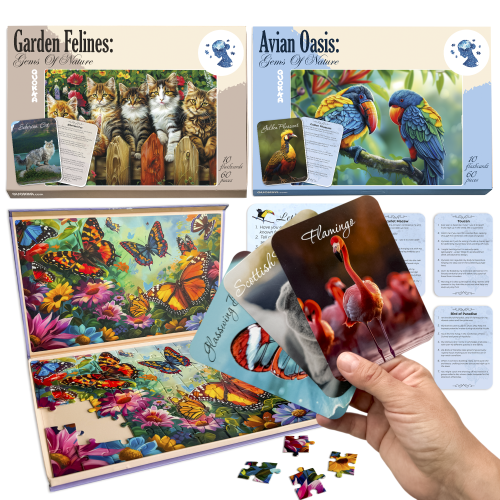
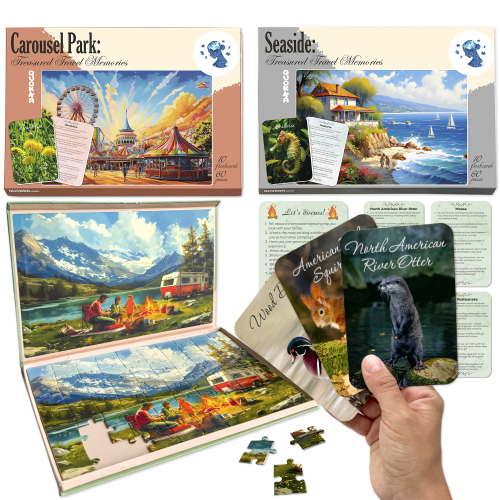
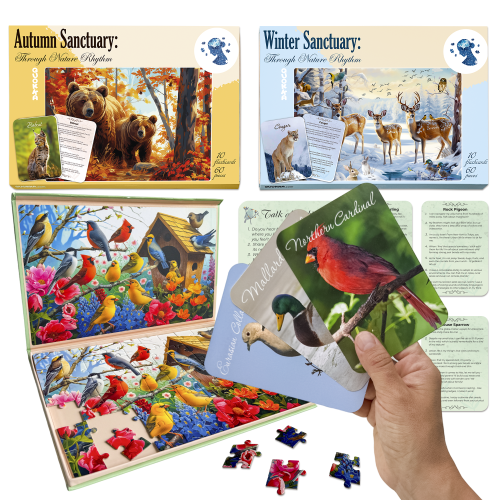
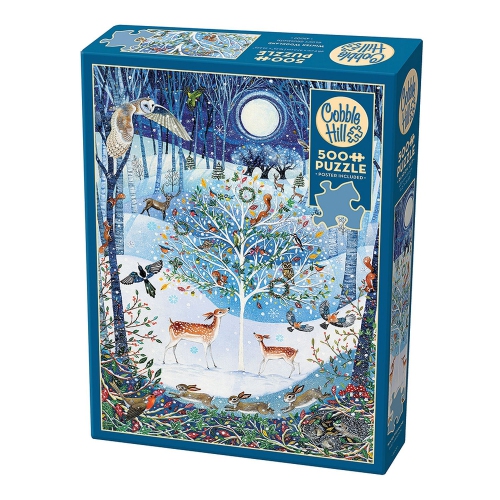
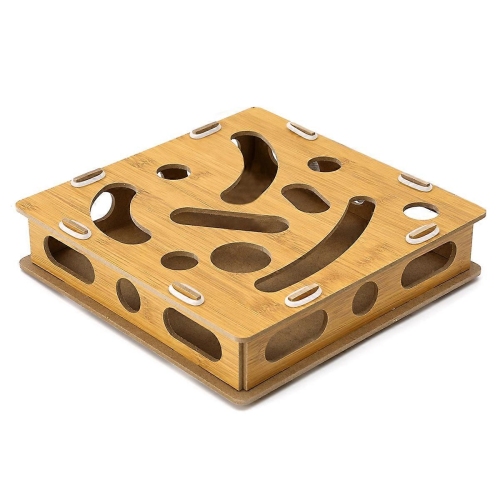
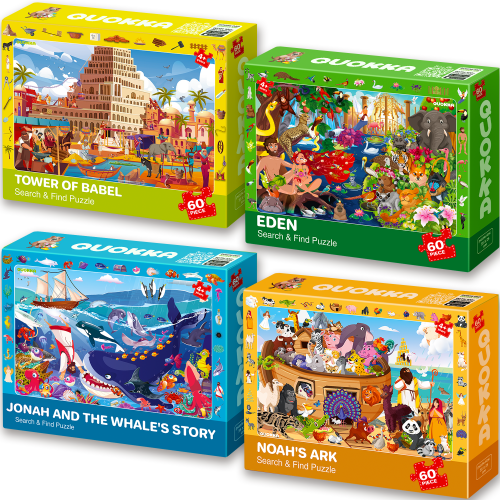
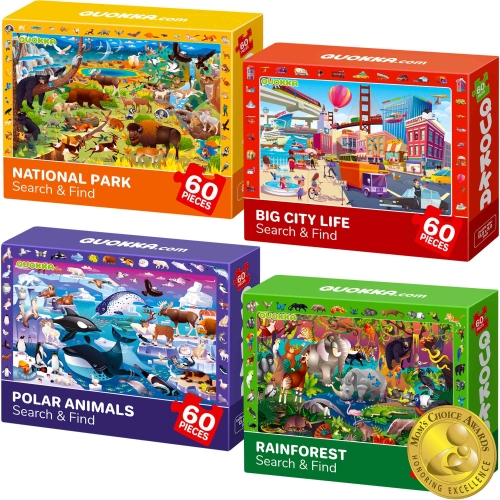
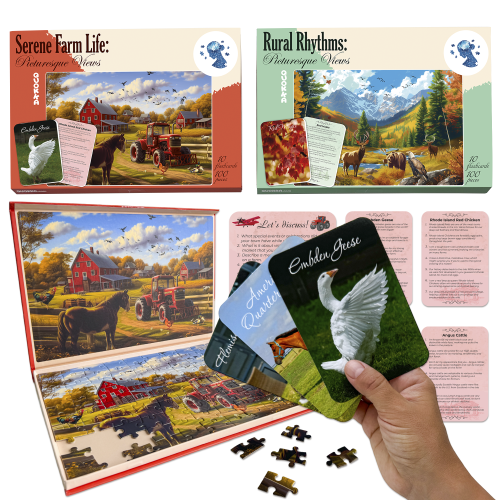
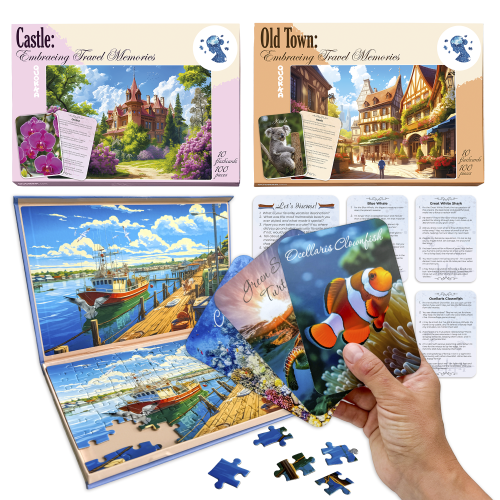
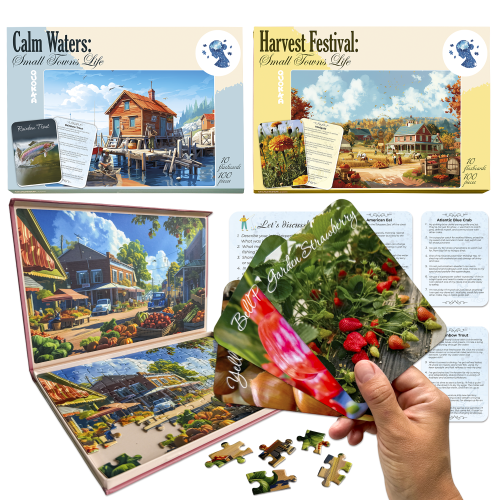

The satisfying feel of pieces that fit just right
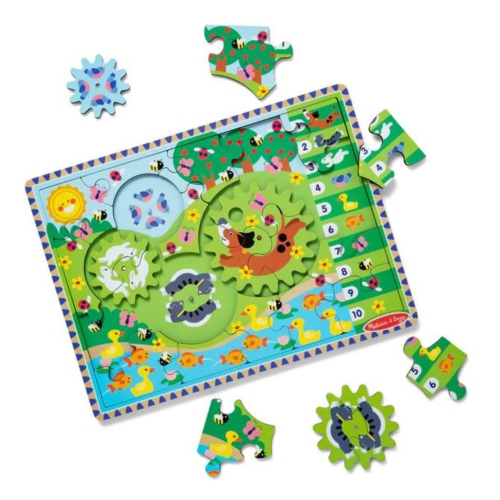
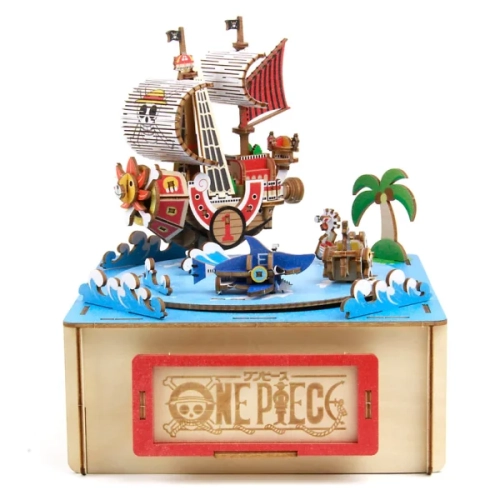
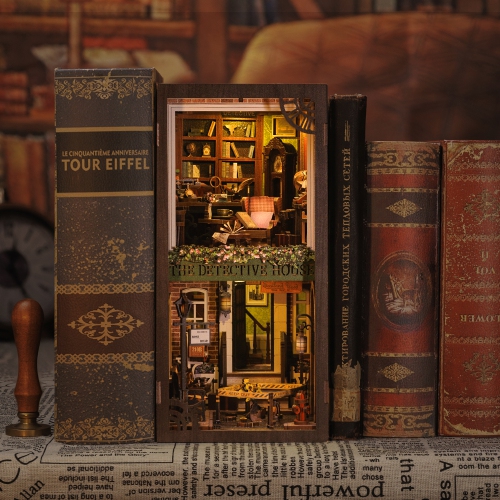
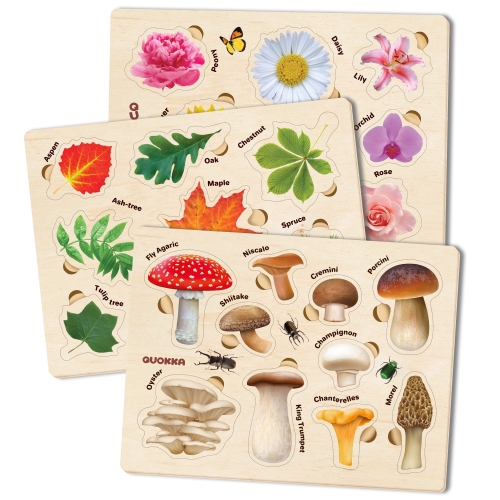
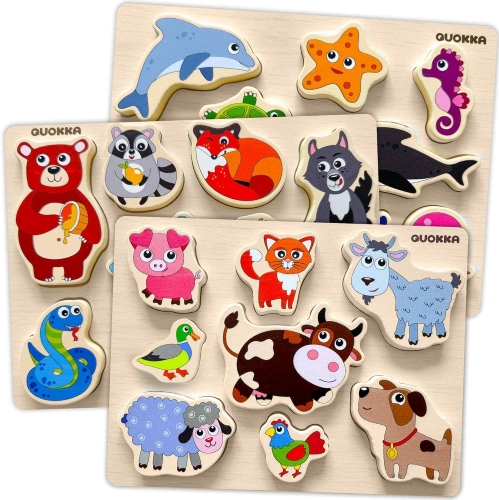
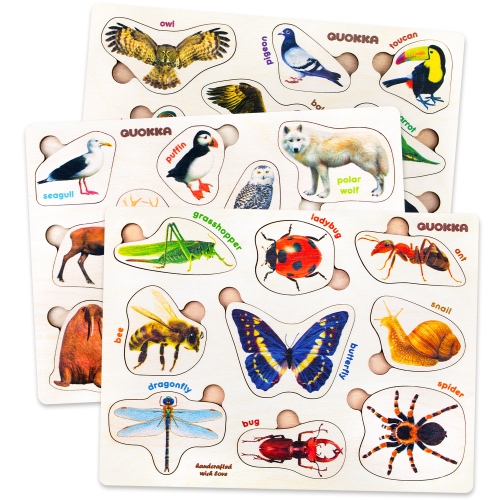
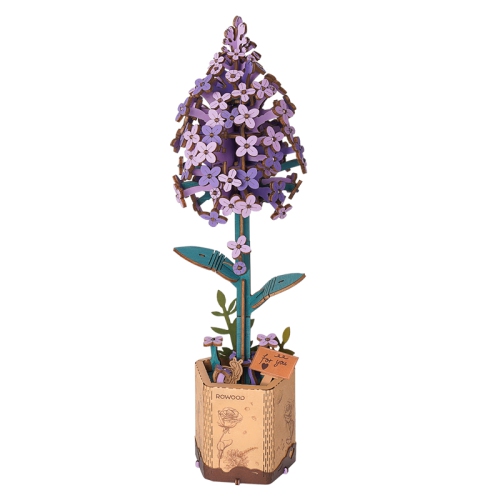
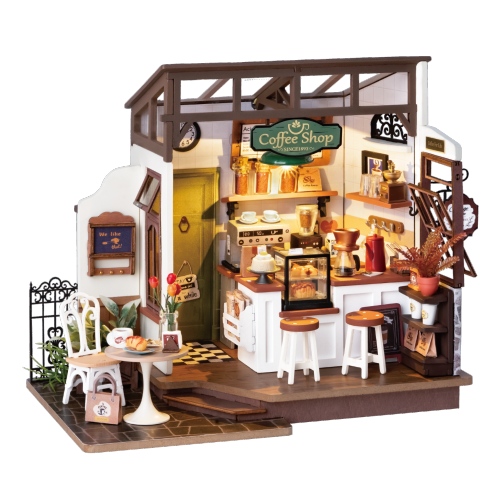
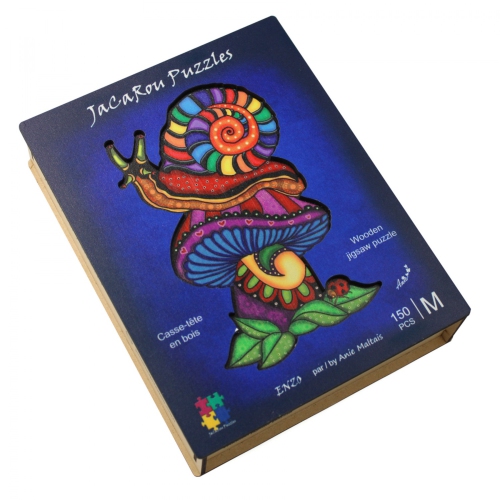
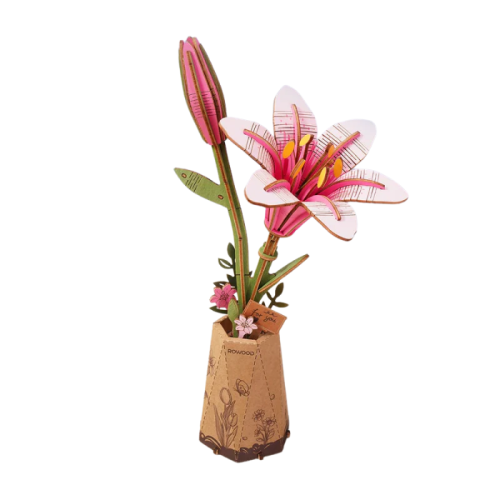
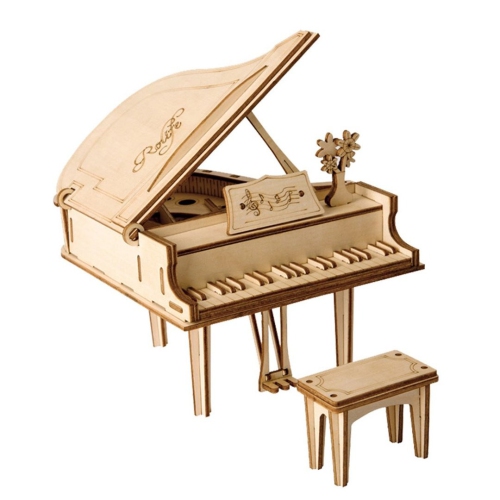
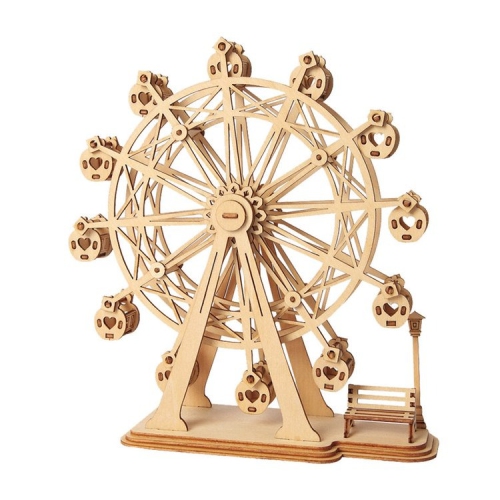
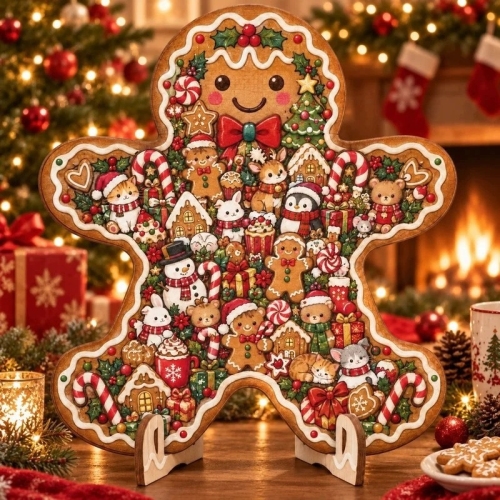
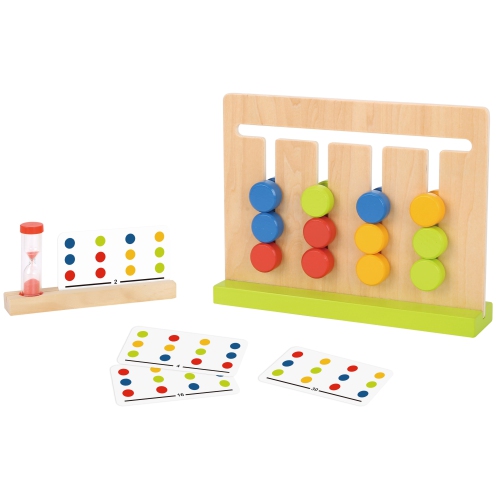
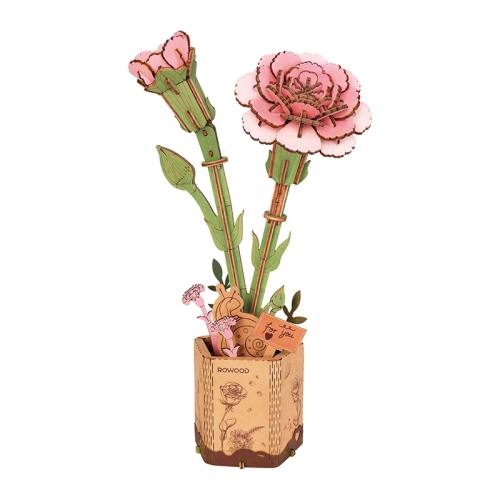
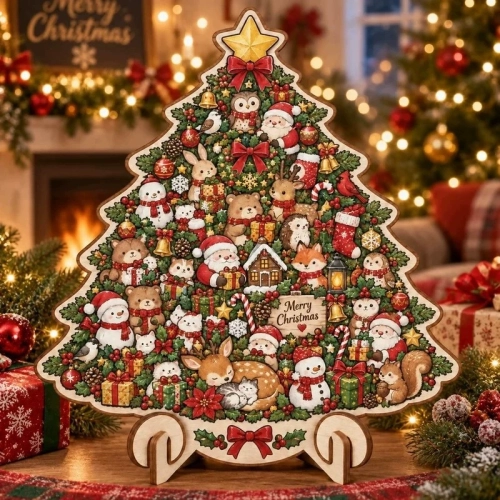
Wooden puzzles bring a satisfying sense of weight, texture, and precision to a familiar pastime. From chunky shapes that settle into a matching board to intricate jigsaws with hundreds of small pieces, the appeal lies as much in handling the pieces as in completing the picture. Wood gives each placement a distinct feel, whether a child is turning a bright animal shape until it fits or an adult is searching for the unusual outline hidden within a detailed illustration. The category includes flat picture puzzles, peg and knob puzzles, layered designs, interlocking brain teasers, and three-dimensional structures assembled from separate wooden parts. Each offers a different kind of activity: matching an outline, building an image, working through a sequence, or understanding how individual components form a larger object. Traditional jigsaws suit people who enjoy gradual progress across a tabletop, while compact mechanical puzzles can invite repeated attempts at a single challenge. Some designs feature specially shaped pieces that resemble objects within the artwork, adding small discoveries along the way. Others use geometric forms or visible wood grain as part of their visual character. A wooden puzzle can be a shared family activity, a quiet solo project, or a gift chosen around someone’s interests in animals, architecture, art, or patterns. For younger children, Wooden Puzzle Toys connect familiar play themes with hands-on matching and assembly. Older children and adults may prefer designs with less obvious connections, more detailed images, or structures that take shape above the table. The intended user matters more than piece count alone: a small puzzle with nearly identical shapes can demand more patience than a larger one with clearly defined sections. That range makes wooden puzzles suitable for different attention spans, abilities, and ways of spending time together, without requiring every participant to approach the task in the same way.
Materials and construction influence how a wooden puzzle feels, fits, and stands up to repeated handling. Solid wood, plywood, and engineered wood boards can each be used, with differences in grain, thickness, weight, and surface finish. Plywood has bonded layers that are often visible along the edges, while solid wood may show natural variations in colour and grain across individual pieces. Neither appearance alone nor a heavier feel establishes quality; smooth edges, securely attached components, and a consistent fit are more useful details to consider. Some precision-cut puzzles have fine seams and closely fitting tabs, while thicker inset puzzles use generous shapes that are easier for small hands to grasp. A good match between design and user helps avoid unnecessary frustration. Large knobs may suit a child still developing a steady grip, whereas smaller pegs call for more controlled finger movements. An adult with limited hand dexterity may also appreciate larger pieces and a picture with clear contrast, rather than a dense image broken into tiny sections. Age recommendations remain important, particularly where small pieces, detachable parts, or assembly accessories are involved. Wooden construction does not make a puzzle suitable for every age, and small parts should be kept away from children who may put them in their mouths. For shared play, there is value in a layout that lets one person sort colours while another works on a recognisable feature. For independent use, a reference image, an outlined tray, or distinct visual sections can offer helpful starting points. Finished dimensions deserve attention, too. A modest-looking box can hold a puzzle that occupies much of a dining table, and sorting loose pieces requires additional room around the assembly area. Three-dimensional designs have a different footprint: their height and depth matter alongside the space needed to build them. Some are intended to come apart and be rebuilt, while others are better treated as display models once assembled, depending on their construction and fastening method.
Day-to-day enjoyment often depends on small practical details that are easy to overlook until the pieces are spread out. A firm, level surface supports accurate alignment, and even lighting makes subtle changes in colour, grain, and cut easier to see. Shallow sorting trays can separate sections without letting pieces disappear beneath papers or nearby furniture. Where table space is shared, a rigid puzzle board offers a way to move unfinished work, provided it is large enough and kept level. Thicker wooden pieces do not always suit roll-up mats designed for thin cardboard jigsaws, so compatibility matters before using a storage accessory. Care is generally straightforward but should follow the manufacturer’s directions, especially for painted, printed, or unfinished surfaces. A soft, dry cloth is often suitable for removing dust; soaking or prolonged contact with moisture can affect wood, bonded layers, and printed artwork. If damp wiping is permitted, minimal moisture and prompt drying help protect the surface. Harsh cleaners and abrasive pads may damage the finish. Pieces should meet with the pressure intended by the design rather than being forced together, since slender tabs and narrow decorative shapes can break even when the surrounding material feels sturdy. For mechanical puzzles, resistance may signal that the sequence or orientation needs another look. Three-dimensional assemblies may have their own instructions for tools, adhesives, or removal from wooden sheets, making adult assistance appropriate for some designs. After use, a compartmented box, fitted tray, or secure pouch helps keep a complete set together; storing it in a dry place away from direct sunlight can also help preserve its appearance. As a gift, a wooden puzzle feels more personal when its subject and complexity reflect the recipient. A clear, colourful scene can invite conversation during family visits, while an intricate pattern may appeal to someone who enjoys unhurried concentration. For puzzles intended to remain on show, the finished size and display method are worth considering alongside the artwork. The strongest choice is one that fits naturally into the recipient’s routine, whether that means a short matching activity, a recurring tabletop project, or a carefully assembled object admired long after the final piece is placed.
Top selling and popular products
-
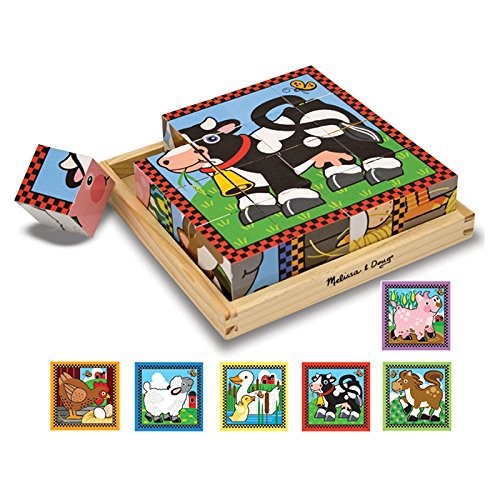 Your price for this item is $32.99
-
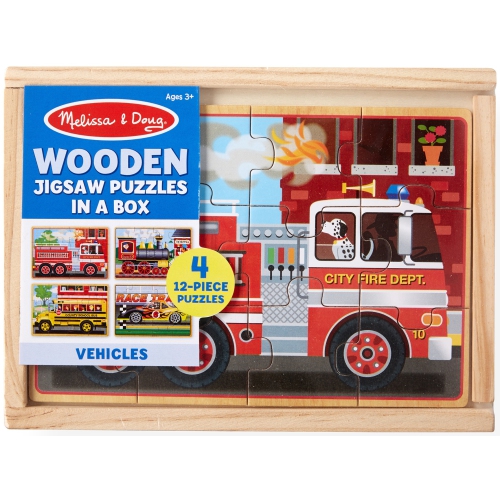 Your price for this item is $35.99
-
 Your price for this item is $30.99
-
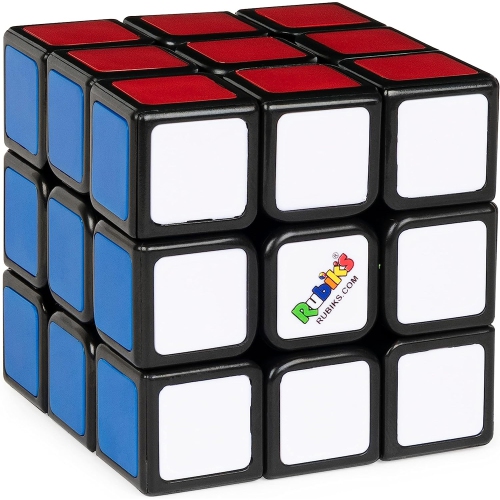 Your price for this item is $26.93
-
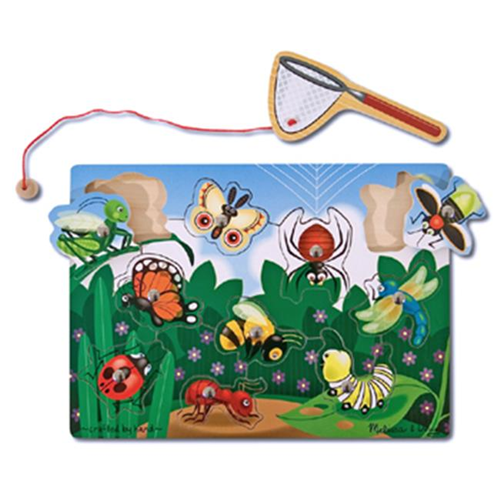 Your price for this item is $29.99
-
 Your price for this item is $36.99
-
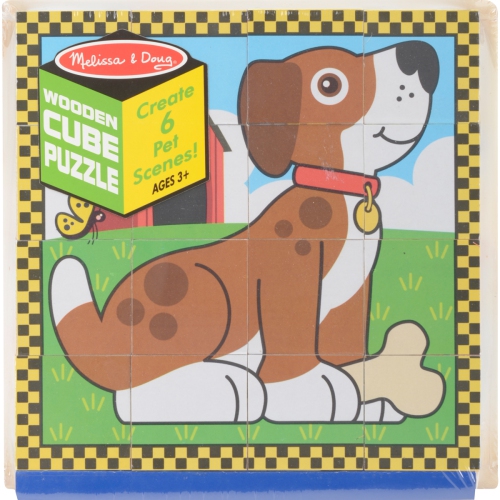 Your price for this item is $32.99
-
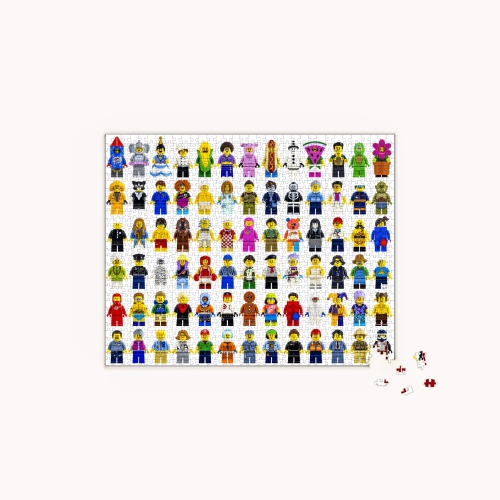 Your price for this item is $34.9
Discover more categories related to Wooden Puzzles
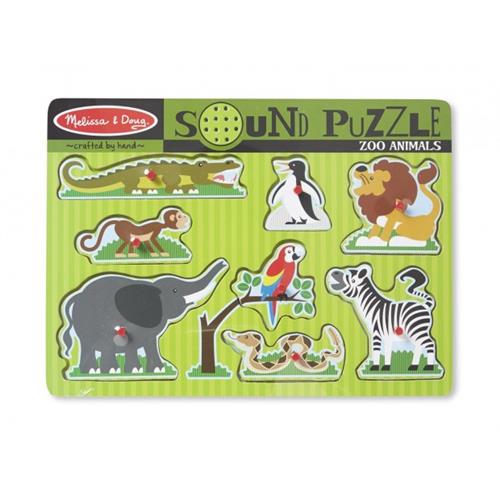
Top Collections:
Pokemon Centers, Best Cameras for Sports Photography, Kindle Devices, Samsung Galaxy Phones, Canon G7X Cameras, Pokémon 30th Celebration Cards, Refurbished Apple Laptops, iPhone 15 Apple, Laptops for Students, Budget Smartphones
Some products may be subject to Environmental Handling Fees
(EHF) depending on your province.
Learn more about EHFs.