Wooden Puzzles for Toddlers
Unlock the world of imagination and learning with our delightful selection of wooden puzzles for toddlers. Perfectly crafted to engage young minds, these puzzles offer a blend of fun and educational benefits, helping to develop fine motor skills, hand-eye coordination, and problem-solving abilities. Made from durable materials, these puzzles provide endless hours of entertainment while fostering creativity and cognitive growth. Explore a variety of themes and designs that captivate little ones' attention, making playtime both enjoyable and enriching. Dive into the joy of discovery with wooden puzzles that are as charming as they are beneficial for your child's development.
Sort


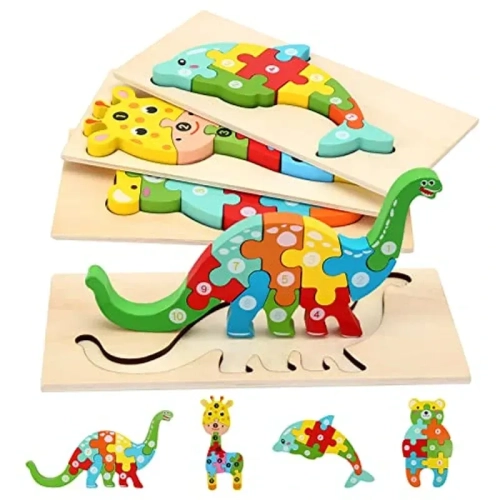
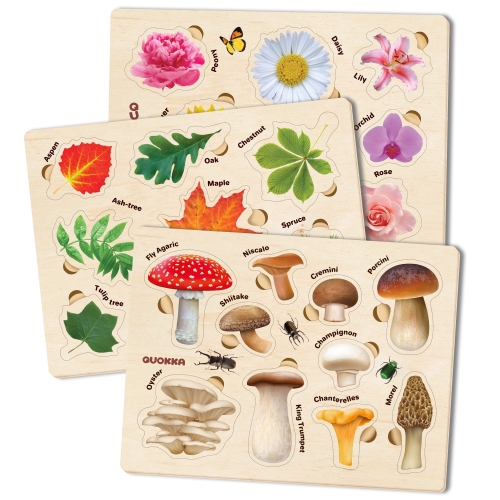
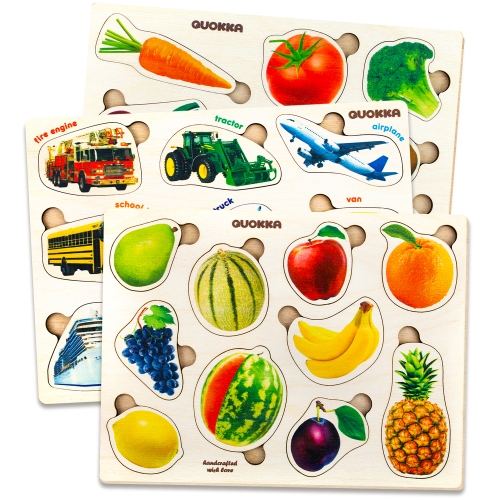
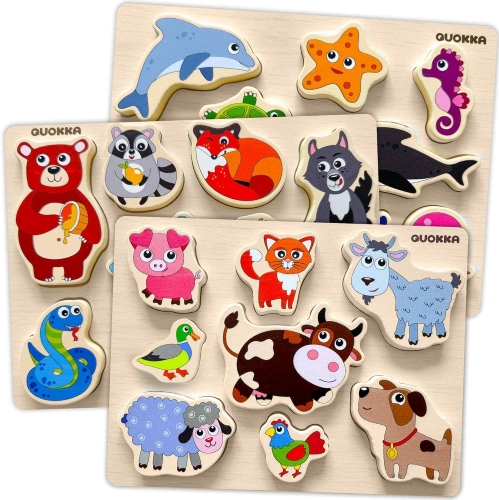


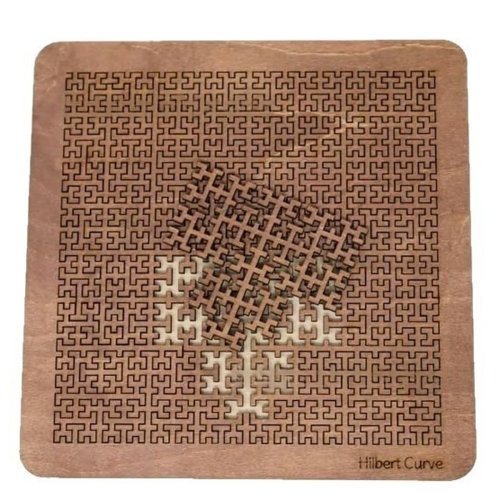
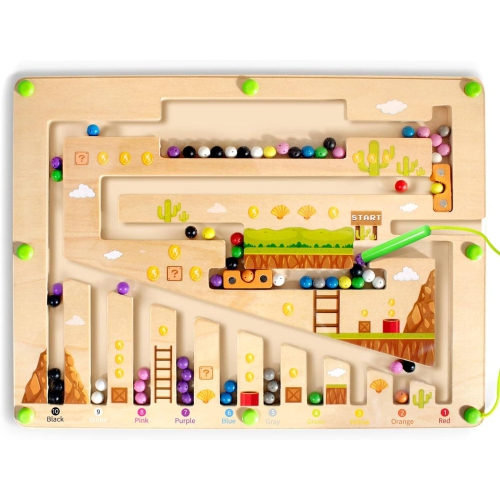
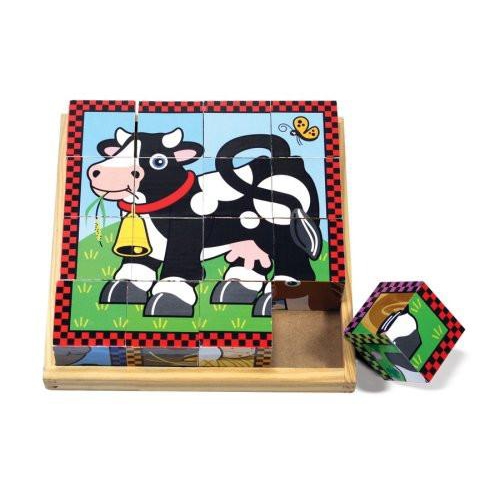
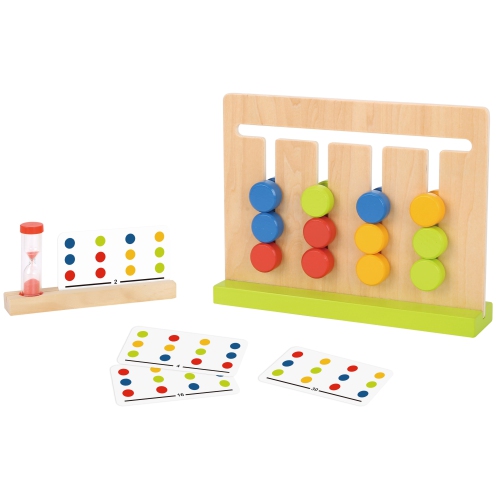
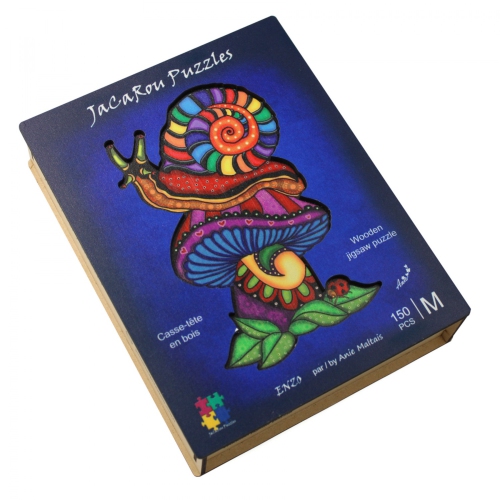
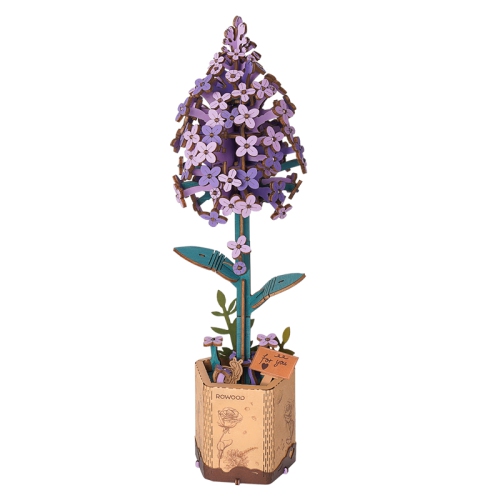
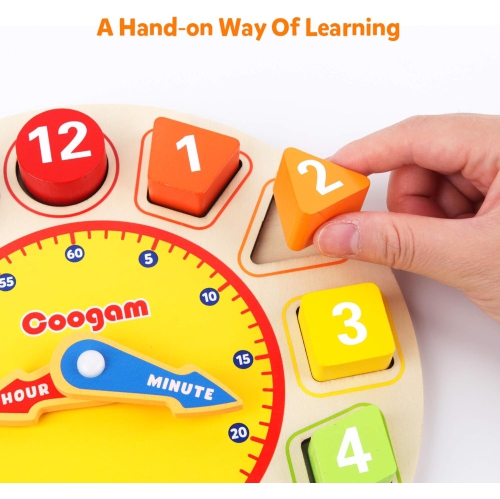


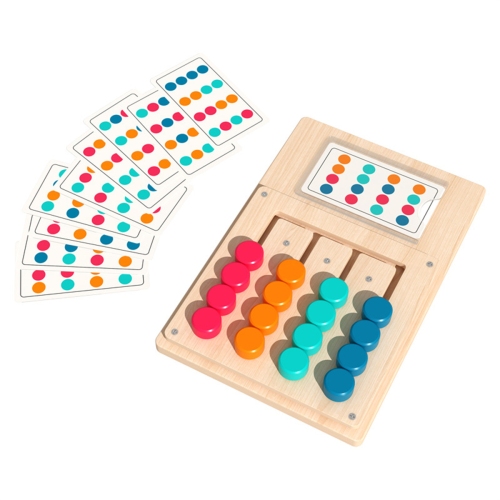
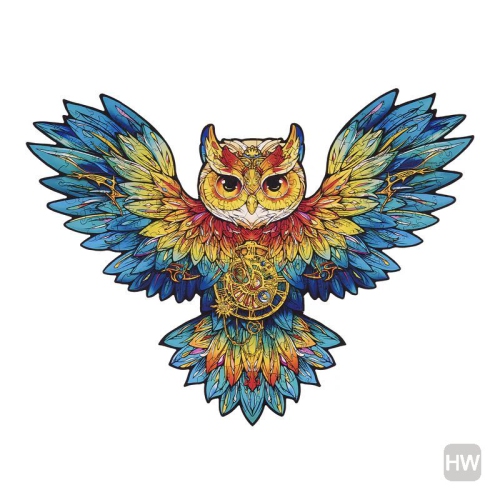
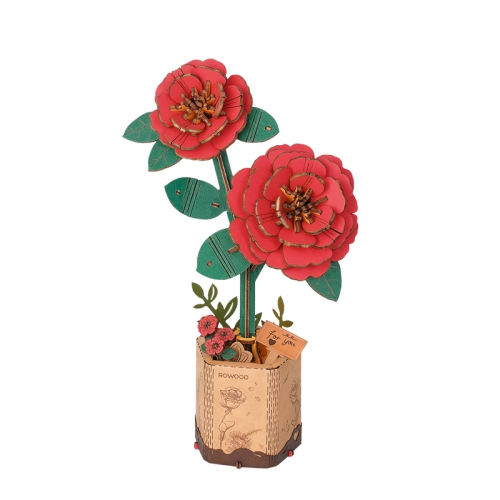
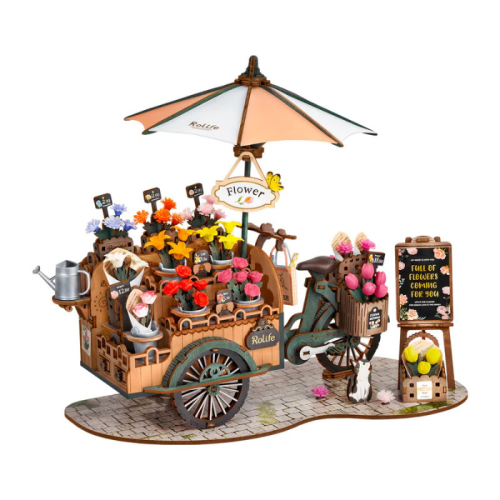



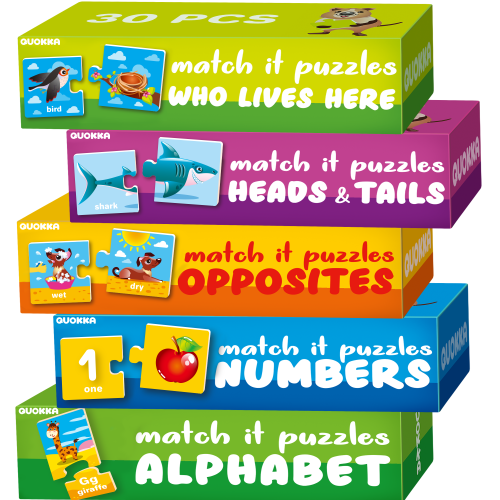
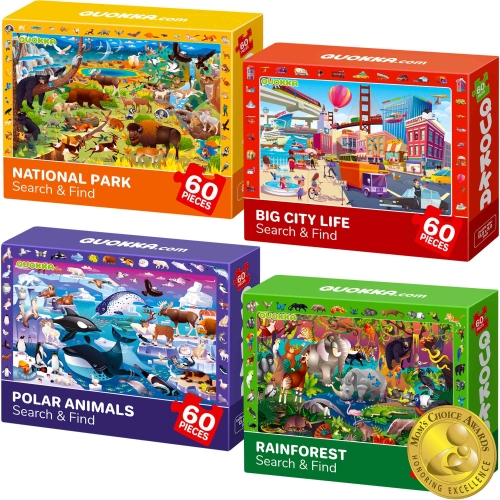
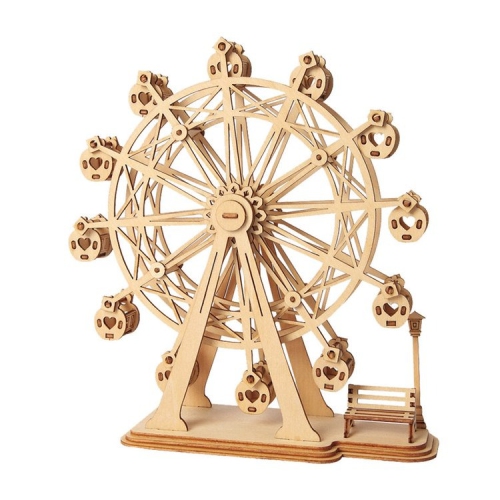
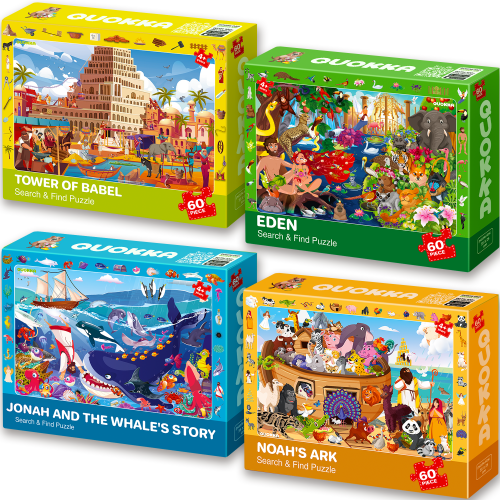
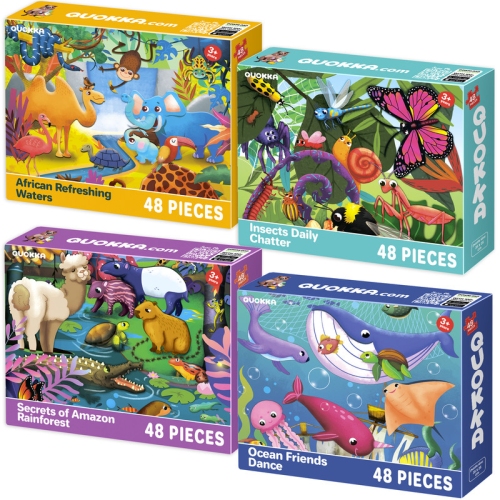
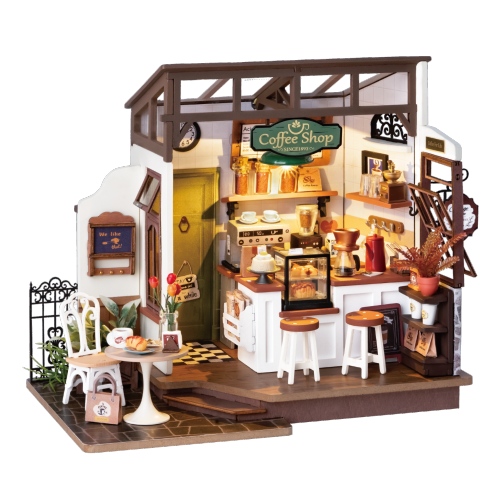
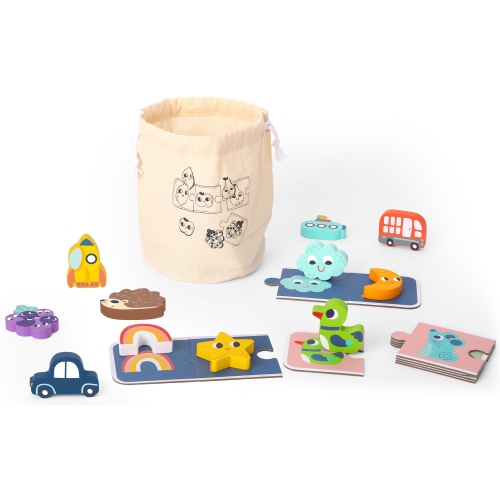
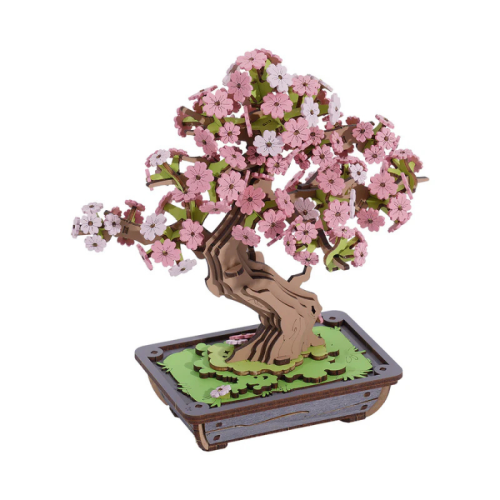
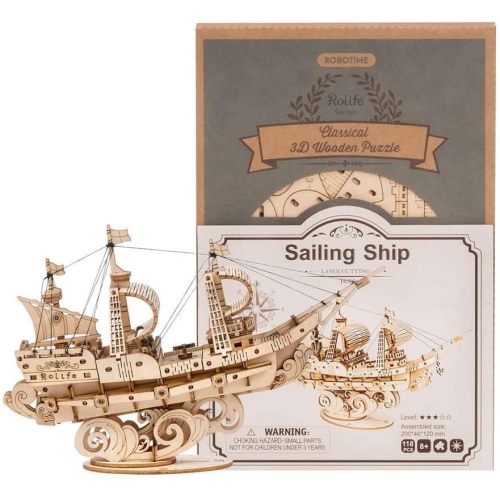

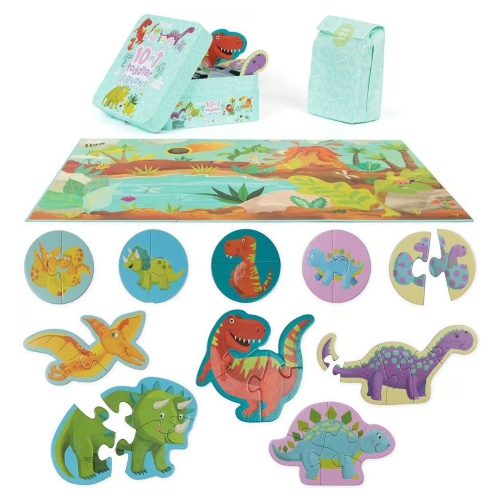
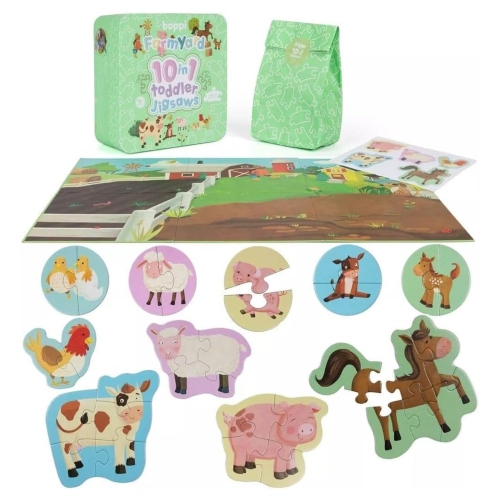
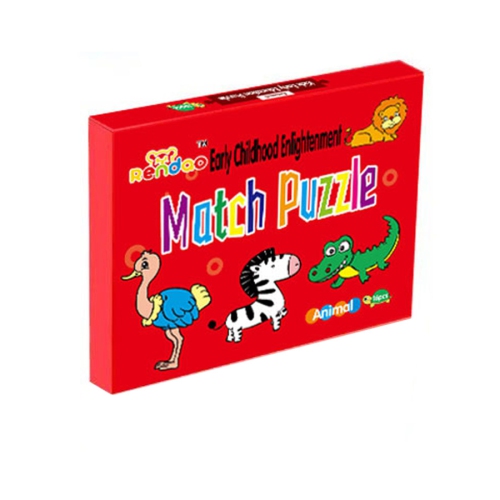
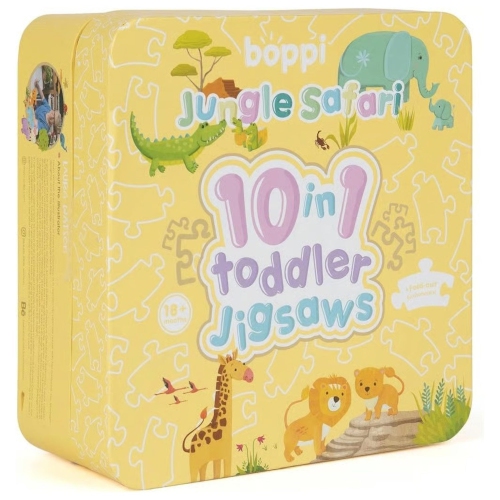
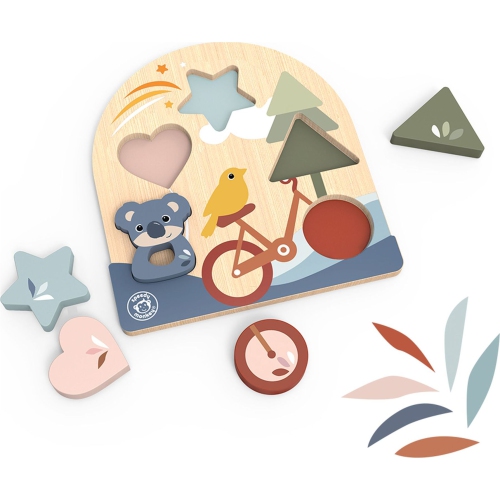
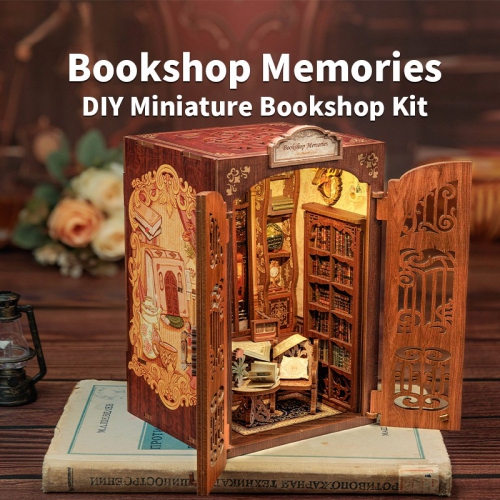
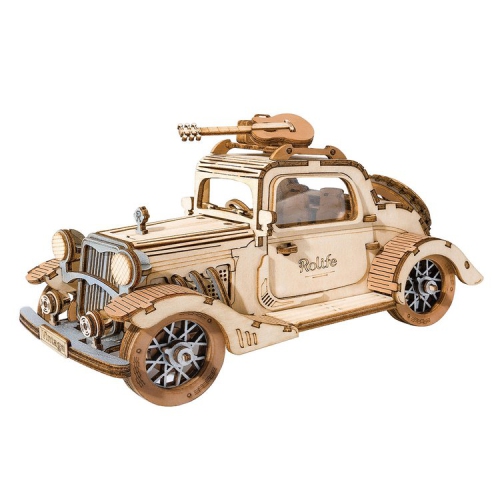
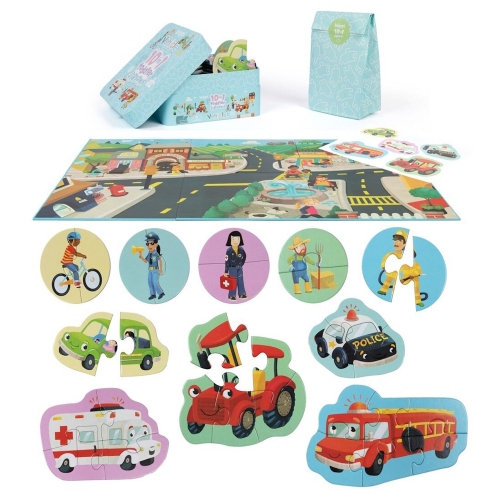
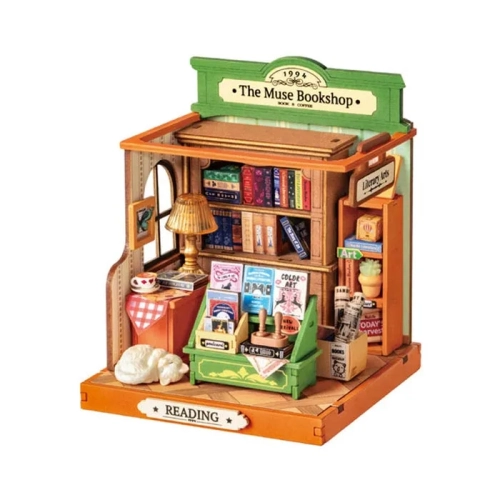

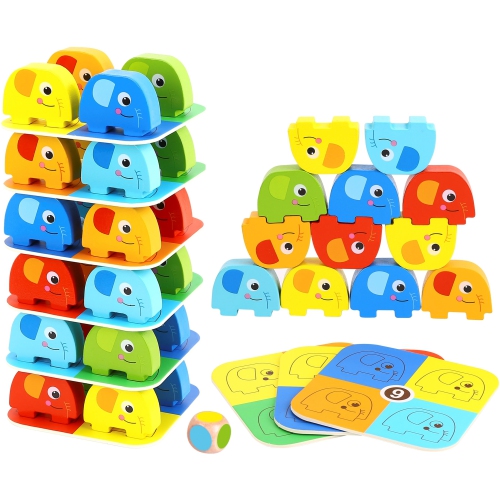
How simple matching helps little hands build skills
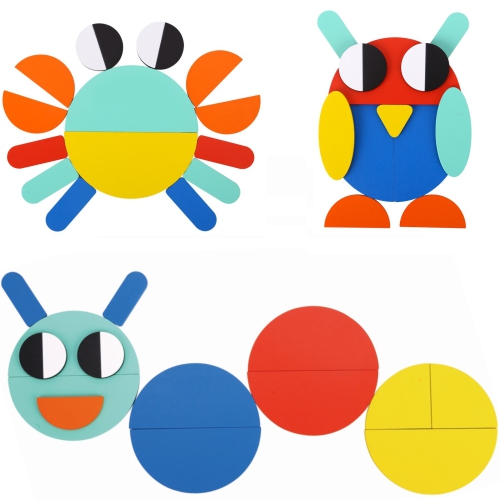
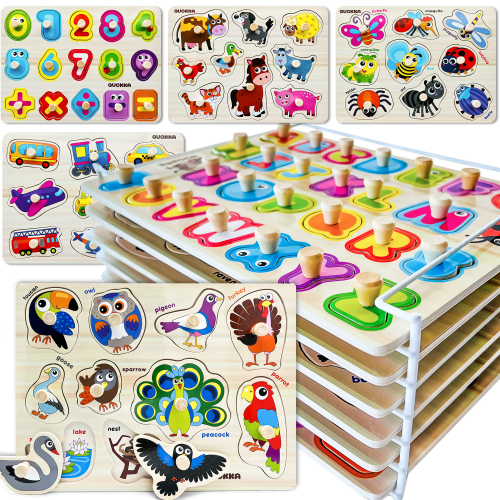
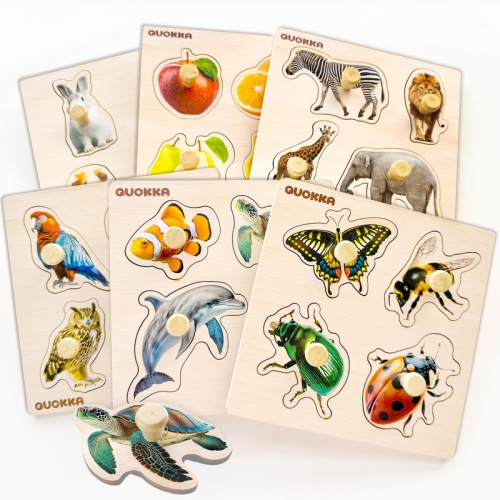
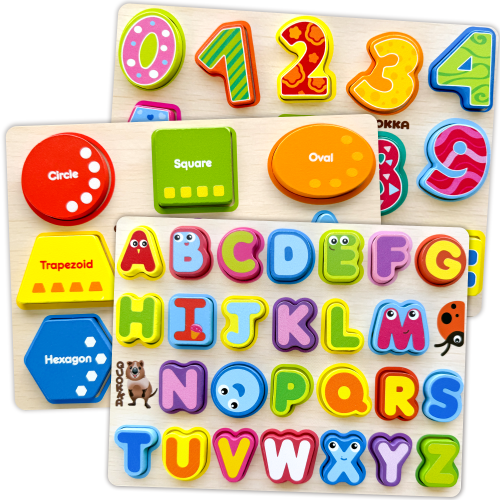
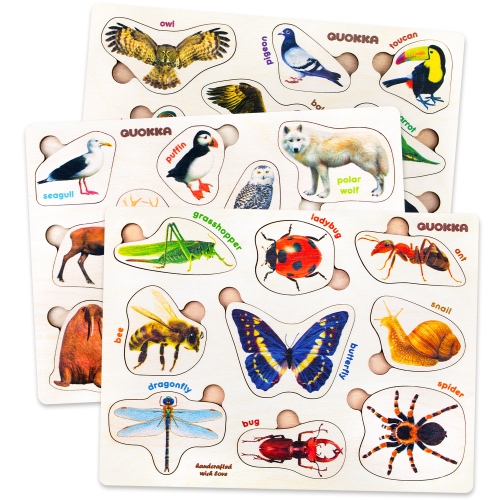
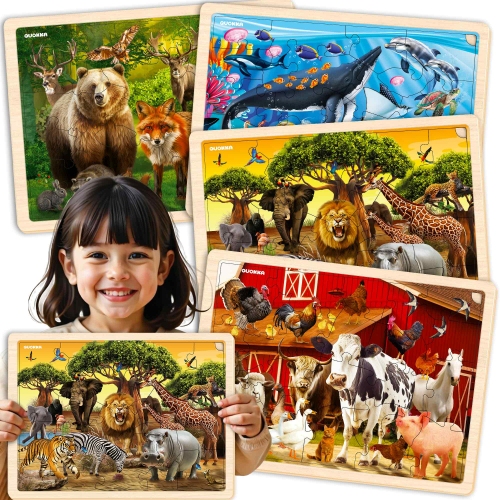
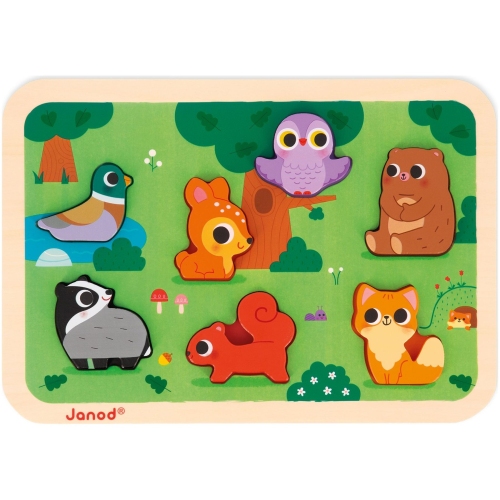
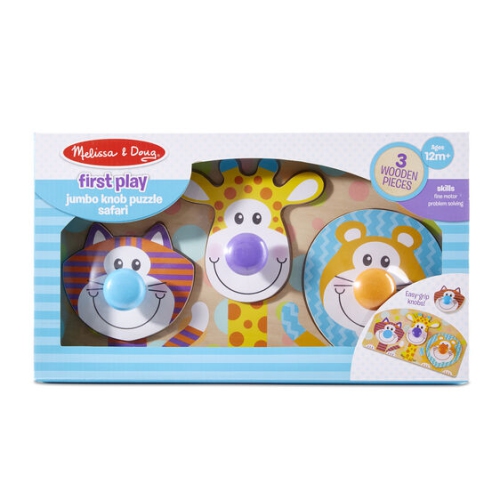
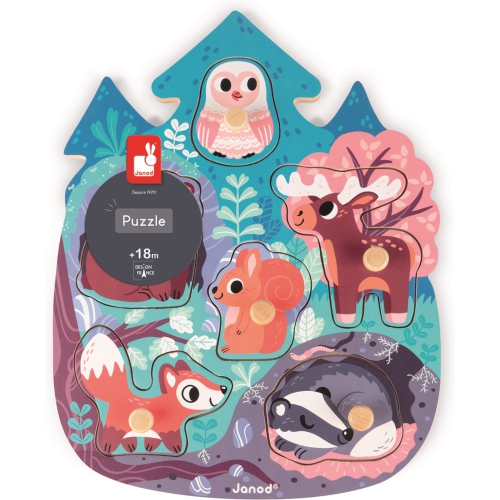
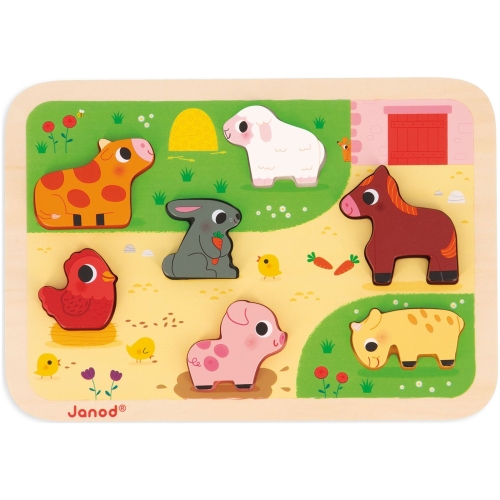
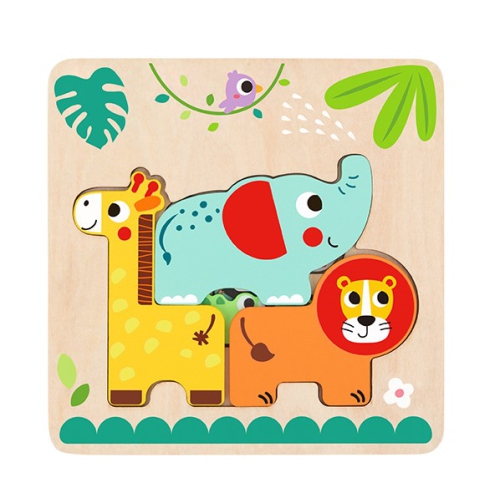
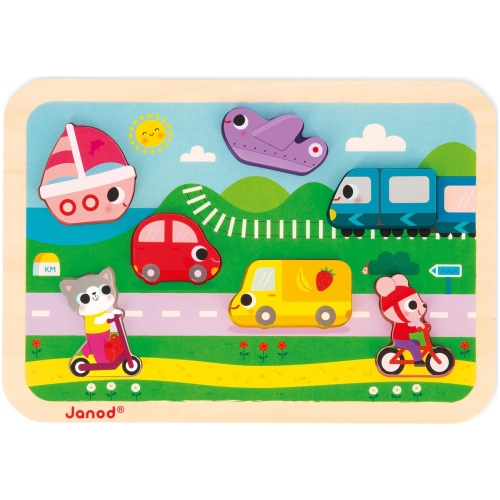
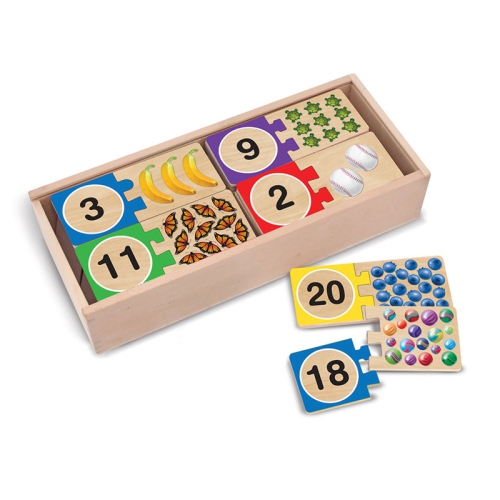
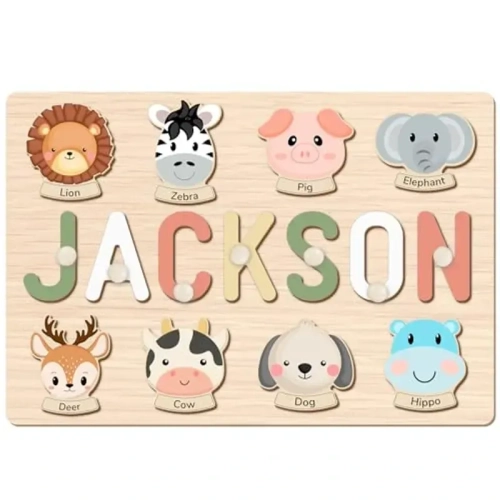
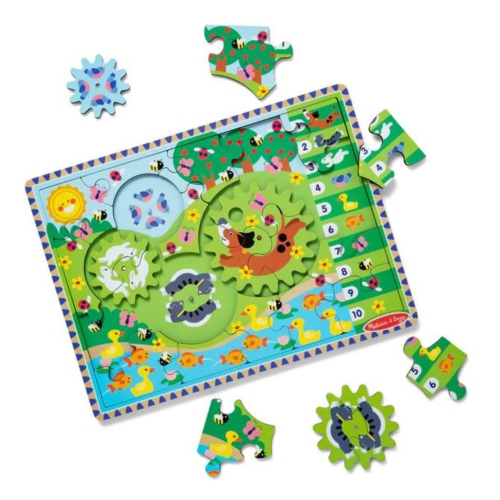
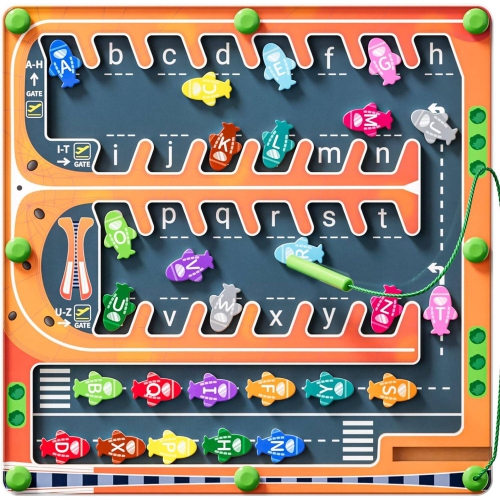
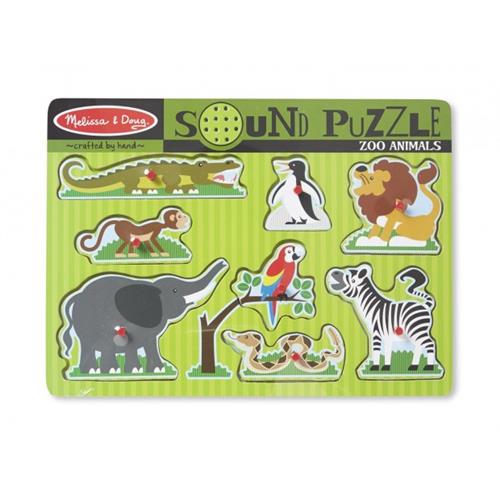
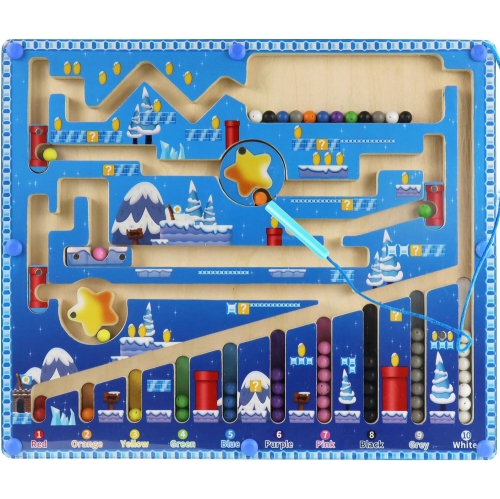
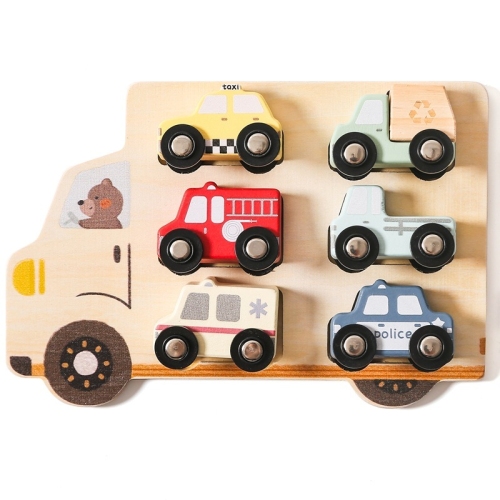
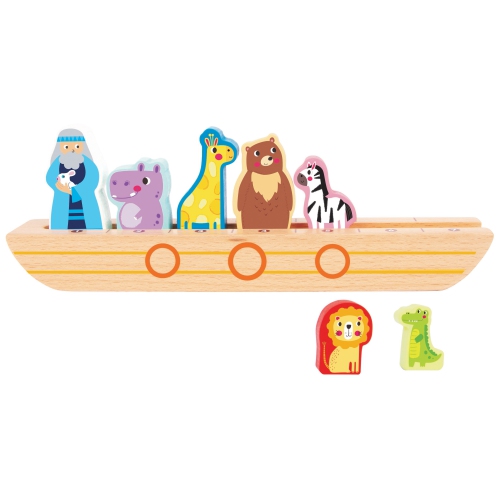
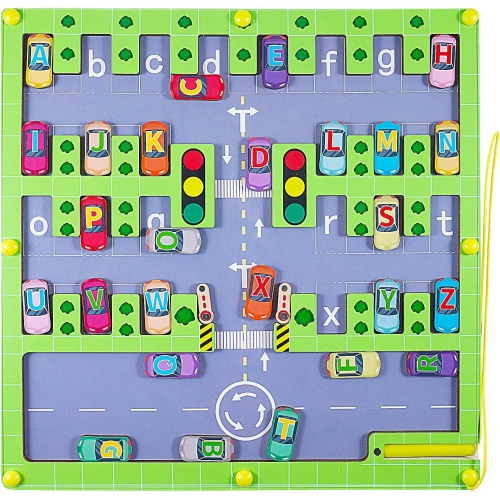
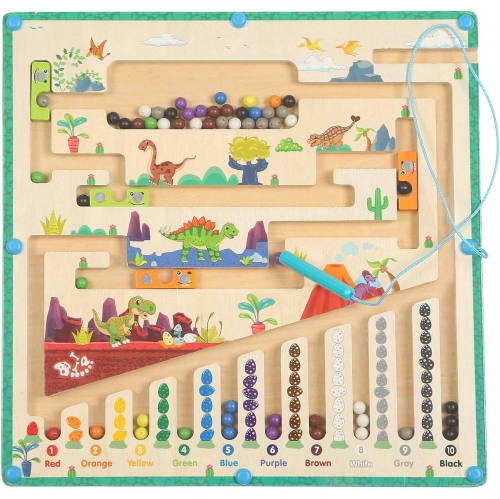
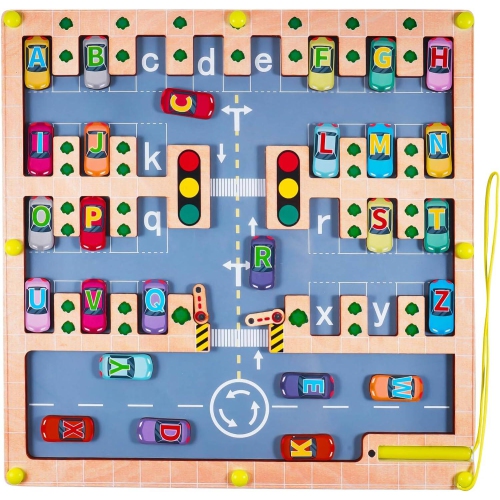
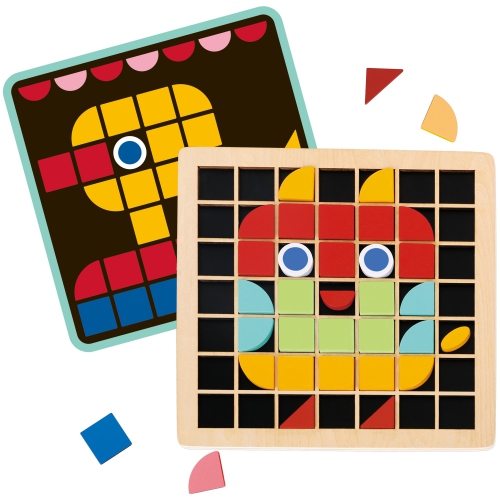
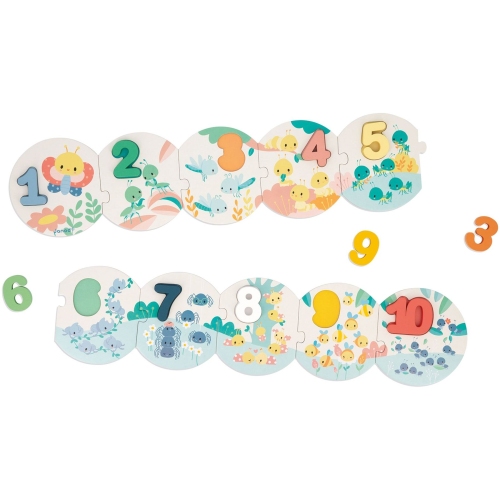
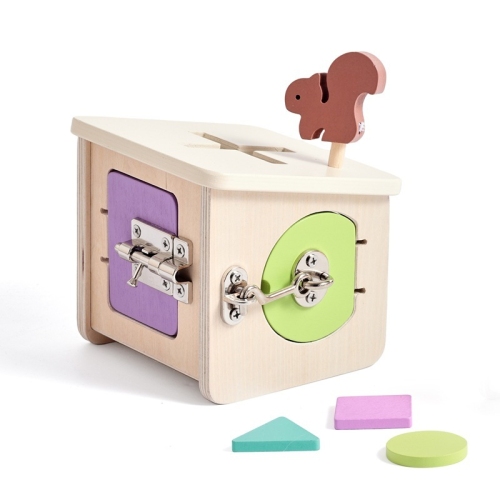
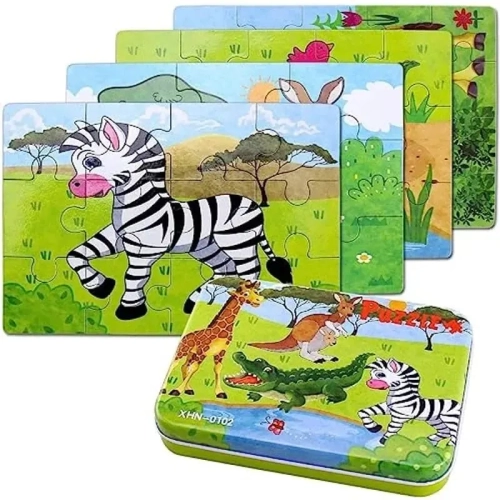
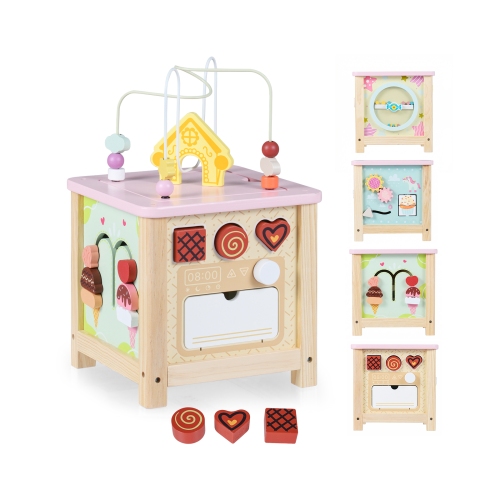
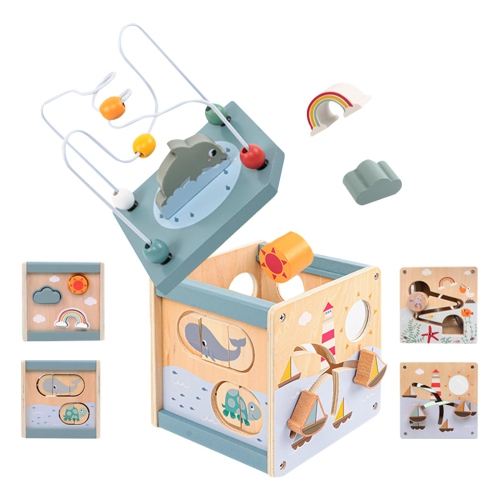
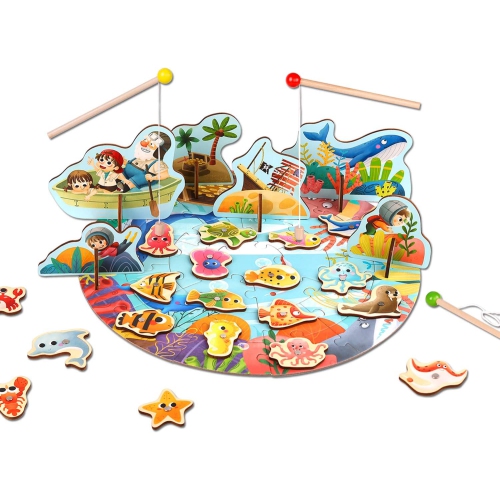
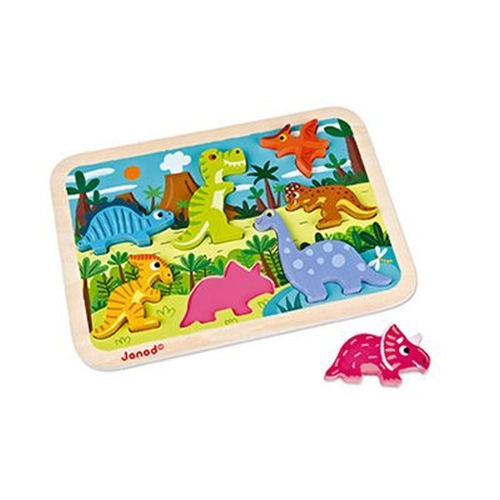
Wooden puzzles for toddlers bring simple matching, hands-on discovery, and familiar pictures together in a format that young children can explore at their own pace. Moving a piece towards its matching space gives a toddler opportunities to practise grasping, turning, and releasing, while noticing how an outline fits into a board. These small movements involve fine motor skills and hand-eye coordination; working out why a piece will not fit also introduces everyday problem-solving. Early puzzle play may be as simple as lifting every piece out and putting just one back, with more deliberate matching developing through repetition. Knob puzzles typically have raised handles that provide an easy place to grip, while peg puzzles offer smaller handles that may suit children with more precise finger control. Chunky wooden puzzles use thick pieces that can be picked up around the edges, and some are designed with freestanding shapes that also lend themselves to pretend play. These formats offer different experiences, so the labelled age range, piece size, and a child’s abilities matter more than a particular puzzle style alone. A board with a few distinct shapes can make the first attempts less frustrating than one filled with many similar outlines. Matching pictures beneath the pieces can provide an additional clue, helping a child connect a cow, bus, or circle with its place on the board. Animal, vehicle, food, and everyday-object themes also give adults natural openings for conversation. Naming a picture, making an animal sound, or describing a piece as round or blue adds language to the activity without turning play into a lesson. Alphabet and number puzzles introduce familiar symbols, but toddlers can enjoy their shapes and colours without being expected to recognize letters or count independently. The most satisfying challenge often leaves room for a little experimenting, a little help, and the pleasure of pressing a piece into place.
The construction of a wooden toddler puzzle affects how it feels in small hands and how well it stands up to repeated play. Depending on the design, boards and pieces may be made from solid wood, plywood, or other wood-based materials, with painted, printed, or laminated surfaces. Material names alone do not establish suitability: smooth surfaces, securely attached handles, and pieces that remain intact through ordinary use are practical details to consider alongside the manufacturer’s age and safety information. Rounded edges can feel comfortable to handle, while a stable board helps keep the matching spaces within reach. Pieces need enough clearance to lift out and return without excessive force; a fit that repeatedly jams can interrupt play even when the picture is appealing. The recommended age is especially important for toddlers who still mouth toys. Puzzles intended for older children may include small pieces or components that are unsuitable for children under three, and adult supervision does not make those parts appropriate. Large-looking pieces do not automatically make a puzzle suitable for every toddler, either. The complete design, including knobs and any other attached parts, needs to match the stated age range and intended use. Wooden puzzles are not teething toys unless specifically designed and labelled for that purpose. Regular checks for loose handles, splinters, cracks, peeling surfaces, or damaged pieces help identify when a puzzle should be set aside. Care is generally straightforward, but the manufacturer’s directions should take priority. Many wooden toys can be wiped with a lightly damp cloth and dried promptly rather than soaked, since excess moisture can affect wood, joints, and surface finishes. Dishwashers, prolonged immersion, and harsh cleaners may damage materials that were not designed for them. Allowing a cleaned board and its pieces to dry fully before storage helps preserve their condition. With age-appropriate handling and suitable care, a well-made puzzle can remain part of a toddler’s play routine as familiar pictures become easier to match.
Puzzle play fits into many ordinary moments at home, in childcare settings, or during visits with family. A clear patch of floor or a low, stable play surface gives a toddler room to spread out pieces without balancing the board on a lap. On a busy picture puzzle, setting out only a few pieces at first can make the activity feel more manageable; the remaining pieces can join in as interest grows. An adult might place a piece near its opening, turn the board so the image is easier to see, or wait while a child tries a different angle. That pause leaves space for discovery rather than completing every match on the child’s behalf. Some toddlers prefer the satisfying lift-and-drop motion of inset pieces, while others spend longer lining up chunky animals or carrying a favourite shape between activities. Neither approach needs to produce a finished board every time. Repeated play with a familiar puzzle can be enjoyable in its own right, and changing the conversation around the pictures adds variety without increasing the difficulty. A farm scene might prompt animal sounds one day and a search for matching colours another. For a birthday gift or a present for a young relative, the child’s interests, labelled age range, and existing play skills offer more useful direction than an ambitious piece count. Caregivers may also appreciate a board that is easy to carry, a manageable storage footprint, and a clear way to keep all the pieces together. A shallow container or dedicated shelf space can make tidying up part of the routine, provided any storage accessories are suitable for the child’s age. Families exploring different formats can also browse Wooden Puzzles for a broader view of this hands-on activity. For toddlers, the appeal remains wonderfully direct: an interesting picture, a piece that feels comfortable to hold, and a small challenge worth trying again.
Top selling and popular products
-
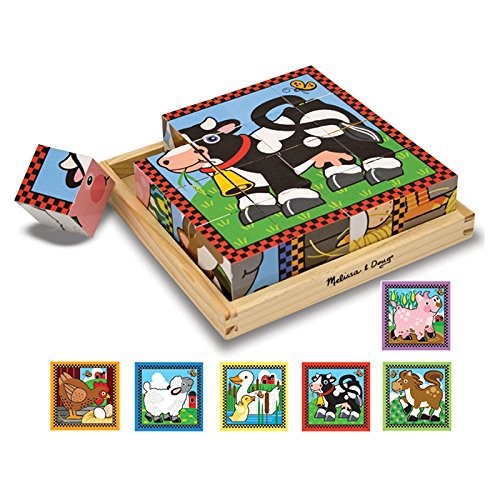 Your price for this item is $32.99
-
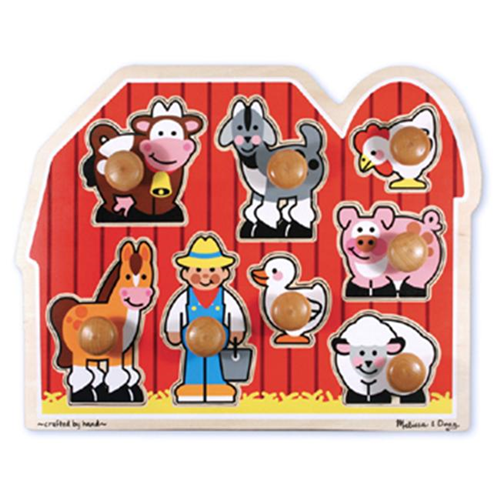 Your price for this item is $46.99
-
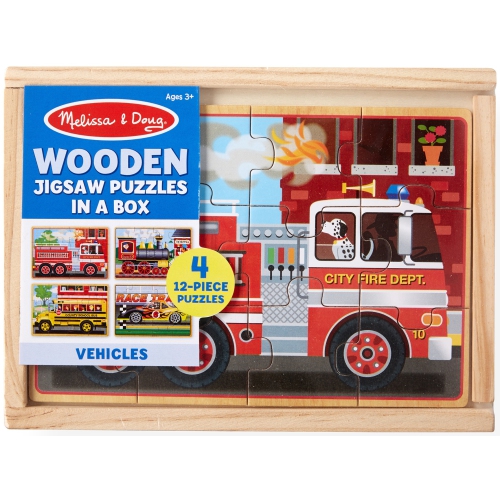 Your price for this item is $35.99
-
 Your price for this item is $30.99
-
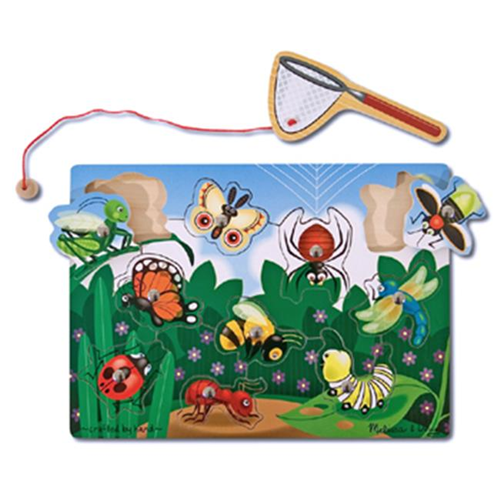 Your price for this item is $29.99
-
 Your price for this item is $36.99
-
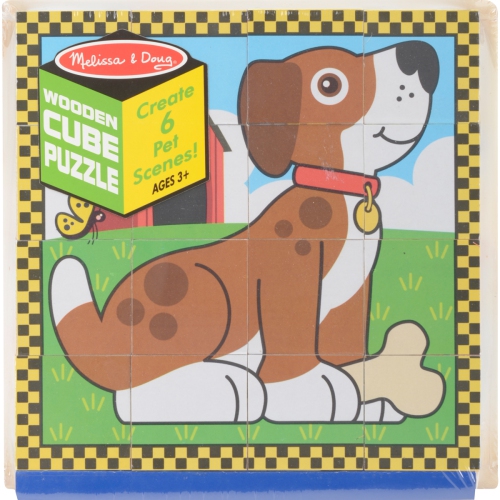 Your price for this item is $32.99
-
 Your price for this item is $34.9
Discover more categories related to Wooden Puzzles for Toddlers
Top Collections:
Best Black Friday Deals This Year, Best Black Friday Deals On Electronics, Kindle Devices, Pokemon Centers, Best Black Friday Deals On Apple Products, Best Cameras for Sports Photography, Dyson Airwrap, Pokémon 30th Celebration Cards, Apple iPhone 17 Pro, Canon G7X Cameras
Some products may be subject to Environmental Handling Fees
(EHF) depending on your province.
Learn more about EHFs.