Word Puzzle Games
Looking for a fun and challenging way to exercise your brain? Look no further than our collection of word puzzle games. Whether you're a crossword enthusiast, a word search wizard, or a lover of anagrams, we have the perfect game to keep you entertained for hours. Sharpen your vocabulary skills, test your problem-solving abilities, and enjoy the thrill of unraveling hidden words with our wide selection of word puzzle games. Get ready to embark on a journey of linguistic exploration and discover the joy of solving puzzles one word at a time.
Sort











The small shifts that turn letters into answers
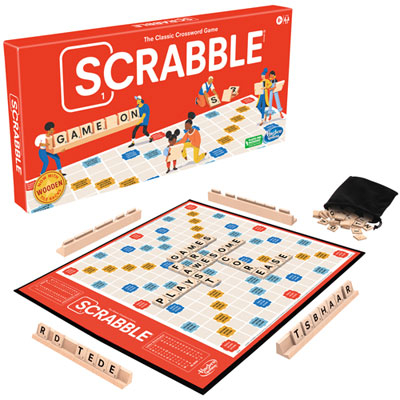
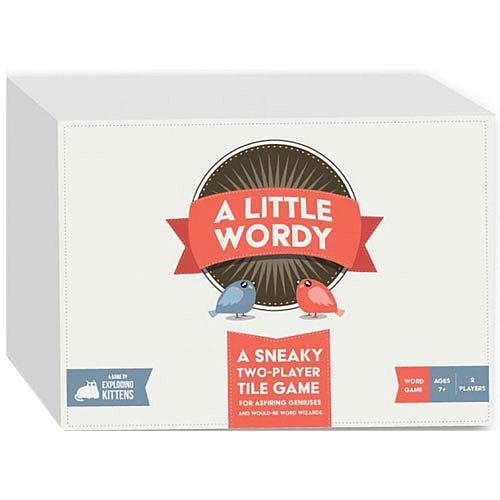
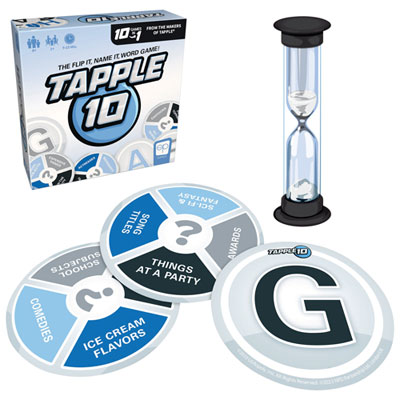
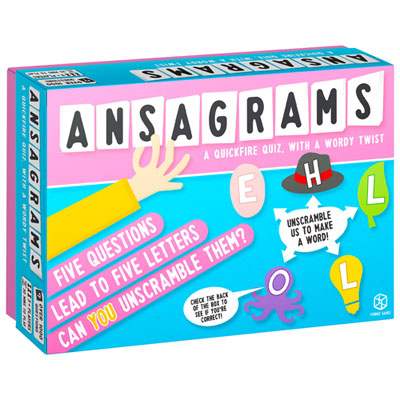
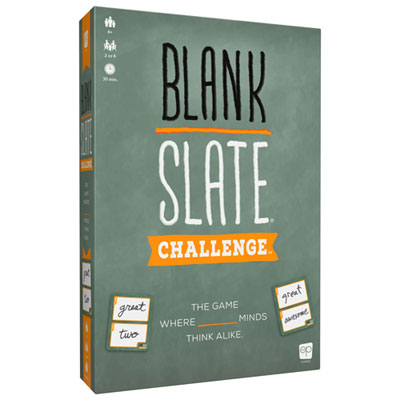
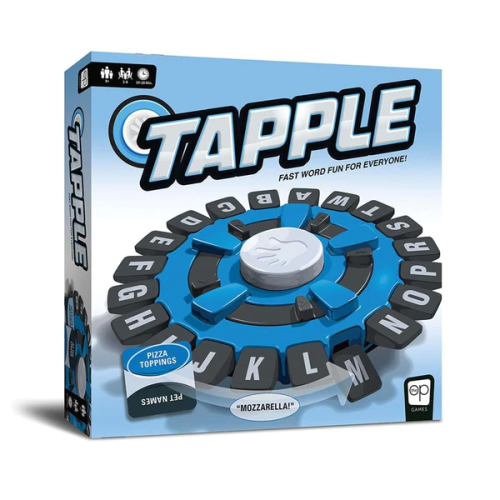
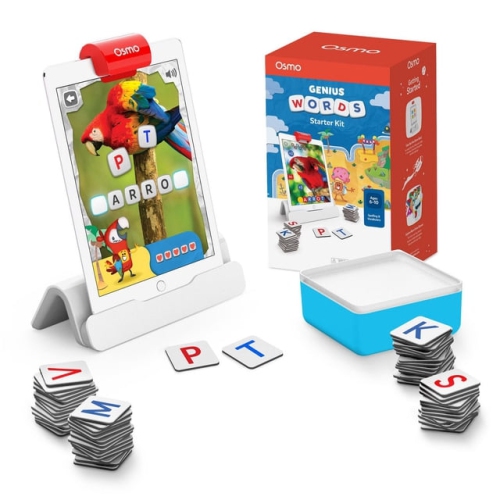
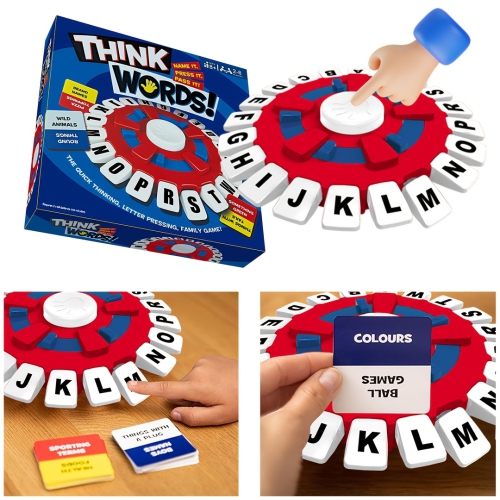
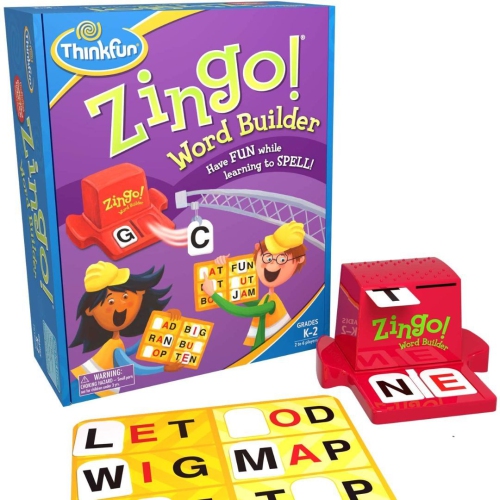
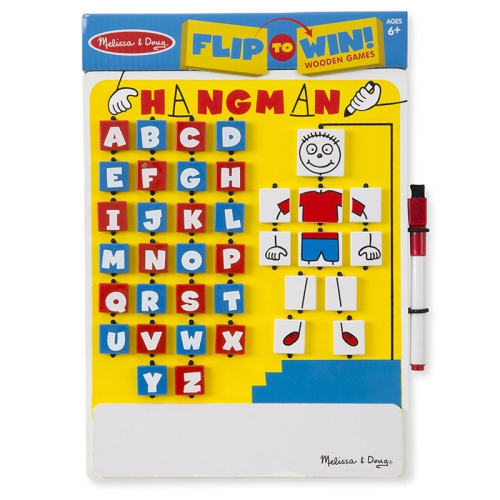
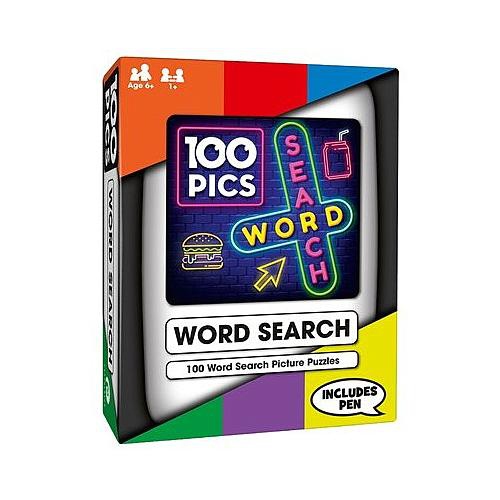
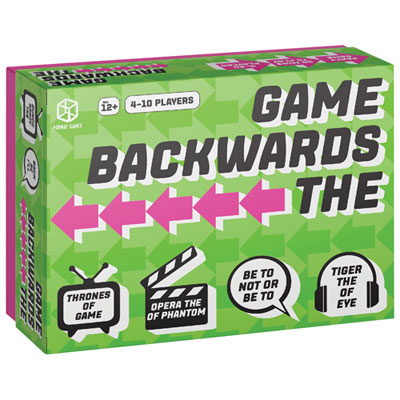
Word puzzle games challenge players to find, build, arrange, or identify words using letters, clues, and patterns. The pleasure often comes from a small shift in perspective: a jumble of letters turns into a familiar word, a crossword answer makes sense once a crossing letter appears, or a shared meaning links a seemingly unrelated group of words. Different puzzle formats offer distinct kinds of play. Crosswords combine written clues with intersecting answers, while word searches hide words horizontally, vertically, or diagonally within a letter grid. Anagram puzzles ask players to rearrange letters, and word-building games use tiles, cards, or dice to create words within a set of rules. Association games focus on meanings and relationships rather than spelling alone. Hidden-word guessing games narrow the possibilities through clues about correct letters and their positions. These formats can appear in printed puzzle collections, tabletop games, handheld electronic games, or software, with each format changing how players handle clues and keep track of answers. For a shopping page centred on word puzzles, the key distinction is between solving a prepared challenge and creating a new challenge through play. A printed grid has a fixed solution; a tabletop arrangement can change every time letters are drawn. Both belong within the wider category of Word Games, but they suit different routines. Someone who enjoys working quietly through clues may prefer self-contained puzzles, while a household looking for shared entertainment may favour word-building or guessing games with flexible player counts. Difficulty depends on more than word length. Unusual vocabulary, indirect clues, restricted letter choices, and time limits can all raise the challenge. Straightforward definitions and familiar words provide a gentler starting point, while layered wordplay gives experienced solvers more to untangle. Clear descriptions of puzzle style, language, age range, and playing time help distinguish an approachable everyday activity from a more demanding test of vocabulary.
The way a word puzzle game fits into daily life matters as much as its rules. A solo puzzle can fill a short break without requiring anyone else to finish a turn, whereas a multiplayer game needs a structure that works for everyone at the table. Turn-based play leaves room to think, talk, and check a spelling; simultaneous play has everyone working at once and can feel livelier. Timed rounds add urgency, but an optional timer gives players more control over the pace. For families with different reading levels, useful features include adjustable difficulty, team play, and rules that let an adult and a child contribute together. A younger player might spot a short word while a more confident reader notices how to extend it across the board. Age recommendations deserve attention because reading ability and component safety are separate considerations: a child may understand the word task before being old enough to handle small pieces safely. Word puzzle games can offer practice with spelling, vocabulary, and flexible thinking, though the experience depends on the puzzle and how it is played. Adults learning English may appreciate familiar themes and direct clues, while fluent readers may enjoy ambiguity, synonyms, and expressions. Language editions also matter. Canadian, British, and American spellings can differ, and a game’s accepted-word rules may follow a particular dictionary. Agreeing on those rules before play keeps a disputed spelling from interrupting an otherwise enjoyable round. Readability is another practical detail. Large, clearly printed letters, strong contrast, and uncluttered grids can make a longer session more comfortable. Letter-position clues that use symbols as well as colour offer an additional way to interpret feedback. For gifting, consider the recipient’s habits rather than assuming every word lover enjoys the same challenge. A crossword enthusiast may value thoughtful clues, a sociable player may prefer team-based associations, and a frequent traveller may appreciate compact puzzles that can be paused without losing progress.
Materials, construction, and storage shape how well physical word puzzle games stand up to repeated use. Wooden tiles have a different feel from moulded plastic pieces, but neither material alone determines quality; smooth edges, legible lettering, consistent sizing, and a stable playing surface are more useful details to assess. Card-based games benefit from sturdy cards with easy-to-read text, especially when players will shuffle them often or hold several at once. Folding boards should lie reasonably flat, with hinges that tolerate regular opening and closing. Tile racks can help keep letters visible and organized, while fitted compartments or a closing storage pouch reduce the chance of losing a piece between sessions. For travel, a compact box is only part of the equation. A game also needs enough usable space for its layout, and loose letters can be awkward on a narrow tray or a moving vehicle. Contained or magnetic components may help, depending on the design and the manufacturer’s age guidance. Printed puzzle books bring their own considerations: generous writing space, readable type, and a binding that opens comfortably can matter more than a high puzzle count. Paper puzzles completed in ink are generally single-use, while reusable boards and changing letter combinations support repeat play in different ways. Erasable surfaces should be used only with the recommended writing tools and cleaned as directed. For most physical games, dry storage and prompt attention to spills help protect cardboard, paper, and printed markings; care instructions should take precedence over a general cleaning method. Keeping drinks away from the playing area and checking that all pieces are returned before closing the box are simple habits that preserve a complete set. Digital word puzzles require different checks, including device compatibility, input method, offline functionality, and whether progress can be saved. Across formats, the best fit is a game whose practical details support the intended experience: an unhurried puzzle at a desk, a shared challenge around a table, or a portable activity that is easy to put down and pick up again.
Top selling and popular products
-
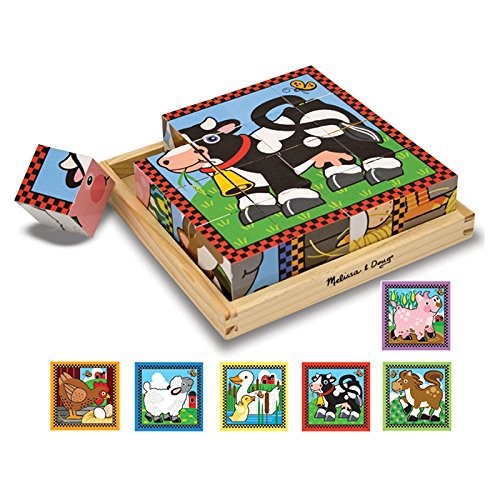 Your price for this item is $32.99
-
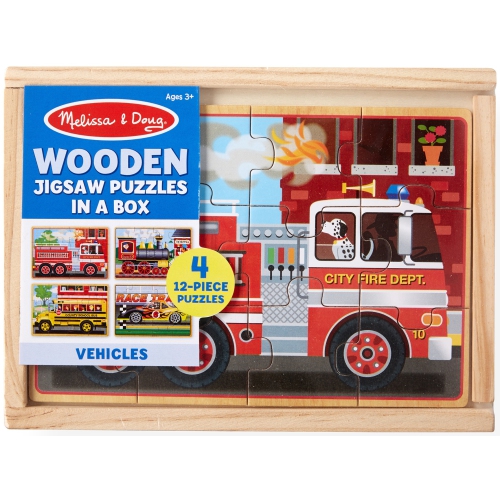 Your price for this item is $35.99
-
 Your price for this item is $30.99
-
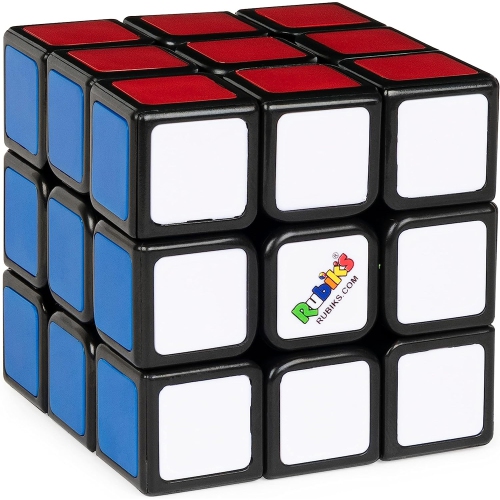 Your price for this item is $26.93
-
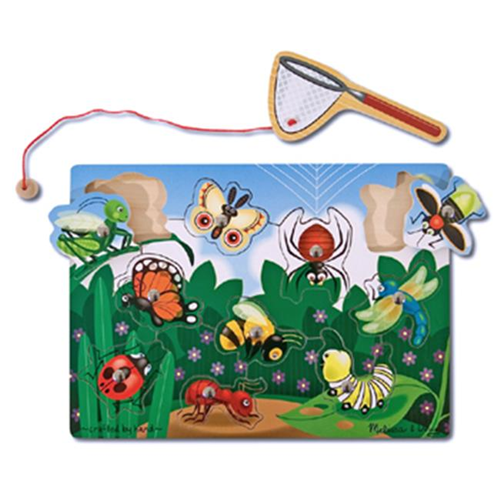 Your price for this item is $29.99
-
 Your price for this item is $36.99
-
 Your price for this item is $32.99
-
 Your price for this item is $34.9
Discover more categories related to Word Puzzle Games

Top Collections:
Pokemon Centers, Best Cameras for Sports Photography, Kindle Devices, Samsung Galaxy Phones, Canon G7X Cameras, Pokémon 30th Celebration Cards, Refurbished Apple Laptops, iPhone 15 Apple, Laptops for Students, Budget Smartphones
Some products may be subject to Environmental Handling Fees
(EHF) depending on your province.
Learn more about EHFs.