Science Kits for Kids
Ignite your child's curiosity and passion for science with our wide selection of science kits for kids. Designed to engage young minds, these educational kits provide hands-on learning experiences that are both fun and educational. From chemistry sets to astronomy kits, our collection offers a variety of options to suit every budding scientist's interests. Whether your child is interested in conducting experiments, exploring the wonders of the universe, or discovering the secrets of the natural world, our science kits are sure to inspire their imagination and foster a love for learning. Get ready to spark their interest in STEM subjects and watch as they embark on exciting scientific adventures right from the comfort of your own home.
Sort
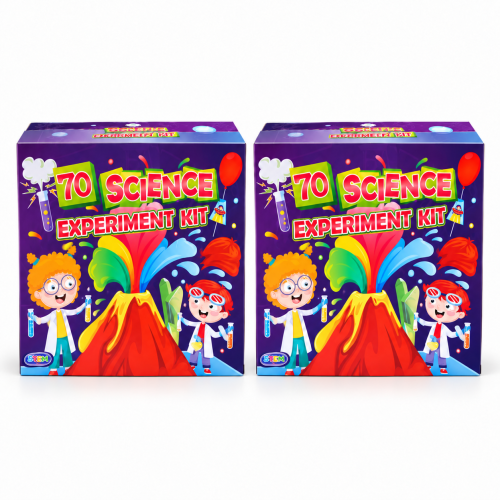
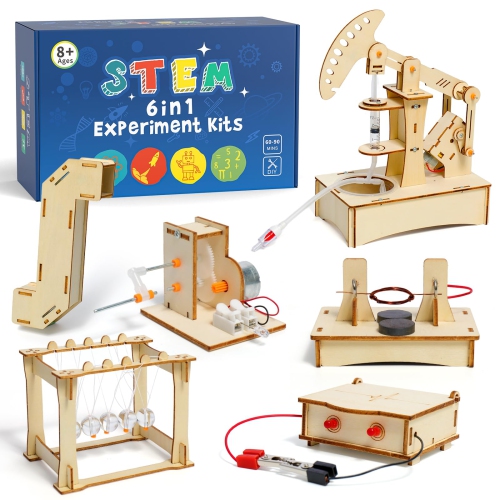
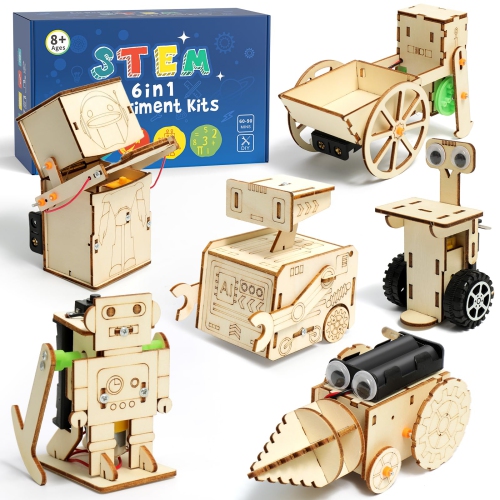

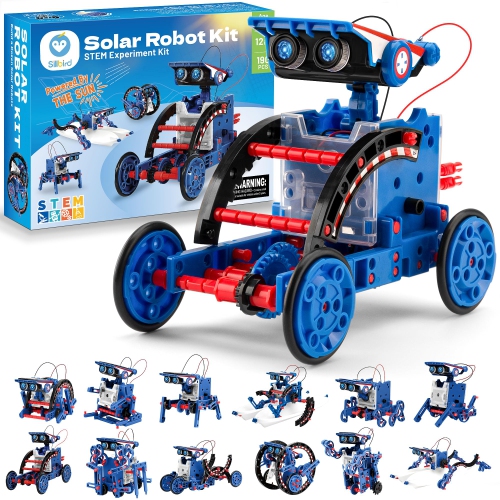
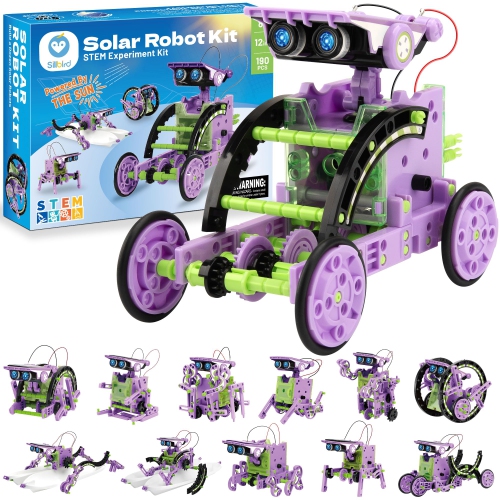
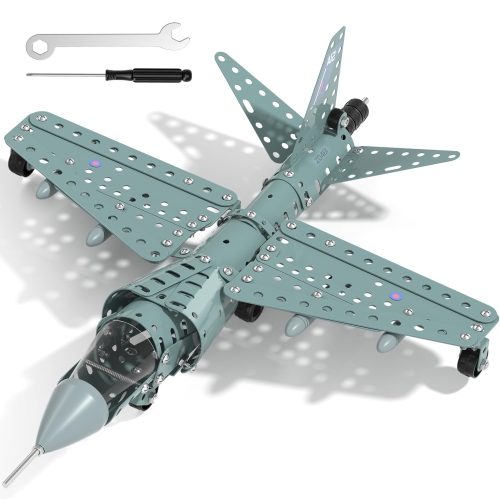

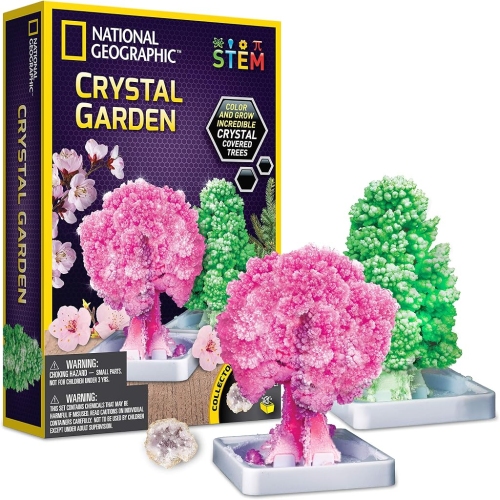
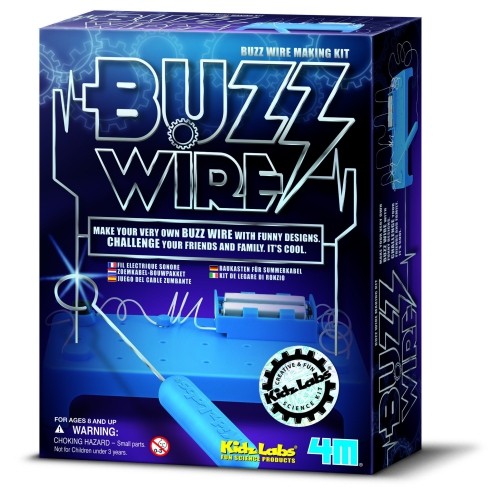
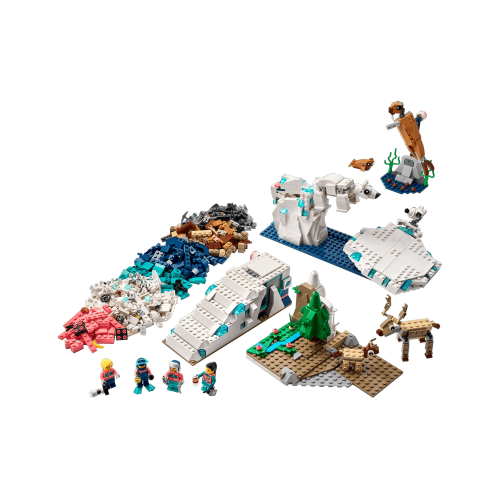
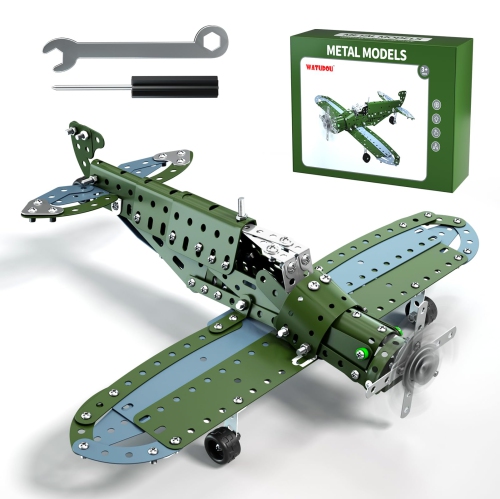
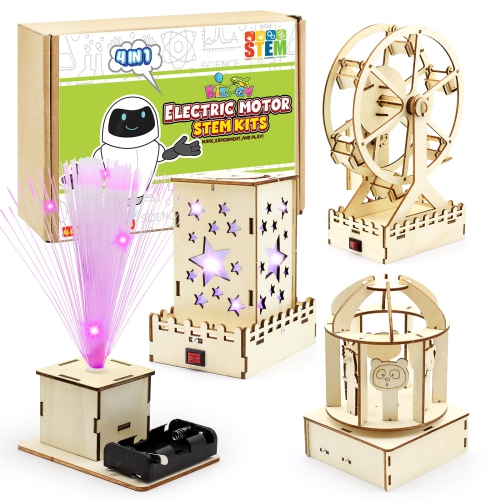
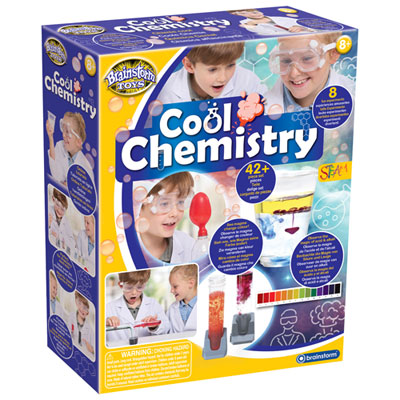
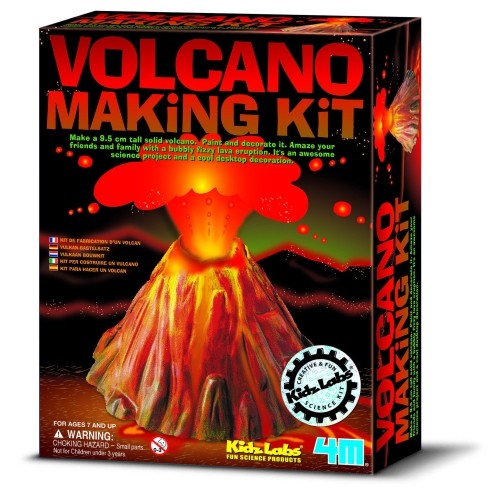
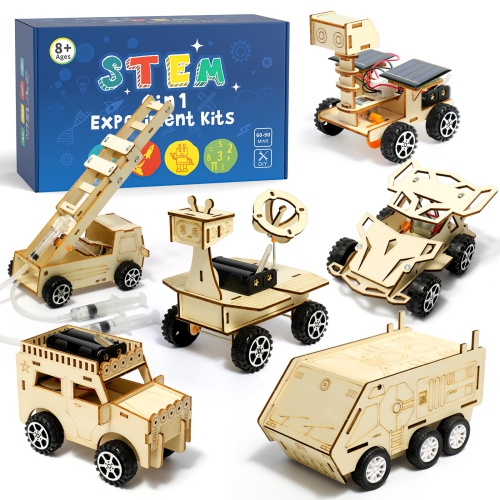
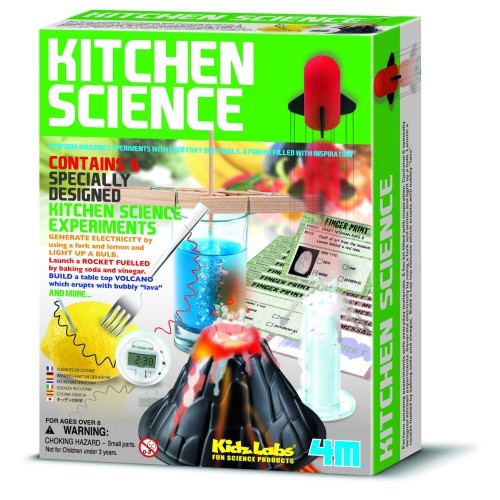
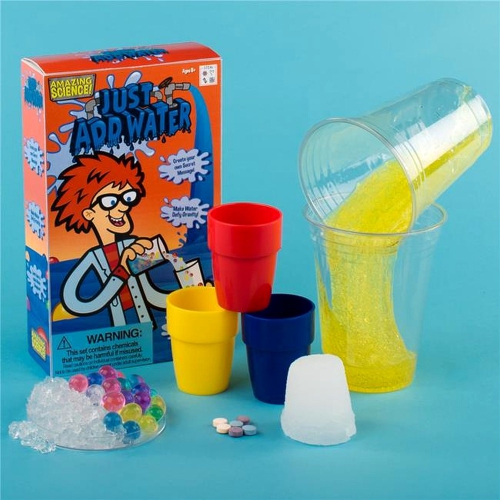
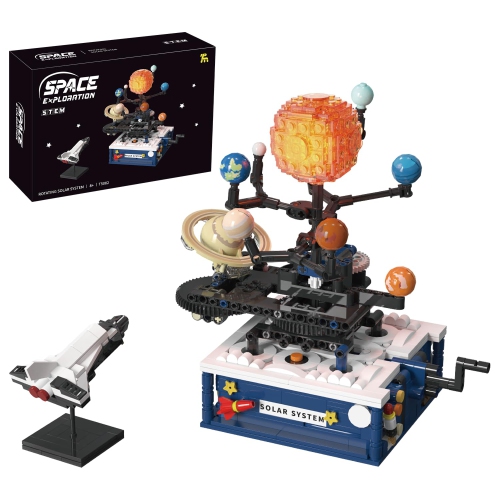
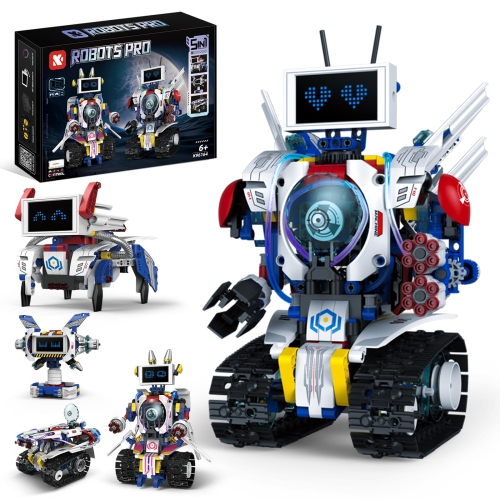
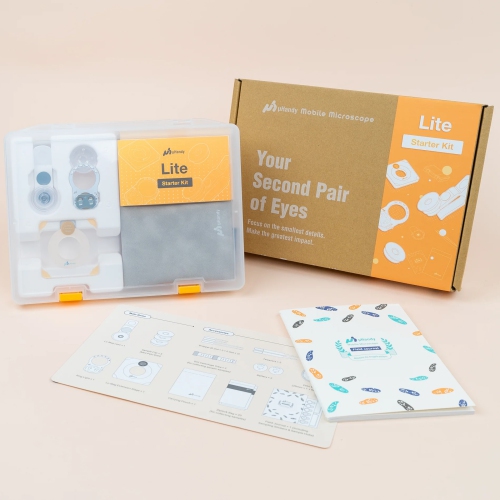
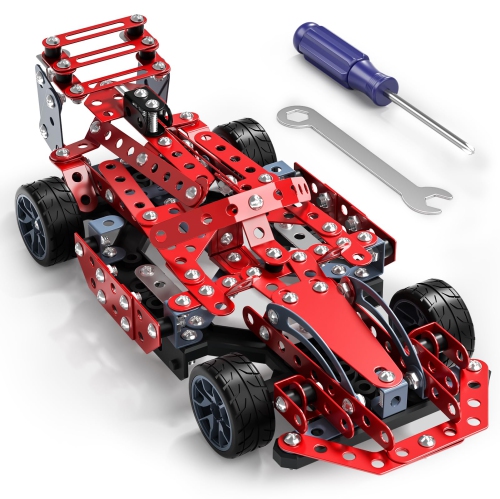
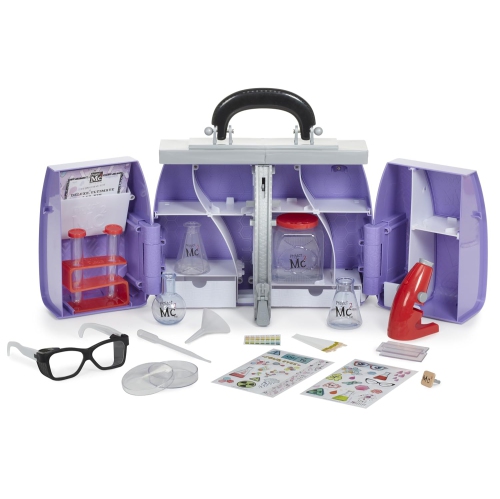
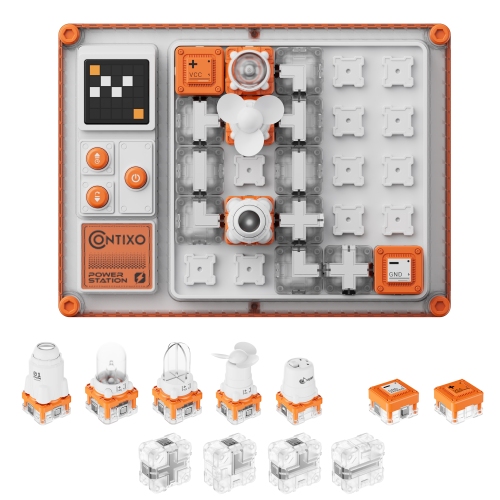
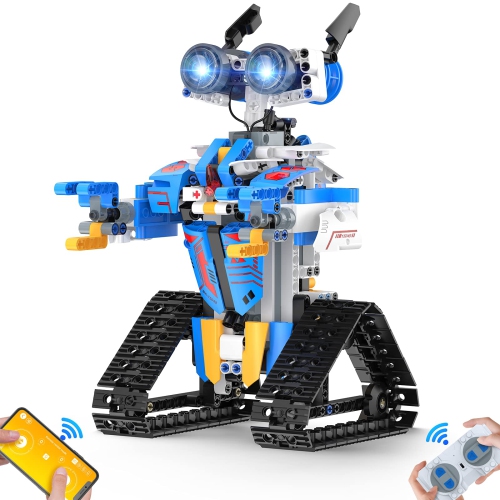
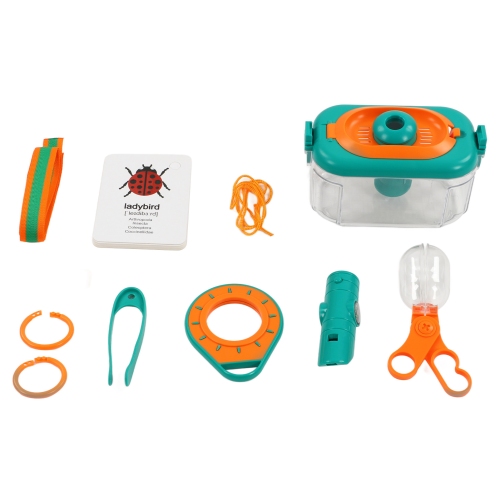
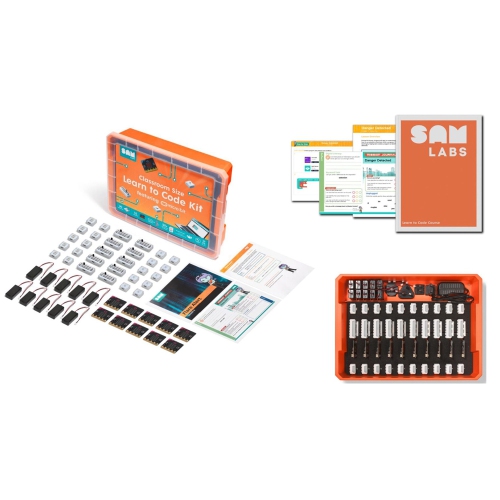
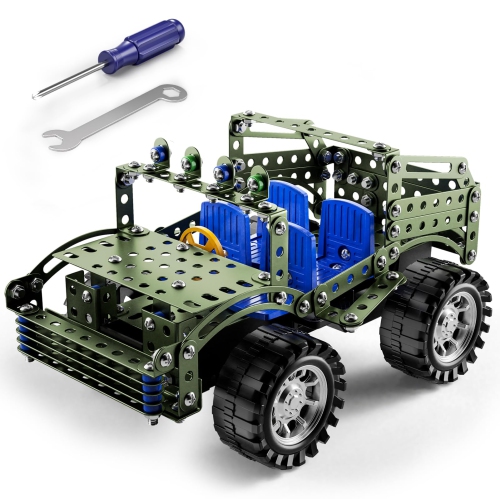

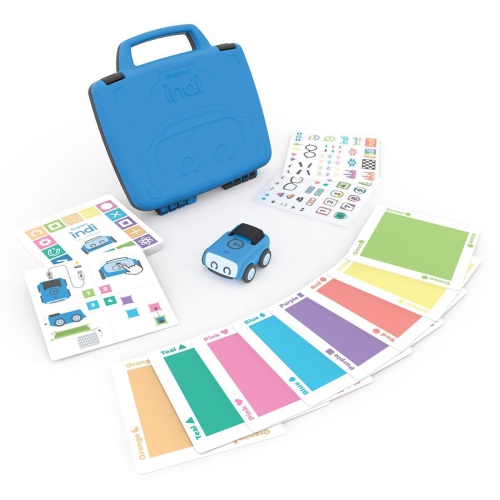
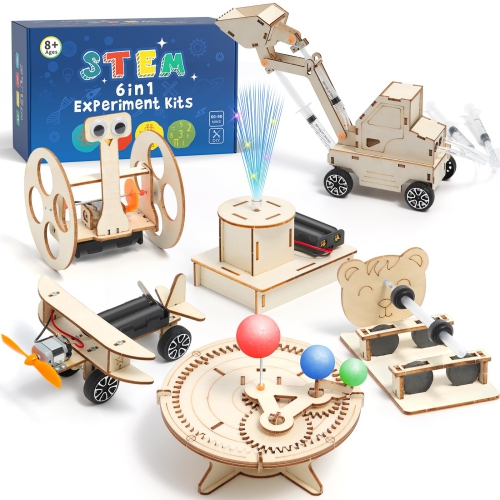
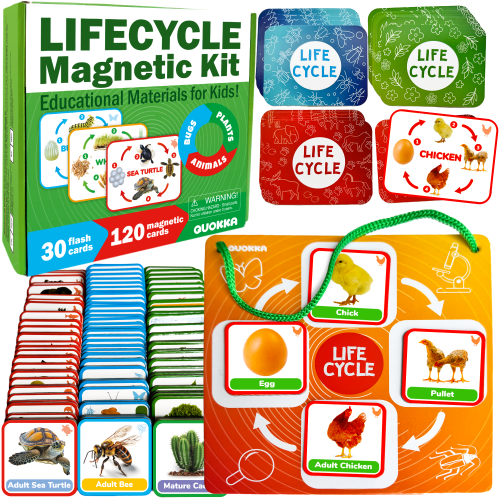
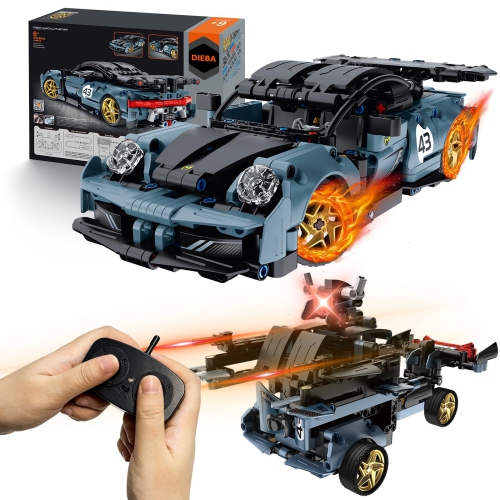


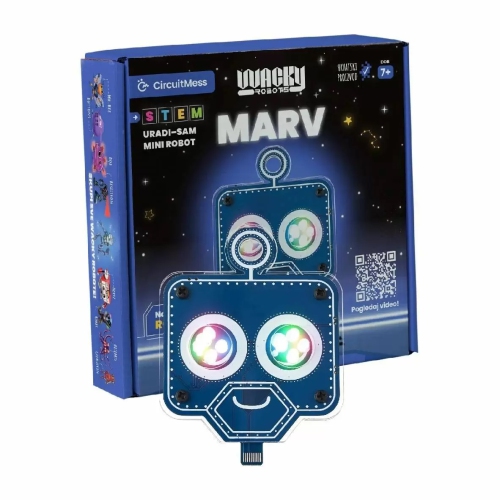
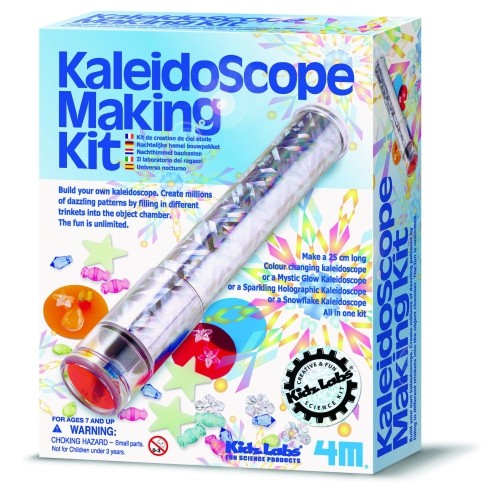
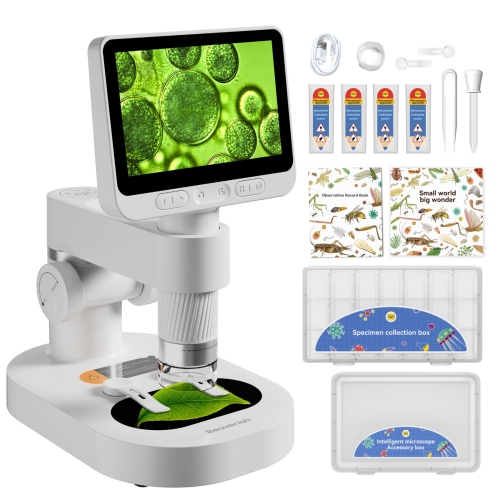
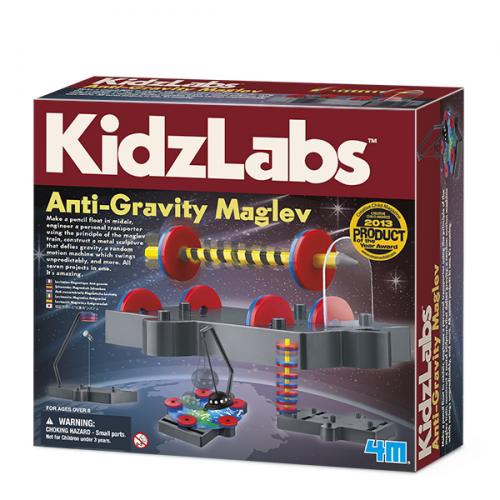
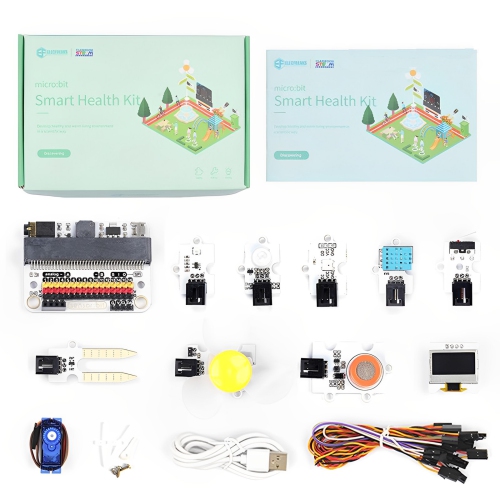

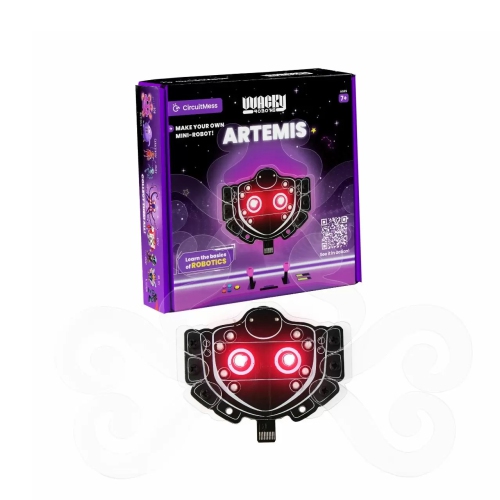
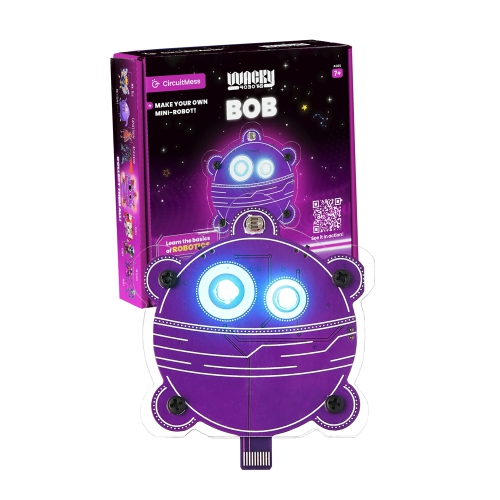
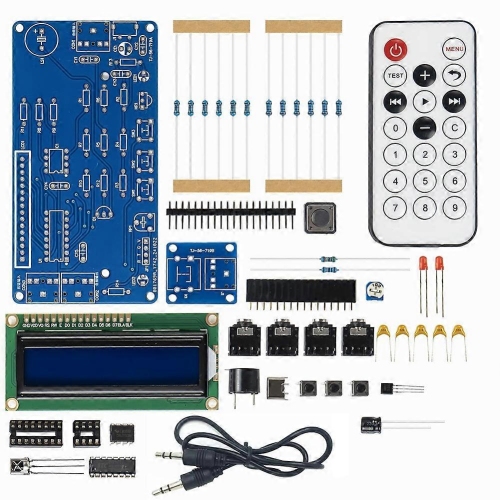
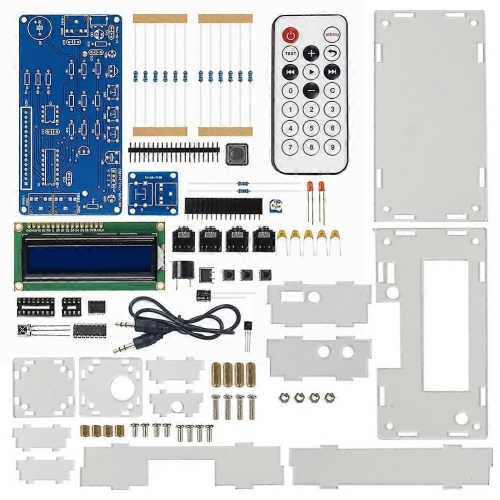

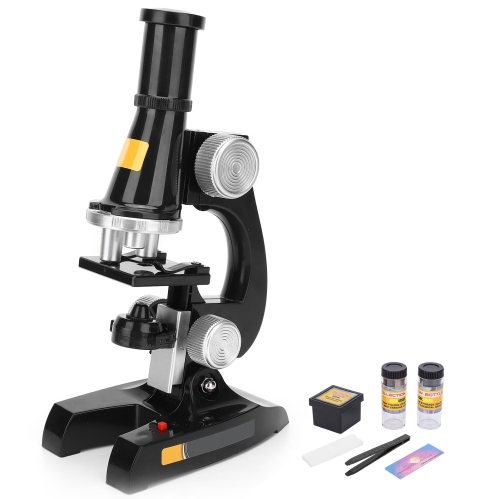
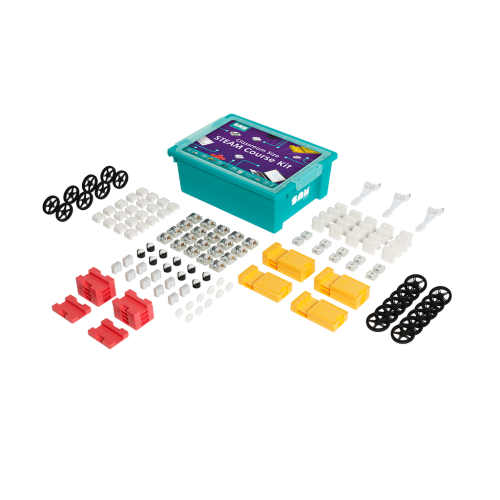
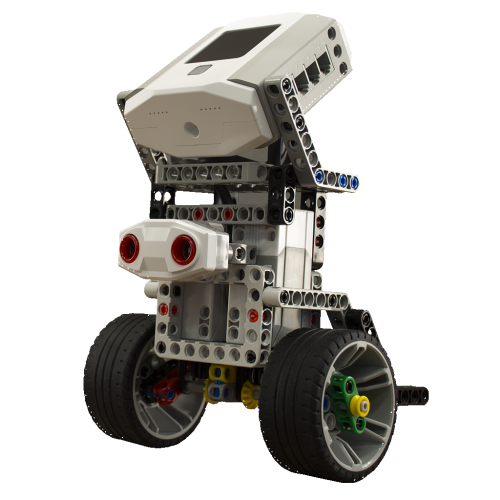
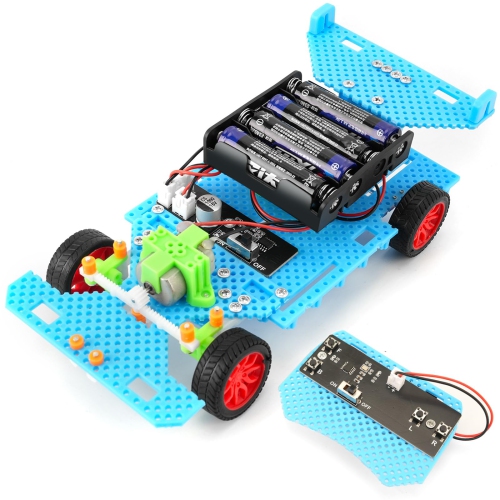
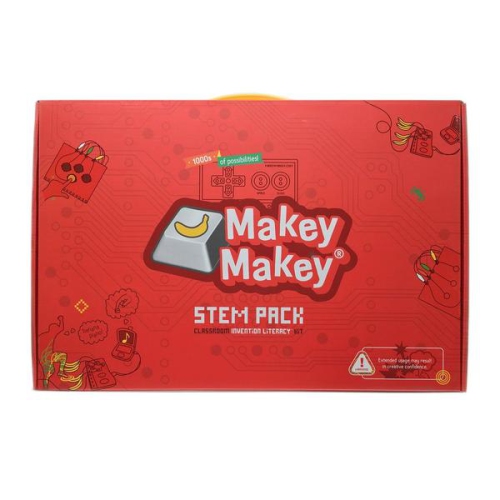
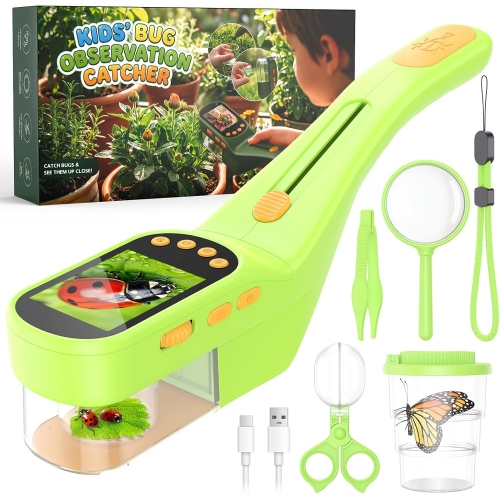
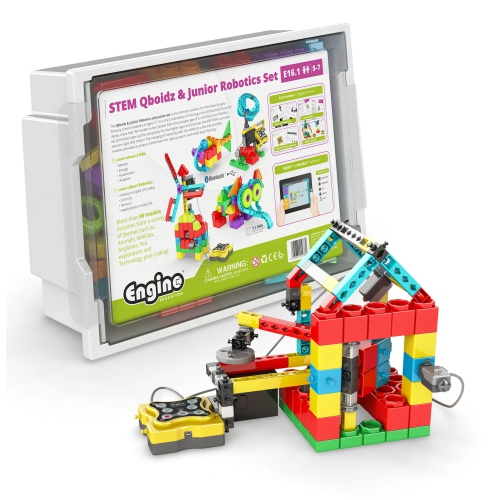
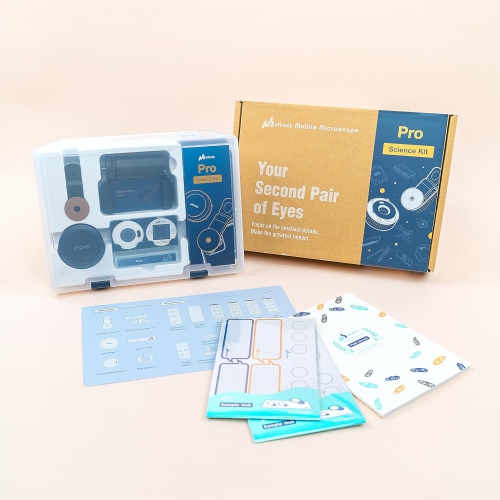
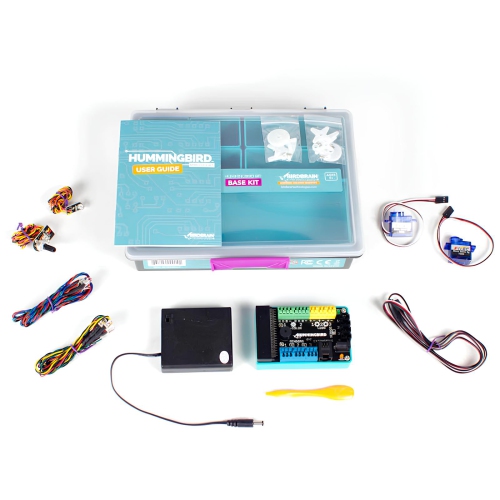
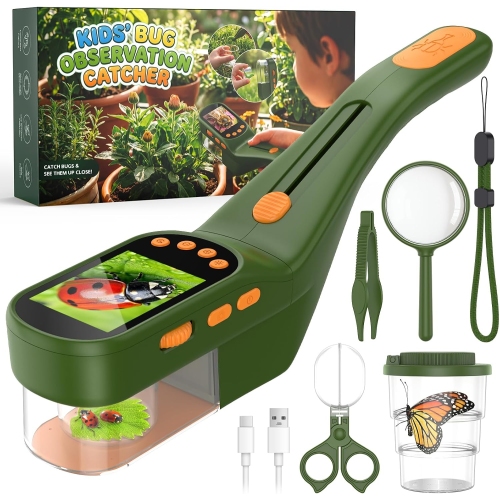

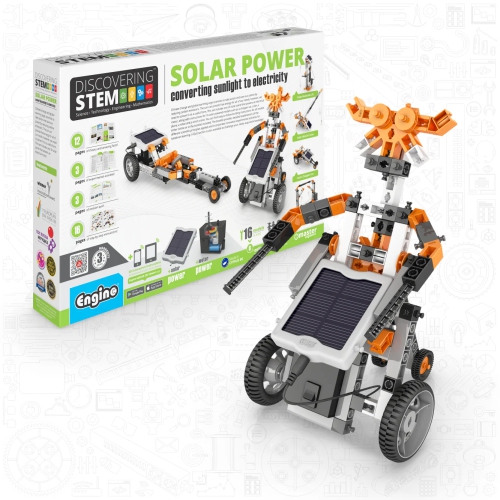
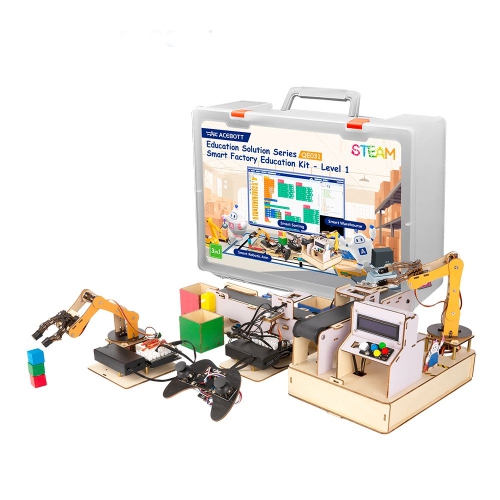
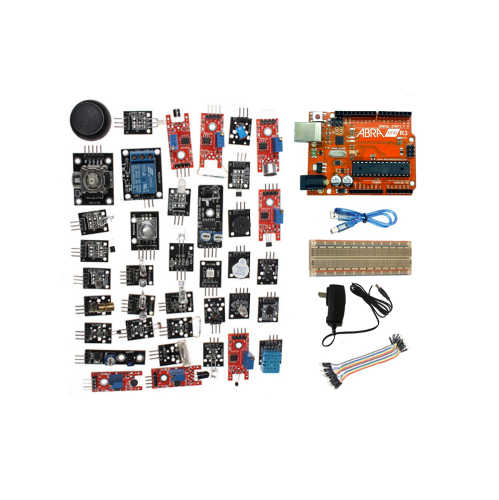

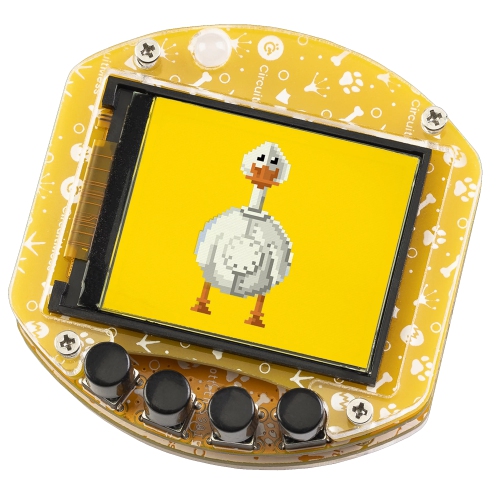
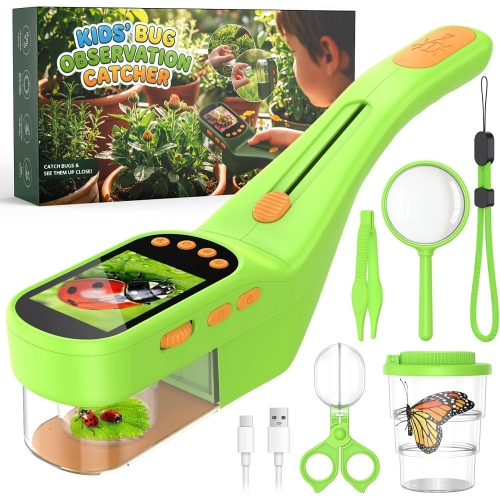
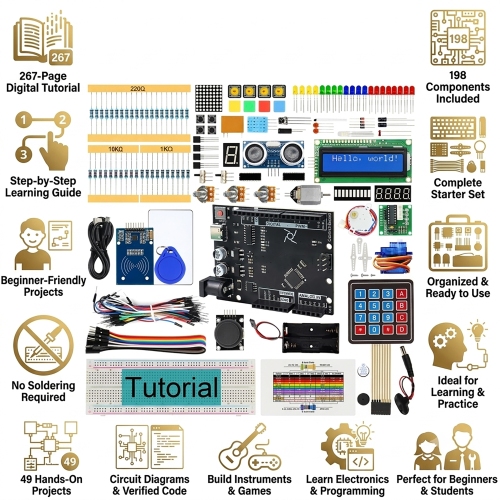
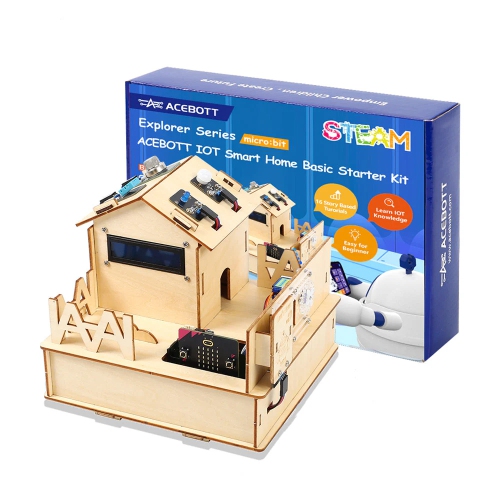

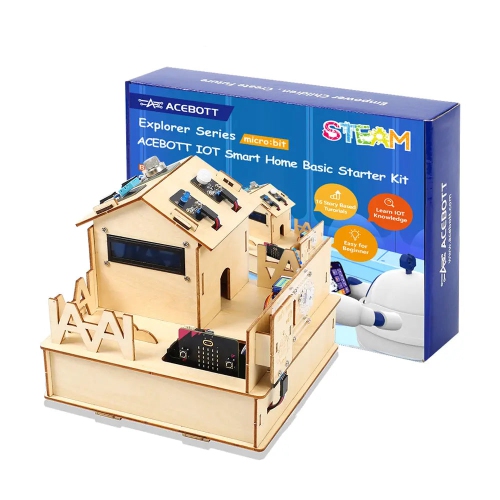

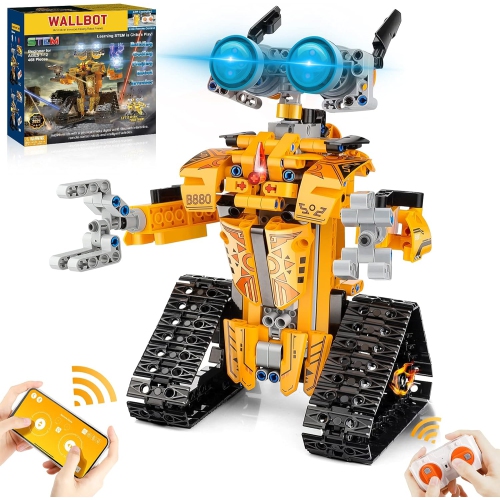
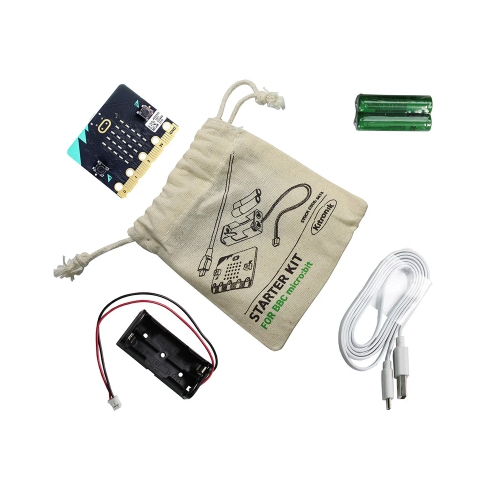

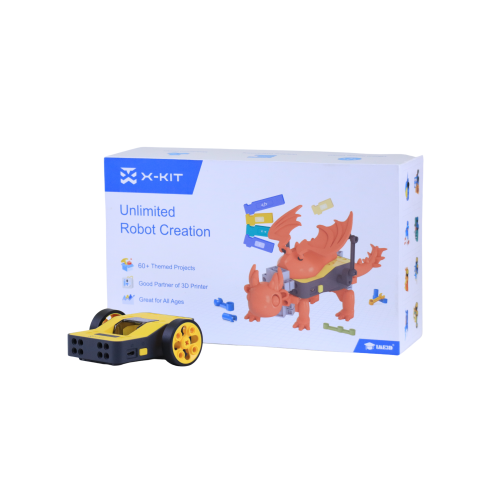
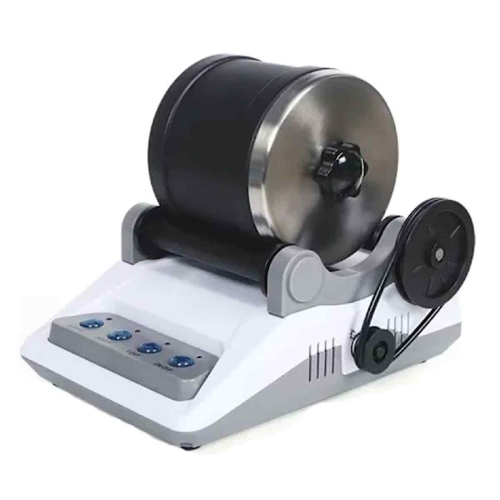
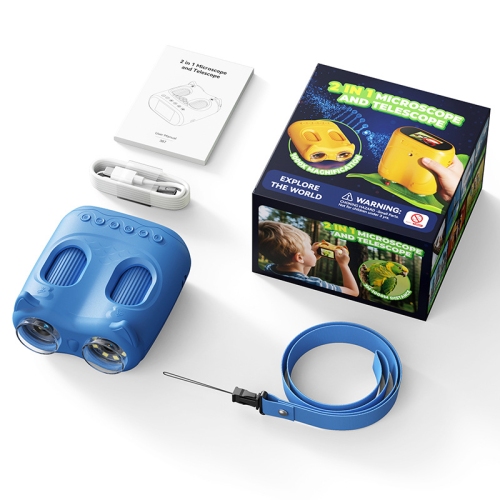
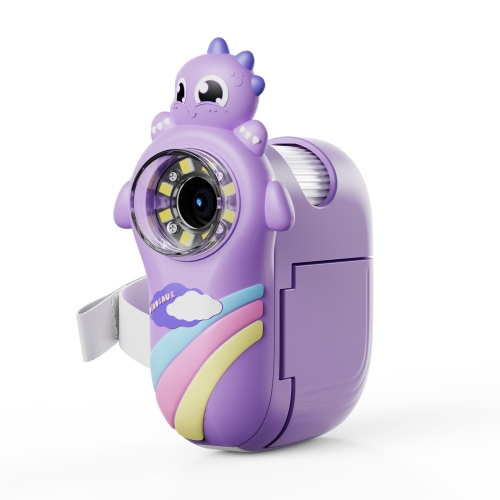

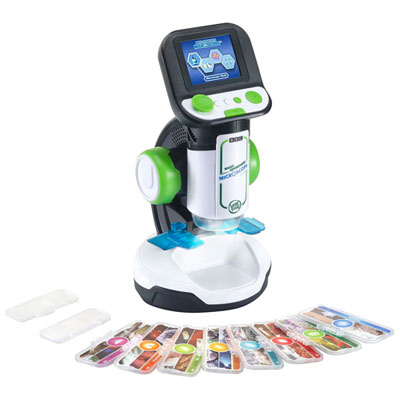
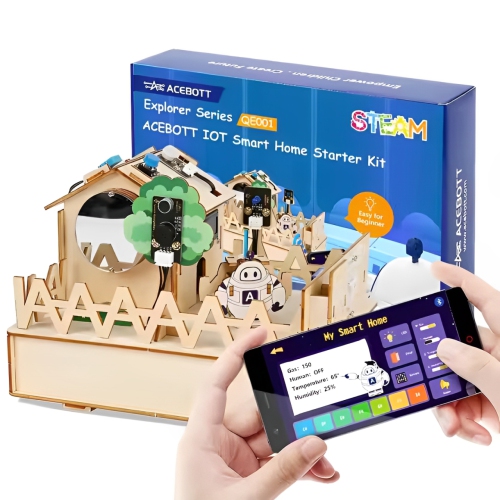
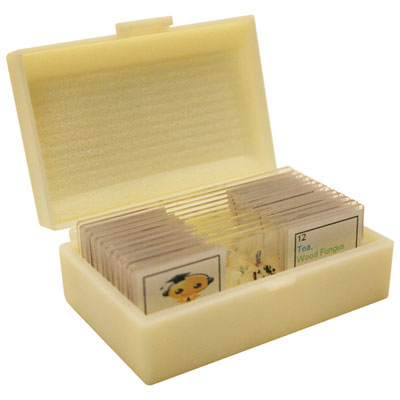
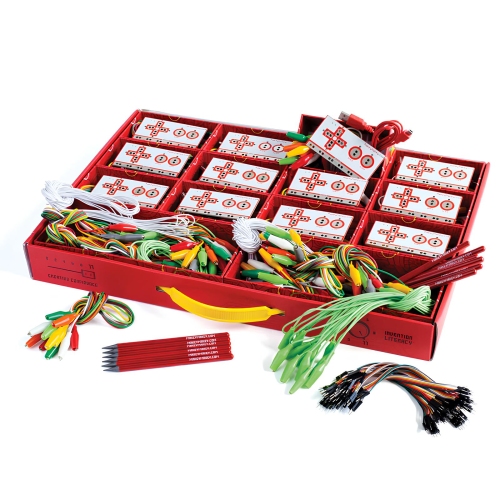
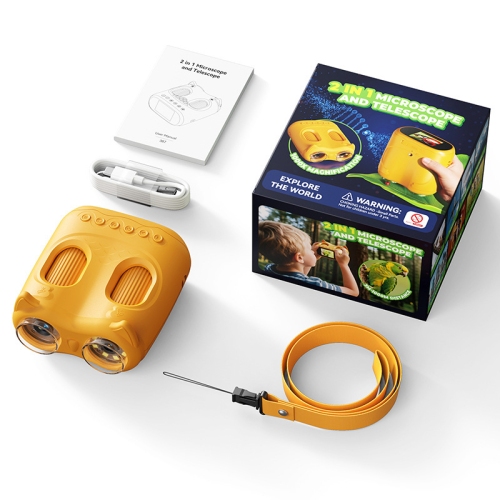
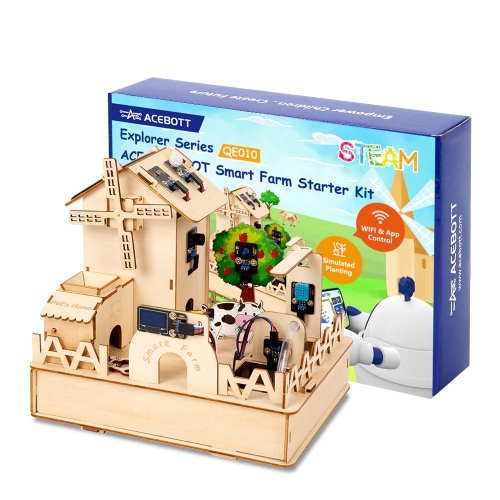
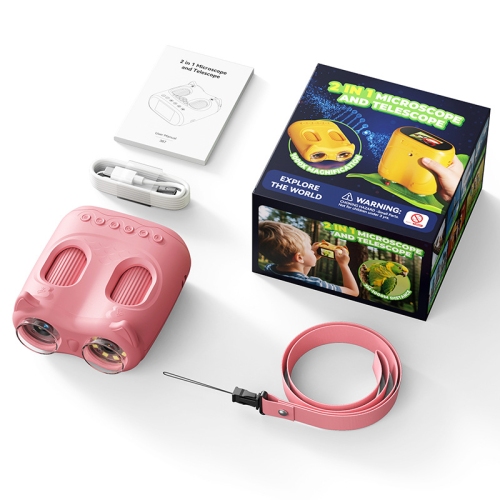
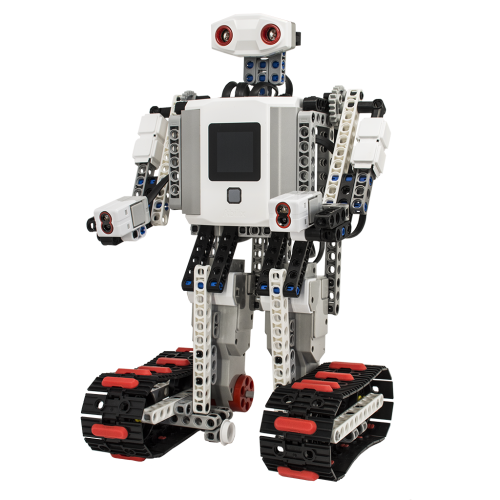
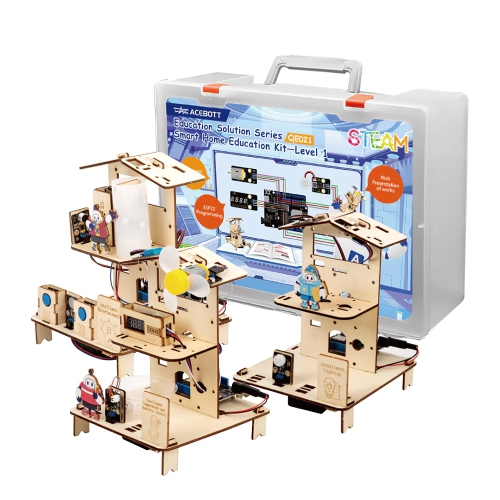
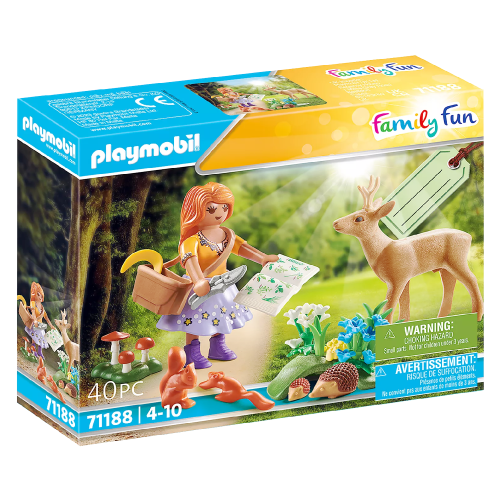
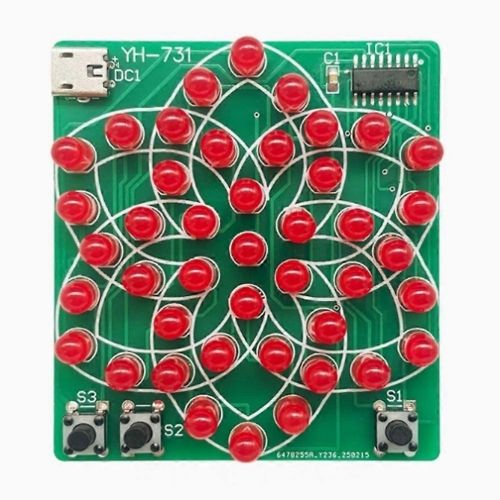
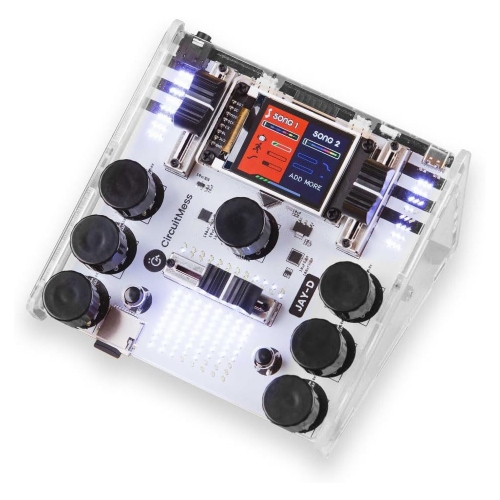

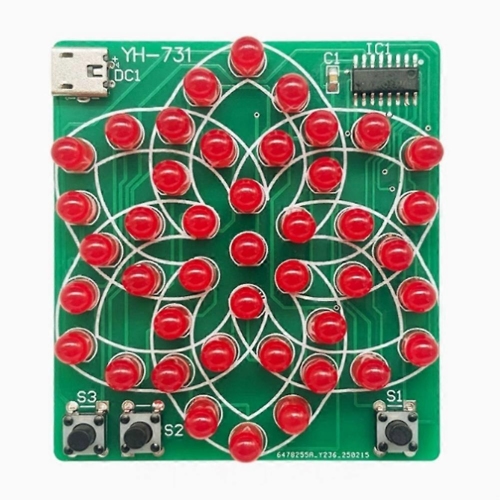
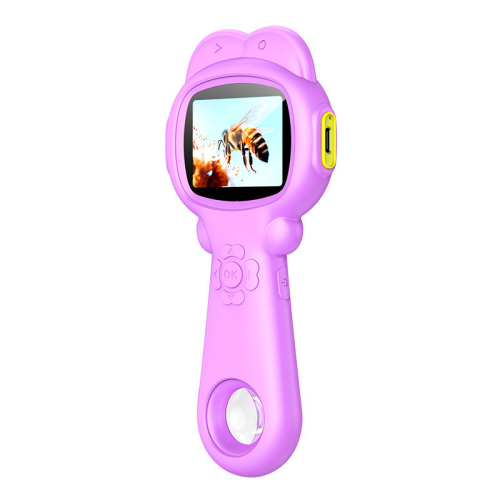
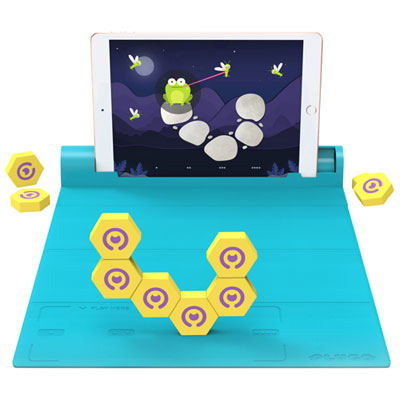

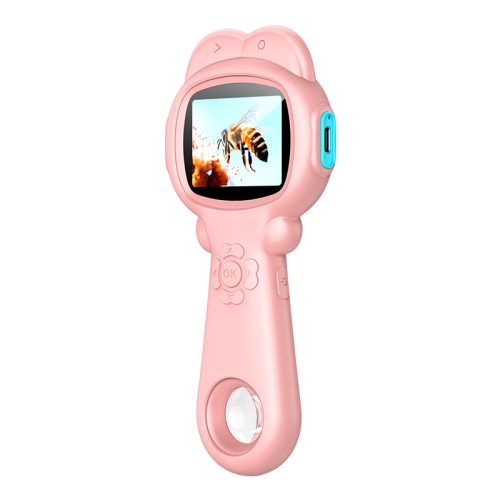
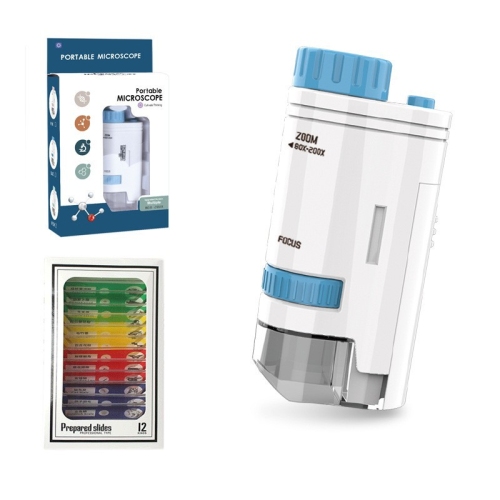


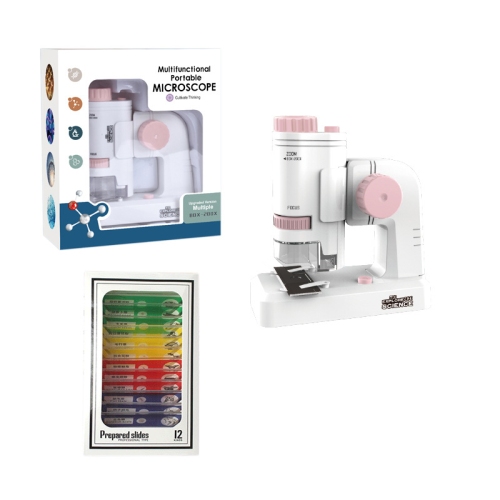
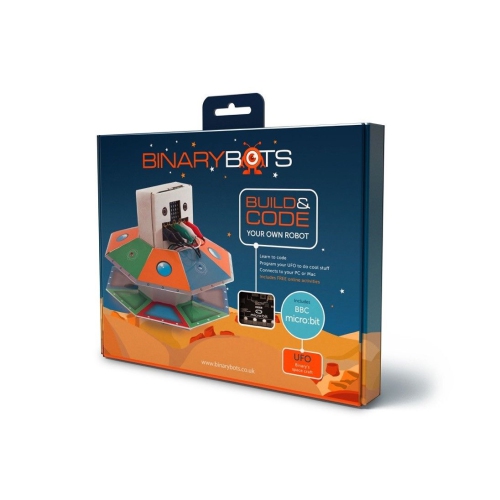
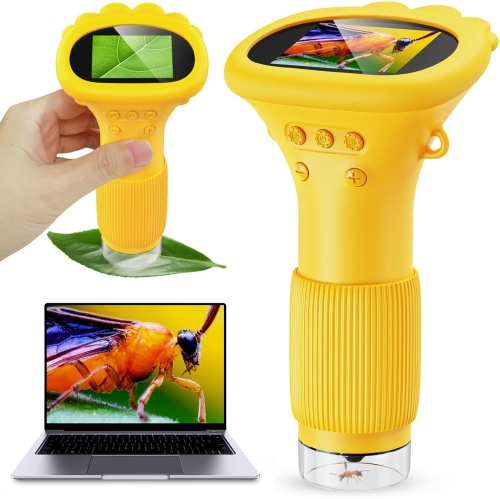
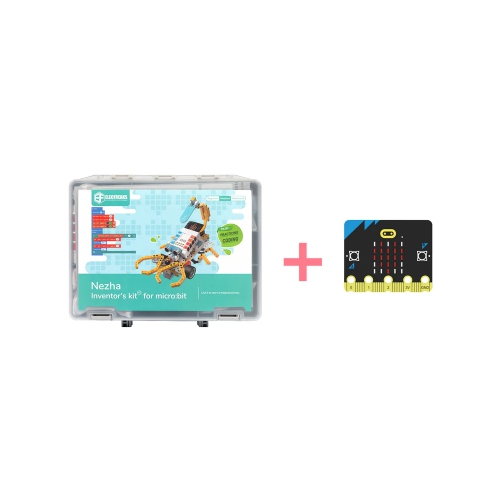
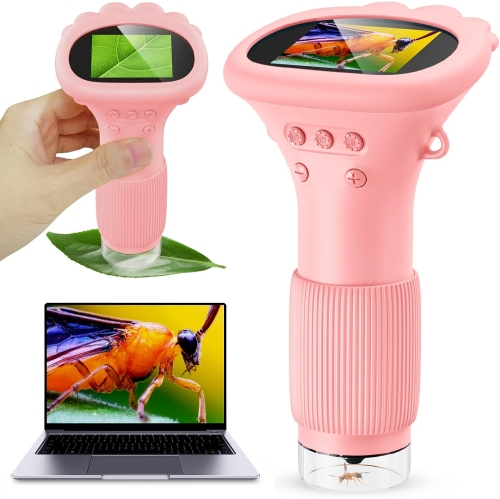
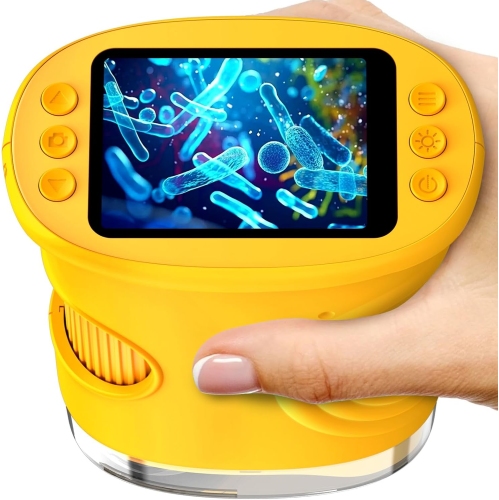
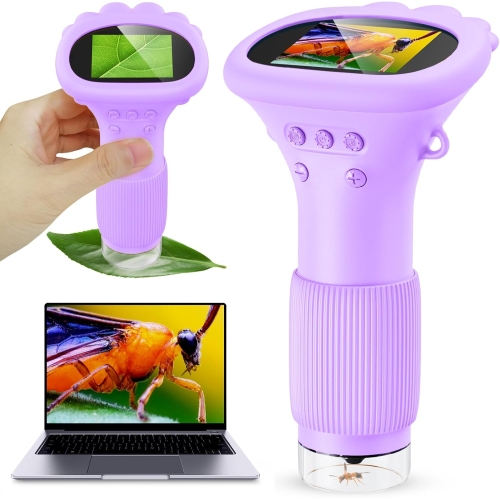
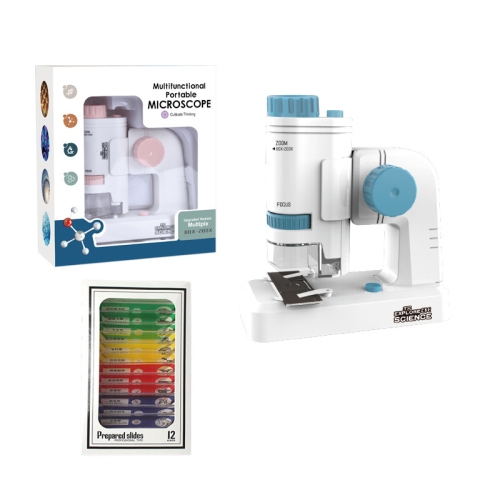
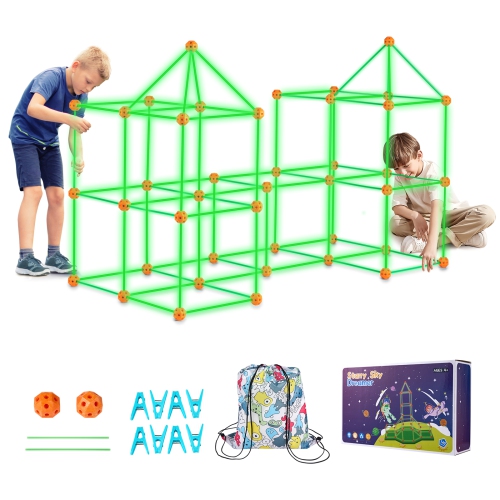
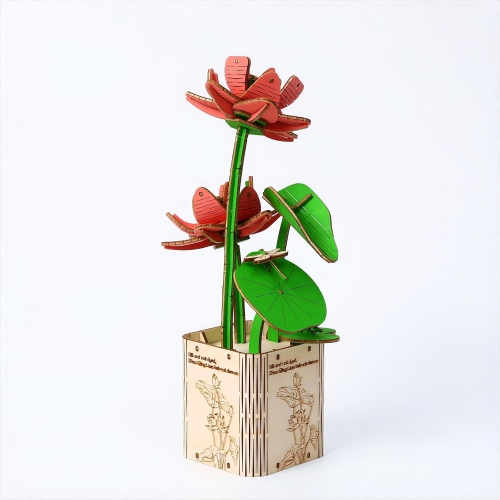


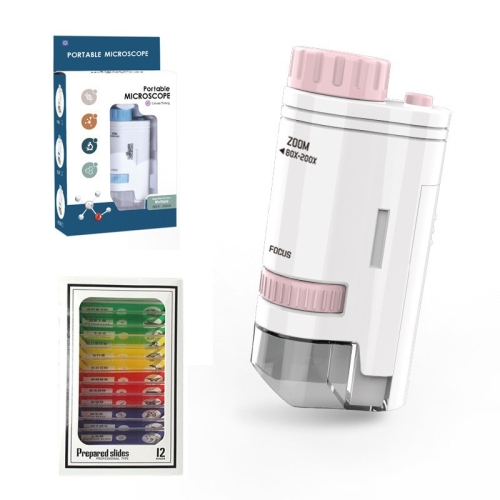

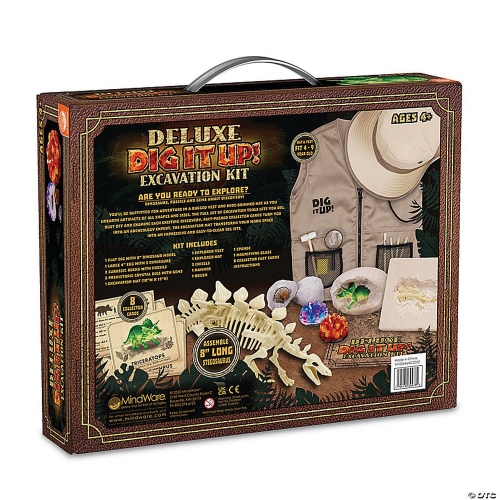


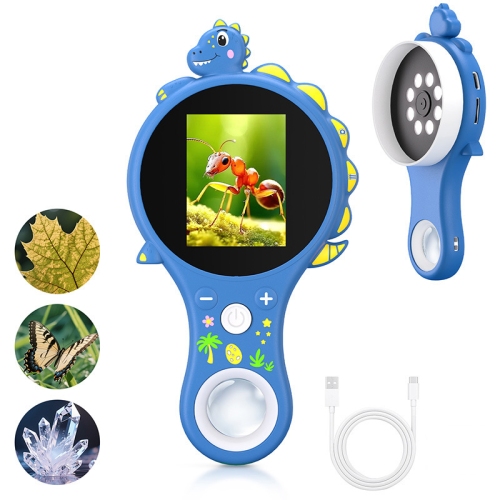

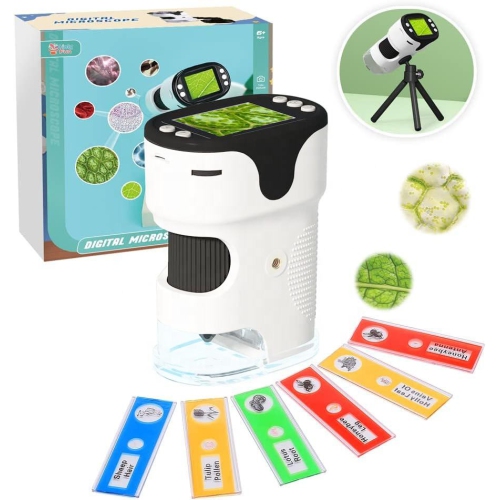
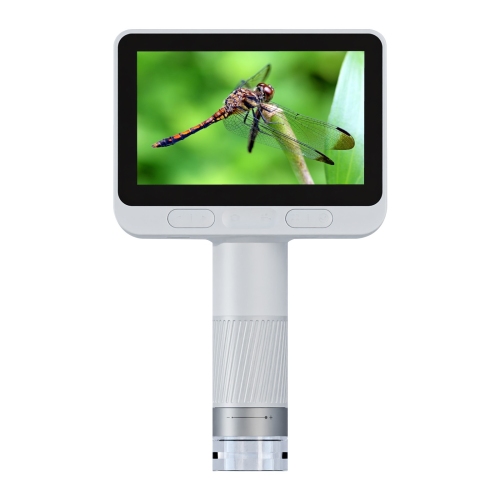
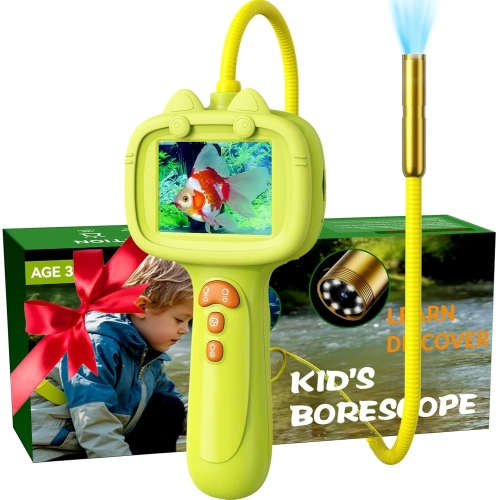
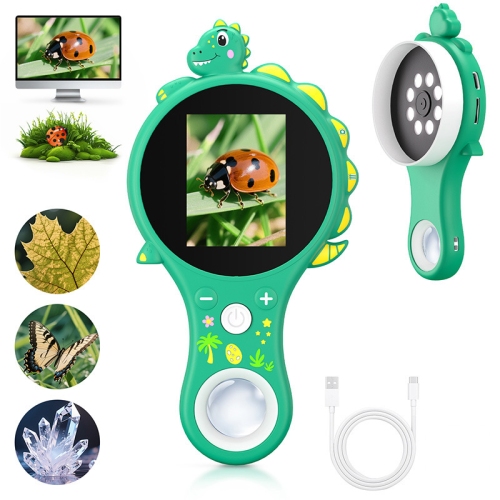
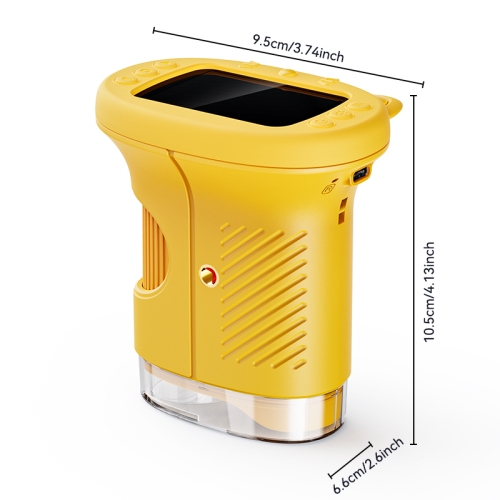
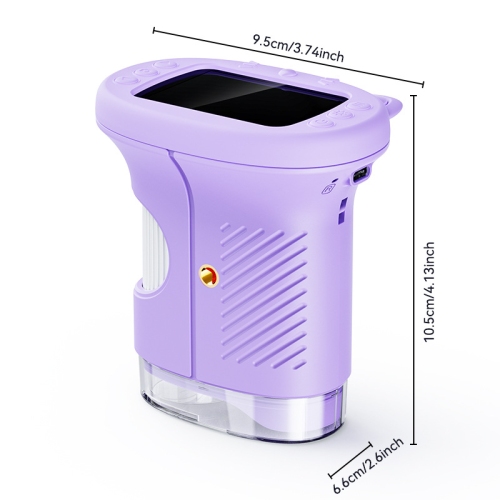
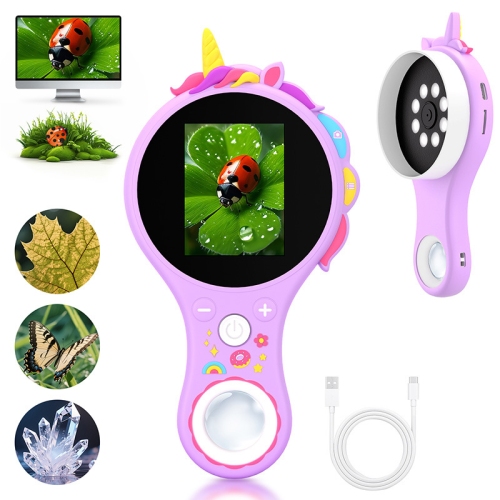
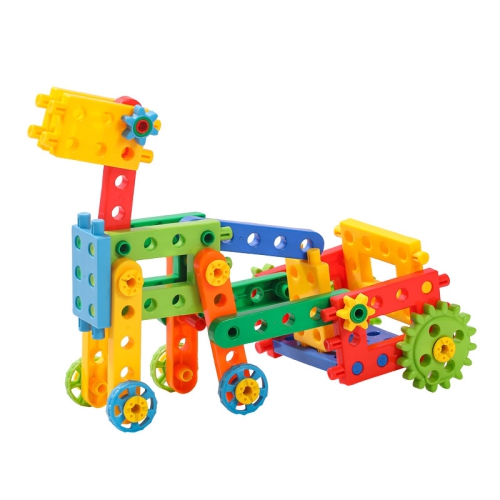
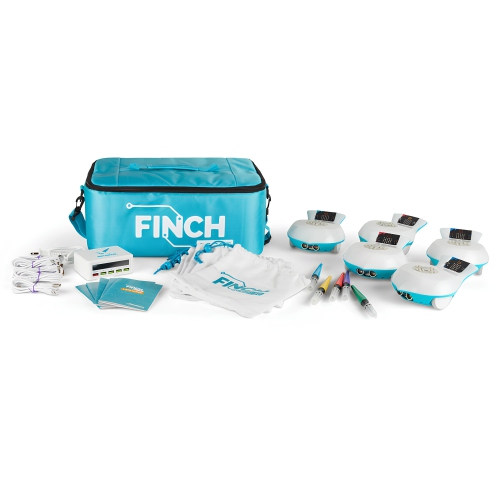
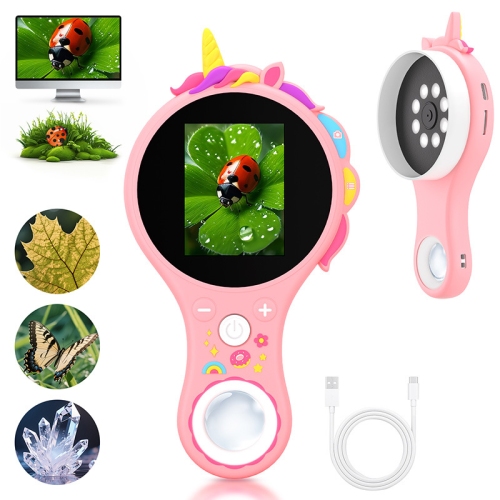
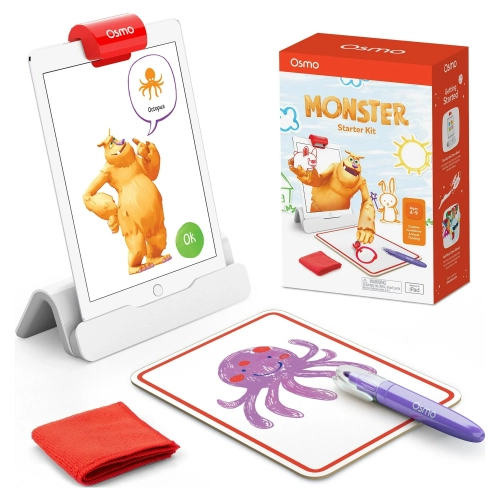
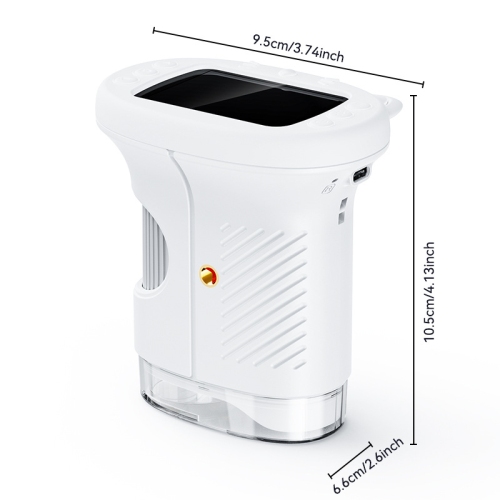
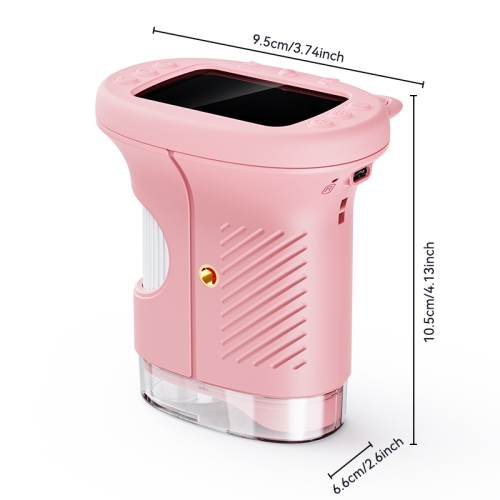


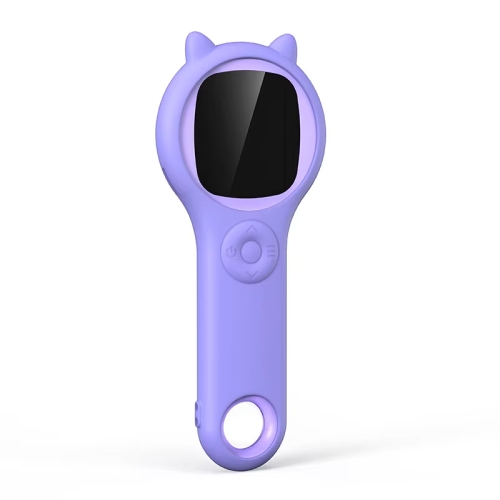
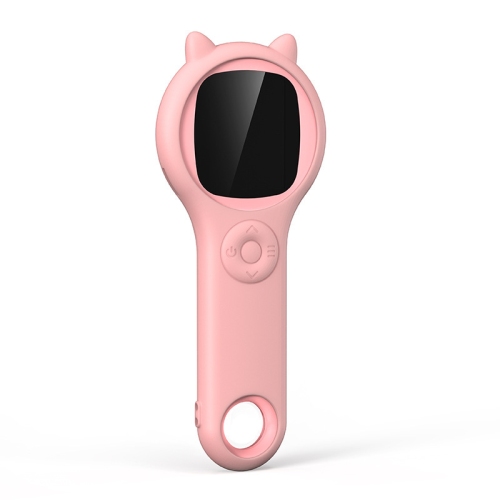

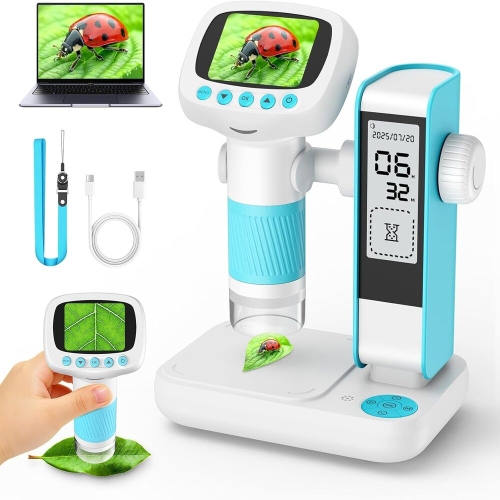
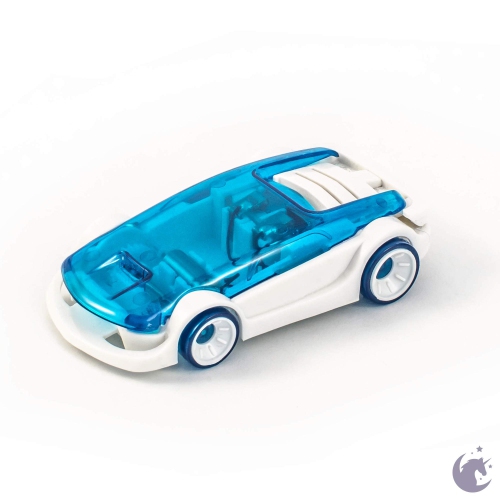
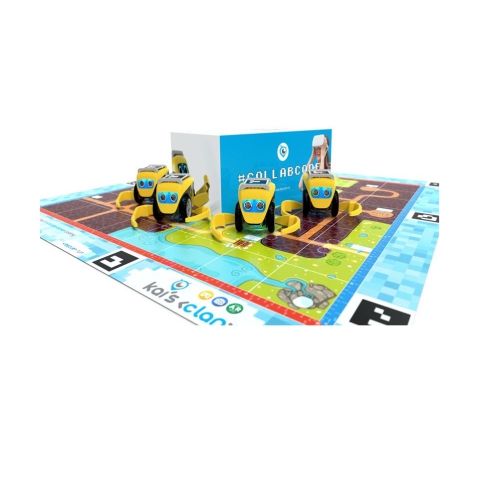

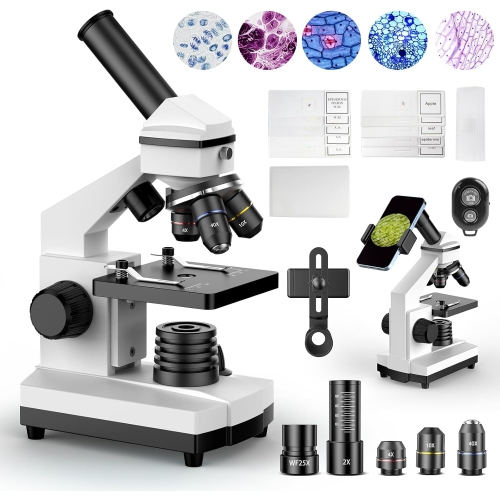
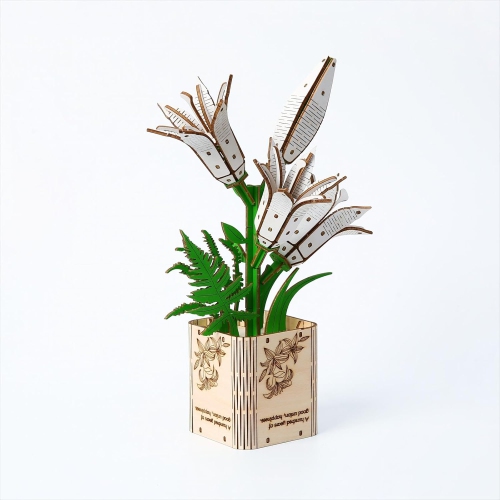


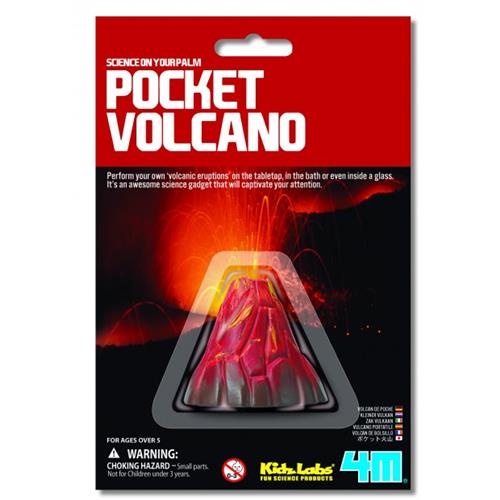
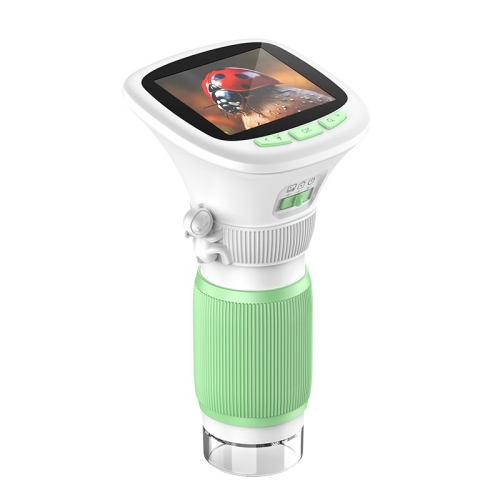

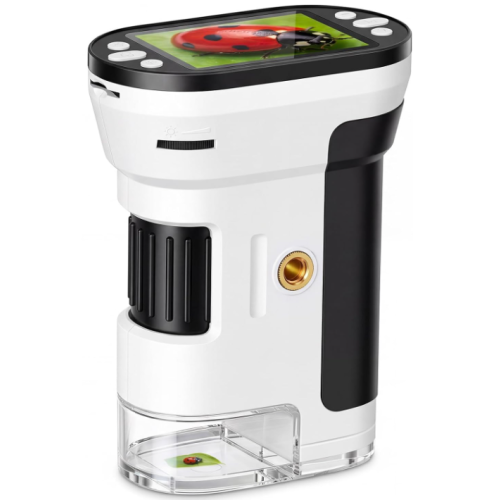



Hands-on experiments turn children’s questions into visible results
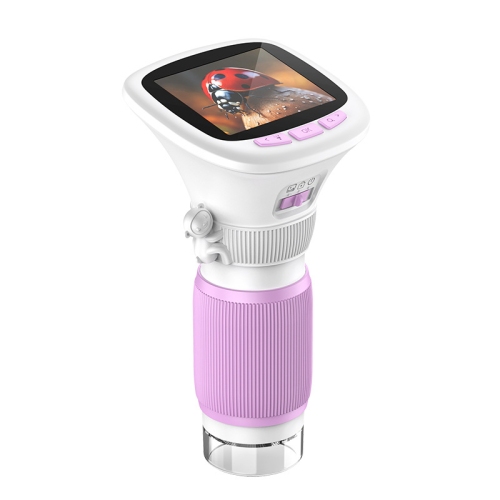
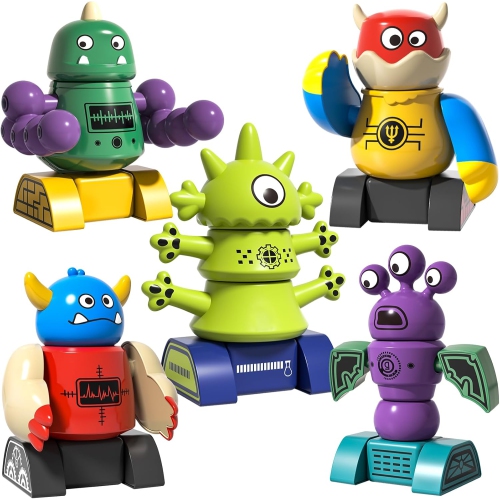
Science kits for kids bring chemistry, physics, biology, and engineering into hands-on activities that children can see, touch, and test. Instead of only reading about a reaction or looking at a diagram of a machine, a child can mix measured ingredients, assemble moving parts, or examine a specimen through a lens. That connection between an action and a visible result is central to their appeal: a liquid changes colour, a wheel begins to turn, or a crystal takes shape over several days. Different types of kits suit different interests. Chemistry sets often focus on mixing, dissolving, and observing reactions, while physics activities explore forces, motion, light, sound, or electricity. Biology kits may introduce plant growth, anatomy, or magnification, and earth science sets can explore rocks, minerals, and geological processes. Engineering and robotics kits put more emphasis on construction, with children fitting components together and testing how their designs work. Some sets concentrate on one substantial project; others contain a series of shorter experiments connected by a common theme. Both formats offer opportunities to practise measuring, following a sequence, making predictions, and comparing results. A child who enjoys building may be drawn to gears and structural challenges, while one who studies every stone on a walk may connect more readily with mineral samples and observation activities. The learning often happens in small moments: noticing that a wider base makes a tower steadier, seeing how a shadow moves when a light changes position, or recording which material dissolves first. Science experiment kits can give those observations a clear structure without removing the pleasure of discovery. They also make room for repetition, which matters when a child wants to check whether the same steps produce the same result. An unexpected outcome can become something to investigate rather than simply a wrong answer, especially when the included explanations connect the activity to a familiar experience.
Age suitability involves more than the subject printed on the box. Reading level, hand coordination, patience, and the amount of adult participation all affect how comfortably a child can use a science kit. For younger learners, larger components, clear illustrations, and short activities can make it easier to stay involved from setup to cleanup. Older children may enjoy more detailed assembly, written observations, or experiments that require several stages. A kit that matches a child's interests but demands unfamiliar skills can still be a shared activity, provided its age rating and safety requirements are appropriate. For a more focused age range, Science Kits for 8 Year Olds offers a related collection to explore alongside each kit's stated recommendations. The format of the instructions is another practical consideration. Numbered steps, labelled diagrams, and explanations of what happened can help children connect the procedure with the science, rather than simply copying movements. Some activities produce a result within a single sitting, while growing or observation projects need a safe place to remain undisturbed between sessions. The contents also shape the experience: certain kits include most experiment materials, whereas others require household supplies, water, batteries, or access to a compatible device. Those requirements are worth checking before an activity begins, particularly when the kit is a gift or will be used away from home. A clear table, a washable work surface, and enough room to separate unused materials from finished work can make a shared session easier to manage. Adult supervision should follow the manufacturer's directions, especially for activities involving chemical mixtures, electrical components, small magnets, or tools. Experiment materials should not be tasted, and younger siblings and pets should be kept away from small parts and active projects. Where protective equipment is required, its fit matters as well as its inclusion; safety glasses need to sit securely and be suitable for the activity.
Materials and construction influence how well a science kit stands up to repeated handling. Depending on its purpose, a set may contain moulded plastic containers, metal connectors, paper activity sheets, wooden building pieces, or delicate viewing components. Smooth edges, readable measurement markings, and parts that connect without excessive force are useful details for children still developing precision. Repeated-use equipment has different care needs from consumable ingredients: sturdy measuring vessels may support many sessions, while powders, testing strips, or casting materials can be used up after the planned experiments. The distinction between reusable tools and single-use supplies helps set realistic expectations about how long a kit's activities will last. Construction sets may offer several ways to rebuild with the same pieces, while a display-focused project may leave a child with one finished model to keep. Care should follow the supplied instructions, since soaking an electronic part or scrubbing an optical surface can damage it. Where washing is permitted, containers should be cleaned and dried before storage, and experiment tools should remain separate from utensils used for food. Keeping labels with ingredients, closing containers properly, and returning small pieces to divided compartments makes later sessions easier to set up. A storage case or well-organized box can be particularly helpful when several children share the equipment. Science kits can suit family activity time, home learning, classroom enrichment, or supervised group projects, although shared use depends on having enough materials and suitable roles for everyone. One child might measure while another records observations, then swap tasks for the next trial. As birthday gifts or presents for a curious learner, these sets can feel personal when their subject reflects an existing fascination with machines, living things, rocks, or chemical reactions. The strongest match is not necessarily the kit with the greatest number of experiments, but one with an appealing subject, manageable steps, and enough depth to hold the child's attention. A well-matched kit gives curiosity something concrete to work with, whether the result is a carefully assembled model, a page of observations, or an experiment the child wants to try again.
Top selling and popular products
-
 Your price for this item is $328.99
-
 Your price for this item is $250
-
 Your price for this item is $150
-
 Your price for this item is $19.99
-
 Your price for this item is $58.99
-
 Your price for this item is $249.99
-
 Your price for this item is $139.91
-
 Your price for this item is $166.54
Discover more categories related to Science Kits for Kids
Top Collections:
Pokemon Centers, Best Cameras for Sports Photography, Kindle Devices, Samsung Galaxy Phones, Canon G7X Cameras, Pokémon 30th Celebration Cards, Refurbished Apple Laptops, iPhone 15 Apple, Laptops for Students, Budget Smartphones
Some products may be subject to Environmental Handling Fees
(EHF) depending on your province.
Learn more about EHFs.