Science Experiment Kits
Discover the world of scientific exploration with our wide selection of science experiment kits. Whether you're a curious beginner or a seasoned enthusiast, these kits are designed to ignite your curiosity and unlock the wonders of the scientific realm. From chemistry sets to biology experiments, our collection offers a range of hands-on activities that will engage and educate both children and adults alike. Unleash your inner scientist and embark on an exciting journey of discovery with our science experiment kits.
Sort

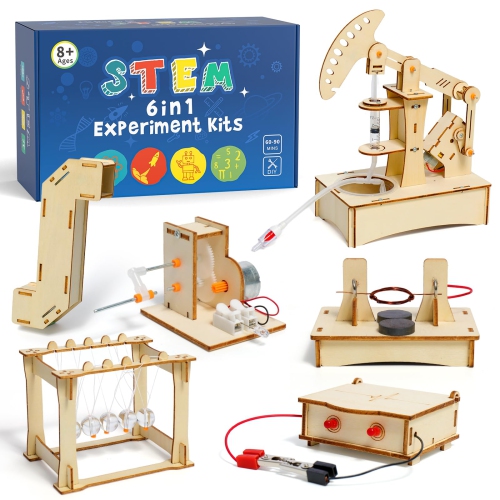

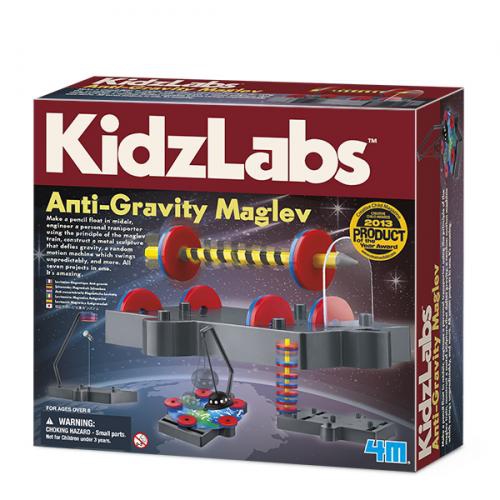
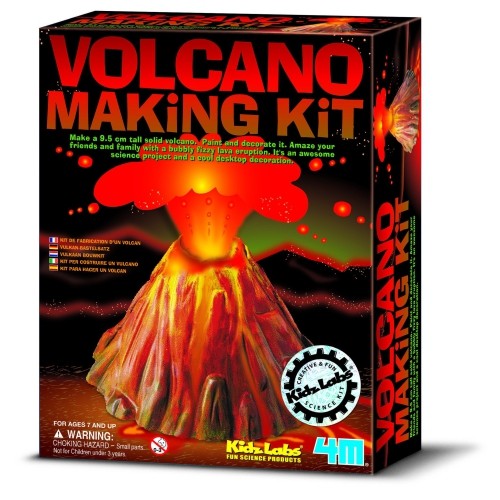
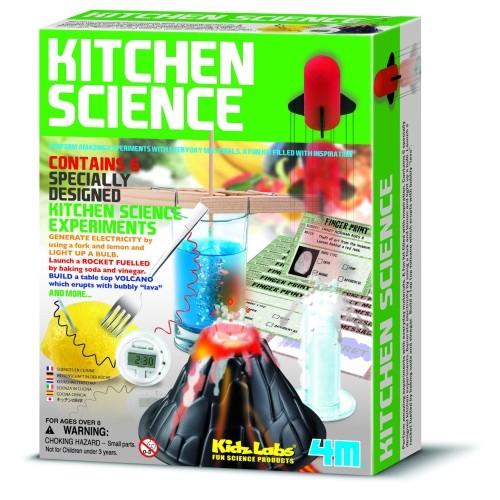
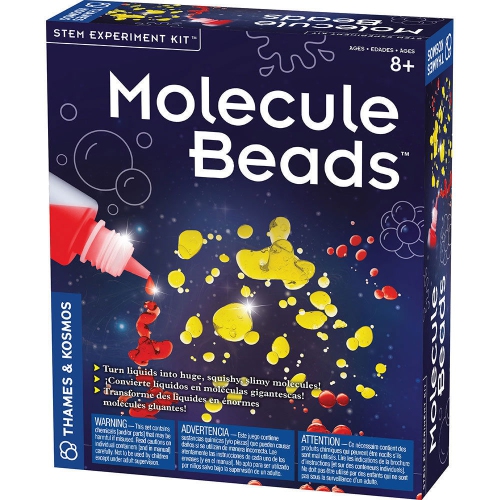
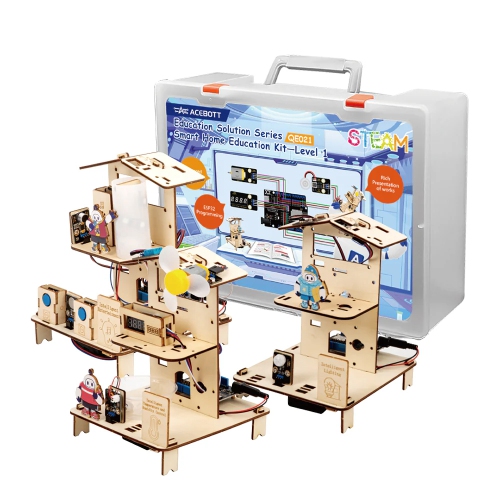
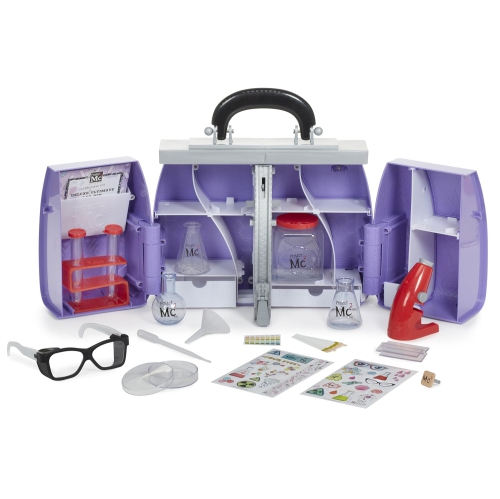
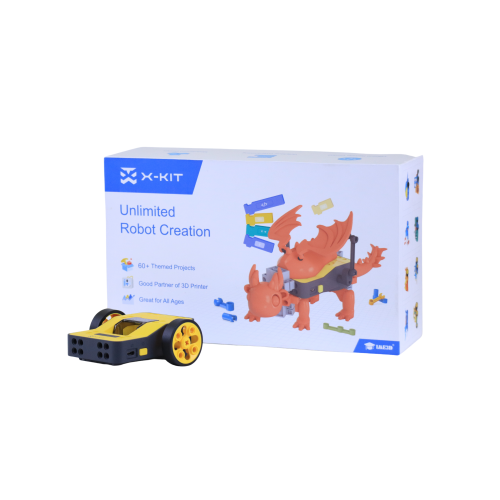
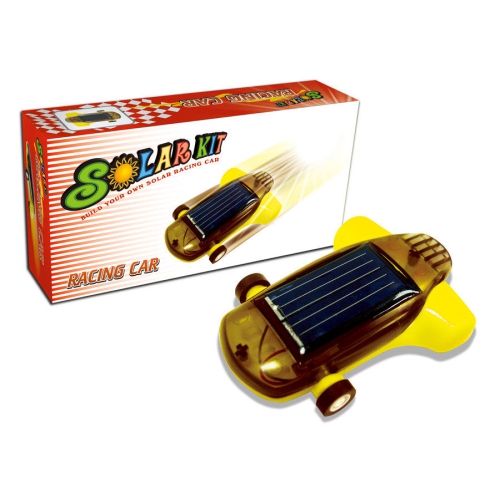
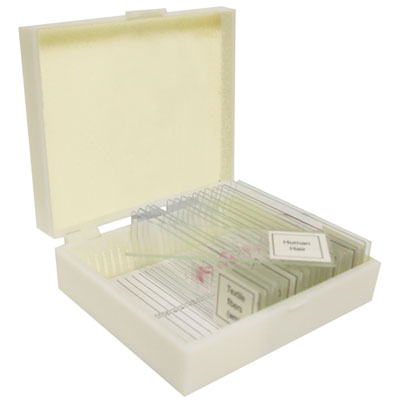
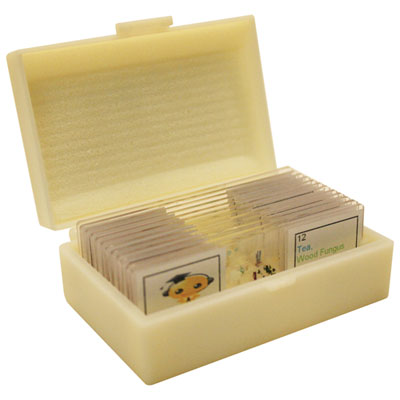
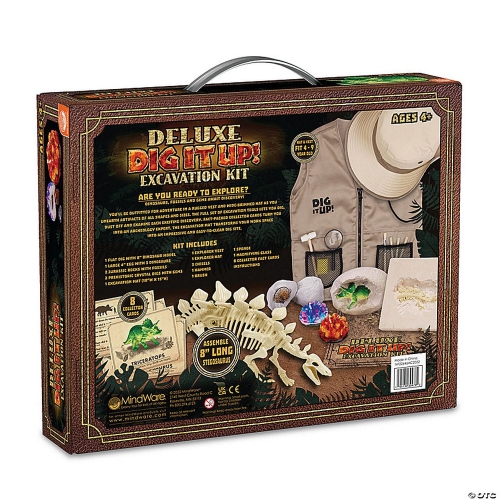
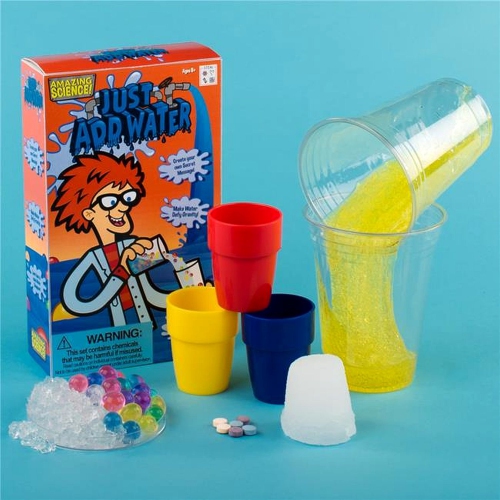
Hands-on experiments turn curious questions into discoveries
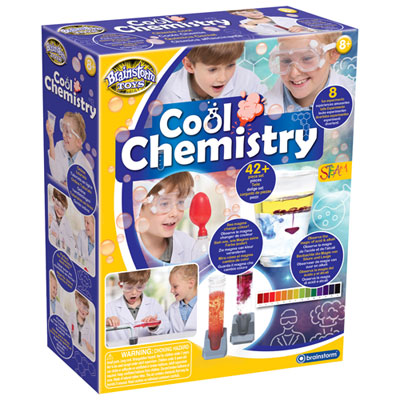
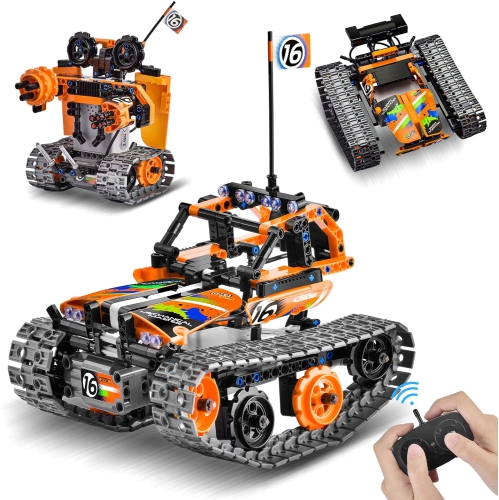
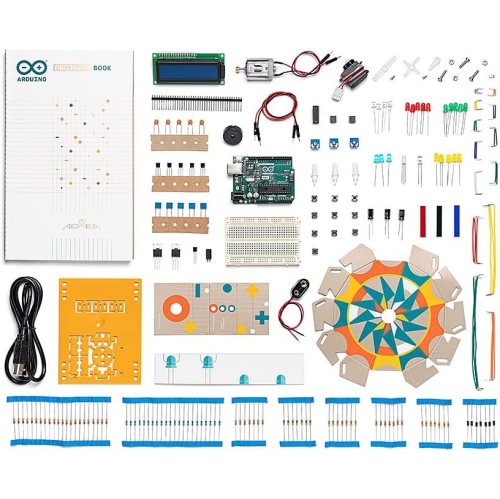
Science experiment kits bring scientific ideas off the page and into the hands of curious learners. Instead of simply reading about a chemical reaction, a child might combine safe, measured solutions and watch a colour change spread through a clear cup; instead of memorizing facts about geology, they might uncover a small fossil replica or examine crystals that formed over time. These kits commonly introduce physics, chemistry, biology, earth science, astronomy, engineering, or a combination of STEM subjects through guided activities that are designed to be completed at home. Depending on the set, the contents may include basic tools, reusable equipment, prepared ingredients, specimen materials, activity cards, or a step-by-step instruction booklet. Some focus on a single theme, such as growing crystals, making simple circuits, studying rocks, exploring magnets, examining plant life, or learning about the solar system, while broader sets may offer a collection of experiments that let children sample several branches of science. A few activities may also connect science with theatrical presentation by turning a reaction, optical illusion, or physics principle into a magic-style demonstration. When choosing among science experiment kits, start with the recommended age range and read the description carefully to understand what is included and what may need to be supplied at home. Younger children often benefit from short, highly visual activities with clear instructions and larger components that are easy to handle, while older children may be ready for multi-step experiments, measurement, record-keeping, and explanations of the scientific principles behind the results. Consider whether the child prefers dramatic results, quiet observation, building and testing, or collecting facts. A budding chemist may enjoy colour-changing reactions, a future geologist may be drawn to excavation and crystal formation, and a child fascinated by space may prefer activities involving planets, stars, gravity, or the phases of the moon. It is also worth checking the amount of adult involvement required. Many kits are intended for children to explore with a parent, caregiver, teacher, or older sibling nearby, especially when an activity involves liquids, heat, small pieces, protective equipment, or careful preparation. A sturdy table covered with newspaper or a washable mat can make the experience more relaxed, while a tray helps keep small components together between sessions. Keeping a notebook nearby adds another useful layer: children can draw what they see, record measurements, predict an outcome, and compare the result with their original idea. That simple habit encourages them to treat an unexpected result as part of the investigation rather than as a mistake.
Science experiment kits can be a thoughtful gift for children who enjoy asking how things work, taking objects apart, observing nature, or making something happen with their own hands. They are suitable for birthdays, classroom rewards, family activities, rainy afternoons, and quiet projects during the cooler months, when indoor play has extra appeal. A kit can also give grandparents, relatives, and family friends a way to offer a gift that leads to shared time rather than a single moment of opening a box. The most rewarding sessions often involve an adult joining in without taking over: read the instructions together, ask the child to predict what will happen, and let them measure, pour, assemble, or observe whenever the activity allows. An adult who says, “Let’s see what the evidence tells us,” can help keep the focus on discovery, even when a crystal does not form as expected or a paper rocket travels in an unexpected direction. Before starting, review the instructions from beginning to end, organize the materials, and follow any recommendations for eye protection, ventilation, handwashing, storage, and disposal. Children should be reminded not to taste, touch their face with unwashed hands, or use materials in ways not described by the instructions. Supervision should match the child’s age and the activity’s complexity, and younger children need particular care around small parts and liquids. For classrooms, clubs, daycares, and learning spaces, it can be helpful to look at broader options such as Science Equipment for Schools, where equipment and educational materials may be selected with group use in mind. At home, think about how often the kit can be revisited: sets with multiple experiments, reusable tools, or open-ended building components may support several afternoons of exploration, while a focused kit can provide a deeper introduction to one subject. Storage matters as well; resealable bags, labelled containers, and a dedicated shelf can prevent pieces from becoming separated before the next activity. Whether a child is watching a homemade circuit light up, comparing the texture of rocks, growing crystals over several days, or testing which design moves fastest, the value lies in the process of wondering, trying, observing, and explaining. Science experiment kits make that process approachable by giving learners a starting point while leaving plenty of room for imagination, conversation, and discoveries that feel genuinely their own.
Science experiment kits can be a thoughtful gift for children who enjoy asking how things work, taking objects apart, observing nature, or making something happen with their own hands. They are suitable for birthdays, classroom rewards, family activities, rainy afternoons, and quiet projects during the cooler months, when indoor play has extra appeal. A kit can also give grandparents, relatives, and family friends a way to offer a gift that leads to shared time rather than a single moment of opening a box. The most rewarding sessions often involve an adult joining in without taking over: read the instructions together, ask the child to predict what will happen, and let them measure, pour, assemble, or observe whenever the activity allows. An adult who says, “Let’s see what the evidence tells us,” can help keep the focus on discovery, even when a crystal does not form as expected or a paper rocket travels in an unexpected direction. Before starting, review the instructions from beginning to end, organize the materials, and follow any recommendations for eye protection, ventilation, handwashing, storage, and disposal. Children should be reminded not to taste, touch their face with unwashed hands, or use materials in ways not described by the instructions. Supervision should match the child’s age and the activity’s complexity, and younger children need particular care around small parts and liquids. For classrooms, clubs, daycares, and learning spaces, it can be helpful to look at broader options such as Science Equipment for Schools, where equipment and educational materials may be selected with group use in mind. At home, think about how often the kit can be revisited: sets with multiple experiments, reusable tools, or open-ended building components may support several afternoons of exploration, while a focused kit can provide a deeper introduction to one subject. Storage matters as well; resealable bags, labelled containers, and a dedicated shelf can prevent pieces from becoming separated before the next activity. Whether a child is watching a homemade circuit light up, comparing the texture of rocks, growing crystals over several days, or testing which design moves fastest, the value lies in the process of wondering, trying, observing, and explaining. Science experiment kits make that process approachable by giving learners a starting point while leaving plenty of room for imagination, conversation, and discoveries that feel genuinely their own.
Top selling and popular products
-
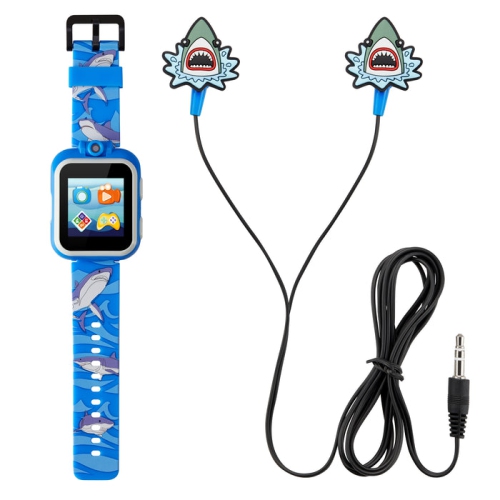 Your price for this item is $38.98
 -
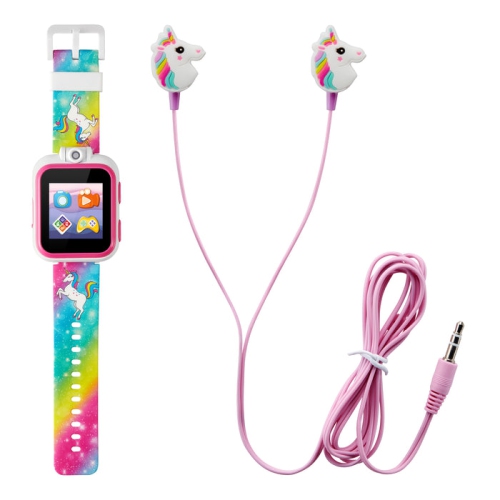 Your price for this item is $19.99
 -
 Your price for this item is $89.99
 -
![OSMO - Genius Starter Kit - for Ipad [Electronics]](https://multimedia.bbycastatic.ca/multimedia/products/500x500/188/18884/18884576.jpeg) Your price for this item is $199.99
Your price for this item is $199.99 -
 Your price for this item is $79.99
 -
 Your price for this item is $79.99
 -
 Your price for this item is $149
 -
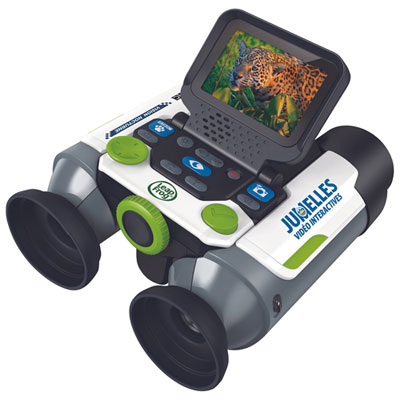 Your price for this item is $67.98
Discover more categories related to Science Experiment Kits


Top Collections:
Pokemon Centers, Kindle Devices, Best Budget Office Chairs, Apple iPhones 16, Best Laptops for Writers, iPhone 15 Apple, Canon G7X Cameras, Refurbished Apple Laptops, Alarm Clock, Motorola Razr Phones
Some products may be subject to Environmental Handling Fees
(EHF) depending on your province.
Learn more about EHFs.