Anti Theft Travel Bags
The best travel bags are those that are durable, functional, and most importantly, anti-theft. These bags will help keep your belongings safe and secure while you travel. Here are some of the top picks for anti-theft suitable for traveling available today.
Sort
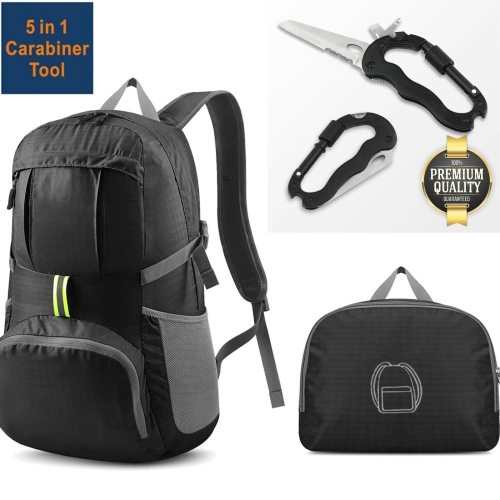
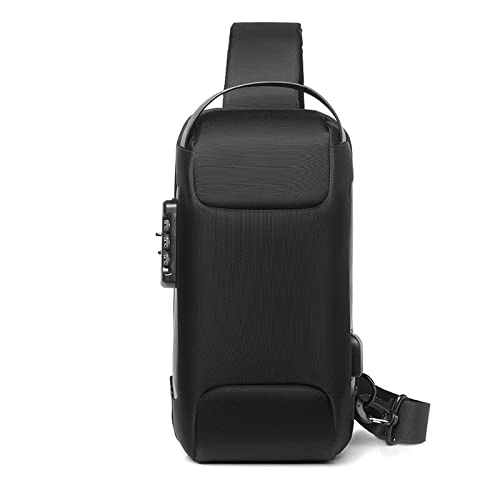
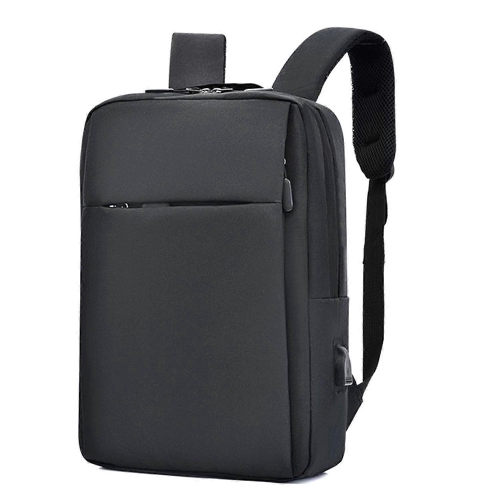
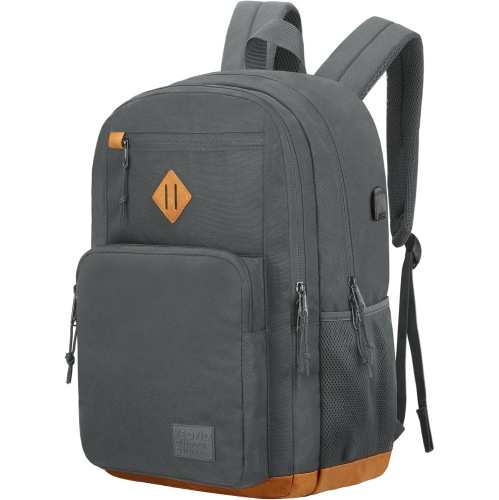
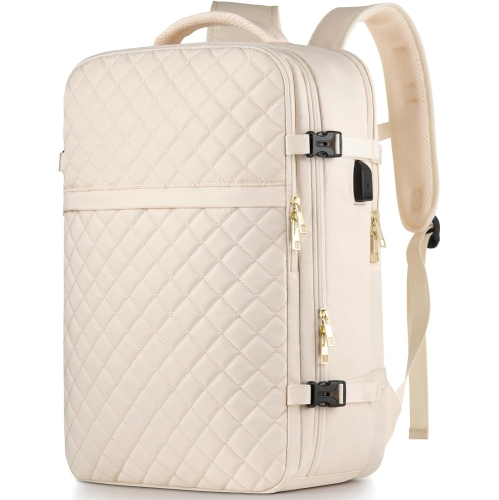
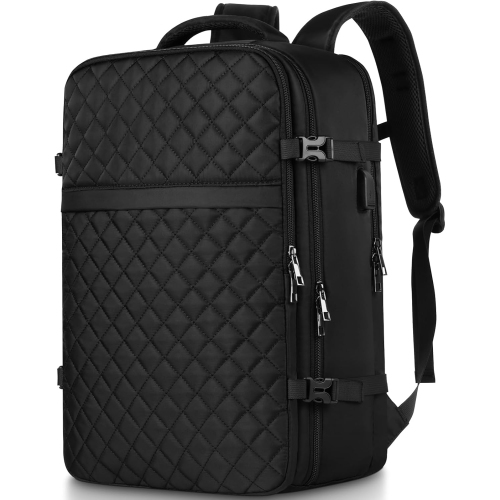
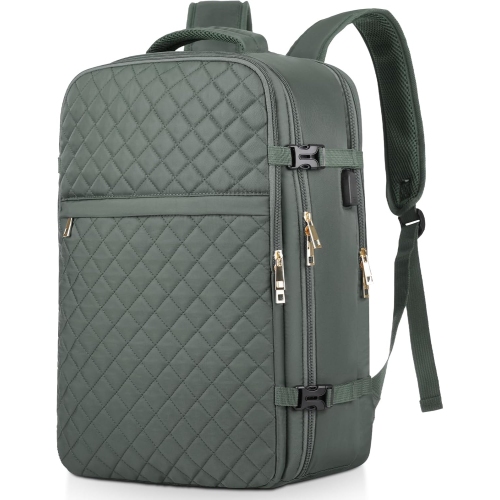
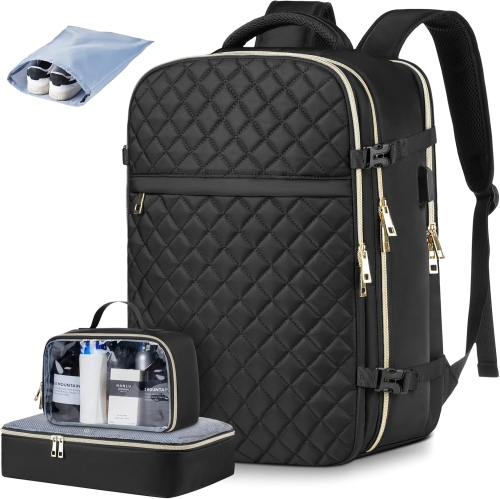
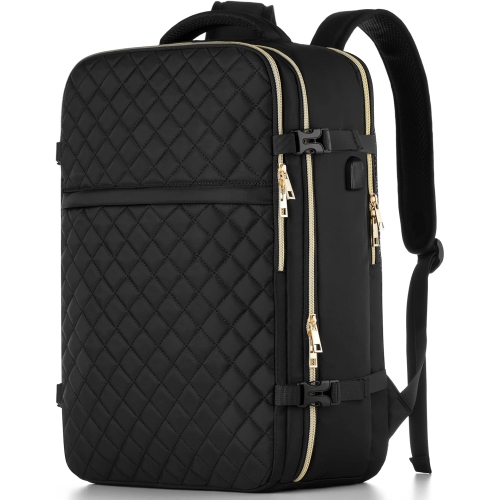
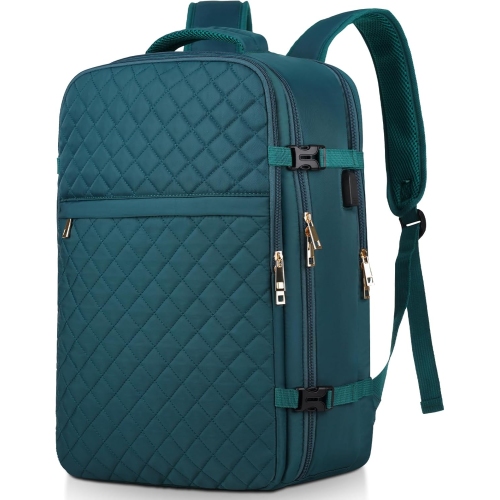
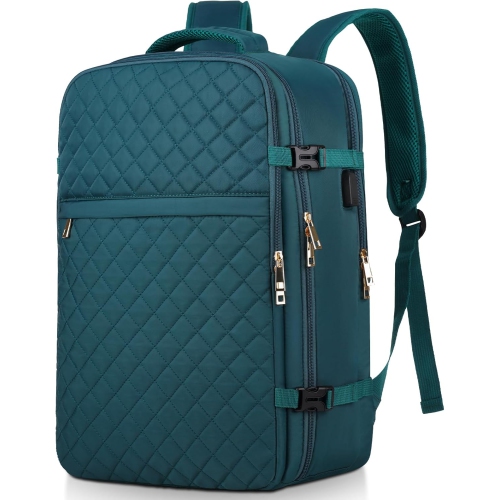
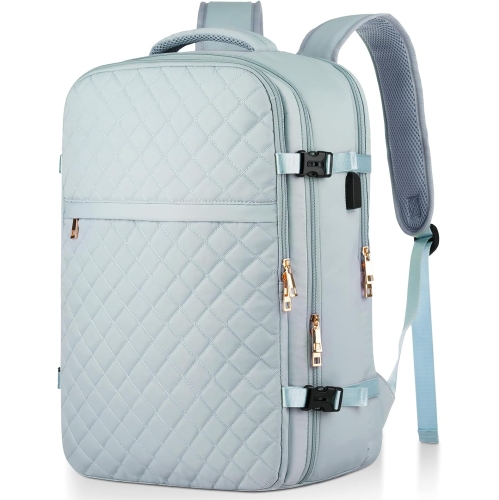
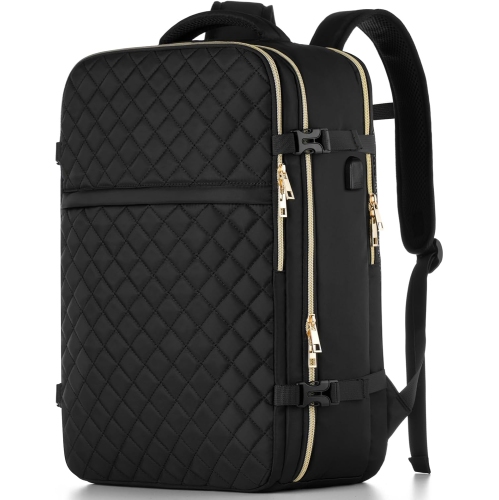
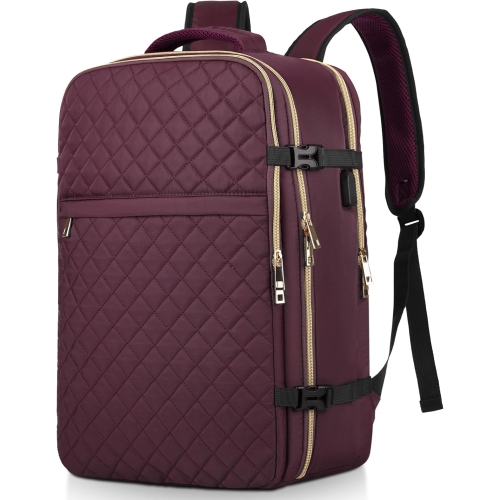
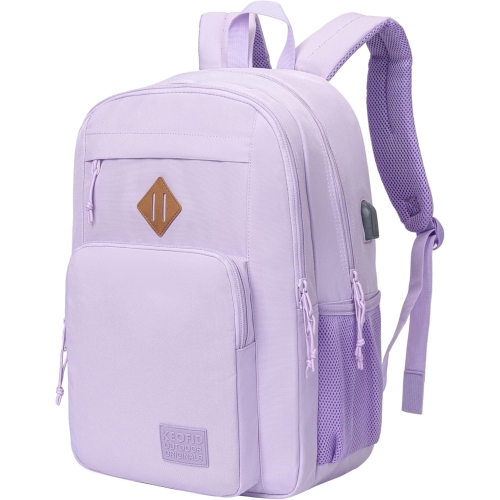
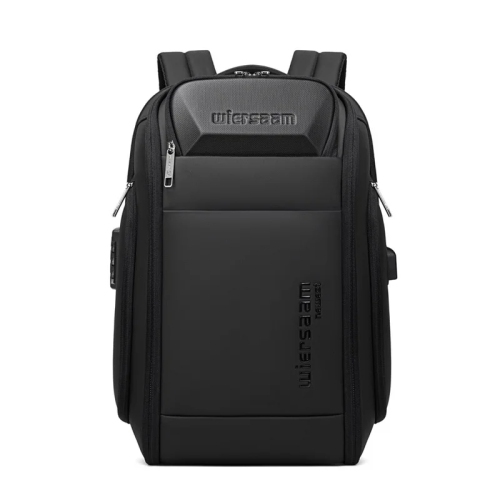
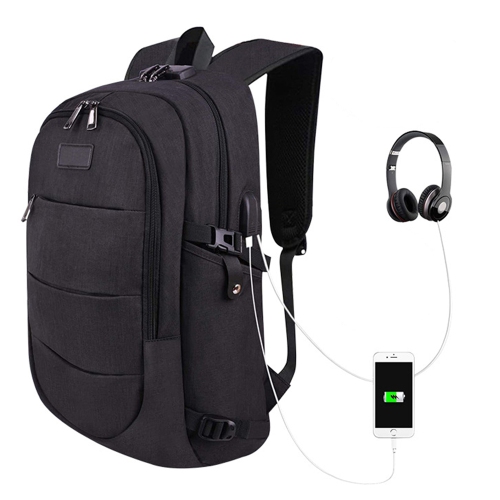
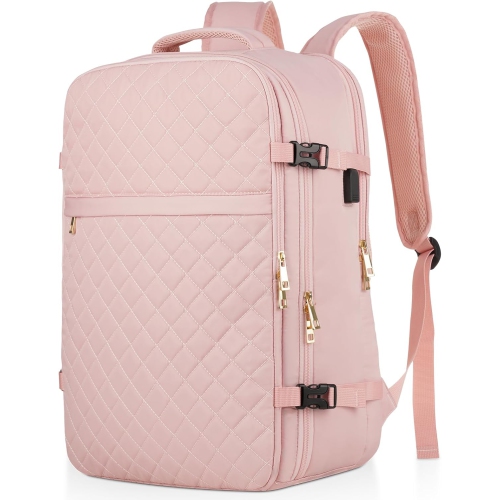
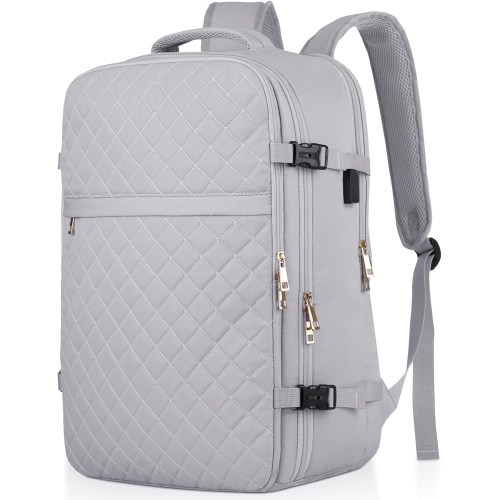
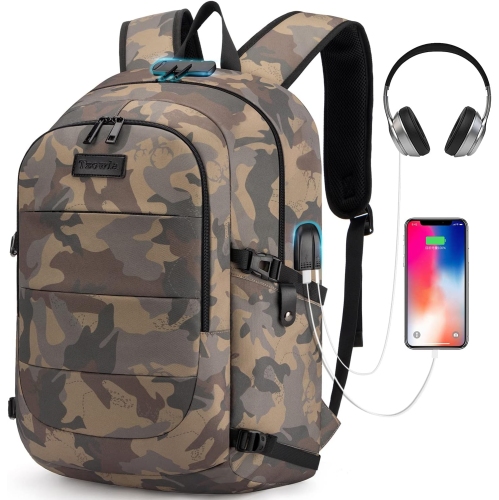
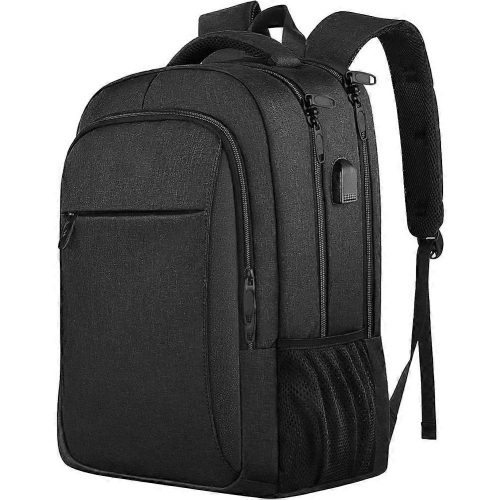
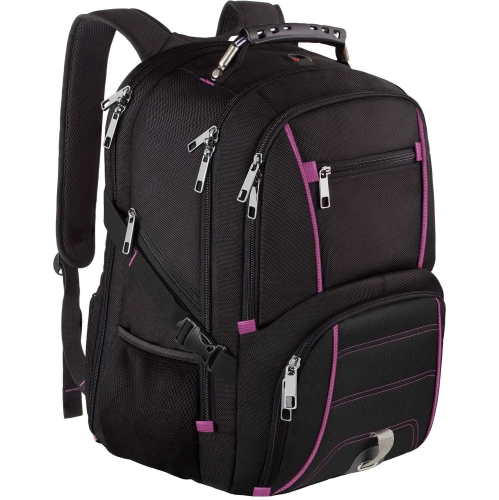
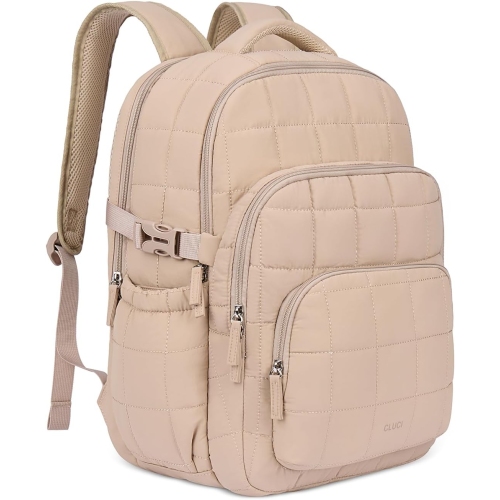
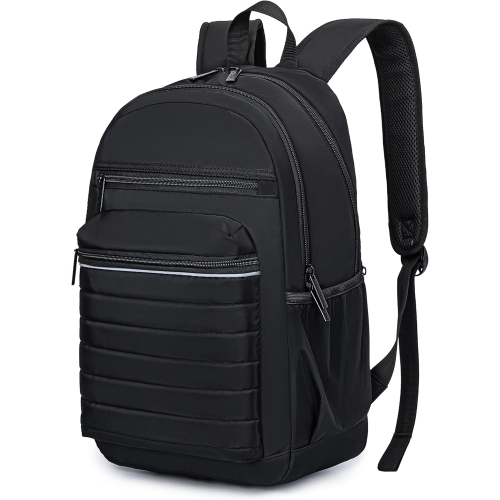
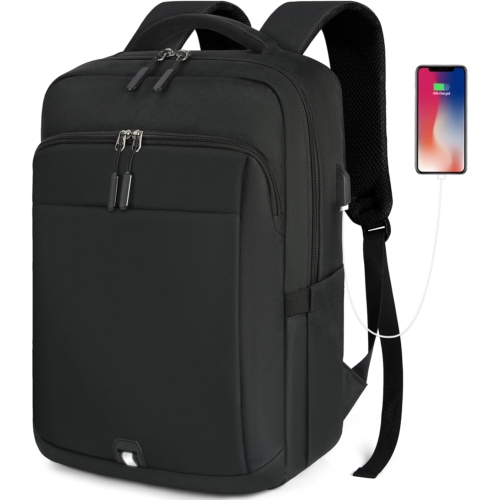
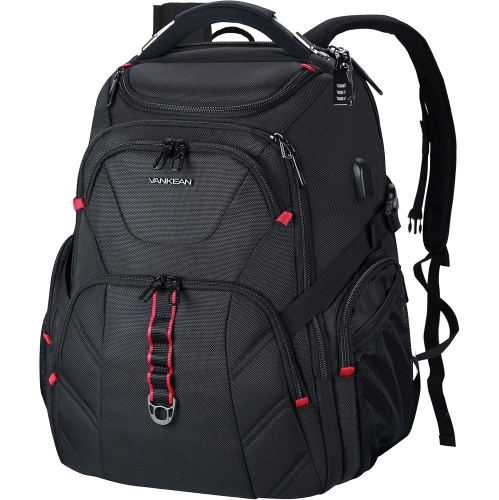
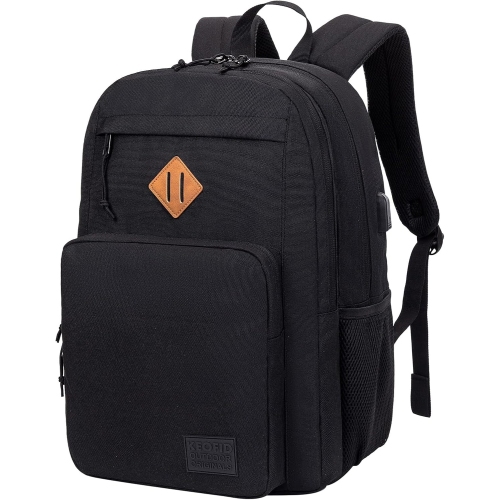
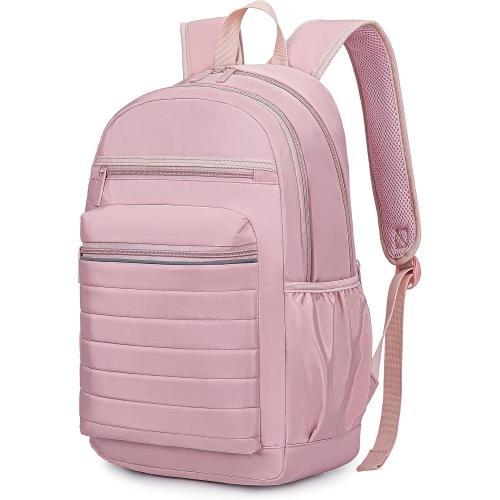
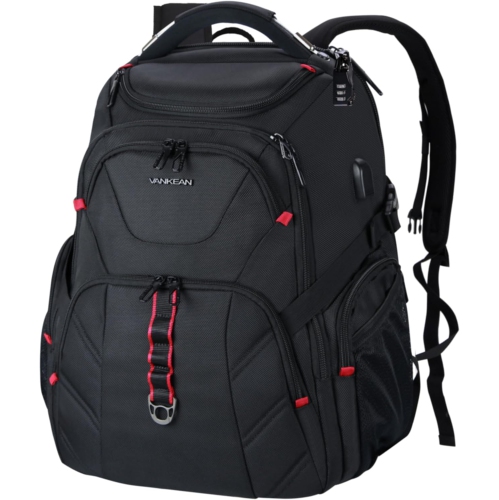
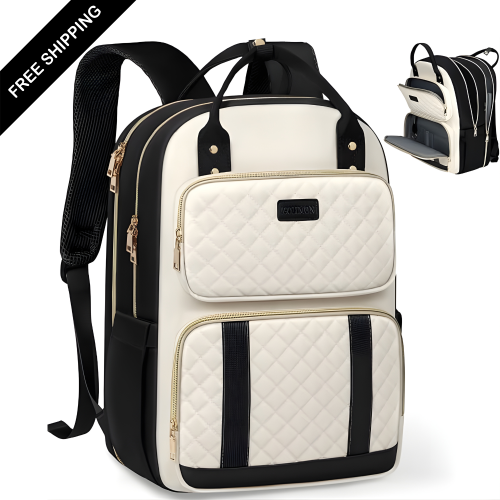

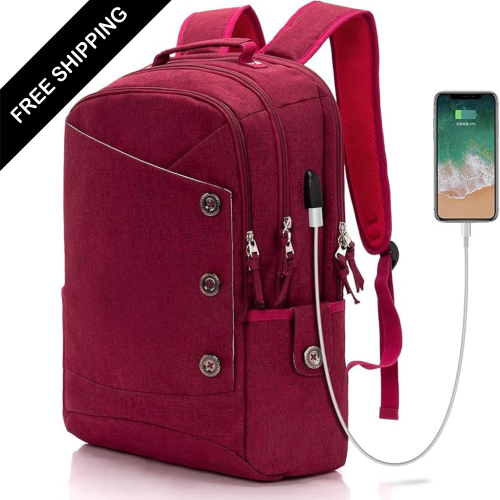
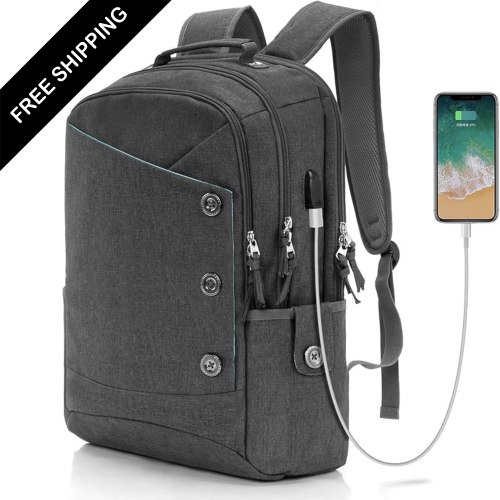
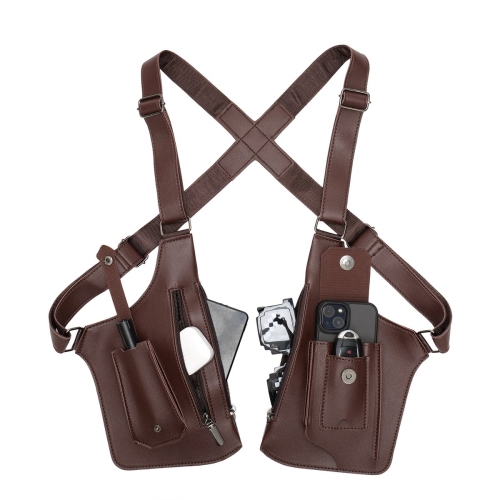
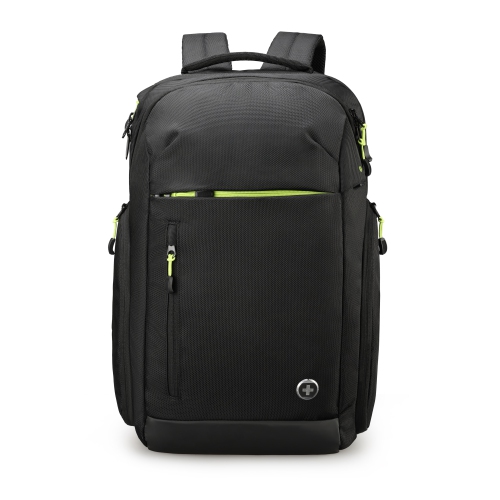
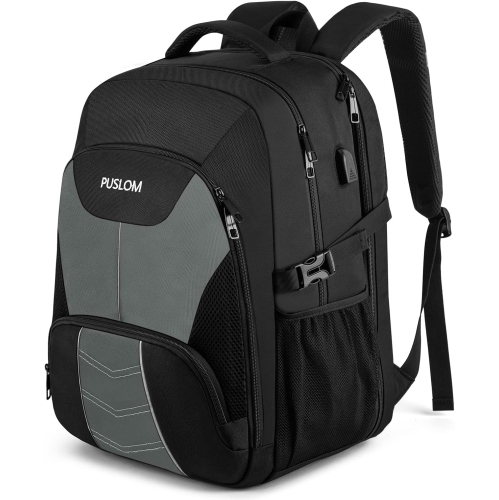
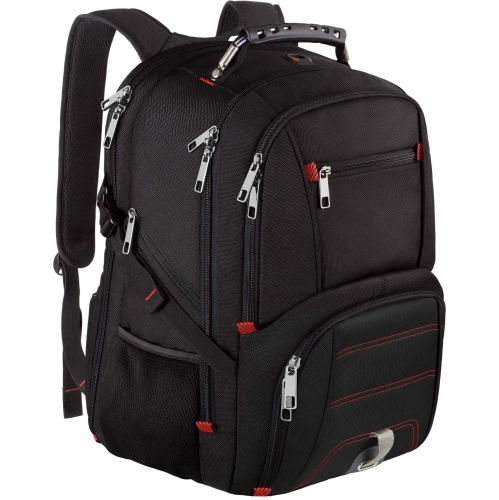
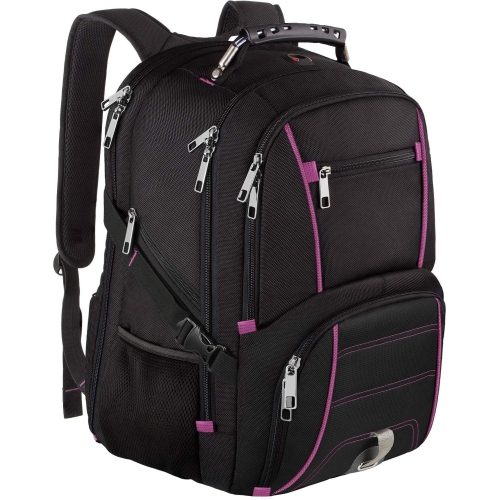


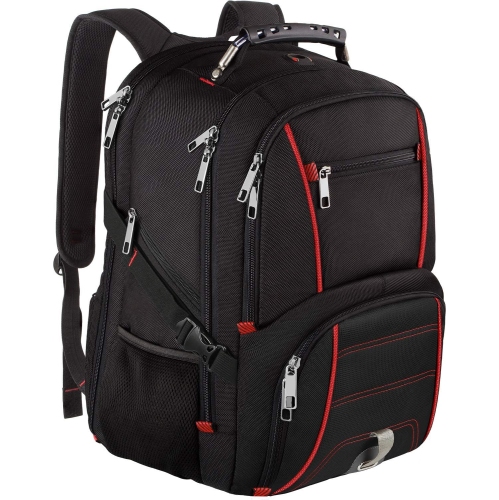
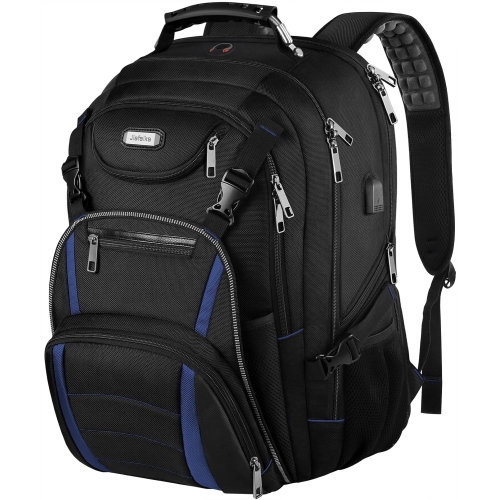

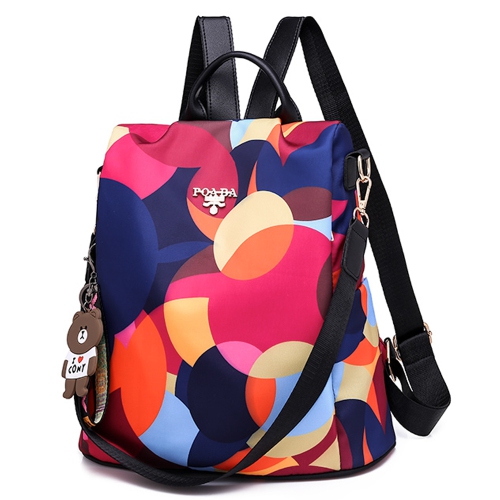
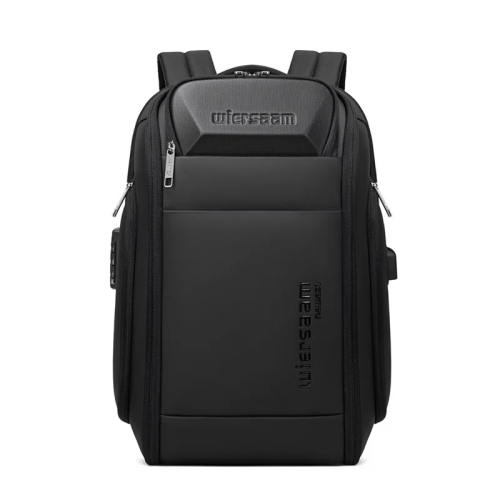
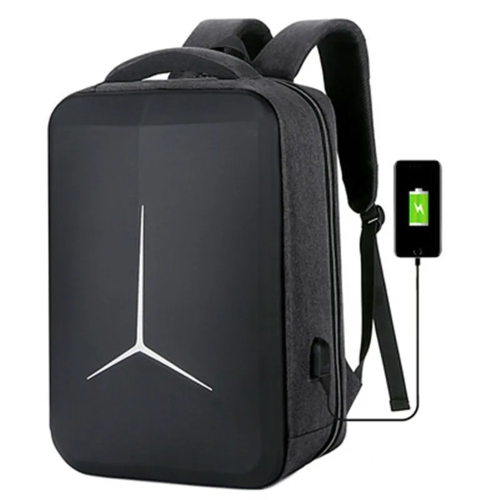
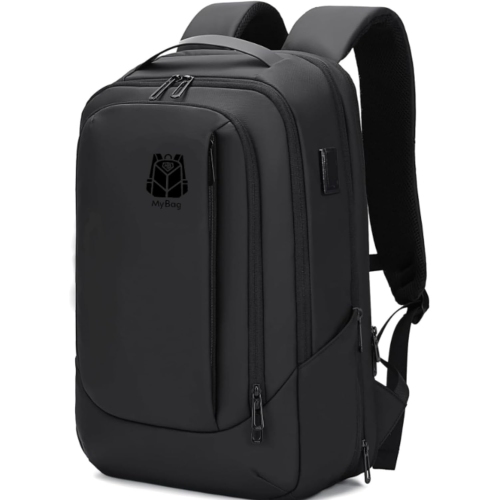
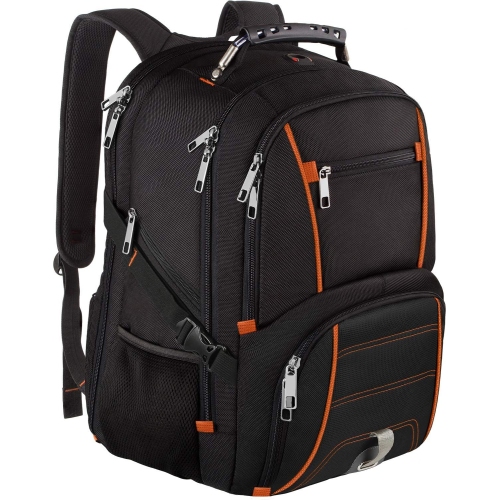
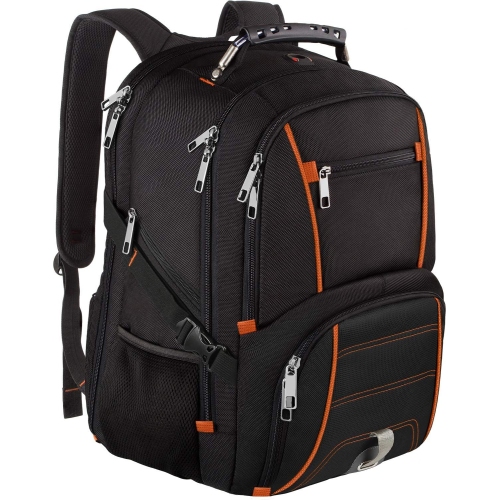
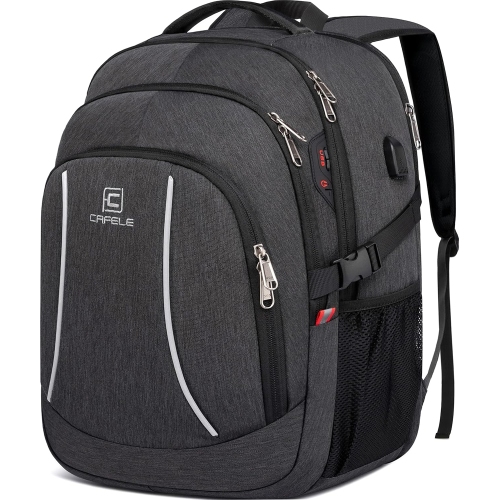

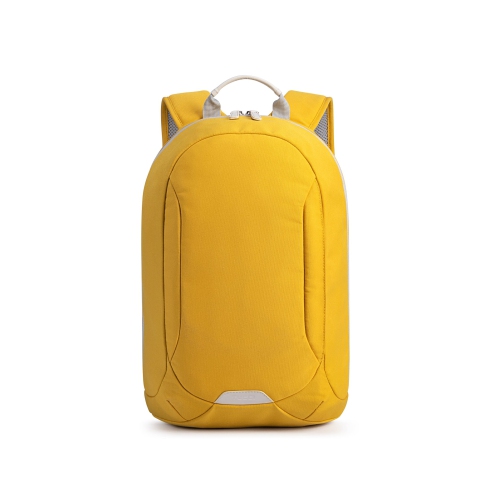

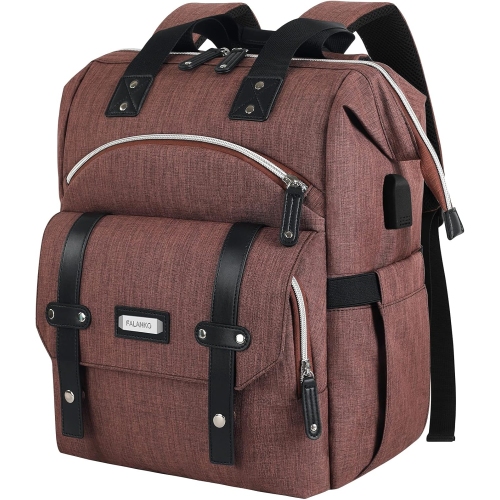
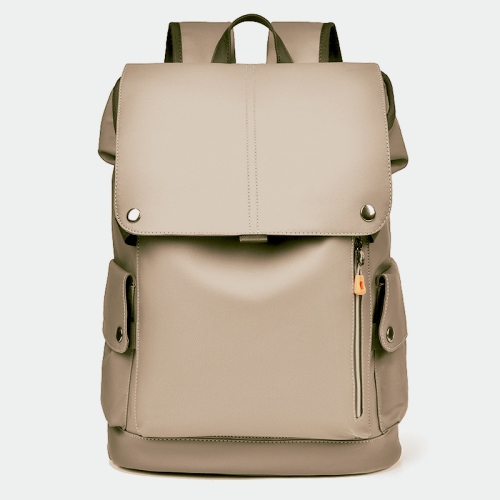
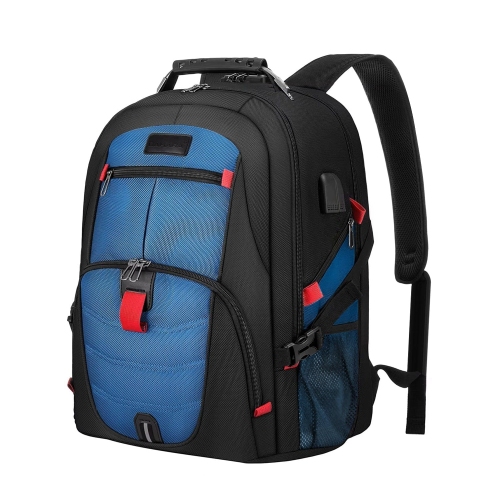
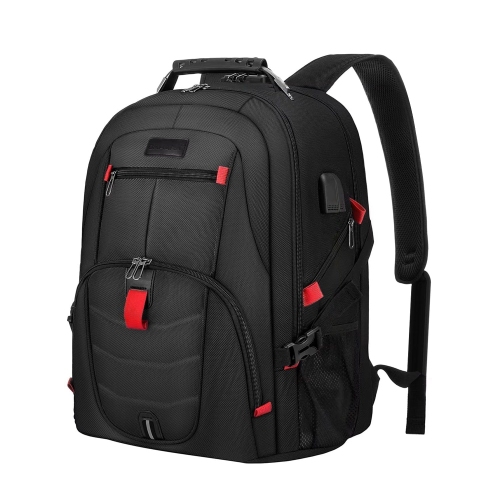
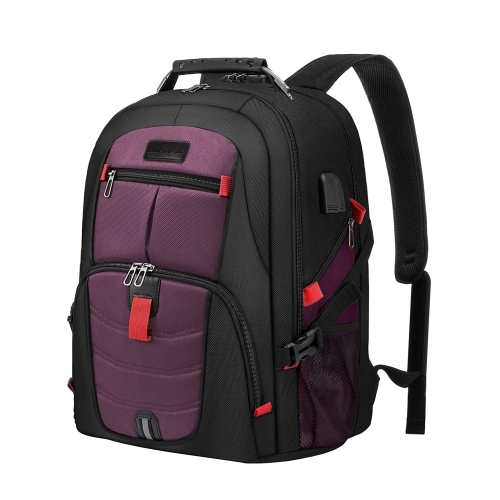
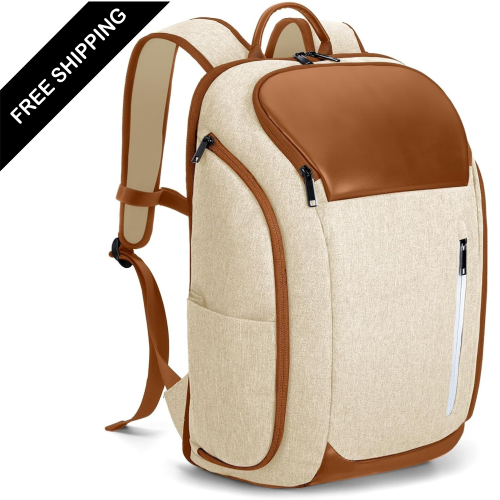
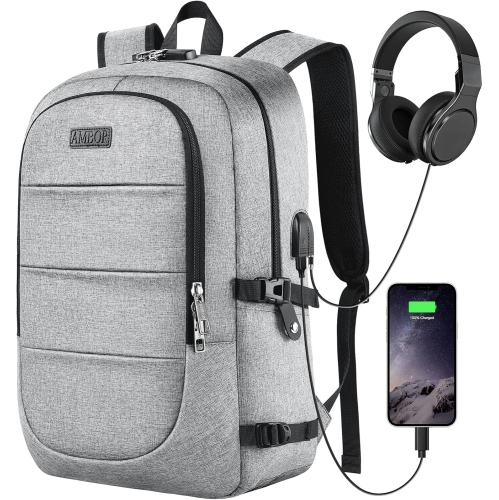
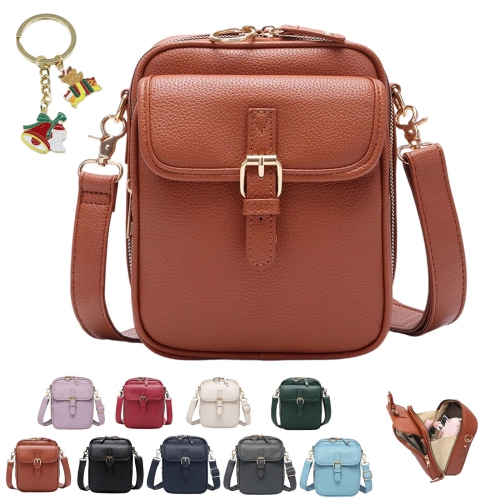
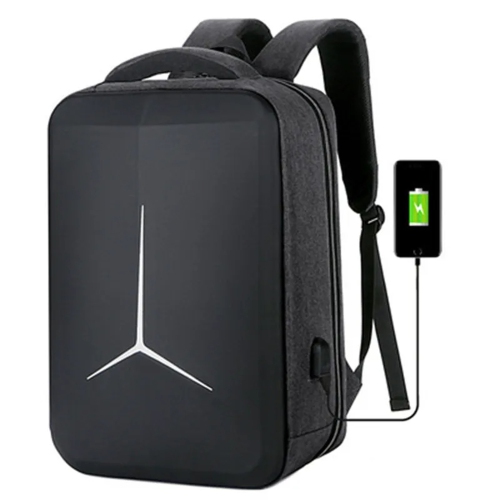
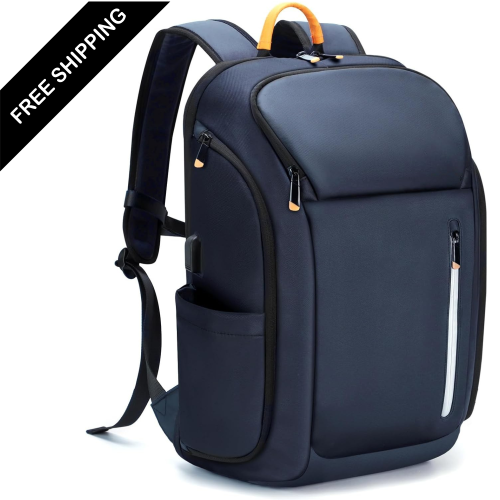
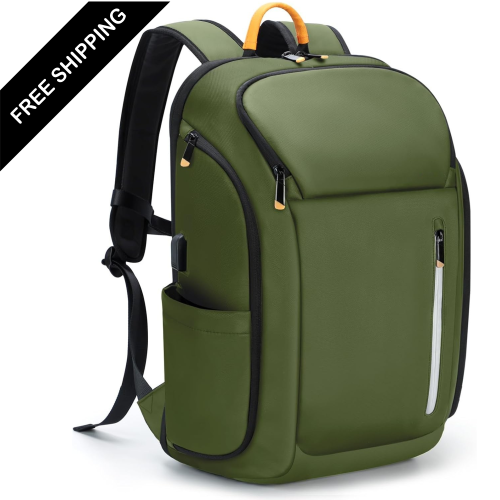
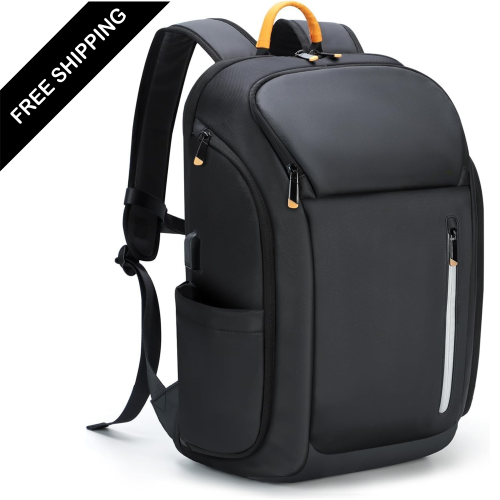
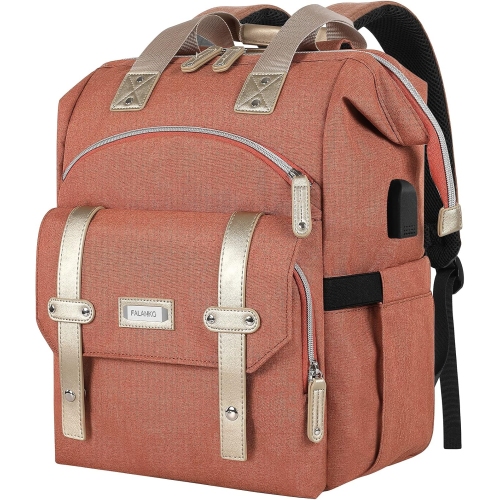
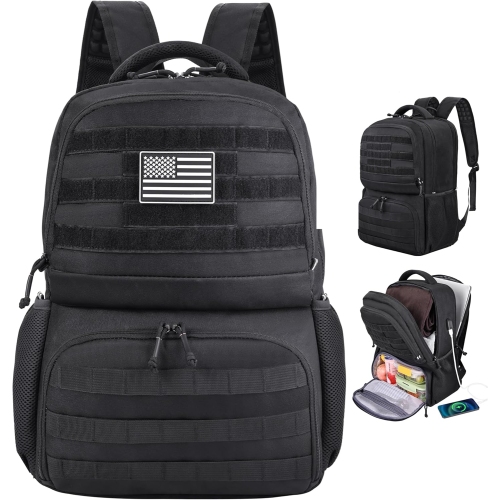
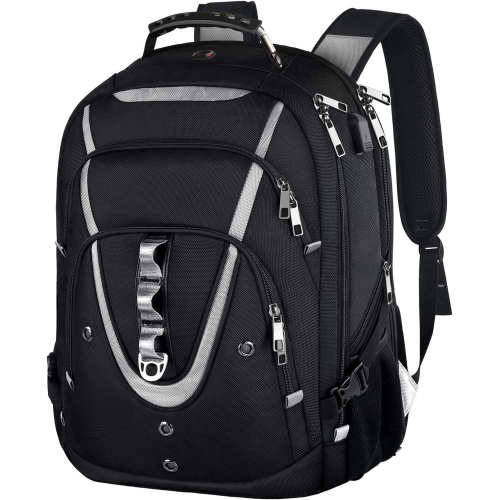
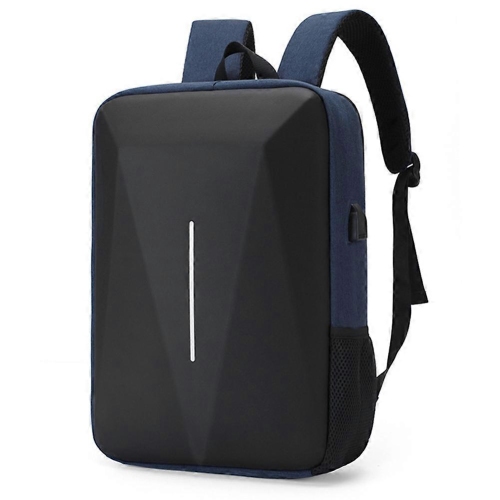
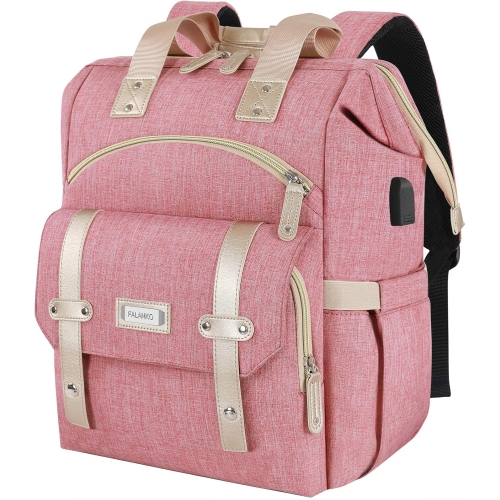

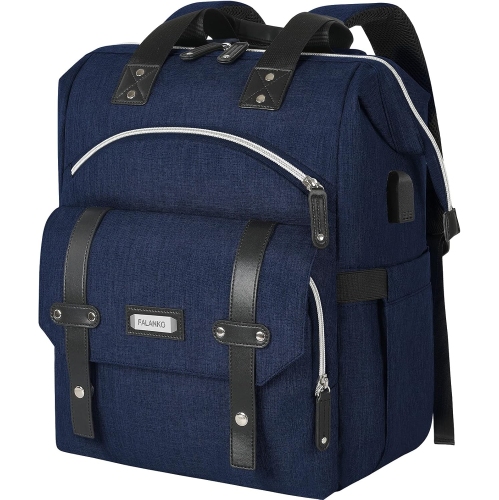
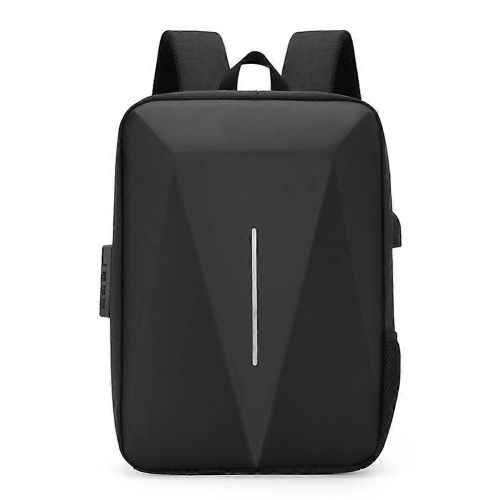
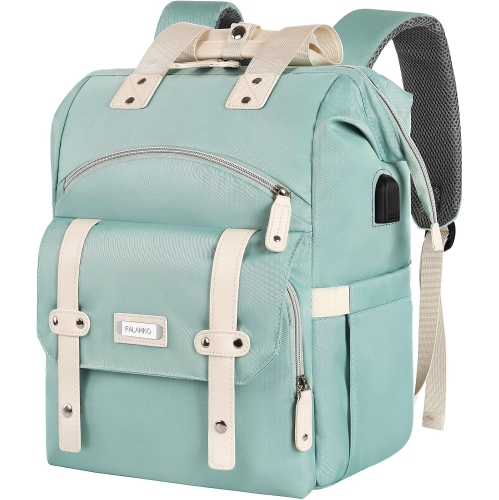
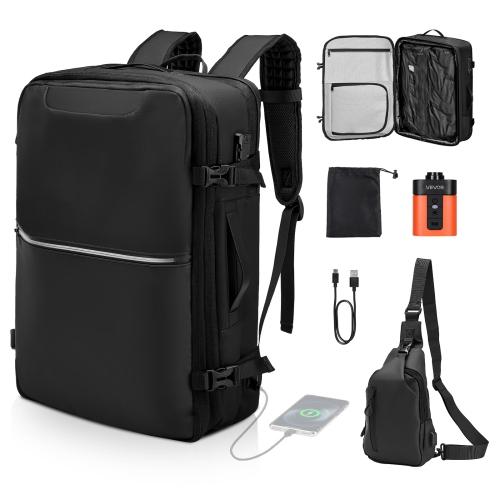
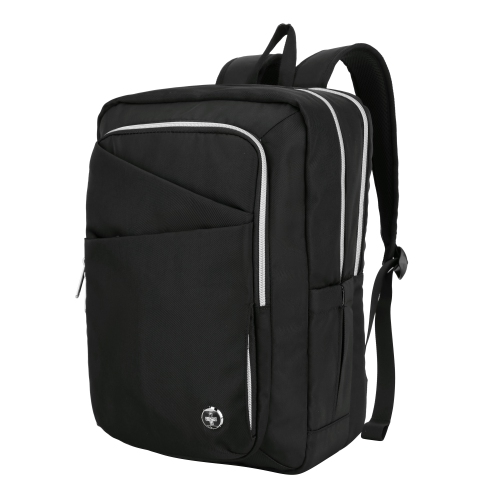
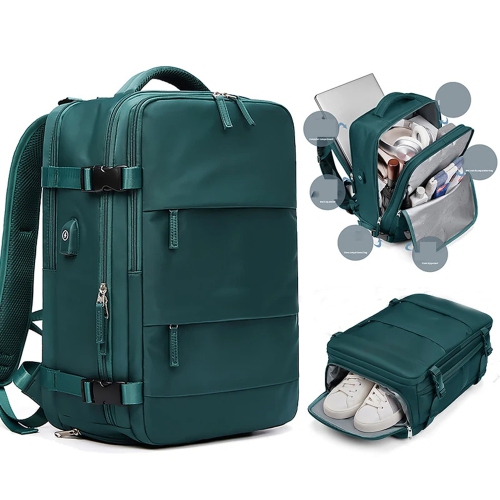
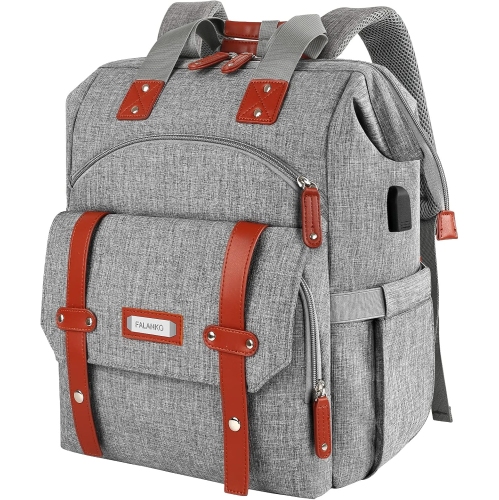


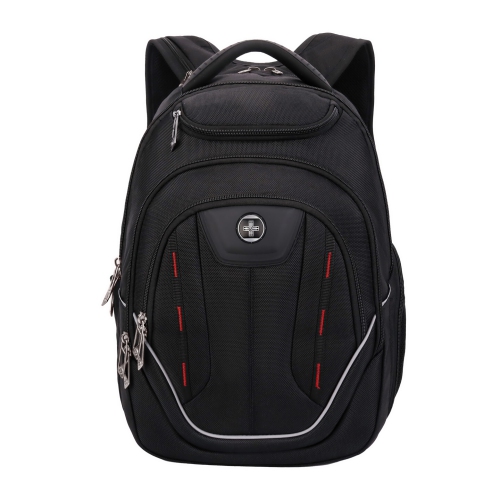

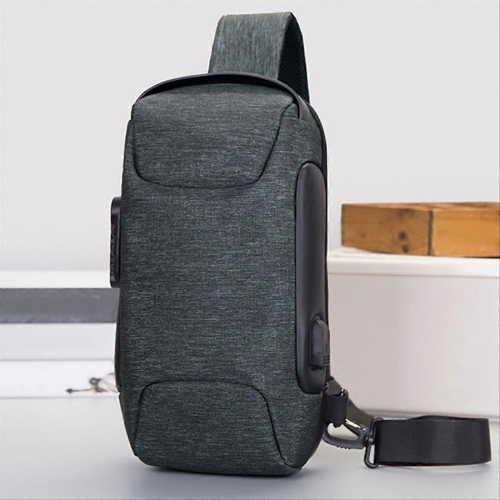

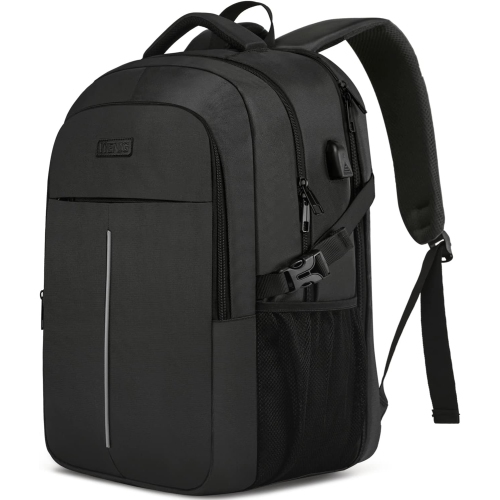
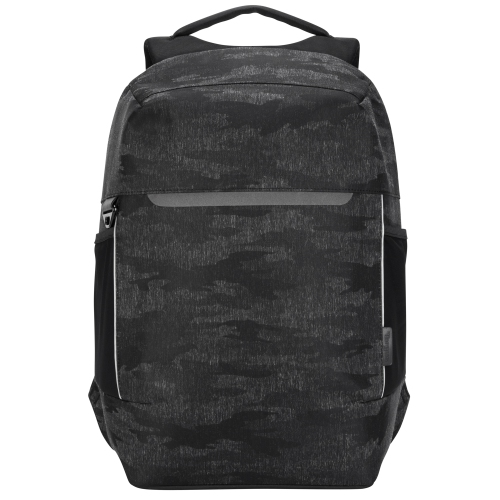

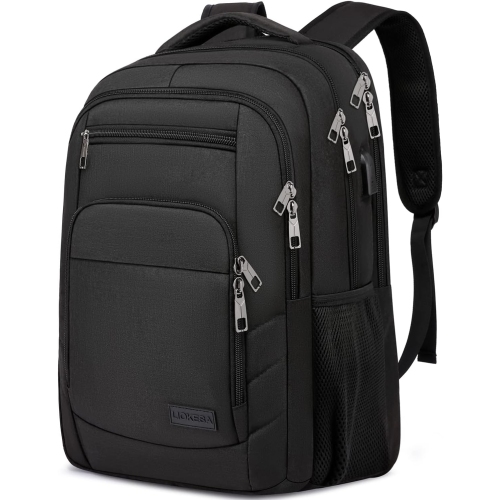


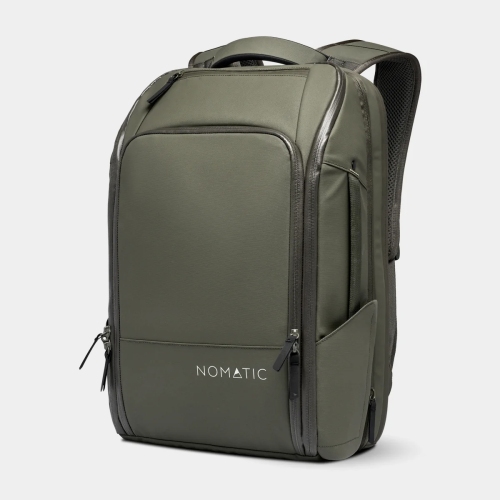

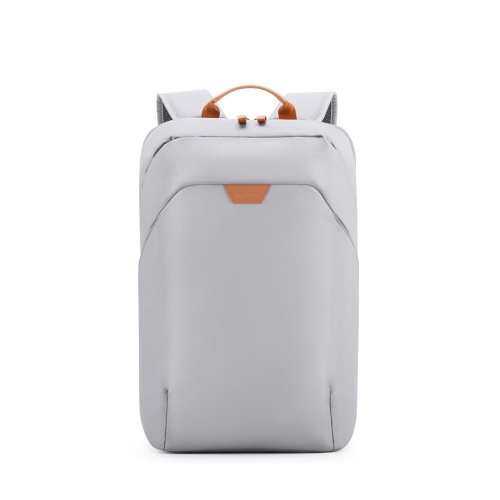

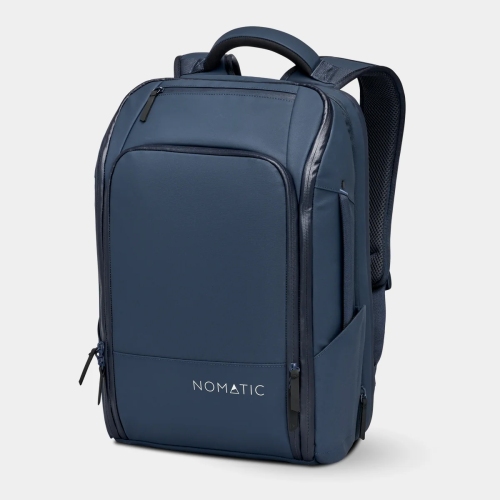
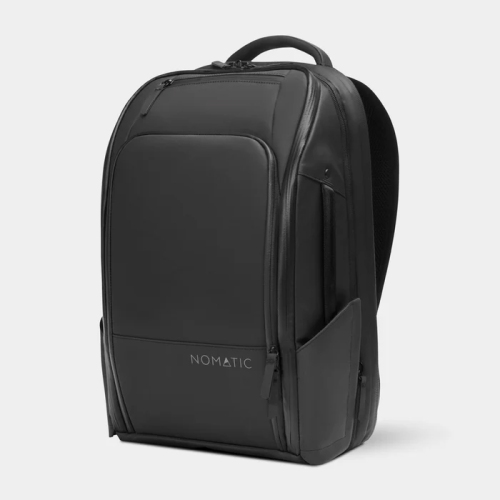





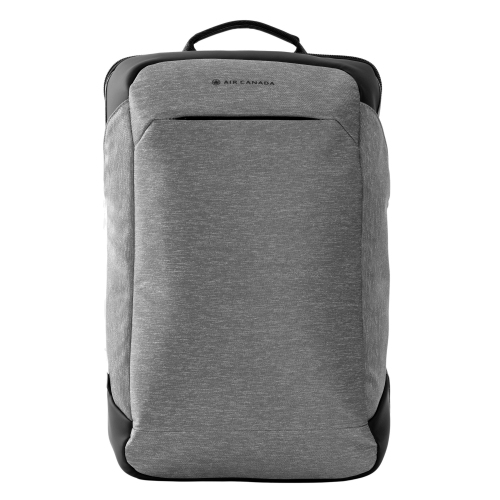
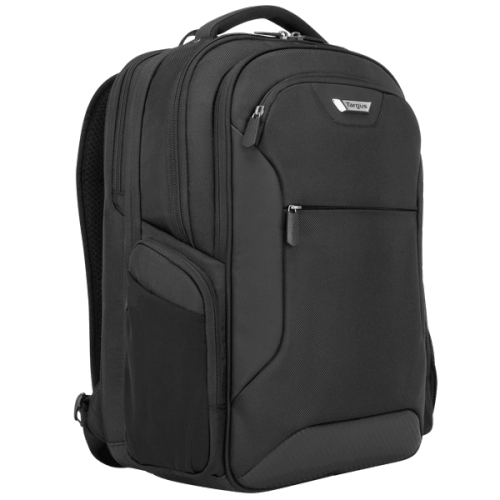


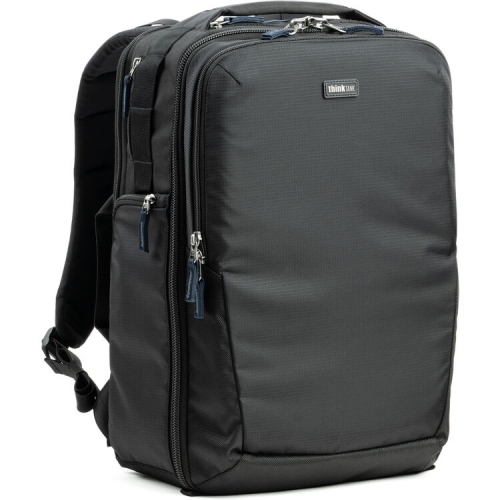


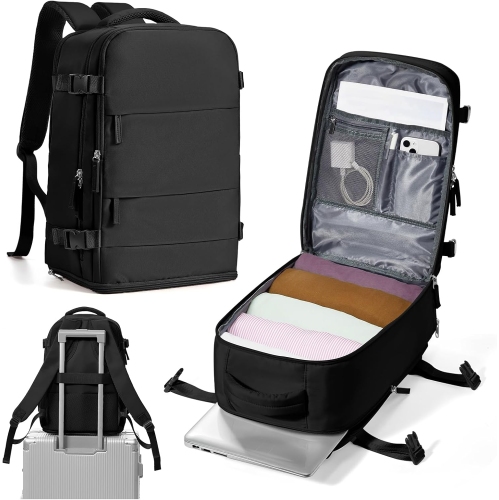


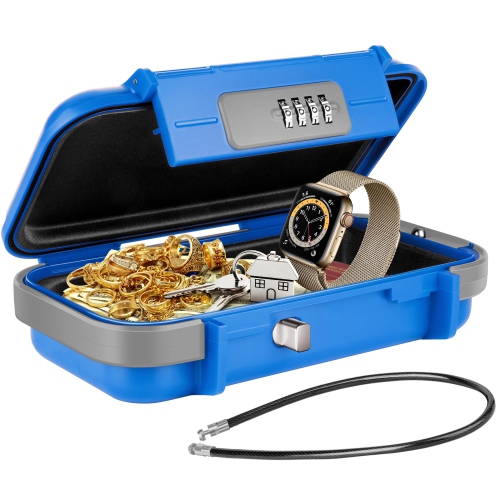


Practical features for more secure, comfortable journeys
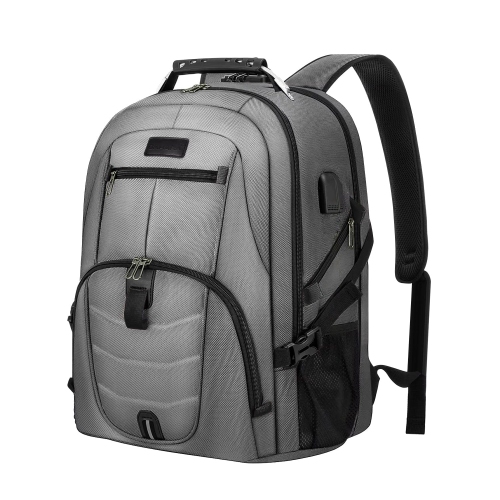
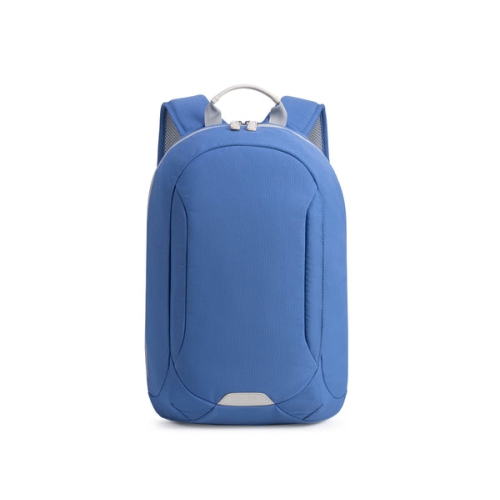
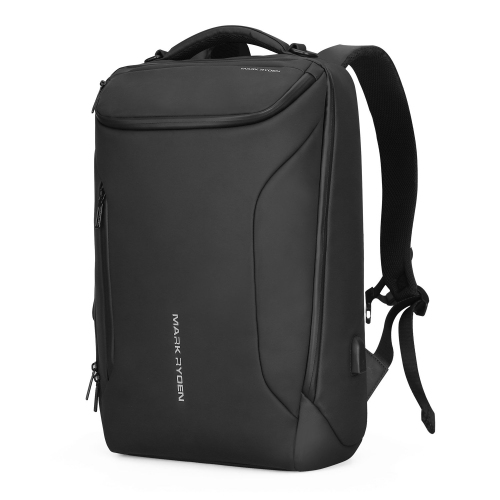
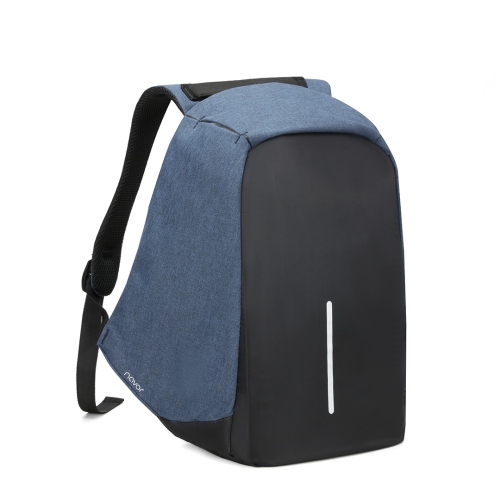
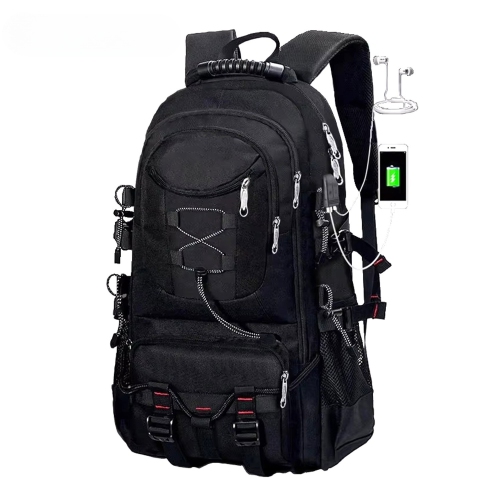
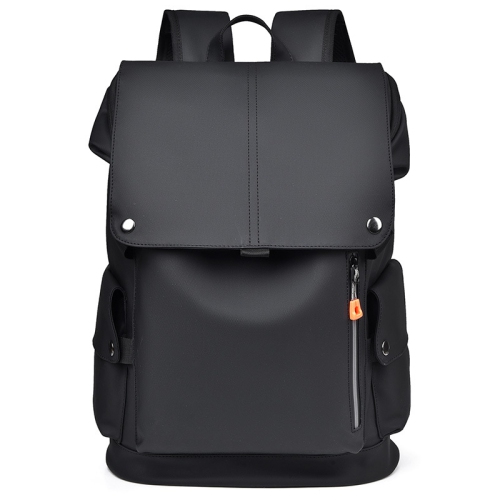
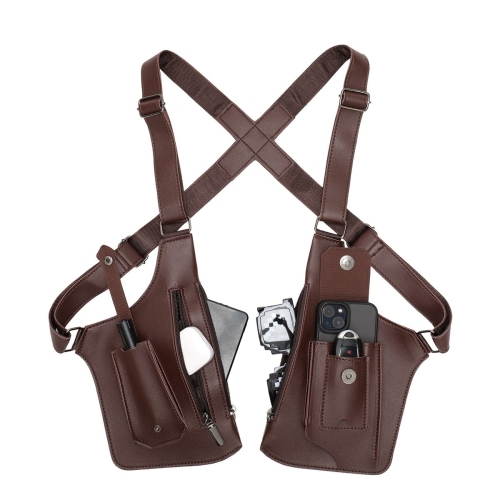
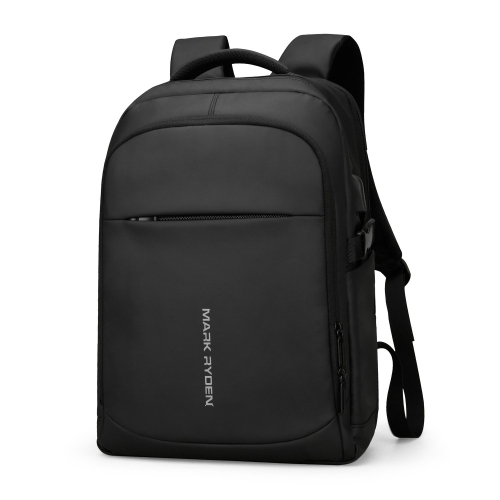
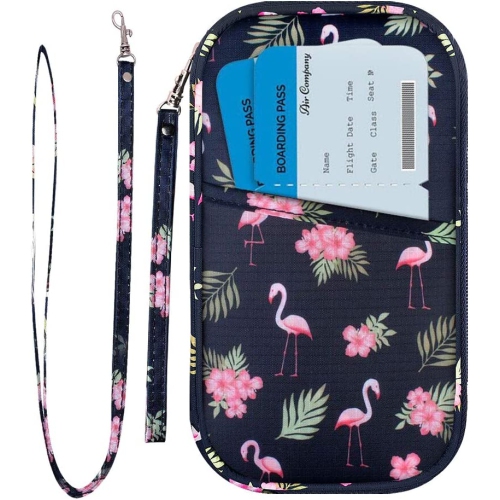
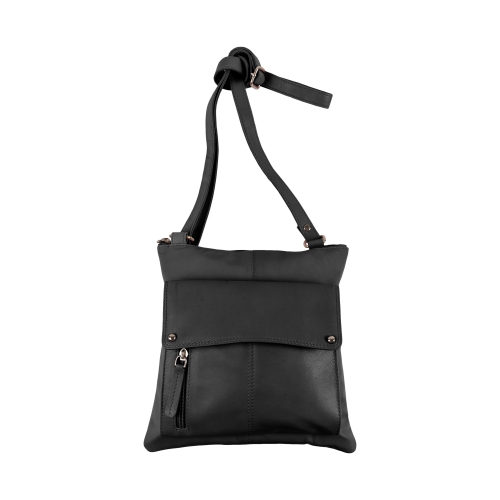
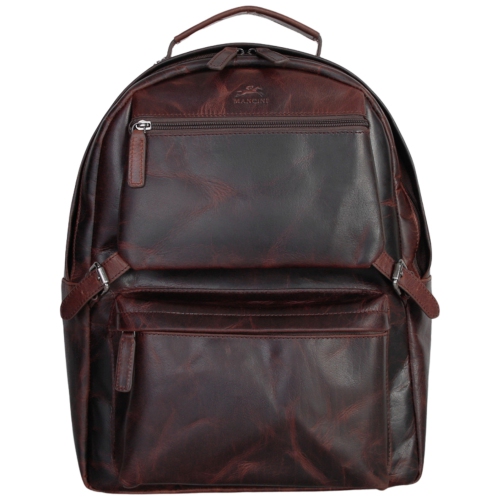
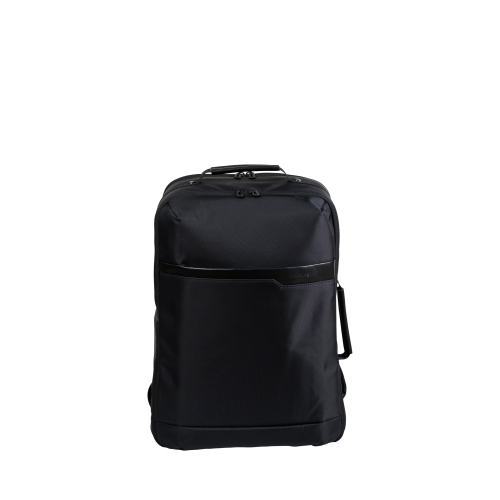
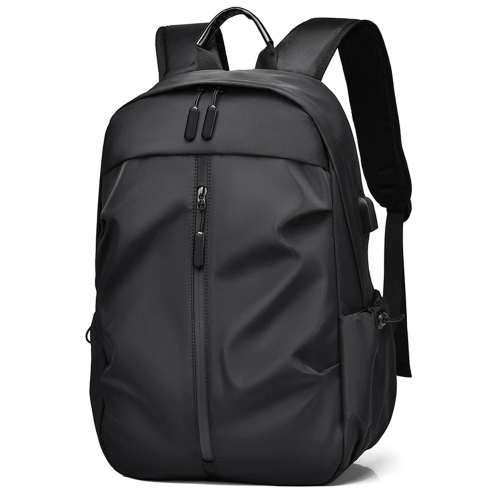
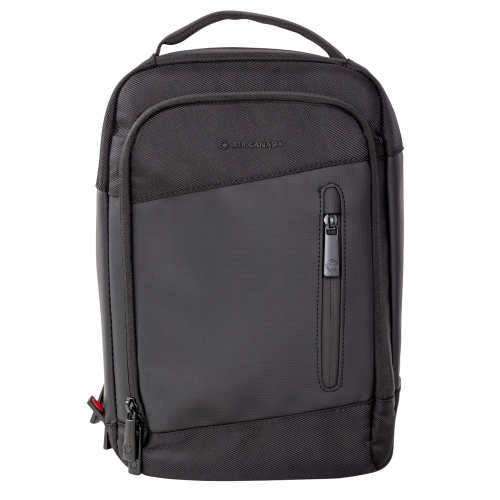
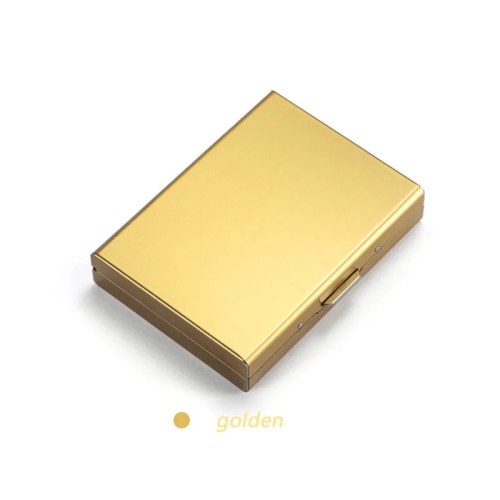
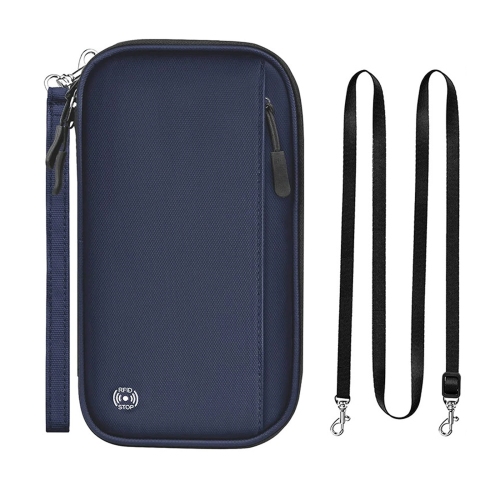
Anti-theft travel bags are designed for travellers who want convenient access to their essentials while adding practical barriers against pickpocketing, slash-and-run theft, and casual attempts to open a bag in a busy public place. They can be useful on airport transfers, train platforms, crowded markets, museum visits, outdoor festivals, and everyday commutes where bags may be within easy reach of other people. A secure travel bag may include lockable zippers, reinforced or slash-resistant panels, cut-resistant shoulder straps, hidden pockets, and compartments designed to keep valuables close to the wearer. Some also include RFID-blocking sections that help reduce the chance of unauthorised scans of compatible payment cards, passports, or identification documents. These features are intended to provide added protection and peace of mind, but they do not replace sensible travel habits. Keeping a bag closed, wearing it in a position that allows you to see and feel it, and avoiding leaving it unattended remain important steps. For a practical overview of available styles and features, explore Anti Theft Luggage and compare options based on how and where the bag will be used.
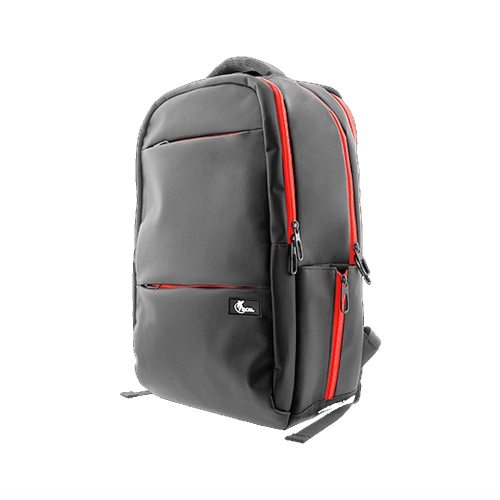
Choosing the right anti-theft travel bag starts with capacity and carrying style. A compact crossbody or sling bag may be suitable for a phone, wallet, passport, keys, sunglasses, and a small charger, especially when sightseeing or moving through crowded areas. A travel backpack may be a better fit for a tablet, camera, water bottle, light layer, travel documents, and other items needed throughout a full day. For longer journeys, look for a roomier pack with multiple compartments, a structured opening, and enough space for clothing or personal accessories without becoming awkward to carry. Commuters and business travellers may want a dedicated padded laptop sleeve, an organiser for cables and chargers, and a shape that fits comfortably under a seat or in an overhead compartment. Families often appreciate separate pockets that make it easier to divide passports, snacks, wipes, and entertainment for children. Pay attention to dimensions, weight, strap adjustment, and the placement of frequently used pockets. A bag that looks secure but is uncomfortable, difficult to open, or too small for its intended load may be left behind or carried loosely, reducing its usefulness. Materials and construction also matter: sturdy fabric, reinforced stitching, dependable hardware, and smooth-running zippers can make a noticeable difference when a bag is opened and closed many times during a trip. Locking zippers may use clips, loops, or interlocking pulls; each style offers a different balance of security and speed. Hidden or rear-facing compartments can keep important items less visible, while exterior pockets provide quicker access but should be reserved for lower-risk belongings. Consider how the bag sits when walking, whether the strap can be secured around a chair or fixture, and whether the interior layout keeps heavier items close to the body. During cooler months, allow room for a compact scarf, gloves, or extra layer if the bag will be used outdoors, while still keeping the overall weight manageable.
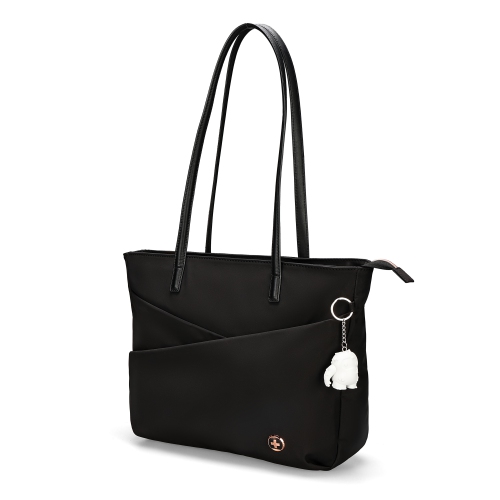
Anti-theft travel bags can be useful for a wide range of people and can make thoughtful gifts for frequent flyers, students studying abroad, cruise passengers, digital nomads, commuters, and anyone planning a sightseeing trip. They are also practical for travellers who prefer to keep their hands free while navigating terminals, checking maps, or carrying a coffee. Someone visiting a large city may use a secure backpack beneath a coat or close to the front of the body while walking through a crowded station; another traveller may choose a small crossbody bag for an evening event where a larger backpack would be inconvenient. When selecting one as a gift, consider the recipient’s routine rather than choosing by appearance alone. A photographer may need quick access to equipment and padded protection, while a student may prioritize a laptop compartment and room for notebooks. A frequent flyer may value a luggage pass-through sleeve, a compact profile, and organised passport storage. Someone who travels light may prefer a slim bag that does not invite overpacking. It is also worth checking whether the intended user prefers a backpack, shoulder bag, sling, or crossbody design, as comfort and familiarity can influence how often the bag is actually used. Look for adjustable straps, breathable back panels, padded contact points, and balanced weight distribution for longer walks. Security features should be clearly described, with attention to whether the bag offers cut resistance, lockable compartments, RFID-blocking storage, or a combination of these features. No travel bag can guarantee complete protection, and responsible use still includes keeping valuables out of sight, staying aware of surroundings, and securing the bag in shared spaces. With the right size, layout, and carrying design, an anti-theft travel bag can help keep travel essentials organised and close at hand from departure through the return journey.
Top selling and popular products
-
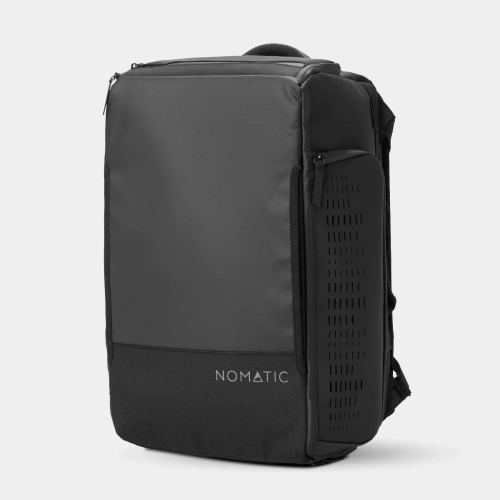 Your price for this item is $419.99
-
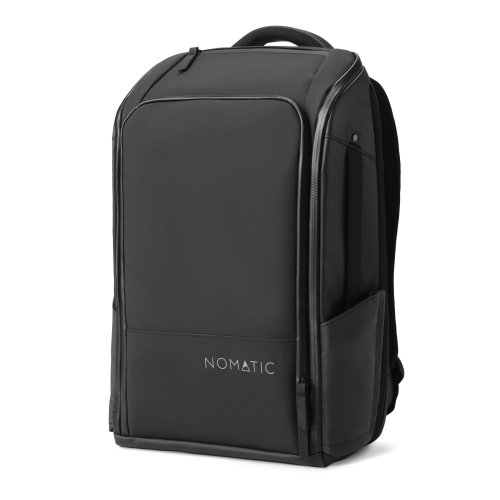 Your price for this item is $399.99
-
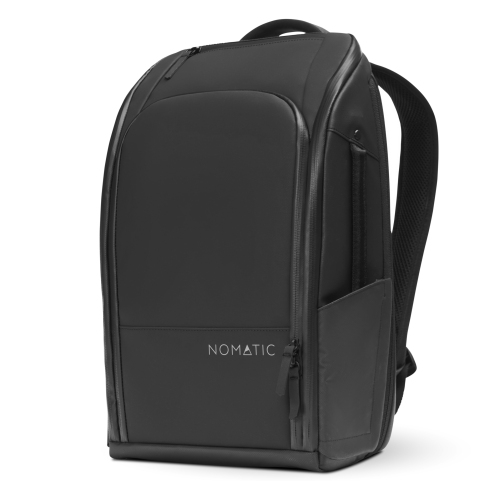 Your price for this item is $369.99
-
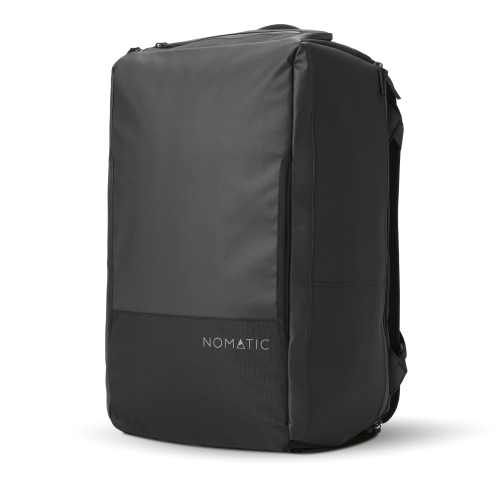 Your price for this item is $399.99
-
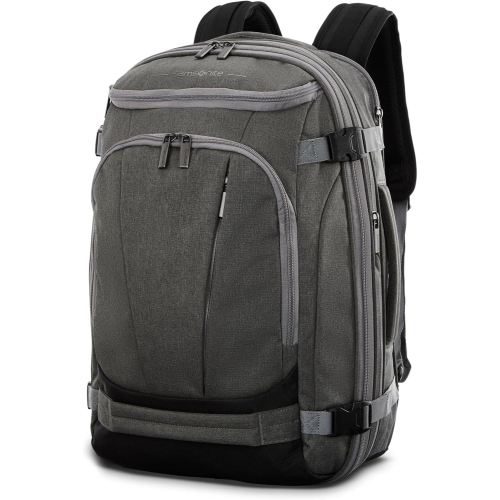 Your price for this item is $218.48
-
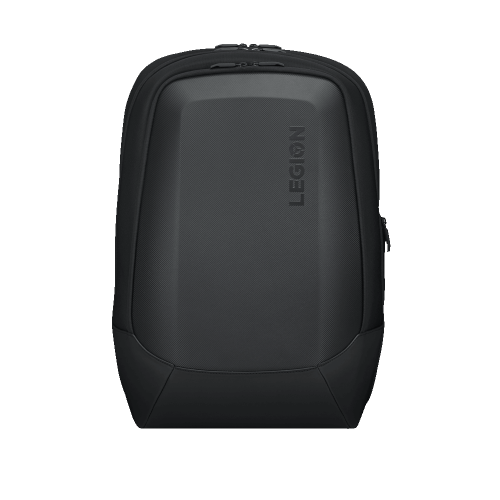 Your price for this item is $98.99
-
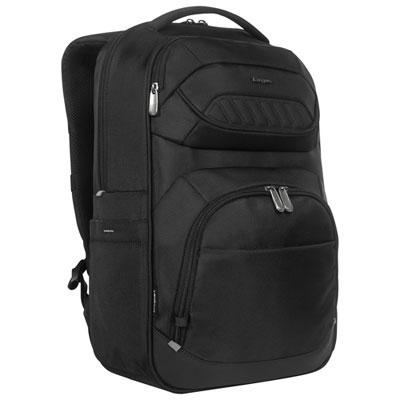 Your price for this item is $99.99
-
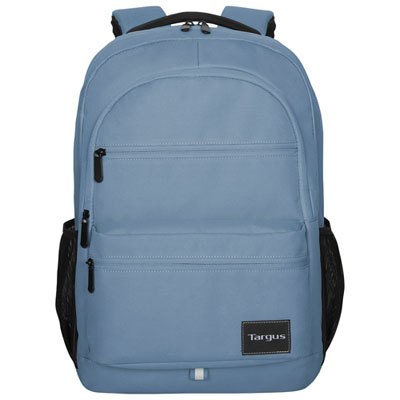 Your price for this item is $59.97
Discover more categories related to Anti Theft Travel Bags

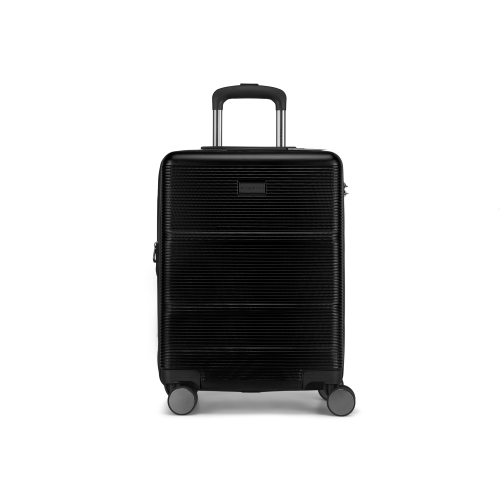
Top Collections:
Pokemon Centers, Best Cameras for Sports Photography, Kindle Devices, Samsung Galaxy Phones, Canon G7X Cameras, Pokémon 30th Celebration Cards, Refurbished Apple Laptops, iPhone 15 Apple, Laptops for Students, Budget Smartphones
Some products may be subject to Environmental Handling Fees
(EHF) depending on your province.
Learn more about EHFs.