Anti Theft Luggage
Travel with peace of mind and keep your belongings safe with our selection of anti-theft luggage. Whether you're exploring new cities or jetting off on a tropical getaway, our range of anti-theft luggage is designed to provide you with the ultimate security and convenience. With features such as slash-proof materials, lockable zippers, and hidden pockets, our anti-theft luggage ensures that your valuables stay protected from potential thefts while you focus on enjoying your journey. Discover the perfect travel companion that combines style, functionality, and uncompromising security in our collection of anti-theft luggage.
Sort
























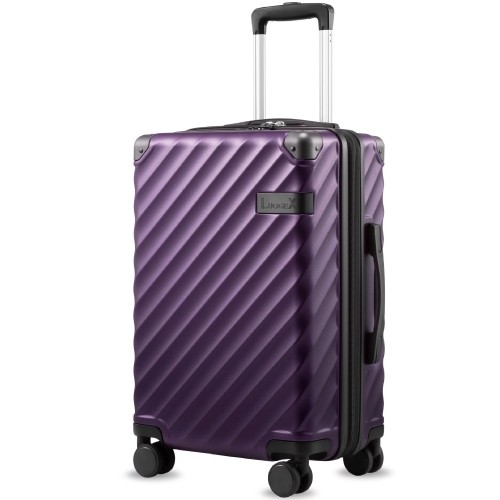


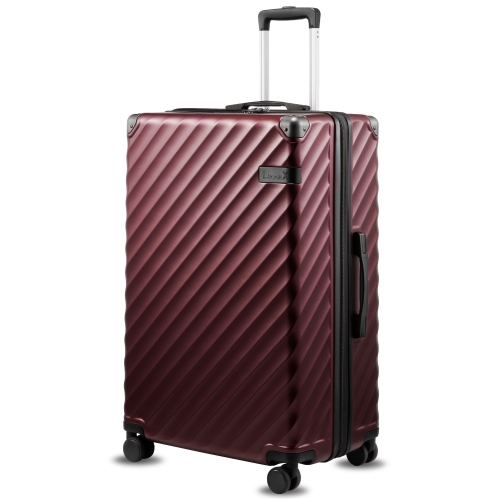
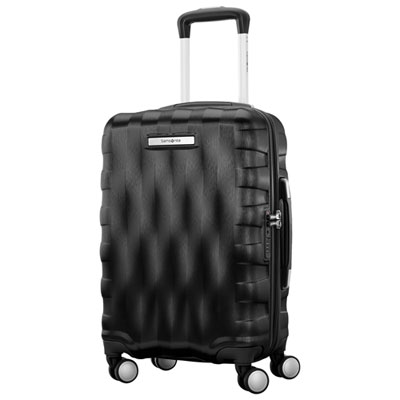
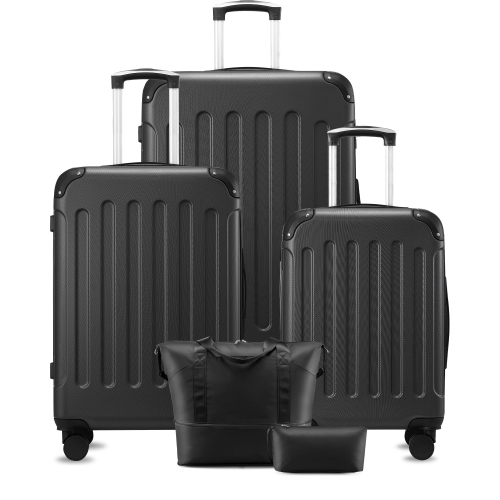





















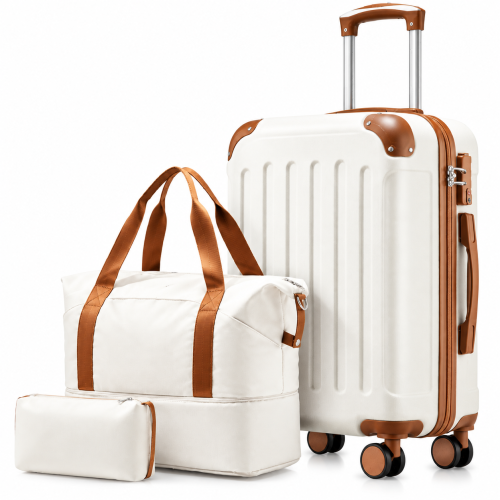
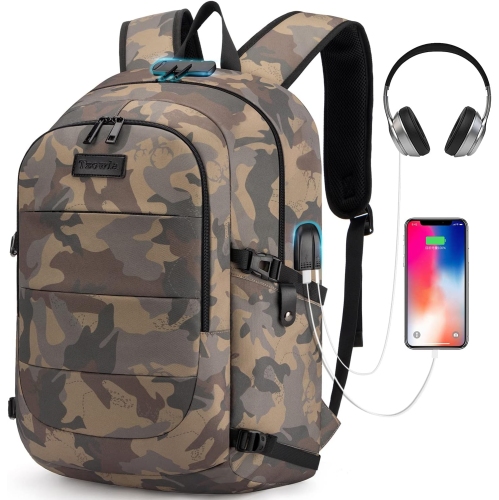
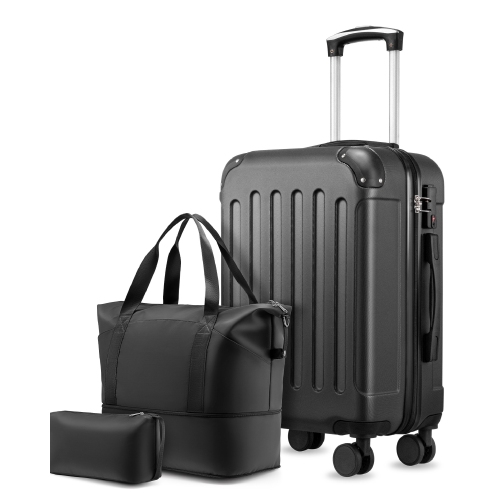
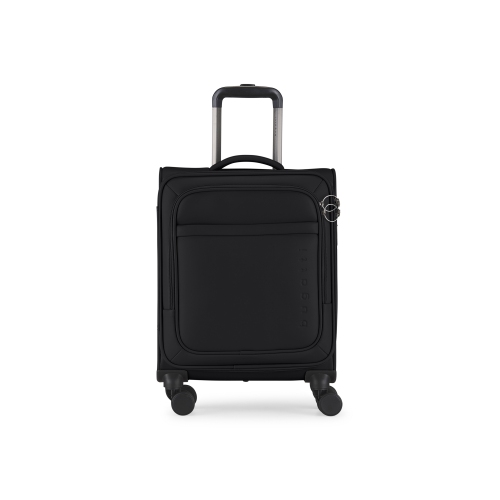

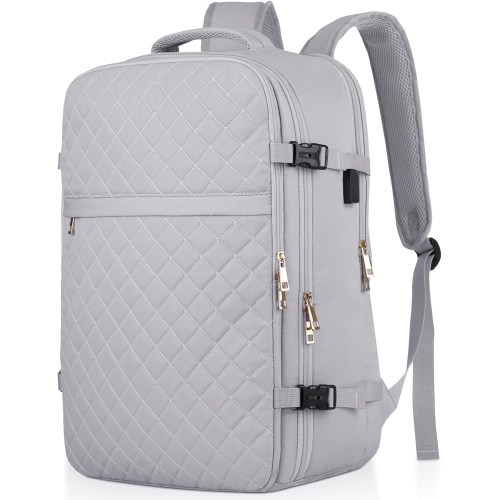
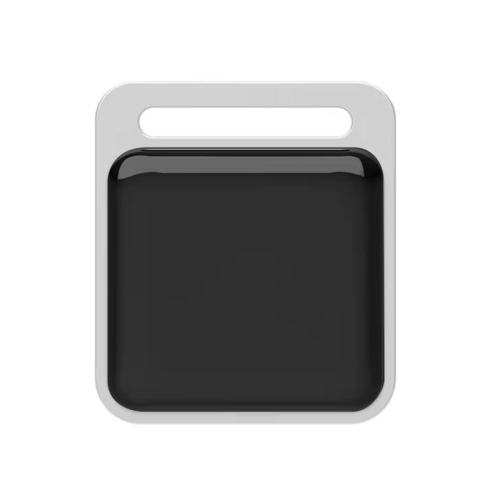
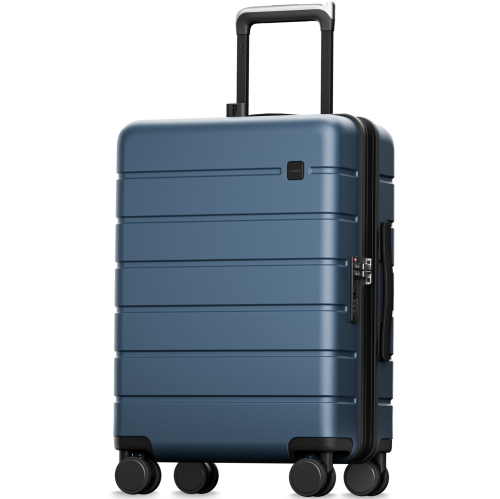
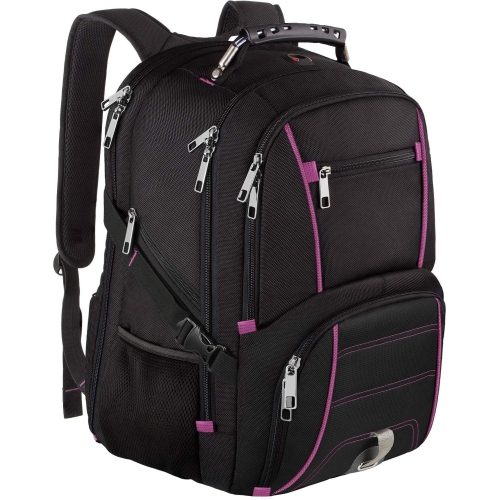







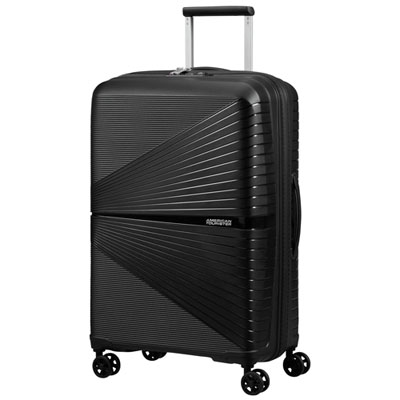
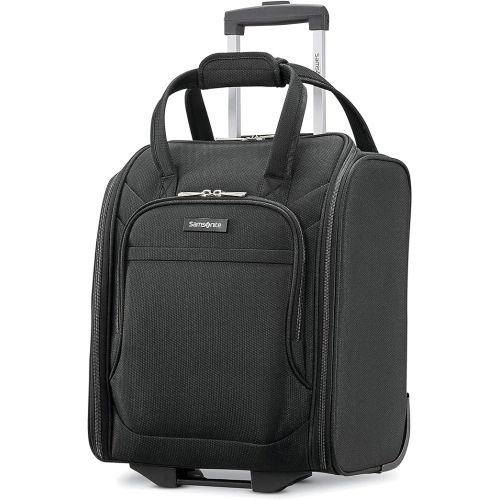
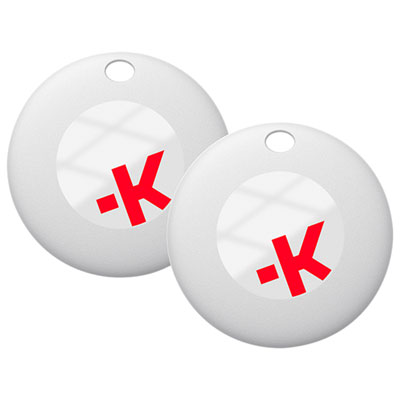

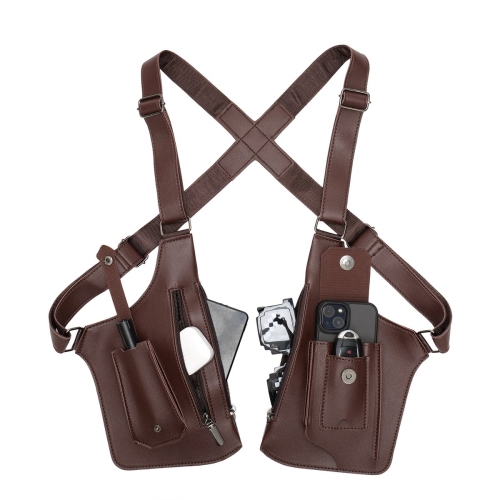


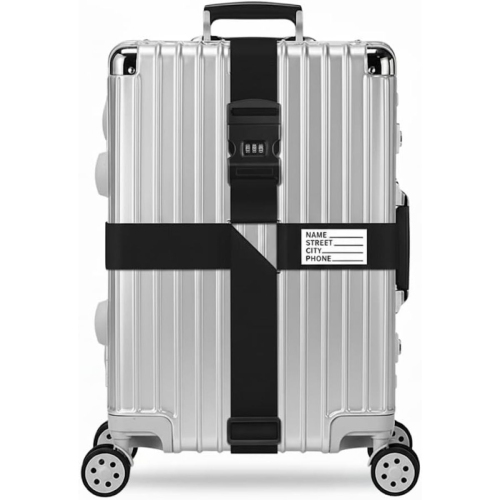
How luggage security features work beyond the lock
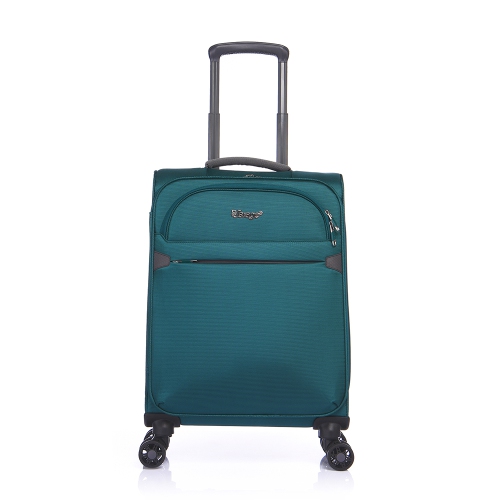
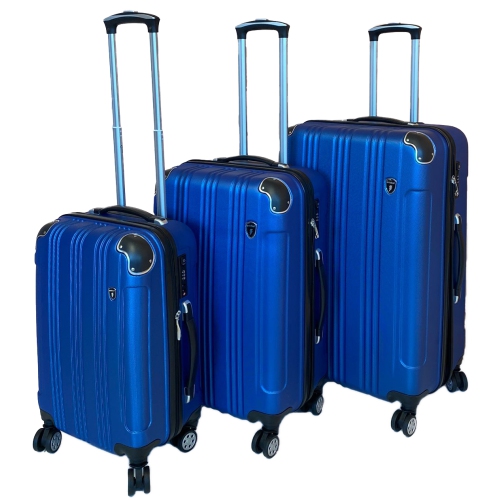
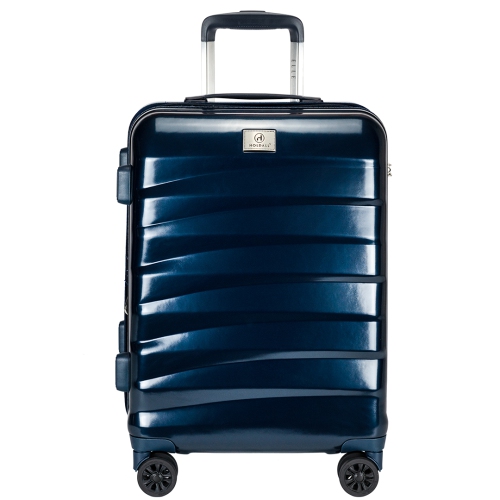
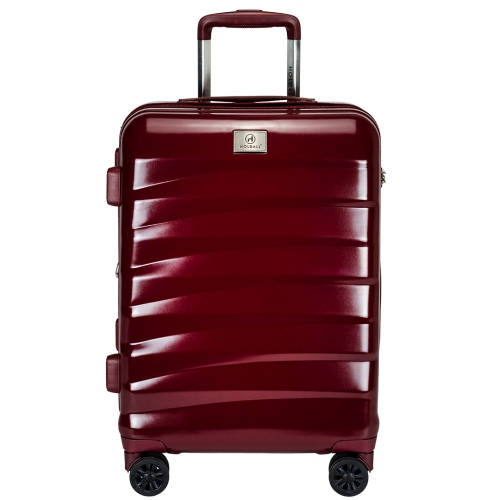
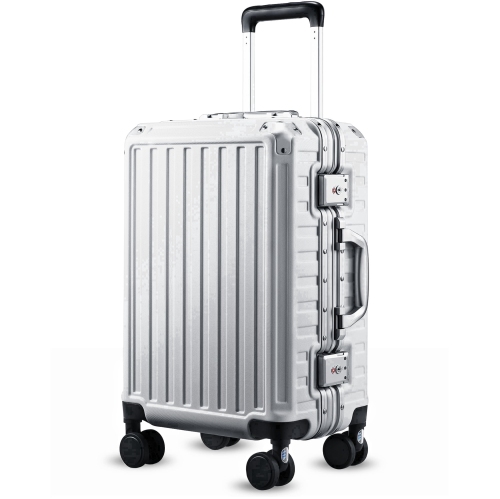
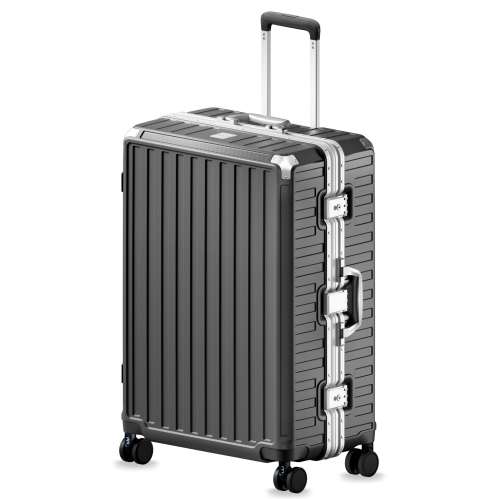
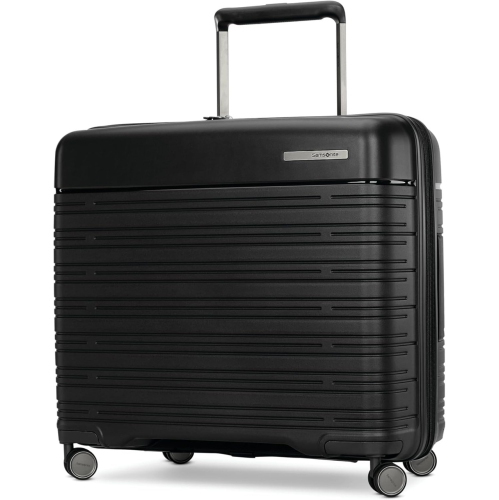
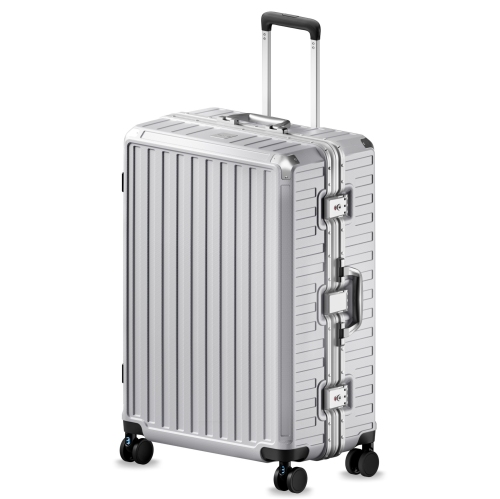
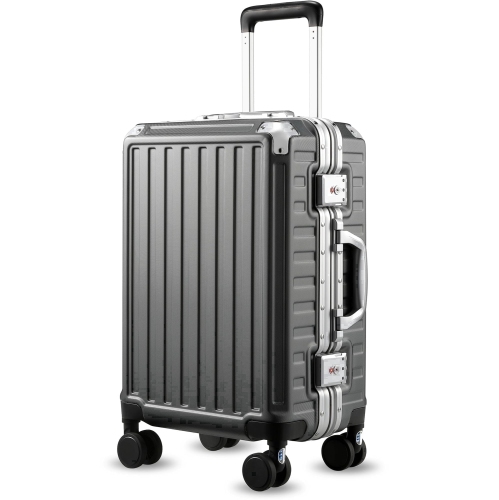
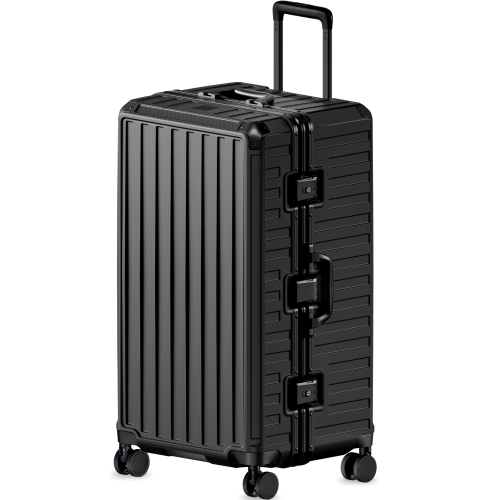
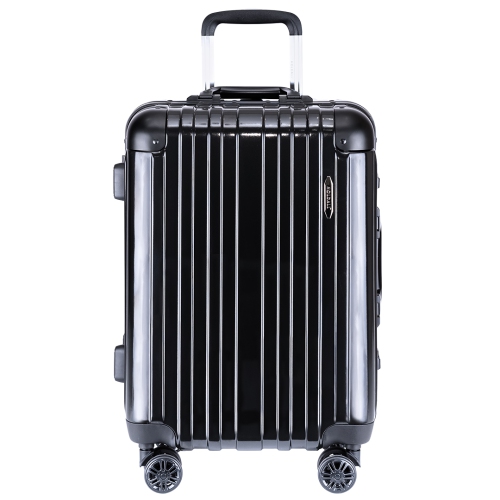
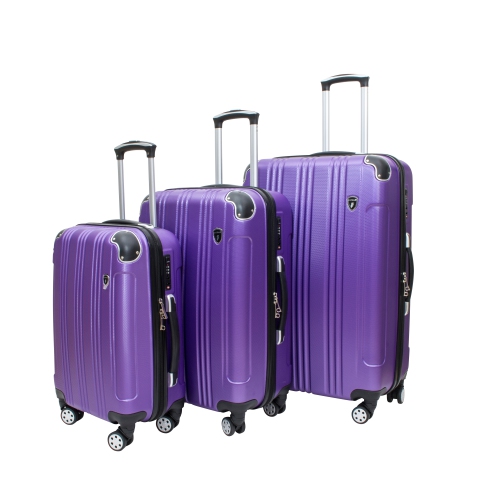
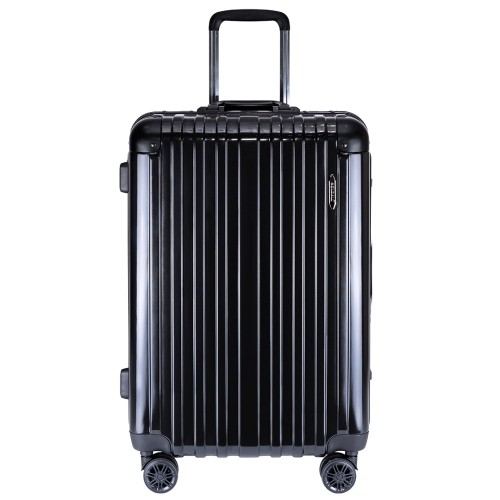
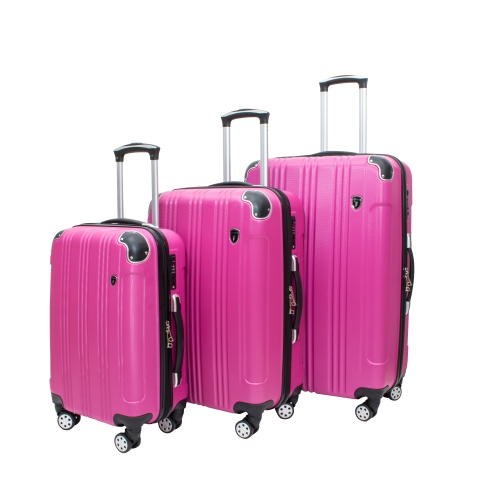
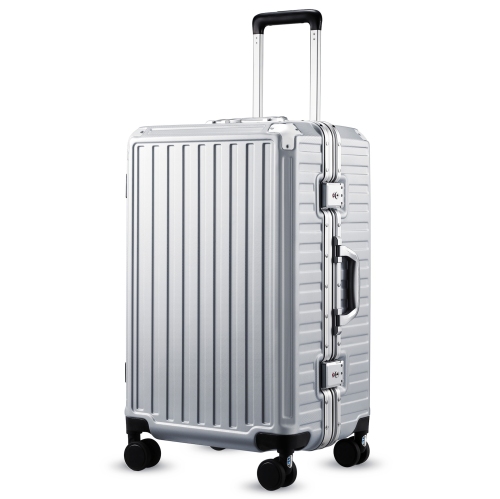
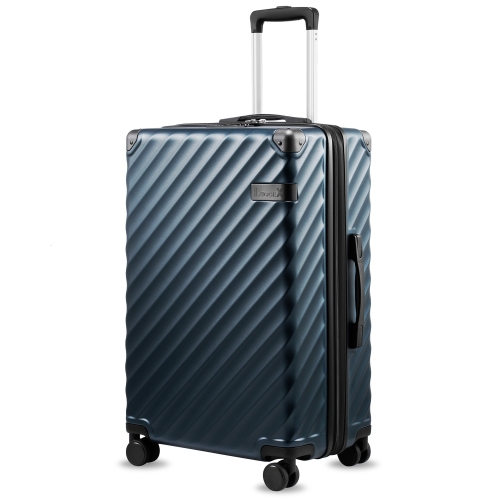
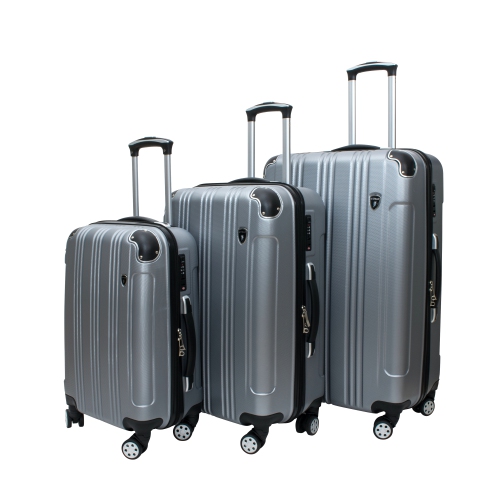
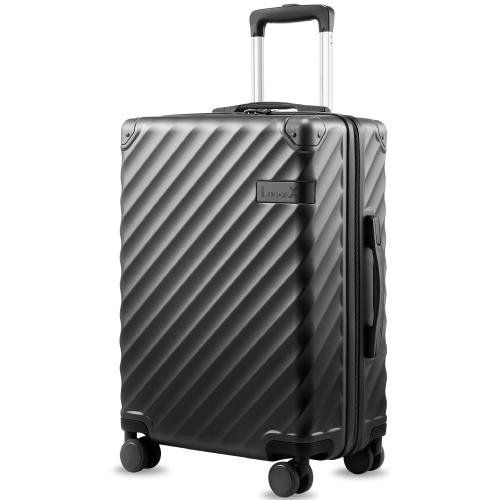
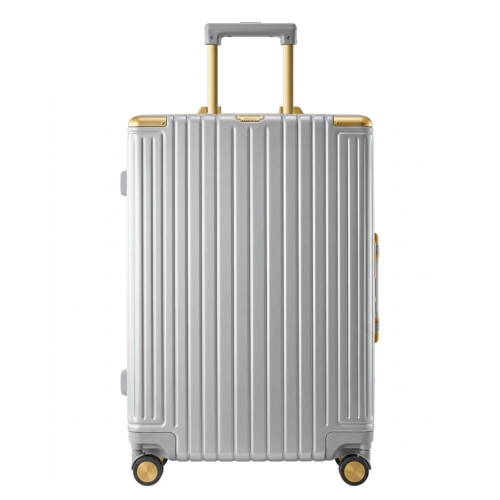
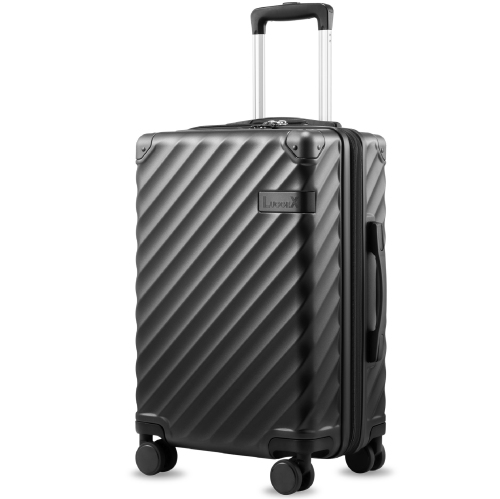
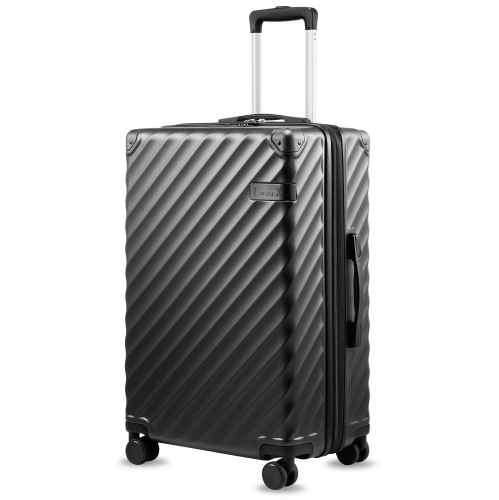
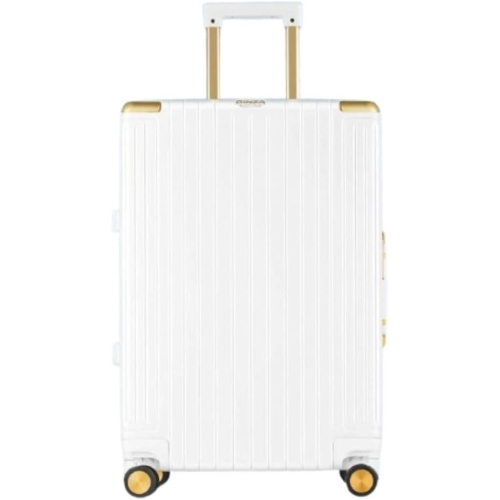
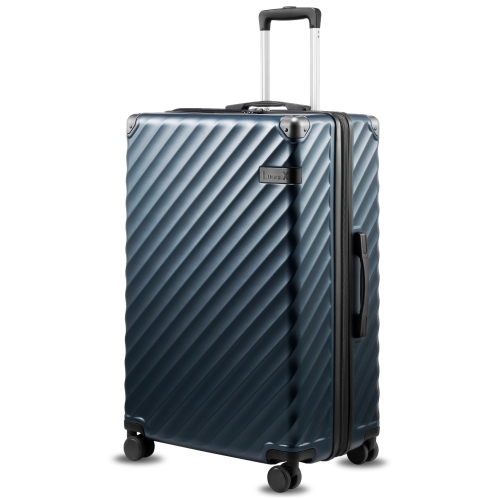
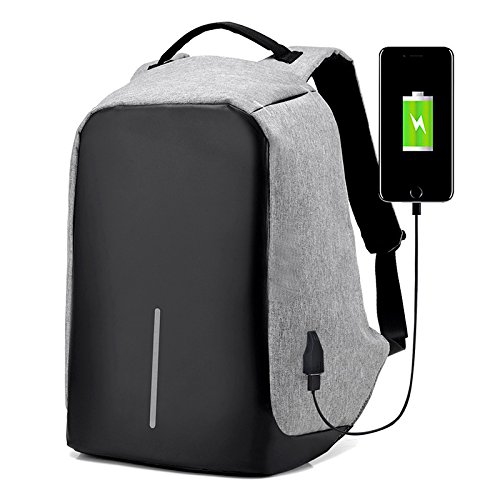
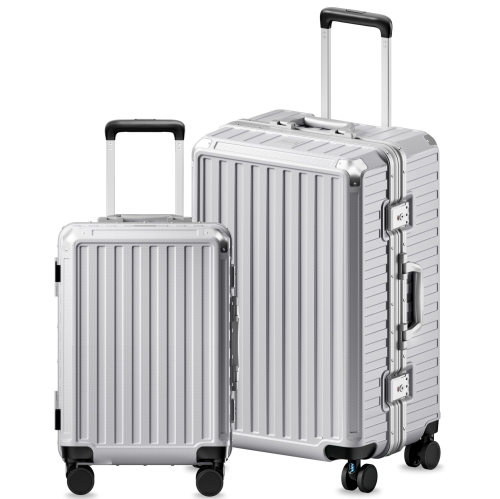
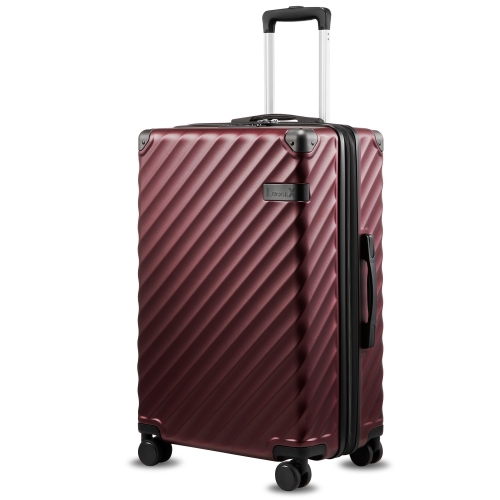
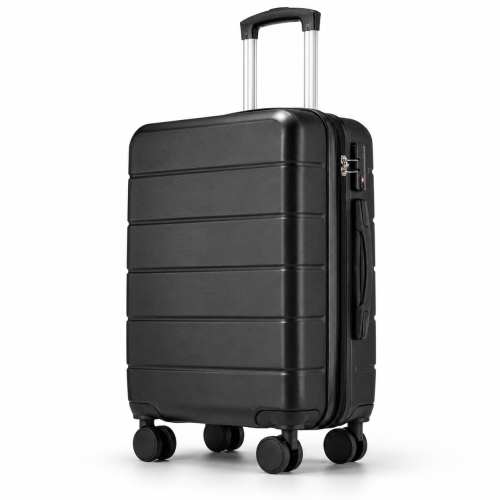
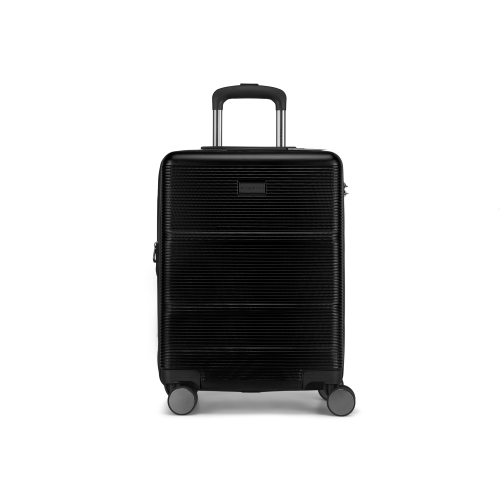
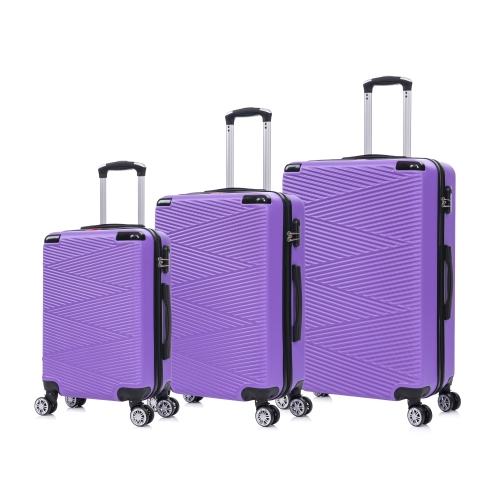
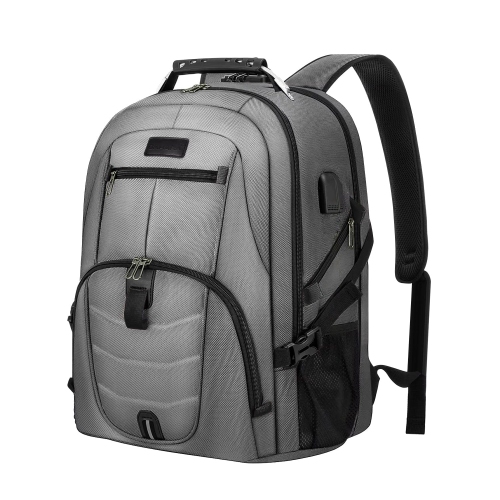
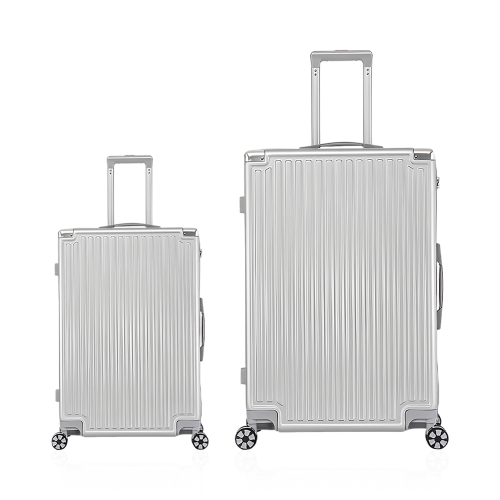
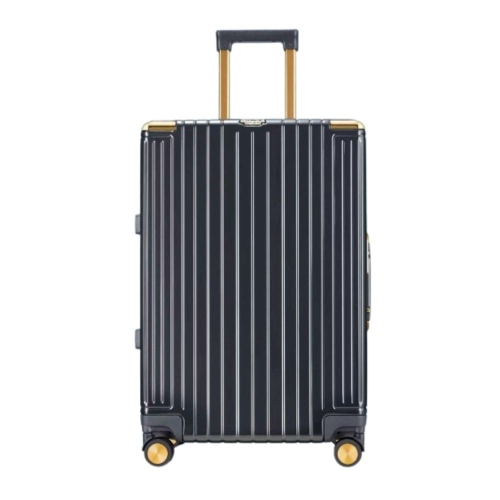
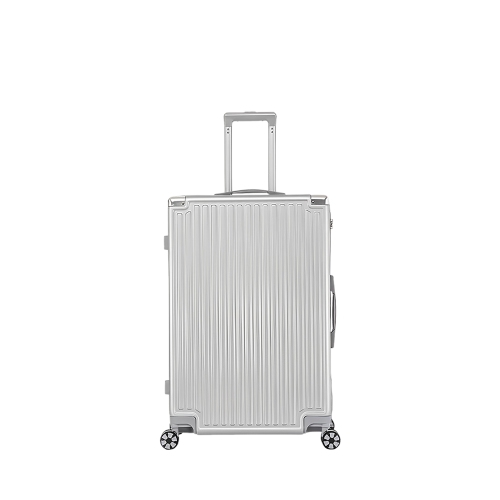
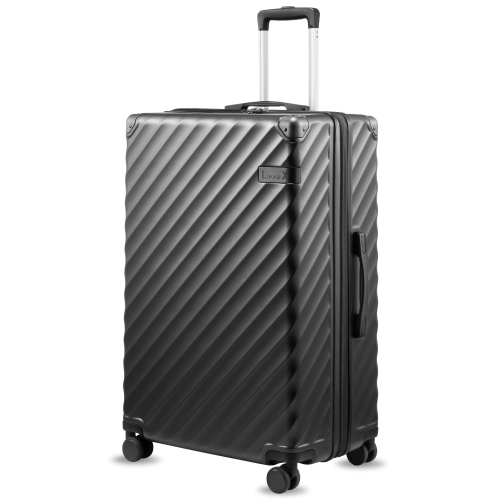
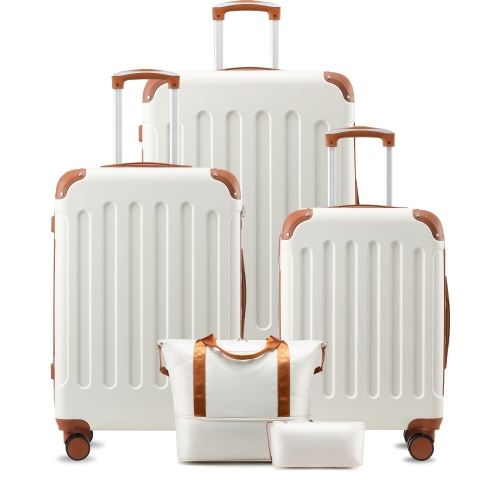
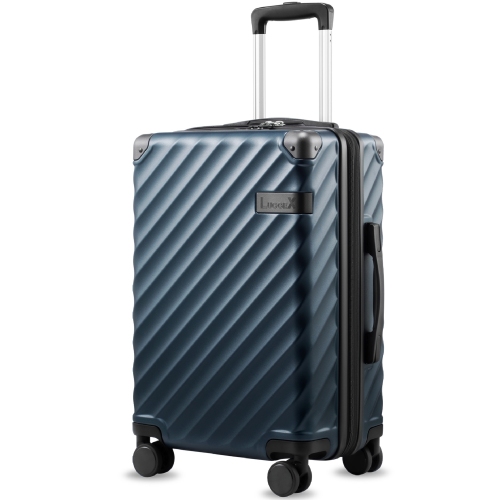
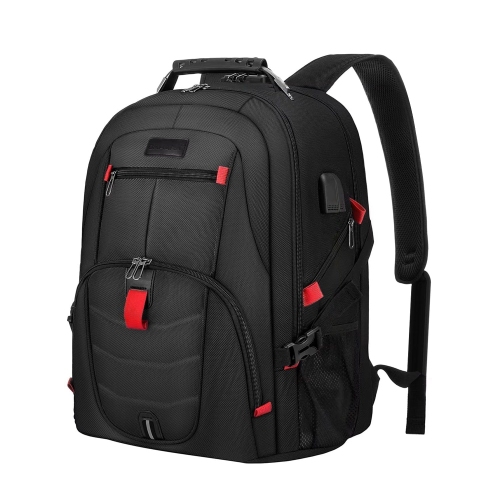
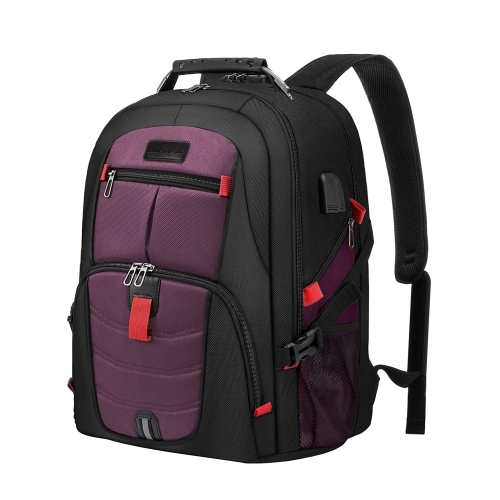
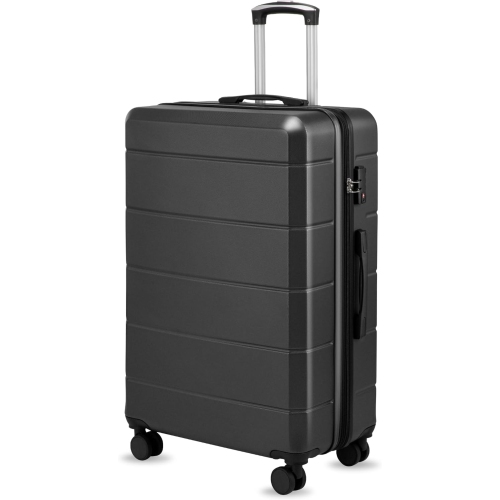
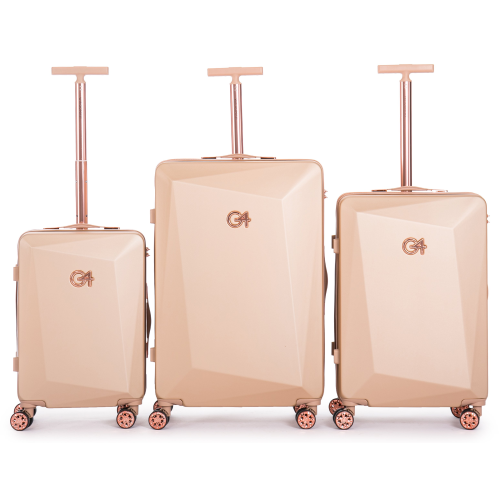
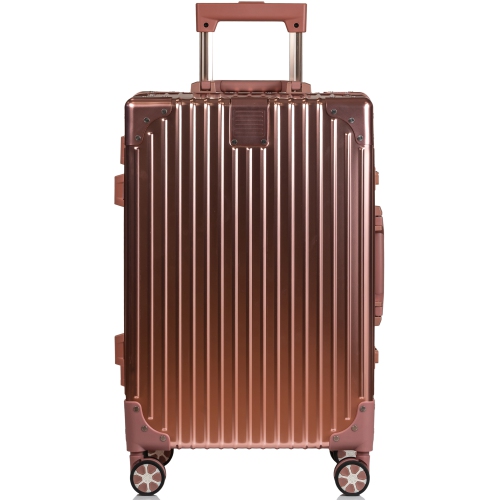
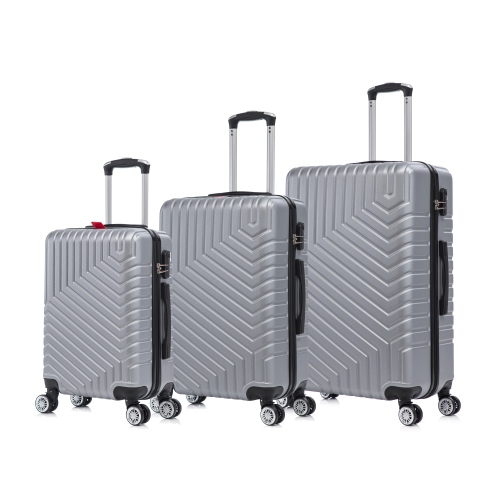
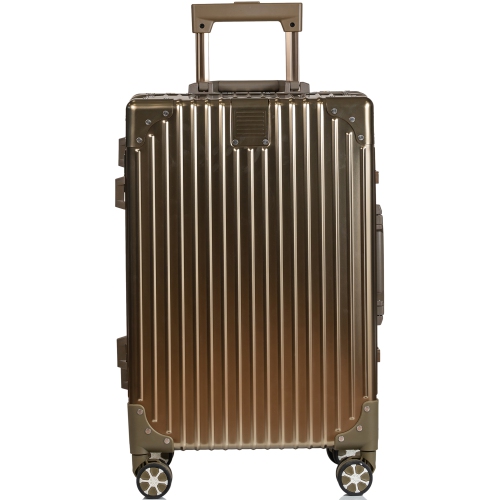
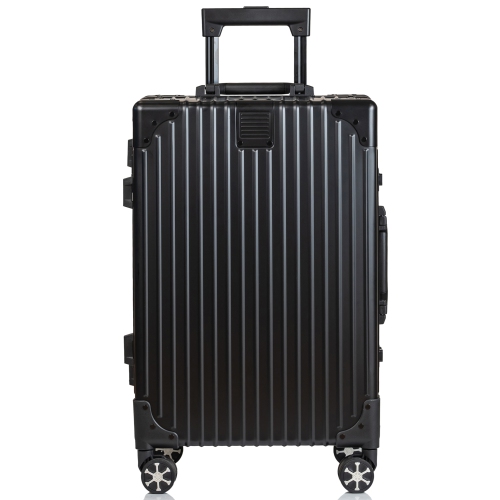
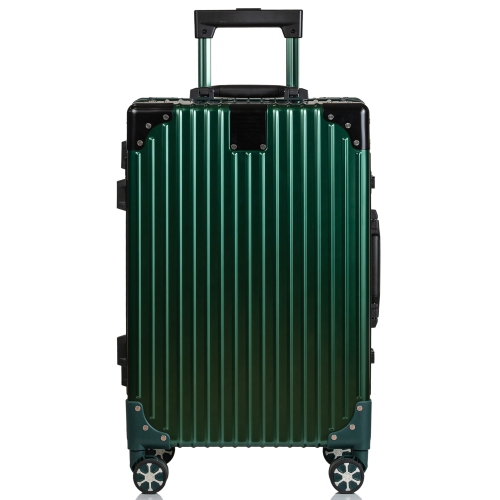
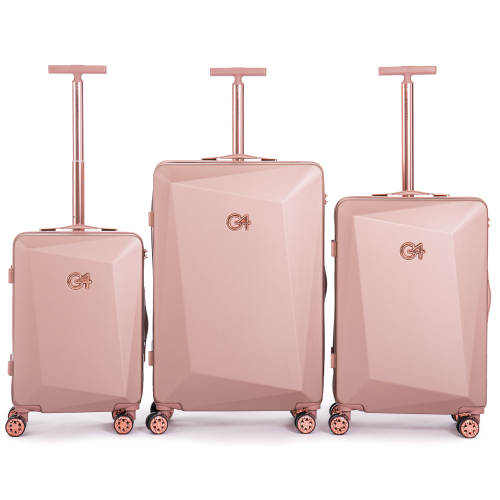
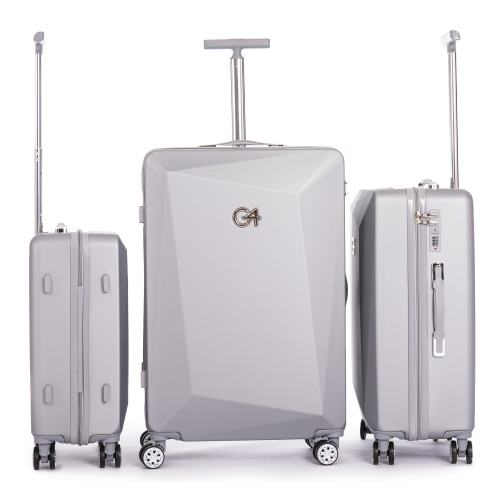
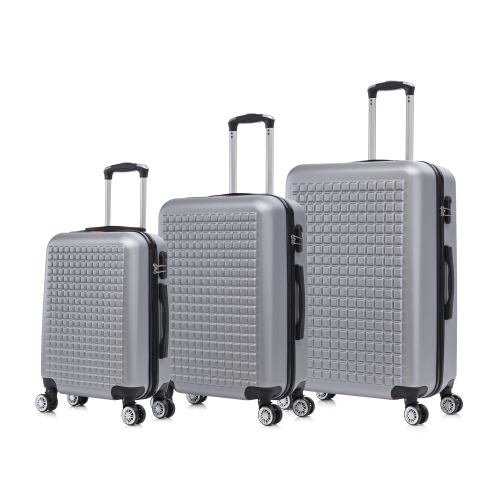
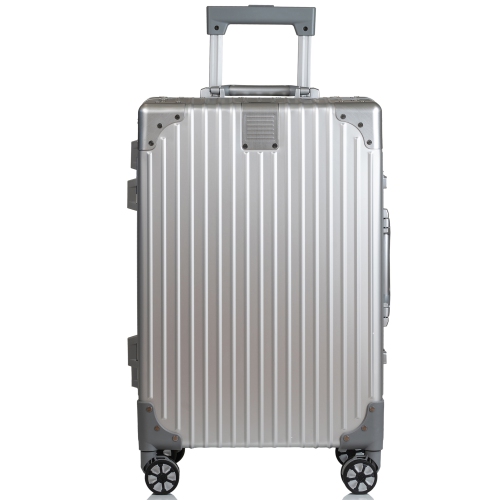
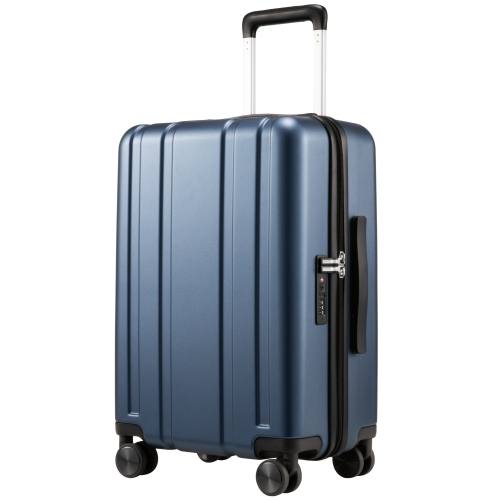
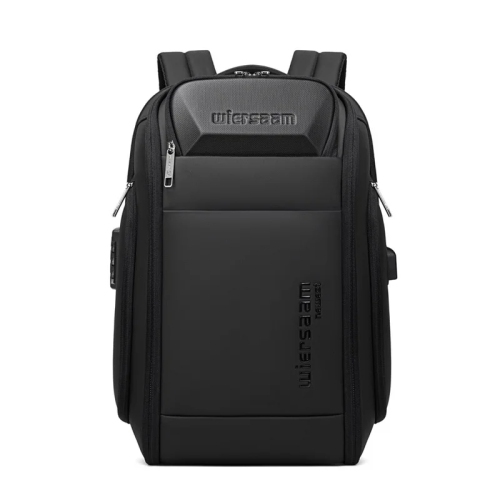
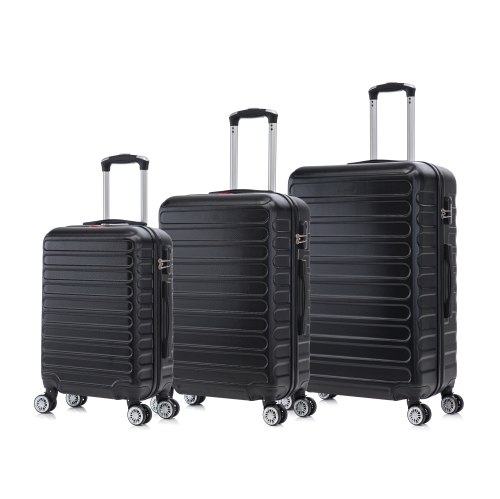
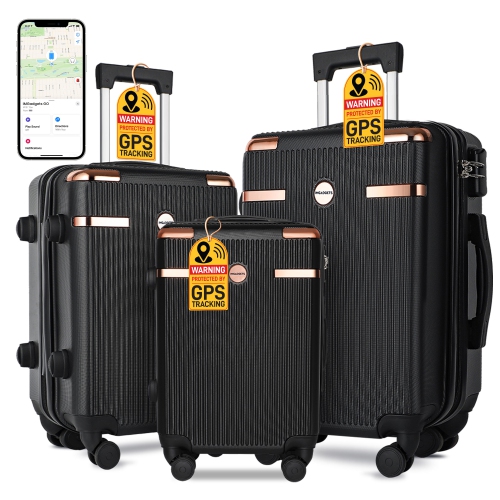
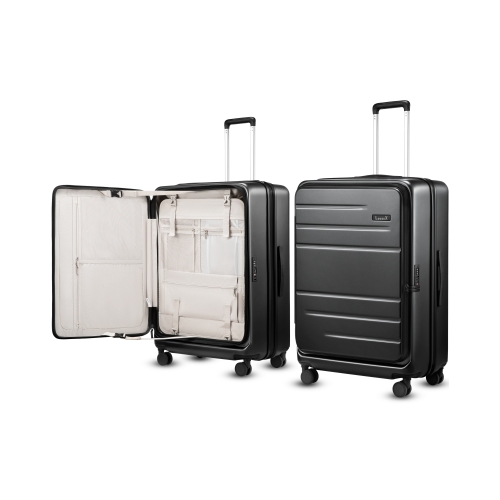
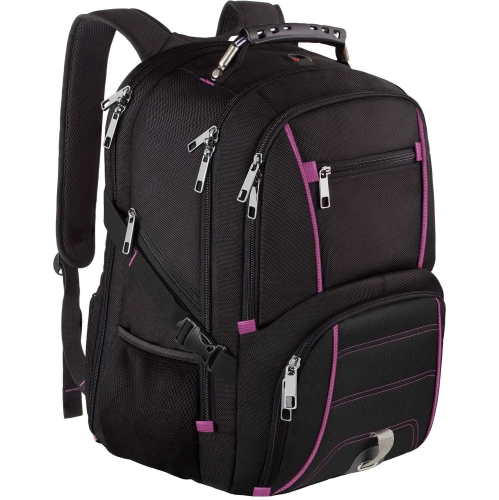
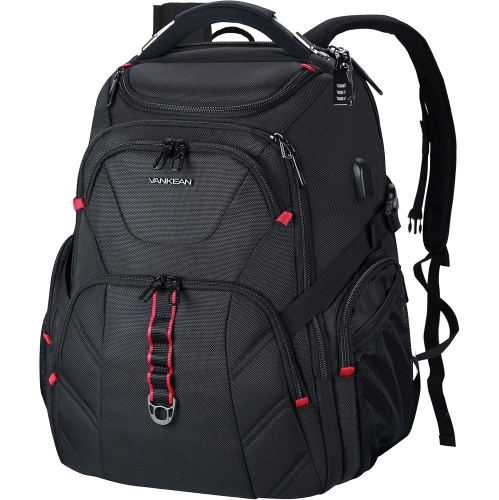
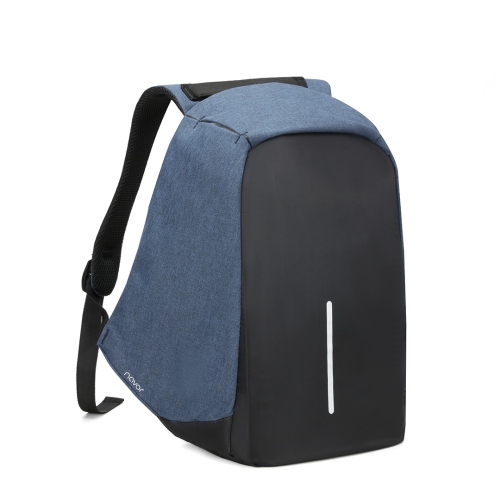
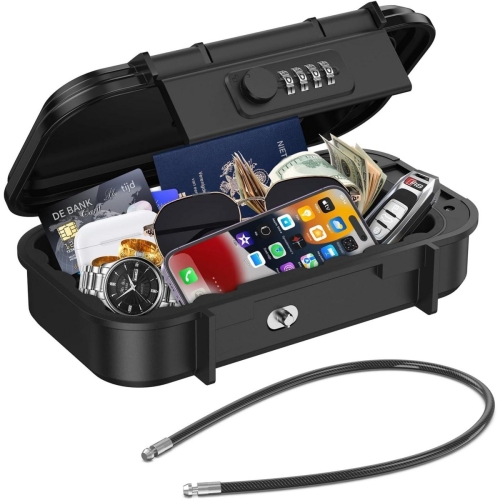
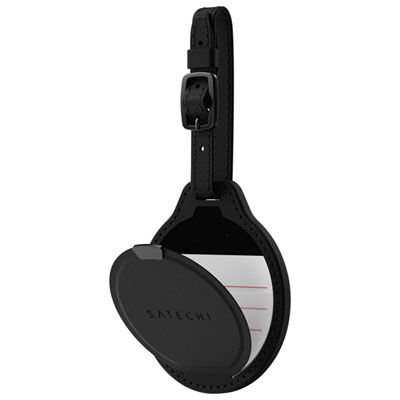
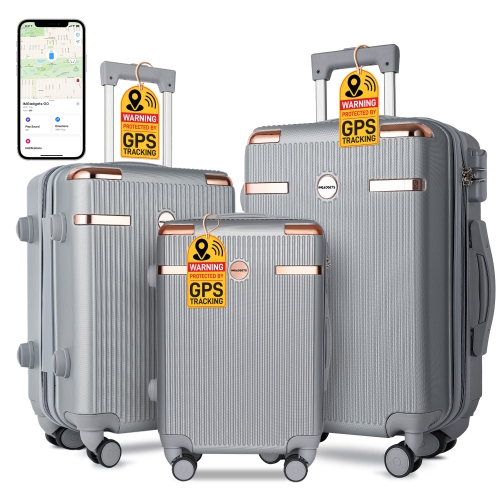
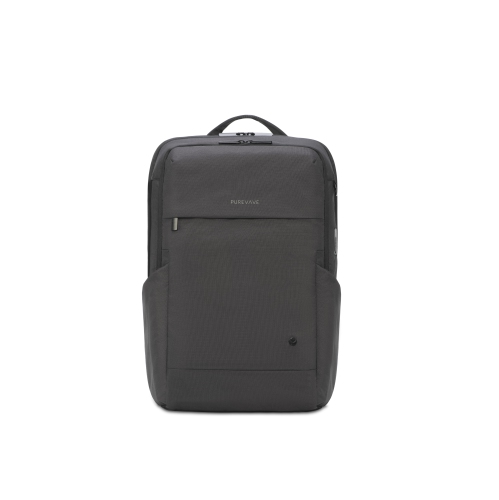
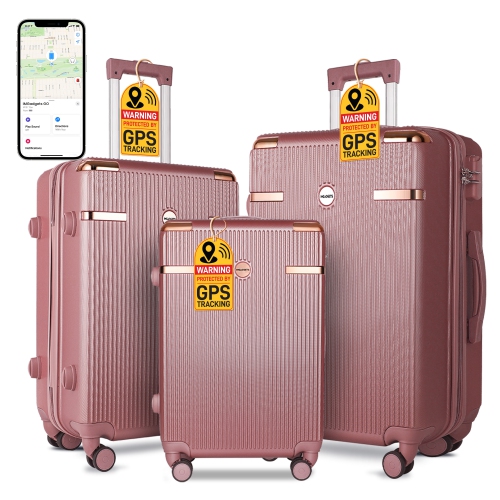
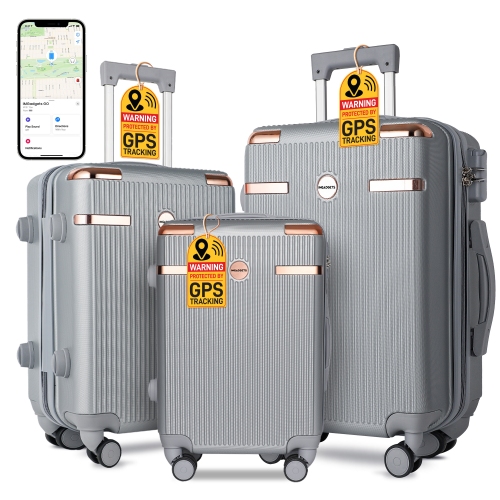
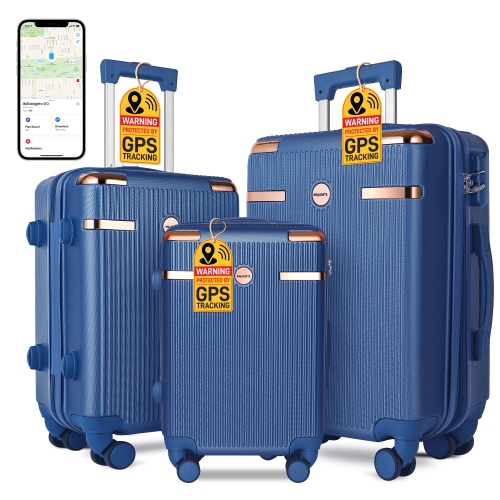
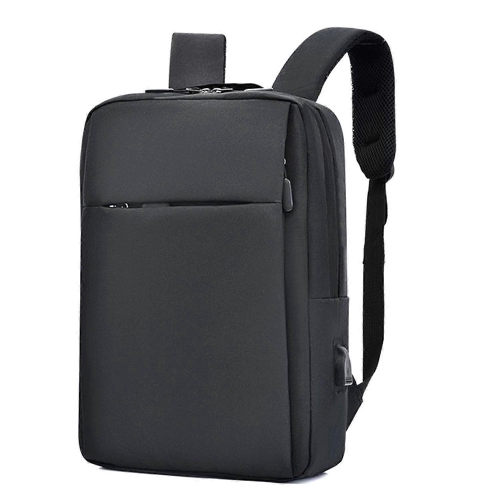
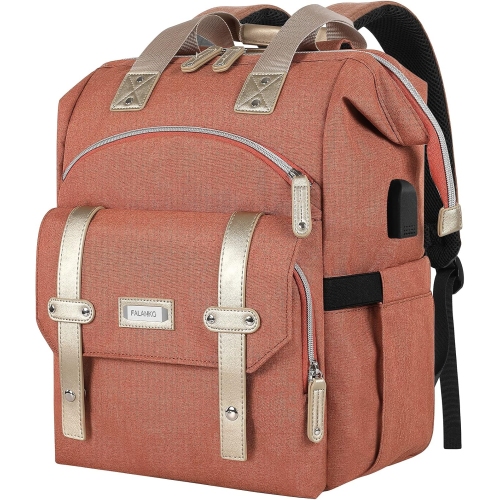
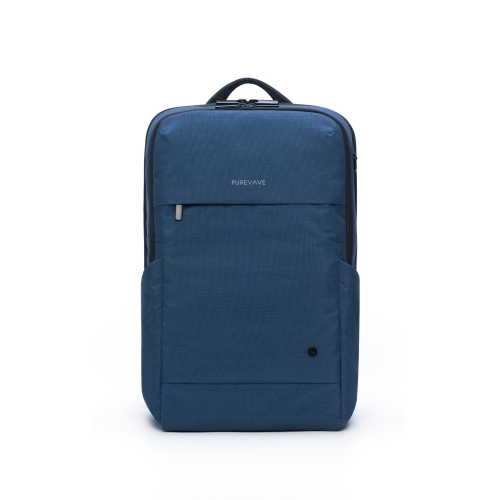
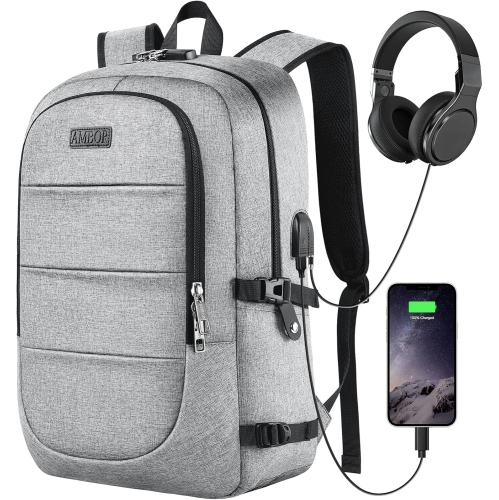
Anti-theft luggage combines travel storage with features designed to make unwanted access more difficult. Depending on the design, those features can include lockable zipper pulls, puncture-resistant zippers, reinforced fabric, cut-resistant straps, concealed compartments, and integrated locks. Each addresses a different concern: a lock can discourage someone from opening a suitcase during a brief distraction, while reinforced panels can make a soft-sided travel bag harder to slash. No suitcase or backpack is theft-proof, and the term “anti-theft” does not mean every piece includes the same protections. The most useful features are those that suit the way the luggage will travel, whether that means overhead bins, train luggage racks, hotel transfers, or a daily journey with a laptop. Hard-shell anti-theft suitcases typically offer a structured packing space and an exterior that helps protect contents from bumps. Polycarbonate shells tend to flex under pressure, while ABS shells are generally more rigid; actual durability also depends on shell thickness, construction, and the quality of the corners, handles, and wheels. Soft-sided luggage made from nylon or polyester offers a different balance, often with accessible pockets and some flexibility when packing. Fabric weight alone does not establish slash resistance: that protection comes from purpose-built reinforcement, such as wire mesh or reinforced fibres, in specified areas of the bag. Reinforcement may cover only selected panels rather than the entire exterior. Zipper construction matters as much as the lock attached to it. Interlocking pulls hold the opening closed when secured, while zippers specifically designed to resist puncturing address attempts to force apart the zipper chain. A conventional lockable zipper does not automatically provide that additional resistance. For travellers carrying work documents, clothing, and personal essentials through busy terminals, these distinctions help explain what a bag is built to do. Well-integrated security should still leave the luggage practical to pack, comfortable to move, and straightforward to open when a boarding pass or an extra layer is needed.
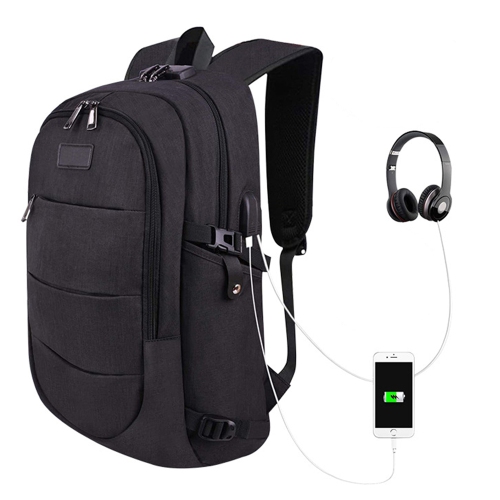
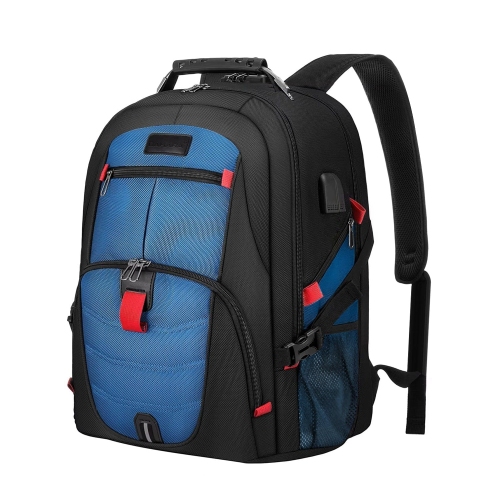
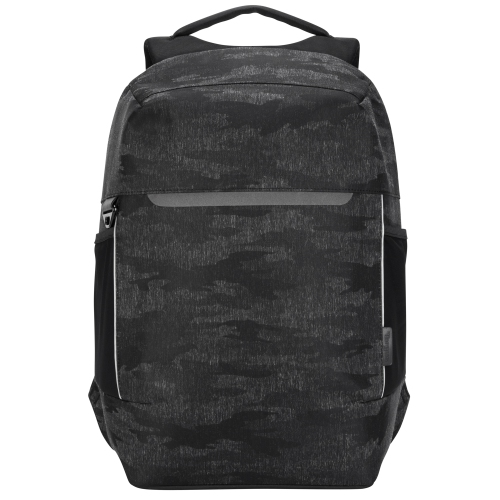
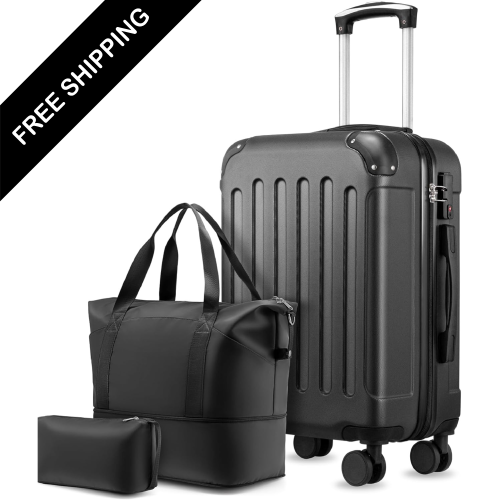
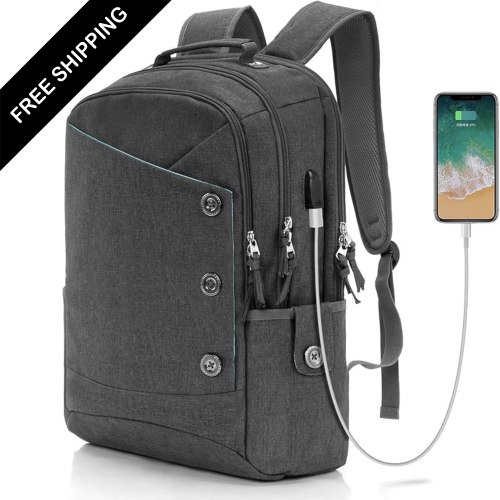
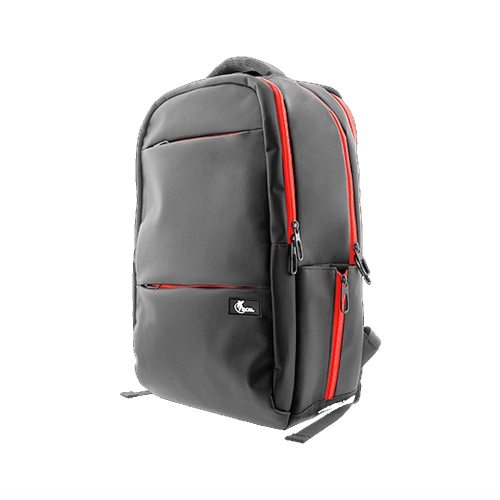
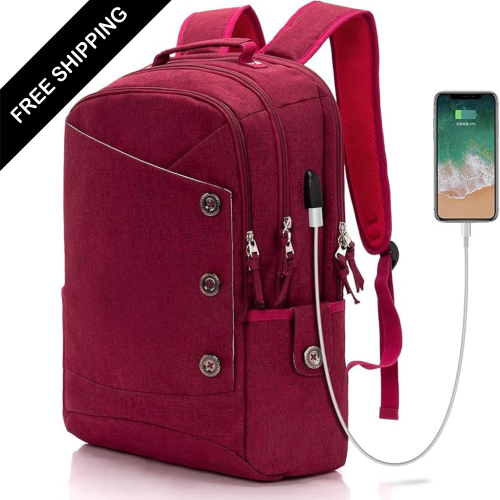
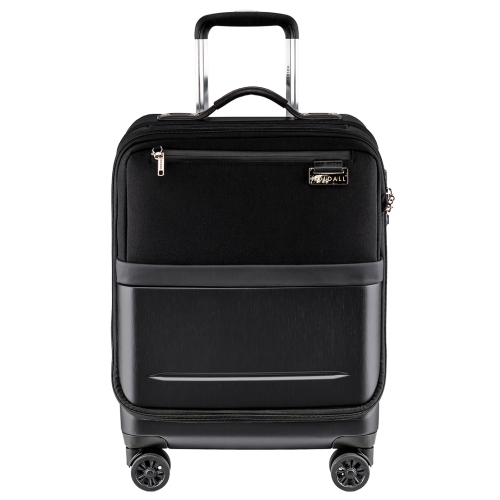
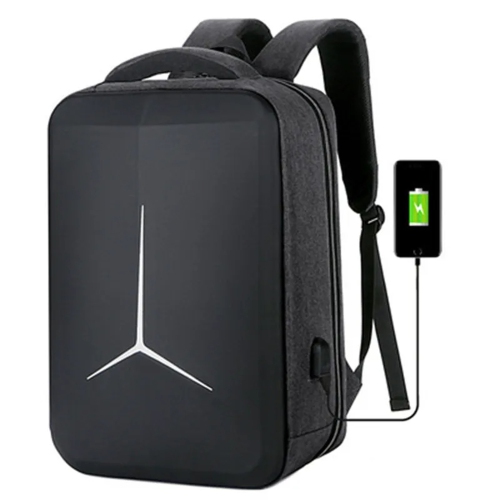
The shape and carrying system of anti-theft luggage influence how comfortably it fits into a trip. A rolling carry-on keeps weight off the shoulders during long terminal walks, while a travel backpack leaves hands free on stairs, uneven pavements, and public transit. Four-wheel spinner luggage moves easily beside the traveller on smooth floors; two-wheel designs are often easier to pull over rougher surfaces, depending on wheel size and construction. Recessed wheels, sturdy handle mounts, and a telescopic handle with little sideways movement can contribute to a more dependable feel under load. For backpacks, adjustable shoulder straps, a supportive back panel, and a suitable torso length matter more than capacity alone. A hip belt can help distribute heavier loads when it fits properly. Security reinforcement adds weight, so the empty weight deserves attention alongside the amount of clothing and equipment the luggage can hold. Airline cabin allowances vary, and external dimensions generally need to account for wheels, handles, and any expanded sections. An expansion zipper creates useful packing room but may take a case beyond the permitted size. Inside, compression straps and divided compartments help prevent contents from shifting, while a padded laptop sleeve can keep a computer separate from buckles and other hard objects. Padding is not necessarily impact protection, and sleeve dimensions should match the device rather than just its advertised screen size. Access is another practical consideration. A rear-facing pocket can keep travel documents closer to the body when a backpack is worn, but it may be less convenient when the bag is strapped to a suitcase. Travellers who leave their main luggage at their accommodation may pair it with Anti Theft Bags for shorter outings with a phone, wallet, and room key. Keeping these smaller essentials separate can reduce the need to open the main packing compartment in a crowded station. For business travellers, students heading away for a term, and families managing several bags, an orderly interior can be just as valuable as a visible lock.
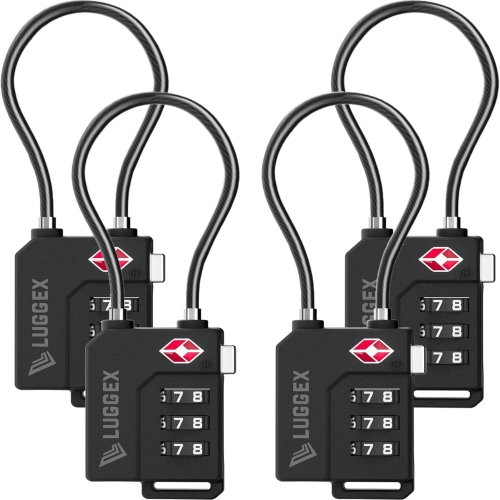
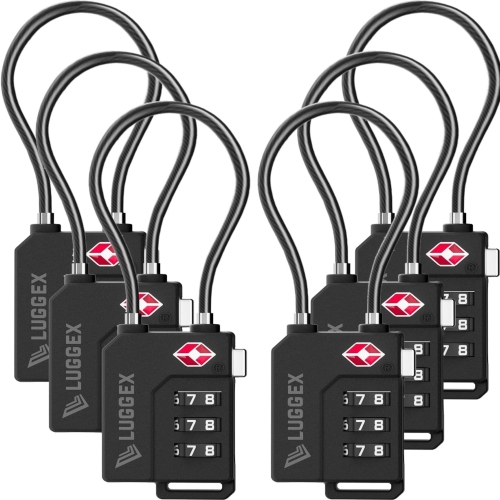
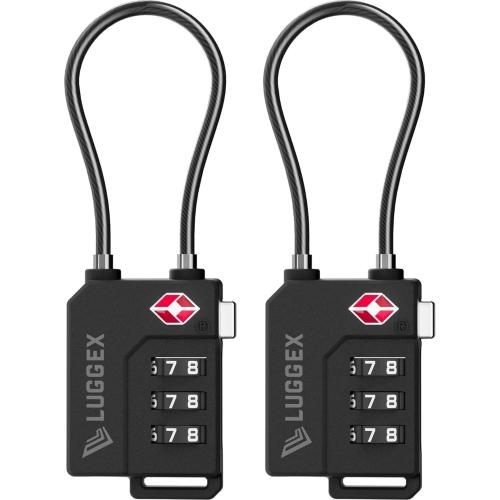
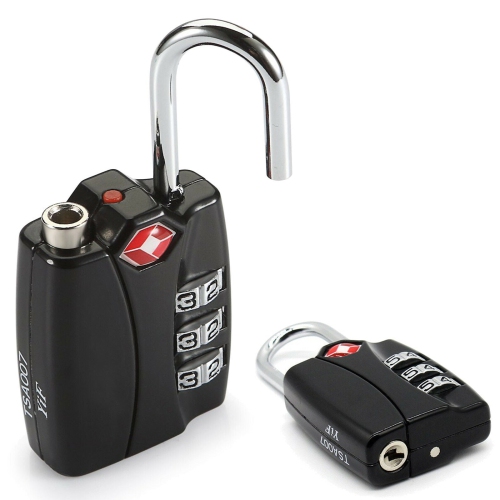
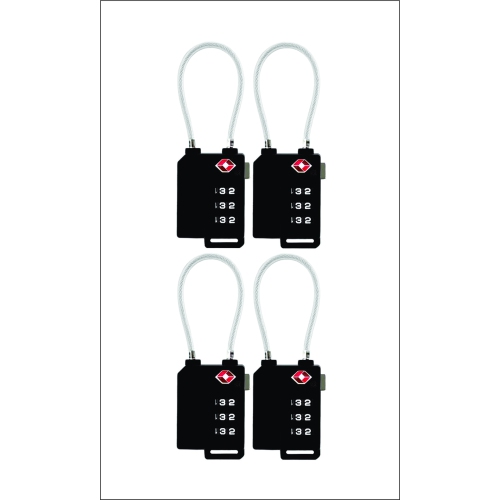
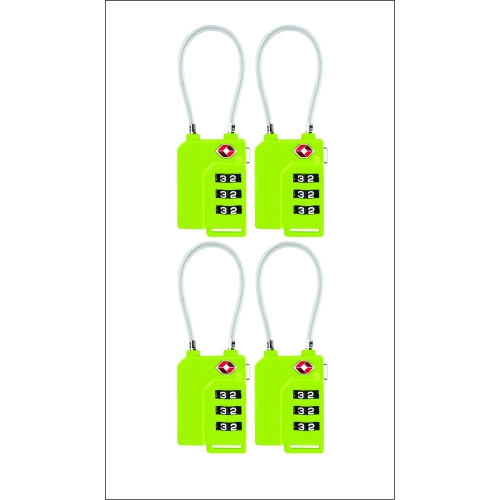
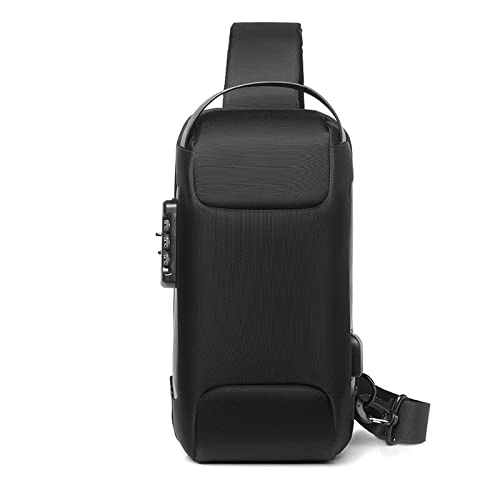
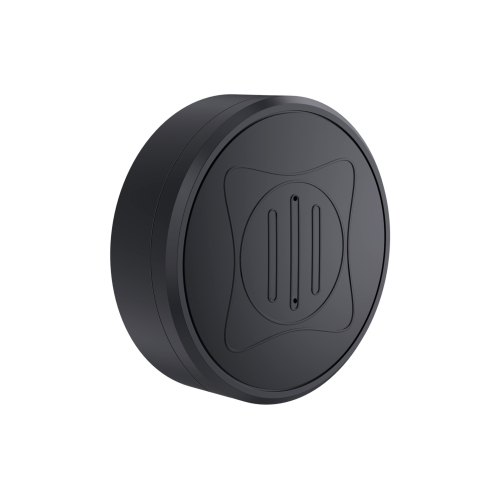
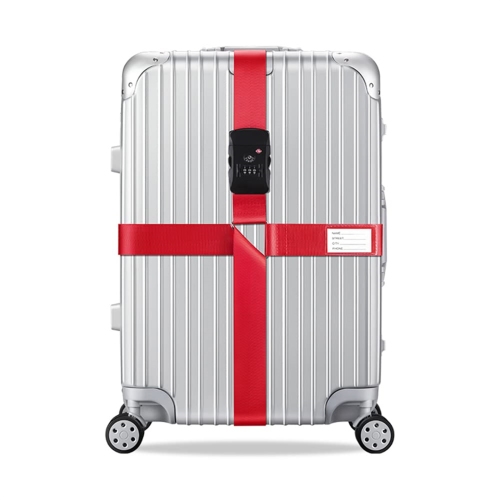
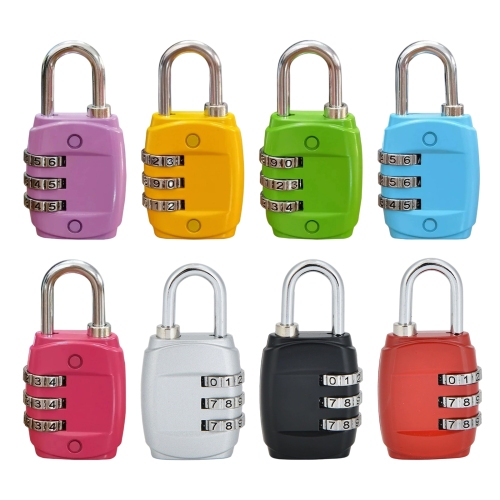
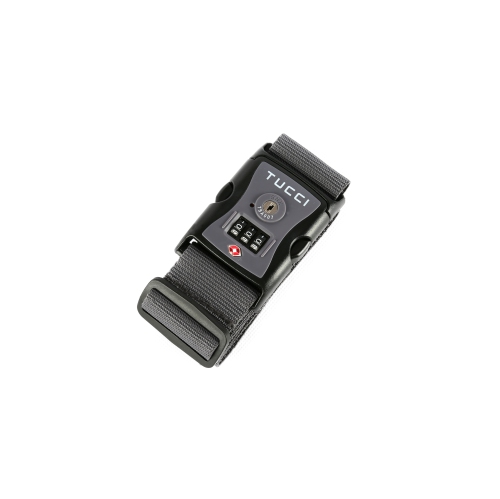
Other security details serve more specific purposes. RFID-blocking pockets use shielding materials intended to limit wireless reading of compatible cards or documents stored inside them. Their effectiveness depends on the pocket’s construction, coverage, and supported frequencies; they do not protect a phone from online fraud or prevent the physical theft of a wallet. Cut-resistant shoulder straps may contain steel cable or reinforced fibres to make cutting more difficult, although attachment points and overall construction remain important. Some travel bags include an anchor cable or a strap that can be secured around a suitable fixed object. This can make a quick grab more difficult while the traveller remains nearby, but it is not a reason to leave luggage unattended. Integrated combination locks keep the closure system together without a separate padlock, while compatible travel locks may allow authorised baggage screening personnel to open a case using designated tools. That access does not apply to every screening authority, and a lock does not guarantee that luggage will avoid forced opening during inspection. Everyday usability also depends on whether lock dials are legible, zipper pulls are easy to grip, and securing the bag feels manageable with cold hands or in a narrow train aisle. During the cooler months, a water-resistant exterior can help with light rain or wet platforms, but water resistance is not the same as waterproofing, particularly around seams and zippers. Care should follow the luggage’s material and hardware requirements. Gentle cleaning with a soft cloth and a suitable mild cleaner is often sufficient for shells, while fabric panels may need spot cleaning rather than soaking. Wheels benefit from having grit and tangled hair removed, and bags should dry fully before storage. Signs of wear around strap anchors, zipper teeth, and lock housings deserve attention because these parts support both carrying performance and security. As a gift for a frequent traveller, someone starting a travel-heavy role, or a student preparing to live away from home, anti-theft luggage is most useful when its size, weight, and carrying style match the recipient’s routine. Thoughtful construction brings its greatest value to the ordinary moments of travel: changing platforms, lifting a case into a rack, or keeping belongings organised between stops.
Top selling and popular products
-
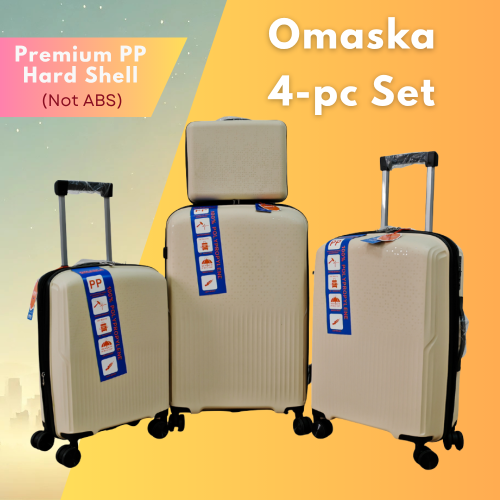 Your price for this item is $279.95
-
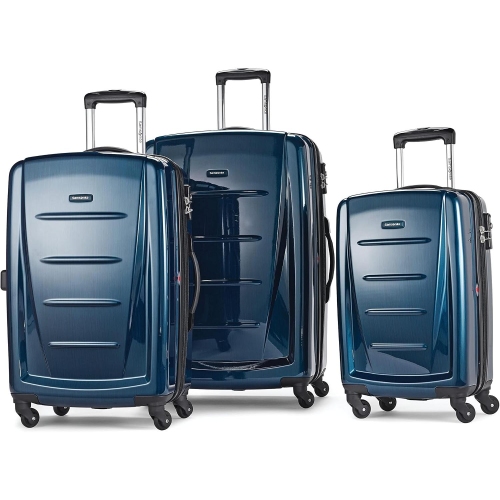 Your price for this item is $474.05
-
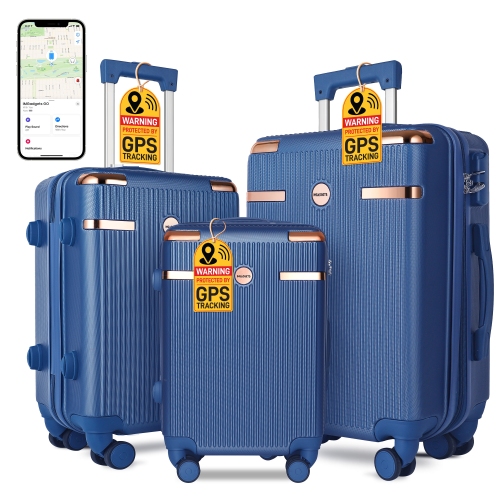 Your price for this item is $159.97
-
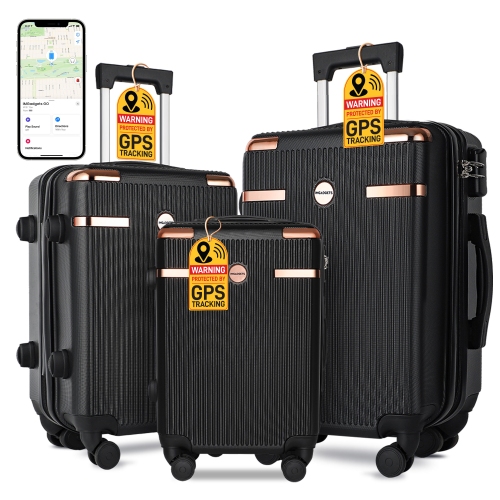 Your price for this item is $189.97
-
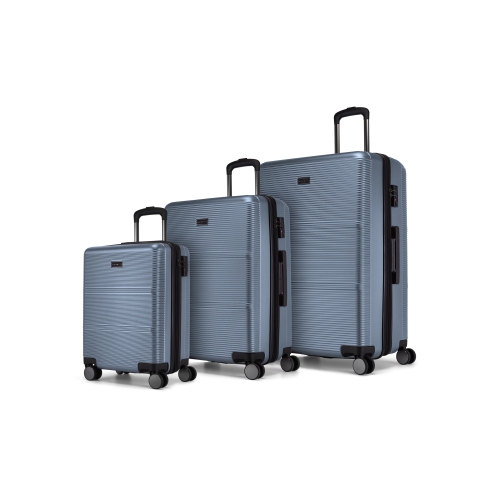 Your price for this item is $239.99
-
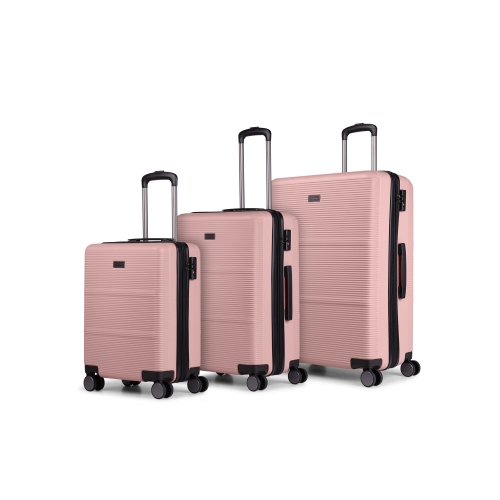 Your price for this item is $239.99
-
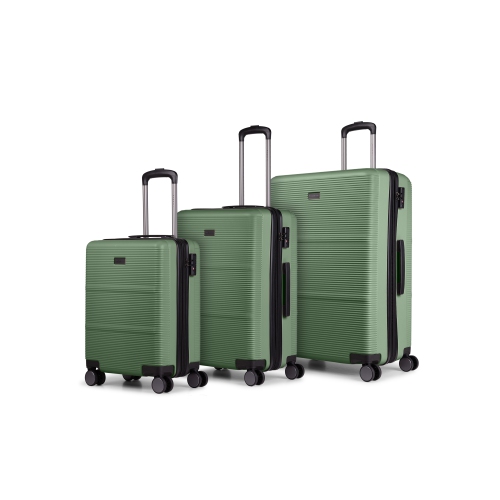 Your price for this item is $239.99
-
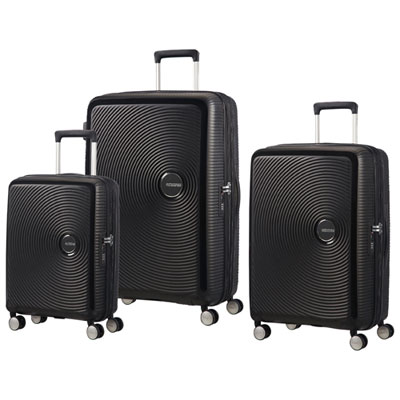 Your price for this item is $569.99
Discover more categories related to Anti Theft Luggage
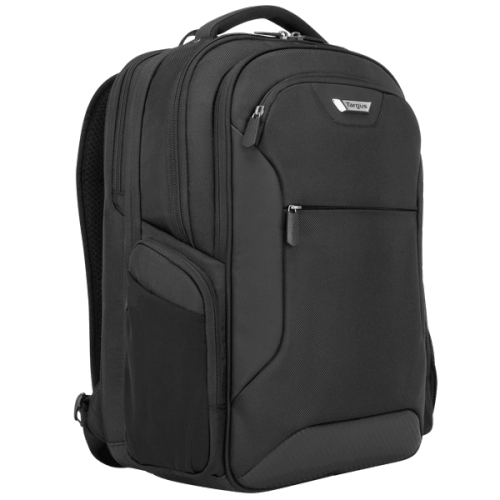

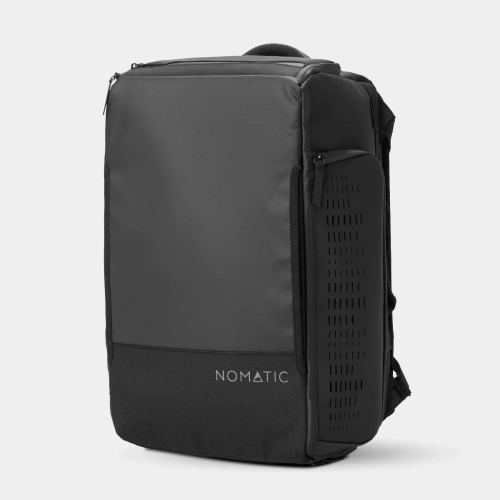
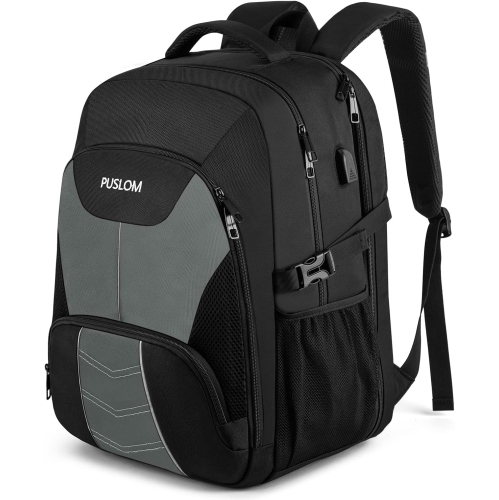
Top Collections:
Pokemon Centers, Best Cameras for Sports Photography, Kindle Devices, Samsung Galaxy Phones, Canon G7X Cameras, Pokémon 30th Celebration Cards, Refurbished Apple Laptops, iPhone 15 Apple, Laptops for Students, Budget Smartphones
Some products may be subject to Environmental Handling Fees
(EHF) depending on your province.
Learn more about EHFs.