19 Inch Carry On Luggage
Whether you're jetting off on a quick business trip or planning a weekend getaway, having the right carry-on luggage can make all the difference. With its compact size and convenient design, 19-inch carry-on luggage is the perfect companion for travelers who want to pack efficiently and travel light. Offering ample storage space while still meeting airline size restrictions, these compact suitcases are designed to keep your essentials organized and easily accessible throughout your journey. Explore our selection of 19-inch carry-on luggage and find the perfect travel companion for your next adventure.
Sort


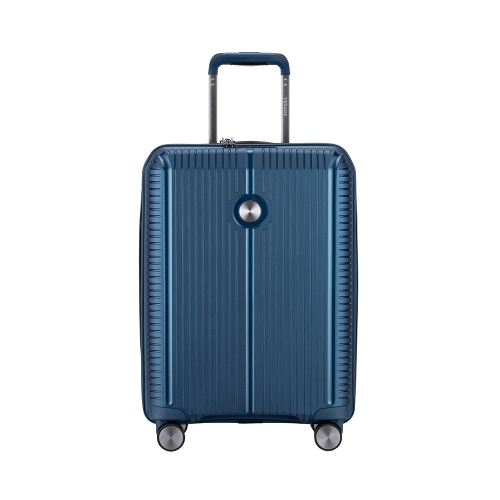
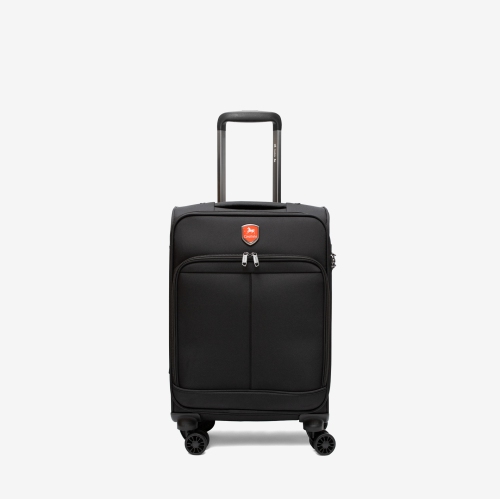
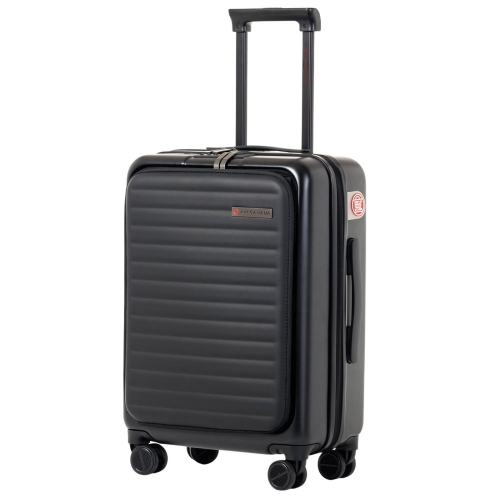
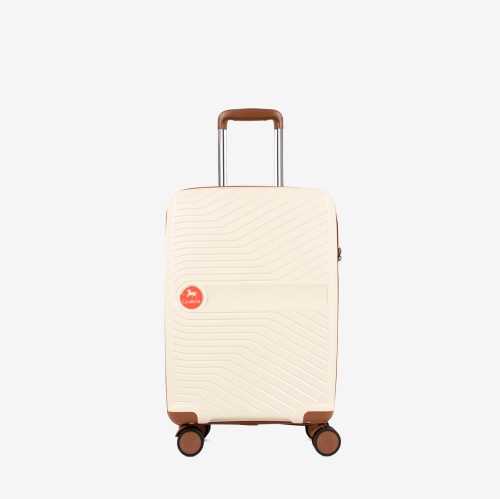
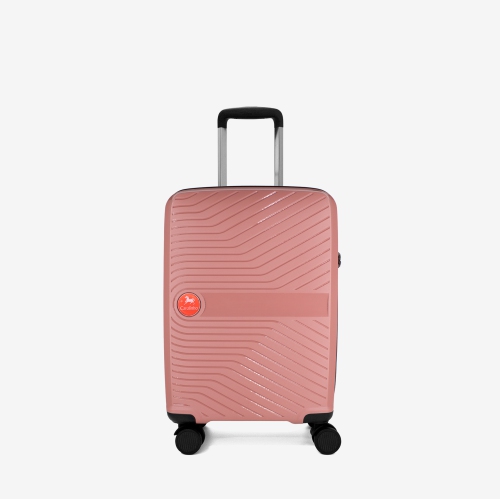
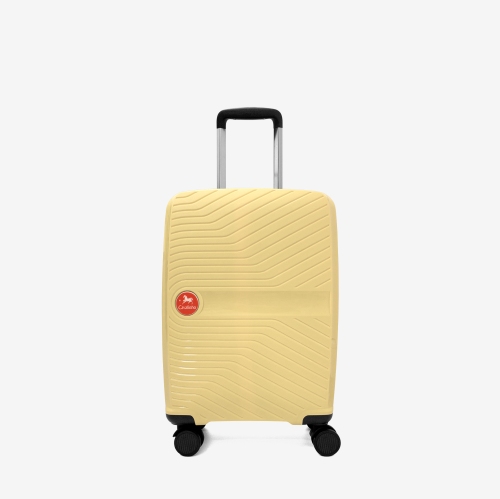
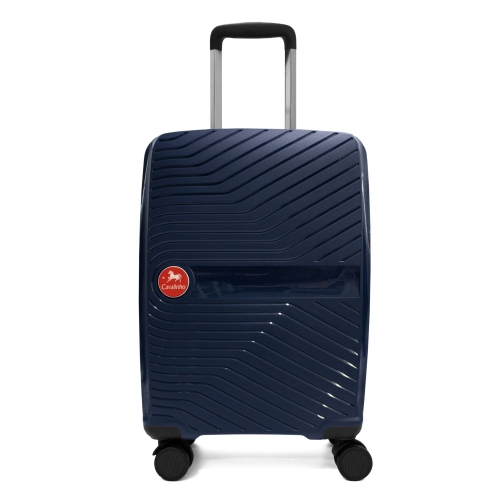
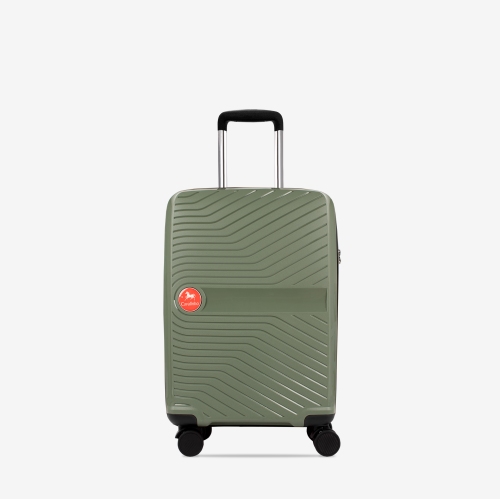
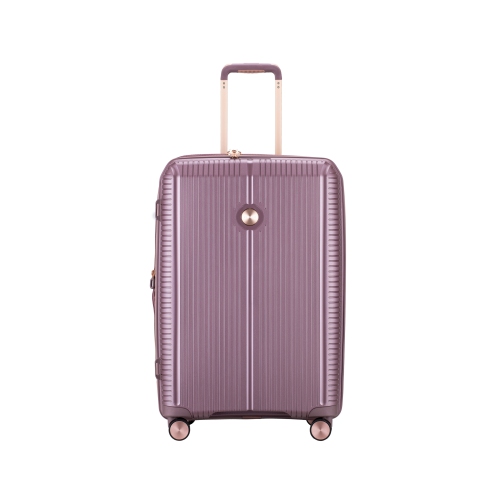

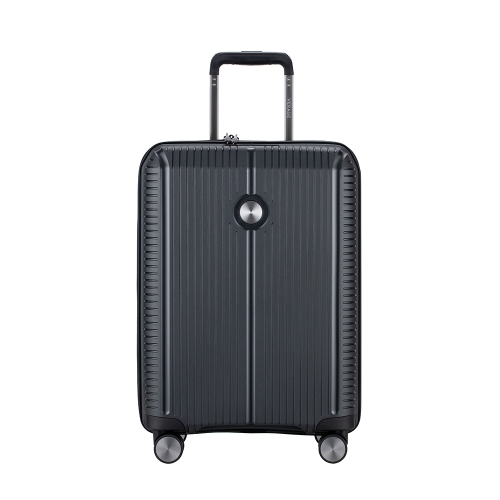

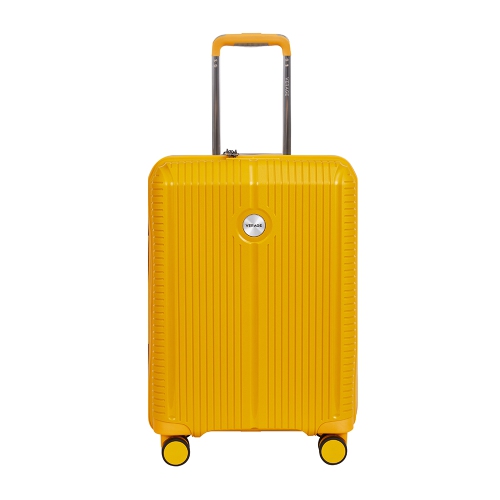
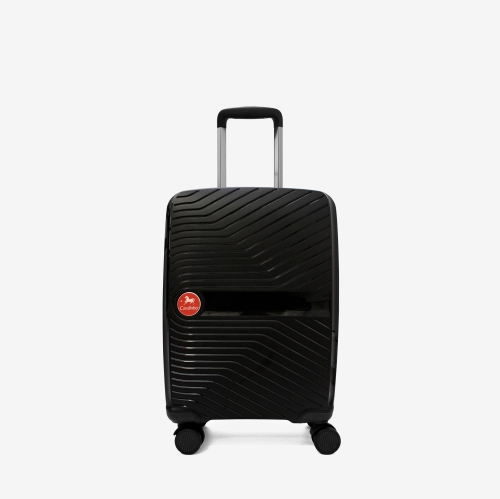
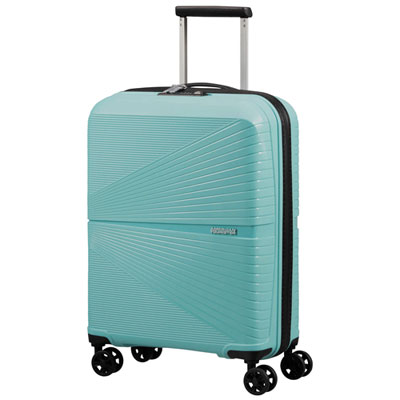
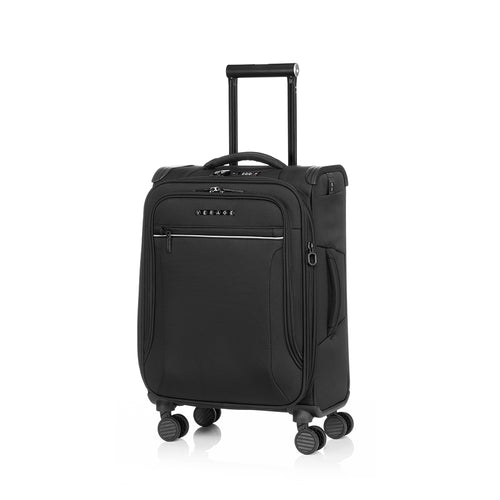
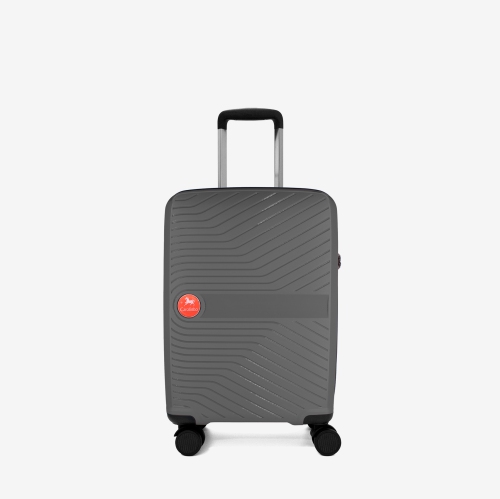
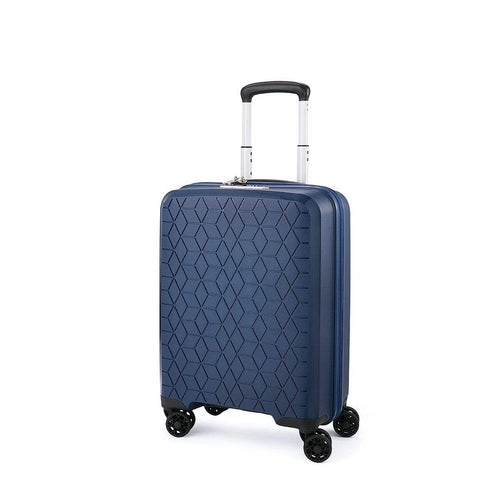
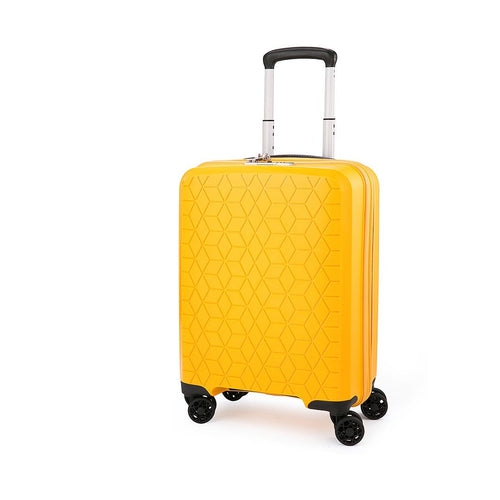
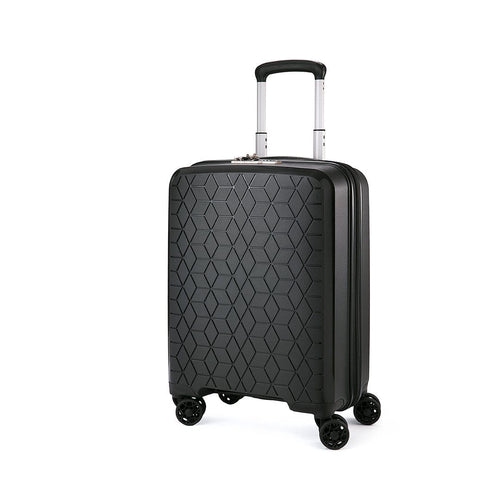
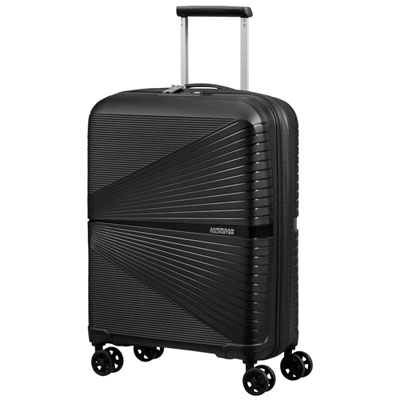
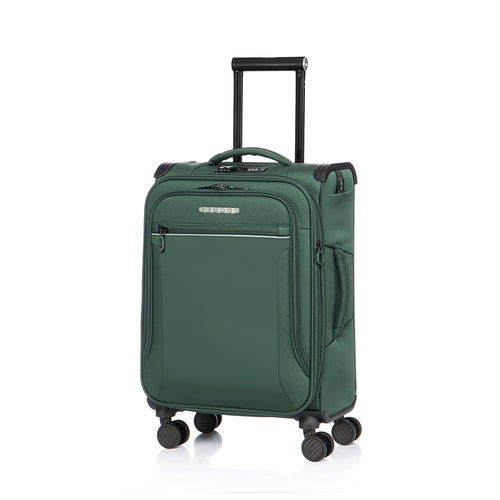
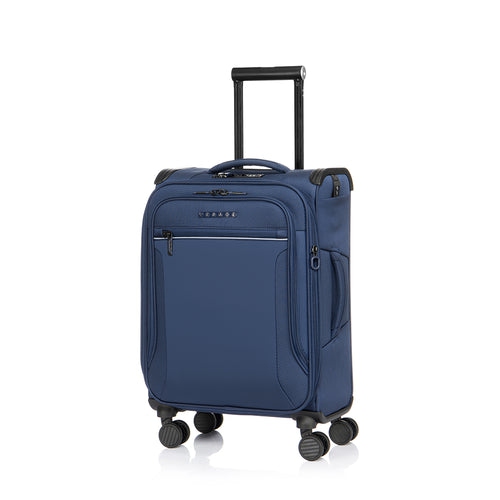
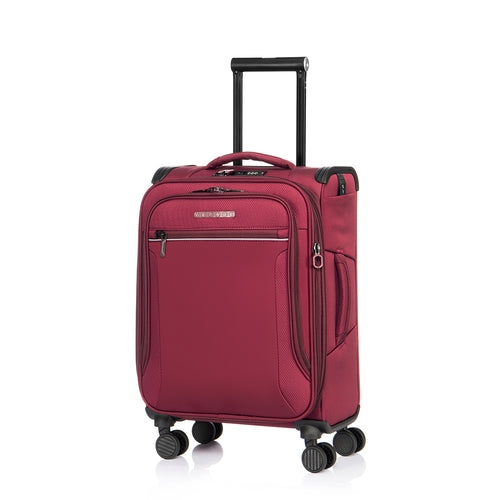
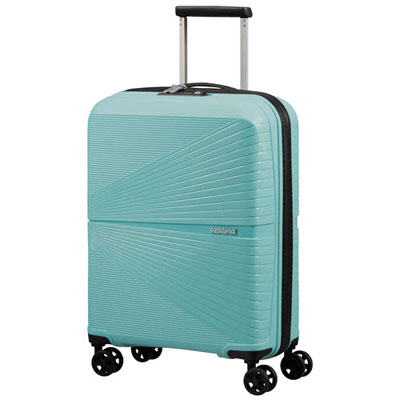
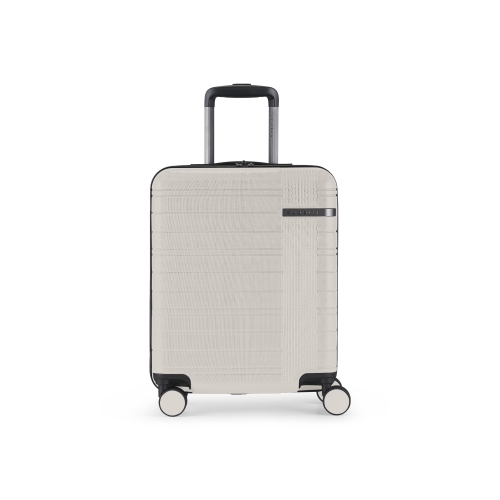
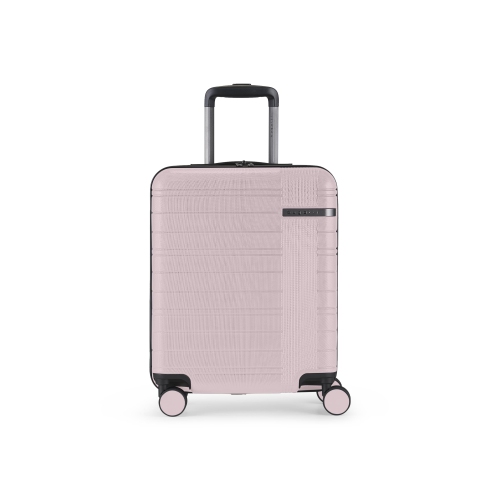
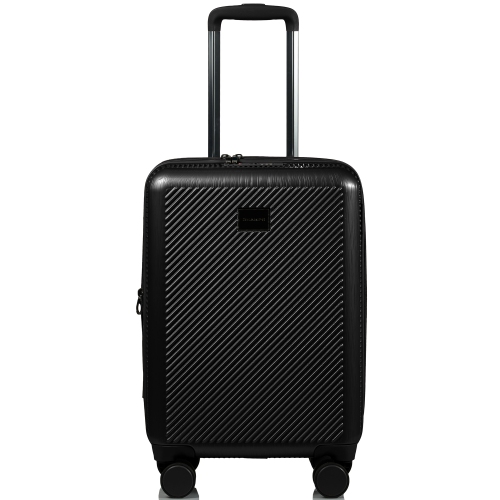
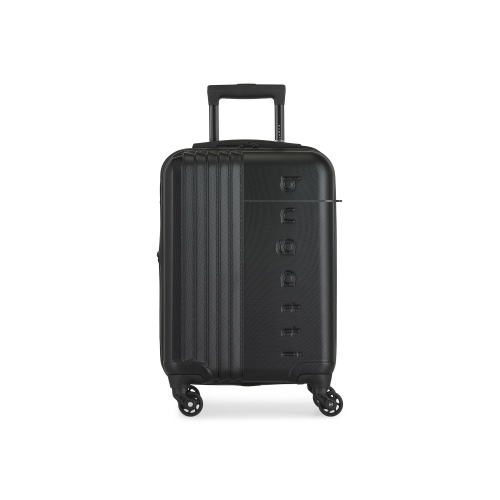
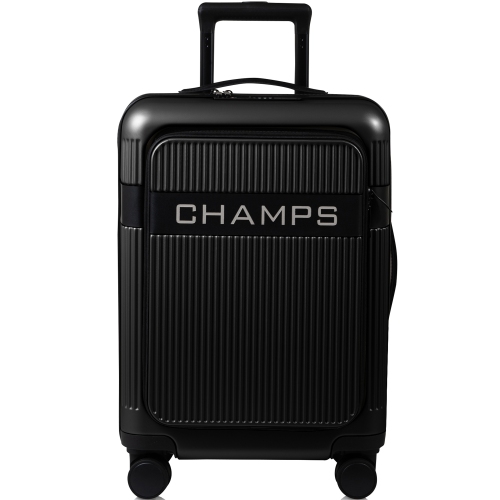
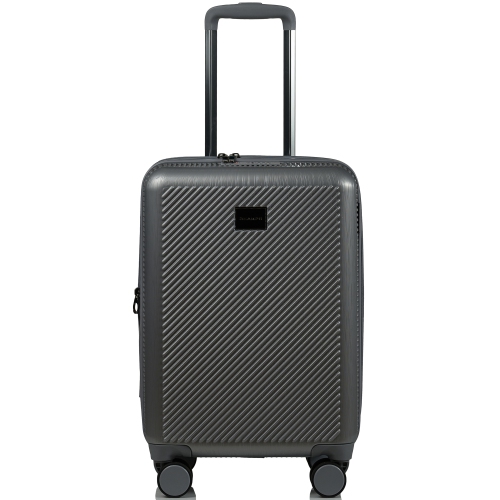
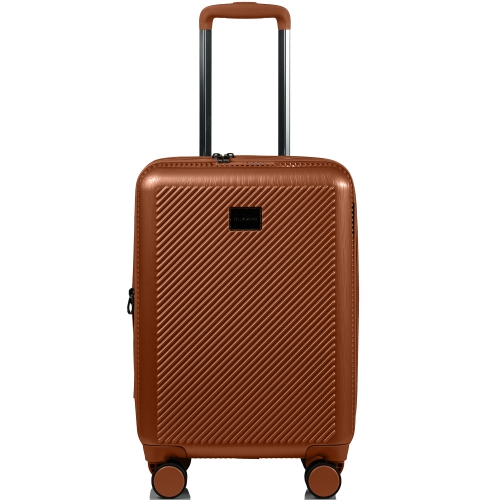
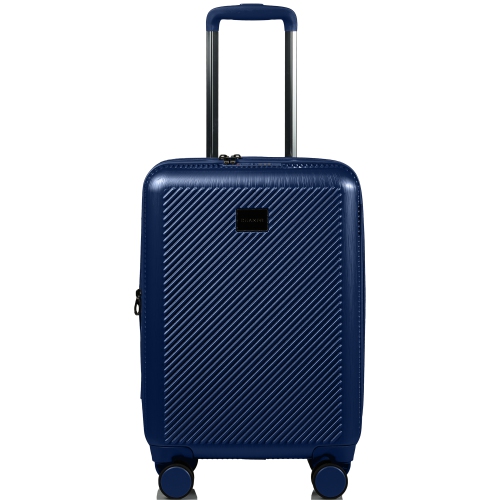
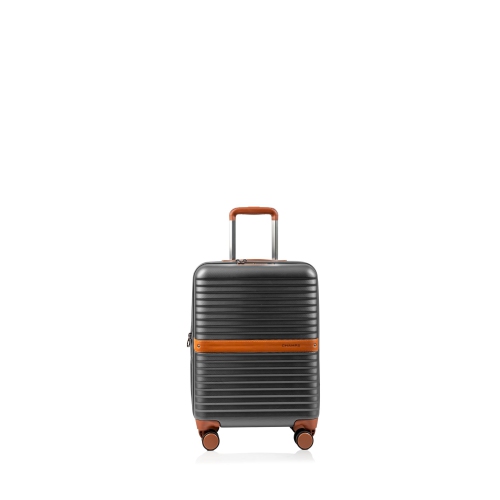
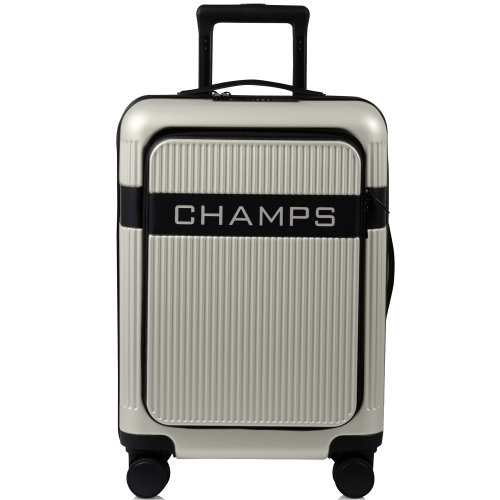
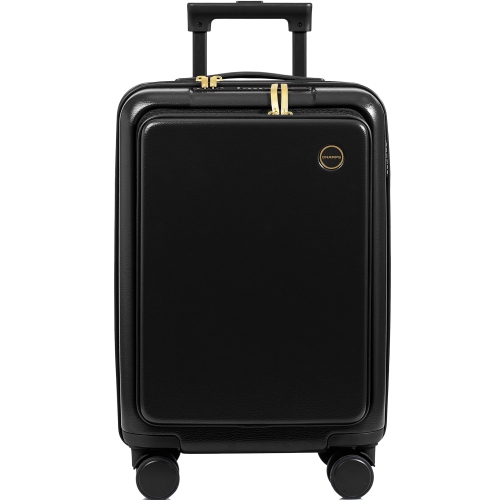
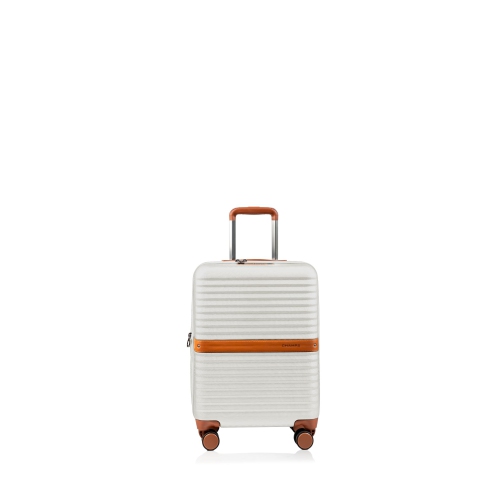
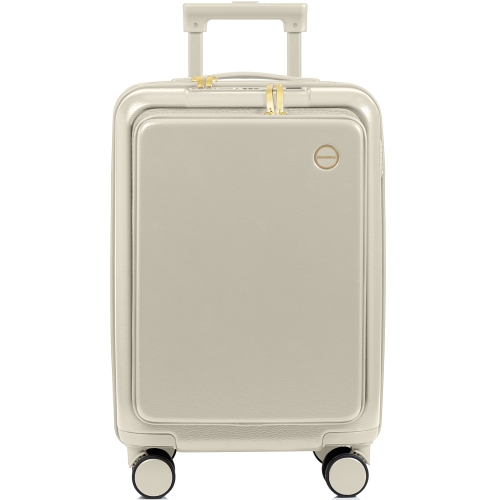
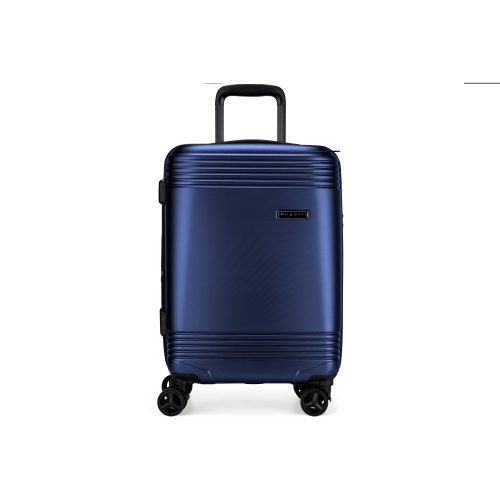
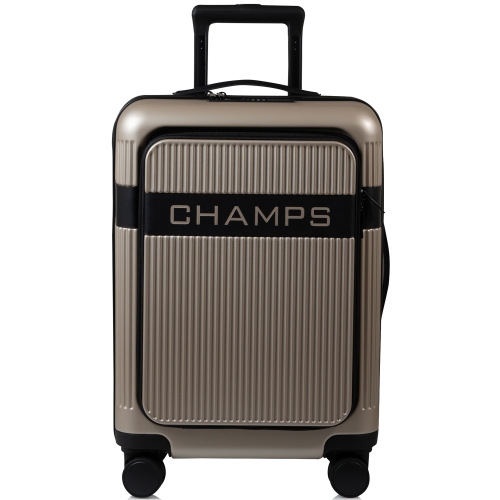
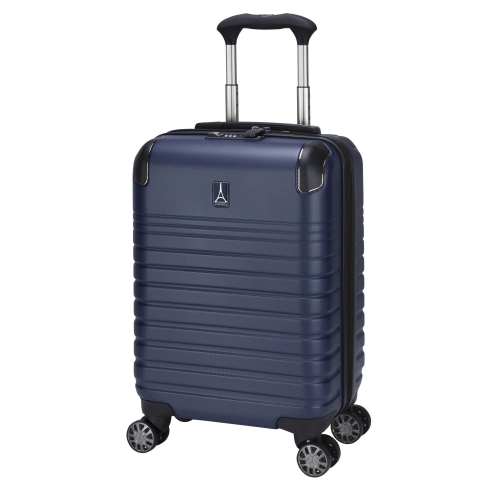
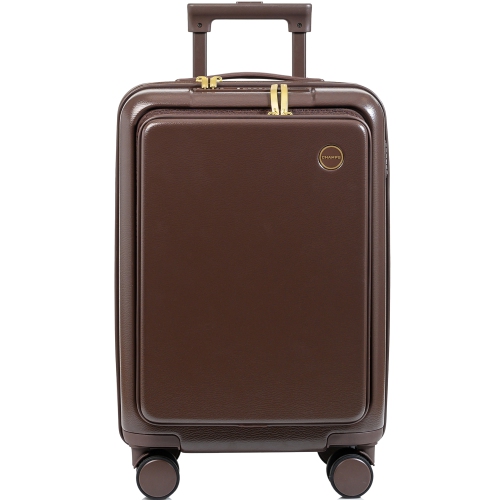
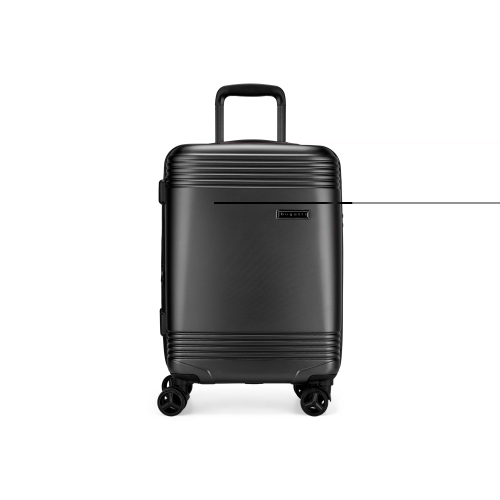
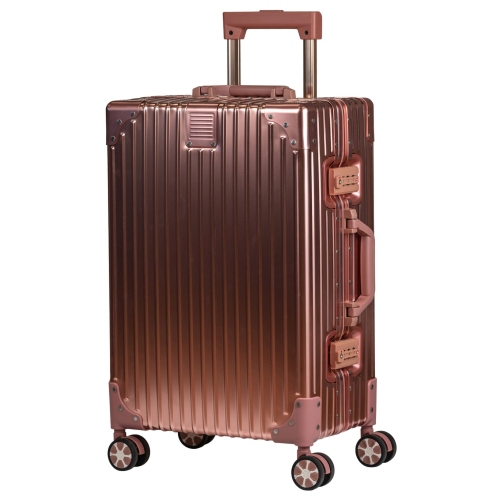
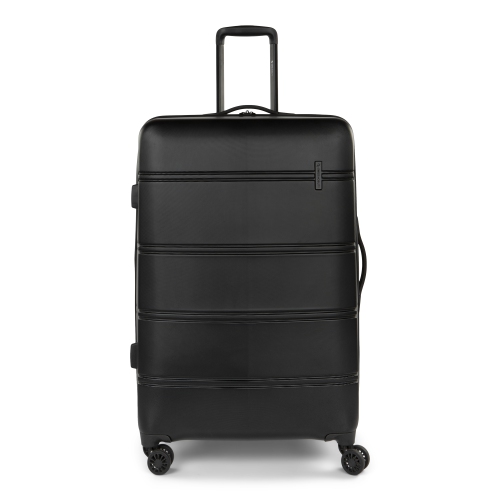
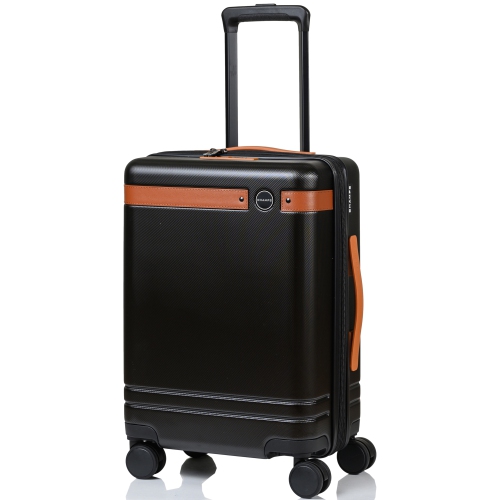
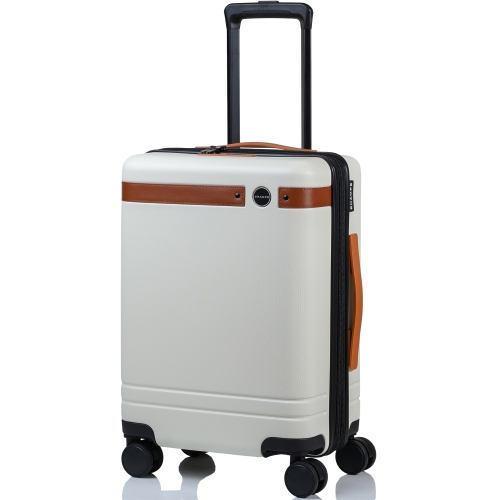
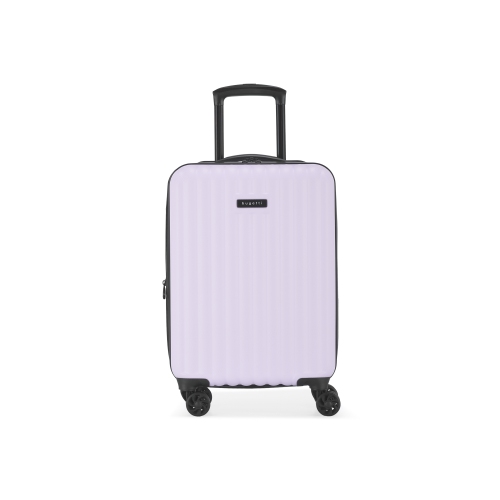
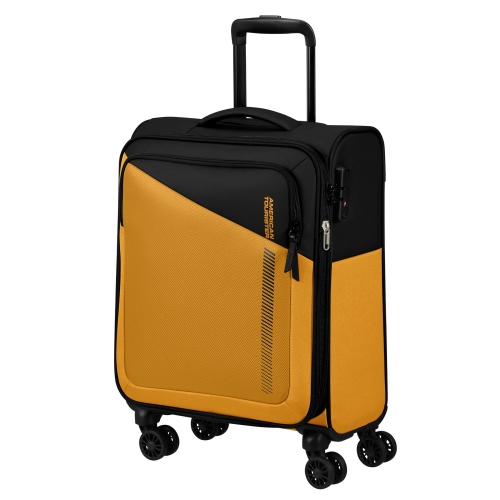
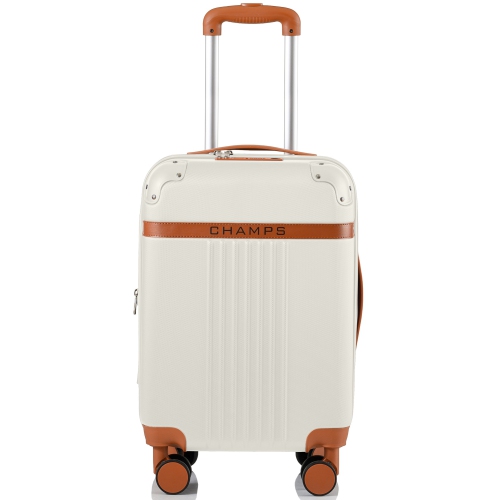
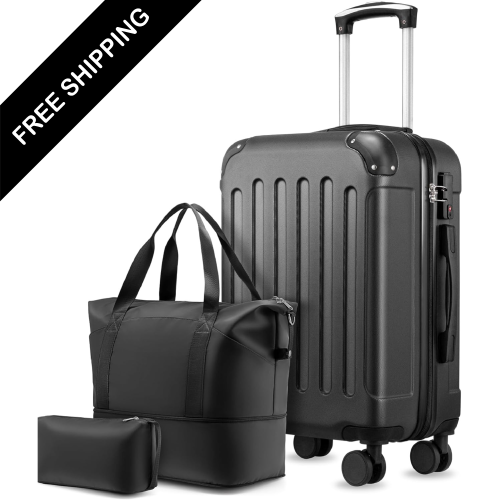
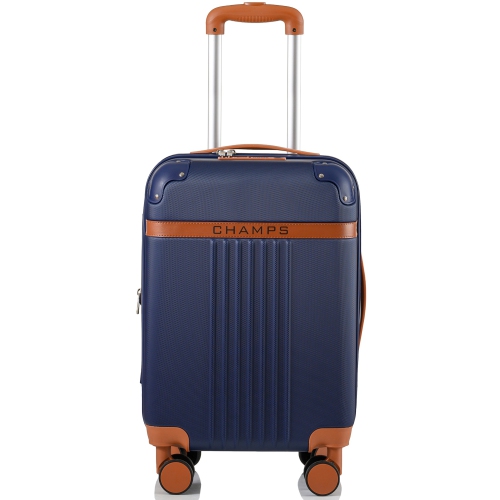
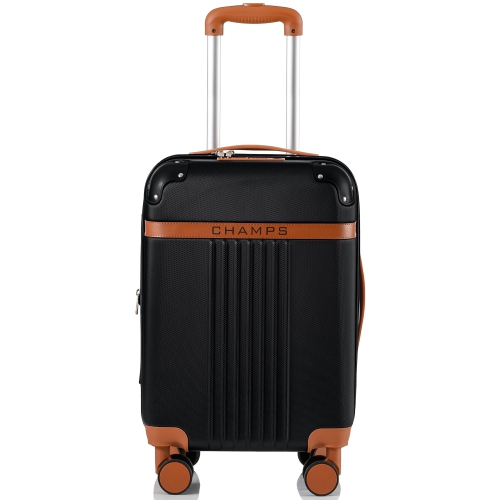
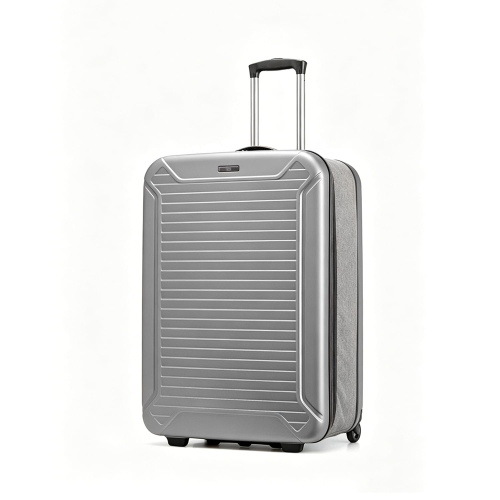
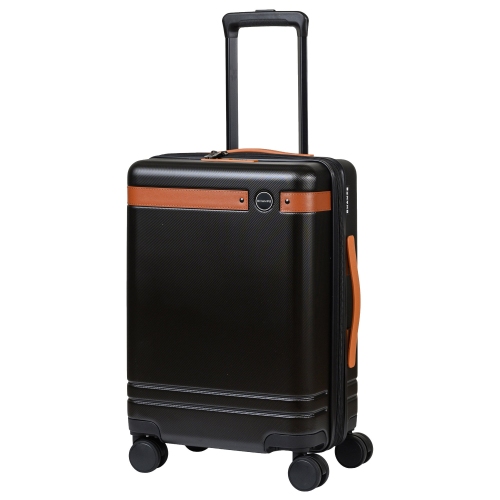
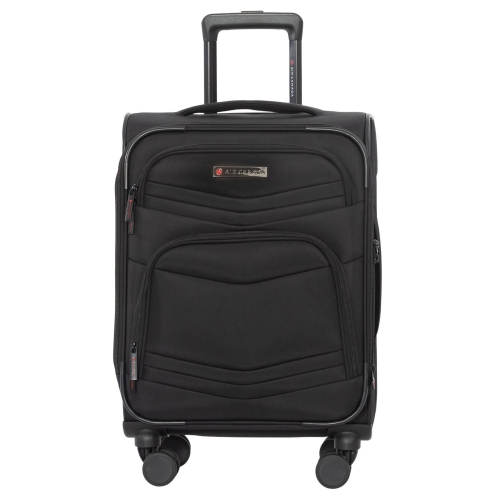
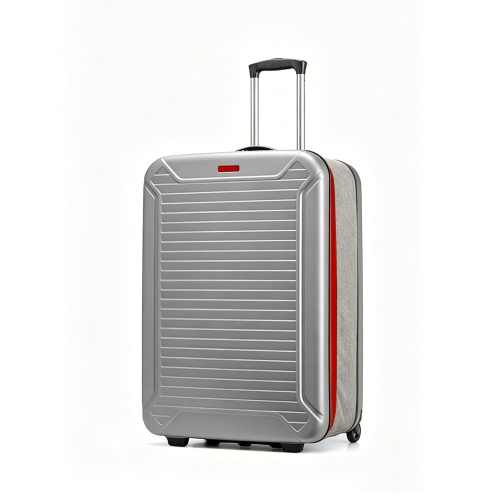
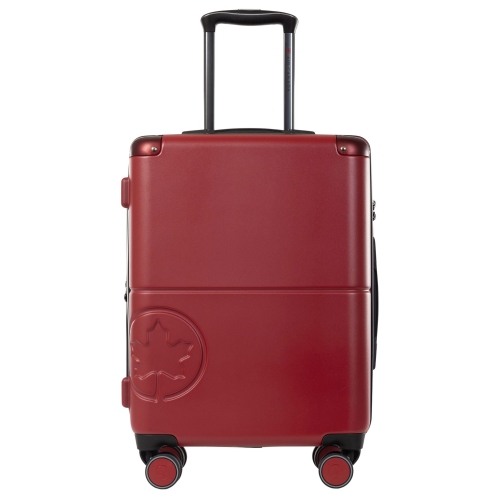
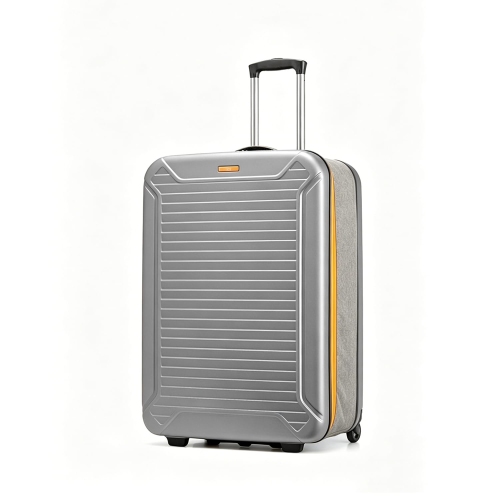
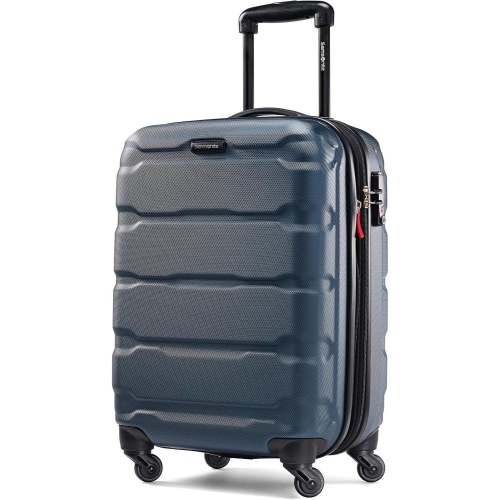
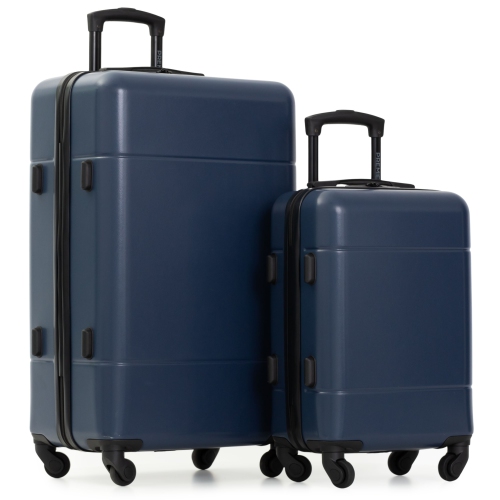
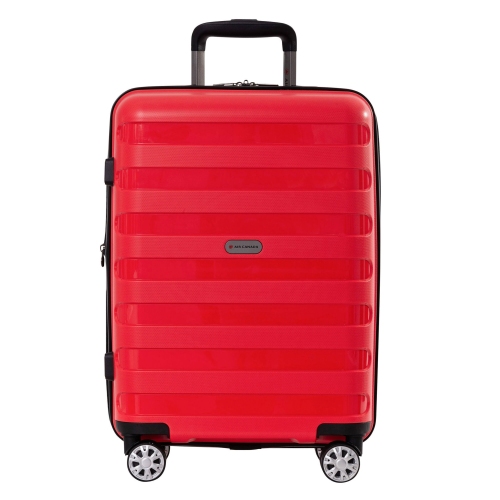
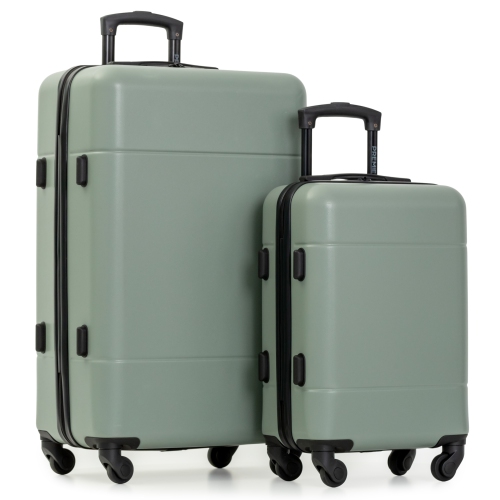
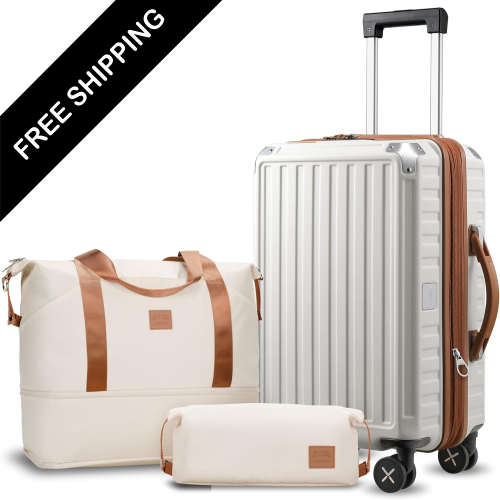
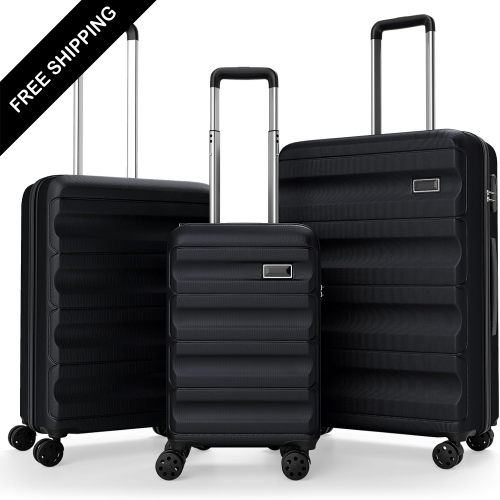
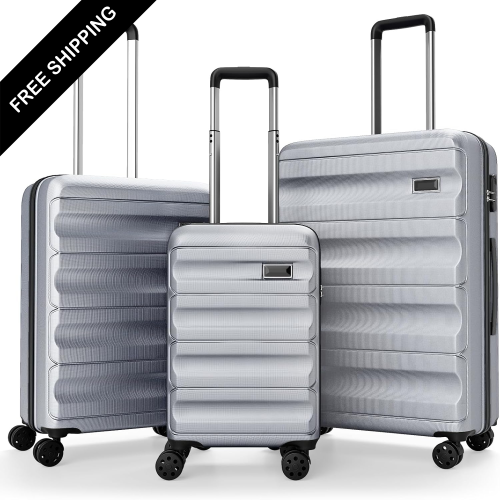
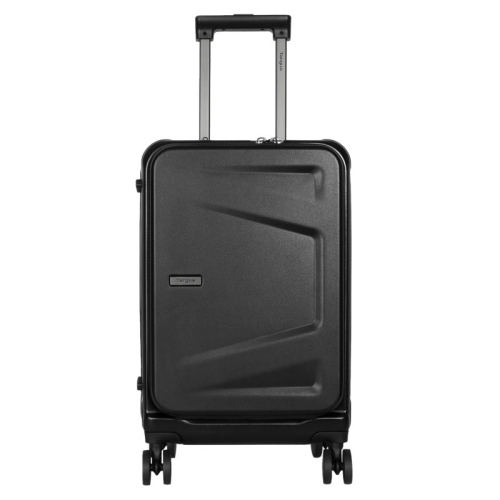
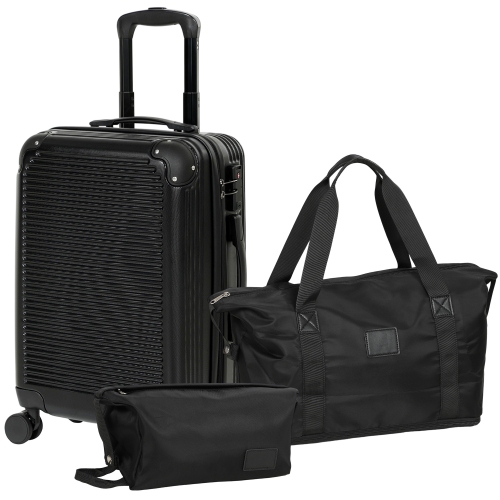
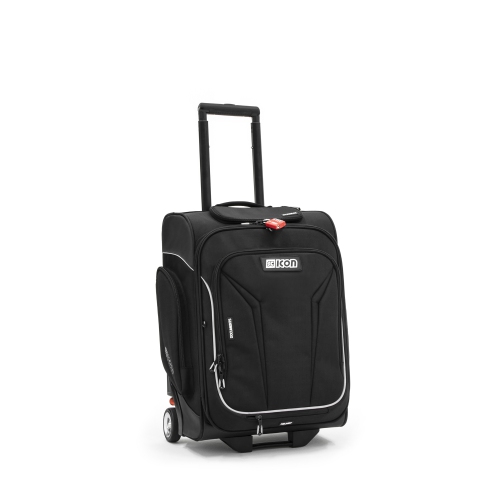
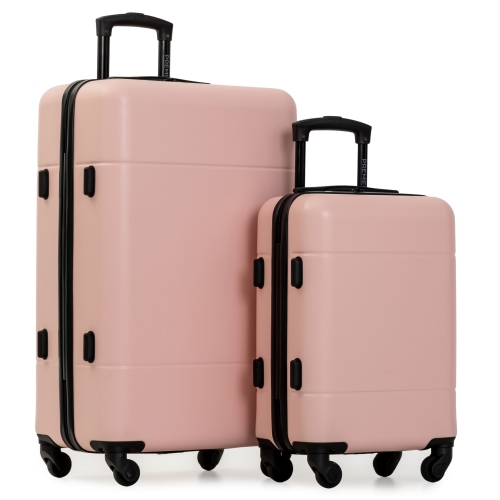
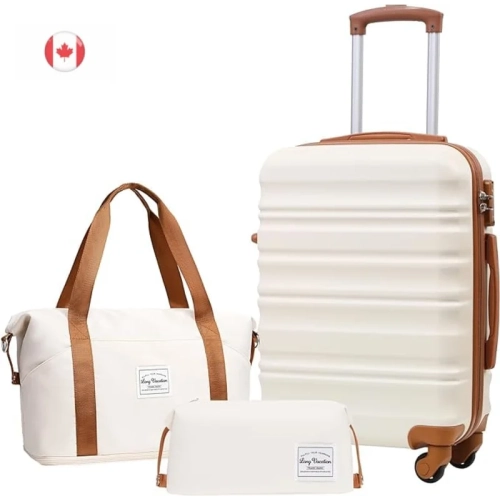
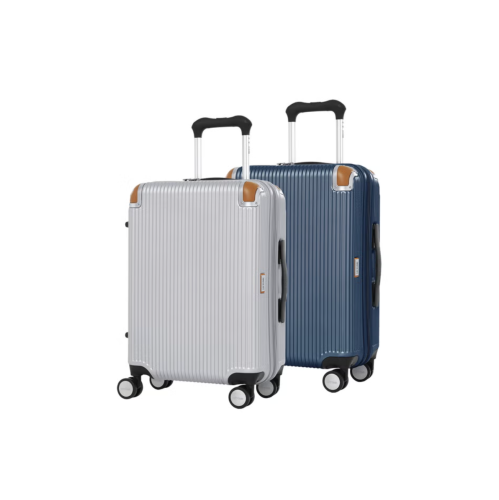
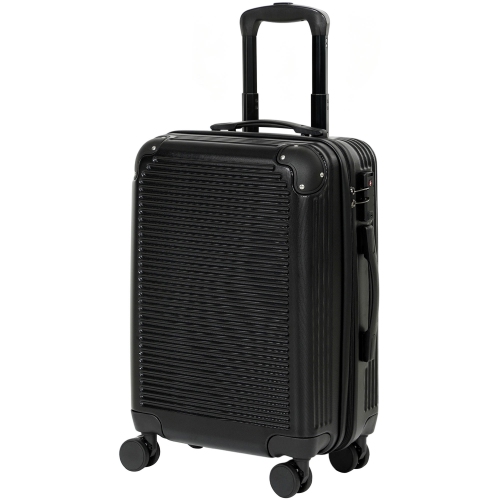
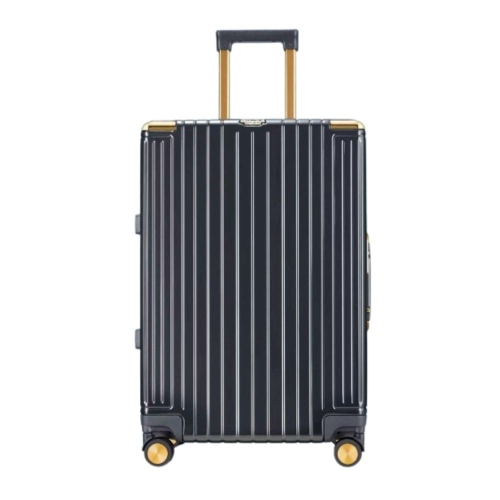
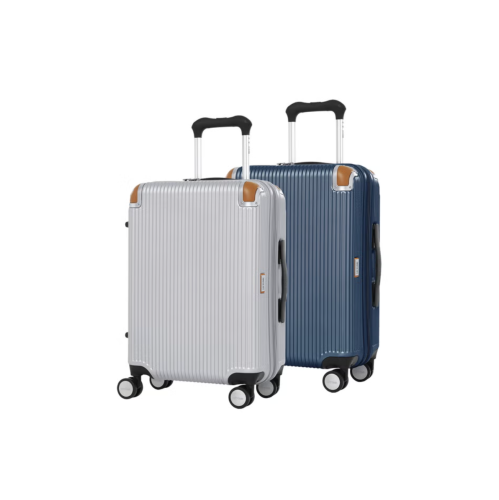
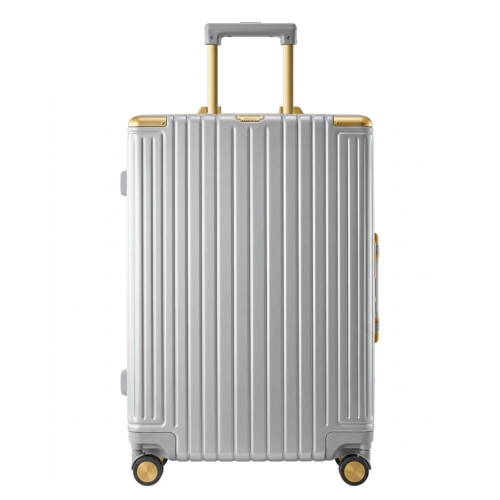
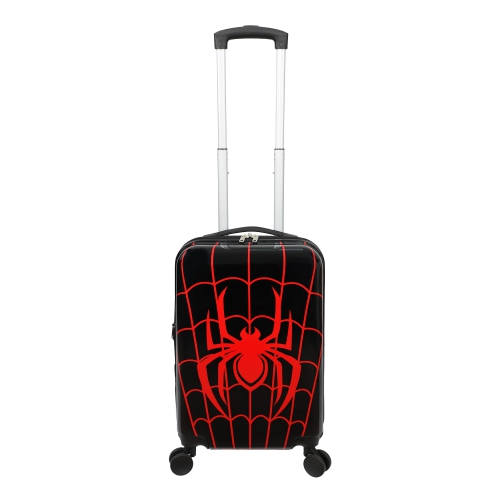
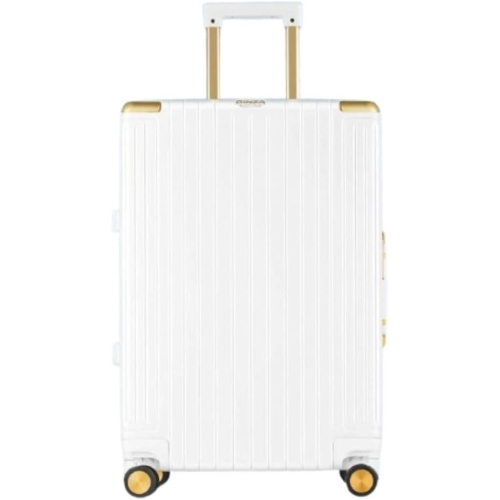
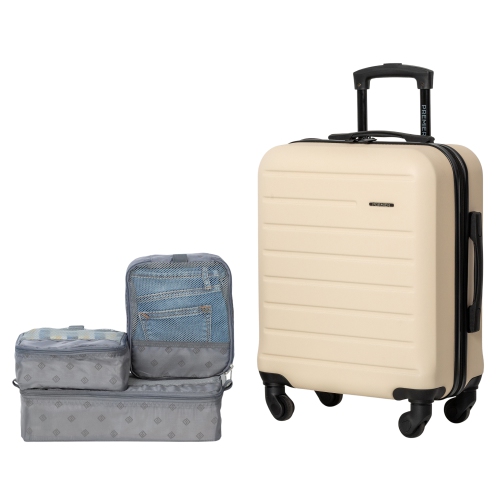
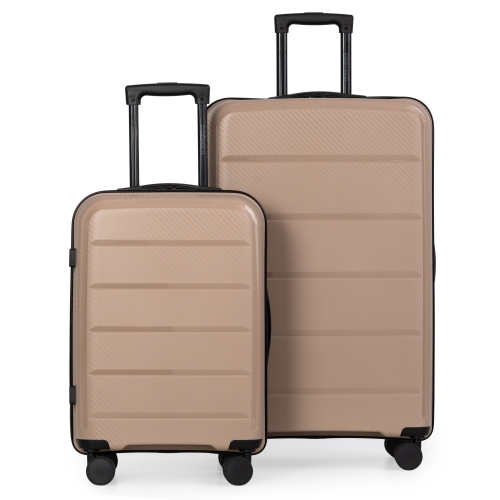
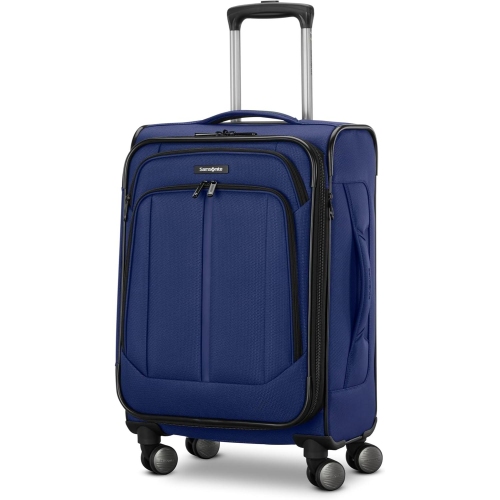
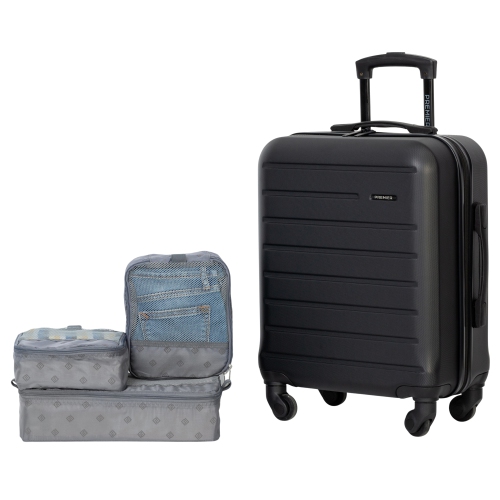
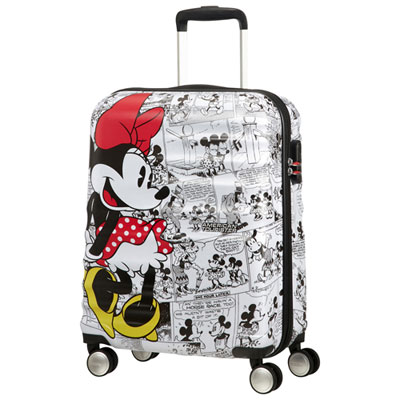
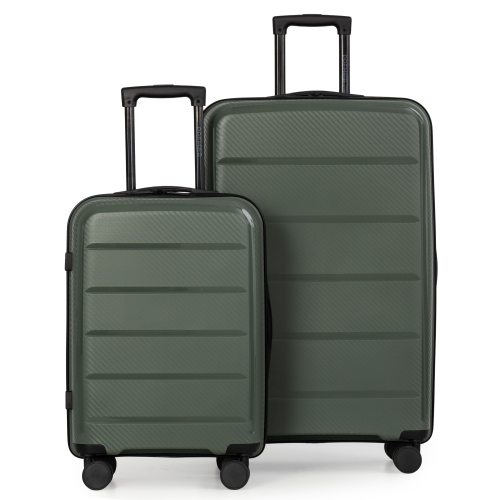
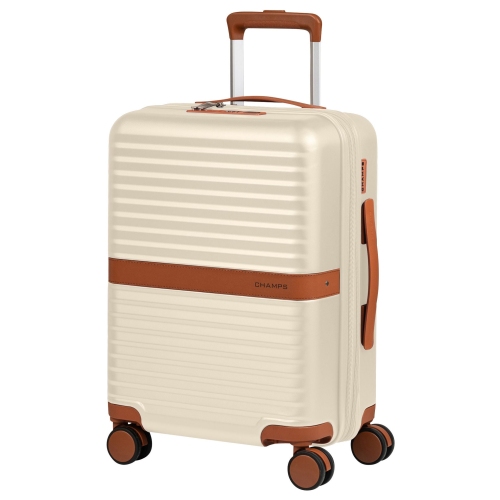
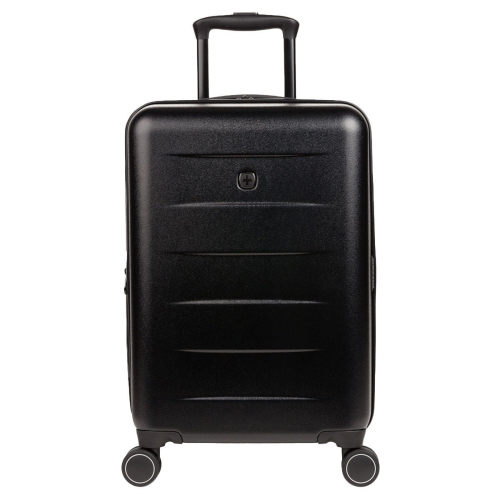
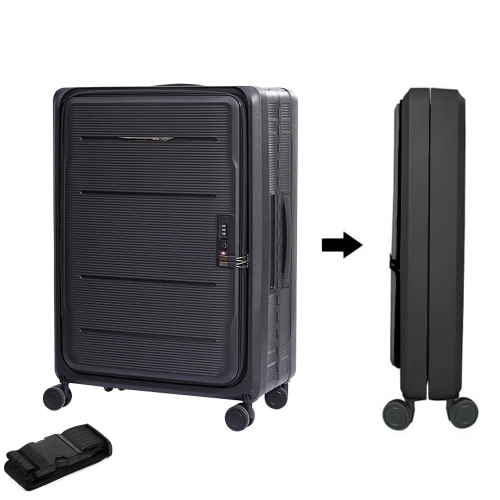
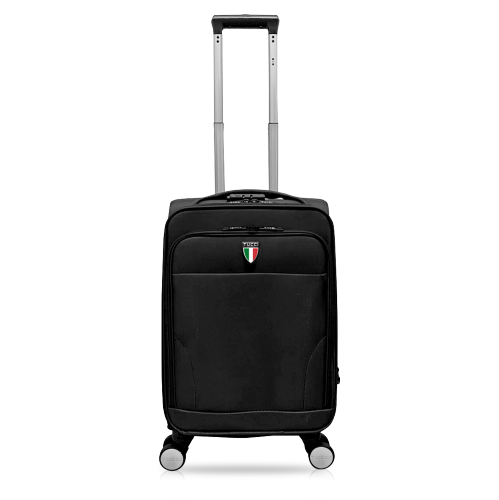
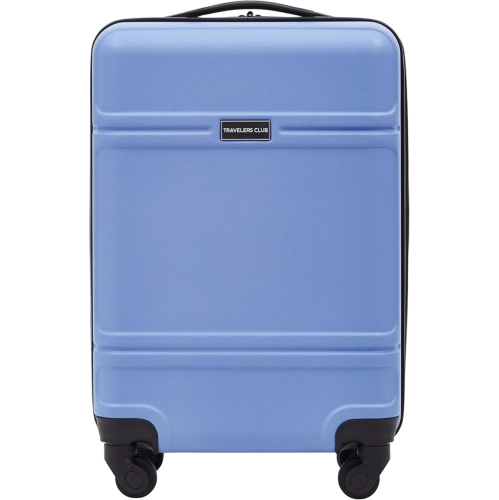
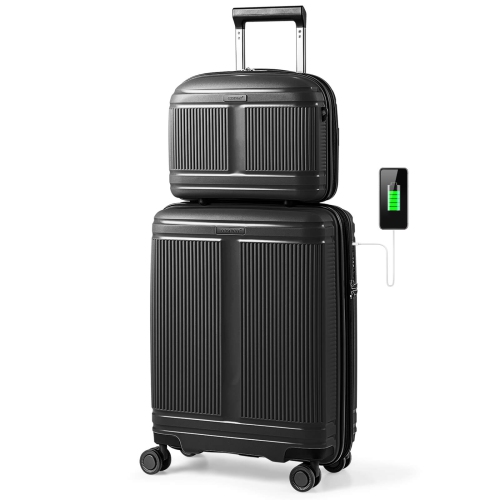
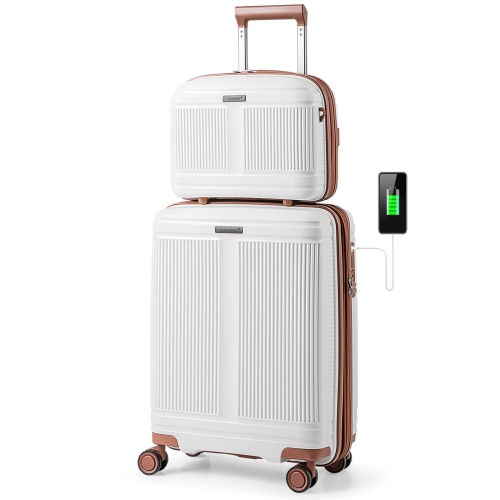
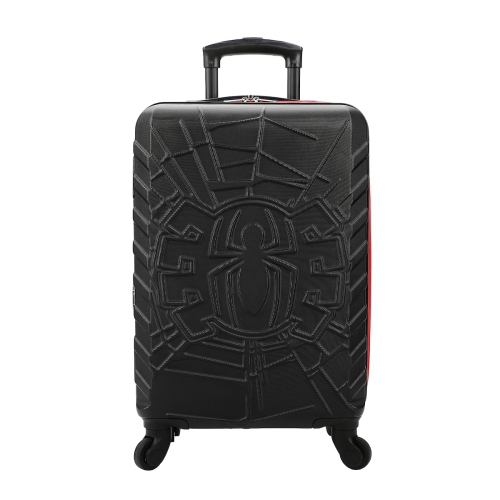
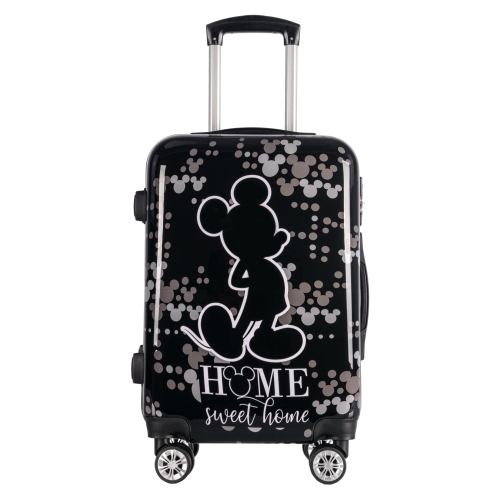
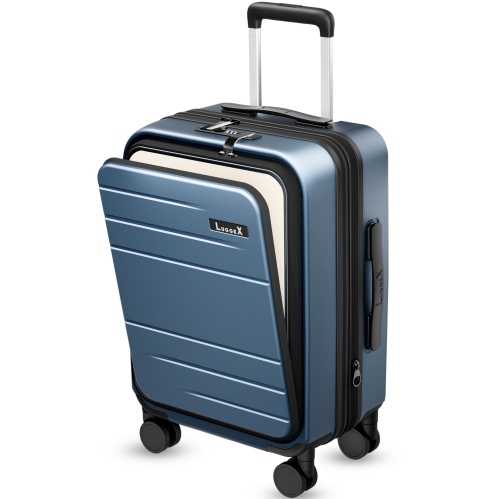
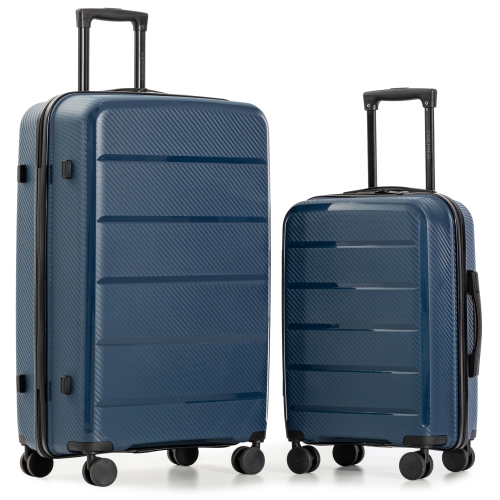
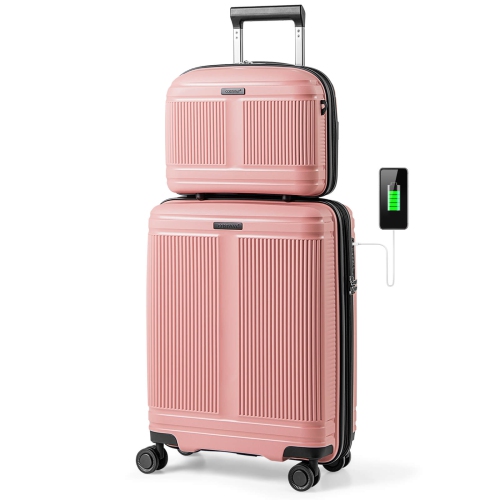
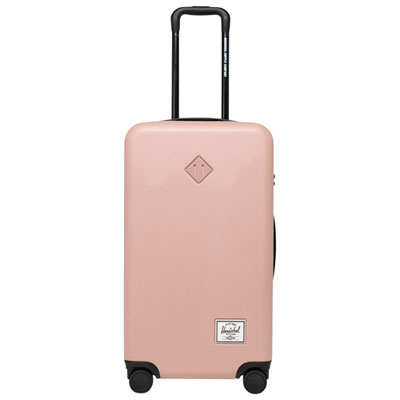
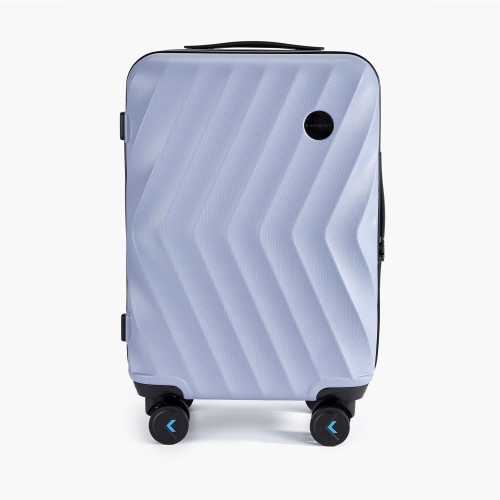
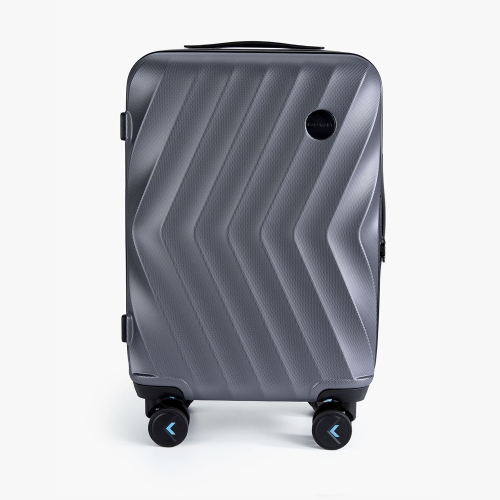
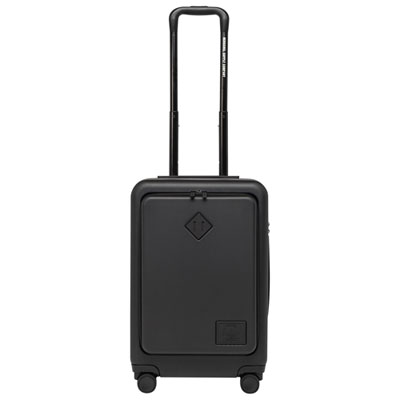
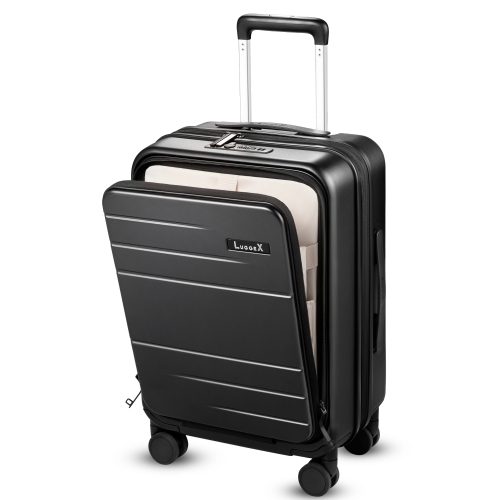
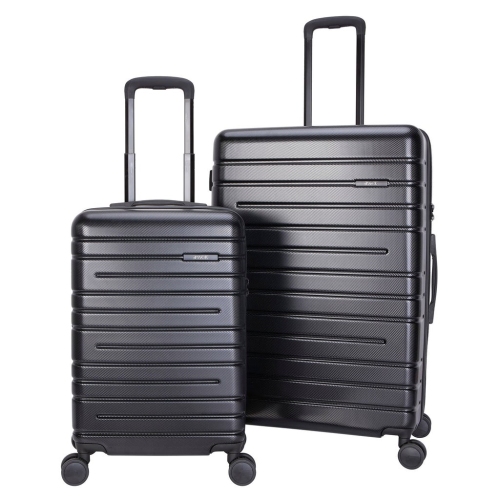
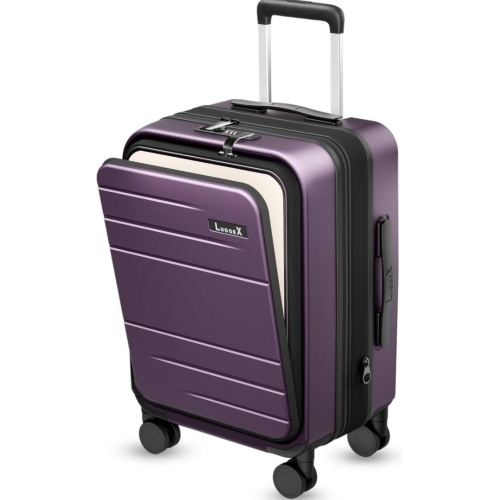
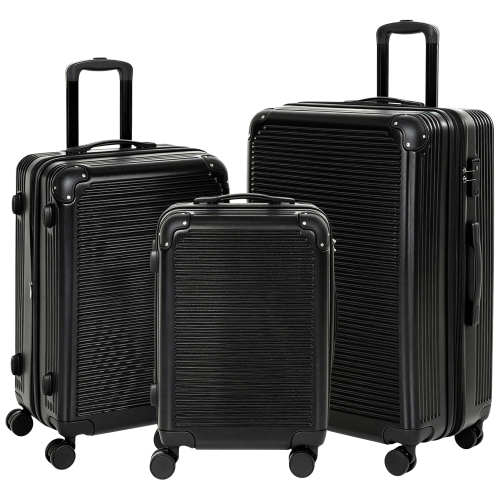
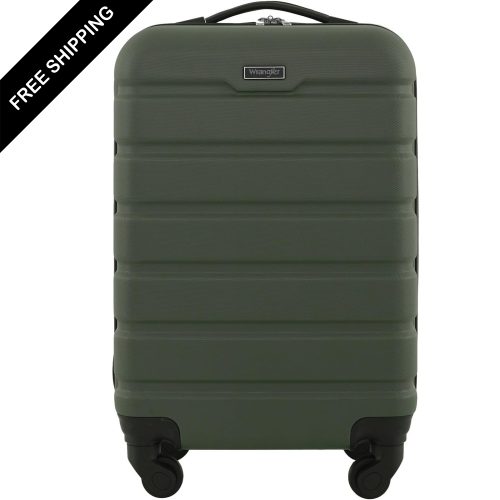
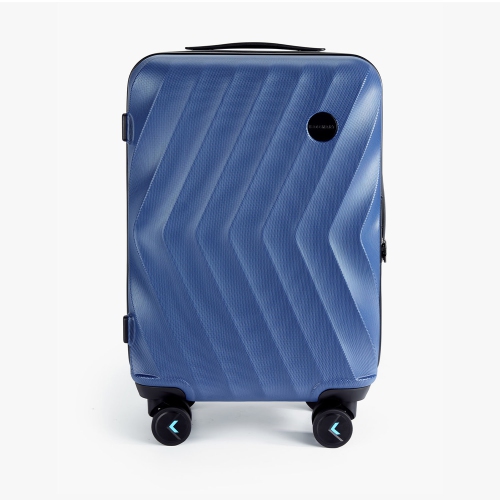
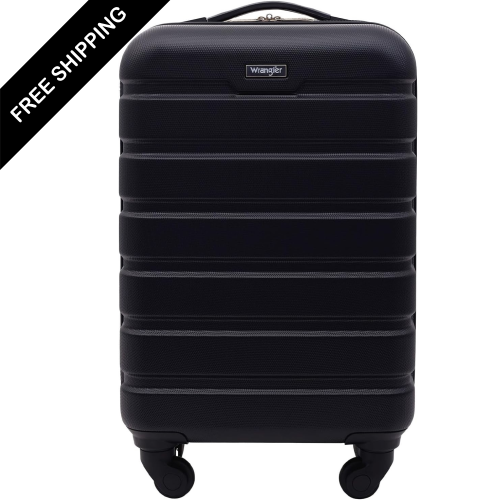
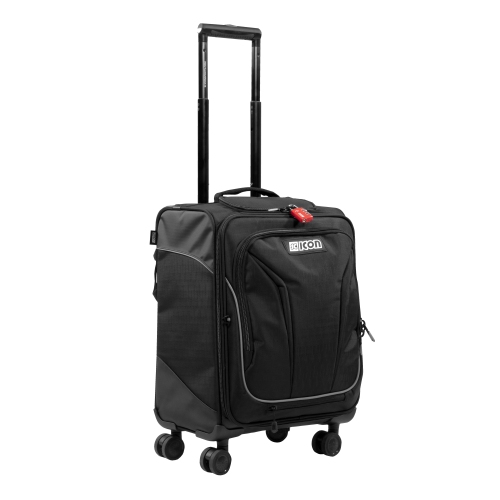
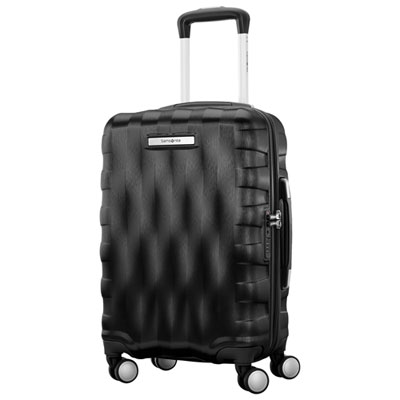
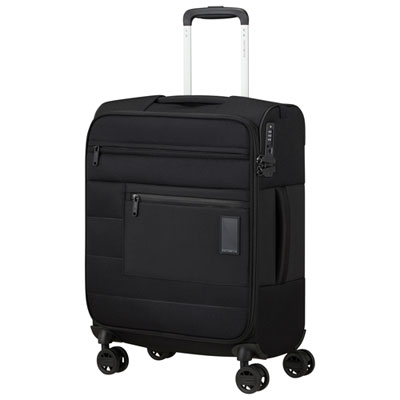
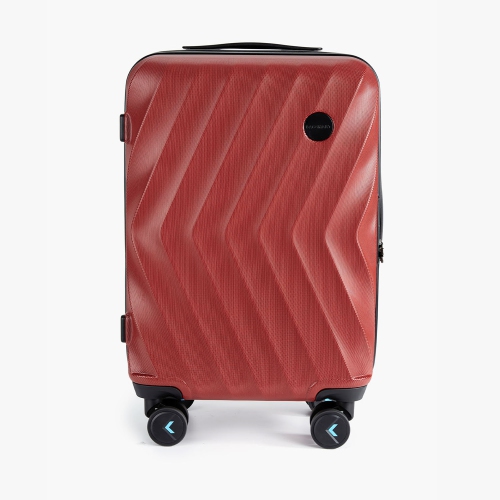
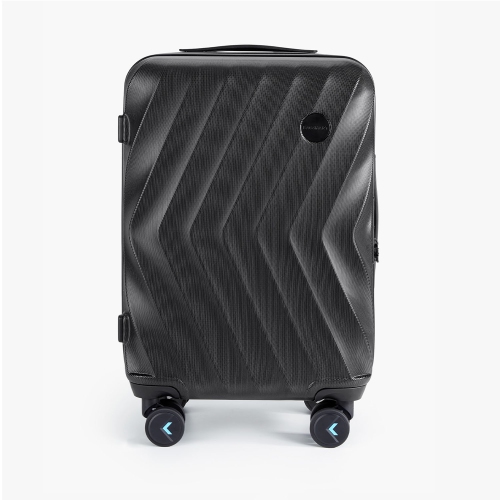
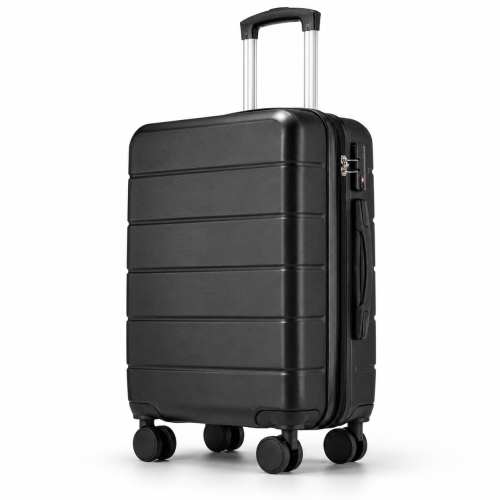
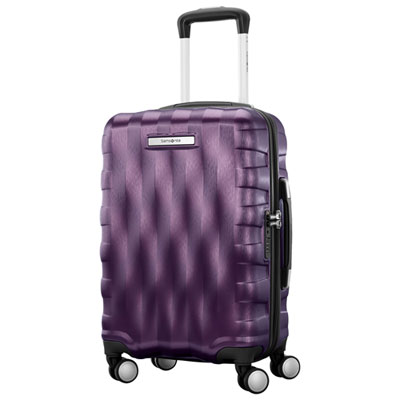
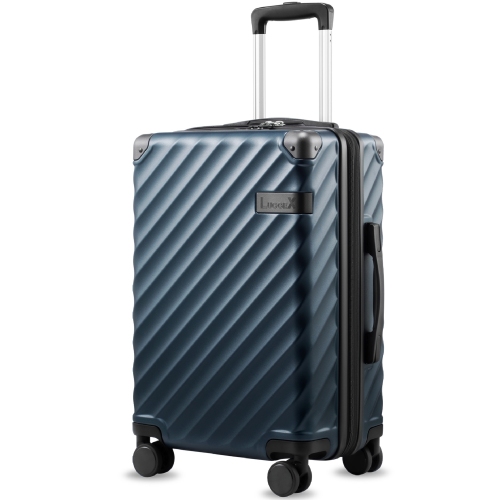
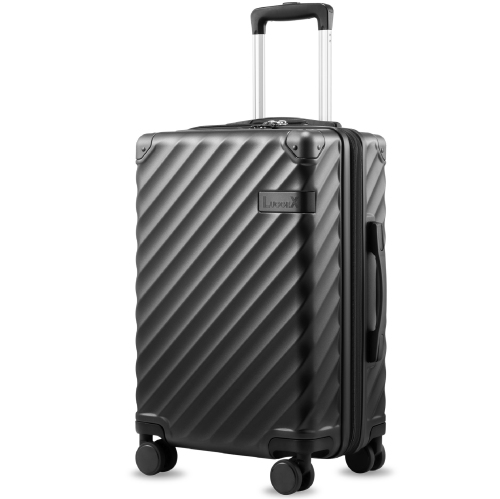
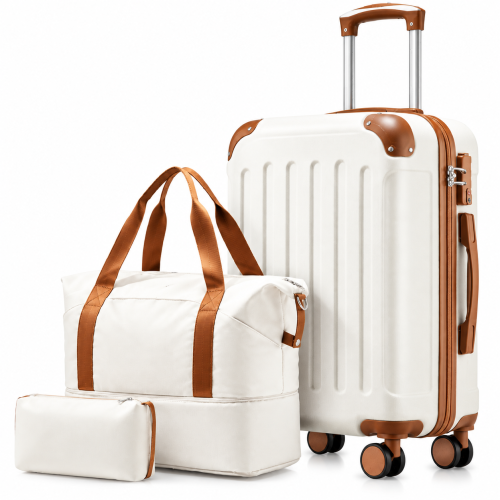
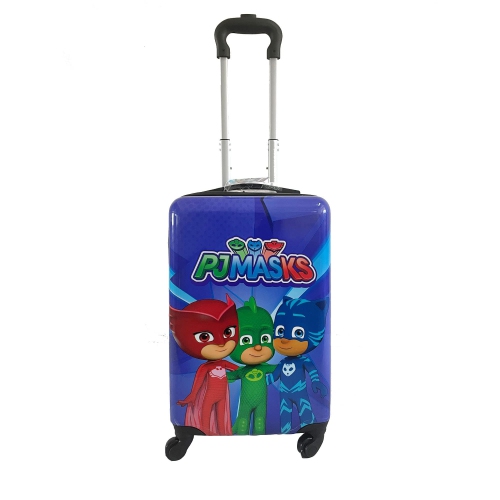
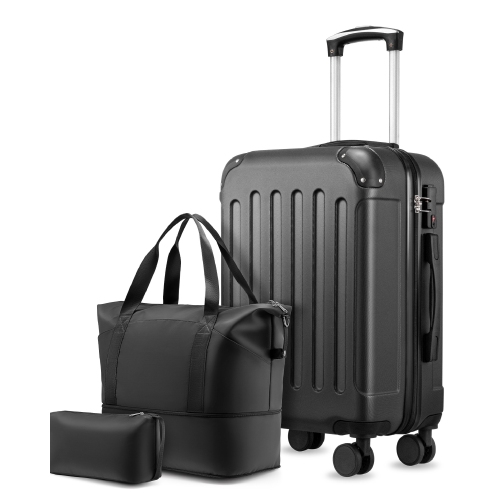
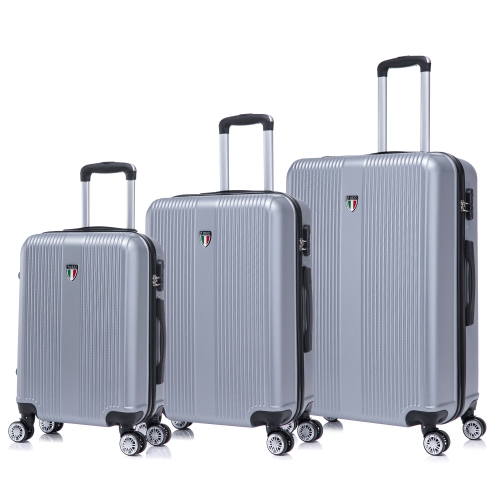
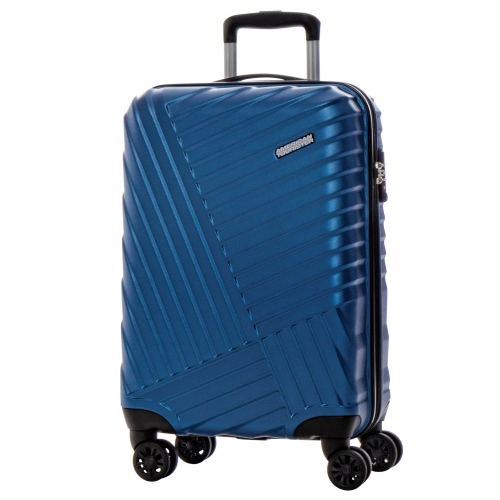
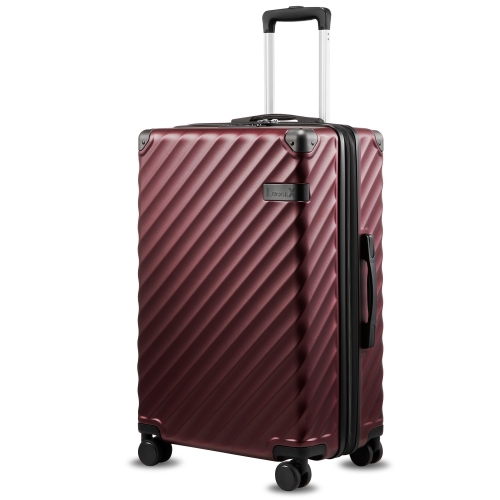
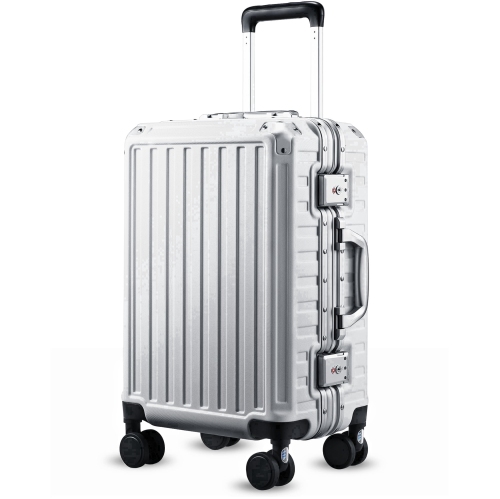
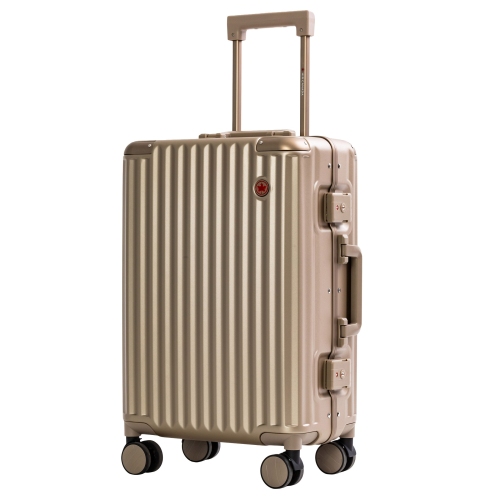
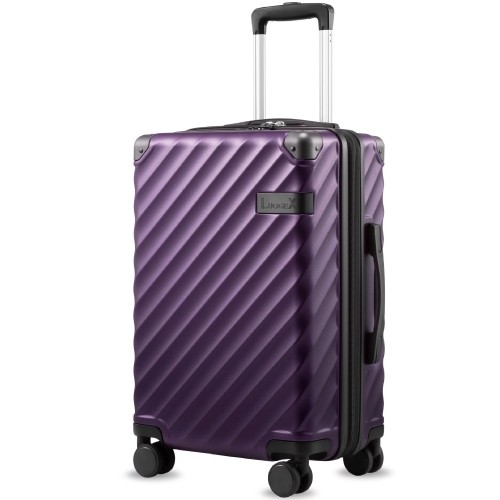
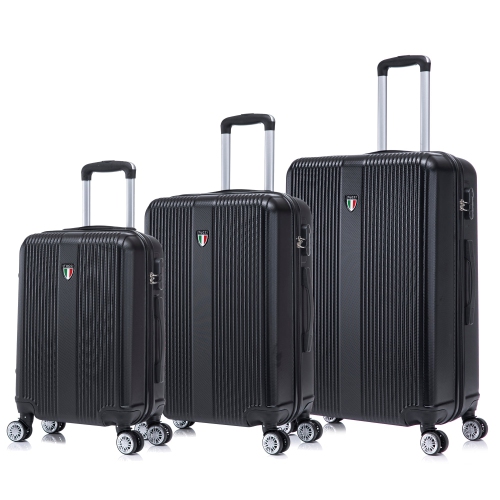

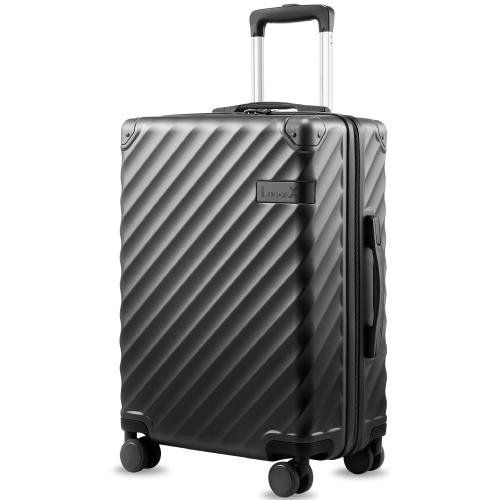
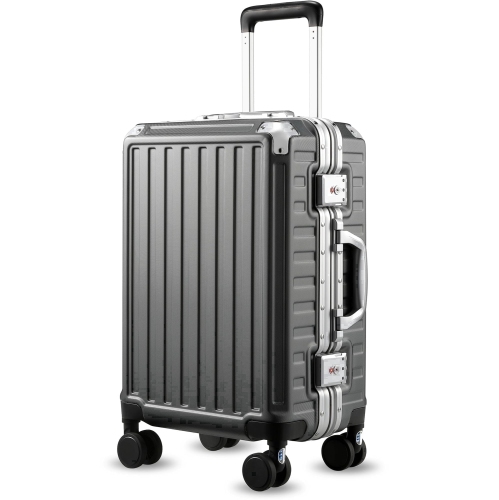
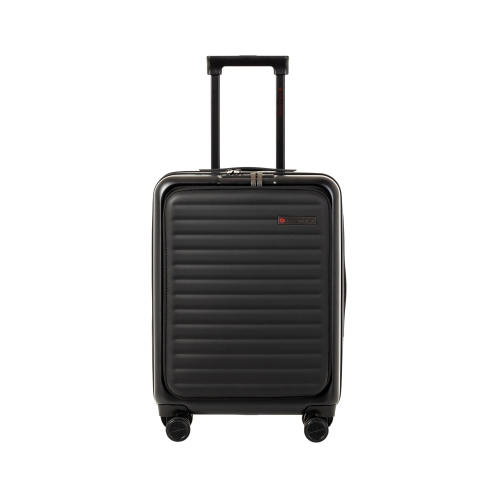
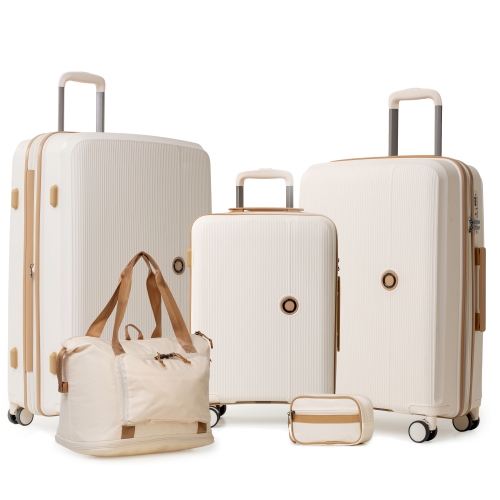
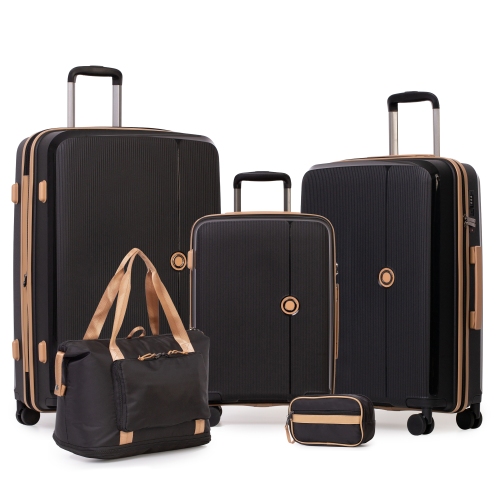
Small suitcases with room for short-trip essentials
A 19-inch carry-on suitcase is a compact travel bag suited to short trips, light packing, and keeping essentials close during a journey. Its smaller profile can make it easier to move through a busy terminal, lift onto a luggage rack, or tuck beside a seat on a train where permitted. For many travellers, 19-inch carry-on luggage offers enough room for a few changes of clothing, toiletries, and small accessories without the bulk of a larger suitcase. Actual capacity depends on the shape of the case, the depth of its compartments, and how much interior space the handle and wheel housings occupy. The 19-inch measurement alone does not guarantee that a bag meets an airline’s cabin baggage rules: it may describe the case body rather than the overall height, and airlines generally assess exterior dimensions, including wheels, handles, and protruding pockets. Width, depth, packed weight, and the baggage allowance attached to a ticket matter just as much. A compact suitcase may qualify as cabin baggage but still be too large for a personal item allowance or the space beneath a seat. Checking the complete measurements against every airline on an itinerary helps avoid surprises, especially on connecting flights with different aircraft or baggage policies. For travellers comparing closely sized options, 18-inch carry-on luggage provides another compact format to consider, although full exterior dimensions remain more useful than the size label alone. A 19-inch case can suit an overnight work visit, a weekend with family, or a longer trip when laundry facilities are part of the plan. It can also serve as a companion to checked luggage, holding a change of clothes and other essentials separately. Packing needs vary considerably: a pair of bulky shoes takes up much more room than rolled T-shirts, while a structured outfit may need a flatter packing area to arrive looking neat.
Materials and construction shape how 19-inch cabin luggage feels in daily use. Hardside cases commonly use polycarbonate, ABS, polypropylene, or blends of these materials, with performance influenced by shell thickness, design, and overall build quality. A rigid shell helps the bag hold its shape and provides a firm barrier around its contents, but it does not make delicate belongings immune to impact. Electronics, glasses, and other fragile essentials still benefit from padded sleeves or protective cases. Softside luggage commonly uses woven polyester or nylon, offering a more flexible body and, in some designs, exterior pockets for documents or a light layer. Fabric weight, weave, stitching, and reinforcement at stress points all affect durability; the material name alone tells only part of the story. A smooth shell is generally easy to wipe clean, while textured surfaces may make small scuffs less noticeable. Fabric can require more attention around seams and pockets where dust collects. Neither a hard shell nor a fabric treatment should be assumed to make an entire suitcase waterproof, since moisture can enter through openings and zippers. Inside, a lined divider can separate shoes from clothing, compression straps can limit shifting, and zipped mesh pockets can keep charging cables from disappearing beneath folded garments. Packing cubes help group outfits, though they also occupy space and add a little weight. A clamshell case opens into two sections and makes both sides accessible, but it needs enough clear space to lie open. A single main compartment with a lid may be easier to use on a narrow luggage stand. Expandable sections offer flexibility for the return journey, yet filling that extra depth can push a case beyond cabin size limits. Empty weight deserves attention, too: a lighter bag leaves more of an airline’s weight allowance for belongings, while additional compartments, locks, and reinforced components can increase the weight before packing begins.
Comfort and handling become particularly noticeable when a suitcase has to travel beyond the terminal. Four-wheel spinner luggage can roll upright beside its owner on smooth floors, reducing the need to pull the full load at an angle. Two-wheel designs generally travel tilted behind the user, and recessed wheels may be less exposed to knocks; performance on pavement, carpet, or uneven surfaces still depends on wheel size, material, and construction. A telescopic handle with several height settings helps accommodate different users, while a grip that feels comfortable and a handle that locks securely make longer walks less awkward. Top and side grab handles are useful when lifting a packed case into an overhead compartment, onto a train rack, or into a car boot. Travellers with limited lifting strength may find that packed weight matters more than a modest difference in dimensions. For business travel, accessible document storage and a separate padded compartment can be practical, provided the compartment’s measurements suit the device being carried. Students heading away for a short visit, couples packing separate cabin bags, and families giving an older child responsibility for their own clothing may all appreciate a manageable suitcase size. As a gift, compact luggage is most useful when its weight, handle height, and layout match the recipient’s travel habits; a distinctive colour can also help distinguish similar bags. Lockable zippers or an integrated lock add a basic deterrent, rather than a guarantee of security. A lock recognized by security screening authorities may allow authorized inspection without cutting it, but procedures vary by destination. Ongoing care is straightforward: empty pockets after each trip, remove hair and grit from wheels, and wipe the case with a mild cleaning solution suitable for its material. Avoid forcing a zipper around an overfilled corner or carrying the suitcase by its extended telescopic handle. Let the lining dry fully before storing the bag, and keep it in a dry space away from direct sunlight. These small habits help preserve the wheels, handles, lining, and closures that make compact carry-on luggage convenient trip after trip.
Top selling and popular products
-
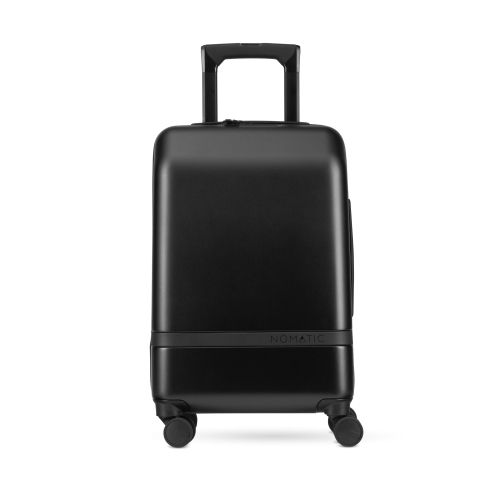 Your price for this item is $449.99
-
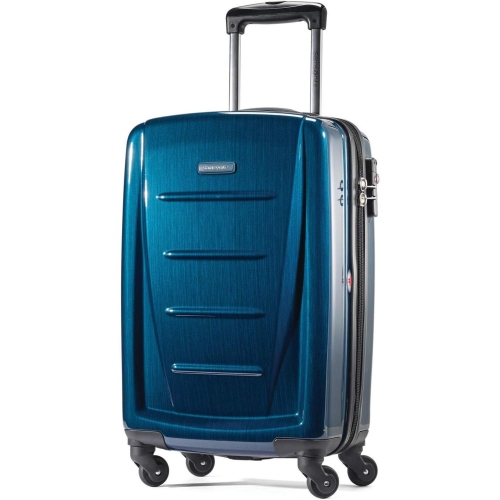 Your price for this item is $170.05
-
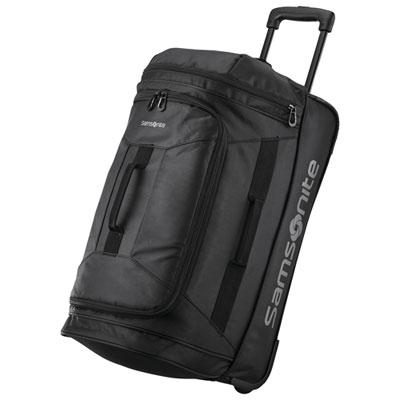 Your price for this item is $109.99
-
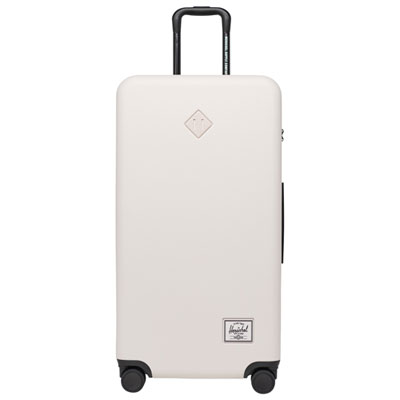 Your price for this item is $339.99
-
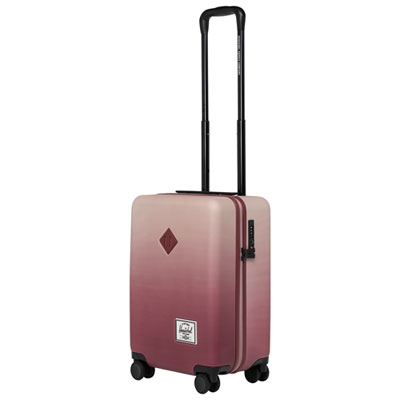 Your price for this item is $219.99
-
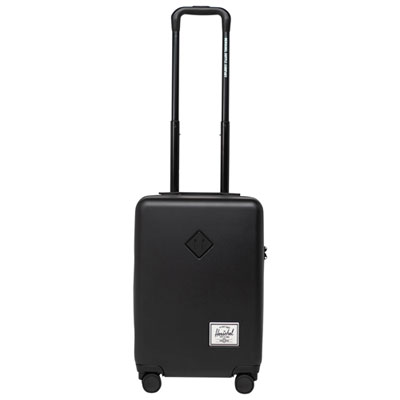 Your price for this item is $186.98
-
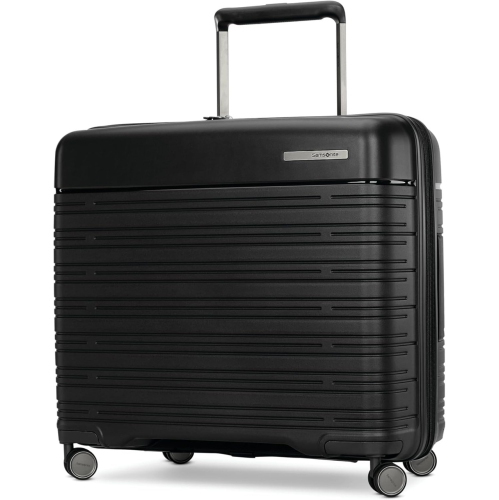 Your price for this item is $399.99
-
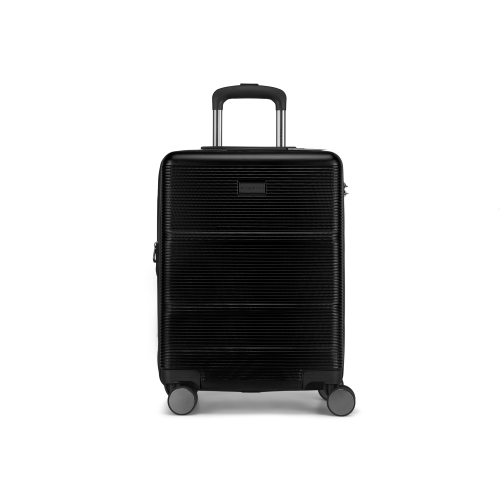 Your price for this item is $89.99
Discover more categories related to 19 Inch Carry On Luggage
Top Collections:
Best Black Friday Deals This Year, Best Black Friday Deals On Electronics, Kindle Devices, Best Black Friday Deals On Apple Products, Best Budget Office Chairs, Best Cameras for Sports Photography, Dyson Airwrap, Canon G7X Cameras, Best Laptops for Writers, Samsung Galaxy Phones
Some products may be subject to Environmental Handling Fees
(EHF) depending on your province.
Learn more about EHFs.