20 Inch Carry On Suitcases
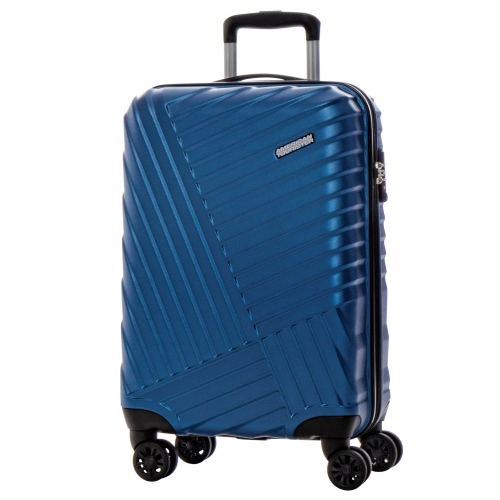
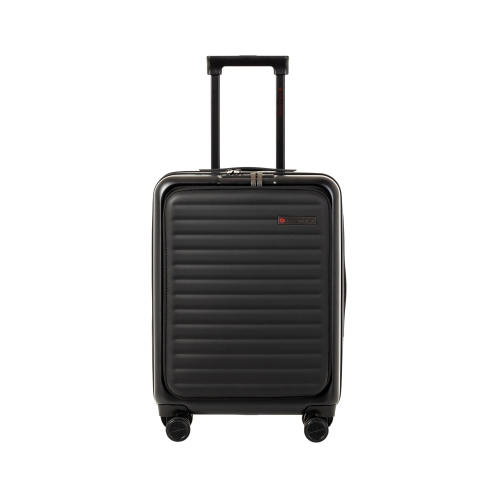
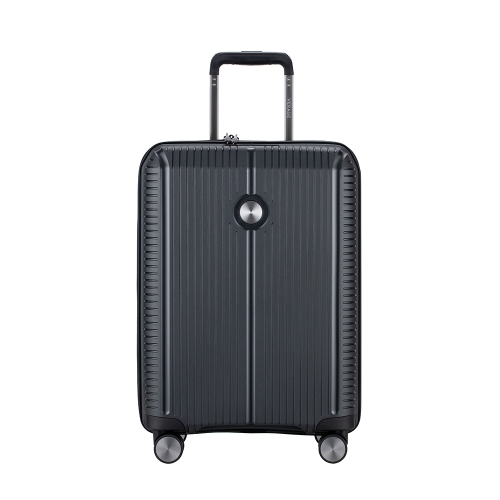
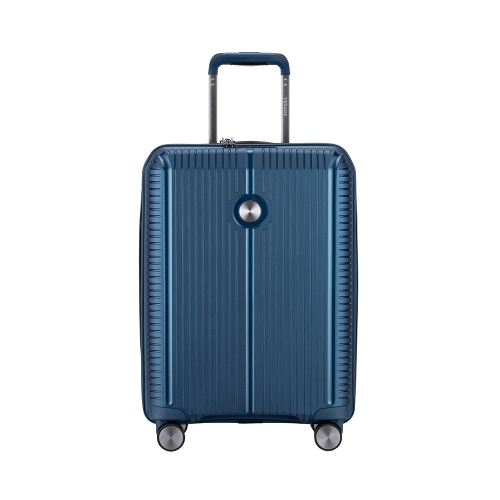
Travel in style with our collection of 20 inch carry on suitcases. Whether you're jetting off for a quick weekend getaway or embarking on a business trip, these compact and versatile suitcases are designed to meet airline size restrictions, making them the perfect travel companion. With a variety of features and designs to choose from, you'll find the ideal suitcase to suit your personal style and travel needs. From durable hardshell options to lightweight softshell designs, our selection of 20 inch carry on suitcases offers both functionality and fashion-forward appeal. Explore our range today and elevate your travel experience to new heights.
Sort
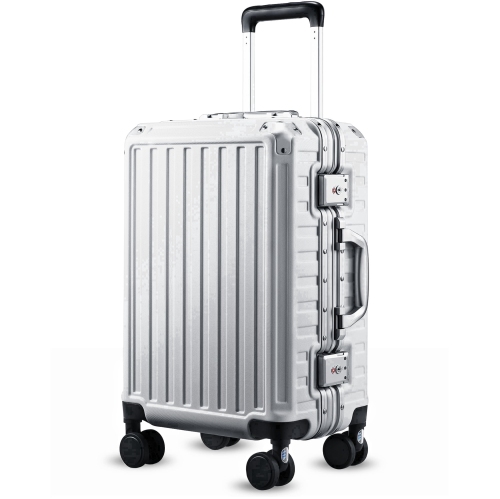
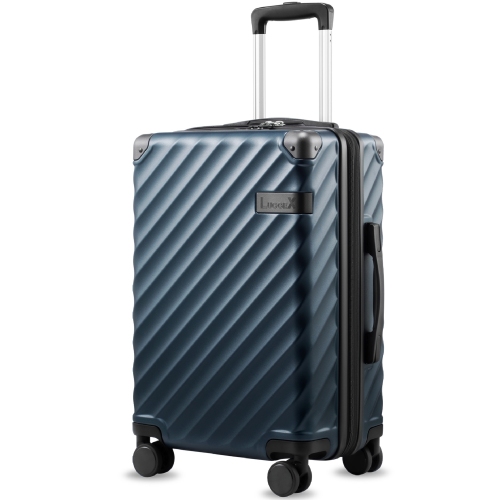
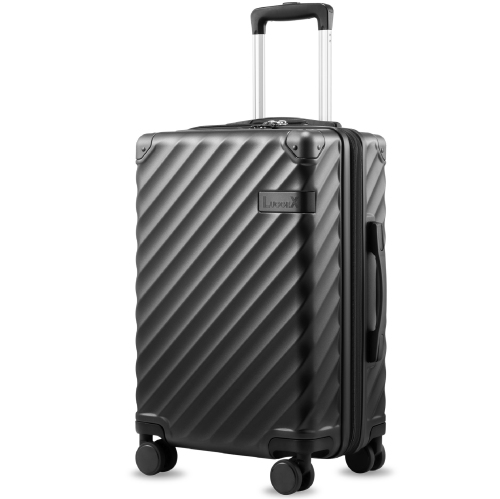
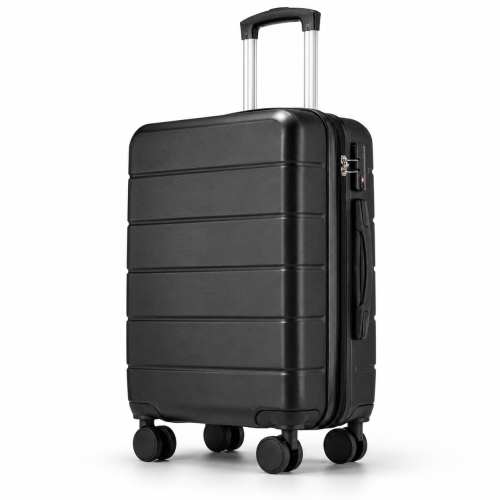
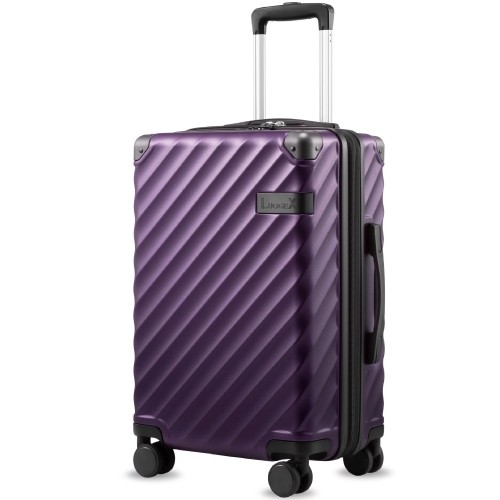
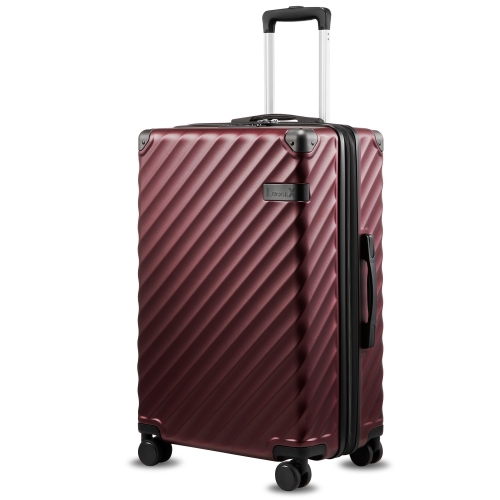
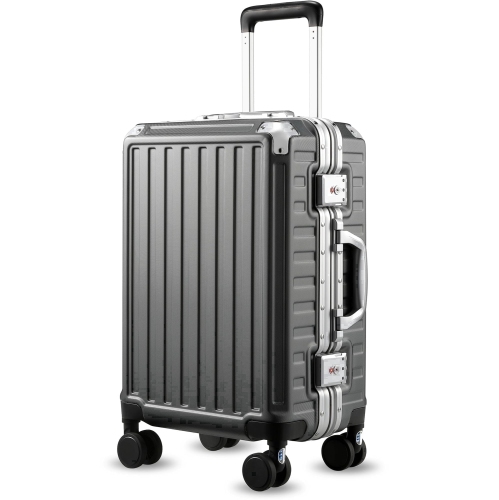
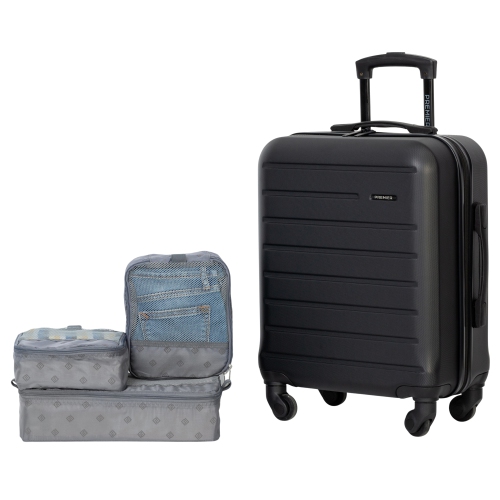
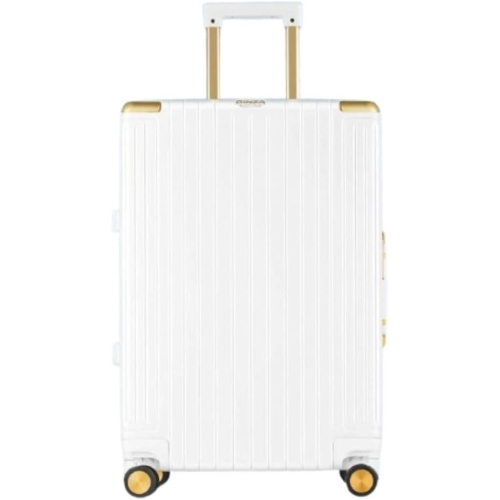
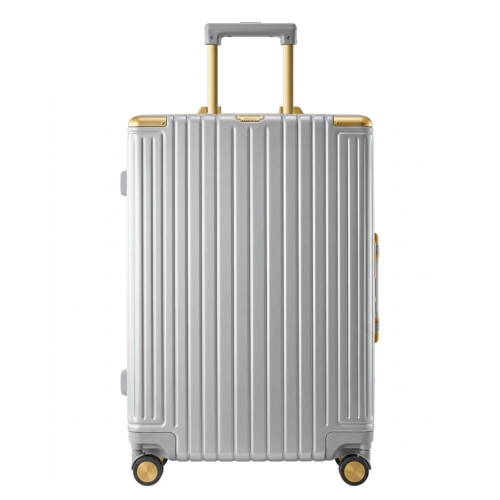
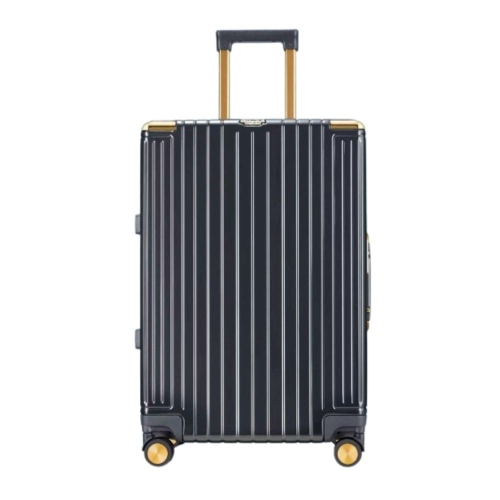
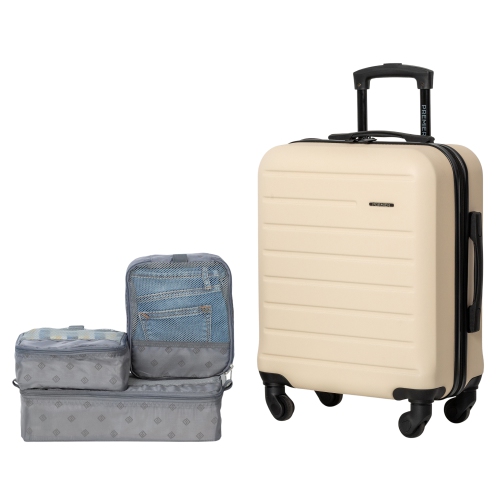
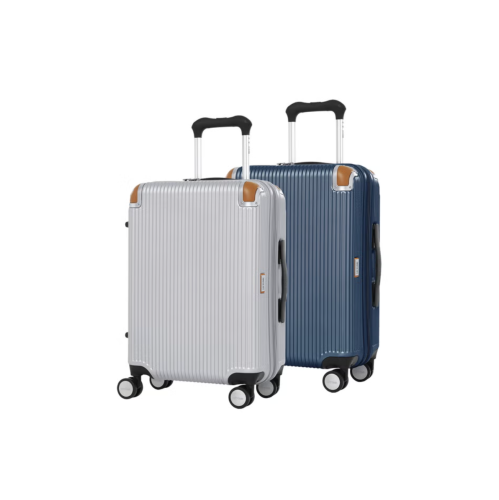
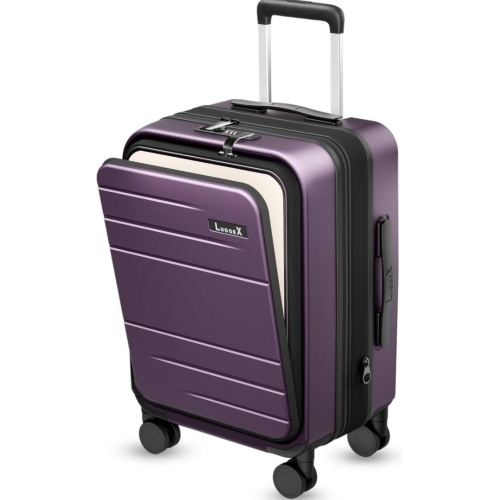
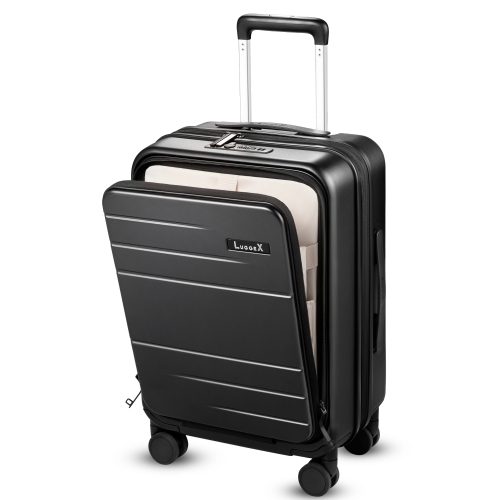
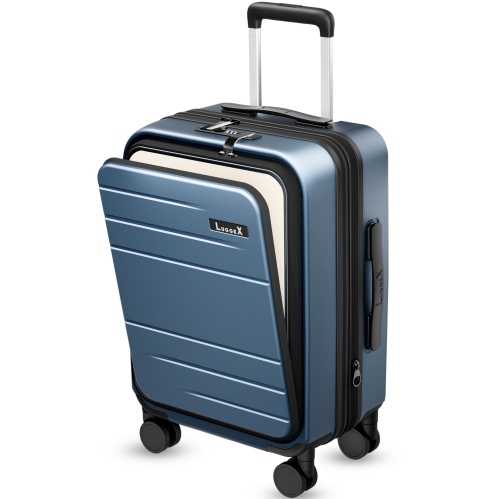
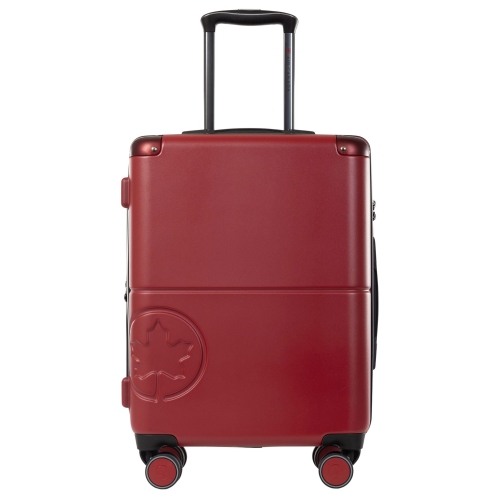
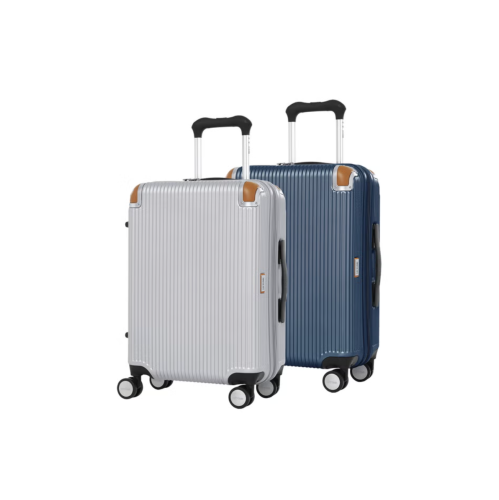
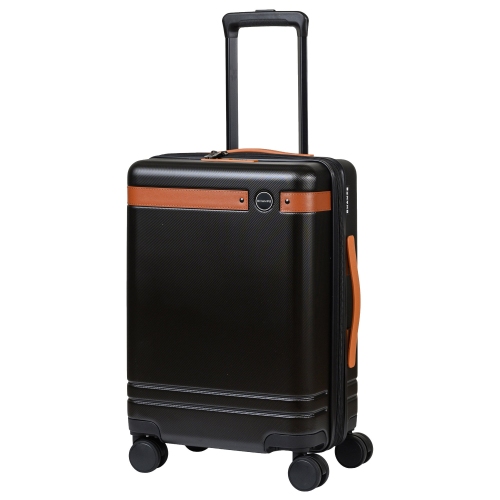
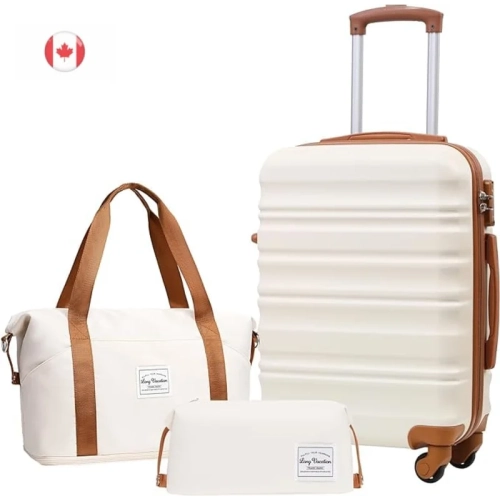
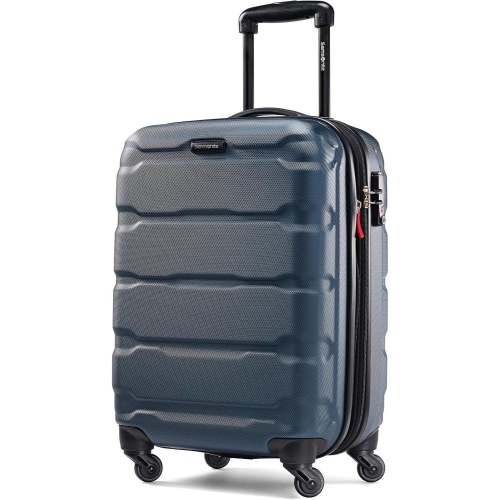
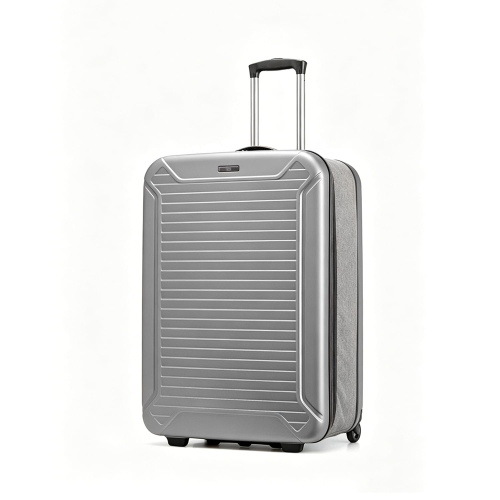
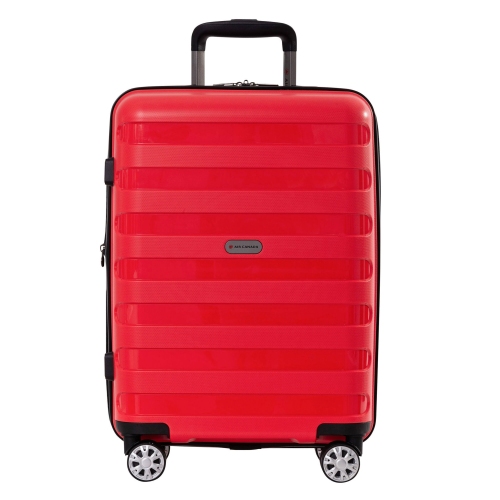
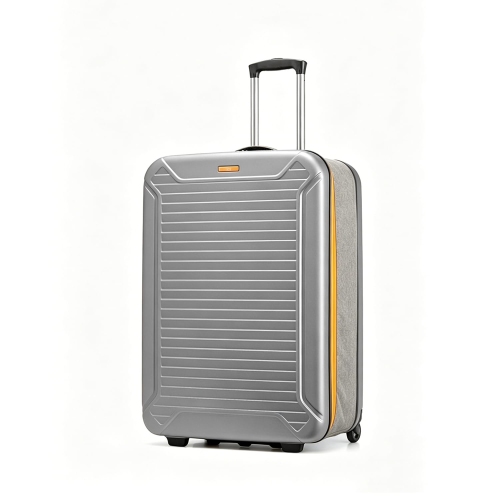
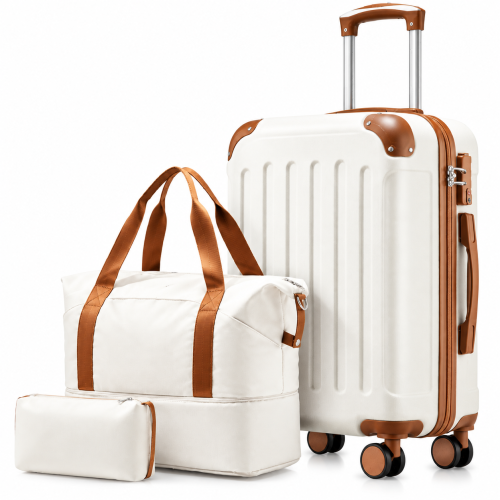
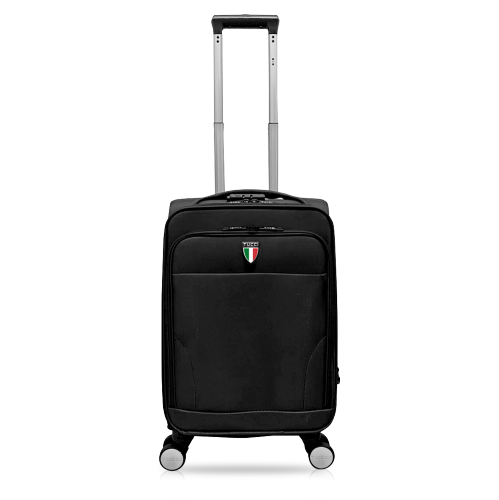
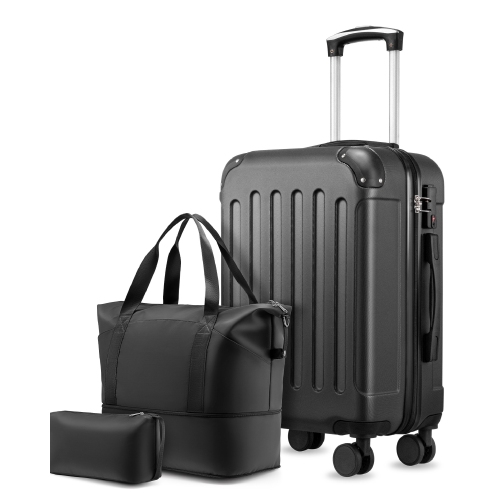
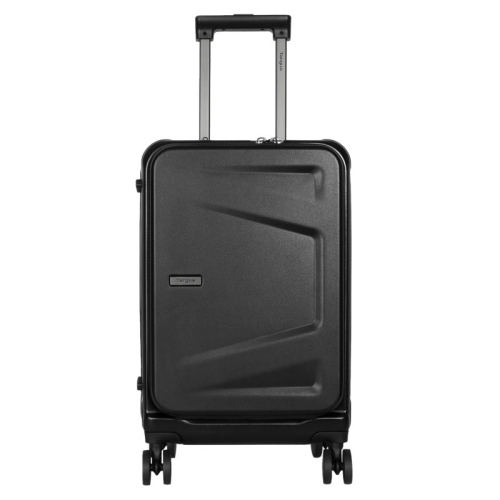
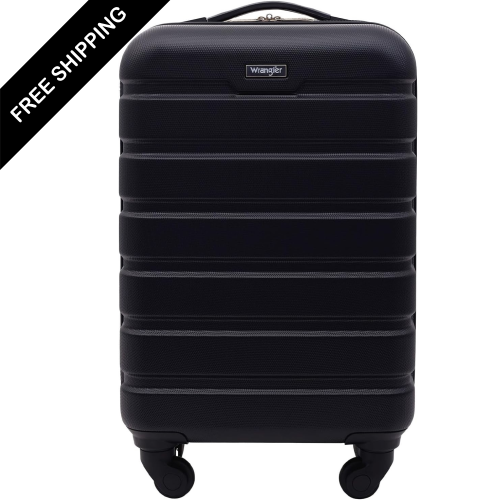
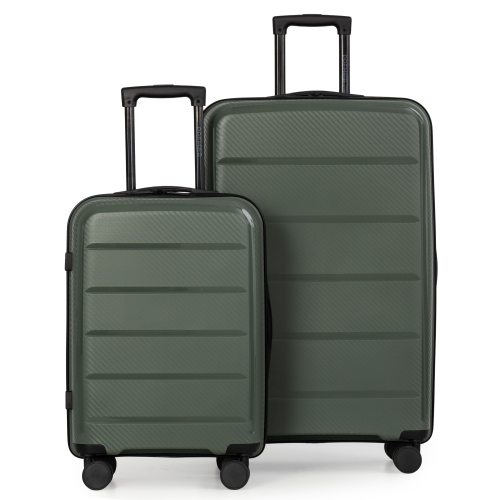
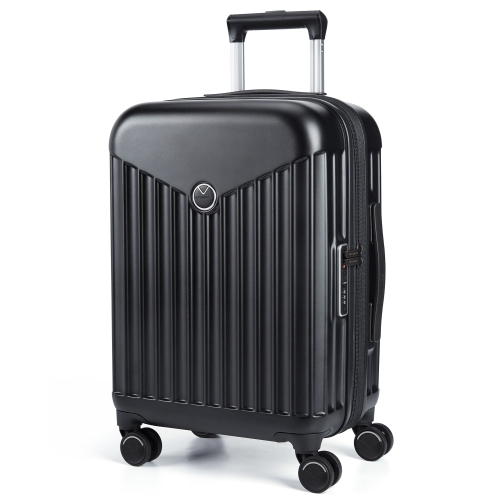
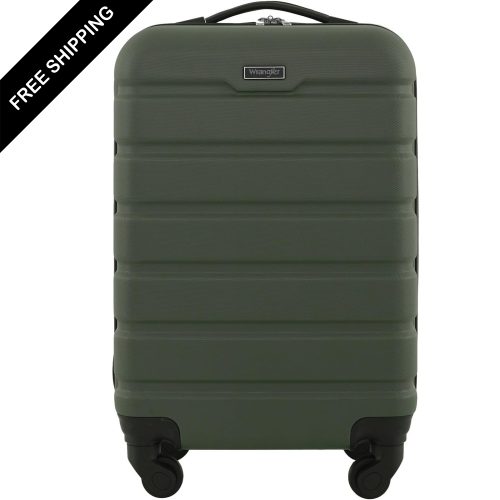
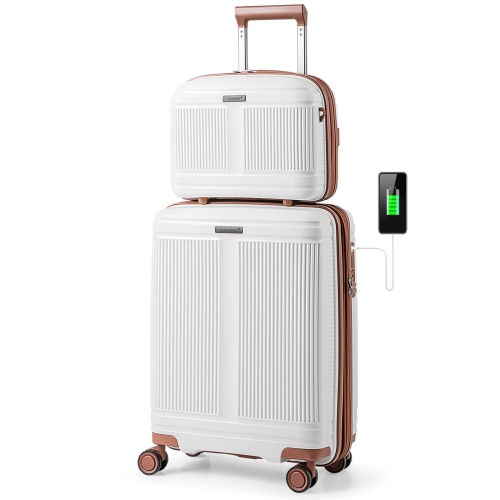
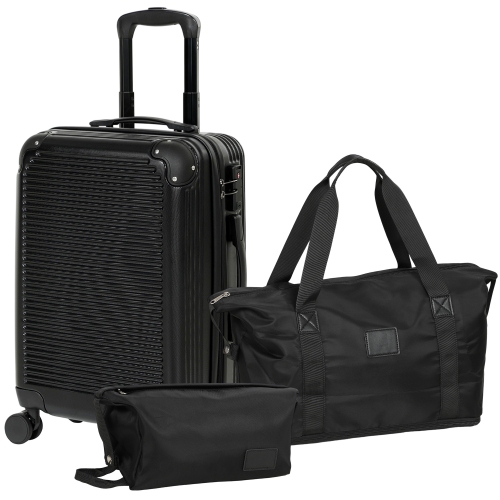
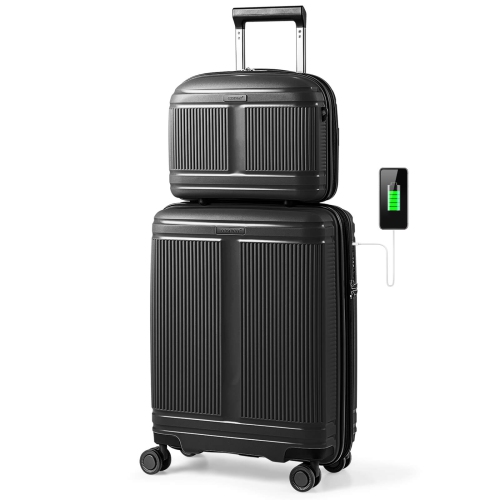
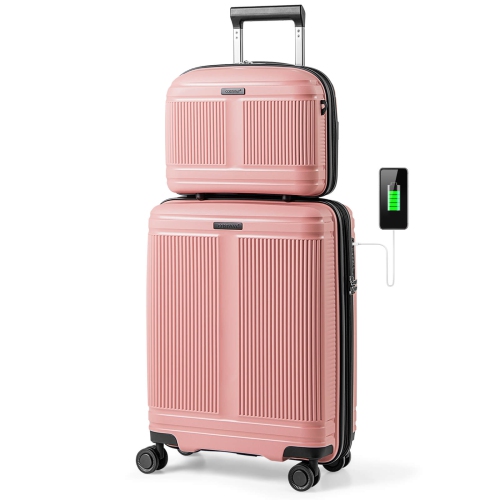
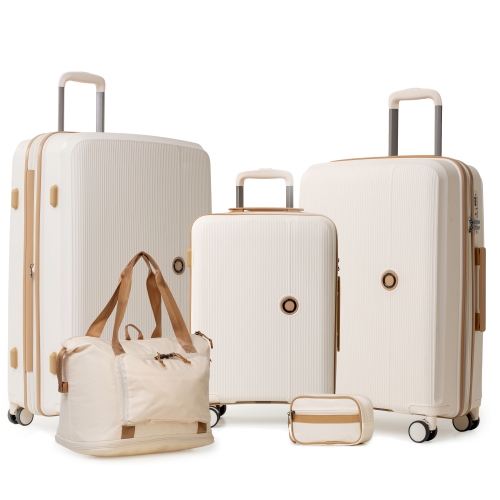
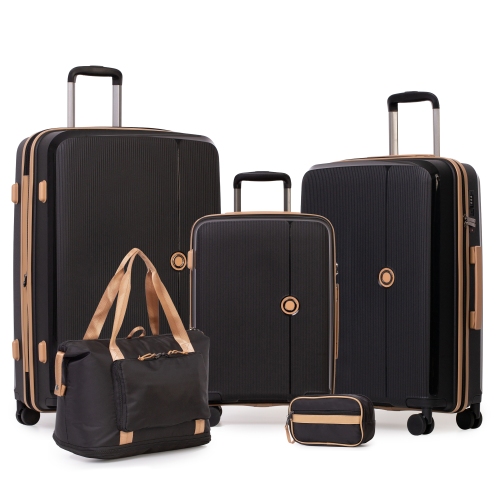
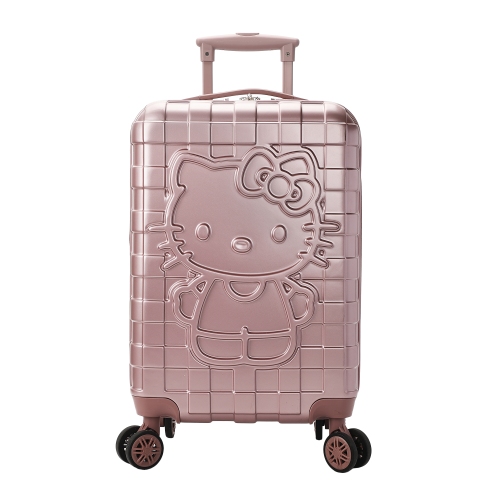
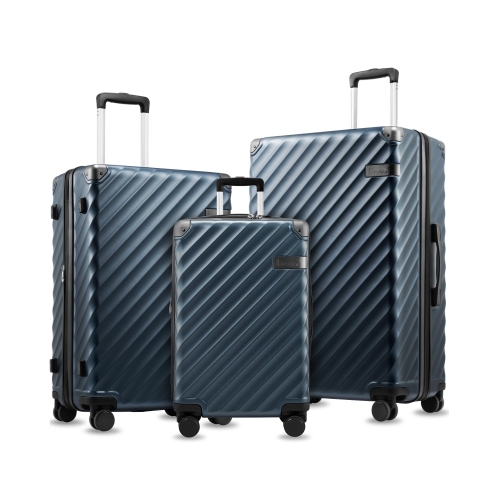
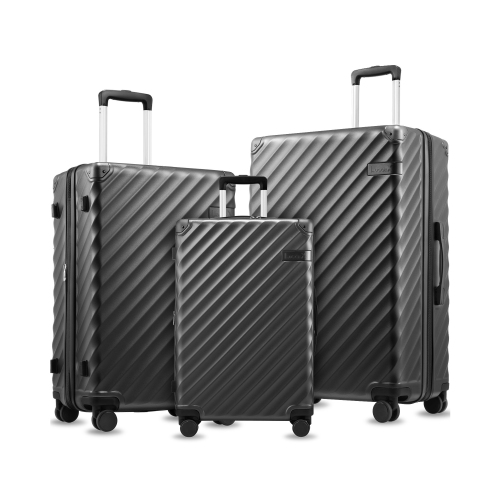
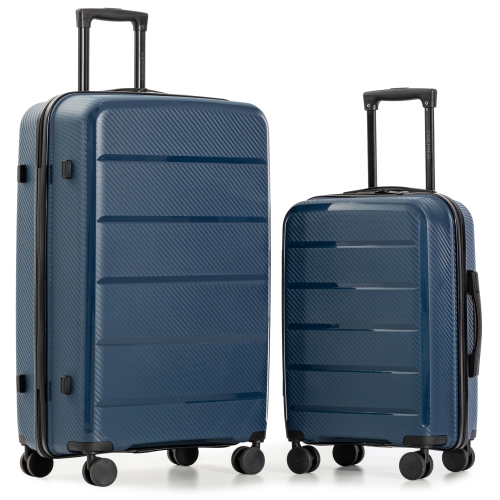
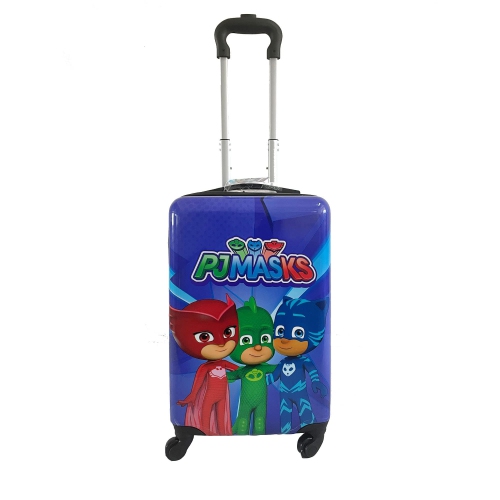
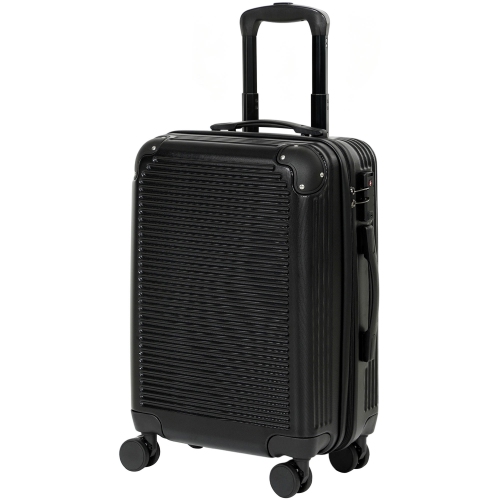
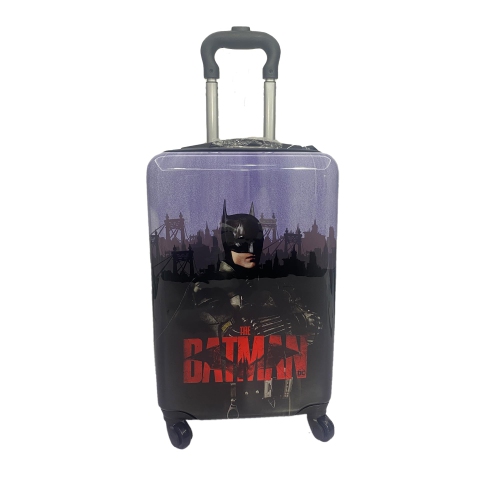
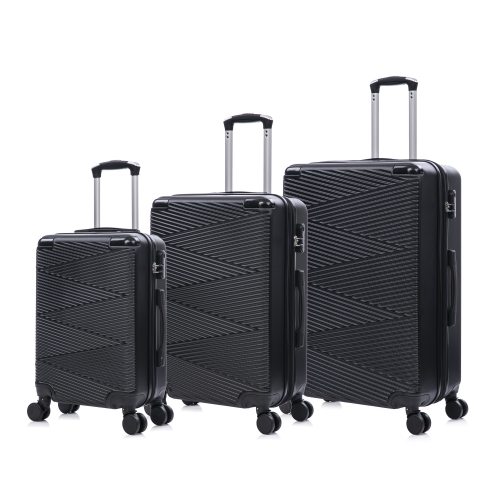
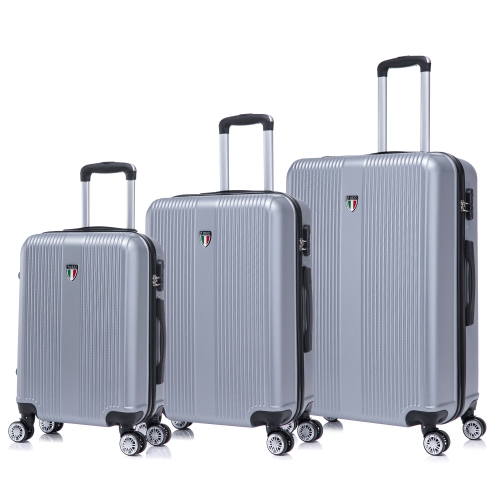
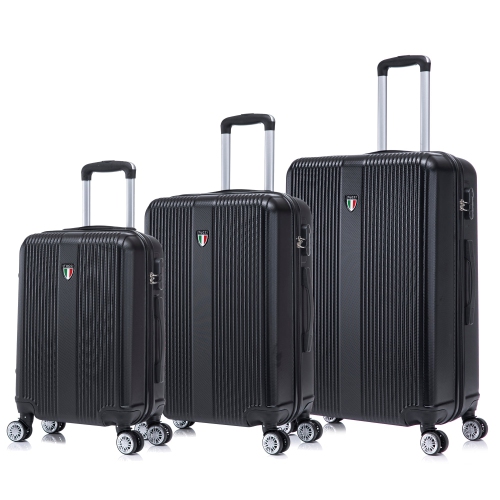

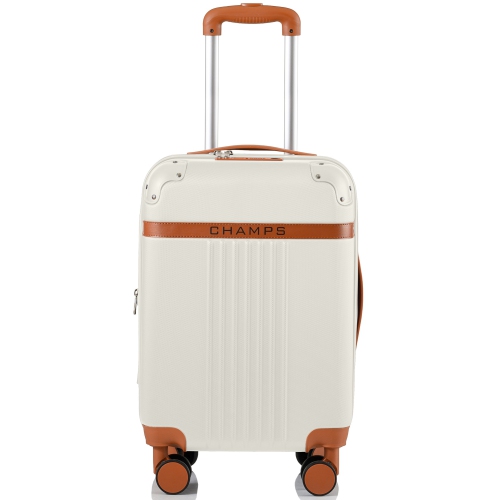
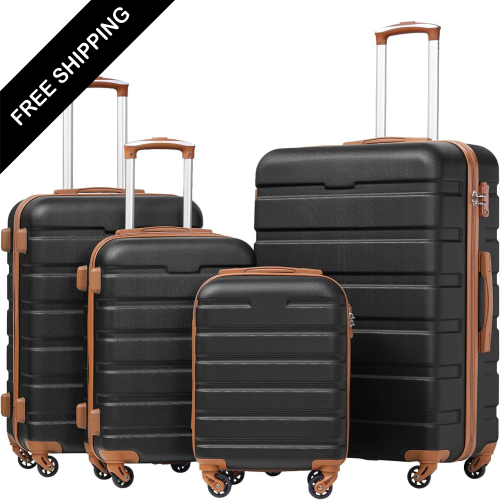
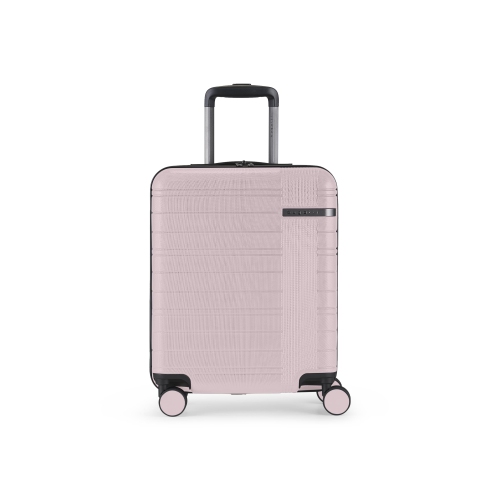
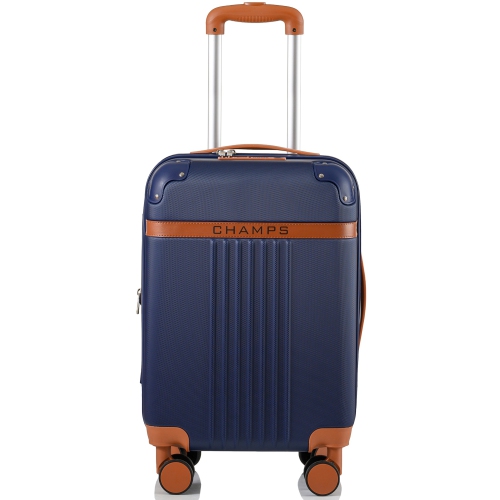
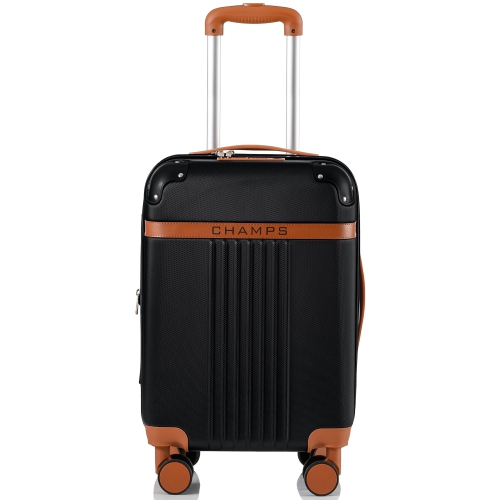
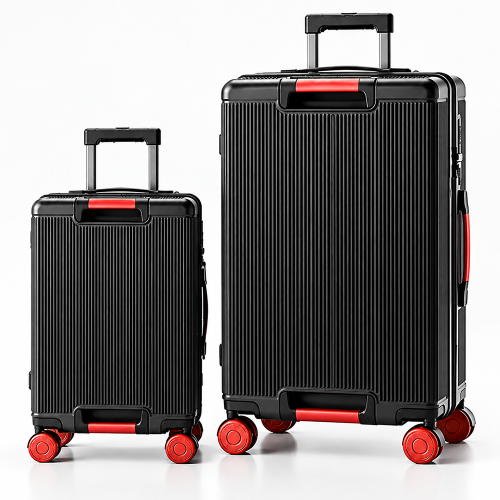
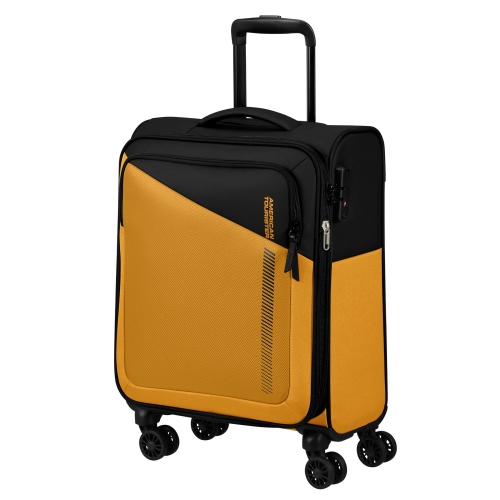
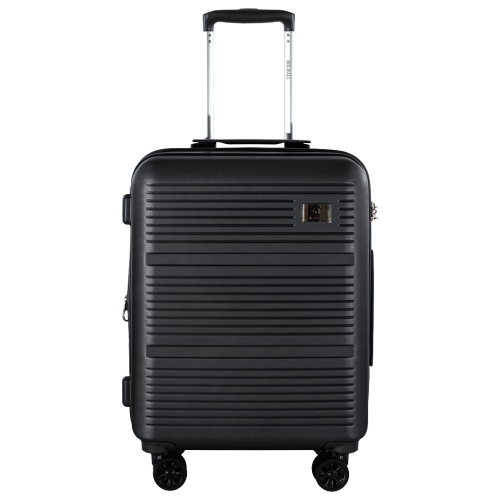
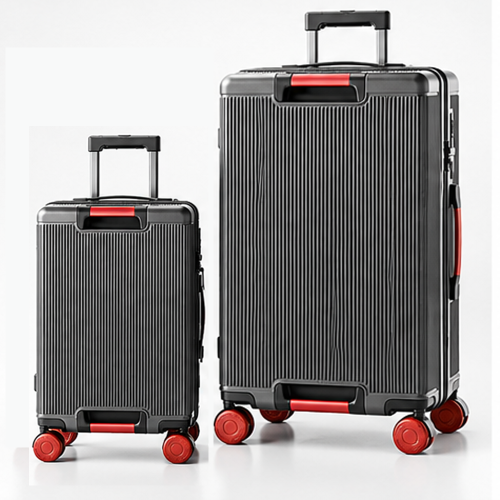
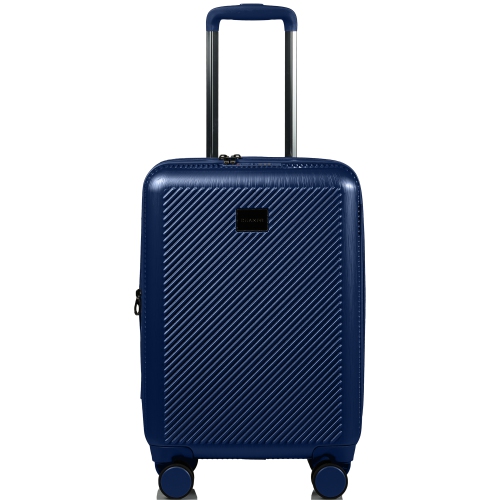
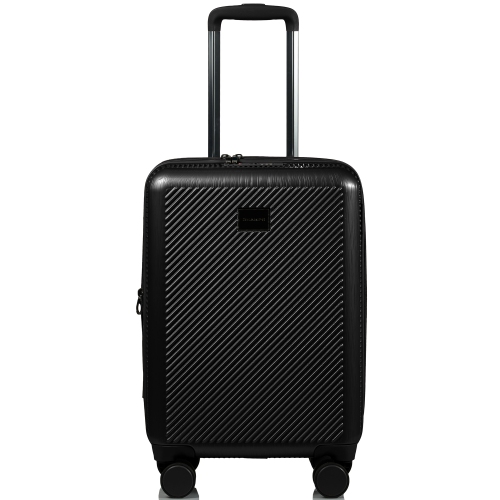
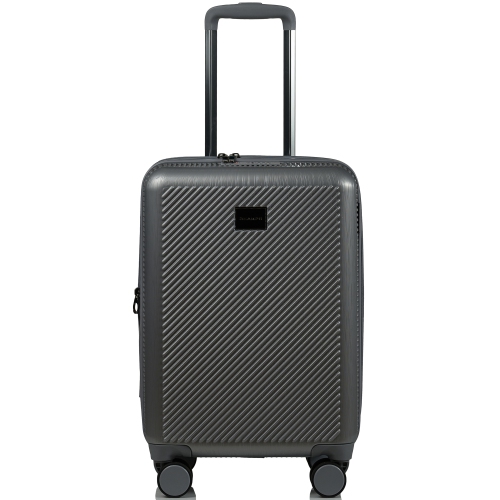
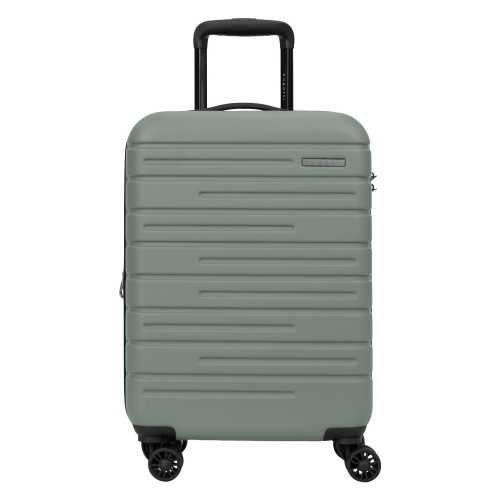
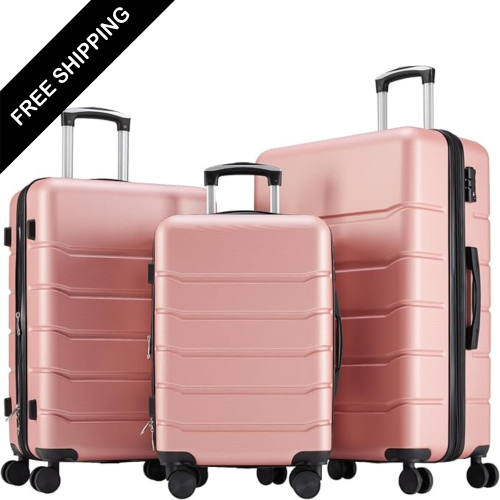
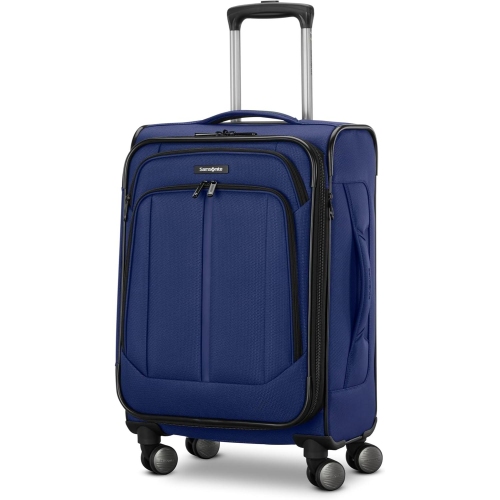
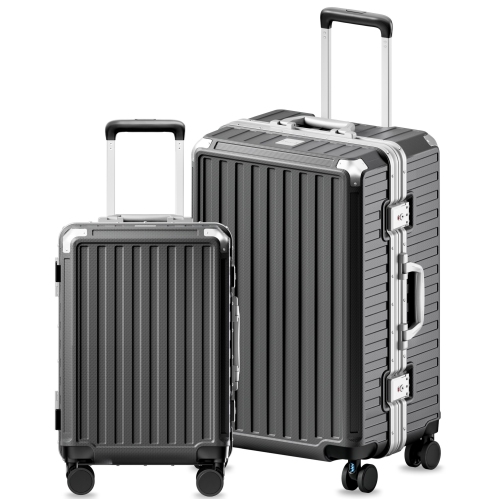
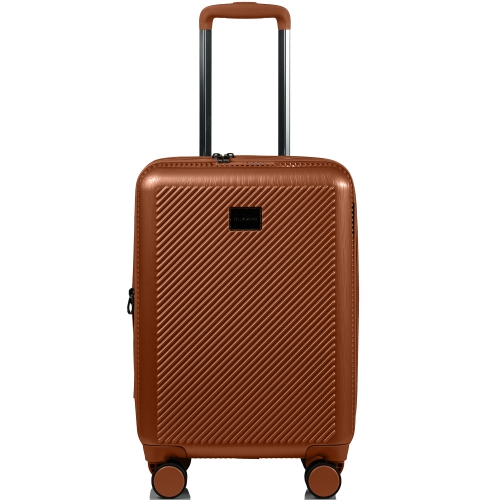
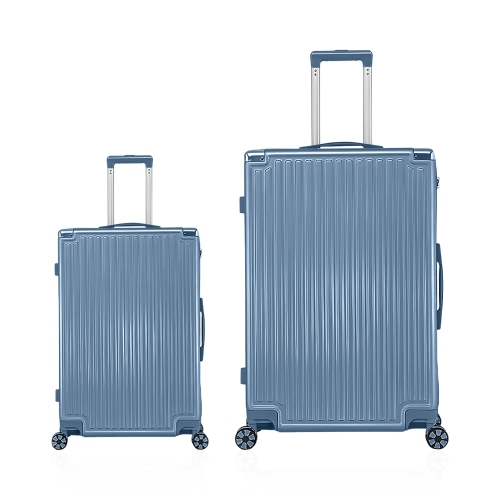
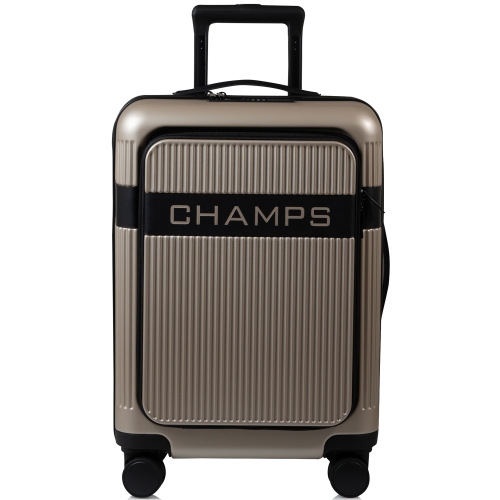
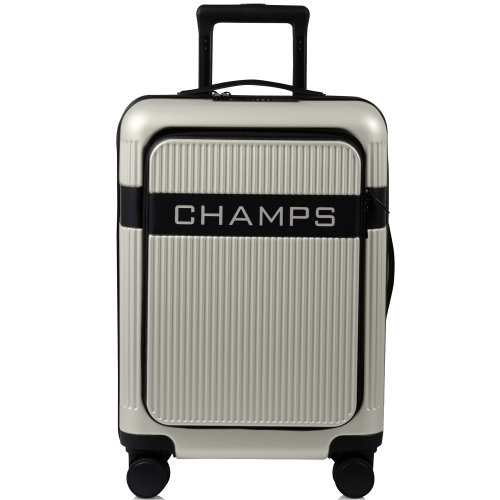
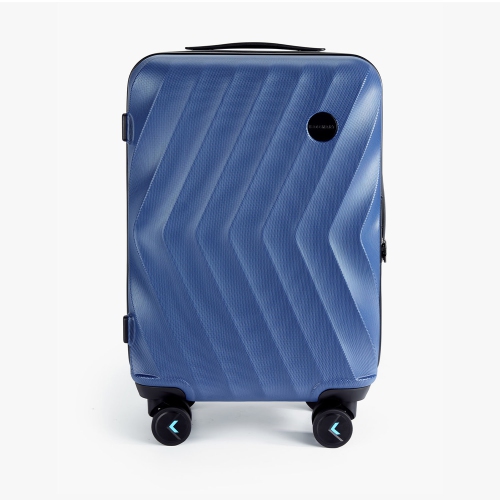
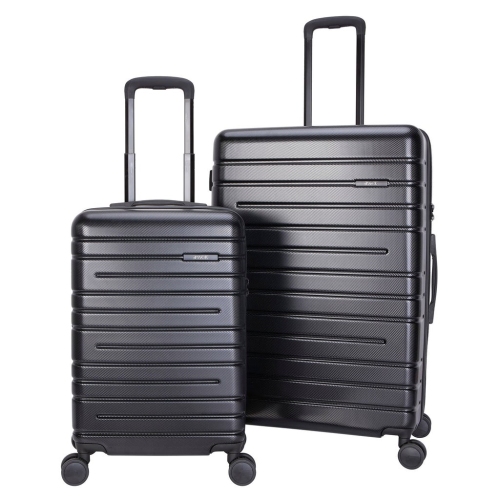

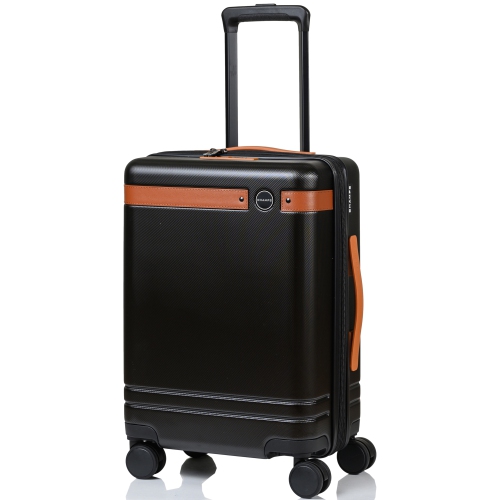
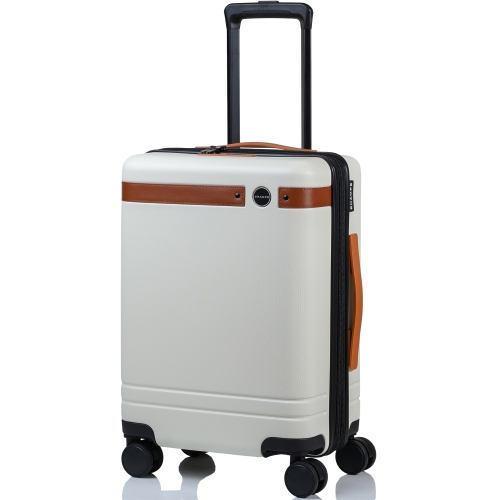
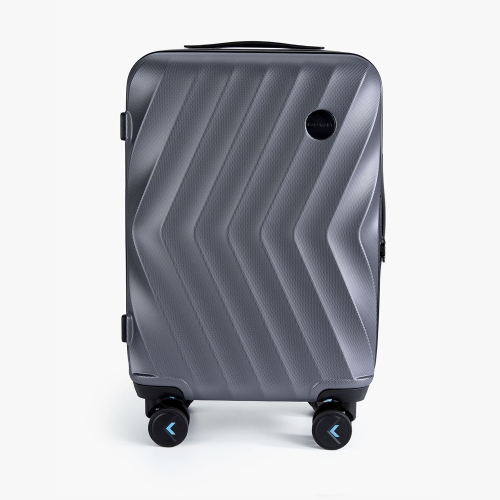
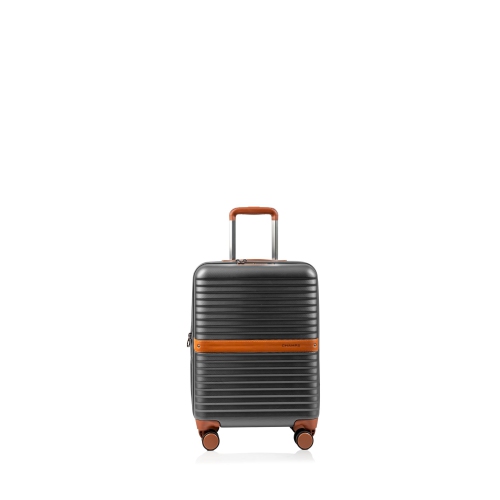
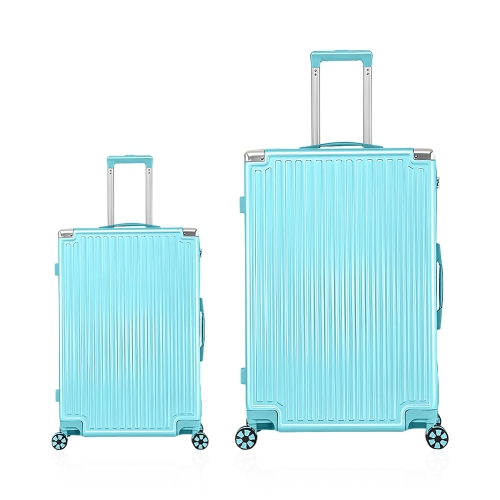
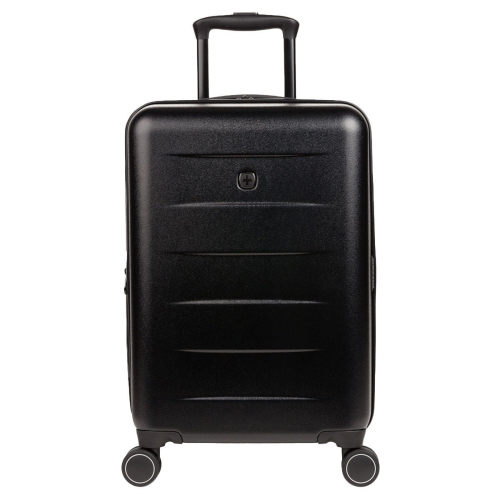
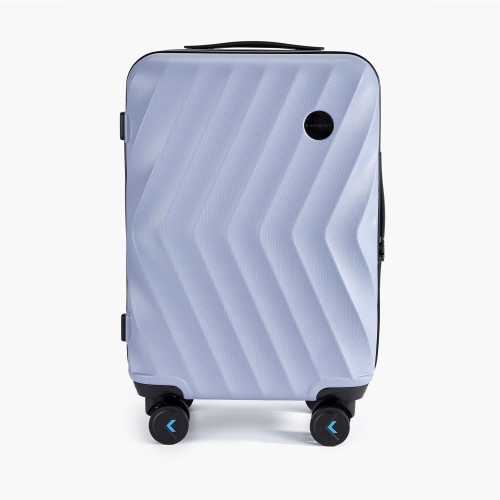
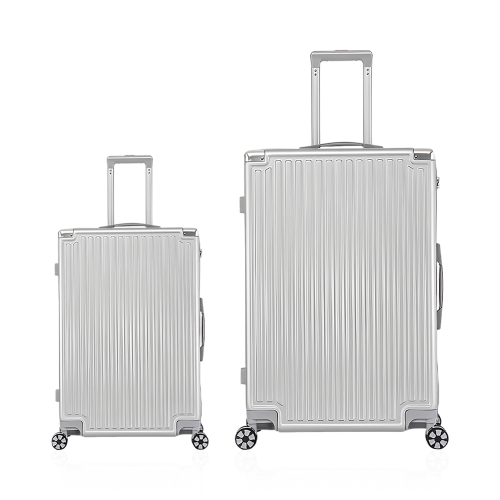
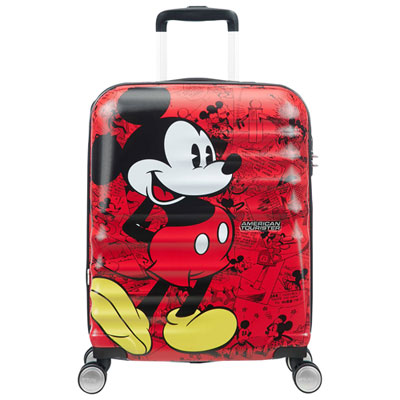
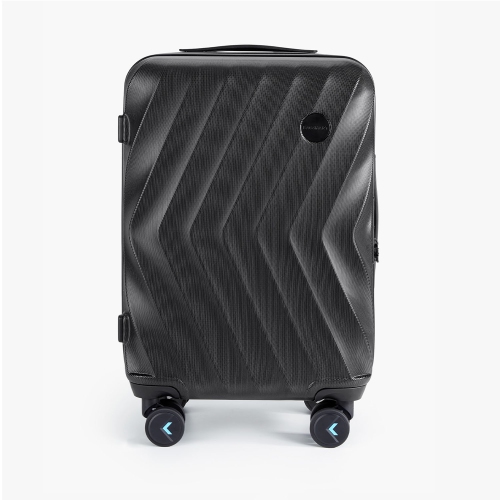
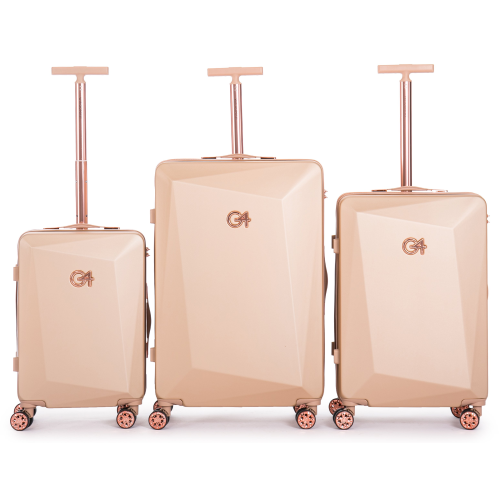
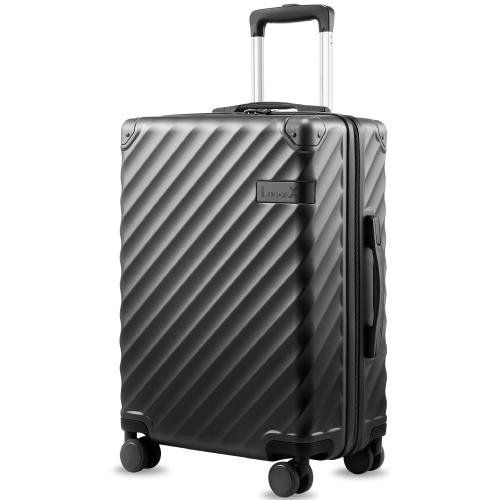
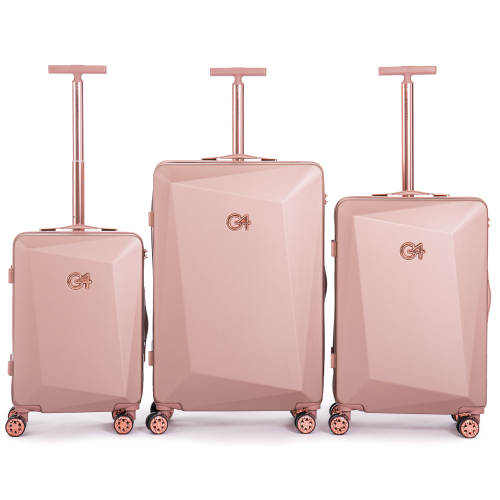
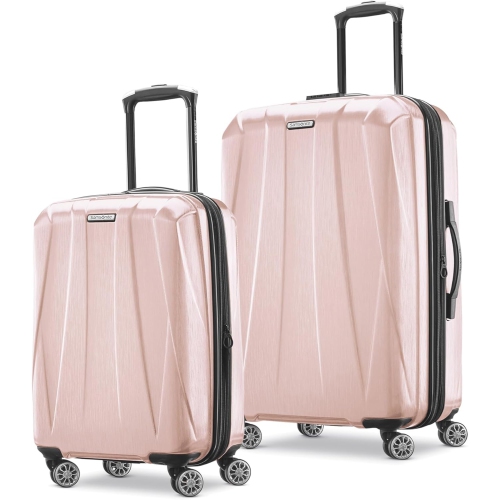
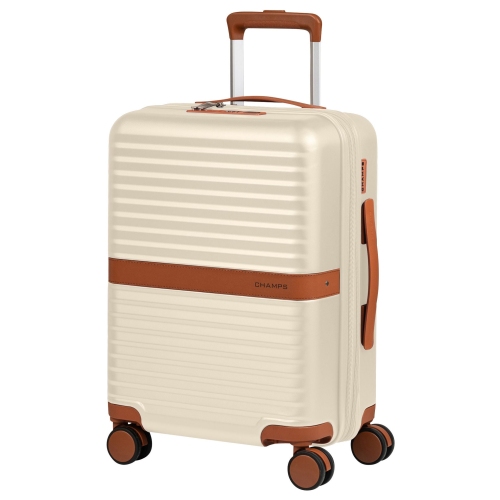
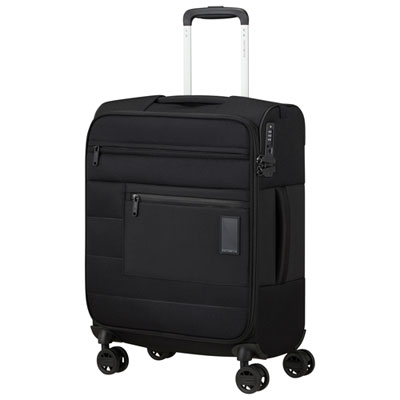

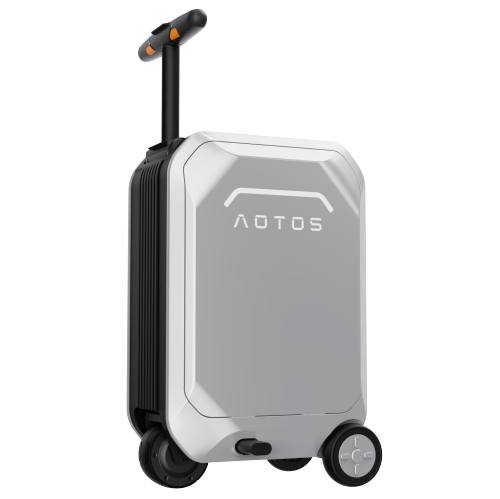
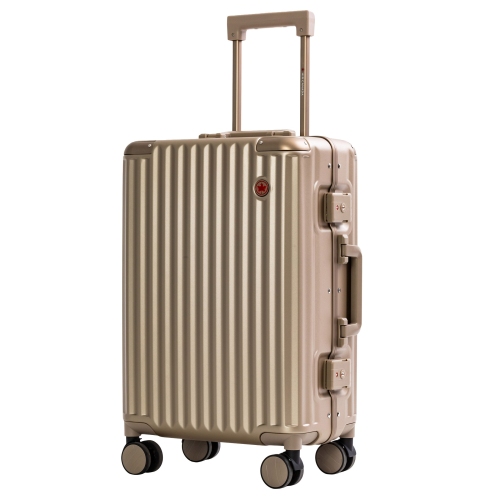

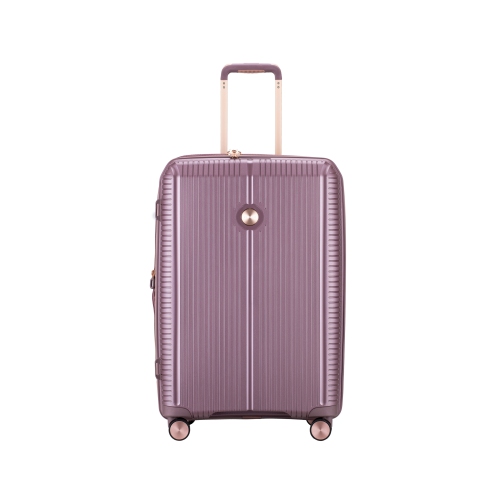
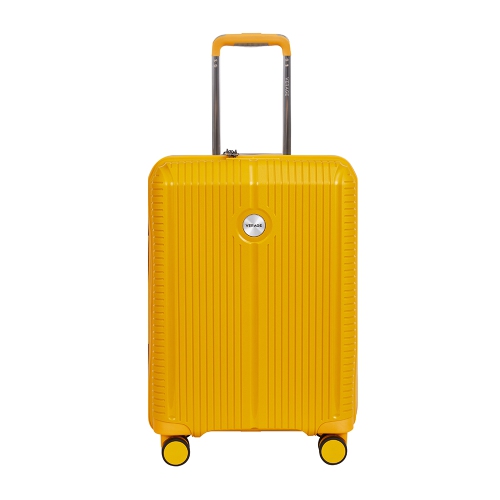

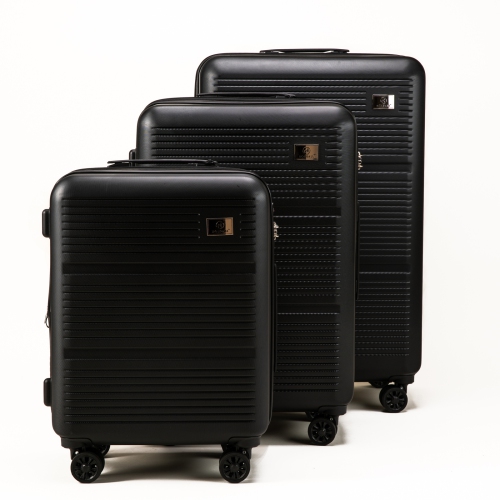

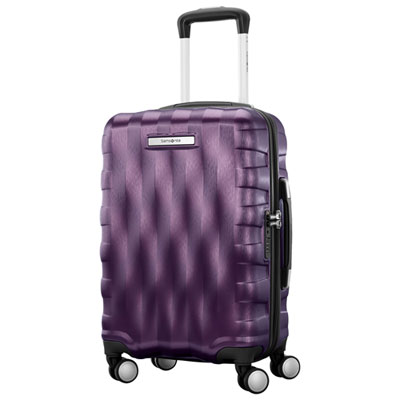
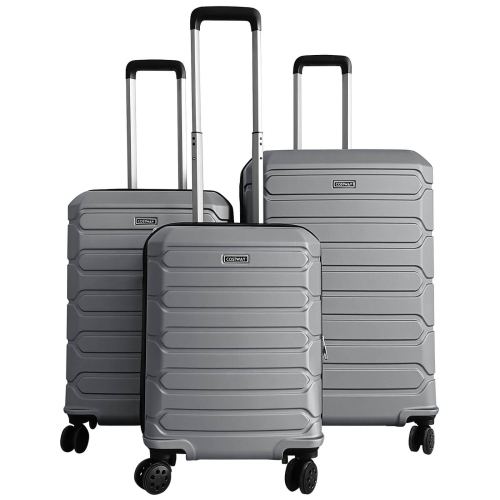
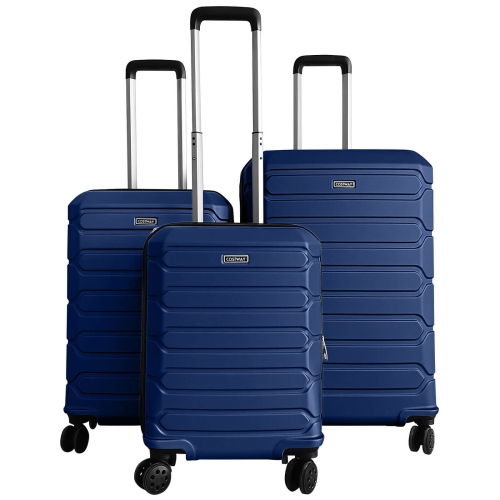
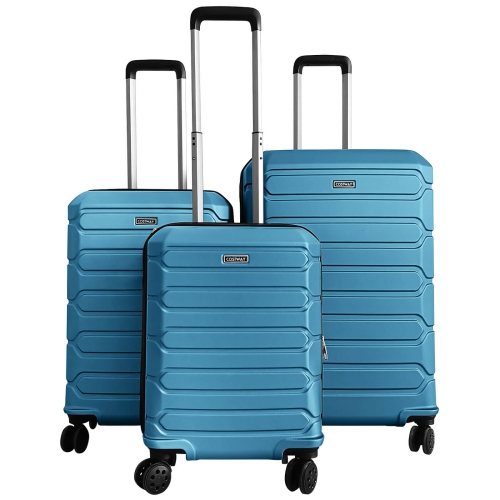
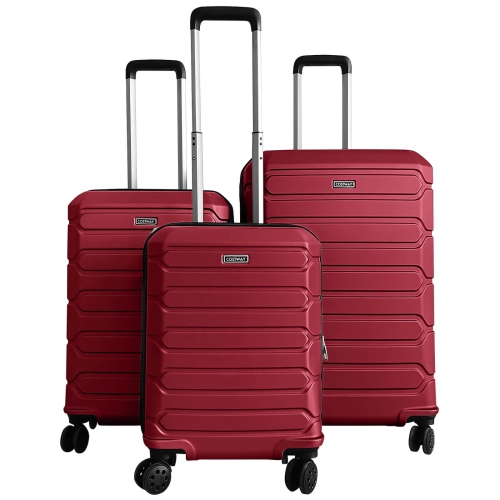
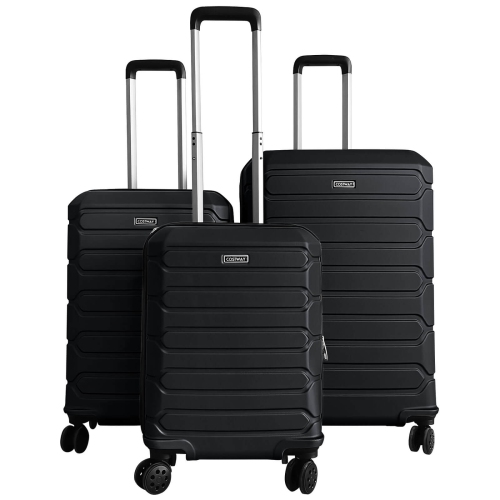
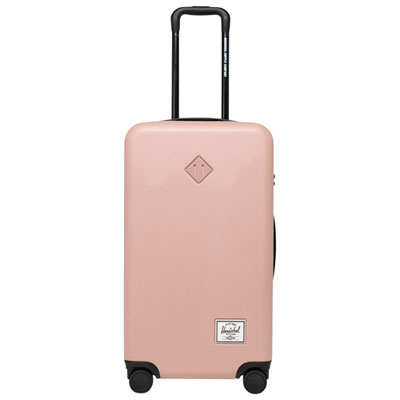
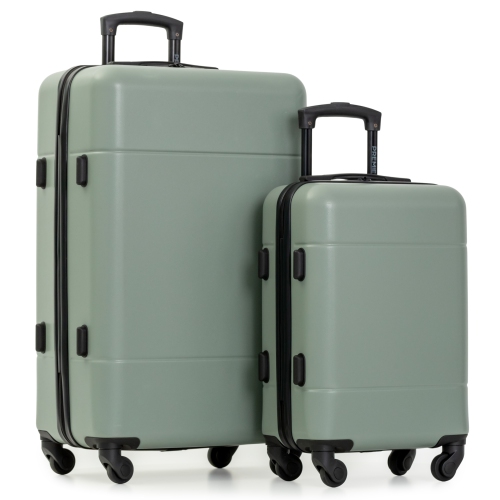
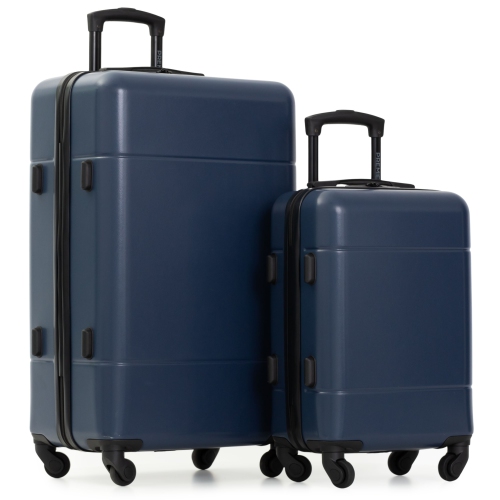
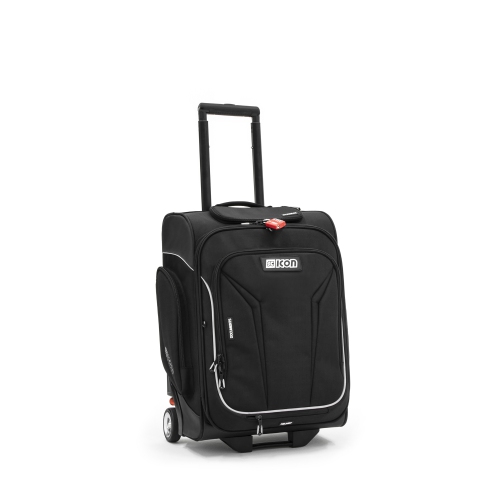
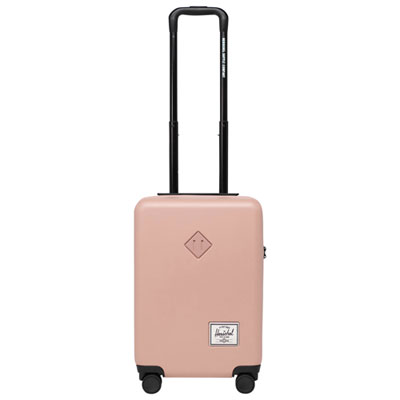
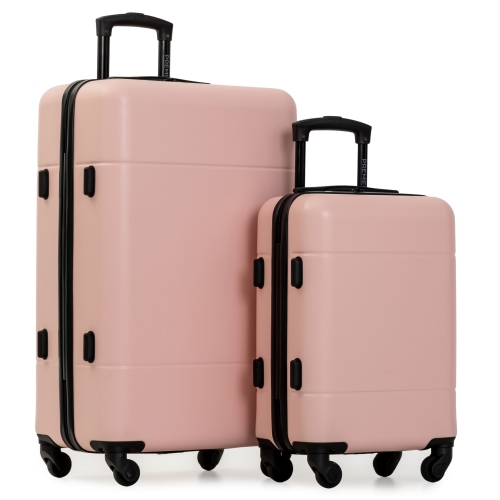
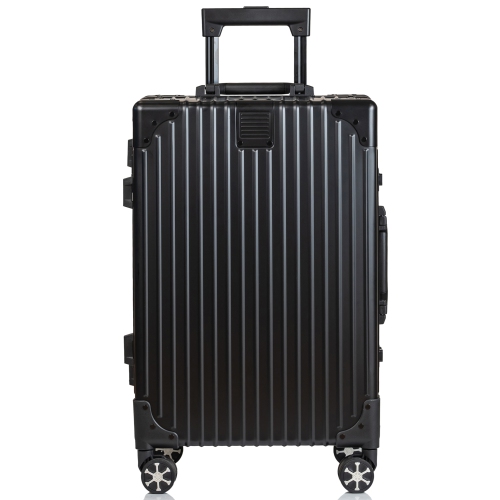
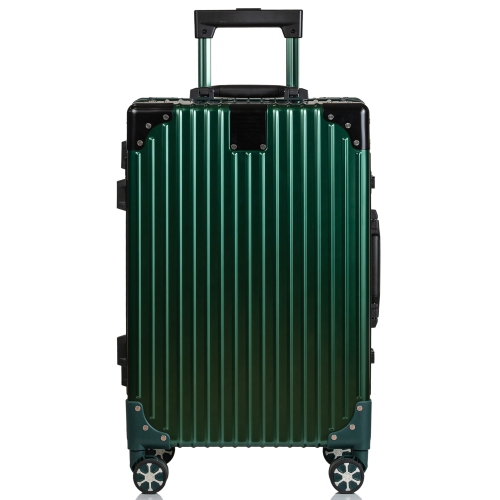
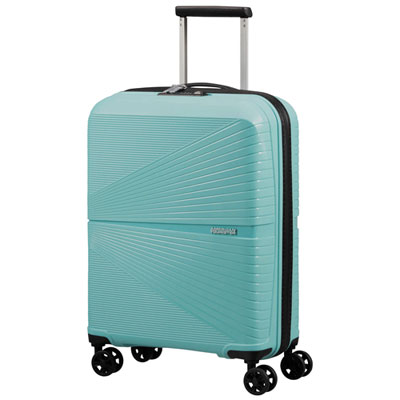

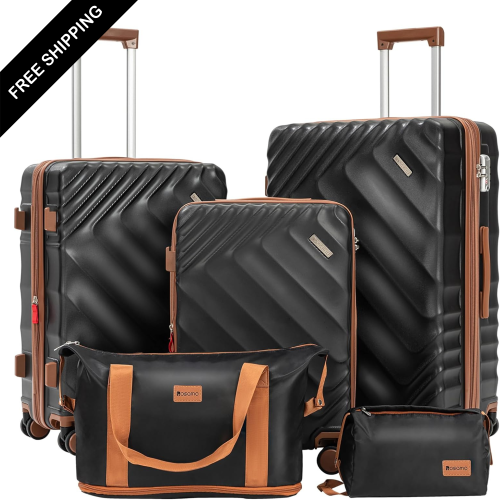
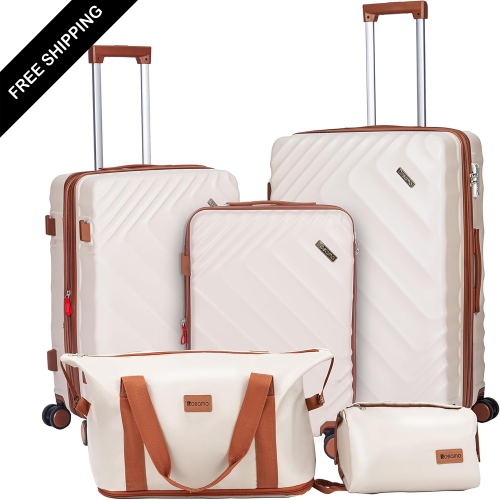
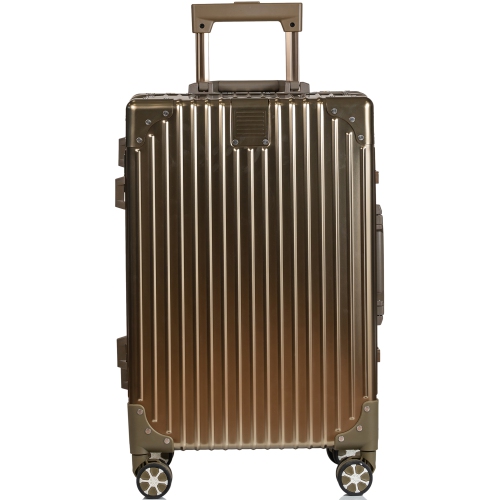
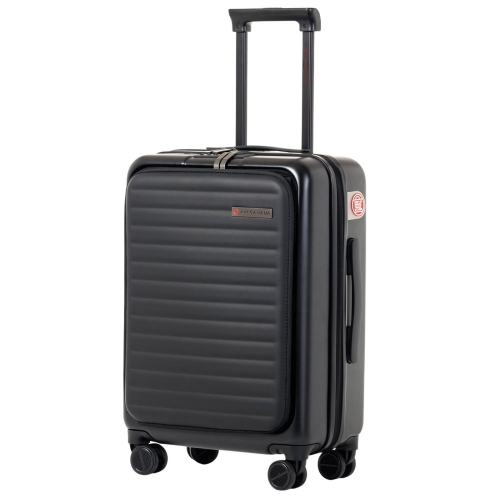
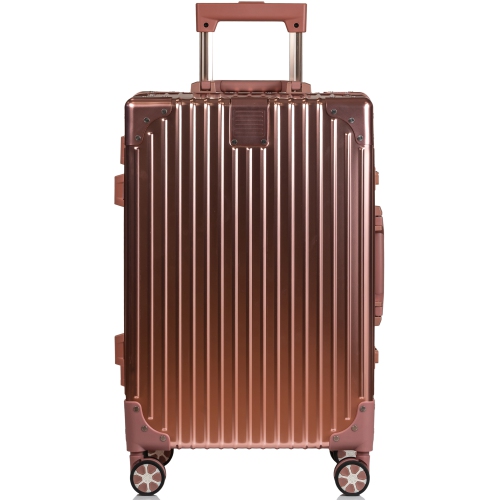
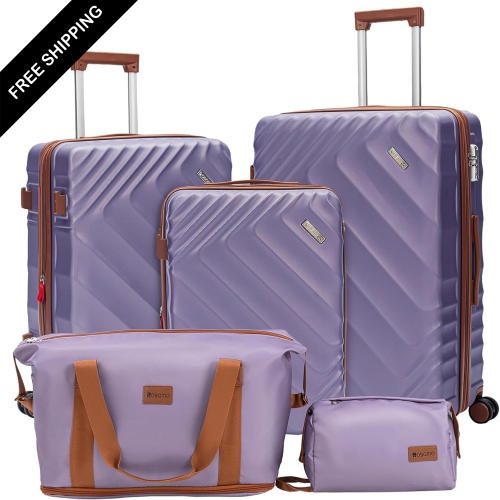
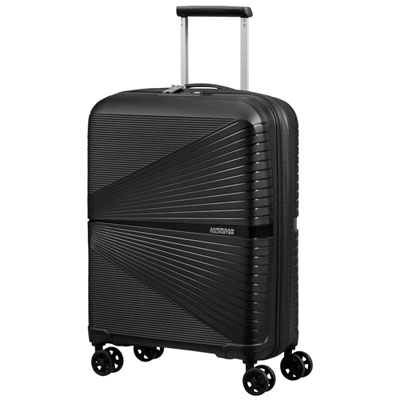
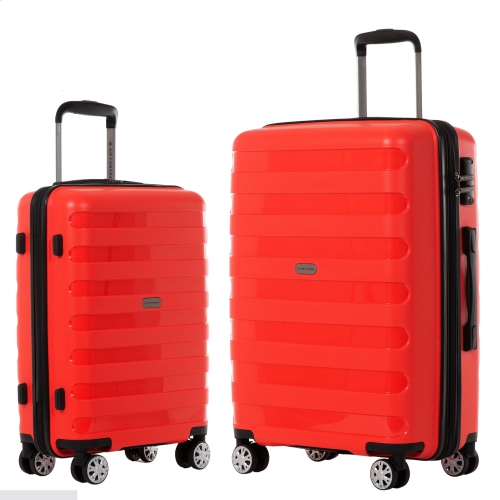
Why cabin fit depends on more than suitcase height
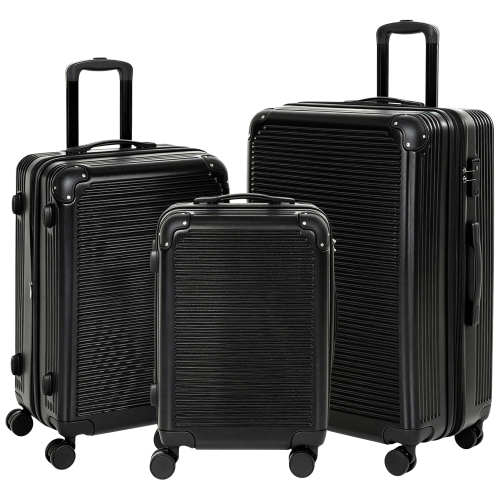
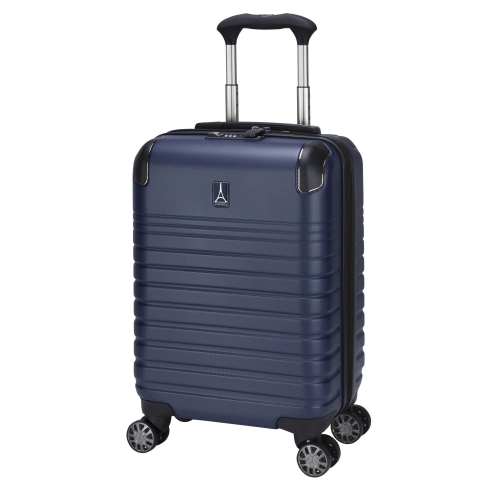
20-inch carry-on suitcases offer a compact way to pack for short trips, business travel, and visits with family or friends. Their appeal is straightforward: enough room for a carefully chosen set of clothing and travel essentials, in a format that is easier to handle than a larger checked suitcase. The 20-inch measurement generally refers to the case’s height, but sizing conventions vary, and that number alone does not confirm whether a suitcase meets an airline’s cabin baggage rules. The dimensions that matter are the full exterior height, width, and depth, including wheels, fixed handles, and any projecting pockets. A cabin baggage allowance of 55 × 40 × 23 cm, for example, applies to the complete bag rather than just its packing compartment; allowances differ by airline, fare, and aircraft. Check the rules for each flight on an itinerary, along with any weight restrictions, before deciding what will fit. An expansion zipper can add useful packing space, but opening it may make a suitcase too deep for the permitted dimensions. Even a compliant bag may need to be checked when cabin space is limited. For travellers working with a smaller allowance or simply packing fewer belongings, 18 inch carry-on luggage offers another size to consider, with the same need to verify total measurements. Capacity also varies between suitcases with similar exterior dimensions because wheel housings, handle channels, shell shape, and interior dividers take up space differently. A rectangular interior with relatively straight sides can make arranging folded clothing easier, while a deeper main compartment may suit shoes or a toiletry pouch. For a weekend away, a 20-inch carry-on can keep a few coordinated outfits together without requiring a large bag. Longer trips may also be manageable with a lighter packing list and access to laundry, though bulky footwear and extra outfits can quickly use up the available room.
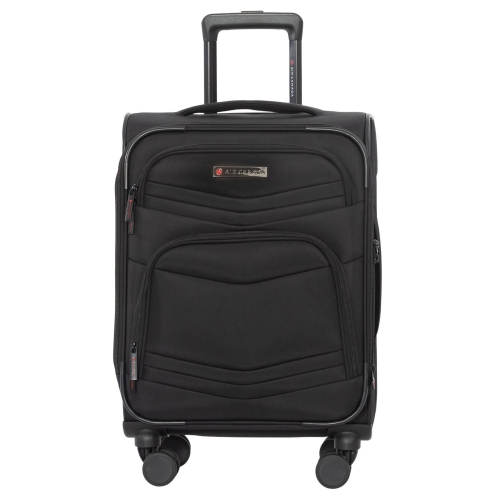
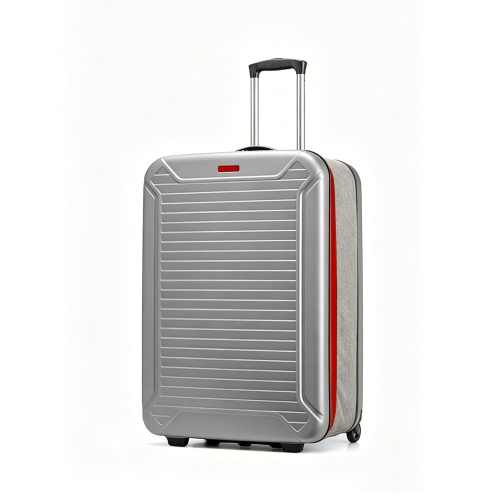
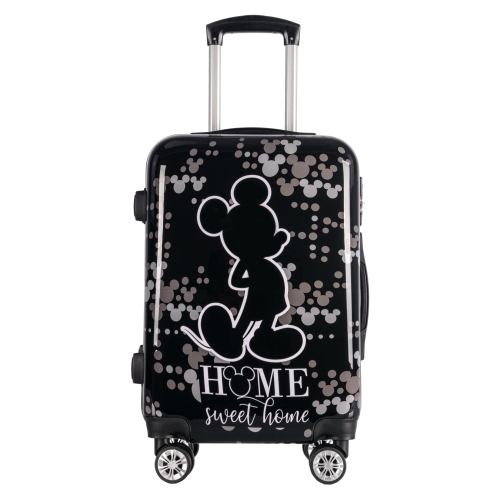
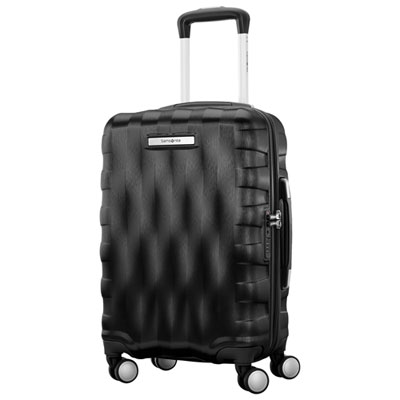
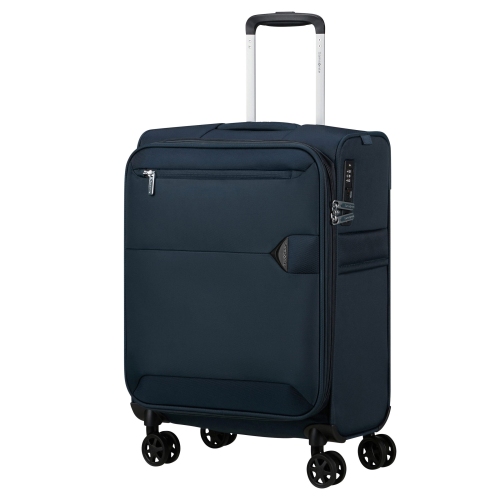
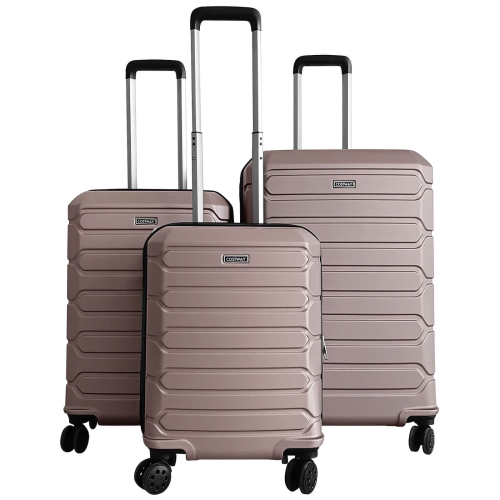
Materials influence how a carry-on suitcase feels, packs, and stands up to repeated handling. Hardside luggage commonly uses ABS, polycarbonate, polypropylene, or blends of these plastics. ABS is generally rigid, while polycarbonate can flex under pressure; polypropylene is often chosen for its combination of low weight and flexibility. Actual durability depends on the complete construction, including shell thickness, corner design, seams, and hardware, rather than the material name alone. A firm shell helps separate packed belongings from outside contact, but it does not make delicate contents immune to damage. Glass bottles and other fragile objects still need cushioning and careful placement. Textured finishes can make light scuffs less noticeable, although any suitcase may pick up marks as it moves through baggage racks, vehicles, and airport handling. Softside suitcases typically use woven polyester or nylon, with performance affected by fabric weight, weave, backing, and reinforcement at wear points. Their exterior pockets can be convenient for keeping a travel document folder or a small pouch accessible without opening the main compartment. Those pockets also add to the bag’s depth when filled, so an overstuffed front section can affect its fit in a baggage sizer. Neither a hard shell nor a fabric exterior should be assumed to keep water out unless the luggage has an explicit protective rating. Wheel design matters just as much in daily use. Four-wheel spinners can roll upright beside the traveller through a terminal, while two-wheel cases tilt behind and may feel more manageable over uneven paving. Double spinner wheels can provide a stable base, but wheel diameter, mounting quality, and how evenly the bag is packed also affect movement. A telescopic handle should extend to a comfortable height and lock securely without excessive movement. Top and side carry handles, where fitted, provide separate grip points for lifting the case into a vehicle or overhead compartment. The telescopic pull handle is intended for steering, not for lifting a fully packed suitcase.
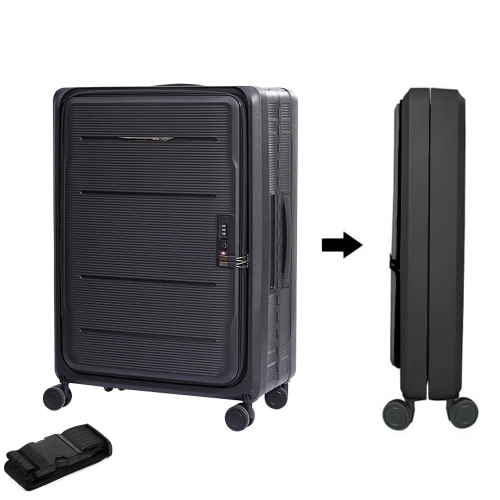
Interior layout makes a noticeable difference when living out of a small suitcase. A divided hardside case can keep folded clothing on one side and shoes or accessories on the other, while a softside case with a lid opening may allow access to a deeper single compartment. A split-opening suitcase needs space to lie open, which is worth considering for compact guest rooms or narrow luggage benches. Compression straps help hold clothing in place during transit, and zipped dividers can prevent small belongings from shifting when the case is opened. Packing cubes make outfits easier to group and retrieve, though they do not increase the suitcase’s actual capacity. A separate shoe bag keeps soles away from clean clothing, while a leak-resistant toiletry pouch adds a useful layer of protection around liquids. Place heavier belongings low in the case, near the wheels, to help it remain balanced, and avoid forcing the zipper around an overfilled compartment. Travellers carrying a laptop may prefer a dedicated padded section, but its dimensions and access should suit the device; a general lining pocket is not a substitute for cushioning. Keep medication, valuables, and essential documents accessible in a separate permitted personal bag in case the suitcase needs to be checked at the gate. For frequent travellers, the details that endure repeated use deserve attention: securely attached handles, reinforced corners, smooth zipper movement, and accessible repair or replacement options for wheels and other hardware. Care is usually simple but should follow the manufacturer’s directions. Wipe a hard shell with a soft cloth and mild cleaner when permitted, spot-clean fabric as instructed, and remove hair or grit from wheel assemblies so they can turn freely. Let the suitcase dry fully before closing it for storage, and avoid stacking heavy objects on top. As a gift for a student, a commuter who regularly stays overnight, or someone taking more short trips, a 20-inch carry-on suitcase is most useful when its empty weight, handle height, and packing layout match the recipient’s needs. A distinctive colour or luggage tag can also make it easier to identify among similar bags.
Top selling and popular products
-
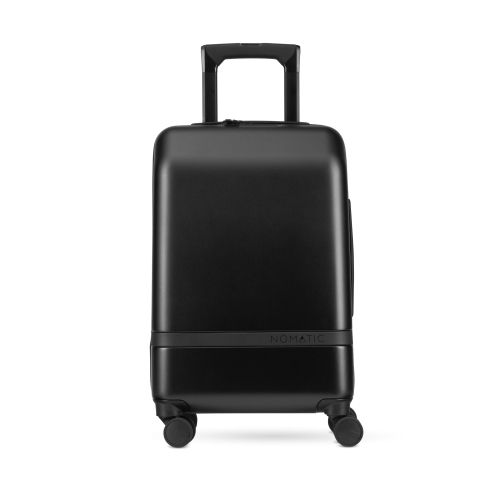 Your price for this item is $449.99
-
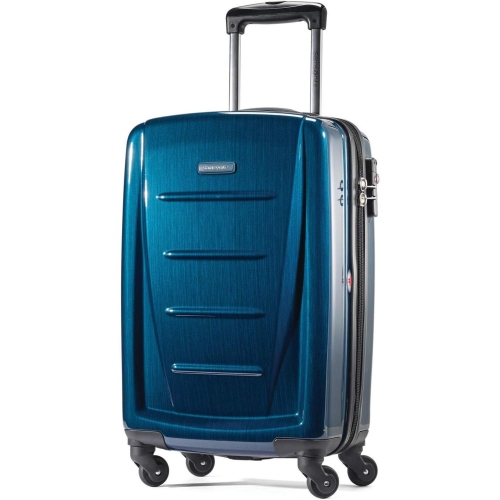 Your price for this item is $170.05
-
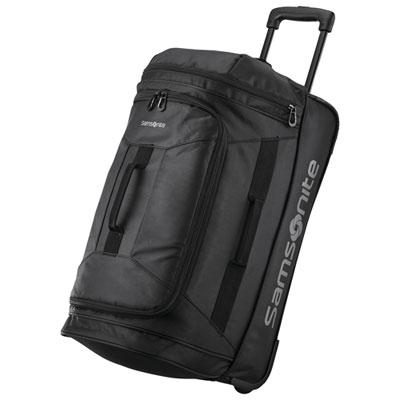 Your price for this item is $109.99
-
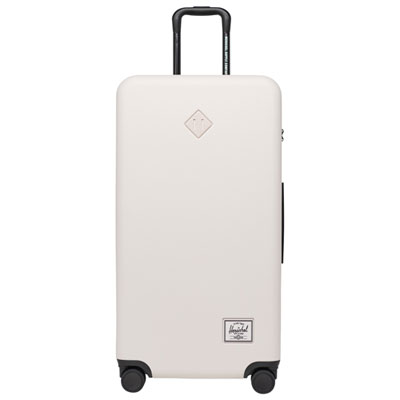 Your price for this item is $339.99
-
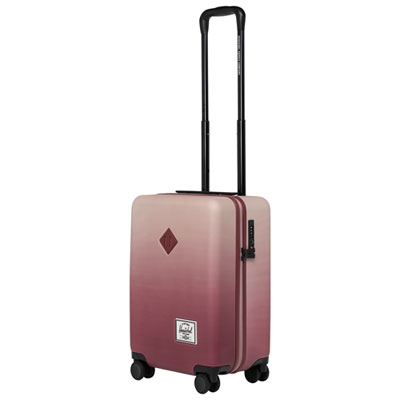 Your price for this item is $219.99
-
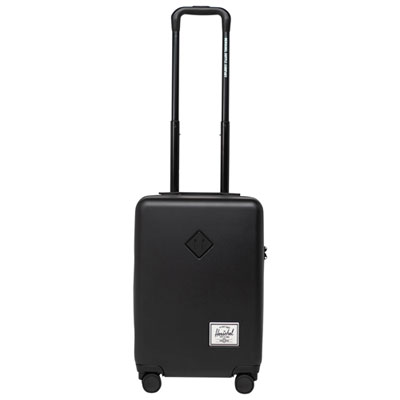 Your price for this item is $186.98
-
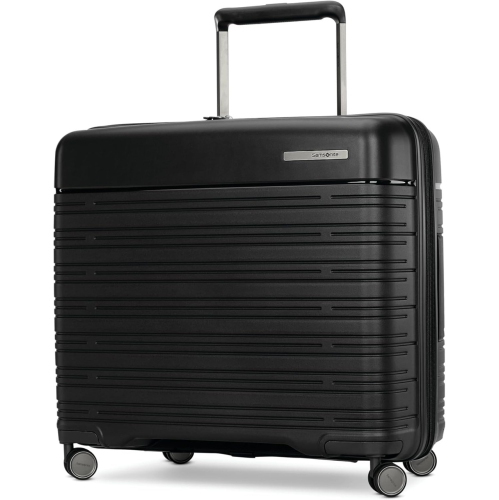 Your price for this item is $399.99
-
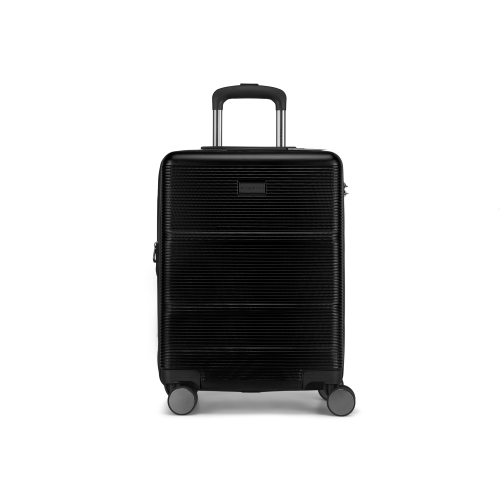 Your price for this item is $89.99
Discover more categories related to 20 Inch Carry On Suitcases

Top Collections:
Best Black Friday Deals This Year, Best Black Friday Deals On Electronics, Kindle Devices, Best Black Friday Deals On Apple Products, Best Budget Office Chairs, Best Cameras for Sports Photography, Dyson Airwrap, Canon G7X Cameras, Best Laptops for Writers, Samsung Galaxy Phones
Some products may be subject to Environmental Handling Fees
(EHF) depending on your province.
Learn more about EHFs.