Carry On Dimensions Luggage
When it comes to traveling, having the right carry-on luggage that meets airline size restrictions is essential for a smooth journey. Whether you're jet-setting for a quick business trip or embarking on a weekend getaway, finding the perfect carry-on dimensions luggage is key to ensuring your belongings stay safe and organized while on the go. Explore our selection of compact and practical carry-on luggage options designed to make your travel experience hassle-free and stylish.
Sort
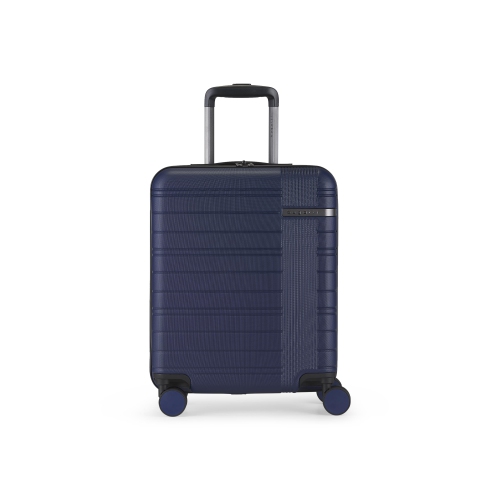
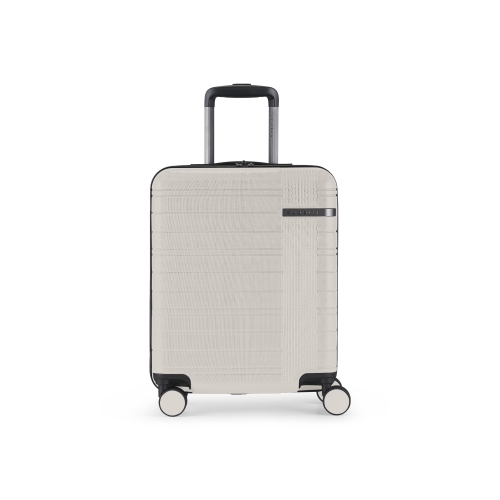
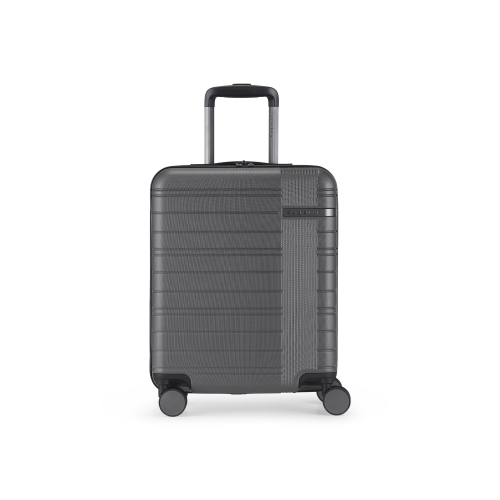
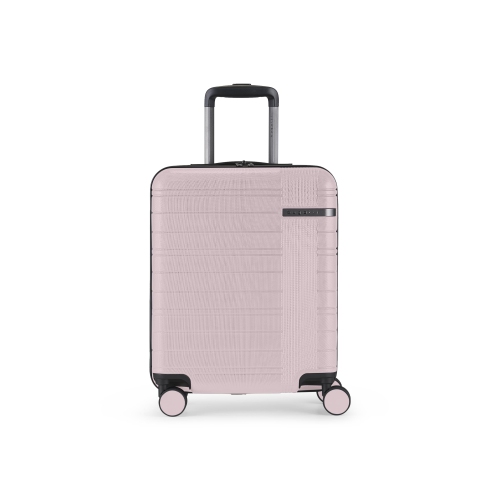
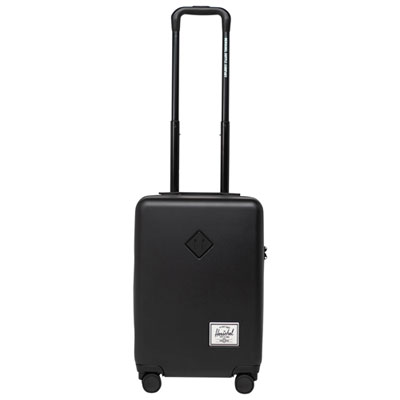
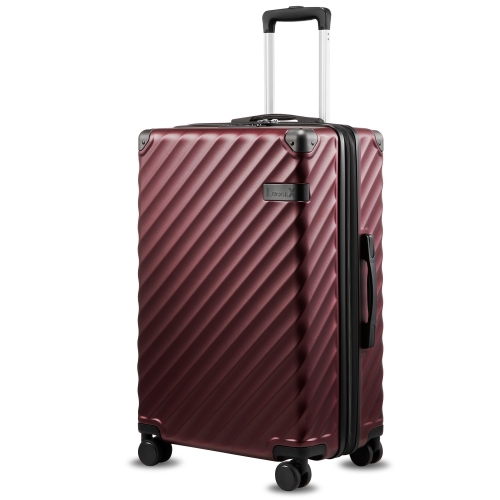
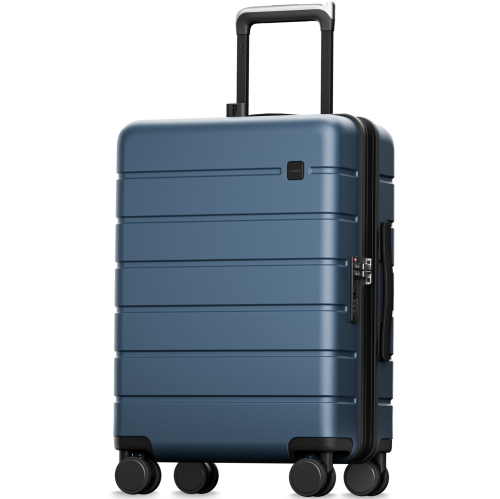
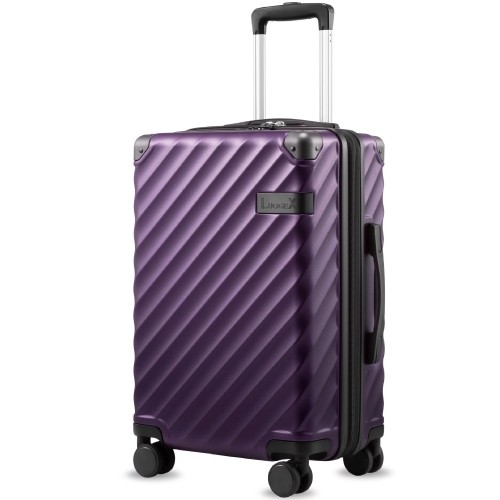


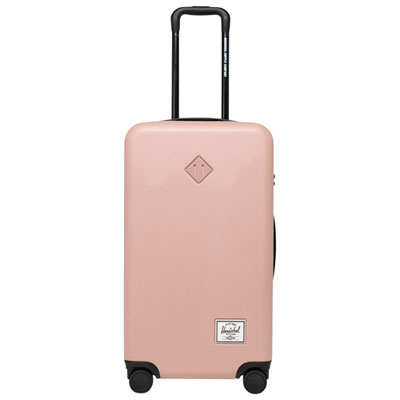
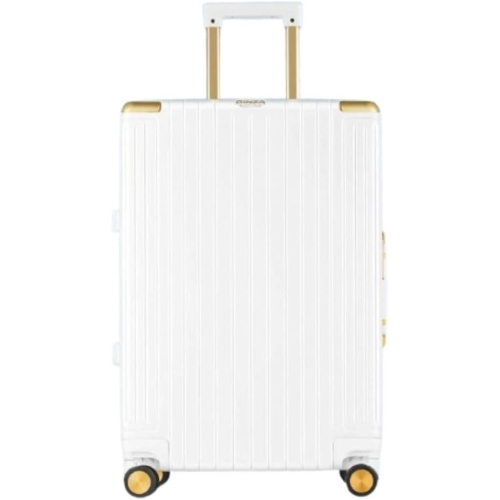
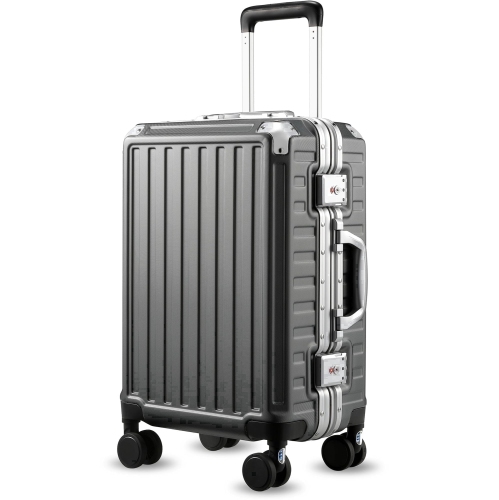
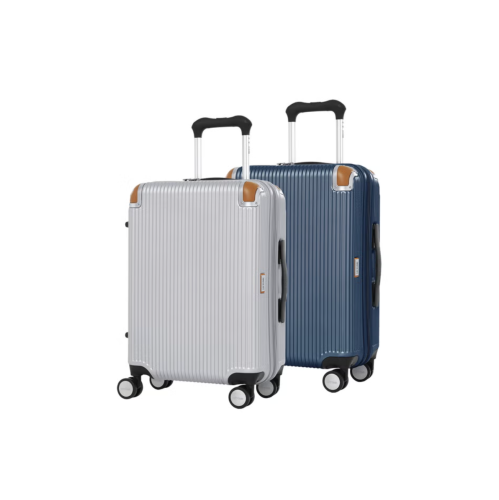



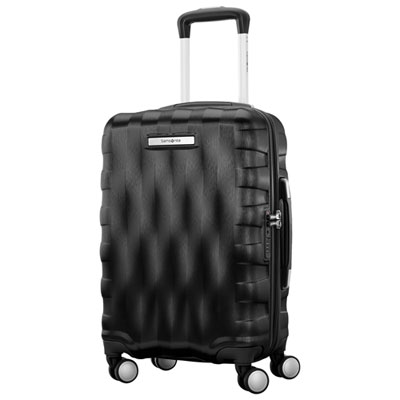
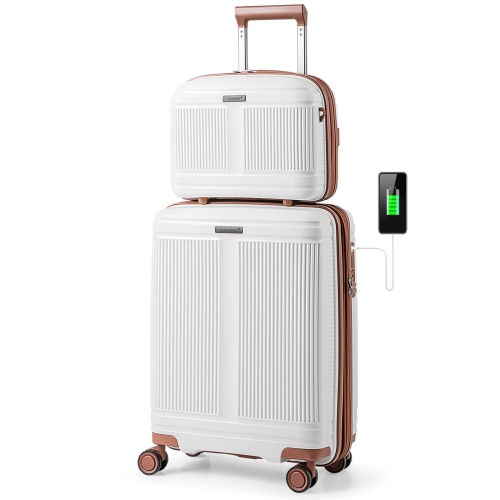
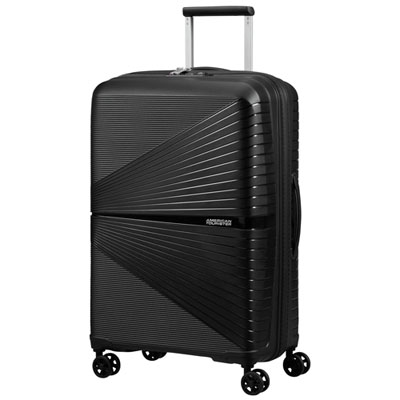
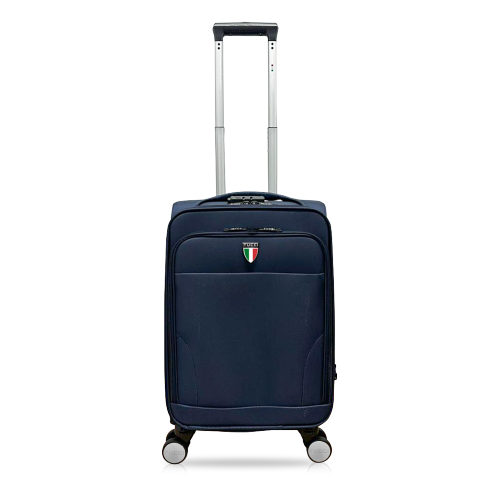


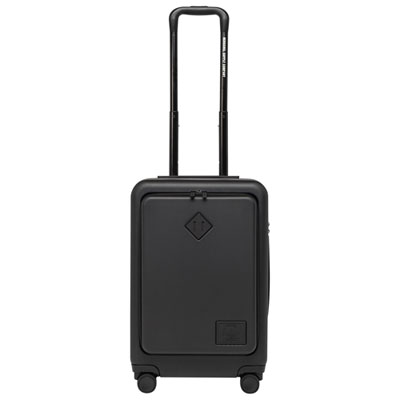

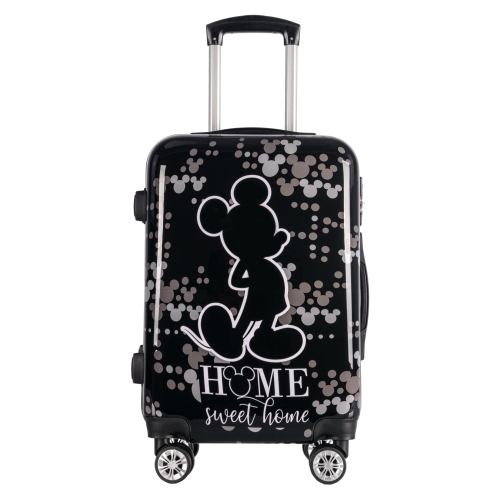

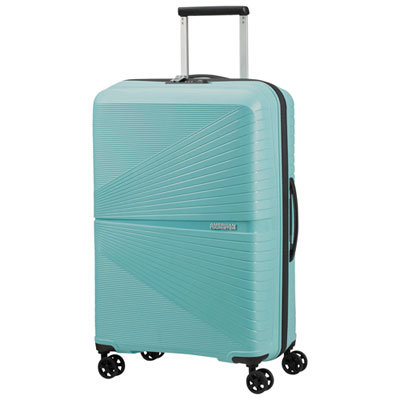
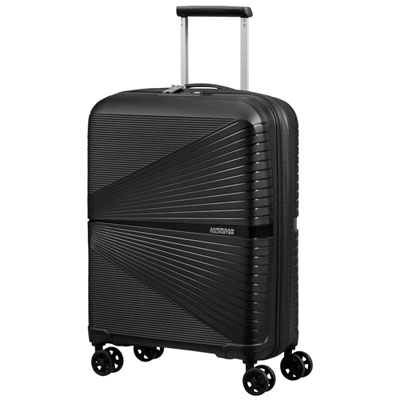










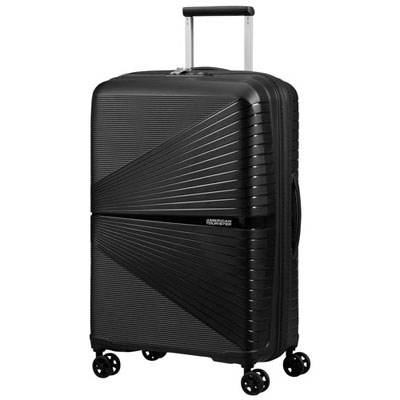
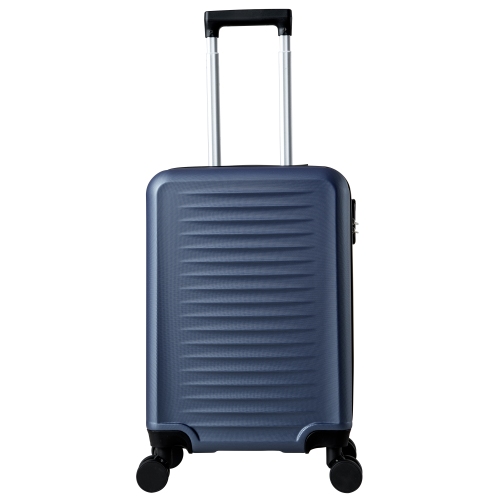
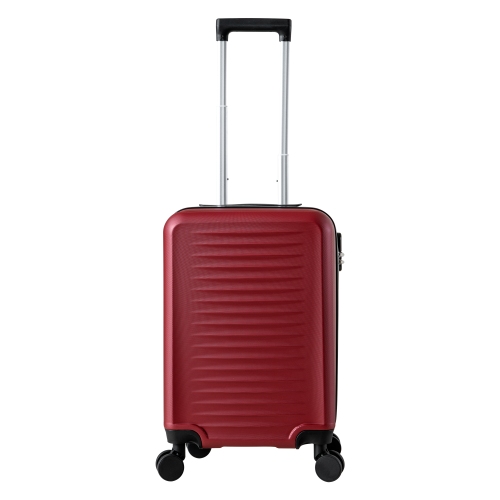
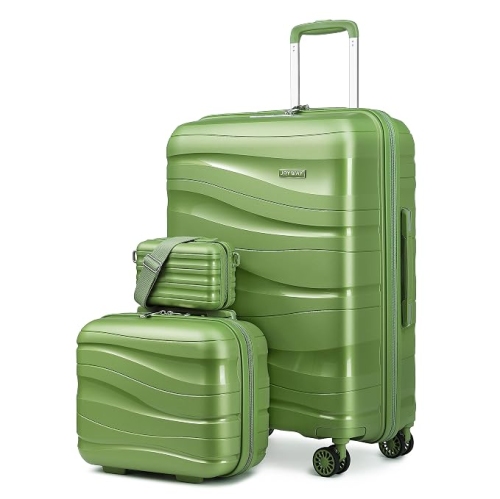


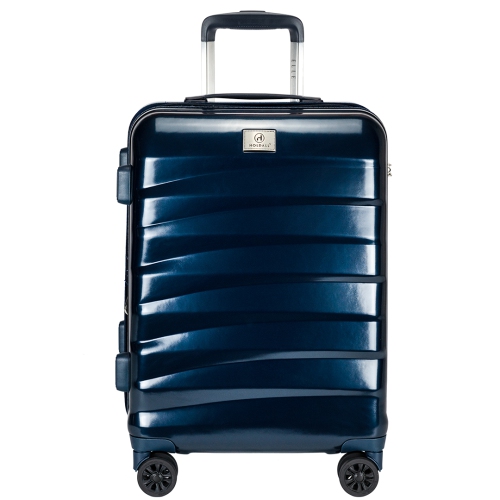
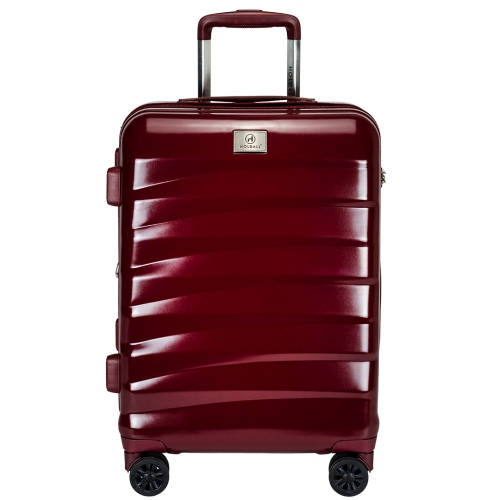
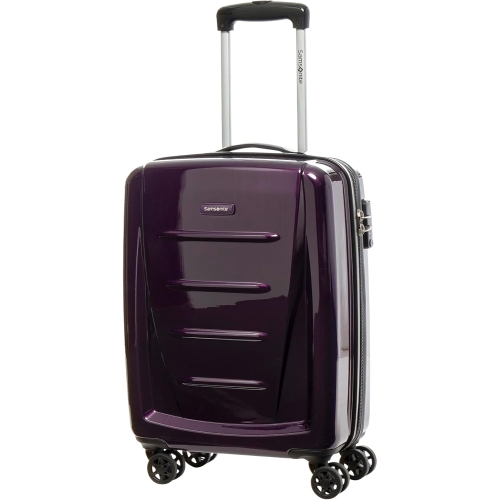
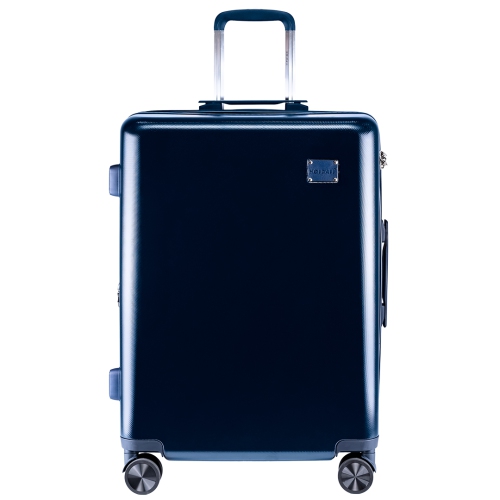
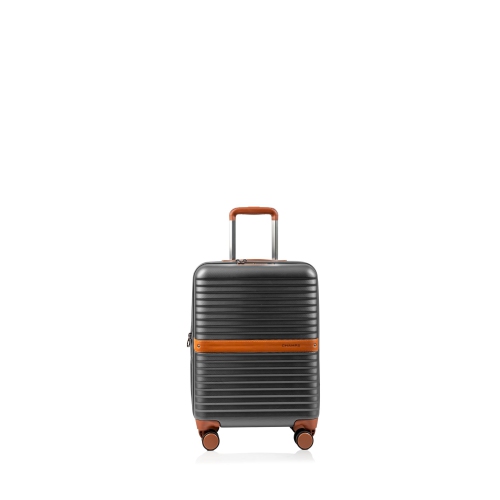
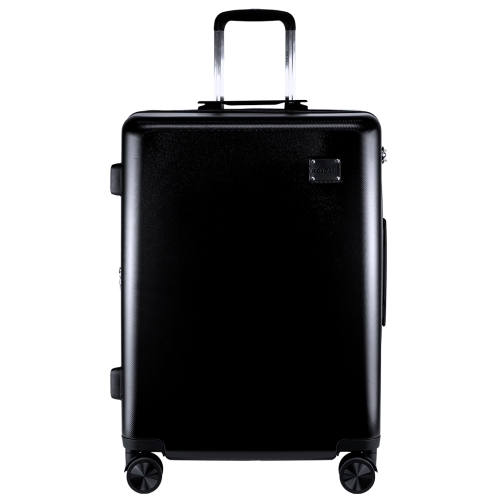


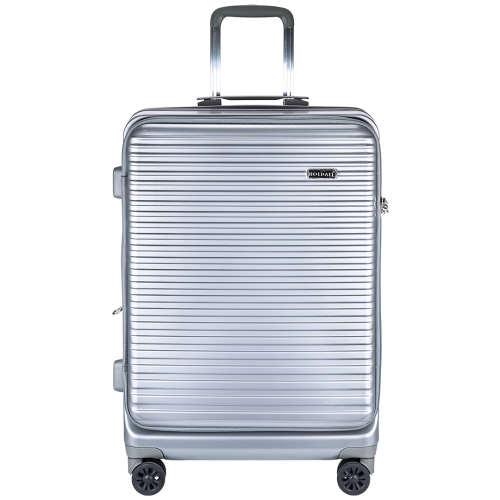

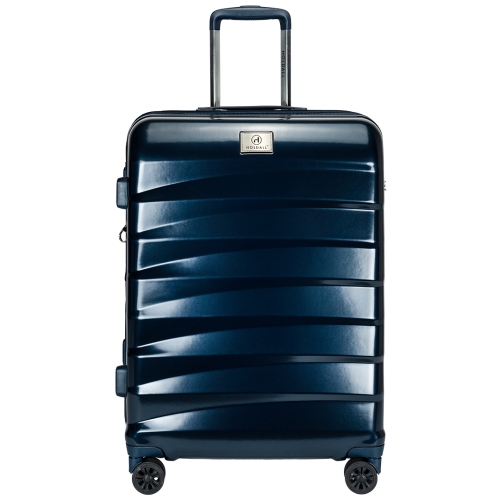
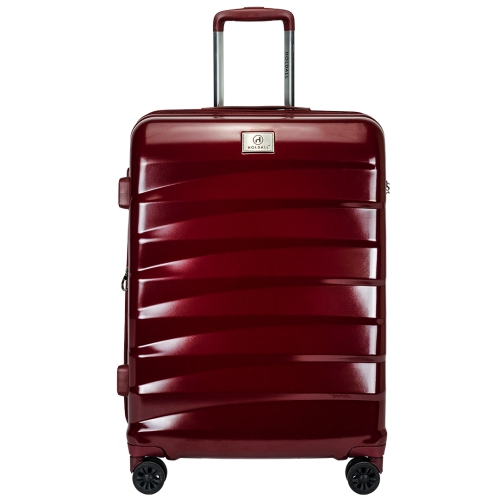
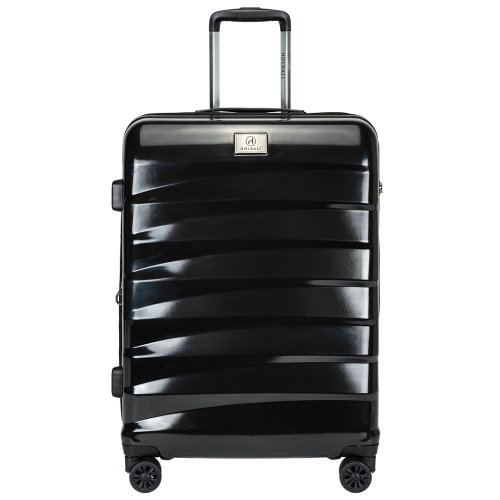

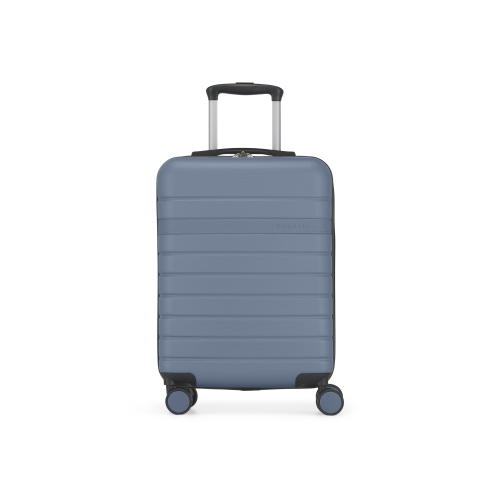
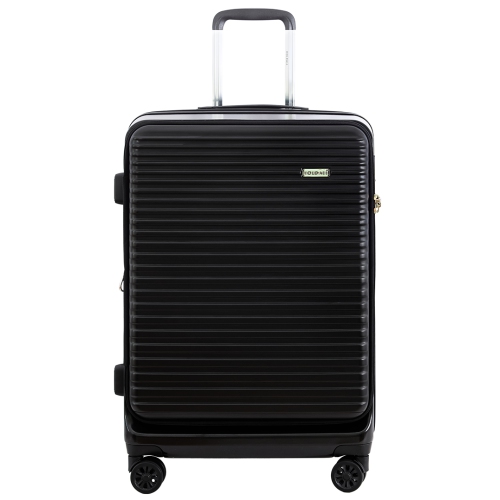

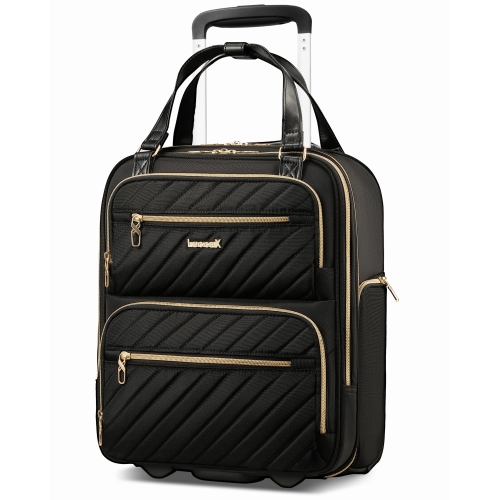
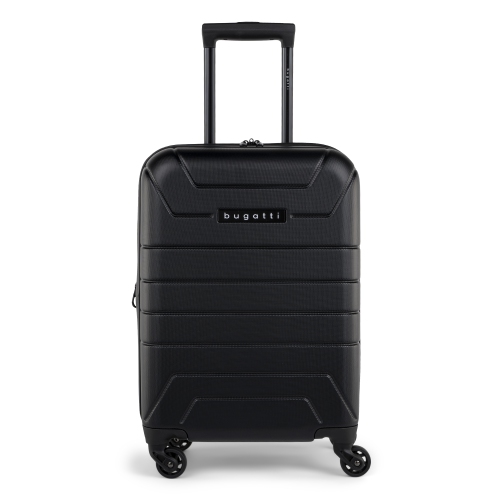


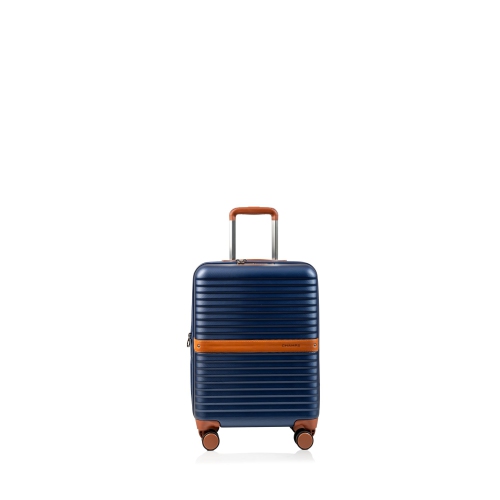
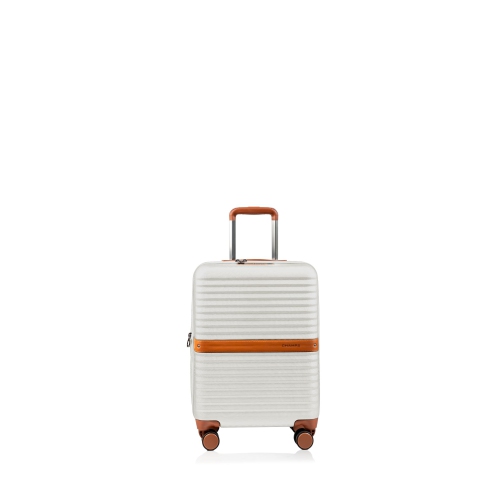

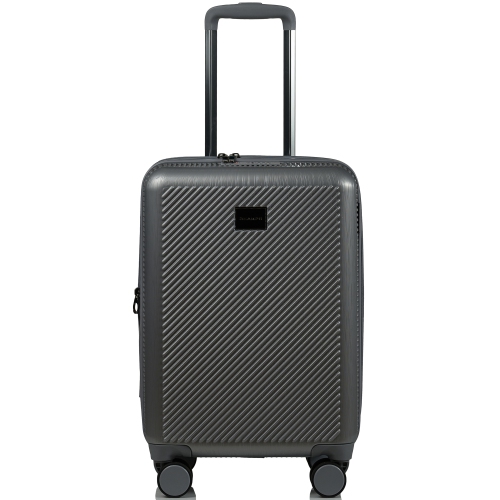
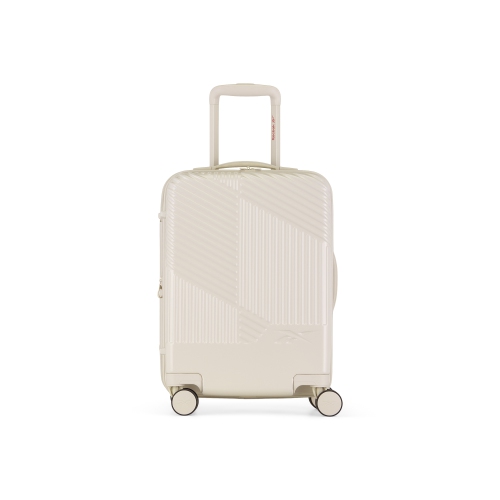
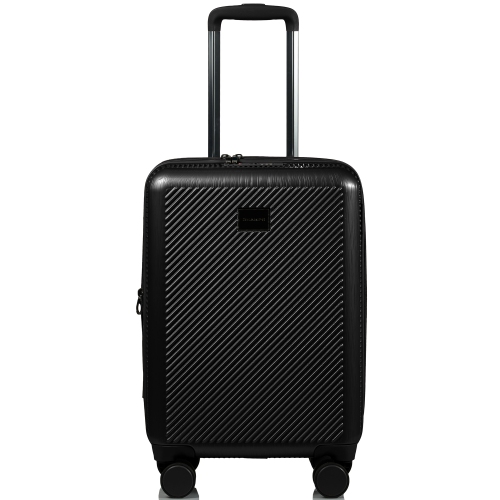
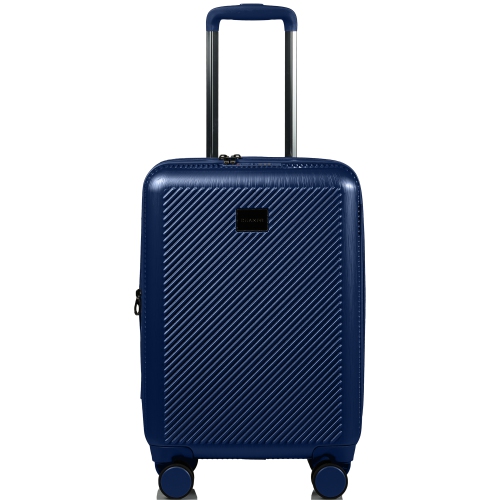
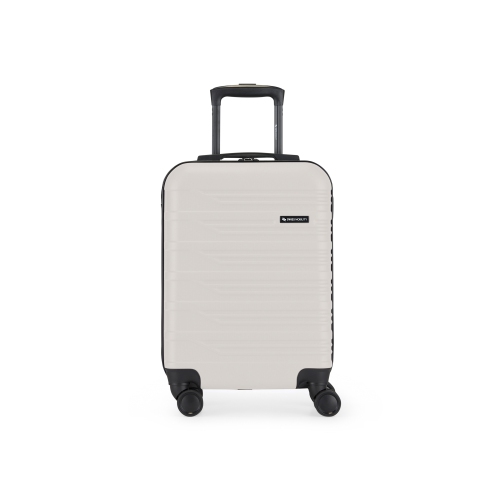
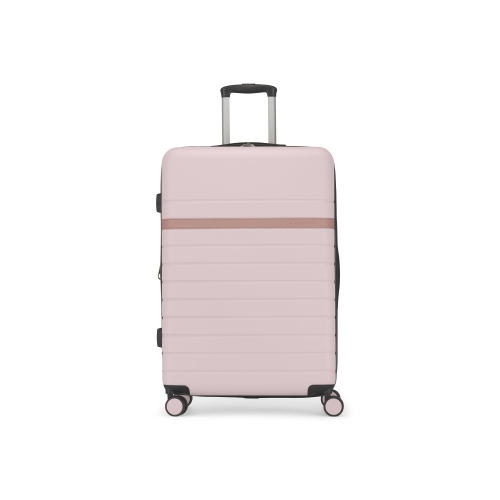

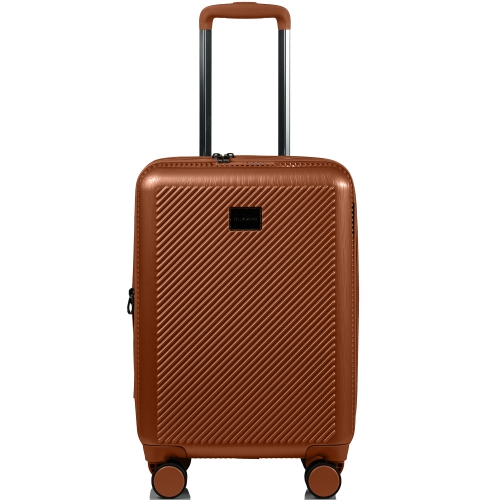
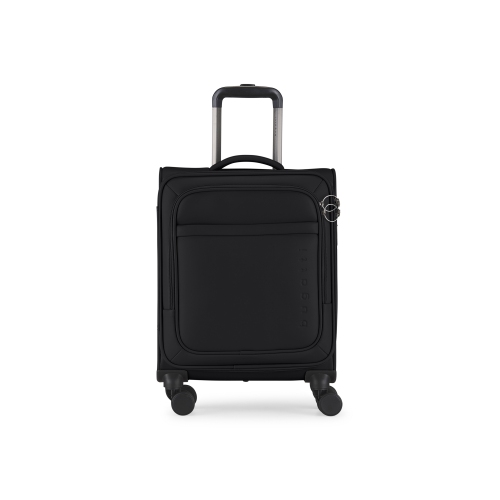


















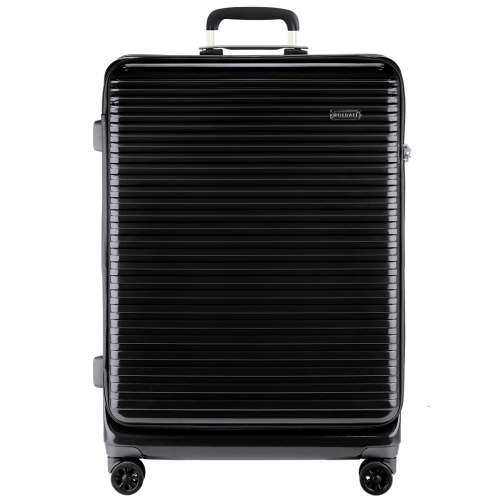
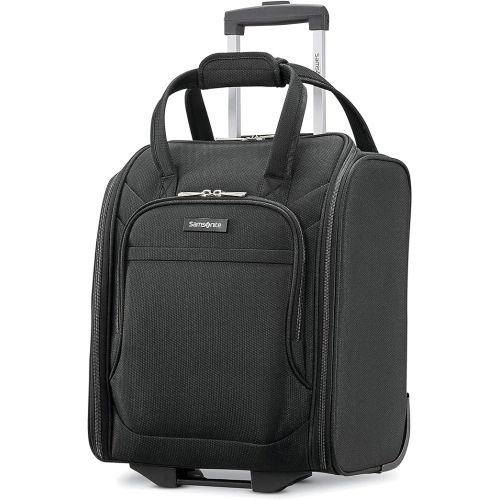
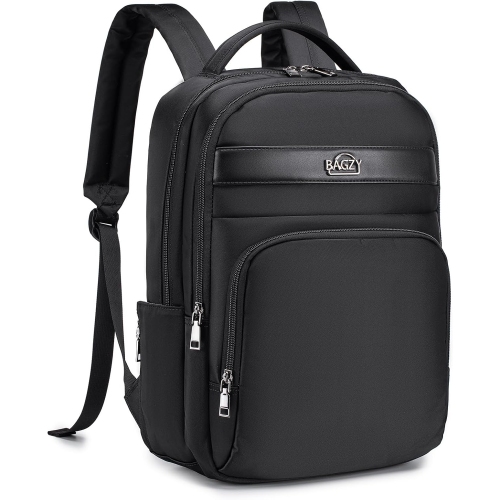
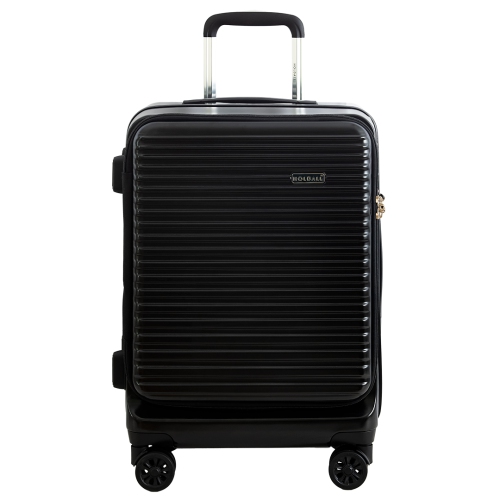


Why carry-on fit goes beyond the size label
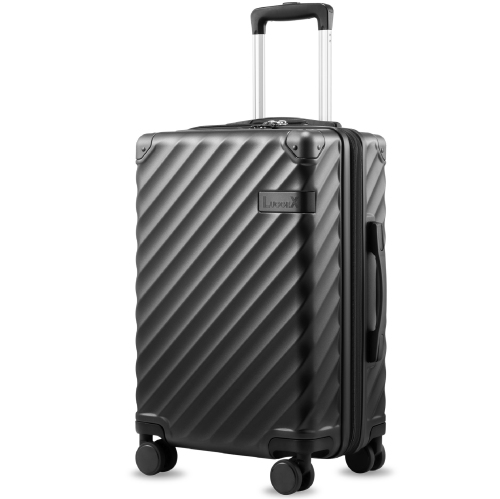
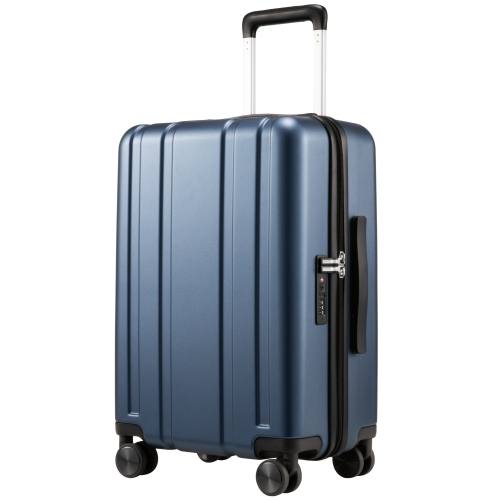
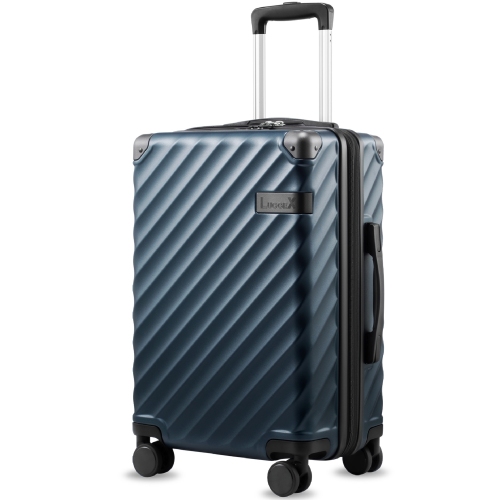
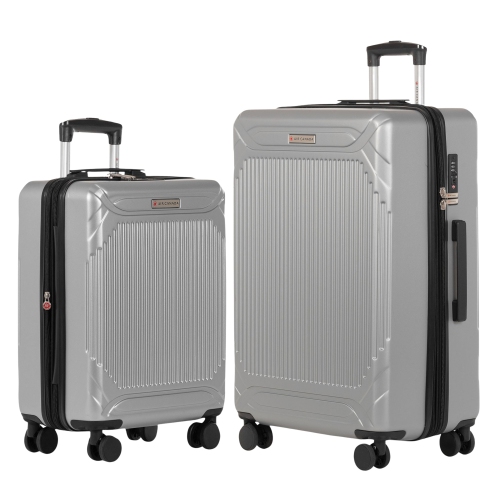
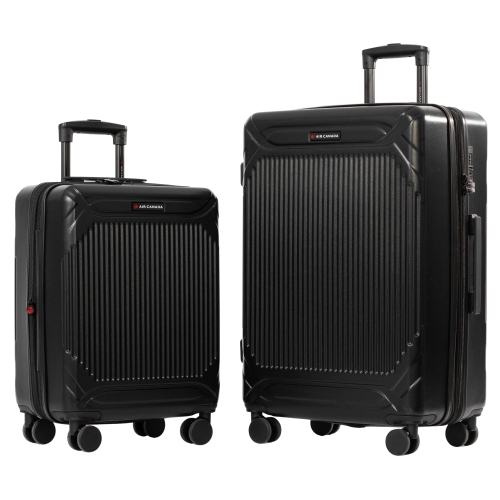
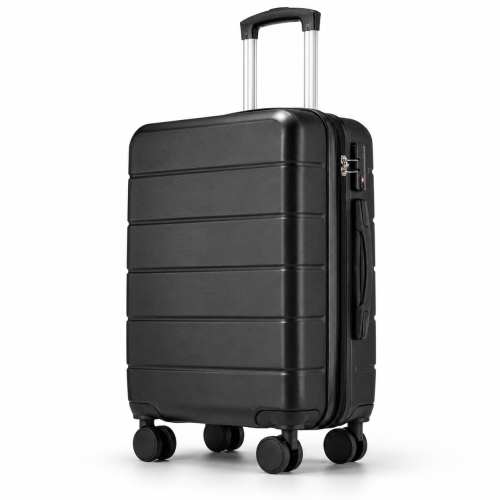
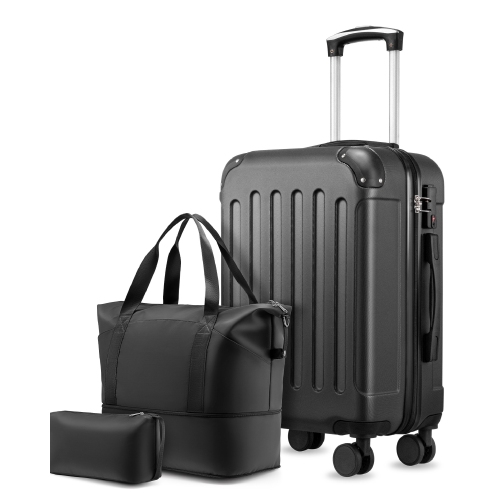
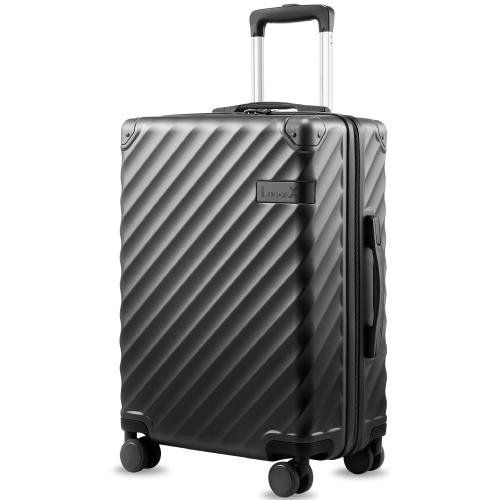
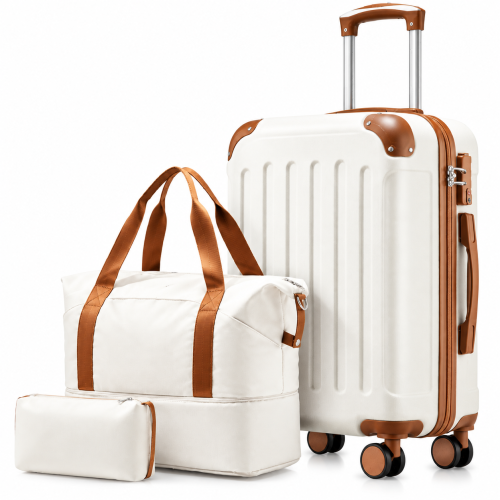
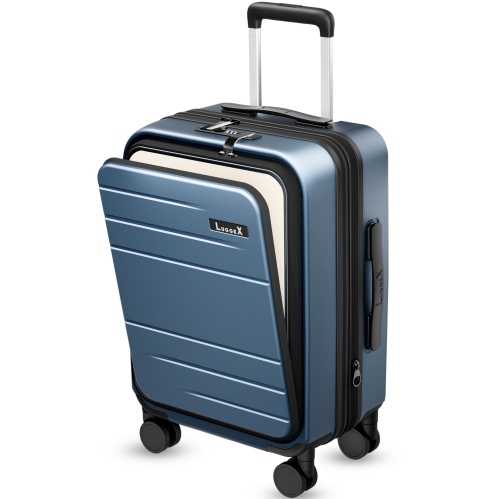
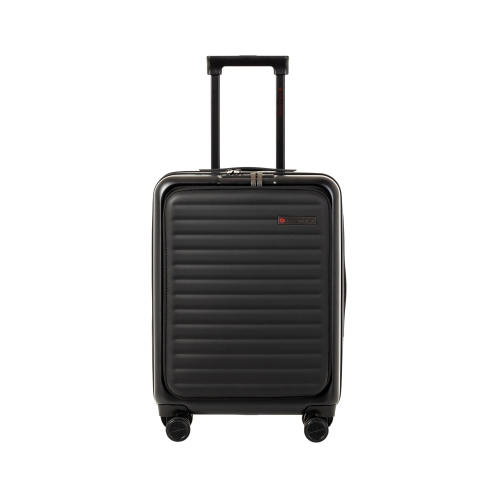
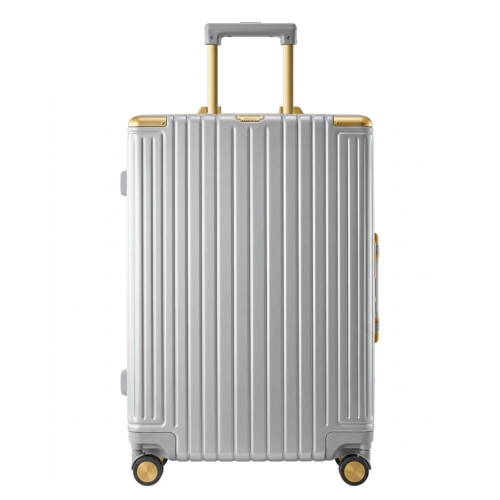
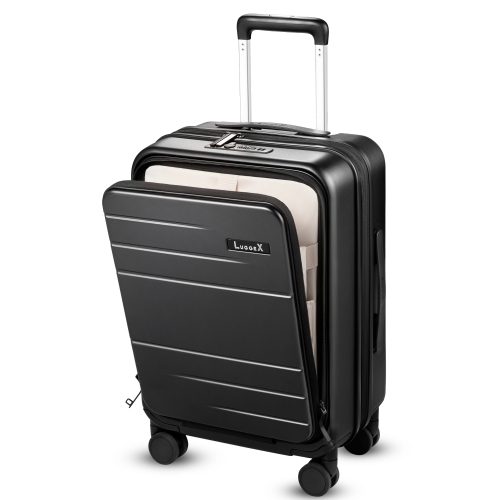
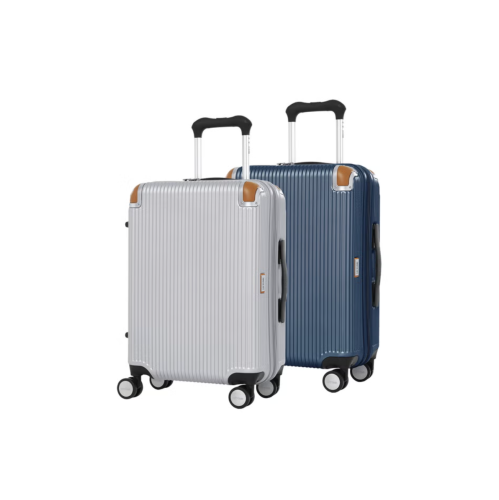
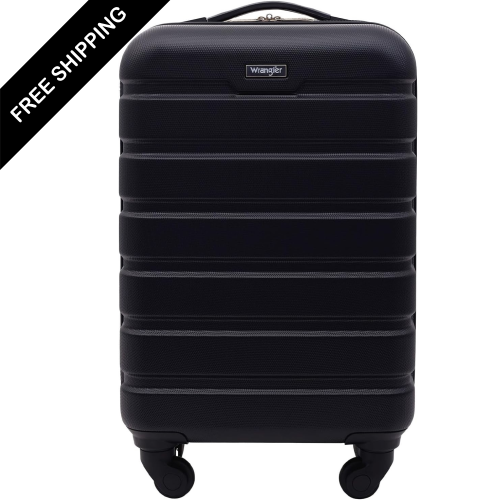
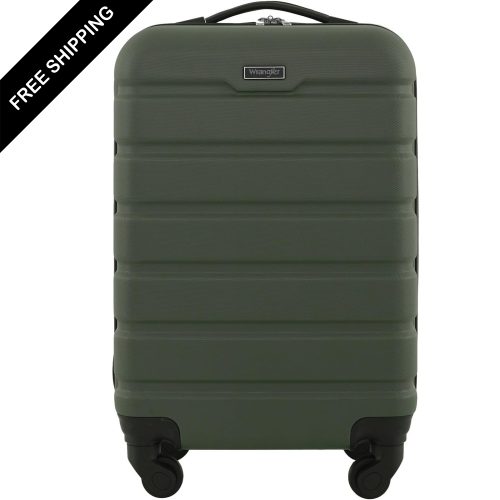
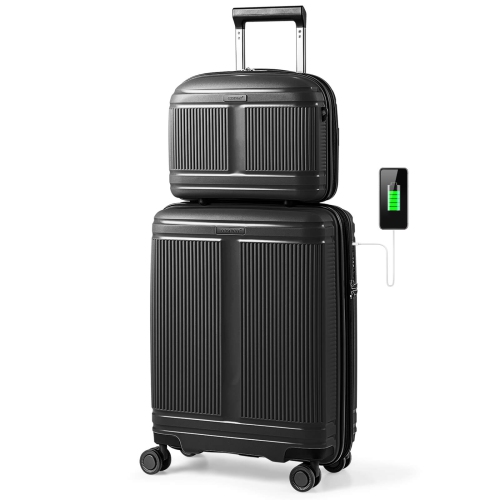
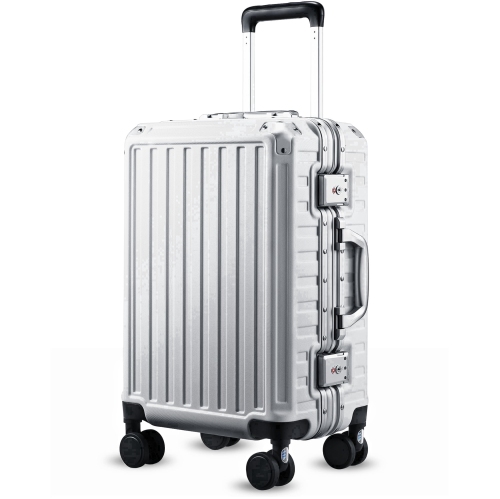
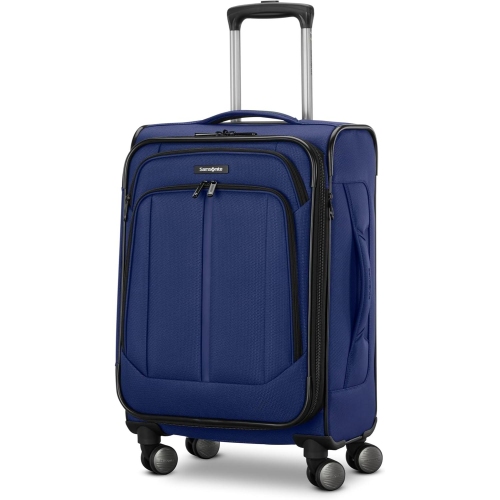
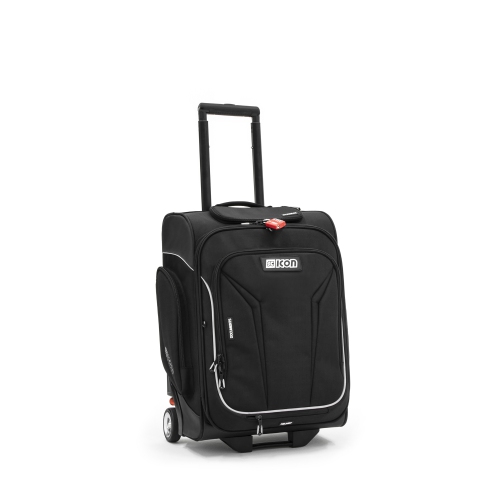
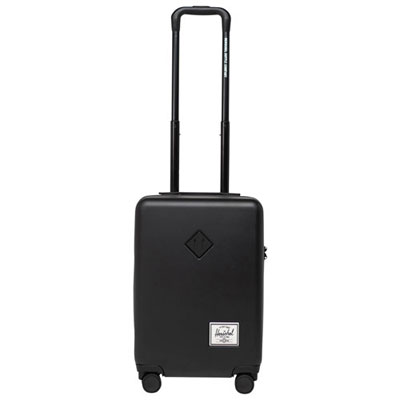
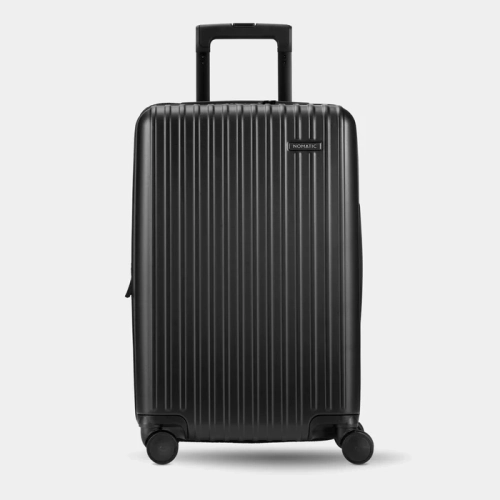
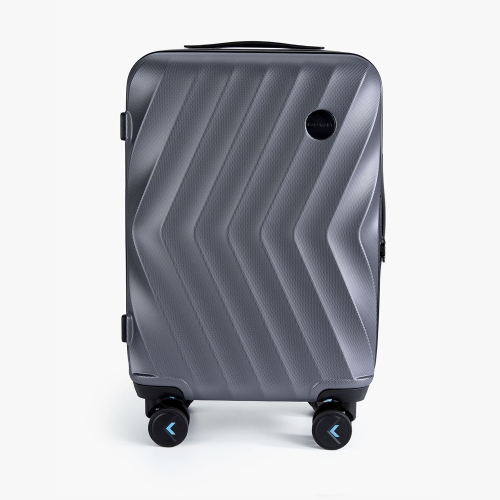
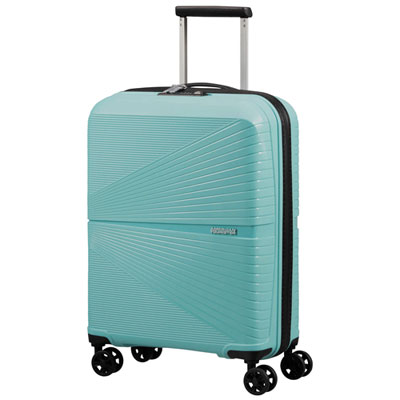
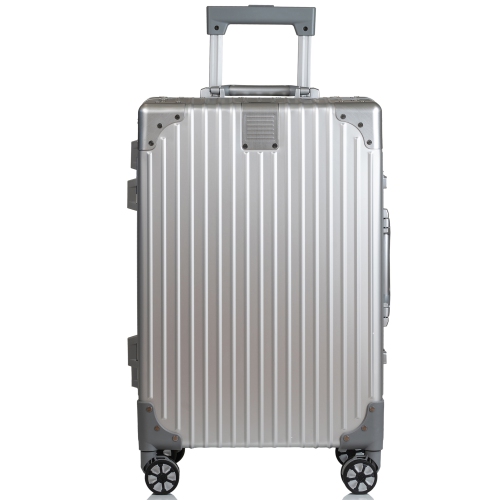
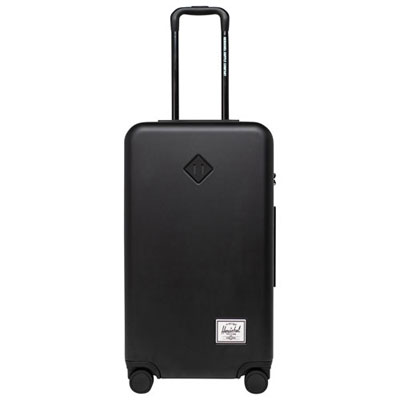
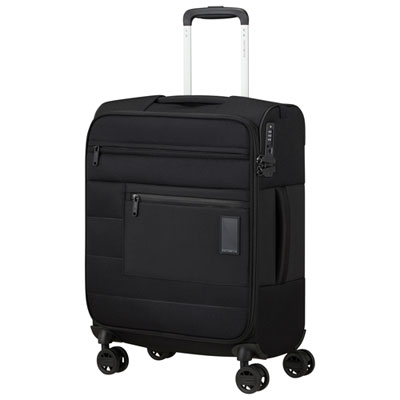
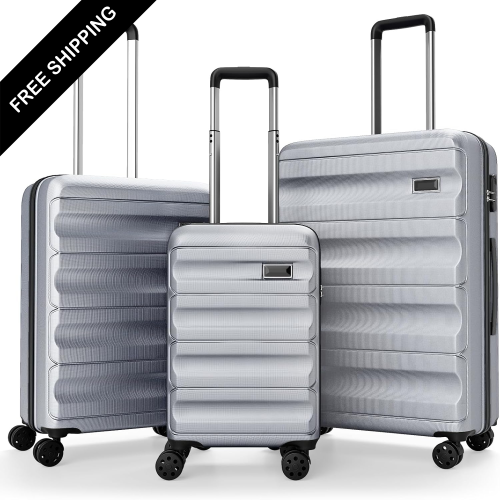
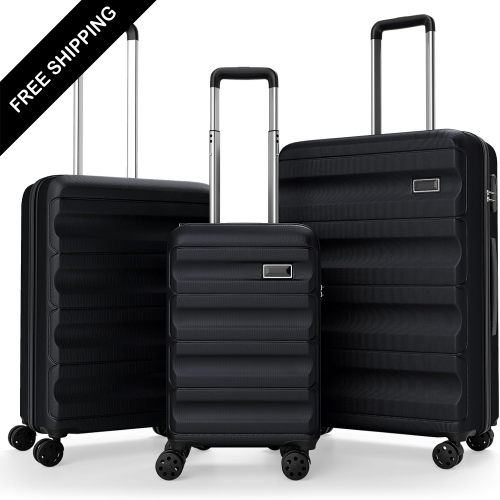
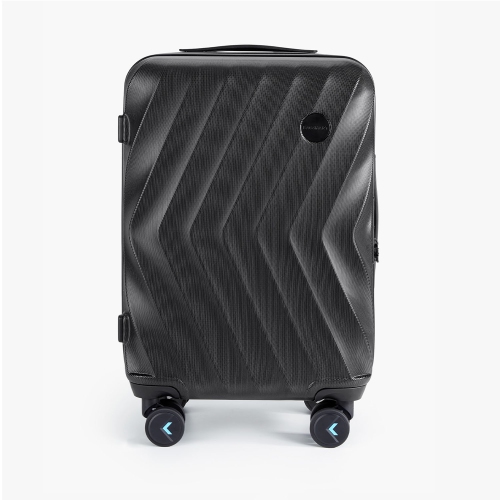
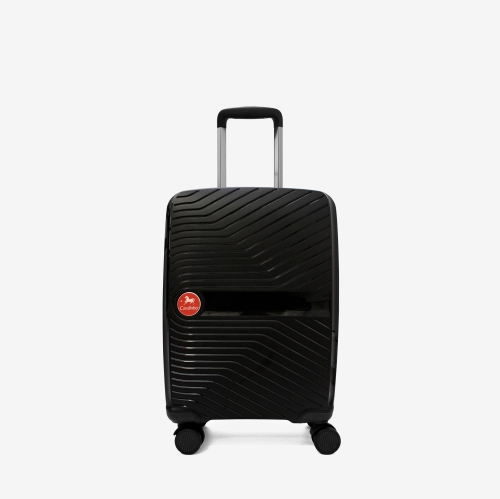
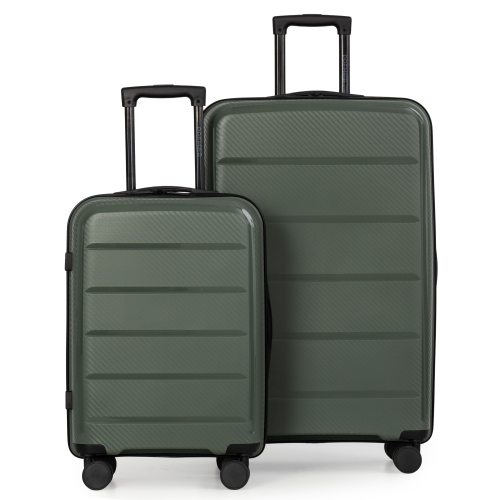
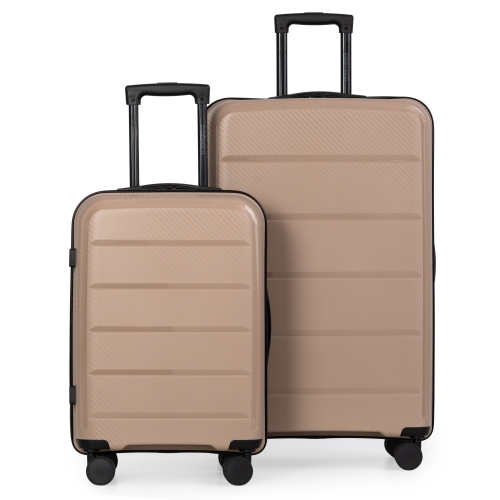
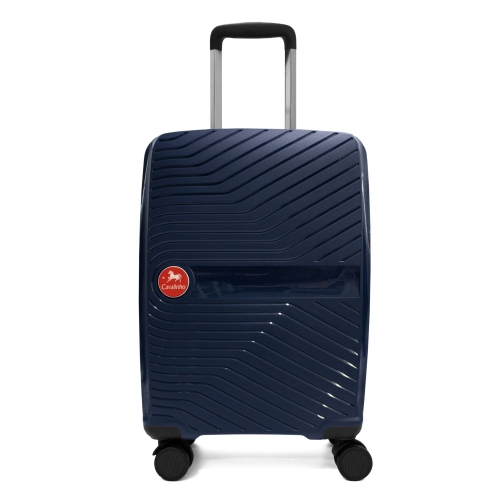
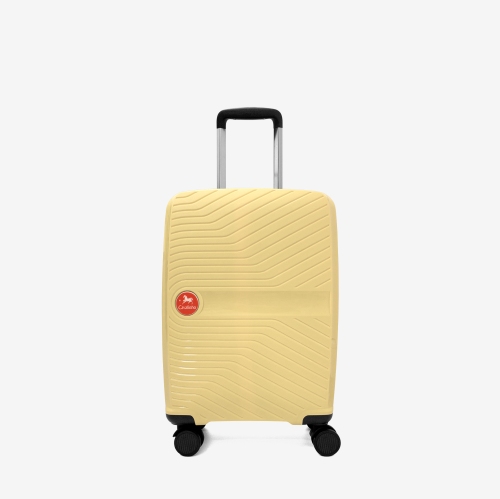
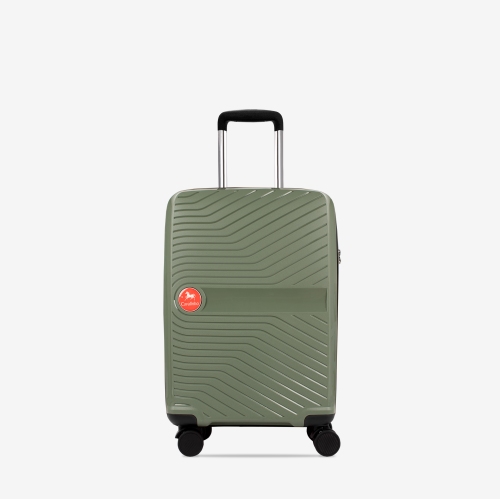
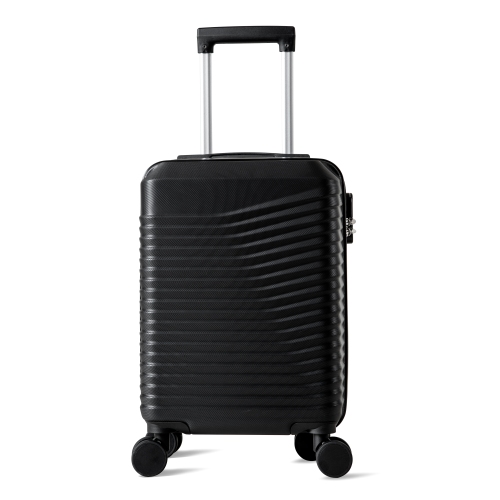
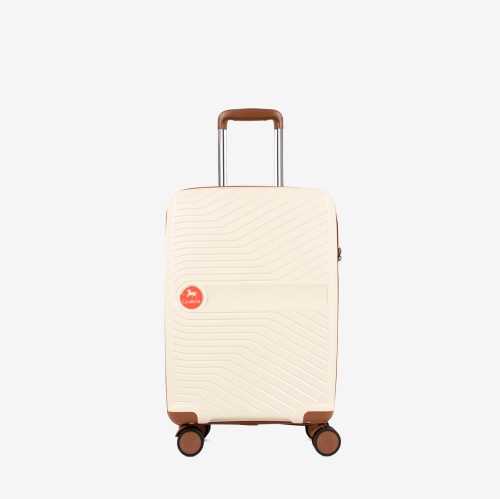
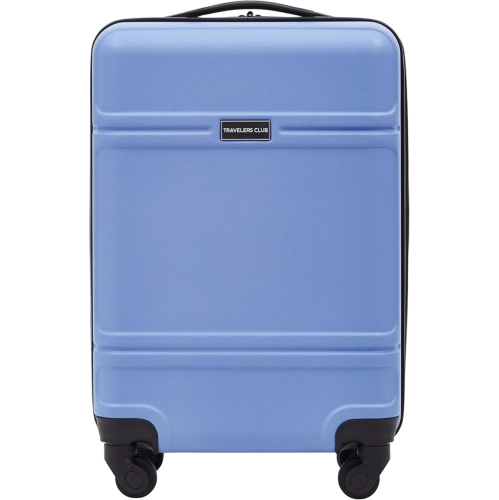
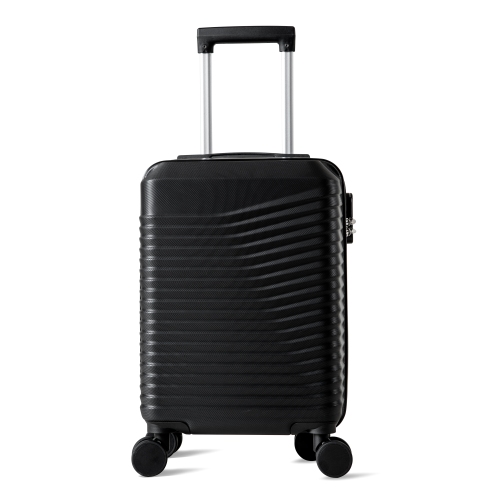
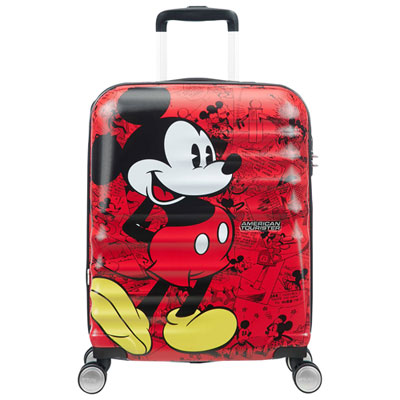
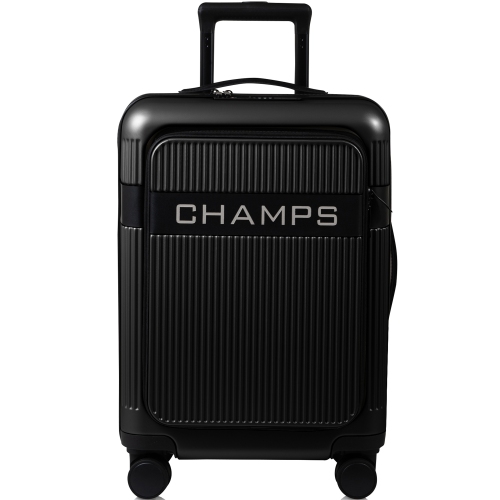
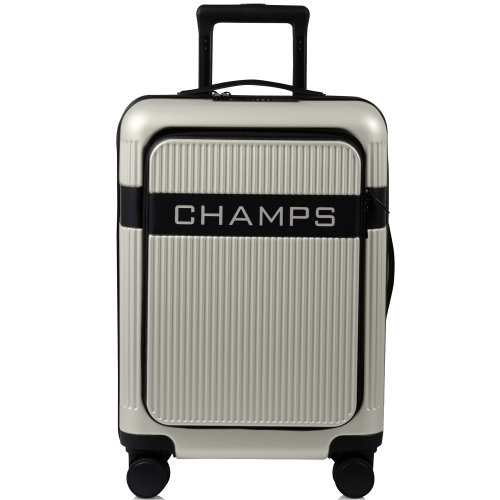
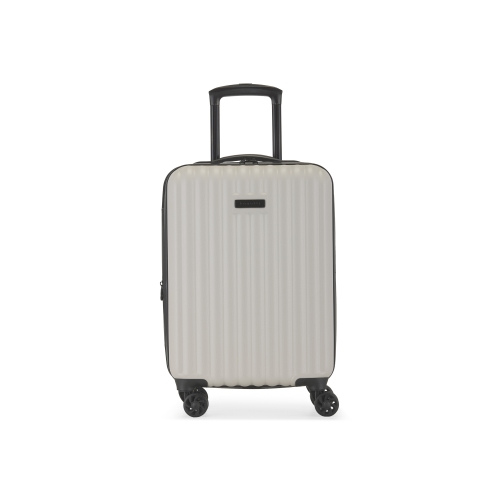
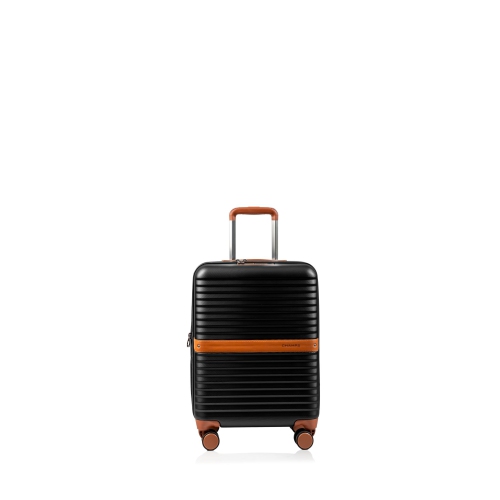
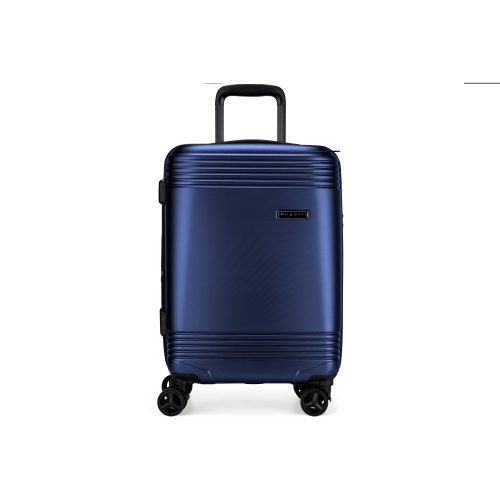
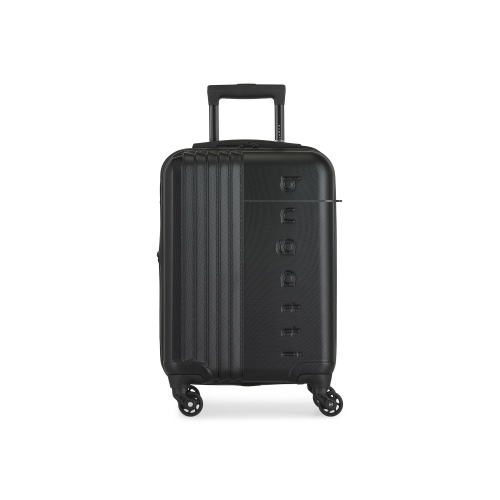
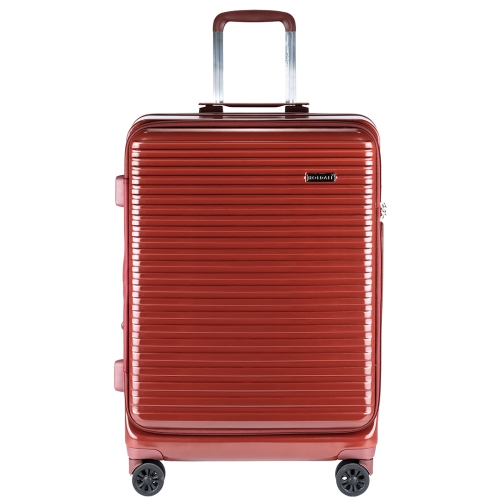
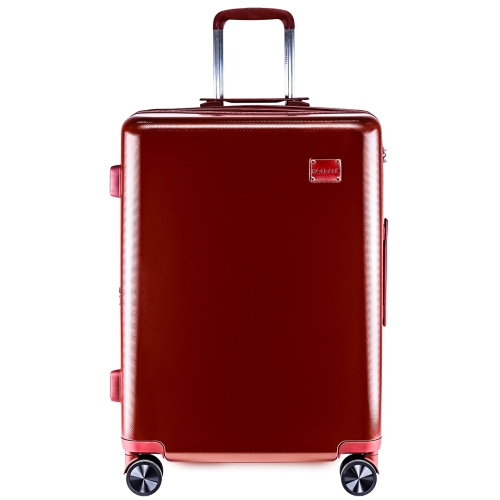
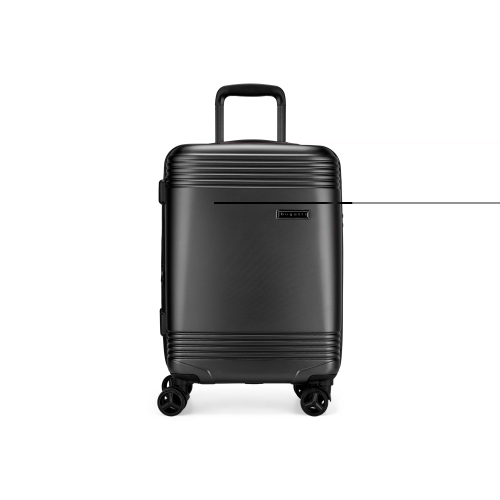
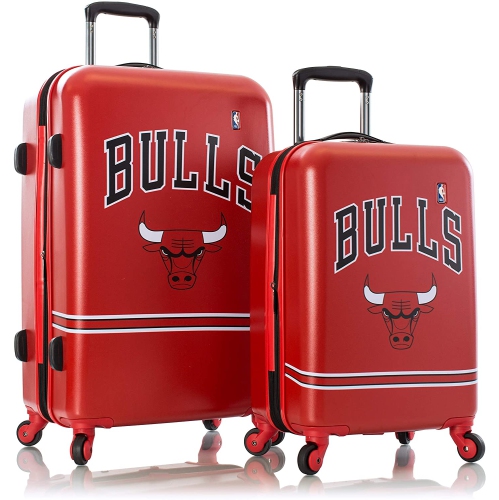
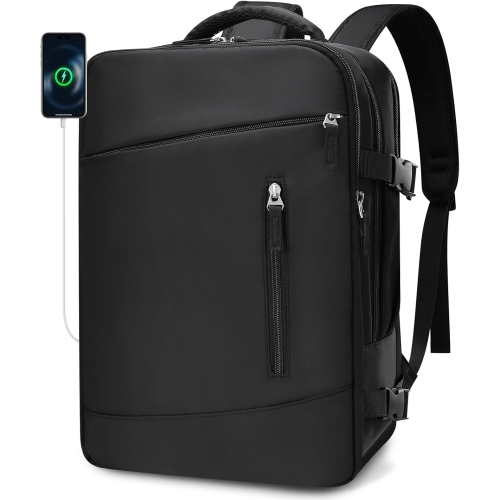
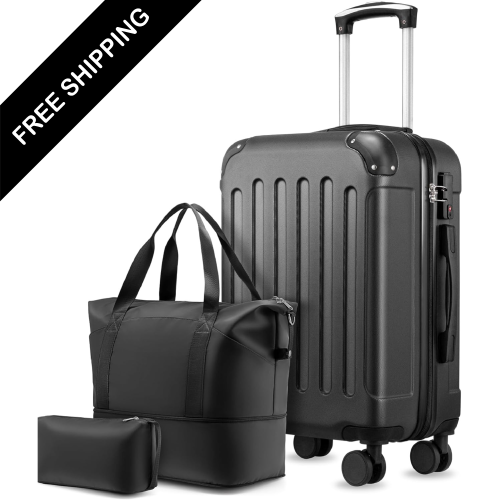
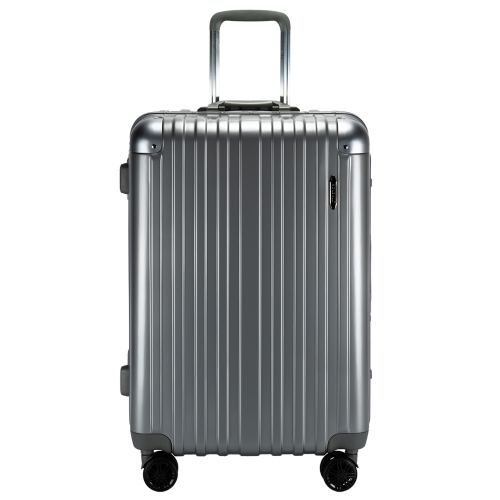
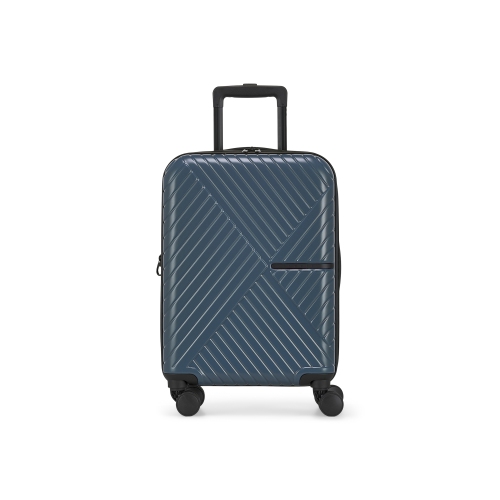
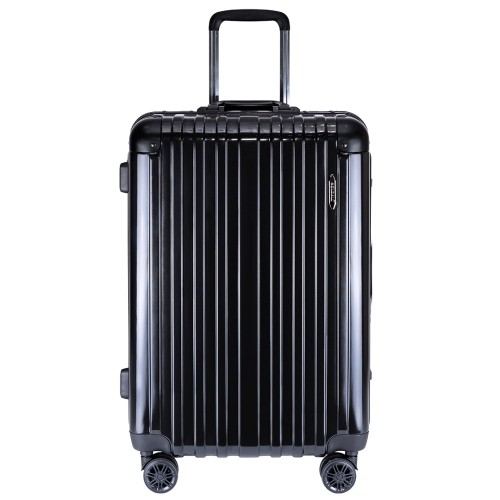
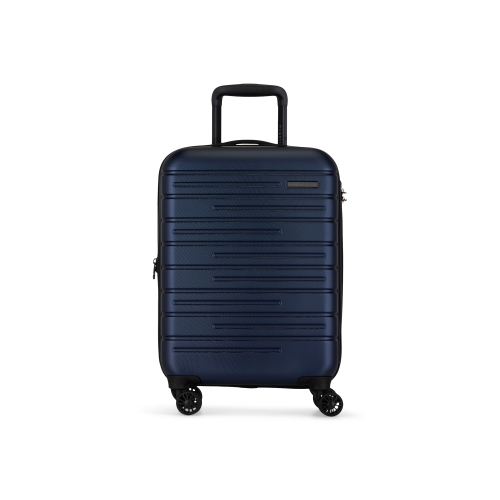
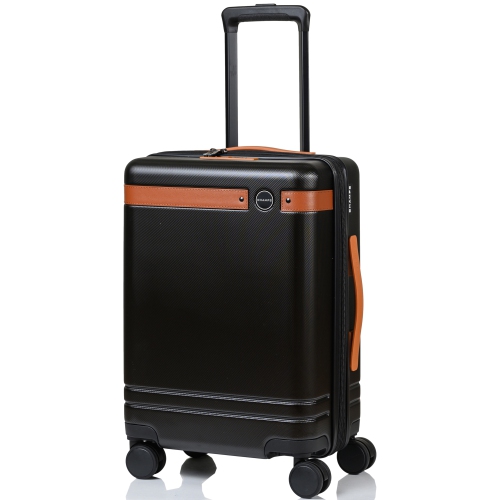
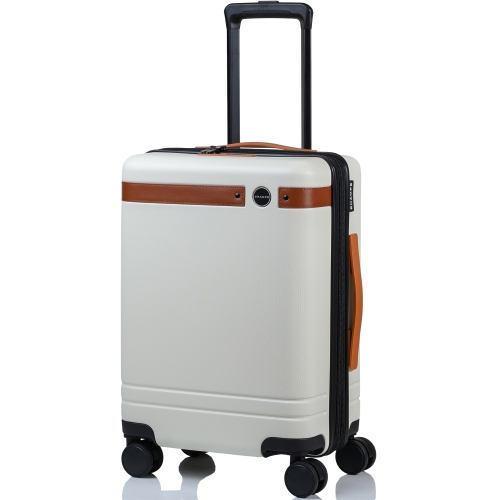
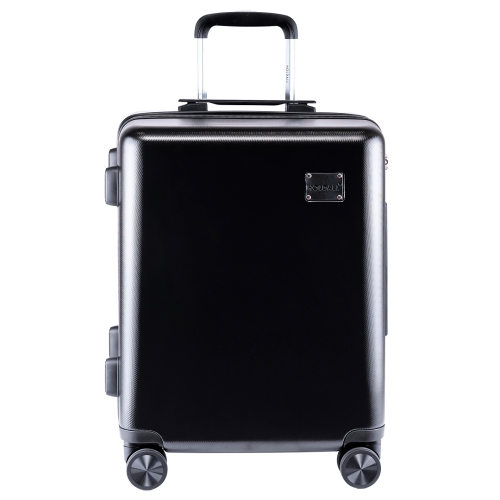
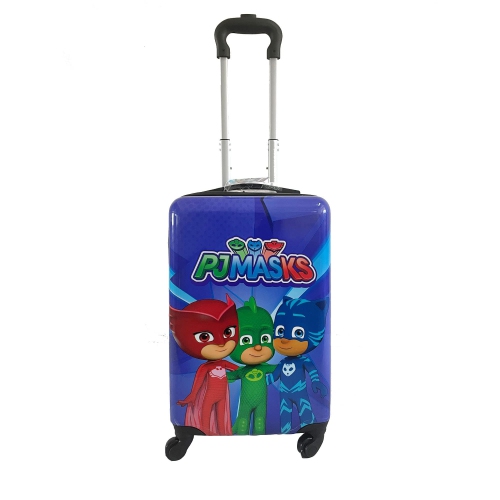
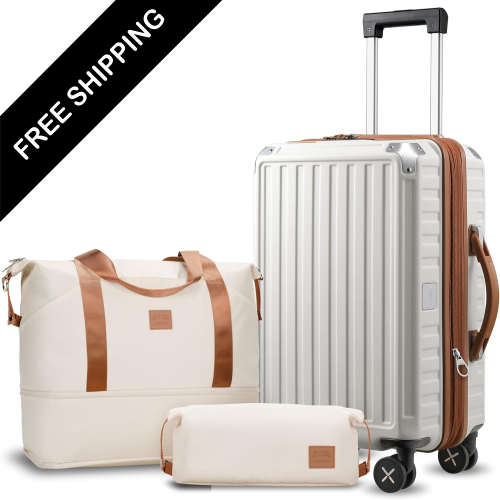
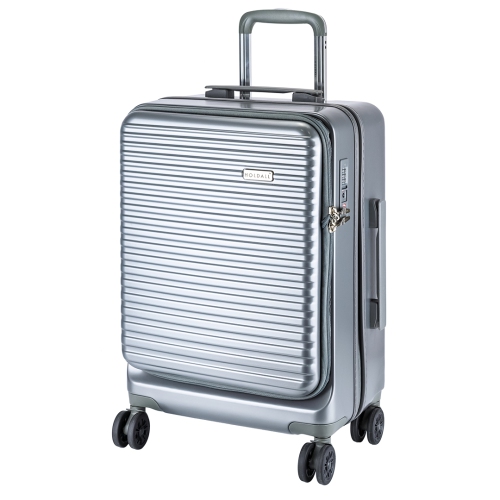
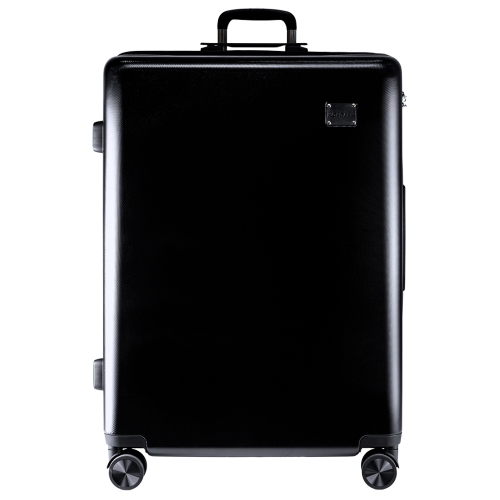
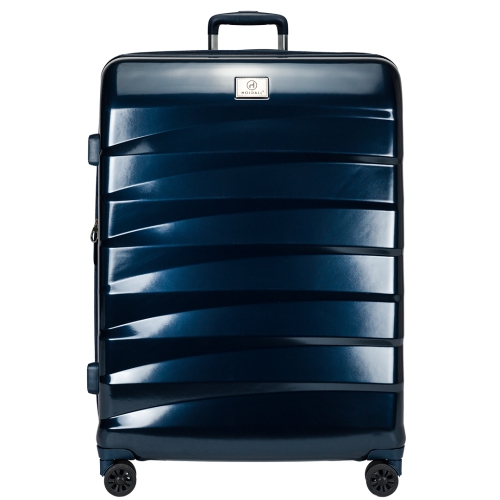
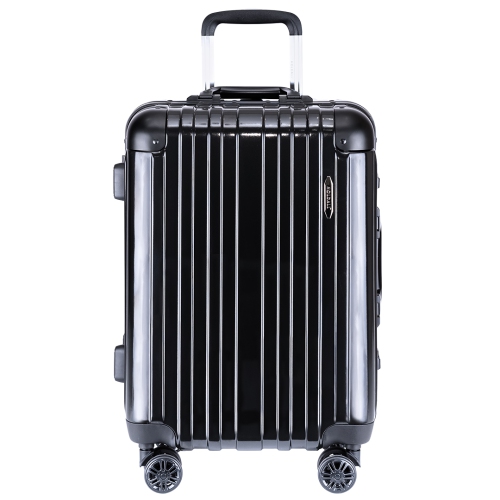
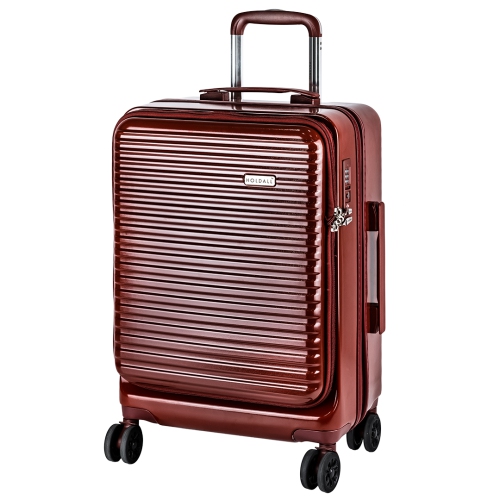
A common carry-on luggage size is 22 x 14 x 9 inches (approximately 56 x 36 x 23 cm), including wheels, handles, feet and other protruding parts. This is a useful reference, not a universal airline allowance: permitted dimensions and weight vary by carrier, route, aircraft and fare type. Carry-on luggage with clearly stated overall measurements makes it easier to compare a suitcase with the requirements for a particular trip. The distinction between case dimensions and total exterior dimensions matters, since measurements for the main compartment alone may leave out the wheels or top handle. Similarly, a description such as 20-inch or 22-inch usually refers to one measurement and does not establish whether all three dimensions meet an airline’s limits. Height, width and depth each need to fit the applicable allowance; a shorter case can still be too wide or too deep. Soft exterior pockets and expansion panels also affect the final shape once the bag is packed. A suitcase that fits within the limit when empty may extend beyond it after an extra pair of shoes or a full front pocket has been added. For travellers taking connecting flights, the requirements of each operating airline matter, especially when a journey includes a smaller aircraft. Even luggage within the stated allowance may need to be checked at the gate when cabin space is limited. A personal item is a separate category, generally intended to fit beneath the seat, and should not be treated as interchangeable with an overhead-bin suitcase. Some fares also restrict whether a larger cabin bag is included. These distinctions make accurately sized luggage particularly useful for short business trips, weekend visits and longer journeys where a compact case carries the essentials. The most practical fit balances the airline’s published measurements with enough usable interior space for the trip, rather than relying on a cabin-size label alone.
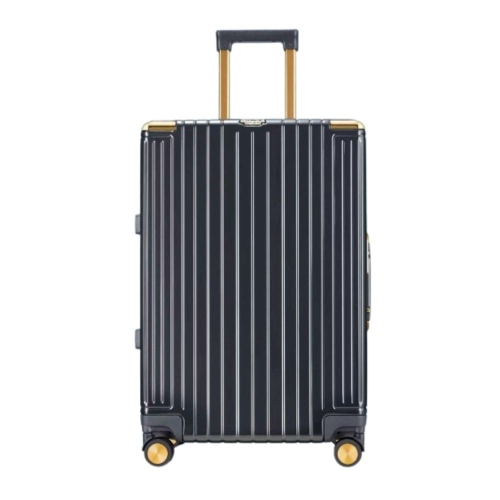
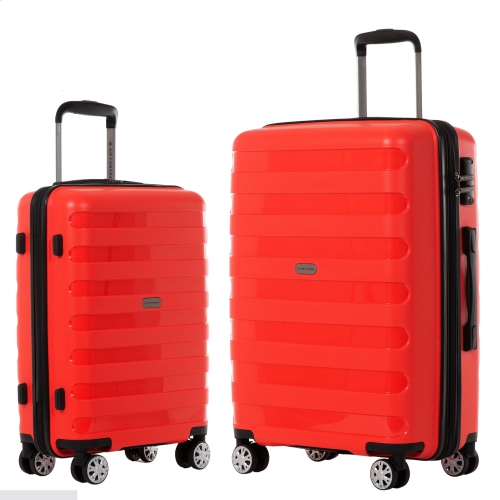
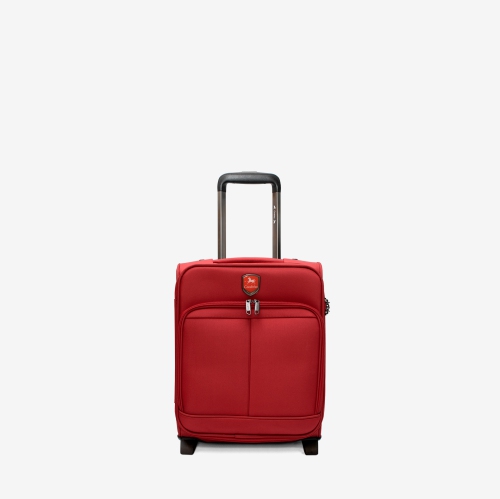
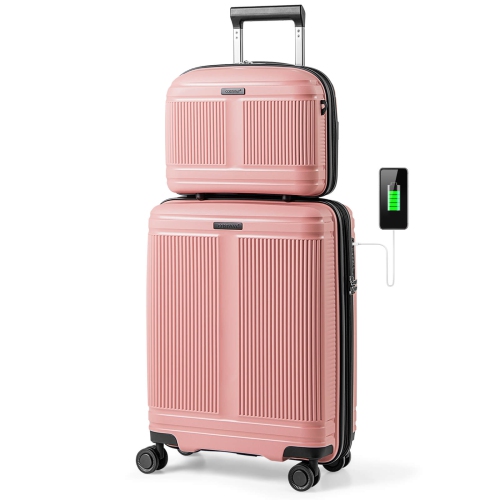
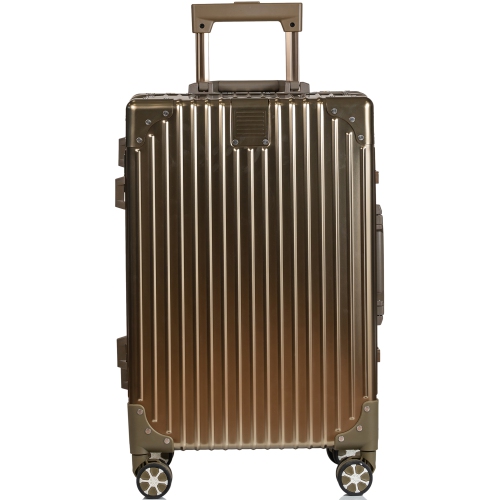
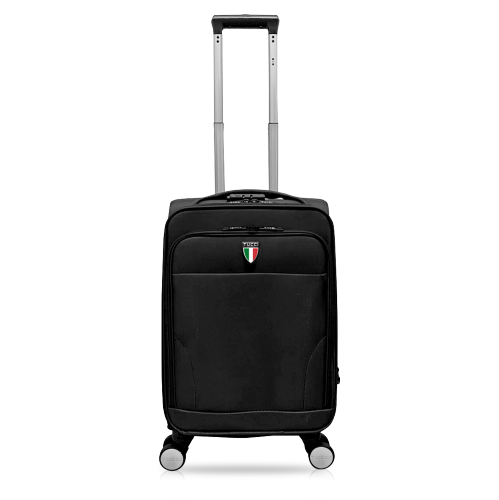
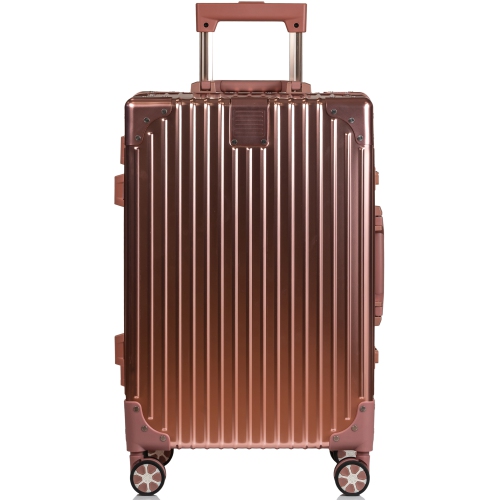
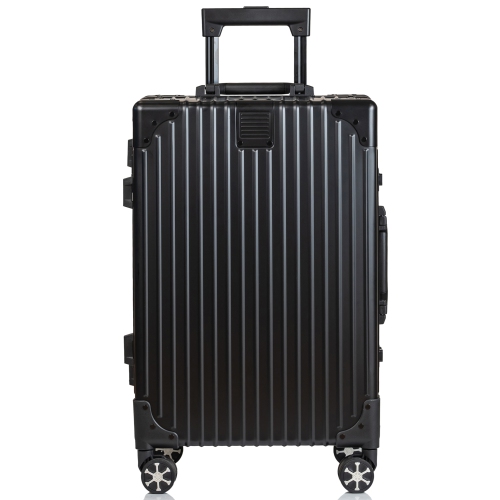
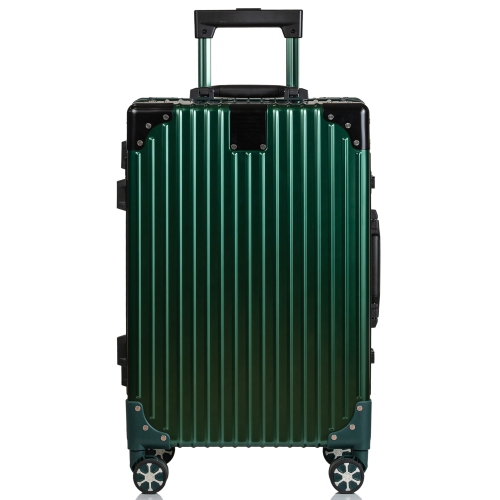
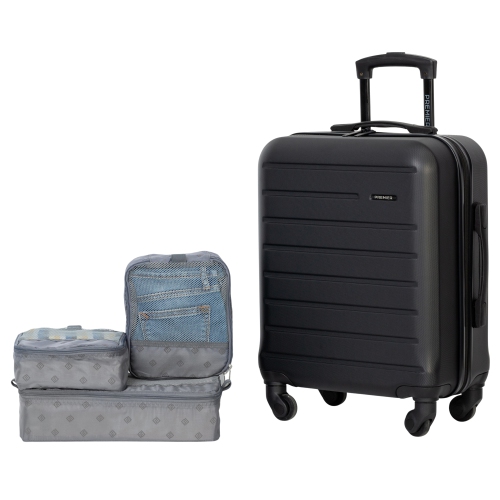
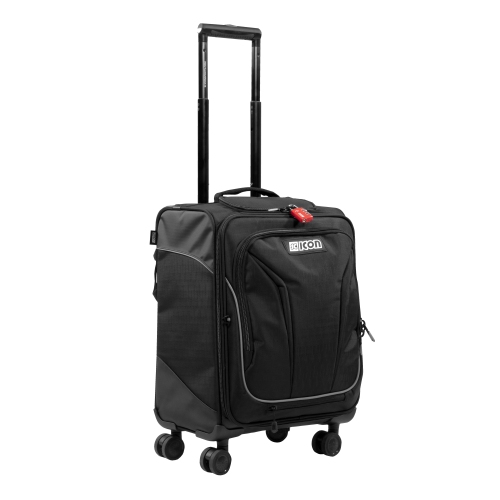
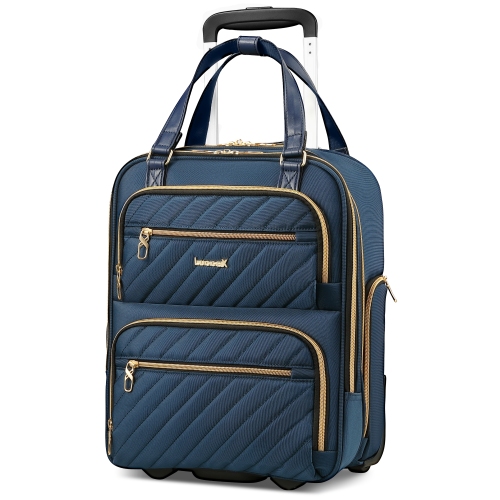
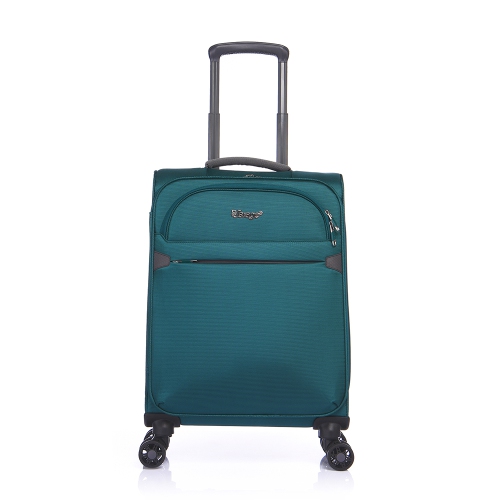
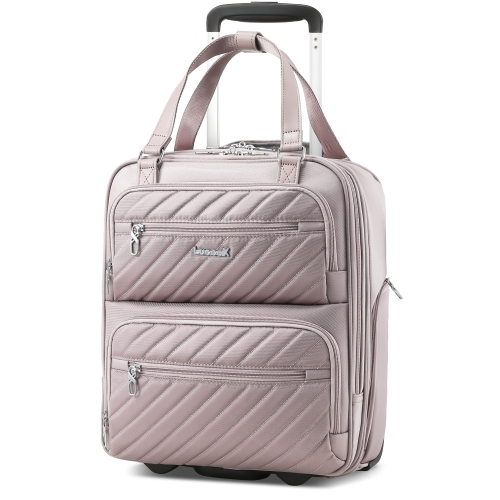
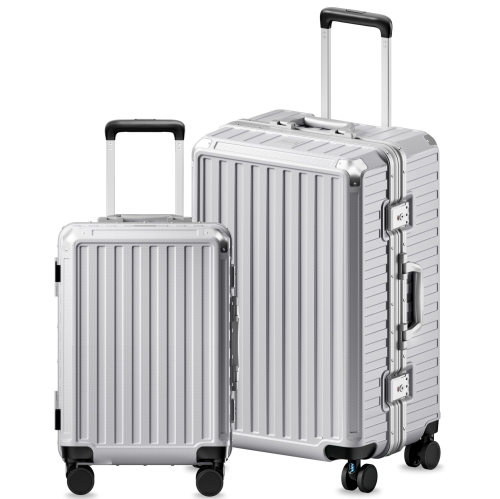
The way a carry-on is built determines how much of its exterior size becomes useful packing space. Wheel housings, telescopic handle channels, thick padding and curved corners can all reduce the room inside, even when two cases have similar overall measurements. A divided hard-shell interior often provides two distinct packing sections, while a soft-sided case may offer one deeper compartment with accessible outer pockets. Polycarbonate shells are generally valued for their balance of low weight and flexibility, while ABS shells tend to be more rigid; actual durability also depends on shell thickness, corner construction and assembly quality. Aluminium cases have a firm structure and a distinctive finish, though dents and surface marks can become part of their appearance with use. Soft-sided luggage made with nylon or polyester can provide flexible packing space, with resistance to abrasion depending on the fabric weave, backing and reinforcement. None of these materials makes every suitcase waterproof, and zips, seams and openings remain important points of exposure. For travellers who prefer to pull or push their case through terminals, Carry On Rolling Luggage brings wheel design and handle comfort into the size comparison. Four-wheel spinner designs can move upright beside the traveller on smooth floors, while two-wheel cases are pulled at an angle and may have more recessed wheel assemblies. Small wheels can catch at pavement joints or doorway thresholds, so wheel size and mounting strength matter beyond the terminal. A telescopic handle that locks securely at a comfortable height helps keep the case from knocking against the traveller’s heels. Top and side grab handles are equally useful when lifting luggage onto a train rack, into a vehicle or towards an overhead compartment. Empty weight also deserves attention: a lighter case leaves more of a carrier’s weight allowance for belongings, while a heavier design may offer structural features that suit frequent use. The right balance depends on how often the bag will be lifted, rolled and carried.
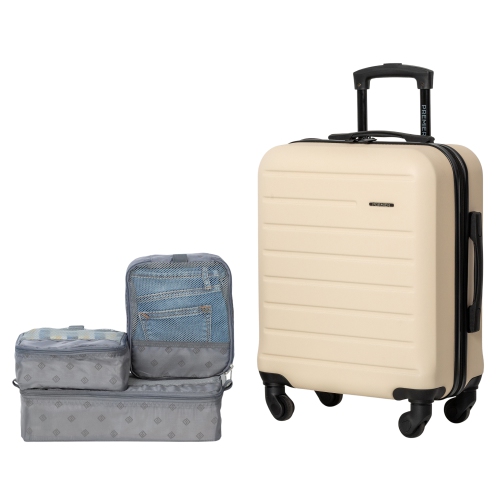
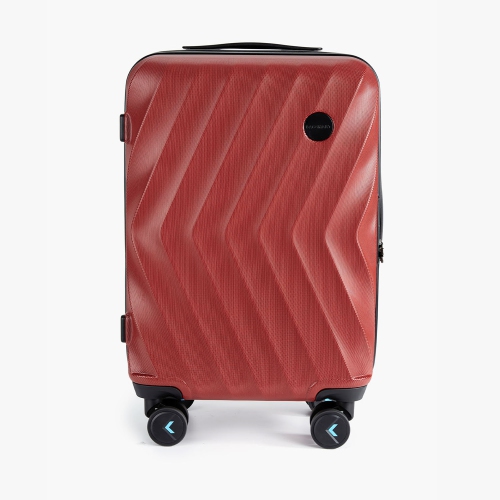
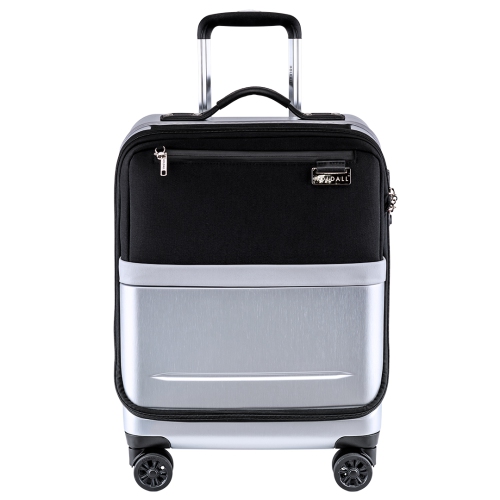
Inside a compact suitcase, thoughtful organization can matter as much as nominal capacity. Compression straps help keep folded clothing in place, zipped dividers separate the two halves of a clamshell case, and smaller compartments keep charging cables or travel accessories from settling at the bottom. Packing cubes can make a short stay easier to manage, although their combined size still needs to suit the case’s interior. Dedicated laptop storage is useful for business travel, but padding and a front access panel take up space and add weight. A fully packed front compartment may also change the bag’s depth. For someone moving between a station, hotel and meeting, easy access to documents may be more valuable than an extra internal divider. For a family visit, a deep main compartment may better accommodate clothing and a separate shoe bag. Carry-on luggage can also make a practical gift for a student travelling between home and school, someone starting a role with regular work trips, or a traveller replacing a cumbersome case. Their usual airline, lifting comfort and preference for a split or deep-compartment layout are more useful starting points than appearance alone, although a distinctive colour can help identify the bag. Lasting performance comes from details such as secure stitching around handles, reinforced corners, smoothly running zips and firmly mounted wheels. Care is usually straightforward when it follows the manufacturer’s directions: shells can often be wiped with a soft damp cloth, while fabric sections may need gentle spot cleaning. Harsh cleaners can damage finishes or coatings. Hair and grit caught around wheel axles can interfere with rolling, and overpacking puts unnecessary strain on zips and seams. Letting the lining dry completely before storage helps keep the interior fresh. A carry-on that holds its shape, rolls smoothly and stays within the required packed dimensions can remain a dependable companion across many different trips.
Top selling and popular products
-
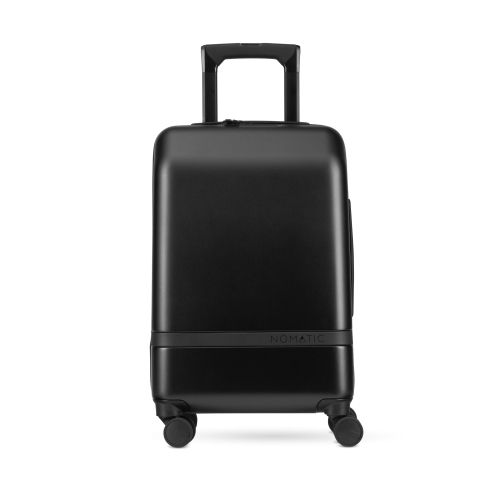 Your price for this item is $559.99
-
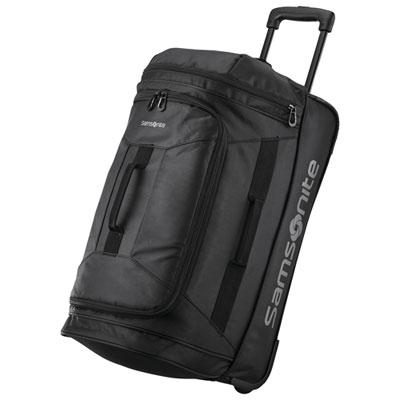 Your price for this item is $109.99
-
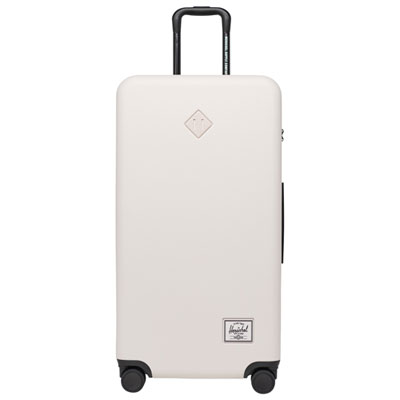 Your price for this item is $424.99
-
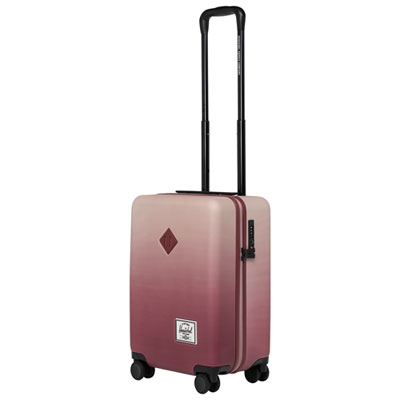 Your price for this item is $275.99
-
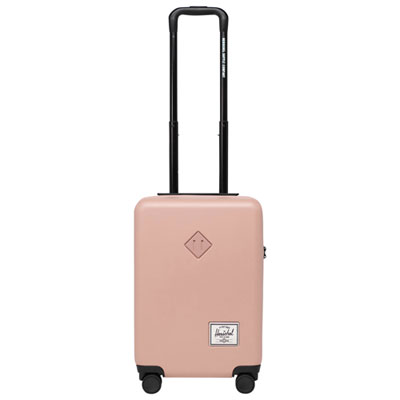 Your price for this item is $274.99
-
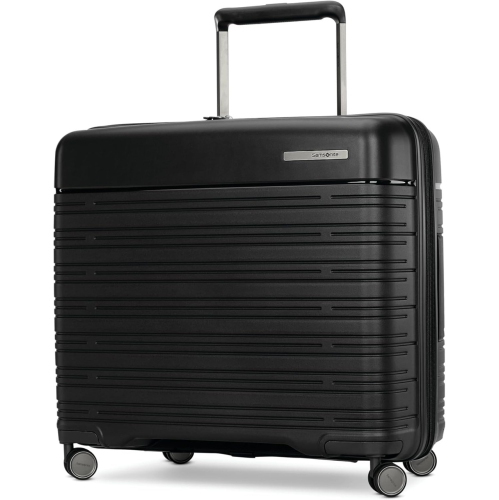 Your price for this item is $399.99
-
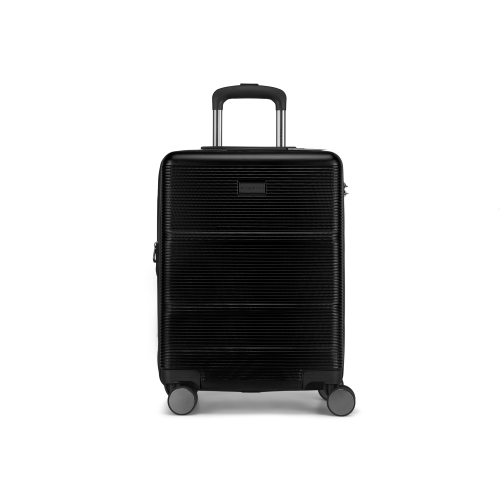 Your price for this item is $89.99
-
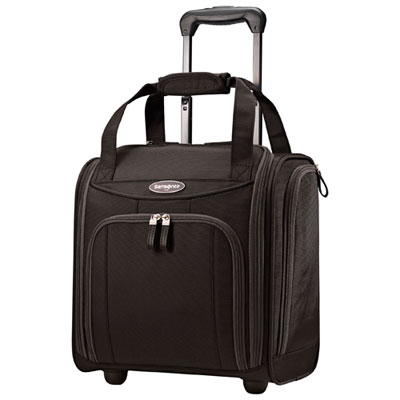 Your price for this item is $154.99
Discover more categories related to Carry On Dimensions Luggage

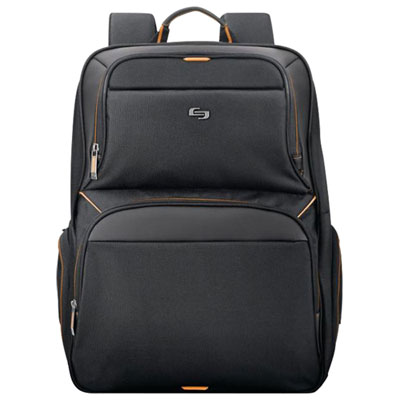
Top Collections:
Pokemon Centers, Best Cameras for Sports Photography, Kindle Devices, Samsung Galaxy Phones, Canon G7X Cameras, Pokémon 30th Celebration Cards, Refurbished Apple Laptops, iPhone 15 Apple, Laptops for Students, Budget Smartphones
Some products may be subject to Environmental Handling Fees
(EHF) depending on your province.
Learn more about EHFs.